Plate Flanges
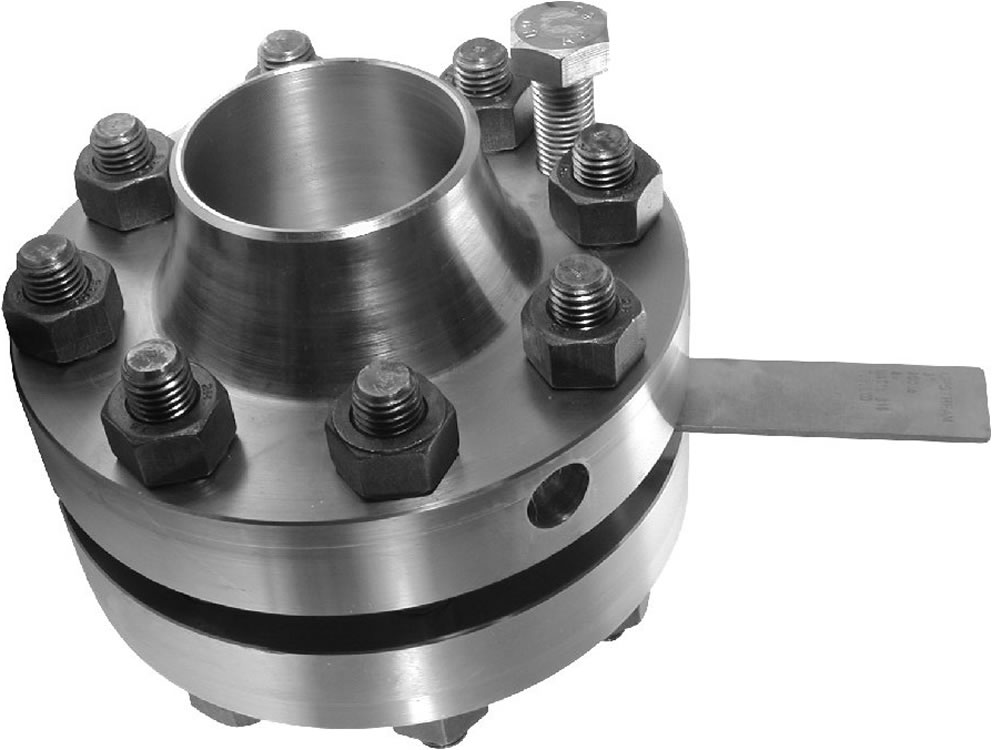
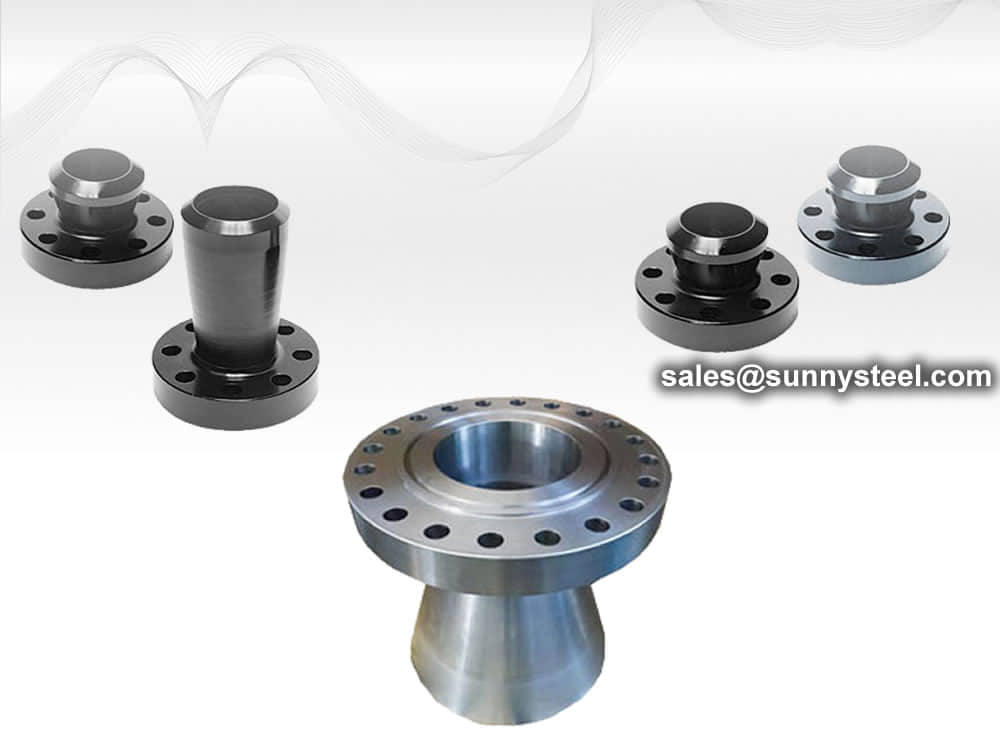
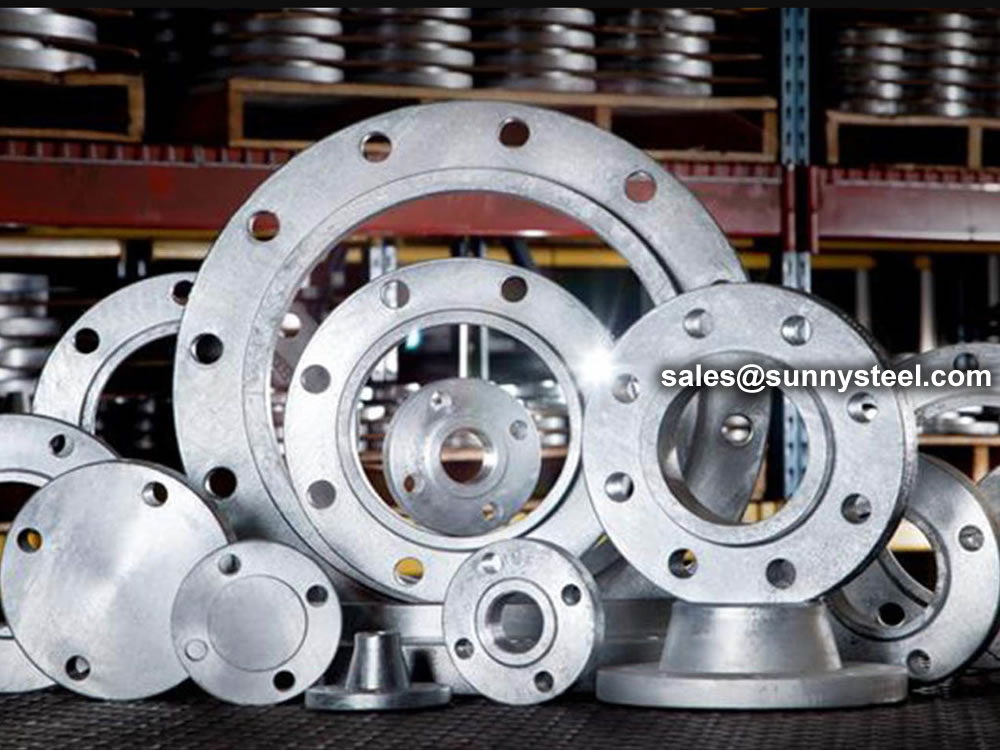
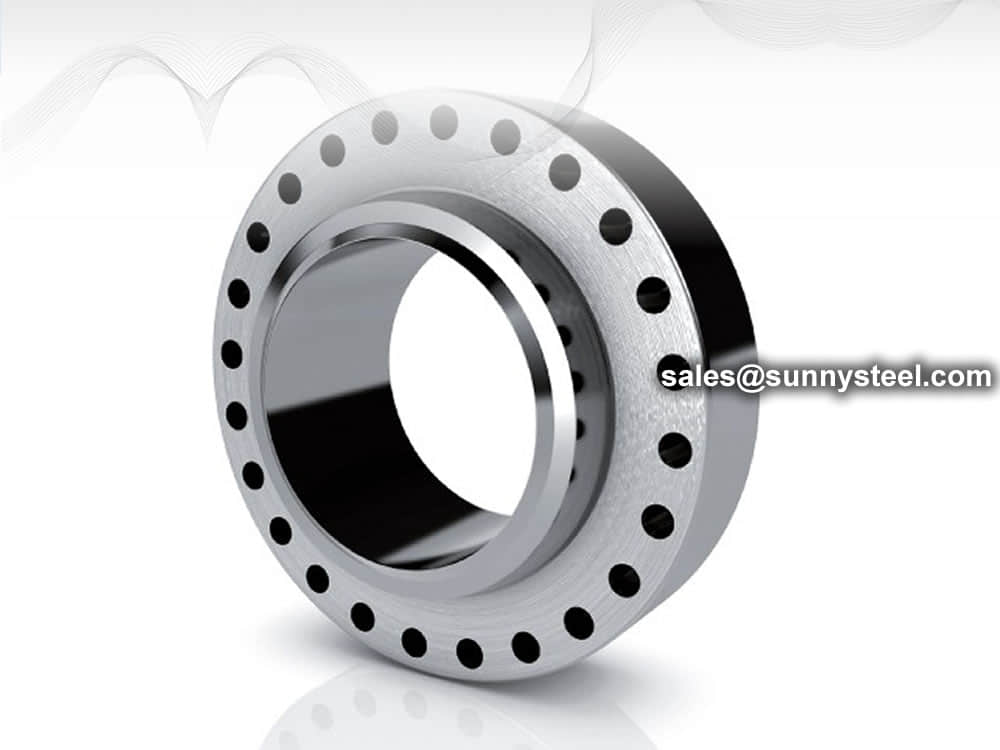
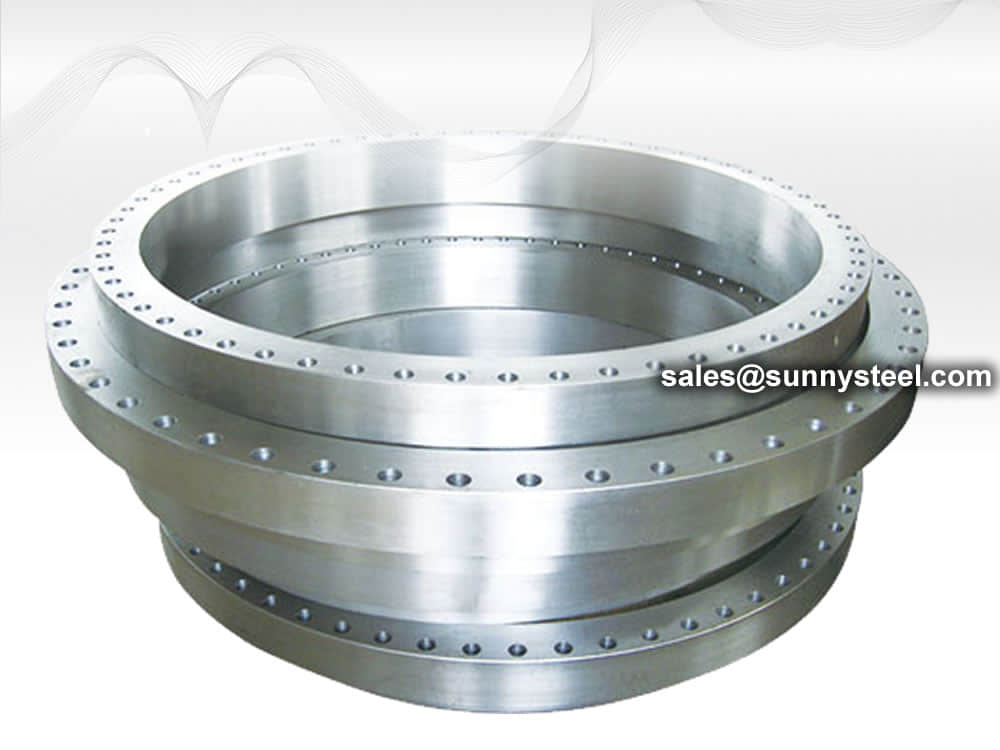
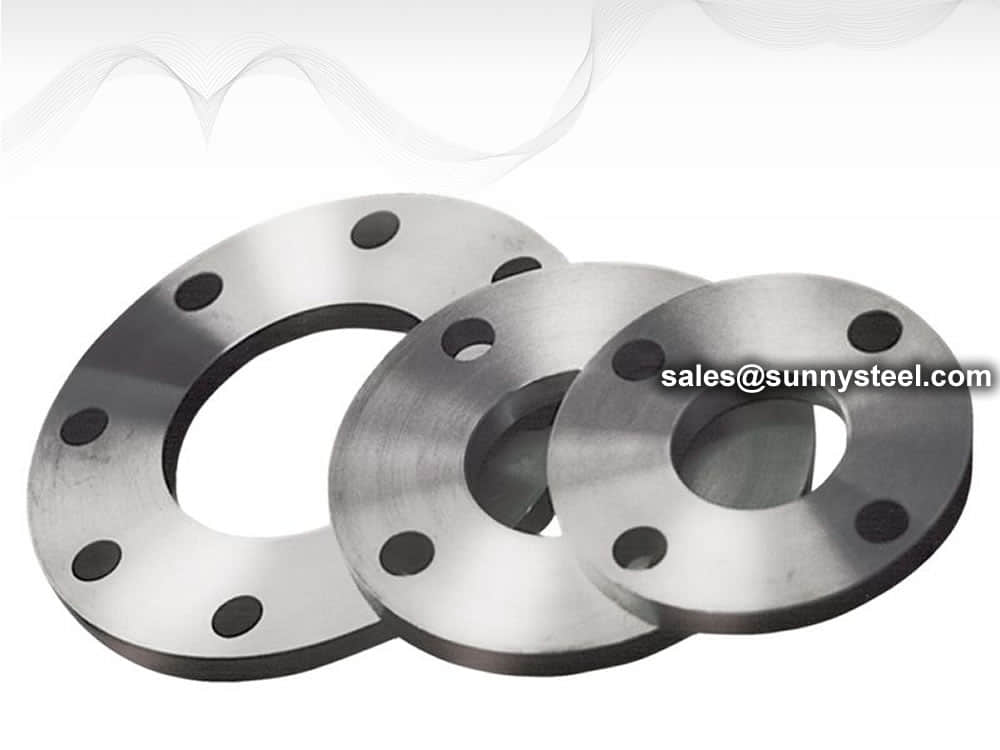
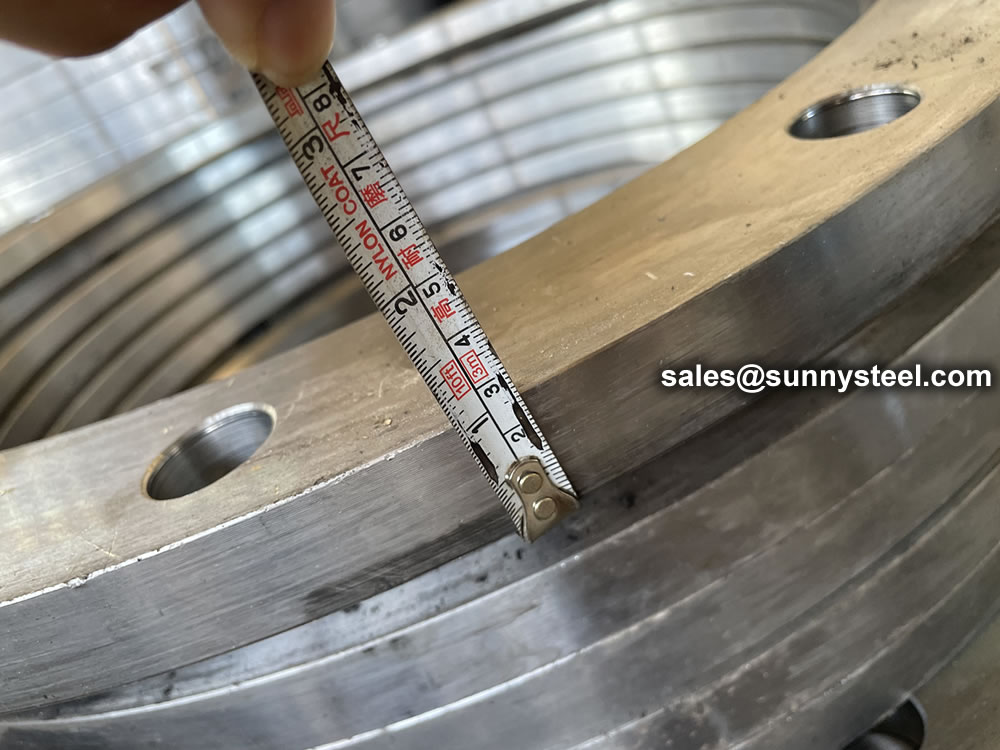
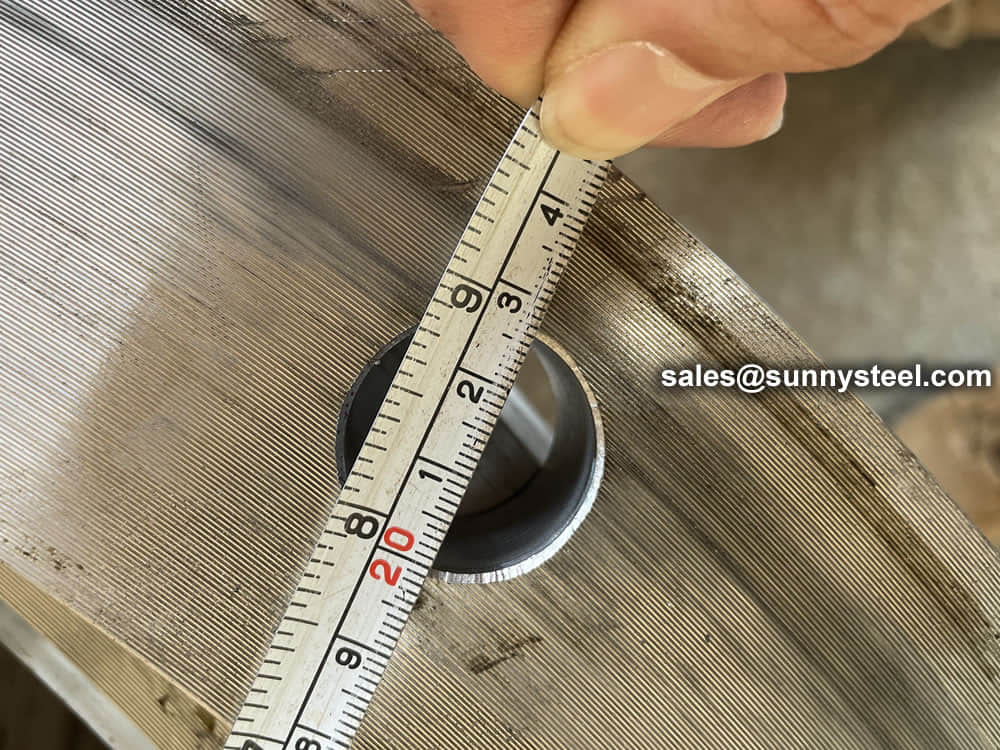
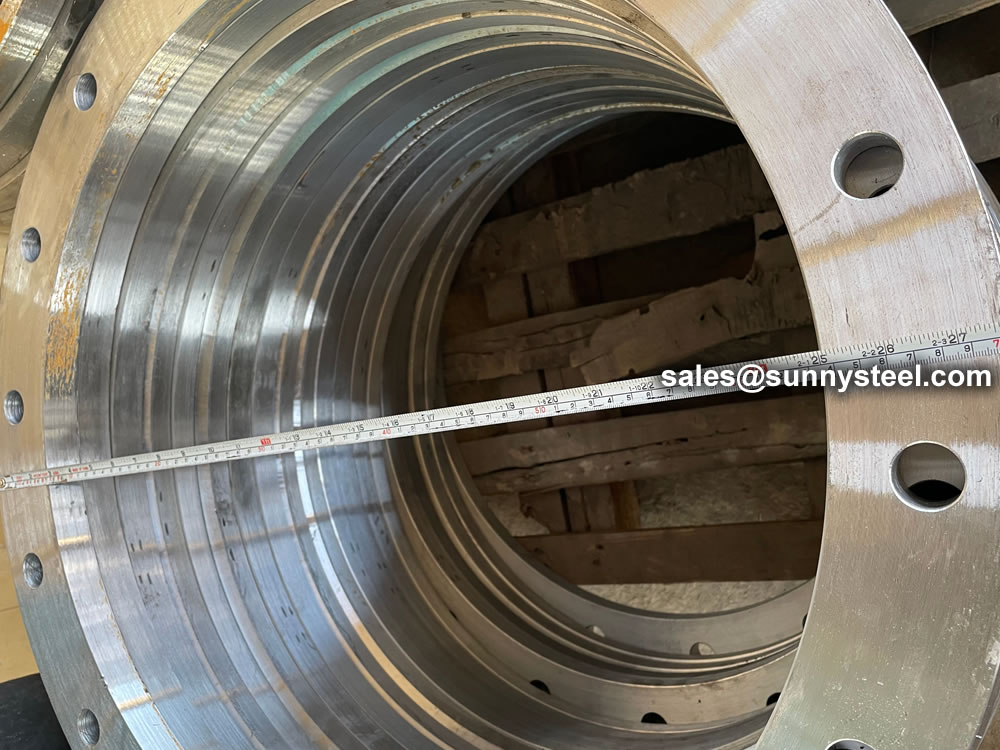
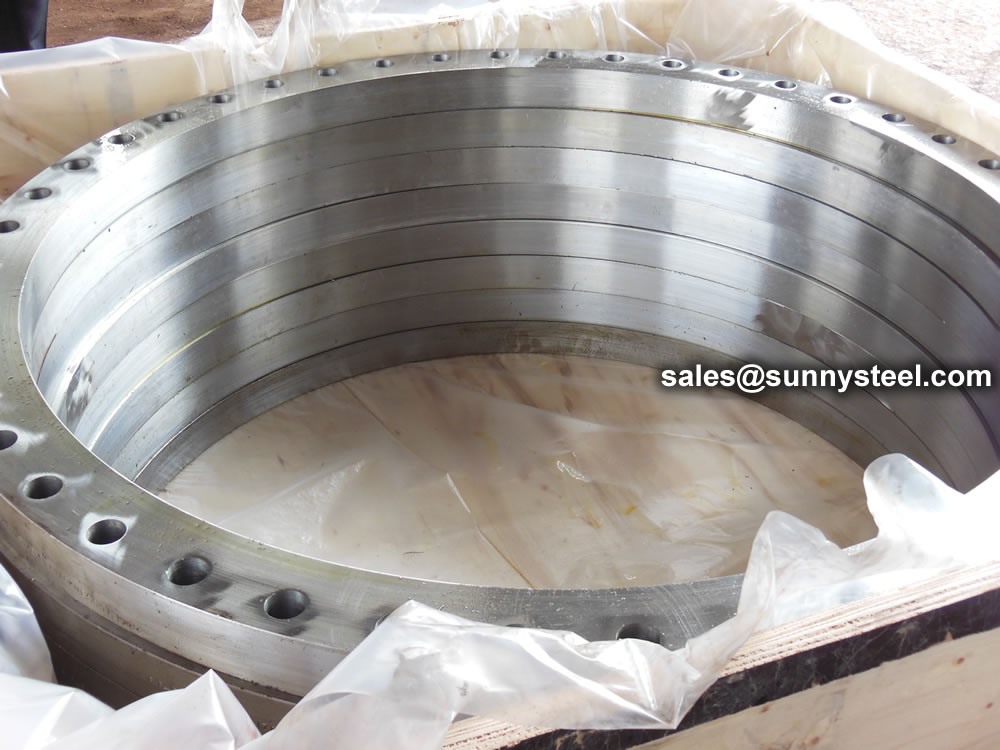
A plate flange is a type of flange that is made from a solid piece of plate material, such as steel or stainless steel.
Carbon steel flanges are the most common pipe connectors, offering high strength, good weldability and competitive price for general to high pressure systems.
Carbon steel flanges are a type of piping component used to connect pipes or other equipment in various industries. They are made from carbon steel, which is an alloy composed primarily of iron and carbon. Carbon steel flanges are known for their strength, durability, and affordability.
Carbon steel flanges are commonly used in industries such as oil and gas, chemical processing, and water treatment, where strength and toughness are important considerations. The choice of carbon steel grade depends on several factors, including the application, the environment, and the required performance characteristics.
Overall, carbon steel flanges are an essential component of industrial piping systems, providing a means to connect pipes and other equipment components in a secure and leak-proof manner.
Carbon steel pipe flanges usually adopt mild steel or low carbon steel, as it includes small percentage of carbon, strong and tough but not readily tempered. Which with lower cost and material could be used for many applications.
Carbon steel flanges are essential components in various industrial applications due to their strength, durability, and versatility. These flanges are used to connect pipes, valves, pumps, and other equipment, forming a secure and reliable piping system. The material used in these flanges, carbon steel, is valued for its high strength-to-weight ratio and ability to withstand high pressures and temperatures.
Common standards include ASTM A694, ASTM A105N (SA105N), MSS SP-44, DIN 2533. Accompanying pressure ratings are from class 150 to 2500.
Carbon steel is a steel with carbon content up to 2.1% by weight. Where in AISI defines:
As carbon element content increases, the steel will become harder and stronger after heat treatment. On the contrary, it become less ductile. Where if without heat treatment, higher carbon will reduce weldability.
Carbon steel may include alloy steels in case it is not used as stainless steel.
Carbon steel flanges are widely used across various industries due to their adaptability and reliability. Common applications include:
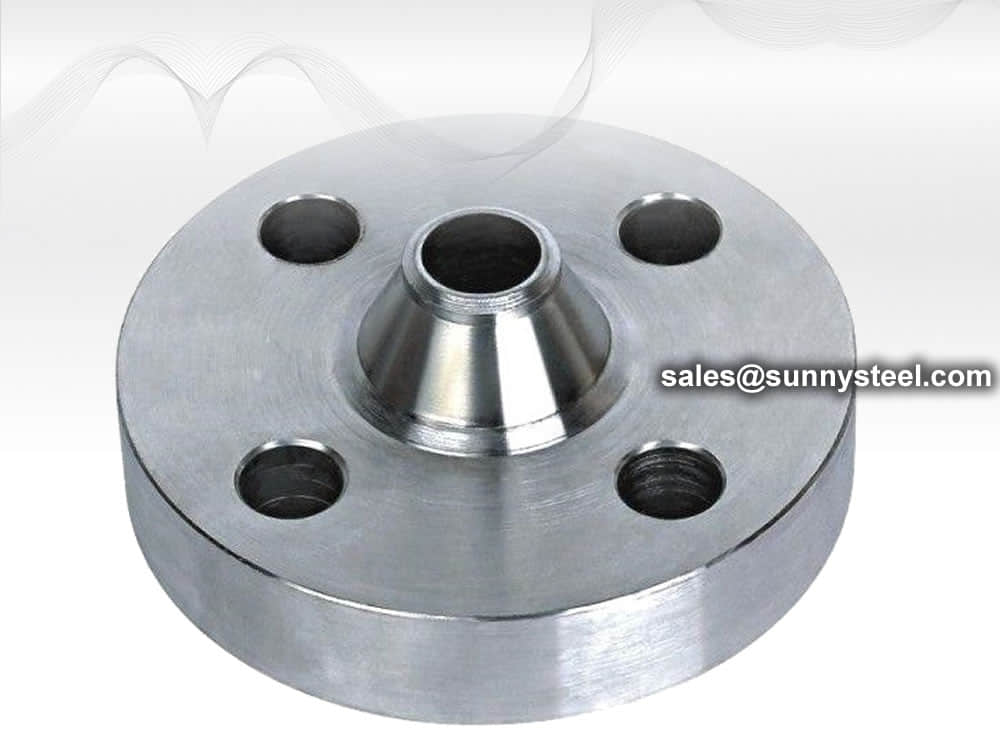
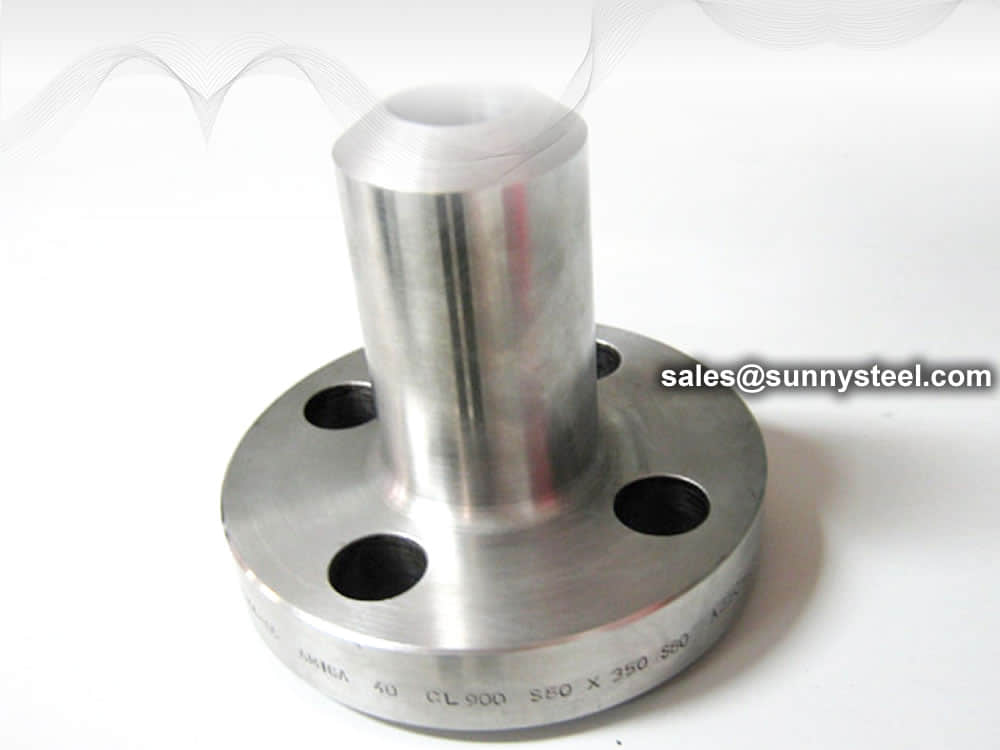
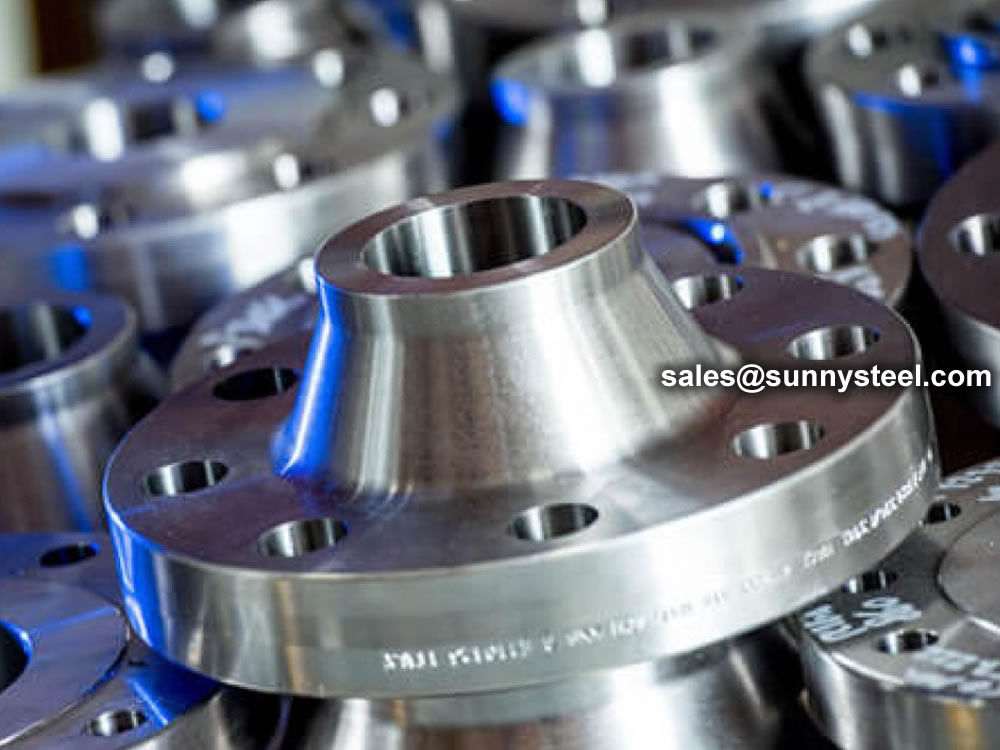
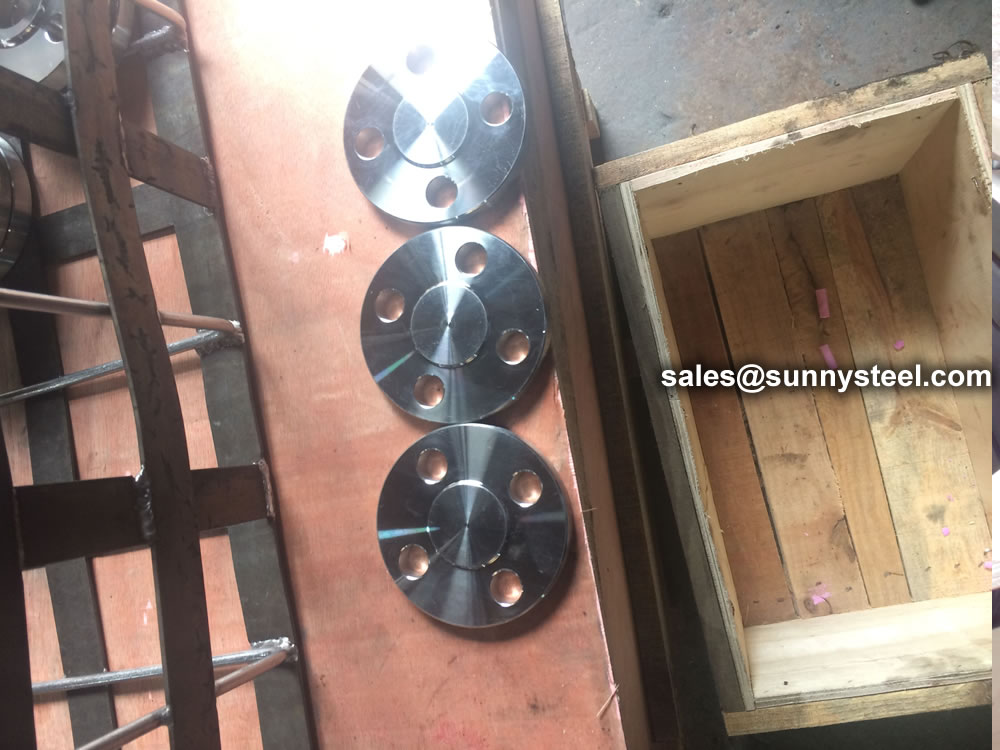
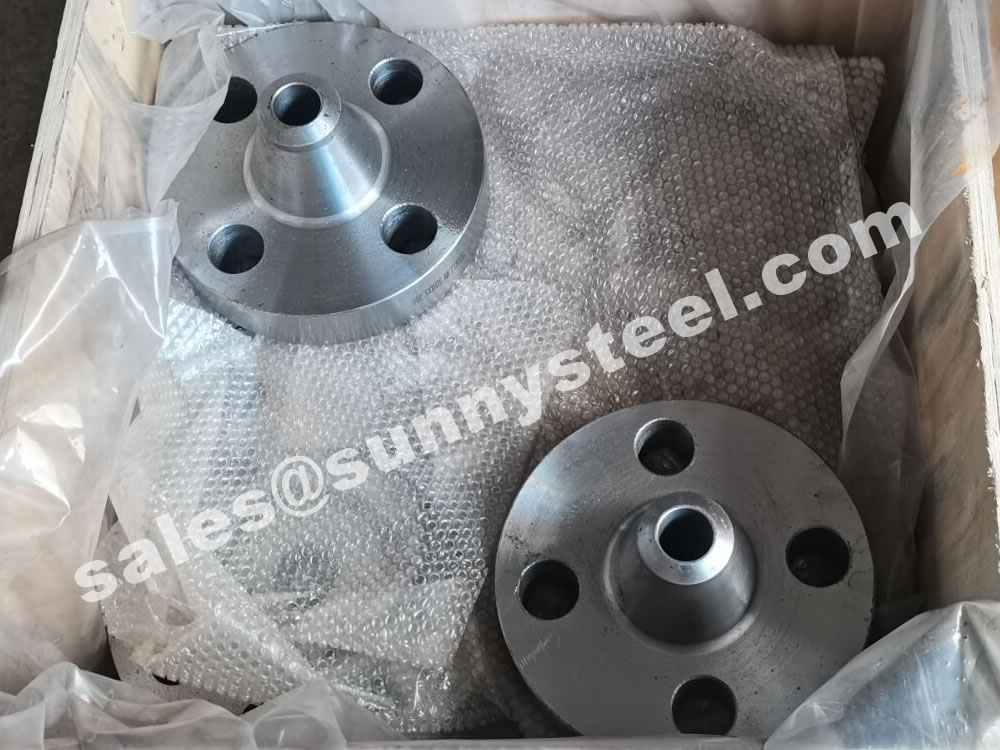
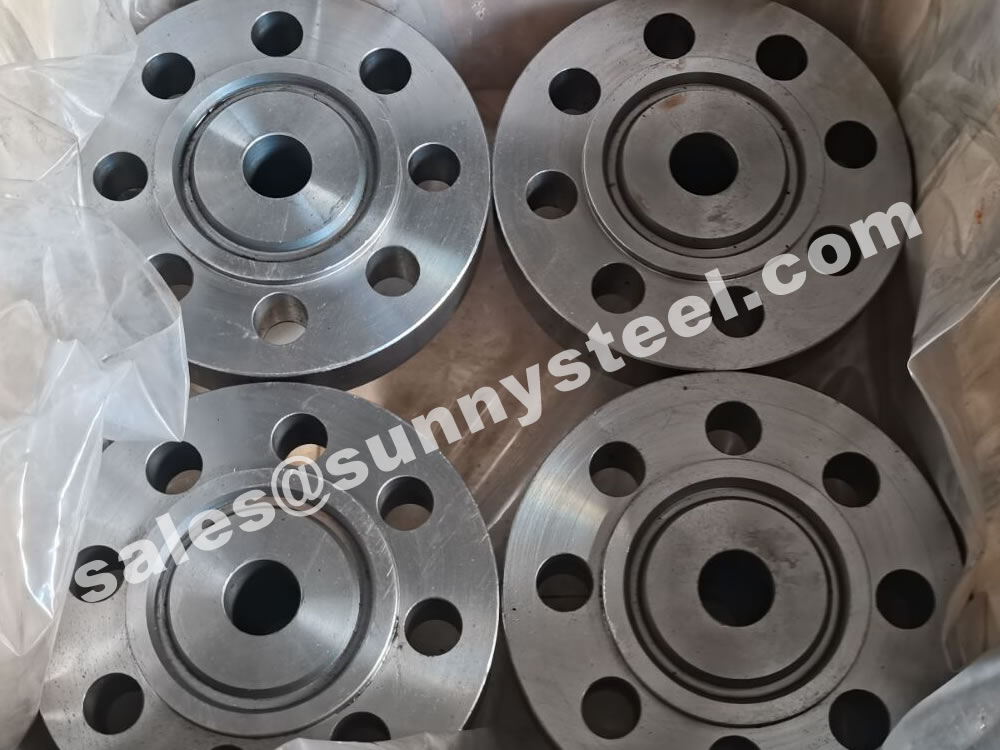
Carbon steel flanges also ranged with slip on flange, weld neck flange, blind flange, socket weld flange and threaded pipe flange.


ASTM A105 steel grade is a typical common material (mild carbon steel) for forged carbon steel flange, it used in a lot of places for ambient and higher-temperature service in pressure systems. This material is durable, cost lower, and difficult to break. In case used in a stainless steel piping system it shall be adapted with a lap joint end ring.
Designed specifically for low-temperature usage, this carbon steel grade shares close similarities with ASTM A105N (SA105N) grade. This grade requires notch durability testing, and applicable for many industries.
This carbon steel grade also applied to low temperature carbon steel fittings.
The standards set for ASTM A694 is more rigorous than the two above. Its requirements for high-pressure fluid transmission of oil and gas piping is stringent. Because of the stringent conditions with the steel grade, manufacturers have to develop an even stronger steel for both low temperatures and high temperatures. There is a minimum yield strength that comes with all grade of A694.
Carbon Steel Flanges are manufactured either by forging or by casting.
There are several types of coatings to protect carbon steel flange from rusting or corrosion:
Forgings made from A-105 grades are the first and most common materials used to manufacture pipe flanges. For applications requiring lower temperatures, the A-350 LF2 grades are used, while the A-694 grades, F42-F70, are designed for high yields. Due to the increased strength of carbon steel flanges, high yield material is widely used in pipeline applications.
In addition to containing more chromium and molybdenum than carbon steel flanges, alloy steel flanges are designed to withstand high temperature and high pressure environments. Because of the increased chromium content, they have stronger corrosion protection than conventional carbon steel flanges.
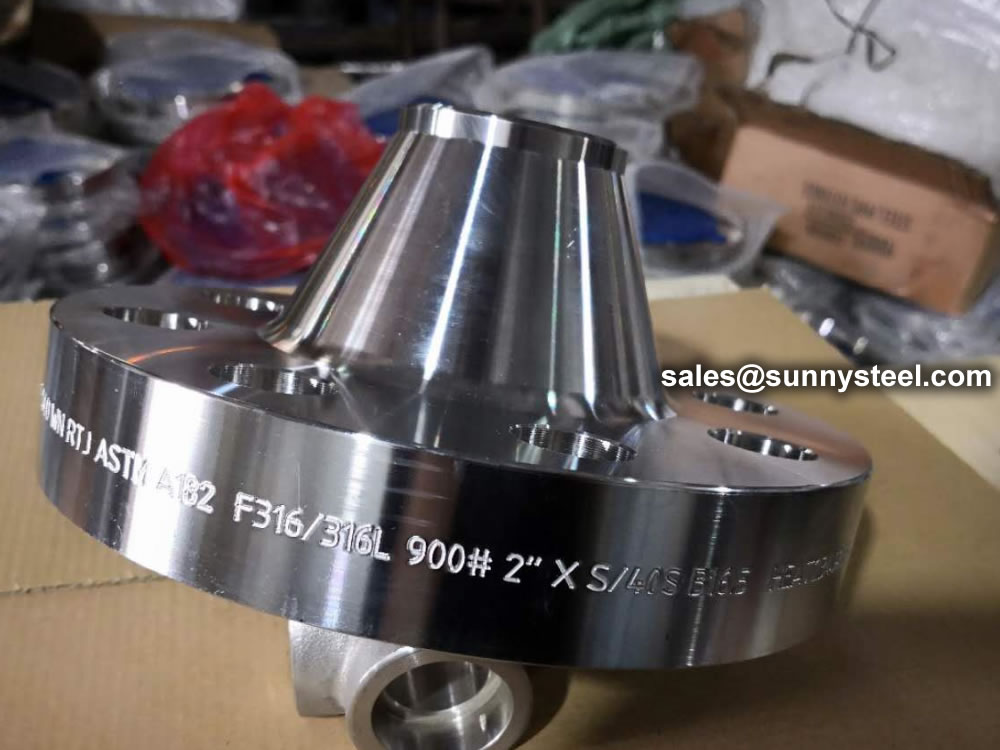
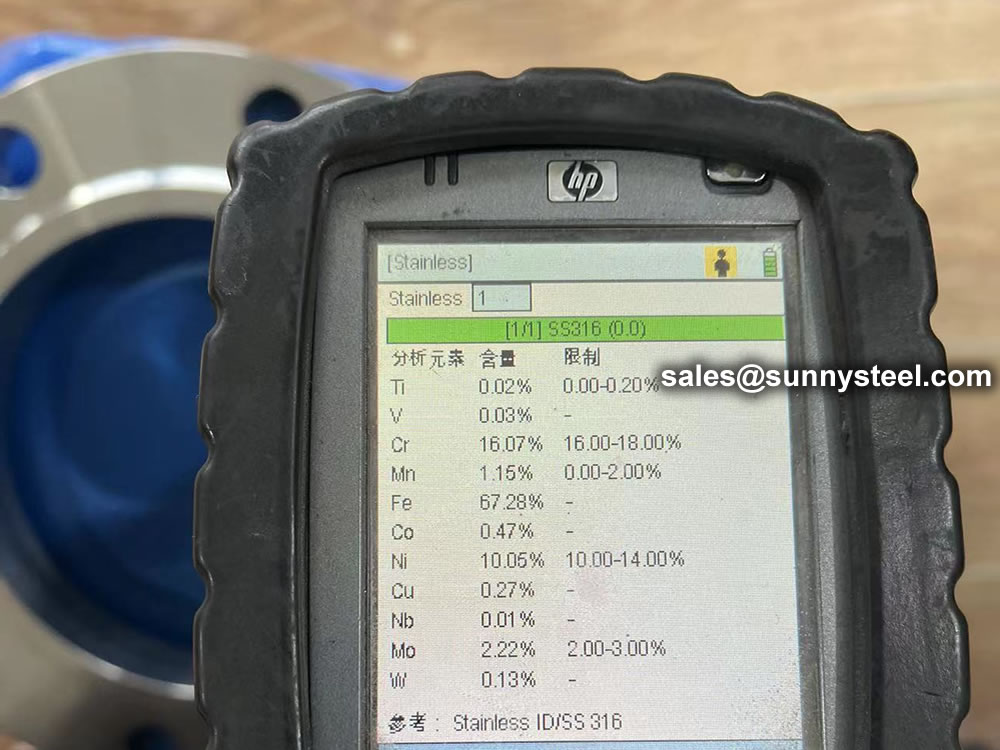
Stainless steel containing nickel, chromium and molybdenum is the second most commonly used forging material in flange manufacturing. The most common ASTM A182-F304 / F304L and A182-F316 / F316L forgings are found in the A182-F300/F400 series. Trace elements can be added during the melting process to meet the service requirements of these forging classes. In addition, the 300 series is non-magnetic while the 400 series has magnetic properties and is less corrosion resistant.
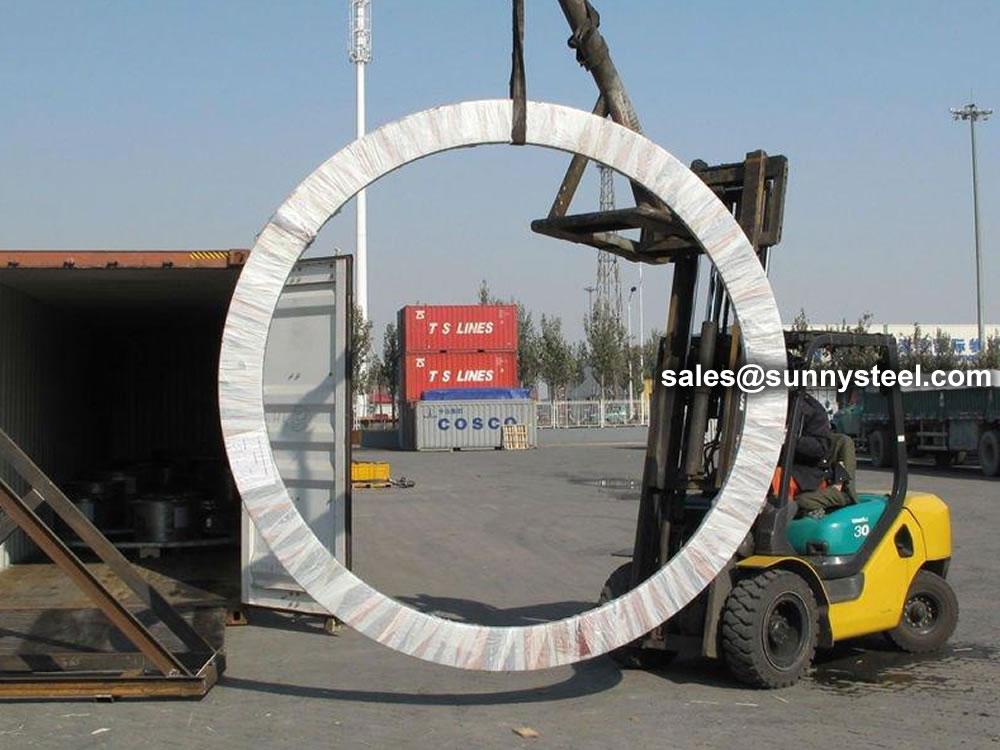
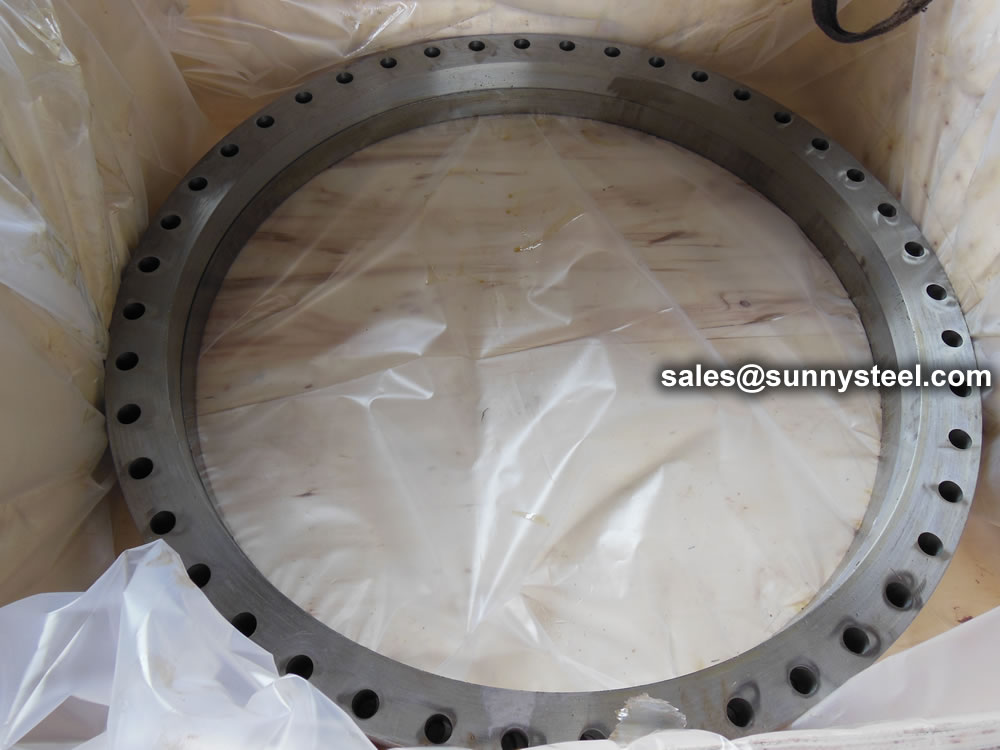
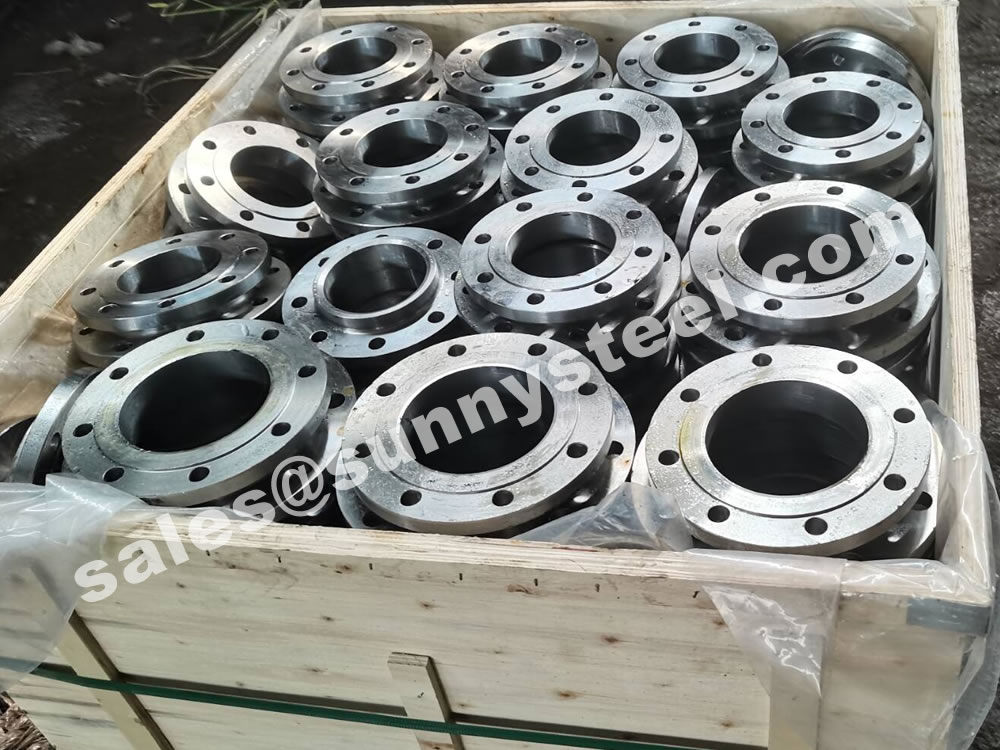
Steel flanges must be packed with seaworthy packing method then delivery to customers, usually the packing way include wooden box, wooden pallet, iron & steel cage, iron & steel pallet etc.
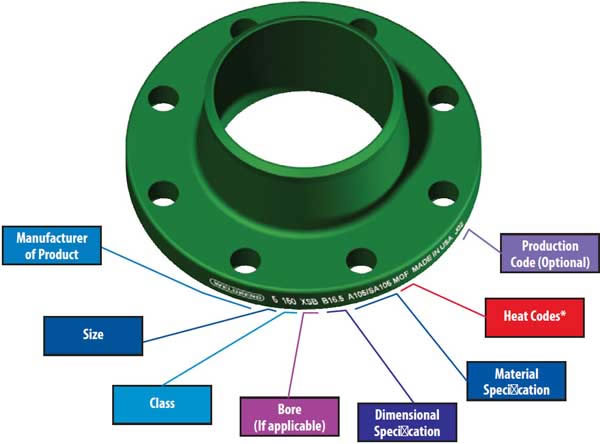
Flange markings are governed by ANSI ASME codes. Flange marking includes;
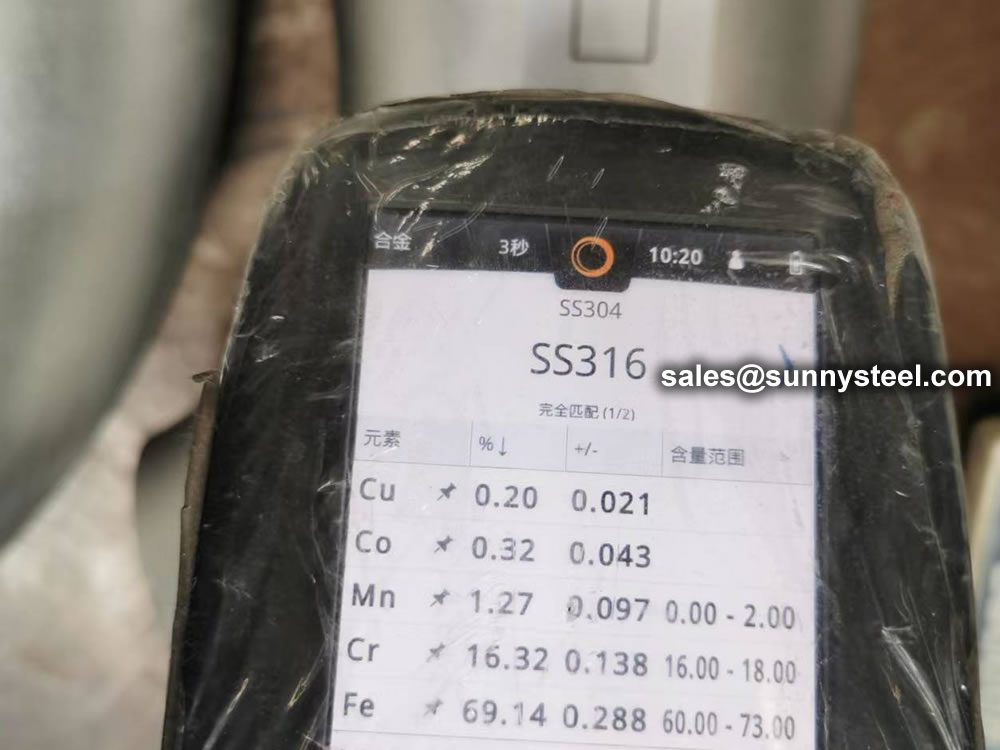
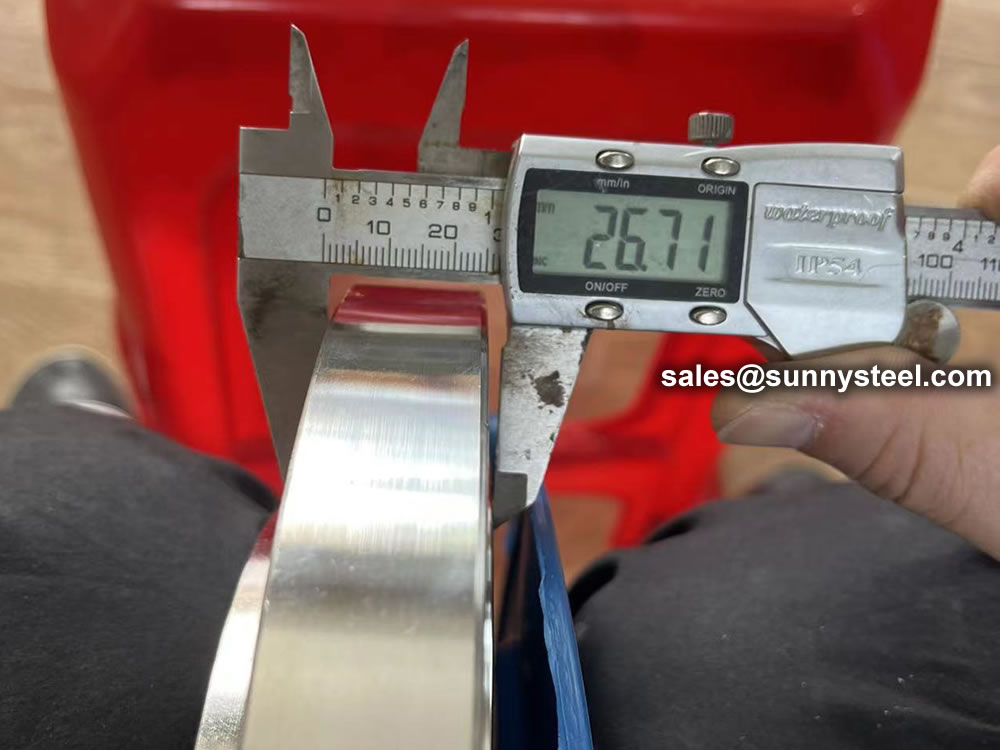
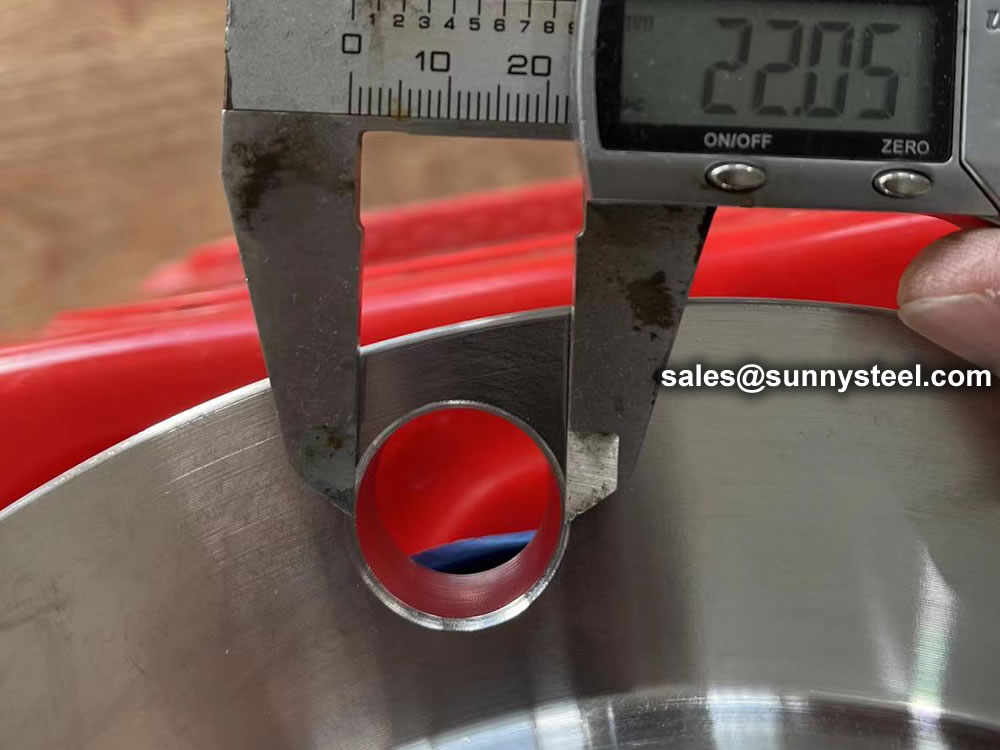
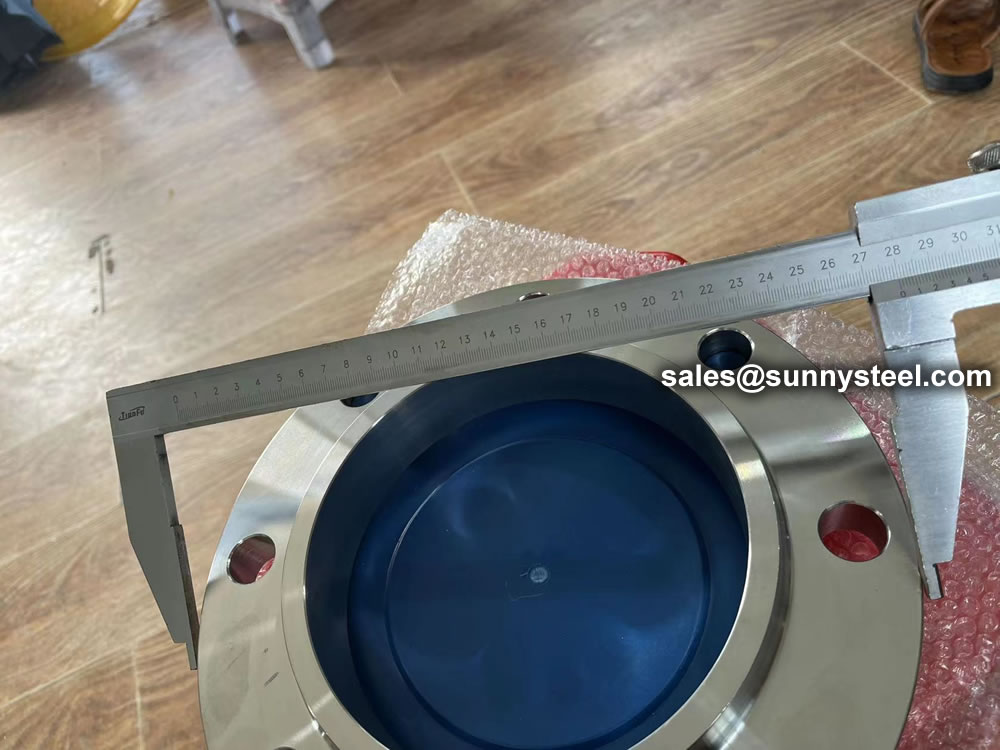
ASME B16.5 and B16.47 standards cover permissible tolerances for inspection.
Because of the normal wooden boxes or wooden pallets have to do fumigation treatment, we usually use plywood pallet or plywood case or box to pack steel flanges without fumigation treatment.


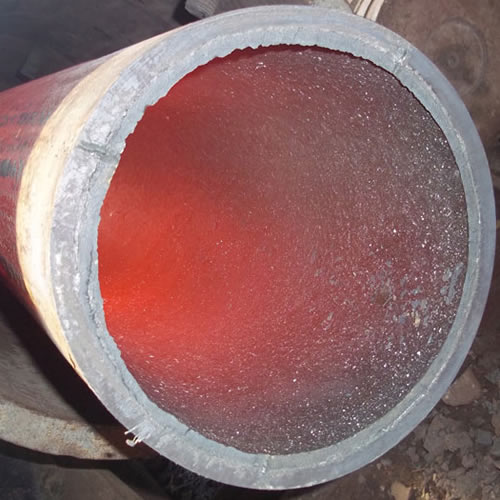
Ceramic lined pipe is made through self-propagating high-temperature synthesis (SHS) technique.
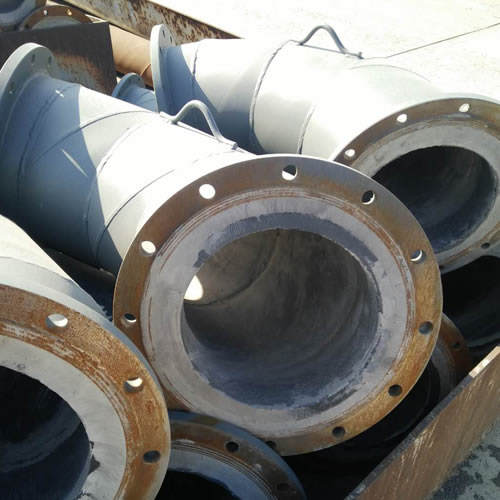
Cast basalt lined steel pipe is composed by lined with cast basalt pipe, outside steel pipe and cement mortar filling between the two layers.
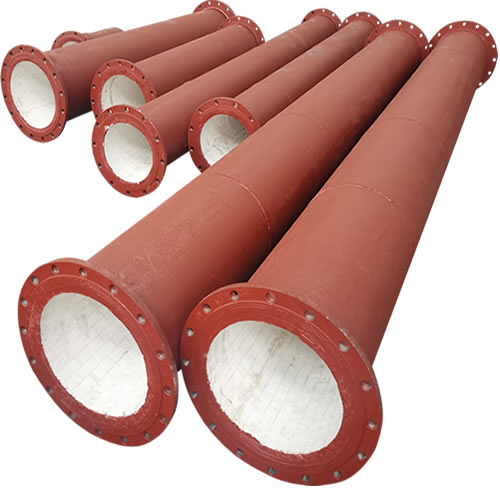
Ceramic tile lined pipes have very uniform coating of specially formulated ceramic material that is affixed to the inner of the pipe.
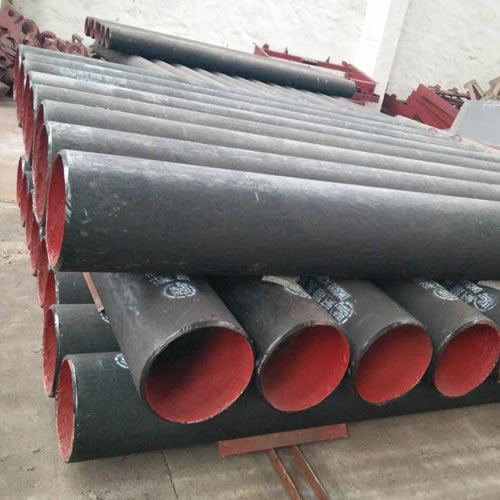
The material of the rare earth alloy wear-resistant pipe is ZG40CrMnMoNiSiRe, which is also the grade of rare earth alloy steel.
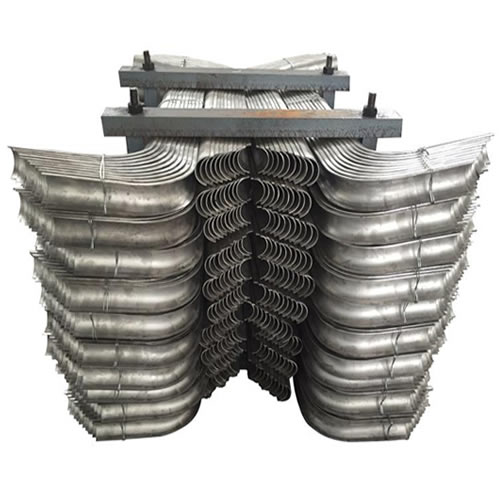
Tubes Erosion Shields are used to protect boiler tubing from the highly erosive effects of high temperatures and pressures thereby greatly extending tube life.
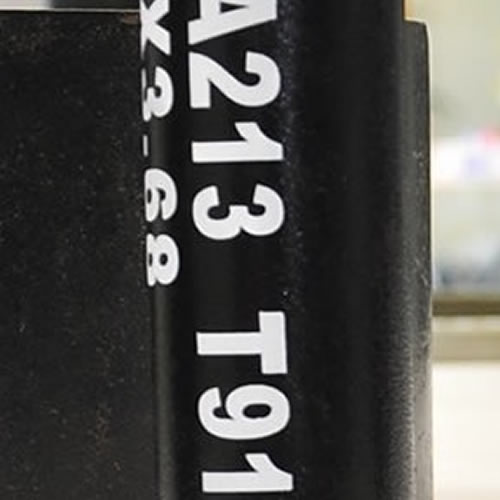
The ASTM A213 T91 seamless tubes are primarily used for boiler, superheater, and heat-exchanger.

When you partner with Sunny Steel, you can stop worrying about meeting deadlines thanks to our responsive and timely service. You'll also say goodbye to unnecessary shopping around. Instead, you'll get white glove service from an expert who understands your needs and can get you the materials you need quickly.