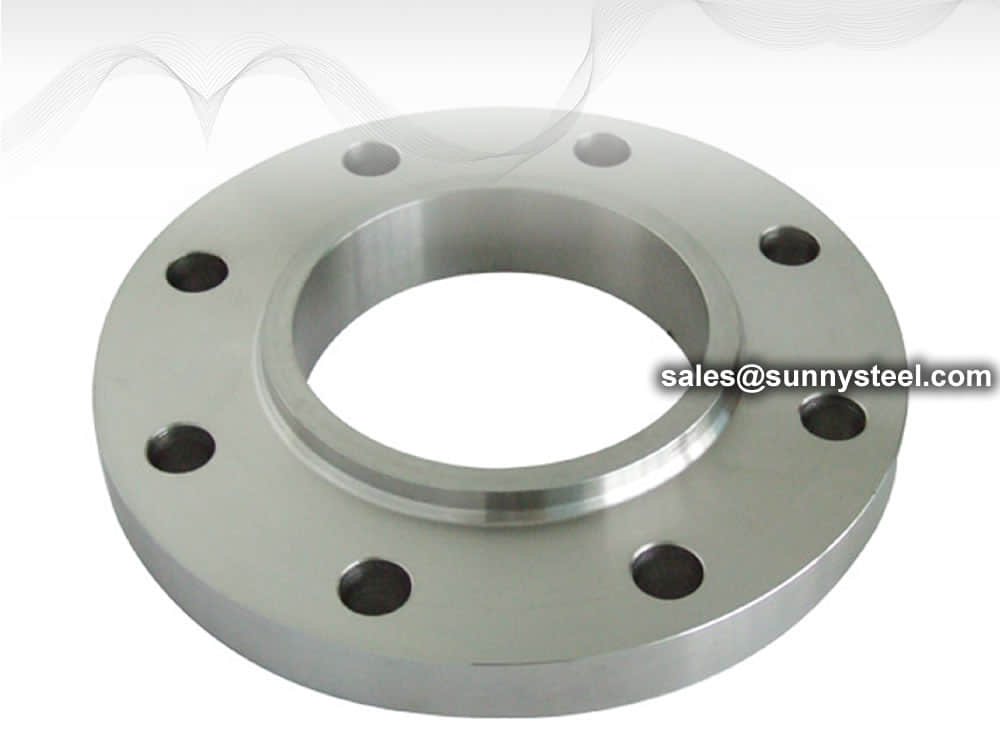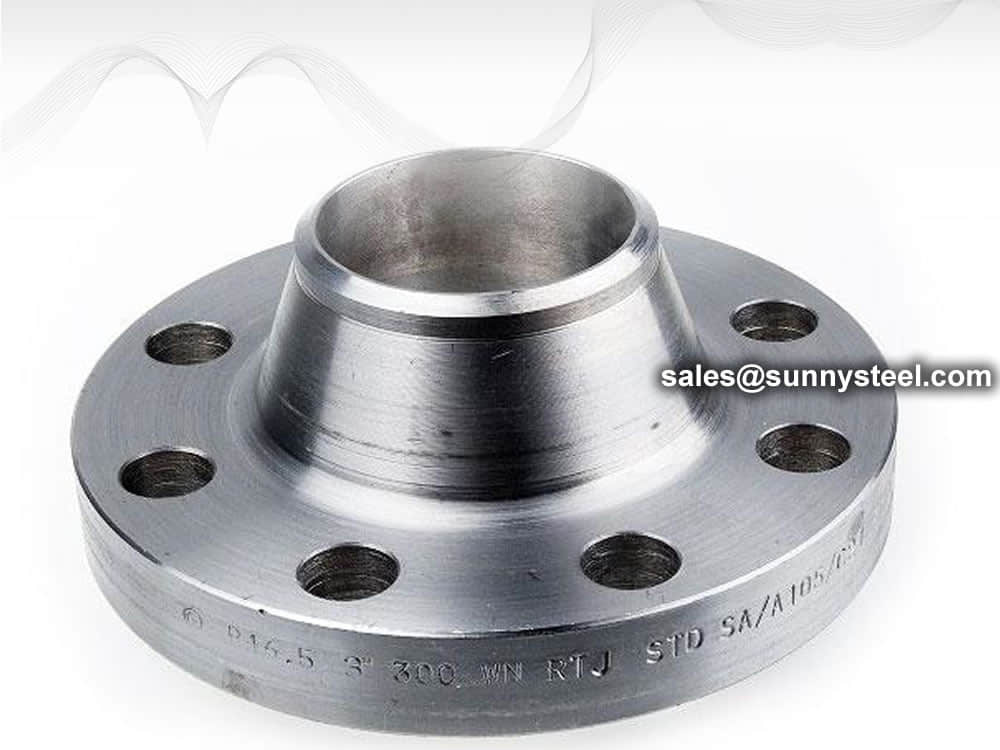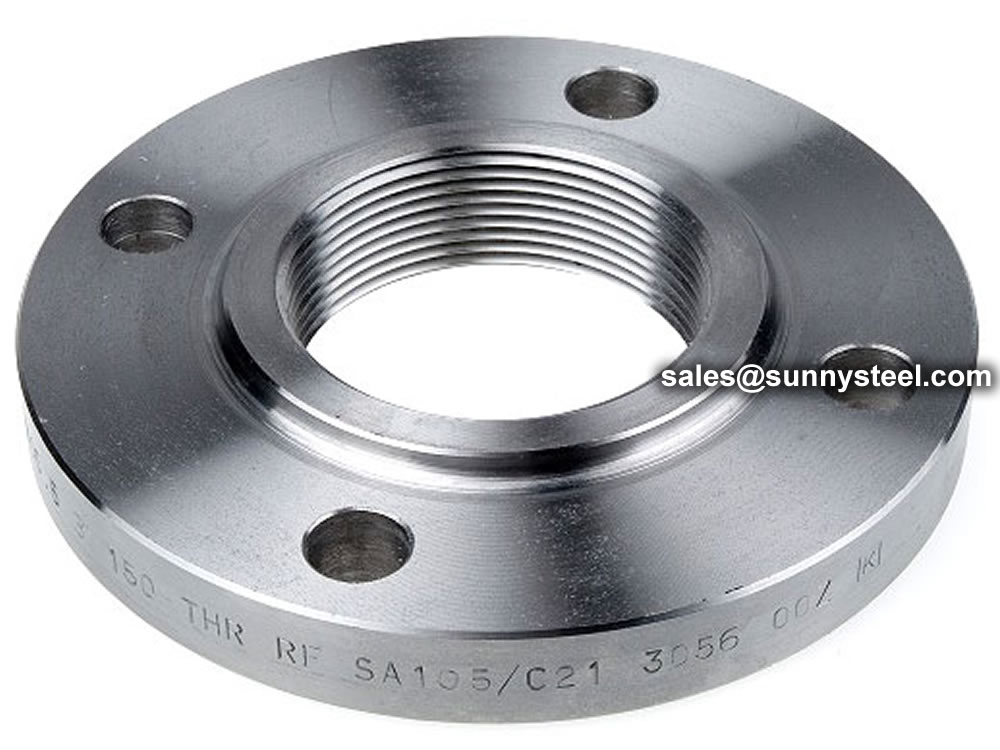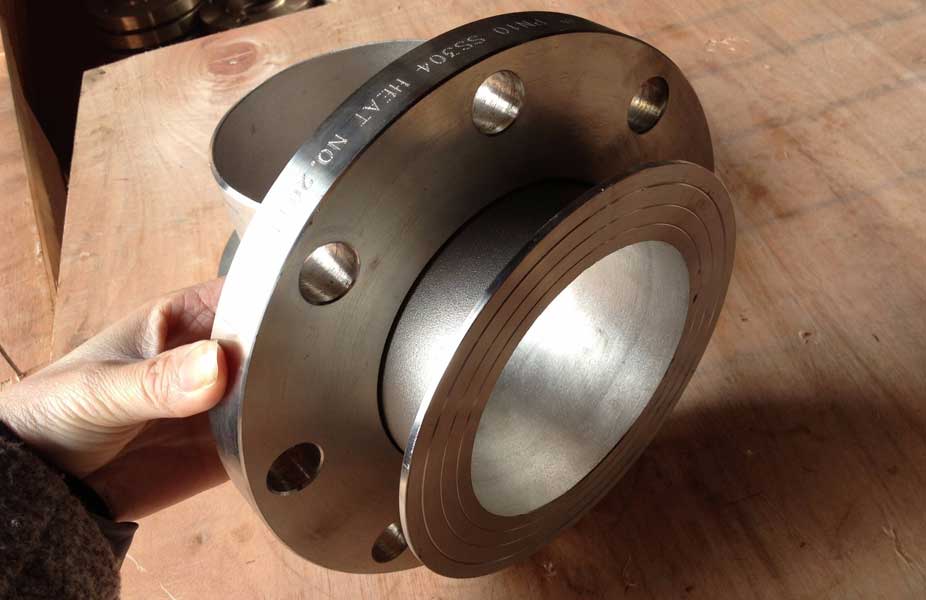
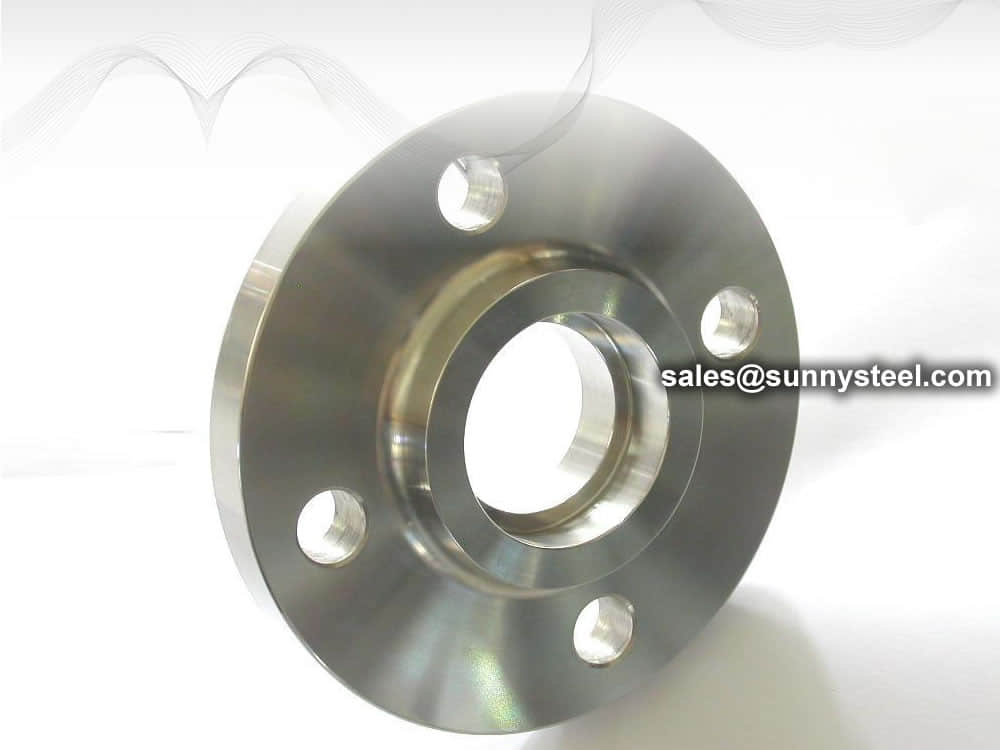
SW Flange
Forged socket weld flanges for small-bore high-pressure pipelines, single external fillet weld, available in carbon steel, stainless steel and alloy steel.
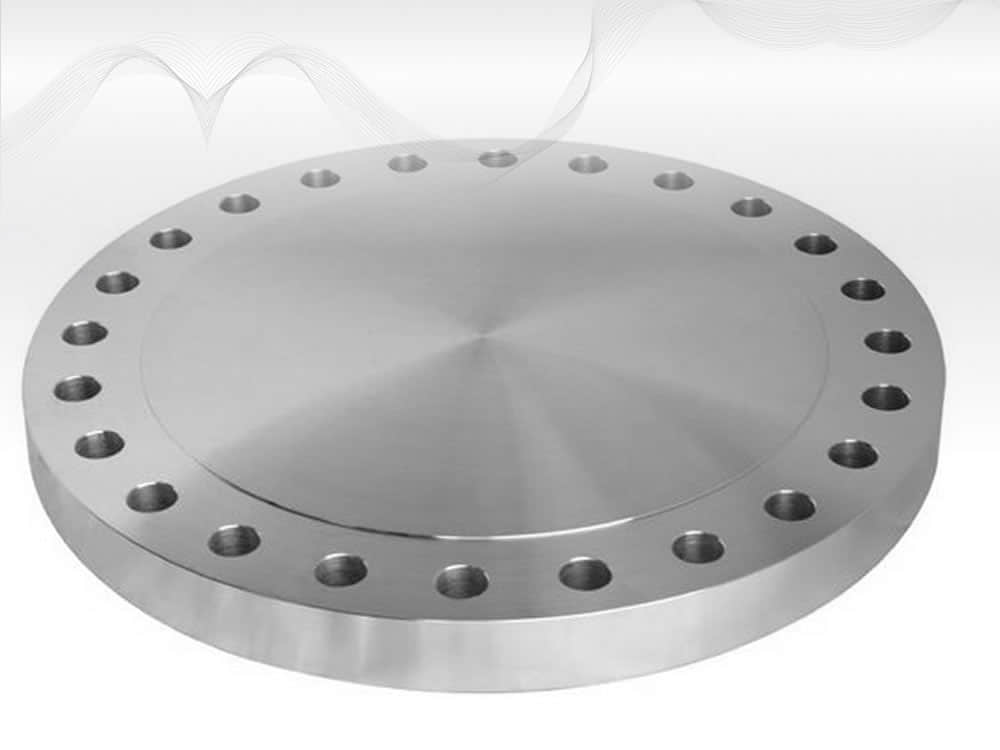
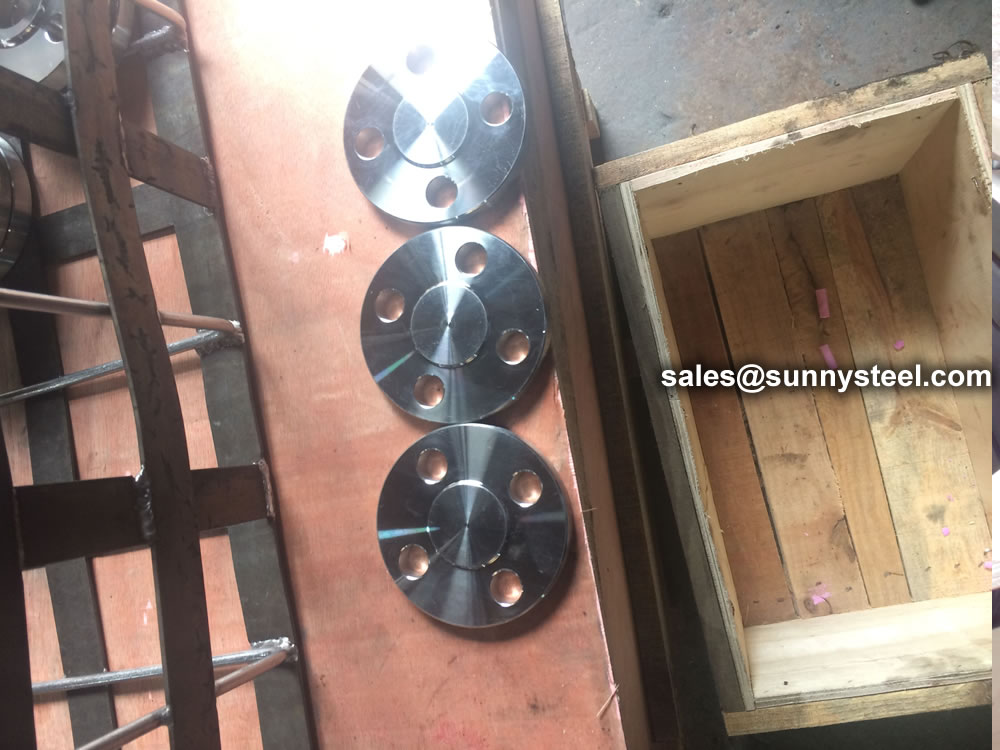
Our blind flanges provide reliable sealing and pipeline isolation, available in various materials, pressure classes and international standards for diverse industrial piping applications.
Blind flange is like a flange cover, also called blind disk or flanged pipe plug. Blind flange has no holes in the centre, for to seal the pipe opening. So it's function is the same as the pipe plug or the pipe cap. The difference is blind flange is a detachable equipment, easy to replace or do maintenance.
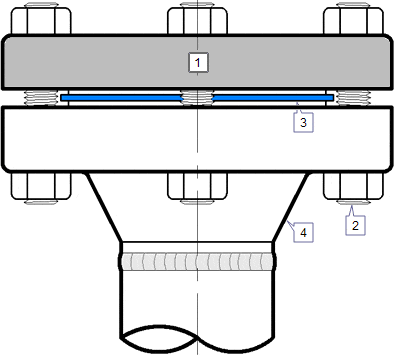
1. Blind flange 2. Stud Bolt 3. Gasket 4. Other flange
The blind flange is used to close ends of piping systems. It is a kind of round plate with no center hold but with all the proper bolt holes. This blind flange is available in various sizes and materials and is used to provide positive closer on the ends of pipes, valves or equipment nozzles. This flange helps in easy access to a line once it has been sealed. The blind flange is sometimes custom made or machined to accept a nominal sized pipe to which reduction is being made.
A blind flange is useful for making repairs to a pipeline further up the line. In fact, during construction of a pipeline, a blind flange may be built into the final length of pipe. This allows for expansion or continuation of the pipeline simply by adding onto the final flange.
Generally has four types: Forging, casting and forging, medium plate cutting, casting, the price of forging products is the highest, the middle plate is the second, casting and forging is the lowest and casting is the worst process when compared with others.
The best quality is forging and medium plate, casting and forging is a bit worse.
The shape of the the casting flange blank is accurate, has the small processing capacity, the cost is low, but there are casting defects (air hole crack inclusions); And the streamline of the internal casting part is bad (if it is a cutting part, the streamline is worse).
Forged blind flange generally have lower carbon content than cast flanges and are not easily to rust. Forgings have better streamlined shape, denser structure and better mechanical properties than cast flanges;
If the forging process is improper, the grain will be large or uneven, and the hardening crack will occur. The forging cost is higher than the casting flange.
Forgings can withstand higher shear and tensile forces than castings.
Without a blind flange, it would be next to impossible to repair or perform ongoing maintenance to a pipeline unless the flow was shut off at a earlier valve, which could affect miles of pipeline.
The use of flanged pipe has significantly sped up the process for constructing pipelines. It has also made the task of repair and sectional replacement easier. Sections of pipe can now be assembled anywhere in the world and shipped to the job site. Once there, they can simply be bolted in place and the repair is done.
Piping is easier to drill or weld at the construction stage. Once it was in use, drilling or welding will need prolong cleaning especially when the fluid transferred is combustible. For the mean of future extension, either the blind or valve would be used to seal the end.
Some important features of blind flanges are as follows:
According to structural design and usage scenarios, blind flanges are divided into several mainstream types. Each type has its own characteristics and applicable occasions. Customers can select the right style based on pipeline switching frequency, installation space and operating requirements.
| Flange Type | Structural Feature | Application Scenario | Switching Frequency |
|---|---|---|---|
| Solid Blind Flange | Integral solid plate, simple structure | Permanent or long-term pipeline closure | Low |
| Spectacle Blind Flange | Blind plate + spacer plate connected by handle | Frequent opening and closing of pipelines | High |
| Paddle Blind | Single blind plate with operating handle | Temporary isolation for maintenance | Medium |
| Paddle Spacer | Hollow plate for pipeline connection | Cooperate with paddle blind for pipeline switching | Medium |
Solid blind flange is the most widely used type among all products. Spectacle blind combines two functions into one component, which saves installation time greatly for pipelines that need regular switching. Paddle blind and paddle spacer are often used in pairs on industrial sites for flexible pipeline isolation and recovery.
Material selection directly determines the service life and application range of blind flanges. Working pressure, operating temperature and conveyed medium are the three key factors to confirm materials. We provide carbon steel, stainless steel, alloy steel and duplex steel to adapt to different harsh working environments.
| Material Grade | Material Type | Temperature Range | Main Characteristic & Application |
|---|---|---|---|
| ASTM A105 | Carbon Steel | -29℃ ~ 425℃ | General service, low & medium pressure pipelines, cost-effective |
| ASTM A182 F11/F22 | Alloy Steel | -29℃ ~ 550℃ | High temperature, high pressure steam and process pipelines |
| ASTM A182 304/304L | Stainless Steel | -196℃ ~ 425℃ | Ordinary corrosive medium, water treatment, food industry |
| ASTM A182 316/316L | Stainless Steel | -196℃ ~ 425℃ | Strong acid, alkali and salt corrosion environment |
Carbon steel blind flanges are the first choice for conventional industrial pipelines due to stable performance and competitive price. Alloy steel products are adopted for high-temperature and high-pressure working conditions such as boiler and thermal power pipelines. Stainless steel series are widely used in chemical, marine and food industries where corrosion resistance is required. All raw materials are tested strictly before production to ensure compliance with chemical composition and mechanical property standards.
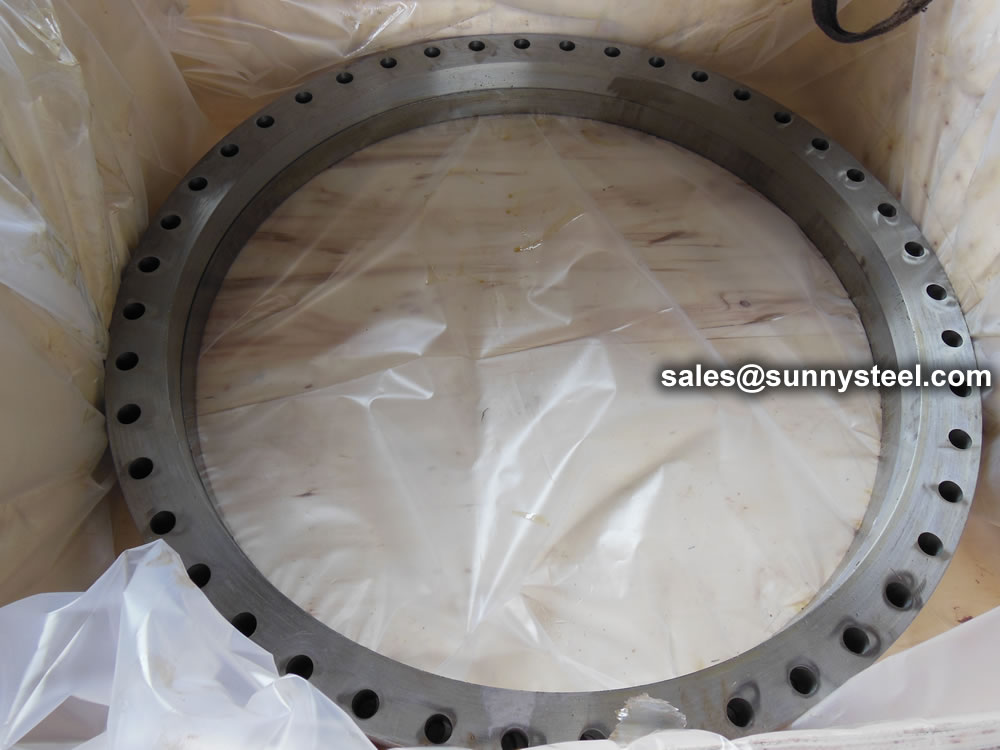
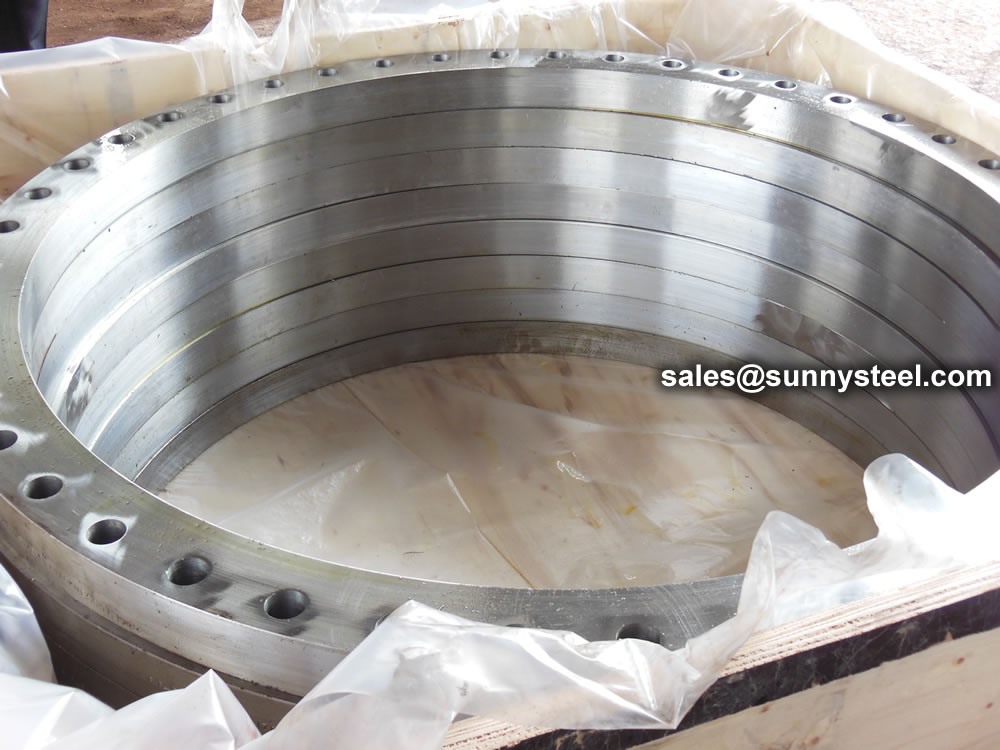
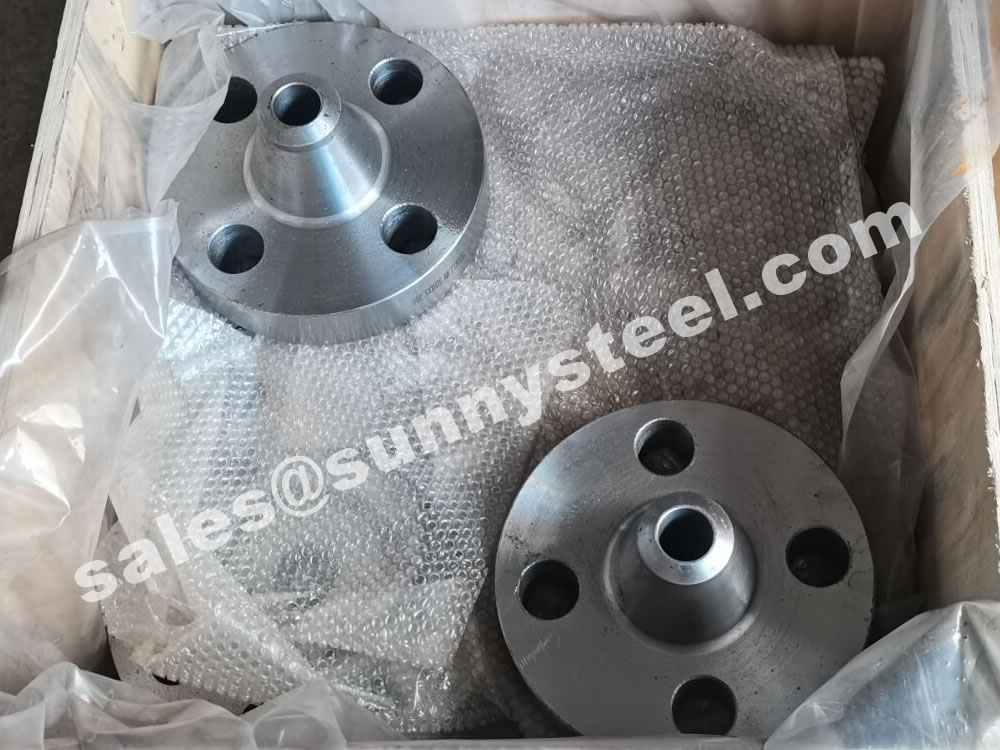
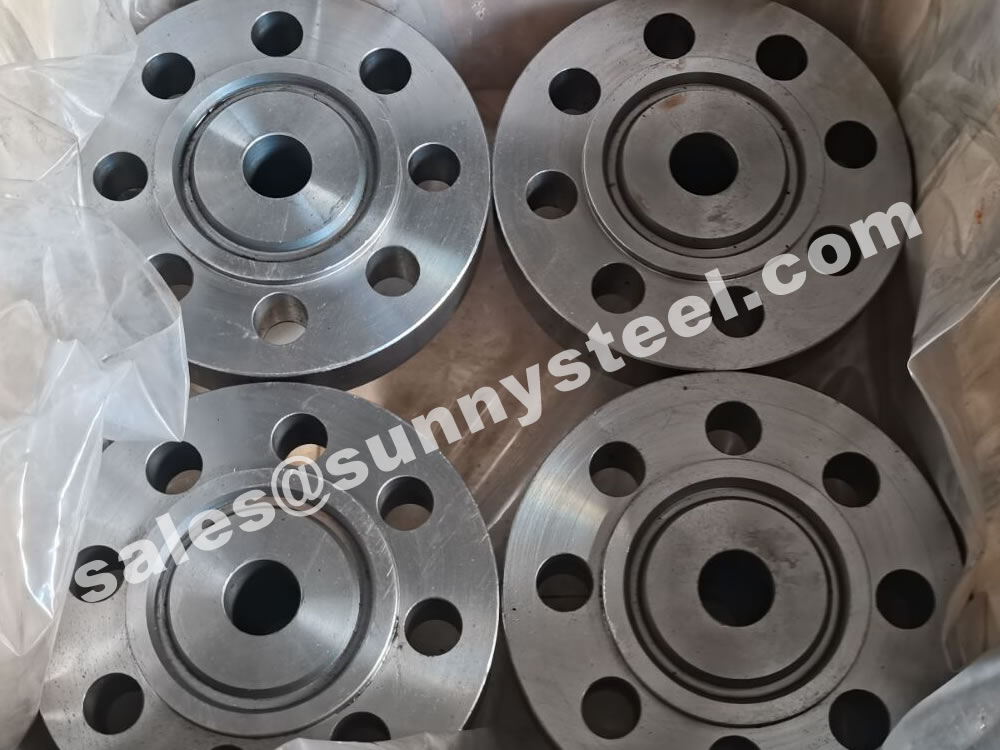
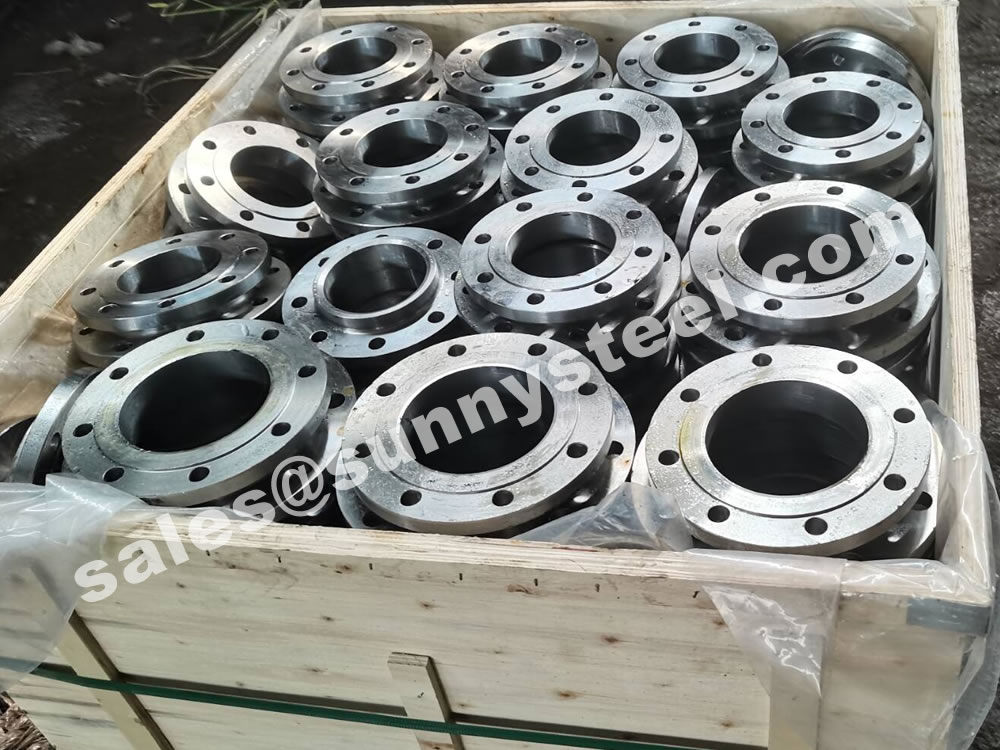
Steel flanges must be packed with seaworthy packing method then delivery to customers, usually the packing way include wooden box, wooden pallet, iron & steel cage, iron & steel pallet etc.
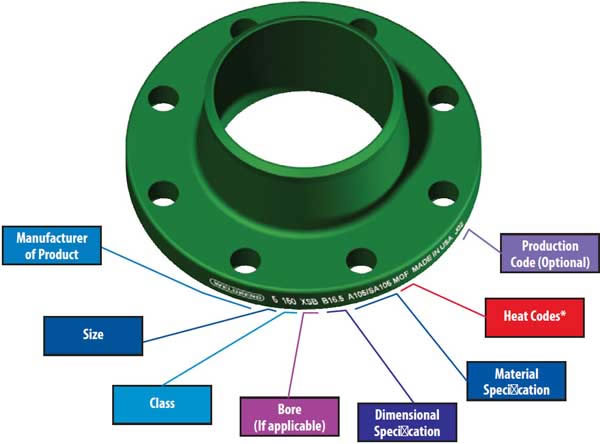
Flange markings are governed by ANSI ASME codes. Flange marking includes;
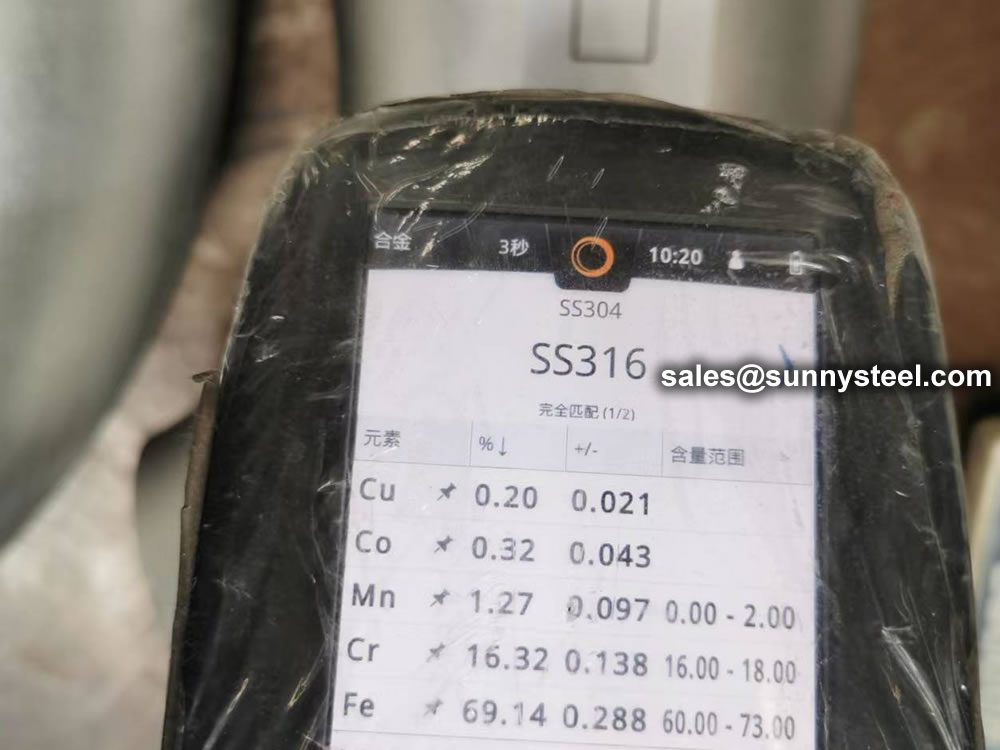
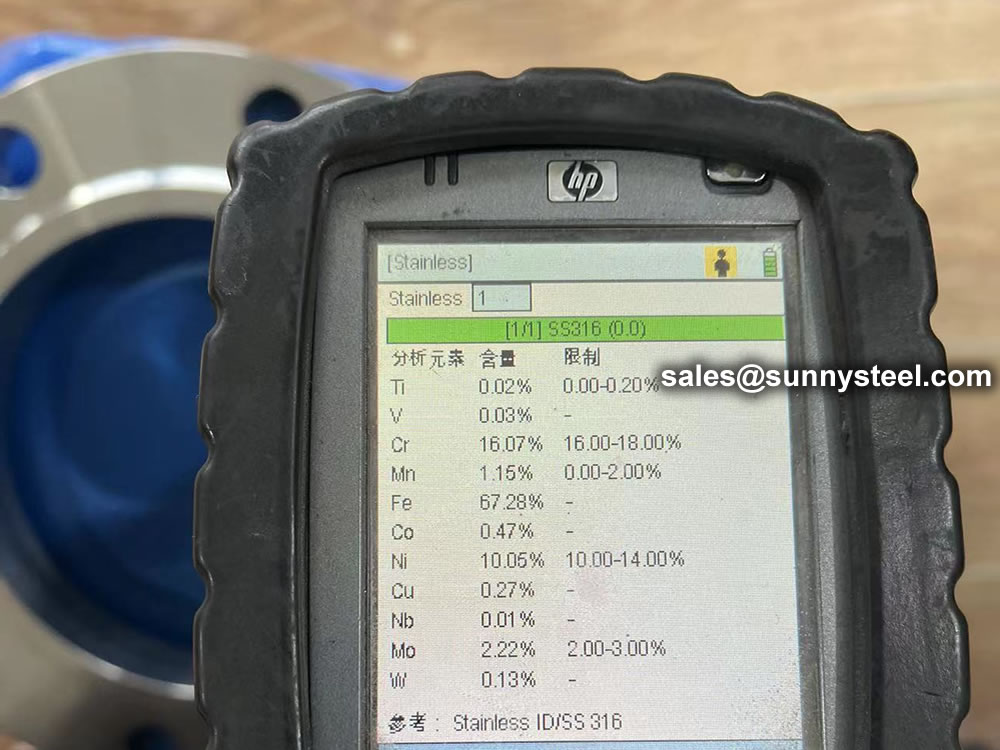
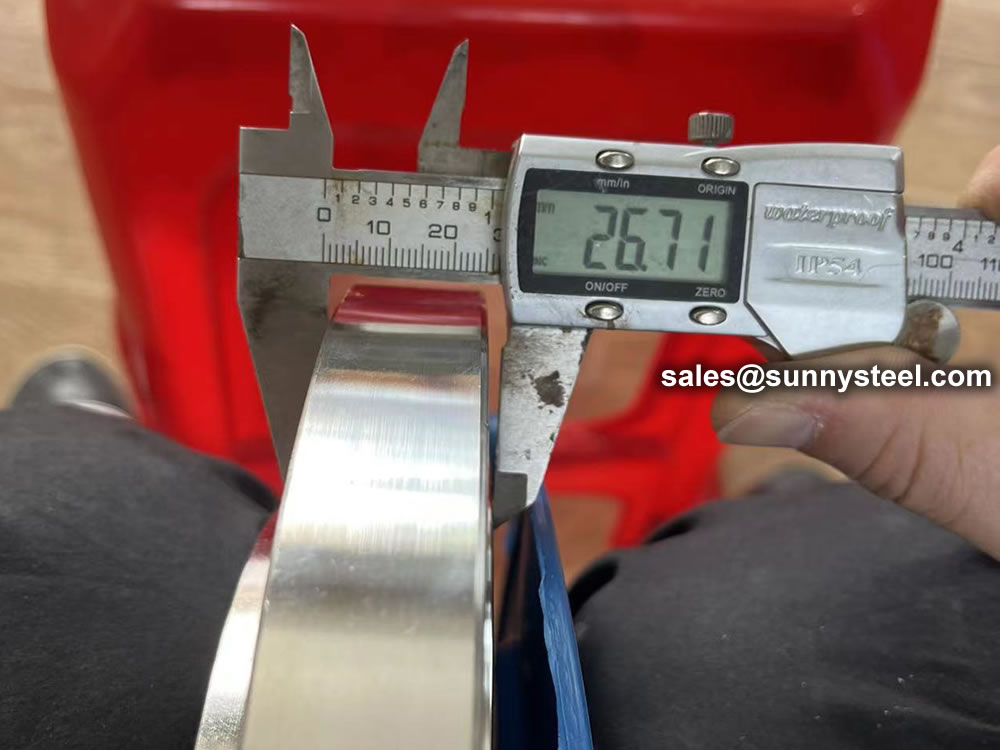
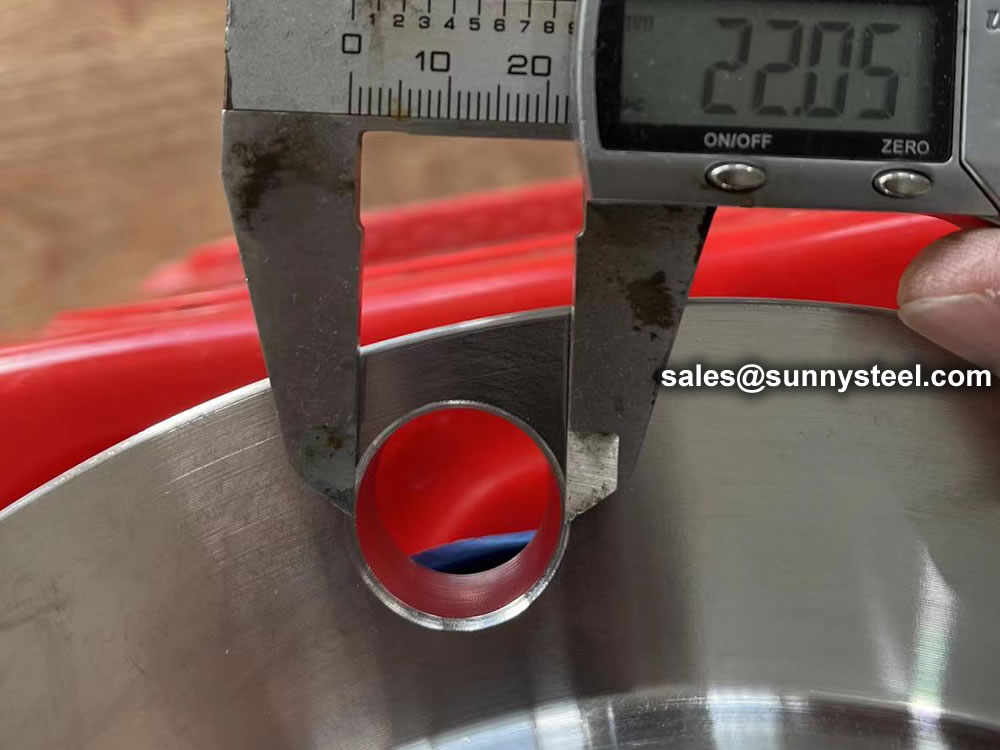
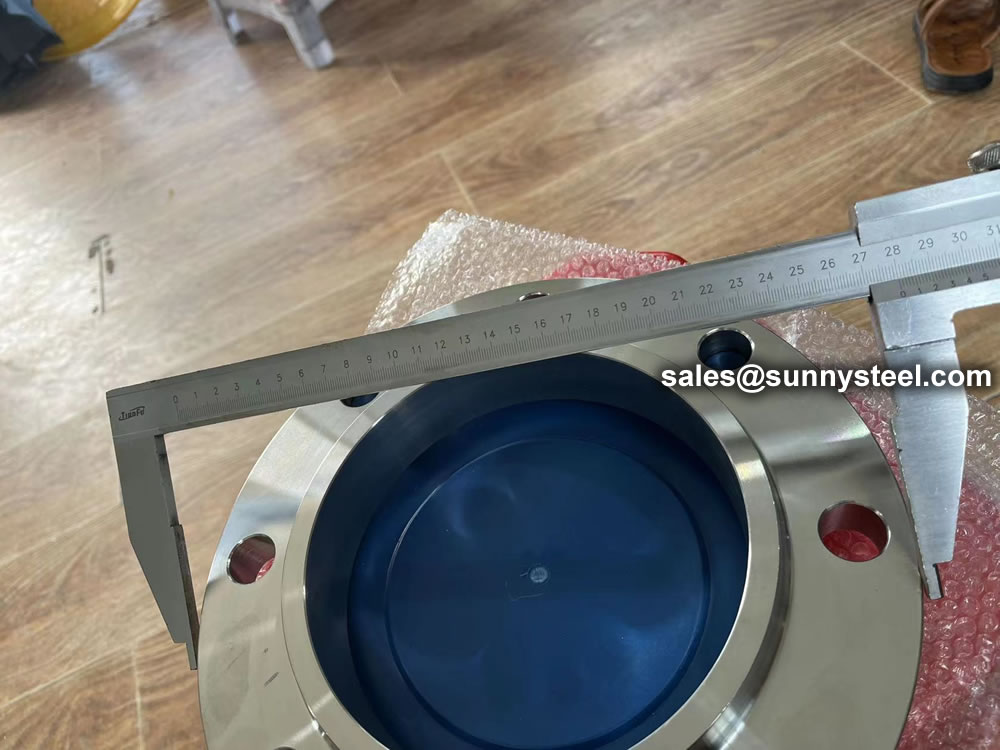
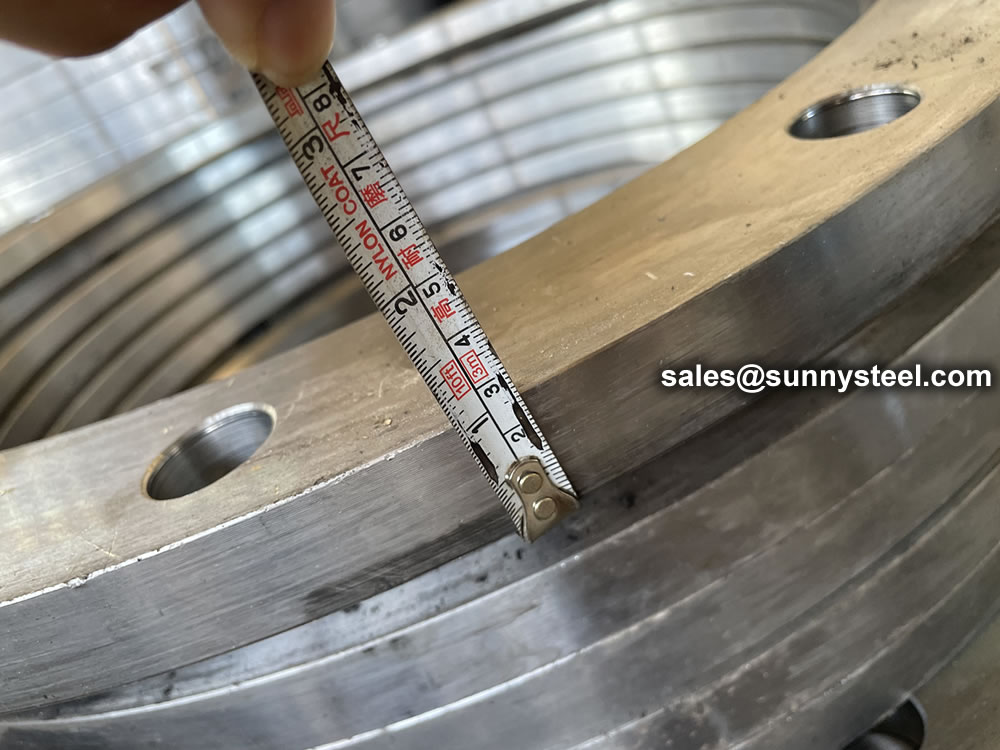
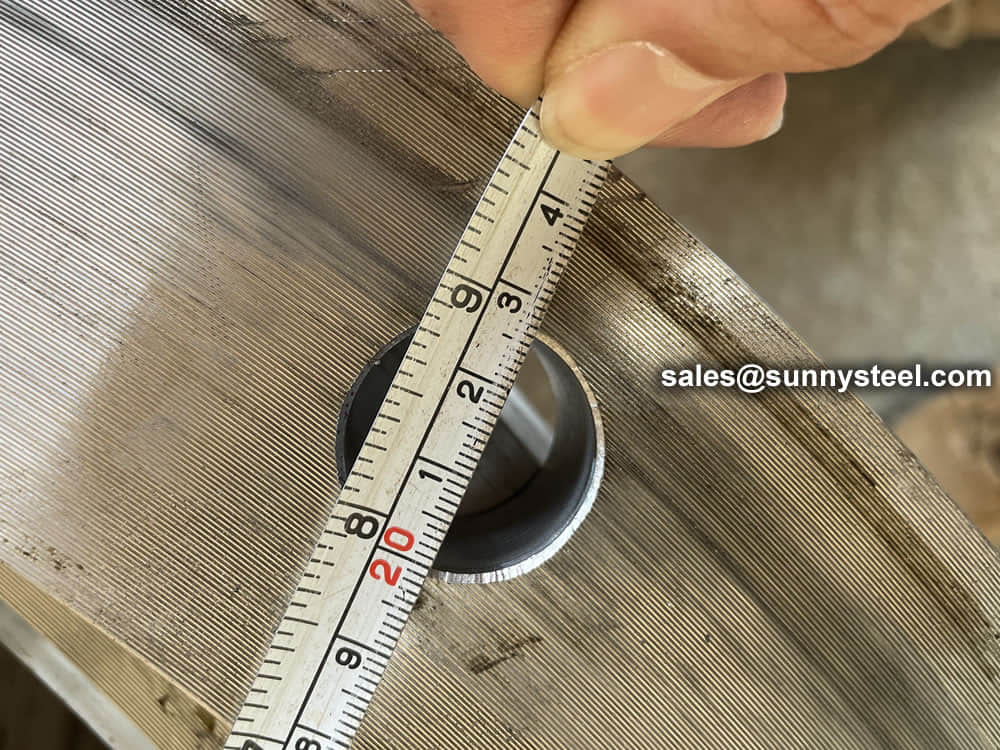
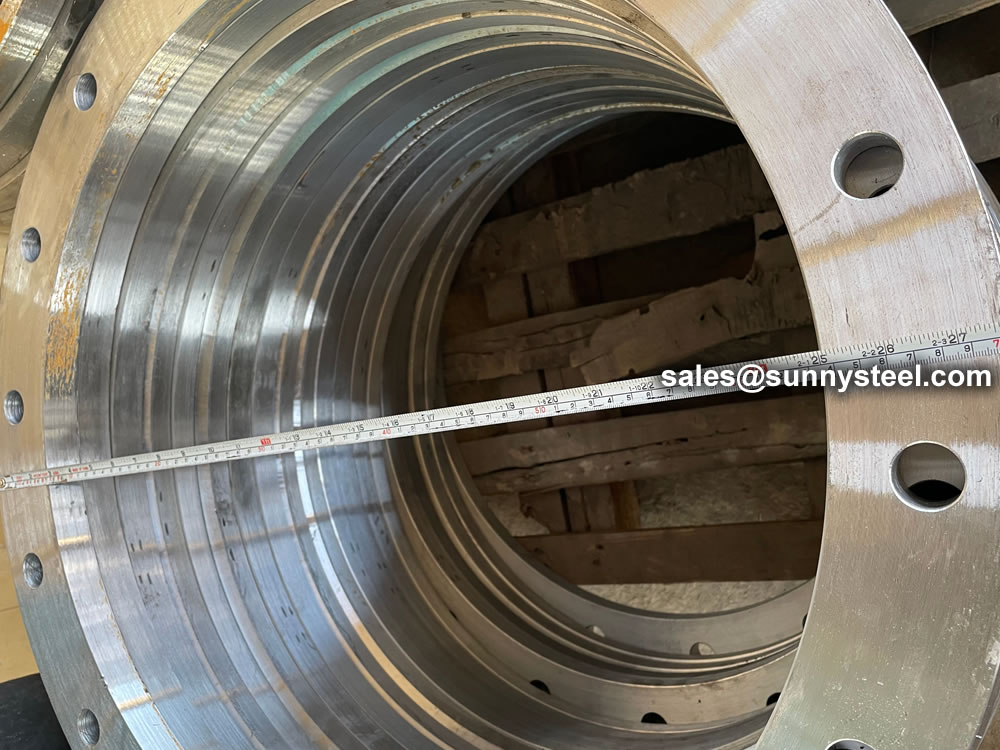
ASME B16.5 and B16.47 standards cover permissible tolerances for inspection.
Because of the normal wooden boxes or wooden pallets have to do fumigation treatment, we usually use plywood pallet or plywood case or box to pack steel flanges without fumigation treatment.

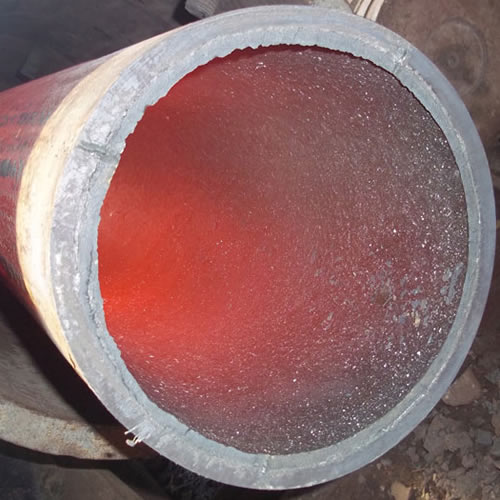
Ceramic lined pipe is made through self-propagating high-temperature synthesis (SHS) technique.
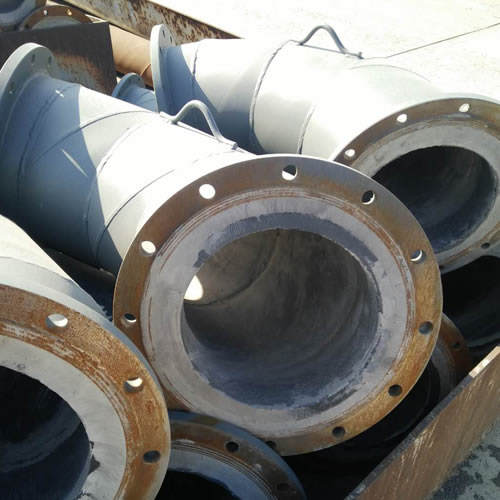
Cast basalt lined steel pipe is composed by lined with cast basalt pipe, outside steel pipe and cement mortar filling between the two layers.
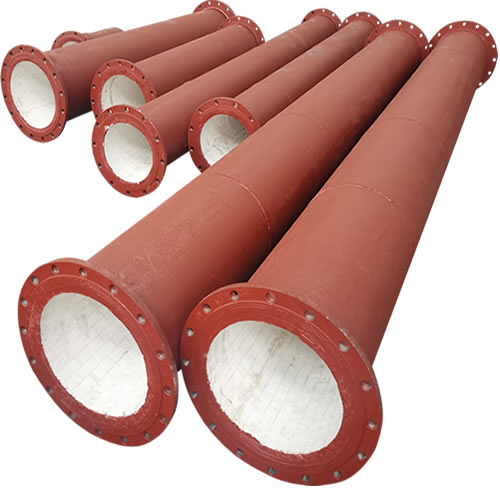
Ceramic tile lined pipes have very uniform coating of specially formulated ceramic material that is affixed to the inner of the pipe.
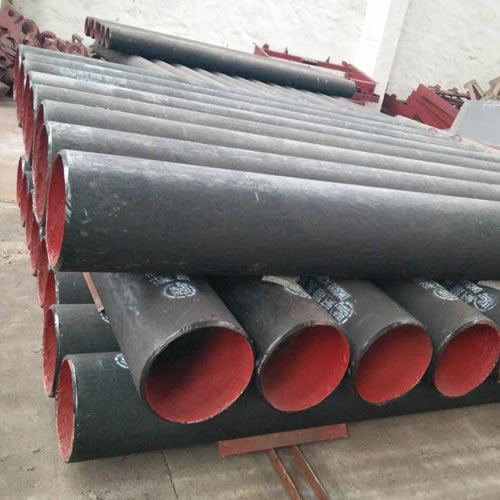
The material of the rare earth alloy wear-resistant pipe is ZG40CrMnMoNiSiRe, which is also the grade of rare earth alloy steel.
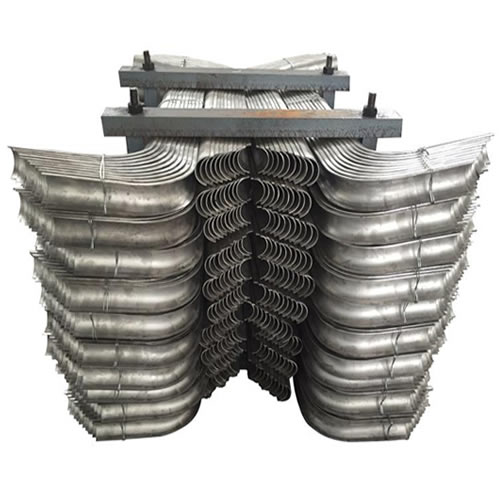
Tubes Erosion Shields are used to protect boiler tubing from the highly erosive effects of high temperatures and pressures thereby greatly extending tube life.
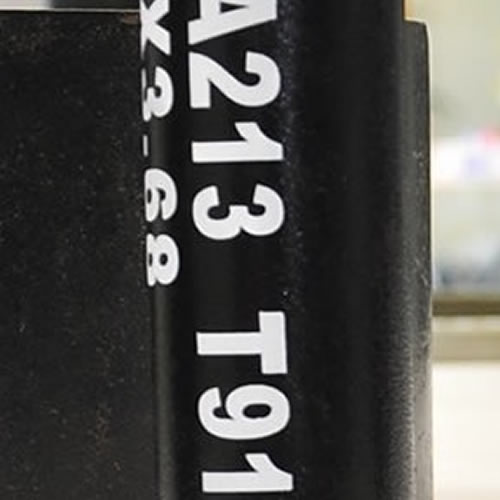
The ASTM A213 T91 seamless tubes are primarily used for boiler, superheater, and heat-exchanger.

When you partner with Sunny Steel, you can stop worrying about meeting deadlines thanks to our responsive and timely service. You'll also say goodbye to unnecessary shopping around. Instead, you'll get white glove service from an expert who understands your needs and can get you the materials you need quickly.