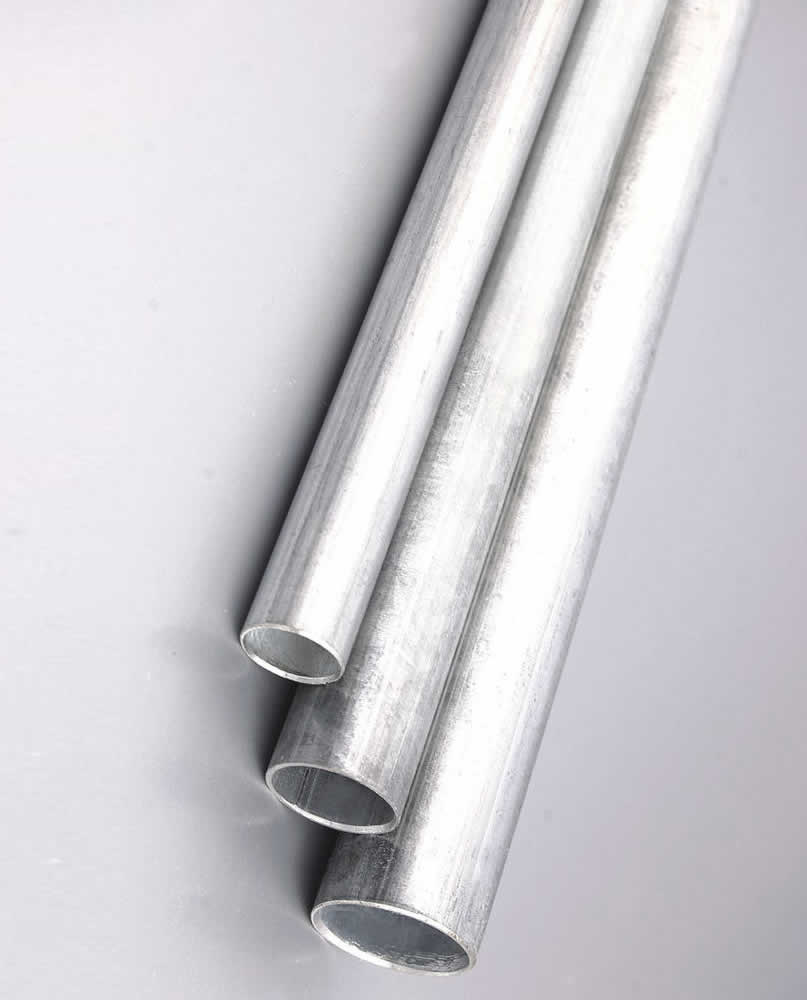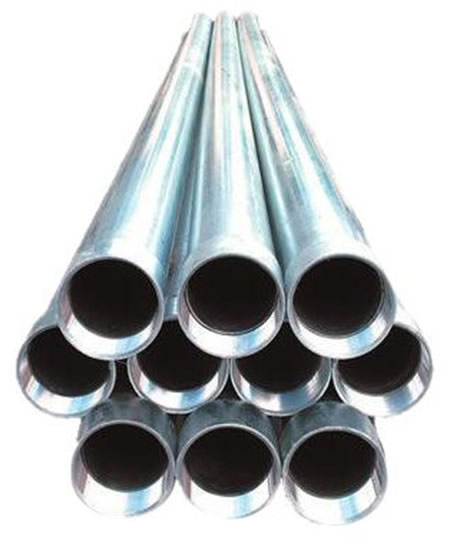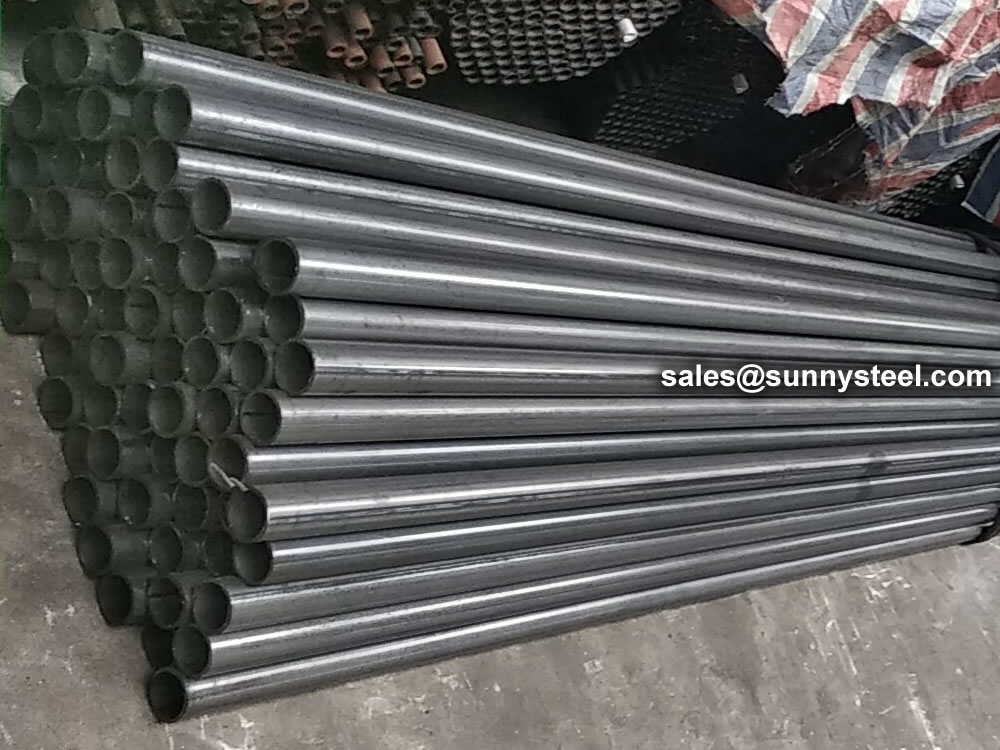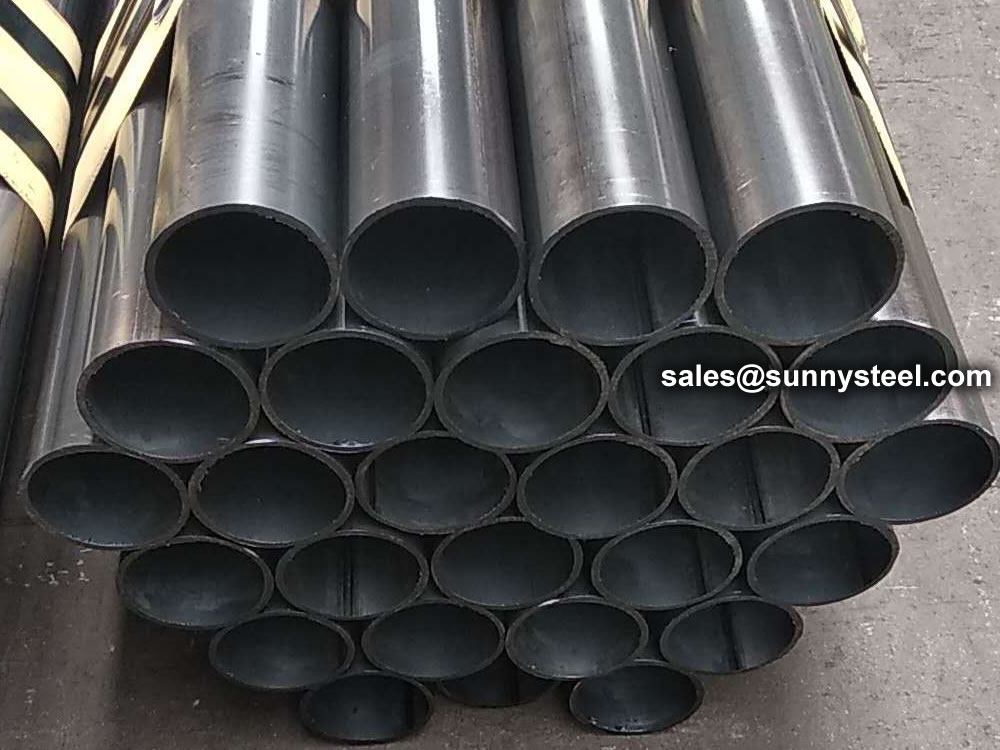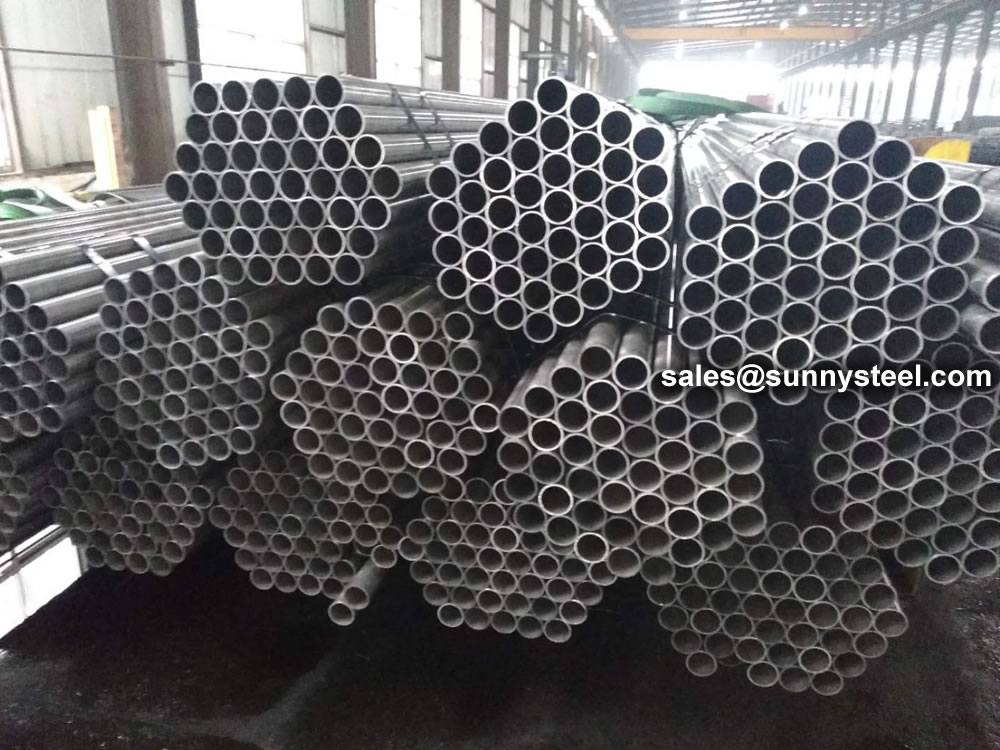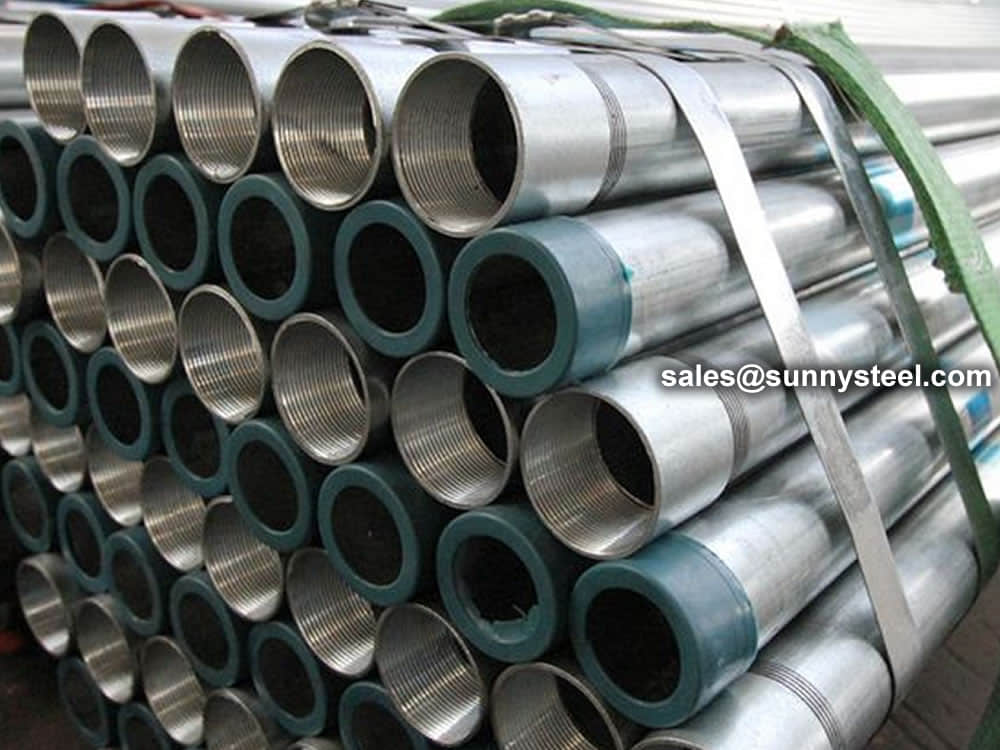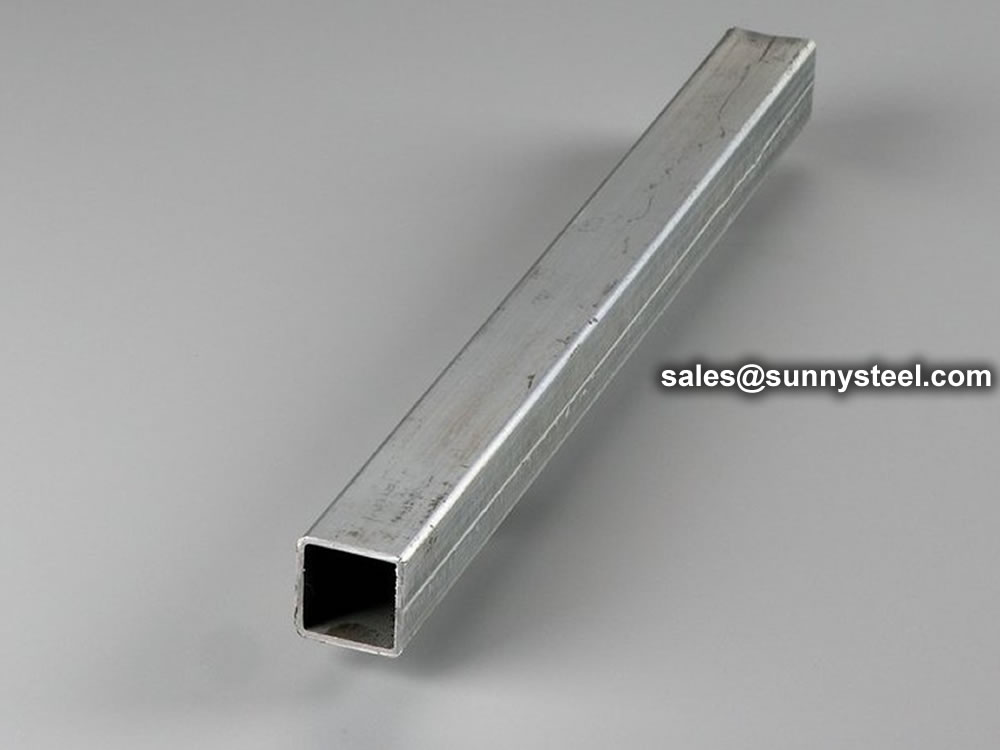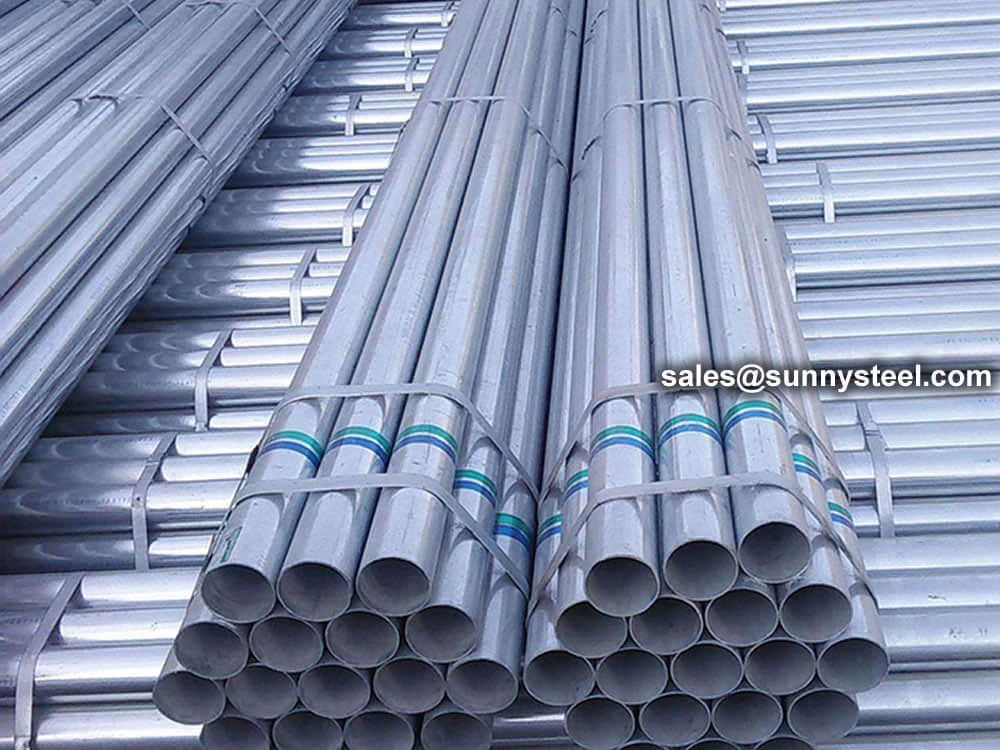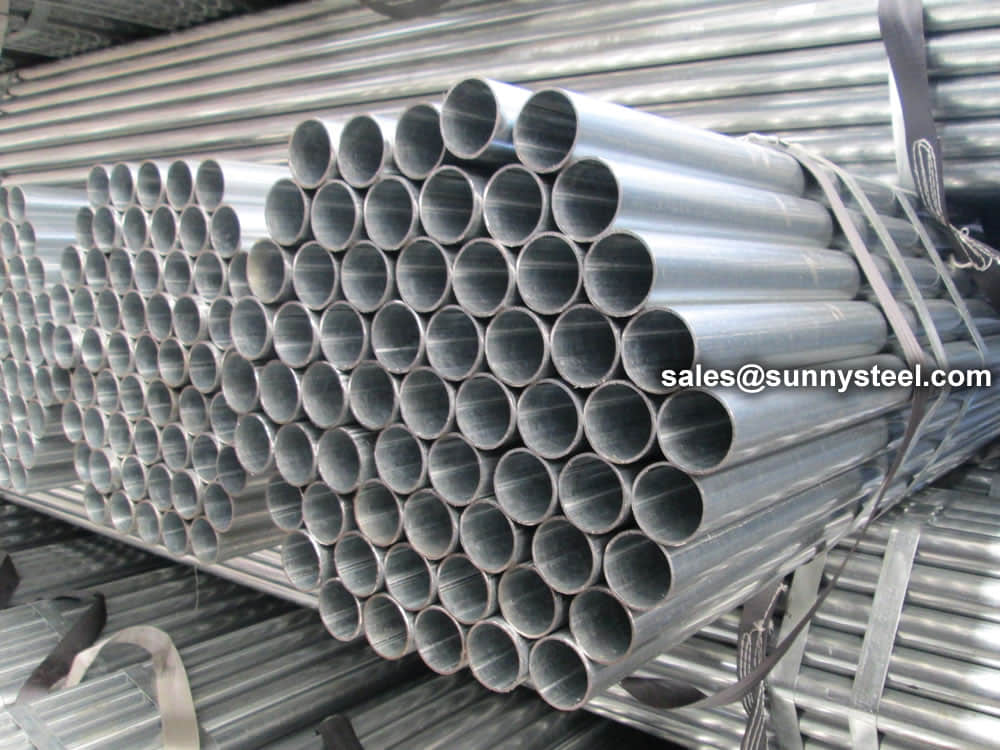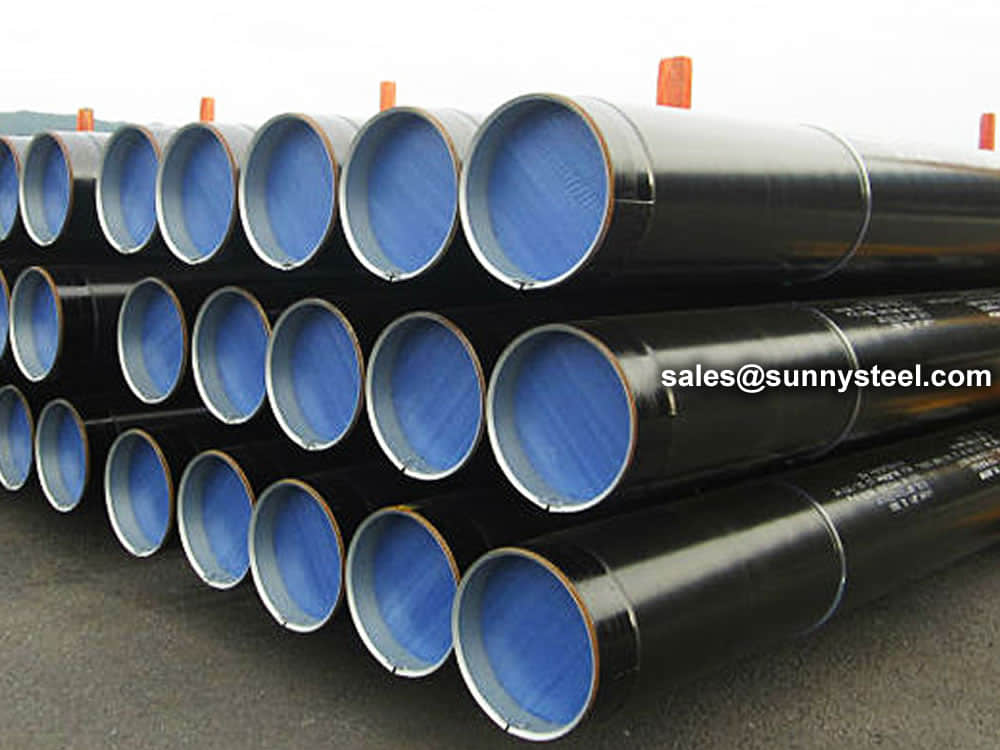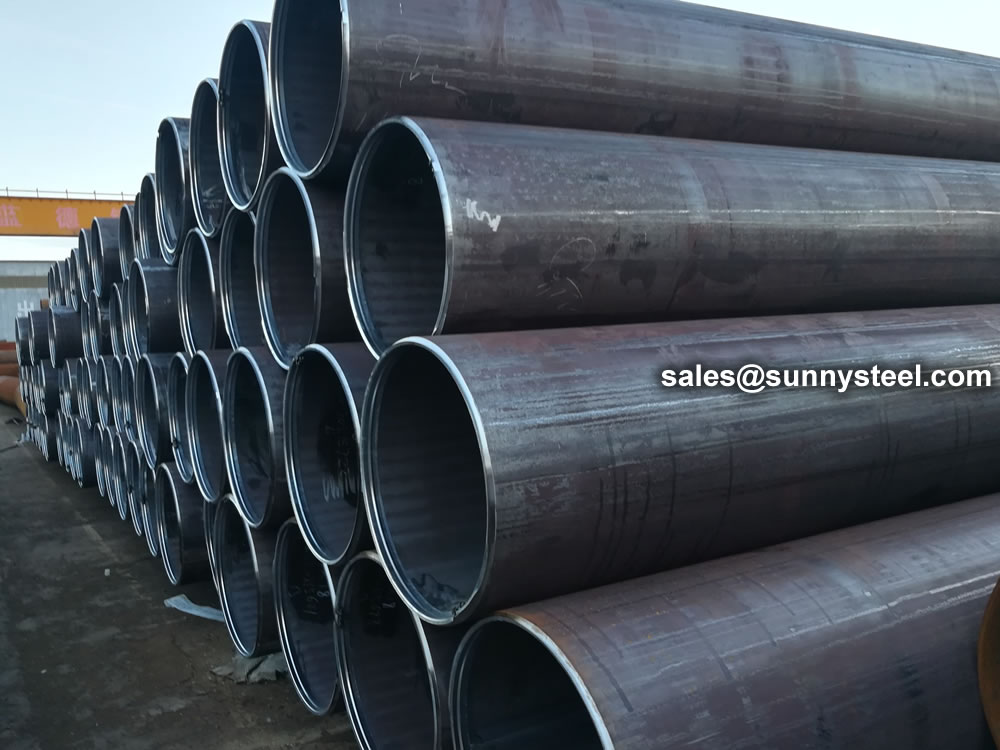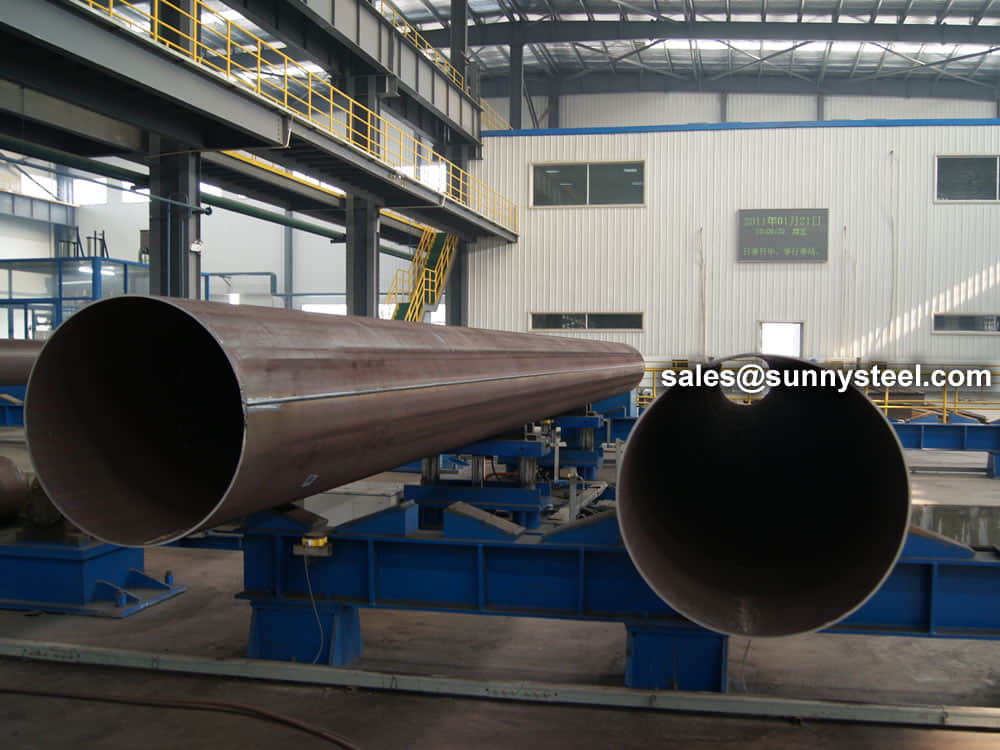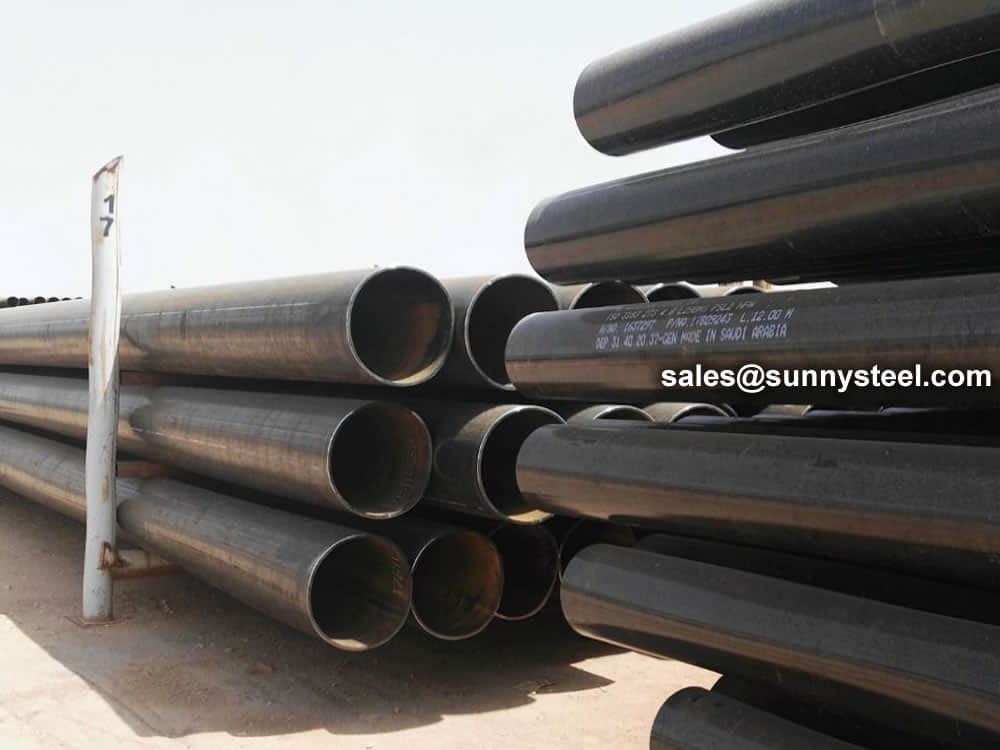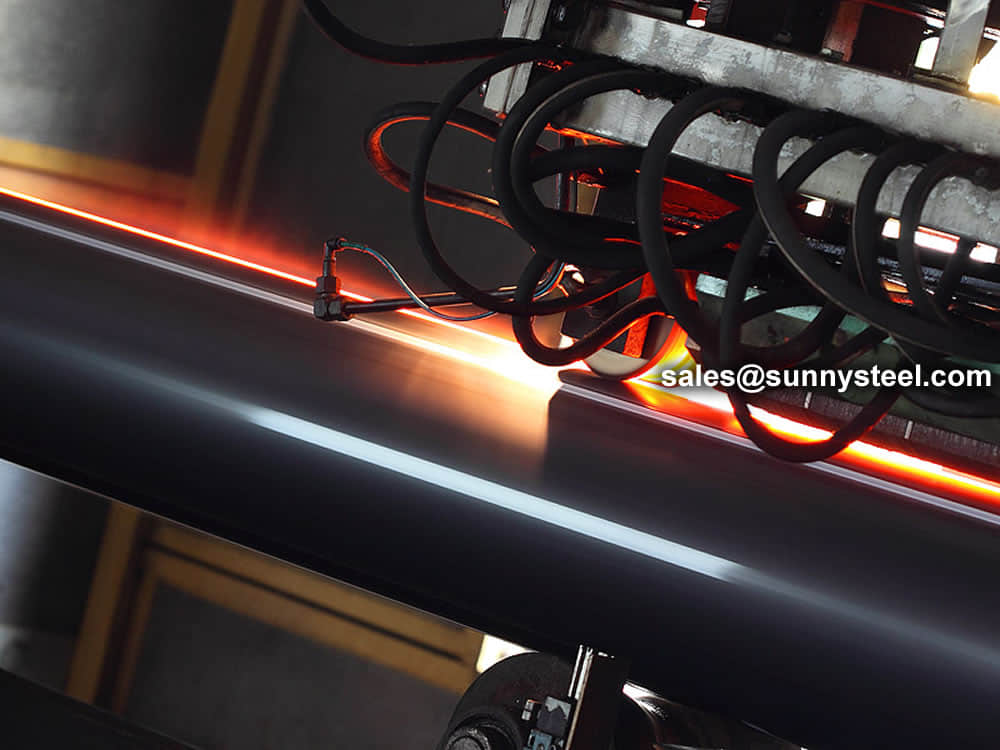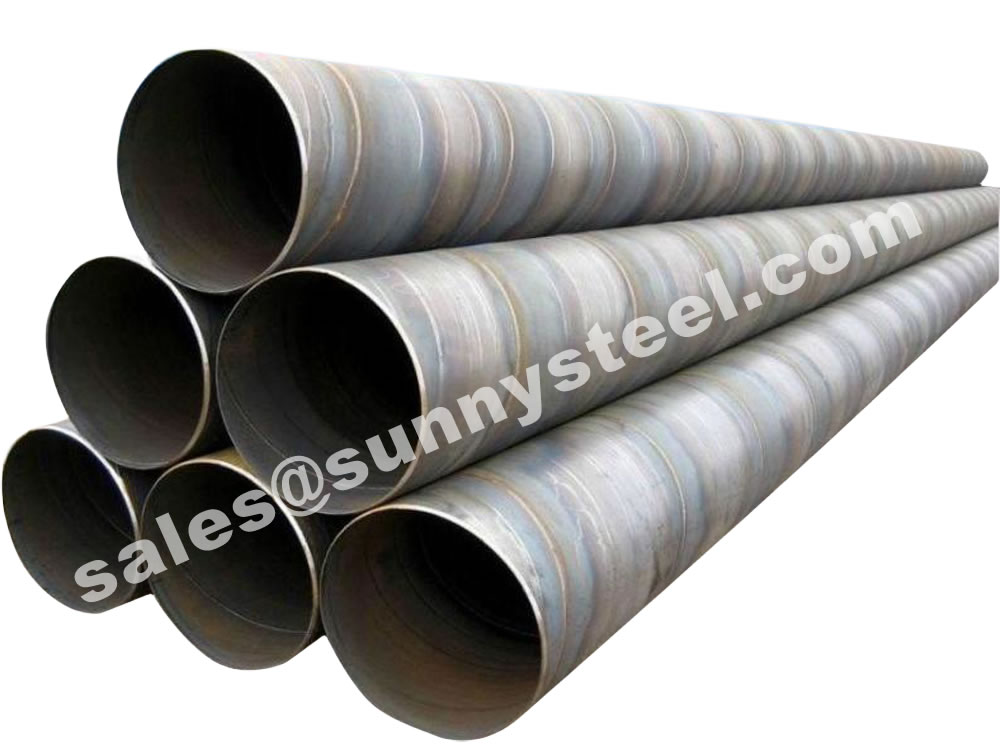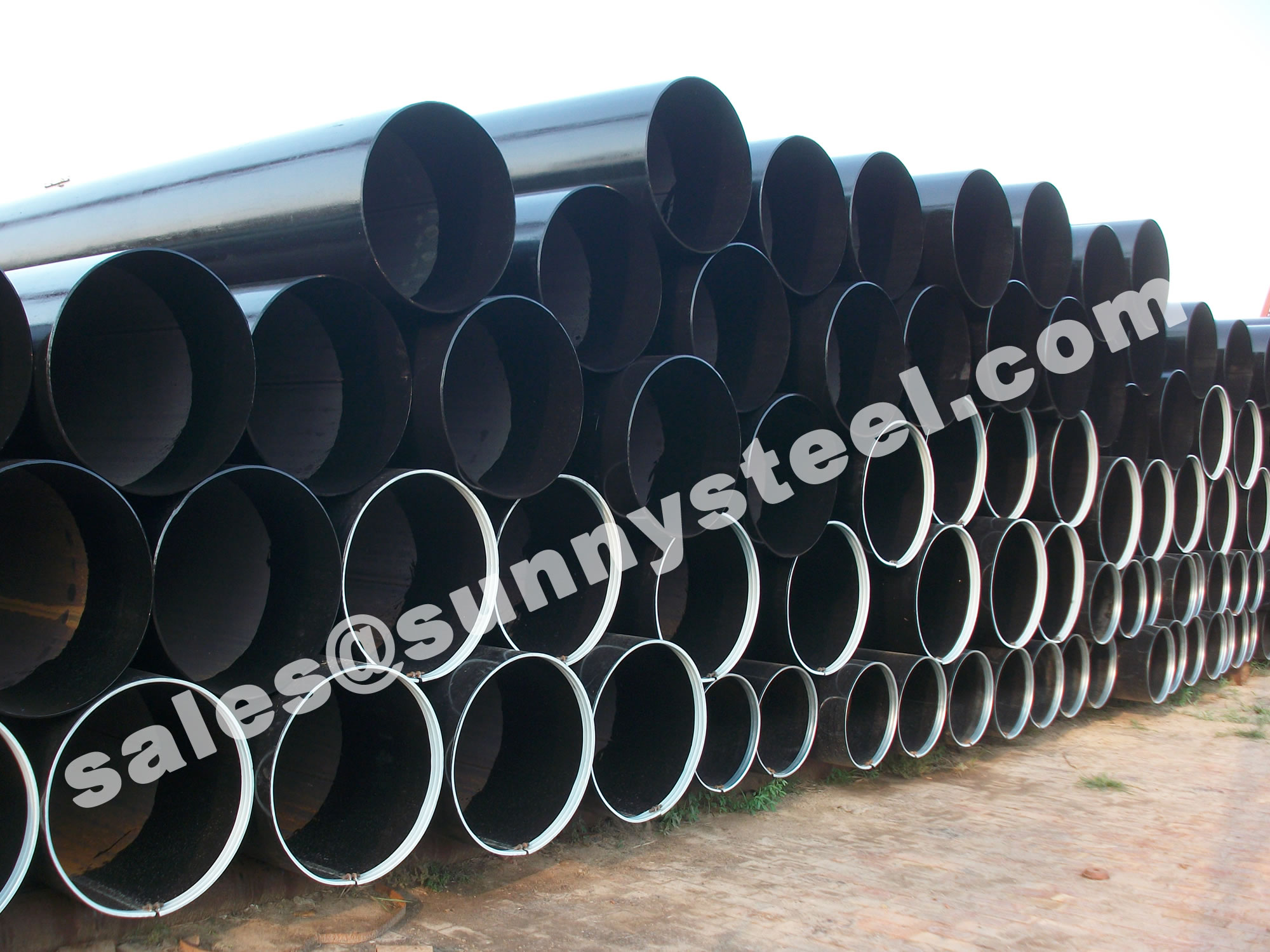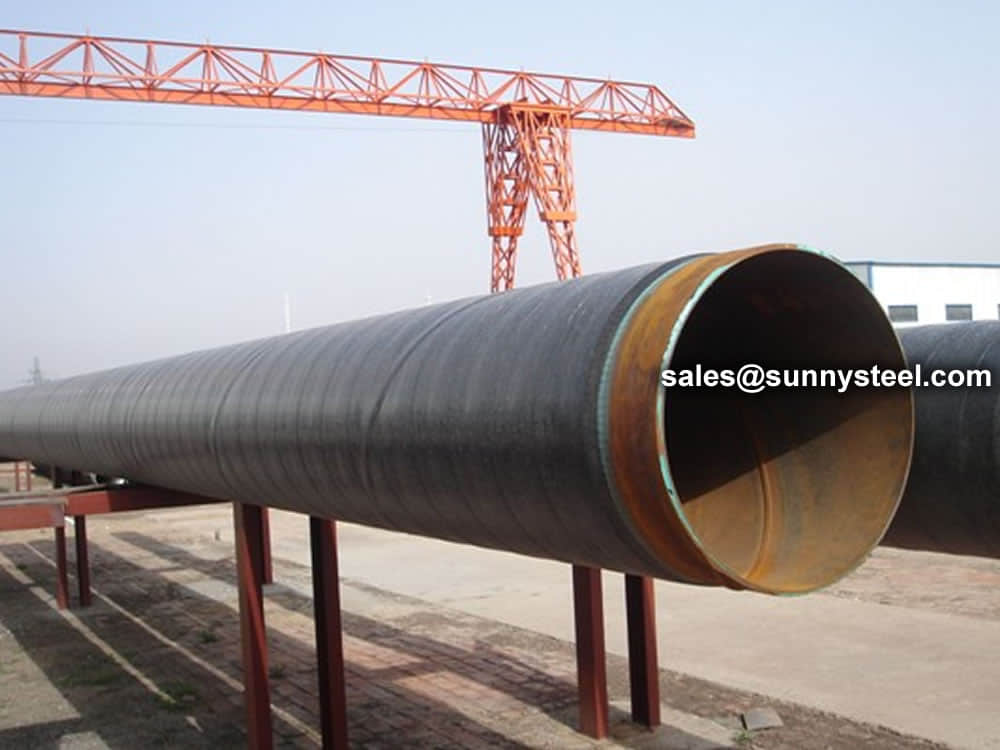
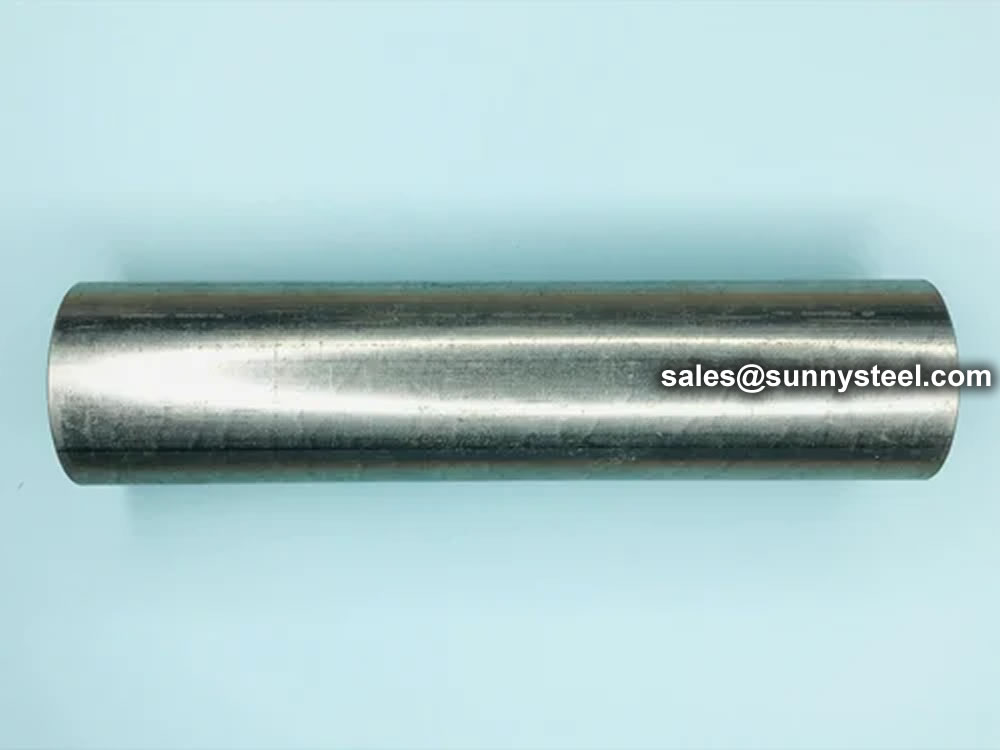
Hot dipped galvanized electrical steel pipe

Hot Dip Galvanized Pipe

Hot-dip galvanizing (HDG), as referenced is the process of dipping fabricated steel into a kettle or vat of molten zinc.

Hot-dip galvanizing (HDG) is the process of coating iron, steel or ferrous materials with a layer of zinc. This done by passing the metal through molten zinc at a temperature of 860°F (460°C) to form zinc carbonate (ZNC03). Zinc carbonate is a strong material that protects steel and can prevent corrosion in many circumstances. Hot-dip galvanizing can be carried out cheaply and in large batches.

Benefits of galvanized pipe

Because the pipes are galvanized, it is protected from rust and corrosion. Steel rusts after interacting with water or moisture in the air over time. By adding a coating of zinc to the tubing, galvanized steel round tubing corrodes much slower, extending the life of your tubing.

In addition to this, galvanized pipe also provides:
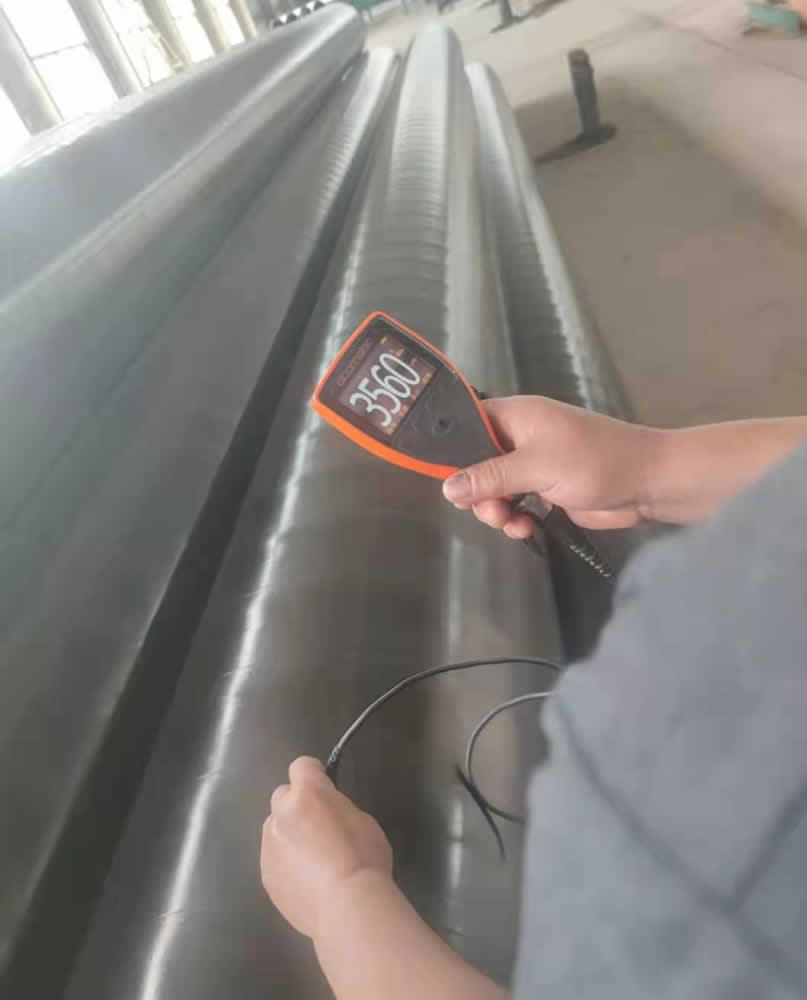
  • Lower cost than stainless steel
  • Lowest long-term cost
  • Reliable performance
  • Excellent resistance to mechanical damage
Hot dipped galvanized electrical steel pipe

Hot dipped galvanized with PE coating welded steel pipes

Galvanizing is one of the most widely used to methods for protecting metal from corrosion. It involves applying a thin coating of zinc to a thicker base metal, helping to shield it from the surrounding environment. The next time you are in your car, take a look at the street signs and lamp posts you pass. A large number of them will have a mute, silver color on them. That "silver" is actually the coating of zinc.

Thus, PE Coated Steel Pipes have been highly acclaimed even under severe environments such as areas of extreme cold, desert regions and under the sea.

Hot-dip galvanizing involves three main steps

Preparation: The galvanizing reaction will only occur on a chemically clean surface, so the first step of the process involves removing contamination. First, the metal is degreased using a caustic solution and then dipped in hydrochloric acid to remove rust, mill scale, welding slag, paint and grease. This followed by a rinse and a dip in a flux solution, which is usually about 30 percent zinc ammonium chloride.

Galvanizing: When the clean iron or steel component is dipped into the molten zinc (at 842°F (450°C)), zinc-iron alloy layers form as a result of a metallurgical reaction between the iron and zinc. When the material is pulled from the galvanizing bath, a layer of molten zinc is present on top of the alloy layer. When it cools, it has the bright, shiny appearance associated with galvanized products.

Inspection: After galvanizing, the coated materials are inspected for coating thickness and coating appearance. A variety of simple physical and laboratory tests may be performed to determine thickness, uniformity, adherence and appearance of the zinc coating.

Properties of Galvanized Steel

Galvanized steel is produced by coating the steel in zinc. The properties of galvanized steel are a unique combination that make it ideal for use in interior and exterior applications such as car bodies, appliances, nuts and bolts, roofs, and rebar.

Corrosion Resistance

According to the American Galvanizers Association, galvanized steel resists corrosion up to 100 times better than uncoated steel.

Surface Appearance

All galvanized steel has a matte-gray appearance. Zinc coating applied by using electrogalvanizing is smoother than galvanized steel made with batch or continuous galvanizing and allows for a higher quality finish when painted.

Formability

The zinc coating on galvanized steel is resistant to cracking and loss of adhesion when the steel is formed into a product.

Durability

The zinc coating does not require special handling to protect it during transport or use. It is extremely durable and resistant to scratches from abrasion.

Recyclable

Steel is by far the most recycled material in North America. Galvanized steel is as recyclable as other types of steel.


What Is the Difference in Black Steel Pipe & Galvanized Steel Pipe?

Water and gas require the use of pipes to carry them into residential homes and commercial buildings. Gas supplies power to stoves, water heaters and other devices, while water is essential for other human needs. The two most common types of pipes used to carry water and gas are black steel pipe and galvanized steel pipe.

Galvanized Pipe

Galvanized pipe is covered with a zinc material to make the steel pipe more resistant to corrosion. The primary use of galvanized pipe is to carry water to homes and commercial buildings. The zinc also prevents the buildup of mineral deposits that can clog the water line. Galvanized pipe is commonly used as scaffolding frames because of its resistance to corrosion.

Black Steel Pipe

Black steel pipe is different from galvanized pipe because it is uncoated. The dark color comes from the iron-oxide formed on its surface during manufacturing. The primary purpose of black steel pipe is to carry propane or natural gas into residential homes and commercial buildings. The pipe is manufactured without a seam, making it a better pipe to carry gas. The black steel pipe is also used for fire sprinkler systems because it is more fire-resistant than galvanized pipe.

Problems

The zinc on galvanized pipe flakes off over time, clogging the pipe. The flaking can cause the pipe to burst. Utilizing galvanized pipe to carry gas can create a hazard. Black steel pipe, on the other hand, corrodes more easily than galvanized pipe and allows minerals from water to build up inside it.

Cost

Galvanized steel pipe costs more than black steel pipe because of the zinc coating and manufacturing process involved in producing galvanized pipe. Galvanized fittings also cost more than the fittings used on black steel. Galvanized steel pipe must never be joined with black steel pipe during the construction of a residential home or commercial building.

Quite simply, galvanizing a metal gives it anti-corrosion properties. Without the protective zinc coating, the metal would remain exposed to the elements and potentially oxidize and corrode much faster. Galvanized Steel is a cost effective alternative to using materials such as austenitic stainless steel or aluminum in order to prevent corrosion.

How Does It Work?

Galvanizing can protect metal is a number of ways. Firstly, it creates a protective coating that shields the metal from the surrounding environment. The layer of zinc prevents water and moisture and other elements in the air from corroding the steel underneath. Should the zinc coating be scratched deep enough, the metal would become exposed and susceptible to corrosion.

Galvanizing can also protect metal through a process called "galvanic corrosion". Galvanic corrosion occurs when two metals of a different electrochemical make up are placed into contact with one another with an electrolyte present, such as salty water. Depending on the atomic structure of the two metals, one metal is the anode and the other is the cathode. The anode corrodes more rapidly than it would by itself and the cathode corrodes at a slower pace than it would by itself. The reason zinc is used for galvanizing is because it has an affinity towards being the anode when in contact with many different types of metals. Since the zinc coating in contact with the base metal is usually the anode, it slows the corrosion of the base metal, or the cathode.

Hot dipped galvanized electrical steel pipe

Different methods of galvanizing

There are several different processes for galvanizing metal:

HOT-DIP GALVANIZING

As the name implies, this method involves dipping the base metal into a molten pool of zinc. First, the base metal must be cleaned either mechanically, chemically, or both to assure a quality bond can be made between the base metal and the zinc coating. Once cleaned, the base metal is then fluxed to rid it of any residual oxides that might remain after the cleaning process. The base metal is then dipped into a liquid bath of heated zinc and a metallurgical bond is formed.

The advantages of this method are that it is economical; it can be performed quickly and to complex shapes. However, the final coating can be inconsistent relative to other galvanizing processes.

PRE-GALVANIZING

This method is very similar to hot-dip galvanizing but is performed at the steel mill, usually on materials that already have a specific shape. Pre-galvanizing involves rolling metal sheet through a similar cleaning process to that of the hot-dip galvanizing process. The metal is then passed through a pool of hot, liquid zinc and then recoiled.

An advantage of this method is that large coils of steel sheet can be rapidly galvanized with a more uniform coating compared to hot-dip galvanizing. A disadvantage is that once fabrication of the pre-galvanized metal begins, exposed, uncoated areas will become present. This means that when a long coil of sheet is cut into smaller sizes, the edges where the metal is cut are left exposed.

ELECTRO-GALVANIZING

Unlike the previous processes, electrogalvanizing does not use a molten bath of zinc. Instead, this process utilizes an electrical current in an electrolyte solution to transfer zinc ions onto the base metal. This involves electrically reducing positively charged zinc ions to zinc metal which are then deposited on the positively charged material. Grain refiners can also be added which helps to ensure a smooth zinc coating on the steel. Similar to the pre-galvanizing process, electrogalvanizing is typically applied continuously to a roll of sheet metal.

Some advantages of this process are a uniform coating and precise coating thickness. However, the coating is typically thinner than the coating of zinc achieved by the hot-dip galvanizing method which can result in reduced corrosion protection.

Threaded end steel pipe

Typically used on pipe 3" and smaller, threaded connections are referred to as screwed pipe. With tapered grooves cut into the ends of a run of pipe, screwed pipe and screwed fittings can easily be assembled without welding or other permanent means of attachment. In the United States, the standard pipe thread is National Pipe Thread (NPT).

The reason for this is that as NPT connections are assembled, they become increasingly more difficult for the process to leak. The standard taper for NPT pipe is 3/4" for every foot. Threaded End is abbreviated on drawings as TE.

Threaded fittings have threads that are either male or female. Male threads are cut into the outside of a pipe or fitting, while female threads are cut into the inside of the fitting. As screwed pipe and fittings are assembled, two pieces are pulled together. The distance that is pulled together is called the thread engagement.

ASTM A53 hot dip galvanized pipe size 5 inch schedule 40

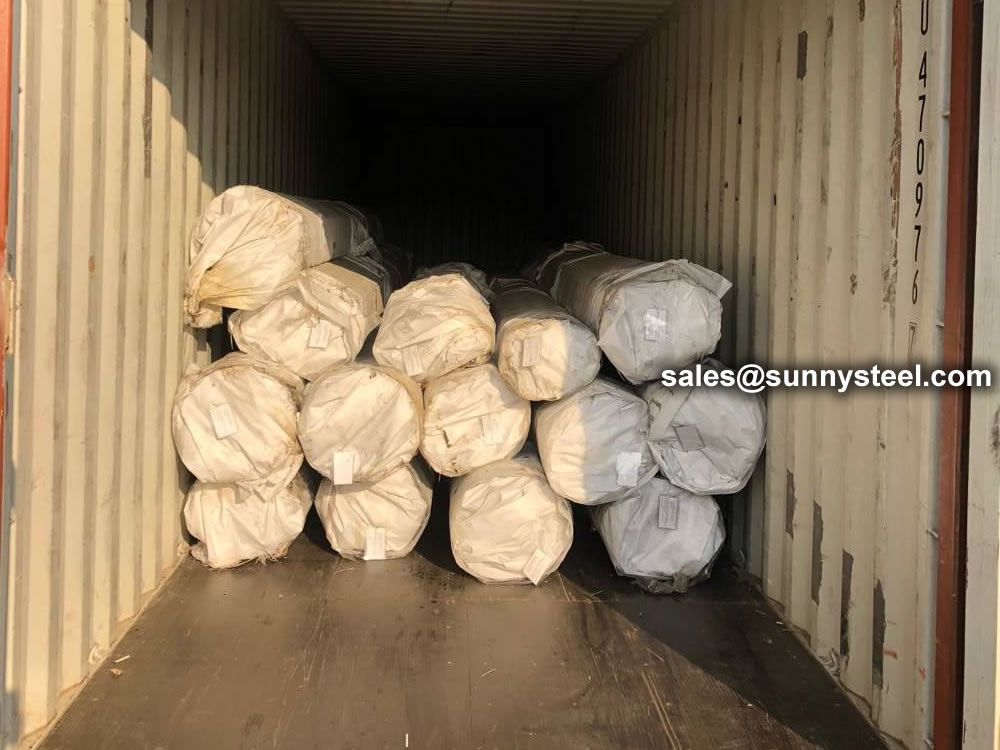
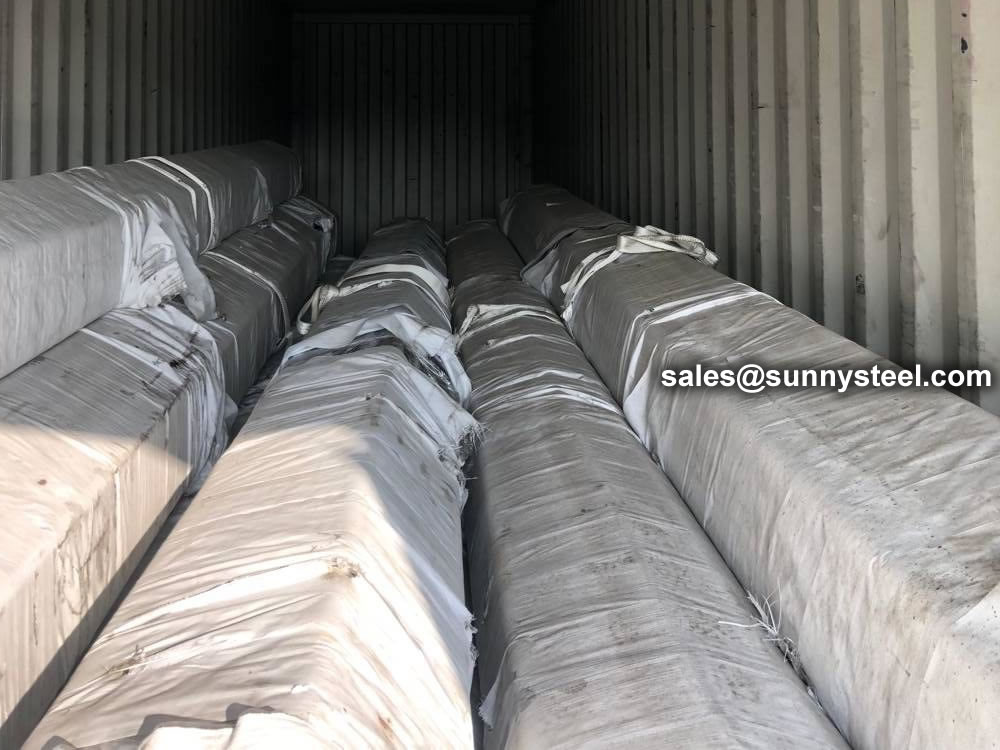
Delivery

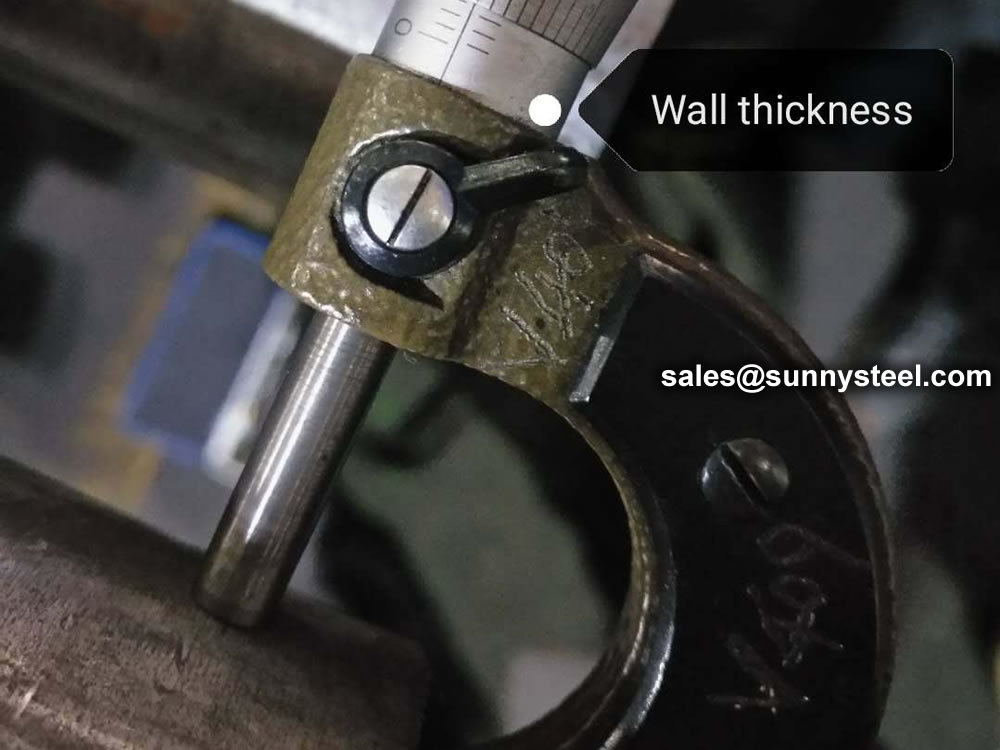
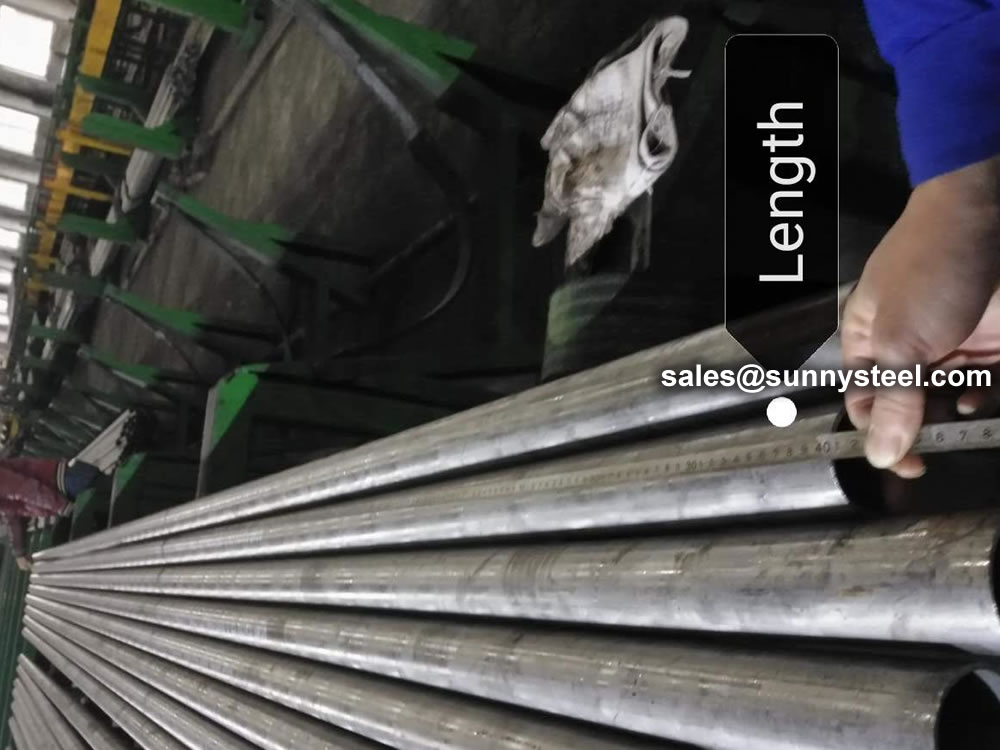
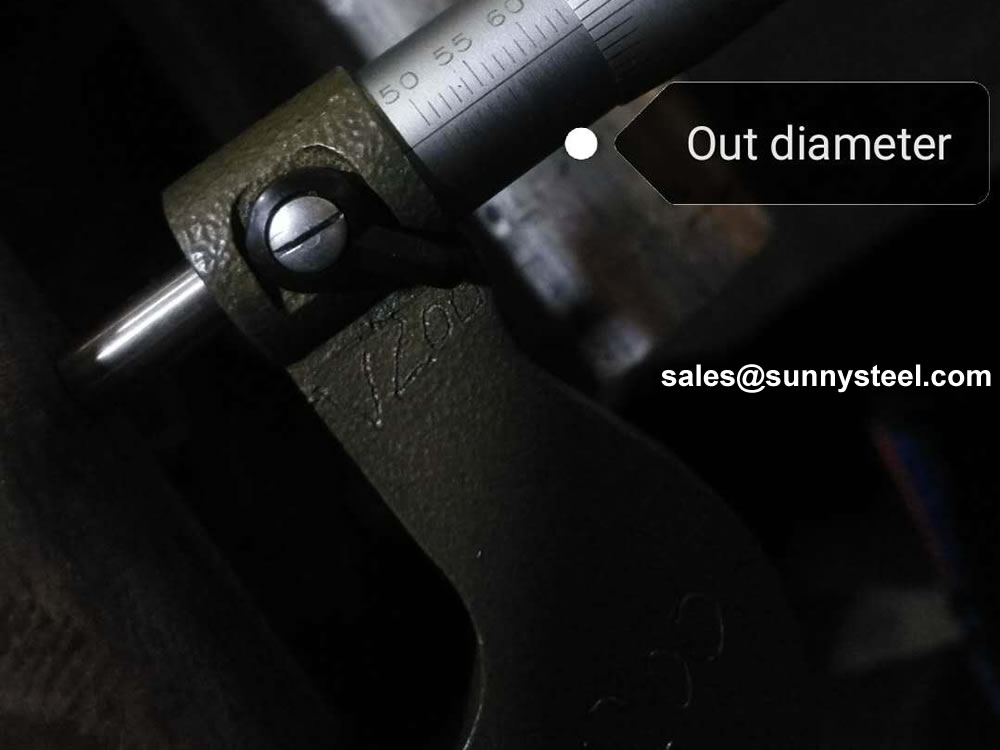
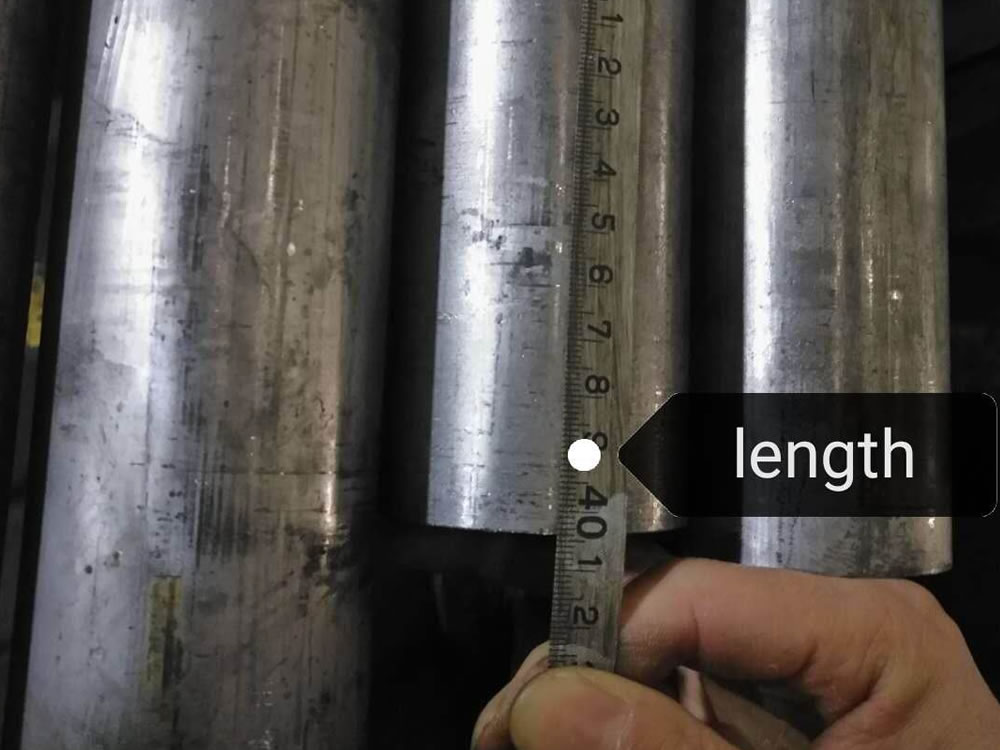
Measurement size

Measure weld stee pipes
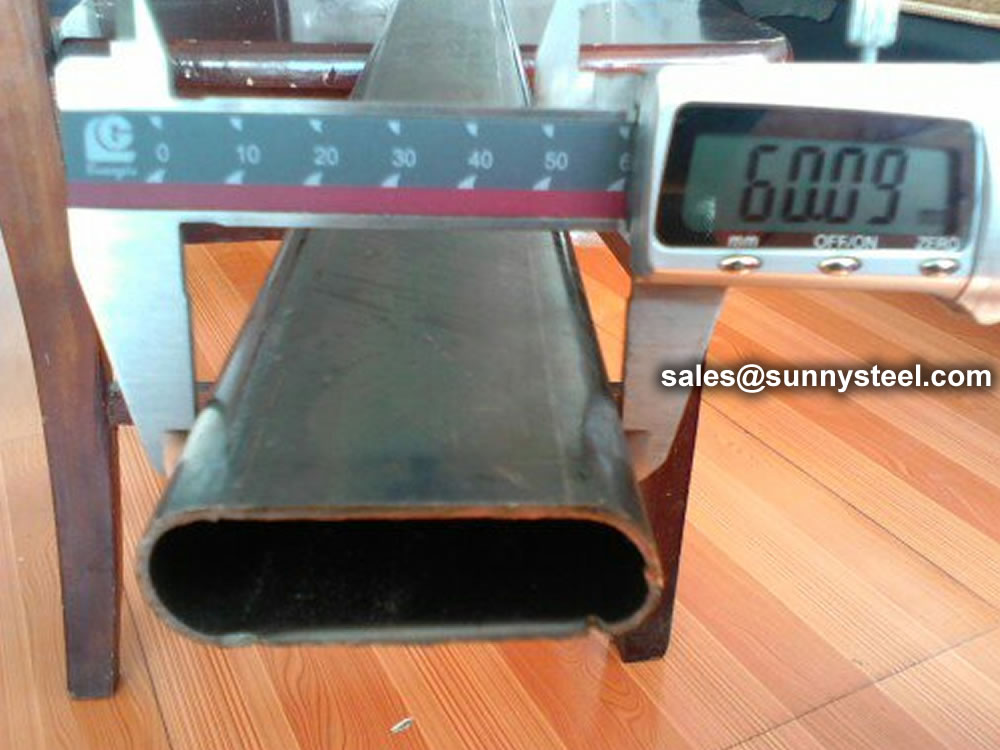
Flat oval pipes
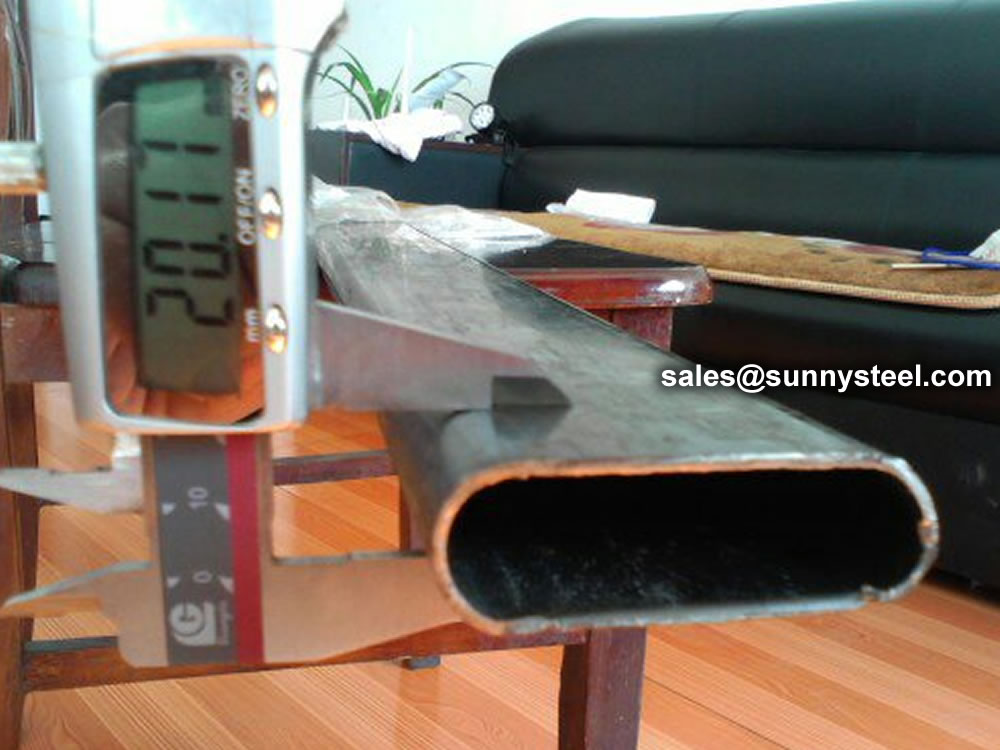
Flat oval pipes

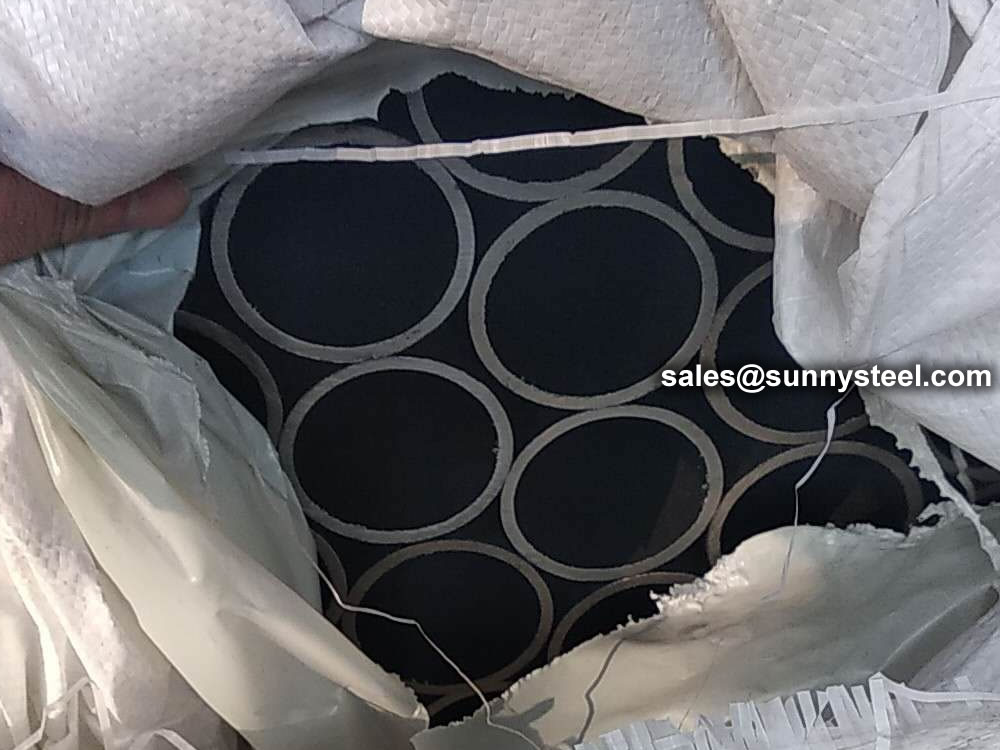
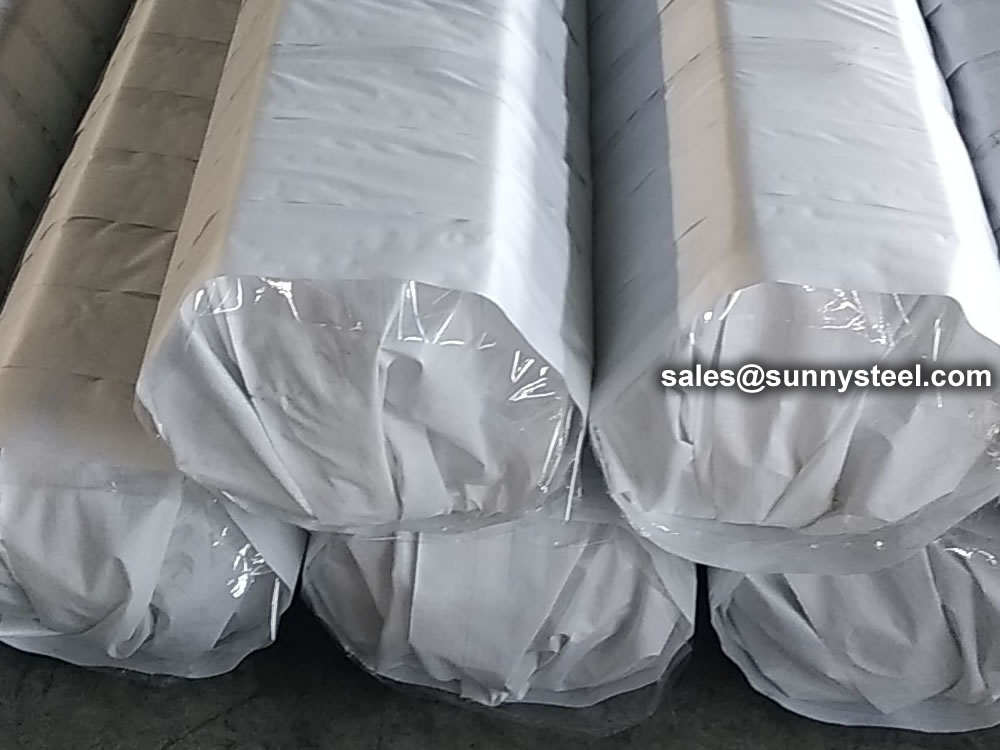
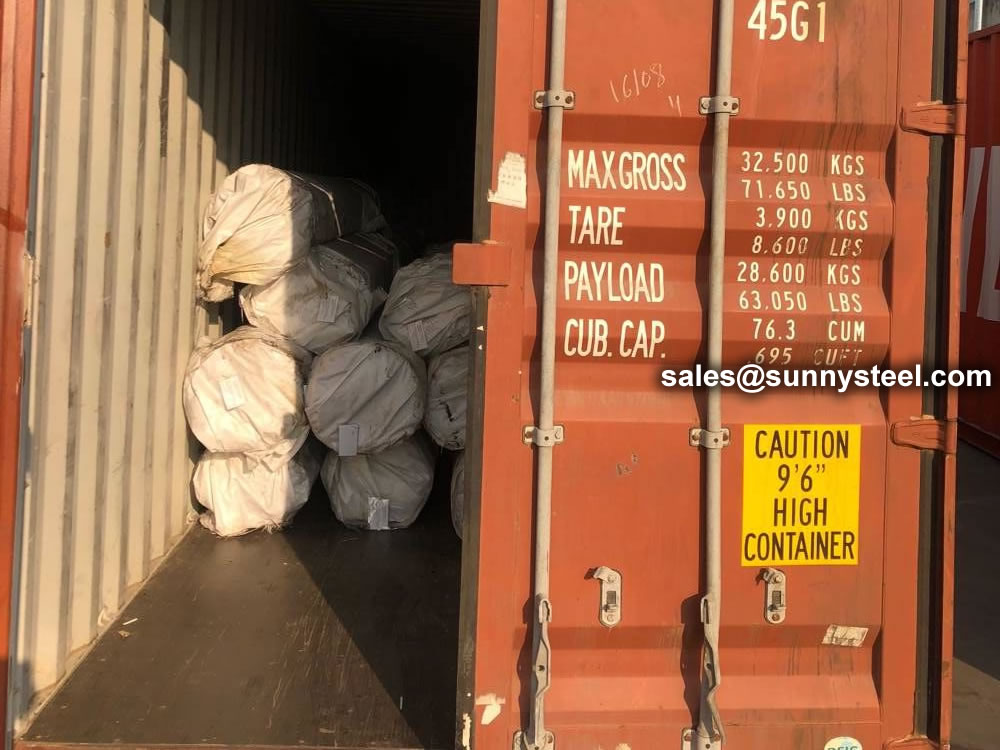
Packing

Packing weld stee pipes

Welded pipes specification and size

API SPEC 5CT

Product Name Executive Standard Dimension (mm) Steel Code / Steel Grade
Casting API 5CT Ø48.3~273 x WT2.77~11.43 J55, K55, N80, L80
Tubing API 5CT Ø48.3~273 x WT2.77~11.43 J55, K55, N80, L80, H40

API SPEC 5L

Product Name Executive Standard Dimension (mm) Steel Code / Steel Grade
Line Pipes API 5L Ø60.3~273.1 x WT2.77~12.7 A25, A, B, X42, X46, X52, X56, X60, X65, X70, X80

ASTM / ASME

Product Name Executive Standard Dimension (mm) Steel Code / Steel Grade
Electric-Resistance-Welded Steel Pipes ASTM A135 Ø42.2~114.3 x WT2.11~2.63 A
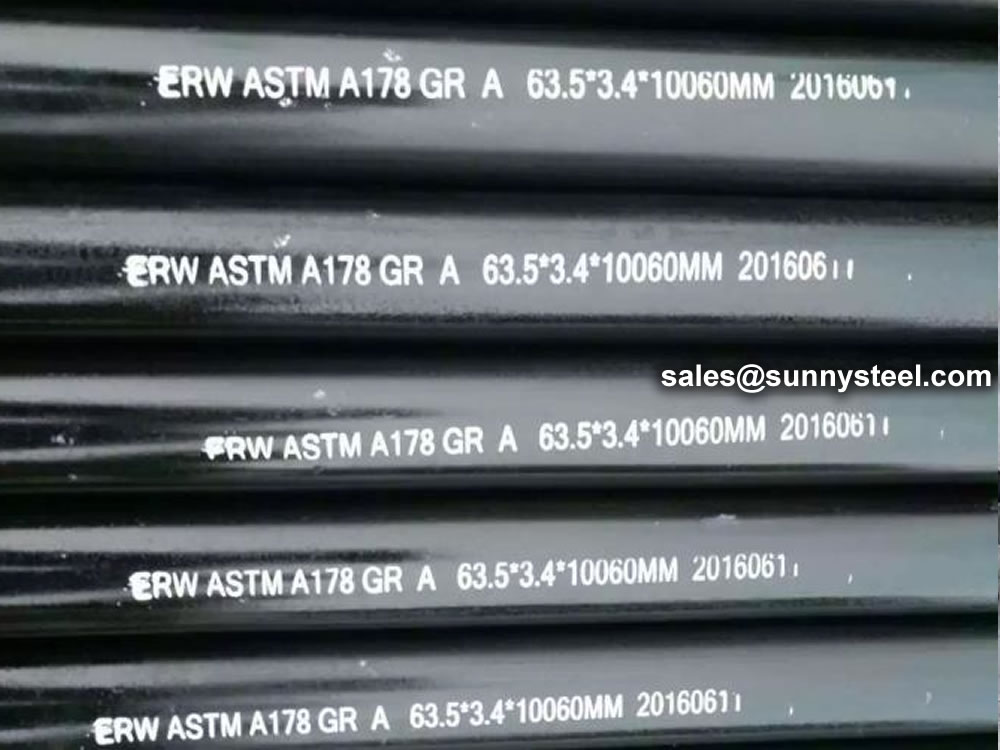
Electric-Resistance-Welded Carbon Steel and Carbon-Manganese Steel Boiler and Superheater Tubes ASTM A178 42.2-114.3 x 2.11-2.63 A, C, D
ERW and Hot-dip Galvanized Steel Pipes ASTM A53 Ø21.3~273 x WT2.11~12.7 A, B
Pipes for Piling Usage ASTM A252 Ø219.1~508 x WT3.6~12.7 Gr.2, Gr.3
Tubes for General Structural Purpose ASTM A500 Ø21.3~273 x WT2.11~12.7 Gr.2, Gr.3
Square Pipes for General Structural Purpose ASTM A500 25 x 25~160 x 160 x WT1.2~8.0 Carbon Steel

DIN

Product Name Executive Standard Dimension (mm) Steel Code / Steel Grade
Threaded Steel Pipes DIN 2440 Ø21~164 x WT2.65~4.85 Carbon Steel

BS

Product Name Executive Standard Dimension (mm) Steel Code / Steel Grade
Screwed and Socketed Steel Tubes BS 1387 Ø21.4~113.9 x WT2~3.6 Carbon Steel

EN

Scaffolding Pipes EN 39 Ø48.3 x WT3.2~4 Carbon Steel

JIS

Product Name Executive Standard Dimension (mm) Steel Code / Steel Grade
Carbon Steel Tubes for General Structure Purpose JIS G3444 Ø21.7~216.3 x WT2.0~6.0 Carbon Steel
Carbon Steel Tubes for Machine Structure Purpose JIS G3445 Ø15~76 x WT0.7~3.0 STKM11A, STKM13A
Carbon Steel Pipes for Ordinary Piping JIS G3452 Ø21.9~216.3 x WT2.8~5.8 Carbon Steel
Carbon Steel Pipes for Pressure Service JIS G3454 Ø21.7~216.3 x WT2.8~7.1 Carbon Steel
Carbon Steel Rigid Steel Conduits JIS G8305 Ø21~113.4 x WT1.2~3.5 G16~G104, C19~C75, E19~E75
Carbon Steel Rectangular Pipes for General Structure JIS G3466 16 x 16~150 x 150 x WT0.7~6 Carbon Steel
Frequently Asked Questions
The coil used for production has lower alloy content than similar steel plates, which brings better weldability. Besides, the rolling direction of the coil is not perpendicular to the pipe axis, so the finished pipe owns excellent crack resistance.
Welded steel pipe is a seamed steel product manufactured by bending steel strip or steel plate into round, square or other shapes and then welding. Its raw materials are steel sheets or strips. With the development of strip rolling, welding and inspection technology, welded pipes have richer specifications and more reliable quality.
Nickel and chromium are key elements for anti-corrosion performance. Higher nickel content provides stronger resistance against acid environments such as sulfuric acid and hydrochloric acid. Adding chromium alone can also effectively prevent corrosion.
Poor edge condition of steel strip, irregular shape and dimensional deviation at the head and tail of uncut steel strip will lead to hard bending of the strip and further cause weld misalignment. This defect may result in product downgrade.
General technical requirements and inspection rules follow GB3092 Welded Steel Pipes for Low-Pressure Fluid Transmission. Hydrostatic test complies with relevant pressure regulations, and eddy current flaw detection is implemented according to GB7735 Steel Tube Eddy Current Flaw Detection Inspection Method.
Defects like folds, cracks, delamination and lap welding are strictly prohibited. Minor scratches, weld misalignment, burns and scars that do not exceed wall thickness negative deviation are acceptable. Wall thickening and inner weld beads at welding seams are also permitted.
Welded pipes shall undergo mechanical property test, flattening test and flaring test. They must withstand a 2.5Mpa hydrostatic pressure test for 1 minute without leakage. Eddy current flaw detection can be used as an alternative to hydrostatic test.
Qualified pipes are cut to fixed length by flying saw, then transported via turning frame. Both pipe ends are chamfered and flattened, marked clearly, and finally bundled into hexagonal bundles for delivery.
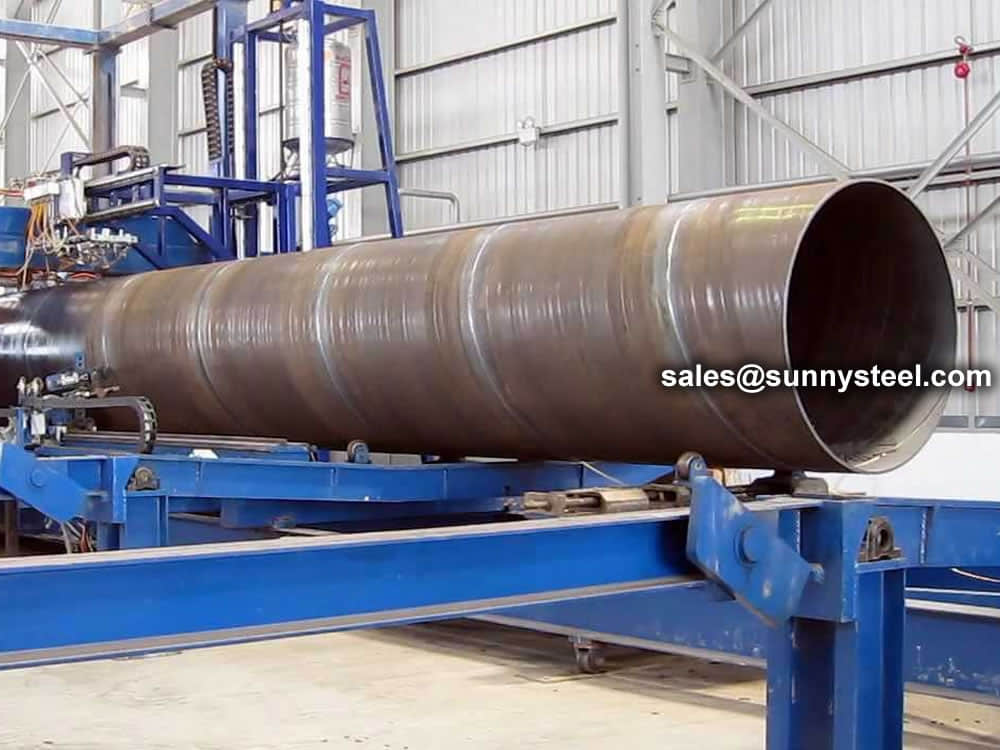
The weld seam of straight seam steel pipe is parallel to the pipe longitudinal direction. It can adopt narrow blanks to produce large-diameter pipes, and the same-width blanks can make pipes of different diameters. Its disadvantage is longer weld seam and lower production efficiency compared with spiral welded pipe.
There are four mainstream processing methods: Forging, Extrusion, Rolling and Steel Drawing. Forging uses impact or pressure to shape steel; Extrusion is widely used for non-ferrous metal pipes; Rolling reduces cross-section by roller compression; Steel Drawing is mainly applied to cold working to narrow pipe diameter and extend length.
Surface quenching and tempering generally adopt induction heating or flame heating. Local quenching can also be realized by induction heating for parts requiring partial high hardness.
Vickers hardness tester is commonly used. Rockwell hardness tester is also available: use HRA scale when hardened layer thickness is 0.4-0.8mm, and HRC scale when thickness exceeds 0.8mm. For shallow hardened layers, superficial Rockwell hardness tester with HRN scale is recommended.
Yes. Vickers, Rockwell and superficial Rockwell hardness values can be converted to one another. Corresponding conversion tables are provided in ISO, ASTM and GB/T standards.
Hot Products

【H】 Ceramic lined pipe

Ceramic lined pipe is made through self-propagating high-temperature synthesis (SHS) technique.
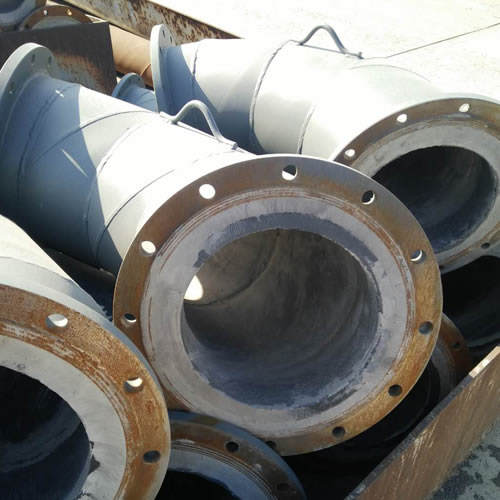
【H】 Cast basalt lined steel pipe

Cast basalt lined steel pipe is composed by lined with cast basalt pipe, outside steel pipe and cement mortar filling between the two layers.
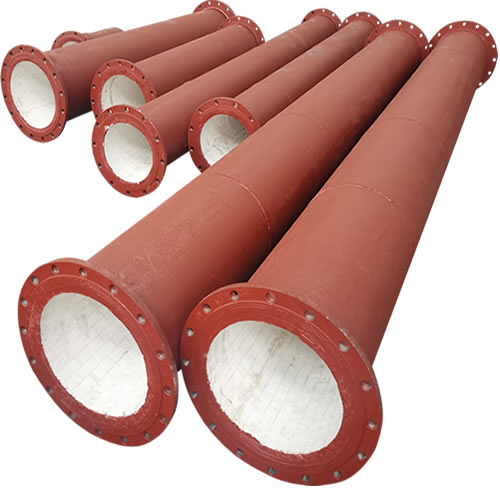
【H】 Ceramic Tile Lined Pipes

Ceramic tile lined pipes have very uniform coating of specially formulated ceramic material that is affixed to the inner of the pipe.
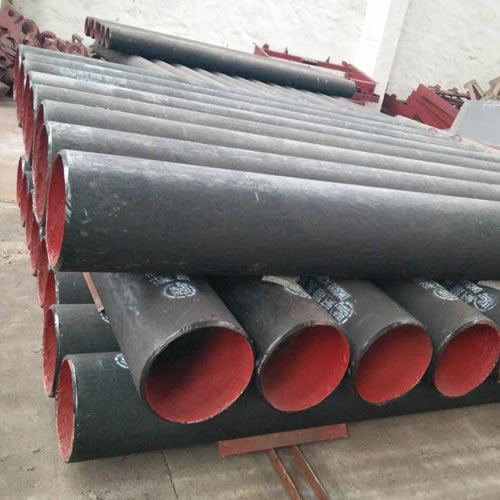
【H】 Rare earth alloy wear-resistant pipe

The material of the rare earth alloy wear-resistant pipe is ZG40CrMnMoNiSiRe, which is also the grade of rare earth alloy steel.
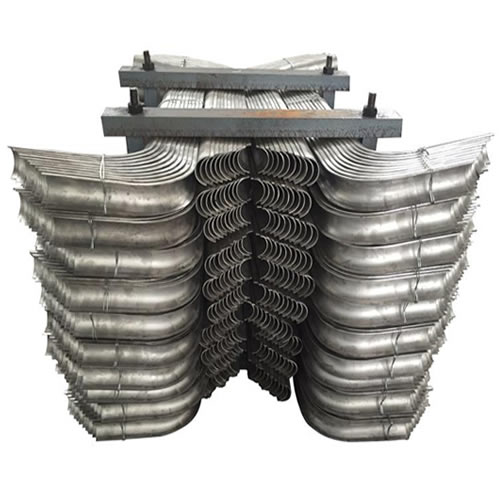
【H】 Tubes Erosion Shields

Tubes Erosion Shields are used to protect boiler tubing from the highly erosive effects of high temperatures and pressures thereby greatly extending tube life.
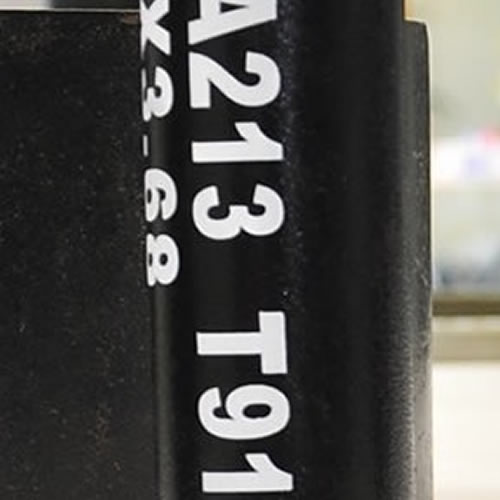
【H】 ASTM A213 T91 Alloy Tube

The ASTM A213 T91 seamless tubes are primarily used for boiler, superheater, and heat-exchanger.

The White Glove Service You Deserve

When you partner with Sunny Steel, you can stop worrying about meeting deadlines thanks to our responsive and timely service. You'll also say goodbye to unnecessary shopping around. Instead, you'll get white glove service from an expert who understands your needs and can get you the materials you need quickly.

application

Materials delivered on-time and at a fair price

application

No delays in production or manufacturing process

application

Meet engineering specifications to ensure top quality

application

World-class customer service ready to help