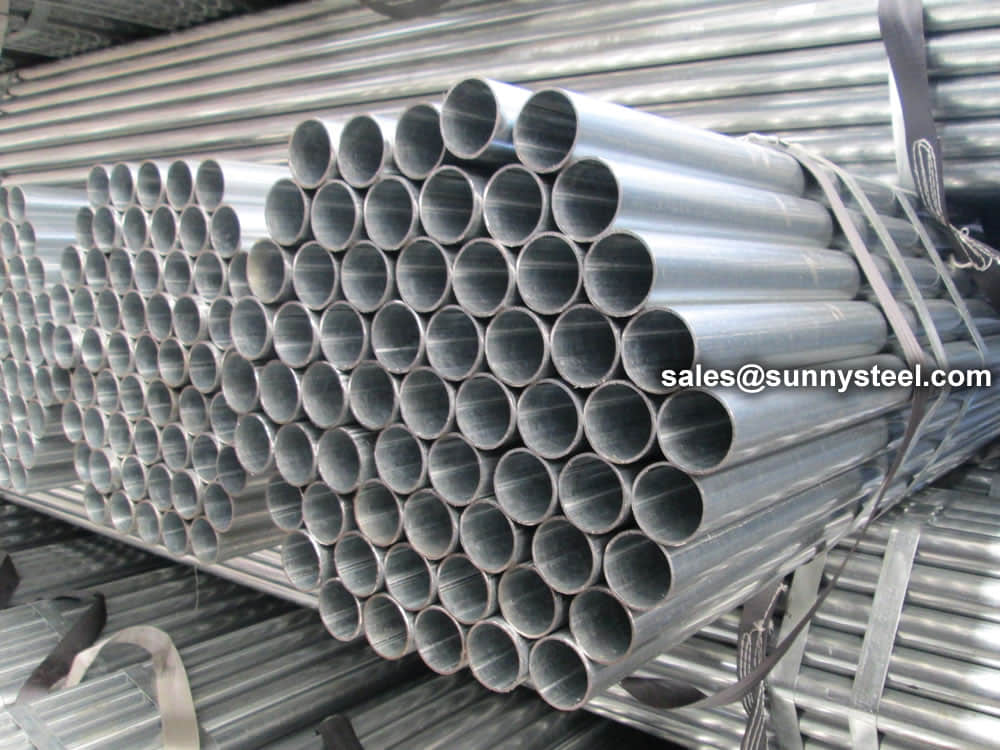
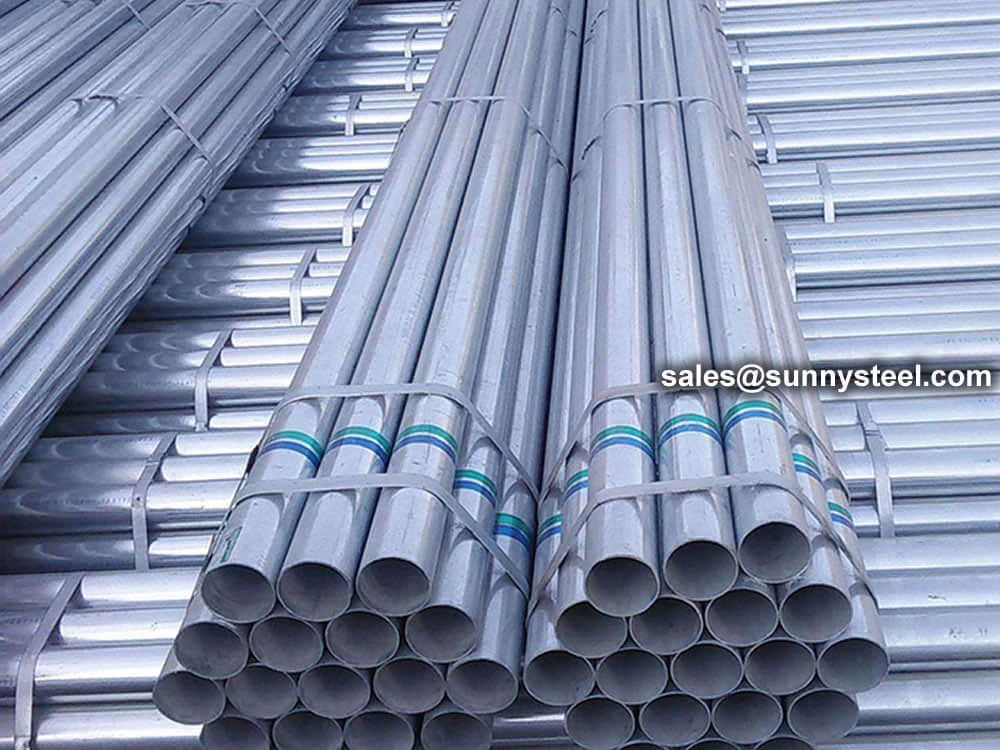
Galvanized mild steel pipe
Mild Steel Pipe Galvanized is a tubular shaped pipe of galvanized Mild Steel.
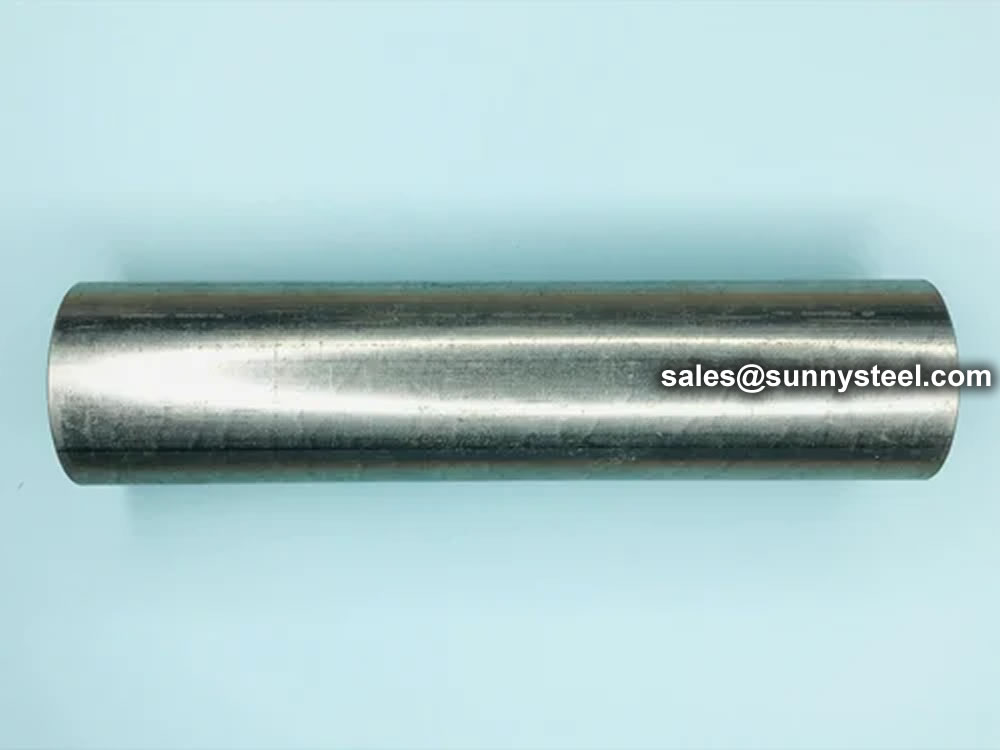
Pre-galvanized steel pipe is made of galvanized steel strip. However, it’s antiseptic properties is poor than hot dipped galvanized steel pipe.
A pre-galvanized steel tube is a steel tube that is galvanized a steel sheet before it is formed and welded into a tube.
Steel tubes that are formed and galvanized afterwards are sometimes referred to as post-galvanized steel tubes, but hot-dipped steel tubes is a more commonly used expression.
Galvanized steel pipe or galvanized steel tube is the most popular type of galvanized steel tube manufacturing because the equipment required for manufacturing is relatively inexpensive and the process is highly scalable. Unlike hot-dip steel tube, the time required for galvanizing the steel sheet is short, so the alloy layer in which iron and zinc are mixed is small and the pure zinc layer is thick.
However, since the zinc applied to the steel sheet is removed by the heat upon welding the pre-galvanized steel tube, re-sealing the exposed steel on the outside surface with zinc thermal spray is a required post-treatment process. This also means that the welding seam on the inside of the steel tube is not galvanized. The sacrificial anode properties of zinc allow for leaving the inner welding seam exposed without reducing the corrosion resistance and longevity of the product.
Pre-galvanization, also known as mill galvanization, involves passing a steel sheet through molten zinc. After this process, the sheet is cut to the desired size and recoiled. During pre-galvanization, a specific thickness of zinc coating is applied to the entire sheet. For instance, pre-galvanized Z275 steel has a zinc coating of 275 grams per square meter.
One notable advantage of pre-galvanized steel compared to hot-dip galvanized steel is its improved appearance. Additionally, it tends to be more cost-effective. Pre-galvanized materials find application in a wide range of products, including conduit, lip, and open channels.
As hot dipped galvanization requires dipping the whole steel/metals into the molten vat of zinc, the galvanized steel coming out from this process has a continuous coating over the surface. Pre-galvanizing is performed at the first stage before the sheets are cut into sizes and pieces so the cut edges are not coated.
Production standard: ASTM, JIS, BS, DIN, EN, API, GB
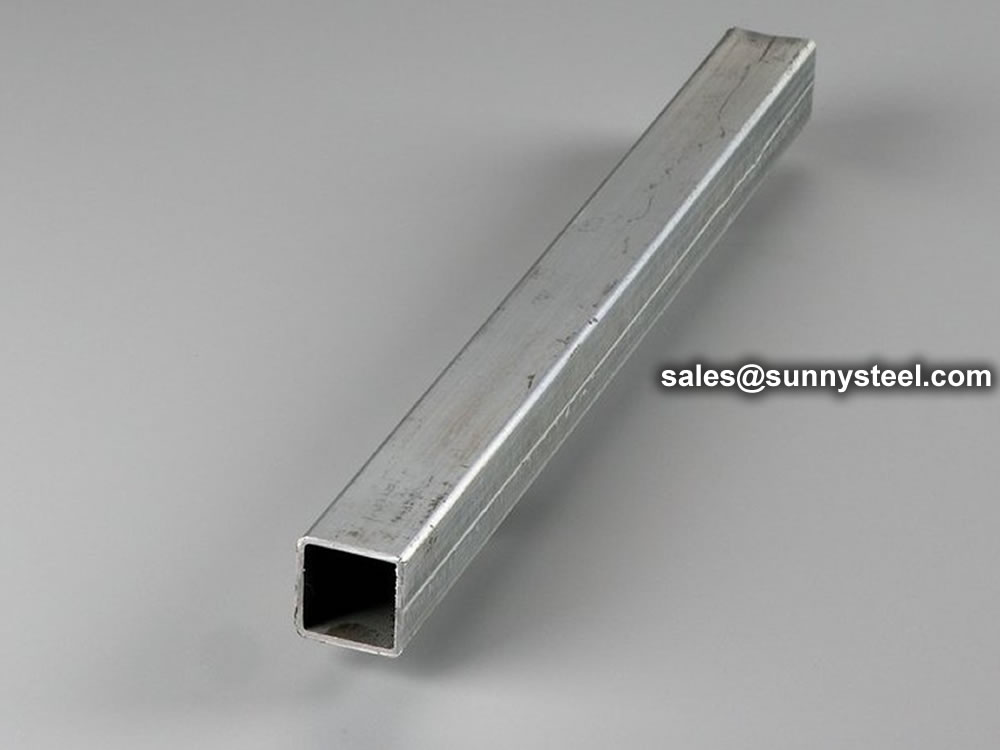
Section type: round, square, rectangular, oval and other special section type.
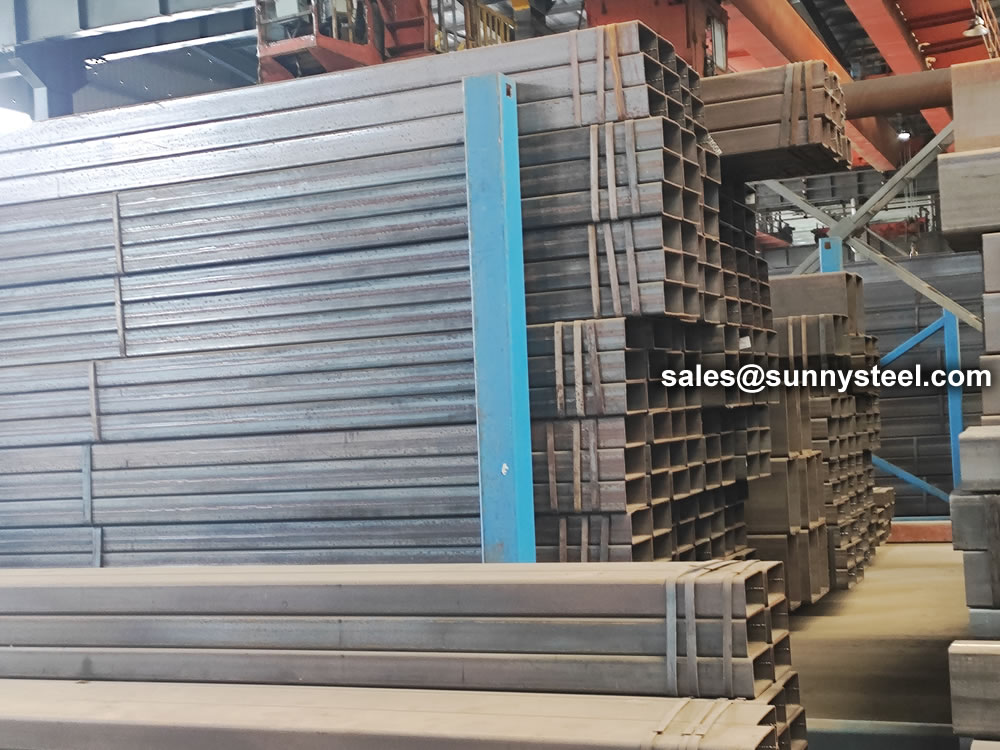
Pre galvanized Rectangular tubes are the industry standard for fence framework, Contractors, architects, engineers. Architects and landscape architects have used steel fencing to design a variety of shelters, lighting standards and decorative sculptures for street-scapes, parks, bus and light rail stops, shopping centers, malls, sports stadiums, office buildings, parking lots and other facilities. Steel fence post are carefully designed with clean lines, structural integrity and ease of installation. These fences are available in variety of heights and widths in multiple configurations.
| ND | Outside Diameter (mm) | W.T. | Weight of Black Pipe (kg/m) | |||
|---|---|---|---|---|---|---|
| Nominal Size (DN) | Screw Identifiers | Maximum | Minimum | Thickness | Plain end pipe | Threaded and With Coupler |
| 15 | 1/2 | 21.4 | 21.0 | 2.0 | 0.947 | 0.956 |
| 20 | 3/4 | 26.9 | 26.4 | 2.3 | 1.38 | 1.39 |
| 25 | 1 | 33.8 | 33.2 | 2.6 | 1.98 | 2.00 |
| 32 | 11/4 | 42.5 | 41.9 | 2.6 | 2.54 | 2.57 |
| 40 | 11/2 | 48.4 | 47.8 | 2.9 | 3.23 | 3.27 |
| 50 | 2 | 60.2 | 59.6 | 2.9 | 4.08 | 4.15 |
| 65 | 21/2 | 76.0 | 75.2 | 3.2 | 5.71 | 5.83 |
| 80 | 3 | 88.7 | 87.9 | 3.2 | 6.72 | 6.89 |
| 100 | 4 | 113.9 | 113.0 | 3.6 | 9.75 | 10.0 |
| ND | Outside Diameter (mm) | W.T. | Weight of Black Pipe (kg/m) | |||
|---|---|---|---|---|---|---|
| Nominal Size (DN) | Screw Identifiers | Maximum | Minimum | Thickness | Plain end pipe | Threaded and With Coupler |
| 15 | 1/2 | 21.7 | 21.1 | 2.6 | 1.21 | 1.22 |
| 20 | 3/4 | 27.2 | 26.6 | 2.6 | 1.56 | 1.57 |
| 25 | 1 | 34.2 | 33.4 | 3.2 | 2.41 | 2.43 |
| 32 | 11/4 | 42.9 | 42.1 | 3.2 | 3.10 | 3.13 |
| 40 | 11/2 | 48.8 | 48.0 | 3.2 | 3.57 | 3.61 |
| 50 | 2 | 60.8 | 59.8 | 3.6 | 5.03 | 5.10 |
| 65 | 21/2 | 76.6 | 75.4 | 3.6 | 6.43 | 6.55 |
| 80 | 3 | 89.5 | 88.1 | 4.0 | 8.37 | 8.54 |
| 100 | 4 | 114.9 | 113.3 | 4.5 | 12.2 | 12.5 |
| 125 | 5 | 140.6 | 138.7 | 5.0 | 16.6 | 17.1 |
| 150 | 6 | 166.1 | 164.1 | 5.0 | 19.7 | 20.3 |
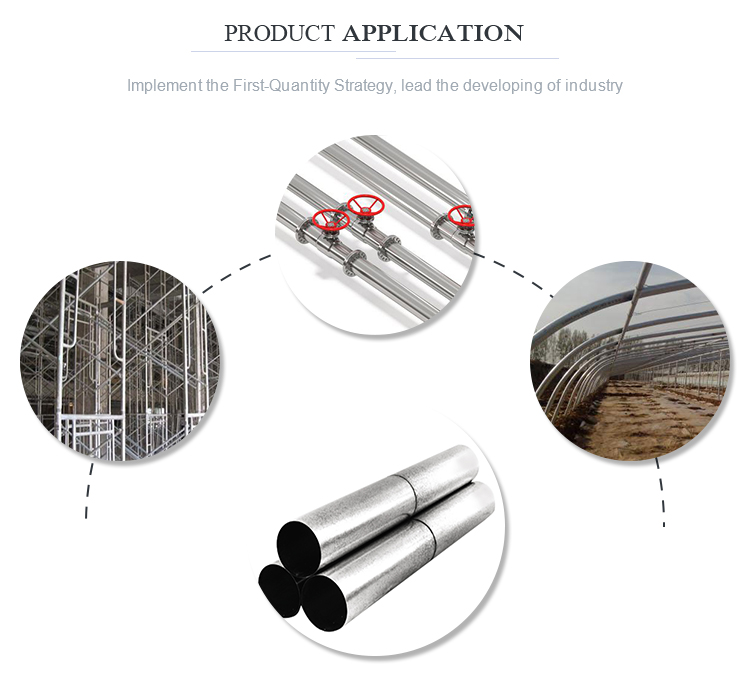
Pre-galvanized steel pipes are used in the following fields, steel structure, build structure, guard rail, fence, metal furniture etc. our products are exported to about 50 countries in the world, we get a lot of recognition from many customers since our good quality and service.
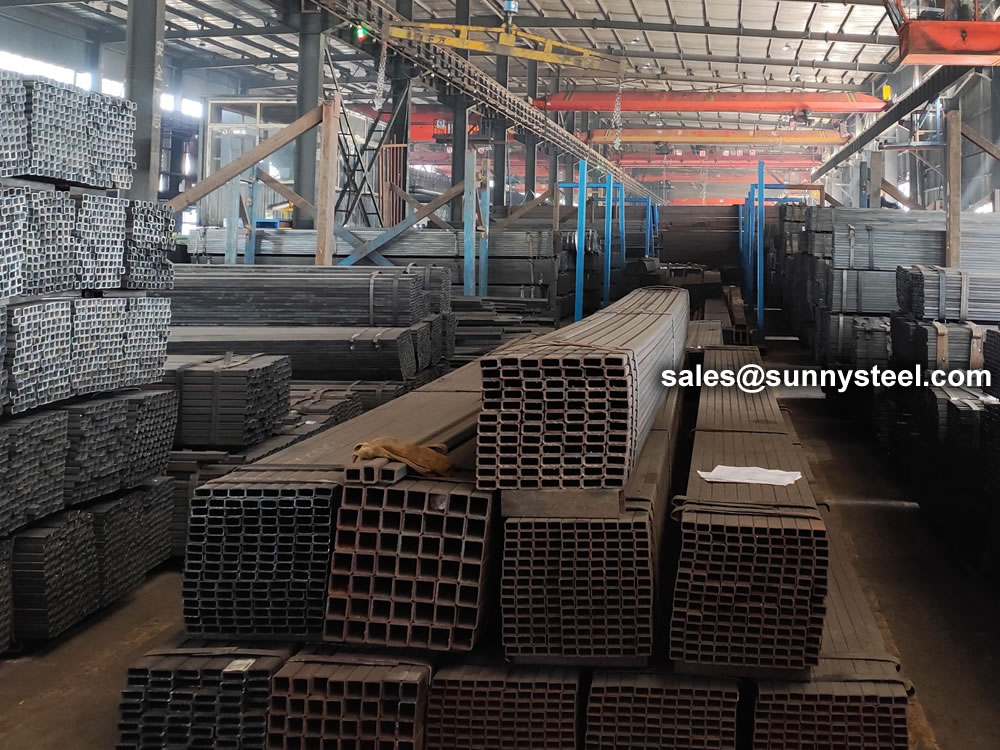
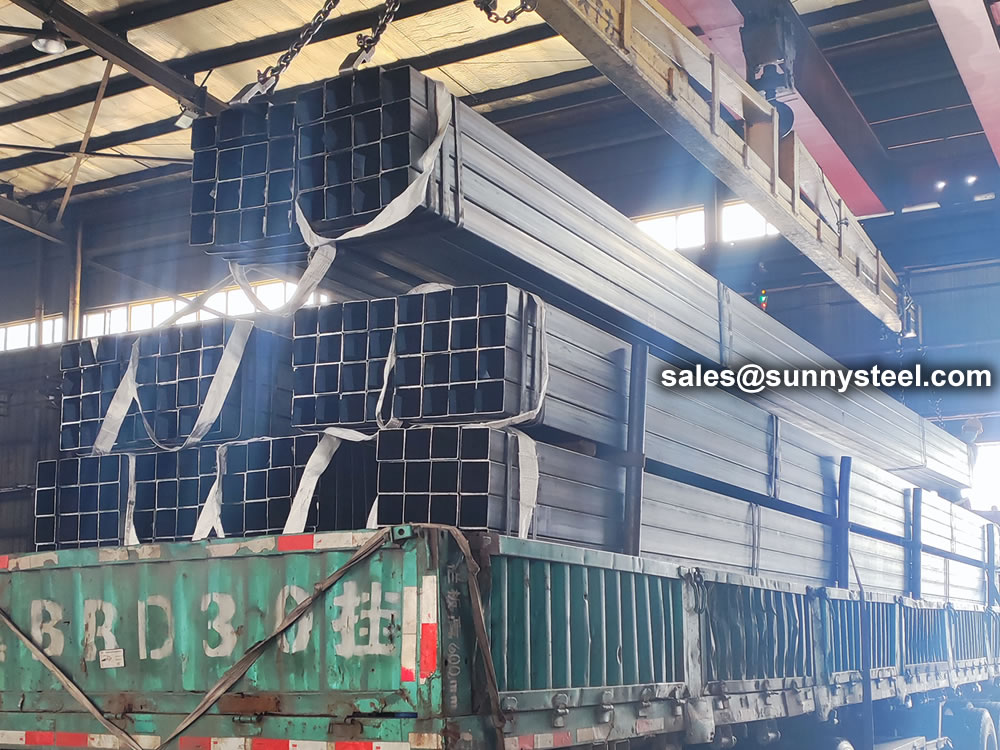
Special welded tubes, often used in critical industrial applications, require careful handling and transportation to ensure they reach their destination in optimal condition. These tubes may vary in size, material, and specifications, making their proper delivery essential.
| Product Name | Executive Standard | Dimension (mm) | Steel Code / Steel Grade |
|---|---|---|---|
| Casting | API 5CT | Ø48.3~273 x WT2.77~11.43 | J55, K55, N80, L80 |
| Tubing | API 5CT | Ø48.3~273 x WT2.77~11.43 | J55, K55, N80, L80, H40 |
| Product Name | Executive Standard | Dimension (mm) | Steel Code / Steel Grade |
|---|---|---|---|
| Line Pipes | API 5L | Ø60.3~273.1 x WT2.77~12.7 | A25, A, B, X42, X46, X52, X56, X60, X65, X70, X80 |
| Product Name | Executive Standard | Dimension (mm) | Steel Code / Steel Grade |
|---|---|---|---|
| Electric-Resistance-Welded Steel Pipes | ASTM A135 | Ø42.2~114.3 x WT2.11~2.63 | A |
| Electric-Resistance-Welded Carbon Steel and Carbon-Manganese Steel Boiler and Superheater Tubes | ASTM A178 | 42.2-114.3 x 2.11-2.63 | A, C, D |
| ERW and Hot-dip Galvanized Steel Pipes | ASTM A53 | Ø21.3~273 x WT2.11~12.7 | A, B |
| Pipes for Piling Usage | ASTM A252 | Ø219.1~508 x WT3.6~12.7 | Gr.2, Gr.3 |
| Tubes for General Structural Purpose | ASTM A500 | Ø21.3~273 x WT2.11~12.7 | Gr.2, Gr.3 |
| Square Pipes for General Structural Purpose | ASTM A500 | 25 x 25~160 x 160 x WT1.2~8.0 | Carbon Steel |
| Product Name | Executive Standard | Dimension (mm) | Steel Code / Steel Grade |
|---|---|---|---|
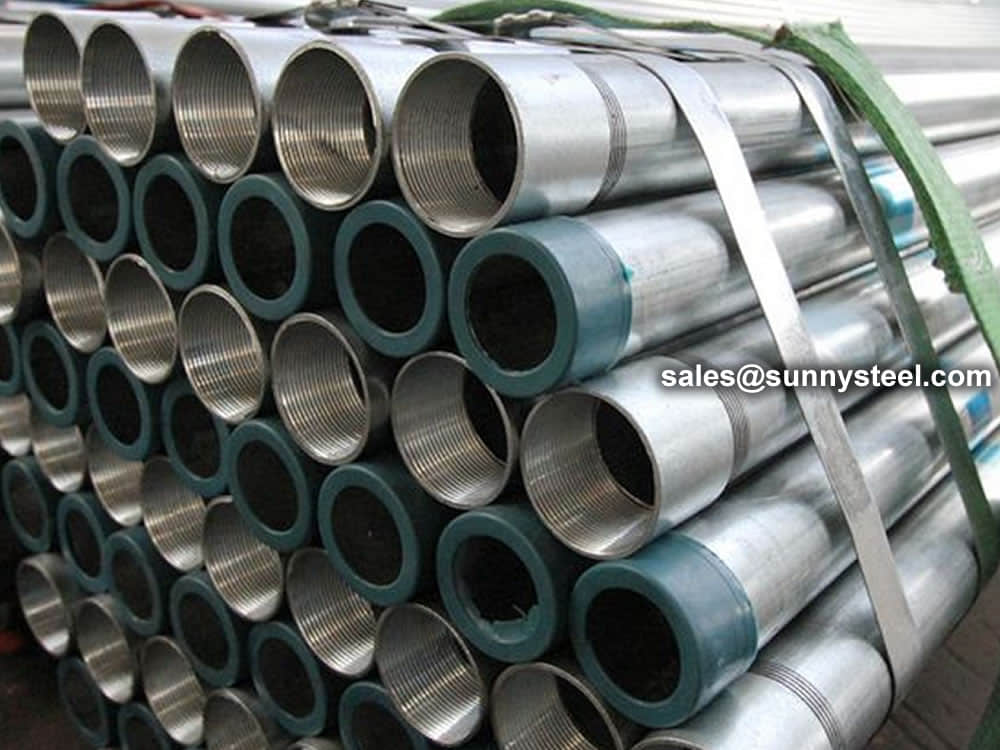
| Threaded Steel Pipes | DIN 2440 | Ø21~164 x WT2.65~4.85 | Carbon Steel |
| Product Name | Executive Standard | Dimension (mm) | Steel Code / Steel Grade |
|---|---|---|---|
| Screwed and Socketed Steel Tubes | BS 1387 | Ø21.4~113.9 x WT2~3.6 | Carbon Steel |
| Scaffolding Pipes | EN 39 | Ø48.3 x WT3.2~4 | Carbon Steel |
| Product Name | Executive Standard | Dimension (mm) | Steel Code / Steel Grade |
|---|---|---|---|
| Carbon Steel Tubes for General Structure Purpose | JIS G3444 | Ø21.7~216.3 x WT2.0~6.0 | Carbon Steel |
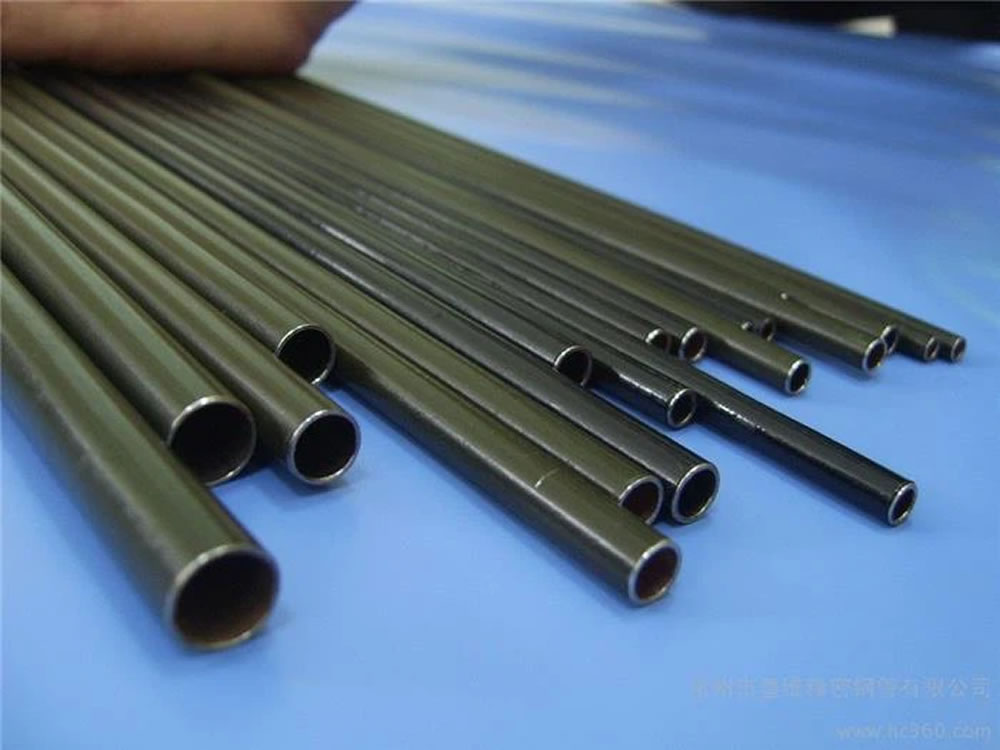
| Carbon Steel Tubes for Machine Structure Purpose | JIS G3445 | Ø15~76 x WT0.7~3.0 | STKM11A, STKM13A |
| Carbon Steel Pipes for Ordinary Piping | JIS G3452 | Ø21.9~216.3 x WT2.8~5.8 | Carbon Steel |
| Carbon Steel Pipes for Pressure Service | JIS G3454 | Ø21.7~216.3 x WT2.8~7.1 | Carbon Steel |
| Carbon Steel Rigid Steel Conduits | JIS G8305 | Ø21~113.4 x WT1.2~3.5 | G16~G104, C19~C75, E19~E75 |
| Carbon Steel Rectangular Pipes for General Structure | JIS G3466 | 16 x 16~150 x 150 x WT0.7~6 | Carbon Steel |


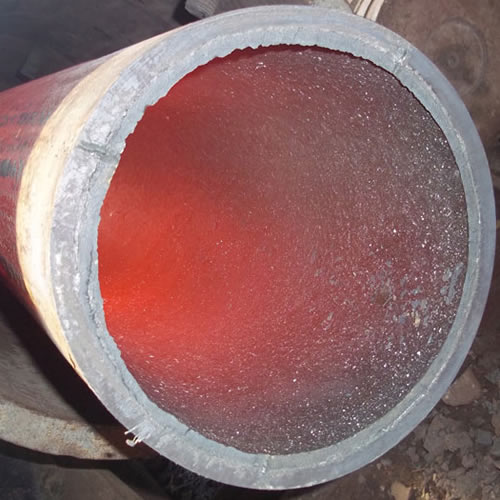
Ceramic lined pipe is made through self-propagating high-temperature synthesis (SHS) technique.
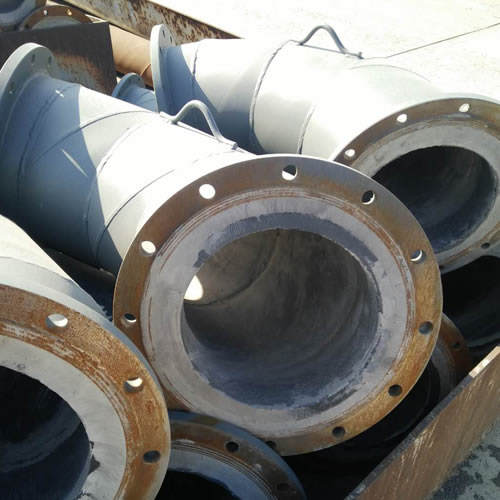
Cast basalt lined steel pipe is composed by lined with cast basalt pipe, outside steel pipe and cement mortar filling between the two layers.
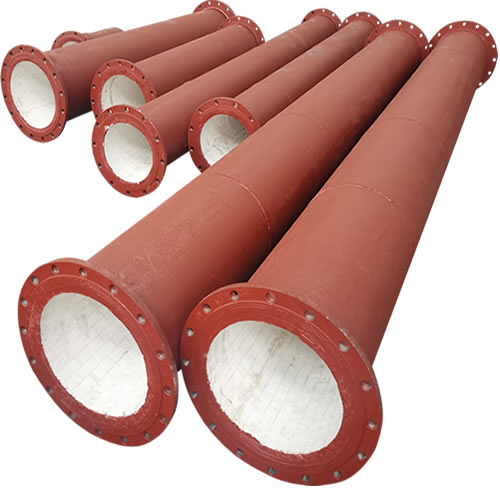
Ceramic tile lined pipes have very uniform coating of specially formulated ceramic material that is affixed to the inner of the pipe.
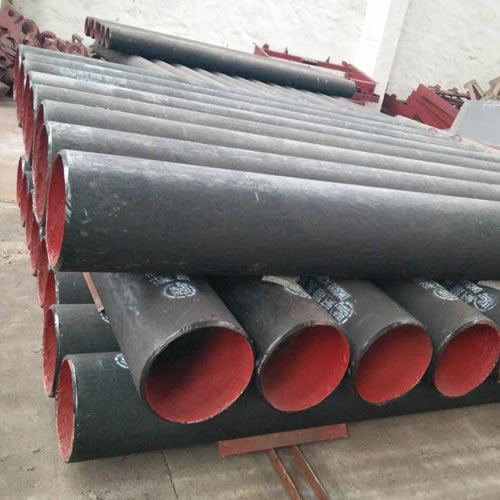
The material of the rare earth alloy wear-resistant pipe is ZG40CrMnMoNiSiRe, which is also the grade of rare earth alloy steel.
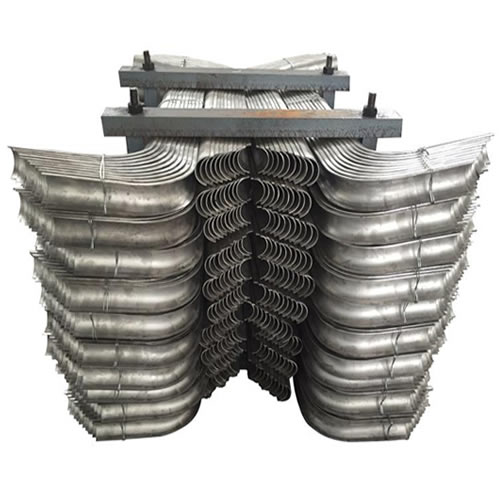
Tubes Erosion Shields are used to protect boiler tubing from the highly erosive effects of high temperatures and pressures thereby greatly extending tube life.
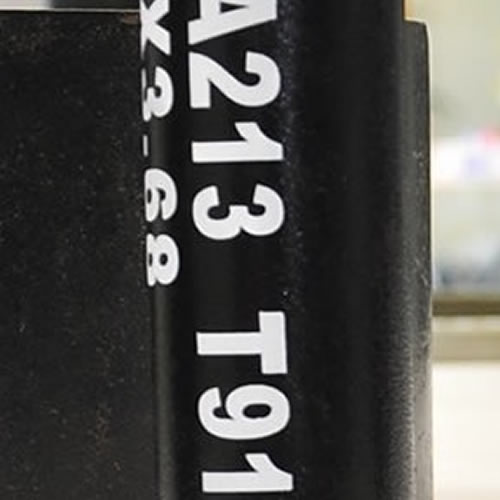
The ASTM A213 T91 seamless tubes are primarily used for boiler, superheater, and heat-exchanger.

When you partner with Sunny Steel, you can stop worrying about meeting deadlines thanks to our responsive and timely service. You'll also say goodbye to unnecessary shopping around. Instead, you'll get white glove service from an expert who understands your needs and can get you the materials you need quickly.