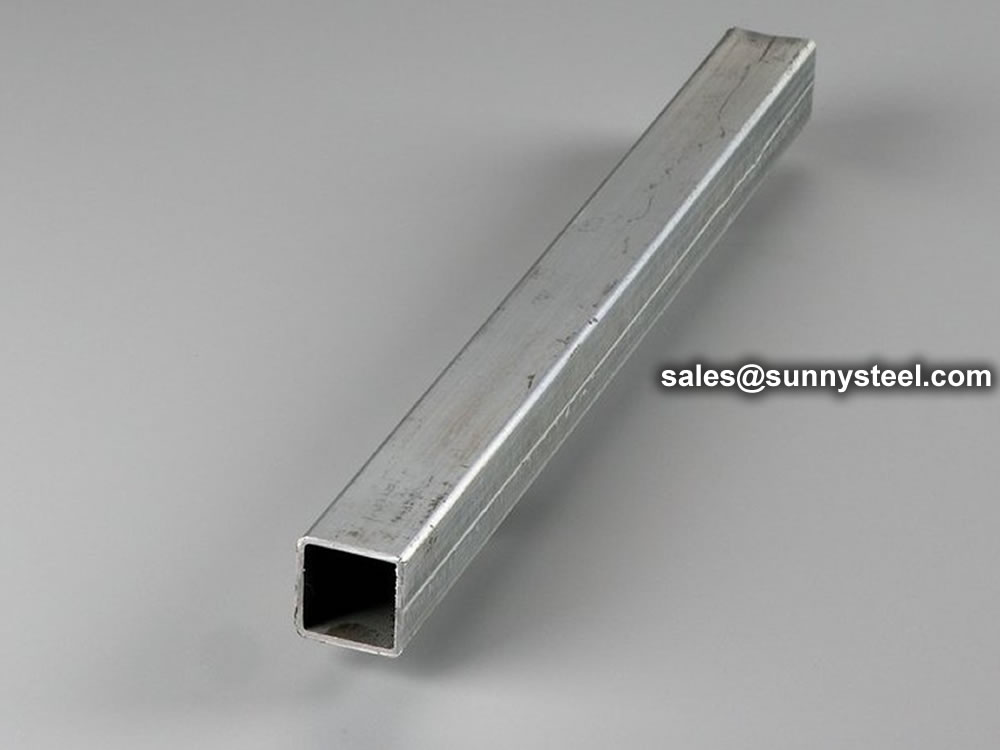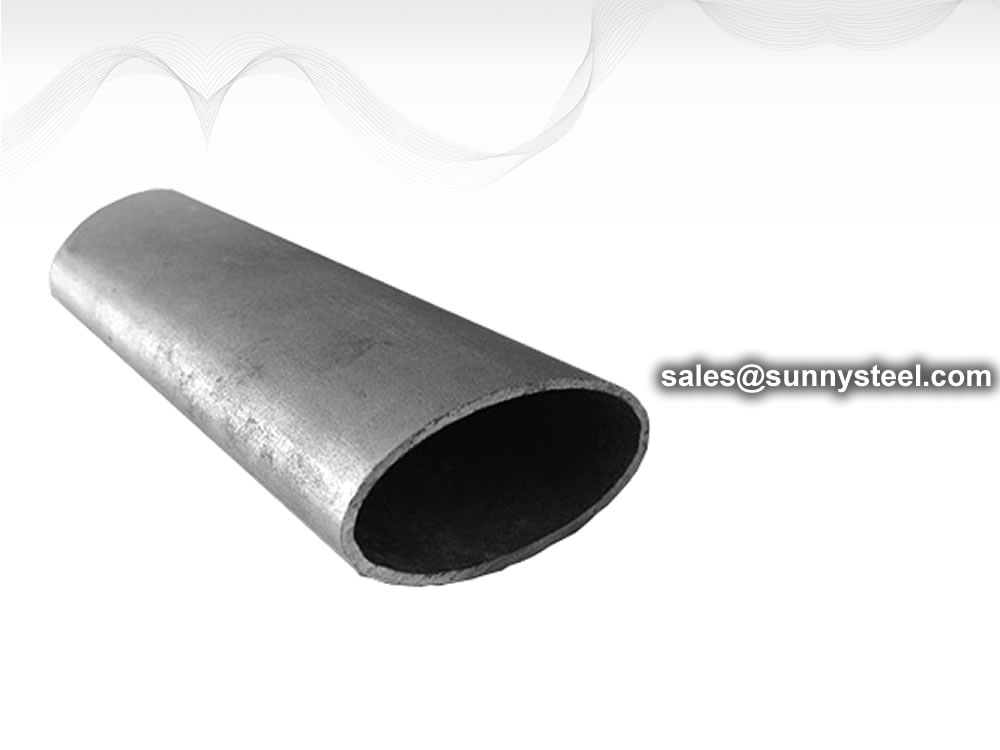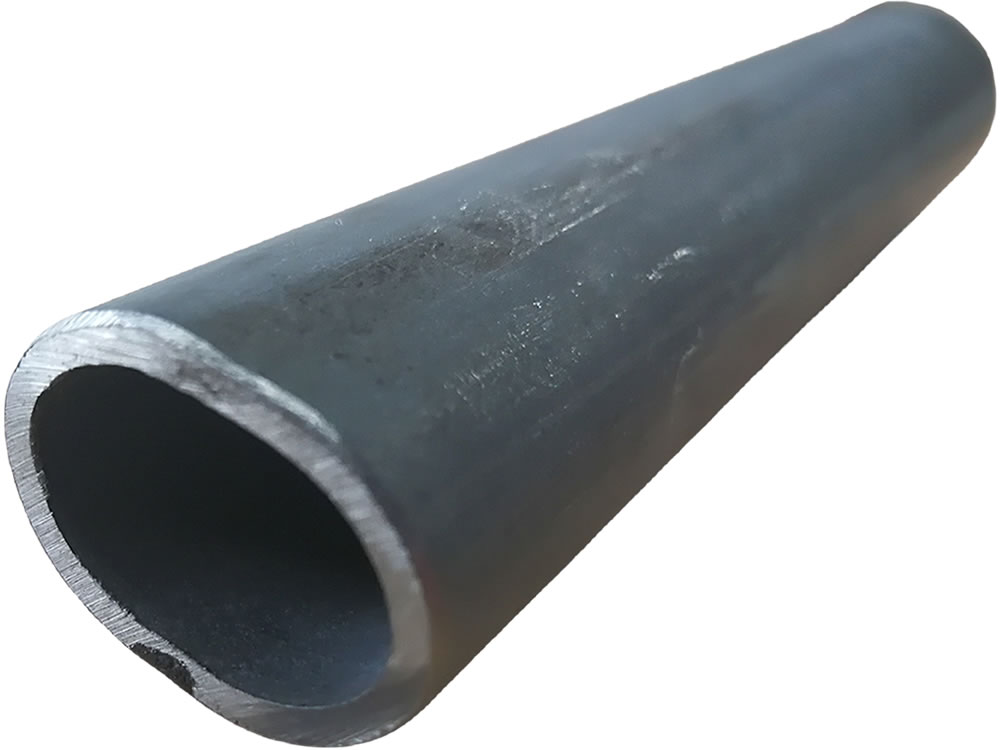
Square Hollow Section
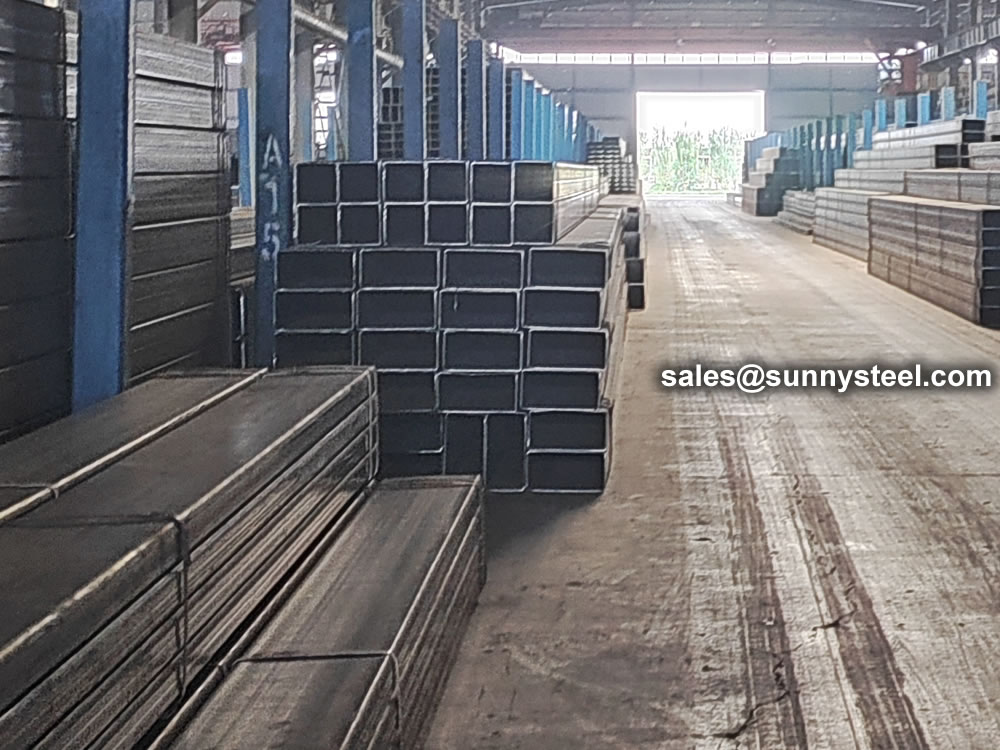
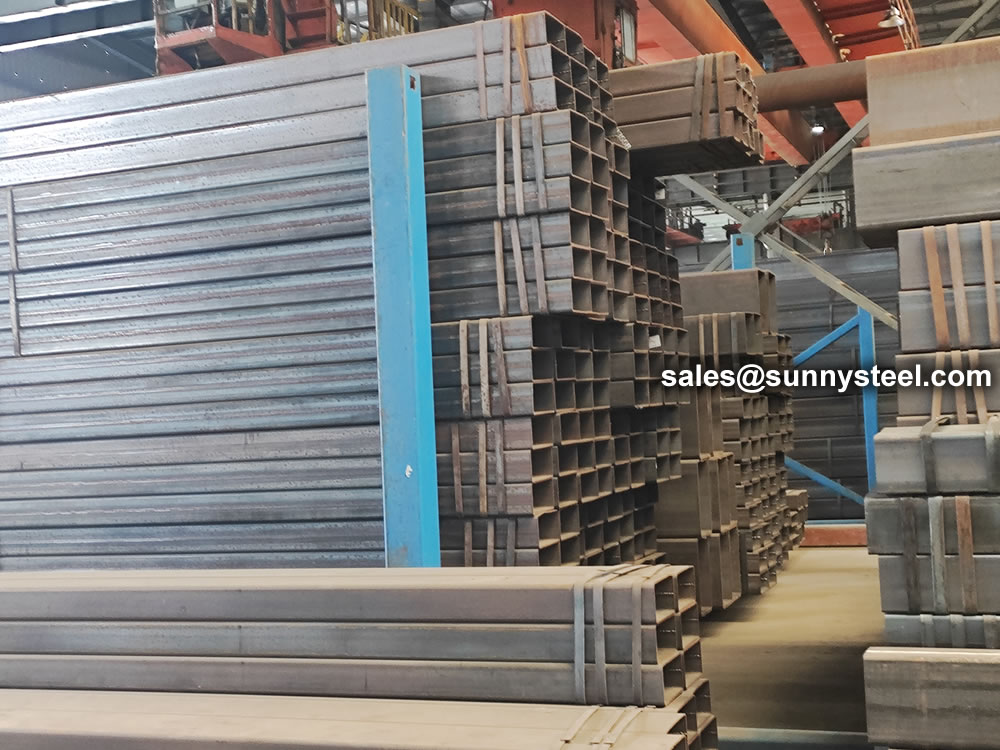
Square hollow sections for structural applications and construction projects.
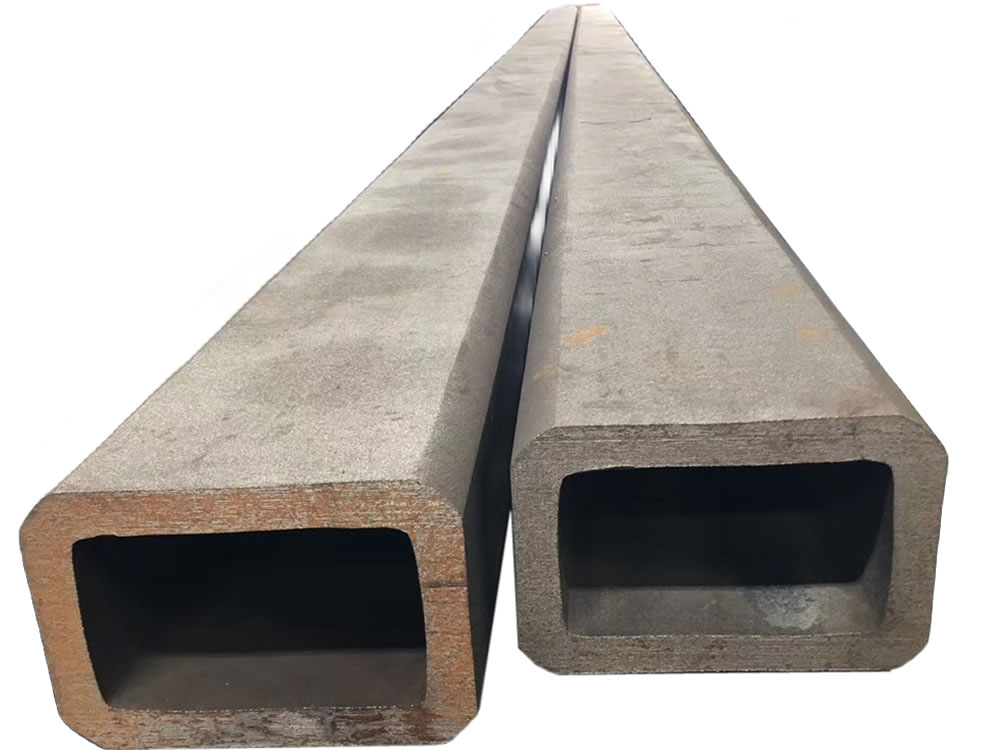
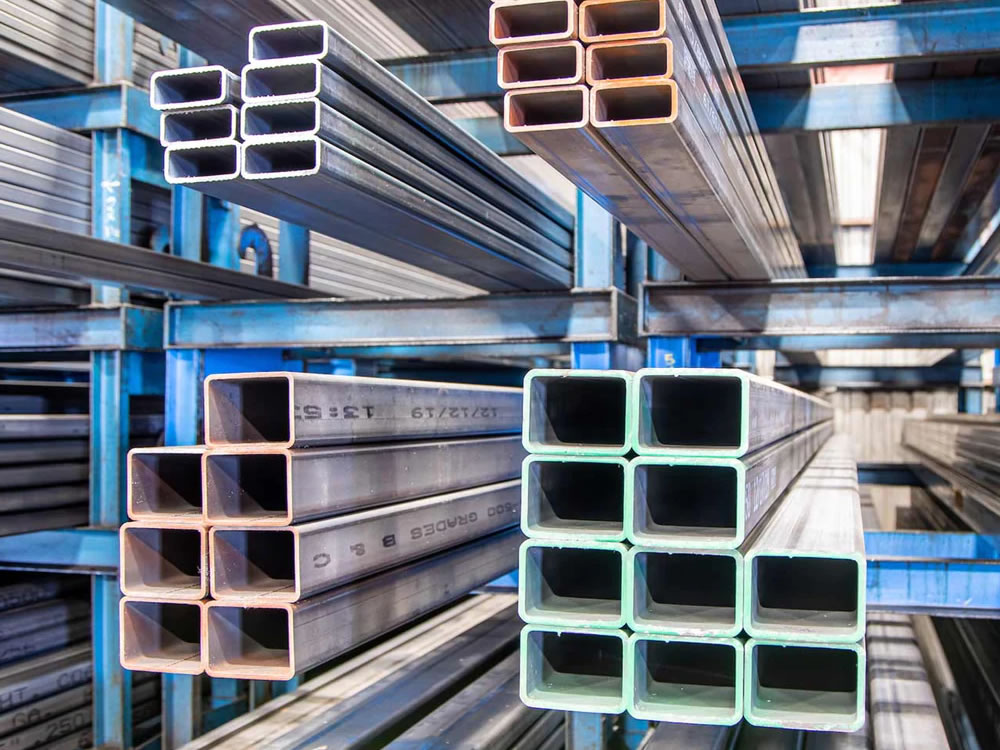
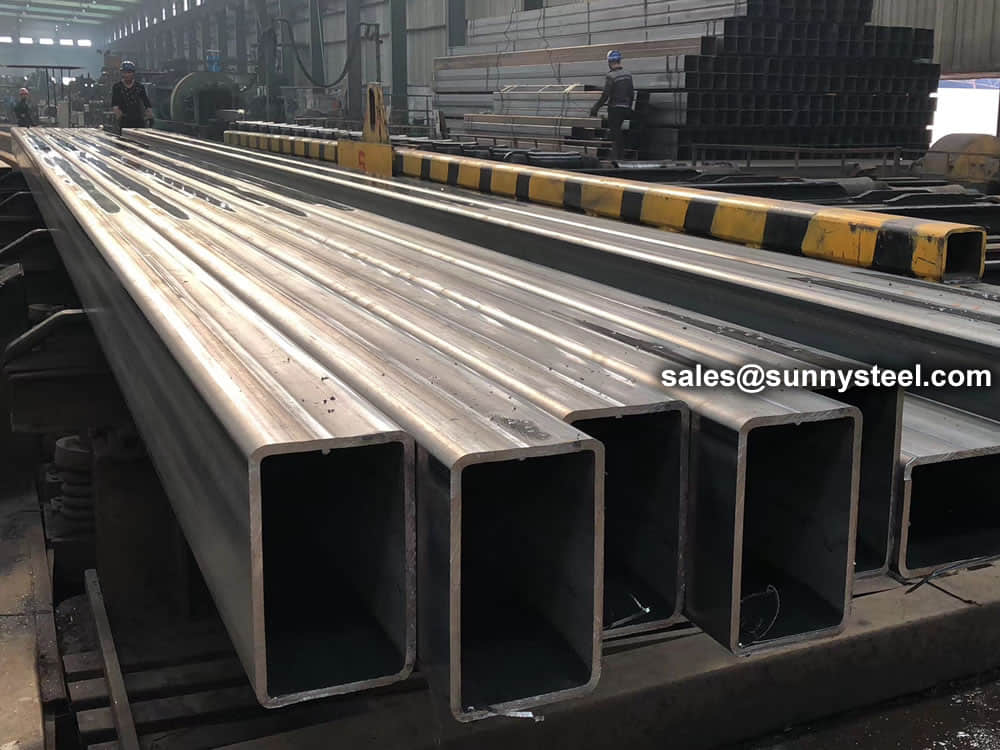
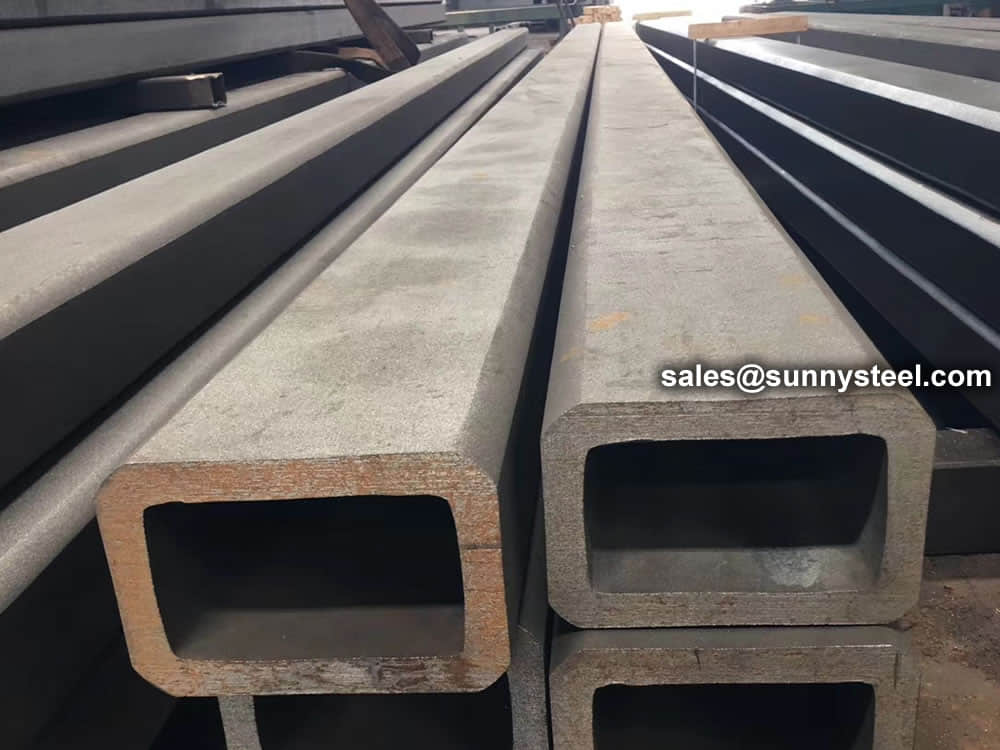
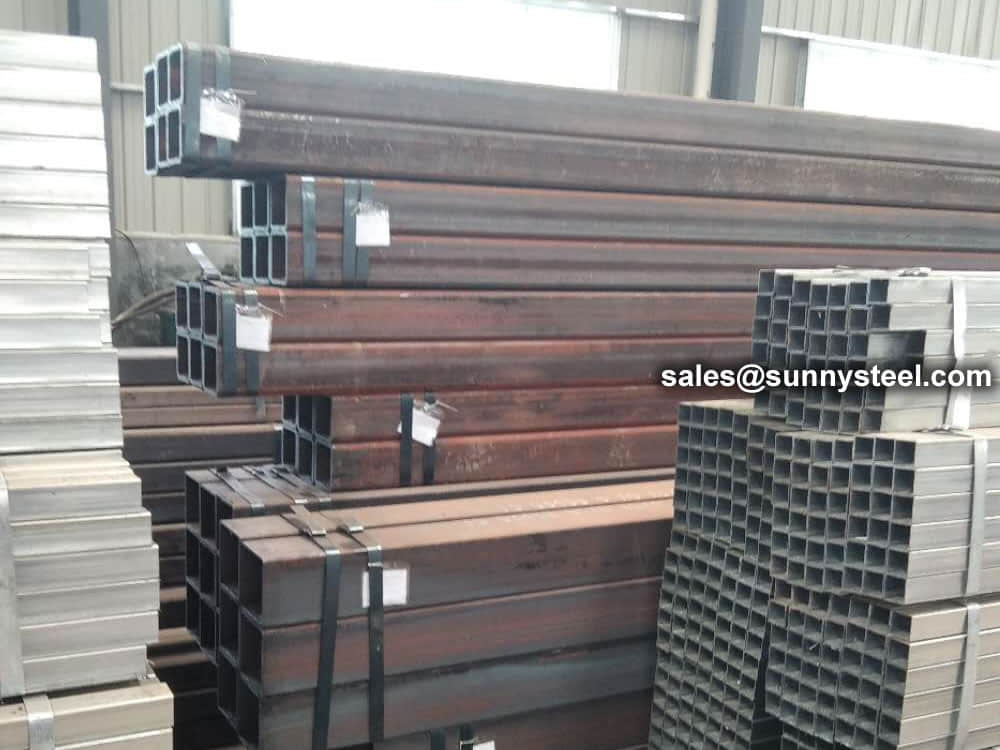
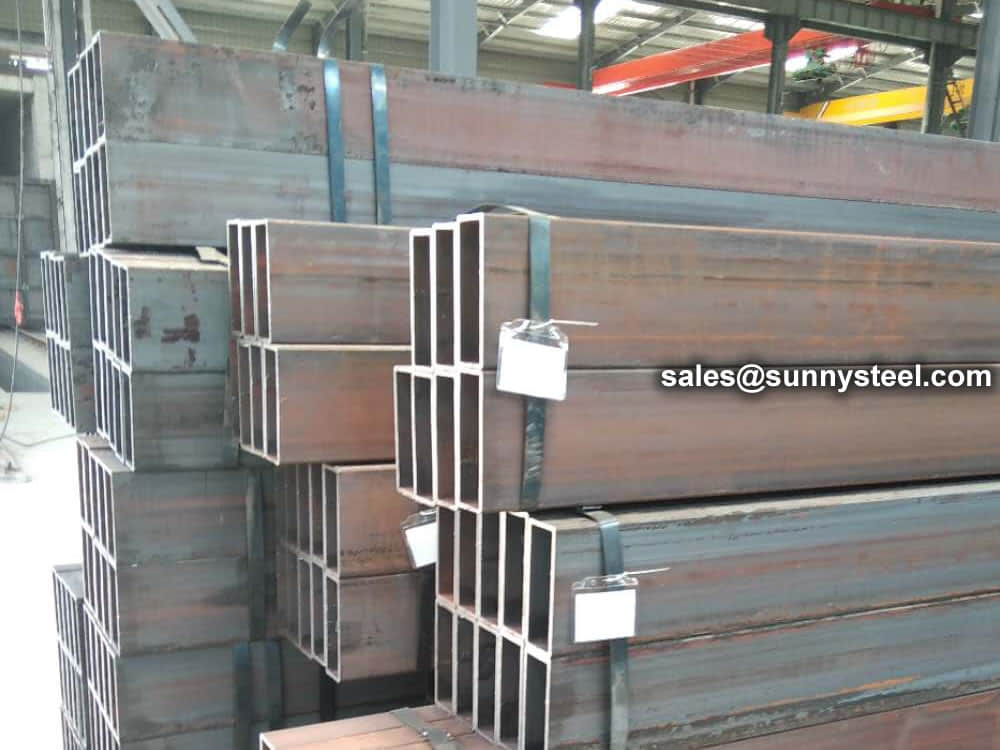
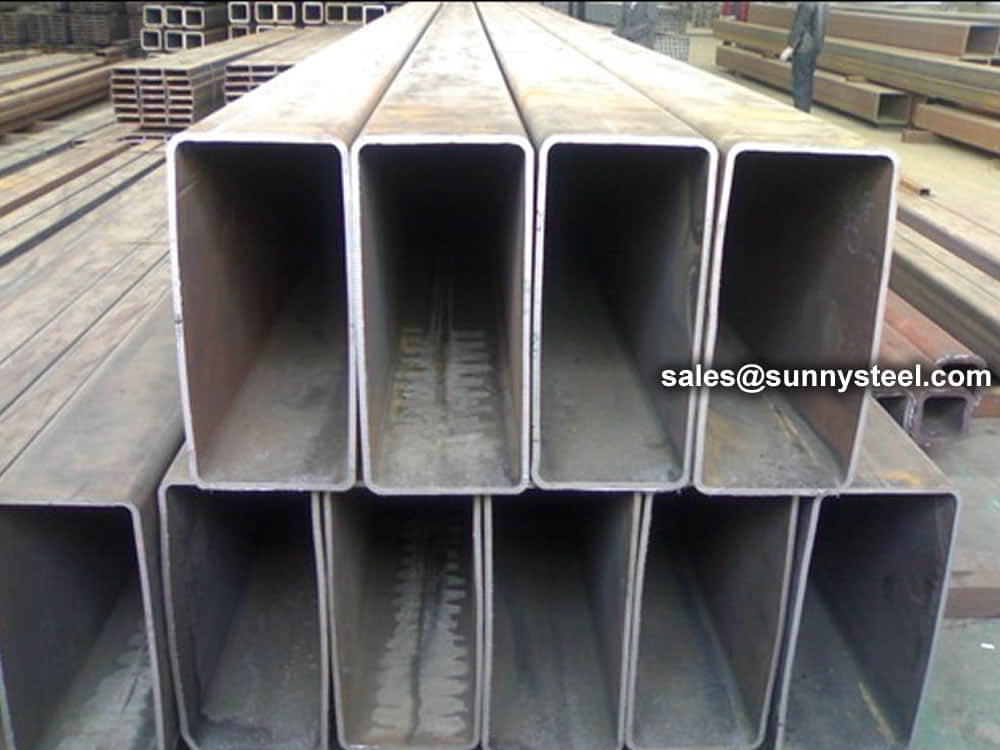
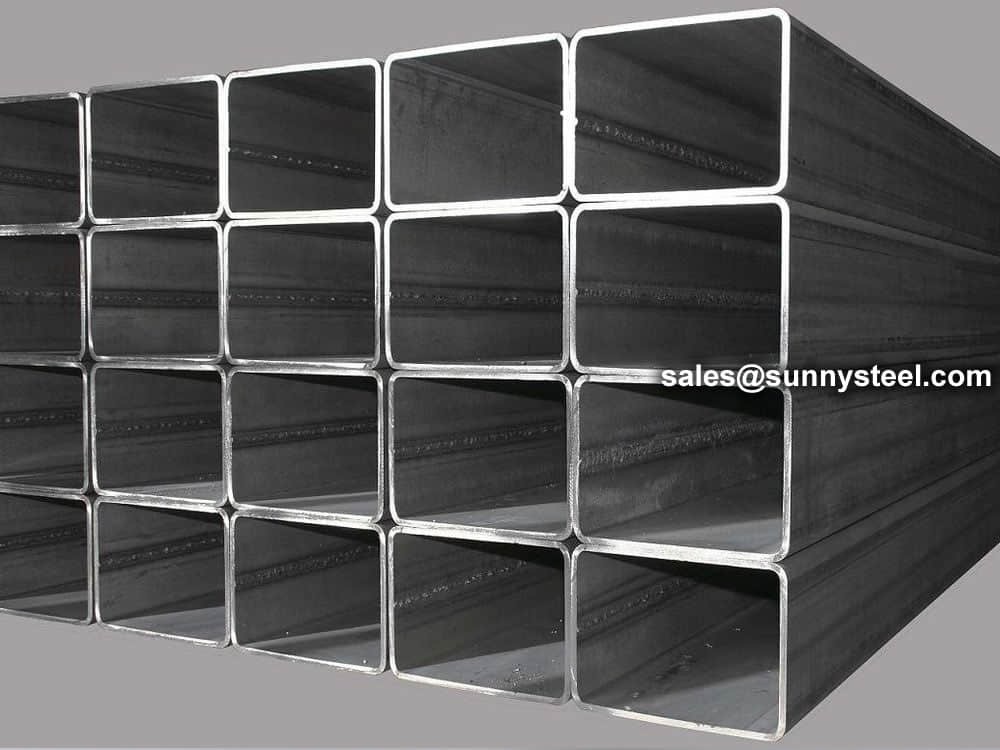
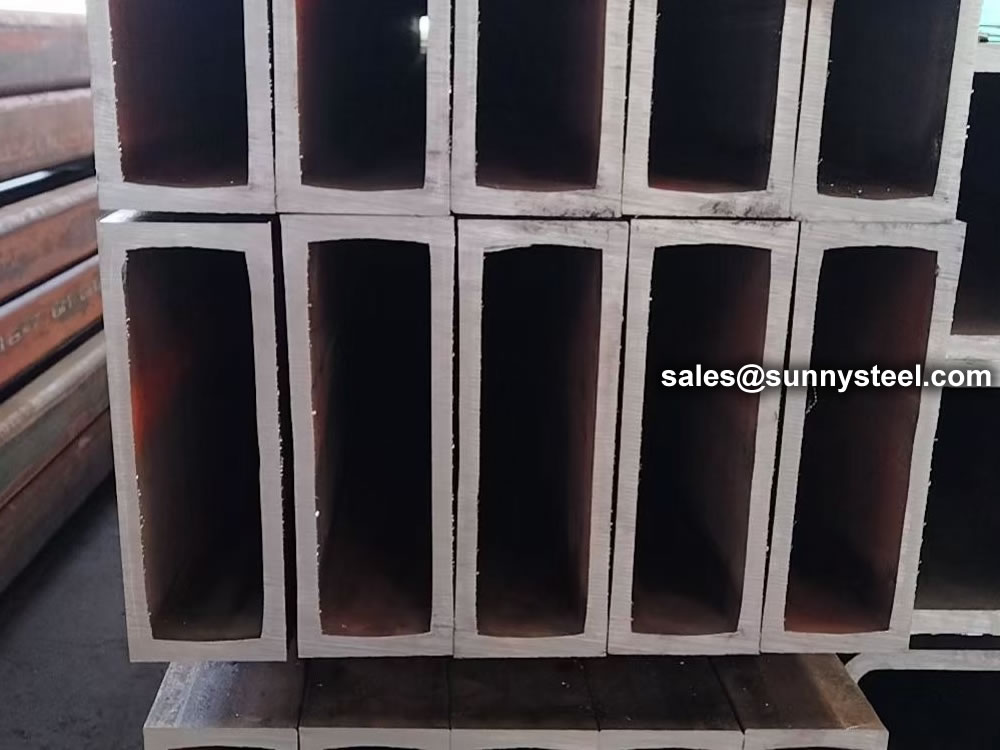
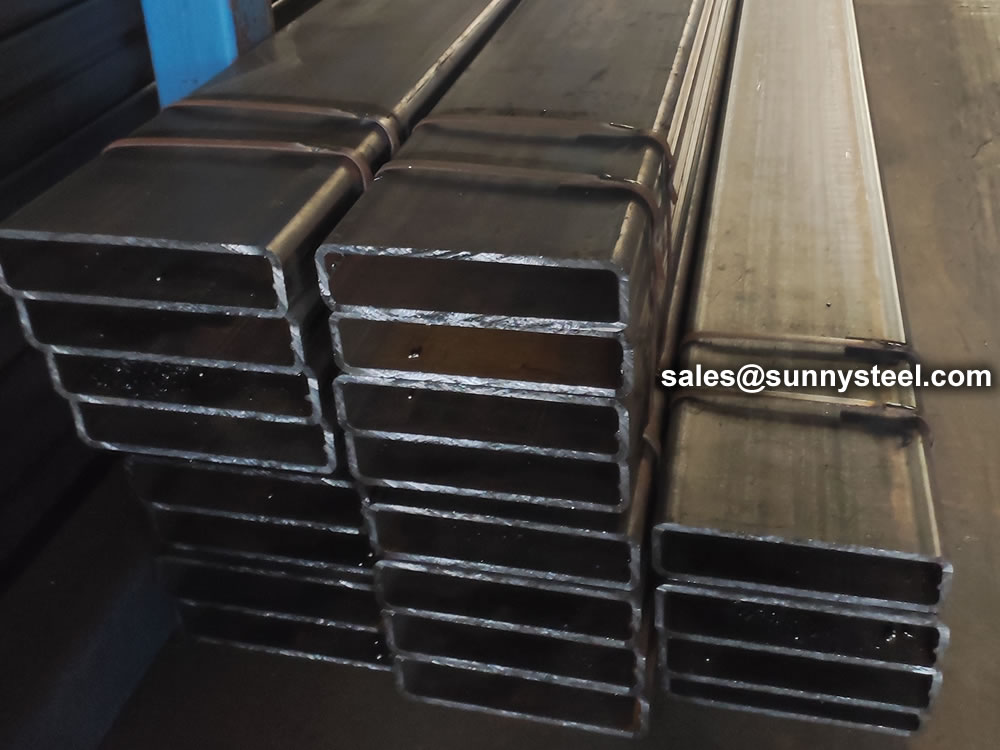
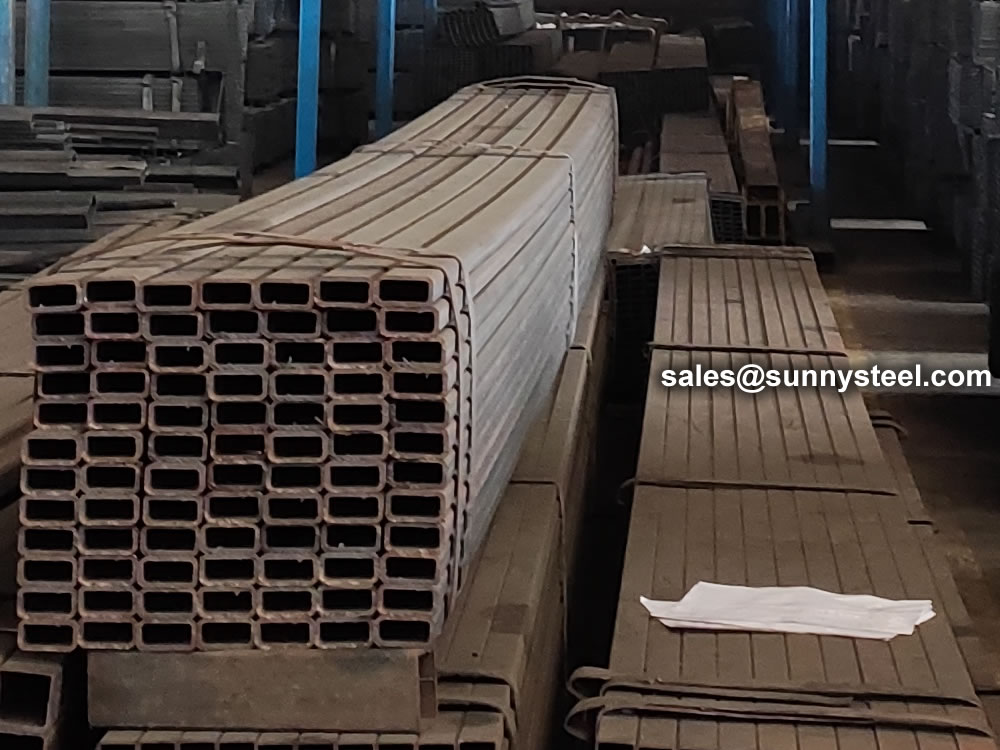
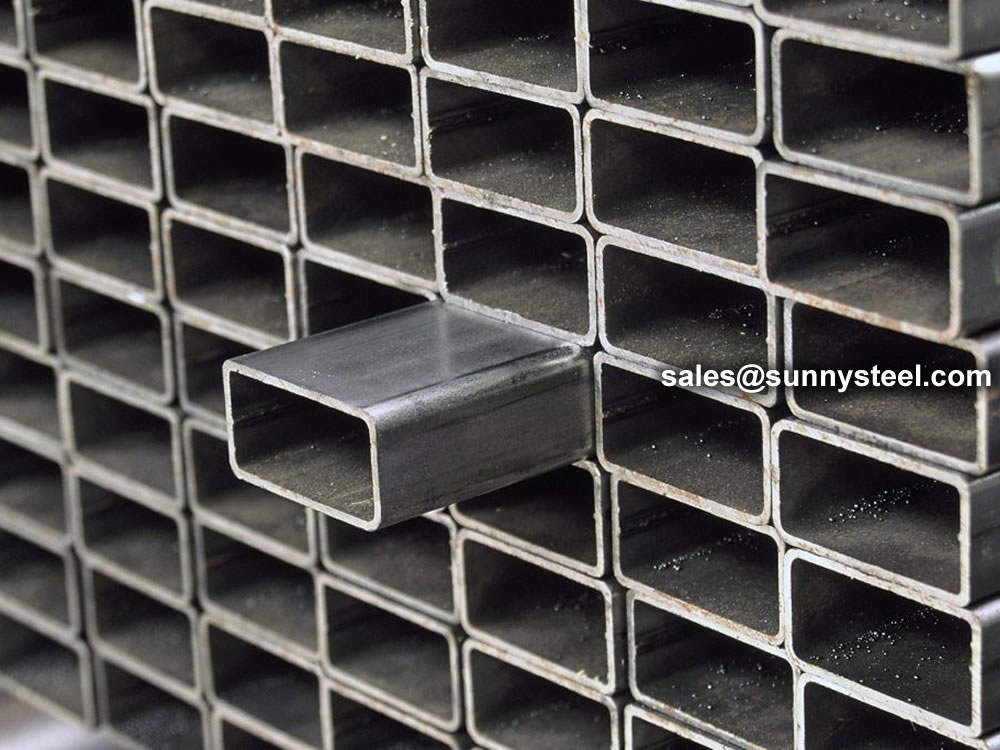
A Rectangular Hollow Section (RHS) is a type of steel profile with a rectangular hollow cross-section throughout its length.
It is commonly used in construction and structural applications due to its strength and versatility.
Since rectangular and square HSS have about two-thirds the surface area of an open section of comparable capacity, this has a cost-saving benefit as there is less surface to prepare, fewer painting materials are required, cementitious fireproofing can be reduced, and minimal labour is needed.
As a structural section, the Rectangular Hollow Section tube is commonly used. The pipes are produced to give greater strength and solderability. It is 50 mm x 25 mm to 450 mm x 250 mm in size. The width of the wall in larger sections ranges between 2 mm and 20 mm.
Its uniformity makes it predictable to use and visually appealing. It has a high weight-to-strength ratio.
We are manufacturing and exporting Rectangular Hollow Sections, Rectangular Hollow Steel Sections and Rectangular Hollow Section Tubes as per customer's requirement with anti rust oil coating from inside & outside of the tubes to ensure safe delivery to end customers.
Rectangular Tube is commonly available in Aluminium, Stainless Steel, Black Steel and Bright Steel. It can be purchased at any Metal Supermarkets location. It can be cut to your exact specifications.
Specialising in Steel, Cut to Length, Round, Square, Hollow, Rectangular, Rectangular Hollow Sections, RHS
A wide range of dimensions, when combined with the appropriate steel grade, ensure that the functionality and cost-efficiency of your structure can be optimised.
The term RHS stands for Rectangular Hollow Section. RHS is the most prevalent term and is generally accepted for describing square hollow section as well, which is technically incorrect. The correct term for square tube is SHS which stands for Square Hollow Section.
Steel Grade: Q195, Q215, Q235, Q345, S235JR, S275JR, SS4007-
| Data | Elementsï¼?ï¼?/th> | ||||
|---|---|---|---|---|---|
| Materal Grade | C | Mn | S | P | Si |
| Q195 | 0.06-0.12 | 0.25-0.50 | <0.05 | <0.045 | <0.30 |
| Q215 | 0.09-0.15 | 0.25-0.55 | <0.05 | <0.045 | <0.30 |
| Q235 | 0.12-0.20 | 0.30-0.70 | <0.045 | <0.045 | <0.30 |
| Q345 | <0.20 | 1.0-1.6 | <0.04 | <0.04 | <0.55 |
| Materal Grade | Yield point (Mpa) | Tensile Strength (Mpa) | Elongation(%) |
|---|---|---|---|
| Q195 | >195 | 315-430 | 32-33 |
| Q215 | >215 | 335-450 | 26-31 |
| Q235 | >235 | 375-500 | 24-26 |
| Q345 | >345 | 470-630 | 21-22 |
| Length | +/- 50 MM |
|---|---|
| Wall Thickness | +/- 12.5% |
| Weight | +/- 8% |
Square tubes and rectangular tubes are two common shapes of hollow structural sections used in various applications like construction, manufacturing, and engineering. The main difference between them lies in their cross-sectional shape:
1. The cross-section differs:
A square tube has a square cross-section, while a rectangular tube has a rectangular cross-section.
2. Different applications:
- Square tube uses: Construction, machinery manufacturing, steel construction projects, shipbuilding, solar power brackets, steel structure engineering, power engineering, power plants, agricultural and chemical machinery, glass curtain walls, automotive chassis, airports, boiler construction, highway railings, building construction, pressure vessels, oil storage tanks, bridges, power station equipment.
- Rectangular tube uses: Transporting fluids such as petroleum, natural gas, water, gas, and steam, especially when requiring bending and torsional strength with low weight. It is also widely used in manufacturing mechanical parts and engineering structures. Additionally, it's used in the production of conventional weapons, barrels, shells, and more.
3. Different coverage scope: A square tube is a type of rectangular tube and is included in the category of rectangular tubes.
Additional Information:
Rectangular tubes are typically produced in two main ways: cold rolling and hot rolling. Hot-rolled rectangular tubes are made by passing hot-rolled strips through a manufacturing process. Cold-drawn or cold-rolled precision tubes are used for mechanical structures and hydraulic equipment, offering high dimensional accuracy and a smooth surface finish.
Many defects in square tubes arise during the perforation process. Therefore, perforation is a critical step in square tube production. Perforation, especially in high-alloy materials, can be challenging due to their low perforation performance. To ensure quality, it's essential to select deformation parameters for perforation carefully.
RHS (rectangular hollow steel) tubing is used for a wide variety of construction and fabrication purposes. This tubing is extremely popular for the construction of furniture, frames, and all sorts of load bearing uses.
Furniture industries & domestic applications, bus body, fencing etc. Sizes other than mentioned above can also be produced upon specific requirements.
Hot rolled rectangular steel tube is ideal for structural applications, general fabrication, repairs and manufacturing. Its box-shape design allows for increased strength and rigidity over other shapes of hot rolled steel. Hot rolled rectangular steel tube is easy to cut, weld, form and machine.
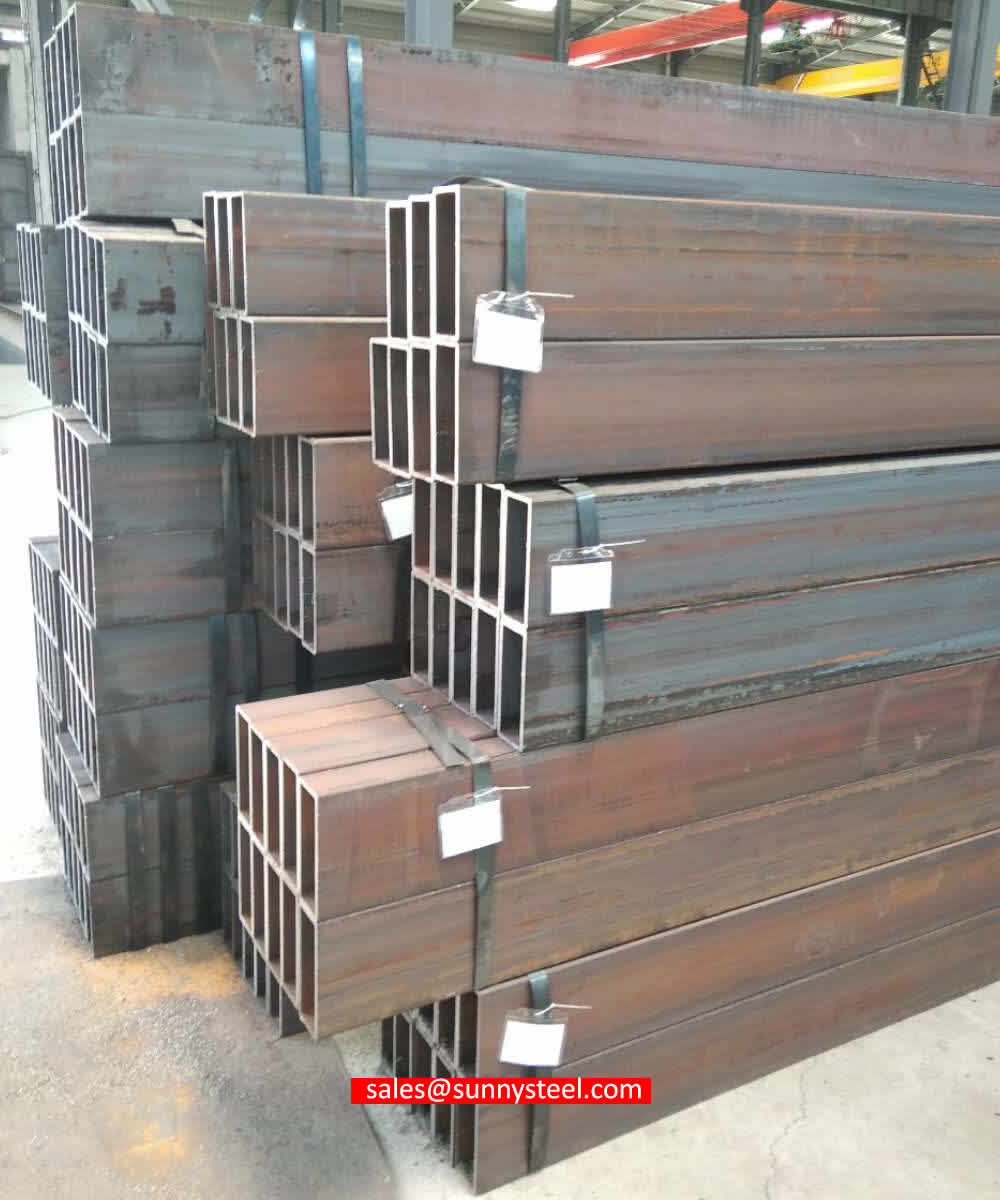
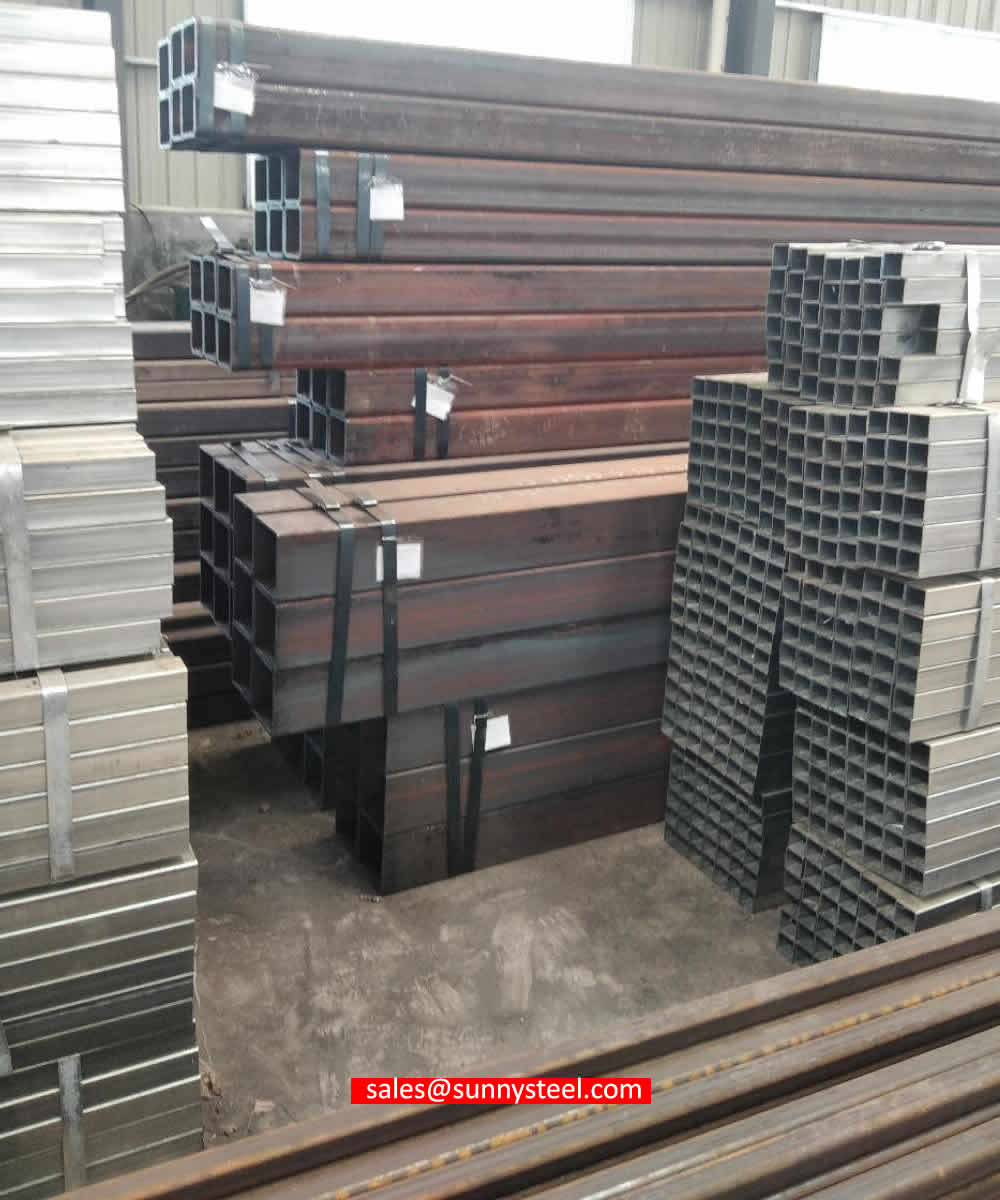
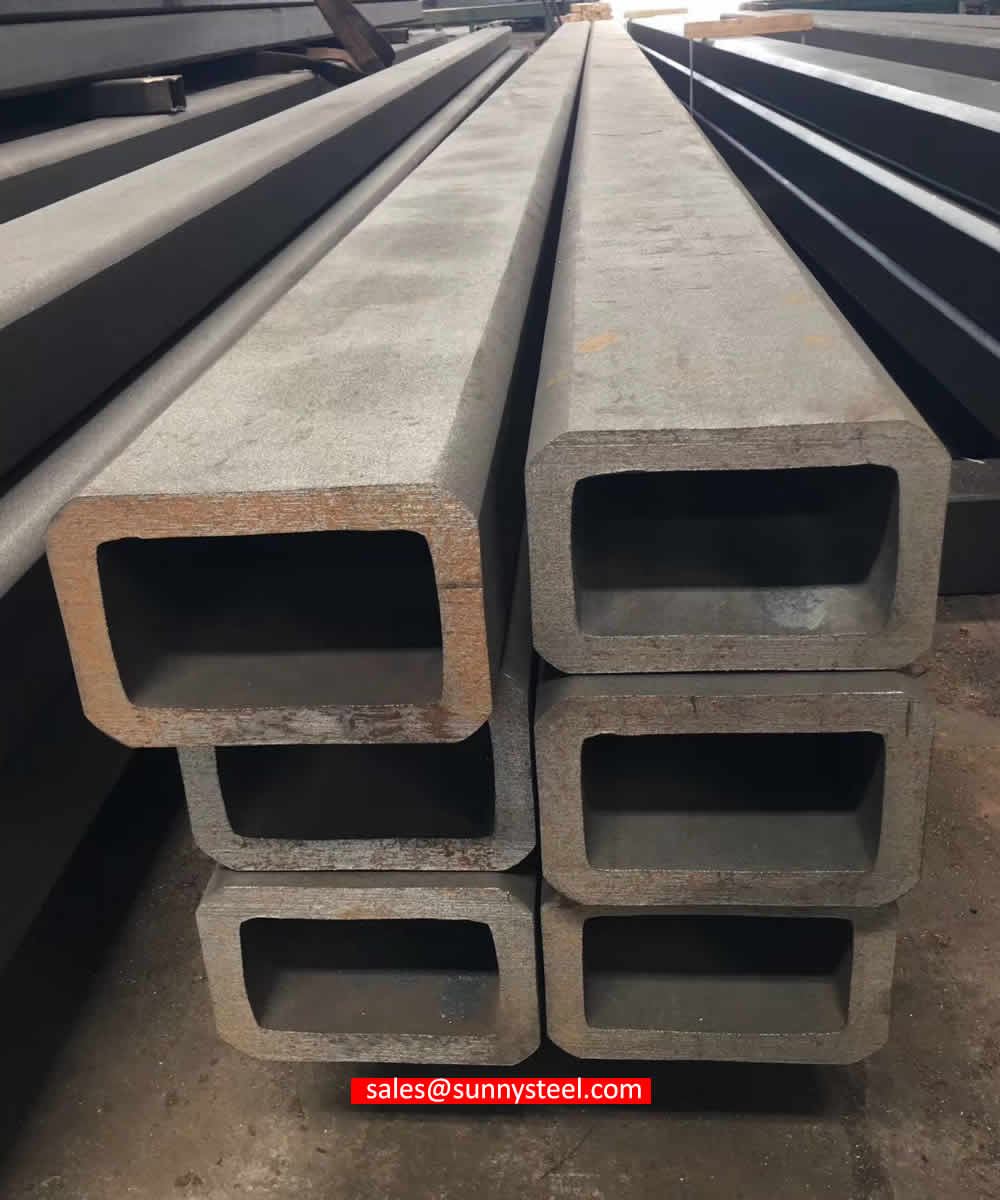
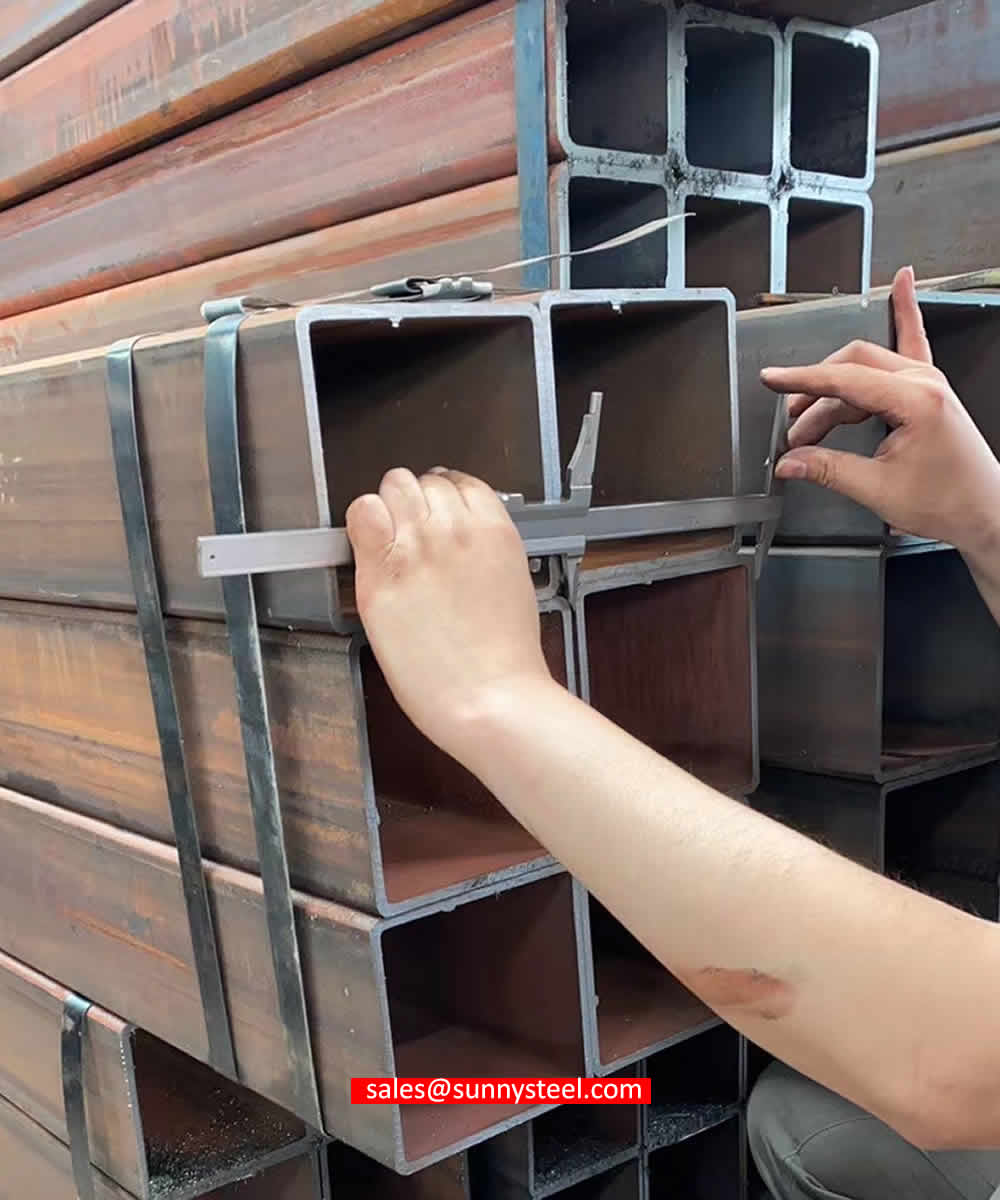
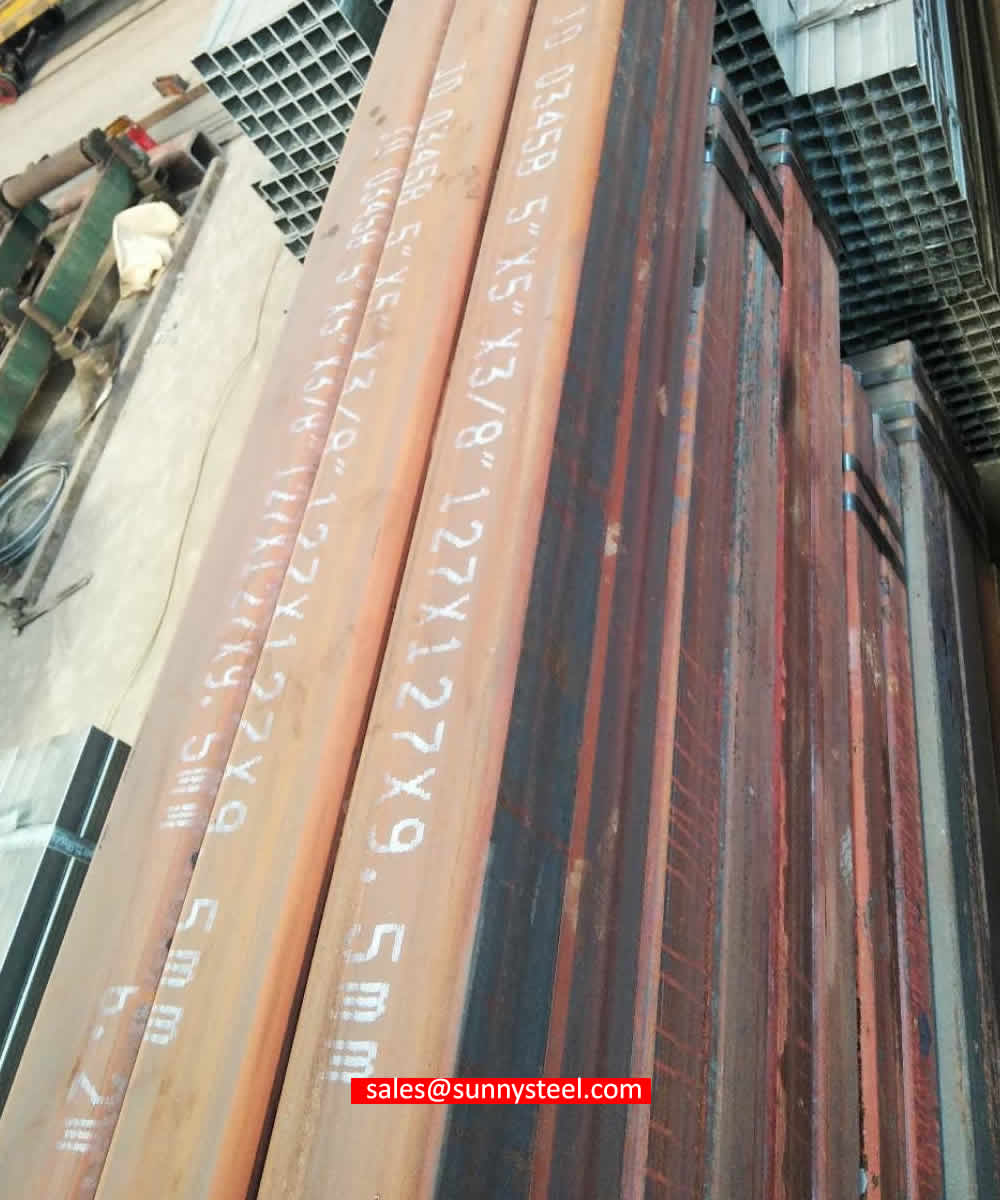
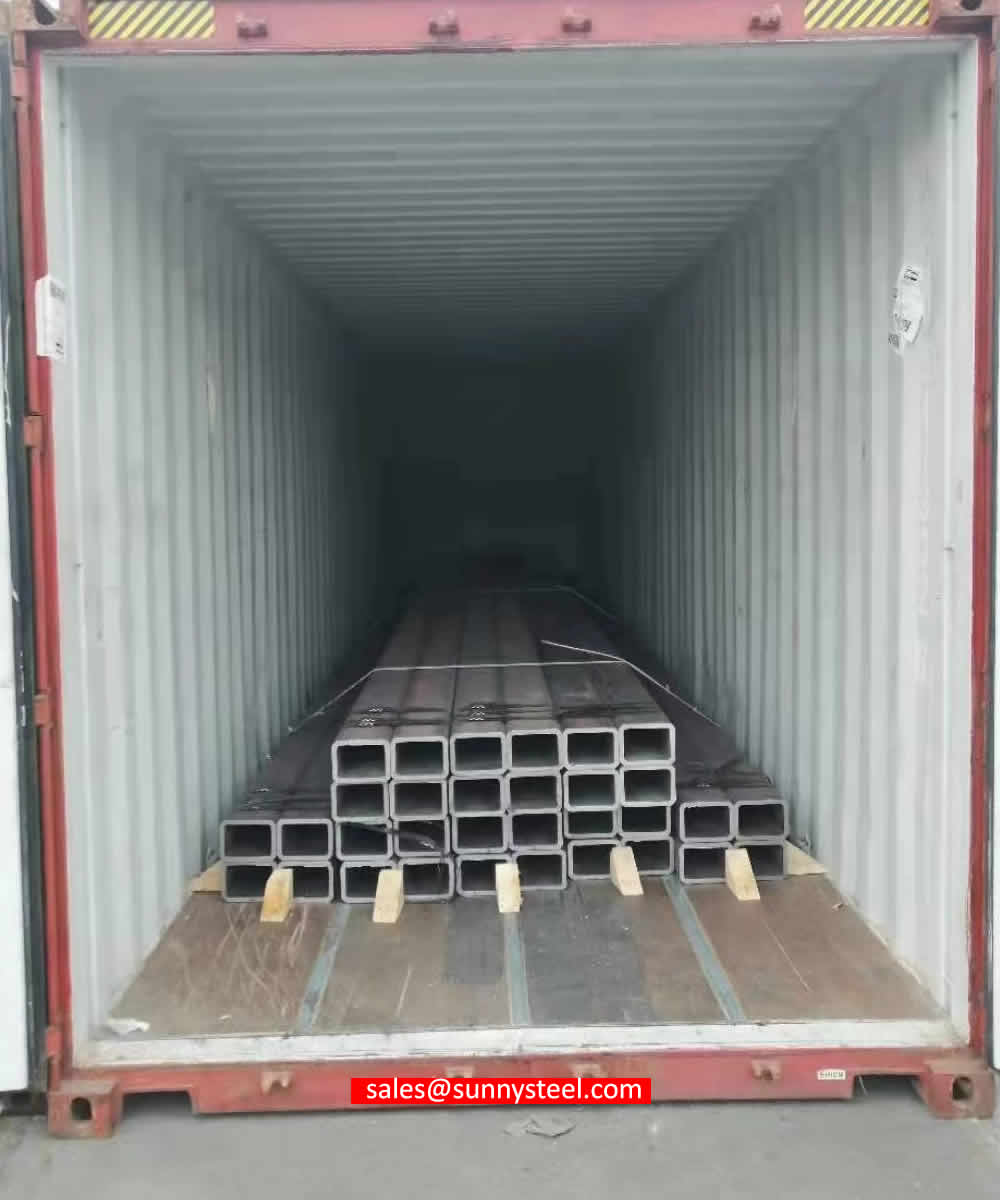
Steel rectangular tube is a versatile solution for:
As a rule of thumb, a solar thermal installation with up to four collectors needs ¾-inch pipes (1.905 centimeters); up to eight collectors will need 1-inch pipes (2.54 centimeters); anything bigger doesn't have a rule of thumb!
Rectangular hollow sections or rec tubes are cold formed and welded from either hot rolled, cold rolled, pre-galvanized or stainless steel. In order to form the rectangular steel section the appropriate mother tube, a round steel tube, has to be formed first.
They are are welded from the inside to form their shape. Rectangular tubes are generally used for maintenance and structural purposes.
Rectangular steel tube comes in different sizes, specifications and wall thicknesses.
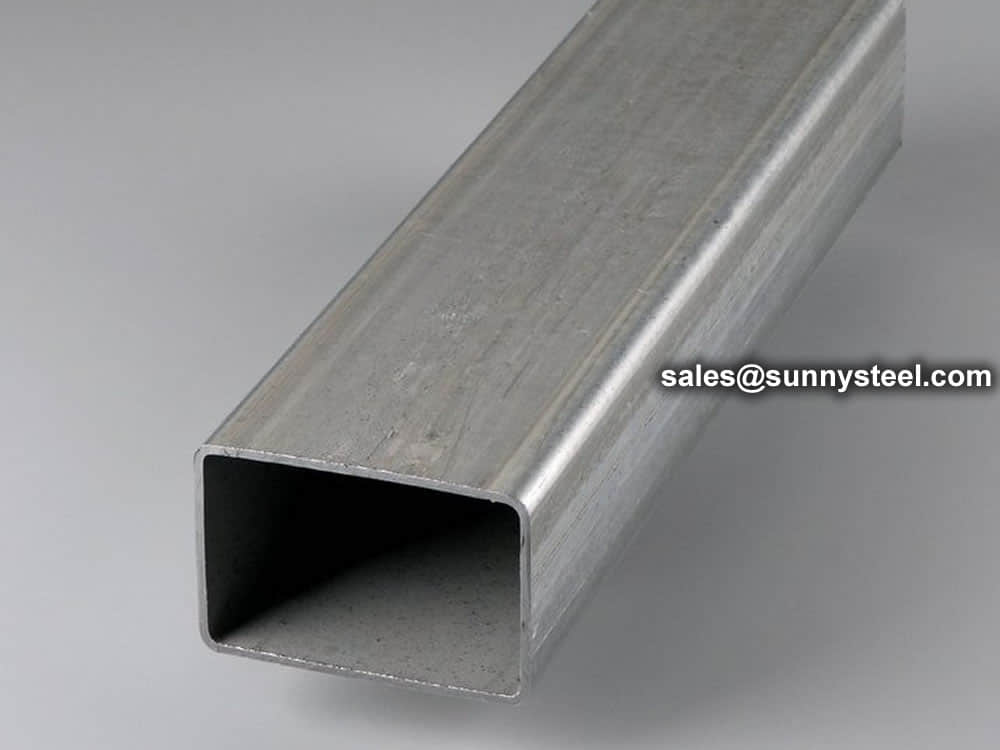
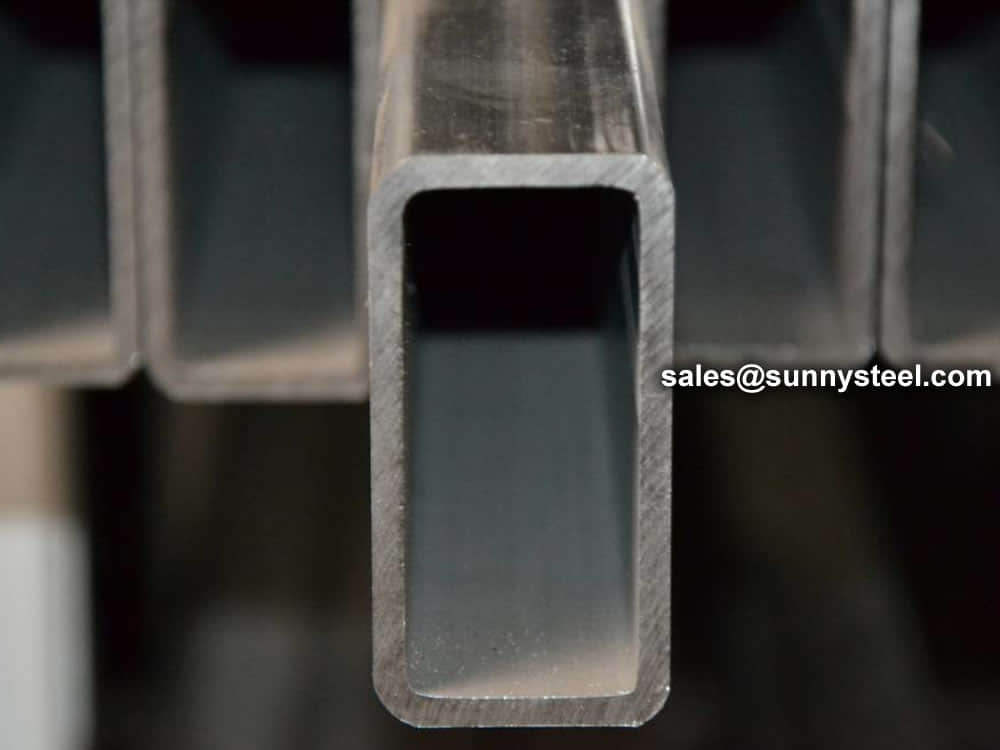
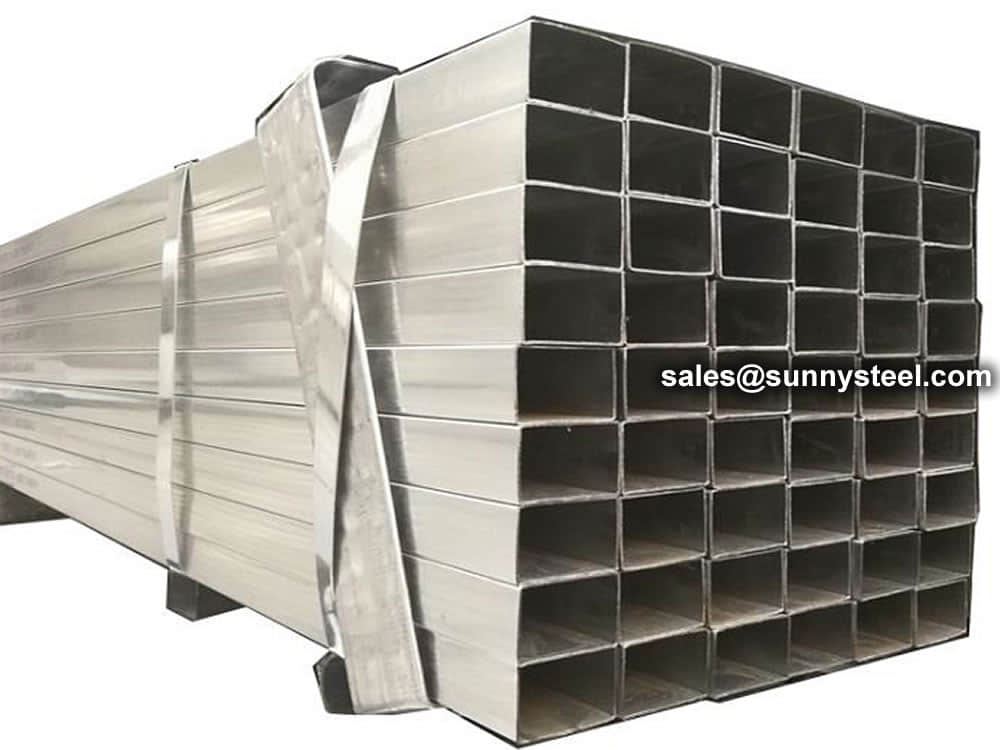
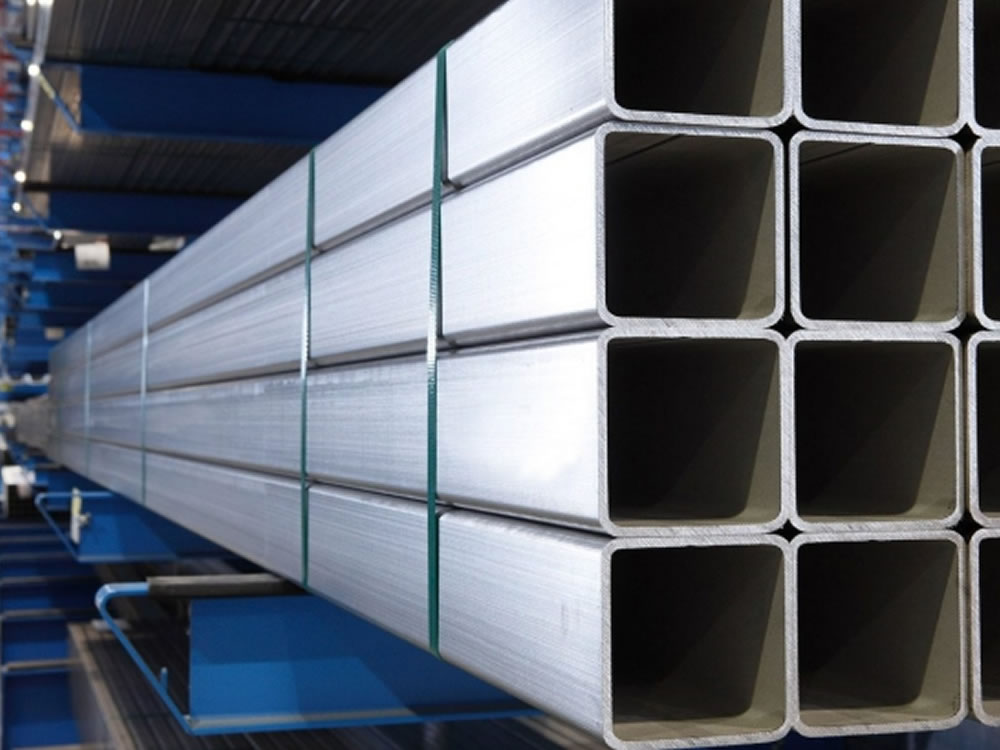
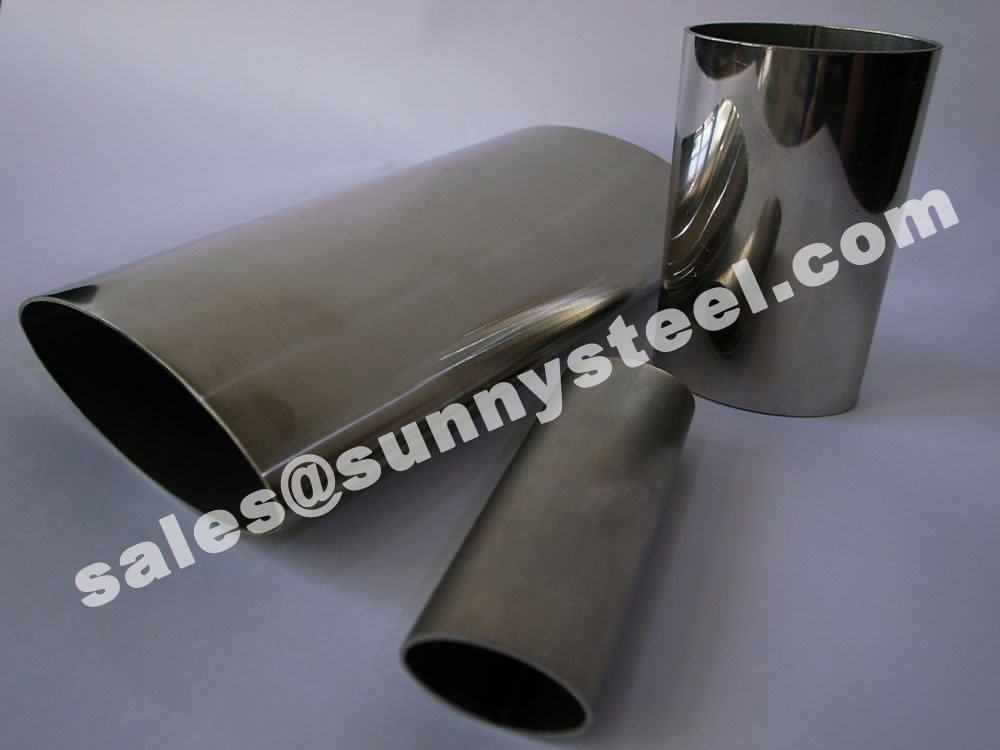
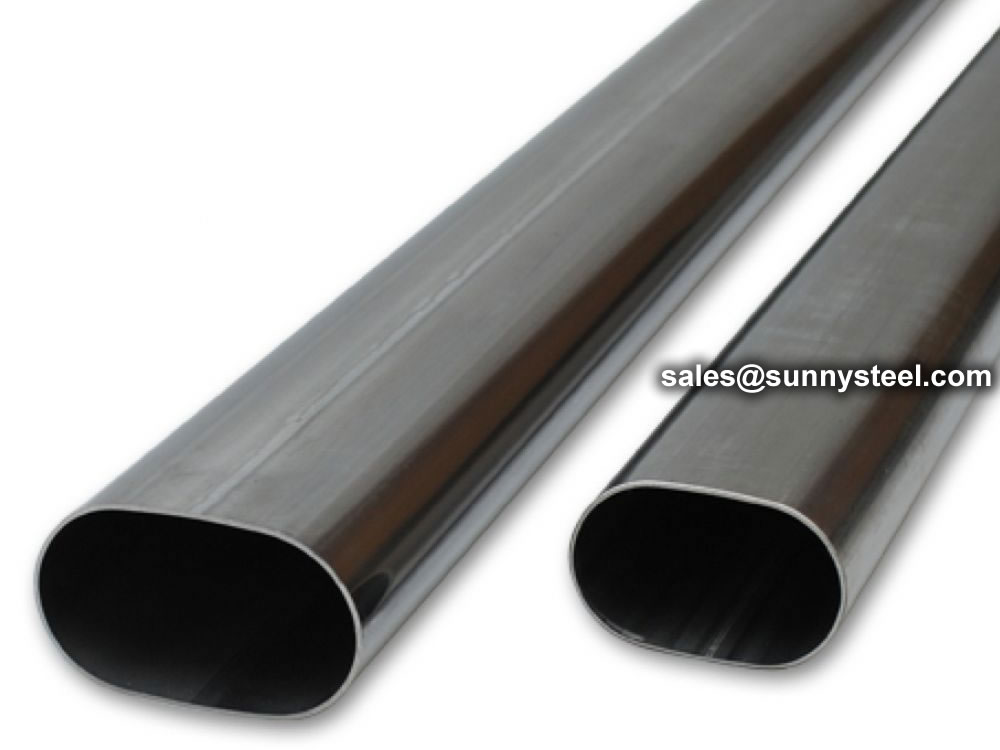
Stainless hollow sections, also known as stainless steel box sections or stainless steel square hollow sections (SHS), are structural components made of stainless steel with a hollow, square-shaped cross-section.
Type:Stainless Steel Square Tube, Stainless Steel rectangular Tube, Square Hollow Section, Rectangular Hollow Section
Standard:ASTM A554,ASTM A249,ASTM A312,DIN11850,JIS G3459,JIS G3448,GB/T12770,GB/T12771
Steel Grades: 304/304L,316/316L,301,202,201,409,410,430
Surface: Pickled, Bright, Matt, Polished, Mirror.
Application: The high quality Stainless steel rectangular pipe / tube is widely used for building, architecture, industry, safeguard, decoration, tools, etc.
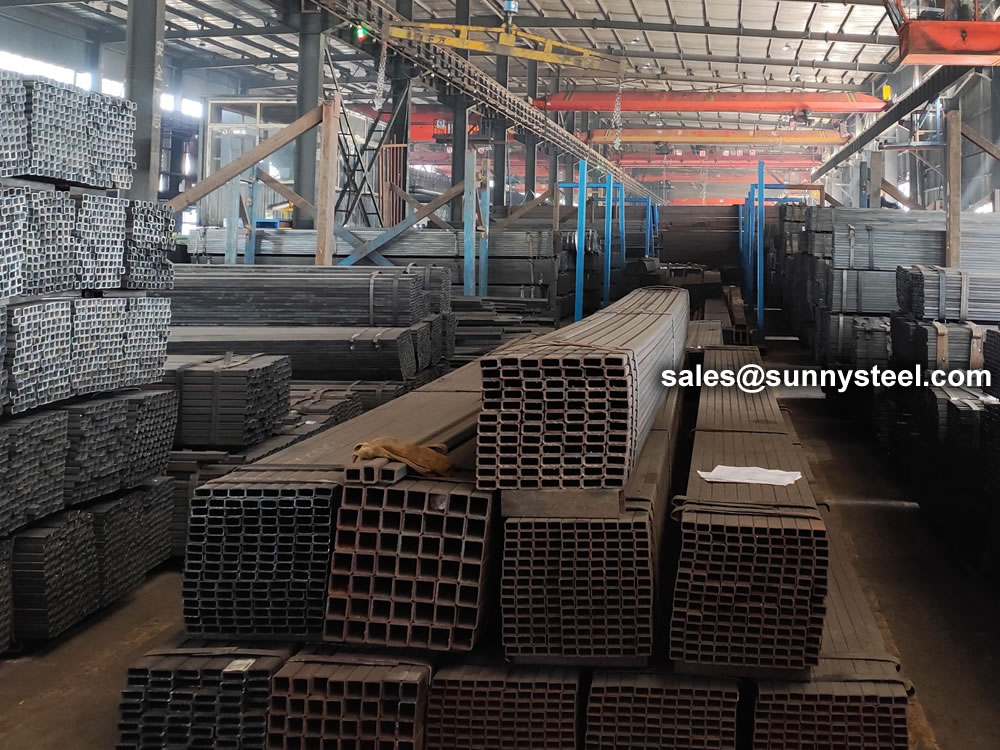
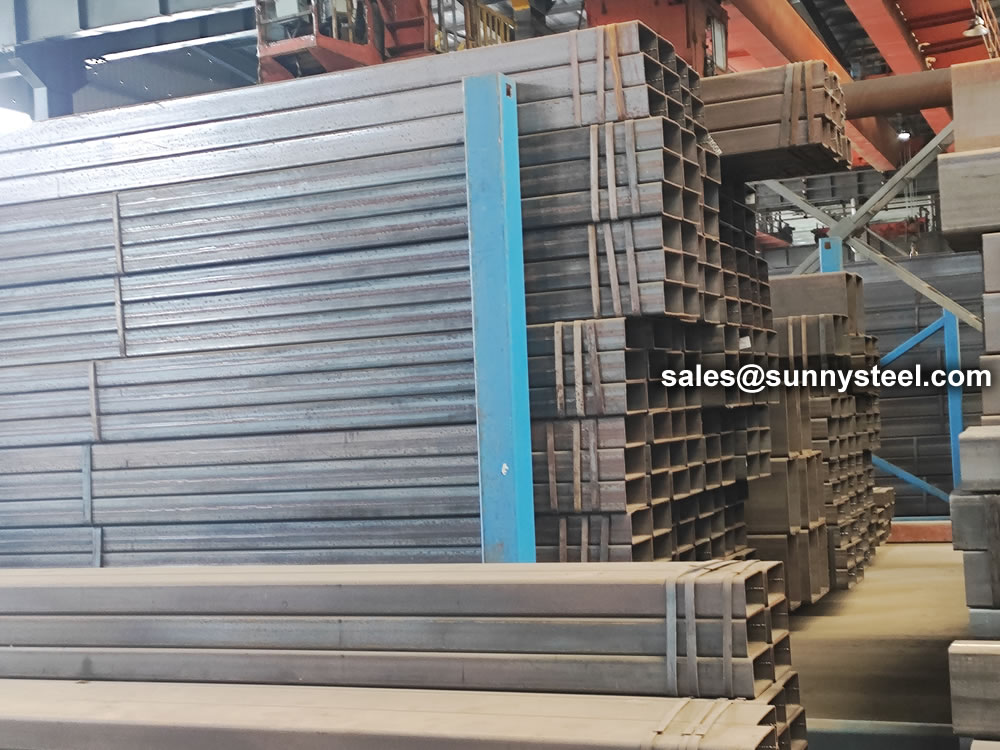
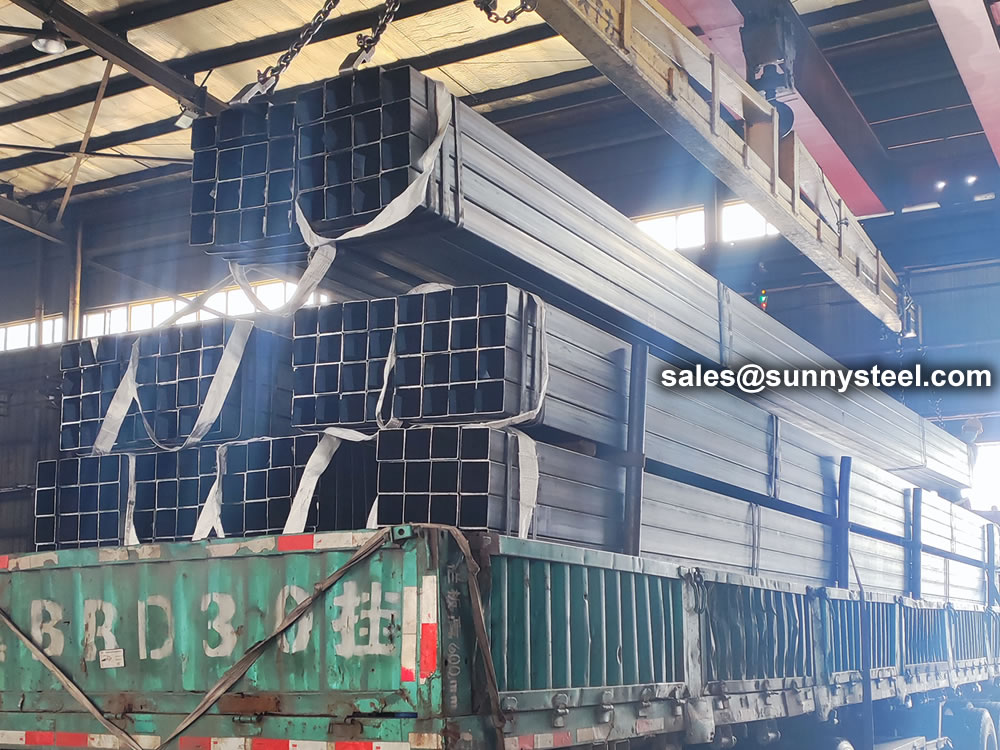
Special welded tubes, often used in critical industrial applications, require careful handling and transportation to ensure they reach their destination in optimal condition. These tubes may vary in size, material, and specifications, making their proper delivery essential.
| Product Name | Executive Standard | Dimension (mm) | Steel Code / Steel Grade |
|---|---|---|---|
| Casting | API 5CT | Ø48.3~273 x WT2.77~11.43 | J55, K55, N80, L80 |
| Tubing | API 5CT | Ø48.3~273 x WT2.77~11.43 | J55, K55, N80, L80, H40 |
| Product Name | Executive Standard | Dimension (mm) | Steel Code / Steel Grade |
|---|---|---|---|
| Line Pipes | API 5L | Ø60.3~273.1 x WT2.77~12.7 | A25, A, B, X42, X46, X52, X56, X60, X65, X70, X80 |
| Product Name | Executive Standard | Dimension (mm) | Steel Code / Steel Grade |
|---|---|---|---|
| Electric-Resistance-Welded Steel Pipes | ASTM A135 | Ø42.2~114.3 x WT2.11~2.63 | A |
| Electric-Resistance-Welded Carbon Steel and Carbon-Manganese Steel Boiler and Superheater Tubes | ASTM A178 | 42.2-114.3 x 2.11-2.63 | A, C, D |
| ERW and Hot-dip Galvanized Steel Pipes | ASTM A53 | Ø21.3~273 x WT2.11~12.7 | A, B |
| Pipes for Piling Usage | ASTM A252 | Ø219.1~508 x WT3.6~12.7 | Gr.2, Gr.3 |
| Tubes for General Structural Purpose | ASTM A500 | Ø21.3~273 x WT2.11~12.7 | Gr.2, Gr.3 |
| Square Pipes for General Structural Purpose | ASTM A500 | 25 x 25~160 x 160 x WT1.2~8.0 | Carbon Steel |
| Product Name | Executive Standard | Dimension (mm) | Steel Code / Steel Grade |
|---|---|---|---|
| Threaded Steel Pipes | DIN 2440 | Ø21~164 x WT2.65~4.85 | Carbon Steel |
| Product Name | Executive Standard | Dimension (mm) | Steel Code / Steel Grade |
|---|---|---|---|
| Screwed and Socketed Steel Tubes | BS 1387 | Ø21.4~113.9 x WT2~3.6 | Carbon Steel |
| Scaffolding Pipes | EN 39 | Ø48.3 x WT3.2~4 | Carbon Steel |
| Product Name | Executive Standard | Dimension (mm) | Steel Code / Steel Grade |
|---|---|---|---|
| Carbon Steel Tubes for General Structure Purpose | JIS G3444 | Ø21.7~216.3 x WT2.0~6.0 | Carbon Steel |
| Carbon Steel Tubes for Machine Structure Purpose | JIS G3445 | Ø15~76 x WT0.7~3.0 | STKM11A, STKM13A |
| Carbon Steel Pipes for Ordinary Piping | JIS G3452 | Ø21.9~216.3 x WT2.8~5.8 | Carbon Steel |
| Carbon Steel Pipes for Pressure Service | JIS G3454 | Ø21.7~216.3 x WT2.8~7.1 | Carbon Steel |
| Carbon Steel Rigid Steel Conduits | JIS G8305 | Ø21~113.4 x WT1.2~3.5 | G16~G104, C19~C75, E19~E75 |
| Carbon Steel Rectangular Pipes for General Structure | JIS G3466 | 16 x 16~150 x 150 x WT0.7~6 | Carbon Steel |


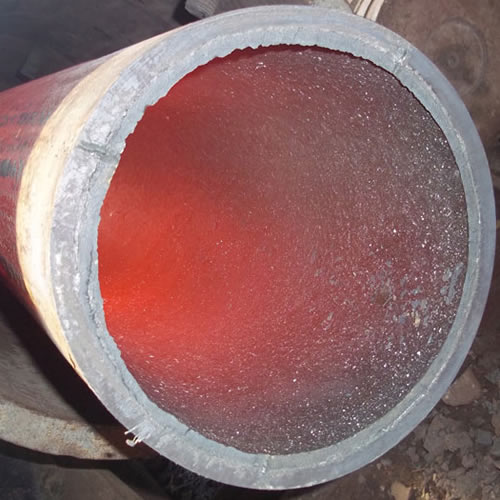
Ceramic lined pipe is made through self-propagating high-temperature synthesis (SHS) technique.
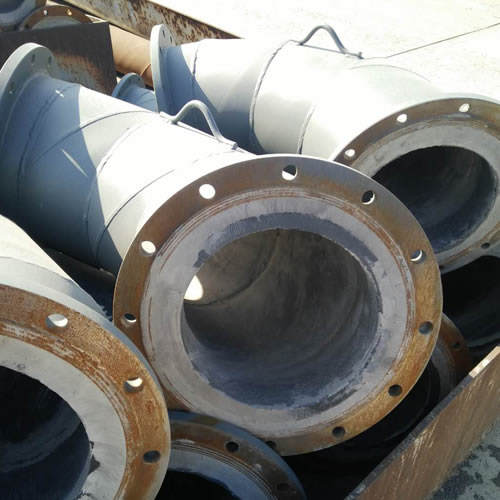
Cast basalt lined steel pipe is composed by lined with cast basalt pipe, outside steel pipe and cement mortar filling between the two layers.
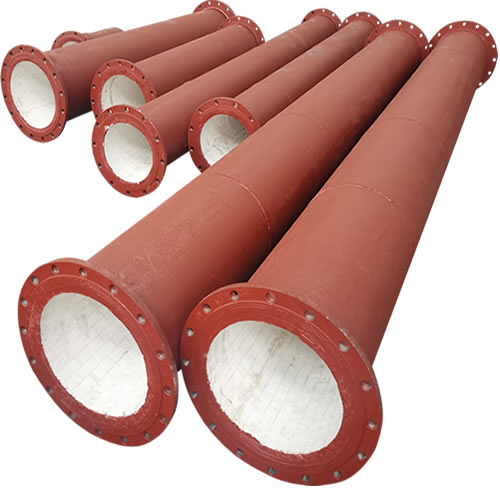
Ceramic tile lined pipes have very uniform coating of specially formulated ceramic material that is affixed to the inner of the pipe.
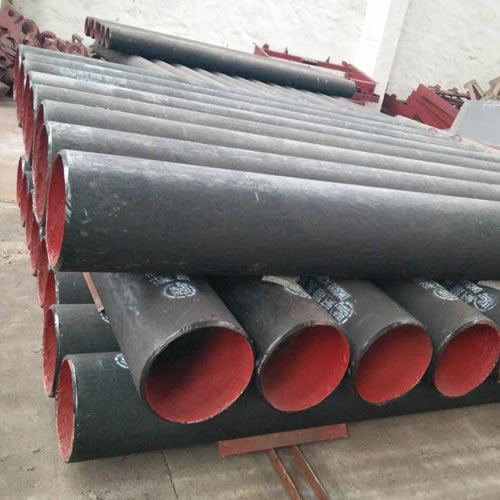
The material of the rare earth alloy wear-resistant pipe is ZG40CrMnMoNiSiRe, which is also the grade of rare earth alloy steel.
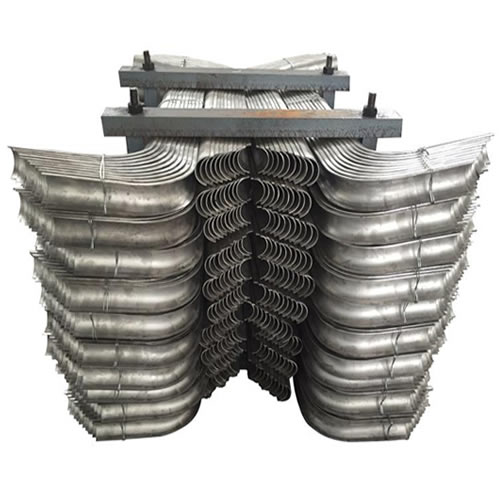
Tubes Erosion Shields are used to protect boiler tubing from the highly erosive effects of high temperatures and pressures thereby greatly extending tube life.
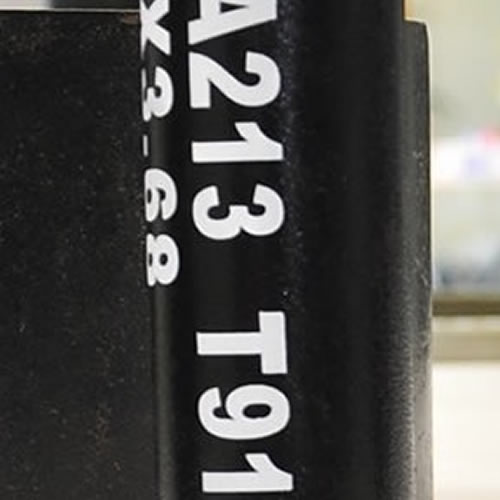
The ASTM A213 T91 seamless tubes are primarily used for boiler, superheater, and heat-exchanger.

When you partner with Sunny Steel, you can stop worrying about meeting deadlines thanks to our responsive and timely service. You'll also say goodbye to unnecessary shopping around. Instead, you'll get white glove service from an expert who understands your needs and can get you the materials you need quickly.