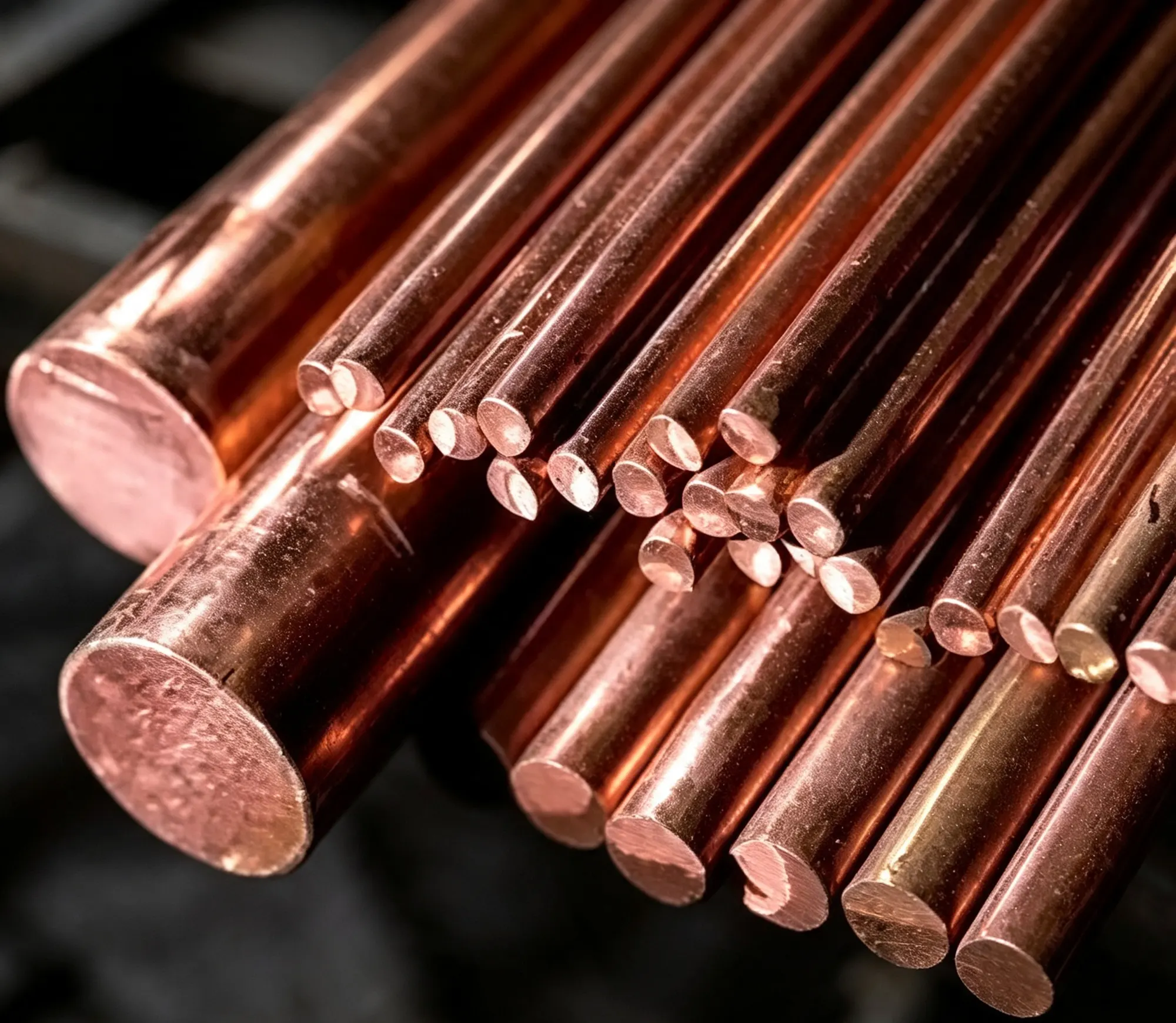
Chromium Zirconium Copper (CuCrZr)
High-performance copper alloy with excellent conductivity, strength and resistance to high-temperature softening.
(Fe-Cu Alloy) Copper Iron Alloy Material Supplier
Iron Copper Alloy (Fe-Cu Alloy) combines the strength of iron with the excellent thermal and electrical conductivity of copper for industrial and powder metallurgy applications.
High Performance Iron Copper Composite Materials for Powder Metallurgy, Automotive and Industrial Applications
Iron Copper Alloy (Fe-Cu Alloy) is a composite metallic material combining iron and copper to achieve improved mechanical strength, thermal conductivity and electrical performance.
Unlike traditional copper alloys, Fe-Cu alloys are commonly produced through powder metallurgy, sintering or copper infiltration processes. The addition of copper improves dimensional stability, conductivity and wear resistance of iron-based materials.
Sunny Steel supplies iron copper alloy materials and customized components for automotive, electrical, mechanical and industrial applications requiring a balance between strength and conductivity.
| Type | Description | Applications |
|---|---|---|
| Fe-Cu Sintered Alloy | Iron copper powder metallurgy material produced by sintering process | Automotive and mechanical components |
| Copper Infiltrated Iron | Iron-based material enhanced with copper infiltration | Wear parts and high strength components |
| Iron Copper Carbon Alloy | Fe-Cu-C material with improved mechanical properties | Structural powder metallurgy parts |
| Custom Fe-Cu Alloy | Customized composition according to application requirements | Special industrial components |
Iron Copper Alloy (Fe-Cu Alloy) is mainly composed of iron and copper. Additional elements such as carbon may be added to improve hardness, strength and wear resistance.
| Element | Typical Content (%) |
|---|---|
| Iron (Fe) | Balance |
| Copper (Cu) | 1 - 30 |
| Carbon (C) | 0 - 1.2 |
| Nickel (Ni) | Optional addition |
| Molybdenum (Mo) | Optional addition |
Mechanical properties of Fe-Cu alloys depend on copper content, powder metallurgy process, density and heat treatment condition.
| Property | Typical Value |
|---|---|
| Tensile Strength | 300 - 800 MPa |
| Yield Strength | 200 - 600 MPa |
| Hardness | 80 - 250 HB |
| Density | 6.8 - 7.8 g/cm³ |
| Electrical Conductivity | Higher than pure iron |
| Property | Iron Copper Alloy | Pure Iron |
|---|---|---|
| Strength | Higher due to copper alloying | Lower |
| Wear Resistance | Improved | Limited |
| Thermal Conductivity | Higher | Lower |
| Electrical Performance | Improved | Moderate |
| Manufacturing Method | Powder metallurgy and infiltration | Conventional steel processing |
| Property | Iron Copper Alloy | Bronze Alloy |
|---|---|---|
| Main Elements | Iron + Copper | Copper + Tin / Aluminum / Other Elements |
| Main Advantage | High strength and cost efficiency | Excellent corrosion resistance and wear performance |
| Typical Process | Powder metallurgy | Casting, forging, machining |
| Applications | Automotive and mechanical components | Bearings, valves and marine components |
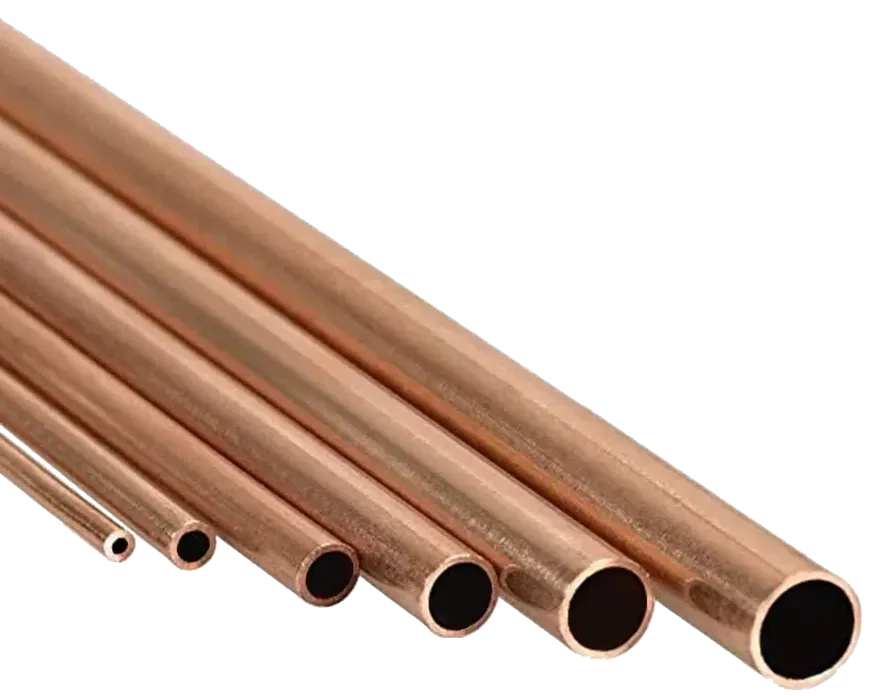
High Conductivity Copper-Iron-Phosphorus Alloys
| UNS Grade | Cu & Others (Wt%) | Fe (Wt%) | P (Wt%) | Zn (Wt%) | Electrical Conductivity (%IACS at 20°C) | Density (g/cm³) | Thermal Conductivity (W/(m·K)) | Thermal Expansion Coefficient (10⁻⁶/K) | Elastic Modulus (GPa) |
|---|---|---|---|---|---|---|---|---|---|
| C19200 | Cu+Fe+P ≥ 98.5 | 0.8-1.2 | 0.01-0.04 | ≤0.2 | ≥60 | 8.9 | 320 | 17.0 | 117 |
| C19210 | Cu+Fe+P ≥ 99.8 | 0.05-0.15 | 0.025-0.04 | - | ≥85 | 8.91 | 350 | 17.0 | 125 |
| C19400 | Cu+Fe+P+Zn ≥ 99.8 | 2.1-2.6 | 0.015-0.15 | 0.05-0.2 | ≥40 | 8.78 | 262 | 17.9 | 121 |
High-strength copper-iron alloy (CW107C) balancing electrical conductivity with mechanical performance. Specified for lead frames, connectors and power electronics.
Primarily α-Cu with dispersed Fe precipitates. Iron enhances strength; phosphorus improves corrosion resistance and machinability.
| Element | Fe | Zn | P | Cu |
|---|---|---|---|---|
| Content (%) | 2.1–2.6 | 0.05–0.2 | 0.015–0.15 | Remainder |
| System | Designation |
|---|---|
| ASTM | C19400 (ASTM B465) |
| DIN | CuFe2P / 2.1310 |
| EN | CuFe2P / CW107C |
| JIS | C1940 |
| Density | 8.91 g/cm³ | Electrical Conductivity | 64% IACS (20°C, lowest temper) |
| Modulus of Elasticity | 121 GPa | Thermal Conductivity | 260 W/(m·K) |
| Coefficient of Thermal Expansion | 16.3 × 10⁻⁶/K | ||
| Element | Fe | Zn | P | Cu |
|---|---|---|---|---|
| Content (%) | 2.1–2.6 | 0.05–0.2 | 0.015–0.15 | Remainder |
Lead frames and separator components in IC packaging, fully/partially etched parts, connectors, terminals and busbars.
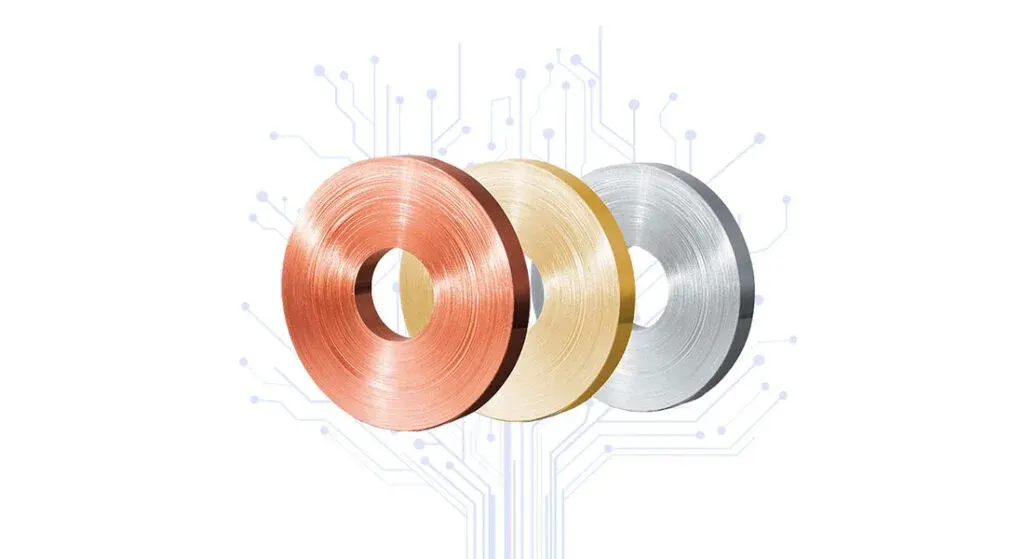
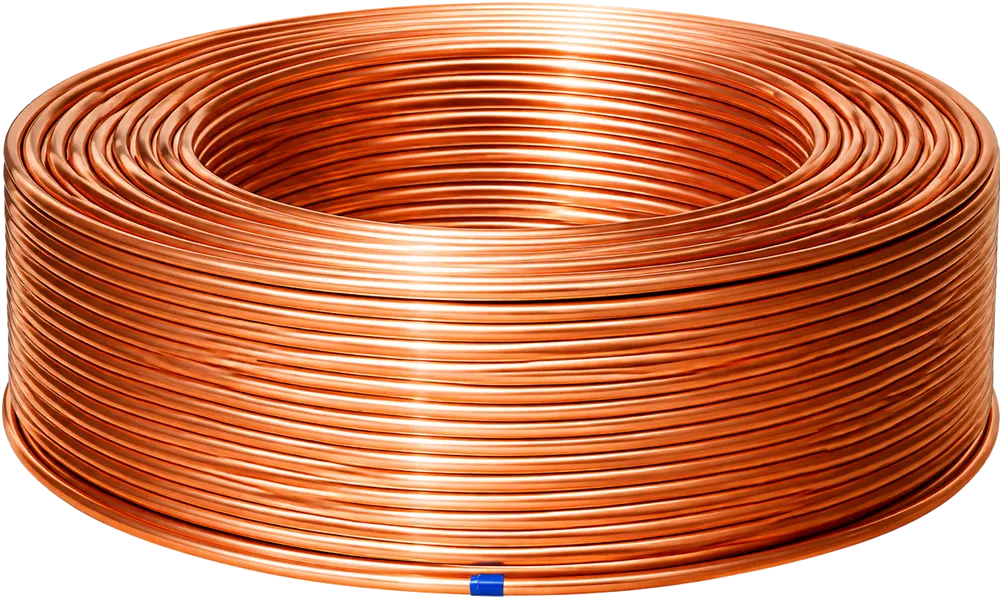
Copper-iron alloys engineered for high electrical and thermal conductivity combined with enhanced strength and wear resistance.
| Alloy | Fe | Cr | Mn | Si | P | Cu |
|---|---|---|---|---|---|---|
| CuFe5 | 4.5–5.5 | <0.005 | <0.01 | <0.005 | <0.0015 | Remainder |
| CuFe10 | 9.5–10.5 | <0.005 | <0.01 | <0.005 | <0.0015 | Remainder |
| Alloy & Temper | Tensile Strength (MPa) | Elongation (%) | Hardness (HV) | Conductivity (%IACS) | Thermal Conductivity (W/m·K) |
|---|---|---|---|---|---|
| CuFe5 (1/4H) | 350–420 | >15 | 100–135 | >65 | >300 |
| CuFe5 (H) | 500–600 | >5 | 140–180 | >60 | >300 |
| CuFe10 (1/4H) | 380–460 | >12 | 110–140 | >60 | >170 |
| CuFe10 (H) | 550–650 | >4 | 150–190 | >55 | >170 |
Iron copper alloys are widely used for sintered components requiring strength, dimensional accuracy and improved conductivity.
Used for automotive parts such as gears, bearings, structural components and wear-resistant parts.
Applied in electrical parts requiring a combination of mechanical strength and conductivity.
Iron copper alloys are used in friction materials because copper improves thermal conductivity and heat dissipation.
Suitable for industrial components requiring wear resistance and stable mechanical performance.
Used in components exposed to friction, pressure and repeated mechanical loading.

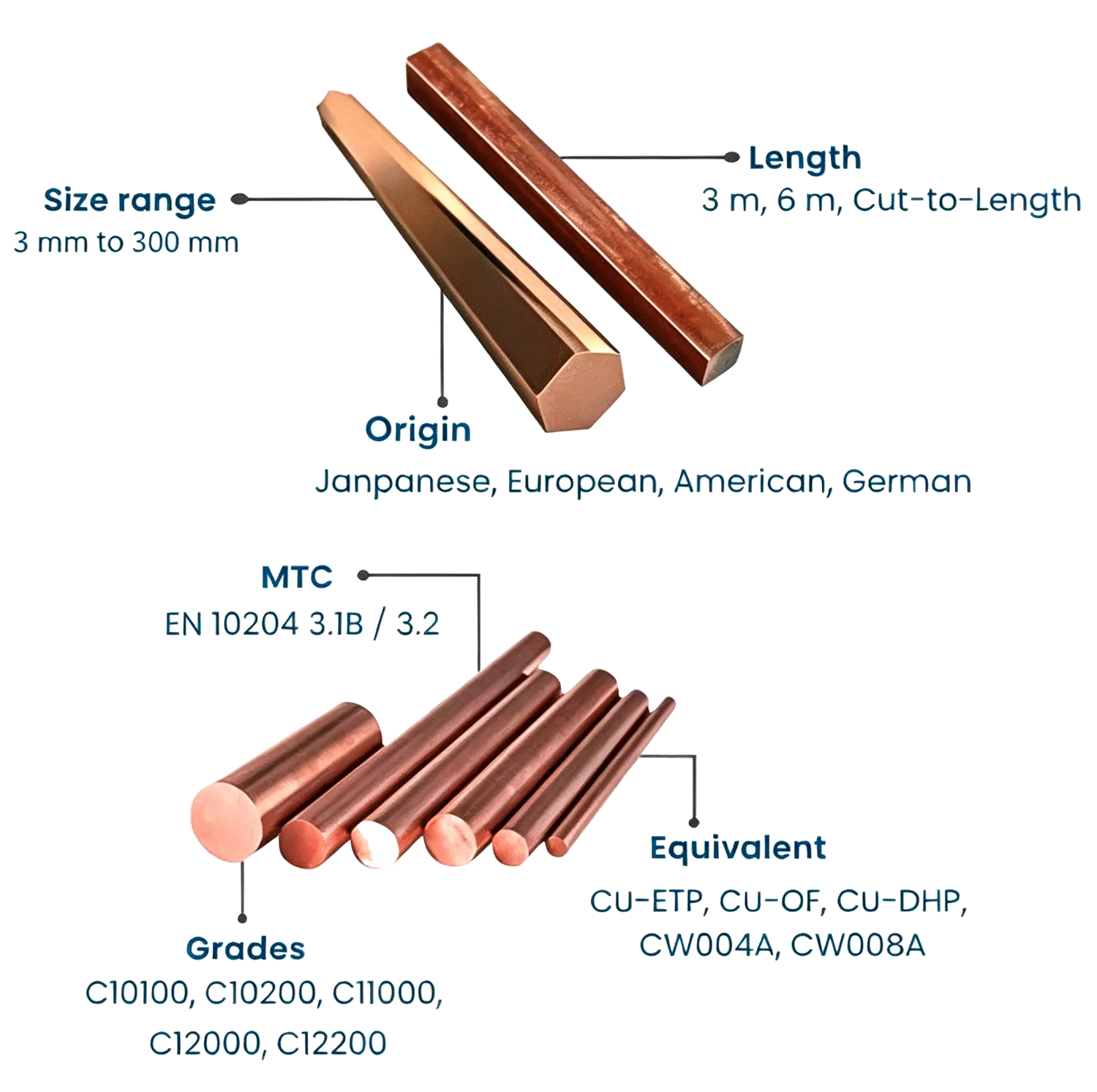
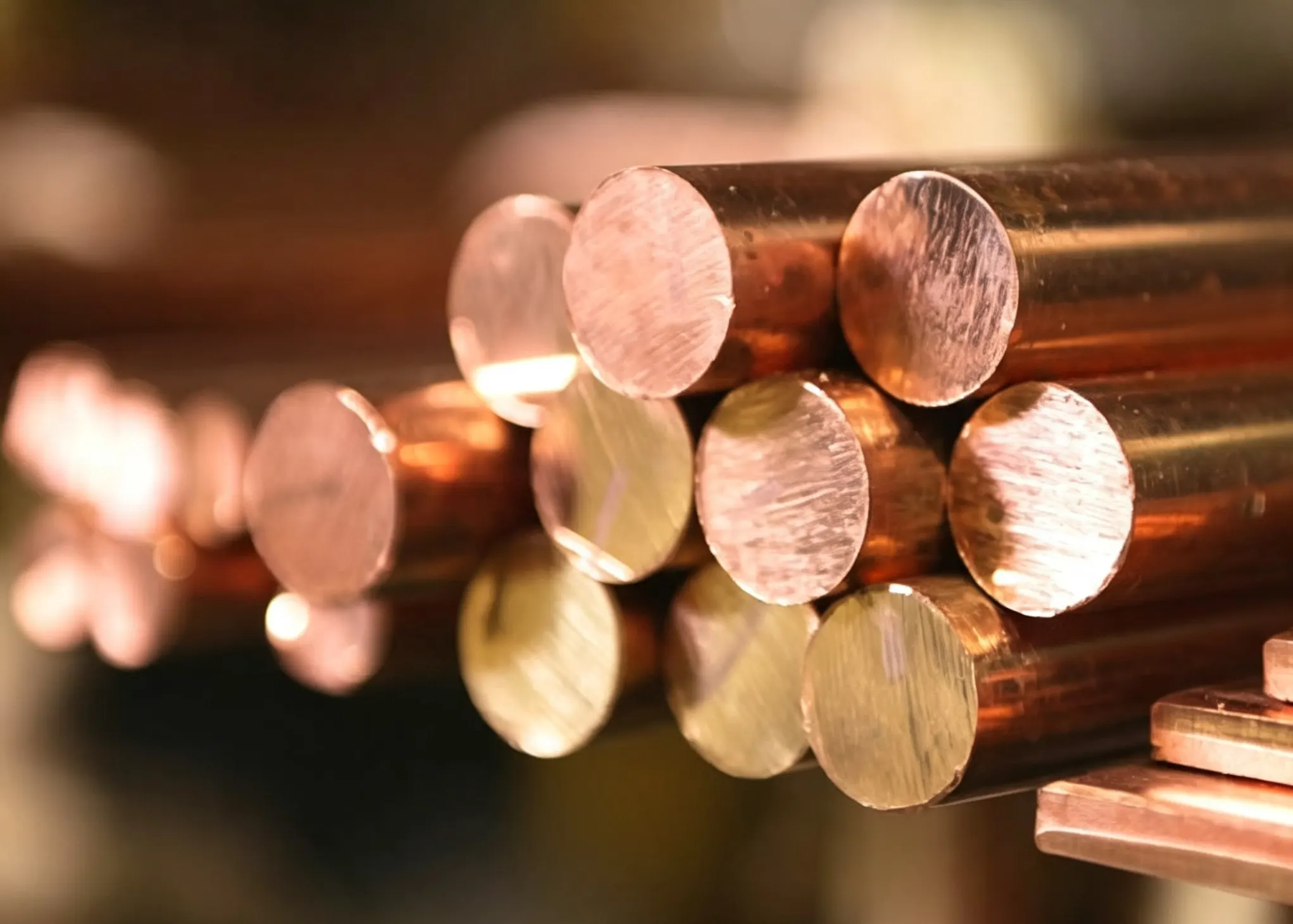
Sunny Steel supplies Iron Copper Alloy materials in various forms to meet different industrial manufacturing requirements.
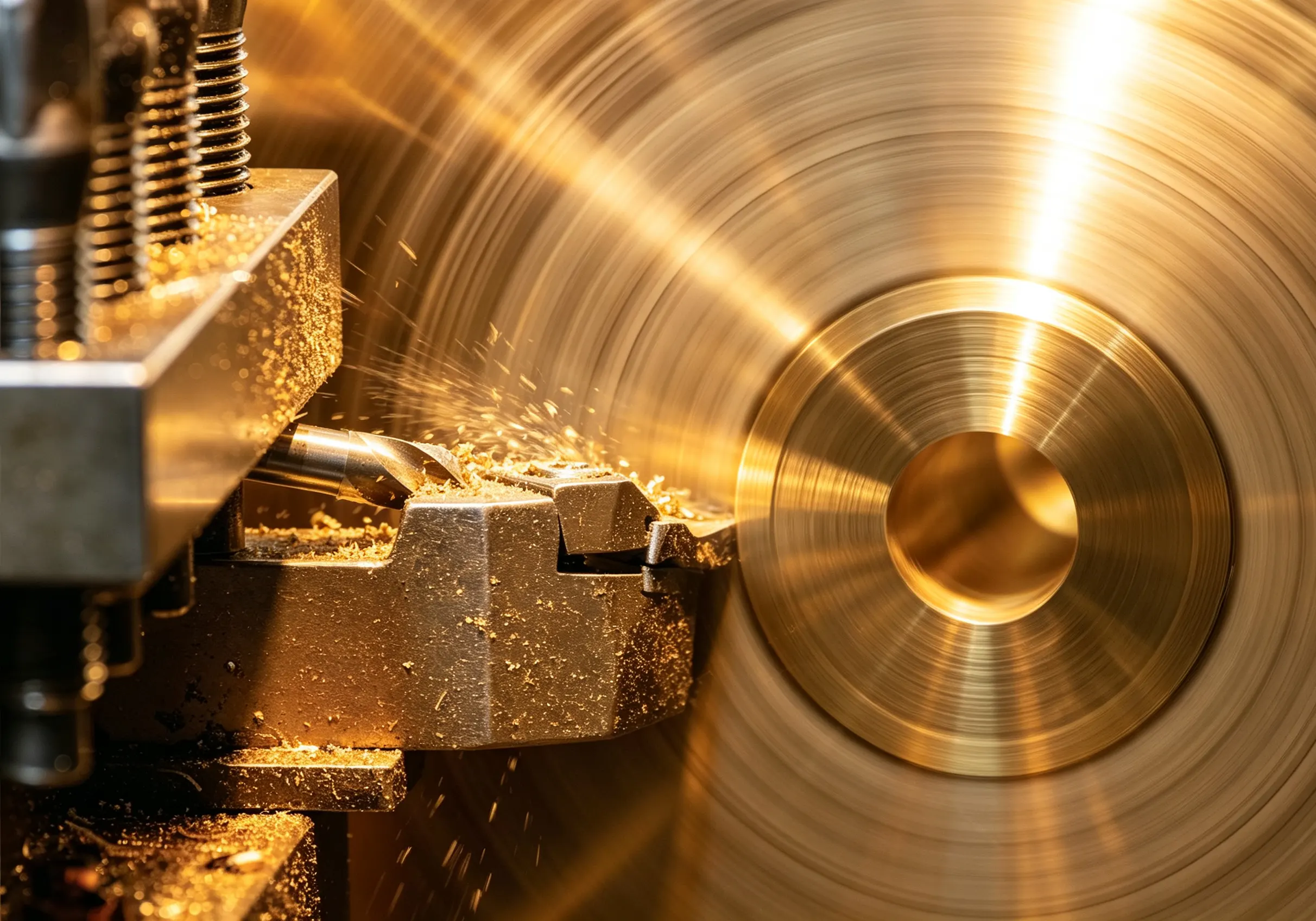
Precision machining and forging of copper alloys, brass and bronze, built on a certified quality management system.
Precision round parts
Internal machining
Complex profiles
Die & open-die
High-precision cutting
Full capability list

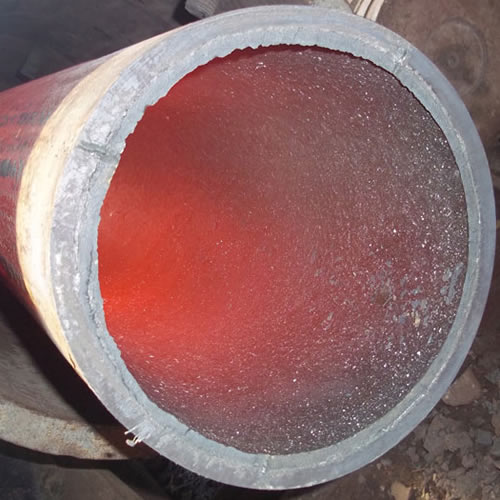
Ceramic lined pipe is made through self-propagating high-temperature synthesis (SHS) technique.
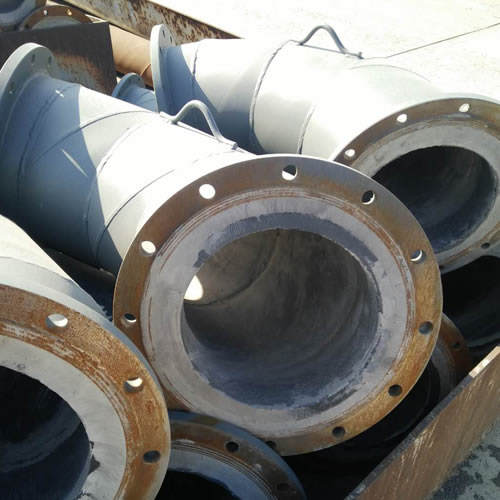
Cast basalt lined steel pipe is composed by lined with cast basalt pipe, outside steel pipe and cement mortar filling between the two layers.
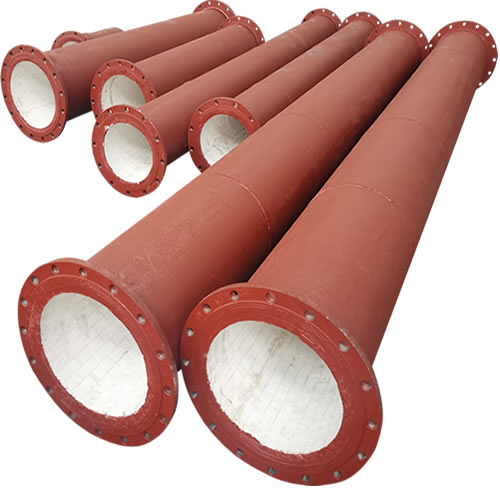
Ceramic tile lined pipes have very uniform coating of specially formulated ceramic material that is affixed to the inner of the pipe.
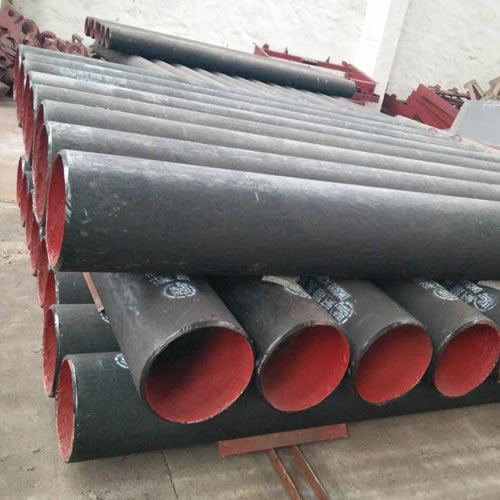
The material of the rare earth alloy wear-resistant pipe is ZG40CrMnMoNiSiRe, which is also the grade of rare earth alloy steel.
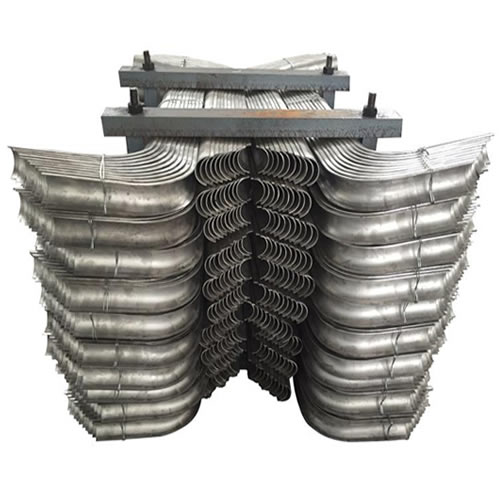
Tubes Erosion Shields are used to protect boiler tubing from the highly erosive effects of high temperatures and pressures thereby greatly extending tube life.
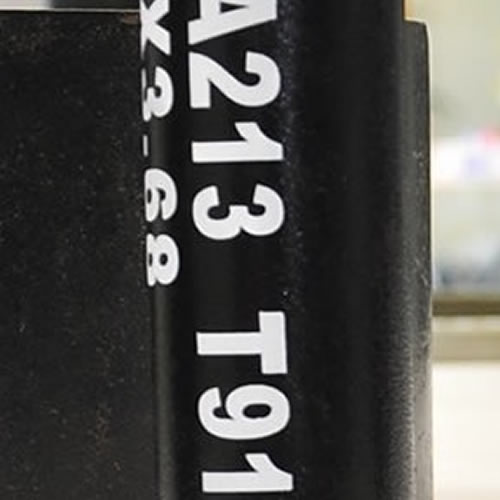
The ASTM A213 T91 seamless tubes are primarily used for boiler, superheater, and heat-exchanger.

When you partner with Sunny Steel, you can stop worrying about meeting deadlines thanks to our responsive and timely service. You'll also say goodbye to unnecessary shopping around. Instead, you'll get white glove service from an expert who understands your needs and can get you the materials you need quickly.