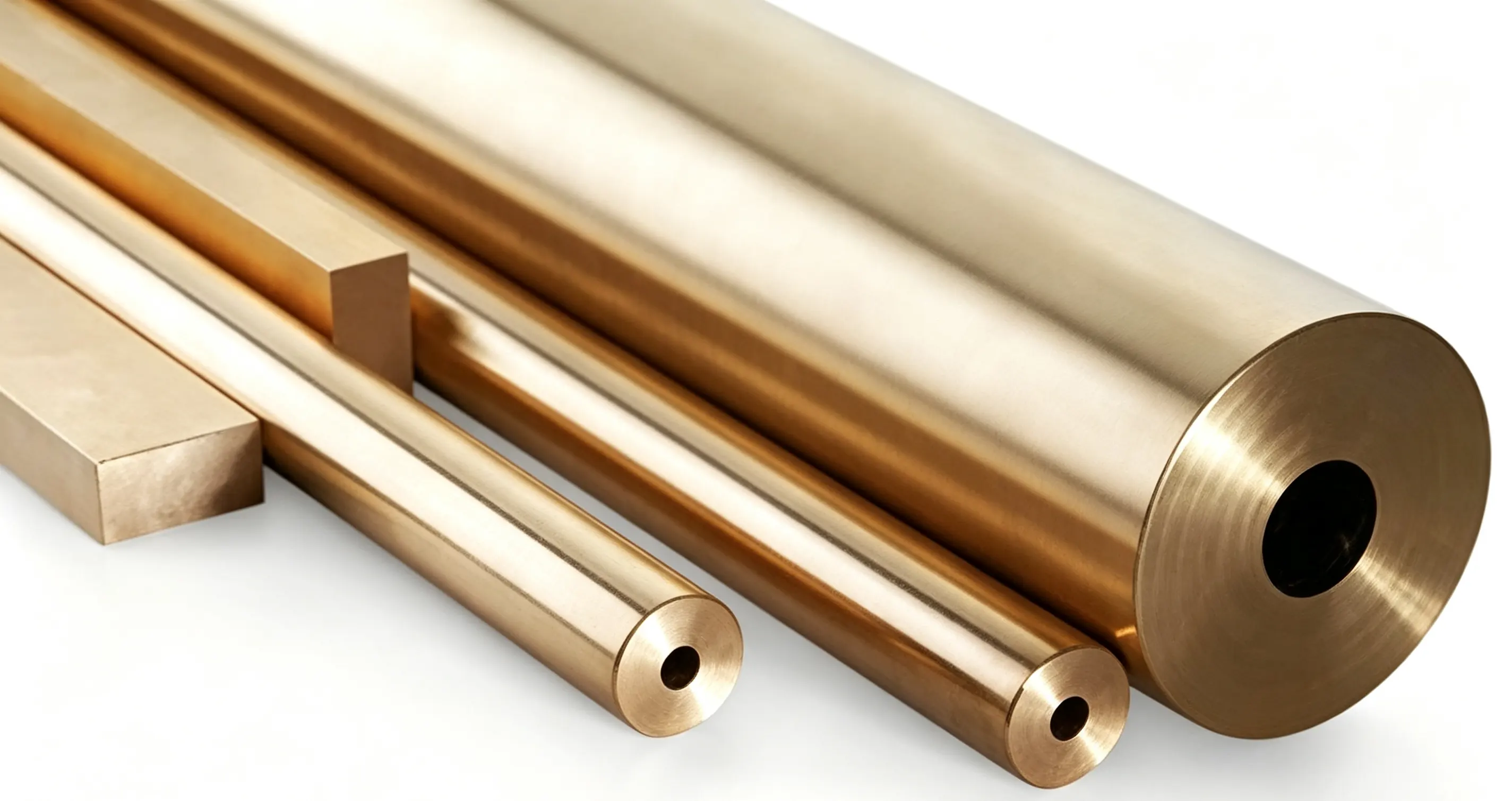
Iron Copper Alloy
Iron copper alloy materials combining high strength of iron with conductivity and thermal performance of copper.
High Performance Copper Alloy Materials
Special copper alloys combine copper's excellent conductivity with improved strength, corrosion resistance and specialized performance for advanced industrial applications.
Special copper alloys are advanced copper-based materials developed to provide enhanced performance beyond traditional pure copper, brass and bronze alloys. By adding elements such as beryllium, nickel, chromium, zirconium, tungsten, aluminum and tin, these alloys achieve improved strength, hardness, corrosion resistance, wear resistance and high-temperature performance while maintaining the excellent electrical and thermal conductivity of copper.
Compared with ordinary copper materials, special copper alloys are designed for demanding industrial environments where conventional copper cannot meet performance requirements. They are widely used in aerospace, electrical engineering, marine equipment, automotive systems, welding equipment, semiconductor manufacturing and precision machinery.
Common special copper alloys include beryllium copper, copper nickel alloy, zirconium copper, chromium copper, tungsten copper, tellurium copper and other high-performance copper alloy materials.
Different special copper alloys are selected according to specific application requirements, including electrical conductivity, mechanical strength, corrosion resistance, wear resistance and temperature capability.
| Alloy Type | Typical Grades | Main Characteristics | Main Applications |
|---|---|---|---|
| Beryllium Copper | C17200 / C17300 | Ultra-high strength, elasticity, fatigue resistance | Springs, connectors, precision components |
| Copper Nickel Alloy | C70600 / C71500 | Excellent corrosion resistance and seawater resistance | Marine piping, heat exchangers |
| Zirconium Copper | C15000 | High temperature strength and conductivity | Welding electrodes, electrical contacts |
| Chromium Copper | C18200 | High conductivity and hardness | Resistance welding components |
| Tungsten Copper | WCu70 / WCu80 | High density, arc resistance | Electrical contacts, aerospace |
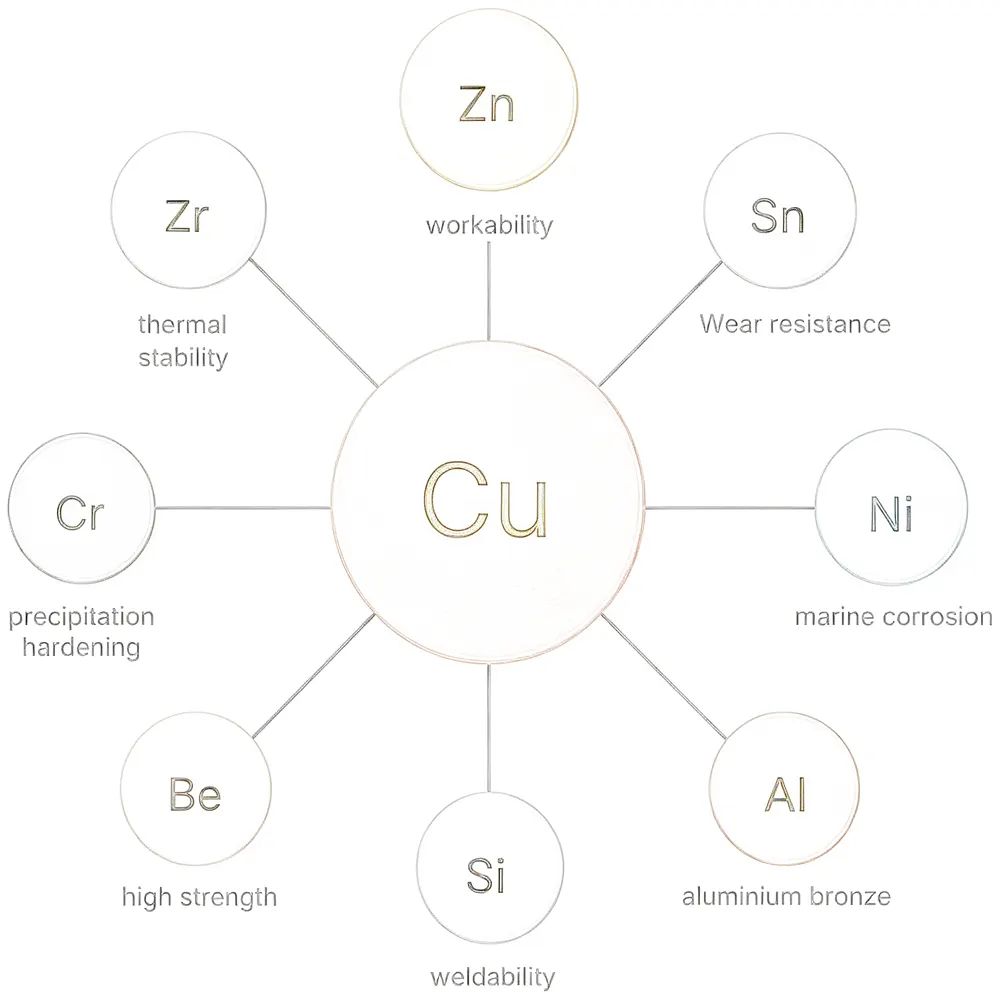
Overview of principal copper alloys for engineering and EPC project material selection. All grades conform to ASTM standards.
| Alloy Type | Typical Grades (UNS) | Main Characteristics | Primary Applications |
|---|---|---|---|
| Beryllium Copper | C17200 / C17300 | Peak tensile strength, high fatigue resistance, non-sparking | Aerospace components, precision springs, oil & gas downhole tools |
| Copper Nickel (Cu-Ni) | C70600 / C71500 | Superior seawater corrosion resistance, low macrofouling | Offshore piping systems, condensers, heat exchanger tubing |
| Chromium Zirconium Copper | C18150 | High electrical/thermal conductivity, softening resistance at 400°C+ | Resistance welding electrodes, electrode holders, circuit breaker parts |
| Chromium Copper | C18200 | High hardness, good electrical conductivity | Welding wheels, seam welding components, electrical switchgear |
| Tungsten Copper | WCu70 / WCu80 | High density, arc erosion resistance, thermal shock resistance | EDM electrodes, aerospace heat sinks, electrical contacts |
| Tellurium Copper | C14500 | Free-machining, retains 85%+ IACS conductivity | High-speed CNC turned parts, electrical connectors, screw machine products |
| Nickel Silver | C74500 / C75200 | Corrosion resistance, silver-white finish, good formability | Marine hardware, decorative trim, musical instruments, optical components |
| Aluminum Bronze | C95400 / C95500 | High mechanical strength, cavitation and wear resistance | Pump impellers, valve seats, heavy-duty bearings, marine hardware |
| Tin Bronze (Phosphor Bronze) | C51000 / C54400 | Low friction, excellent fatigue strength, wear resistance | Bushings, thrust washers, worm gears, bearings |
Beryllium copper is one of the most important high-performance copper alloys. It combines excellent electrical conductivity with extremely high strength, elasticity and fatigue resistance after heat treatment.
The most common grades are C17200 and C17300. C17200 provides maximum mechanical strength and spring performance, while C17300 offers improved machinability for precision components.
| Property | Typical Performance |
|---|---|
| Tensile Strength | Up to 1400 MPa after aging treatment |
| Electrical Conductivity | 15 - 30% IACS |
| Magnetic Property | Non-magnetic |
| Main Applications | Connectors, springs, aerospace components |
Copper nickel alloy, also known as cupronickel, is a copper alloy containing nickel as the main alloying element. It provides excellent resistance to seawater, marine corrosion and biofouling.
Common grades include C70600 (90/10 copper nickel) and C71500 (70/30 copper nickel). These alloys maintain good mechanical properties and corrosion resistance in harsh marine environments.
| Grade | Nickel Content | Main Applications |
|---|---|---|
| C70600 | Approximately 10% Ni | Marine pipes, condenser tubes |
| C71500 | Approximately 30% Ni | Ship systems, offshore equipment |
Zirconium copper is a precipitation-hardenable copper alloy containing a small amount of zirconium. It provides excellent electrical conductivity together with improved strength retention at elevated temperatures.
C15000 zirconium copper is widely used in resistance welding electrodes, electrical contacts and components exposed to repeated thermal cycles.
Chromium copper is a high-performance copper alloy containing chromium. It offers a combination of high electrical conductivity, hardness and resistance to softening at high temperatures.
C18200 chromium copper is widely used for resistance welding electrodes, electrical contacts and high-current components.
| Property | Characteristics |
|---|---|
| Conductivity | High electrical conductivity |
| Hardness | Higher than pure copper |
| Temperature Resistance | Excellent resistance to softening |
Tungsten copper is a metal composite material combining tungsten's high melting point and wear resistance with copper's excellent electrical and thermal conductivity.
Tungsten copper alloys are commonly produced by powder metallurgy processes and are available in different tungsten contents such as WCu70, WCu75 and WCu80.
Tellurium copper is a free-machining copper alloy containing a small amount of tellurium. It maintains good electrical conductivity while providing significantly improved machinability compared with pure copper.
C14500 tellurium copper is widely used for precision machining applications where high production efficiency, excellent surface finish and reliable conductivity are required.
| Property | Performance |
|---|---|
| Machinability | Excellent, suitable for automatic machining |
| Electrical Conductivity | High conductivity compared with other copper alloys |
| Main Applications | Electrical terminals, precision parts, machining components |
Special copper alloys are widely used in electrical engineering because they provide an excellent balance between conductivity and mechanical performance.
Copper nickel alloys are among the most important special copper alloys for marine applications due to their excellent resistance to seawater corrosion and biological fouling.
They are widely used in shipbuilding, offshore platforms, seawater cooling systems, desalination plants and marine heat exchangers.
| Application | Recommended Alloy | Reason |
|---|---|---|
| Seawater Pipeline | C70600 / C71500 | Excellent seawater corrosion resistance |
| Heat Exchanger Tubes | Copper Nickel Alloy | Good heat transfer and corrosion resistance |
| Offshore Equipment | Copper Nickel Alloy | Long service life in marine environments |
The production of special copper alloys requires precise control of chemical composition, heat treatment and processing conditions to achieve stable performance.
Strict quality control ensures that special copper alloy products meet international standards and customer requirements.
Inspection certificates such as EN 10204 3.1 material certificates can be provided according to project requirements.
Special copper alloy products require professional packaging to prevent oxidation, scratches and mechanical damage during transportation.
Customized packaging solutions are available according to product dimensions, destination requirements and transportation conditions.
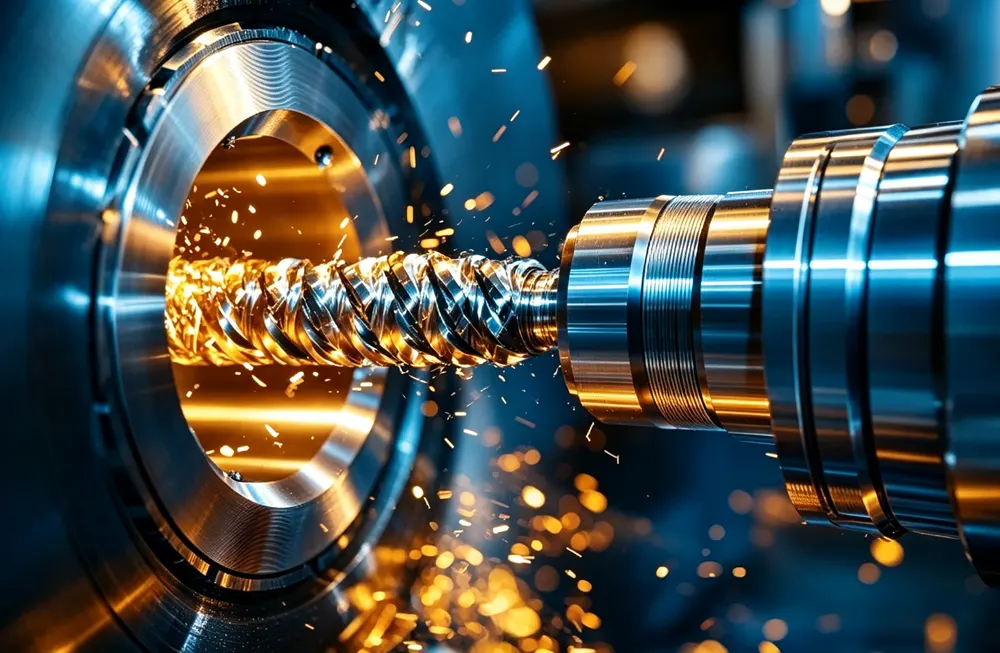
High-performance copper alloy offering an unmatched combination of strength, conductivity and safety-critical properties.
The addition of up to 2% beryllium is the only method capable of dramatically increasing copper's tensile strength — from 200 MPa (electrolytic copper) to over 1500 MPa (CuBe2) — without compromising its thermal or electrical performance.
Among the more than 200 types of copper alloys, beryllium copper offers the best combination of mechanical strength and electrical conductivity.
Precipitation-hardening beryllium cobalt copper. Higher strength than chrome copper / chrome zirconium copper, with slightly lower conductivity. Specified for mould inserts and resistance-welding electrodes.
| Element | Cu | Be | Co | Ni | Fe | Pb |
|---|---|---|---|---|---|---|
| Content (%) | Rem | 0.4–0.7 | 2.4–2.7 | — | — | ≤0.005 |

Beryllium copper is one of the most important materials for high-performance electrical contact components. It provides a unique balance between conductivity and mechanical strength that cannot be achieved by pure copper.
Compared with conventional copper materials, beryllium copper maintains contact pressure for a longer period, reducing electrical resistance changes caused by fatigue, vibration and repeated operation.
| Component | Advantages of Beryllium Copper |
|---|---|
| Electrical Connectors | High contact reliability, excellent spring force retention |
| Switch Components | Long service life under repeated switching cycles |
| Electronic Springs | Excellent fatigue resistance and dimensional stability |
| RF Components | Stable electrical performance and precision manufacturing capability |
Beryllium copper is widely recognized as one of the best spring materials because it provides high elastic limits, excellent fatigue resistance and stable mechanical performance.
Components manufactured from beryllium copper can withstand millions of operating cycles while maintaining their original shape and contact force.
| Component Type | Reason for Selection |
|---|---|
| Precision Springs | High elastic limit and excellent fatigue resistance |
| Contact Springs | Stable electrical contact pressure |
| Diaphragms | Excellent flexibility and corrosion resistance |
| Precision Clips | High strength with good formability |
Compared with pure copper, brass and bronze, beryllium copper provides significantly higher strength and fatigue resistance, making it suitable for more demanding applications.
| Material | Strength | Conductivity | Elasticity | Main Applications |
|---|---|---|---|---|
| Pure Copper | Low | Excellent | Moderate | Electrical conductors |
| Brass | Medium | Medium | Good | Valves, fittings, decoration |
| Tin Bronze | High | Lower | Good | Bearings and wear parts |
| Beryllium Copper | Very High | Good | Excellent | Precision and electrical components |
Beryllium copper can be manufactured through various processes including machining, stamping, forming, welding and precision fabrication.
During processing, proper dust control measures should be applied because beryllium compounds require careful handling according to industrial safety requirements.
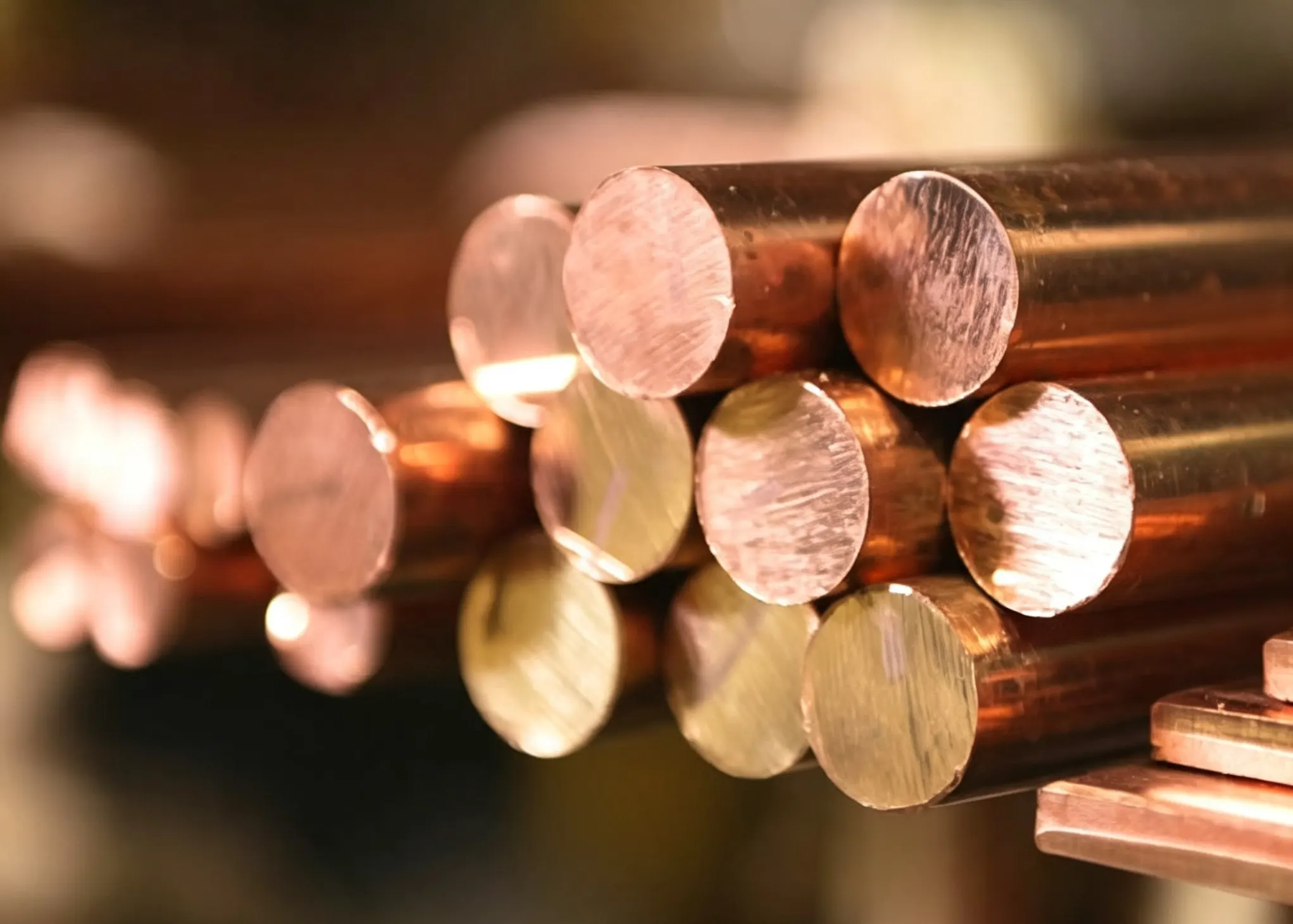
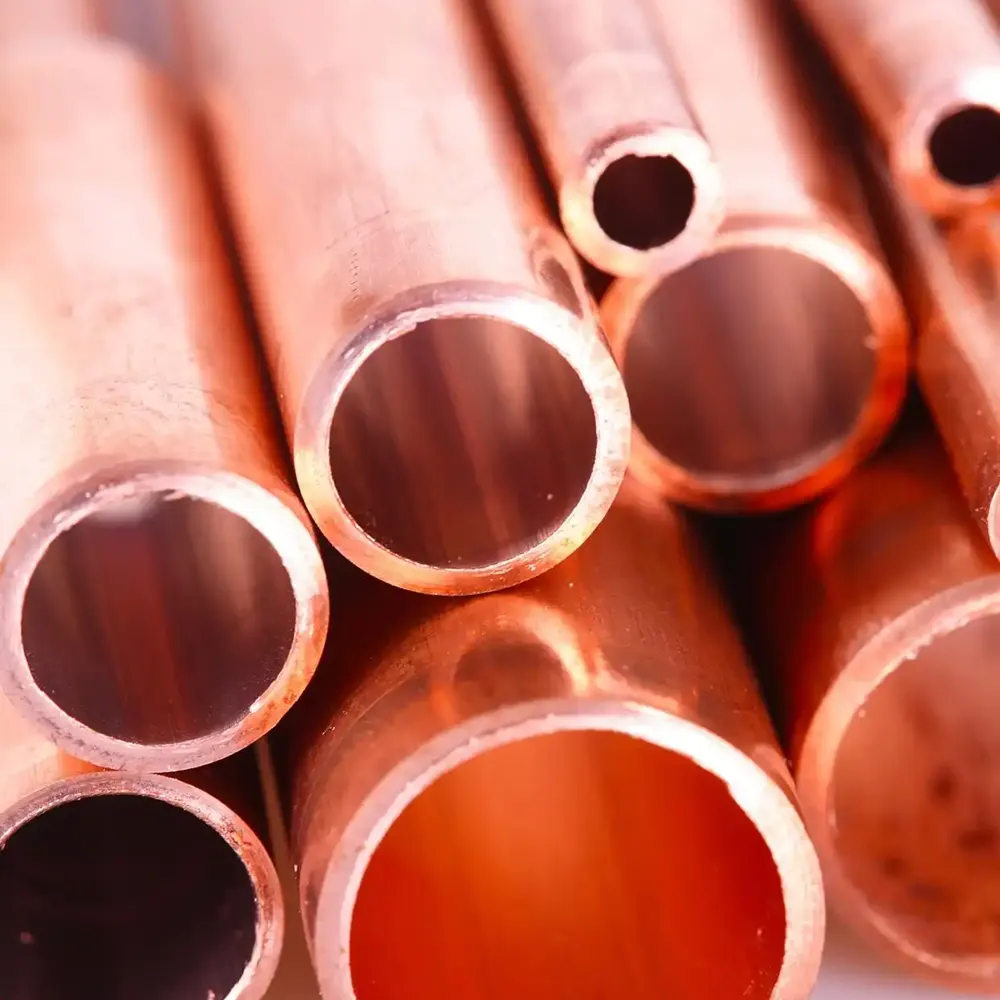
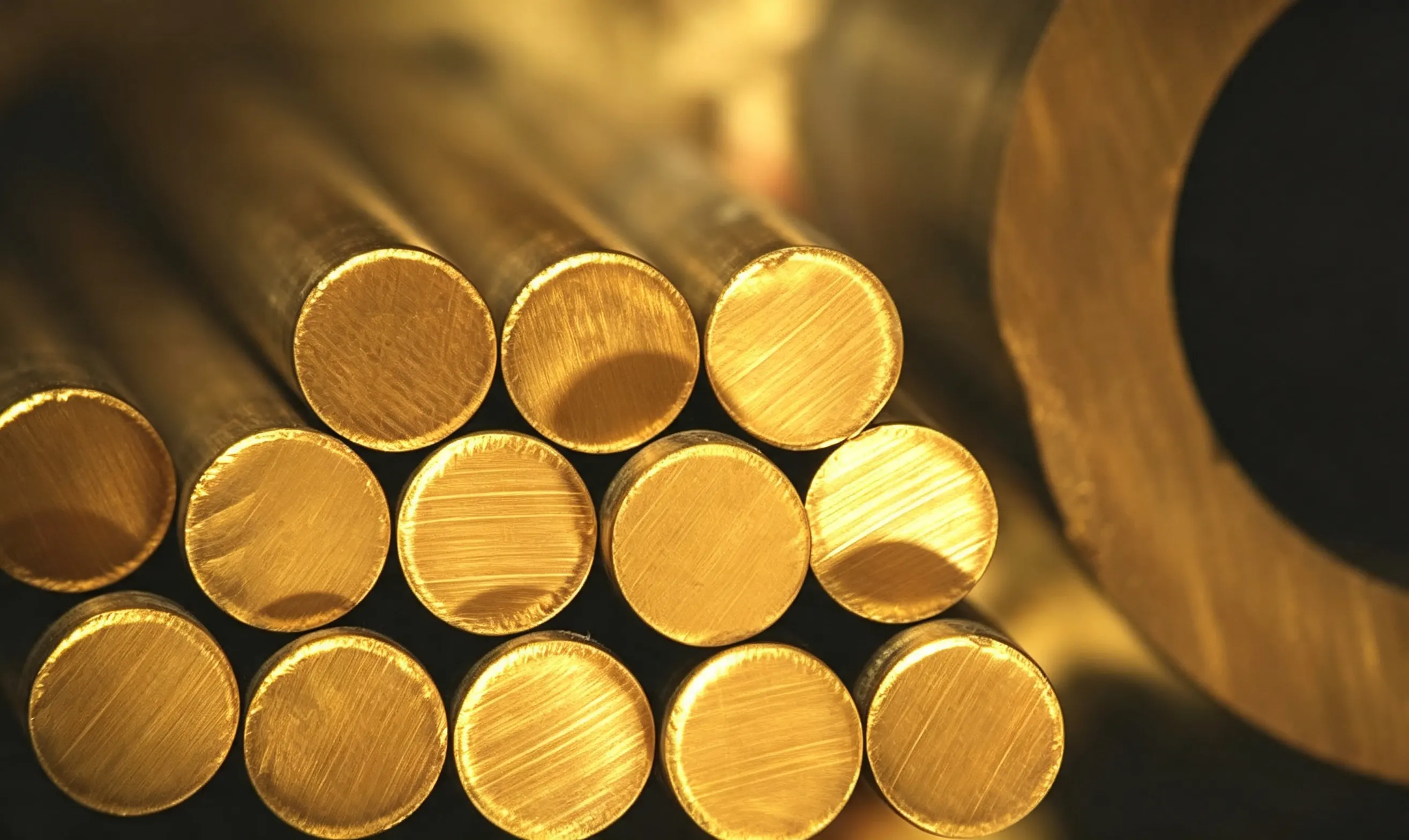
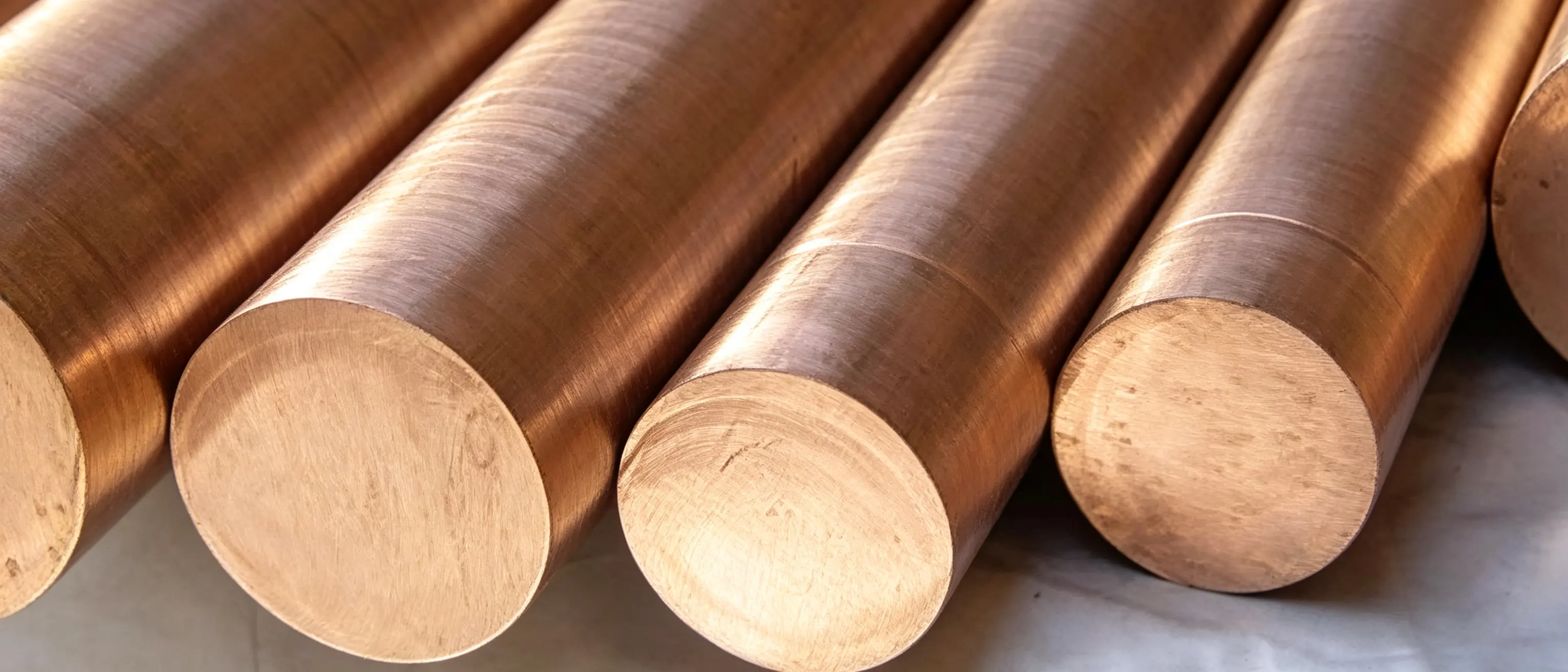
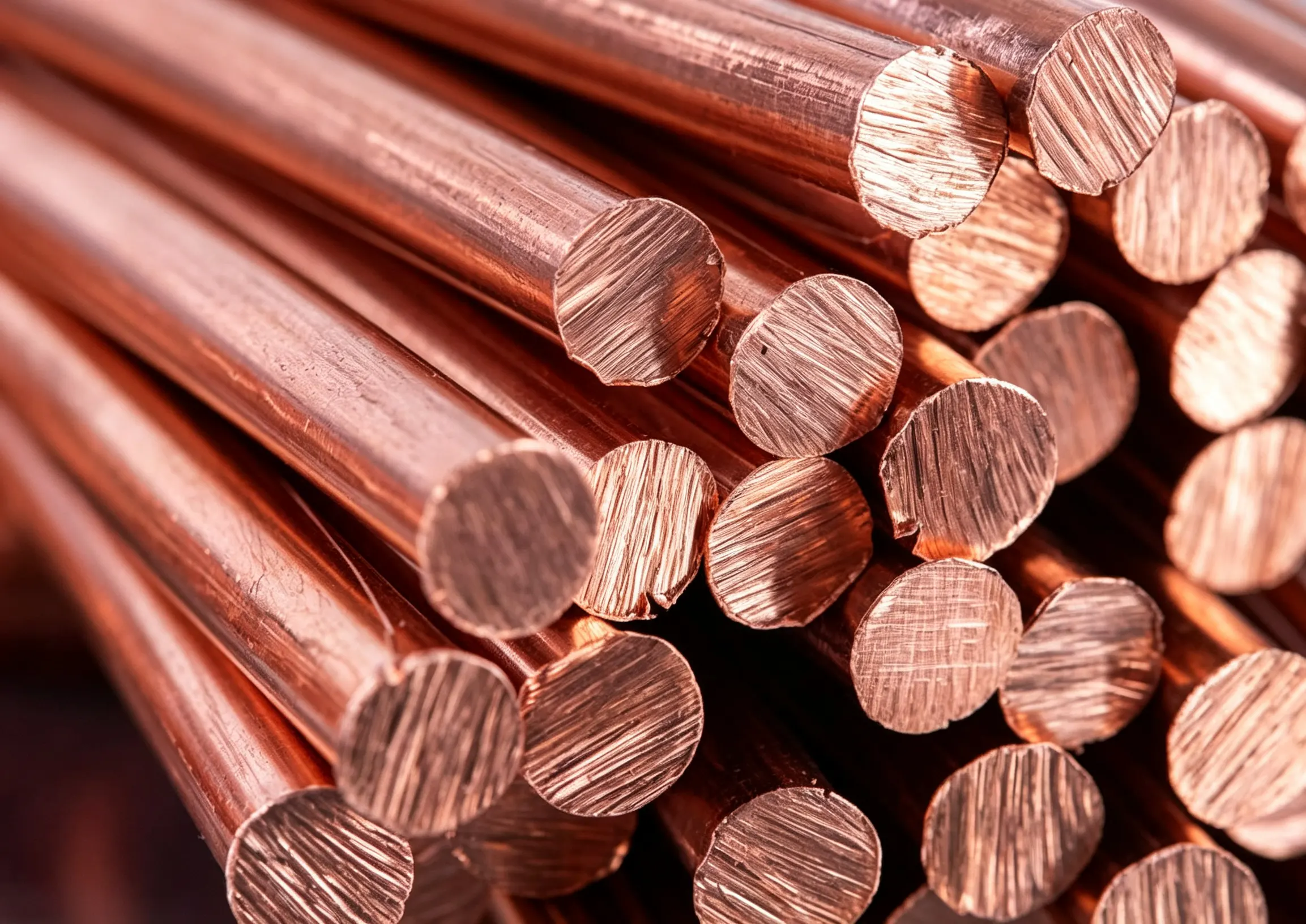
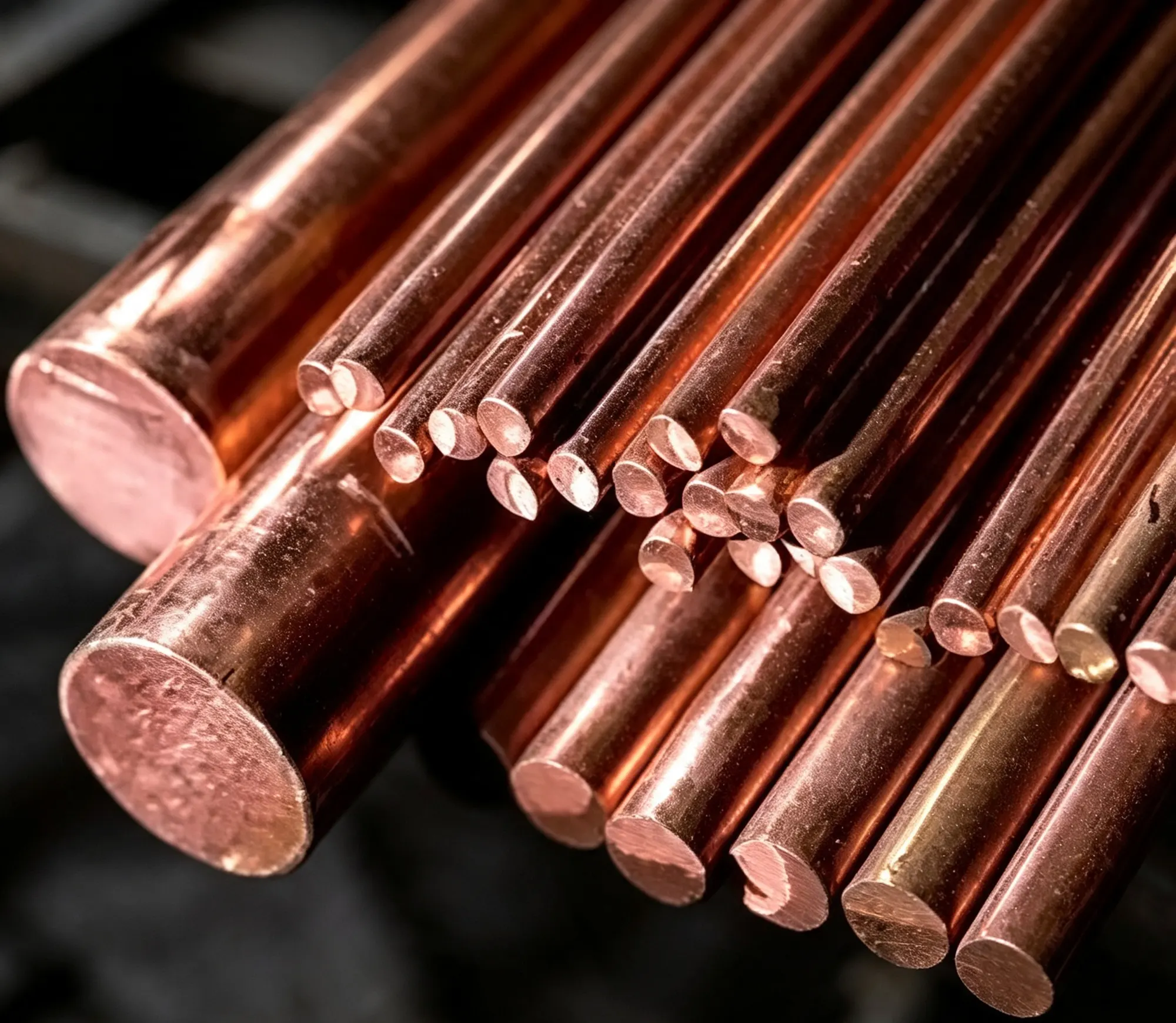
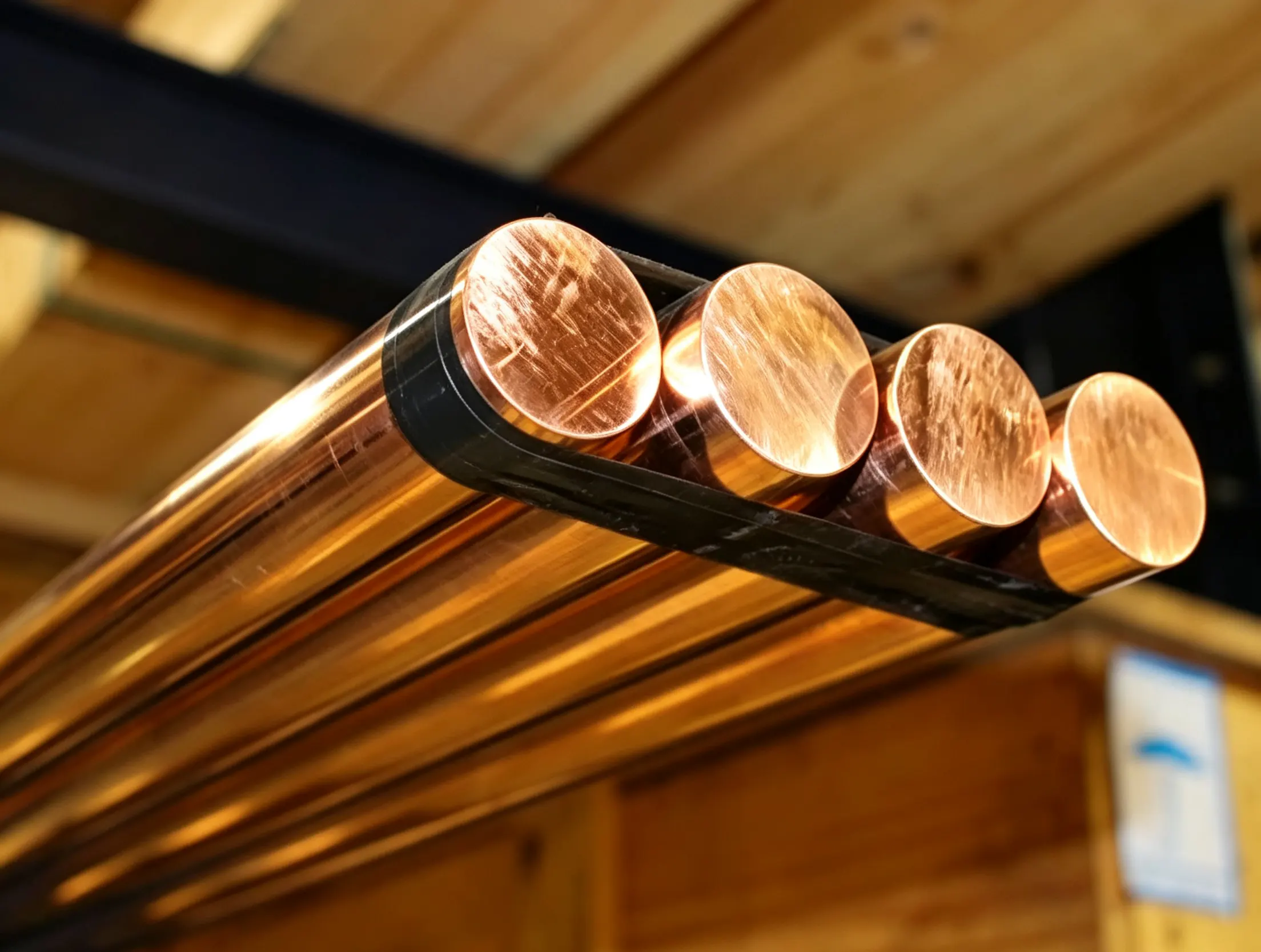
Sunny Steel supplies Special Copper Alloys materials in various forms to meet different industrial manufacturing requirements.

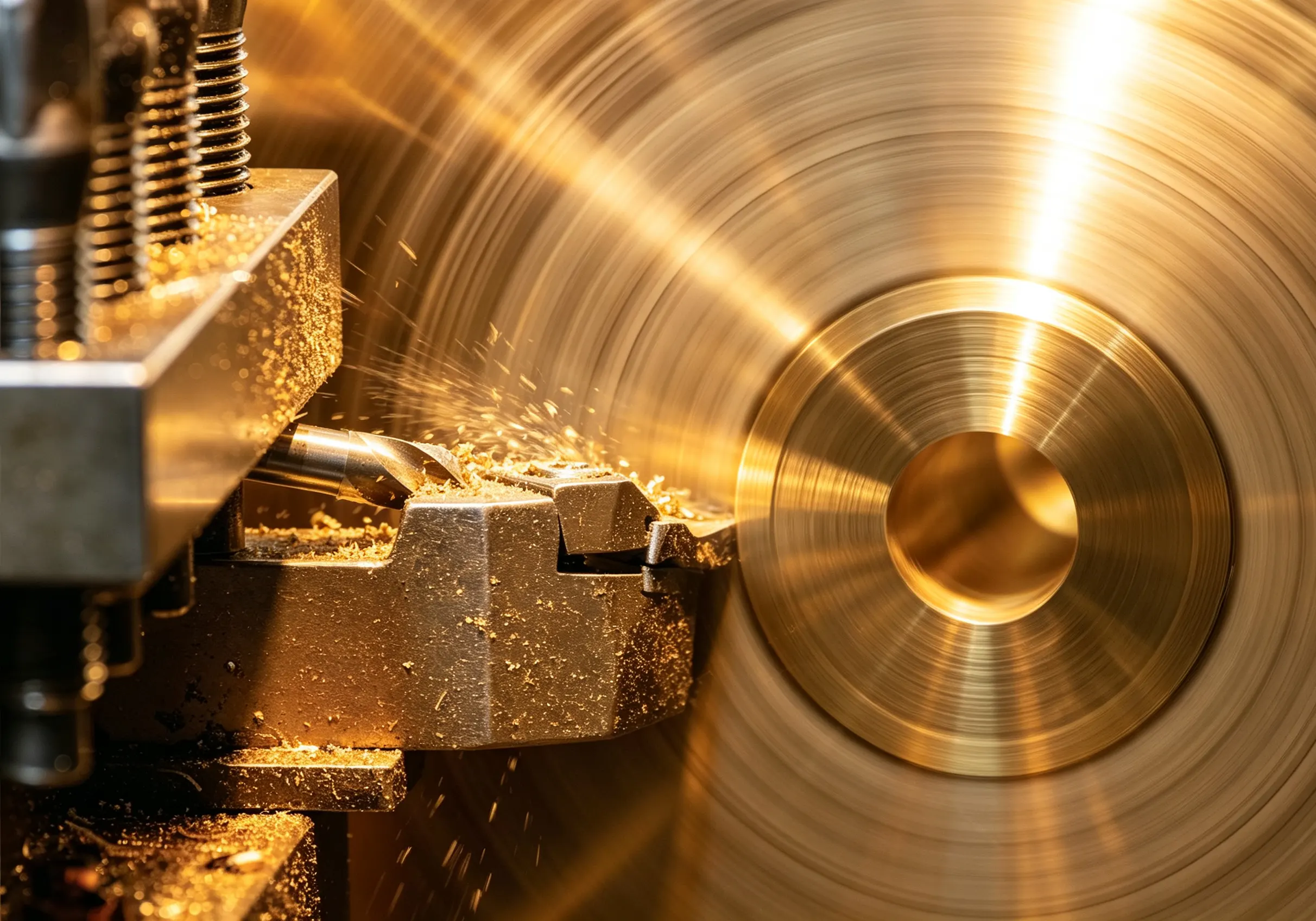
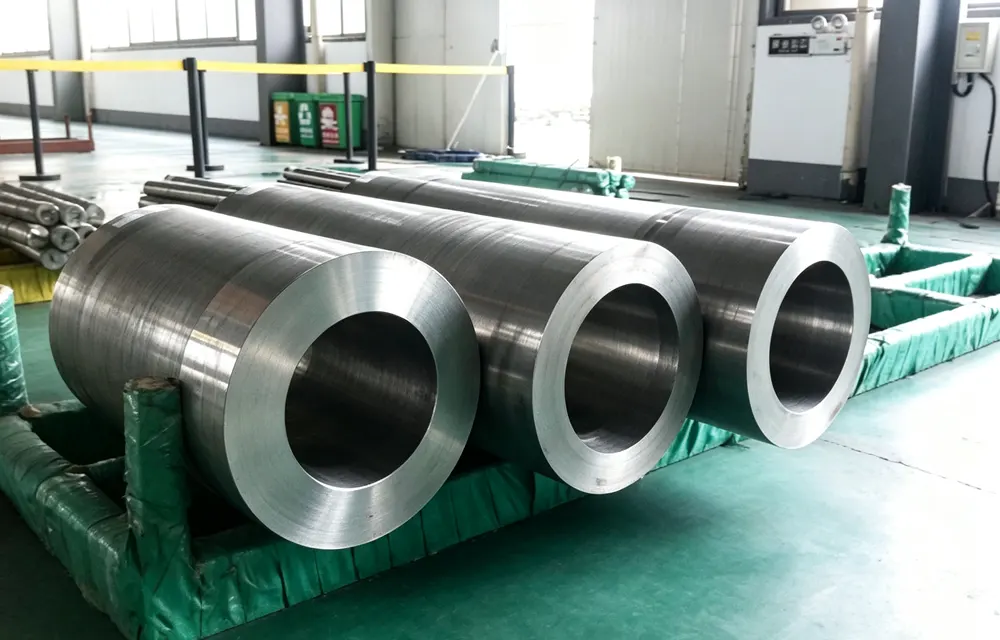
Precision machining and forging of copper alloys, brass and bronze, built on a certified quality management system.
Precision round parts
Internal machining
Complex profiles
Die & open-die
High-precision cutting
Full capability list

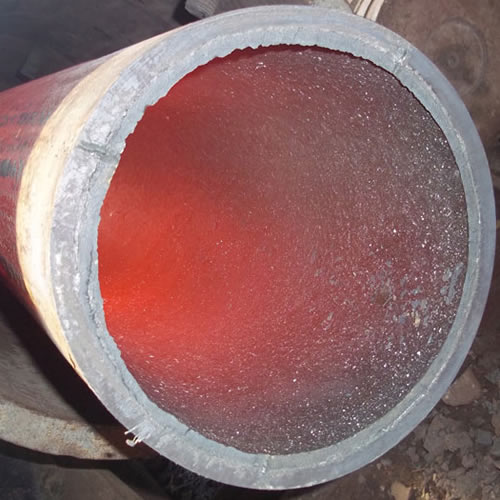
Ceramic lined pipe is made through self-propagating high-temperature synthesis (SHS) technique.
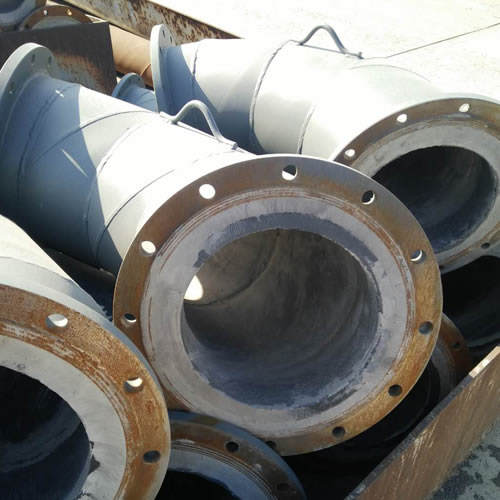
Cast basalt lined steel pipe is composed by lined with cast basalt pipe, outside steel pipe and cement mortar filling between the two layers.
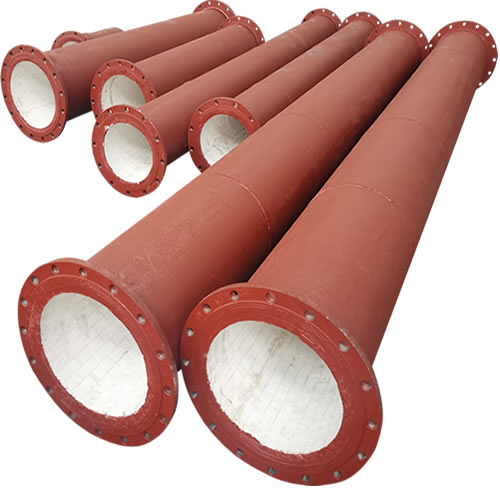
Ceramic tile lined pipes have very uniform coating of specially formulated ceramic material that is affixed to the inner of the pipe.
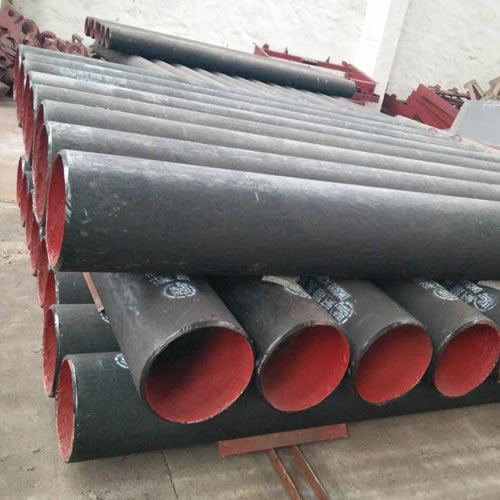
The material of the rare earth alloy wear-resistant pipe is ZG40CrMnMoNiSiRe, which is also the grade of rare earth alloy steel.
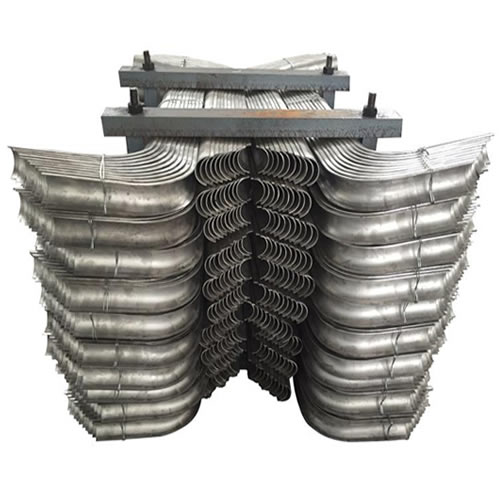
Tubes Erosion Shields are used to protect boiler tubing from the highly erosive effects of high temperatures and pressures thereby greatly extending tube life.
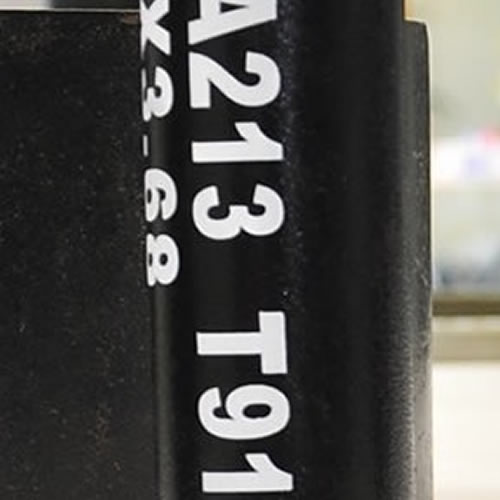
The ASTM A213 T91 seamless tubes are primarily used for boiler, superheater, and heat-exchanger.

When you partner with Sunny Steel, you can stop worrying about meeting deadlines thanks to our responsive and timely service. You'll also say goodbye to unnecessary shopping around. Instead, you'll get white glove service from an expert who understands your needs and can get you the materials you need quickly.