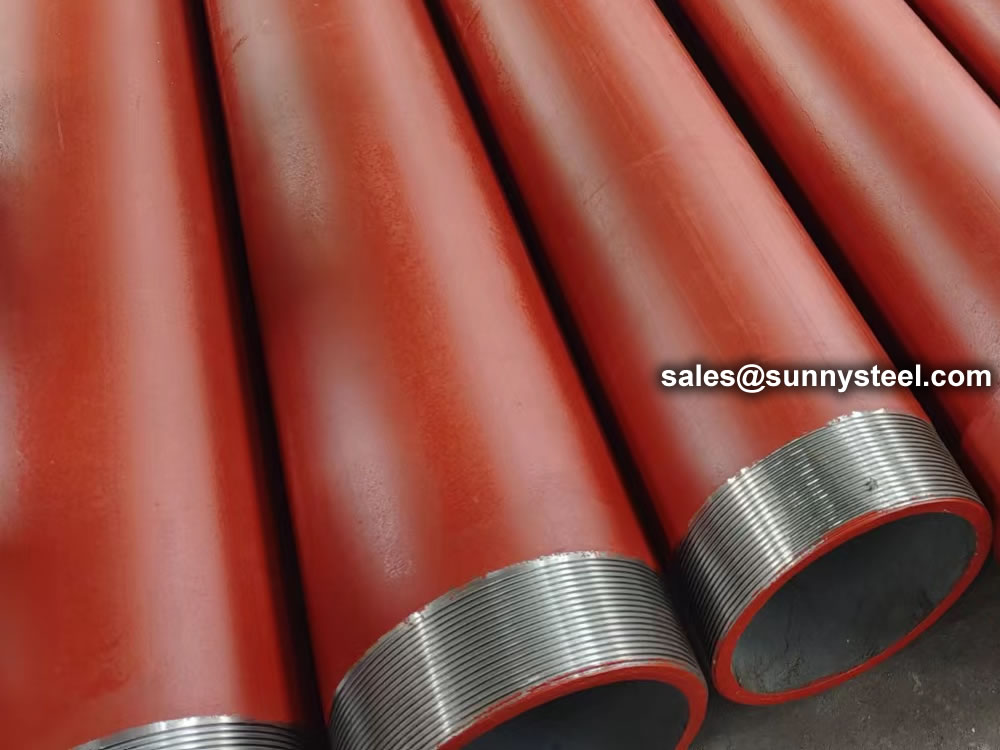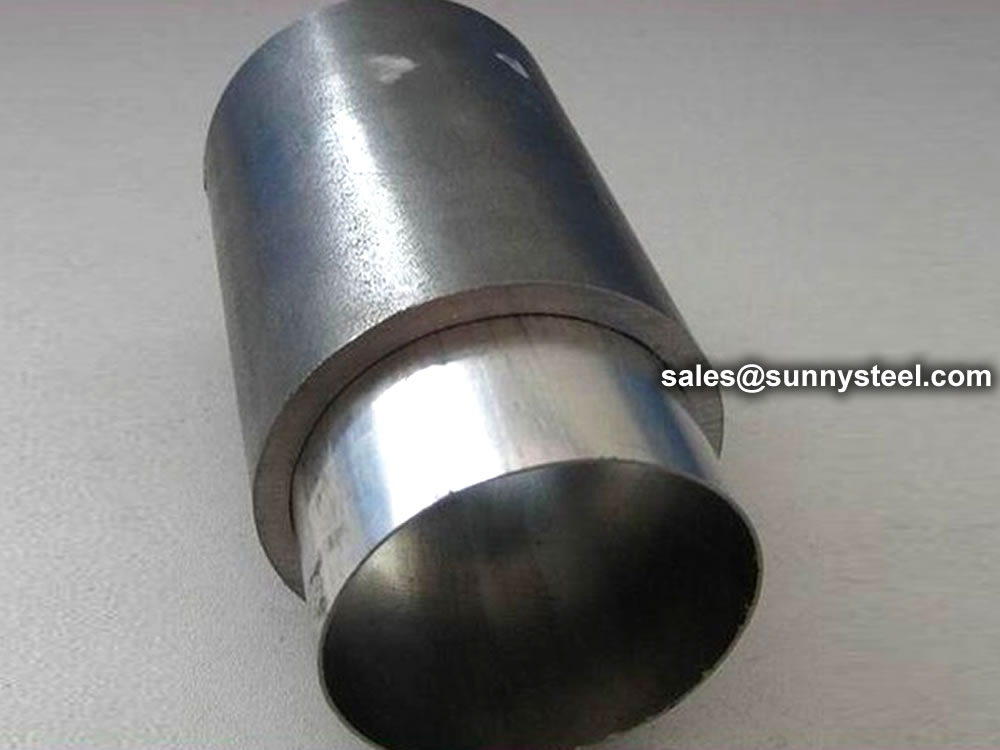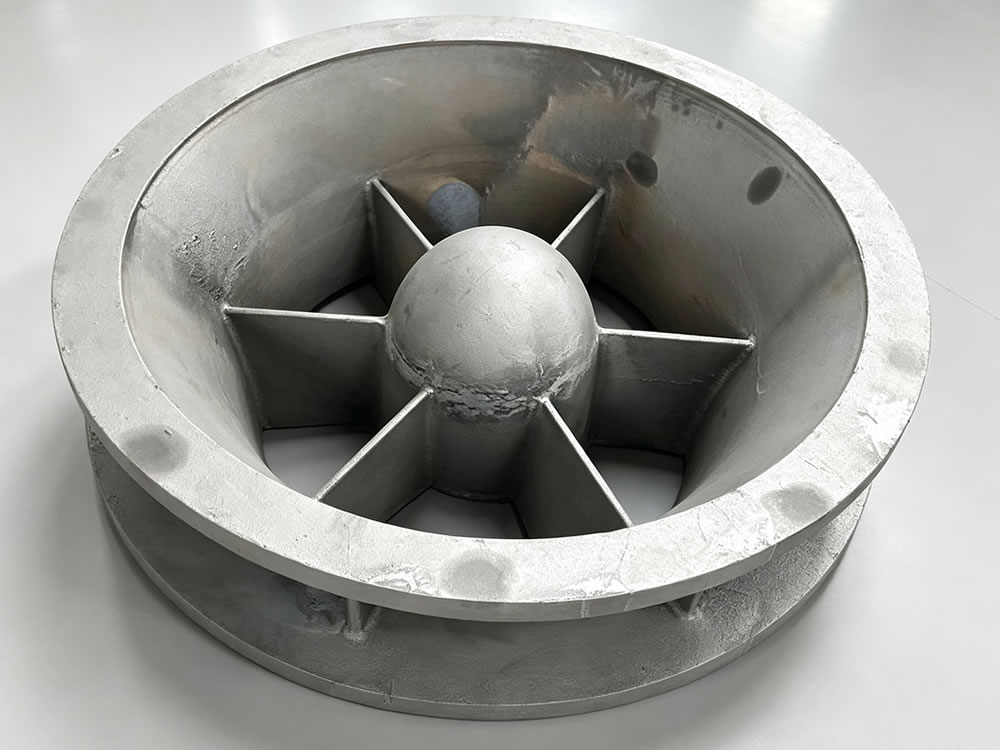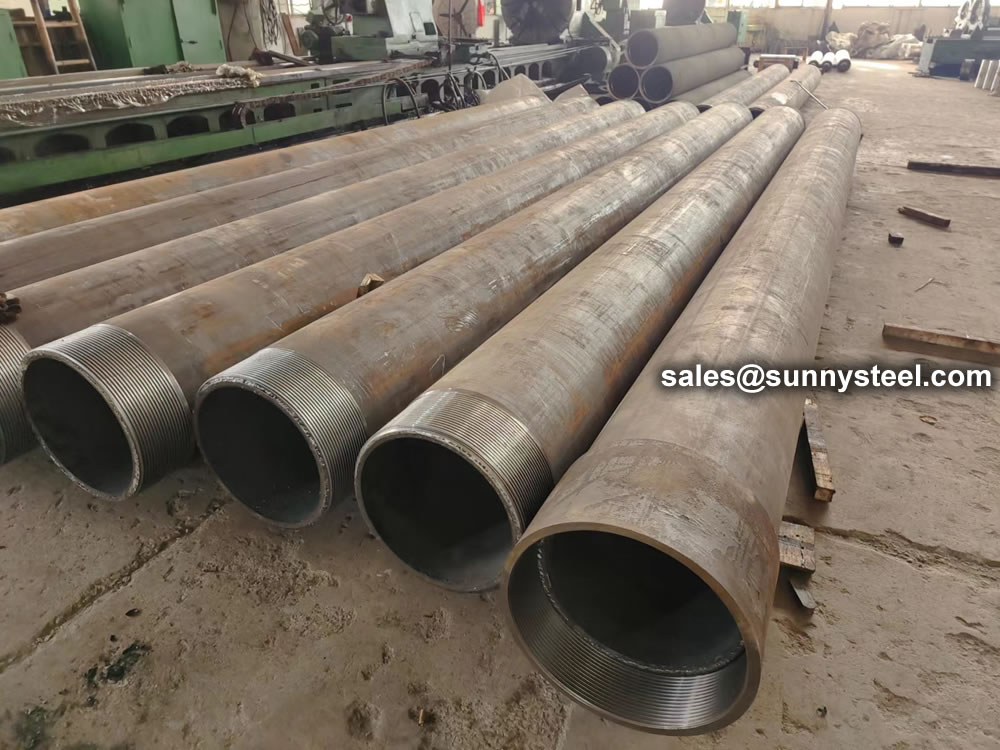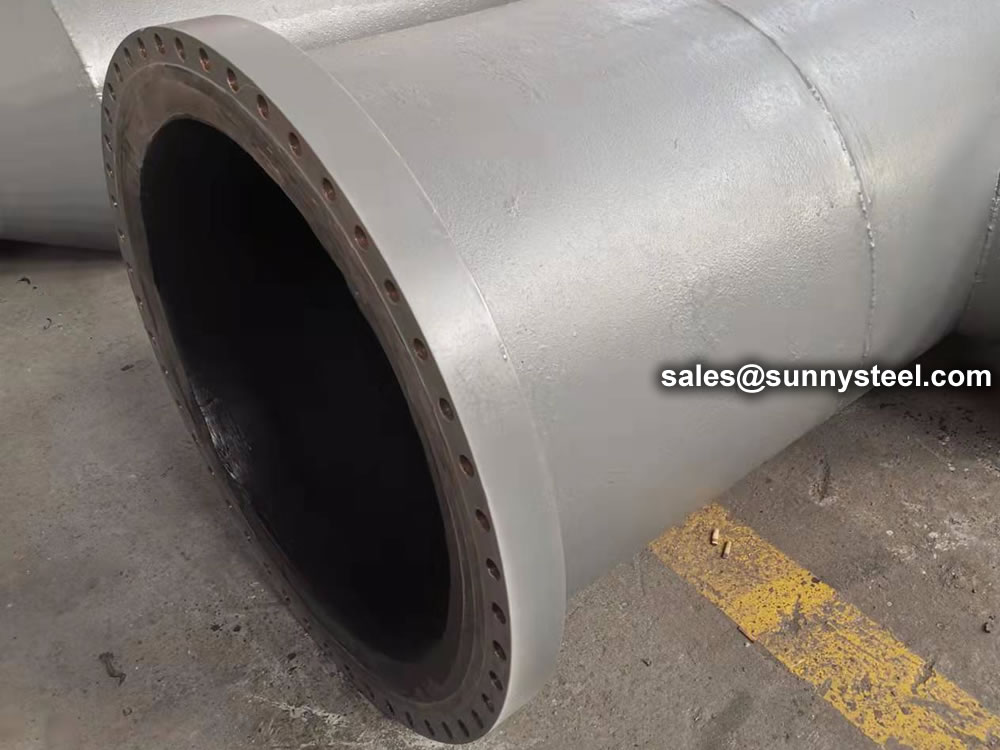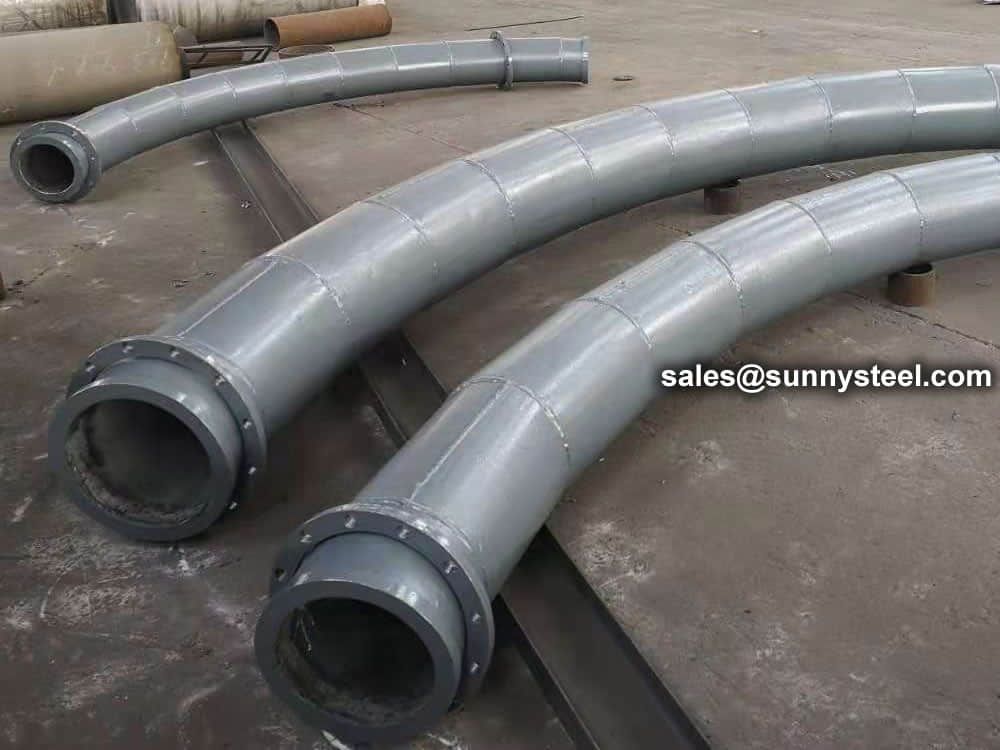
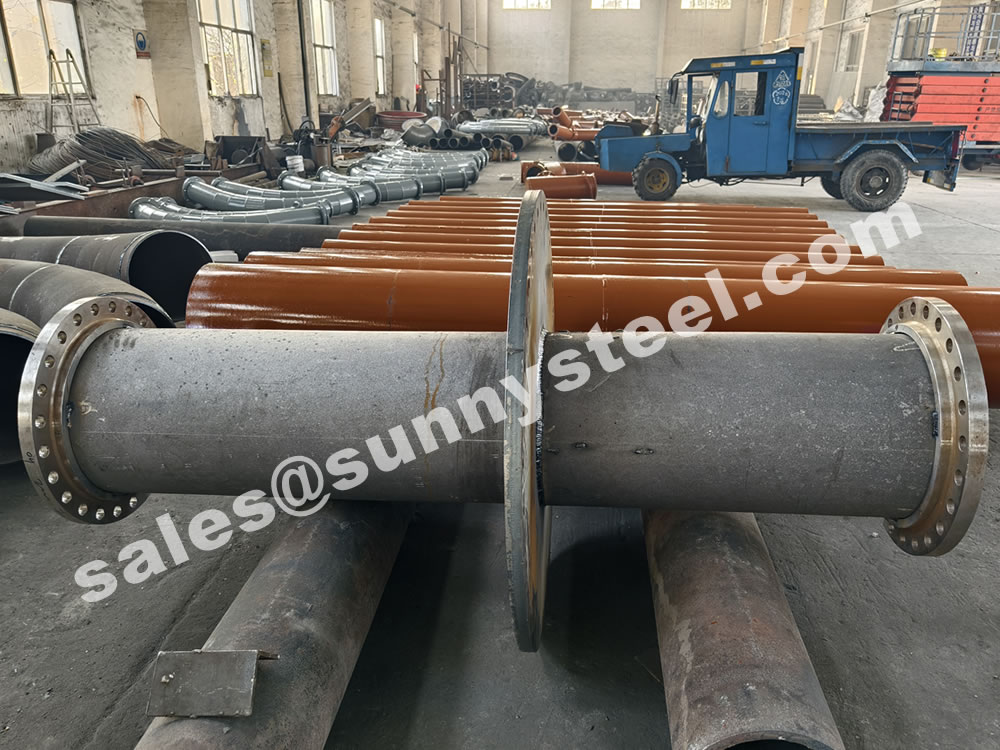
Ni-Hard Wearback Pipes
Abrasion Resistant Cast Iron Pipe
ASTM A532 Class II is a specification for Ni-Hard 2 high chrome white iron castings, which are used in various applications requiring high wear resistance.
Suitable for applications where the wear mechanism is abrasion and impact. It has a lower CVF (carbide volume fraction) compared to ASTM A532 Class III alloys, resulting in lower abrasion resistance but higher toughness. With a carbide volume fraction of 30% and chromium used to form carbides, the addition of molybdenum is important for hardenability. Offers improved abrasion resistance compared to 15-3 alloys.
| Element | Min | Max |
|---|---|---|
| C (Carbon) | 2.8 | 3.1 |
| Mn (Manganese) | - | 1.0 |
| Si (Silicon) | - | 1.5 |
| Cr (Chromium) | 18 | 25 |
| Mo (Molybdenum) | - | 1.5 |
| Property | Value |
|---|---|
| Density | 0.26 lb/in³ (7.6 g/cm³) |
| Thermal Conductivity | 8.6-17.3 Btu/hr·ft·°F (15-30 W/m·K) |
| Specific Heat (70°F) | 0.119 Btu/lb·°F (J/Kg·K) |
| Coefficient of Thermal Expansion (avg. 70-1112°F) | 7.2 ×10⁶ °F⁻¹ (13 ×10⁶ °C⁻¹) |
| Melting Point | 2300°F |
| Compressive Strength | 429 Ksi (2960 MPa) |
| Flexural Strength | 136 Ksi (938 MPa) |
| Condition | Brinell Hardness (depending on thickness) |
|---|---|
| As Cast | 450-550 |
| Hardened | >650 |
Normalizing: Heat to 1850°F (1010°C), hold for 2 hours, then air cool. Tempering: Heat to 400-600°F (205-315°C), hold for 2 hours, then air cool. This results in a martensitic matrix with primary and secondary carbides distributed throughout.
Produced by controlled melting and casting processes to ensure uniform carbide distribution and minimize porosity. Ultrasonic and magnetic particle inspection available for quality control.
ASTM A532 Class II Type D, also known as Ni-Hard 2, is an abrasion resistant material used in applications where impact is also a concern as the wear mechanism.
Good for both wet and dry applications, Ni-Hard 2 should also be considered if there are low or medium dynamic stresses. The as-cast hardness is typically 600 BHN depending on the section thickness of the casting, and it has been used in everything from cyclones in the mining industry to rollers in steel mills.
Ni-Hard 2 is more expensive than Ni-Hard 1, but over the last 10 years many users of this material have been changing to ASTM A532 Class III materials due to their improved properties.
ASTM A532 standard has issued the chemical and hardness requirements for abrasion-resistant cast iron material grades, type A, B, C, D. Designation Ni-Cr-HiC, Ni-Cr-LoC, Ni-Cr-GB, Ni-HiCr, and Cr-Mo.
| Element | Minimum (%) | Maximum (%) |
|---|---|---|
| C (Carbon) | 2.8 | 3.6 |
| Mn (Manganese) | - | 2.0 |
| Si (Silicon) | - | 0.8 |
| Cr (Chromium) | 1.4 | 4.0 |
| Mo (Molybdenum) | - | 1.5 |
| Ni (Nickel) | 3.3 | 5.0 |
| Property | Value |
|---|---|
| Density lb/in³ (g/cm³) | 0.27-0.28 (7.6-7.8) |
| Thermal Conductivity Btu/hr·ft·F (W/m·K) | 8.6-17.3 (15-30) |
| Coefficient of Thermal Expansion Ɛ/F(Ɛ/C)X10⁶ average between 50-800F | 4.5-7.1 (8-1.8) |
| Melting Temperature (F) | 2300 F |
| Modulus of Elasticity (GPa) | 24-26 (169-183) |
| Transverse Strength Ksi(MPa) | 70-90 (500-620) |
| Tensile Strength Ksi(MPa) sand cast | 40-50 (280-350) |
Ni-Hard is not typically chosen for its corrosion resistance properties. For development of a passive film on the surface, which will impart moderate corrosion resistance, the metal matrix must have more than 12% chromium dissolved in it.
Ni-Hard does not have this amount of chromium dissolved in its matrix. The higher chromium alloys (and Ni-Hard 4) have improved corrosion resistance compared to Ni-Hard 1.
| Feature | ASTM A532 Class I Type A (Ni-Hard 1) | ASTM A532 Class II Type D |
|---|---|---|
| Chromium Content | 1.4-4.0% | 18-25% |
| Nickel Content | 3.3-5.0% | Not required |
| As-Cast Hardness | 550-690 BHN | 450-550 BHN |
| Hardened | Supplied in hardened condition | >650 BHN |
| Corrosion Resistance | Limited | Good |
| Machinability | Limited | Can be machined and faced for fit purposes, but cannot be drilled and tapped |
| Cost | Least expensive wear material | Higher cost than Class I Type A |
Class I Type A (Ni-Cr-HC)
Class II Type D (Cr-Mo-HC)
| Feature | Class I Type A | Class II Type D |
|---|---|---|
| Primary Alloy Elements | Nickel-Chromium System | Chromium-Molybdenum System |
| Impact Resistance | Higher (Composite Structure) | Standard |
| Corrosion Resistance | Superior | Moderate |
| Typical Applications | Mining crushers, Cement plants | Coal handling, Power generation |
Selection Guidelines:
Class I Type A
Martensitic matrix with chromium carbides and nickel-enhanced toughness
Class II Type D
Hyper-eutectic structure with molybdenum-stabilized carbides
This standard covers a group of white cast irons that have been alloyed to secure high resistance to abrasive wear in the applications of the mining, milling, earth-handling, and manufacturing industries.
Simple and low-alloy white cast irons that consist essentially of iron carbides and pearlite are specifically excluded from this specification.
Ordering Information
Orders for material in this specification should include the following information:
Class II and Class III alloys are frequently ordered in the annealed condition with a maximum hardness of 400 HB. After machining operations are performed the castings may then be hardened.
This document provides information about ASTM A532 Class I Type A (Ni-Hard 1) material specifications and properties. For specific applications, please consult with materials engineering professionals.

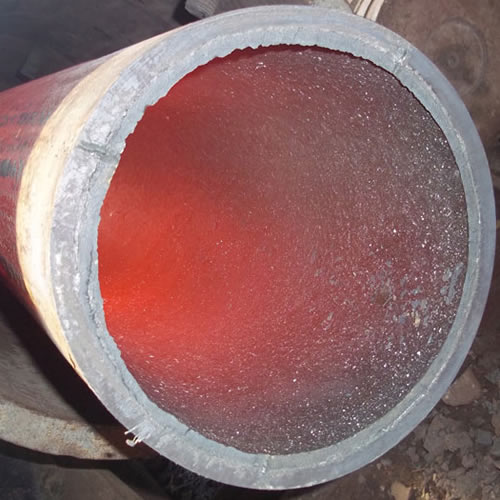
Ceramic lined pipe is made through self-propagating high-temperature synthesis (SHS) technique.
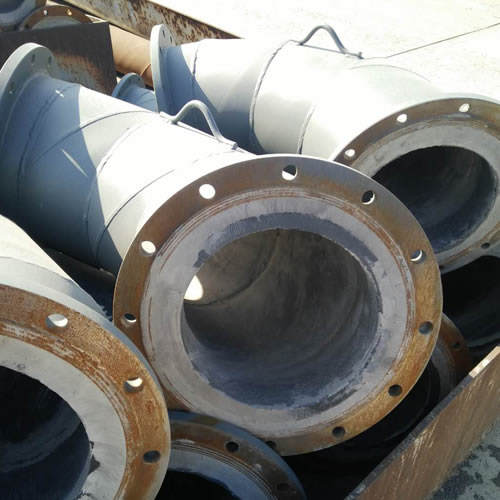
Cast basalt lined steel pipe is composed by lined with cast basalt pipe, outside steel pipe and cement mortar filling between the two layers.
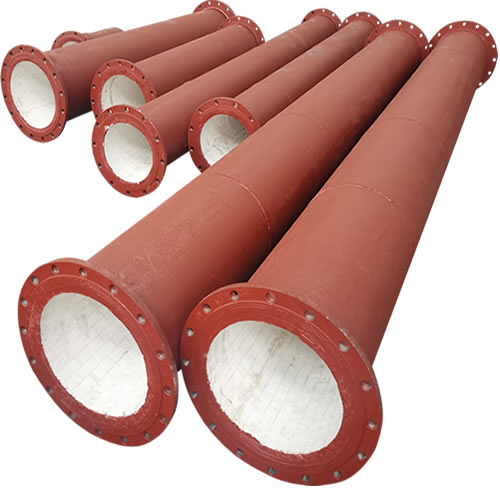
Ceramic tile lined pipes have very uniform coating of specially formulated ceramic material that is affixed to the inner of the pipe.
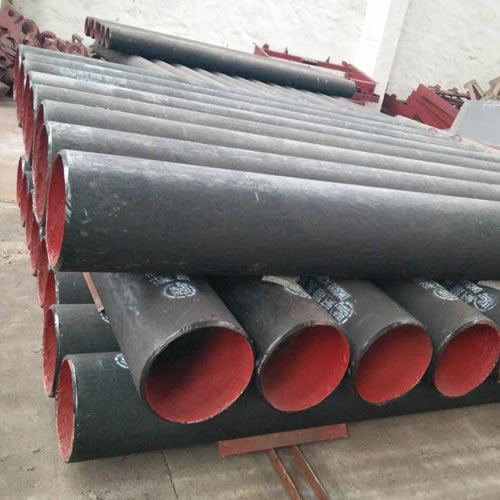
The material of the rare earth alloy wear-resistant pipe is ZG40CrMnMoNiSiRe, which is also the grade of rare earth alloy steel.
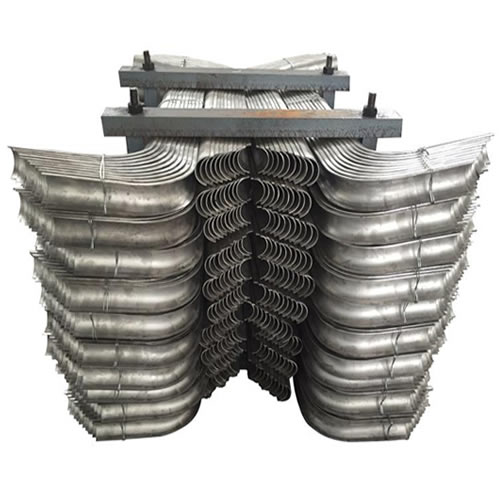
Tubes Erosion Shields are used to protect boiler tubing from the highly erosive effects of high temperatures and pressures thereby greatly extending tube life.
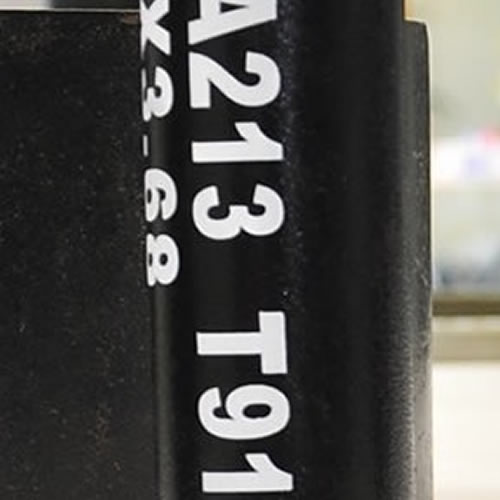
The ASTM A213 T91 seamless tubes are primarily used for boiler, superheater, and heat-exchanger.

When you partner with Sunny Steel, you can stop worrying about meeting deadlines thanks to our responsive and timely service. You'll also say goodbye to unnecessary shopping around. Instead, you'll get white glove service from an expert who understands your needs and can get you the materials you need quickly.