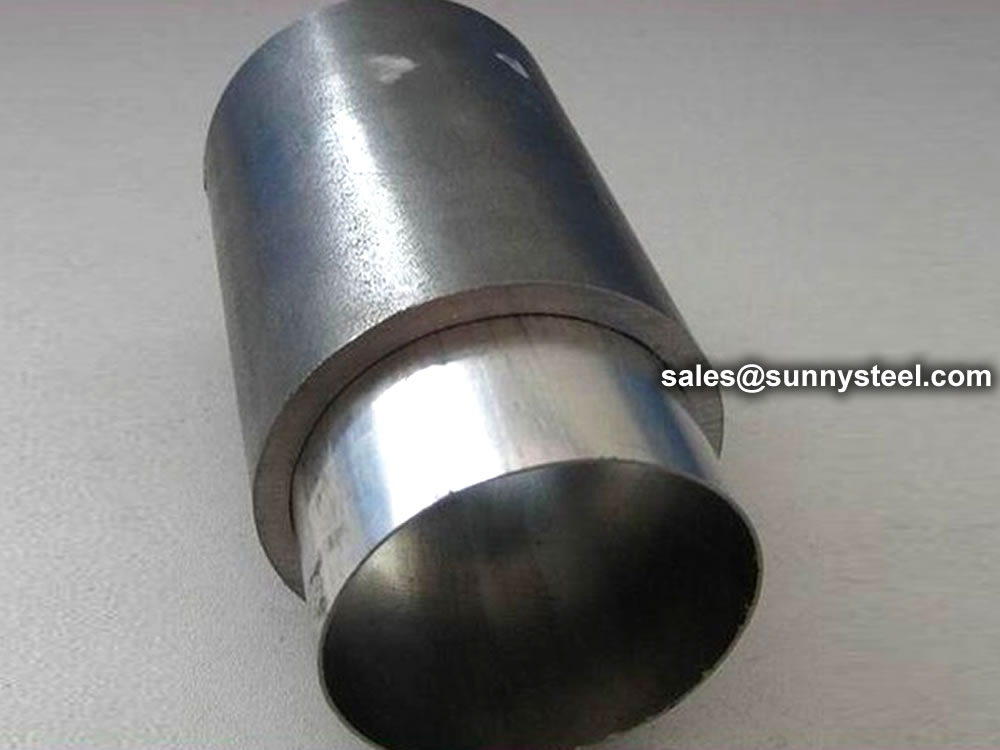
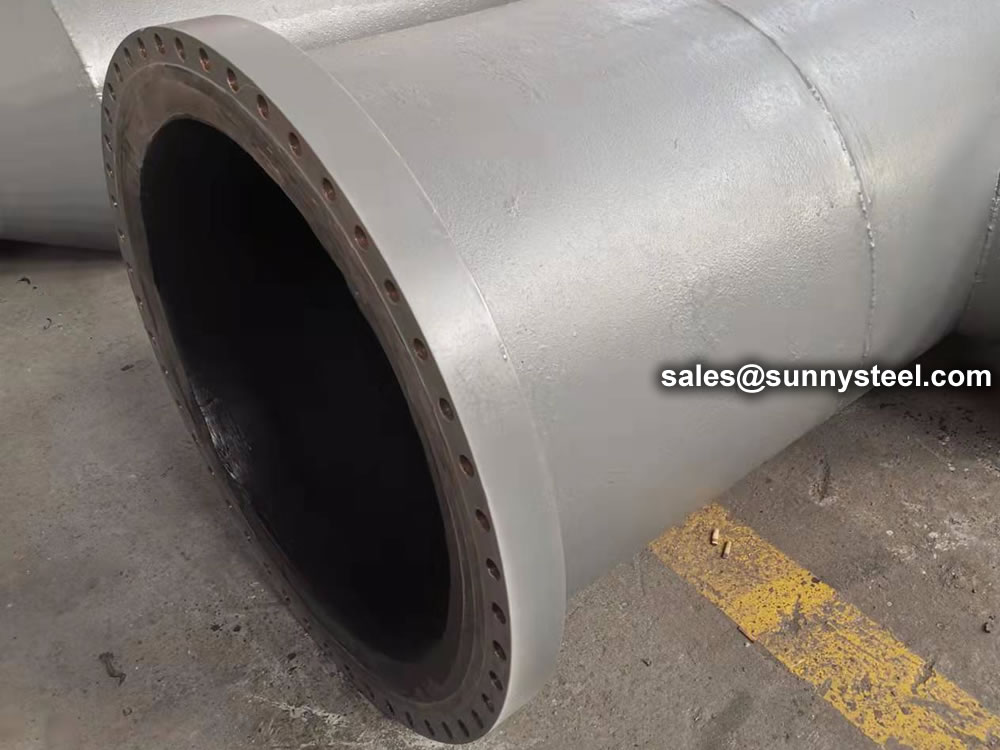
Bimetallic Composite Pipe
Bimetallic Composite Pipe - industrial steel pipe
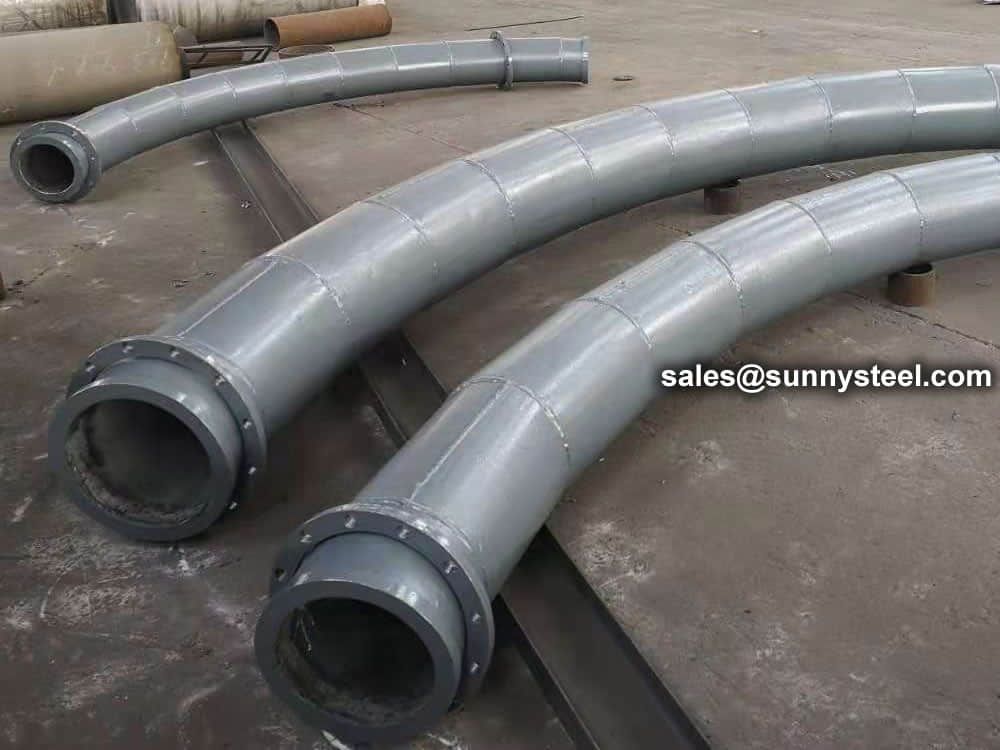
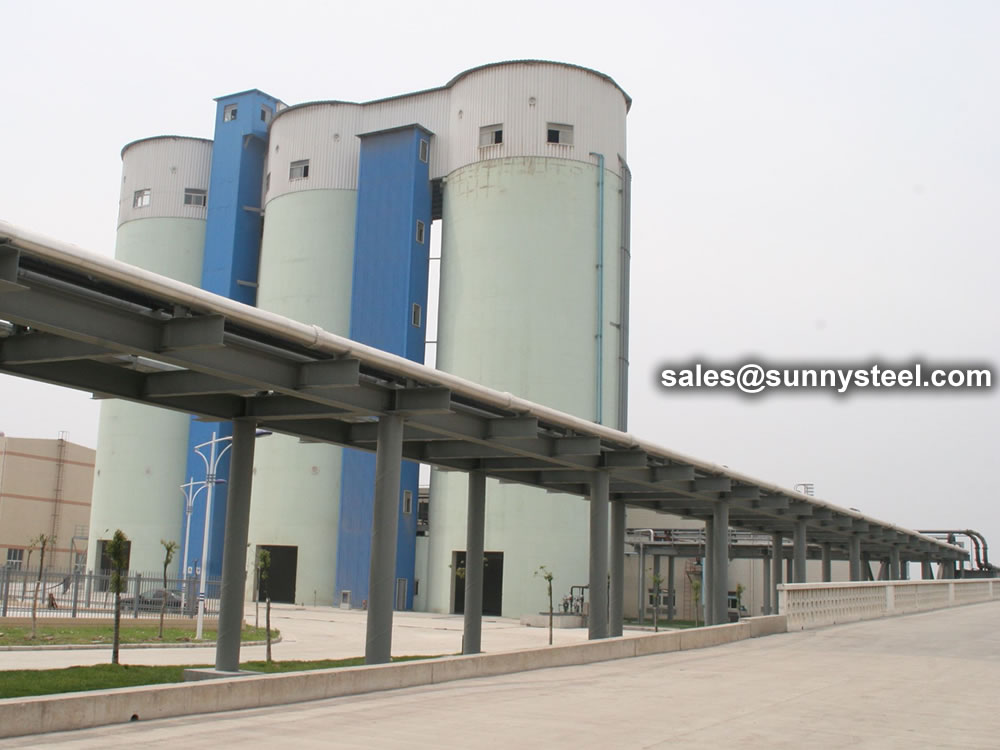
The wear resistance of the pulverized coal conveying pipeline of the boiler of the thermal power plant must be designed for leakproof, anti-corrosion, rain-proof, anti-freeze and other factors.
Download PDFThe key points are anti-wear and anti-corrosion. It has always been the key part of power plant maintenance. The comprehensive performance of the pipeline system, especially the wear resistance, is directly related to the operating cost and the economic benefit of the entire power plant, and is a key issue that must be considered in the construction and maintenance of new power plants.
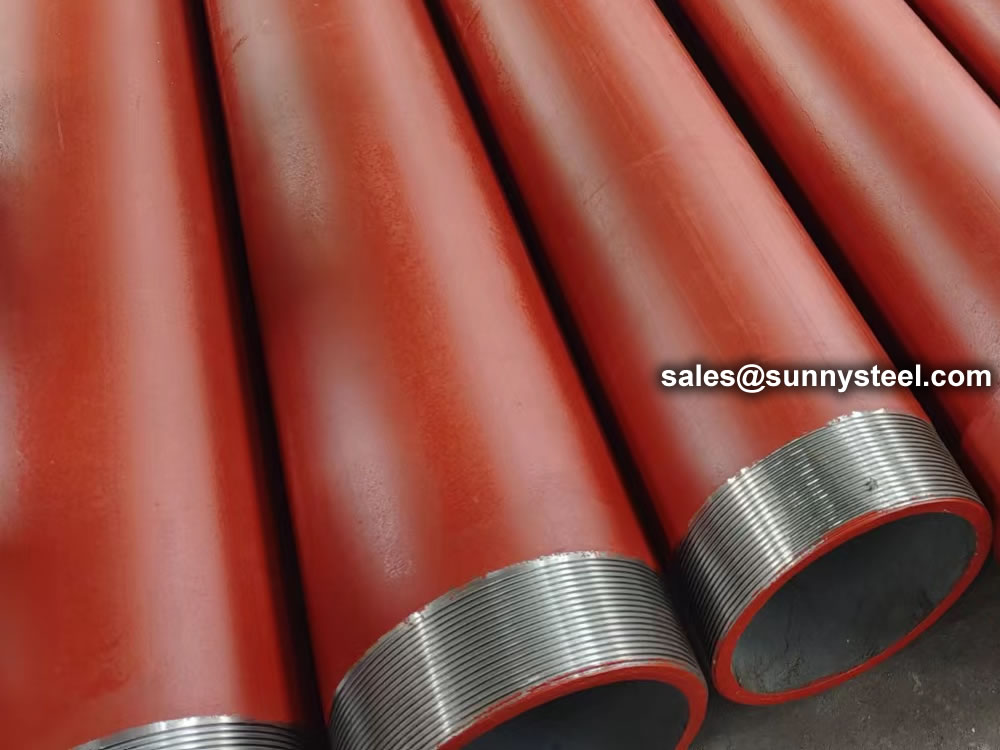
Special Corundum ceramics made of rare metal oxides as solvents and sintered at high temperature by 1730 ℃ through bonding, welding, mosaic, riveting and socket technology, a variety of wear-resistant ceramic pieces, block brick materials in the pipe wear surface, so as to form a surface with excellent wear resistance, and the matrix is still using the composite pipe of ordinary metal.
Main technical parameters of bimetal composite wear-resistant elbow:
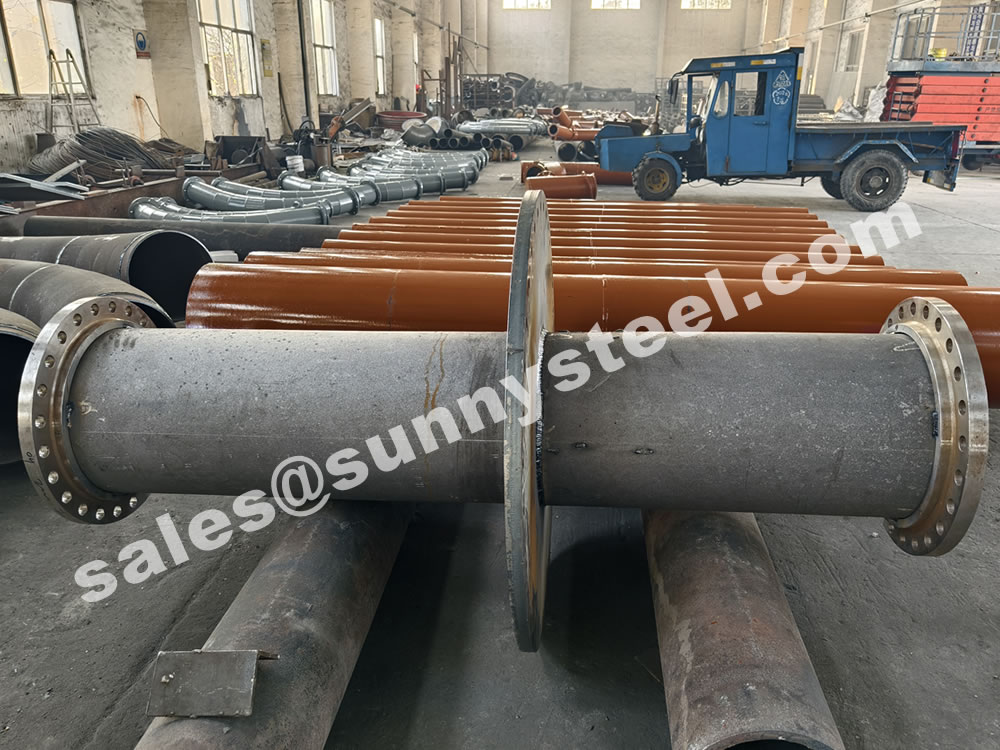
Bimetal wear resistant products including: double metal wear-resisting straight pipe and double metal wear-resisting bend, double metal wear tee, double metal wear resistance reducer adopts the pipe fittings such as vacuum suction casting composite process, its advanced technology, effectively solve the problem of the bent pipe cannot be composite, bending and other various special-shaped pipe can do the whole compound, don’t change the material flow in the pipe bending trajectory, reduce resistance material conveying.
The outer wall of the centrifugal pipe is made of carbon steel, which ensures that the bimetal wear-resistant pipe has high mechanical strength and impact resistance.The inner lining wear resistance layer adopts the anti-wear alloy steel series independently developed by our company. The steel mainly adds alloy such as cr-ni-mo-cu-re and so on. Through the tempering heat treatment process, the alloy steel has strong wear resistance and corrosion resistance, high mechanical strength and impact resistance.
The whole set of process of our factory is the first in China, which fills the blank of anti-corrosion and wear-resistant industrial pipeline in China and has reached the international advanced level. It has been widely used in mining, metallurgy, coal, electric power and other industries, and is an ideal wear-resistant pipeline.
Special Corundum ceramics made of rare metal oxides as solvents and sintered at high temperature by 1730 ℃ through bonding, welding, mosaic, riveting and socket technology, a variety of wear-resistant ceramic pieces, block brick materials in the pipe wear surface, so as to form a surface with excellent wear resistance, and the matrix is still using the composite pipe of ordinary metal.
Main technical parameters of bimetal composite wear-resistant elbow:
| Grade | C | Cr | Ni | Mn | Mo | Cu | P | Re |
|---|---|---|---|---|---|---|---|---|
| KmTBCr26 | 2.5-3.2 | 26-28 | 0.8-1.2 | 1.0-2.0 | 2.0-3.0 | 0.5-0.8 | ≤0.03 | ≤0.10 |
| Flexure Strength MN/㎡ |
Tensile Strength MN/㎡ |
Elongation % |
Cross Section Stretch Ratio % |
Impact Toughness J/c㎡ |
Hardness of Wearable Layer HRC |
Hydrostatic Testing Pressure Mpa |
|---|---|---|---|---|---|---|
| >610 | >700 | 5 | 5.1 | >15 | >38 | 5.6-12.9 |
| Standard | Item | Grade | Chemical composition (%) | Tensile requirements | Hardness(HB) | |||||||||||
|---|---|---|---|---|---|---|---|---|---|---|---|---|---|---|---|---|
| C | Si | Mn | P | S | Ni | Cr | Mo | Cu | Thickness(mm) | Tensile strength(Mpa) | Elongation(%) | Heat treatment | ||||
| GB | 8263 | KmTBNi4-Cr2-DT | 2.7-3.2 | 0.3-0.8 | 0.3-0.8 | ≦0.15 | ≦0.1 | 3.0-5.0 | 2.0-3.0 | 0.0-1.0 | - | - | - | - | - | - |
| ASTM | A532 | I BNiCr-LC | 2.4-3.0 | ≦0.8 | ≦2.0 | ≦0.3 | ≦0.15 | 3.3-5.0 | 1.4-4.0 | ≦1.0 | - | ≧200 | - | - | - | ≦550 |
| DIN | 1695 | G-X260-NiCr42 | 2.6-2.9 | 0.2-0.8 | 0.3-0.7 | - | - | 3.5-5.0 | 1.4-2.4 | ≦0.5 | - | - | ≧320 | - | - | ≦500 |
| GB | 8263 | KmTBNi4-Cr2-GT | 3.2-3.6 | 0.3-0.8 | 0.3-0.8 | ≦0.15 | ≦0.1 | 3.0-5.0 | 2.0-3.0 | 0.0-1.0 | - | - | - | - | - | - |
| ASTM | A532 | I ANCr-HC | 2.8-3.6 | ≦0.8 | ≦1.3 | ≦0.3 | ≦0.15 | 3.3-5.0 | 1.4-4.0 | ≦1.0 | - | ≧200 | - | - | - | ≦550 |
| DIN | 1695 | G-X330-NiCr42 | 3.0-3.6 | 0.2-0.8 | 0.3-0.7 | - | - | 3.3-5.0 | 1.4-2.4 | ≦0.5 | - | - | ≧280 | - | - | ≦690 |
| GB | 8263 | KmTBCr9-Ni5Si2 | 2.5-3.6 | 1.5-2.2 | 0.3-0.8 | ≦0.15 | ≦0.1 | 4.5-6.5 | 8.0-10.0 | 0.0-1.0 | - | - | - | - | - | - |
| ASTM | A532 | I DNiHCr | 2.5-3.6 | ≦2.0 | ≦2.0 | ≦0.1 | ≦0.15 | 4.5-7.0 | 7.0-11.0 | ≦1.5 | - | ≧300 | - | - | - | ≦500 |
| DIN | 1695 | G-X300Cr-NSi952 | 2.5-3.5 | 1.5-2.2 | 0.3-0.7 | - | - | 4.5-6.5 | 8.0-10.0 | ≦0.5 | - | - | 500-600 | - | - | ≦690 |
| GB | 8263 | KmTBCr15-Mo2-GT | 2.8-3.5 | ≦1.0 | 0.5-1.0 | ≦0.1 | ≦0.06 | 0.0-1.0 | 13.0-18.0 | 0.5-3.0 | 0.0-1.2 | - | - | - | - | - |
| ASTM | A532 | ⅡB15%Cr-Mo-HC | 2.0-3.0 | ≦1.5 | ≦2.0 | ≦0.1 | ≦0.06 | ≦2.5 | 14.0-18.0 | 1.0-3.0 | ≦1.2 | ≧75 | - | - | H | ≦600 |
| DIN | 1695 | G-X300-CrMo153 | 2.3-3.6 | 0.2-0.8 | 0.5-1.0 | - | - | ≦0.7 | 14.0-17.0 | 1.0-3.0 | ≦1.2 | - | ≧450 | ≦690 | H | - |
| ASTM | A532 | Ⅱ020%-CrMo-LC | 2.0-3.3 | 1.0-2.2 | ≦2.0 | ≦0.1 | ≦0.06 | ≦1.5 | 18.0-23.0 | ≦2.0 | ≦1.2 | ≧200 | - | - | H | ≦600 |
| DIN | 1695 | G-X260Cr-MoNi2021 | 2.3-2.9 | 0.2-0.3 | 0.5-1.0 | - | - | 0.8-1.2 | 18.0-22.0 | 1.4-2.0 | - | - | ≧450 | - | H | ≦690 |
| GB | 8263 | KmTBCr20-Mo2Cu1 | 2.0-3.0 | ≦1.0 | 0.5-1.0 | ≦0.1 | ≦0.06 | 0.0-1.5 | 18.0-22.0 | 1.5-2.5 | 0.8-1.2 | - | - | - | - | - |
| ASTM | A532 | ⅡA-25%Cr | 2.0-3.0 | ≦1.5 | ≦2.0 | ≦0.1 | ≦0.06 | ≦2.5 | 23.0-30.0 | ≦3.0 | ≦1.2 | ≧200 | - | - | - | ≦600 |
| DIN | 1695 | G-X260-Cr27 | 2.3-2.9 | 0.5-1.5 | 0.5-1.5 | - | - | ≦1.2 | 24.0-28.0 | ≦1.0 | - | - | ≧560 | - | - | ≦690 |
| GB | 8263 | KmTBCr26 | 2.3-3.0 | ≦1.0 | 0.5-1.0 | ≦0.1 | ≦0.06 | 0.0-1.5 | 23.0-28.0 | 0.0-1.0 | 0.0-2.0 | - | - | - | - | - |
| ASTM | A532 | Ⅲ A-25%Cr | 2.0-3.3 | ≦1.0 | ≦2.0 | ≦0.1 | ≦0.06 | ≦2.5 | 23.0-30.0 | ≦1.5 | ≦1.2 | ≧200 | - | - | H | ≦600 |
| DIN | 1695 | G-X300Cr-Mo271 | 3.0-3.5 | 0.2-1.0 | 0.5-1.0 | - | - | - | 23.0-28.0 | 1.0-2.0 | ≦1.2 | - | ≧450 | - | H | ≦690 |
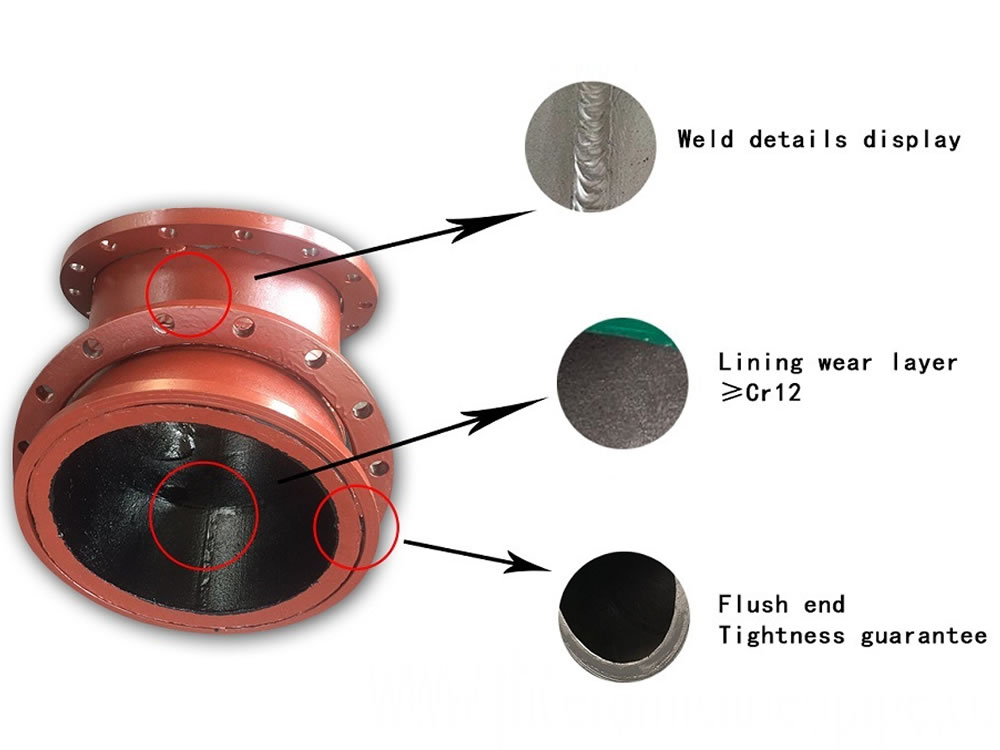
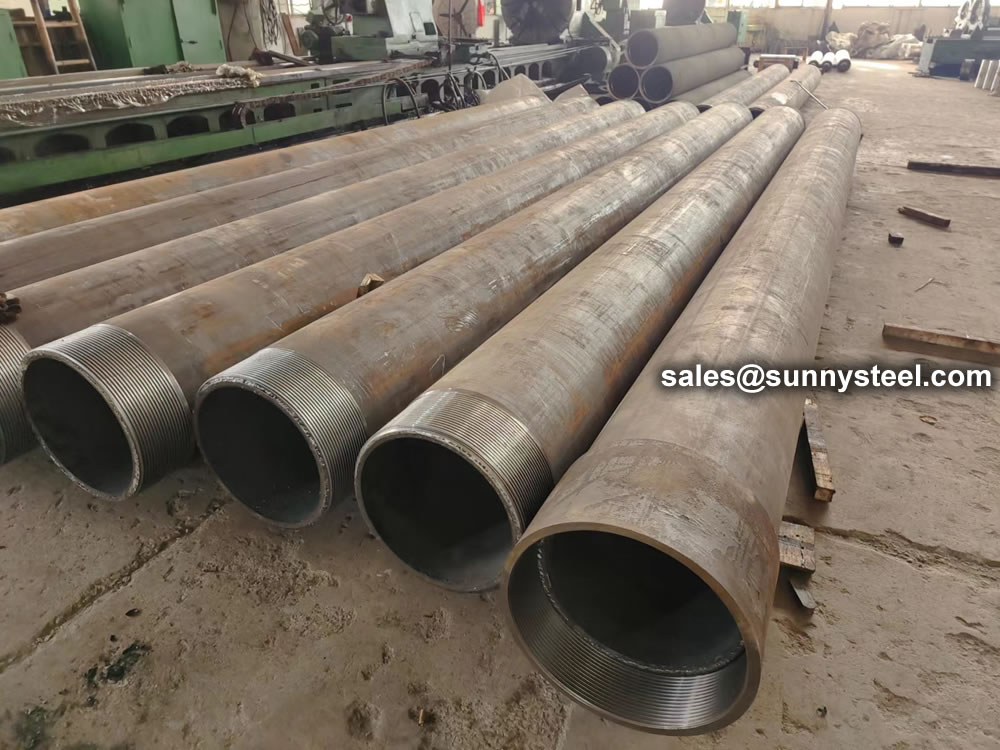
Bimetal wear resistant pipe adopts centrifugal casting technology in the production process of straight pipe.
This technology is to fuse and shape both metals in liquid state, realizing the purpose of real metallurgical bonding. The shear strength of the binding layer is higher than that of the metal itself, and completely realizes the mechanical complementarity between base layer and wear resistant layer.
Bimetal wear resistant pipe, including: double metal wear-resisting straight pipe and double metal wear-resisting bend, double metal wear tee, double metal wear resistance reducer adopts the pipe fittings such as vacuum suction casting composite process, its advanced technology, effectively solve the problem of the bent pipe cannot be composite, bending and other various special-shaped pipe can do the whole compound, don't change the material flow in the pipe bending trajectory, reduce resistance material conveying.
The outer wall of the centrifugal pipe is made of carbon steel, which ensures that the bimetal wear-resistant pipe has high mechanical strength and impact resistance.The inner lining wear resistance layer adopts the anti-wear alloy steel series independently developed by our company. The steel mainly adds alloy such as cr-ni-mo-cu-re and so on. Through the tempering heat treatment process, the alloy steel has strong wear resistance and corrosion resistance, high mechanical strength and impact resistance.
The whole set of process of our company is the first in China, which fills the blank of anti-corrosion and wear-resistant industrial pipeline in China and has reached the international advanced level. It has been widely used in mining, metallurgy, coal, electric power and other industries, and is an ideal wear-resistant pipeline.
The base material is carbon steel or low alloy steel. Clad pipes comply with the most stringent requirements of strength and corrosion resistance. The carbon steel outer pipe (backing steel or base metal) complies with the static requirements of strength and durability whereas the high alloyed inside pipe provides protection against corrosion.
Oil and gas streams often contain aggressive species such as H₂S, CO₂ and chlorides. Subsea and untreated fields are particularly corrosive, with simultaneous heat transfer accelerating degradation.
Solid corrosion-resistant alloys are cost-prohibitive. Bimetal clad pipe offers an optimal balance: a thin corrosion-resistant inner liner combined with a high-strength carbon or low-alloy steel outer pipe.
| Service Condition | Recommended Liner / Outer Pipe |
|---|---|
| CO₂ Service | 316L austenitic stainless steel liner |
| CO₂ + Chlorides | 2205 / 2507 duplex stainless steel liner |
| Sour Service (H₂S + CO₂ + Cl⁻) |
028, G3, Inconel 625, Inconel 825, titanium alloys |
| Outer Pipe | API 5L X42–X70, ASTM A106, A335-P22 (structural strength) |
Corrosion-resistant liners (Incoloy 825, Incoloy 625) combined with high-strength outer pipes (API 5L grades). Compliant with API 5LD for clad and lined steel pipe.
Superheater and reheater tubes operating at 650°C / 35 MPa. Examples include:
Sanicro 65 alloy outer tubes with carbon or Cr-Mo steel inner tubes. Widely deployed in Europe and North America since the 1970s.
High thermal conductivity with corrosion resistance:
SUS316L outer with Stellite 12 inner liner for pneumatic conveying of abrasive powders. Proven service life exceeding 4 years.
Nickel, titanium or copper alloy liners with carbon steel outer pipes for seawater cooling, desalination and offshore heat exchangers.
Civil: Potable water, HVAC,
solar and geothermal systems.
Industrial: Oil & gas pipelines,
chemical processing, desalination, FGD systems,
pharmaceuticals and food processing.
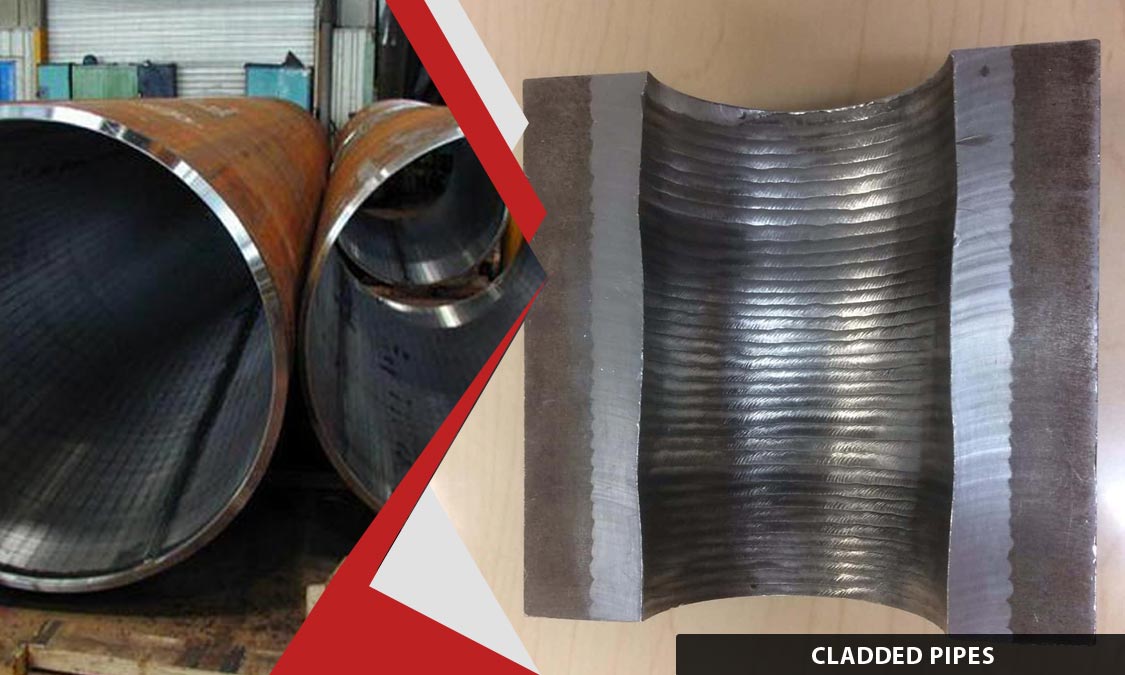
Metallurgically bonded bimetal clad pipe
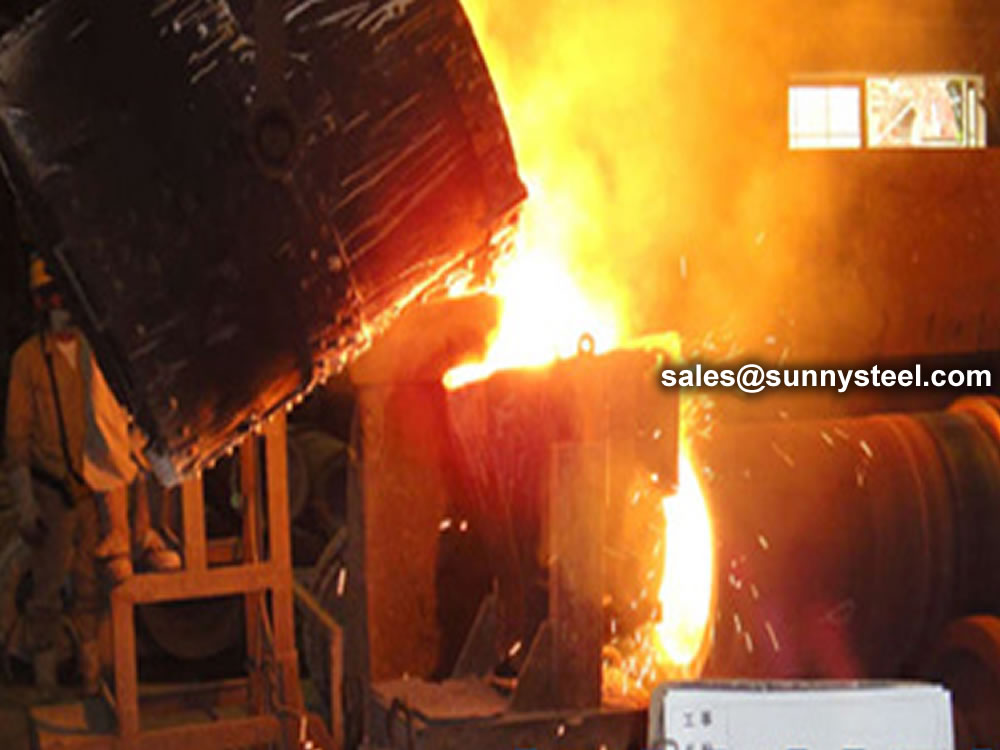
Self-propagating High-temperature Synthesis (SHS) process
High-chromium cast iron represents the third generation of white cast irons, developed from conventional Ni-Hard alloys.

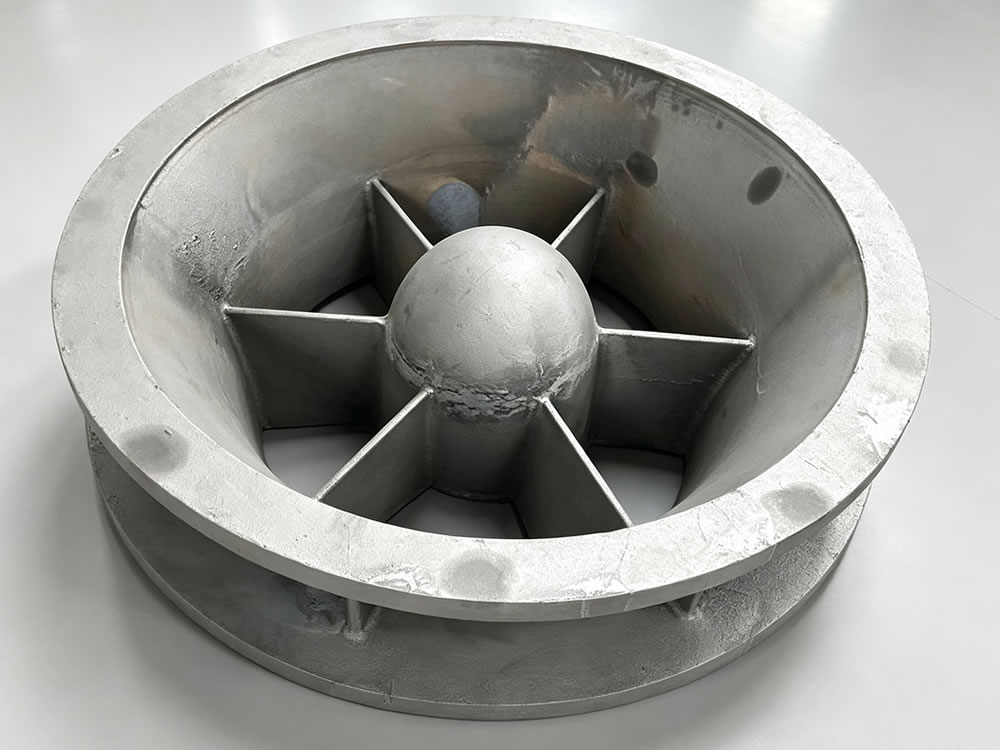
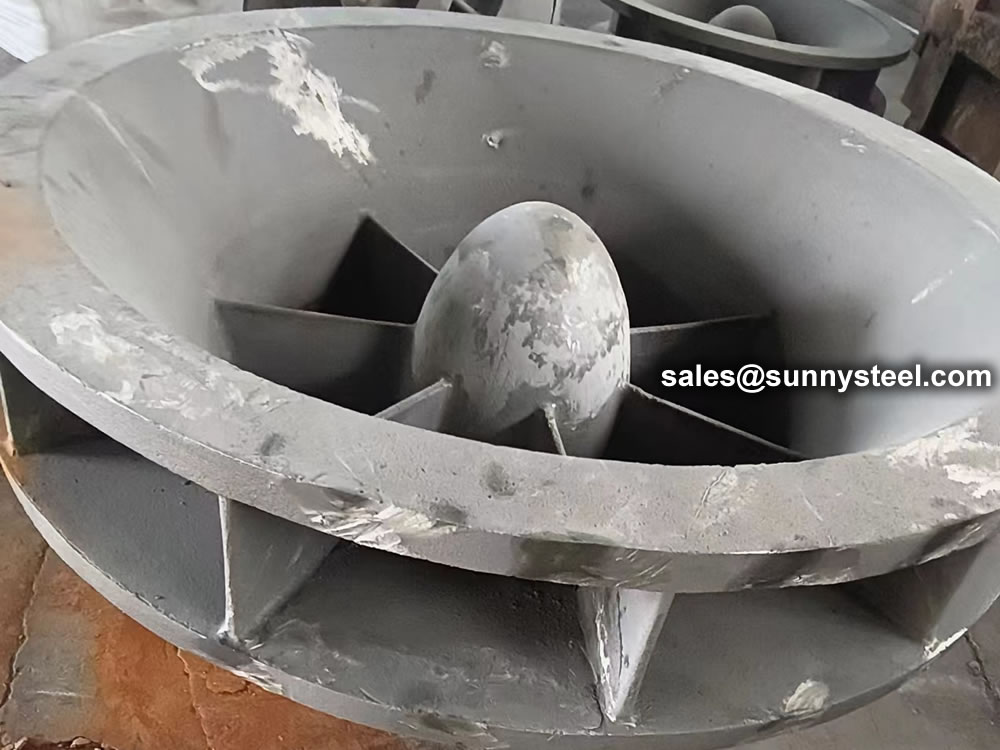
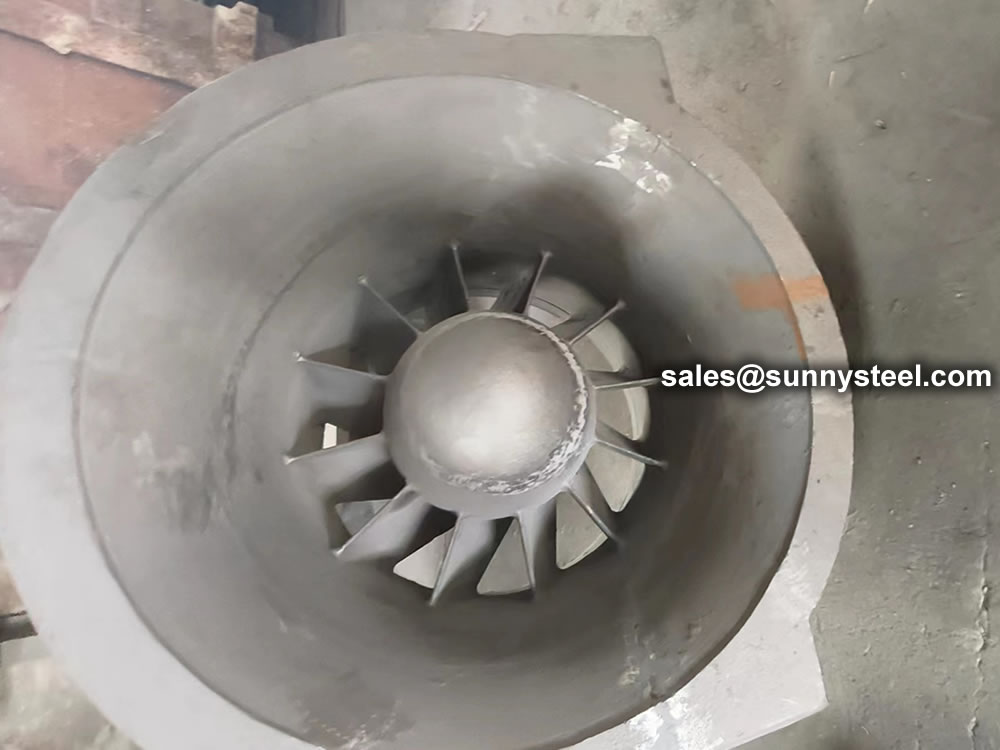
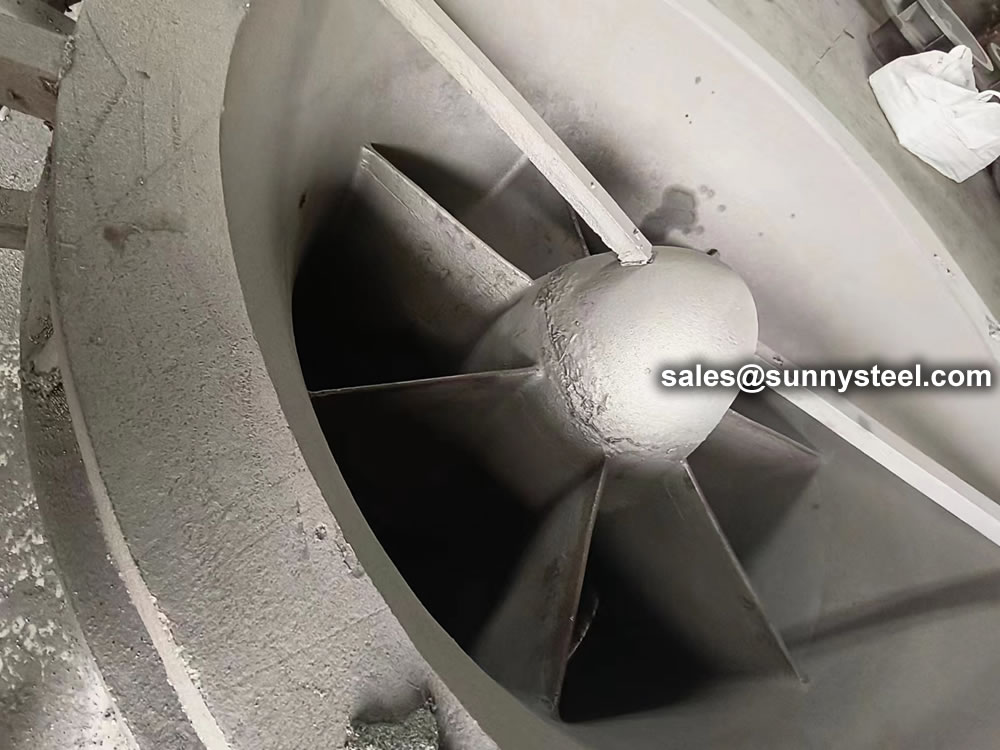
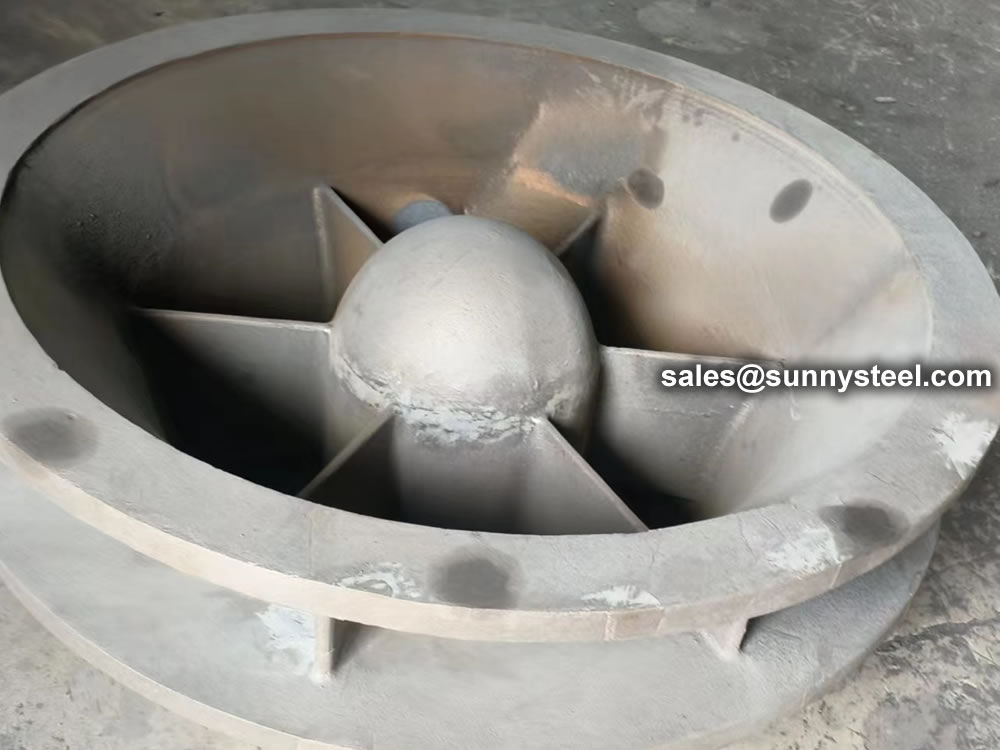
Axial fans move air parallel to the shaft axis. They are widely used in ventilation, cooling and industrial exhaust systems where high flow rates at low to medium pressures are required.
(1) Centrifugal casting technology enables the molten steel to solidify and form under the gravity condition, which is dozens of times higher than conventional casting. It solves the problem of loose inside the casting tube billet, has high metal density, and has good discharge and exhaust effect.
(2)The size accuracy of centrifugal cast pipe is high and the wall thickness is even, which provides a favorable guarantee for the size accuracy of subsequent processed products.
(3)Centrifugal casting process has high flexibility for the production of steel pipes of small batch, multiple varieties and specifications, high quality and high value-added steel.
CRA basically means corrosion resistant alloy.
It’s a material that is built for cladding because its main purpose is to enhance a pipe’s resistance to corrosion.
Pipe elbow cladding is the process of applying a cladding material to elbow pipes.
It’s done on a more careful manner than the usual.
This is because elbow pipes can change throughout the entirety of the process.
Particularly, the process of pipe cladding benefits the oil and gas industry the most.
However, it can also be used by other industries such as:
Pipe lining is the process of prolonging the lifespan of pipes.
It can also be used, however, to restore a pipe from natural damages such as:
Pipe lining and pipe cladding are processes that are far from each other.
Lining is the process of mechanically bonding materials to pipes for restoration. Some of the uses of pipe lining include:
Cladding is the procedure of metallurgical bonding of clad materials to pipes. Some of the major uses of pipe cladding include:
There are a lot of companies that utilize state-of-the-art pipe cladding equipment.
We have cutting-edge technology that can complete projects ahead of time.
Some of the most notable features that our pipe cladding equipment have include:

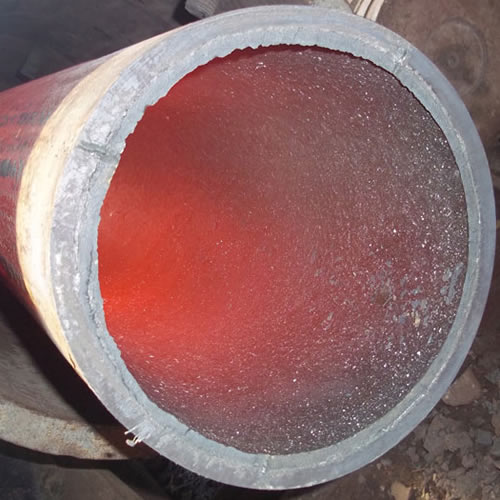
Ceramic lined pipe is made through self-propagating high-temperature synthesis (SHS) technique.
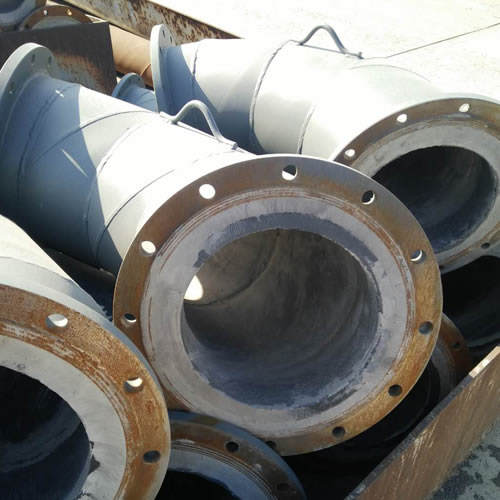
Cast basalt lined steel pipe is composed by lined with cast basalt pipe, outside steel pipe and cement mortar filling between the two layers.
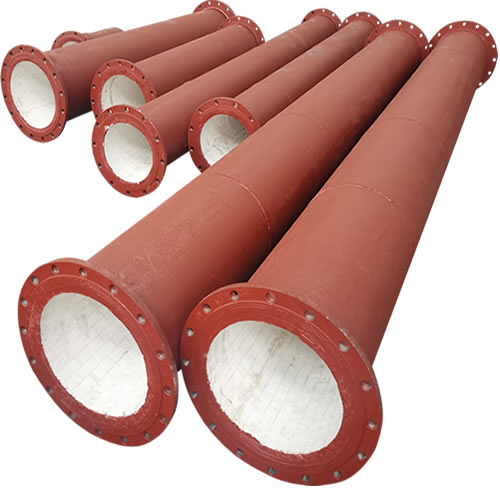
Ceramic tile lined pipes have very uniform coating of specially formulated ceramic material that is affixed to the inner of the pipe.
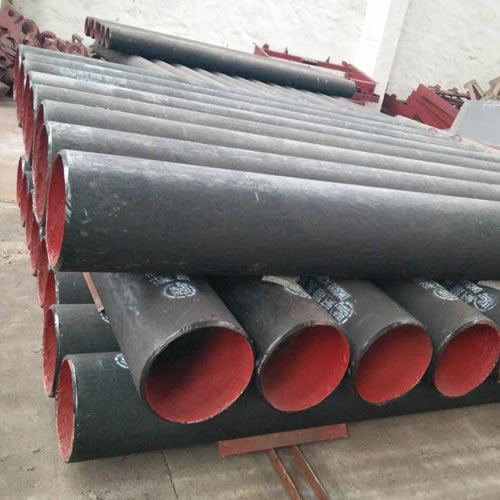
The material of the rare earth alloy wear-resistant pipe is ZG40CrMnMoNiSiRe, which is also the grade of rare earth alloy steel.
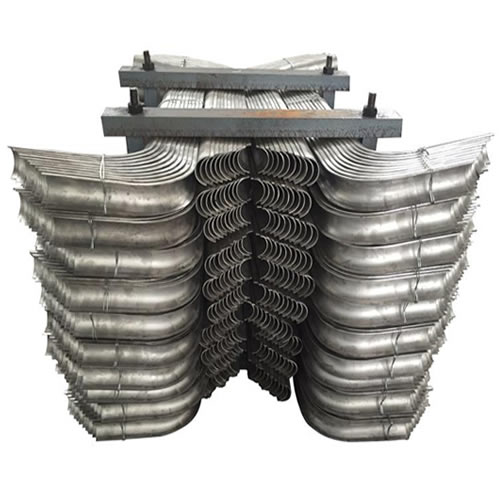
Tubes Erosion Shields are used to protect boiler tubing from the highly erosive effects of high temperatures and pressures thereby greatly extending tube life.
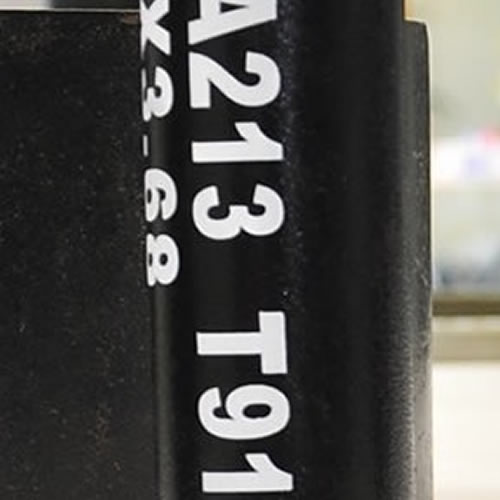
The ASTM A213 T91 seamless tubes are primarily used for boiler, superheater, and heat-exchanger.

When you partner with Sunny Steel, you can stop worrying about meeting deadlines thanks to our responsive and timely service. You'll also say goodbye to unnecessary shopping around. Instead, you'll get white glove service from an expert who understands your needs and can get you the materials you need quickly.