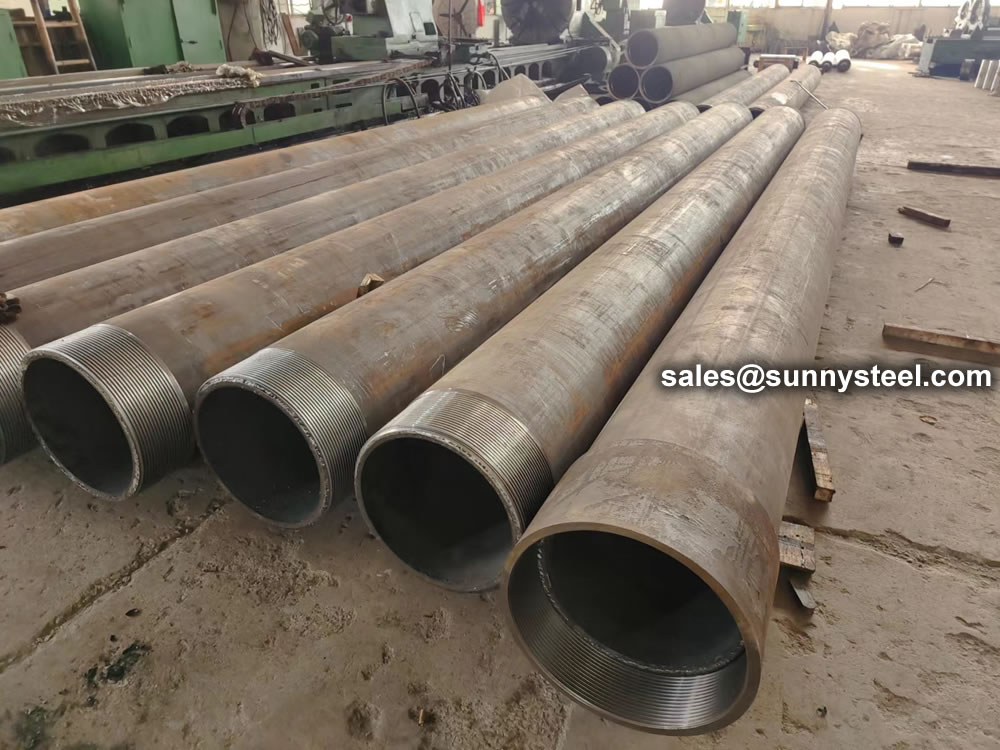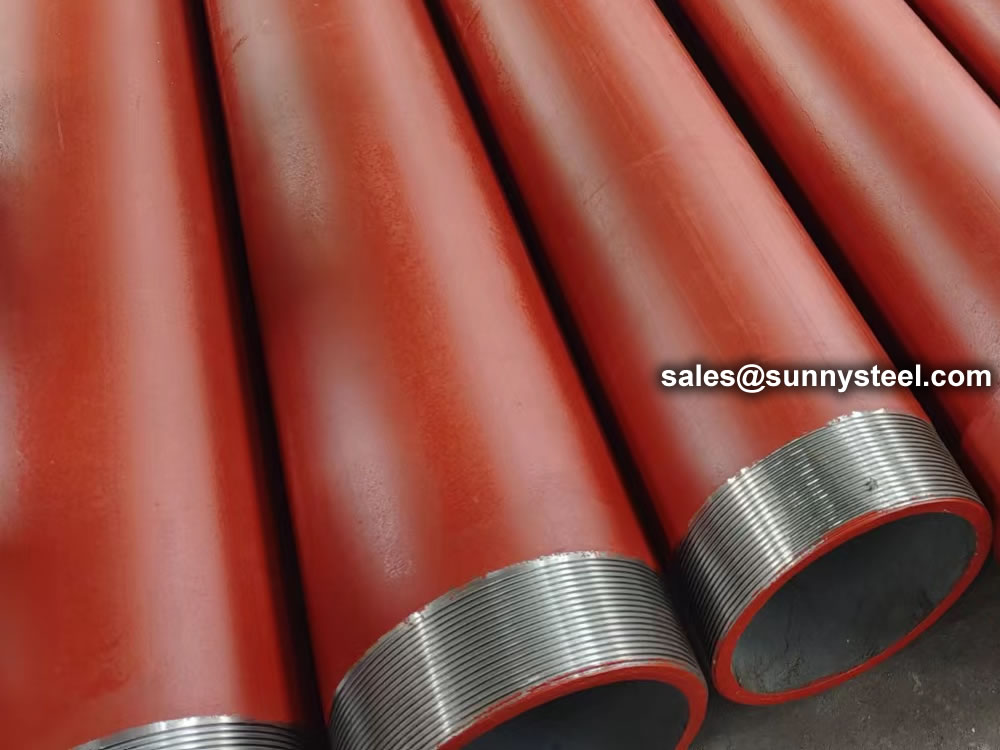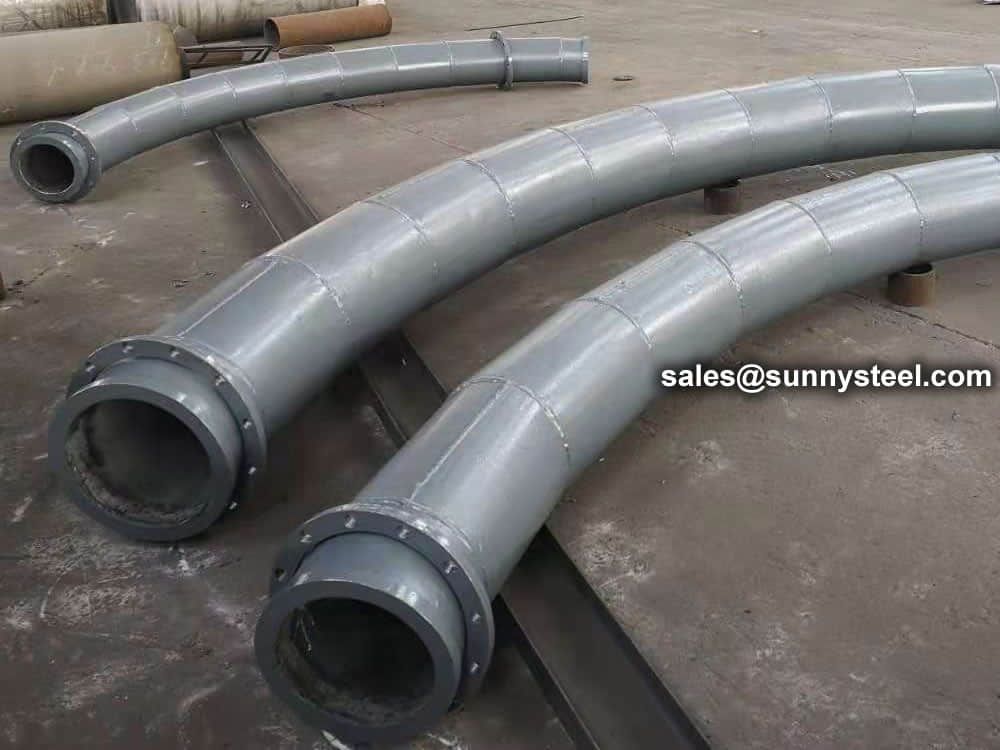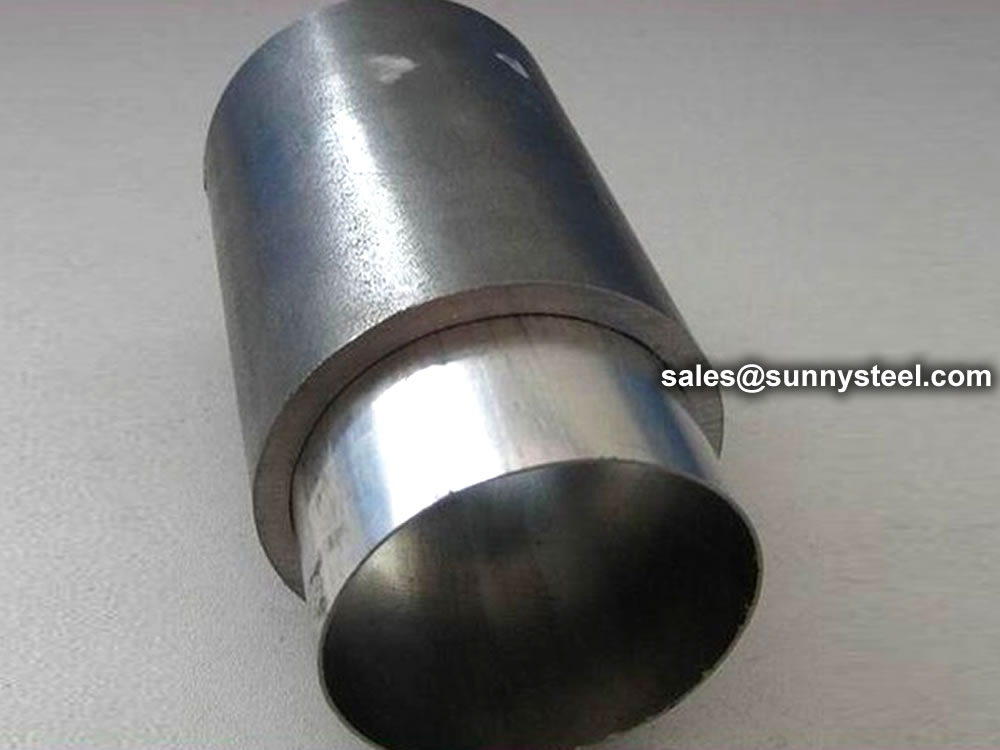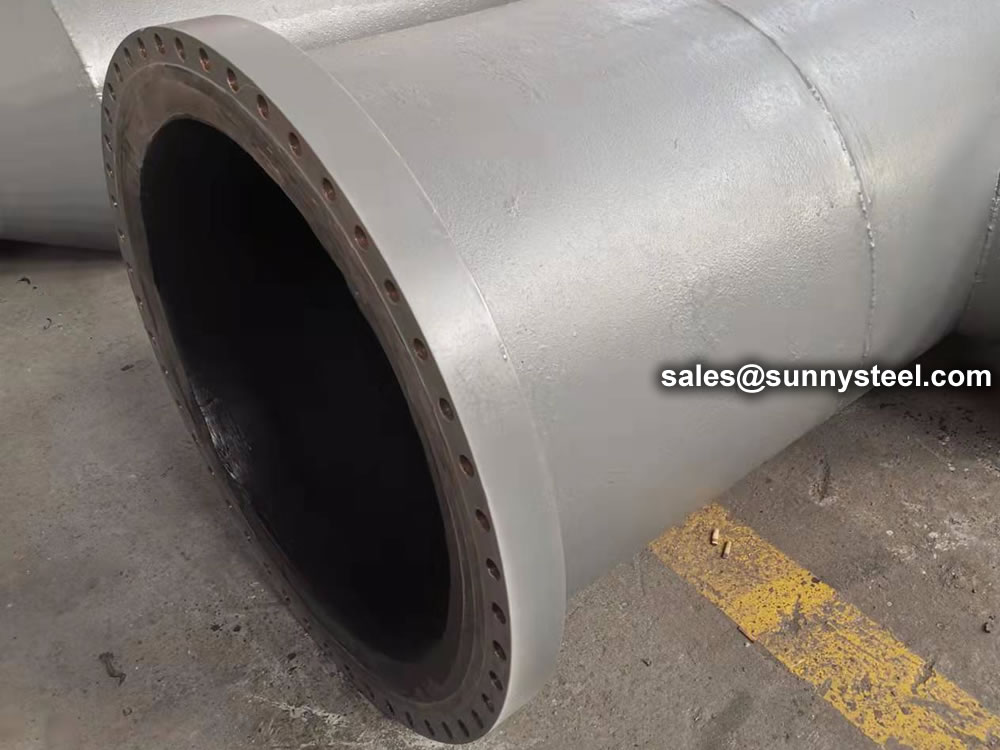
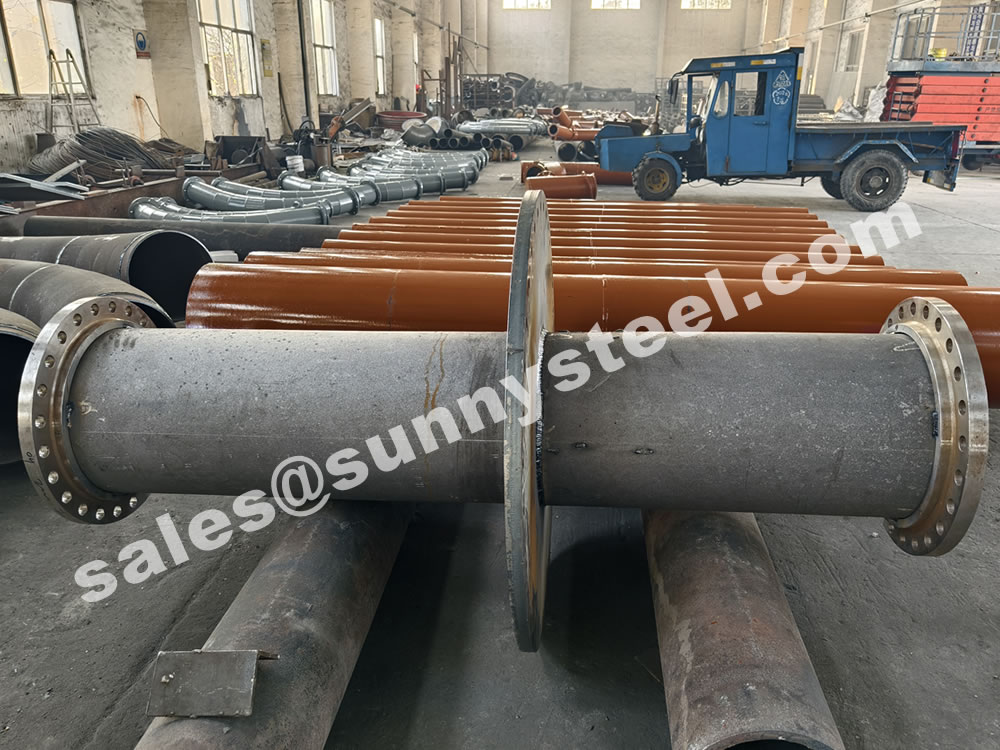
Ni-Hard Wearback Pipes
Abrasion Resistant Cast Iron Pipe
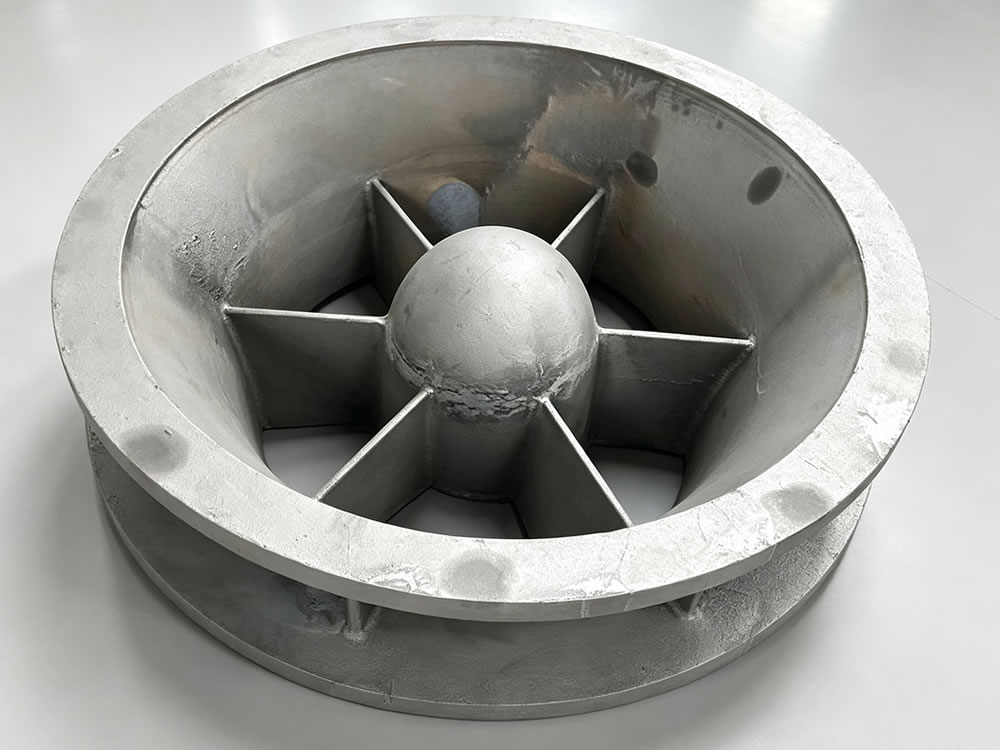
Custom cast industrial axial fans with 4/6/8/12 blade impellers, compact structure, stable large airflow for ventilation, cooling and flue exhaust applications.
Axial fans move air parallel to the shaft axis. They are widely used in ventilation, cooling and industrial exhaust systems where high flow rates at low to medium pressures are required.
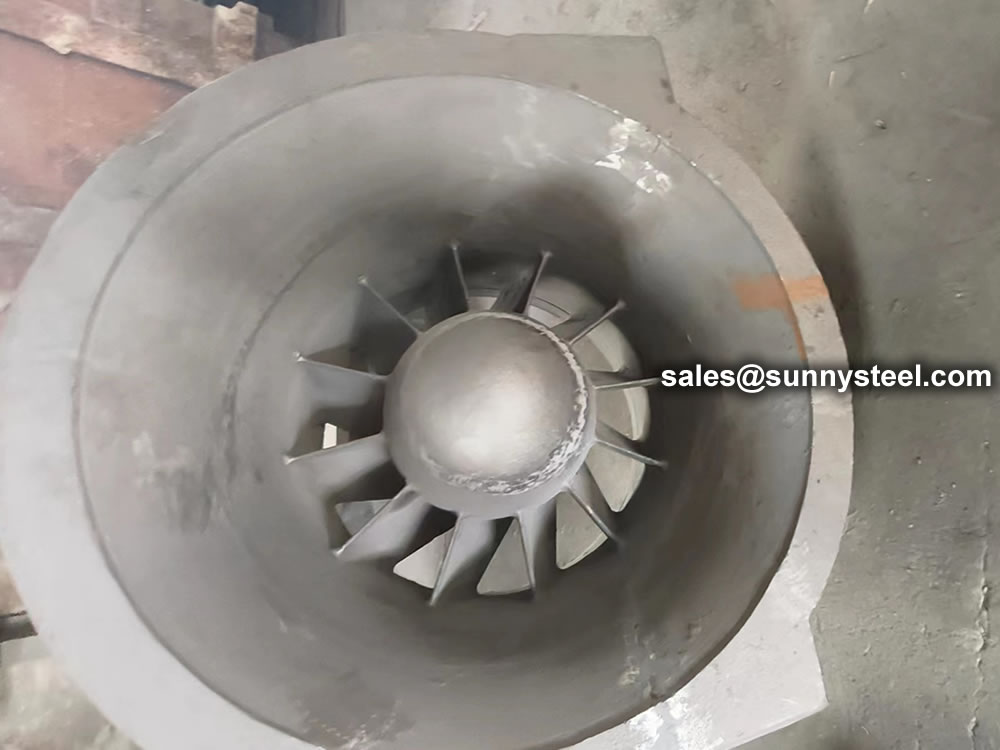
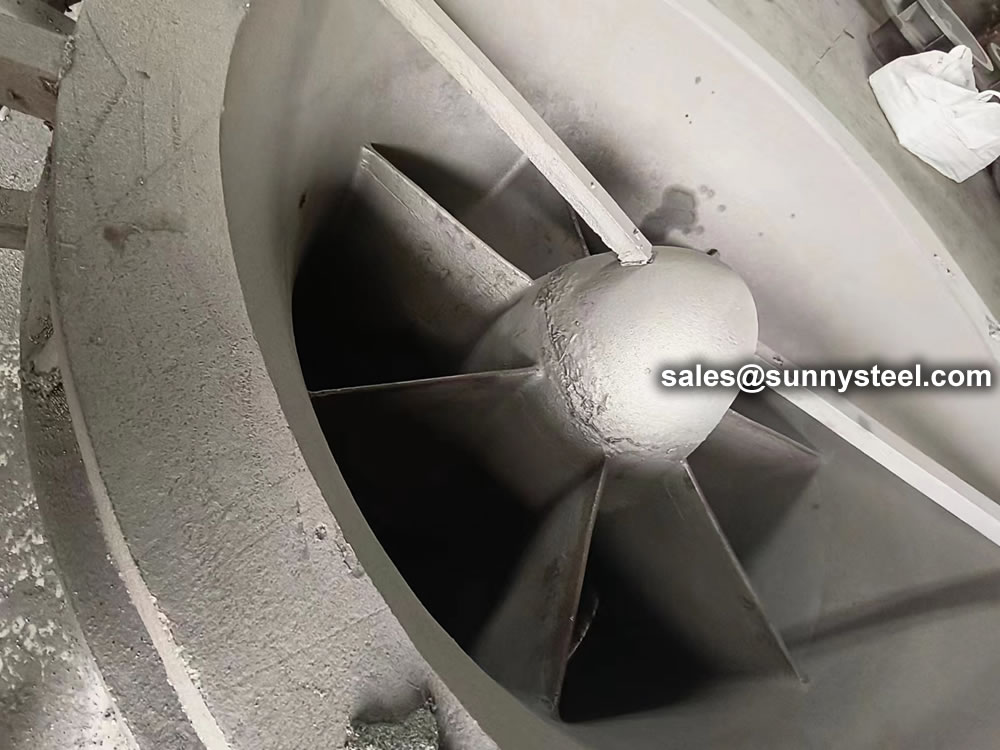
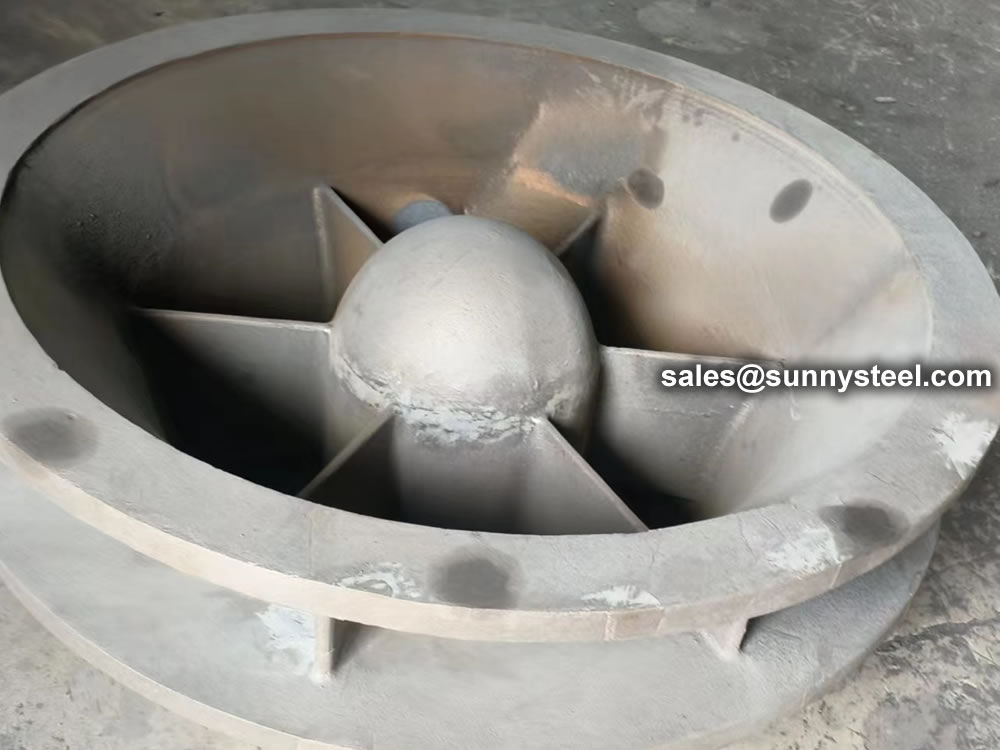
Our factory produces integrated cast axial fans with integral circular casing and smooth curved hub impellers. Different blade quantities (4, 6, 8, 12 blades) can be customized to match different air volume demands. Compared with centrifugal fans, axial fans have smaller overall footprint, lower energy consumption and simpler flange pipeline installation.
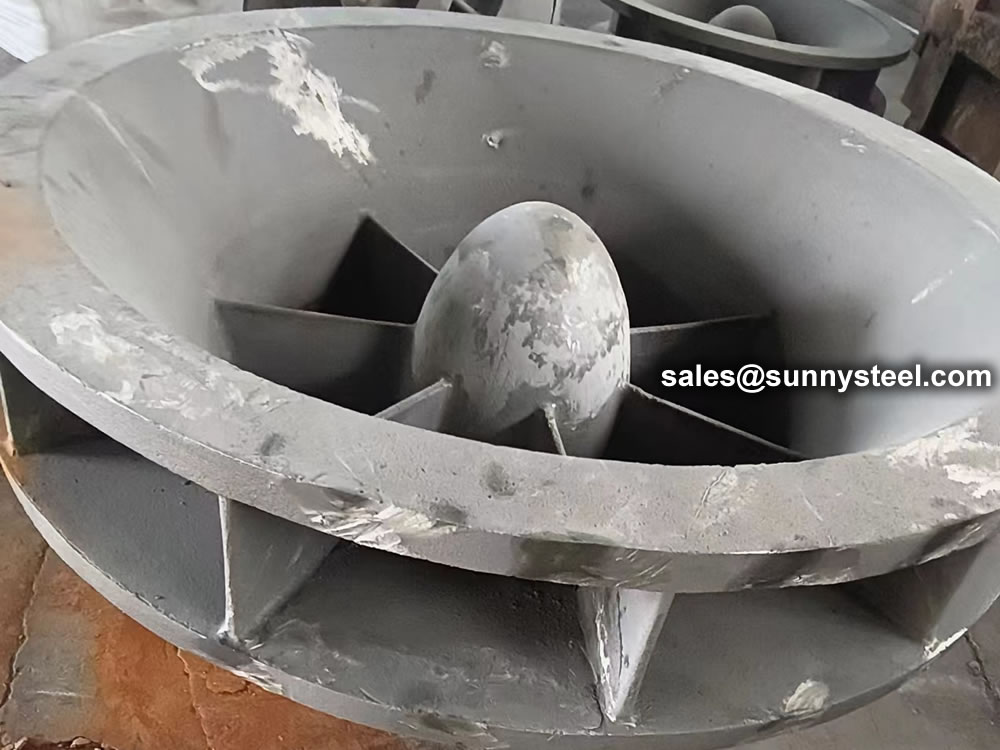
6-blade heavy cast axial fan
8-blade high volume axial fan
12-blade compact ventilation axial fan
Wide casing anti-corrosion axial exhaust fan
| Performance Item | Axial Fan Feature |
|---|---|
| Air Flow Volume | Ultra-large high flow output |
| Working Pressure Range | Low to medium pressure working condition |
| Space Occupation | Compact overall size, save installation space |
| Energy Consumption | Low power loss, energy-saving continuous operation |
| Installation Mode | Flange direct mounting, simple assembly |
| Applicable Medium | Cool air, workshop waste gas, low-corrosion boiler flue gas |
| Grade | C | Cr | Ni | Mn | Mo | Cu | P | Re |
|---|---|---|---|---|---|---|---|---|
| KmTBCr26 | 2.5-3.2 | 26-28 | 0.8-1.2 | 1.0-2.0 | 2.0-3.0 | 0.5-0.8 | ≤0.03 | ≤0.10 |
| Flexure Strength MN/㎡ |
Tensile Strength MN/㎡ |
Elongation % |
Cross Section Stretch Ratio % |
Impact Toughness J/c㎡ |
Hardness of Wearable Layer HRC |
Hydrostatic Testing Pressure Mpa |
|---|---|---|---|---|---|---|
| >610 | >700 | 5 | 5.1 | >15 | >38 | 5.6-12.9 |
| Standard | Item | Grade | Chemical composition (%) | Tensile requirements | Hardness(HB) | |||||||||||
|---|---|---|---|---|---|---|---|---|---|---|---|---|---|---|---|---|
| C | Si | Mn | P | S | Ni | Cr | Mo | Cu | Thickness(mm) | Tensile strength(Mpa) | Elongation(%) | Heat treatment | ||||
| GB | 8263 | KmTBNi4-Cr2-DT | 2.7-3.2 | 0.3-0.8 | 0.3-0.8 | ≦0.15 | ≦0.1 | 3.0-5.0 | 2.0-3.0 | 0.0-1.0 | - | - | - | - | - | - |
| ASTM | A532 | I BNiCr-LC | 2.4-3.0 | ≦0.8 | ≦2.0 | ≦0.3 | ≦0.15 | 3.3-5.0 | 1.4-4.0 | ≦1.0 | - | ≧200 | - | - | - | ≦550 |
| DIN | 1695 | G-X260-NiCr42 | 2.6-2.9 | 0.2-0.8 | 0.3-0.7 | - | - | 3.5-5.0 | 1.4-2.4 | ≦0.5 | - | - | ≧320 | - | - | ≦500 |
| GB | 8263 | KmTBNi4-Cr2-GT | 3.2-3.6 | 0.3-0.8 | 0.3-0.8 | ≦0.15 | ≦0.1 | 3.0-5.0 | 2.0-3.0 | 0.0-1.0 | - | - | - | - | - | - |
| ASTM | A532 | I ANCr-HC | 2.8-3.6 | ≦0.8 | ≦1.3 | ≦0.3 | ≦0.15 | 3.3-5.0 | 1.4-4.0 | ≦1.0 | - | ≧200 | - | - | - | ≦550 |
| DIN | 1695 | G-X330-NiCr42 | 3.0-3.6 | 0.2-0.8 | 0.3-0.7 | - | - | 3.3-5.0 | 1.4-2.4 | ≦0.5 | - | - | ≧280 | - | - | ≦690 |
| GB | 8263 | KmTBCr9-Ni5Si2 | 2.5-3.6 | 1.5-2.2 | 0.3-0.8 | ≦0.15 | ≦0.1 | 4.5-6.5 | 8.0-10.0 | 0.0-1.0 | - | - | - | - | - | - |
| ASTM | A532 | I DNiHCr | 2.5-3.6 | ≦2.0 | ≦2.0 | ≦0.1 | ≦0.15 | 4.5-7.0 | 7.0-11.0 | ≦1.5 | - | ≧300 | - | - | - | ≦500 |
| DIN | 1695 | G-X300Cr-NSi952 | 2.5-3.5 | 1.5-2.2 | 0.3-0.7 | - | - | 4.5-6.5 | 8.0-10.0 | ≦0.5 | - | - | 500-600 | - | - | ≦690 |
| GB | 8263 | KmTBCr15-Mo2-GT | 2.8-3.5 | ≦1.0 | 0.5-1.0 | ≦0.1 | ≦0.06 | 0.0-1.0 | 13.0-18.0 | 0.5-3.0 | 0.0-1.2 | - | - | - | - | - |
| ASTM | A532 | ⅡB15%Cr-Mo-HC | 2.0-3.0 | ≦1.5 | ≦2.0 | ≦0.1 | ≦0.06 | ≦2.5 | 14.0-18.0 | 1.0-3.0 | ≦1.2 | ≧75 | - | - | H | ≦600 |
| DIN | 1695 | G-X300-CrMo153 | 2.3-3.6 | 0.2-0.8 | 0.5-1.0 | - | - | ≦0.7 | 14.0-17.0 | 1.0-3.0 | ≦1.2 | - | ≧450 | ≦690 | H | - |
| ASTM | A532 | Ⅱ020%-CrMo-LC | 2.0-3.3 | 1.0-2.2 | ≦2.0 | ≦0.1 | ≦0.06 | ≦1.5 | 18.0-23.0 | ≦2.0 | ≦1.2 | ≧200 | - | - | H | ≦600 |
| DIN | 1695 | G-X260Cr-MoNi2021 | 2.3-2.9 | 0.2-0.3 | 0.5-1.0 | - | - | 0.8-1.2 | 18.0-22.0 | 1.4-2.0 | - | - | ≧450 | - | H | ≦690 |
| GB | 8263 | KmTBCr20-Mo2Cu1 | 2.0-3.0 | ≦1.0 | 0.5-1.0 | ≦0.1 | ≦0.06 | 0.0-1.5 | 18.0-22.0 | 1.5-2.5 | 0.8-1.2 | - | - | - | - | - |
| ASTM | A532 | ⅡA-25%Cr | 2.0-3.0 | ≦1.5 | ≦2.0 | ≦0.1 | ≦0.06 | ≦2.5 | 23.0-30.0 | ≦3.0 | ≦1.2 | ≧200 | - | - | - | ≦600 |
| DIN | 1695 | G-X260-Cr27 | 2.3-2.9 | 0.5-1.5 | 0.5-1.5 | - | - | ≦1.2 | 24.0-28.0 | ≦1.0 | - | - | ≧560 | - | - | ≦690 |
| GB | 8263 | KmTBCr26 | 2.3-3.0 | ≦1.0 | 0.5-1.0 | ≦0.1 | ≦0.06 | 0.0-1.5 | 23.0-28.0 | 0.0-1.0 | 0.0-2.0 | - | - | - | - | - |
| ASTM | A532 | Ⅲ A-25%Cr | 2.0-3.3 | ≦1.0 | ≦2.0 | ≦0.1 | ≦0.06 | ≦2.5 | 23.0-30.0 | ≦1.5 | ≦1.2 | ≧200 | - | - | H | ≦600 |
| DIN | 1695 | G-X300Cr-Mo271 | 3.0-3.5 | 0.2-1.0 | 0.5-1.0 | - | - | - | 23.0-28.0 | 1.0-2.0 | ≦1.2 | - | ≧450 | - | H | ≦690 |
(1) Centrifugal casting technology enables the molten steel to solidify and form under the gravity condition, which is dozens of times higher than conventional casting. It solves the problem of loose inside the casting tube billet, has high metal density, and has good discharge and exhaust effect.
(2)The size accuracy of centrifugal cast pipe is high and the wall thickness is even, which provides a favorable guarantee for the size accuracy of subsequent processed products.
(3)Centrifugal casting process has high flexibility for the production of steel pipes of small batch, multiple varieties and specifications, high quality and high value-added steel.
CRA basically means corrosion resistant alloy.
It’s a material that is built for cladding because its main purpose is to enhance a pipe’s resistance to corrosion.
Pipe elbow cladding is the process of applying a cladding material to elbow pipes.
It’s done on a more careful manner than the usual.
This is because elbow pipes can change throughout the entirety of the process.
Particularly, the process of pipe cladding benefits the oil and gas industry the most.
However, it can also be used by other industries such as:
Pipe lining is the process of prolonging the lifespan of pipes.
It can also be used, however, to restore a pipe from natural damages such as:
Pipe lining and pipe cladding are processes that are far from each other.
Lining is the process of mechanically bonding materials to pipes for restoration. Some of the uses of pipe lining include:
Cladding is the procedure of metallurgical bonding of clad materials to pipes. Some of the major uses of pipe cladding include:
There are a lot of companies that utilize state-of-the-art pipe cladding equipment.
We have cutting-edge technology that can complete projects ahead of time.
Some of the most notable features that our pipe cladding equipment have include:


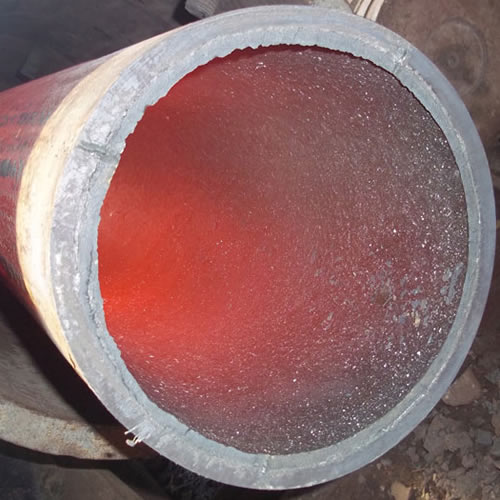
Ceramic lined pipe is made through self-propagating high-temperature synthesis (SHS) technique.
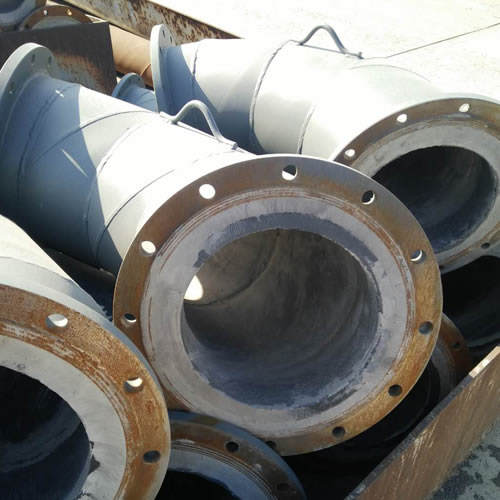
Cast basalt lined steel pipe is composed by lined with cast basalt pipe, outside steel pipe and cement mortar filling between the two layers.
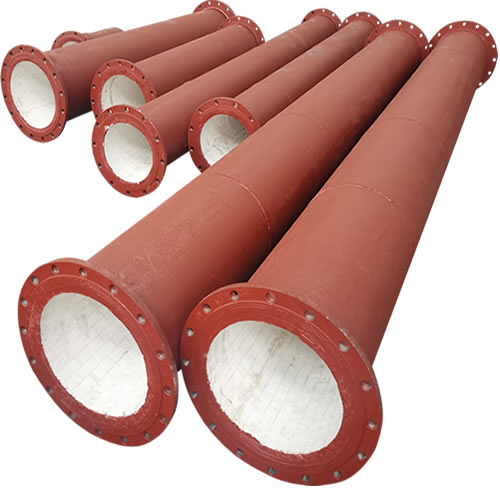
Ceramic tile lined pipes have very uniform coating of specially formulated ceramic material that is affixed to the inner of the pipe.
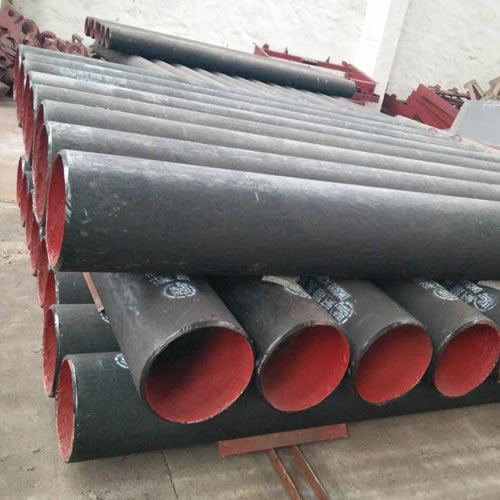
The material of the rare earth alloy wear-resistant pipe is ZG40CrMnMoNiSiRe, which is also the grade of rare earth alloy steel.
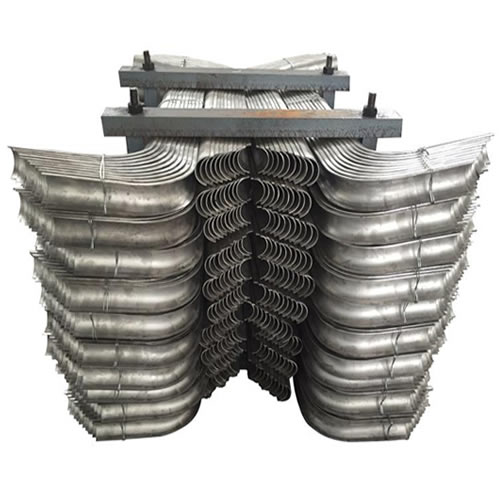
Tubes Erosion Shields are used to protect boiler tubing from the highly erosive effects of high temperatures and pressures thereby greatly extending tube life.
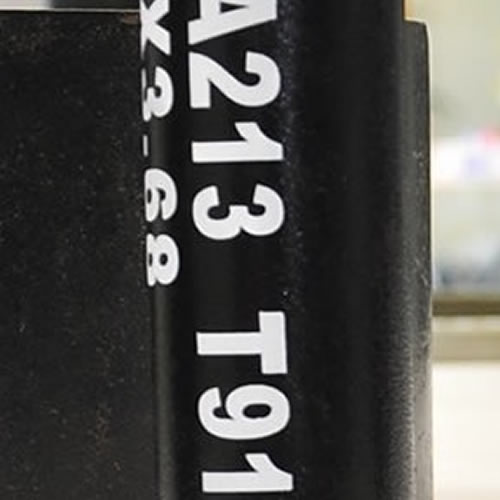
The ASTM A213 T91 seamless tubes are primarily used for boiler, superheater, and heat-exchanger.

When you partner with Sunny Steel, you can stop worrying about meeting deadlines thanks to our responsive and timely service. You'll also say goodbye to unnecessary shopping around. Instead, you'll get white glove service from an expert who understands your needs and can get you the materials you need quickly.