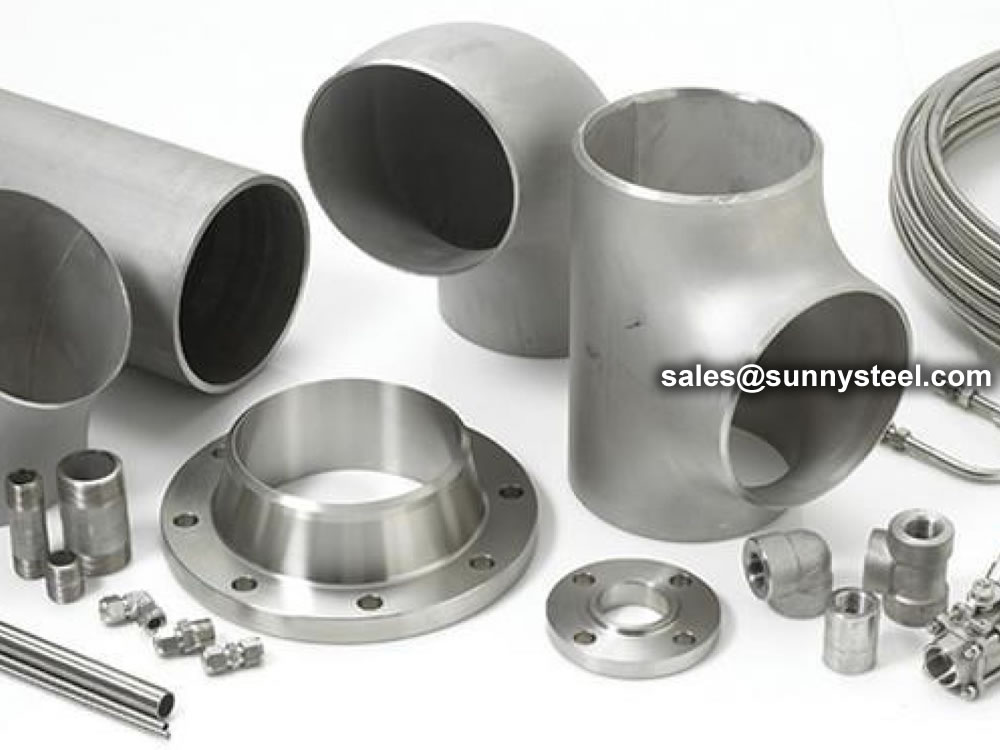
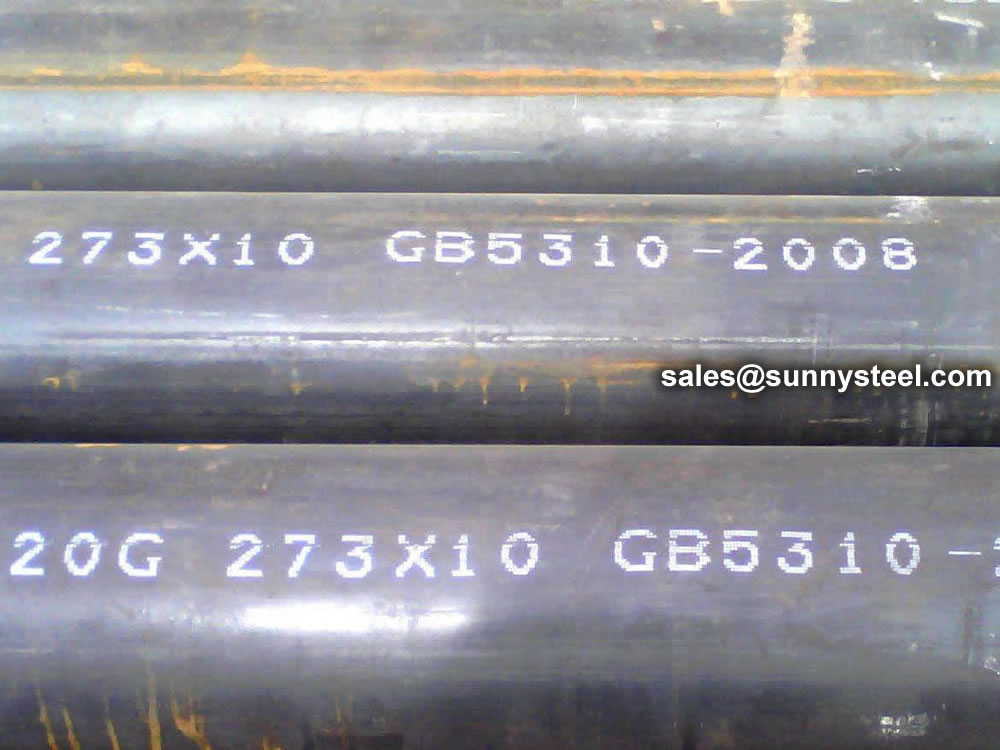
20G High Pressure Boiler Tube
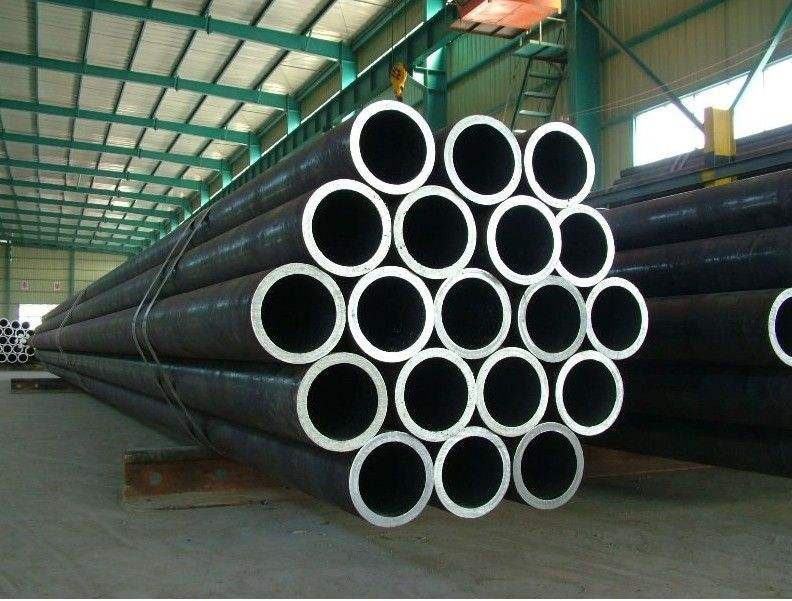
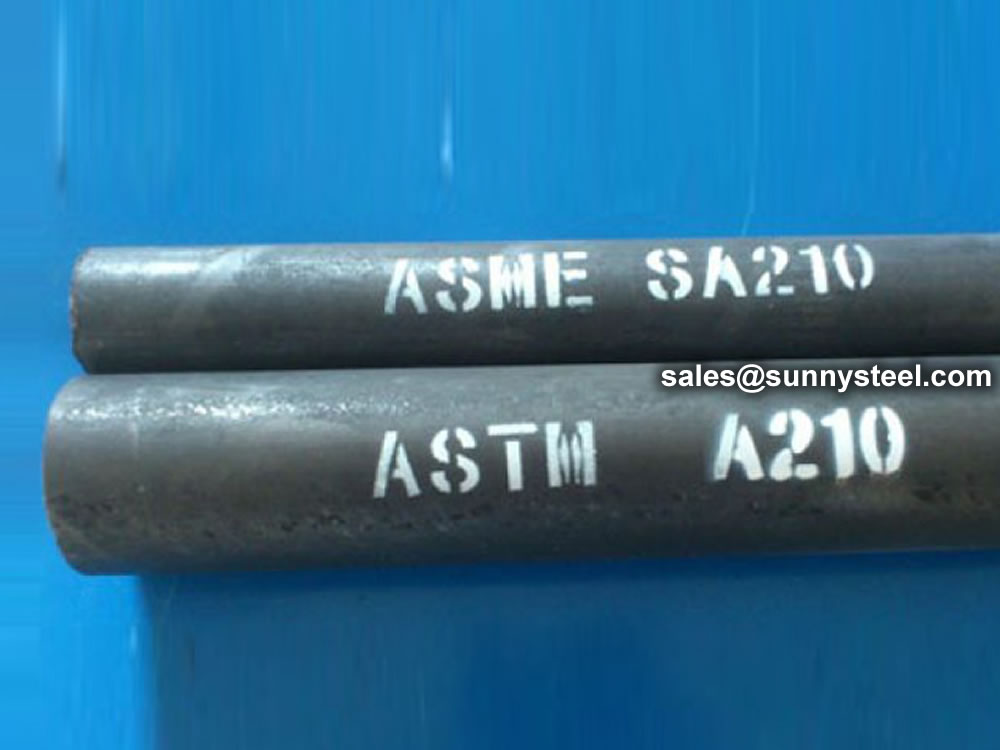
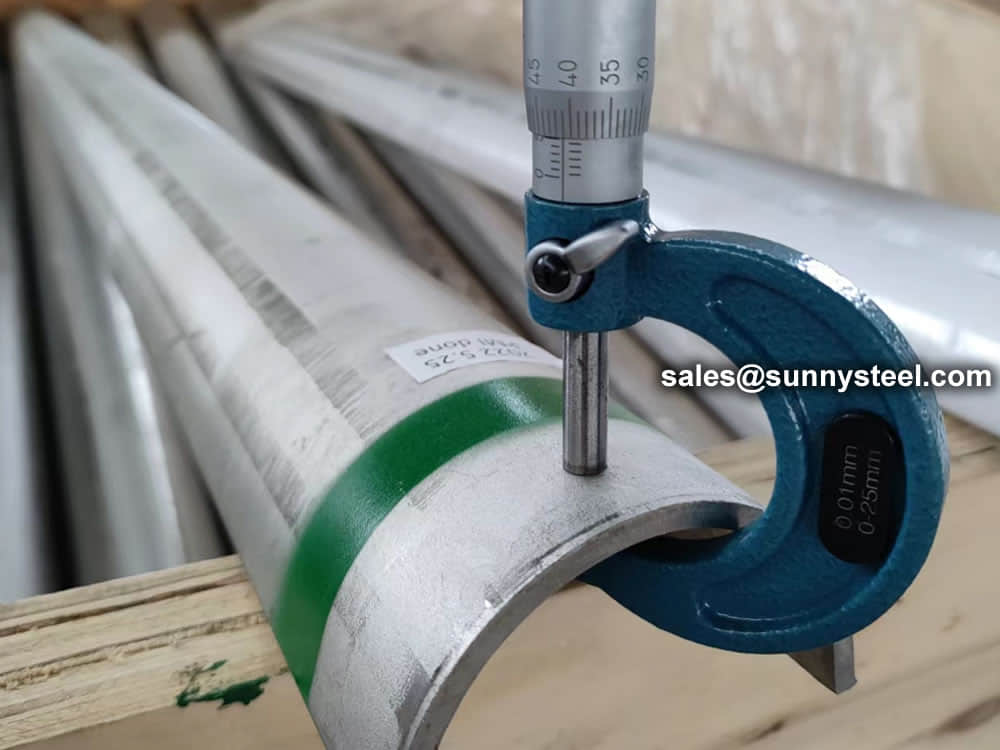
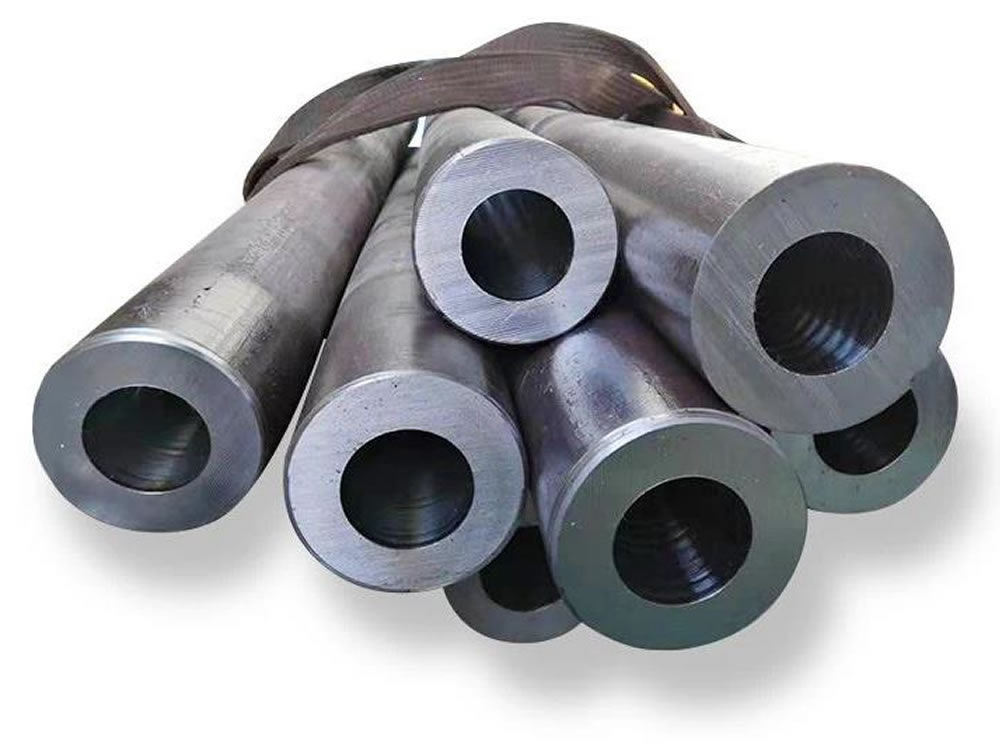
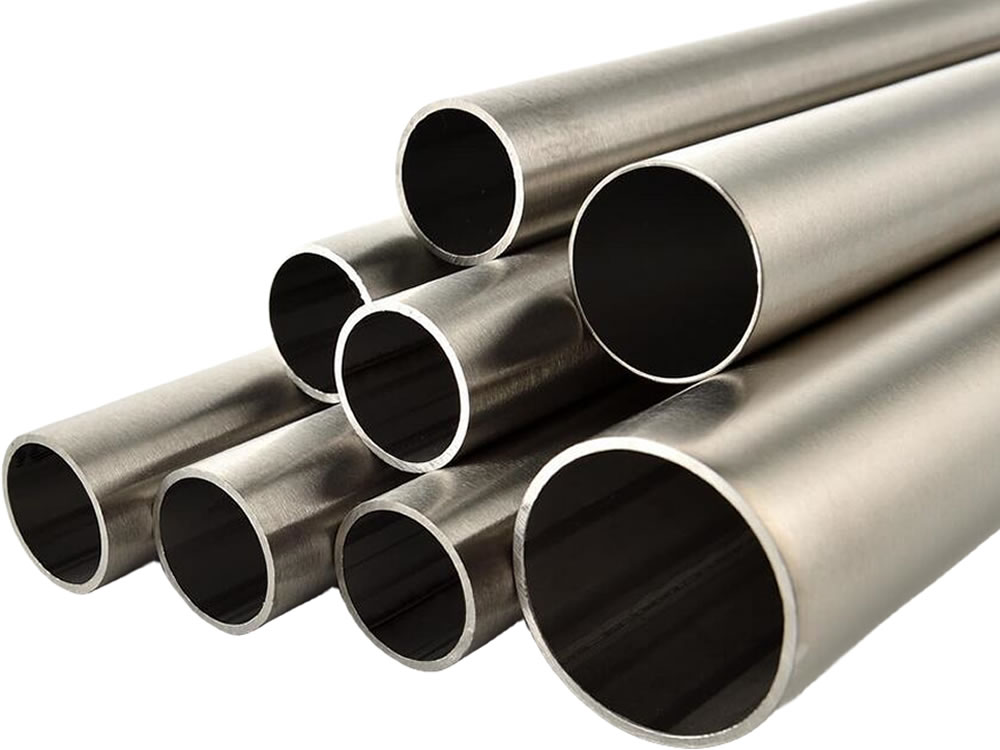
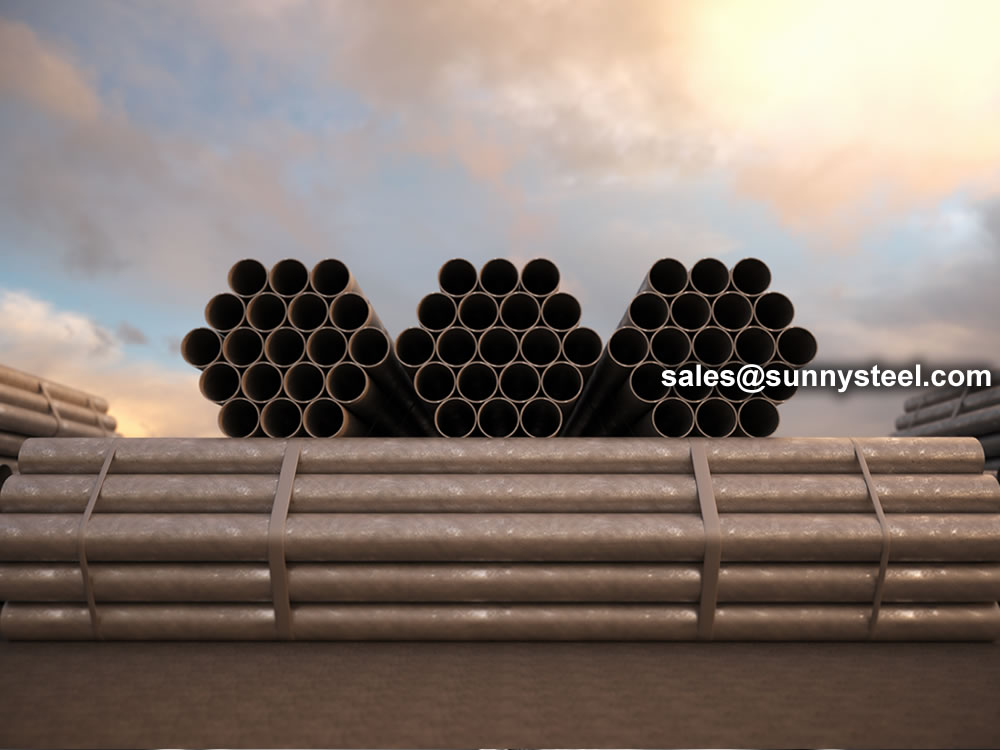
GB 5310 20G high pressure seamless boiler tube designed for high-pressure and high-temperature environments.
High Temperature & Corrosion Resistant Pipes
Boiler components are designed for high-temperature and high-pressure services, offering superior creep strength and oxidation resistance compared to carbon steel pipes.
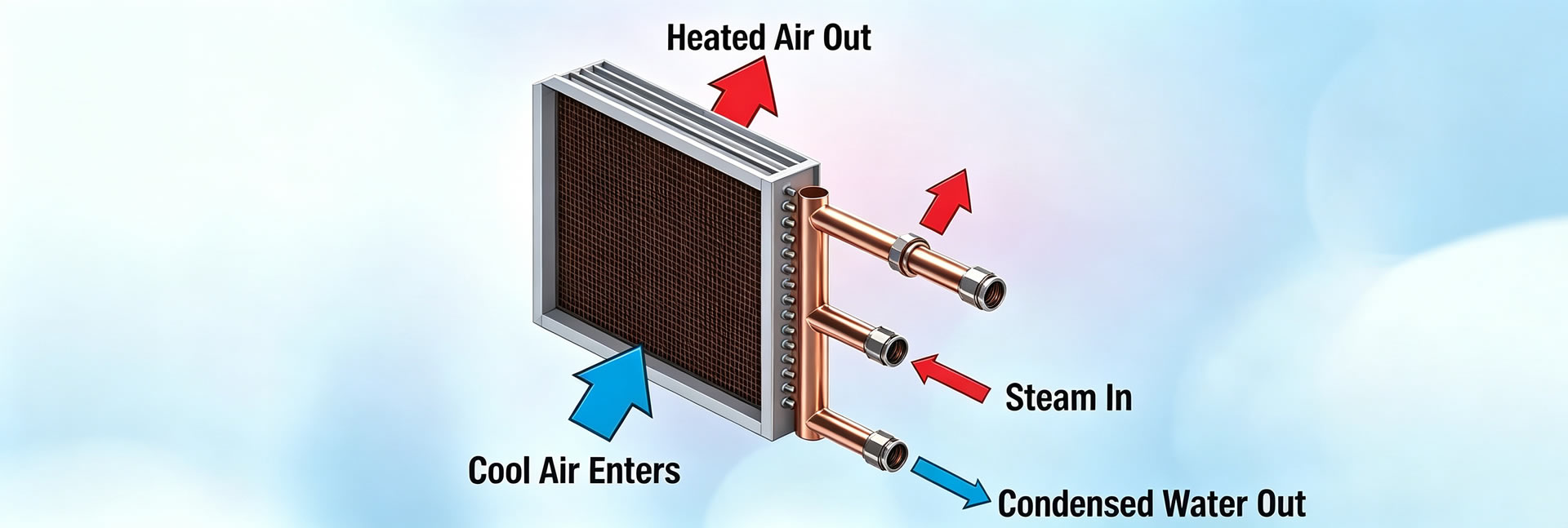
Despite the name, a boiler does not necessarily boil water. Whether it produces steam or hot water depends entirely on operating pressure and process temperature requirements.
Hot water boilers maintain water temperature below its saturation point and circulate it for space or process heating. They are typically used in low- to medium-pressure systems where sensible heat transfer is sufficient.
Steam boilers raise water above its boiling point, generating steam with a significantly higher energy density per unit mass. This makes steam ideal for power generation, sterilization, and high-temperature industrial processes.
The term boiler is historical rather than literal. Selection between steam and hot water systems must follow the actual process demand—not the equipment name.
A frequent field error is sizing a hot water system for a load that truly requires steam. Under peak demand, such mismatches result in insufficient temperature control, accelerated wear on heating surfaces, and control instability.
Correct practice: Define the required output temperature and pressure based on verified peak demand. Use this data to fix the boiler design, rather than assuming performance from the nameplate.

A boiler is organized into two functional sides: the combustion side, which releases heat, and the water-steam side, which absorbs and transfers that heat as hot water or steam. Component configuration varies with fuel type, capacity, and operating pressure.
Safe operation relies on precise monitoring and control:
The defining difference lies in which fluid occupies the tubes. This single design choice dictates the achievable pressure, steam output and dynamic response of the plant.
Hot combustion gases travel inside the tubes, while water surrounds the tube bundle. This configuration limits the maximum safe operating pressure but provides excellent thermal inertia.
Water and steam circulate inside the tubes, while hot gases flow over the external tube surfaces. This allows for much higher pressures and rapid load response.
| Parameter | Fire‑Tube Boiler | Water‑Tube Boiler |
|---|---|---|
| Tube Contents | Hot gas inside / Water outside | Water inside / Hot gas outside |
| Typical Pressure | Low–Medium (~250–350 psi) | Medium–Ultra High (>1,000 psi) |
| Typical Output | ≤ ~50,000 lb/hr | Utility-scale, >>50,000 lb/hr |
| Startup & Response | Slower, stable under swings | Faster, tighter water control |
| Best Application | Stable process steam, heating, small–medium plants | High-pressure, large loads, fast load changes |


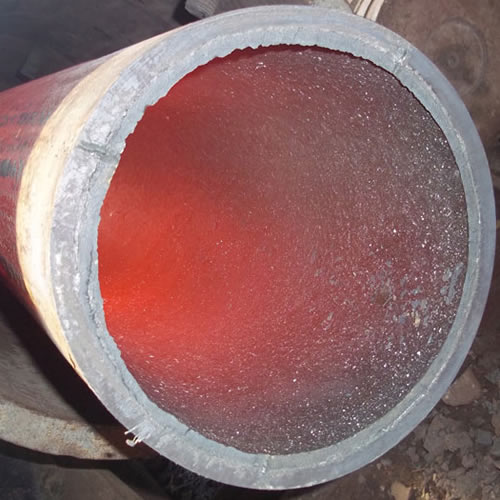
Ceramic lined pipe is made through self-propagating high-temperature synthesis (SHS) technique.
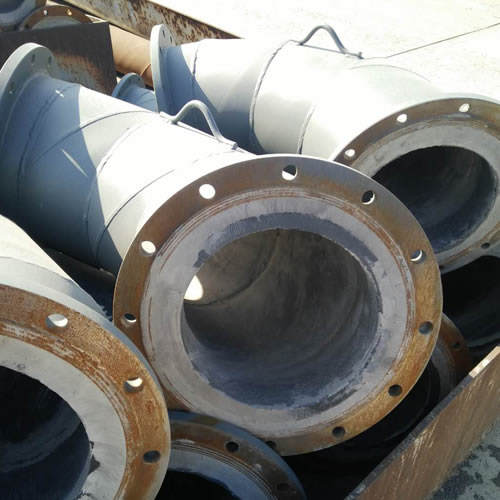
Cast basalt lined steel pipe is composed by lined with cast basalt pipe, outside steel pipe and cement mortar filling between the two layers.
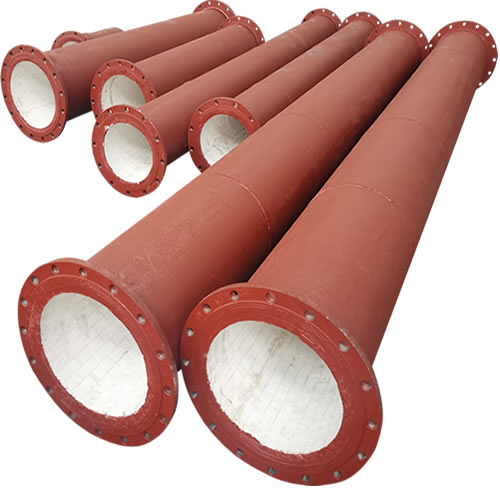
Ceramic tile lined pipes have very uniform coating of specially formulated ceramic material that is affixed to the inner of the pipe.
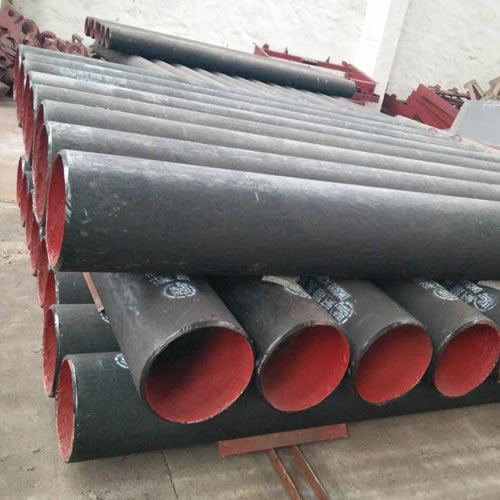
The material of the rare earth alloy wear-resistant pipe is ZG40CrMnMoNiSiRe, which is also the grade of rare earth alloy steel.
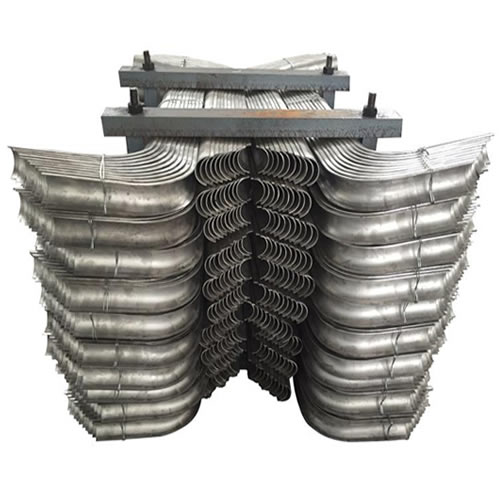
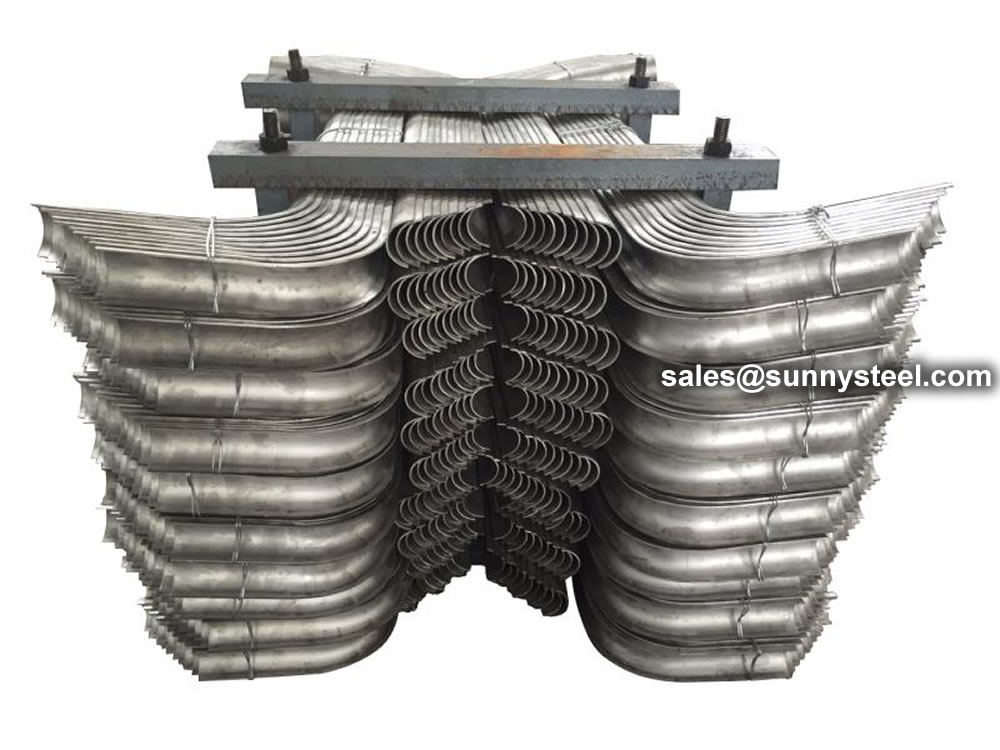
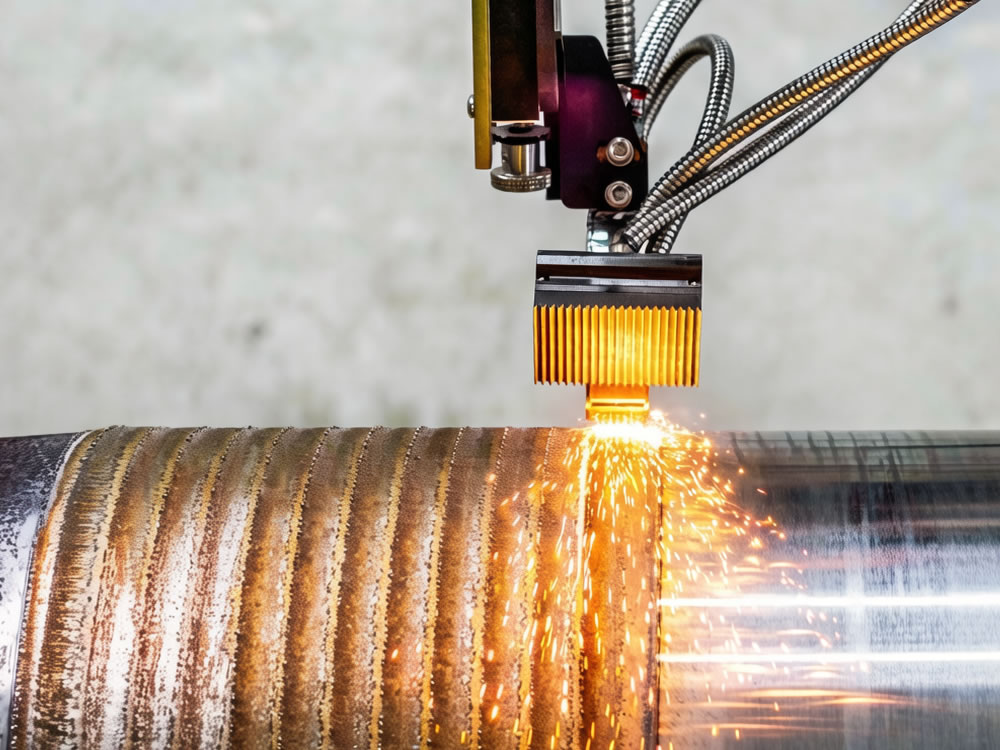
Tubes Erosion Shields are used to protect boiler tubing from the highly erosive effects of high temperatures and pressures thereby greatly extending tube life.
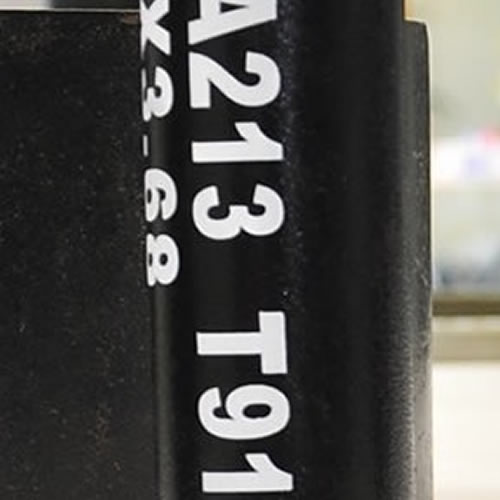
The ASTM A213 T91 seamless tubes are primarily used for boiler, superheater, and heat-exchanger.

When you partner with Sunny Steel, you can stop worrying about meeting deadlines thanks to our responsive and timely service. You'll also say goodbye to unnecessary shopping around. Instead, you'll get white glove service from an expert who understands your needs and can get you the materials you need quickly.