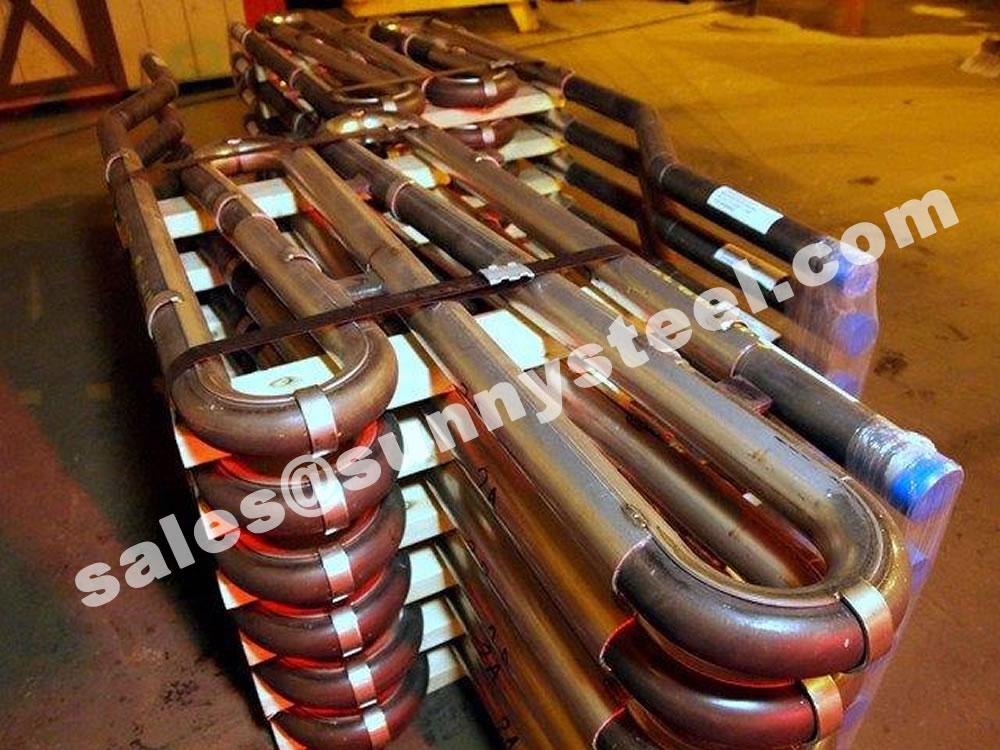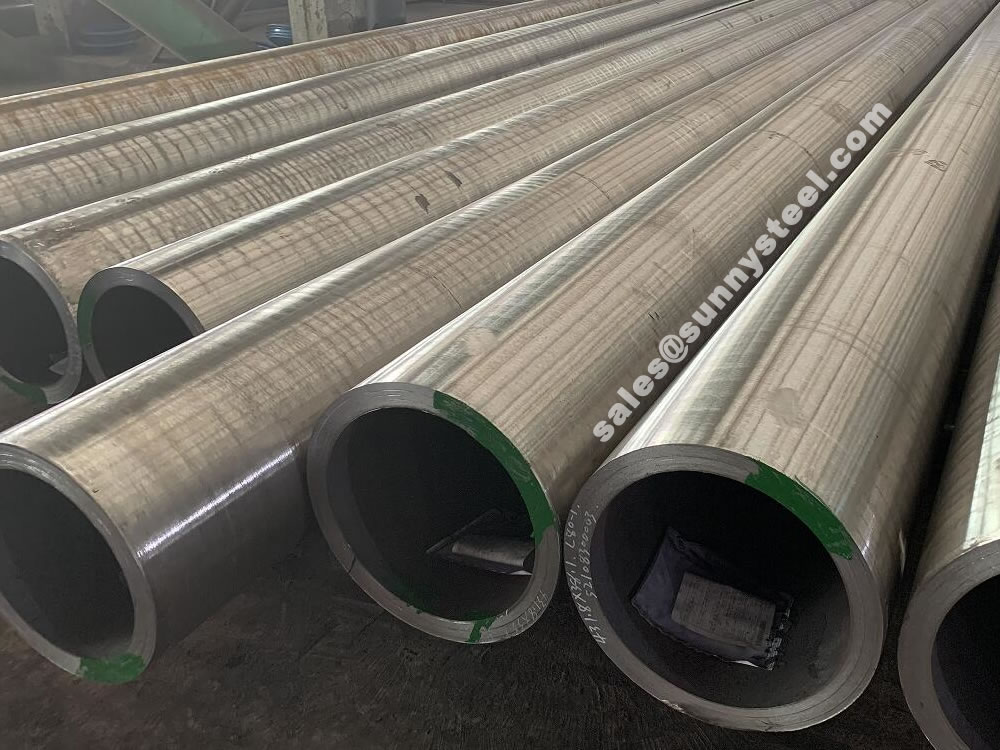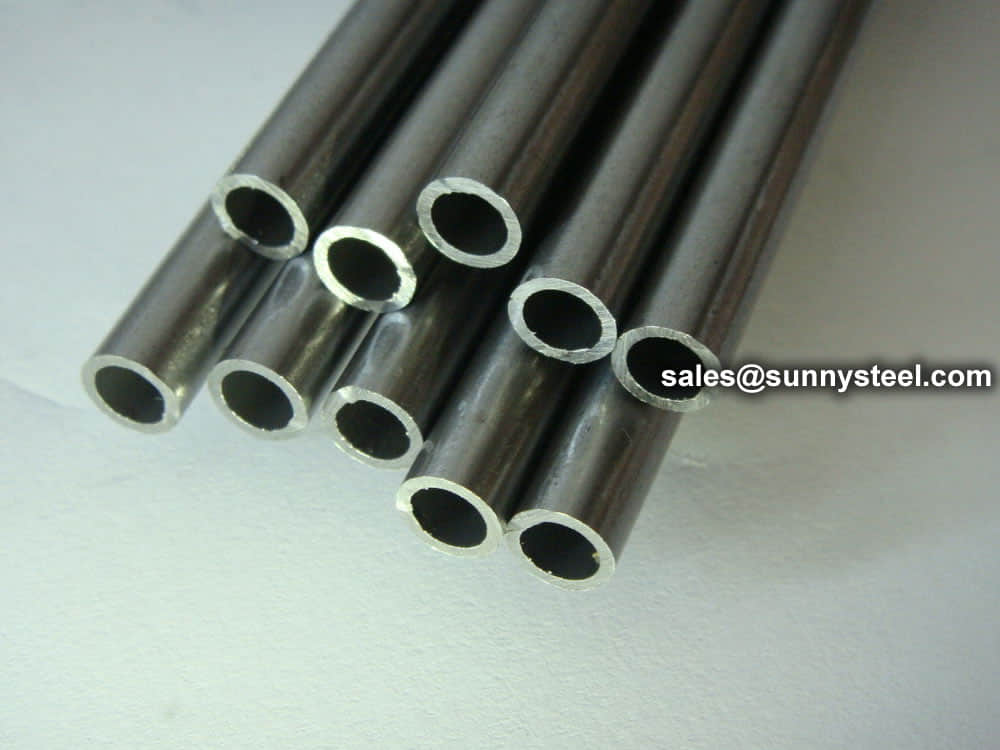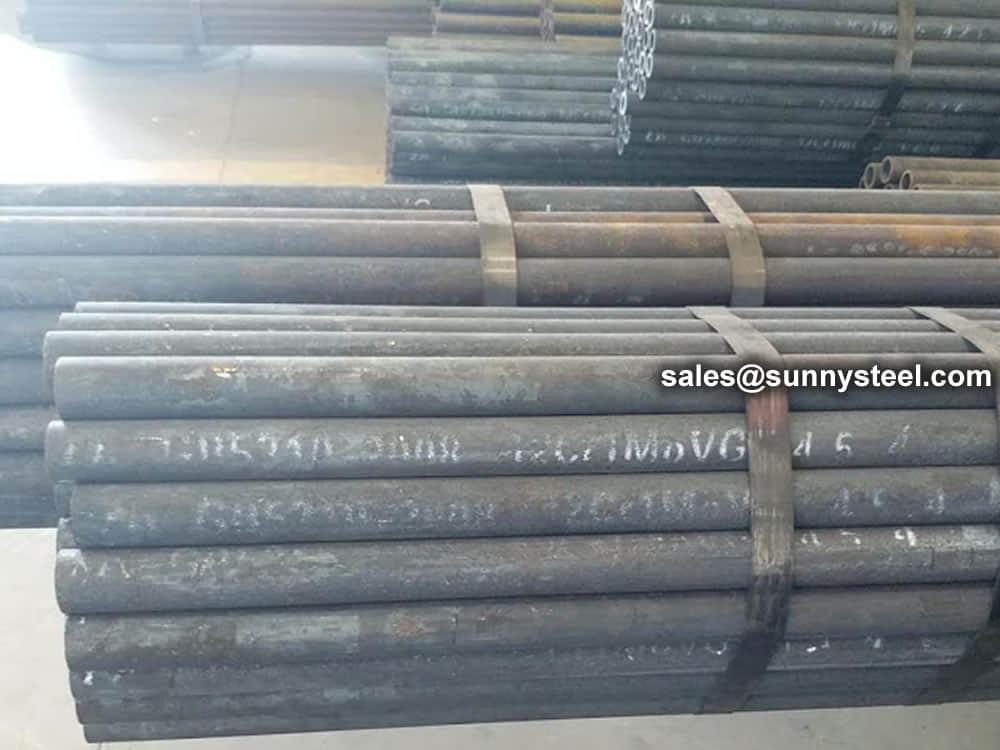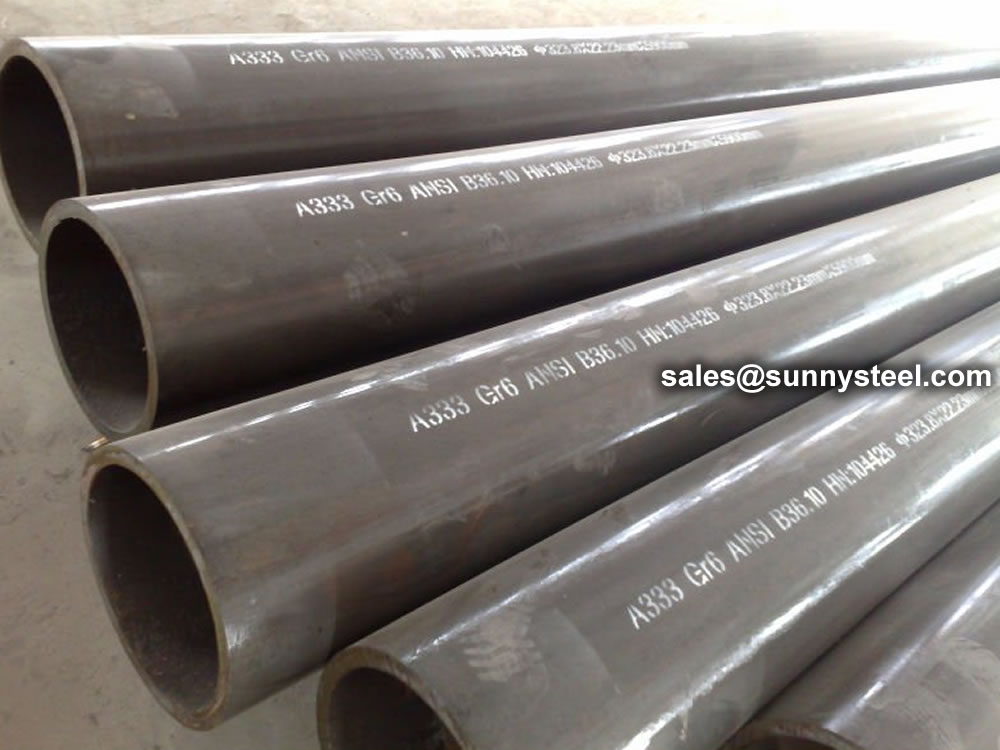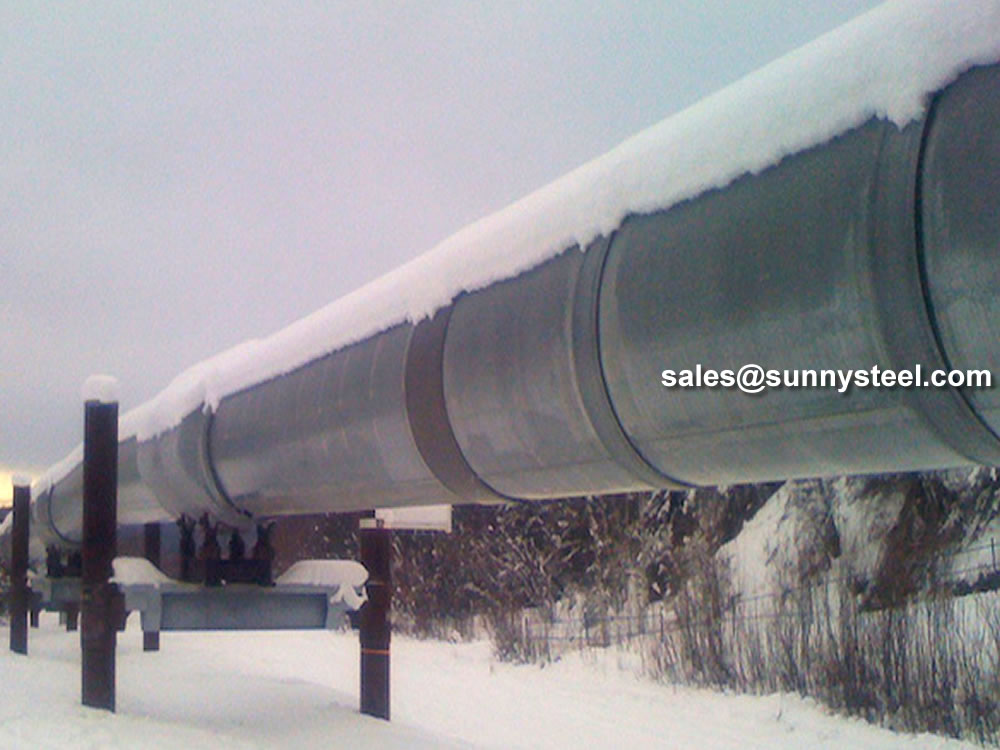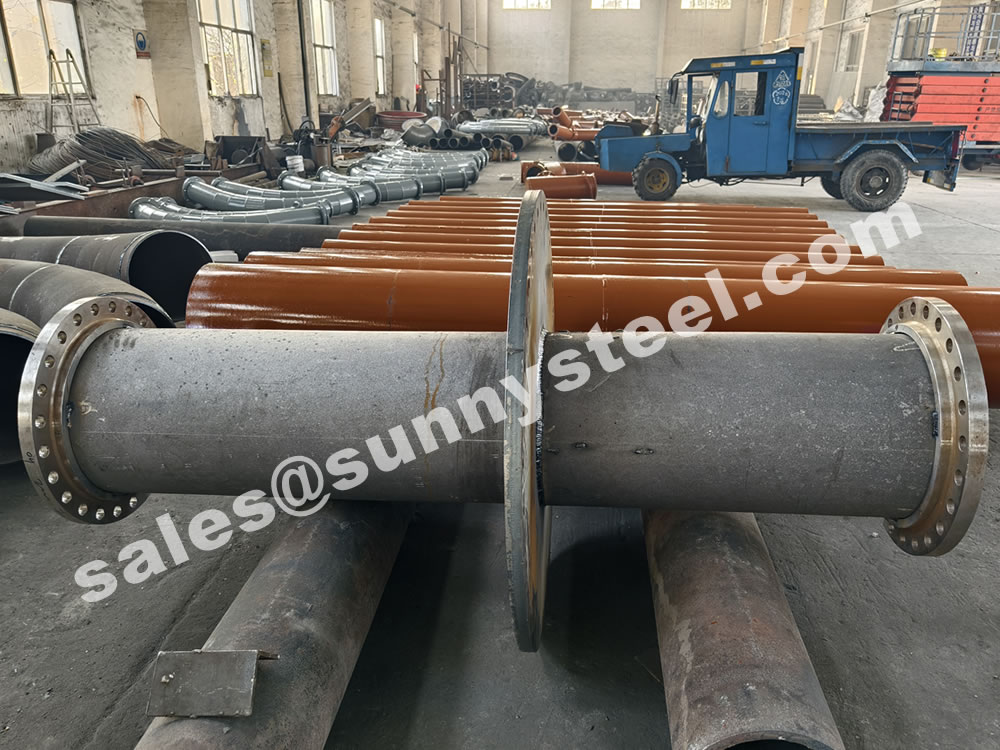

Waterwall tubes
Waterwall tubes - seamless steel tube
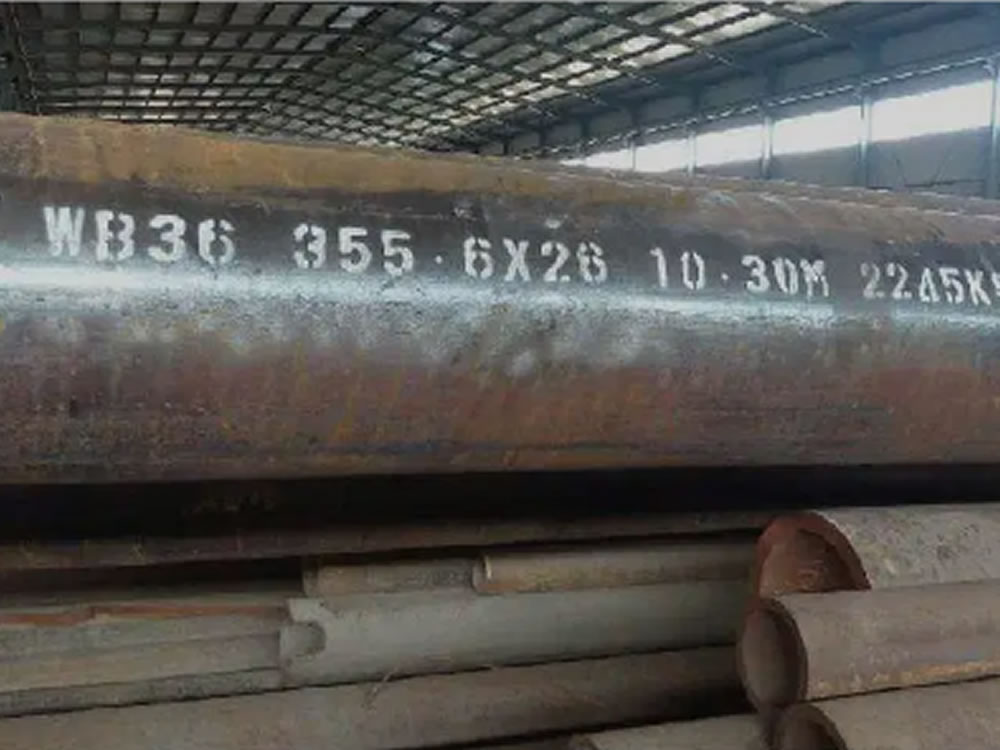
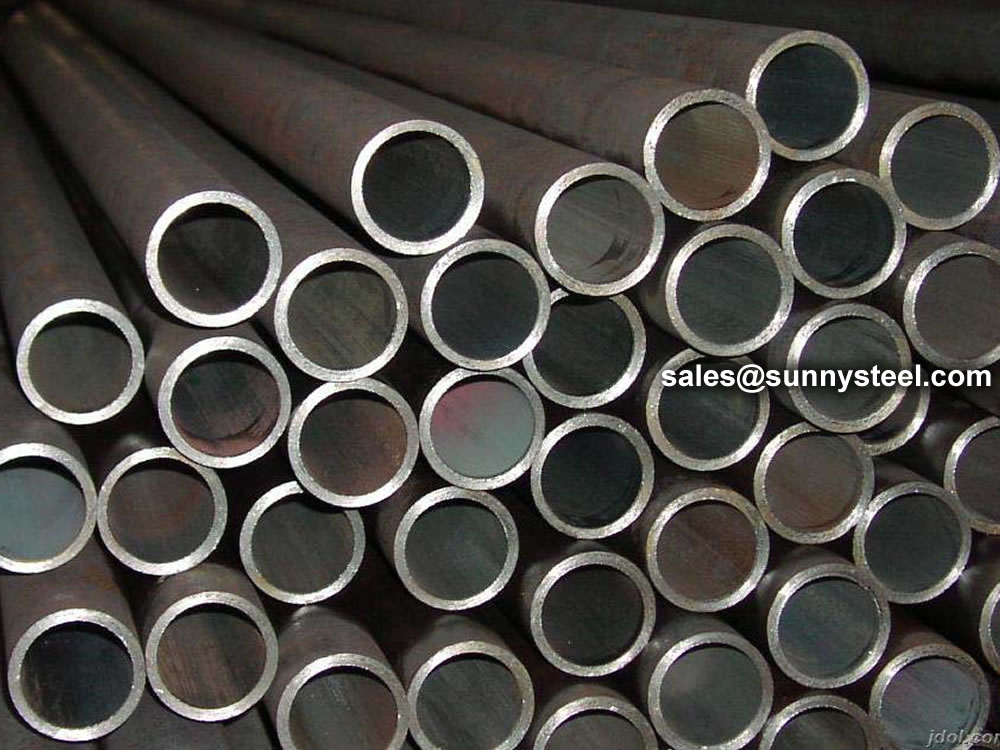
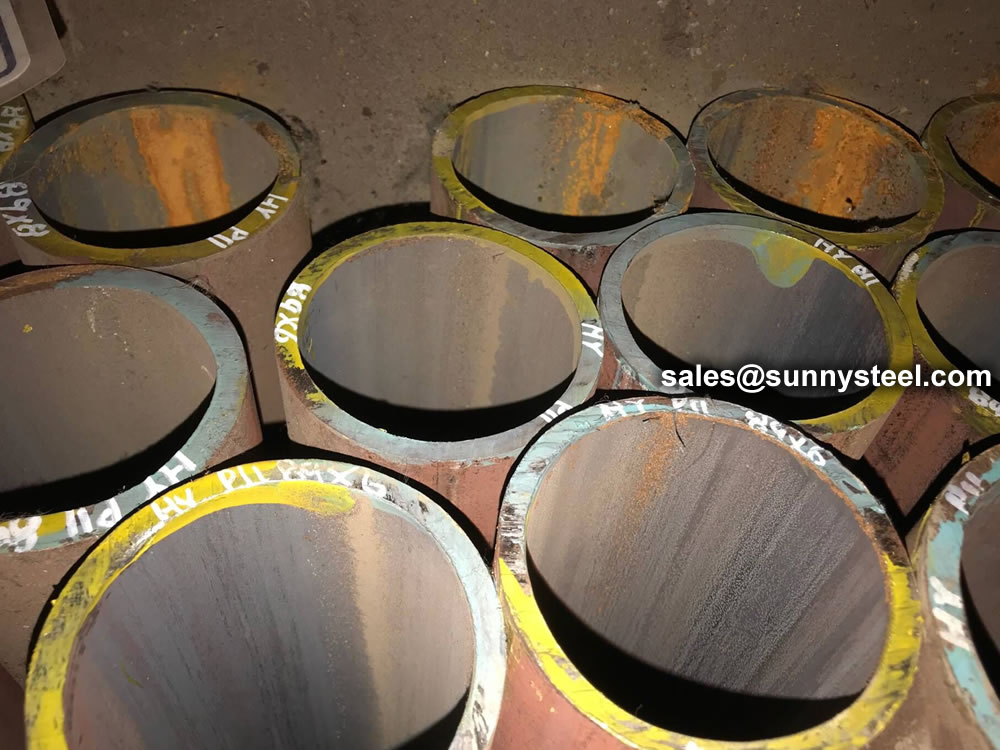
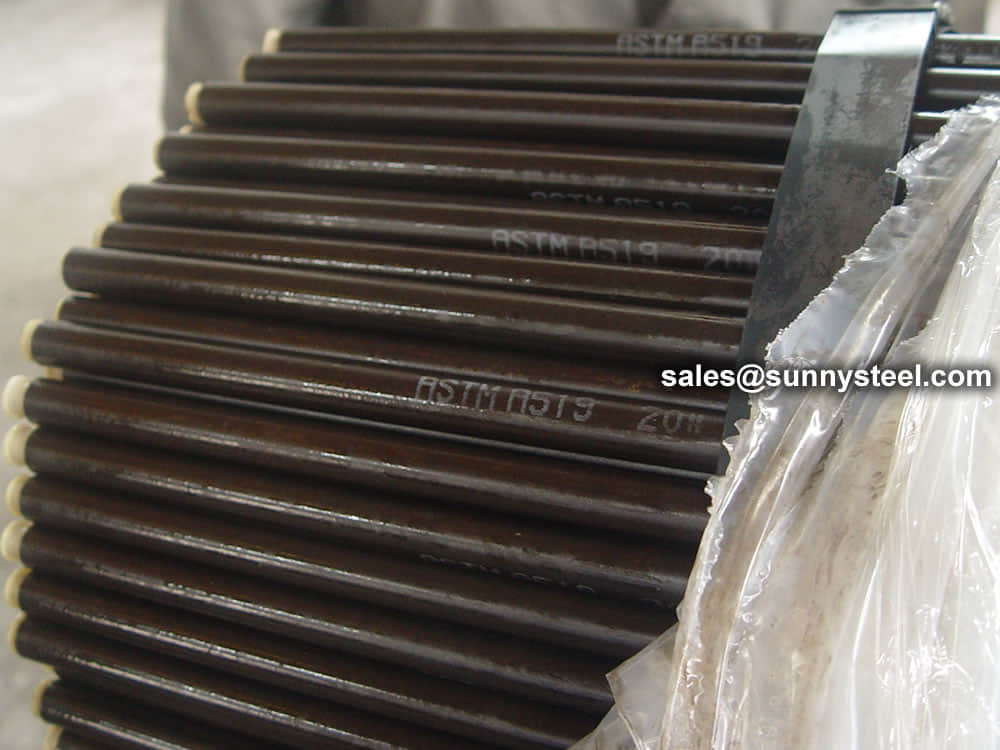
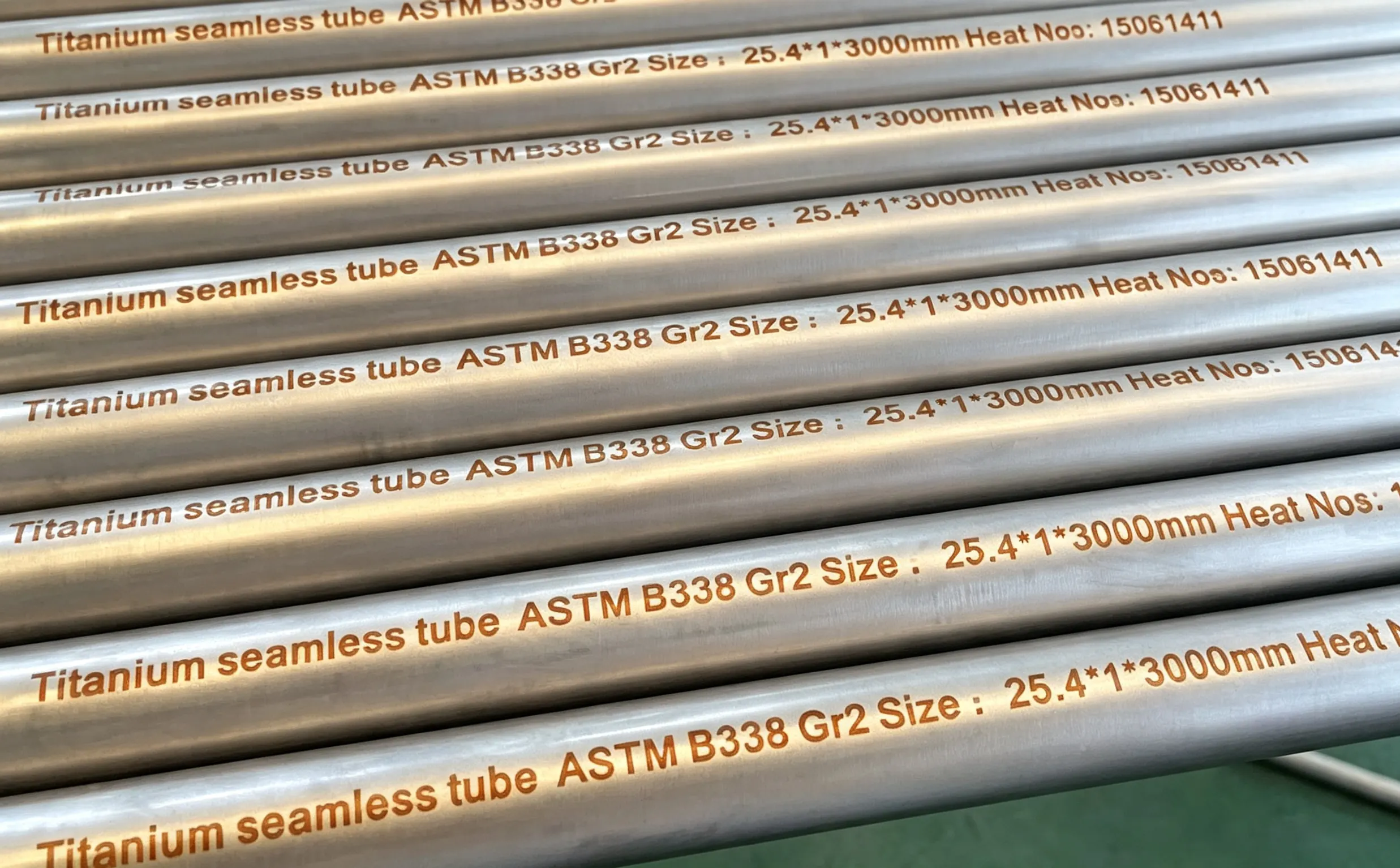
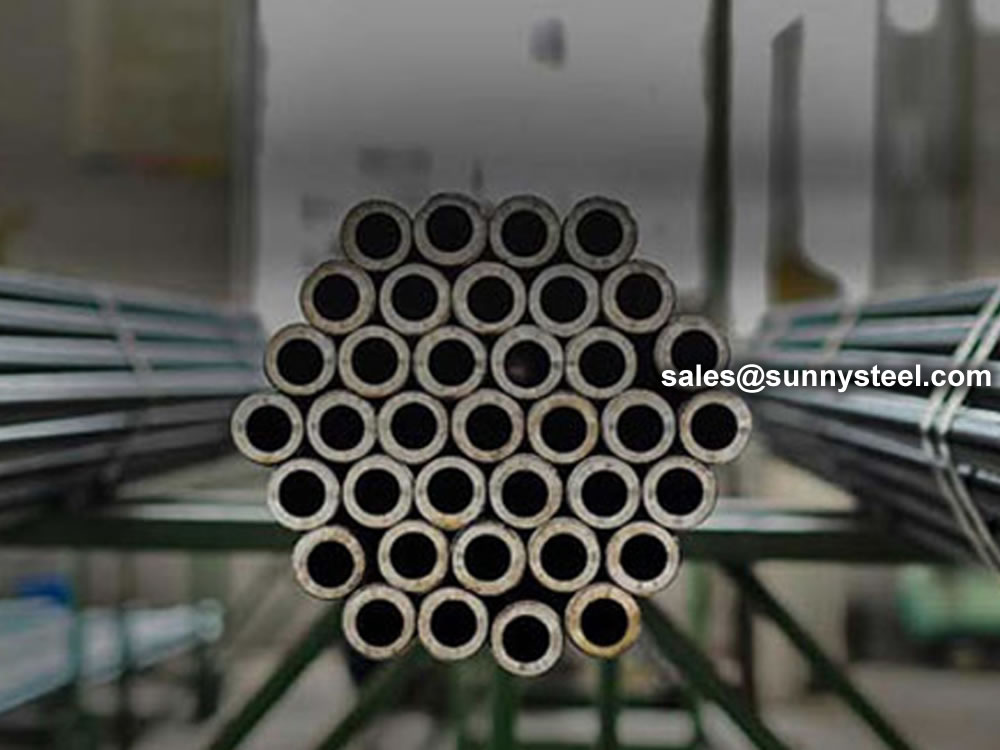
High-pressure boiler tubes are designed for use in boilers where steam or water is produced under high pressure.
Download PDFThese tubes absorb heat, converting water into steam, which is then used to generate power. Waterwall tubes are made from high-strength materials to withstand extreme temperatures and pressures. They are crucial for the boiler's efficiency, providing thermal insulation and protecting the furnace from heat damage. These tubes are commonly used in power plants and industrial boilers.
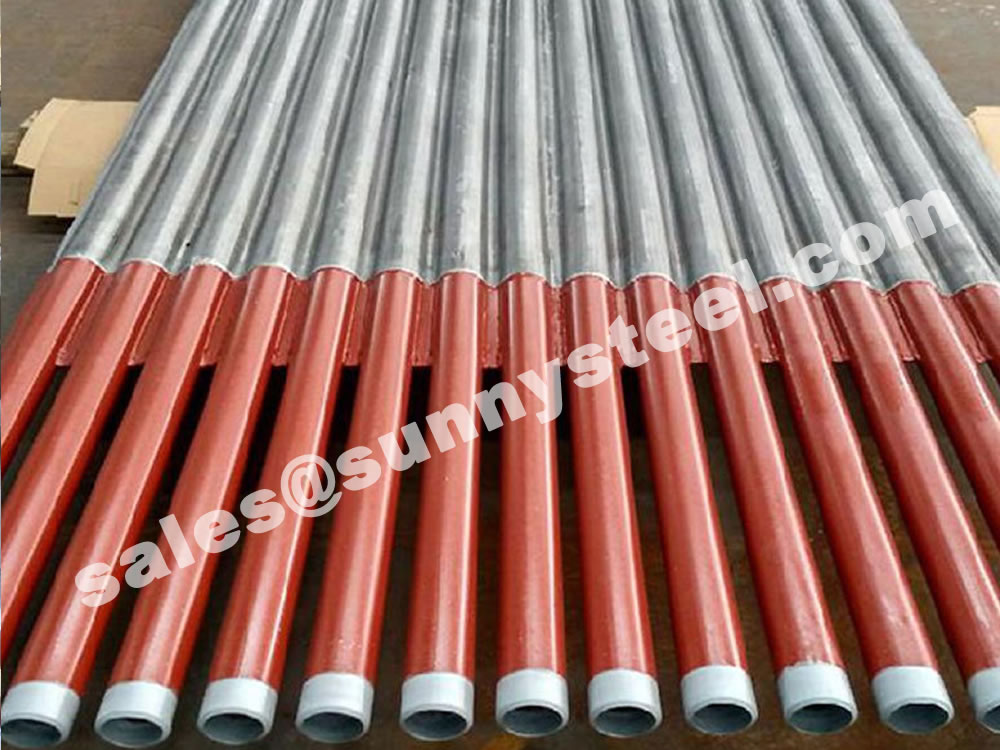
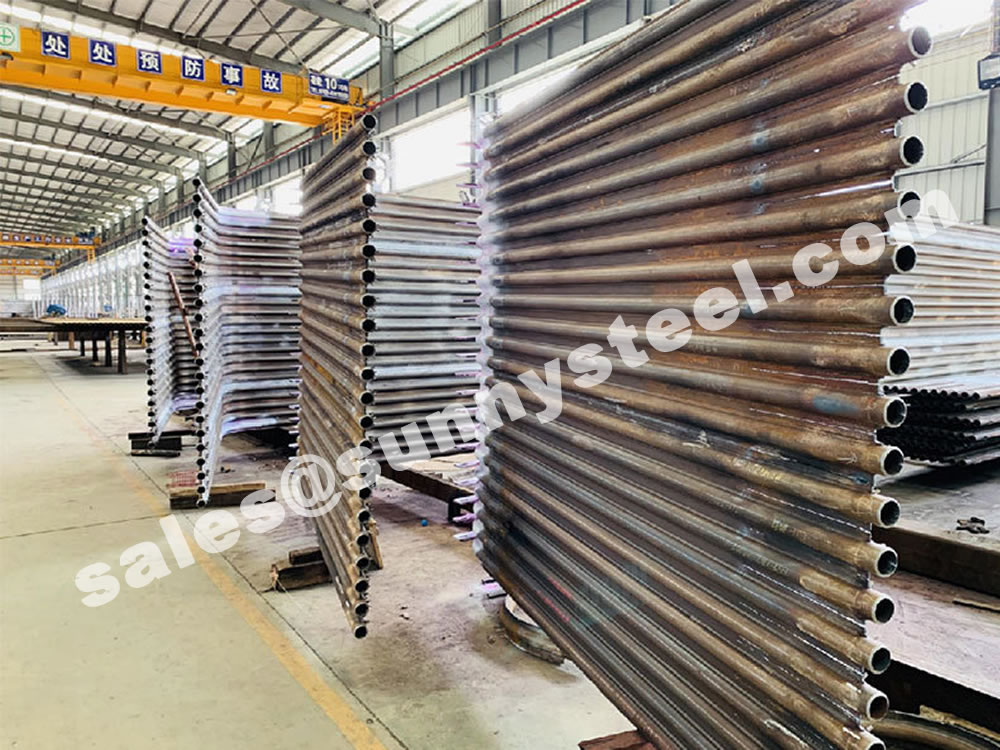
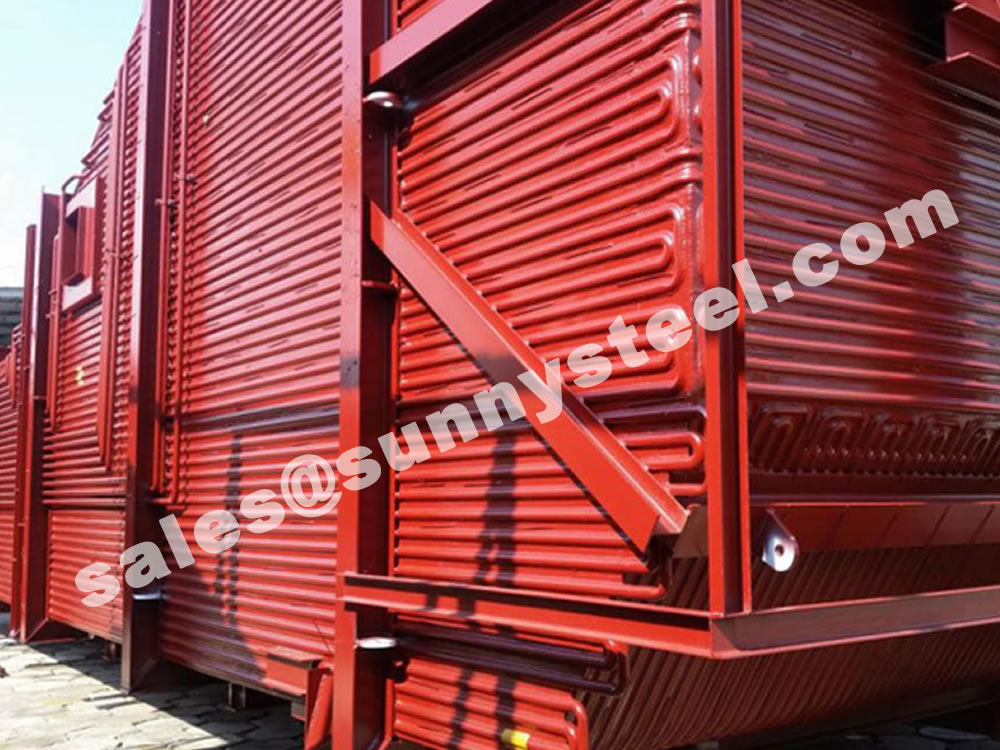
High-pressure boiler tubes belong to the category of seamless steel pipes, such as seamless carbon steel boiler tubes, which have very high requirements on the tightness of the steel pipes.
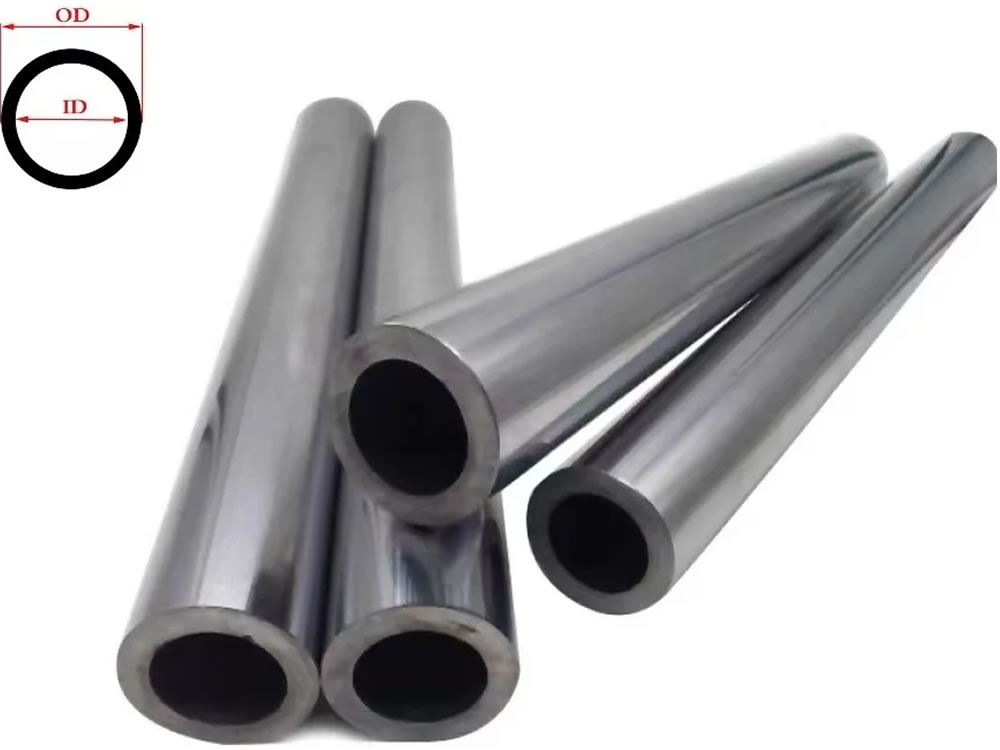
Boiler tubes refer to steel products that are open at both ends and have a hollow section. The ratio of its length to the surrounding area is large. According to the production method, it can be divided into seamless steel tubes and welded steel tubes. Wall thickness indicates a wide range of sizes, from capillary tubes with very small diameters to large-bore tubes up to several meters in diameter. Seamless steel pipes can be used in pipelines, thermal equipment, machinery industry, petroleum geological exploration, containers, chemical industry and special purposes.
The high-pressure boiler tube is employed in the manufacturing of seamless steel pipes for steam boilers operating at high temperatures and pressures, pipelines, furnace tubes for petrochemical applications, heat exchanger tubes, seamless steel pipes for pressure pipelines, high-pressure fertilizer equipment and pipelines, and seamless steel pipes for other chemical equipment.
The method of production is the same as that of seamless tubes, and the requirements are basically the same. However, the requirements for high-pressure boiler tubes are It is more demanding than ordinary boiler tubes. Because high-pressure boilers often operate in high-temperature and high-pressure environments, ordinary steel pipes cannot meet the operating requirements. This is one of the major reasons why special boiler tubes for high-pressure boiler tubes were born.
High-pressure boiler tubes are pivotal components not just for their ability to withstand elevated temperatures and pressures but also for their crucial role in resisting corrosion and oxidation. The operational environment of high-pressure boilers, frequently in contact with corrosive liquids, demands materials with exceptional resistance. Standard steel, when exposed to corrosive agents in water and steam, undergoes oxidation and corrosion, leading to substantial material wear. To mitigate building material costs, the initial material selection often leans towards anti-corrosion and anti-oxidation properties.
The performance expectations for these tubes are rigorous, emphasizing both rigidity and elasticity. High-pressure boilers, frequently subject to intense vibrations and impacts during operation, necessitate materials that surpass the capabilities of ordinary steel pipes.
The applications of high-pressure boiler tubes are diverse. They are prominently featured in the fabrication of water-cooled wall tubes and steam tubes, crucial components subjected to extremely high temperatures. In the automotive industry, these tubes find essential use in components like engine parts, where exposure to overheated steam and liquids makes ordinary pipes unsuitable due to the risk of corrosion.
Moreover, high-pressure boiler tubes play a key role in constructing ducts and air passages within high-pressure and ultra-high-pressure boilers. Their superior heat and gas conduction properties make them indispensable in ensuring the efficiency of these critical systems. These tubes are characterized by remarkable hardness, making them well-suited for deployment in demanding industrial testing environments.
In essence, the significance of high-pressure boiler tubes extends beyond their structural resilience; they embody a delicate balance of strength, corrosion resistance, and efficiency essential for the optimal functioning of high-pressure boiler systems.
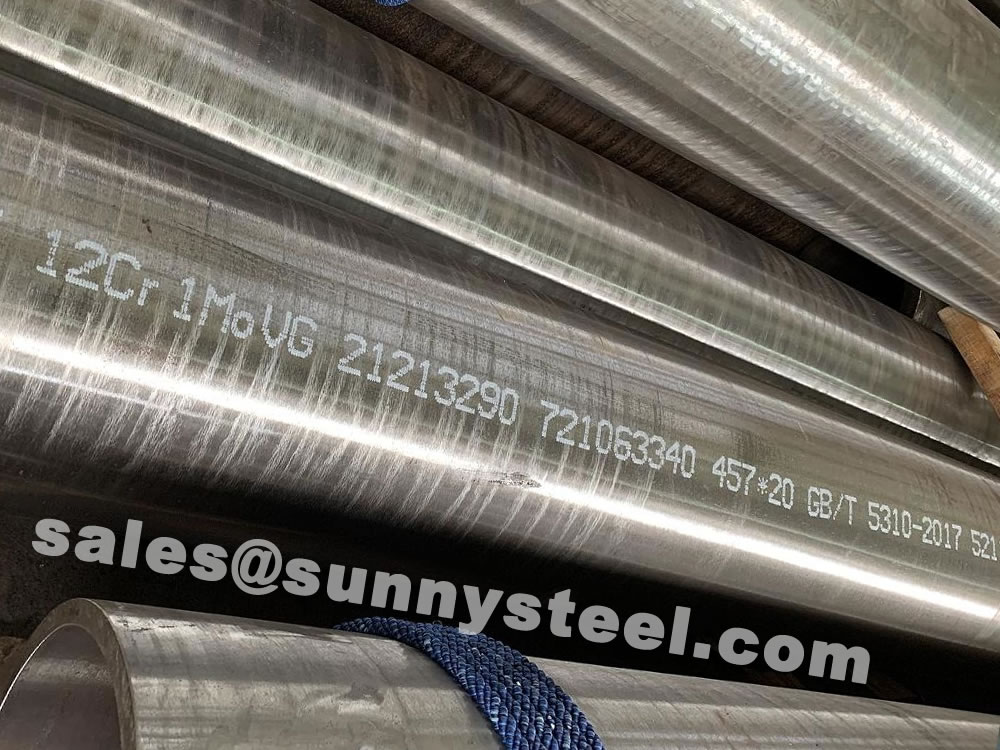
Chinese national standards: GB5310-2017
American Society of Mechanical Engineers (ASME):ASME SA-106, ASME SA-192M, ASME SA -209M, ASME SA-210M, ASME SA -213M, ASME SA -335M
Deutsches Institut für Normung: DIN17175
Japanese Industrial Standards: JIS G3462
Superheater and reheater of high pressure boilers operate under the most severe conditions. The tubes must meet the requirements of both creep strength and endurance strength while providing resistance to flue gas corrosion and fly ash erosion on the outer wall of the tubes, and resistance to steam oxidation on the inner wall, as well as good processing property and weldability.
In cases of boilers fired by low sulfur coal, from the perspective of creep strength, T91 tubes are suitable for superheater and reheater in SC and USC boilers when the tube wall temperature is ≤600°C. When the tube wall temperature is ≤620°C, T92, T122, and E911 tubes can be used. When the wall temperature is ≤650°C, NF12 and SAVE12 tubes can be used.
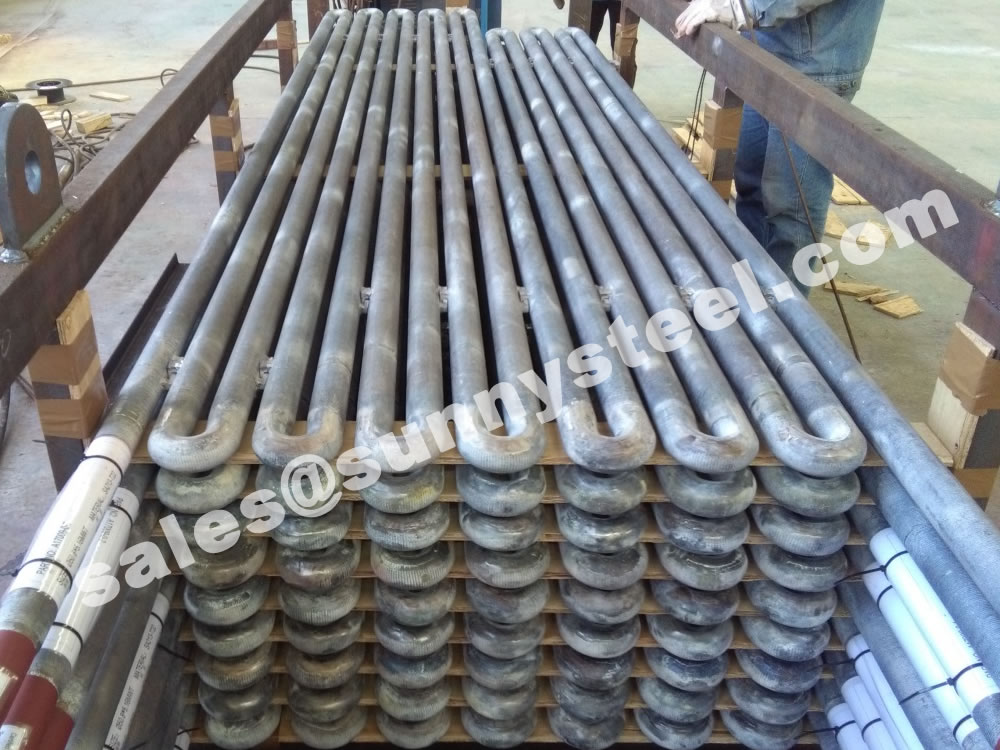
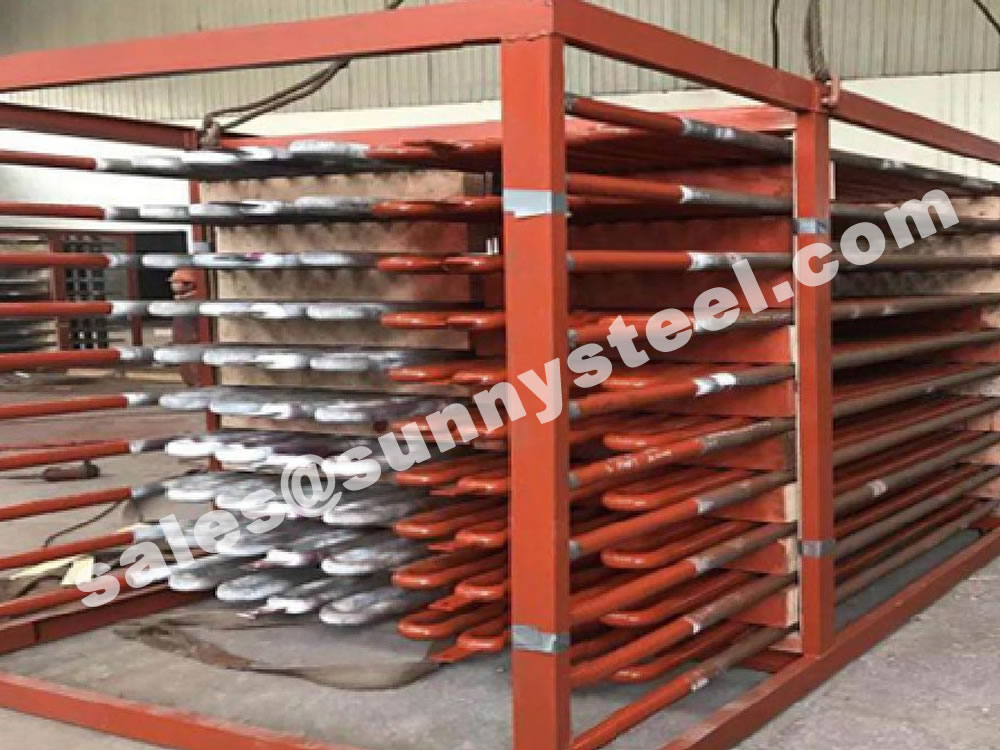
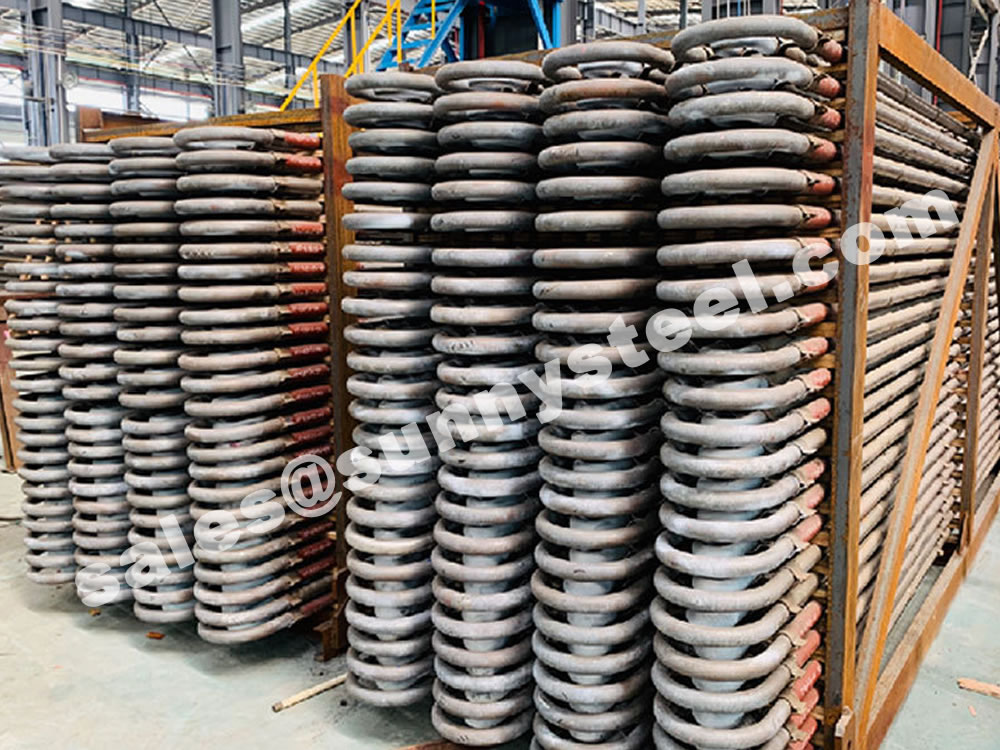
In cases of boilers fired by high sulfur coal, when the tube wall temperature is ≥600°C (steam temperature ≥566°C), austenitic heat-resistant steel such as TP304H, TP321H, TP316H, and TP347H should be selected for superheater and reheater tubes.
We specialise in offering automatic weld overlay process for boiler corrosion and erosion protection, which can help operators or owners of power plants to reduce high maintenance costs. Good solution to replace tube shields for critical boiler components such as superheater/reheater/economiser, corrosion and erosion protection.
Superheater tubes are used in boilers to raise the temperature of steam beyond its saturation point, producing superheated steam. This superheated steam is then directed to steam turbines, improving the overall efficiency of power generation systems. These tubes must withstand extremely high temperatures and pressures, requiring materials that offer exceptional heat resistance and durability.
Reheater tubes are used to reheat steam that has passed through the turbine, restoring its energy for further use in the turbine. This reheating process enhances the efficiency of power generation by ensuring that the steam maintains sufficient energy for subsequent stages of power production. Like superheater tubes, reheater tubes are made from materials that can endure high temperatures and pressures.
High pressure boiler tubes are typically made from high-strength materials like carbon steel or alloy steel to withstand extreme temperatures and pressures. They are used in power plants, industrial boilers, and steam generators. The tubes are essential for the safe and efficient operation of high-pressure systems, as they prevent leakage and maintain the integrity of the boiler. Their quality and specifications must adhere to strict industry standards, such as ASTM and ASME.
| Type | Specification (mm) | Steel Grade/Number | Standard | Typical Application |
|---|---|---|---|---|
| Low-Medium Pressure Boiler Tubes | O.D.:38–720 W.T.: 3.5–120 |
10 20 |
GB 3087 | Low-Medium pressure boiler heating pipes, headers, steam pipes |
| High-Medium Pressure Boiler Tubes | 20G 20MnG 25MnG 15MoG 12CrMoG 15CrMoG 12Cr2MoG 12Cr1MoVG 10Cr9Mo1VNbN 15Ni1MnMoNbCu |
GB 5310 | Used for working pressures exceeding 9.8 MPa and temperatures between 450–650°C, including headers, collectors, and steam pipes | |
| SA106A/B/C SA192 T1/T1a SA210A-1/C T/P2 T/P11 T/P12 T/P22 T23 T24 T/P91 T/P36 |
ASME SA106 ASME SA192 ASME SA209 ASME SA210 ASME SA213 ASME SA335 |
|||
| P195GH/P235GH/P265GH 16Mo3 13CrMo4-5 10CrMo9-10 15NiCuMoNb5-6-4 P355N |
EN 10216 | |||
| St35.8/St45.8 15Mo3 13CrMo44 10CrMo910 |
DIN 17175 |
The major way to improve power generation efficiency is to increase steam pressure and temperature in thermal power plant. Below is a table for relation between steam parameter, efficiency and coal consumption.
| Power generation unit | Steam pressure (MPa) | Steam temperature (°C) | Boiler efficiency (%) | Coal consumption (g/kW*h) |
|---|---|---|---|---|
| Medium pressure | 3.5 | 435 | 27 | 460 |
| High pressure | 9.0 | 510 | 33 | 390 |
| Ultra-high pressure | 13.0 | 535/535 | 35 | 360 |
| Subcritical | 17.0 | 540/540 | 38 | 324 |
| Supercritical | 25.0 | 567/567 | 41 | 300 |
| Ultra-supercritical | 30.0 | 600/600/600 | 48 | 256 |
From the above table, it can be seen that as steam pressure and temperature increase, power generation efficiency increases significantly while coal consumption decreases significantly. The technical challenge in improving steam parameters is the pressure and temperature resistance of boiler tubes. Pressure parts such as water wall, superheater, reheater, steam header and piping, which operate under harsh conditions, are our main concern in selecting suitable boiler tubes.
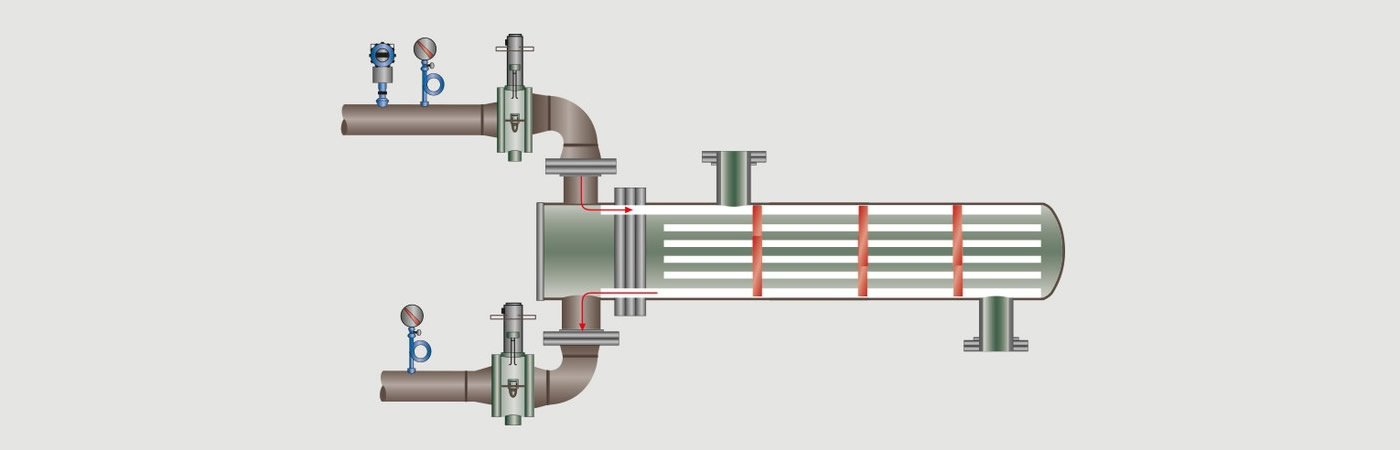
Steam header and pipeline tubes are vital components in steam distribution systems. The steam header collects steam from the boiler and distributes it through the pipeline tubes to various points of use. These tubes must withstand high pressures and temperatures, ensuring efficient and safe steam flow. Typically made from carbon steel, alloy steel, or stainless steel, these tubes are designed to prevent steam leakage and maintain system integrity, making them essential in power plants, refineries, and industrial boilers.
As the steam headers and piping are not exposed to flue gas, their wall temperature is close to the steam temperature. This requires that the steel used has sufficient creep strength, fatigue strength, steam oxidation resistance, good workability and weldability.
Due to the low coefficient of thermal expansion and high thermal conductivity of ferritic refractory steels, they will not cause severe fatigue damage to the header and piping under high start-up and shut-down rates. Therefore, ferritic refractory tubes are the preferred materials.
For steam headers and piping of SC and USC boilers, P91 tubes can be selected when the tube wall temperature is ≤600°C. When the temperature is ≤620°C, P92, P122 and E911 tubes can be used. If the temperature is ≤650°C, NF12 and SAVE12 tubes can be selected.
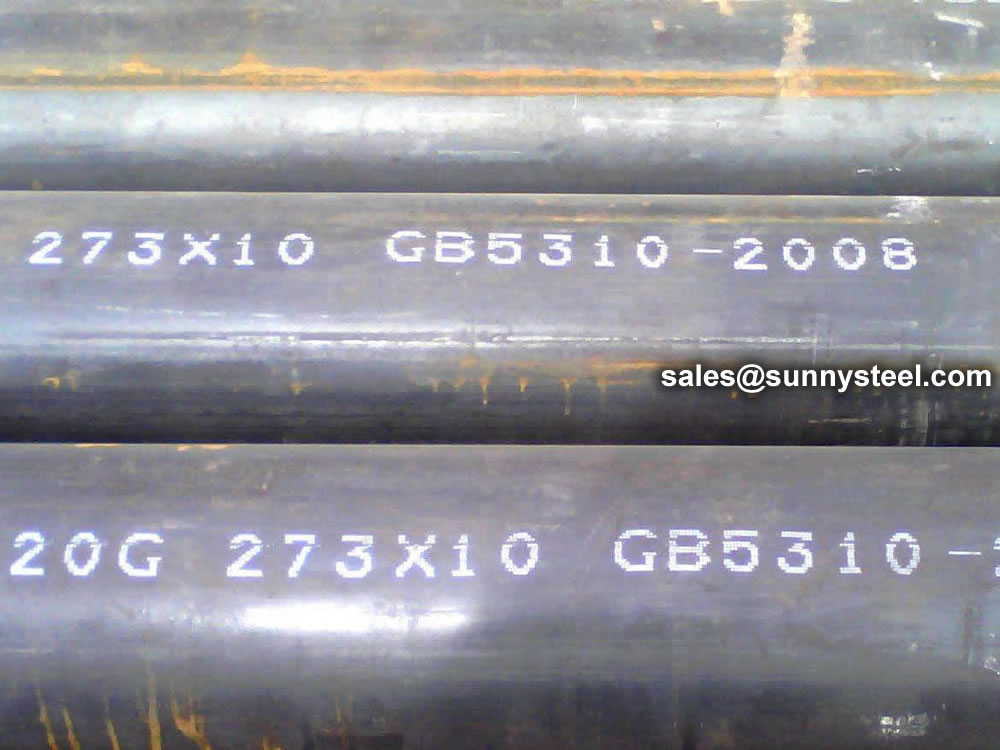
Boiler tube 20G is a high-quality low-alloy steel commonly used in high-pressure boiler systems. This material is known for its excellent mechanical properties, weldability, and corrosion resistance, making it ideal for manufacturing various boiler components such as water wall pipes, economizer pipes, superheater pipes, and reheater pipes in power plants. The 20G boiler tube is designed to withstand high temperatures and pressures, conforming to the Chinese GB/T 5310 standards for seamless steel tubes used in high-pressure boilers.
Boiler tube 20G (National Standard GB5310, equivalent to DIN ST45.8, JIS STB42, ASME SA106B) is the most widely used steel whose chemical composition and mechanical properties are basically the same as 20#. 20G pipe has good strength at medium & high temperatures. Its low carbon content gives it good plasticity and toughness. Its hot & cold forming and welding performance is good.
20G boiler tube is mainly used to produce high pressure, SC and USC boiler parts such as superheater, reheater, economiser and water wall, etc. As graphitisation occurs in carbon steel after long-term operation at a temperature above 450°C, the temperature limit of 20G tube is better to be lower than that. Within this range, 20G tube can meet the material requirement for superheater and piping, and has good oxidation resistance, plasticity, toughness and weldability.
ASME SA106C tube is a high-temperature, seamless carbon steel pipe used in applications that involve extreme heat and high pressure, such as in power plants, refineries, and chemical industries. The "C" grade indicates a higher carbon content, providing greater tensile strength and heat resistance compared to grades A and B. ASME SA106C tubes are commonly used in boiler systems, heat exchangers, and pressure vessels where durability and performance under stress are critical. They meet the strict standards set by the ASME (American Society of Mechanical Engineers).
SA106C is a seamless carbon steel tube for high temperature applications. Its chemical composition is similar to 20G, but C and Mn content is higher, so yield strength is about 12% higher, while plasticity and toughness are acceptable. It could reduce tube wall thickness by about 10% if used to make steam headers instead of 20G. This could save some material cost, reduce welding work and reduce stress on the steam header during boiler start-up.
ASME SA209 tube is a specification covering seamless carbon-molybdenum alloy-steel tubes designed for high-temperature service. These tubes are primarily used in boiler systems, heat exchangers, and other pressure applications where elevated temperatures are common. The molybdenum content in SA209 tubes enhances their strength and heat resistance, making them suitable for environments where durability and performance are critical. These tubes are manufactured according to strict ASME (American Society of Mechanical Engineers) standards, ensuring high quality and reliability in demanding industrial applications.
SA209 Grade T1a (called 20MoG in China) is an alloy steel seamless boiler pipe. As it contains Mo element, its heat resistance performance is better than carbon steel. It tends to graphitisation under high temperature in long-term operation. SA-209 grade T1a could be used to produce water wall, superheater and reheater, the tube wall temperature should not exceed 510°C.
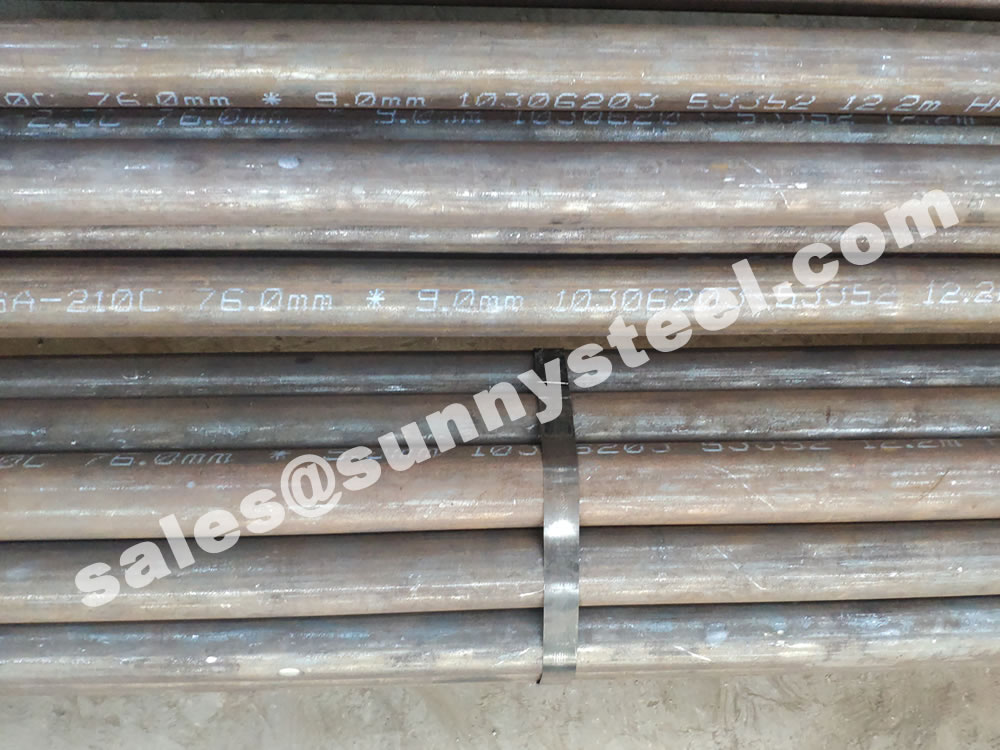
ASME SA210C tube is a seamless medium-carbon steel tube used primarily in boiler and superheater applications where high pressure and temperature are common. The "C" grade in SA210C indicates a higher carbon content, which provides greater strength and hardness, making it suitable for more demanding service conditions compared to other grades in the SA210 series. These tubes are manufactured according to the stringent standards of the American Society of Mechanical Engineers (ASME), ensuring high quality and durability in high-temperature environments.
SA210C (called 25MnG in China) is a pearlitic heat resistant steel that could be used as a small diameter boiler tube. Its chemical composition is similar to that of 20G, except that the C and Mn contents are higher. So its yield strength is about 20% higher than 20G, while plasticity and toughness are quite close to 20G. It could thin tube wall thickness, reduce material consumption and improve heat transfer when used to replace 20G. SA210C tube is mainly used to manufacture water wall, economiser, superheater which works under temperature lower than 500°C.
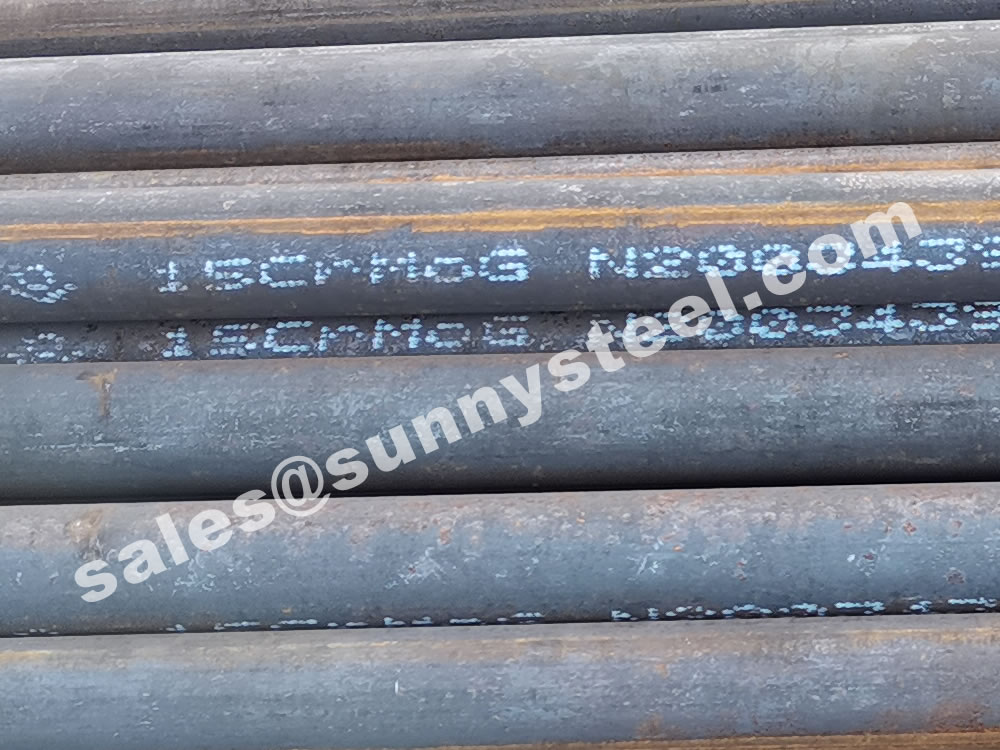
15CrMoG tube is a seamless alloy steel tube primarily used in high-pressure and high-temperature applications such as boilers and power plants. The "15CrMoG" designation indicates the tube is made from steel containing 15% chromium and molybdenum, which enhances its strength, heat resistance, and corrosion resistance. These properties make it ideal for use in harsh environments where durability and reliability are critical. 15CrMoG tubes conform to Chinese GB standards and are widely used in the manufacturing of superheaters, headers, and steam pipelines.
15CrMoG boiler tube has good heat resistance below 500~550°C. Graphitisation will not occur within this range in long-term operation. When the temperature exceeds this limit, its heat resistance will decrease significantly. 15CrMoG is mainly used to produce superheater, steam header and piping, etc.
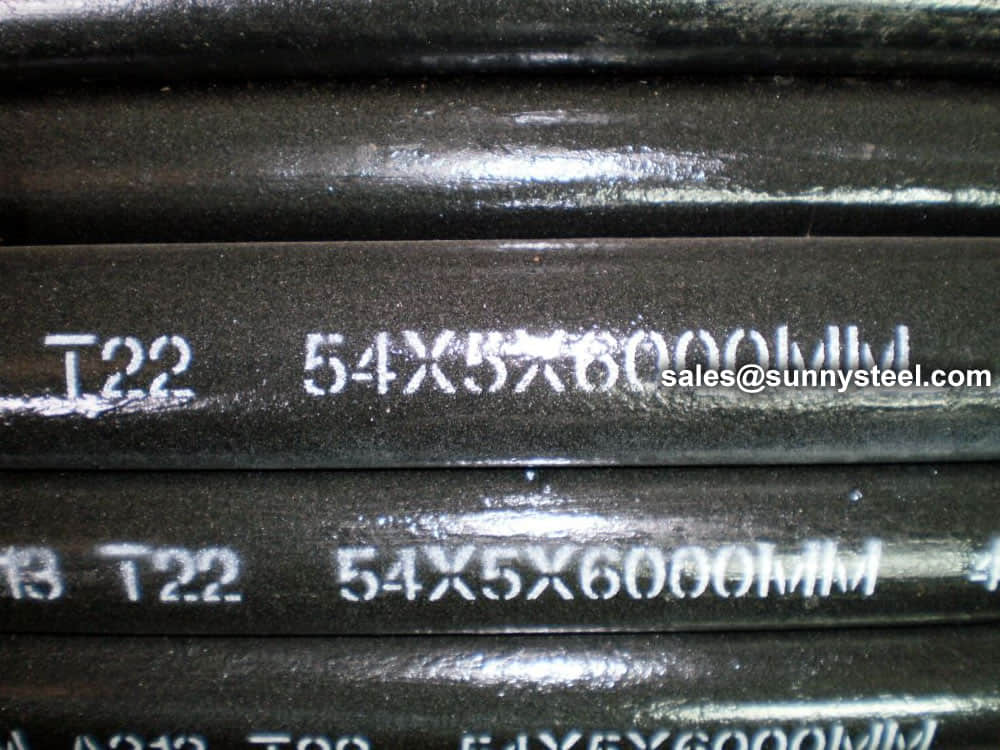
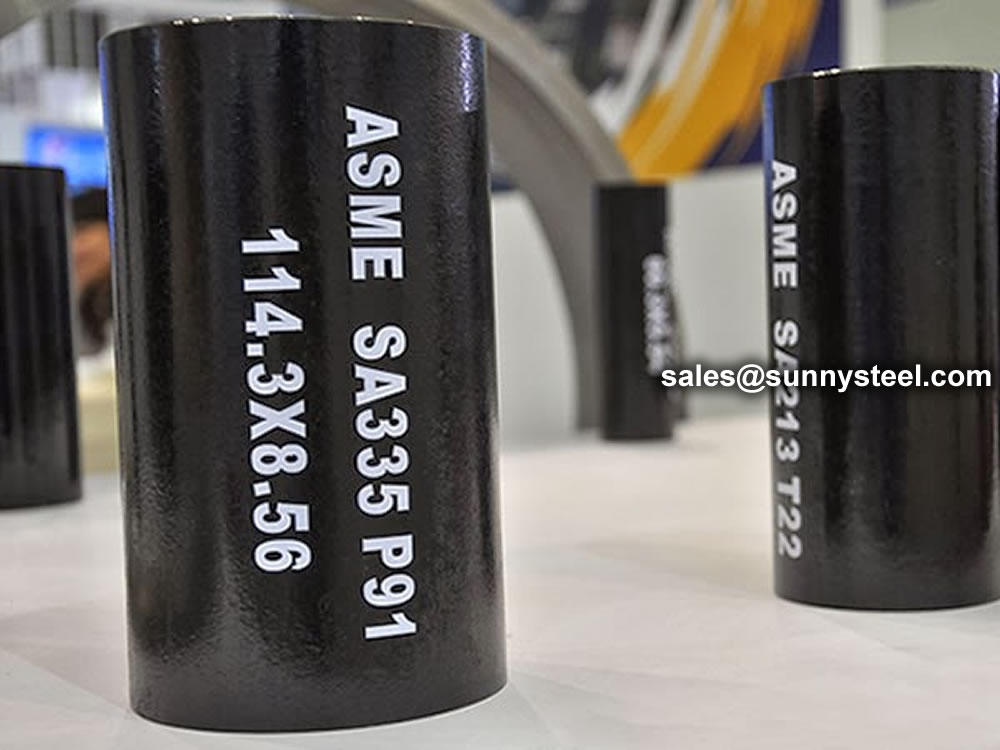
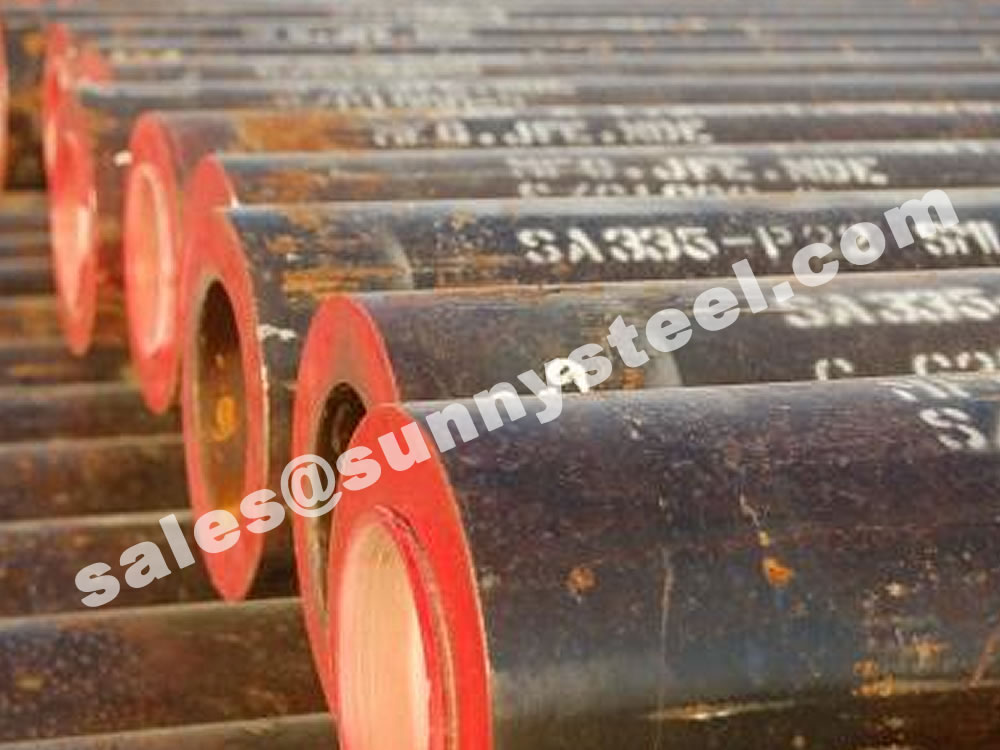
The ASME SA213 T22 and SA335 P22, along with the 12Cr2MoG tube, are materials used in high-temperature applications, such as power plants and petrochemical industries.
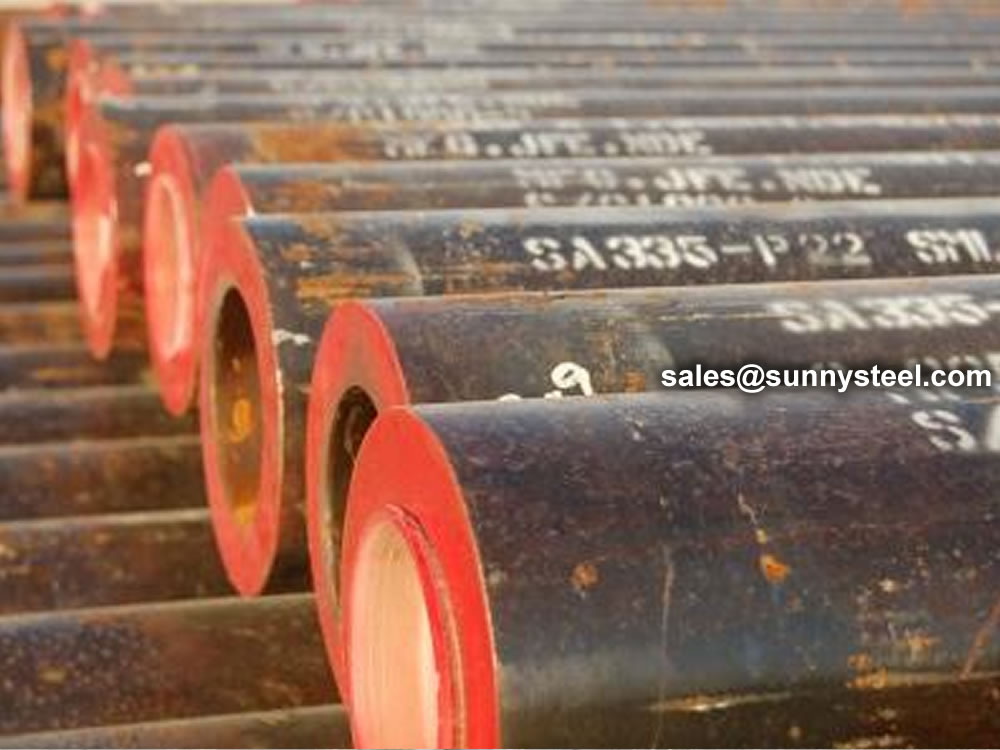
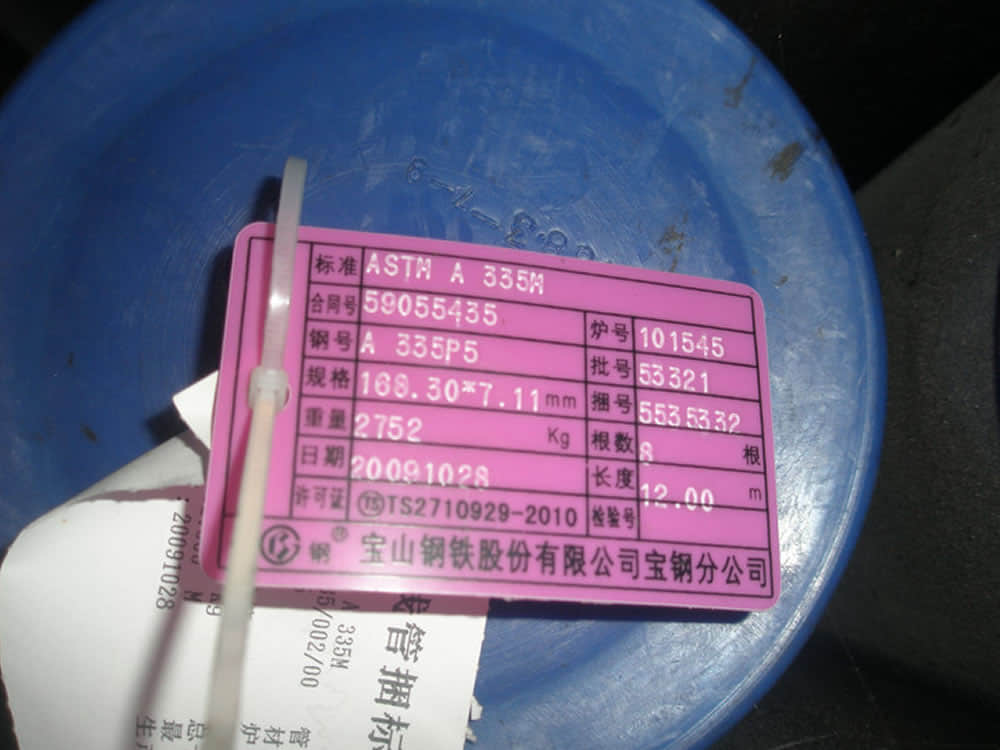
SA335 P22 is a seamless ferritic chromium-molybdenum alloy steel pipe covered by ASME SA335 P22 (UNS K21590) is a seamless ferritic chromium-molybdenum alloy steel pipe covered by ASME SA335 / ASTM A335M standard, specially manufactured for high-temperature, high-pressure industrial service.
It is widely called 2.25Cr‑1Mo steel for its core alloy composition: 1.90–2.60% Chromium and 0.87–1.13% Molybdenum.
12Cr2MoG is a Chinese national standard heat-resistant alloy seamless steel tube under GB/T 5310, is the domestic equivalent grade of ASME SA335 P22 (2.25Cr-1Mo).
The suffix "G" stands for "Guolu", meaning boiler dedicated tube, specially produced for power station boiler high-temperature pressure-bearing parts.
12Cr1MoVG is a Chinese national standard heat-resistant alloy seamless steel tube under GB/T 5310, is the domestic equivalent grade of ASME SA335 P22 (2.25Cr-1Mo).
The suffix "G" stands for "Guolu", meaning boiler dedicated tube, specially produced for power station boiler high-temperature pressure-bearing parts.
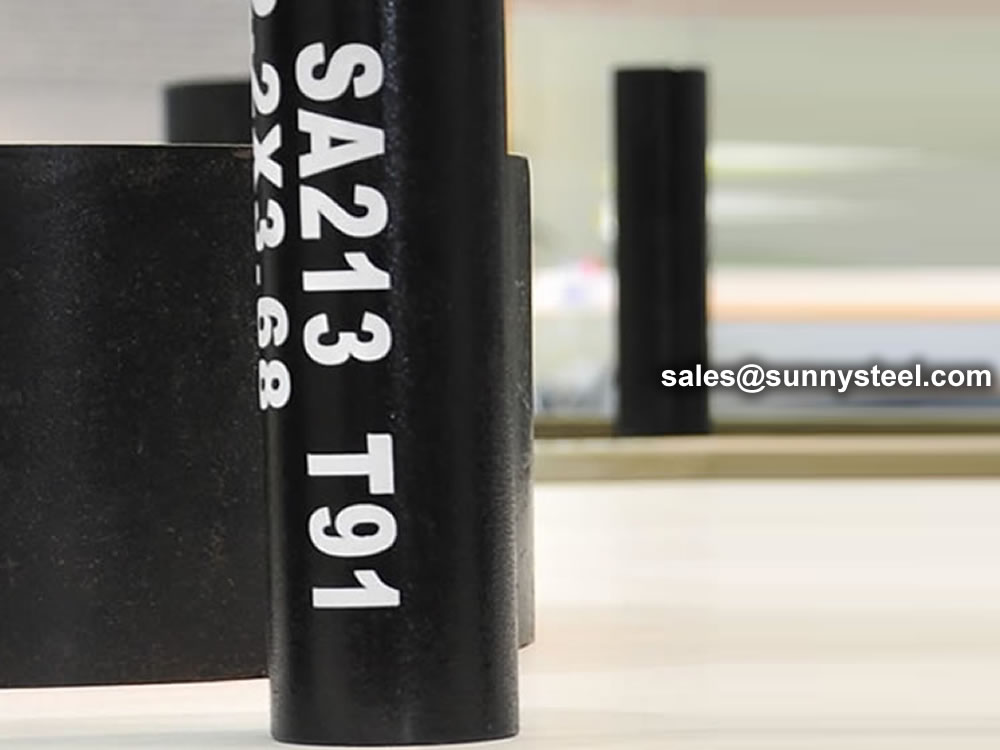
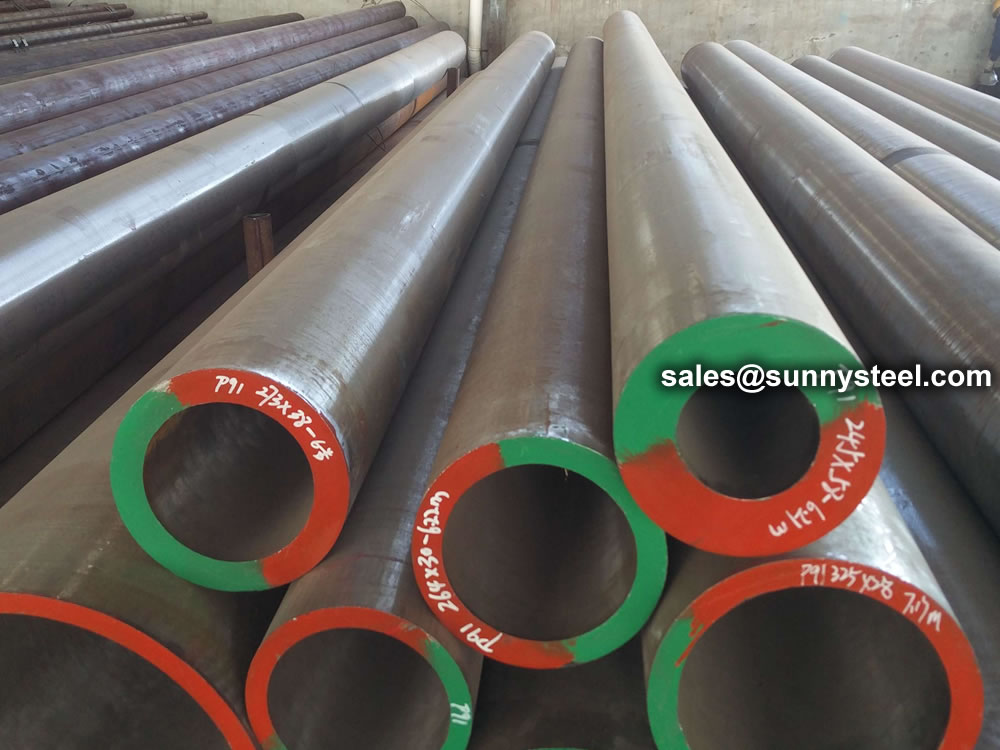
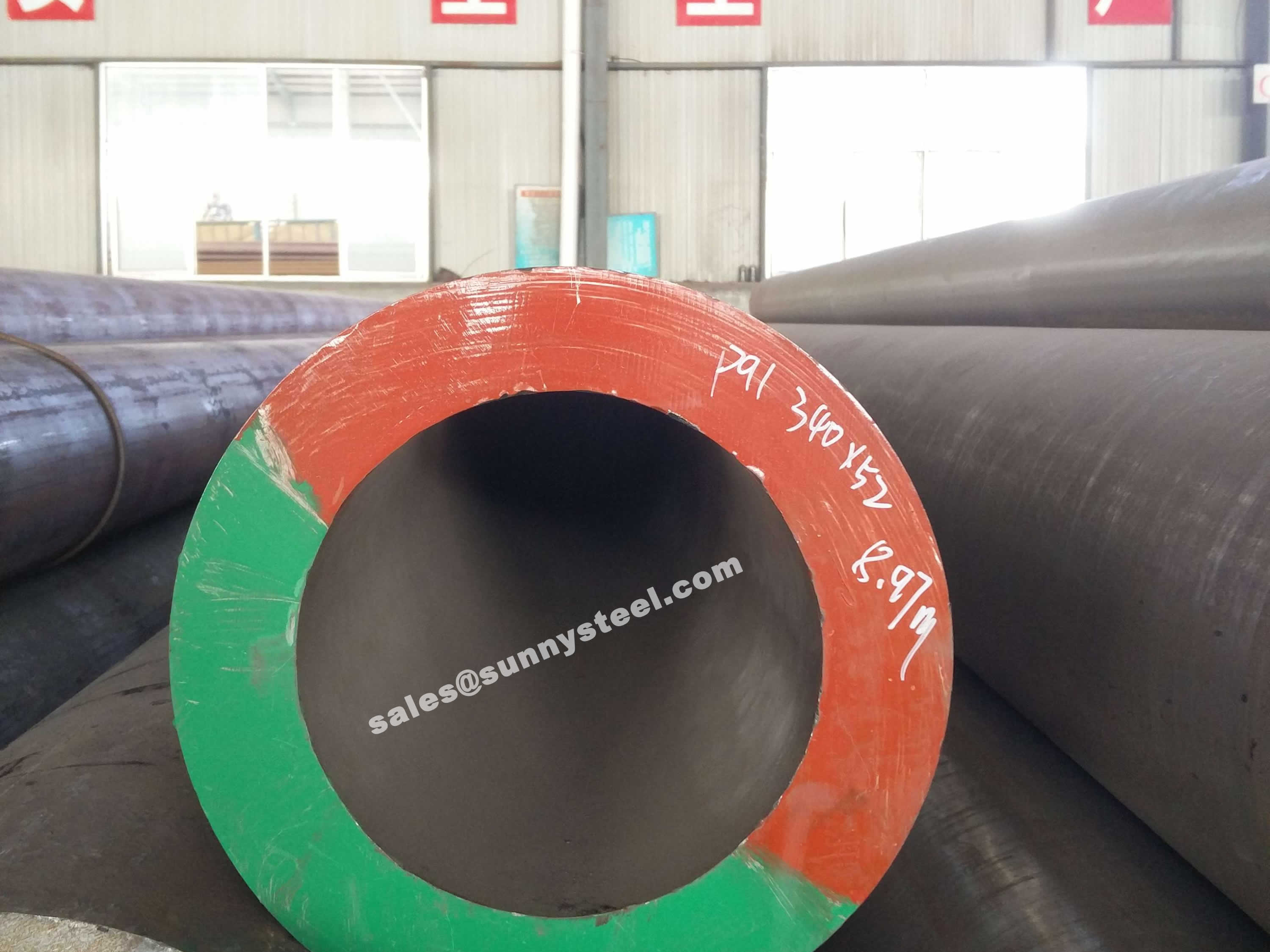
ASME SA213 T91 is a martensitic heat-resistant alloy seamless tube specified under ASME SA213 standard, also known as 9Cr-1Mo-V steel.
It is a widely used advanced ferritic heat-resistant tube for high-temperature boiler and power station service, with vanadium and niobium microalloyed to upgrade long-term high-temperature performance.
ASME SA335 P91 is designed for thick-wall high-pressure main steam pipelines, headers and large-diameter pressure piping, while T91 targets thin-wall boiler heat exchange tubes.
It is also named 9Cr‑1Mo‑V ferritic martensitic steel with V & Nb microalloying.
ASME SA213 T92 is a martensitic heat-resistant alloy seamless tube specified under ASME SA213 standard, also known as 9Cr-1Mo-V steel.
It is a widely used advanced ferritic heat-resistant tube for high-temperature boiler and power station service, with vanadium and niobium microalloyed to upgrade long-term high-temperature performance.
The physical properties of high pressure boiler tubes are critical for its performance in high-temperature and high-pressure applications.
| Standard | Grade | Tensile strength (MPa) | Yield strength (MPa) | Elongation (%) | Hardness |
|---|---|---|---|---|---|
| GB5310 | 20G | 410~550 | ≥245 | ≥24 | -- |
| 20MnG | ≥415 | ≥240 | ≥20 | -- | |
| 25MnG | ≥485 | ≥275 | ≥24 | -- | |
| 15CrMoG | 440~640 | ≥235 | ≥22 | -- | |
| 12Cr2MoG | 450~600 | ≥280 | ≥20 | -- | |
| 12Cr1MoVG | 470~640 | ≥255 | ≥21 | -- | |
| 12Cr2MoWVTiB | 540~735 | ≥345 | ≥18 | -- | |
| 10Cr9Mo1VNb | ≥585 | ≥415 | ≥20 | -- | |
| ASME SA210 | SA210A-1 | ≥415 | ≥255 | ≥30 | ≤143HB |
| SA210C | ≥485 | ≥275 | ≥30 | ≤179HB | |
| ASME SA213 | SA213 T11 | ≥415 | ≥205 | ≥30 | ≤163HB |
| SA213 T12 | ≥415 | ≥220 | ≥30 | ≤163HB | |
| SA213 T22 | ≥415 | ≥205 | ≥30 | ≤163HB | |
| SA213 T23 | ≥510 | ≥400 | ≥20 | ≤220HB | |
| SA213 T91 | ≥585 | ≥415 | ≥20 | ≤250HB | |
| SA213 T92 | ≥620 | ≥440 | ≥20 | ≤250HB |
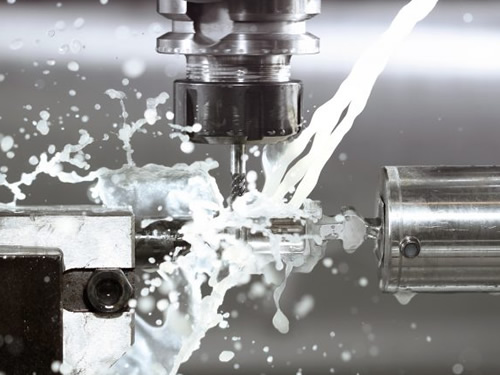
With years of expertise, we provide a wide range of steel tube processing services. From basic sawing and machining to complex bending and upsetting operations, we support you at every stage of your project.
Our capabilities include eccentricity reduction and concentricity improvement through turning and grinding. We specialize in creating complex geometries using rotary swaging and axial forming, and offer property modifications through partial heat treatment to meet your exact requirements.
A range to meet your needs
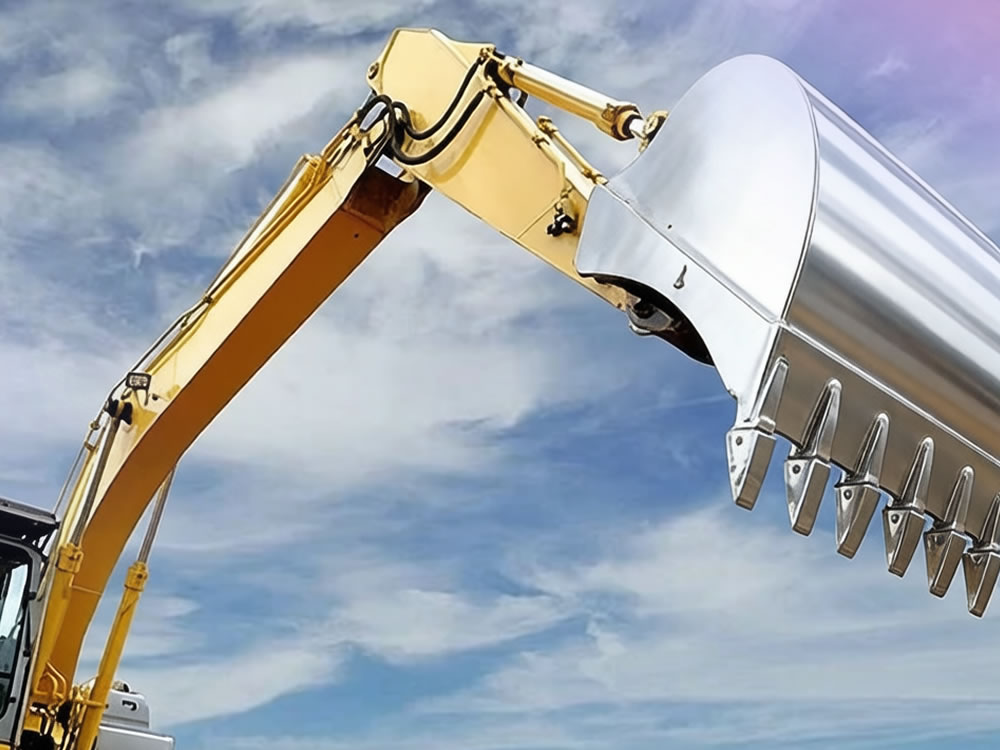
High-quality steel solutions for diverse mechanical engineering applications – reliable, precise, and built for performance.
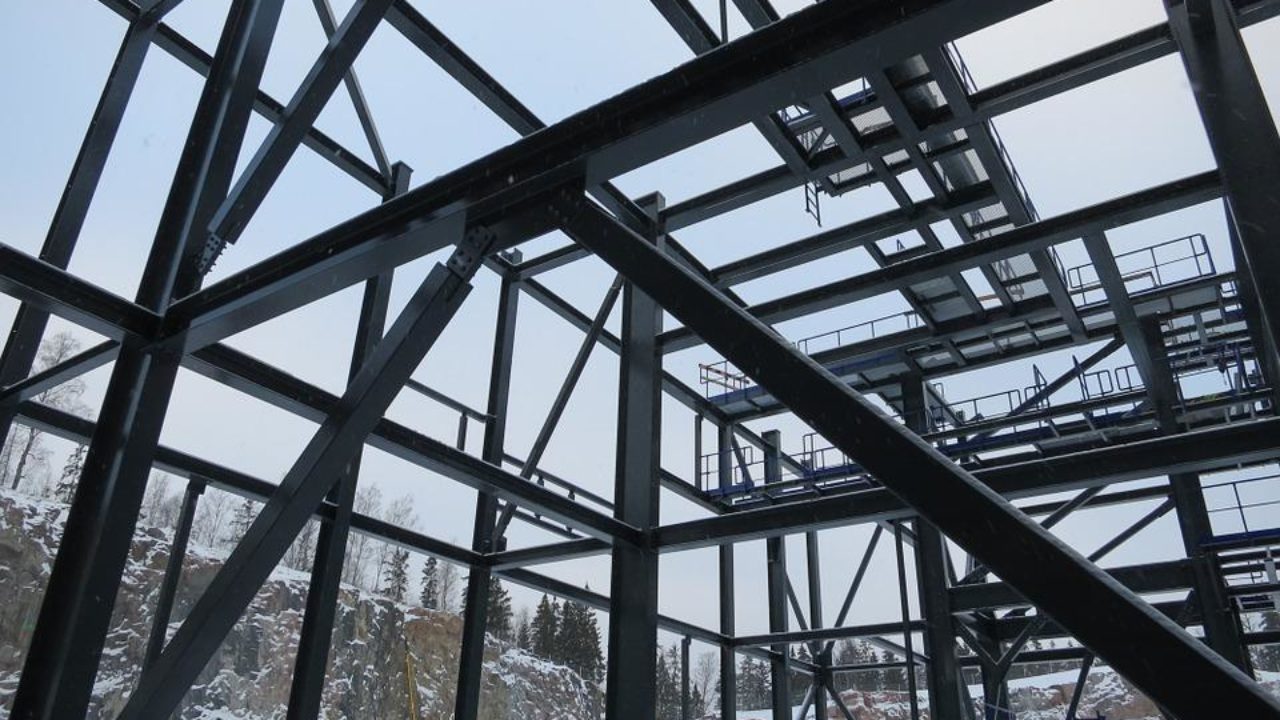
Premium steel products for demanding construction projects – from bridges to offshore structures, built to last.
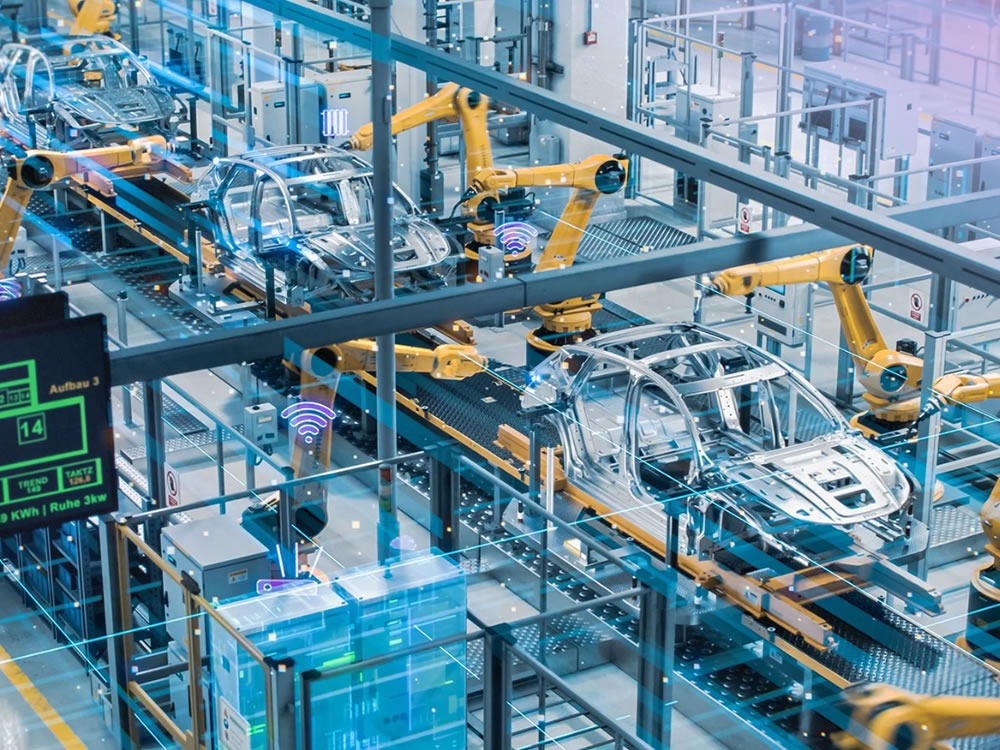
Versatile components for the automotive industry – precision, quality, and processing expertise for every application.
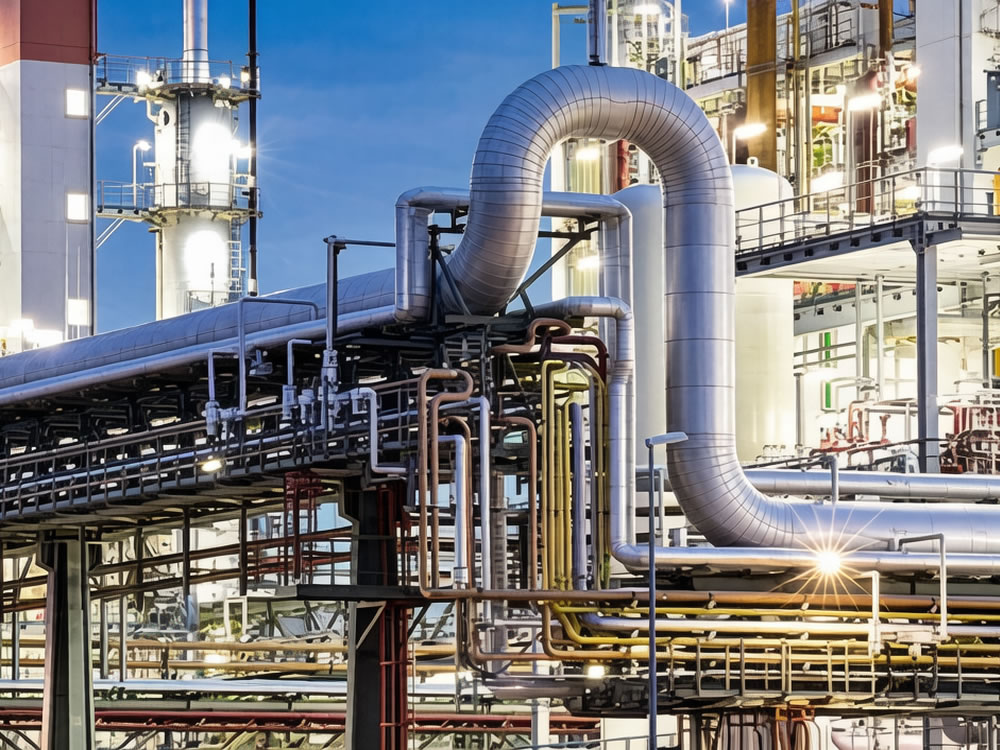
Robust tubes for plant engineering and energy systems – designed for extreme conditions and long-term efficiency.
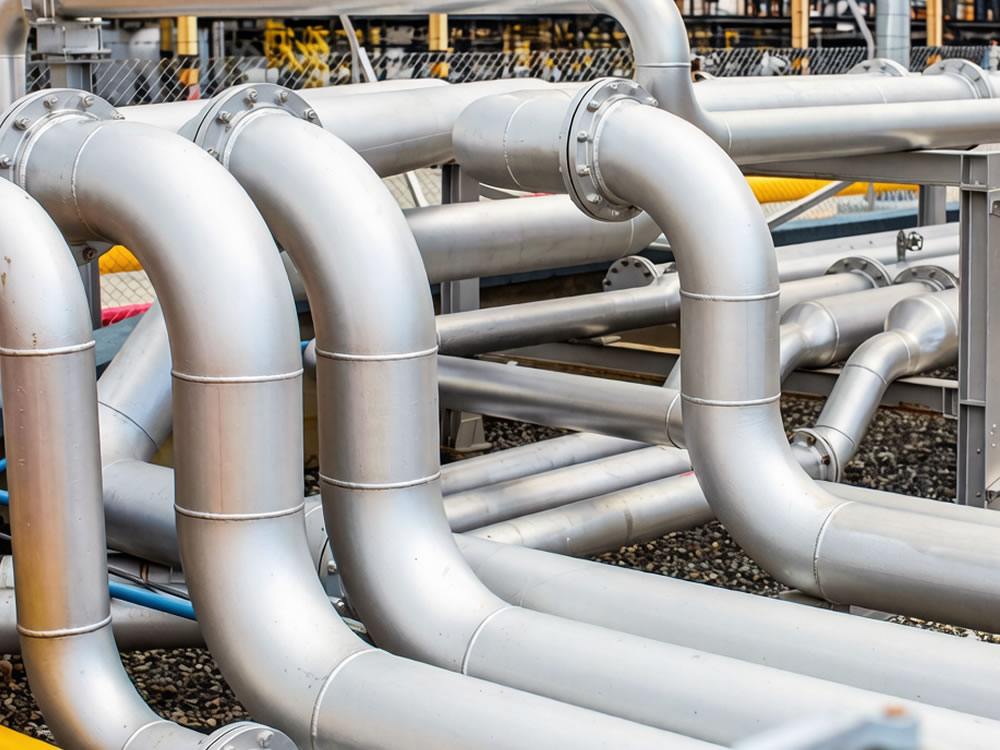
Versatile solutions for modern infrastructure – supporting reliable supply networks and large-scale construction projects.
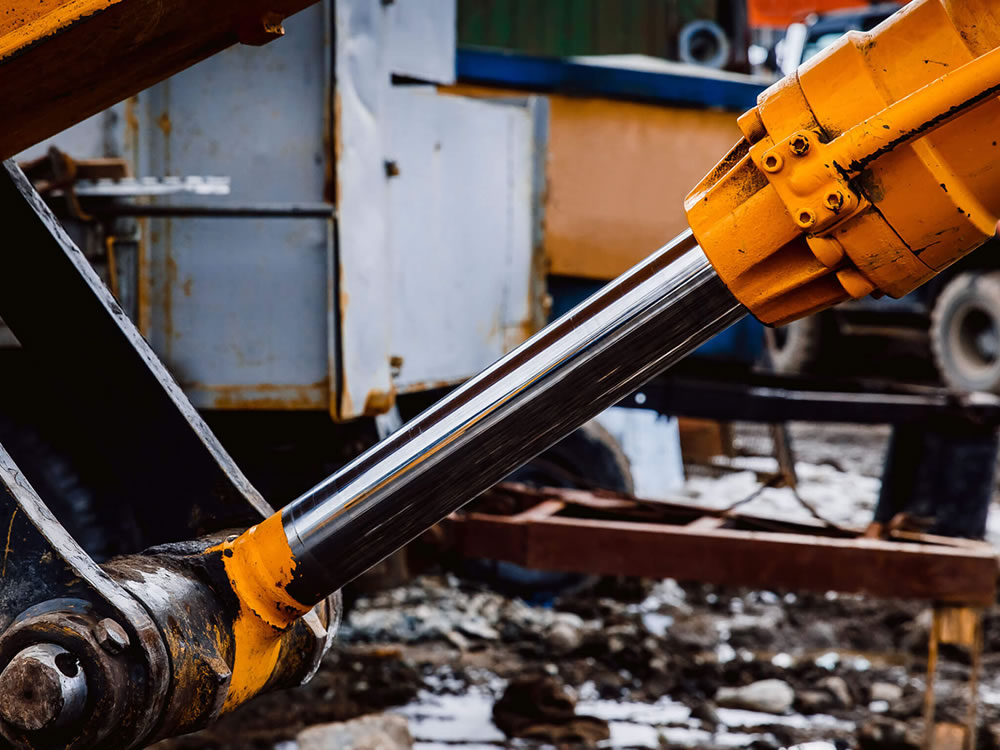
Versatile solutions for hydraulic systems – durable, pressure-resistant, and engineered for maximum reliability.
| Condition | Typical Application |
|---|---|
| High Temperature | Boilers, superheaters, steam headers |
| Low Temperature | Cryogenic processing systems |
| High Pressure | Power & process piping |
| Corrosive Media | Chemical & petrochemical plants |
| Creep Service | Thermal power stations |
| Product | Specification |
|---|---|
| Seamless Pipes | ASTM A335 P1 / P5 / P9 / P11 / P22 / P91 |
| Butt Weld Fittings | ASTM A234 WP1 / WP5 / WP9 / WP11 / WP22 / WP91 |
| Forged Fittings & Flanges | ASTM A182 F1 / F5 / F9 / F11 / F22 / F91 |
Sunny Steel supplies alloy steel piping systems worldwide, supporting projects that demand certified materials, full traceability and long-term operational reliability.
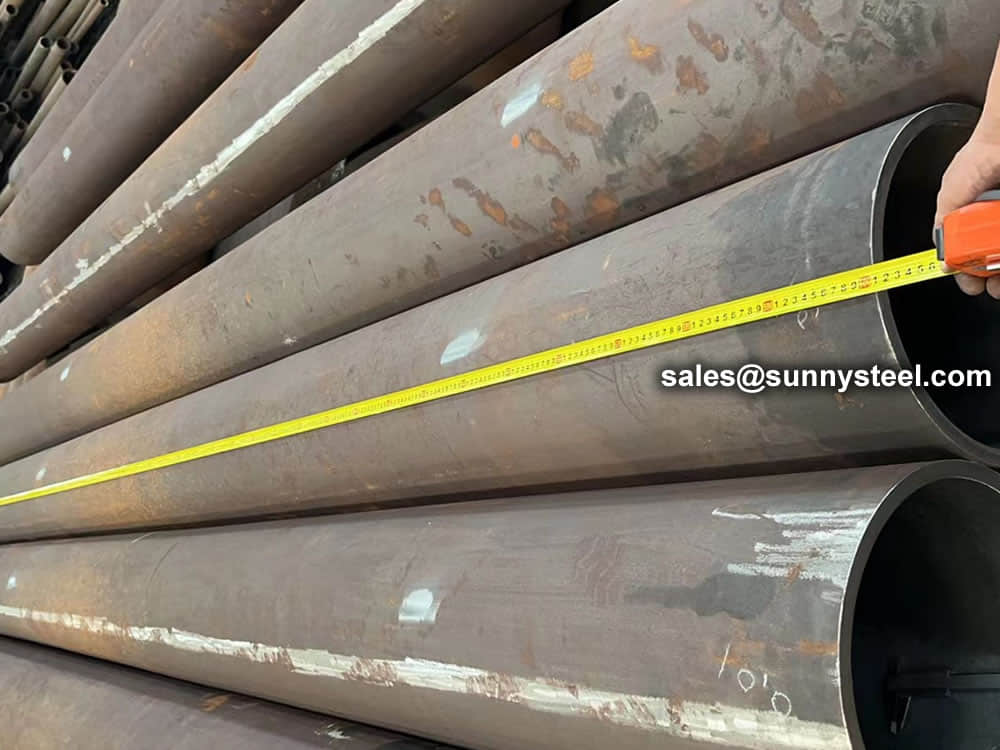
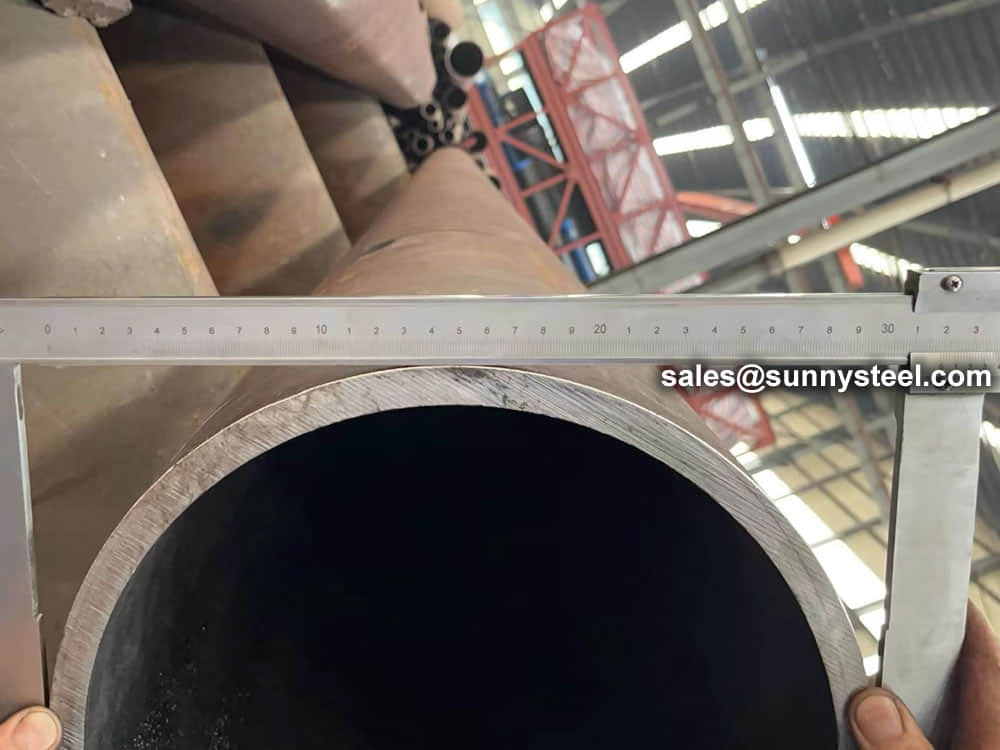
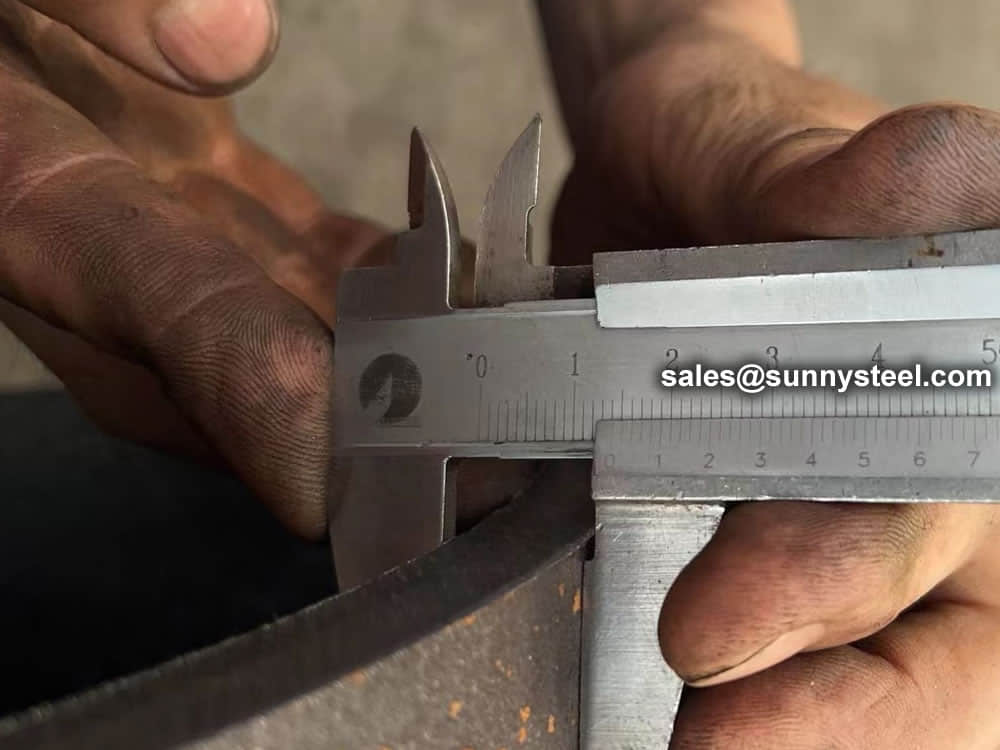
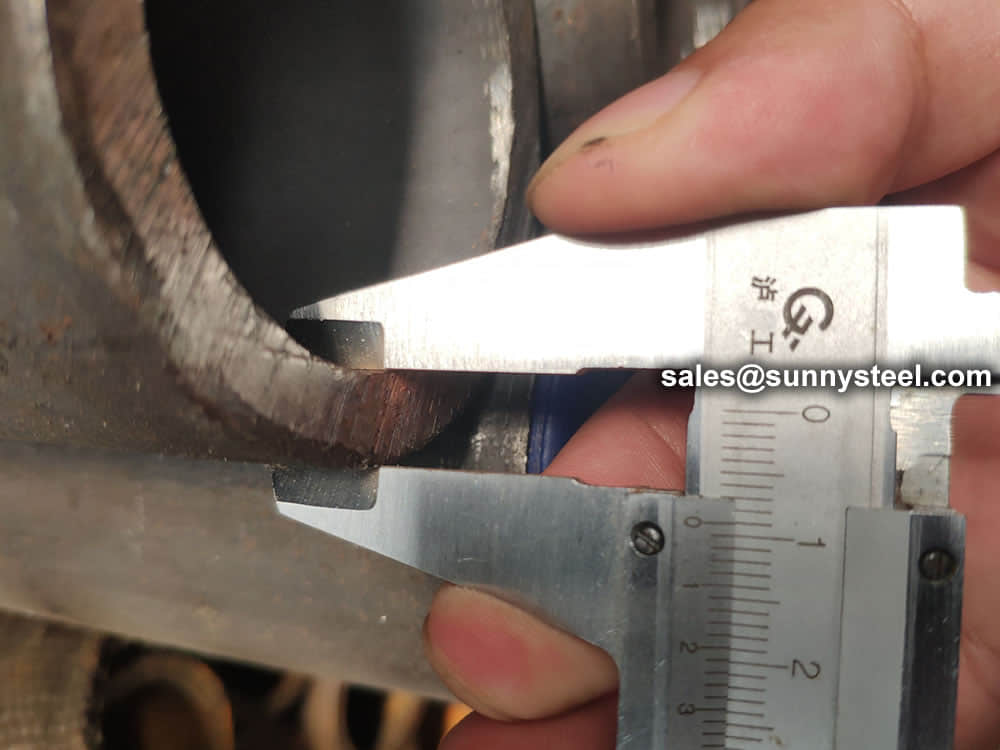
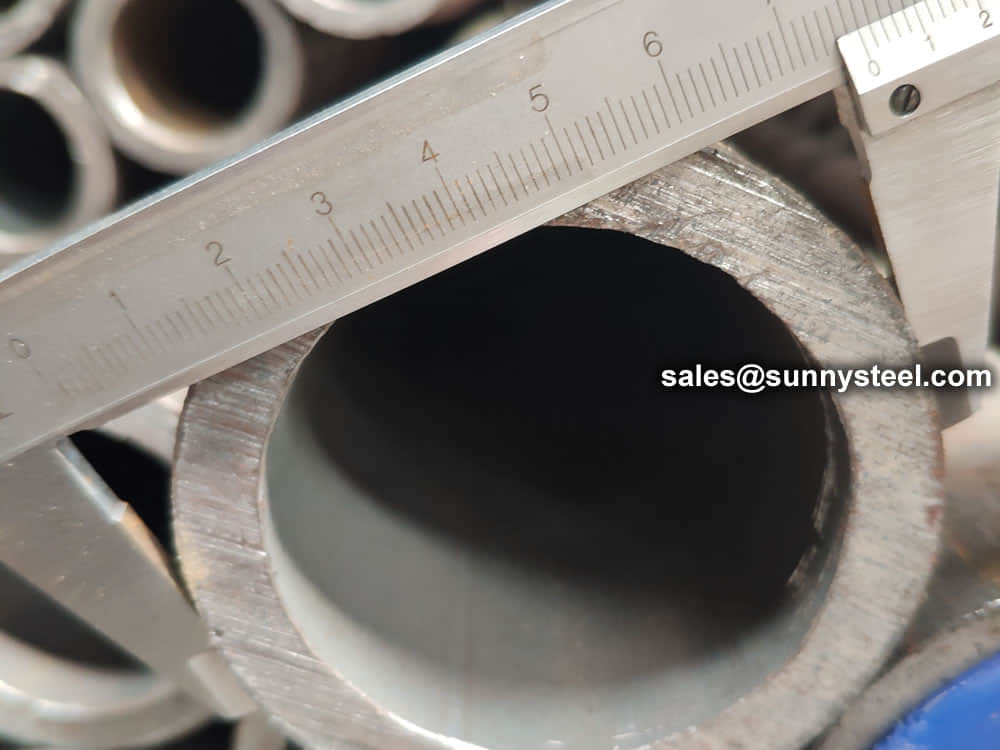
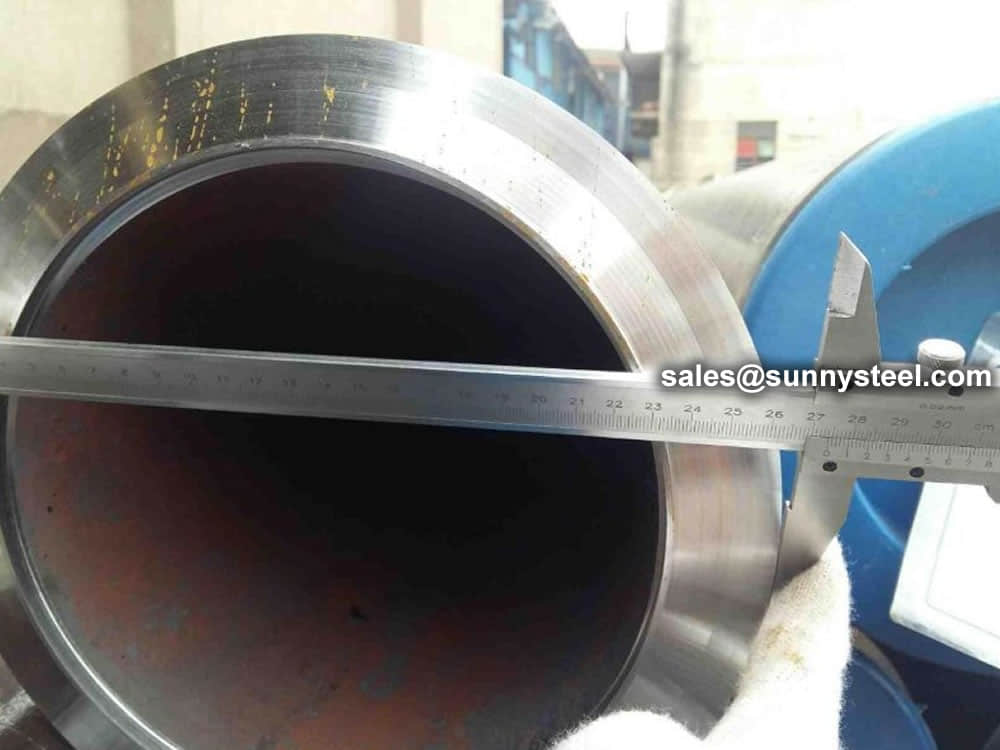
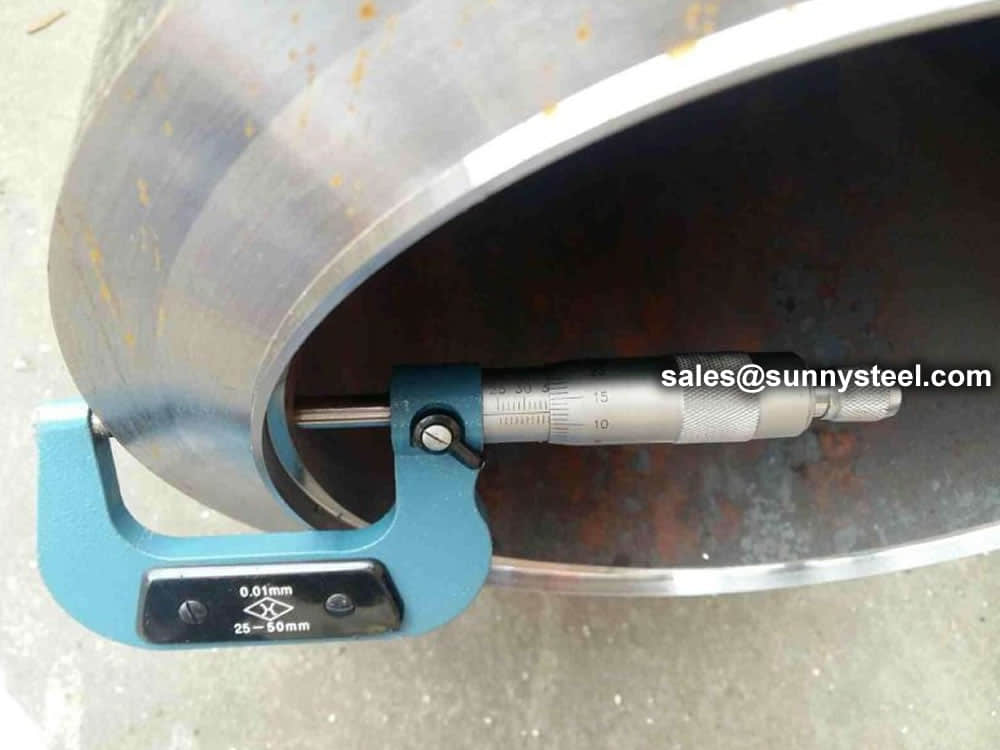
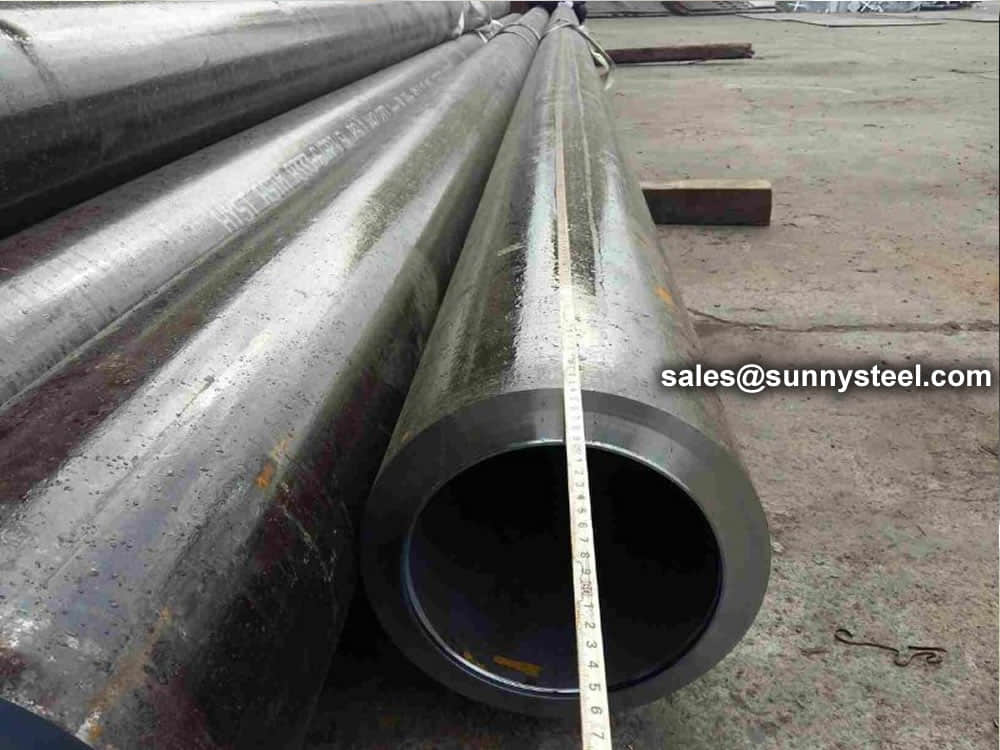
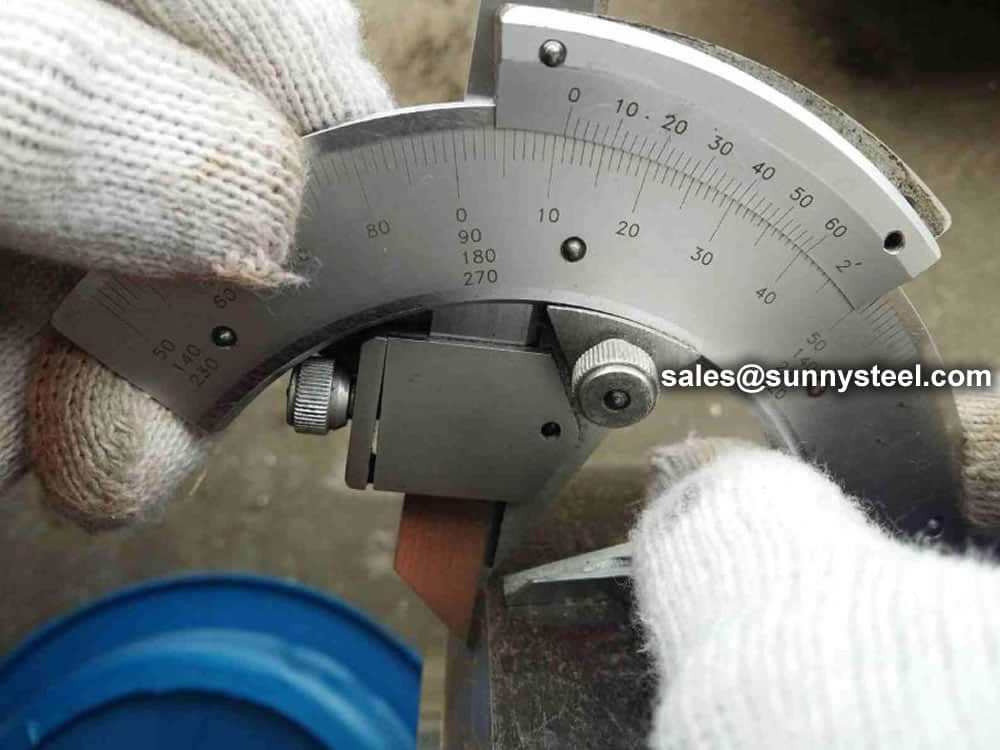
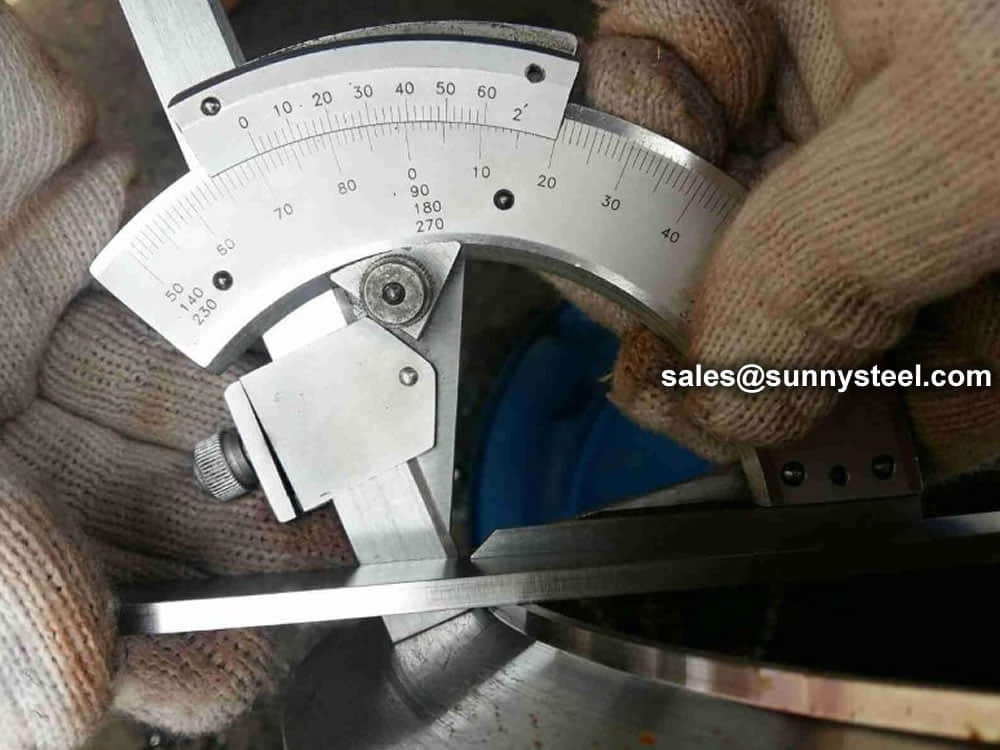
Chemical composition inspection, mechanical properties test(tensile strength,yield strength, elongation, flaring, flattening, bending, hardness, impact test), surface and dimension test, non-destructive test, hydrostatic test.
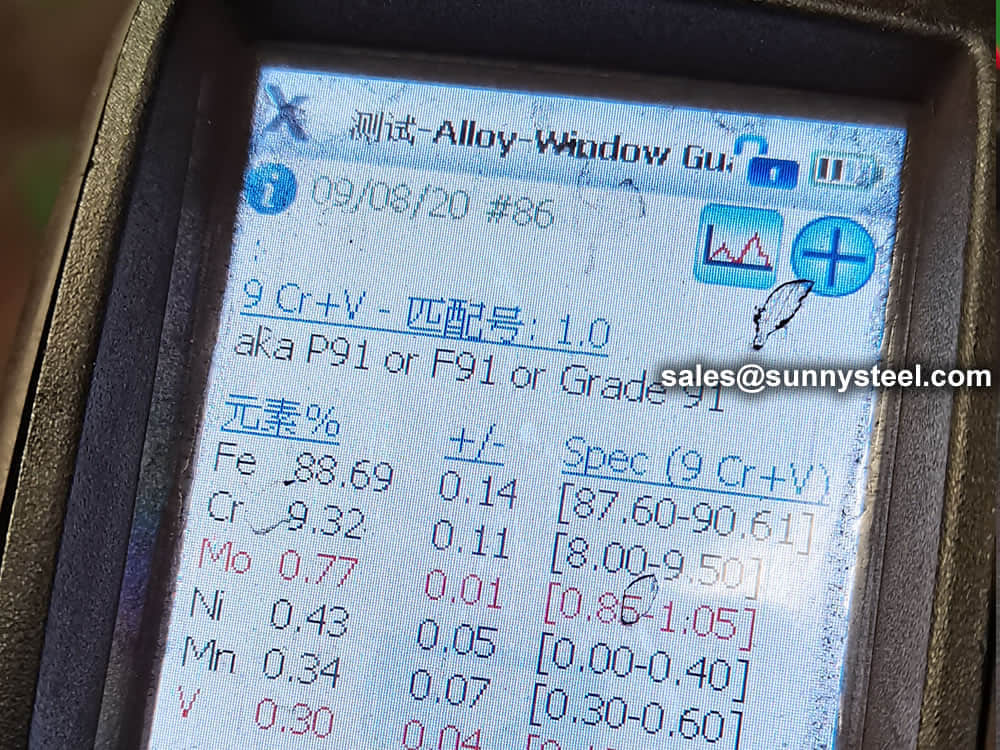
Identification of the chemical composition of the metal used to manufacture the fitting. Uses PMI sensors, including X-ray fluorescence or optical emission spectrometry.
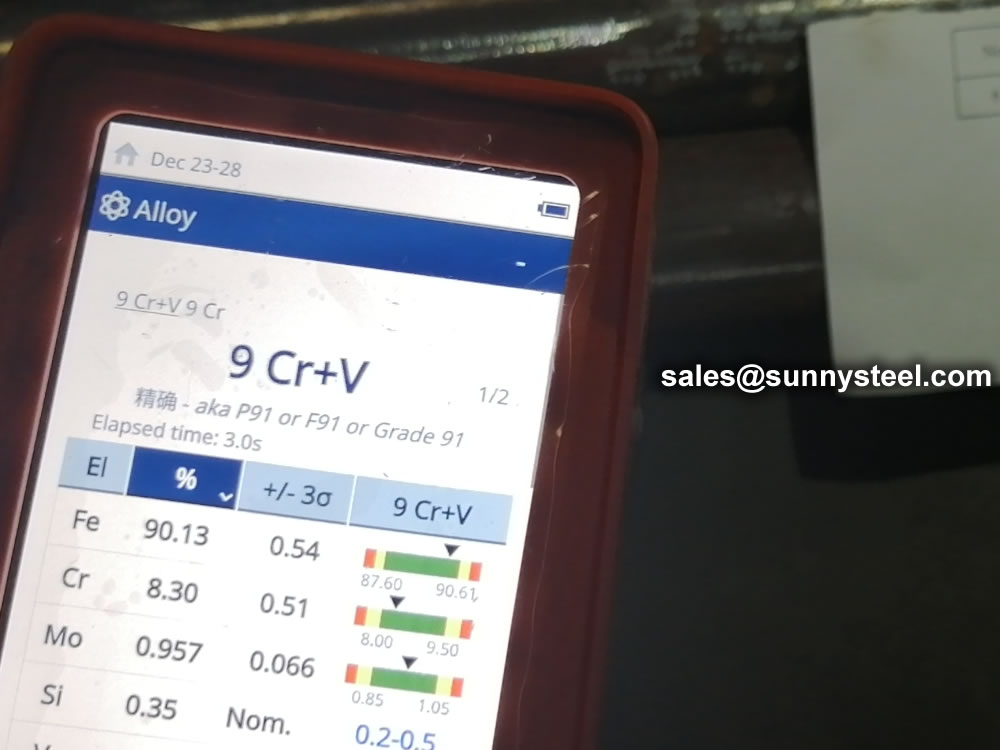
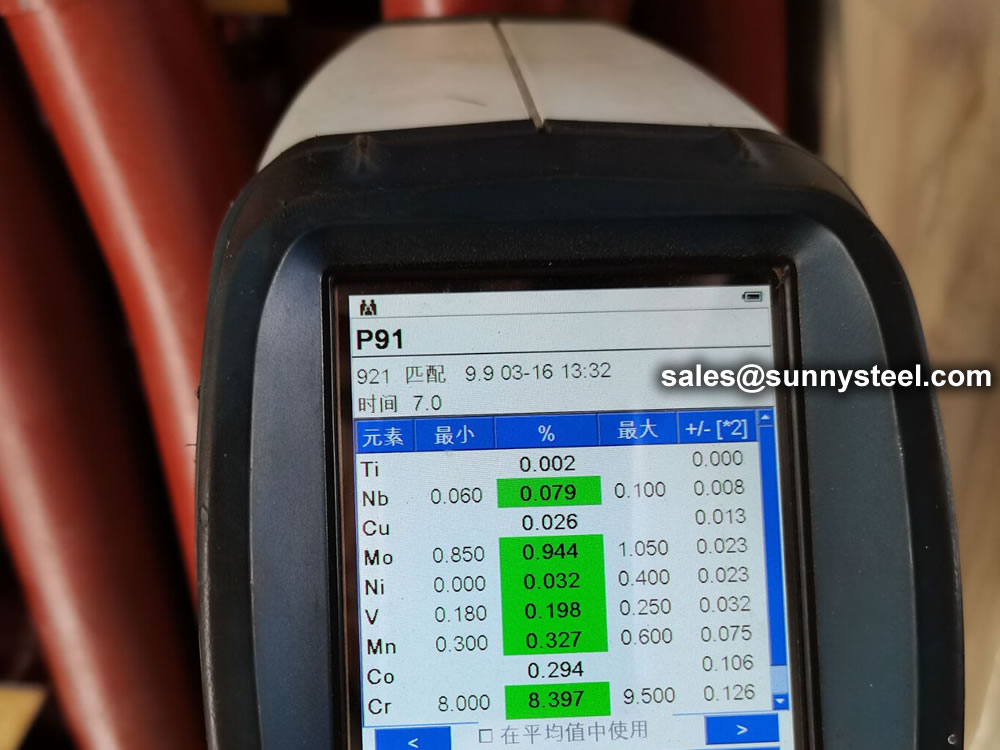
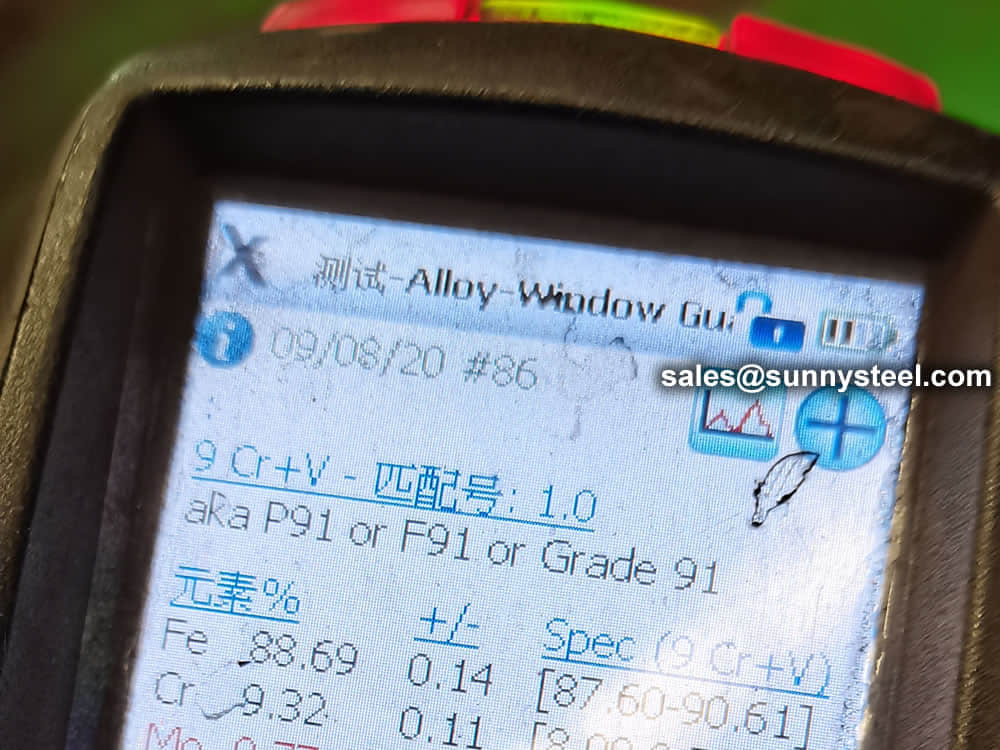
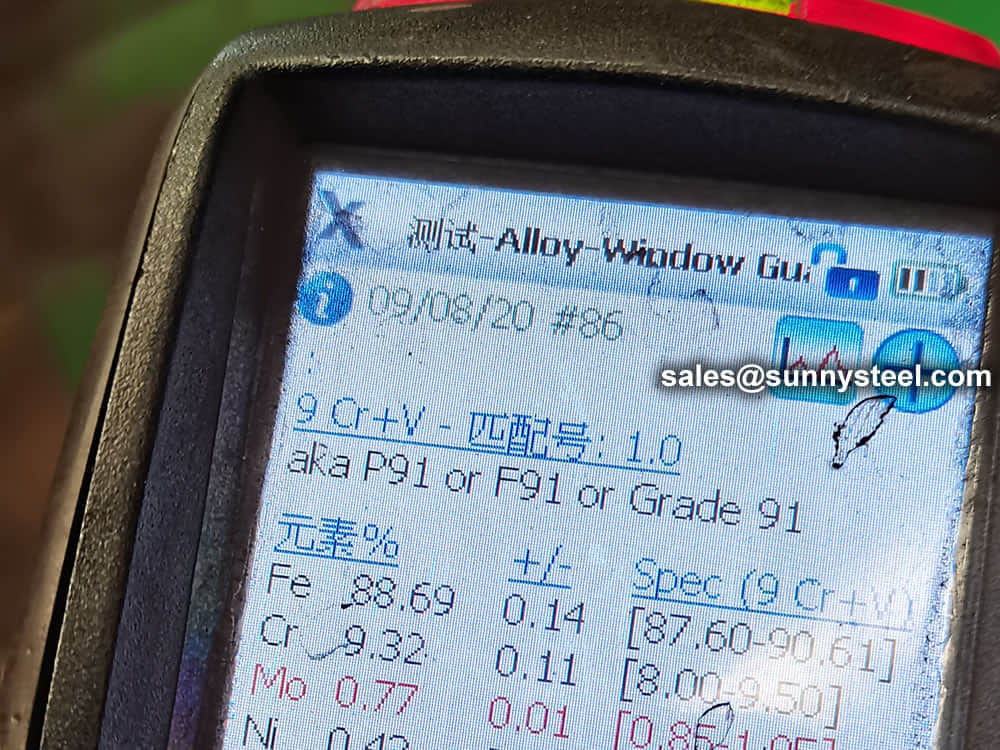
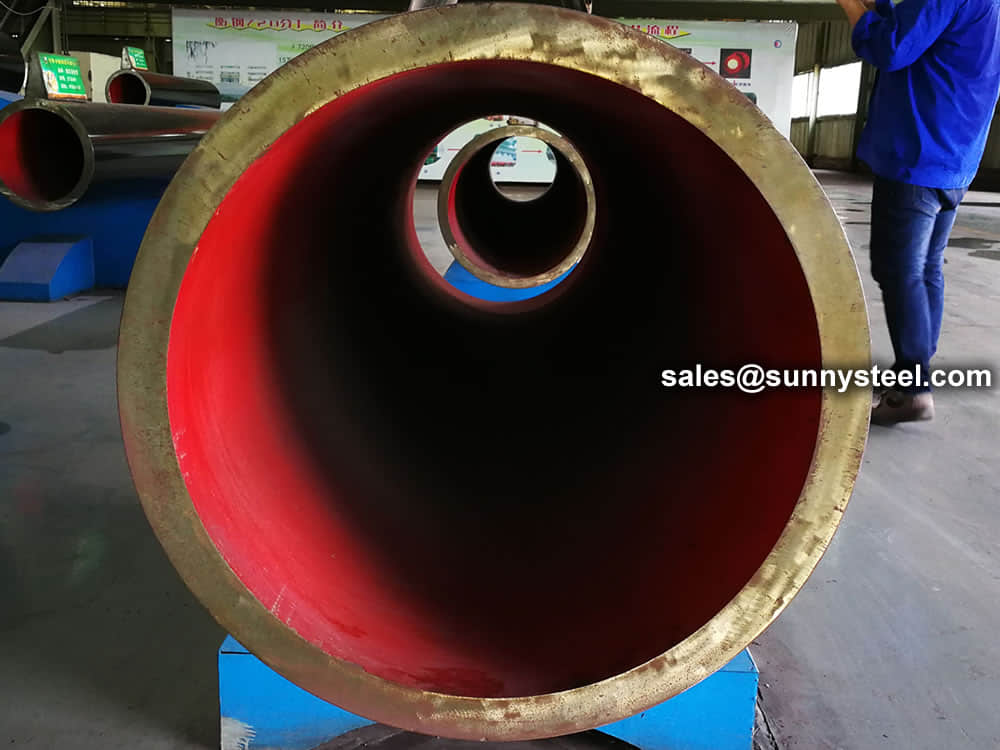
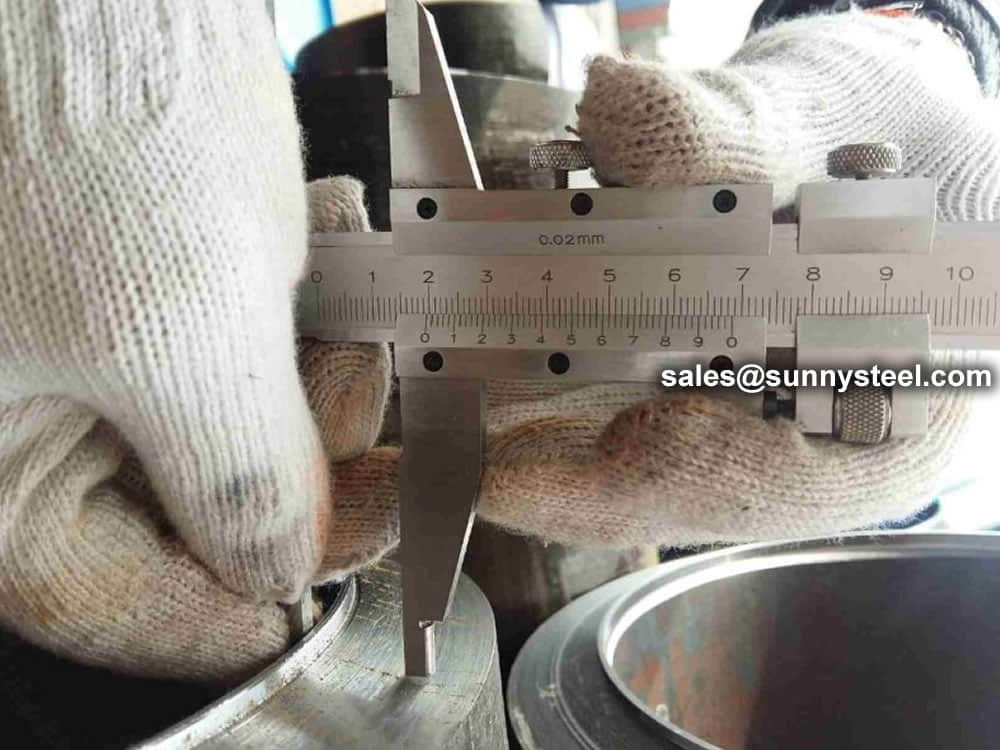
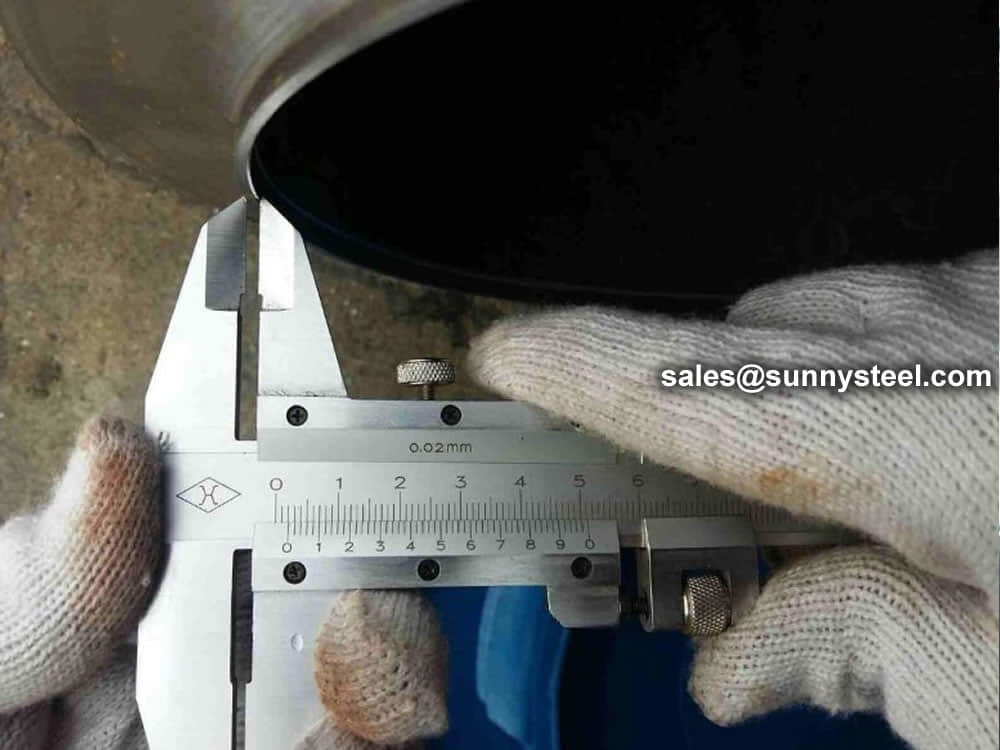
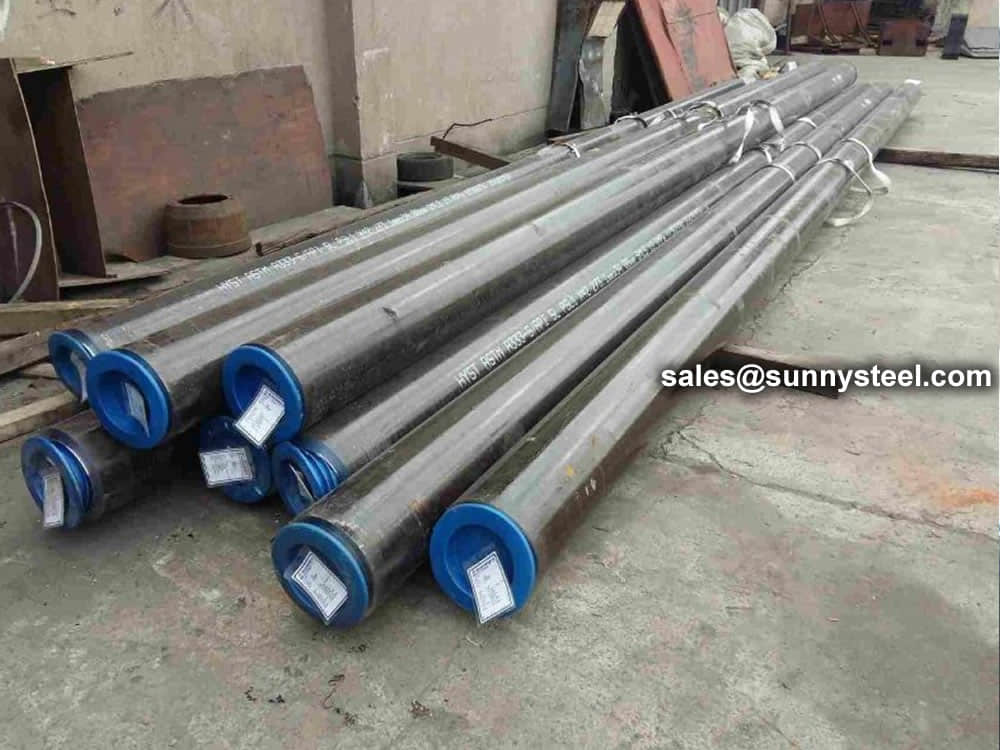
Steel pipe delivery status(condition): cold / hard (BK), cold / soft (BKW), after cold stress relief annealing (BKS), annealing (GBK), normalized (NBK).
| Term | Symbol | Explanation |
|---|---|---|
| Cold-finished/hard (cold-finished as-drawn) | BK | No heat treatment after the last cold-forming process. The tubes therefore have only low deformability. |
| Cold-finished/soft (lightly cold-worked) | BKW | After the last heat treatment there is a light finishing pass (cold drawing). With proper subsequent processing, the tube can be cold-formed (e.g. bent, expanded) within certain limits. |
| Annealed | GBK | After the final cold-forming process the tubes are annealed in a controlled atmosphere or under vacuum. |
| Normalized | NBK | The tubes are annealed above the upper transformation point in a controlled atmosphere or under vacuum. |
The general cold strip mills, volume should go through continuous annealing (CAPL unit) to eliminate cold hardening and rolling stress, or batch annealing reach the mechanical properties of the corresponding standard specifies. Cold rolled steel surface quality, appearance, dimensional accuracy better than hot-rolled plate, and right-rolled thin product thickness is about 0.18mm, so the majority of users favor.
Cold rolled steel coil substrate products deep processing of high value-added products. Such as electro-galvanized, hot dip galvanized, electro-galvanized fingerprint resistant, painted steel roll damping composite steel, PVC laminating steel plates, etc., so that the excellent quality of these products has a beautiful, high resistance to corrosion, has been widely used.
Cold rolled steel coil finishing after annealing, cut the head, tail, trimming, flattening, smooth, heavy volume, or longitudinal clipboard. Cold-rolled products are widely used in automobile manufacturing, household electrical appliances, instruments, switches, buildings, office furniture and other industries. Steel plate strapping package weight of 3 to 5 tons. Flat sub-volume typically 3 to 10 tons / volume. Coil diameter 6m.
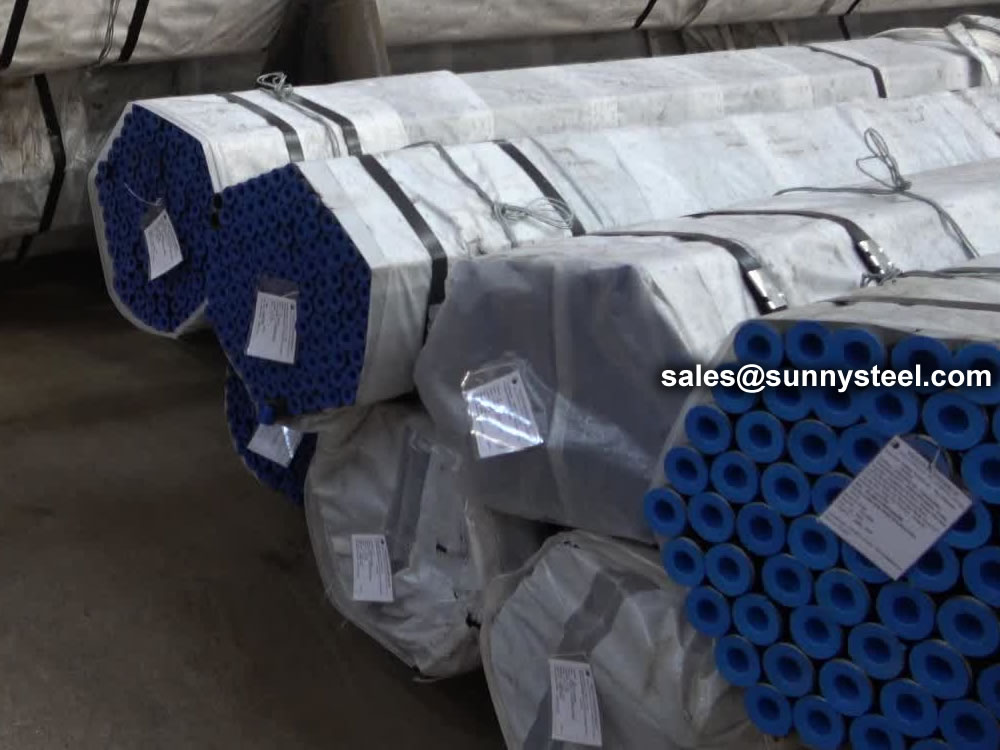
Bare packing/bundle packing/crate packing/wooden protection at the both sides of tubes and suitably protected for seaworthy delivery or as requested.
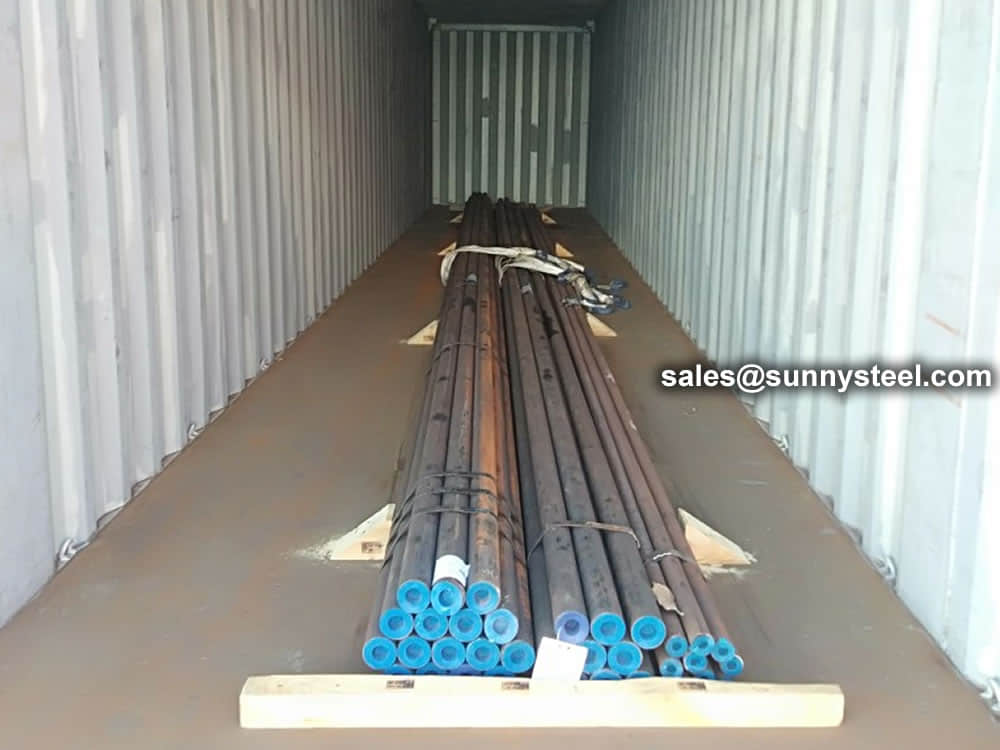
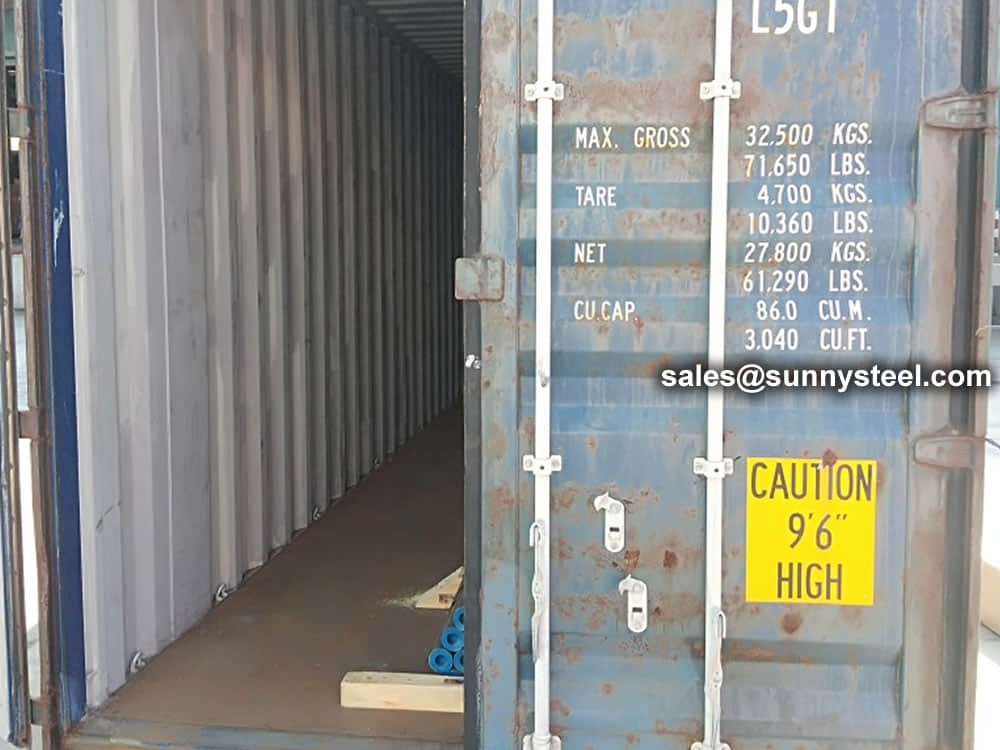
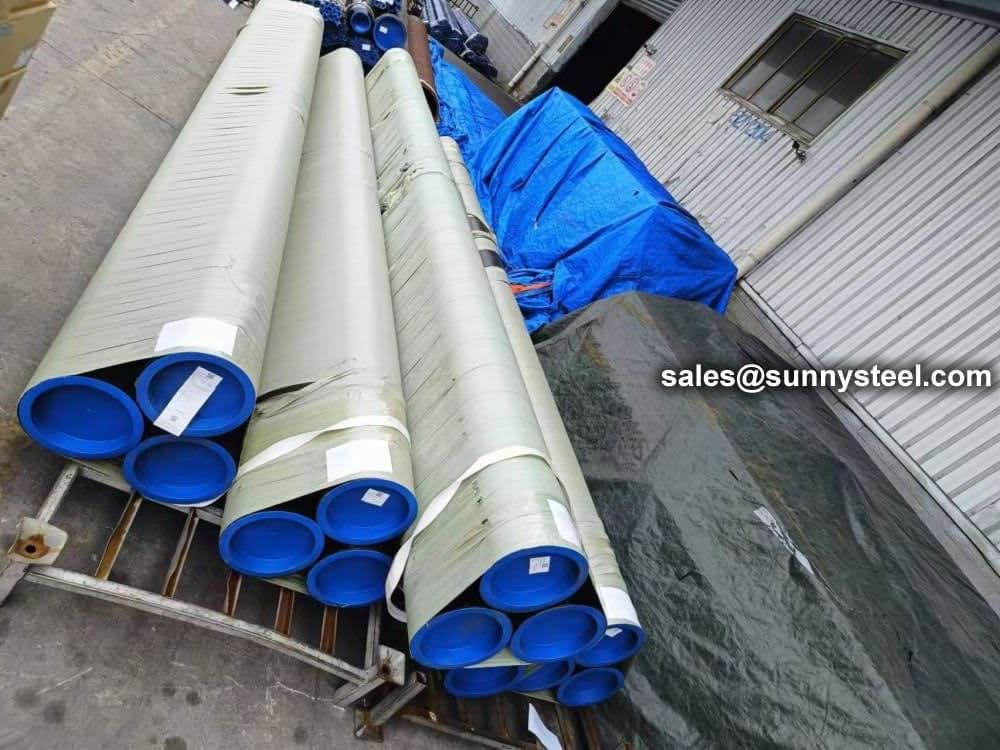
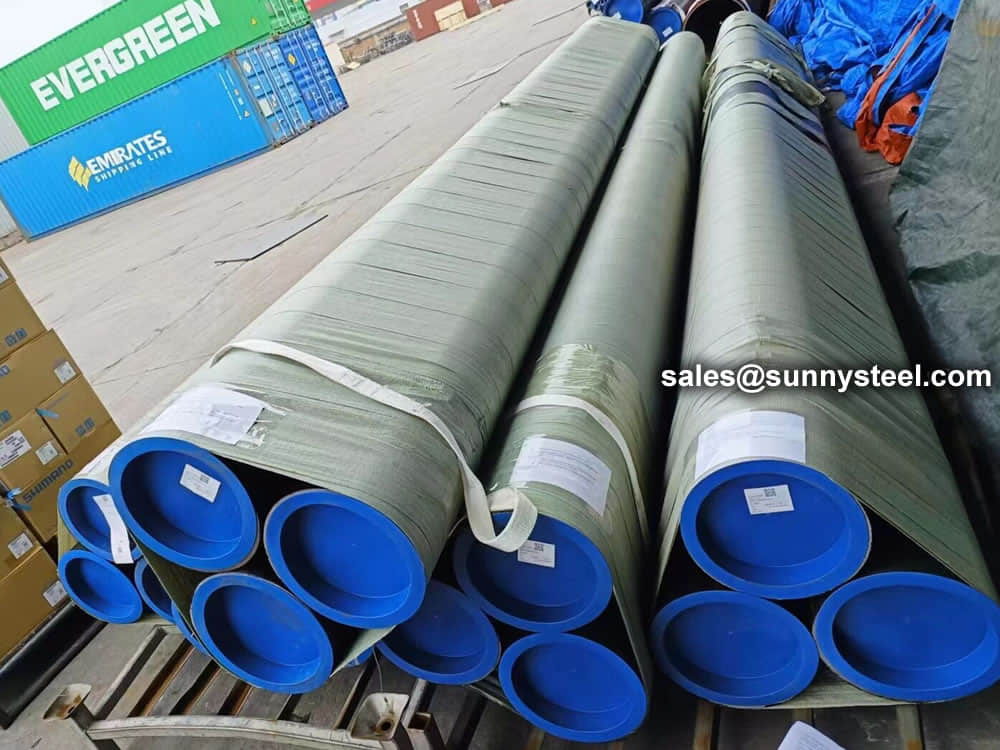
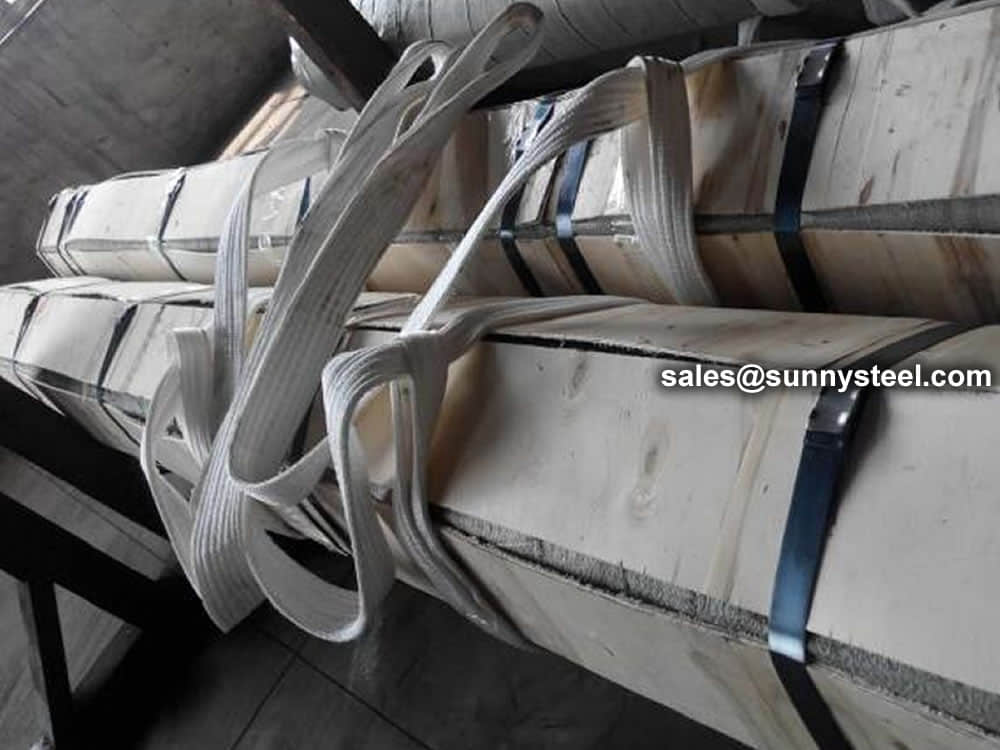
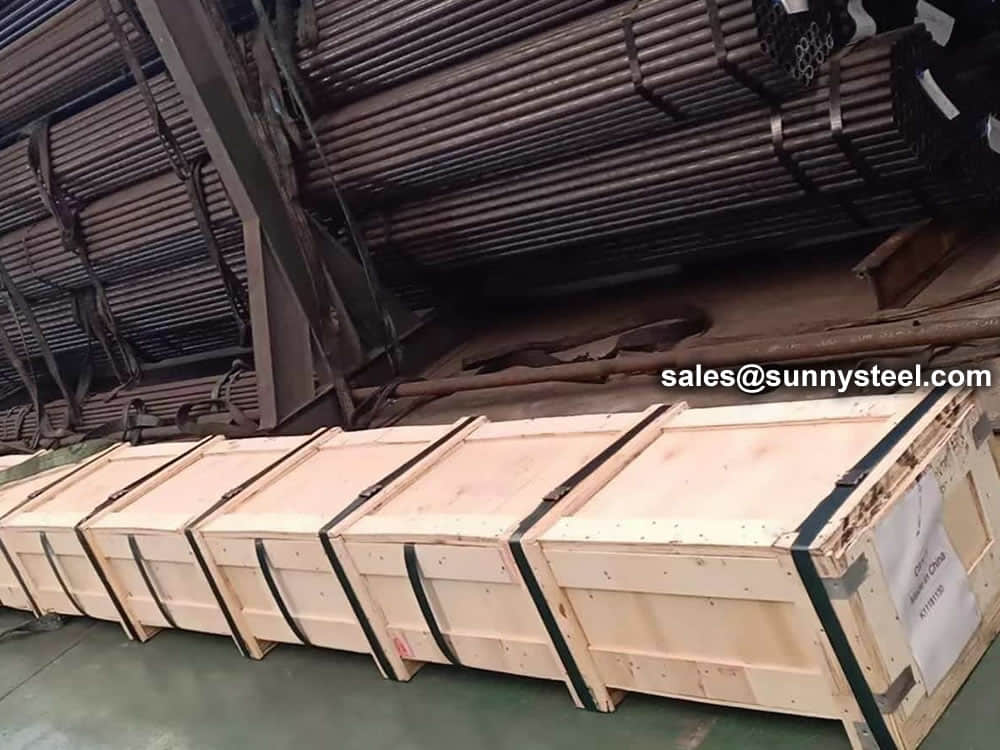
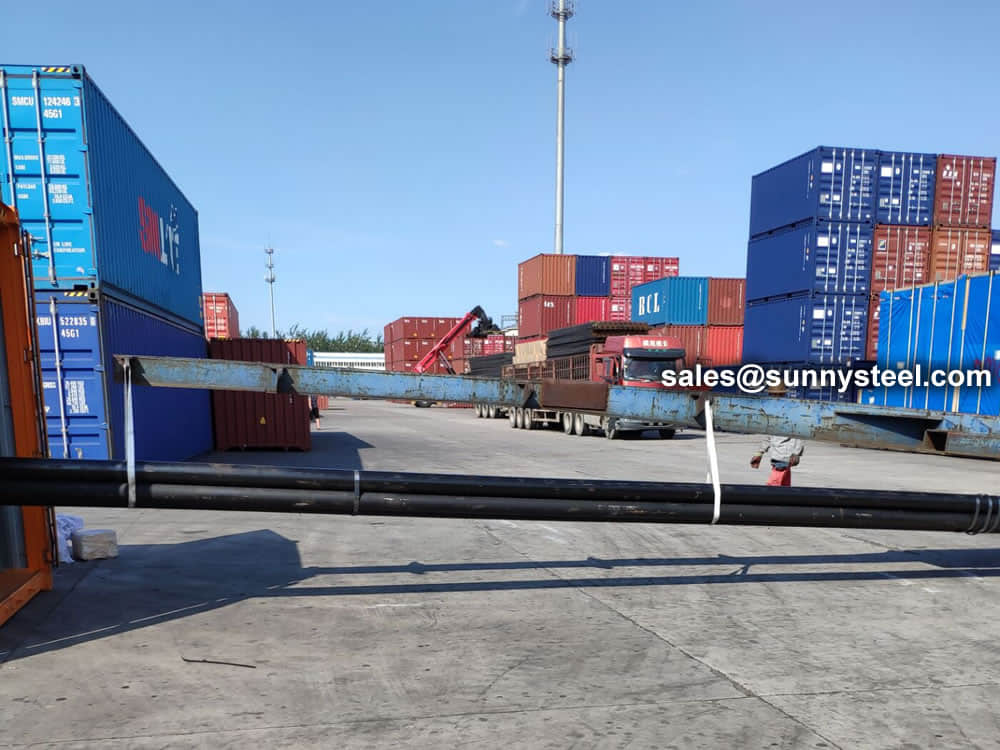
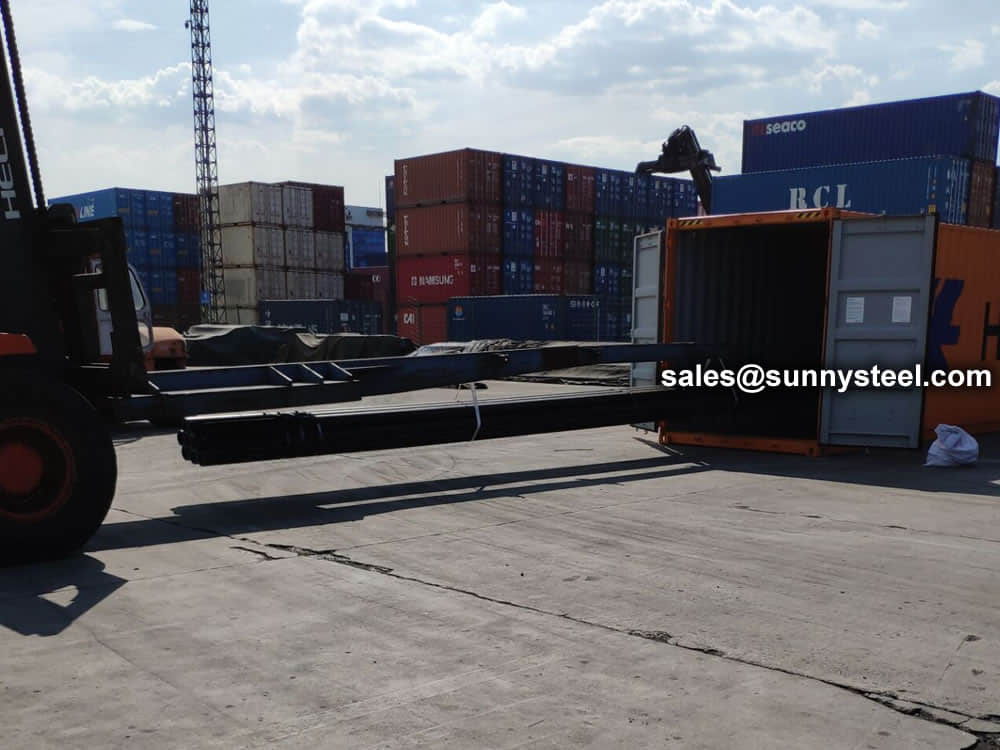
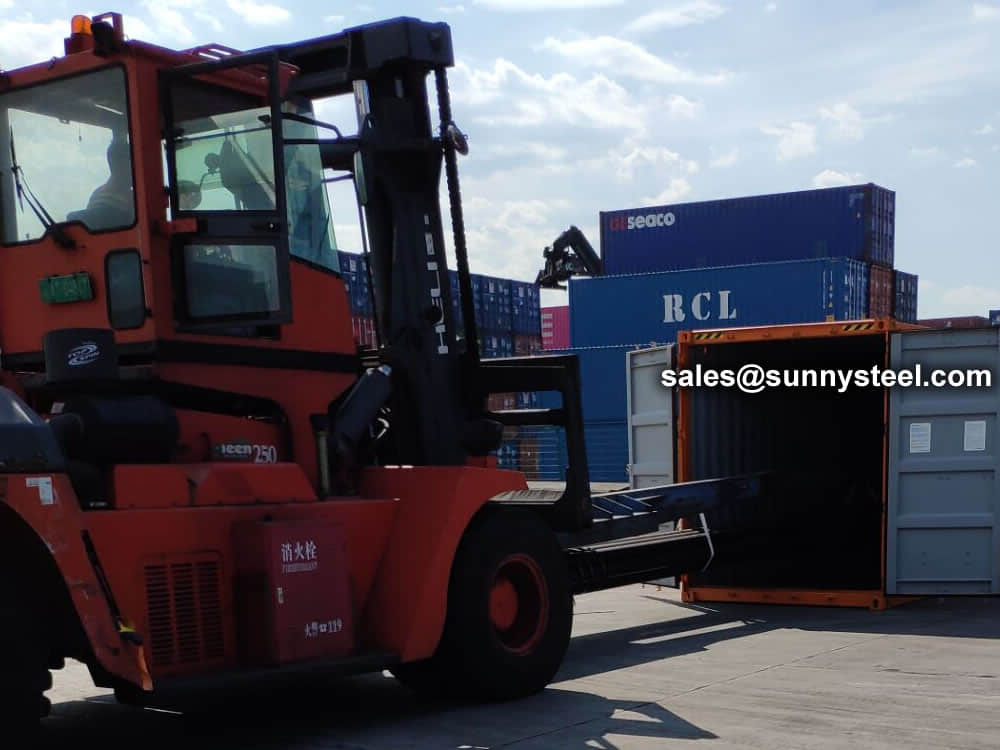
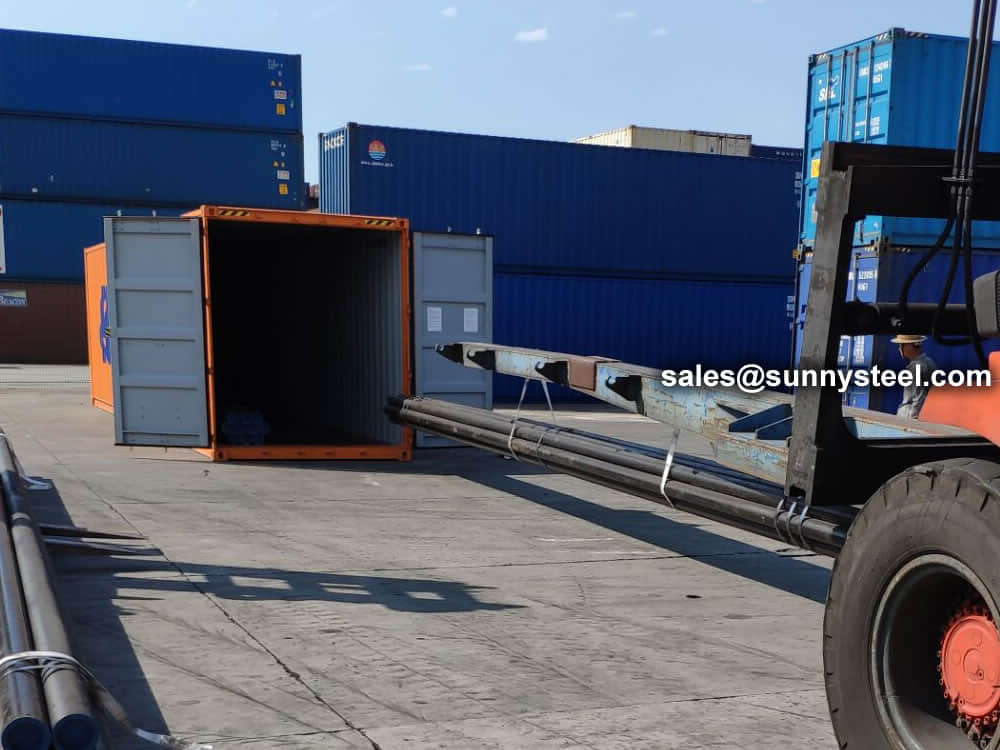
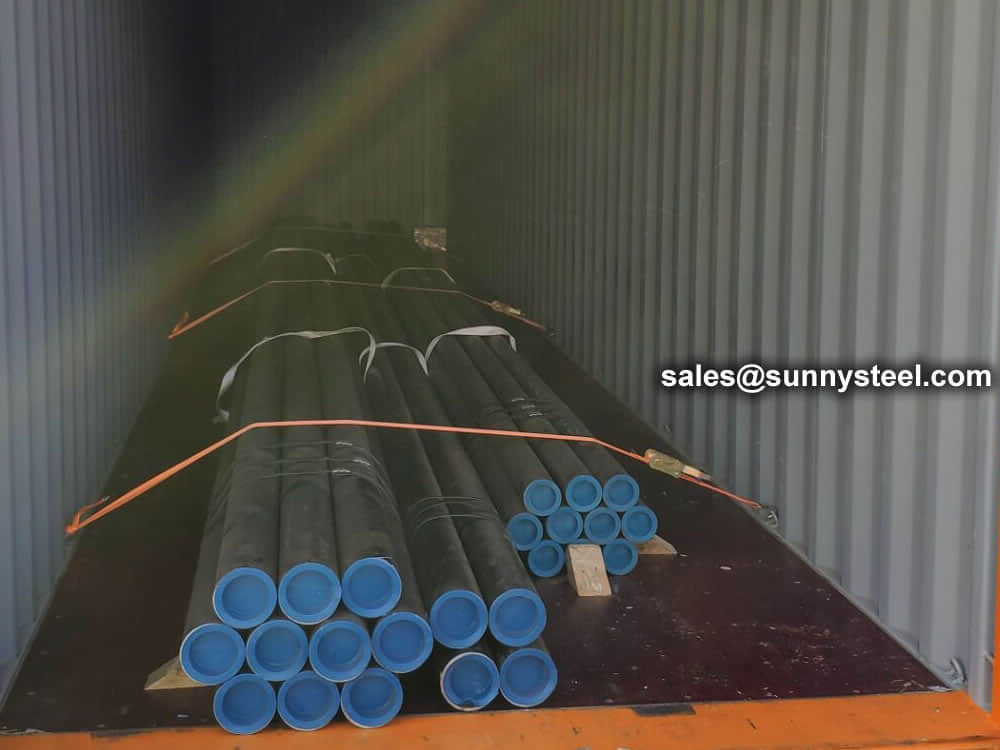
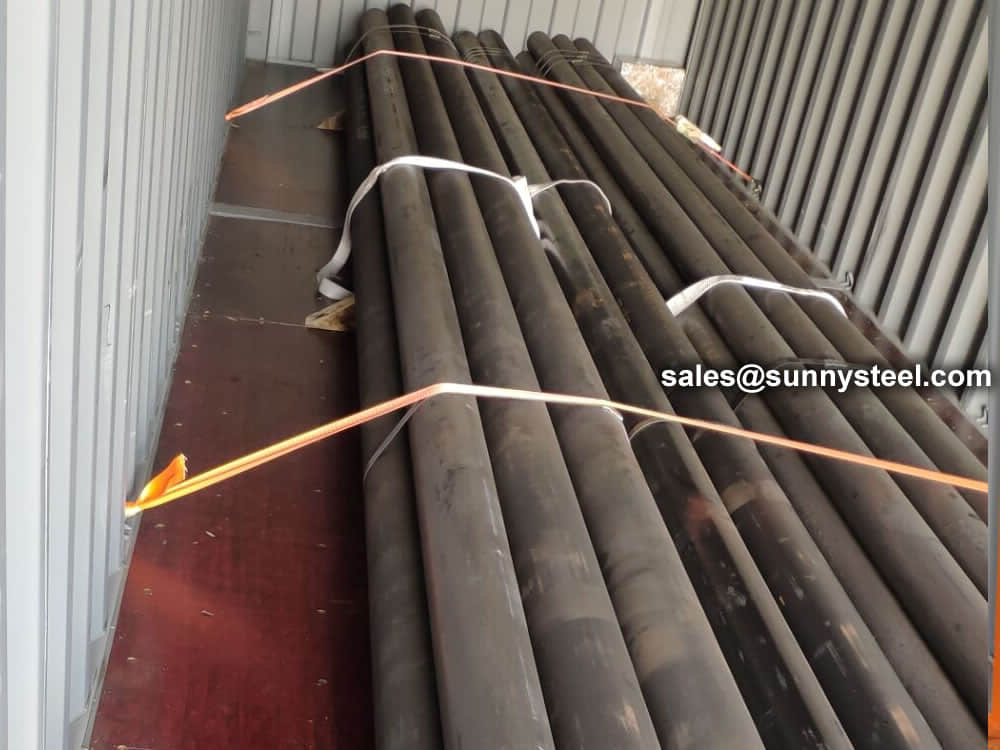
There are probably hundreds of different methods for packing a pipe, and most of them have merit, but there are two principles that are vital for any method to work: prevent rusting and sea transportation security.
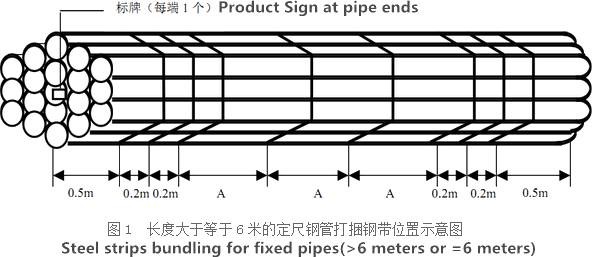
Our packing can meet any needs of the customers.

Commonly used alloying elements and their effects are listed in the table given below.
| Alloying Elements | Effect on the Properties |
|---|---|
| Chromium | Increases Resistance to corrosion and oxidation. Increases hardenability and wear resistance. Increases high temperature strength. |
| Nickel | Increases hardenability. Improves toughness. Increases impact strength at low temperatures. |
| Molybdenum | Increases hardenability, high temperature hardness, and wear resistance. Enhances the effects of other alloying elements. Eliminate temper brittleness in steels. Increases high temperature strength. |
| Manganese | Increases hardenability. Combines with sulfur to reduce its adverse effects. |
| Vanadium | Increases hardenability, high temperature hardness, and wear resistance. Improves fatigue resistance. |
| Titanium | Strongest carbide former. Added to stainless steel to prevent precipitation of chromium carbide. |
| Silicon | Removes oxygen in steel making. Improves toughness. Increases hardness ability |
| Boron | Increases hardenability. Produces fine grain size. |
| Aluminum | Forms nitride in nitriding steels. Produces fine grain size in casting. Removes oxygen in steel melting. |
| Cobalt | Increases heat and wear resistance. |
| Tungsten | Increases hardness at elevated temperatures. Refines grain size. |

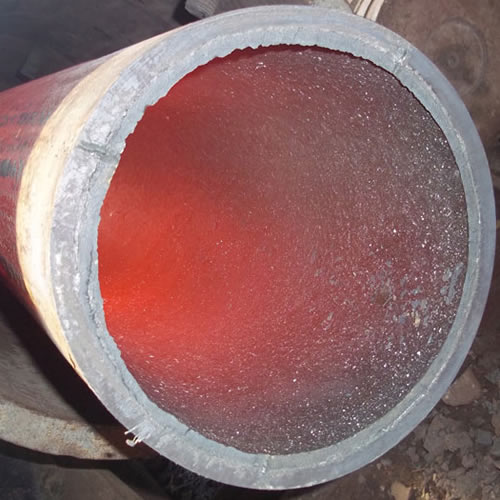
Ceramic lined pipe is made through self-propagating high-temperature synthesis (SHS) technique.
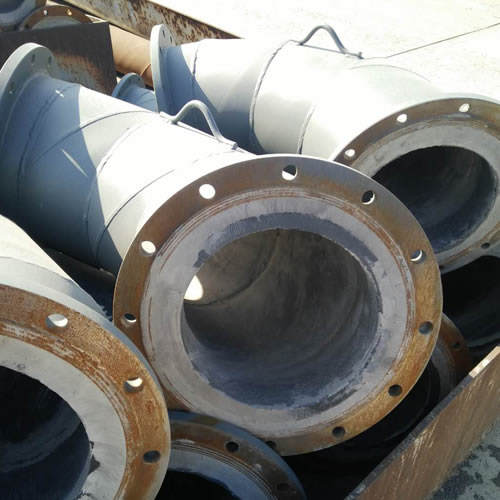
Cast basalt lined steel pipe is composed by lined with cast basalt pipe, outside steel pipe and cement mortar filling between the two layers.
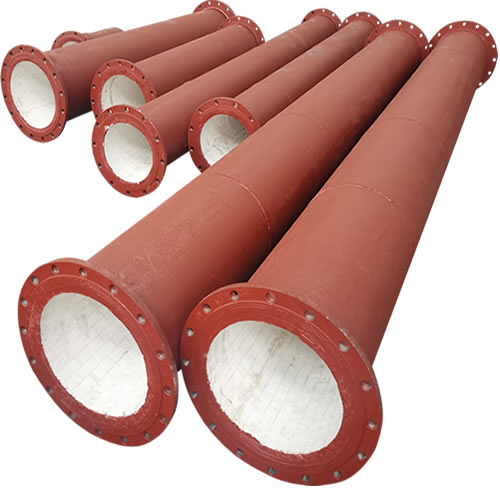
Ceramic tile lined pipes have very uniform coating of specially formulated ceramic material that is affixed to the inner of the pipe.
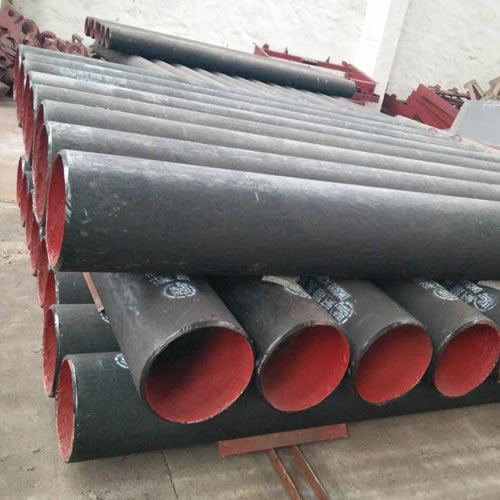
The material of the rare earth alloy wear-resistant pipe is ZG40CrMnMoNiSiRe, which is also the grade of rare earth alloy steel.
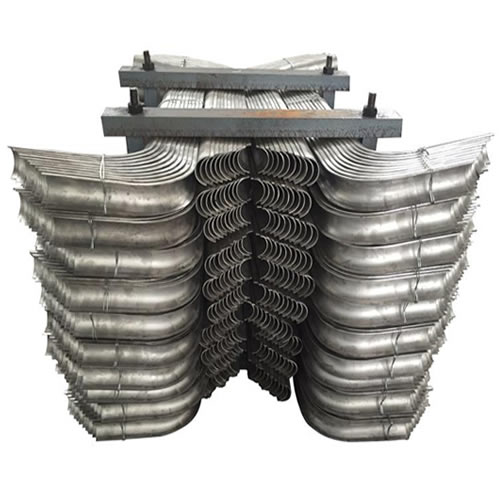
Tubes Erosion Shields are used to protect boiler tubing from the highly erosive effects of high temperatures and pressures thereby greatly extending tube life.
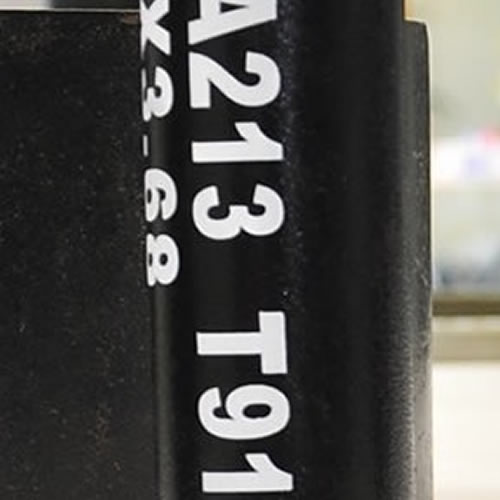
The ASTM A213 T91 seamless tubes are primarily used for boiler, superheater, and heat-exchanger.

When you partner with Sunny Steel, you can stop worrying about meeting deadlines thanks to our responsive and timely service. You'll also say goodbye to unnecessary shopping around. Instead, you'll get white glove service from an expert who understands your needs and can get you the materials you need quickly.