Bimetal Clad Pipe

Metallurgically Bonded Composite Pipe For Corrosion & Abrasion Service

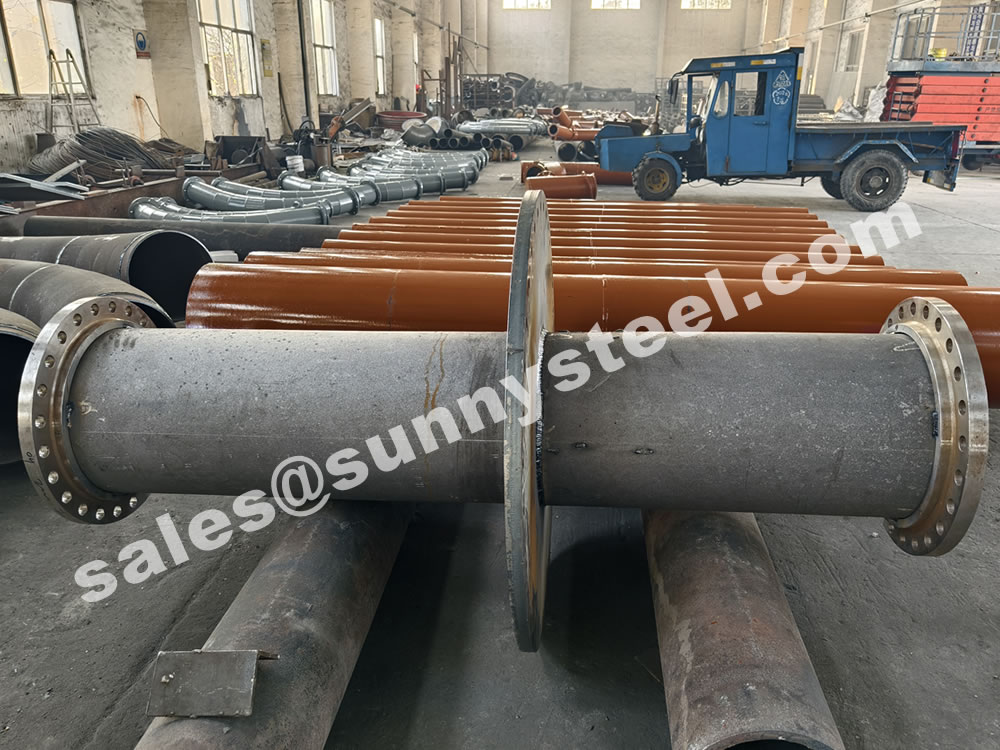
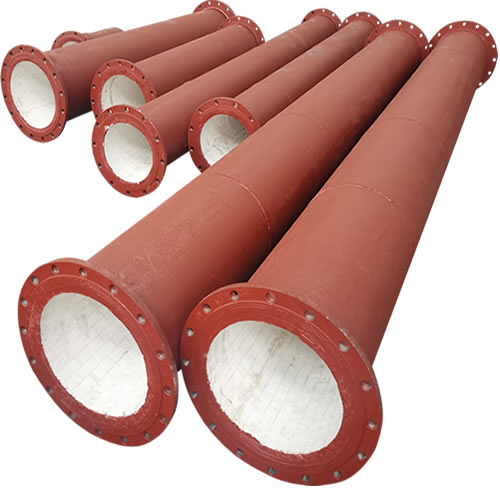
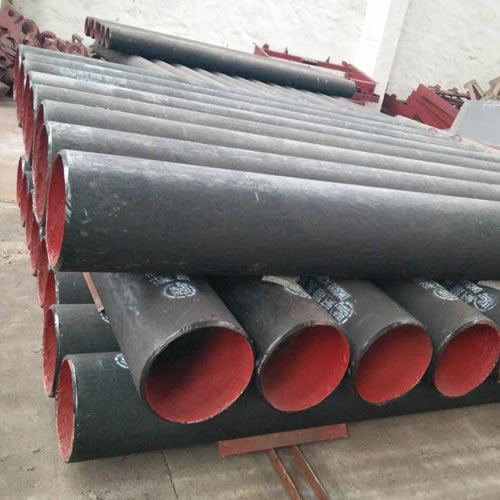
Factory supply two types bimetal clad pipe: anti-corrosion lined composite pipe & high chromium wear resistant cast clad pipe, full NDT inspection, comply with API 5LD, ASME, GB standards.

Bimetal Clad Pipe Overview

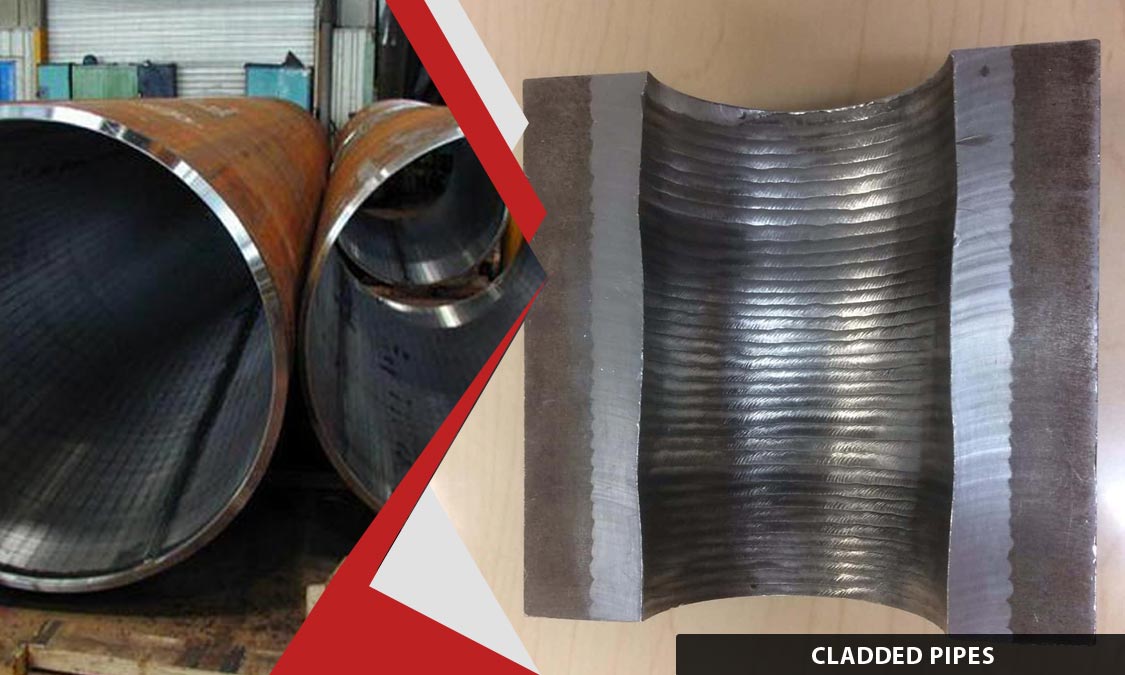
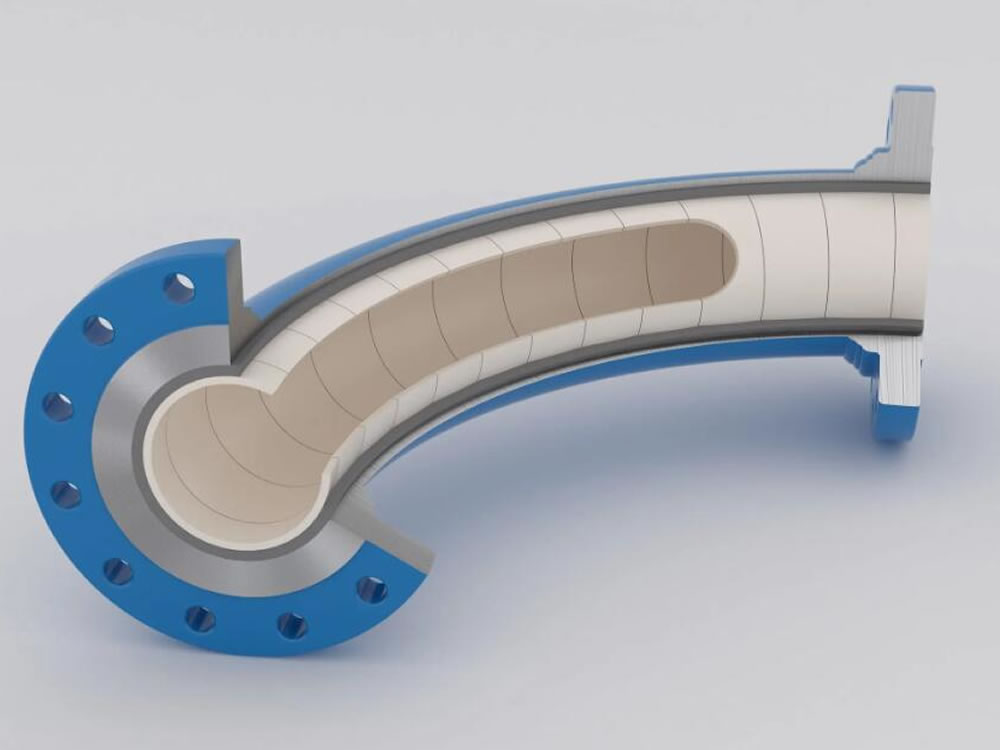
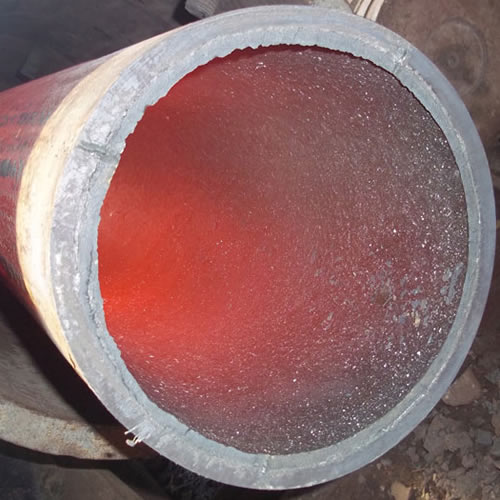
Bimetal clad pipe is a metallurgically bonded composite pipe, fundamentally different from mechanically lined pipe. The outer carbon steel or alloy base carries pressure and impact loads, while the inner corrosion- or wear-resistant alloy liner faces the medium.

This structure resolves the conflict between mechanical strength and chemical resistance, while significantly reducing material cost compared with solid alloy seamless pipe.

We supply two principal product lines:
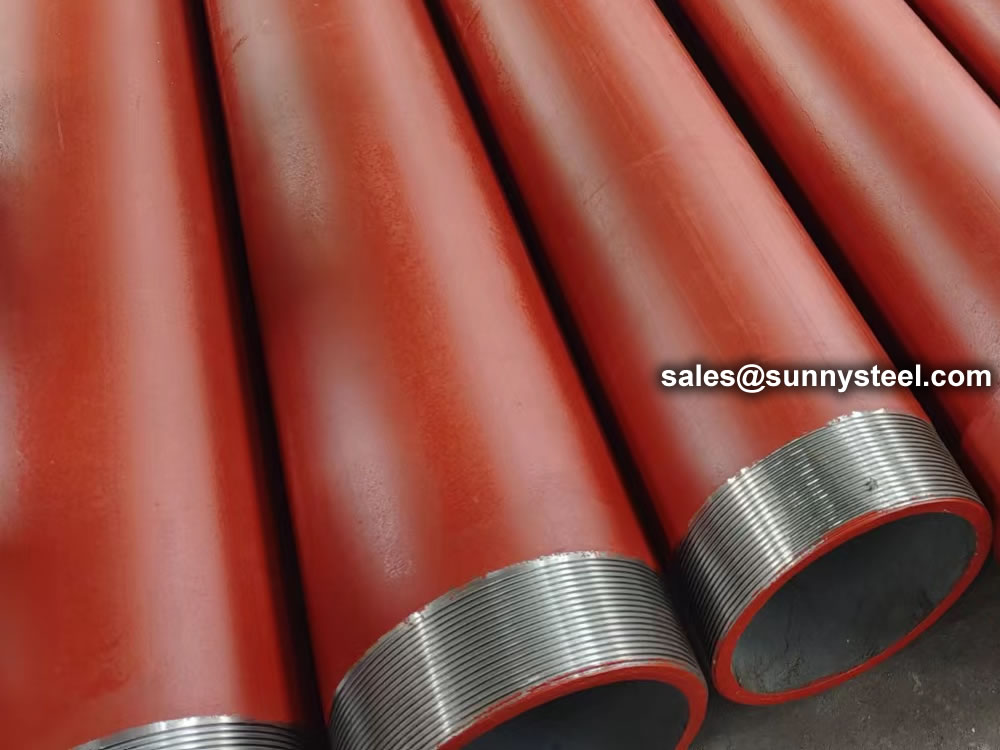
Corrosion-resistant clad pipe for high-temperature flue gas and oil & gas service;
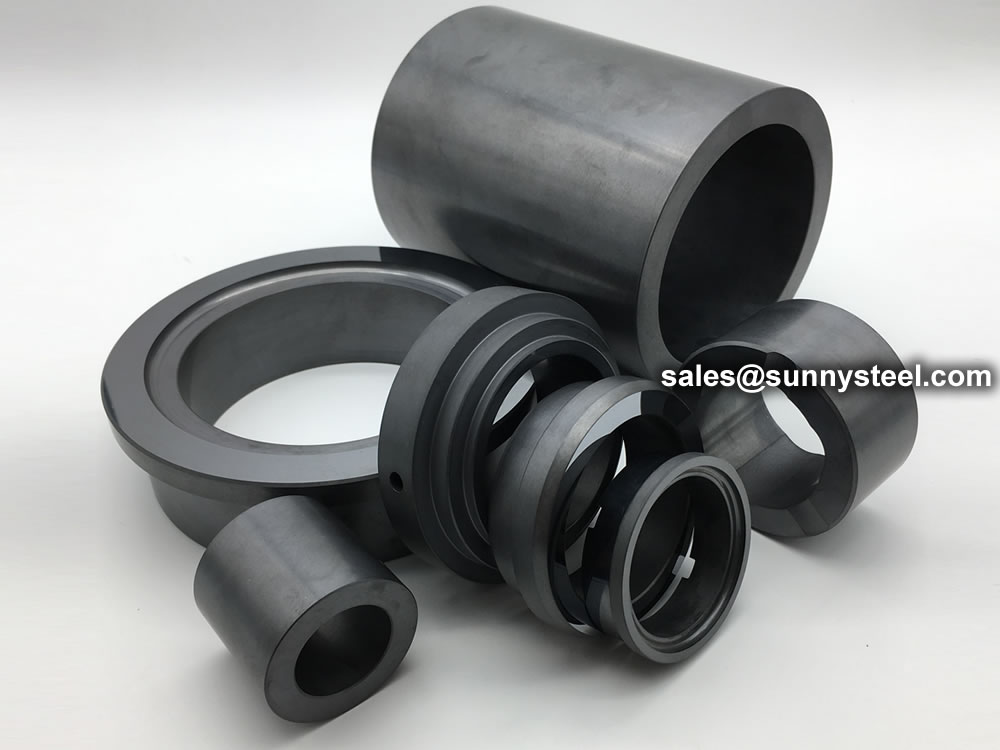
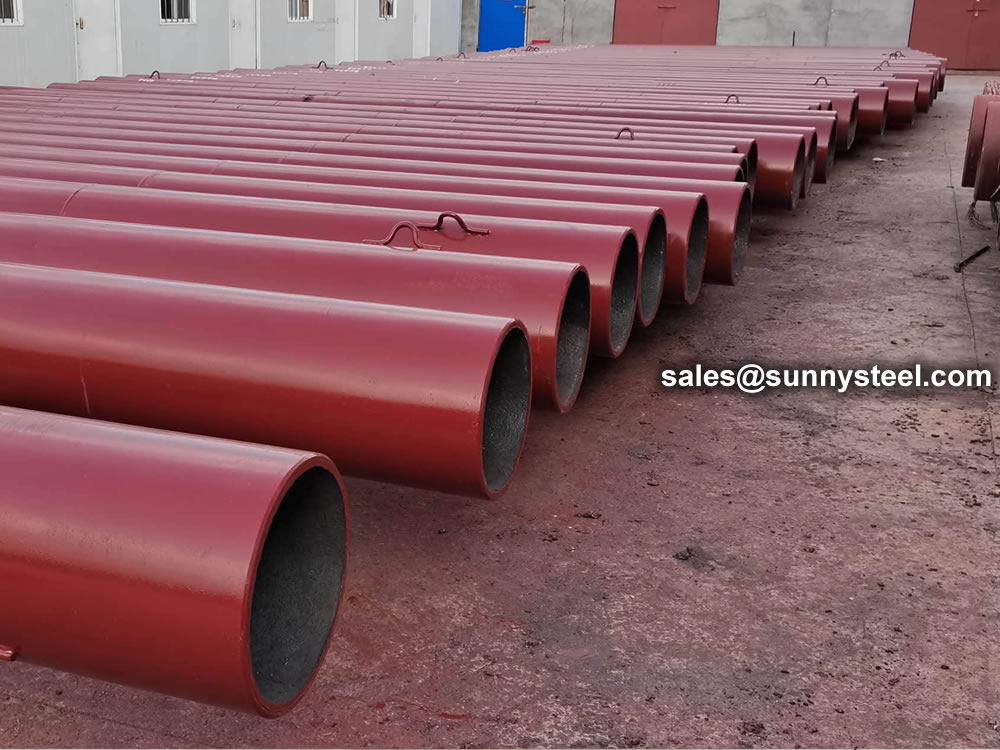
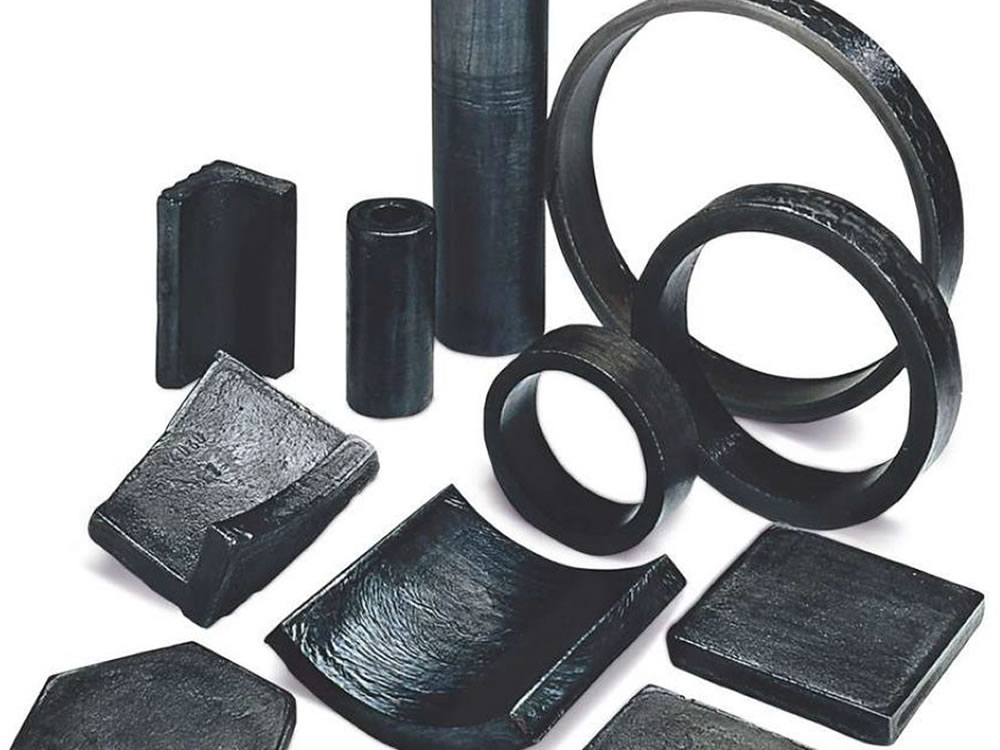
High-chromium cast wear-resistant clad pipe for ash, ore fines and abrasive solid-particle conveying.

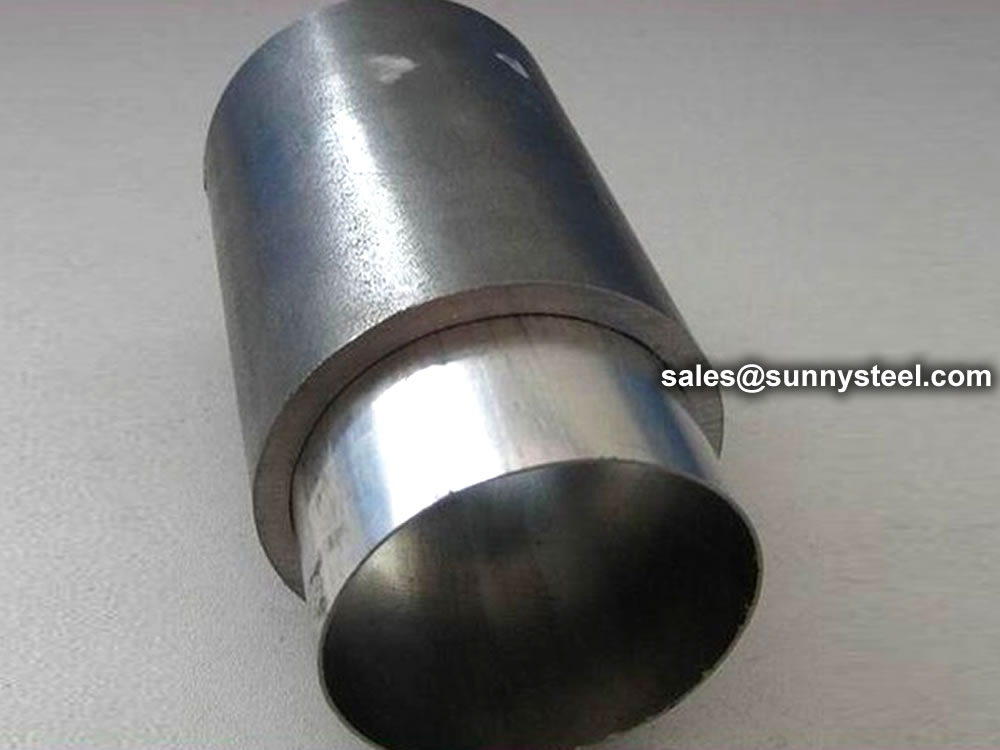
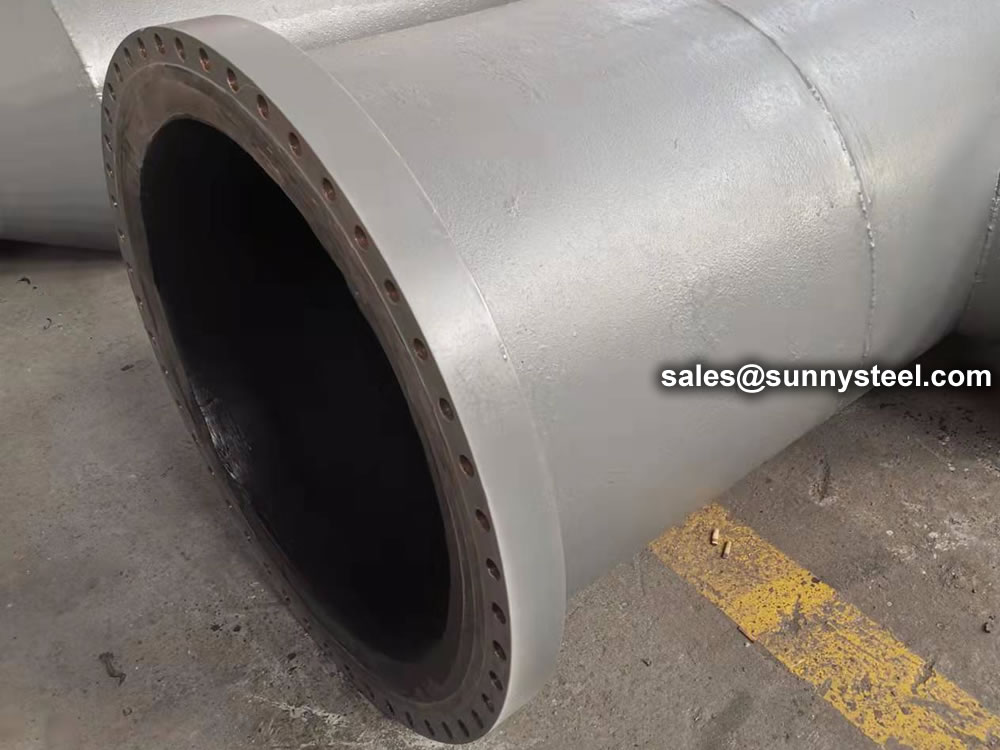
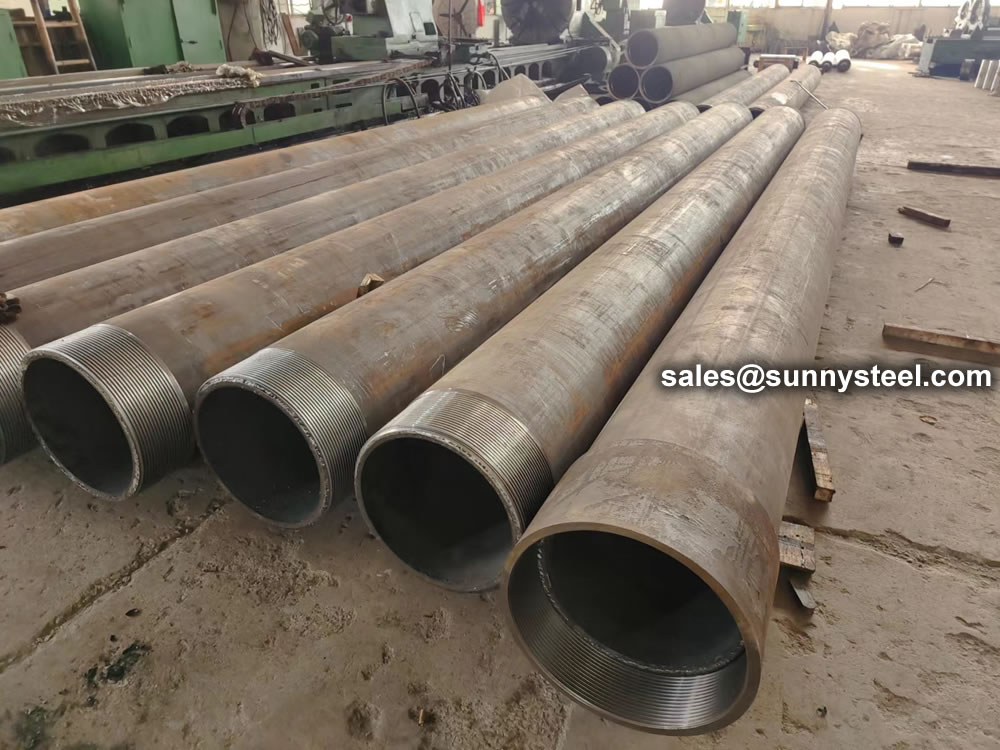
Cross-section of metallurgical bimetal clad pipe

Three Standard Metallurgical Composite Processes

Composite Technology Core Feature Main Application Scenario
Explosion Welding Cladding Atom-level metallurgical fusion, high bonding strength, comply with API 5LD Onshore & offshore oil-gas transmission pipelines
Hot Roll Diffusion Cladding Mass continuous production, uniform liner thickness Power boiler heating surface tubes, chemical heat exchange pipes
Vacuum Centrifugal Cast Cladding High chromium cast iron inner liner, dense wear-resistant layer HRC≥55 Mining ore slurry, power plant fly ash abrasion pipelines & elbows

Material Matching & Working Condition Classification

3.1 Corrosion Resistant Lined Clad Pipe

Outer Base Material Inner Liner Alloy Corrosion Working Condition
20G / 16Mn / X42-X70 Carbon Alloy 316L Stainless Steel General CO₂ weak acid medium
A335 P22 / 16Mn 2205 Duplex Stainless Steel CO₂ + trace chloride ion medium
20G Boiler Tube 310S / 17-14CuMo / Sanicro28 Waste incineration high Cl/S high temperature flue
API X60-X70 C276 / Inconel 625 / Incoloy 825 H₂S + chloride strong corrosive oil & gas
Carbon Steel Titanium / Cu-Ni Alloy Seawater desalination pipeline

3.2 High Chromium Wear Resistant Clad Pipe

Outer layer ordinary carbon steel for pressure bearing, inner liner KMTBCr28 high chromium cast iron with hardness HRC≥55. Perfect for long-term solid particle scouring, customized thickened liner for elbows with severe abrasion.

Core Advantages of Bimetal Clad Pipe

  • • Significant cost saving: Only use expensive alloy as thin inner liner, much cheaper than full alloy seamless pipe
  • • Dual performance balance: Carbon base bears pressure & impact; alloy liner resists corrosion / abrasion
  • • Stable metallurgical interface: No delamination, peeling or cracking under thermal cycle and long medium scouring
  • • Convenient construction: Compatible with conventional welding, flange and cutting without special construction technology
  • • Extended service life: Dense liner structure, reaches 3~5 overhaul cycles longer than ordinary carbon steel pipe

Executive Standards & Pre-Delivery Inspection

Global Applicable Standards

  • Oil & gas industry: API 5LD
  • Power & chemical: ASME, DIN, GB8163, GB20878
  • Boiler high temperature tube: Special Sandvik & Sumitomo composite pipe norms

Complete Batch Inspection Items

  • Ultrasonic bonding delamination scanning
  • Multi-point liner thickness uniform detection
  • Hydrostatic pressure test according design working pressure
  • PMI spectral chemical composition test for inner alloy layer
  • Hardness test for wear-resistant chromium liner (HRC≥55)

Main Application Industries

  • Oil & gas gathering pipeline
  • Municipal waste incineration power boiler
  • Biomass boiler high temperature flue pipe
  • Chemical heat exchange & reaction pipeline
  • Seawater desalination water supply pipe
  • Mining ore slurry & power plant fly ash conveying pipe
  • Cement coal powder abrasion pipeline
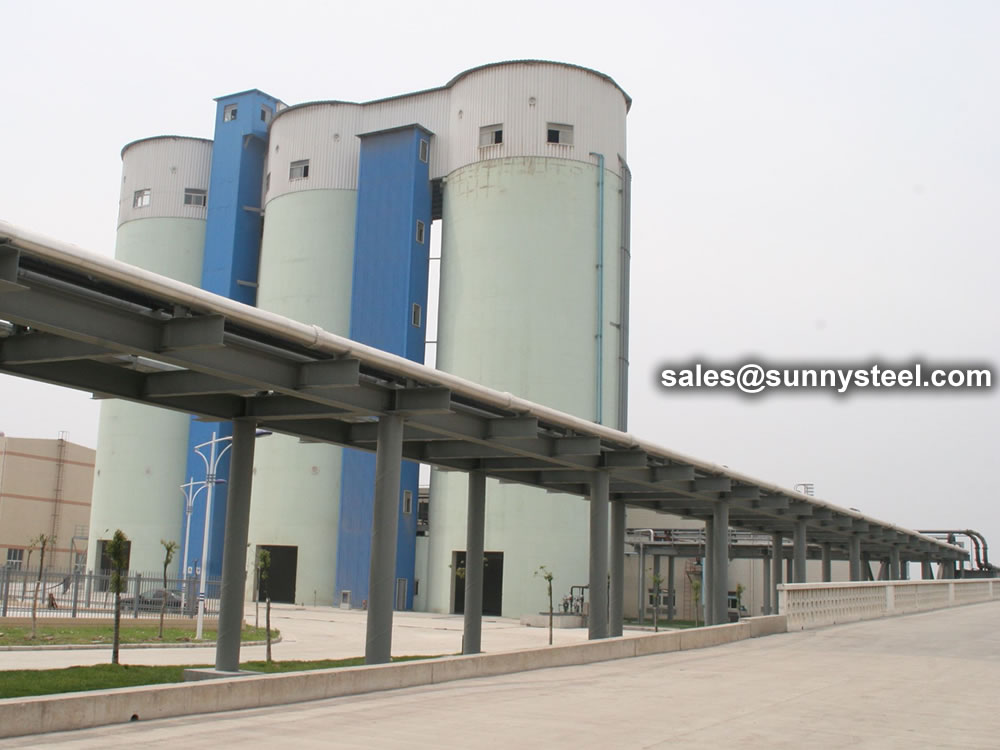
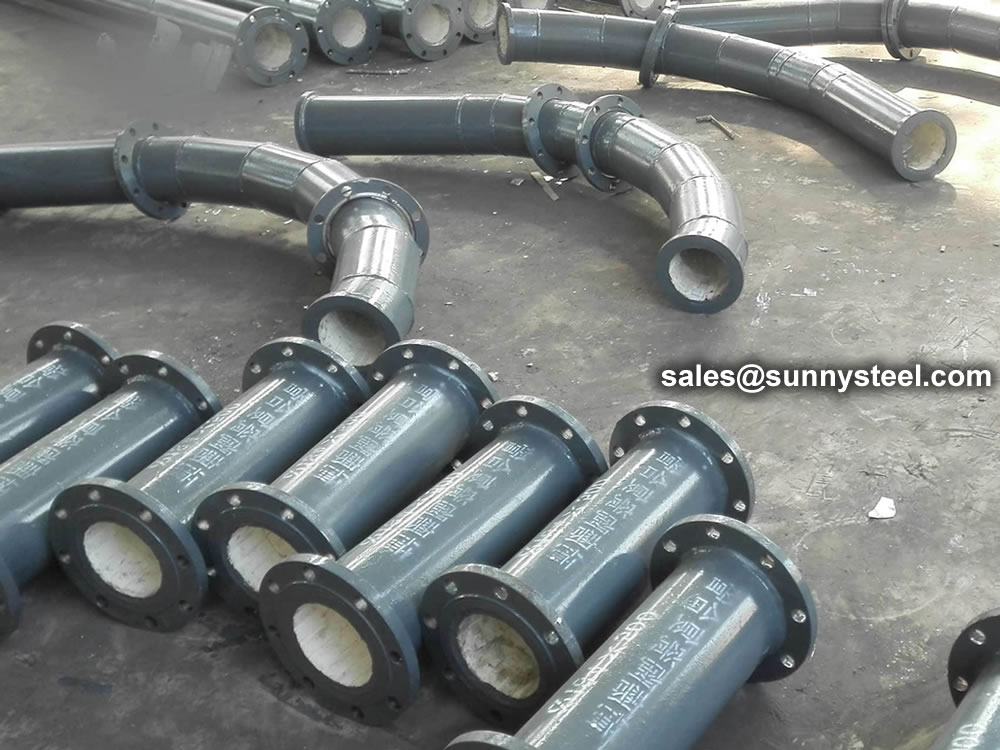
Bimetal clad pipe applications across industries

Applications of Bimetal Clad Pipe

Oil and gas streams often contain aggressive species such as H₂S, CO₂ and chlorides. Subsea and untreated fields are particularly corrosive, with simultaneous heat transfer accelerating degradation.

Solid corrosion-resistant alloys are cost-prohibitive. Bimetal clad pipe offers an optimal balance: a thin corrosion-resistant inner liner combined with a high-strength carbon or low-alloy steel outer pipe.

Typical Service Conditions

Service Condition Recommended Liner / Outer Pipe
CO₂ Service 316L austenitic stainless steel liner
CO₂ + Chlorides 2205 / 2507 duplex stainless steel liner
Sour Service
(H₂S + CO₂ + Cl⁻)
028, G3, Inconel 625, Inconel 825, titanium alloys
Outer Pipe API 5L X42–X70, ASTM A106, A335-P22 (structural strength)

Industry Applications

Oil & Gas Transmission

Corrosion-resistant liners (Incoloy 825, Incoloy 625) combined with high-strength outer pipes (API 5L grades). Compliant with API 5LD for clad and lined steel pipe.

Power Generation & Boilers

Superheater and reheater tubes operating at 650°C / 35 MPa. Examples include:

  • Sumitomo: SUS310S / 35Cr-55Ni outer, 17-14CuMo / Alloy 800H inner
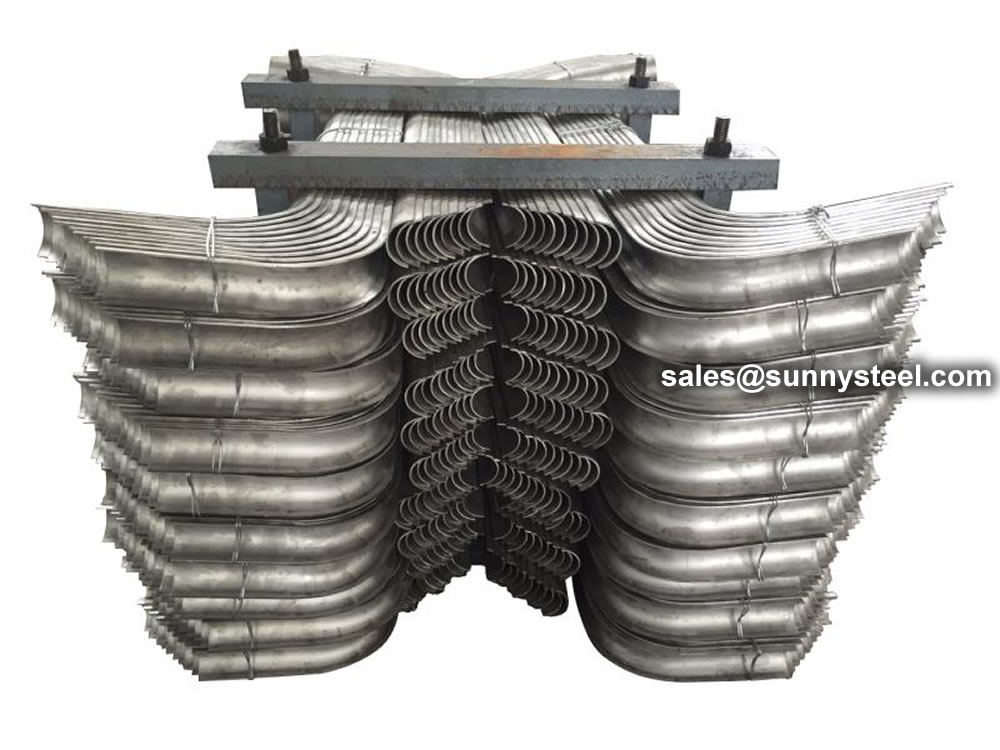
  • Sandvik: Carbon steel inner, Sanicro 28 outer (drop-in boiler retrofit)

Waste Incineration

Sanicro 65 alloy outer tubes with carbon or Cr-Mo steel inner tubes. Widely deployed in Europe and North America since the 1970s.

Heat Exchangers

High thermal conductivity with corrosion resistance:

  • Sandvik: Alloy 800 inner / ASTM A213 T22 outer
  • NKK (Japan): NIC42 inner / 16MnV outer

Wear-Resistant Service

SUS316L outer with Stellite 12 inner liner for pneumatic conveying of abrasive powders. Proven service life exceeding 4 years.

Marine & Offshore

Nickel, titanium or copper alloy liners with carbon steel outer pipes for seawater cooling, desalination and offshore heat exchangers.

Civil & Industrial Infrastructure

Civil: Potable water, HVAC, solar and geothermal systems.
Industrial: Oil & gas pipelines, chemical processing, desalination, FGD systems, pharmaceuticals and food processing.

Advantages of Bimetal Clad Pipe

  1. Excellent Wear Resistance
    Inner liner hardness ≥ 56 HRC, delivering superior abrasion resistance and thermal stability in high-temperature service.
  2. High Impact & Thermal Shock Resistance
    True metallurgical bonding between the alloy liner and steel outer pipe ensures structural integrity. Matching thermal expansion coefficients prevent cracking under cyclic heating and cooling.
  3. Corrosion & Oxidation Resistance
    The superhard alloy matrix resists oxidation and corrosion in wet, chemically aggressive and particle-laden environments. Optimized heat treatment further enhances dry-abrasion performance.
  4. Cost-Effective Manufacturing
    Produced via advanced EPC casting technology, ensuring high yield, uniform wall thickness, dense microstructure and consistent quality at a fraction of solid alloy pipe cost.
  5. Easy Installation & Maintenance
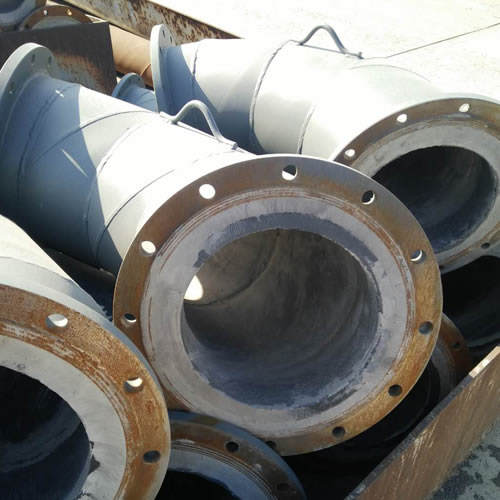
    Compatible with flanged, quick-coupled or welded joints. The robust composite structure allows on-site cutting, welding and hammer cleaning without risk of delamination or structural damage.
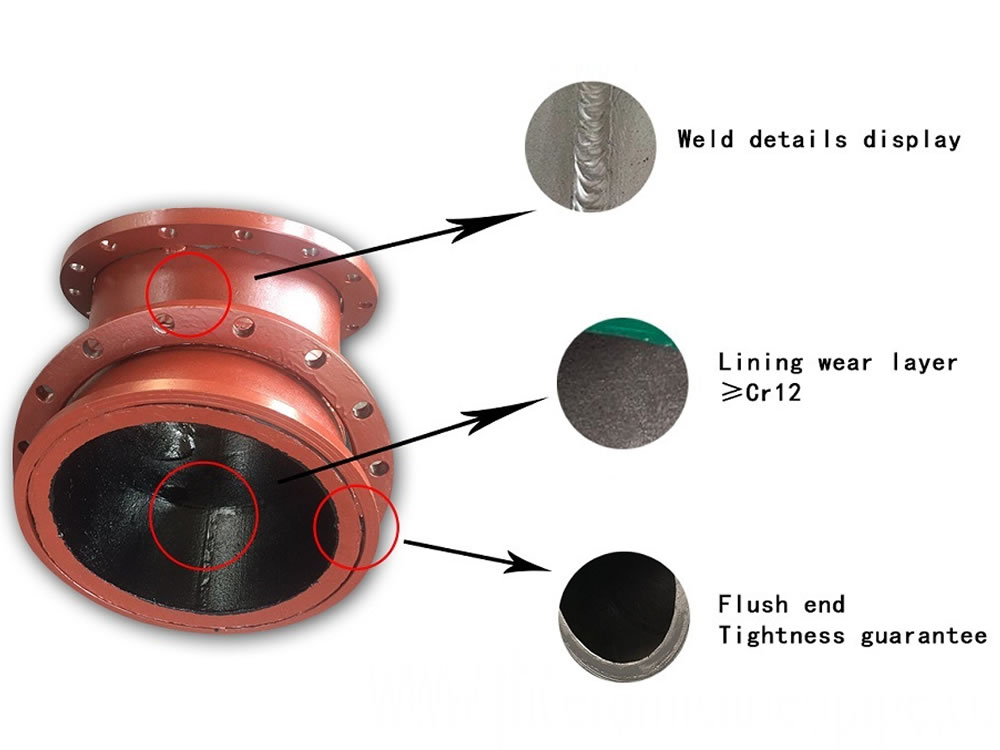
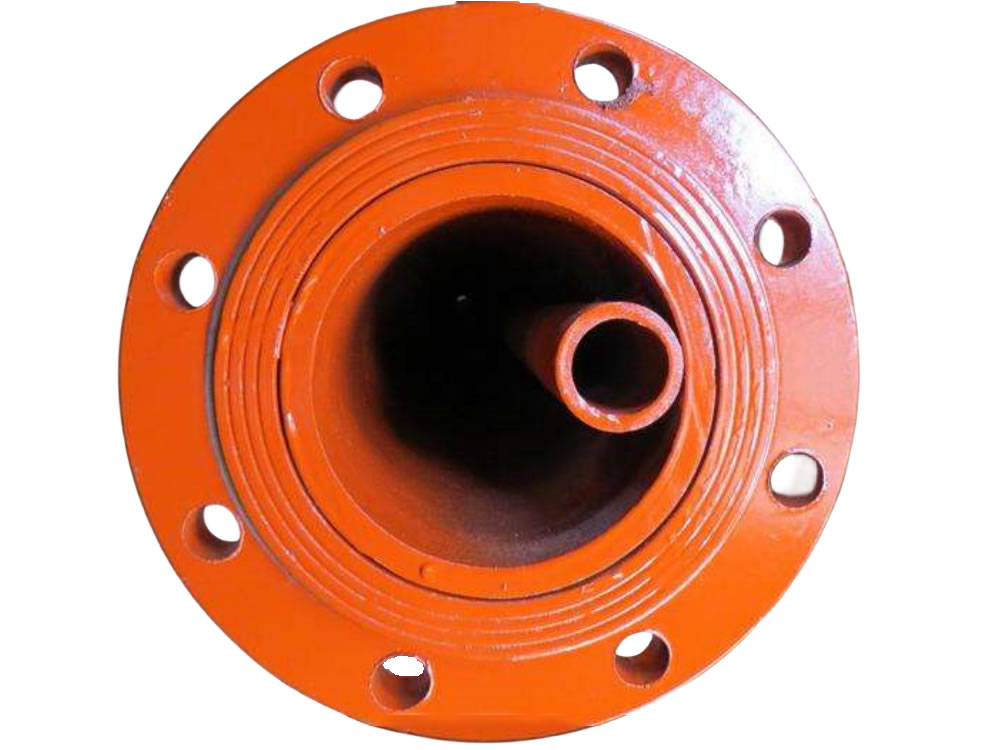
Metallurgically bonded bimetal clad pipe cross-section

Metallurgically bonded bimetal clad pipe

SHS process for bimetal clad pipe

Self-propagating High-temperature Synthesis (SHS) process

Manufacturing Technology

High-chromium cast iron represents the third generation of white cast irons, developed from conventional Ni-Hard alloys.

Process Requirements

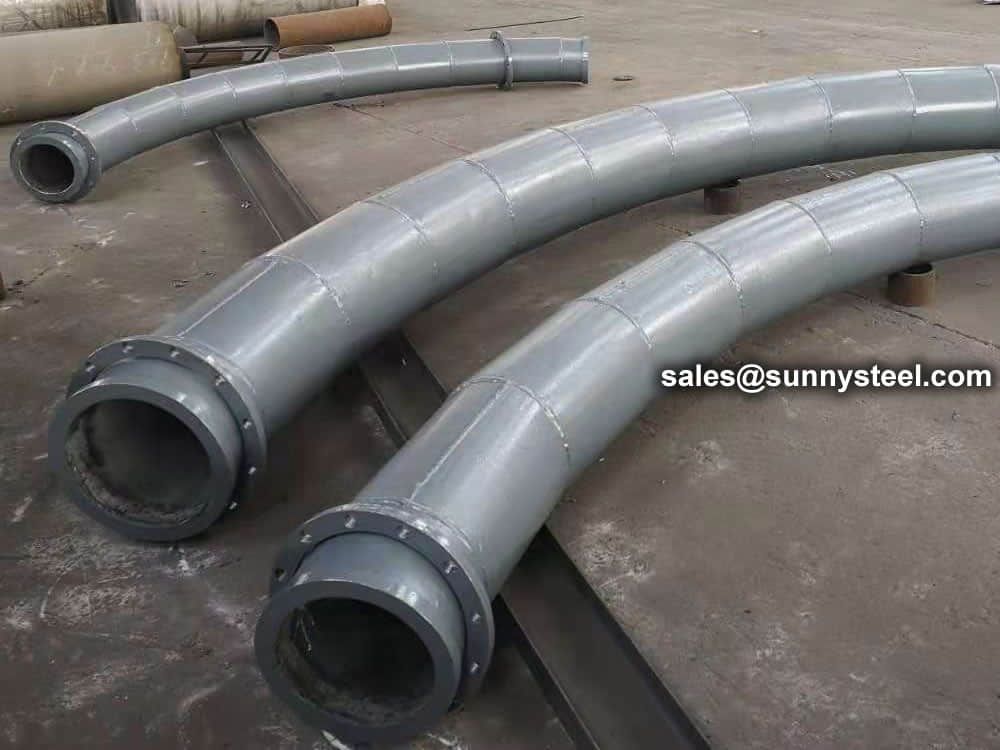
  • Bimetal wear-resistant elbows produced by vacuum-assisted evaporative pattern casting (EPC).
  • Eccentric composite design; outer wall locally thickened based on service conditions.
  • Smooth internal bore (Ø510 mm), no protrusions; shrimp-waist welding prohibited.
  • Liner: High-chromium alloy ≥ KmTBCr28, hardness ≥ 56 HRC, service life > 2 years.
  • Outer pipe: 508×10 mm seamless or welded steel (GB/T 8163 / GB 2087).

Quality Requirements

  • Smooth inner/outer surfaces; no cracks, porosity or burrs.
  • Excellent thermal shock resistance; no spalling under cyclic heating.
  • Dimensional tolerances per GB 3092 / GB 8162 / GB 8163.
  • Liner thickness tolerance: ±1.2 mm.
Frequently Asked Questions
A bimetal clad pipe is a composite pipe with two metallurgically bonded layers: a corrosion- or wear-resistant inner liner and a high-strength carbon or low-alloy steel outer pipe.
KmTBCr28 is a high-chromium white iron (≈28% Cr, low C) with a Brinell hardness around 430 HB. It offers excellent corrosion and abrasion resistance in low-pH slurry service.
Pipe cladding is the application of a corrosion- or wear-resistant alloy onto a base pipe. Common methods include weld overlay cladding, explosion cladding and mechanical roll bonding.

  • Excellent corrosion and abrasion resistance

  • Lower material cost vs solid alloy pipe

  • Extended service life in aggressive media

  • Material flexibility for different service conditions


  • Oil & gas: corrosive fluid and gas transmission

  • Petrochemical: acid and slurry handling

  • Mining: tailings and mineral slurries

  • Power: fly ash and desulfurization systems

Typical processes include explosive welding, roll bonding, vacuum diffusion bonding and centrifugal casting, all producing a true metallurgical bond.
Yes. Liners, outer pipes, diameters and lengths can be tailored to specific pressures, temperatures and media.
Yes. With appropriate alloy selection (e.g., Inconel 625, Sanicro 28), bimetal clad pipes perform reliably at elevated temperatures.

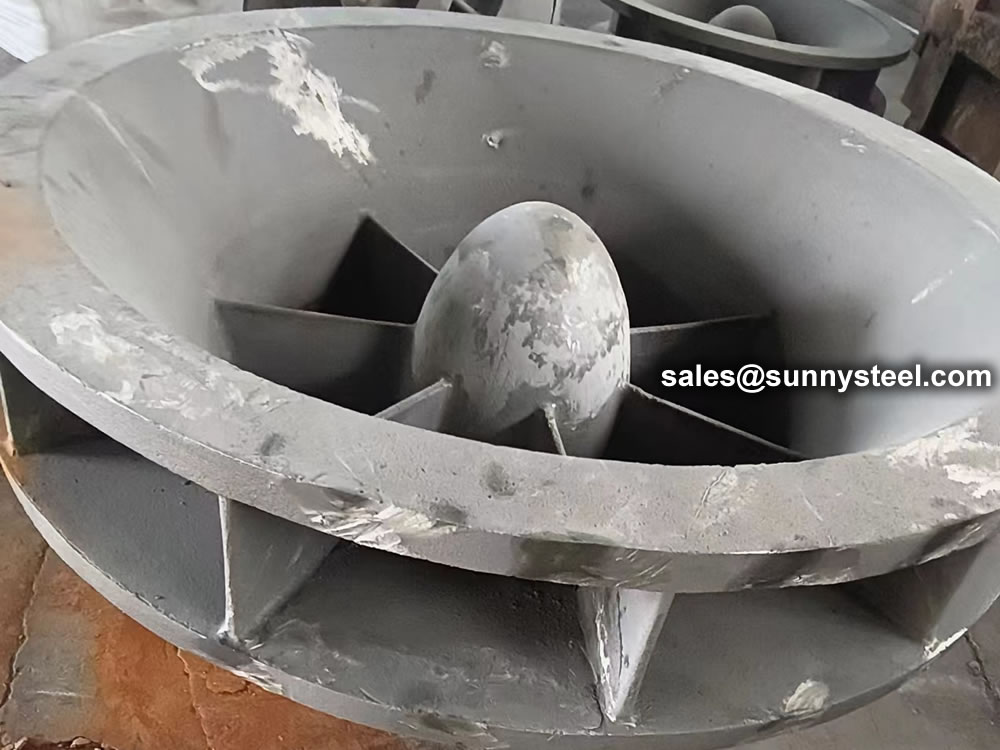
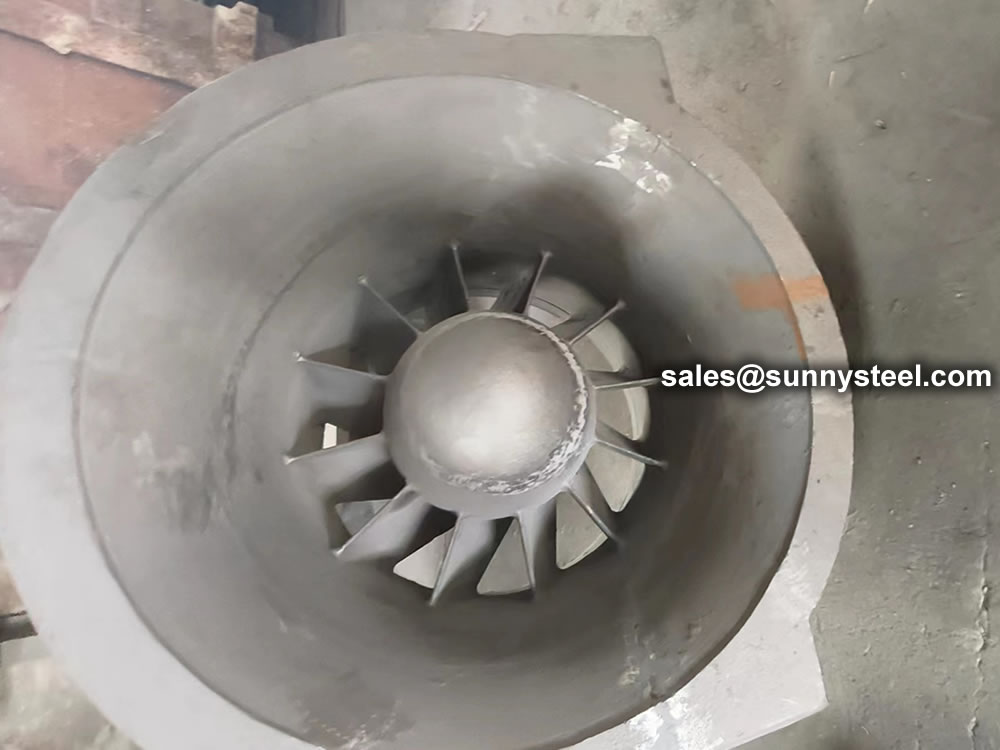
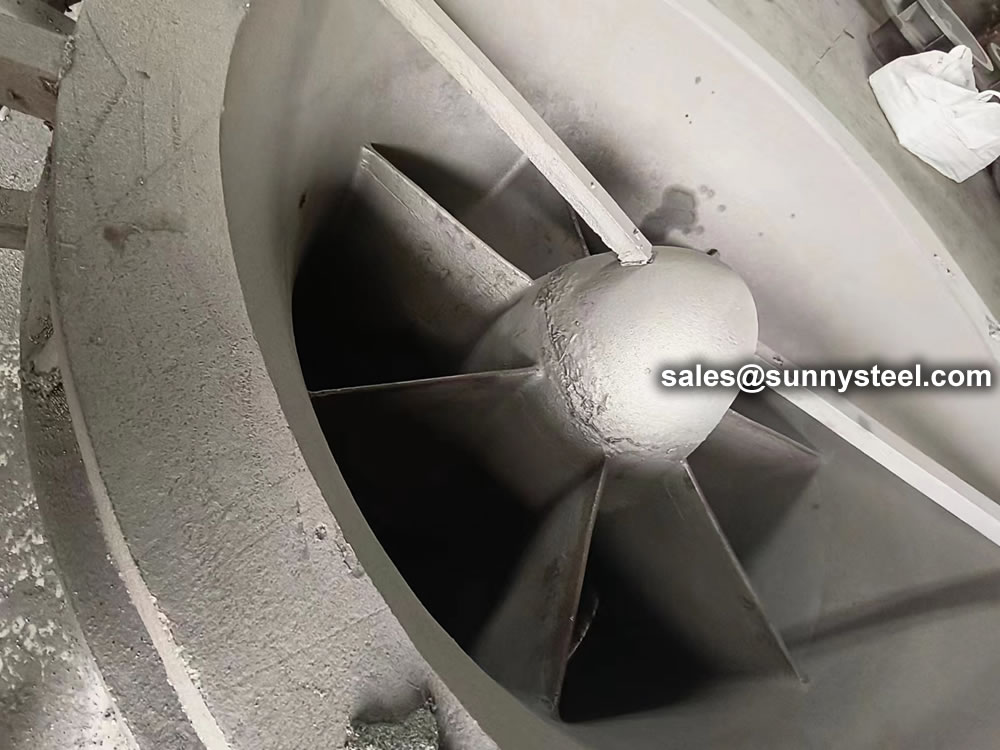
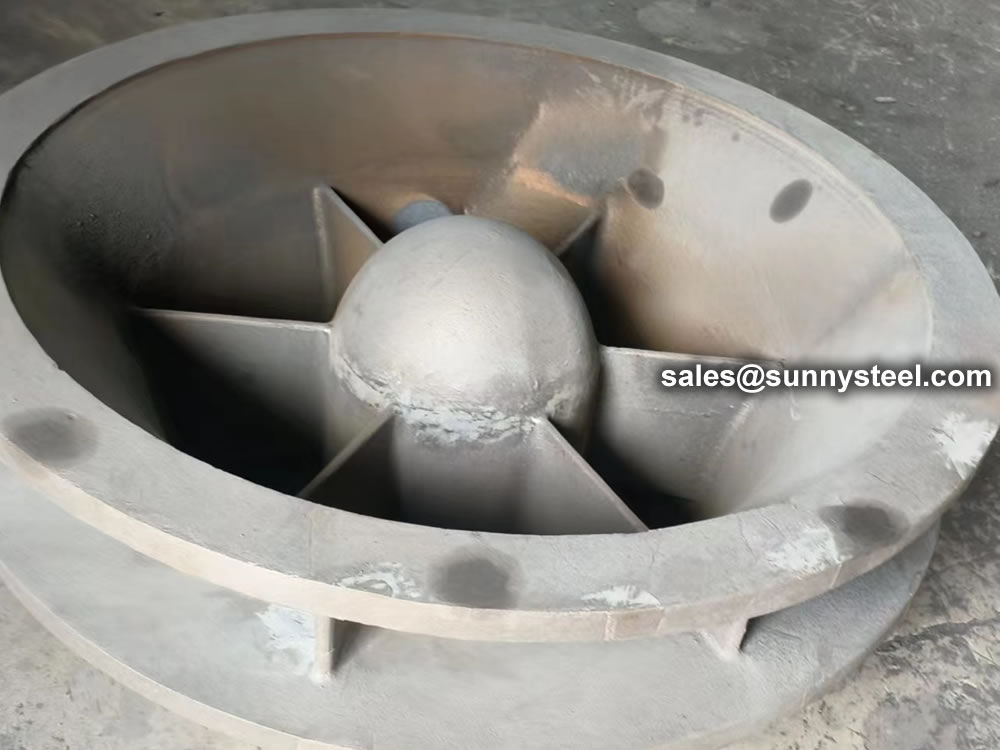
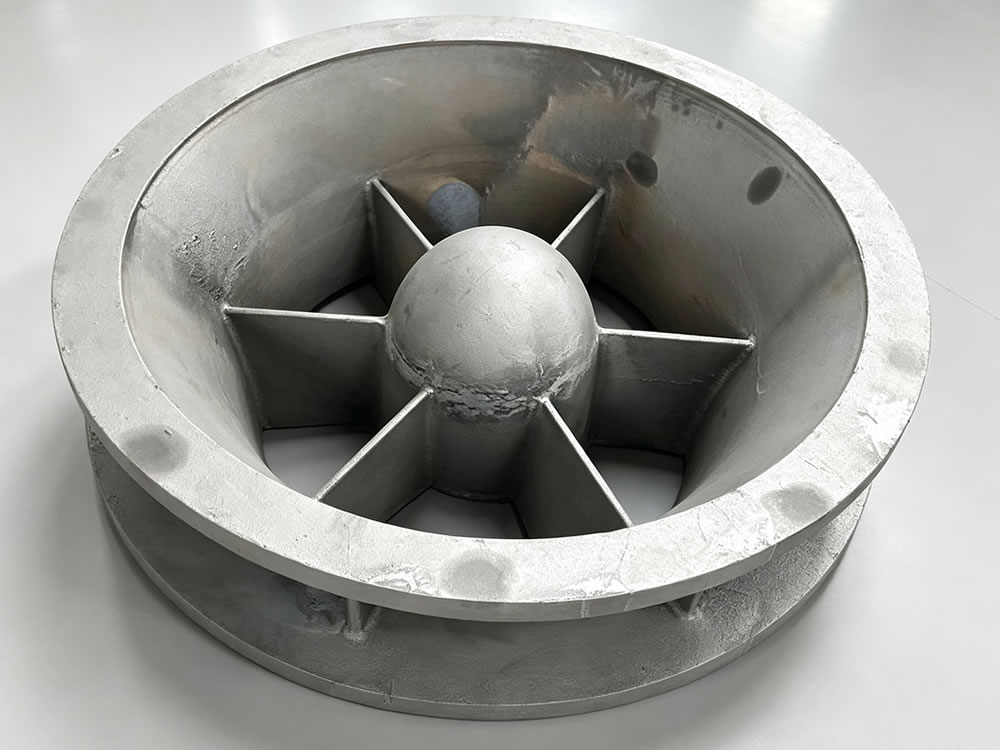
Axial Fans

Axial fans move air parallel to the shaft axis. They are widely used in ventilation, cooling and industrial exhaust systems where high flow rates at low to medium pressures are required.

Axial fan assembly
Axial fan blade detail
Industrial axial fan
Heavy-duty axial fan

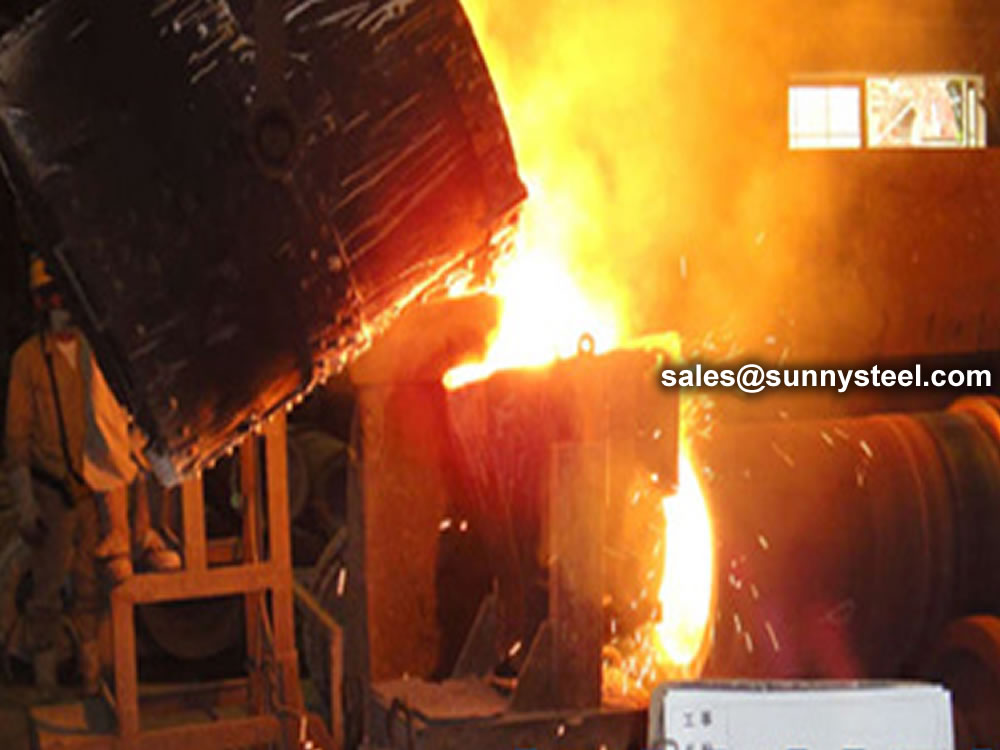
Features of centrifugal casting for bimetal wear resistant pipe production process

(1) Centrifugal casting technology enables the molten steel to solidify and form under the gravity condition, which is dozens of times higher than conventional casting. It solves the problem of loose inside the casting tube billet, has high metal density, and has good discharge and exhaust effect.

(2)The size accuracy of centrifugal cast pipe is high and the wall thickness is even, which provides a favorable guarantee for the size accuracy of subsequent processed products.

(3)Centrifugal casting process has high flexibility for the production of steel pipes of small batch, multiple varieties and specifications, high quality and high value-added steel.

What is CRA Cladding?

CRA basically means corrosion resistant alloy.
It’s a material that is built for cladding because its main purpose is to enhance a pipe’s resistance to corrosion.


What is Elbow Cladding?

Pipe elbow cladding is the process of applying a cladding material to elbow pipes.
It’s done on a more careful manner than the usual.
This is because elbow pipes can change throughout the entirety of the process.


Where Can Pipe Cladding be Applied to?

Particularly, the process of pipe cladding benefits the oil and gas industry the most.

However, it can also be used by other industries such as:

  • Mining Industry
  • Aquamarine Industry
  • Manufacturing Industry
  • Fabrication Industry
  • And Other Industries That Have High Temperature and High Impact

What is Pipe Lining?

Pipe lining is the process of prolonging the lifespan of pipes.

It can also be used, however, to restore a pipe from natural damages such as:

  • Corrosion
  • Abrasion
  • Erosion
  • Leaks
  • And the Like

Lined Pipes vs. Clad Pipes

Pipe lining and pipe cladding are processes that are far from each other.

Lining is the process of mechanically bonding materials to pipes for restoration. Some of the uses of pipe lining include:

  • To protect the pipes from damages
  • To prolong lifespan of pipes
  • To restore the original dimensions of pipes

Cladding is the procedure of metallurgical bonding of clad materials to pipes. Some of the major uses of pipe cladding include:

  • To create abrasion resistant pipes
  • To prevent corrosion and wear
  • To be able to resist high temperatures and high stress and impact situations

Who Can Help You With Pipe Cladding?

There are a lot of companies that utilize state-of-the-art pipe cladding equipment.

We have cutting-edge technology that can complete projects ahead of time.

Some of the most notable features that our pipe cladding equipment have include:

  • Simplicity of use and operations
  • High automation
  • Effective water cooling effect
  • Multi welding torch swing integration
  • All are of a high quality and original – best to produce the components your business needs!
Hot Products

【H】 Ceramic lined pipe

Ceramic lined pipe is made through self-propagating high-temperature synthesis (SHS) technique.

【H】 Cast basalt lined steel pipe

Cast basalt lined steel pipe is composed by lined with cast basalt pipe, outside steel pipe and cement mortar filling between the two layers.

【H】 Ceramic Tile Lined Pipes

Ceramic tile lined pipes have very uniform coating of specially formulated ceramic material that is affixed to the inner of the pipe.

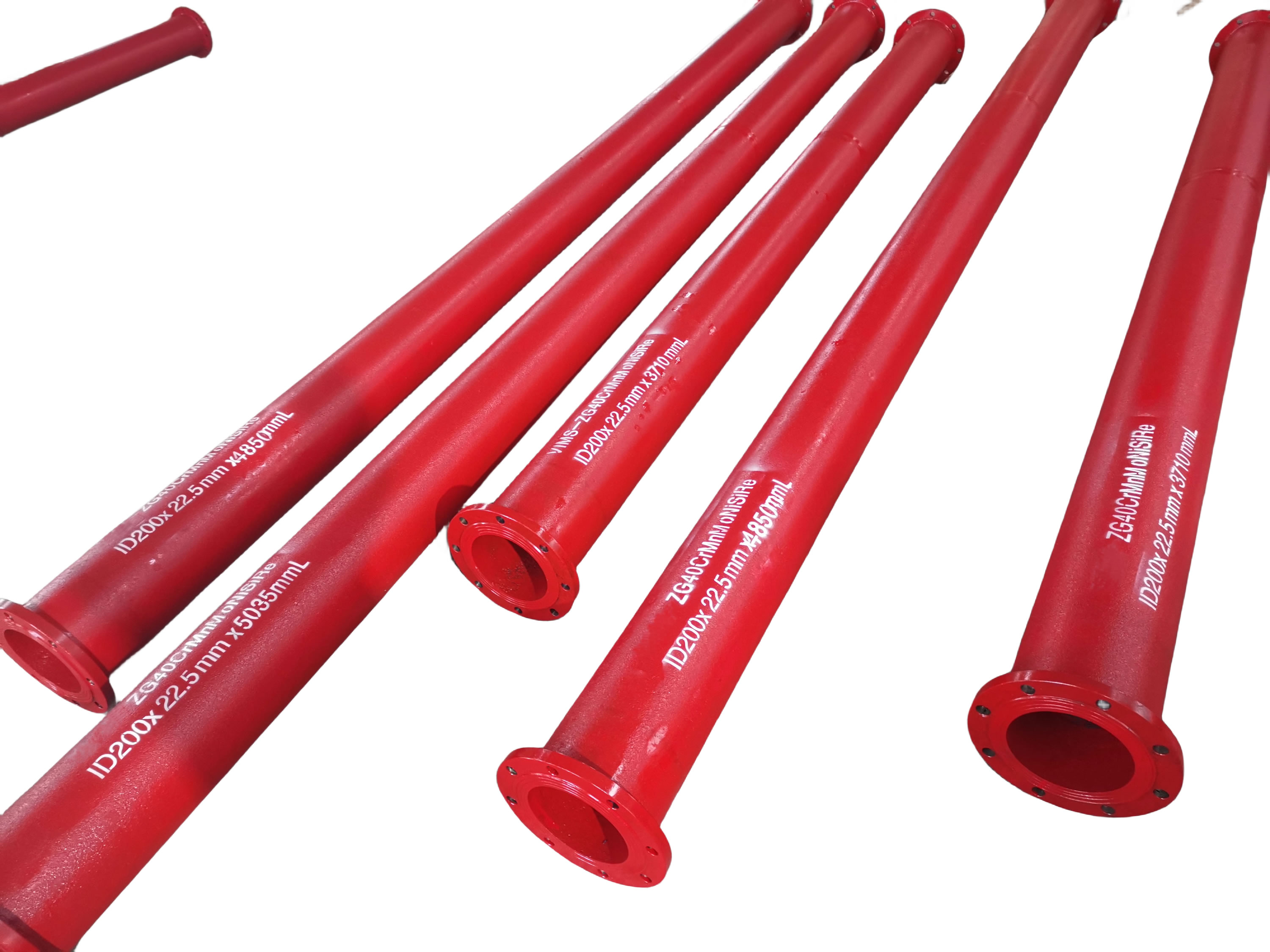
【H】 Rare earth alloy wear-resistant pipe

The material of the rare earth alloy wear-resistant pipe is ZG40CrMnMoNiSiRe, which is also the grade of rare earth alloy steel.

【H】 Tubes Erosion Shields

Tubes Erosion Shields are used to protect boiler tubing from the highly erosive effects of high temperatures and pressures thereby greatly extending tube life.

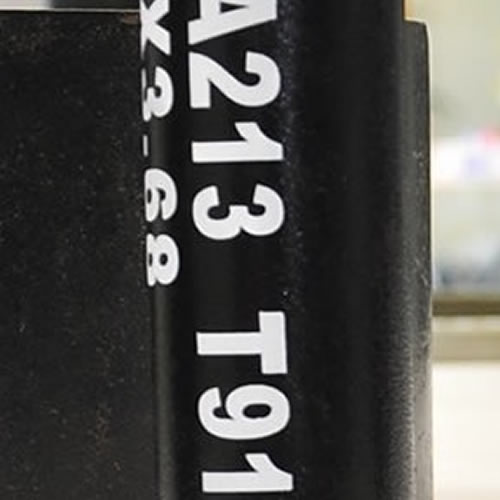
【H】 ASTM A213 T91 Alloy Tube

The ASTM A213 T91 seamless tubes are primarily used for boiler, superheater, and heat-exchanger.

The White Glove Service You Deserve

When you partner with Sunny Steel, you can stop worrying about meeting deadlines thanks to our responsive and timely service. You'll also say goodbye to unnecessary shopping around. Instead, you'll get white glove service from an expert who understands your needs and can get you the materials you need quickly.

application

Materials delivered on-time and at a fair price

application

No delays in production or manufacturing process

application

Meet engineering specifications to ensure top quality

application

World-class customer service ready to help