Weld steel pipes

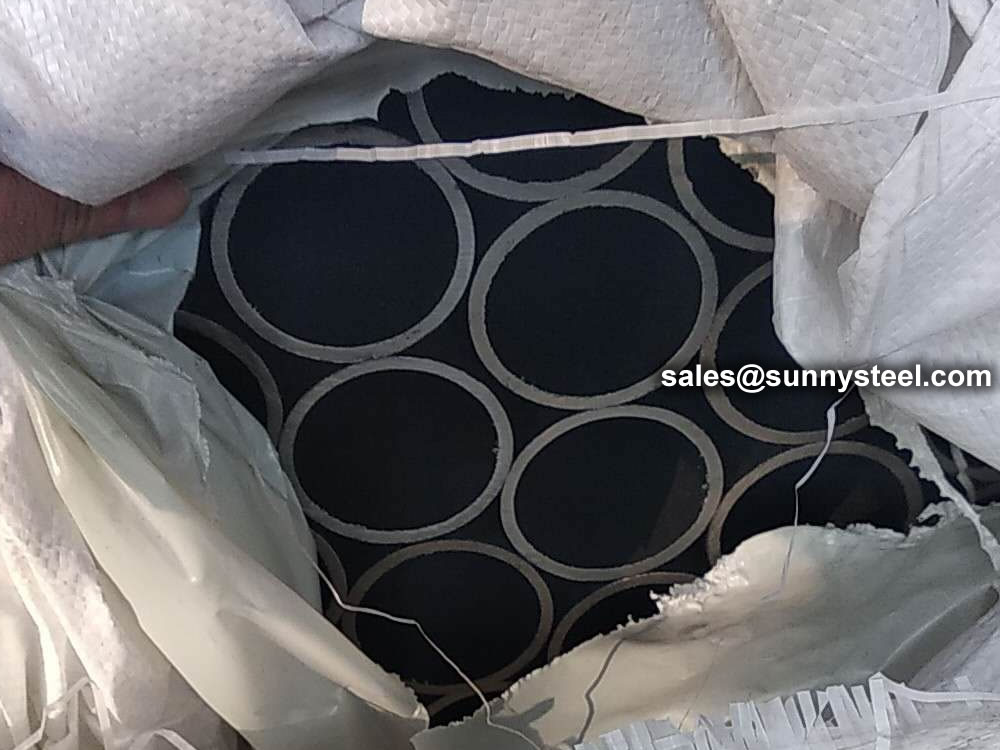
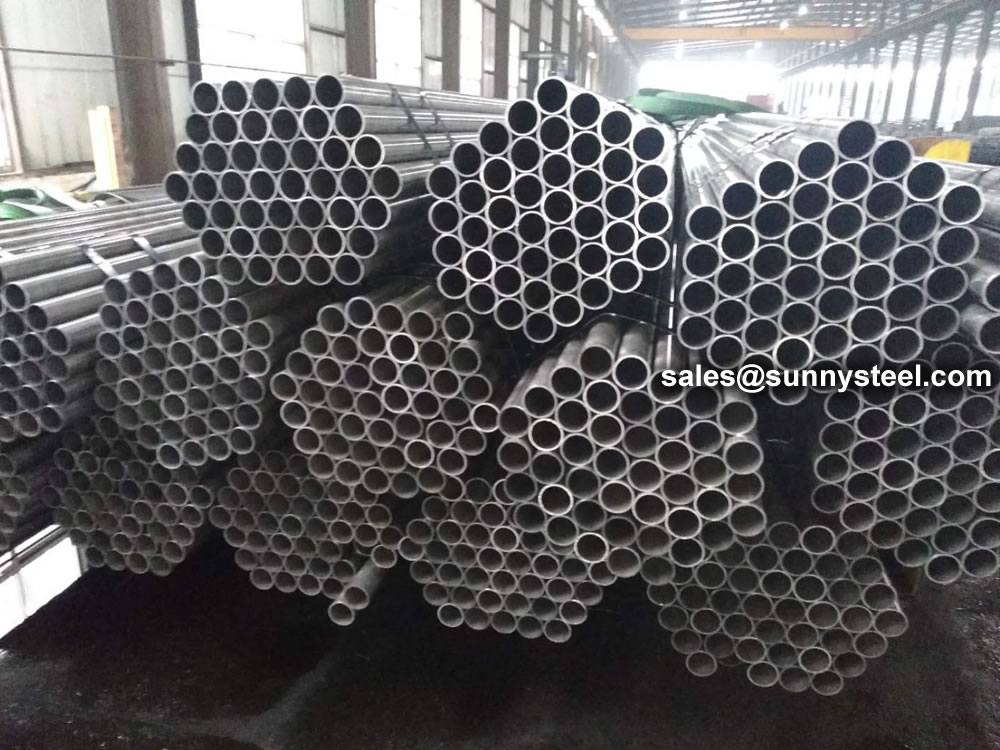
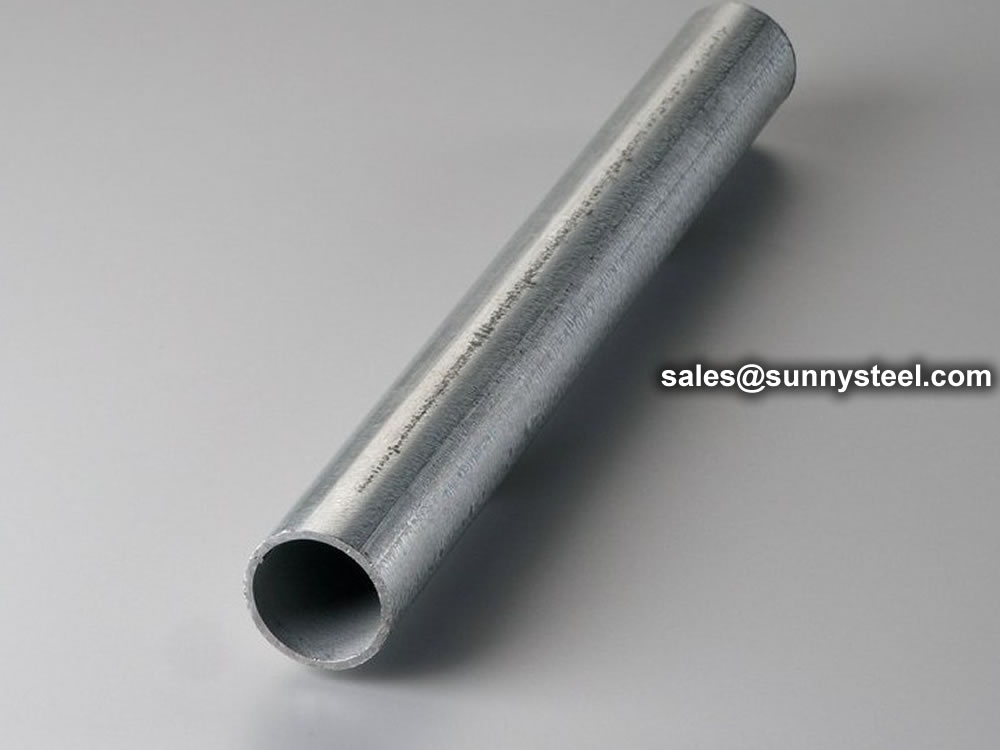
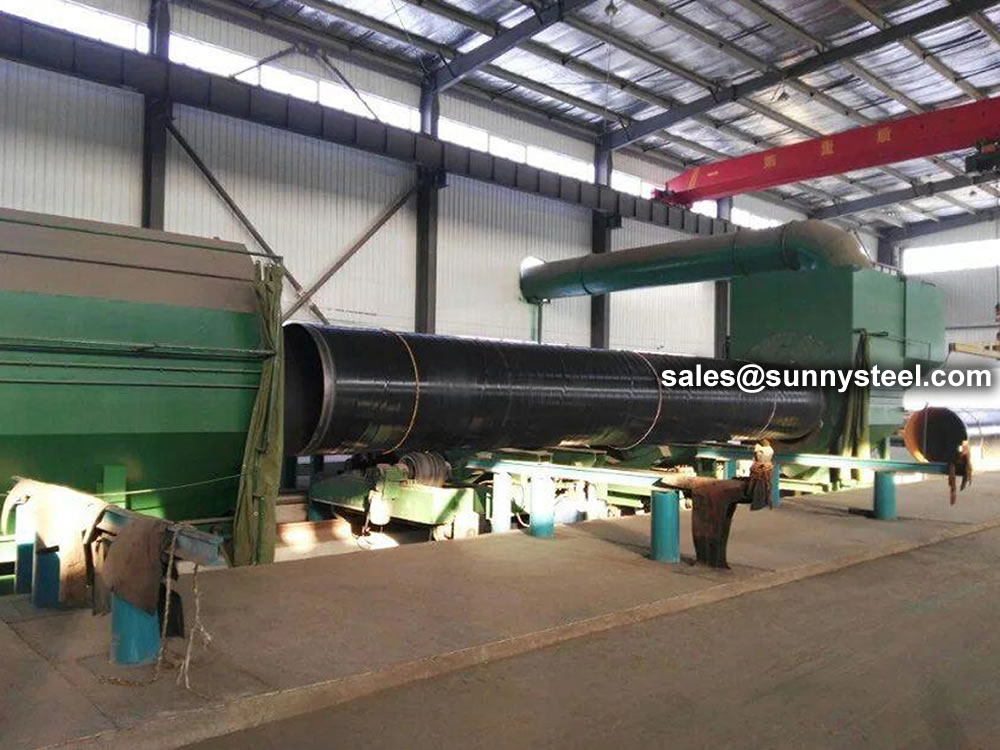
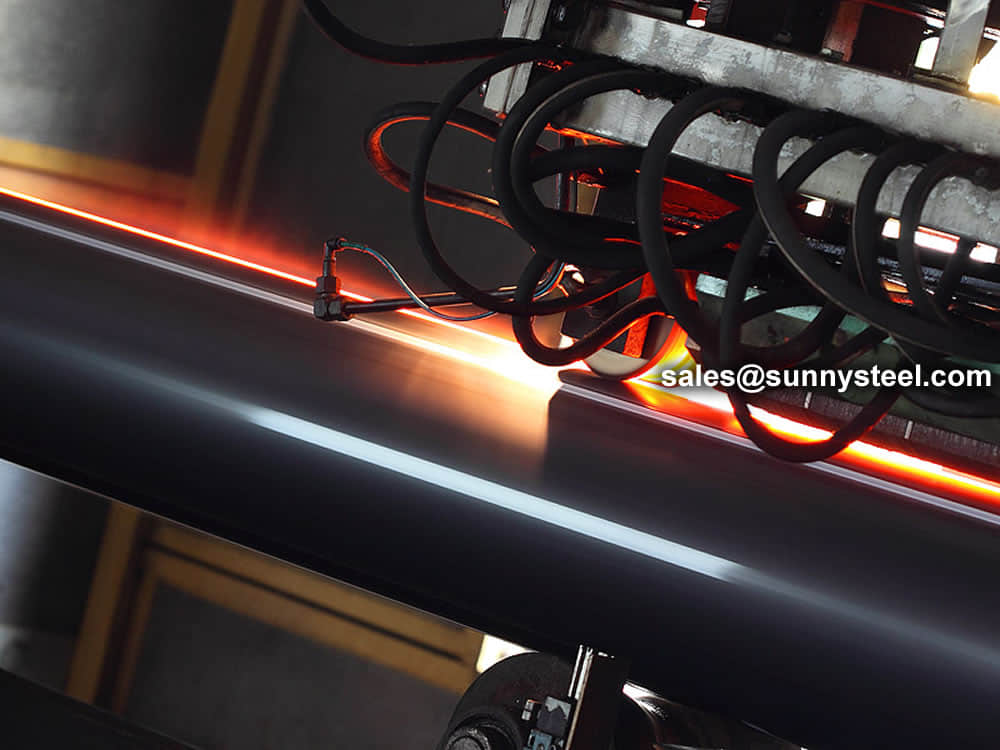
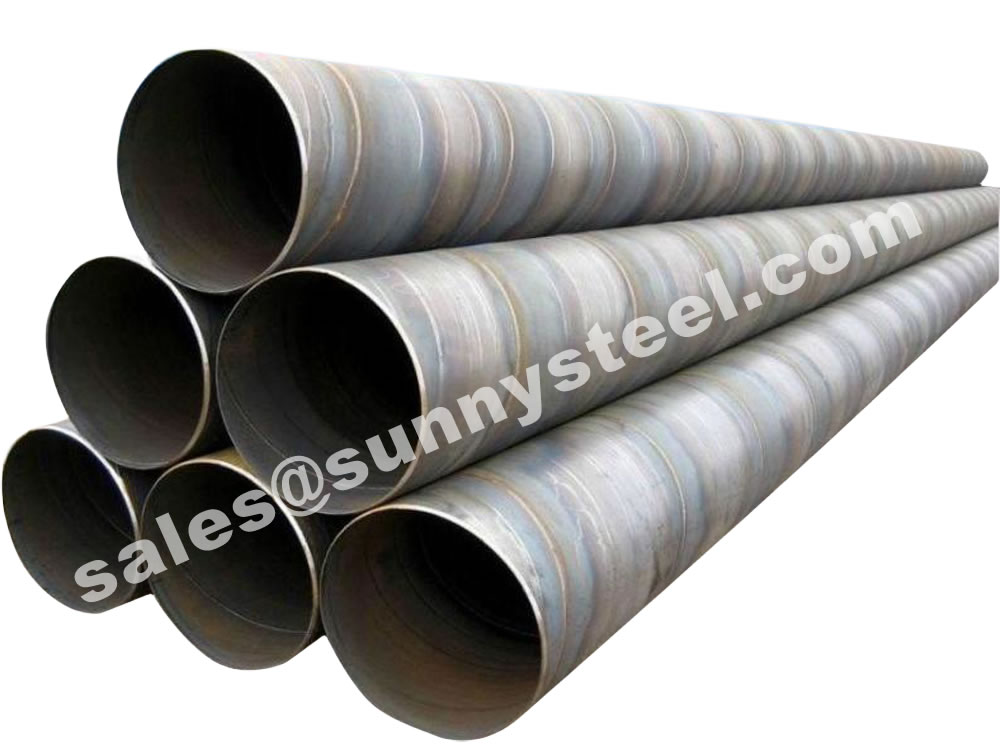
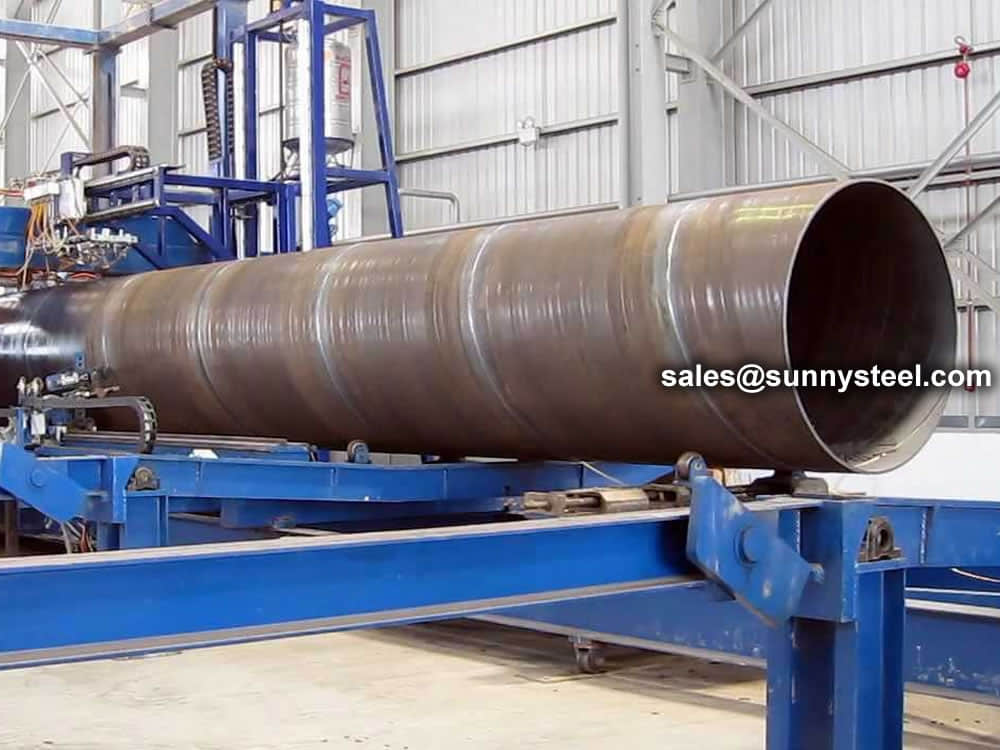
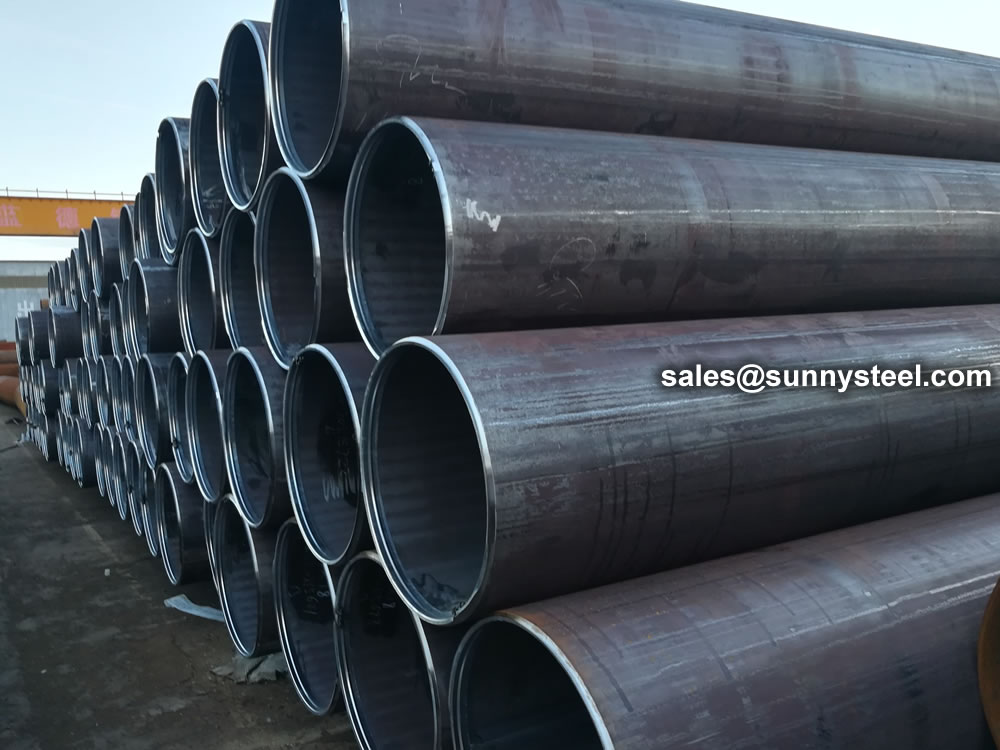
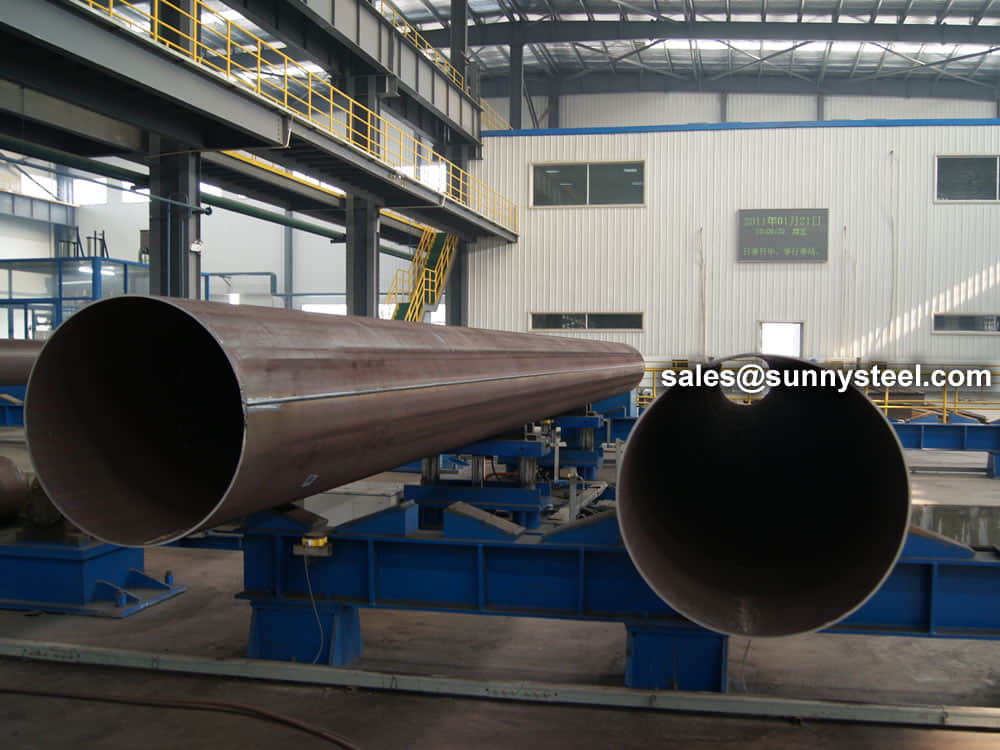
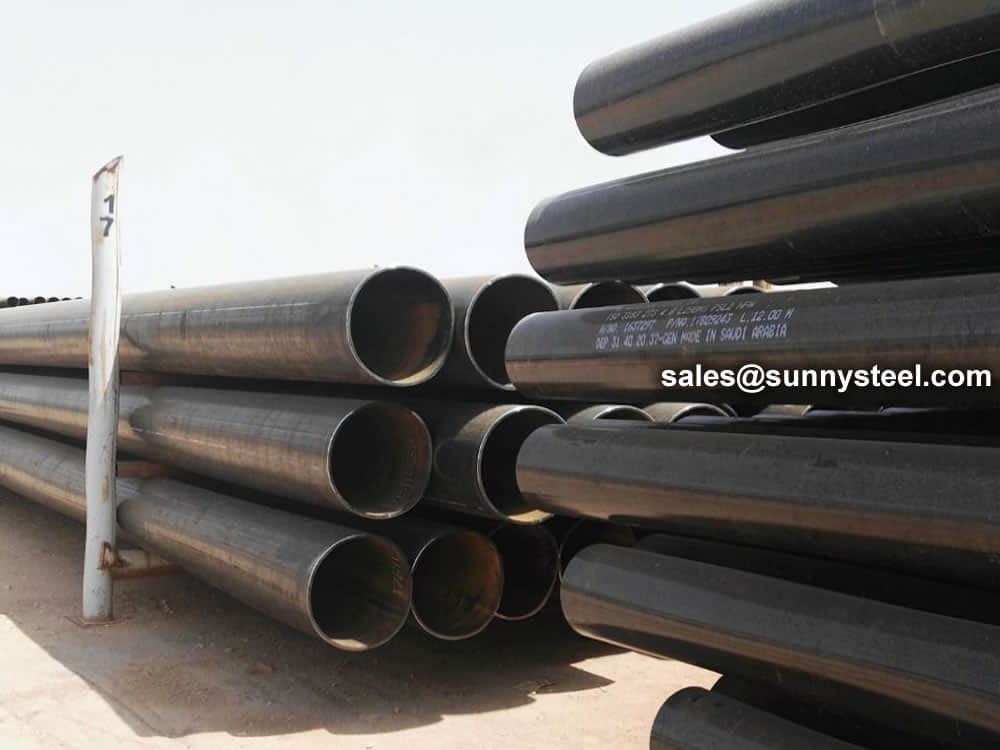
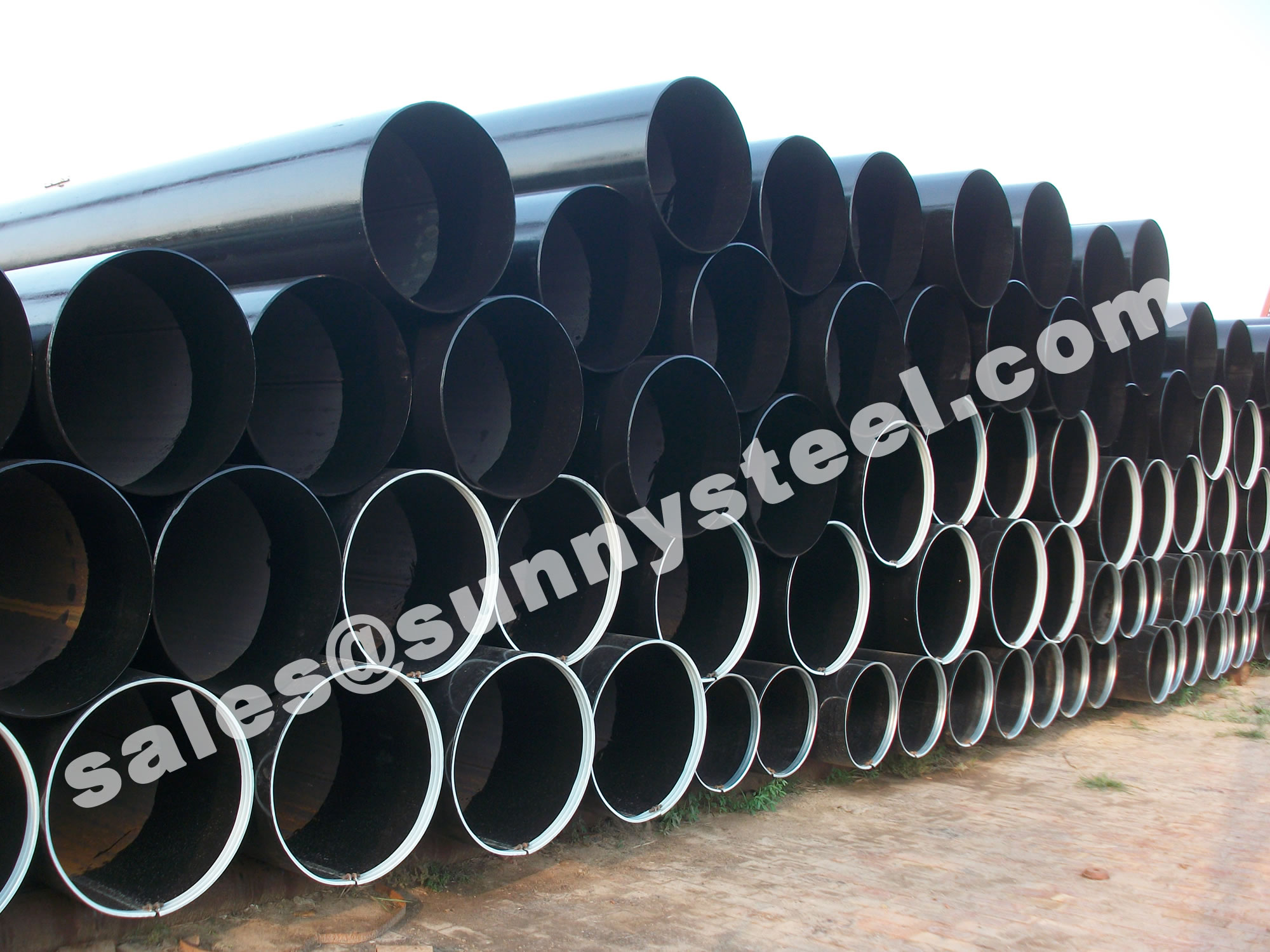
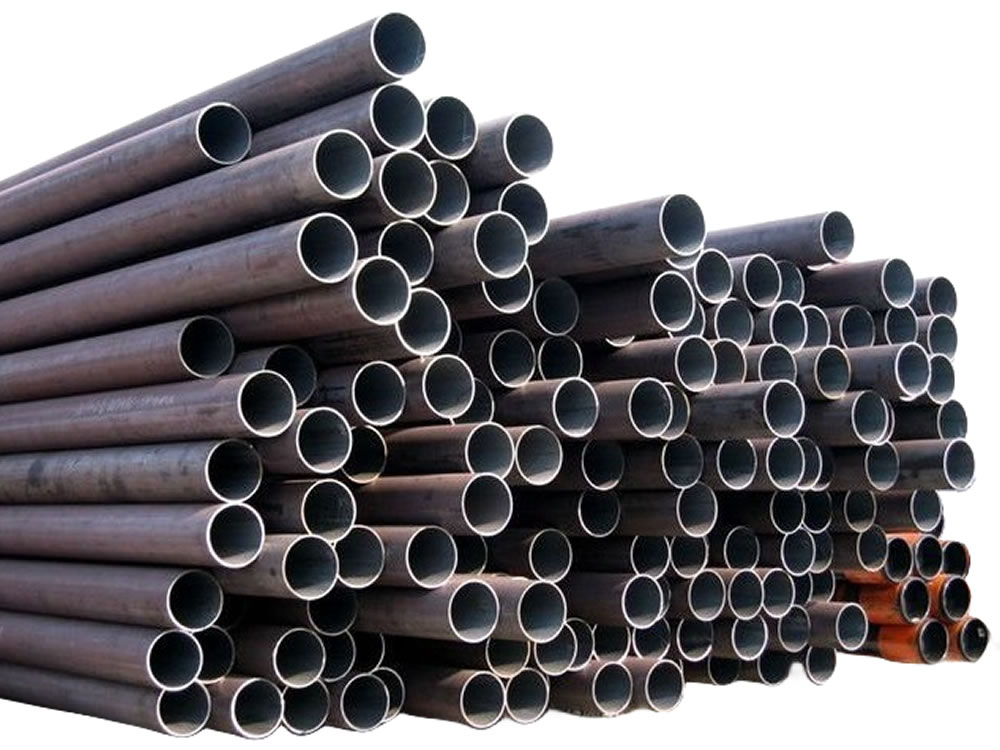
Welded steel pipe (steel pipe manufactured with a weld) is a tubular product made out of flat plates, known as skelp, that are formed, bent and prepared for welding.

Types of Welded Steel Pipes by Process

Welded pipes specification and size

API SPEC 5CT

Product Name Executive Standard Dimension (mm) Steel Code / Steel Grade
Casting API 5CT Ø48.3~273 x WT2.77~11.43 J55, K55, N80, L80
Tubing API 5CT Ø48.3~273 x WT2.77~11.43 J55, K55, N80, L80, H40

API SPEC 5L

Product Name Executive Standard Dimension (mm) Steel Code / Steel Grade
Line Pipes API 5L Ø60.3~273.1 x WT2.77~12.7 A25, A, B, X42, X46, X52, X56, X60, X65, X70, X80

ASTM / ASME

Product Name Executive Standard Dimension (mm) Steel Code / Steel Grade
Electric-Resistance-Welded Steel Pipes ASTM A135 Ø42.2~114.3 x WT2.11~2.63 A
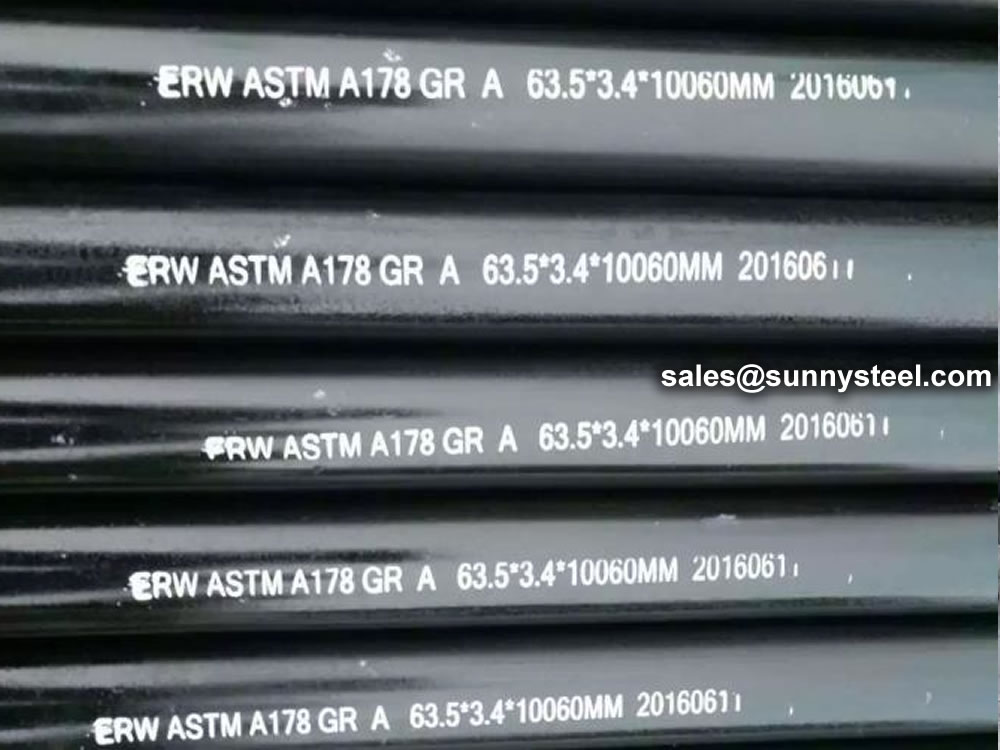
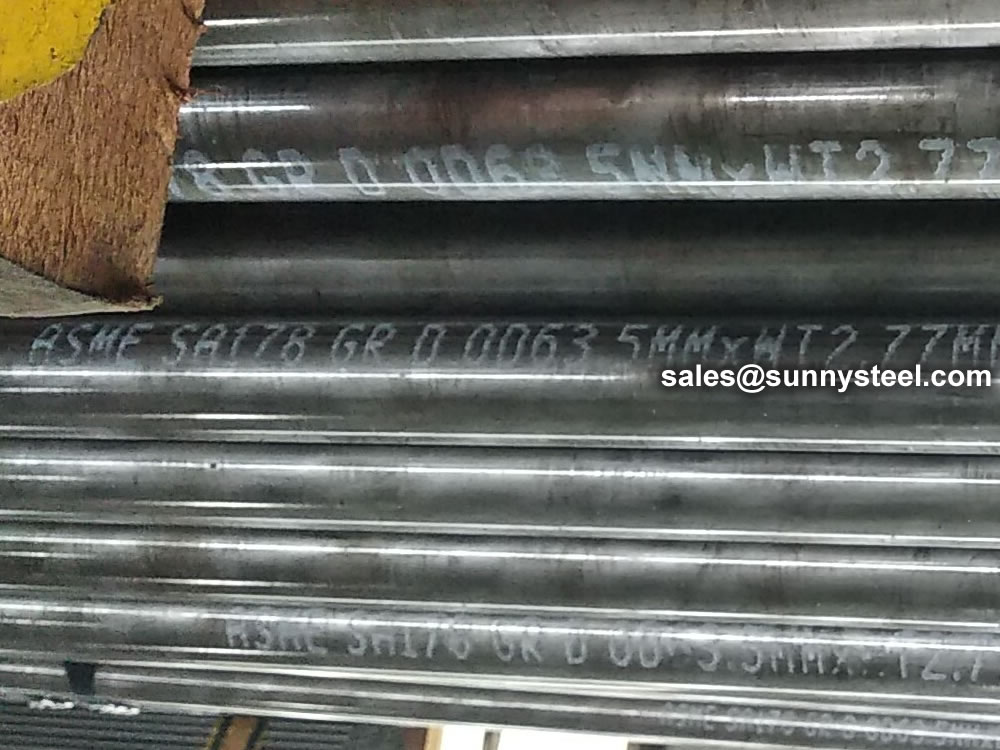
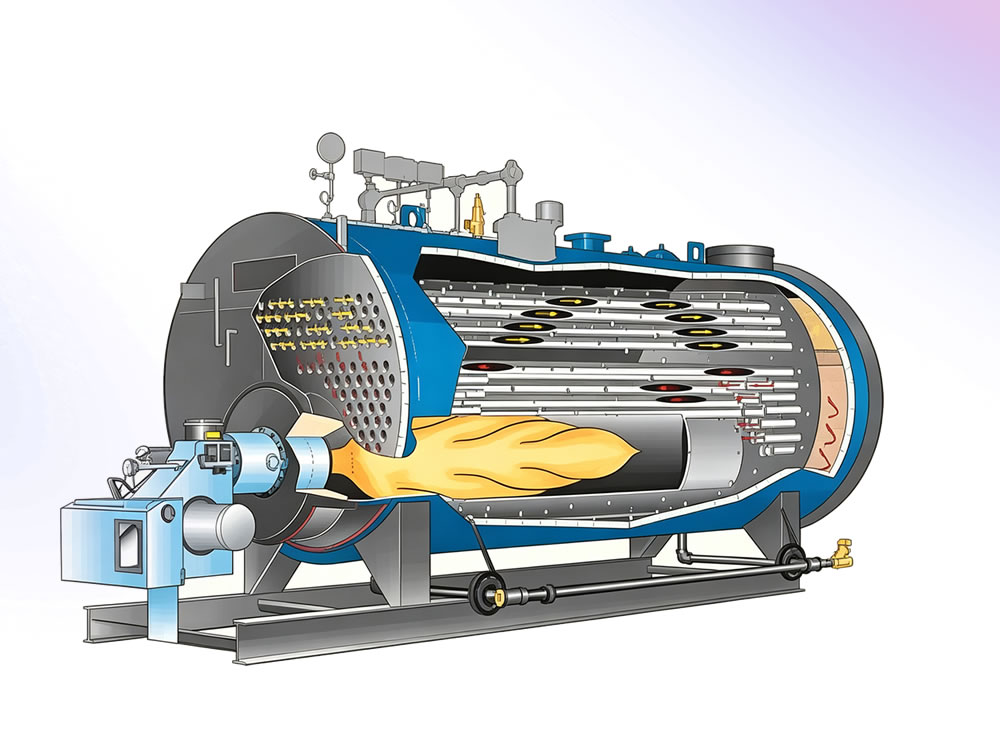
Electric-Resistance-Welded Carbon Steel and Carbon-Manganese Steel Boiler and Superheater Tubes ASTM A178 42.2-114.3 x 2.11-2.63 A, C, D
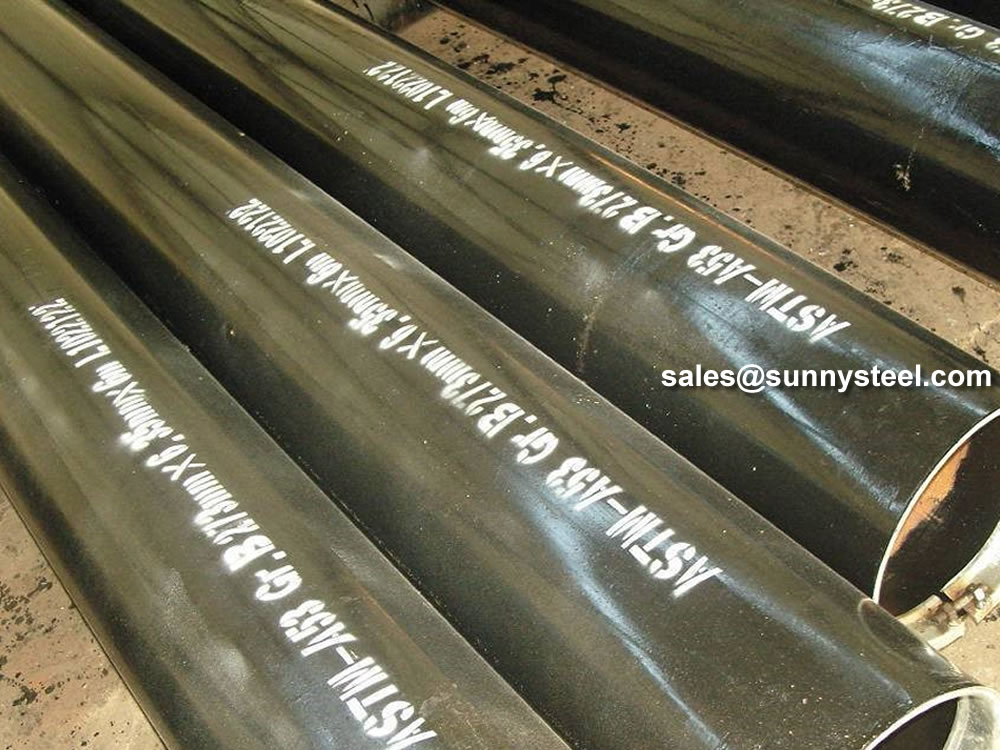
ERW and Hot-dip Galvanized Steel Pipes ASTM A53 Ø21.3~273 x WT2.11~12.7 A, B
Pipes for Piling Usage ASTM A252 Ø219.1~508 x WT3.6~12.7 Gr.2, Gr.3
Tubes for General Structural Purpose ASTM A500 Ø21.3~273 x WT2.11~12.7 Gr.2, Gr.3
Square Pipes for General Structural Purpose ASTM A500 25 x 25~160 x 160 x WT1.2~8.0 Carbon Steel

DIN

Product Name Executive Standard Dimension (mm) Steel Code / Steel Grade
Threaded Steel Pipes DIN 2440 Ø21~164 x WT2.65~4.85 Carbon Steel

BS

Product Name Executive Standard Dimension (mm) Steel Code / Steel Grade
Screwed and Socketed Steel Tubes BS 1387 Ø21.4~113.9 x WT2~3.6 Carbon Steel

EN

Scaffolding Pipes EN 39 Ø48.3 x WT3.2~4 Carbon Steel

JIS

Product Name Executive Standard Dimension (mm) Steel Code / Steel Grade
Carbon Steel Tubes for General Structure Purpose JIS G3444 Ø21.7~216.3 x WT2.0~6.0 Carbon Steel
Carbon Steel Tubes for Machine Structure Purpose JIS G3445 Ø15~76 x WT0.7~3.0 STKM11A, STKM13A
Carbon Steel Pipes for Ordinary Piping JIS G3452 Ø21.9~216.3 x WT2.8~5.8 Carbon Steel
Carbon Steel Pipes for Pressure Service JIS G3454 Ø21.7~216.3 x WT2.8~7.1 Carbon Steel
Carbon Steel Rigid Steel Conduits JIS G8305 Ø21~113.4 x WT1.2~3.5 G16~G104, C19~C75, E19~E75
Carbon Steel Rectangular Pipes for General Structure JIS G3466 16 x 16~150 x 150 x WT0.7~6 Carbon Steel

Coating

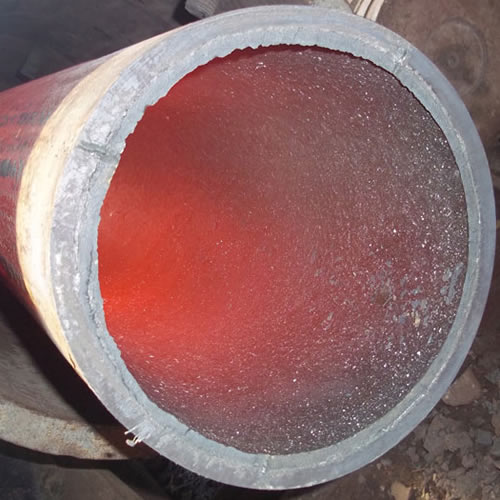
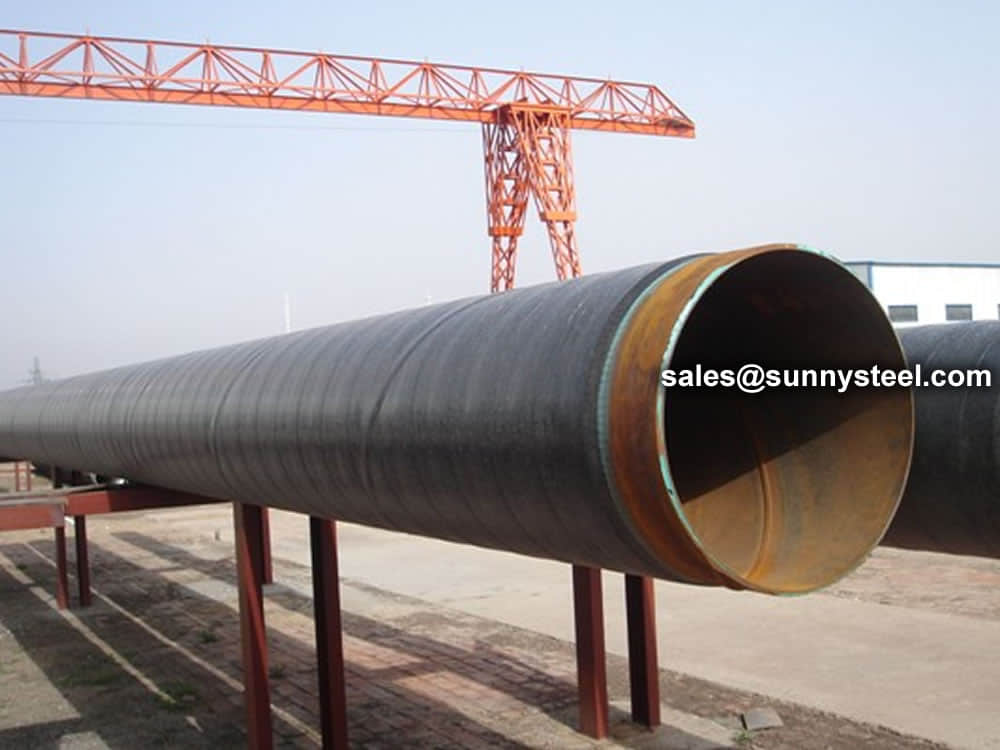
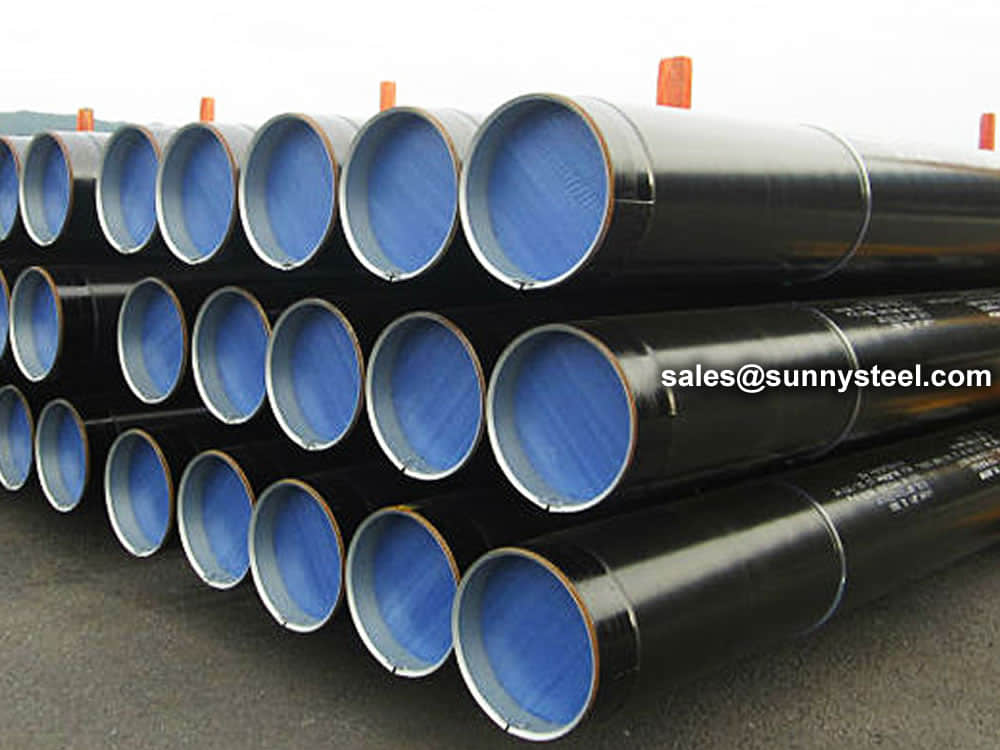
Pipeline coating is the most consistent and successful solution for protecting ERW pipes from corrosion, from moisture, other harmful chemicals.

Anti-corrosion steel pipe is processed through the preservation process, which can effectively prevent or slow down the process in the transport and use of chemical or electrochemical corrosion reaction of steel pipe.

Therefore pipe anti-corrosion layer is an important barrier to prevent soil erosion. A well-known foreign scholar put forward” 3PE france protective layer”, so far, anti-corrosion methods is widely used.

Coated pipes offer high resistance to corrosion on pipes and provide many benefits such as:

  1. Increased Flow Capacity – A coating on pipes helps provide a smoother surface thus improving gas and liquid flow within pipes.
  2. Reduced Cost – The pipeline coating increases the pipes durability so they can be deployed with minimum maintenance cost even in the harshest environments.
  3. Lower energy usage – Various studies have shown that pipelines that are internally coated use less energy for pumping and compression of products through pipes. This helps in increased saving over time.
  4. Clean delivery of products – The inhibitors used for the protection products can also be minimized by the use of coated pipes for delivery of products.
  5. Thus, coating of pipelines can help you in reducing your maintenance cost and at the same time providing a corrosion free reliable protection.
 

Basic functions of erw pipe coating

  1. making the surface of ERW steel pipes free from electrochemical corrosion of the soil medium, the basic physics of bacterial corrosion protection.
  2. resisting the move of the soil medium creep stress, static stress and abrasion force method and structure of the basic machinery protection.

The basic principles of urban gas pipeline coating selection:
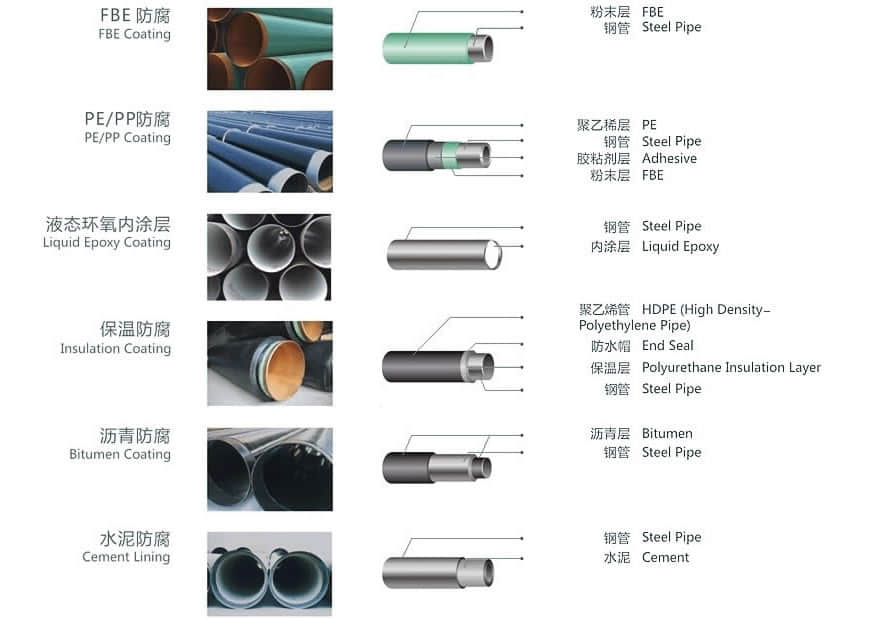
Types of coating

Anti corrosion pipe coating specs

Delivery

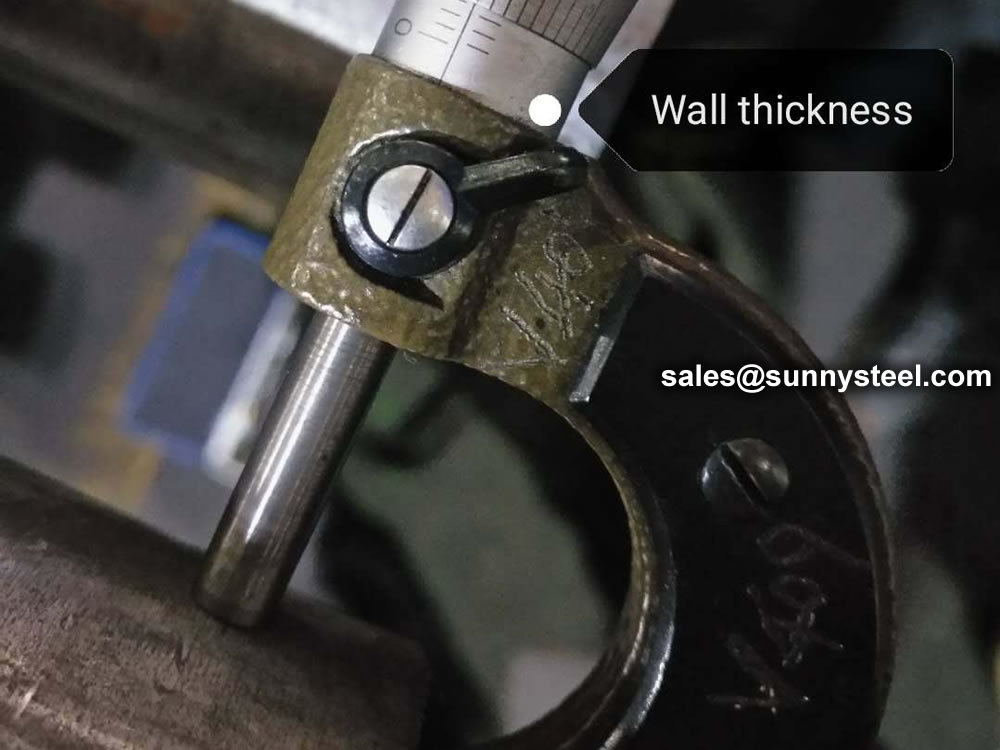
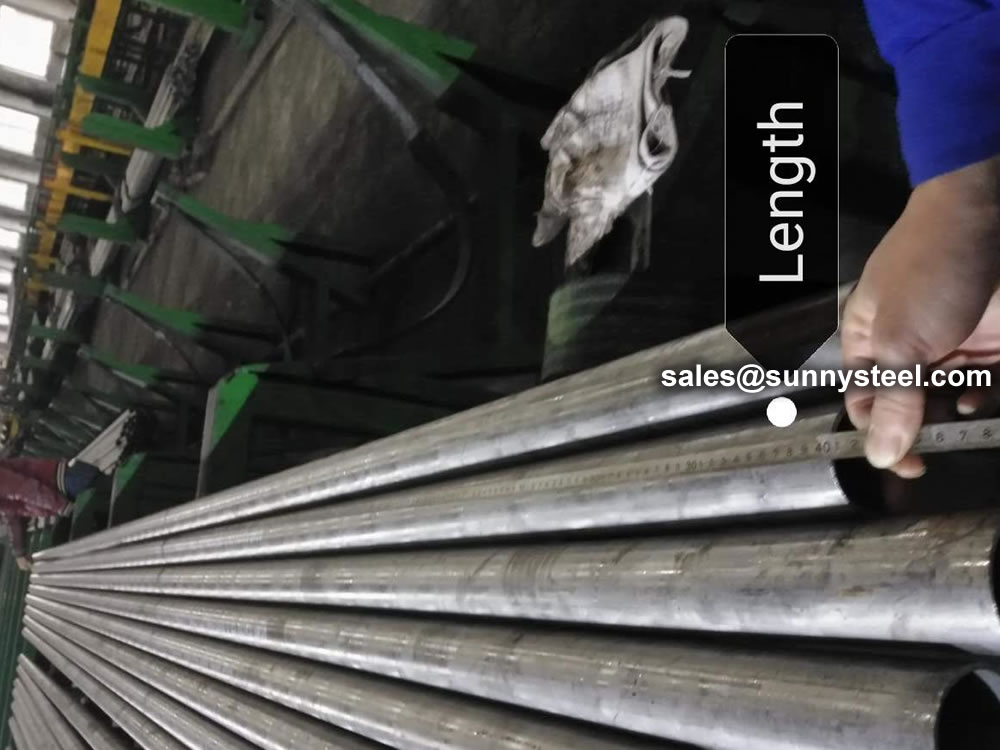
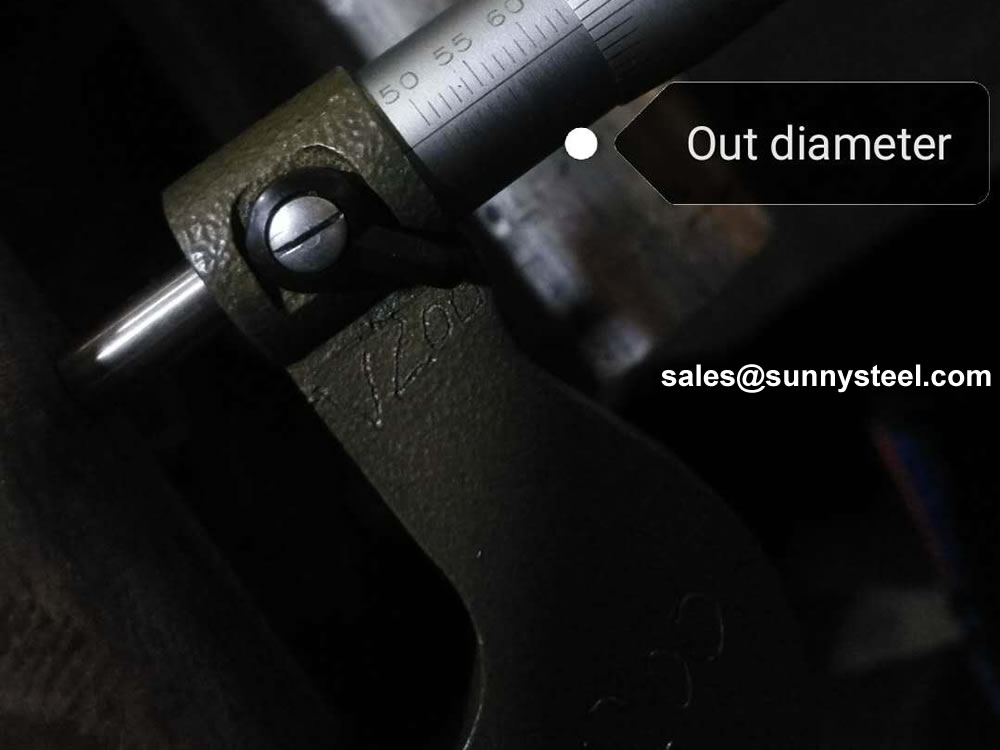
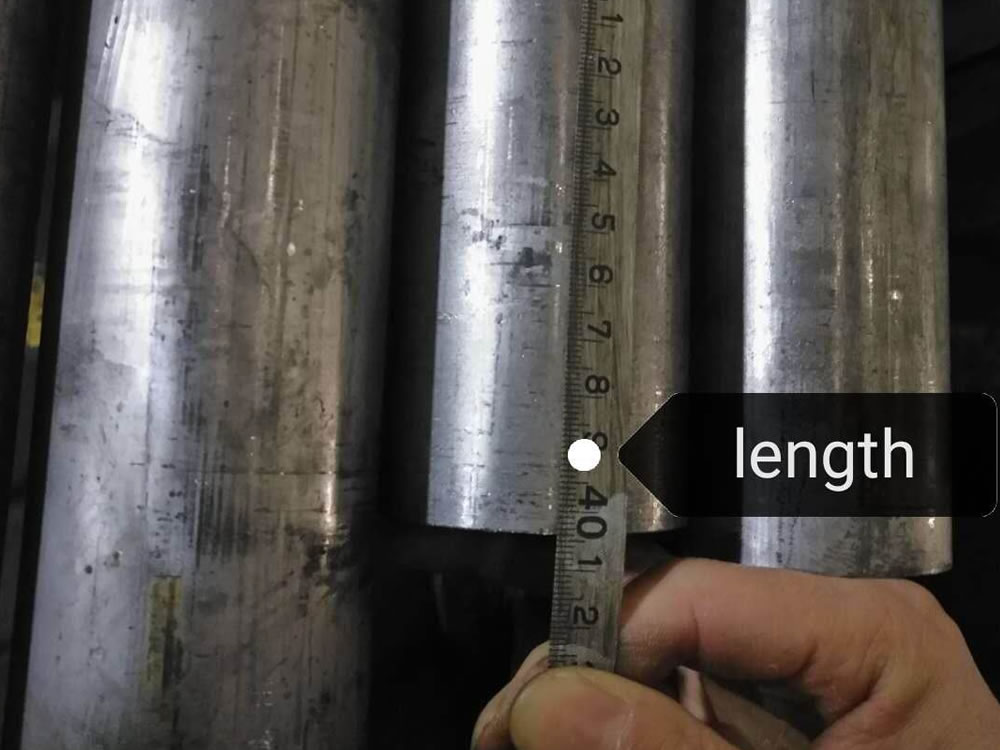
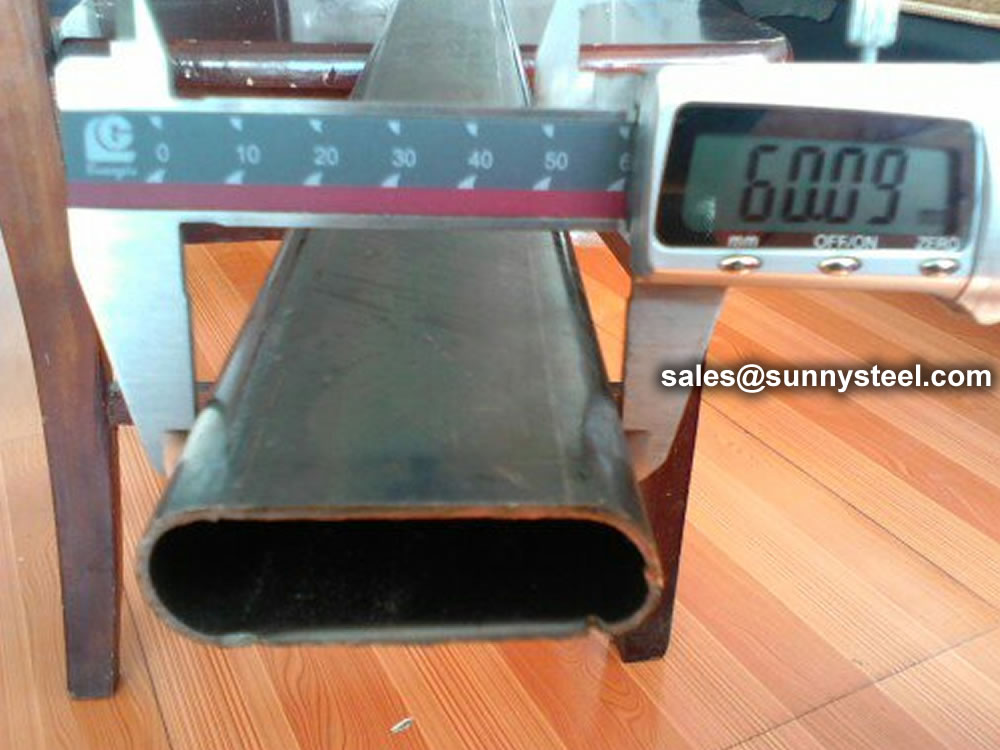
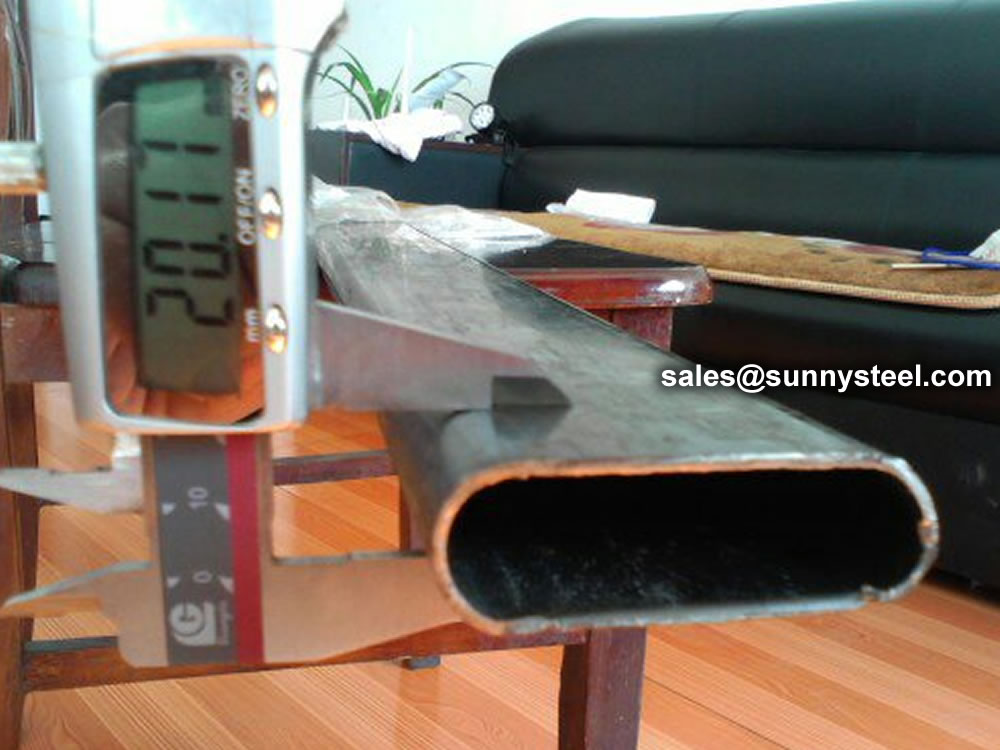
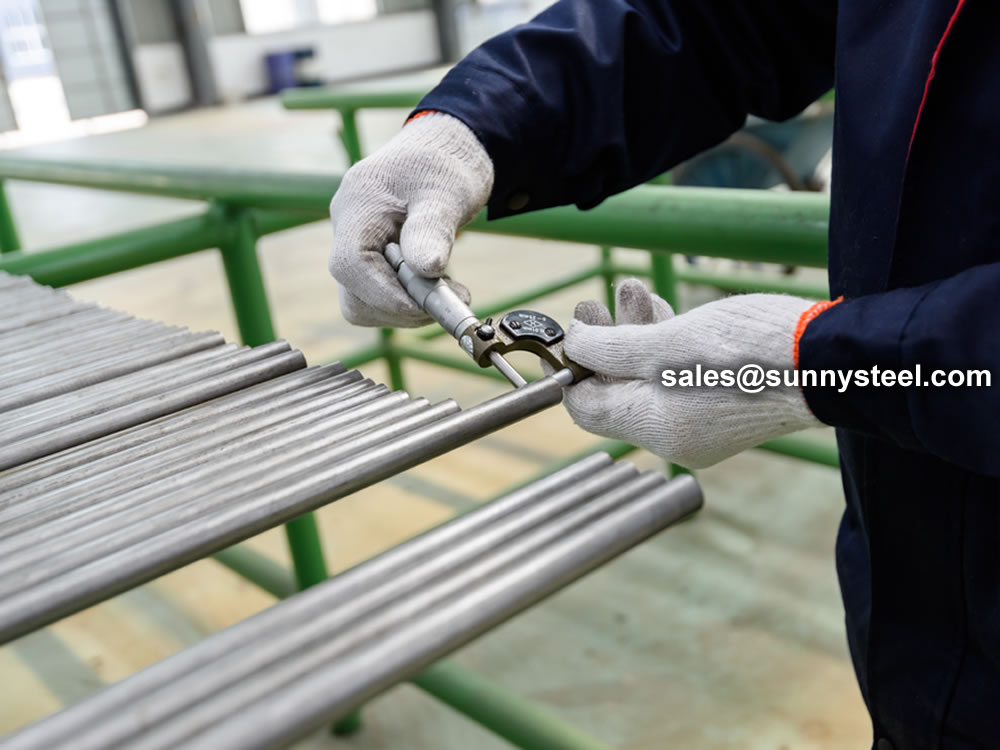
Measurement size

Measure weld stee pipes
Flat oval pipes
Flat oval pipes

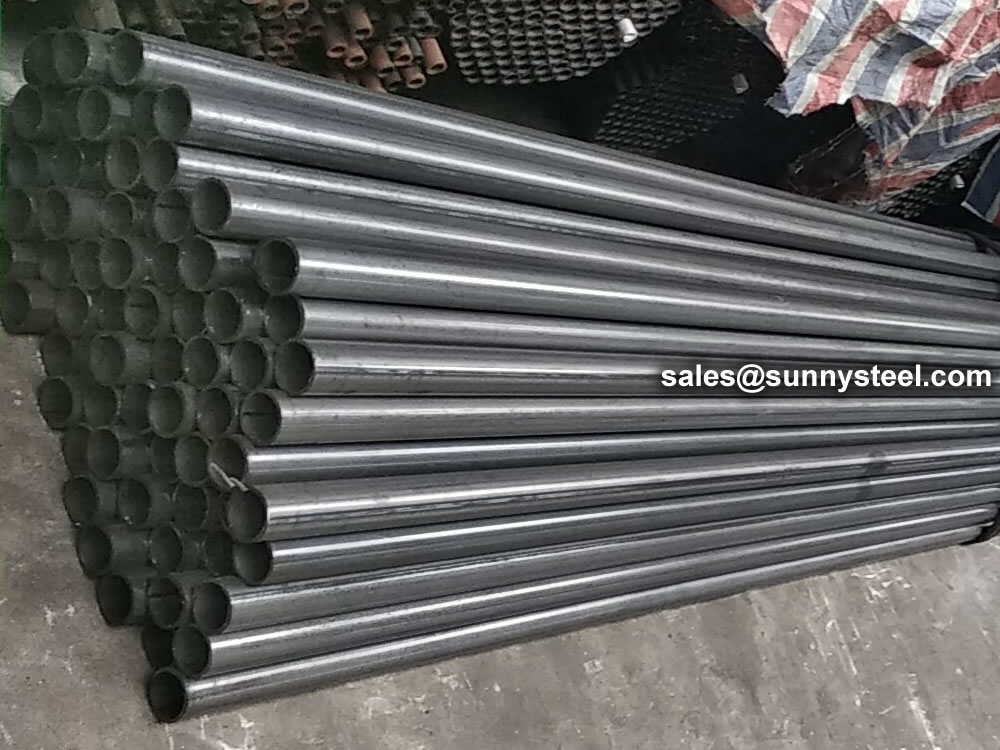
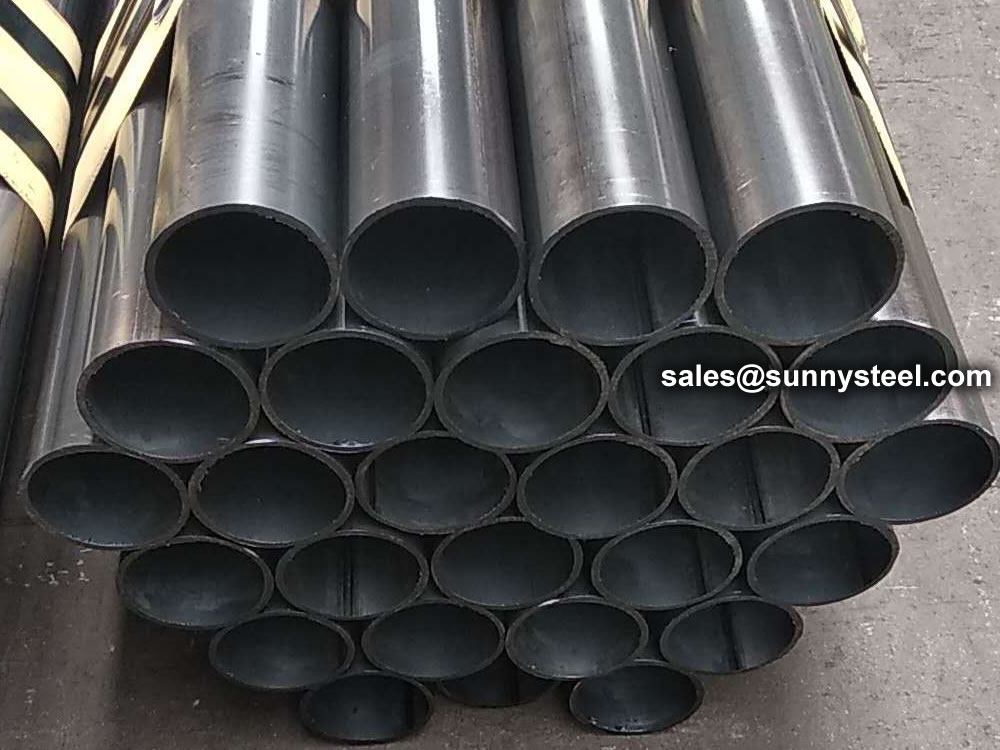
Packing

Packing weld stee pipes
Frequently Asked Questions
The coil used for production has lower alloy content than similar steel plates, which brings better weldability. Besides, the rolling direction of the coil is not perpendicular to the pipe axis, so the finished pipe owns excellent crack resistance.
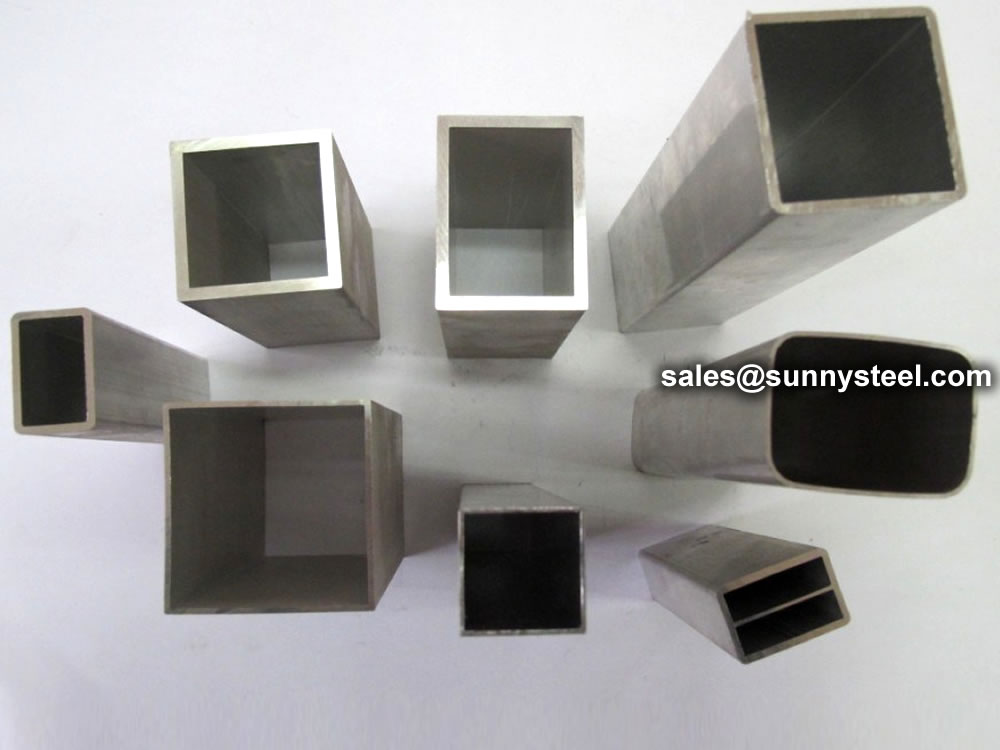
Welded steel pipe is a seamed steel product manufactured by bending steel strip or steel plate into round, square or other shapes and then welding. Its raw materials are steel sheets or strips. With the development of strip rolling, welding and inspection technology, welded pipes have richer specifications and more reliable quality.
Nickel and chromium are key elements for anti-corrosion performance. Higher nickel content provides stronger resistance against acid environments such as sulfuric acid and hydrochloric acid. Adding chromium alone can also effectively prevent corrosion.
Poor edge condition of steel strip, irregular shape and dimensional deviation at the head and tail of uncut steel strip will lead to hard bending of the strip and further cause weld misalignment. This defect may result in product downgrade.
General technical requirements and inspection rules follow GB3092 Welded Steel Pipes for Low-Pressure Fluid Transmission. Hydrostatic test complies with relevant pressure regulations, and eddy current flaw detection is implemented according to GB7735 Steel Tube Eddy Current Flaw Detection Inspection Method.
Defects like folds, cracks, delamination and lap welding are strictly prohibited. Minor scratches, weld misalignment, burns and scars that do not exceed wall thickness negative deviation are acceptable. Wall thickening and inner weld beads at welding seams are also permitted.
Welded pipes shall undergo mechanical property test, flattening test and flaring test. They must withstand a 2.5Mpa hydrostatic pressure test for 1 minute without leakage. Eddy current flaw detection can be used as an alternative to hydrostatic test.
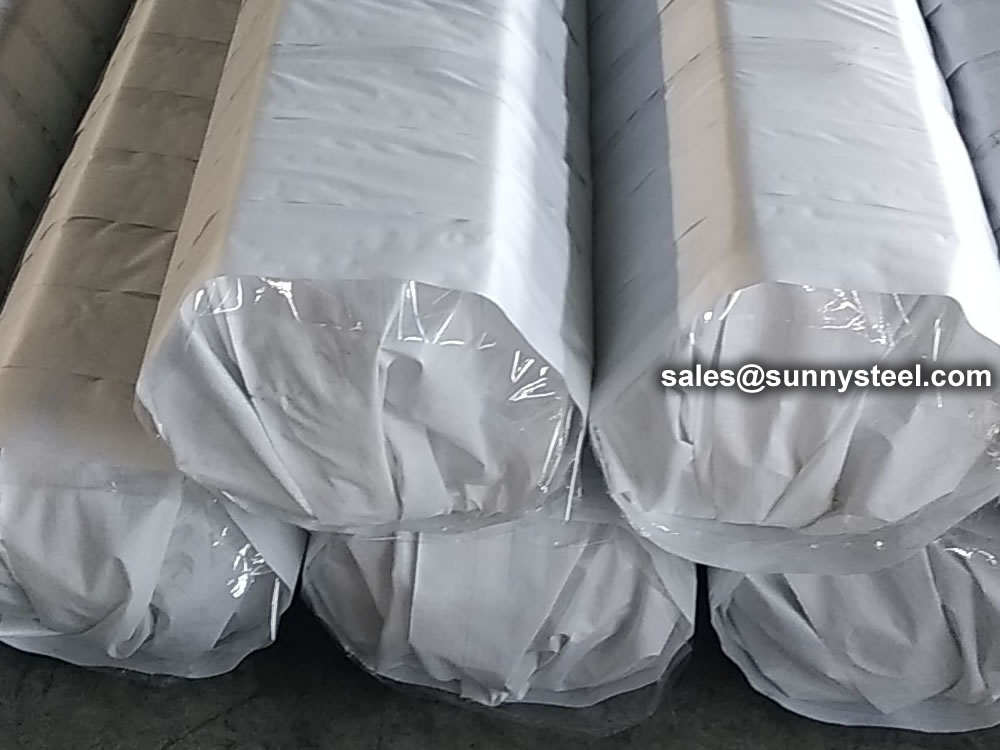
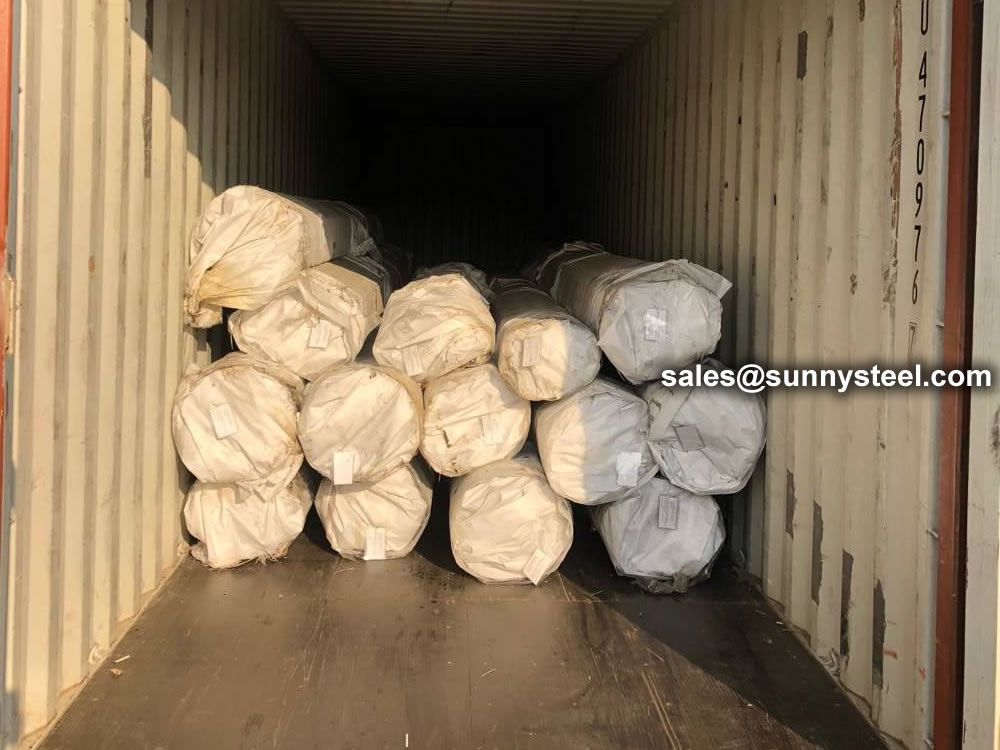
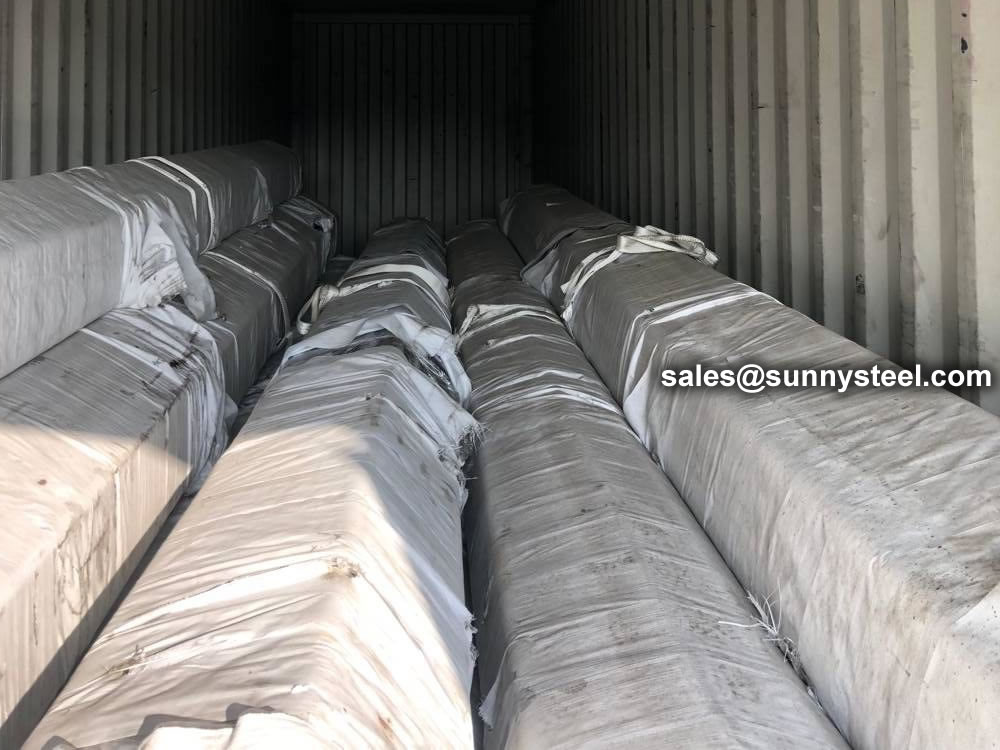
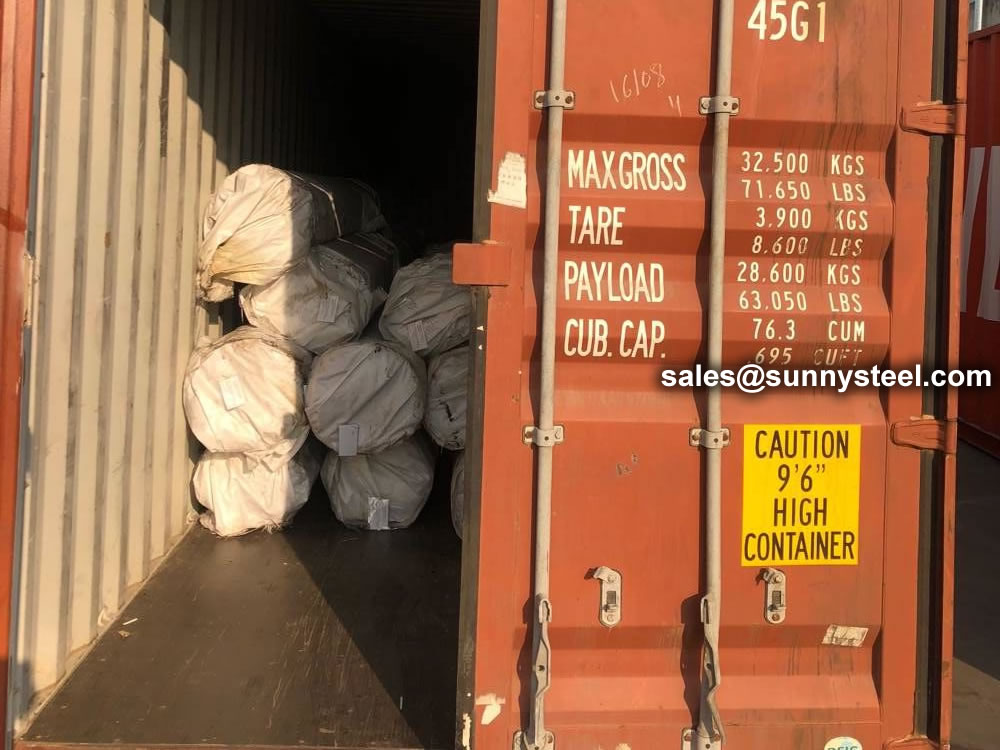
Qualified pipes are cut to fixed length by flying saw, then transported via turning frame. Both pipe ends are chamfered and flattened, marked clearly, and finally bundled into hexagonal bundles for delivery.
The weld seam of straight seam steel pipe is parallel to the pipe longitudinal direction. It can adopt narrow blanks to produce large-diameter pipes, and the same-width blanks can make pipes of different diameters. Its disadvantage is longer weld seam and lower production efficiency compared with spiral welded pipe.
There are four mainstream processing methods: Forging, Extrusion, Rolling and Steel Drawing. Forging uses impact or pressure to shape steel; Extrusion is widely used for non-ferrous metal pipes; Rolling reduces cross-section by roller compression; Steel Drawing is mainly applied to cold working to narrow pipe diameter and extend length.
Surface quenching and tempering generally adopt induction heating or flame heating. Local quenching can also be realized by induction heating for parts requiring partial high hardness.
Vickers hardness tester is commonly used. Rockwell hardness tester is also available: use HRA scale when hardened layer thickness is 0.4-0.8mm, and HRC scale when thickness exceeds 0.8mm. For shallow hardened layers, superficial Rockwell hardness tester with HRN scale is recommended.
Yes. Vickers, Rockwell and superficial Rockwell hardness values can be converted to one another. Corresponding conversion tables are provided in ISO, ASTM and GB/T standards.
Hot Products

【H】 Ceramic lined pipe

Ceramic lined pipe is made through self-propagating high-temperature synthesis (SHS) technique.
【H】 Cast basalt lined steel pipe

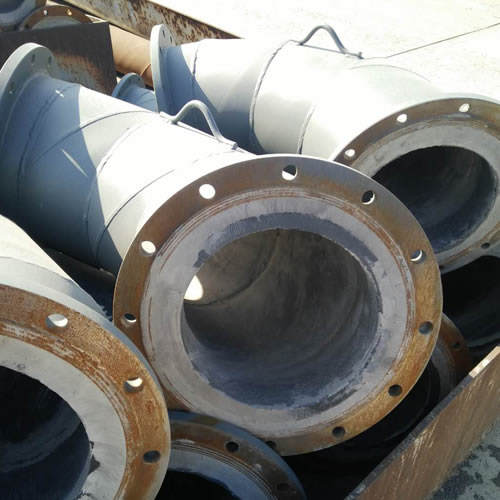
Cast basalt lined steel pipe is composed by lined with cast basalt pipe, outside steel pipe and cement mortar filling between the two layers.
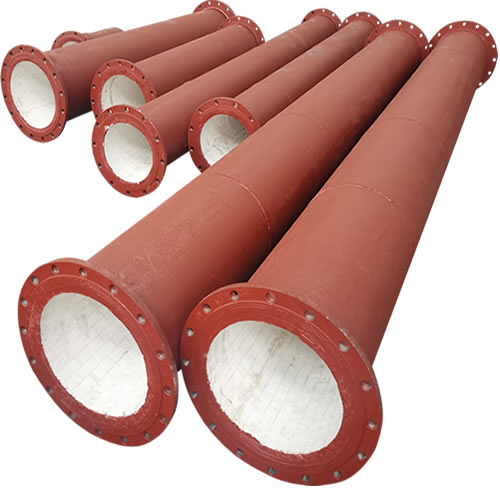
【H】 Ceramic Tile Lined Pipes

Ceramic tile lined pipes have very uniform coating of specially formulated ceramic material that is affixed to the inner of the pipe.
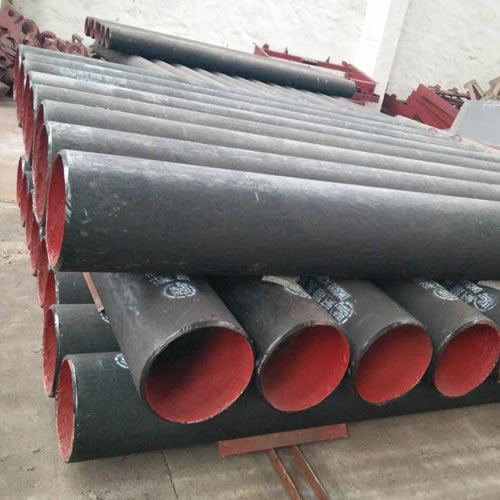
【H】 Rare earth alloy wear-resistant pipe

The material of the rare earth alloy wear-resistant pipe is ZG40CrMnMoNiSiRe, which is also the grade of rare earth alloy steel.
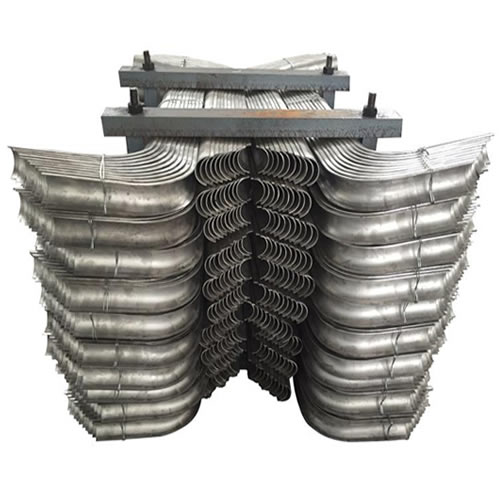
【H】 Tubes Erosion Shields

Tubes Erosion Shields are used to protect boiler tubing from the highly erosive effects of high temperatures and pressures thereby greatly extending tube life.
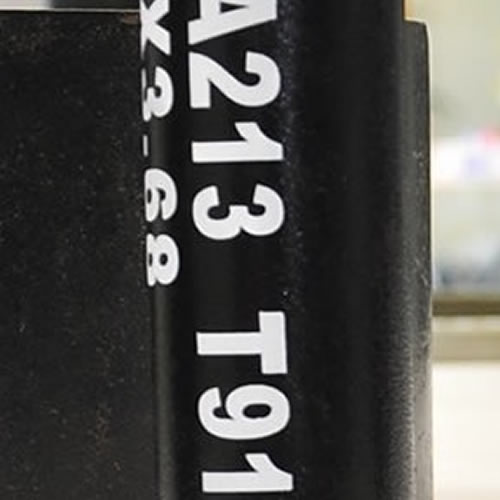
【H】 ASTM A213 T91 Alloy Tube

The ASTM A213 T91 seamless tubes are primarily used for boiler, superheater, and heat-exchanger.

The White Glove Service You Deserve

When you partner with Sunny Steel, you can stop worrying about meeting deadlines thanks to our responsive and timely service. You'll also say goodbye to unnecessary shopping around. Instead, you'll get white glove service from an expert who understands your needs and can get you the materials you need quickly.

application

Materials delivered on-time and at a fair price

application

No delays in production or manufacturing process

application

Meet engineering specifications to ensure top quality

application

World-class customer service ready to help