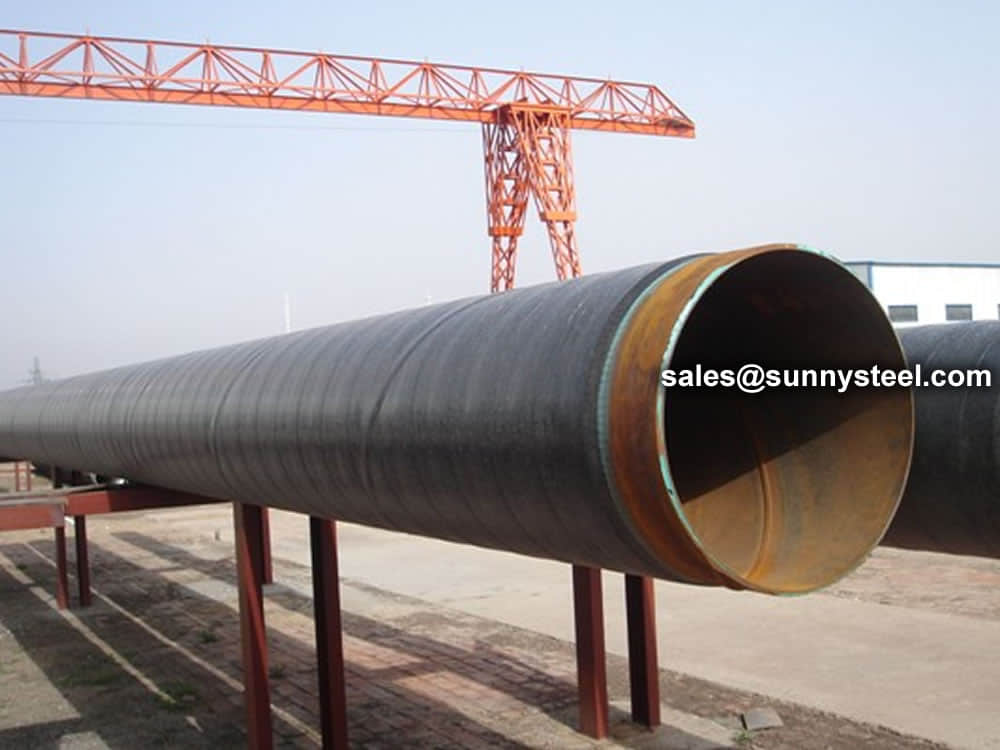
DSAW Pipe
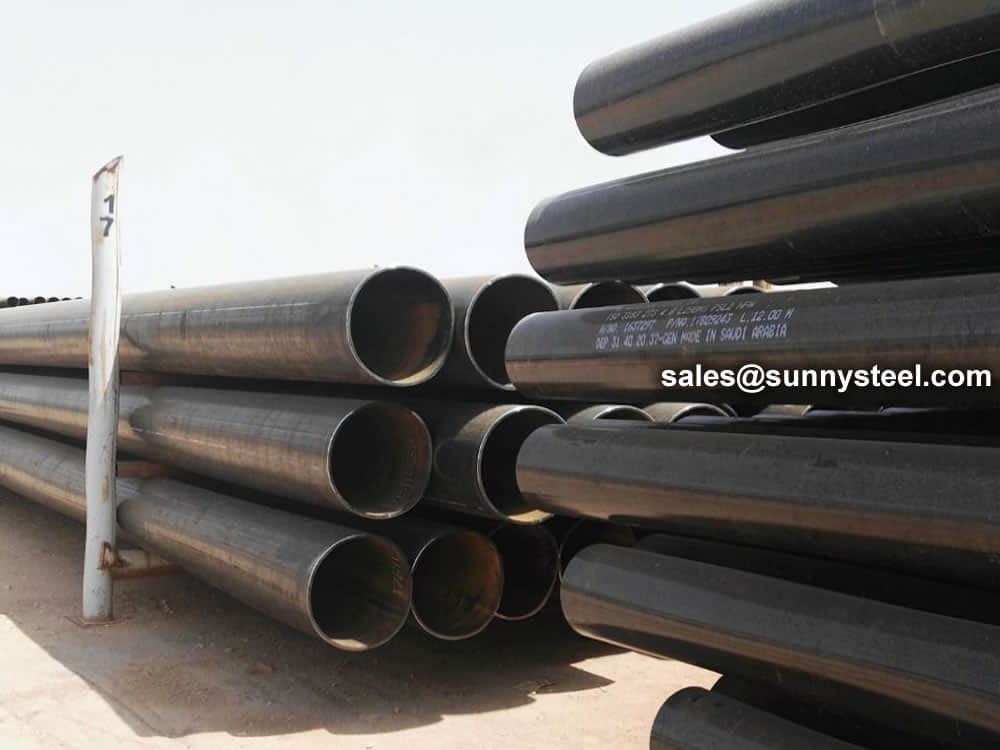
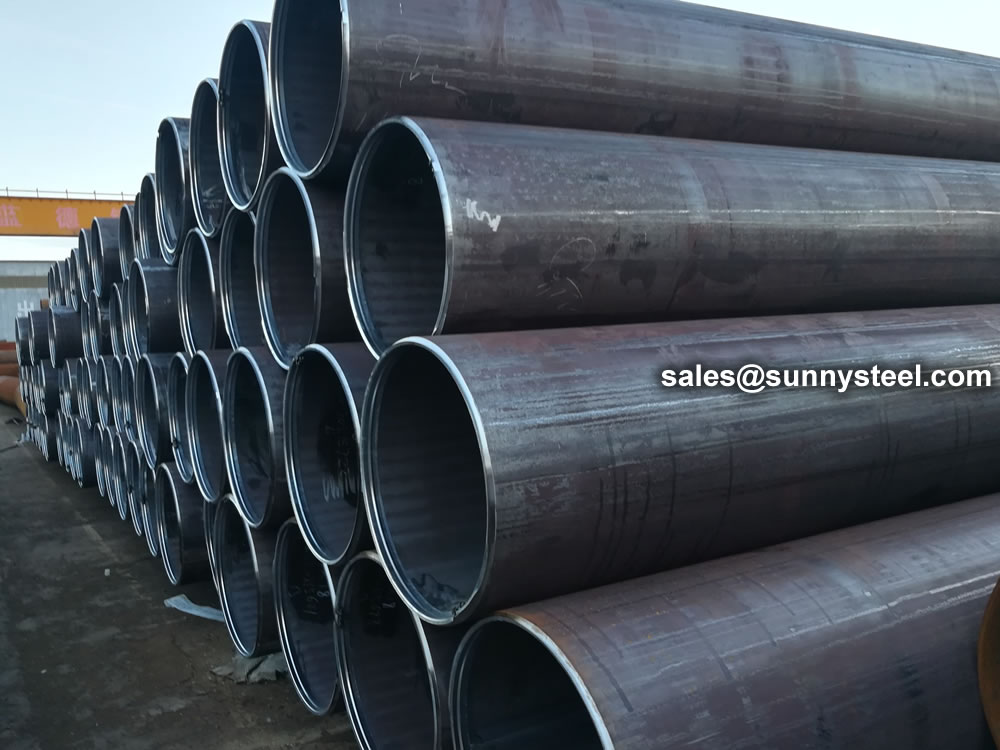
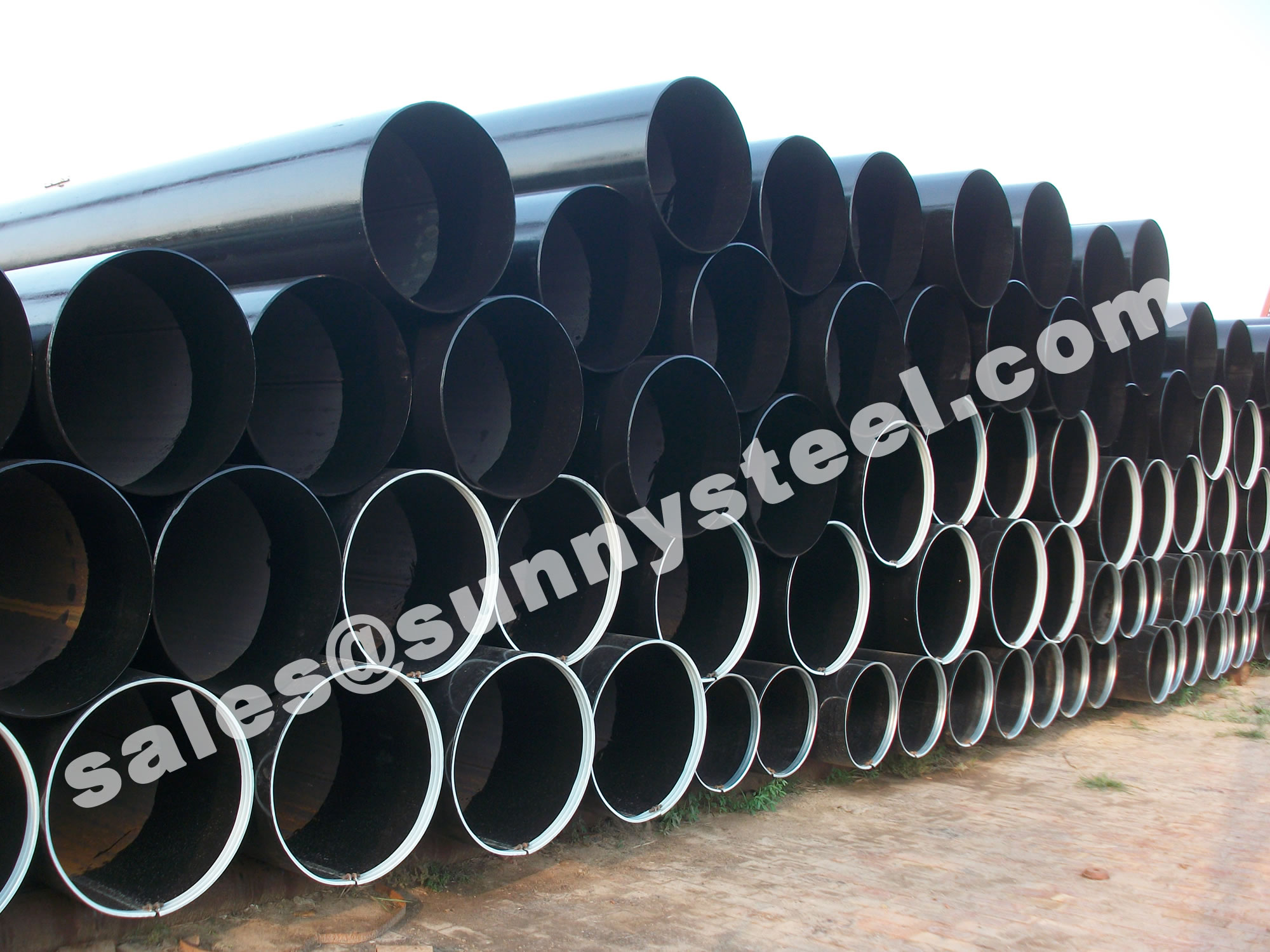
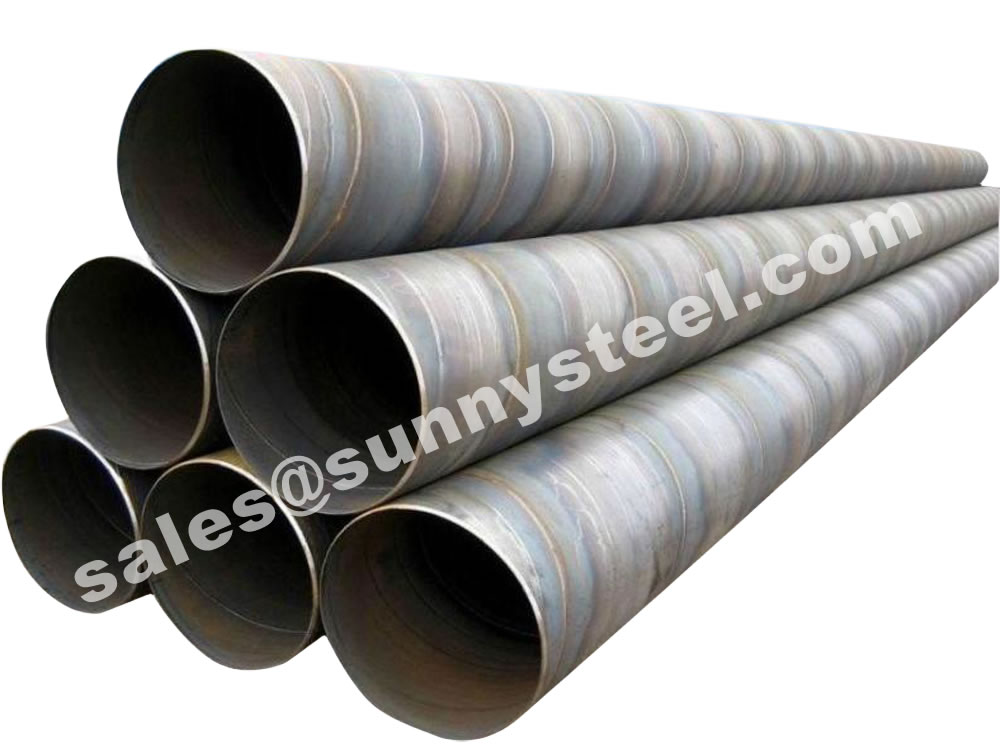
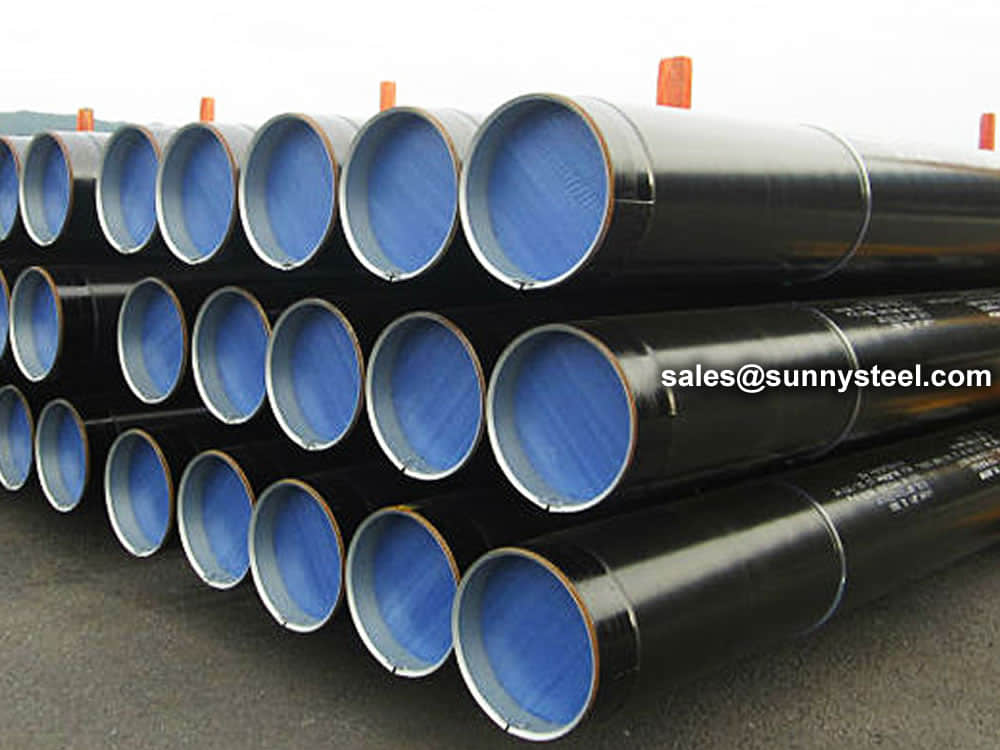
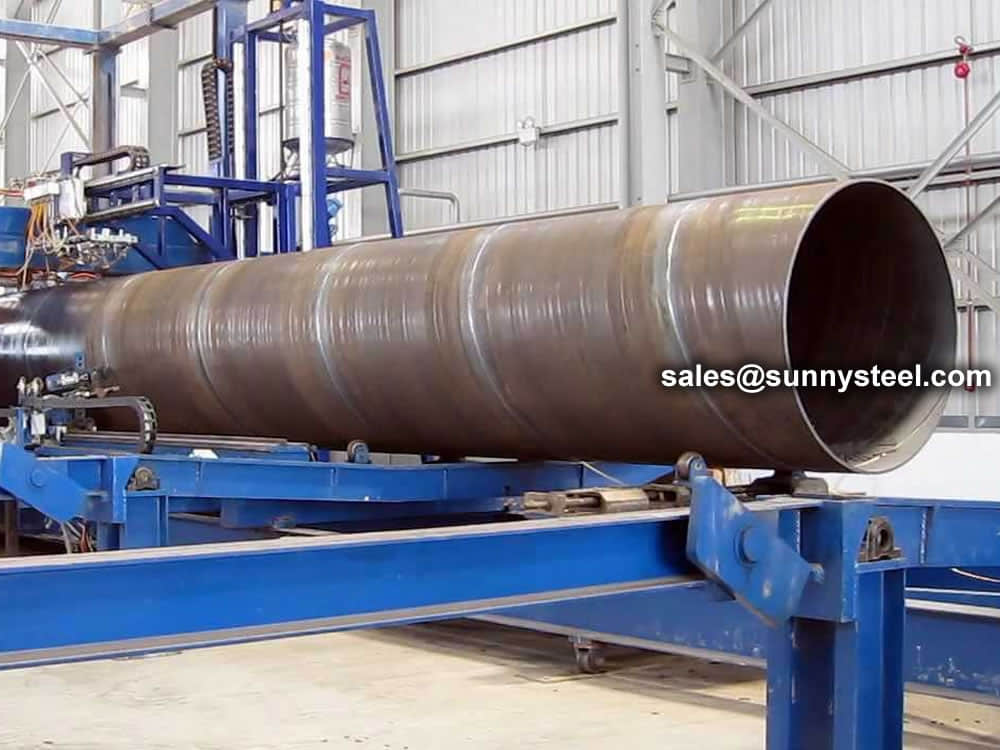
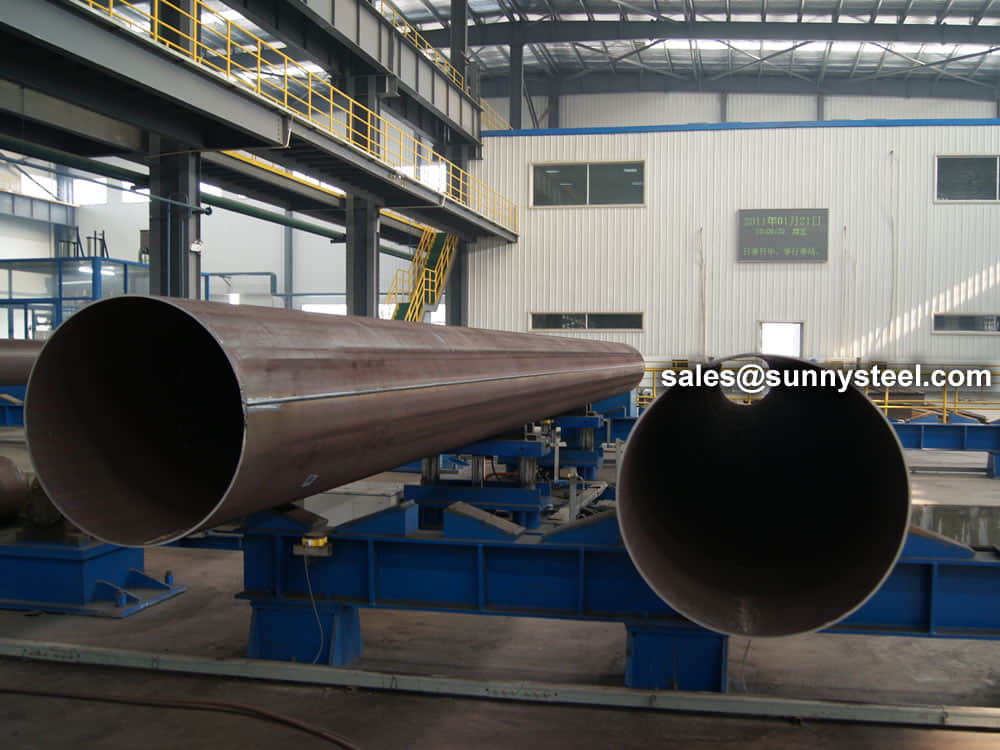
Double Submerged Arc Welded (DSAW) pipes for reliable and strong construction.
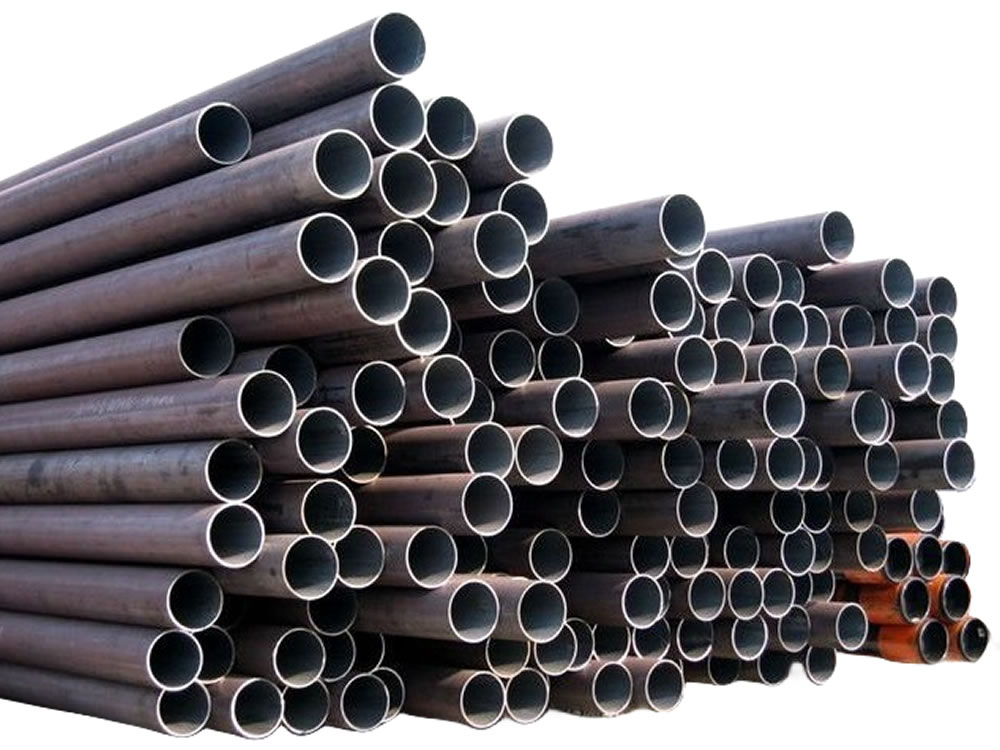
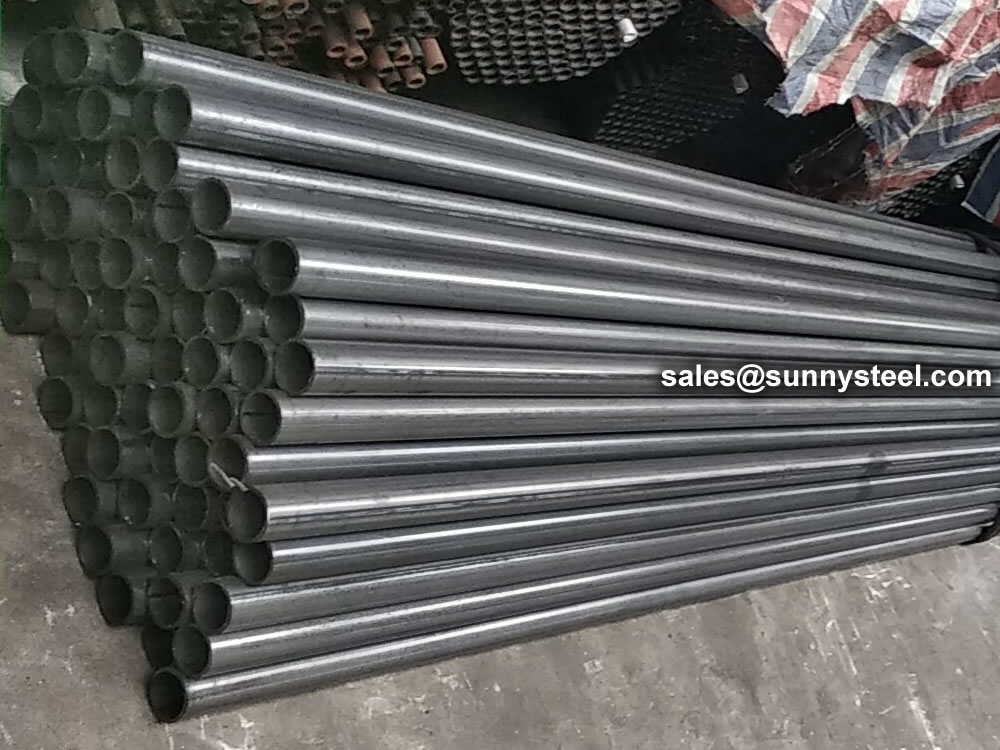
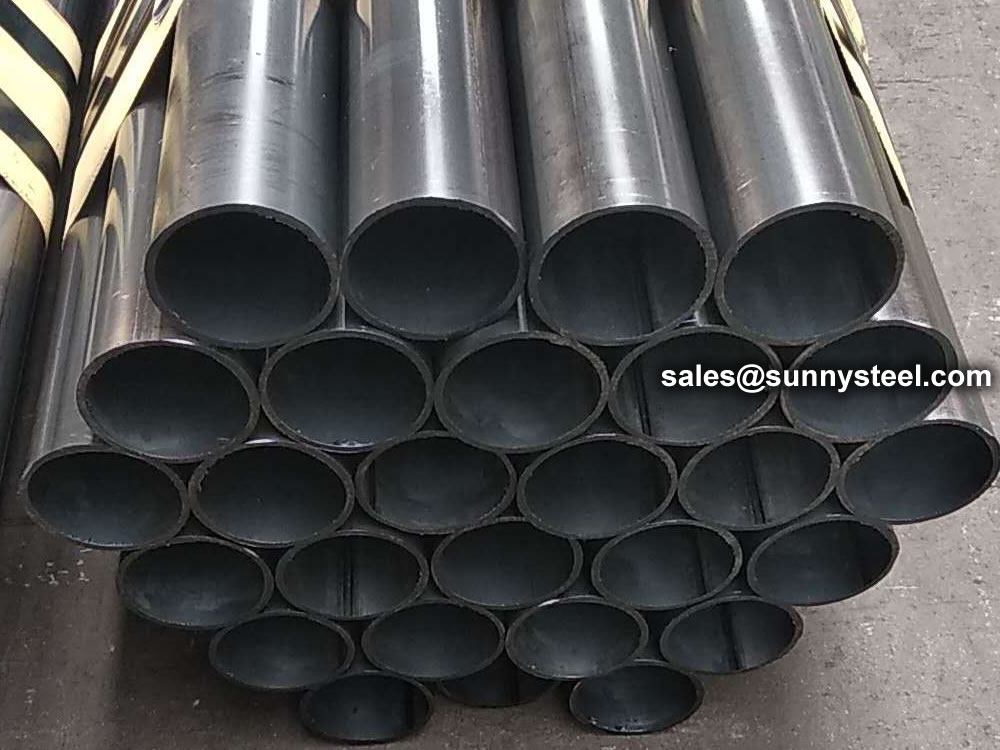
ASTM A135 Gr.B ERW pipe refers to electric resistance welded steel pipes that conform to the ASTM A135 standard, specifically Grade B.
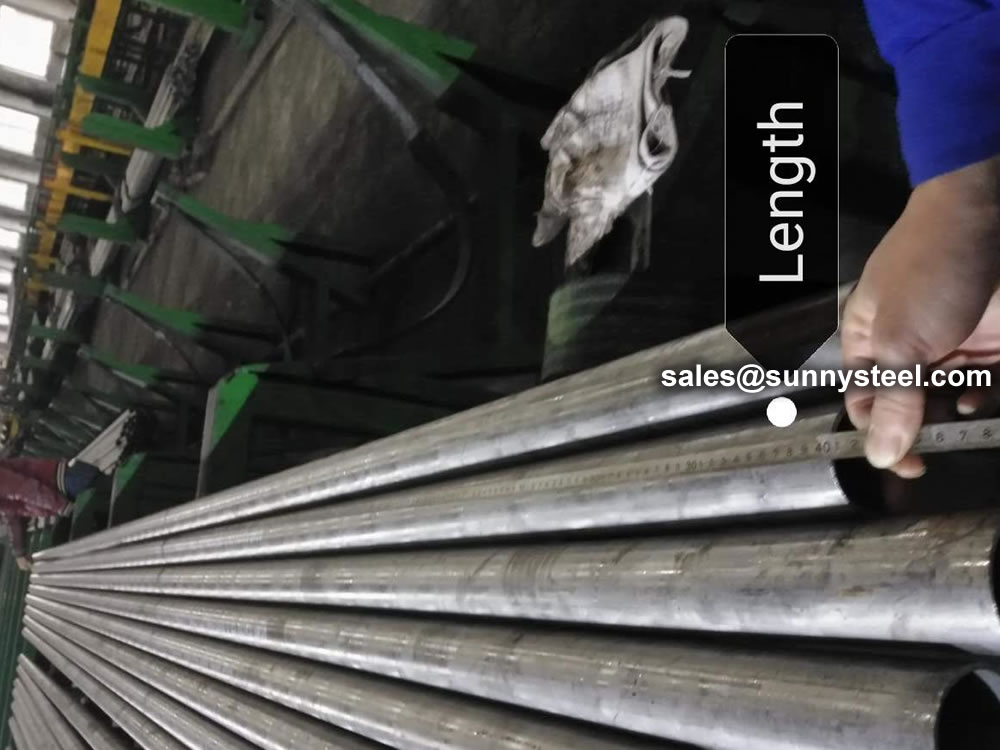
ASTM A135 Gr.B ERW pipes are intended for conveying gas, vapor, water, or other liquids. They are commonly used in various industries, including fire protection systems, plumbing, and general-purpose applications. ASTM A135 Gr.B ERW pipes are available from various manufacturers and suppliers. They come in different lengths and can be customized to meet specific project requirements.
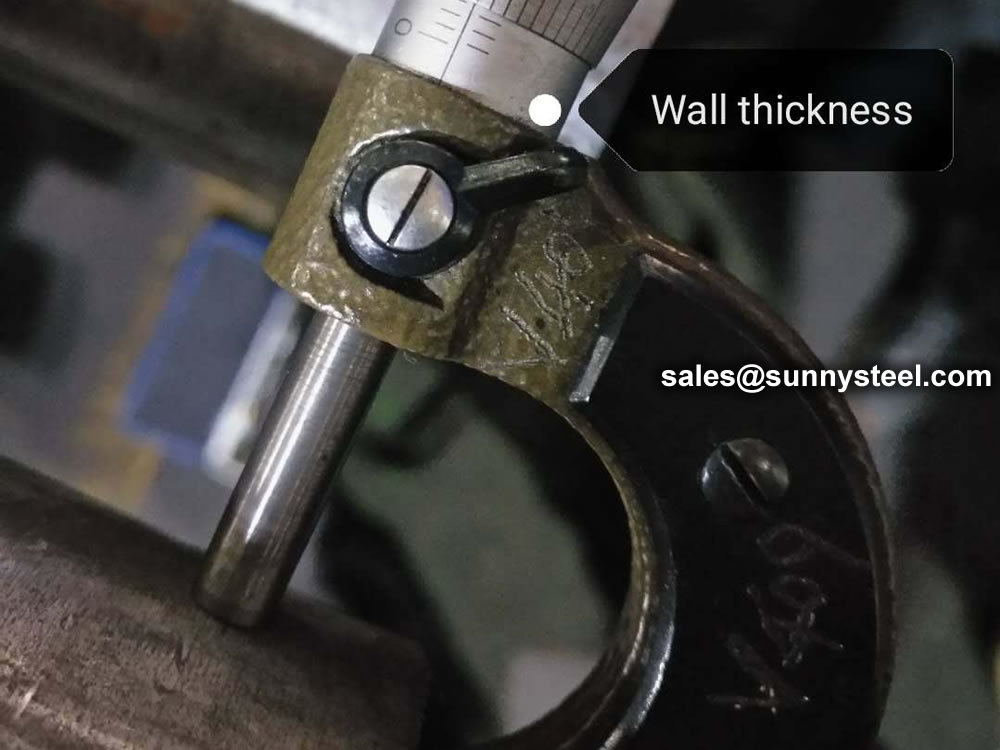
ASTM A135 Grade B Electric-Resistance-Welded (ERW) steel pipes are used for conveying gas, vapor, water, or other liquids. They are available in a range of sizes from NPS 2 to NPS 30, with nominal wall thicknesses up to 0.500 inches [12.7 mm], and in smaller nominal sizes from NPS 3/4 to NPS 5, with wall thicknesses ranging from 0.083 inches [2.11 mm] to 0.134 inches [3.40 mm] depending on size.
ASTM A135 Grade B ERW pipes are commonly used in applications such as fire sprinkler systems, gas and oil transportation, and other fluid conveyance systems where high strength and durability are required.
The steel is made by either basic-oxygen or electric-furnace processes. The pipes are manufactured from flat rolled steel in individual lengths or continuous lengths. Grade B pipes are heat-treated after welding to enhance their mechanical properties.
ASTM A135, identical with ASME SA-135, is the standard specification for electric-resistance-welded steel pipe. It covers two grades of ERW steel pipe in NPS 2 to NPS 30 [DN 50 to DN 750], with nominal (average) wall thickness up to 0.500″ [12.7 mm], and in nominal sizes NPS 3/4 to NPS 5 [DN 20 to DN 125] with nominal (average) wall thickness 0.083″ [2.11 mm] to 0.134″ [3.40 mm], depending on size. Pipe having other dimensions may be furnished provided such pipe complies with all other requirements of this specification.
The ASTM A135 ERW steel pipes are intended for conveying gas, vapor, water or other liquid; only Grade A is adapted for flanging and bending. The selection of this ERW pipe for various applications depends on its dimensions, properties, and conditions of service. The pipe may be furnished either non-expanded or cold expanded at the option of manufacturer. When pipe is cold expanded, the amount of expansion shall not exceed 1.5% of the outside diameter of pipe size.
| Element | Composition, max, % | |
|---|---|---|
| Grade A | Grade B | |
| C | 0.25 | 0.30 |
| Mn | 0.95 | 1.20 |
| P | 0.035 | 0.035 |
| S | 0.035 | 0.035 |
*The steel from which the ASTM A135 ERW pipe is made shall conform to the chemical requirements prescribed in this table, based on heat analysis.
| ASTM A135 | Grade A | Grade B |
|---|---|---|
| Tensile Strength, min, ksi [MPa] |
48 [330] |
60 [415] |
| Yield Strength, min, ksi [MPa] |
30 [205] |
35 [240] |
| Elongation, min, % |
35 | 30 |
*The yield strength shall be determined by the offset method utilizing 0.2% of the gauge length or by the total extension under load method using 0.5% of the gauge length.
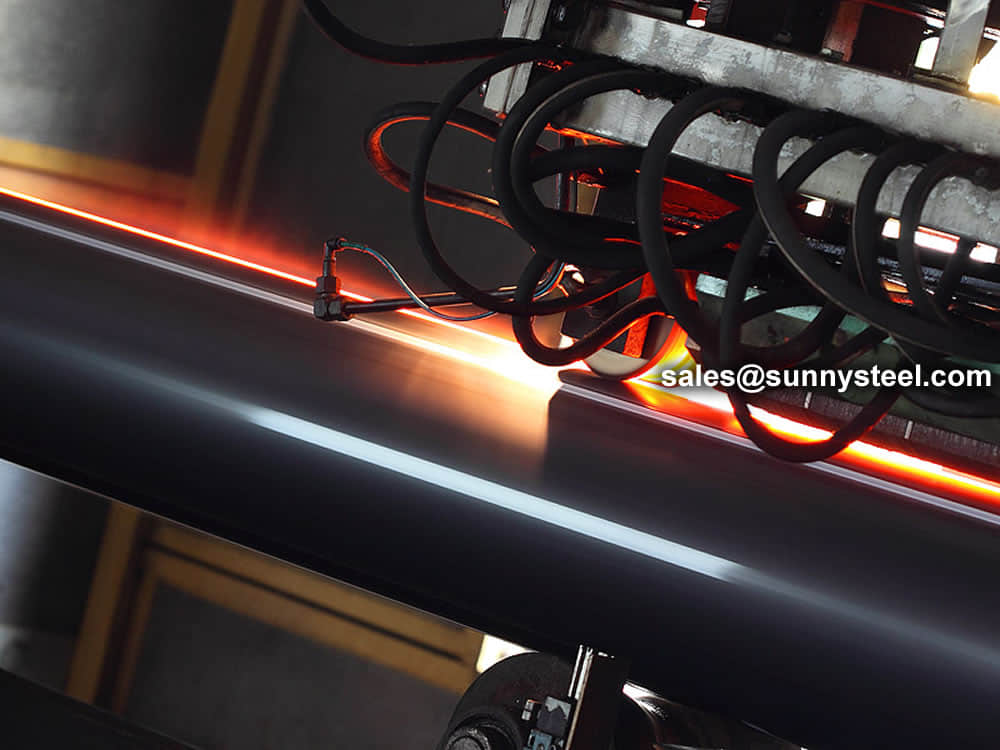
The steel shall be made by either or both of the following processes: basic-oxygen or electric furnace. The steel may be cast in ingots or may be strand cast. In modern industry, ASTM A135 ERW steel pipes, either Grade A or Grade B, are generally made by a high-frequency electric-resistance welding process. The pipe shall be manufactured from flat rolled steel (plate) in individual lengths or in continuous length by electric-resistance or electric-induction welding without the addition of extraneous material. In simple words, no filler metal is required. The weld seam of ERW pipe to ASTM A135 Grade B shall be heat treated after welding to a minimum temperature of 1000°F [540°C] or processed in such a manner that no untempered martensite remains.
The ASTM A135 ERW steel pipes shall be reasonably straight and free of defects. Surface imperfections in excess of 12.5% of the nominal wall thickness shall be avoided. The pipes may be furnished with plain end, beveled end, or threaded end. Especially, ERW pipes furnished to SCH 10 shall be plain end only. All inside and outside cutting burrs shall be removed. Each length of threaded pipe shall be provided with one coupling for connection purpose.
Strict quality control shall be implemented to ensure the good quality of ASTM A135 ERW steel pipes. This includes chemical analysis of each heat lot, tension test, dimensional inspection, visual examination, hydrostatic test, flattening test, or non-destructive test (NDT) when required by the purchaser.
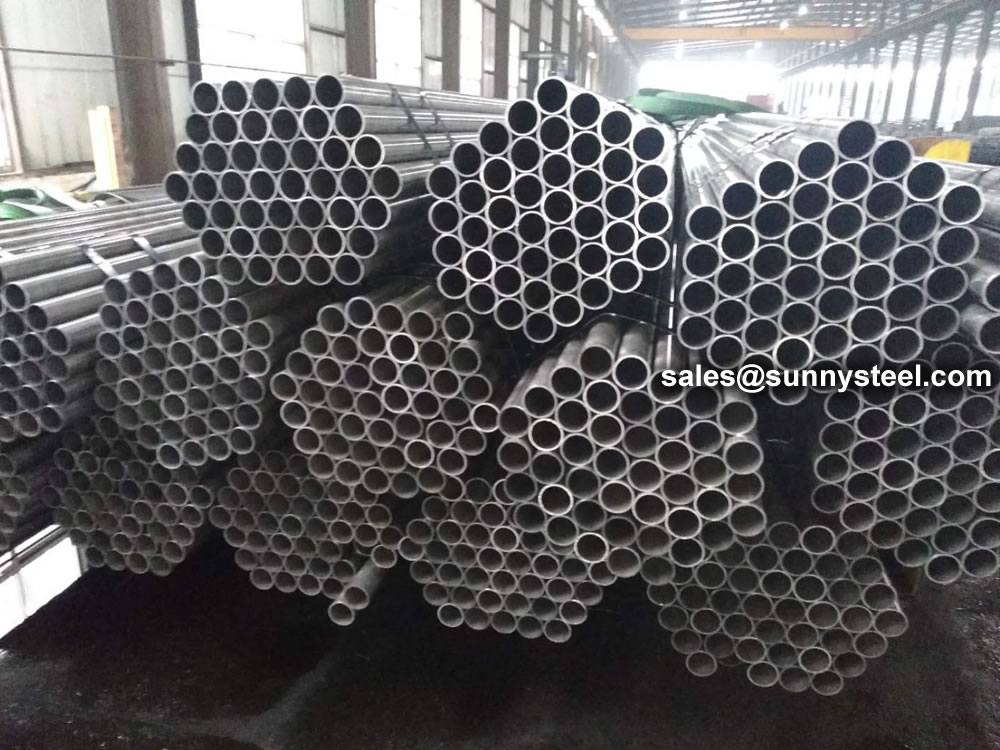
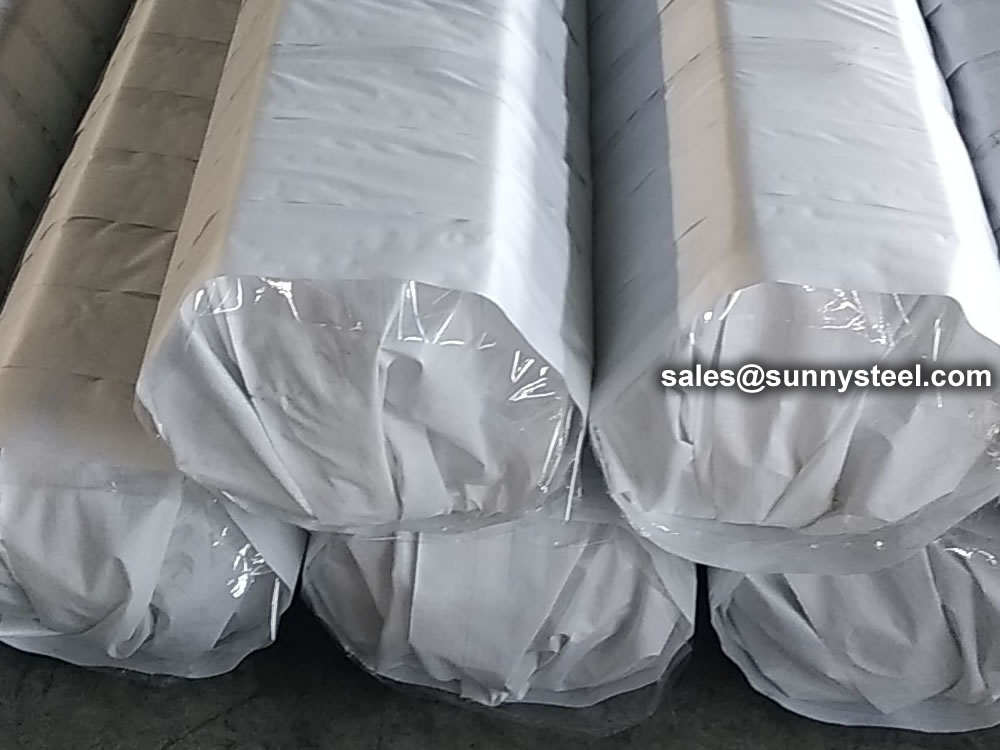
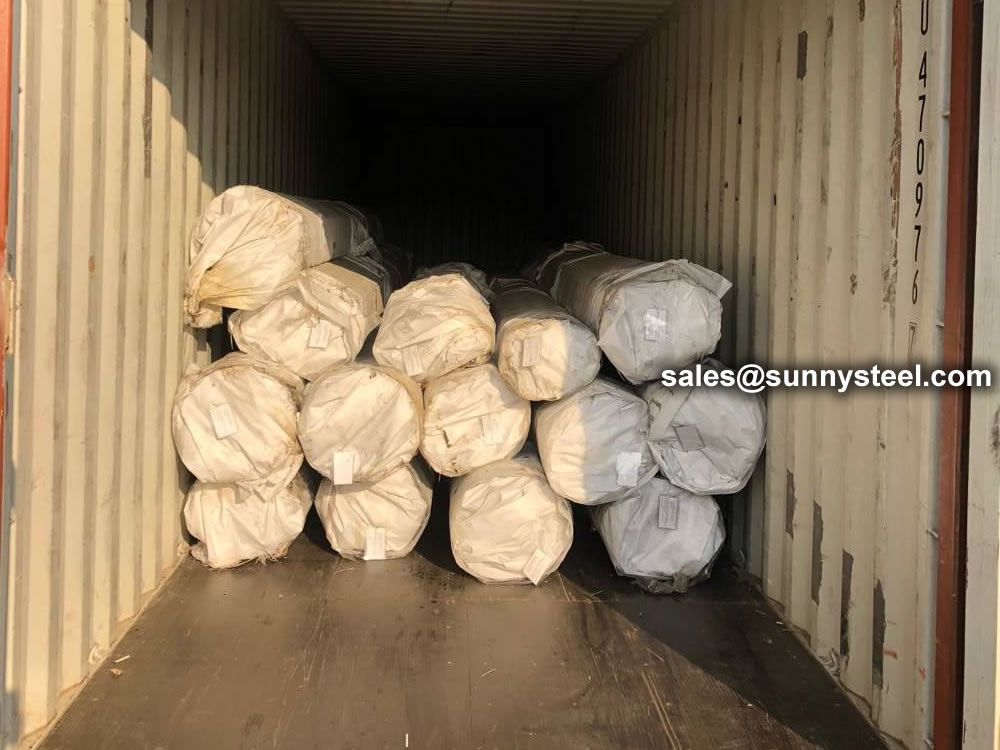
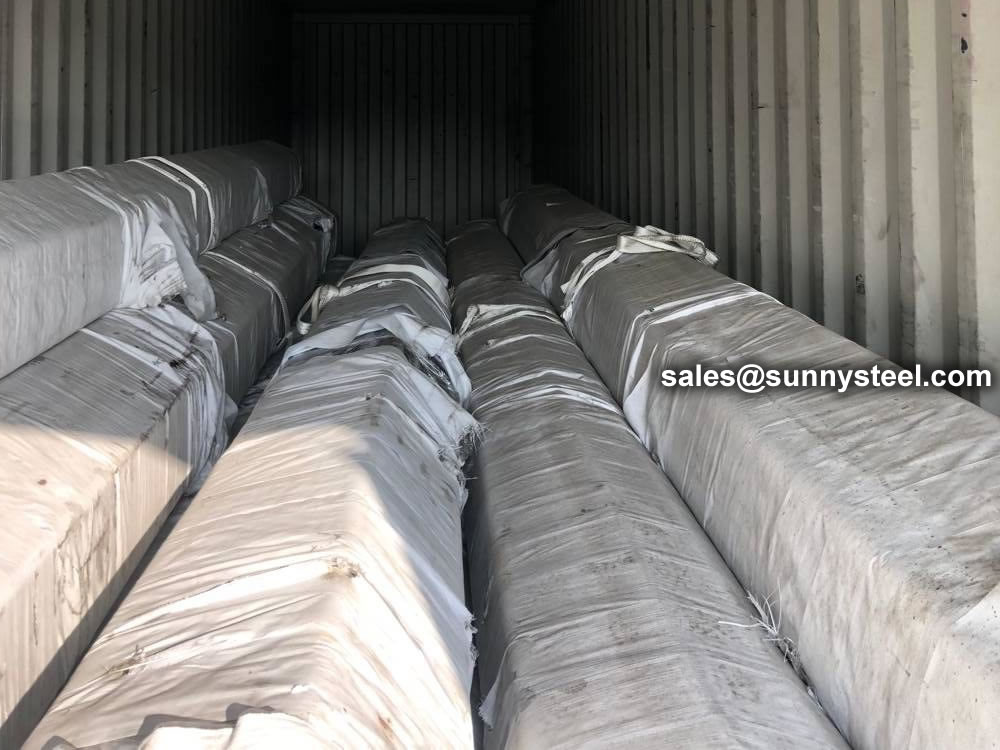
| Product Name | Executive Standard | Dimension (mm) | Steel Code / Steel Grade |
|---|---|---|---|
| Casting | API 5CT | Ø48.3~273 x WT2.77~11.43 | J55, K55, N80, L80 |
| Tubing | API 5CT | Ø48.3~273 x WT2.77~11.43 | J55, K55, N80, L80, H40 |
| Product Name | Executive Standard | Dimension (mm) | Steel Code / Steel Grade |
|---|---|---|---|
| Line Pipes | API 5L | Ø60.3~273.1 x WT2.77~12.7 | A25, A, B, X42, X46, X52, X56, X60, X65, X70, X80 |
| Product Name | Executive Standard | Dimension (mm) | Steel Code / Steel Grade |
|---|---|---|---|
| Electric-Resistance-Welded Steel Pipes | ASTM A135 | Ø42.2~114.3 x WT2.11~2.63 | A |
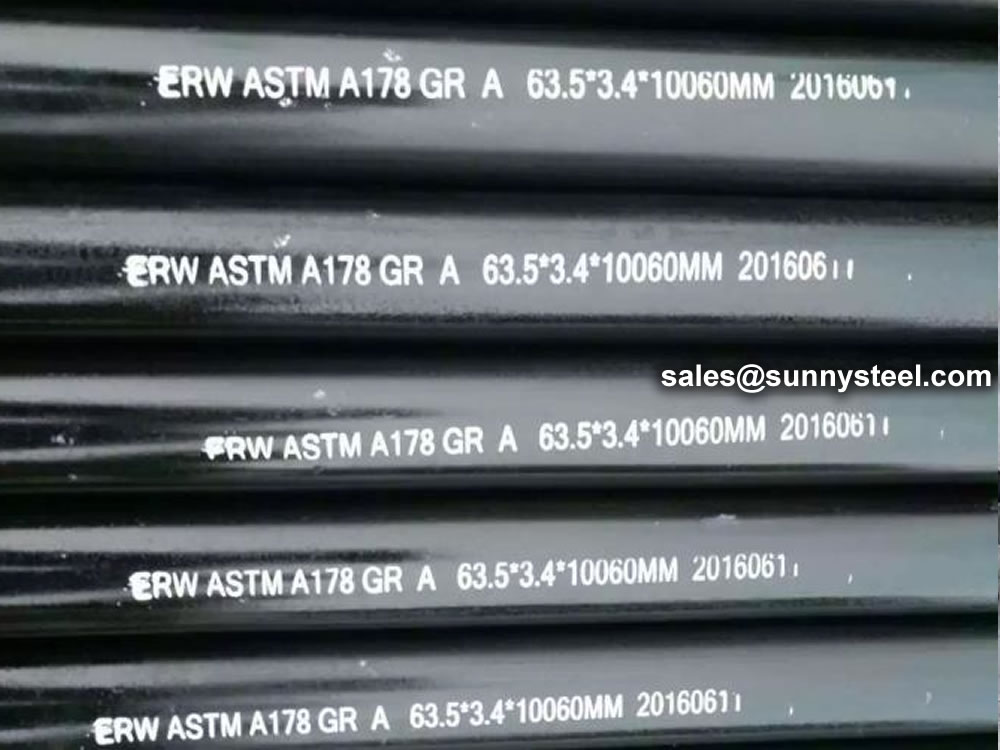
| Electric-Resistance-Welded Carbon Steel and Carbon-Manganese Steel Boiler and Superheater Tubes | ASTM A178 | 42.2-114.3 x 2.11-2.63 | A, C, D |
| ERW and Hot-dip Galvanized Steel Pipes | ASTM A53 | Ø21.3~273 x WT2.11~12.7 | A, B |
| Pipes for Piling Usage | ASTM A252 | Ø219.1~508 x WT3.6~12.7 | Gr.2, Gr.3 |
| Tubes for General Structural Purpose | ASTM A500 | Ø21.3~273 x WT2.11~12.7 | Gr.2, Gr.3 |
| Square Pipes for General Structural Purpose | ASTM A500 | 25 x 25~160 x 160 x WT1.2~8.0 | Carbon Steel |
| Product Name | Executive Standard | Dimension (mm) | Steel Code / Steel Grade |
|---|---|---|---|
| Threaded Steel Pipes | DIN 2440 | Ø21~164 x WT2.65~4.85 | Carbon Steel |
| Product Name | Executive Standard | Dimension (mm) | Steel Code / Steel Grade |
|---|---|---|---|
| Screwed and Socketed Steel Tubes | BS 1387 | Ø21.4~113.9 x WT2~3.6 | Carbon Steel |
| Scaffolding Pipes | EN 39 | Ø48.3 x WT3.2~4 | Carbon Steel |
| Product Name | Executive Standard | Dimension (mm) | Steel Code / Steel Grade |
|---|---|---|---|
| Carbon Steel Tubes for General Structure Purpose | JIS G3444 | Ø21.7~216.3 x WT2.0~6.0 | Carbon Steel |
| Carbon Steel Tubes for Machine Structure Purpose | JIS G3445 | Ø15~76 x WT0.7~3.0 | STKM11A, STKM13A |
| Carbon Steel Pipes for Ordinary Piping | JIS G3452 | Ø21.9~216.3 x WT2.8~5.8 | Carbon Steel |
| Carbon Steel Pipes for Pressure Service | JIS G3454 | Ø21.7~216.3 x WT2.8~7.1 | Carbon Steel |
| Carbon Steel Rigid Steel Conduits | JIS G8305 | Ø21~113.4 x WT1.2~3.5 | G16~G104, C19~C75, E19~E75 |
| Carbon Steel Rectangular Pipes for General Structure | JIS G3466 | 16 x 16~150 x 150 x WT0.7~6 | Carbon Steel |


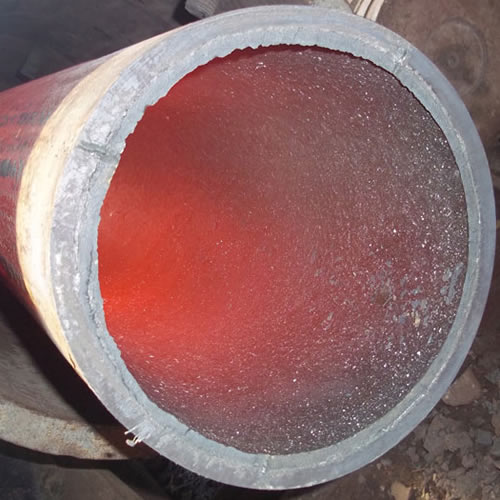
Ceramic lined pipe is made through self-propagating high-temperature synthesis (SHS) technique.
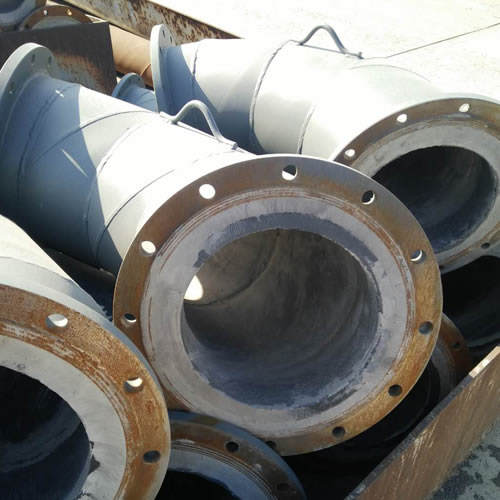
Cast basalt lined steel pipe is composed by lined with cast basalt pipe, outside steel pipe and cement mortar filling between the two layers.
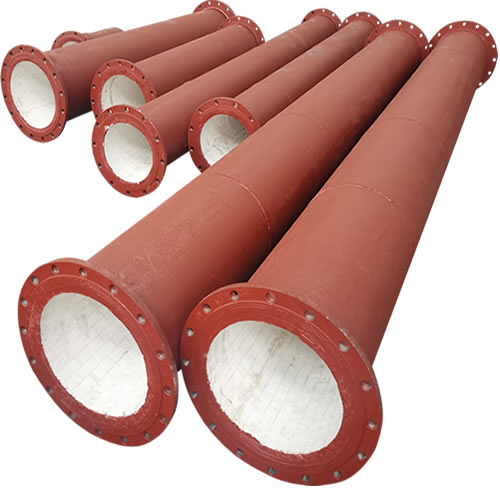
Ceramic tile lined pipes have very uniform coating of specially formulated ceramic material that is affixed to the inner of the pipe.
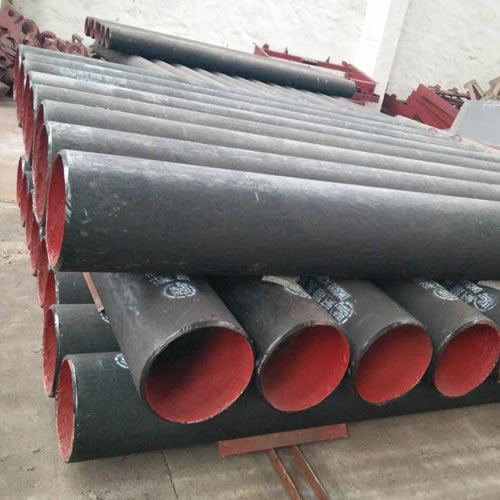
The material of the rare earth alloy wear-resistant pipe is ZG40CrMnMoNiSiRe, which is also the grade of rare earth alloy steel.
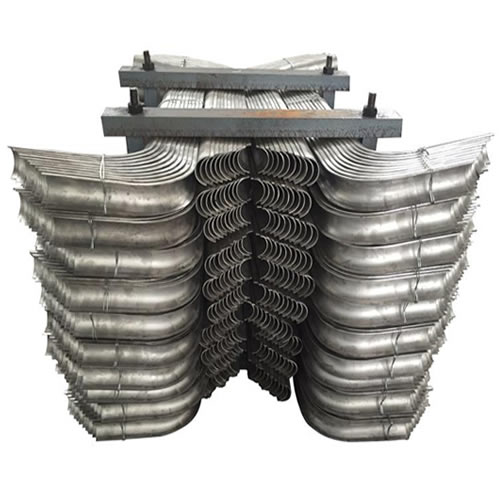
Tubes Erosion Shields are used to protect boiler tubing from the highly erosive effects of high temperatures and pressures thereby greatly extending tube life.
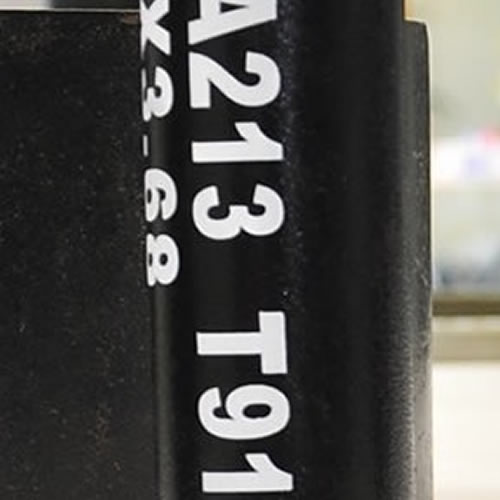
The ASTM A213 T91 seamless tubes are primarily used for boiler, superheater, and heat-exchanger.

When you partner with Sunny Steel, you can stop worrying about meeting deadlines thanks to our responsive and timely service. You'll also say goodbye to unnecessary shopping around. Instead, you'll get white glove service from an expert who understands your needs and can get you the materials you need quickly.