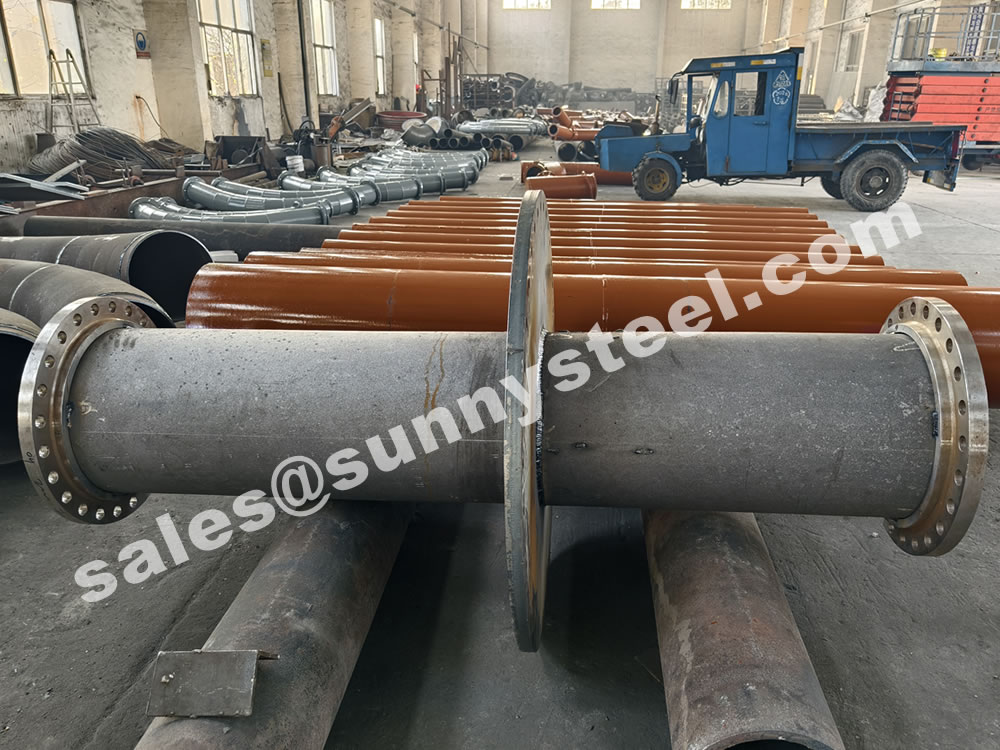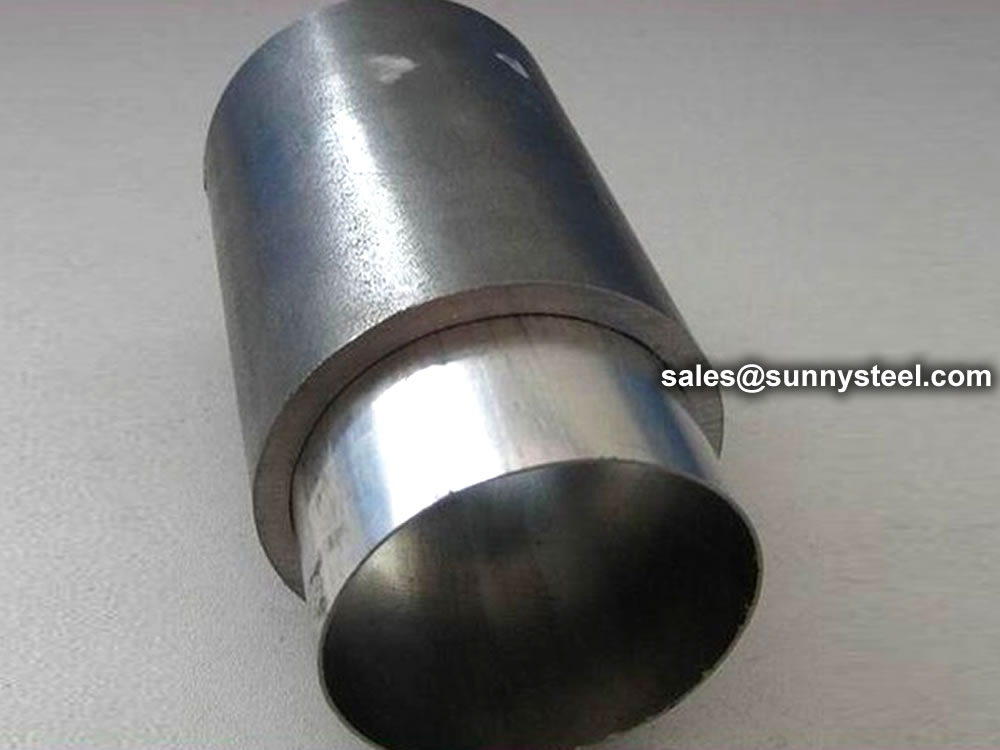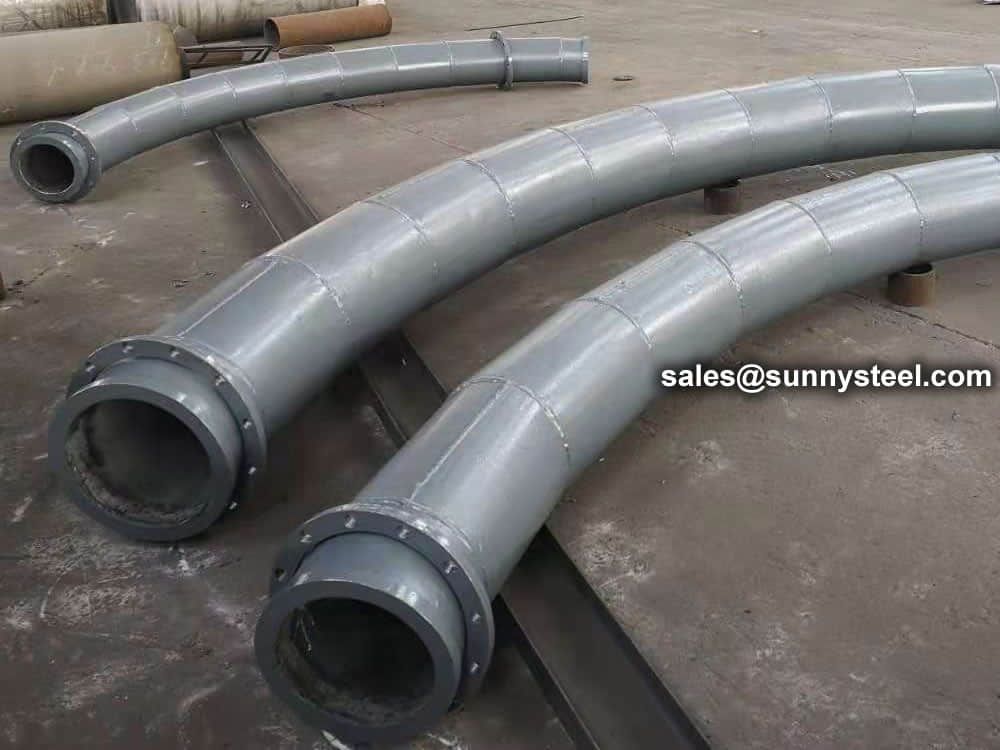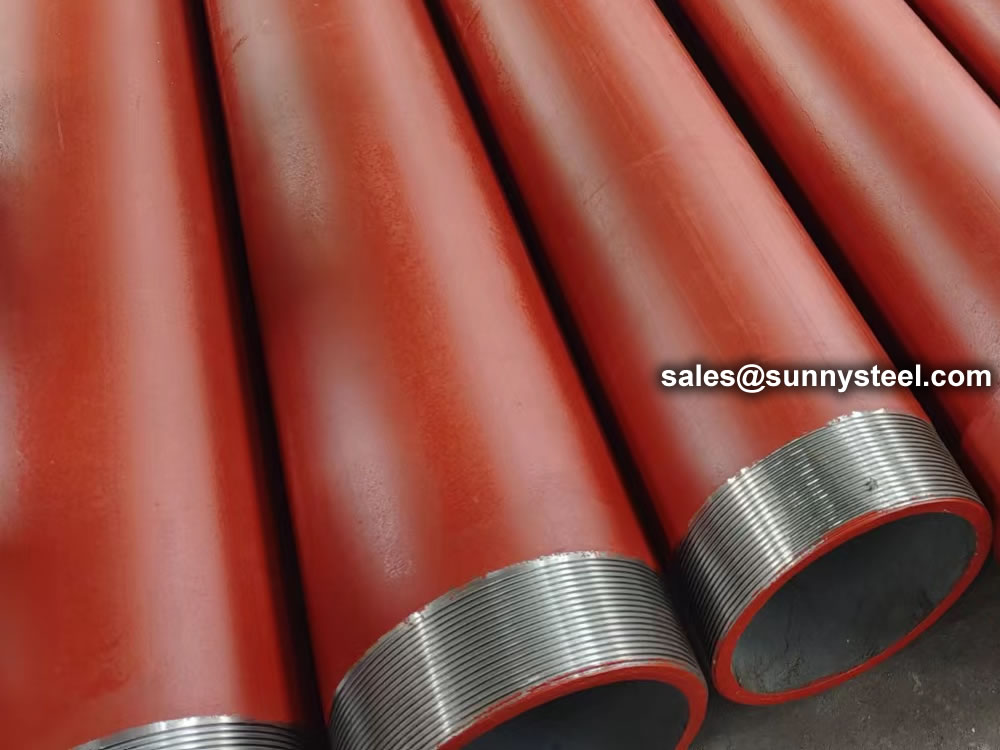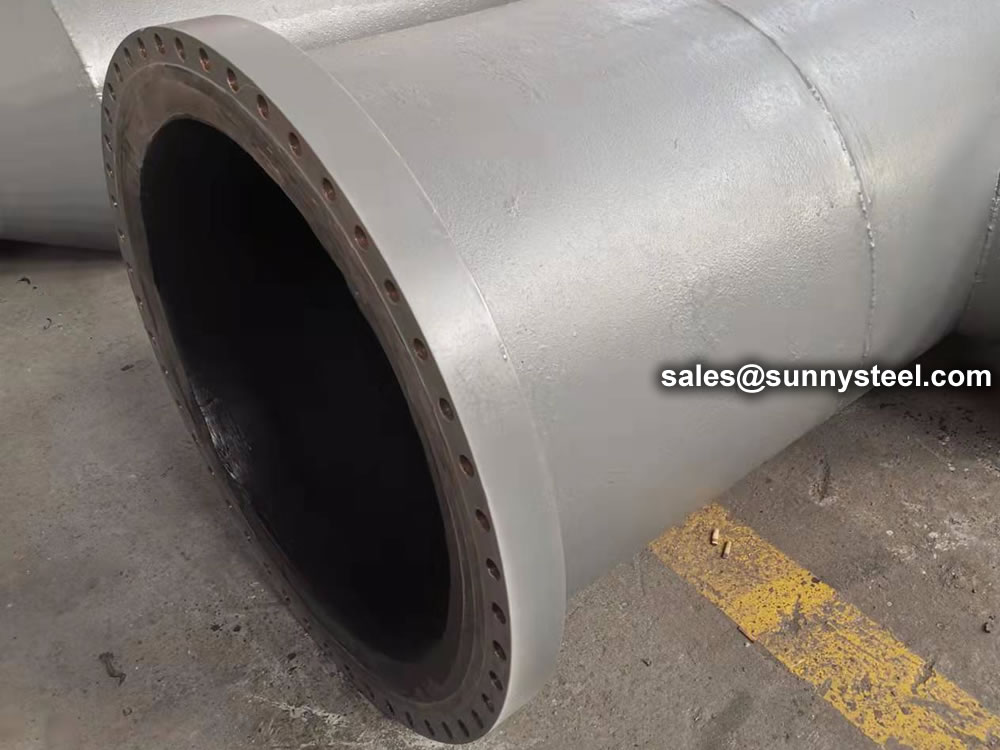
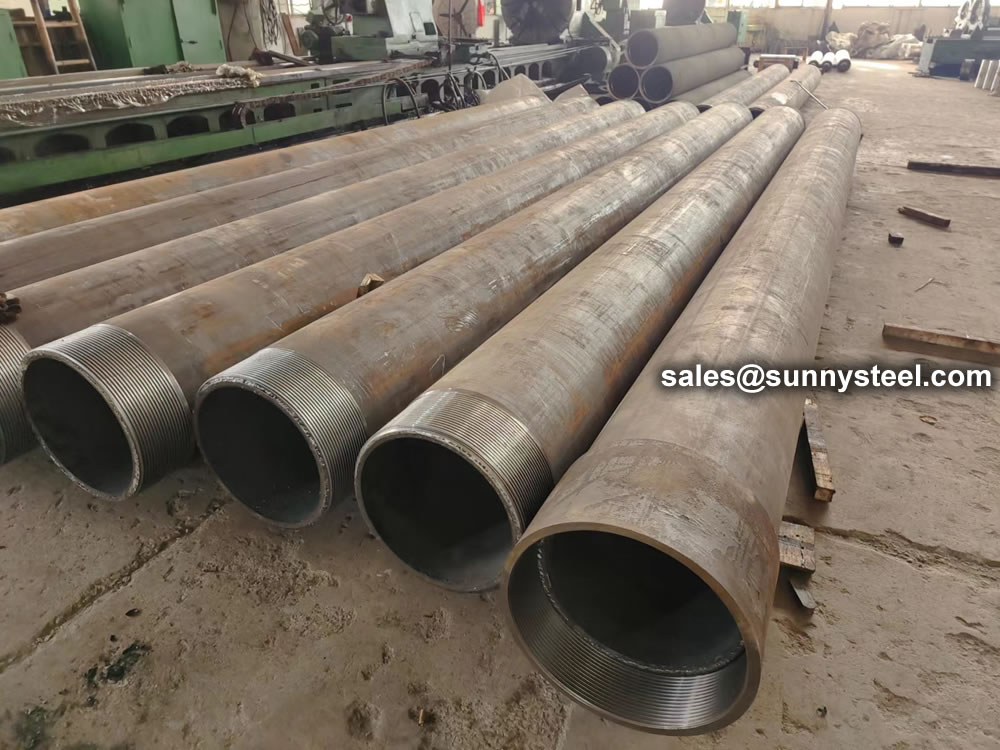
Bimetal lined chrome pipe
Bimetal lined chrome pipe - industrial steel pipe
ASTM A532 specification covers a group of high chrome white cast irons engineered for superior abrasion resistance.
While Class I (including Ni-Hard 1) represents the earliest generation of wear-resistant alloys, Class II and Class III offer significantly improved performance through higher chromium content and optimized microstructures. These advanced alloys are widely used in demanding industries such as oil sands, mining, recycling, and hydraulic fracturing where severe wear conditions exist.
Class II alloys contain 11-23% chromium and up to 3.5% molybdenum, creating a balance between hardness and impact resistance. The molybdenum addition helps maintain hardness while improving toughness compared to higher chromium variants.
Composition
Distinctive Properties
Applications
Ball mill liners, dredging components, roller crushers
Composition
Physical Properties
Mechanical Properties
Key Advantages
Applications
Mining crusher components, chute liners, crushing bars, anvils
Class III alloys represent the premium tier of abrasion-resistant cast irons, containing 23-30% chromium. These alloys form complex chromium carbides in their microstructure, providing exceptional wear resistance and good corrosion properties.
High volume fraction of chromium-rich M₇C₃ carbides in a martensitic or austenitic matrix
General Characteristics: Excellent abrasion resistance with good corrosion properties
Unique Feature
Can be temporarily softened for machining operations
Processing
Supplied soft for drilling, tapping, and broaching, then hardened to >600 BHN
Best Applications
Precision components requiring machining (pump volutes, impellers, liners)
Hardness
Consistently >650 BHN
Position
Most widely used Class III alloy
Applications
Universal wear solution for slurry pumping, crushing, and general abrasion resistance
Distinctive Quality
Highest carbide volume fraction
Hardness
Exceeds 680 BHN
Best For
Extreme abrasion environments in mining and recycling (chute liners, blow bars)
Engineered For
Enhanced toughness in thick sections
Applications
Gyratory crushers and pulverizers where impact resistance is critical
Key Attribute
Maximum corrosion resistance among ASTM A532 alloys
Trade-off
Slightly reduced abrasion resistance compared to other Class III variants
Specialized Use
Flue-gas desulfurization and corrosive environments
| Property | Class II | Class III |
|---|---|---|
| Chromium Content | 11-23% | 23-30% |
| Carbide Structure | Mixed carbides | Predominantly M₇C₃ chromium-rich carbides |
| Hardness Range | 450-650+ BHN | 600-680+ BHN |
| Corrosion Resistance | Good | Excellent (especially 30% Cr variant) |
| Toughness | Better impact resistance | Optimized for abrasion resistance |
| Cost | Moderate | Higher |
| Best Applications | Moderate impact with abrasion | Severe abrasion environments |
Both Class II and Class III alloys are frequently supplied in the following conditions:
| Industry | Typical Components | Preferred Alloy Class |
|---|---|---|
| Mining | Crusher liners, grinding mills | Class III (Diamond25, Tough25) |
| Oil Sands | Slurry pumps, hydrotransport | Class III (Granite25) |
| Cement | Grinding tables, rollers | Class II Type B or D |
| Recycling | Hammers, blow bars | Class III (Diamond25) |
| Power Generation | Coal pulverizers, ash handling | Class II or III depending on conditions |
| Dredging | Pump components, cutters | Class II Type B |
| Hydraulic Fracturing | Fluid end components | Class III (Pliant25) |
Class I Type A (Ni-Cr-HC)
Class II Type D (Cr-Mo-HC)
| Feature | Class I Type A | Class II Type D |
|---|---|---|
| Primary Alloy Elements | Nickel-Chromium System | Chromium-Molybdenum System |
| Impact Resistance | Higher (Composite Structure) | Standard |
| Corrosion Resistance | Superior | Moderate |
| Typical Applications | Mining crushers, Cement plants | Coal handling, Power generation |
Selection Guidelines:
Class I Type A
Martensitic matrix with chromium carbides and nickel-enhanced toughness
Class II Type D
Hyper-eutectic structure with molybdenum-stabilized carbides
Material Classification
| Property | Value | Test Method |
|---|---|---|
| Hardness | ≥58 HRC / 650 BHN | ASTM E18 |
| Impact Strength | 15-25 J/cm² | ASTM E23 |
| Service Temperature | Up to 450°C (842°F) | ASTM E21 |
| C | Cr | Mo | Mn | Si | P | S |
|---|---|---|---|---|---|---|
| 2.8-3.6 | 20-28 | 1.5-3.0 | ≤1.5 | ≤1.0 | ≤0.10 | ≤0.15 |
* May contain trace elements of Ni, Cu
Typical Applications
Cross-Standard Equivalents
| ISO | 21988/GX260CrMo27-1 |
|---|---|
| DIN | 1695-81 |
| JIS | G5151-SCMnH3 |
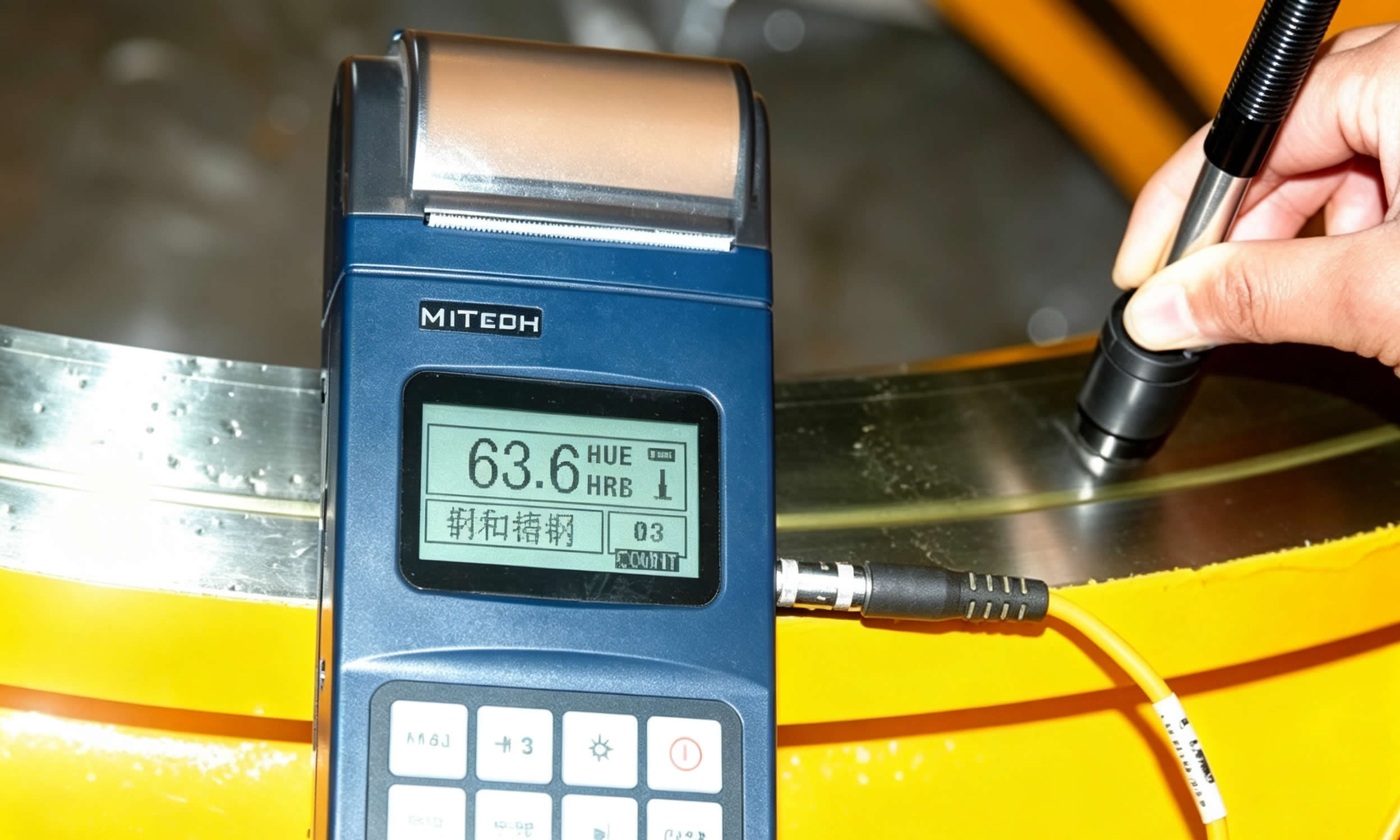
Hardness test for abrasion resistant cast iron
SunnySteel proudly supplies abrasion-resistant cast irons that fully comply with ASTM A532 / A532M, covering the complete range of nickel-chromium and high-chromium white irons for mining, milling, earth-handling and heavy-industrial wear applications.

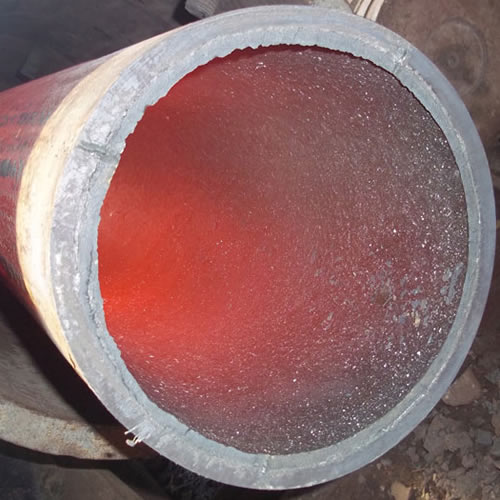
Ceramic lined pipe is made through self-propagating high-temperature synthesis (SHS) technique.
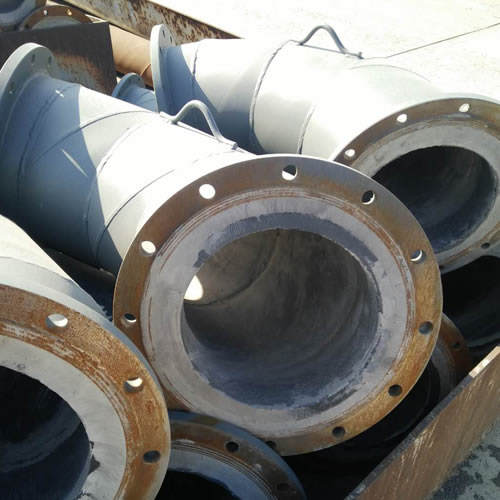
Cast basalt lined steel pipe is composed by lined with cast basalt pipe, outside steel pipe and cement mortar filling between the two layers.
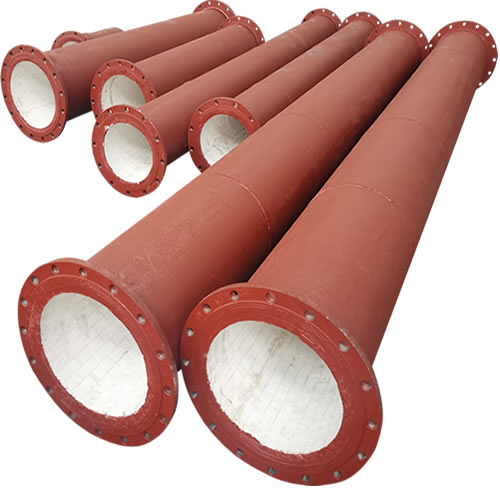
Ceramic tile lined pipes have very uniform coating of specially formulated ceramic material that is affixed to the inner of the pipe.
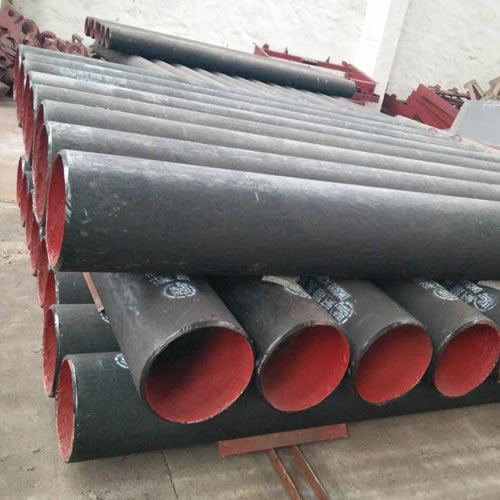
The material of the rare earth alloy wear-resistant pipe is ZG40CrMnMoNiSiRe, which is also the grade of rare earth alloy steel.
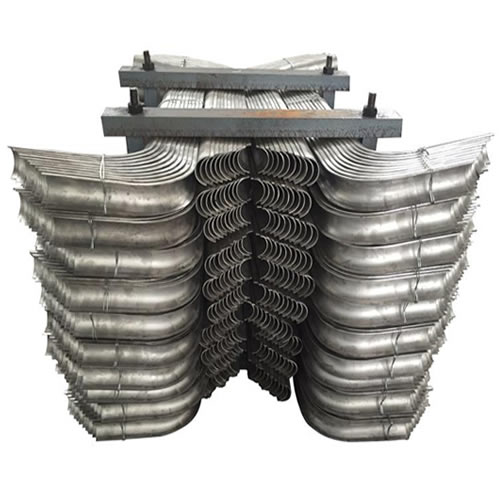
Tubes Erosion Shields are used to protect boiler tubing from the highly erosive effects of high temperatures and pressures thereby greatly extending tube life.
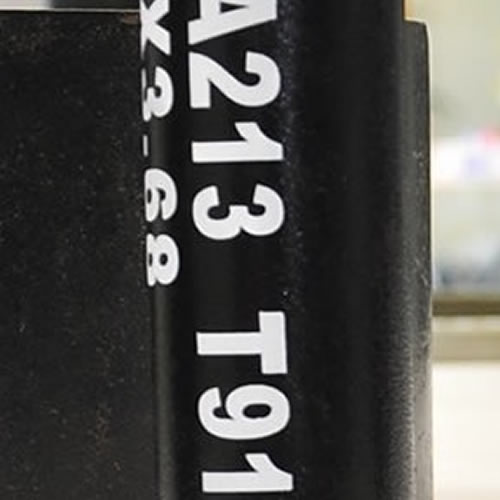
The ASTM A213 T91 seamless tubes are primarily used for boiler, superheater, and heat-exchanger.

When you partner with Sunny Steel, you can stop worrying about meeting deadlines thanks to our responsive and timely service. You'll also say goodbye to unnecessary shopping around. Instead, you'll get white glove service from an expert who understands your needs and can get you the materials you need quickly.