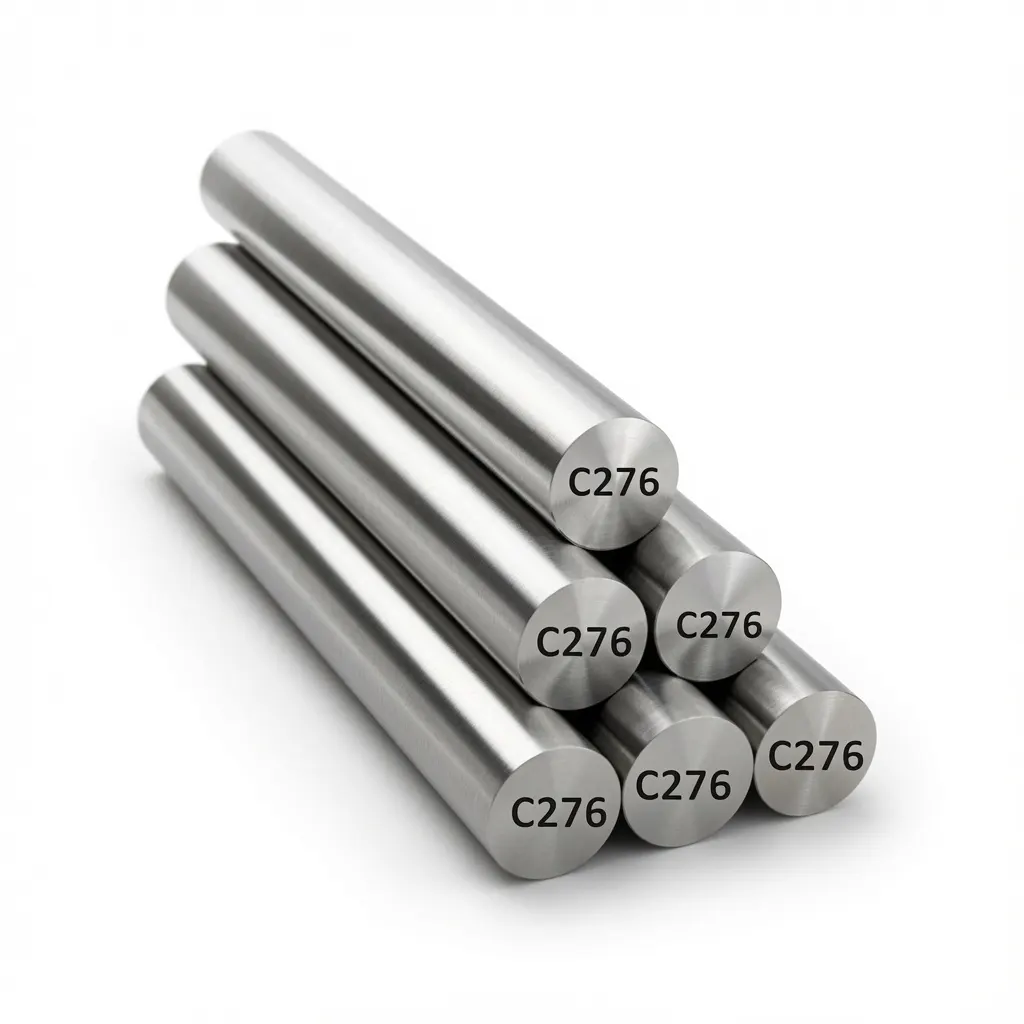
Alloy C-276
UNS N10276 Hastelloy C276 Nickel Alloy Pipe Plate Bar Fittings
Hastelloy C-276 UNS N10276 wrought nickel alloy with ultra-low carbon, outstanding anti-corrosion performance for harsh acidic & chloride industrial environments.
Hastelloy C-276 UNS N10276 wrought nickel alloy with ultra-low carbon, outstanding anti-corrosion performance for harsh acidic & chloride industrial environments.
Alloy C-276, widely known as Hastelloy C276 with UNS designation N10276, is a solid-solution strengthened wrought nickel-based alloy containing balanced chromium, molybdenum and tungsten with ultra-low carbon and silicon content. Developed to eliminate intergranular precipitation after welding, it avoids post-weld heat treatment requirements for most industrial working conditions.
With integrated anti-oxidation, anti-pitting and anti-crevice corrosion properties, Alloy C-276 resists both oxidizing and reducing acids, wet chlorine, hypochlorite and high-chloride brine media. It also provides superior resistance to sulfide stress cracking in sour oil & gas environments, outperforming standard stainless steel and common nickel alloys in multi-corrosion mixed working conditions. We supply full-format C-276 semi-finished materials including seamless tubes, pipes, plates, sheets, round bars, wires and custom forged fittings with complete EN 10204 3.1 mill test reports.
Hastelloy C276 is a nickel-molybdenum-chromium superalloy with an addition of tungsten designed to have excellent corrosion resistance in a wide range of severe environments. The high nickel and molybdenum contents make the nickel steel alloy especially resistant to pitting and crevice corrosion in reducing environments while chromium conveys resistance to oxidizing media. The low carbon content minimizes carbide precipitation during welding to maintain corrosion resistance in as-welded structures. This nickel alloy is resistant to the formation of grain boundary precipitates in the weld heat-affected zone, thus making it suitable for most chemical process application in an as welded condition. Although there are several variations of the Hastelloy nickel alloy, Hastelloy C-276 is by far the most widely used. Alloy C-276 is widely used in the most severe environments such as chemical processing, pollution control, pulp and paper production, industrial and municipal waste treatment, and recovery of sour natural gas.
| Item | Standard Information |
|---|---|
| UNS Code | N10276 | Common Trade Name | Hastelloy C-276 |
| European W.Nr | 2.4819 |
| Main ASTM Standards | ASTM B619 / B622 (Pipe & Tube), ASTM B575 (Plate), ASTM B574 (Bar & Wire), ASTM B366 (Fittings) |
| Equivalent Global Grades | DIN X12CrMo5, JIS STBA25, BS CFS7 |
| Performance Index | Minimum Requirement |
|---|---|
| Tensile Strength | 690 MPa (100 ksi) |
| 0.2% Offset Yield Strength | 283 MPa (41 ksi) |
| Elongation (2 inch gauge length) | 40% |
| Maximum Hardness | 100 HRB |
Alloy C-276 is frequently used in many industries, including chemical and petrochemical processing, oil and gas, power generation, pharmaceutical, pulp and paper production and waste water treatment. End use applications include stack liners, ducts, dampers, scrubbers, stack gas reheaters, heat exchangers, reaction vessels, evaporators, transfer piping and many other highly corrosive applications.
Alloy C-276 is one of the most universally corrosion resistant alloys available today. It is used in a variety of environments ranging from moderately oxidizing to strong reducing conditions. Alloy C-276 has exceptional resistance to sulfuric acid, hydrochloric acid, formic acid, acetic acid, chlorides, solvents, wet chloride gas, hypochlorite and chlorine solutions. Alloy C-276 has excellent resistance to phosphoric acid at all temperatures below boiling and concentrations lower than 65%. The limiting factor when dealing with strong oxidizing environments is the low chromium content, which means hot concentrated nitric acid environments are not desirable.
Alloy C-276 has superior resistance to pitting, stress corrosion cracking and oxidizing atmospheres. Alloy C-276 also exhibits resistance to corrosion by seawater in crevice conditions, which can induce aggressive attack in other commonly used materials.
Alloy C-276 can be formed using various cold and hot working processes. Like other nickel alloys, alloy C-276 work hardens quickly, though it can be cold formed using aggressive methods like deep drawing, press forming and punching. Hot forming should be performed within a temperature range between 1600°F and 2250°F (870°C and 1230°C) with heavier sections being heated to a minimum temperature of 2000°F before forming. Annealing of the material after working is advised and should be performed at a temperature between 2050°F and 2150°F, followed by a rapid quench in a protective atmosphere or agitated reducing quench bath. To obtain a reducing quench bath, add 2% (by volume) of either ethyl or propyl alcohol to water.
Values in accordance with ASTM B575 / ASME SB575.
| Element | Symbol | Composition (%) |
|---|---|---|
| Nickel | Ni | Remainder |
| Molybdenum | Mo | 15.0 – 17.0 |
| Chromium | Cr | 14.5 – 16.5 |
| Iron | Fe | 4.0 – 7.0 |
| Tungsten | W | 3.0 – 4.5 |
| Cobalt | Co | ≤ 2.5 |
| Manganese | Mn | ≤ 1.0 |
| Vanadium | V | ≤ 0.35 |
| Silicon | Si | ≤ 0.08 |
| Phosphorus | P | ≤ 0.04 |
| Sulfur | S | ≤ 0.03 |
| Carbon | C | ≤ 0.010 |
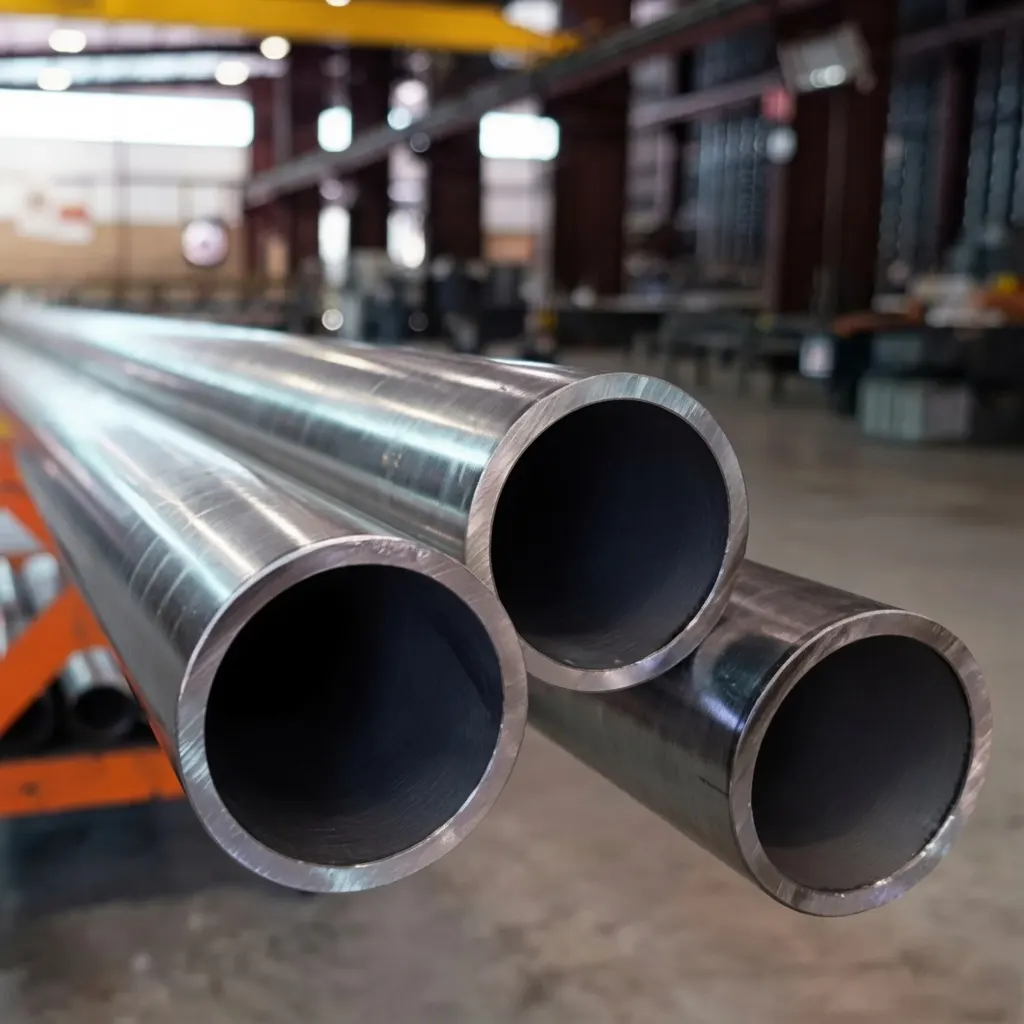
Corresponding ASTM, ASME and VdTÜV material specifications by product form.
| Product Form | ASTM | ASME | VdTÜV |
|---|---|---|---|
| Bar | B574, B564 | SB574, SB564 | 400 |
| Plate & Sheet | B575 | SB575 | 400 |
| Welded Pipe | B619 | SB619 | – |
| Welded Tube | B626 | SB626 | – |
| Seamless Pipe & Tube | B622 | SB622 | – |


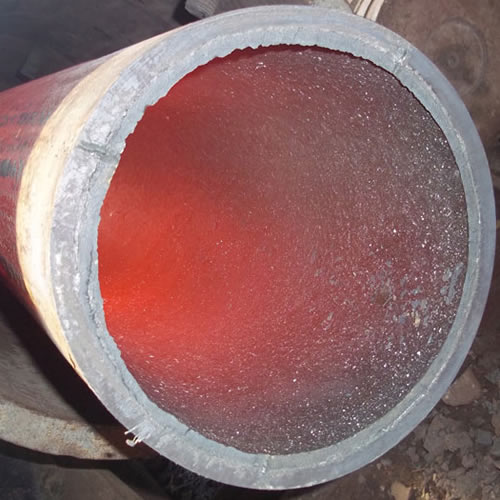
Ceramic lined pipe is made through self-propagating high-temperature synthesis (SHS) technique.
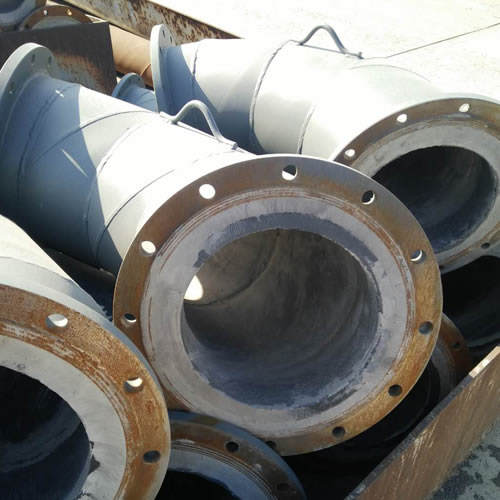
Cast basalt lined steel pipe is composed by lined with cast basalt pipe, outside steel pipe and cement mortar filling between the two layers.
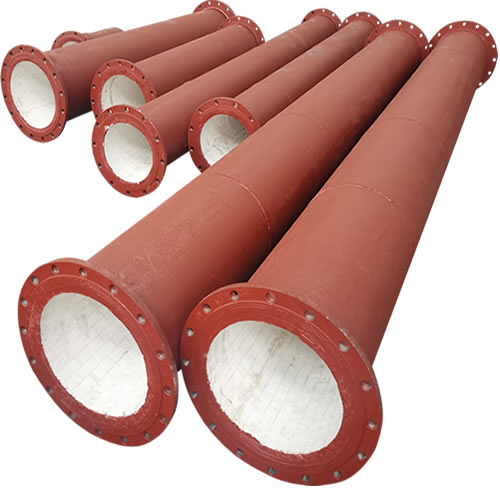
Ceramic tile lined pipes have very uniform coating of specially formulated ceramic material that is affixed to the inner of the pipe.
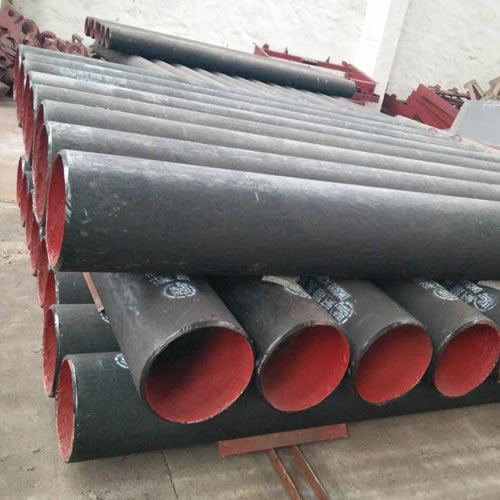
The material of the rare earth alloy wear-resistant pipe is ZG40CrMnMoNiSiRe, which is also the grade of rare earth alloy steel.
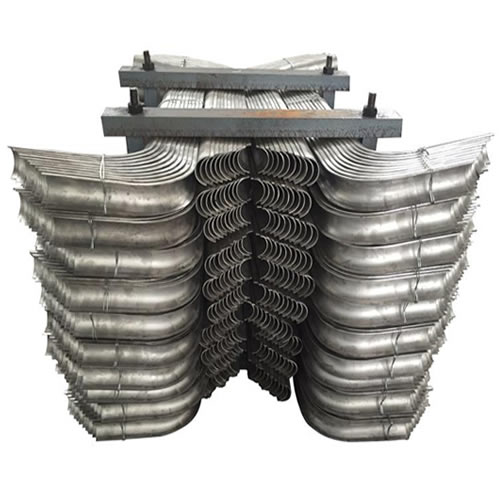
Tubes Erosion Shields are used to protect boiler tubing from the highly erosive effects of high temperatures and pressures thereby greatly extending tube life.
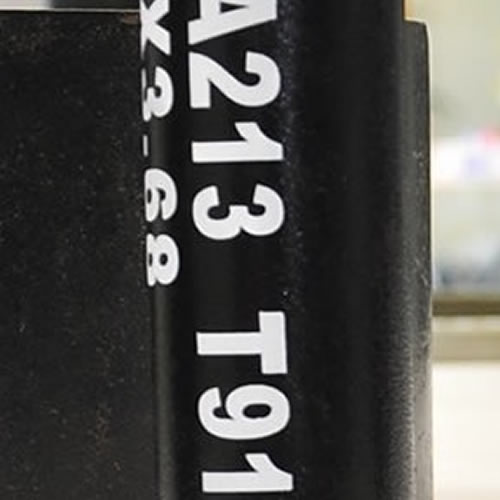
The ASTM A213 T91 seamless tubes are primarily used for boiler, superheater, and heat-exchanger.

When you partner with Sunny Steel, you can stop worrying about meeting deadlines thanks to our responsive and timely service. You'll also say goodbye to unnecessary shopping around. Instead, you'll get white glove service from an expert who understands your needs and can get you the materials you need quickly.


