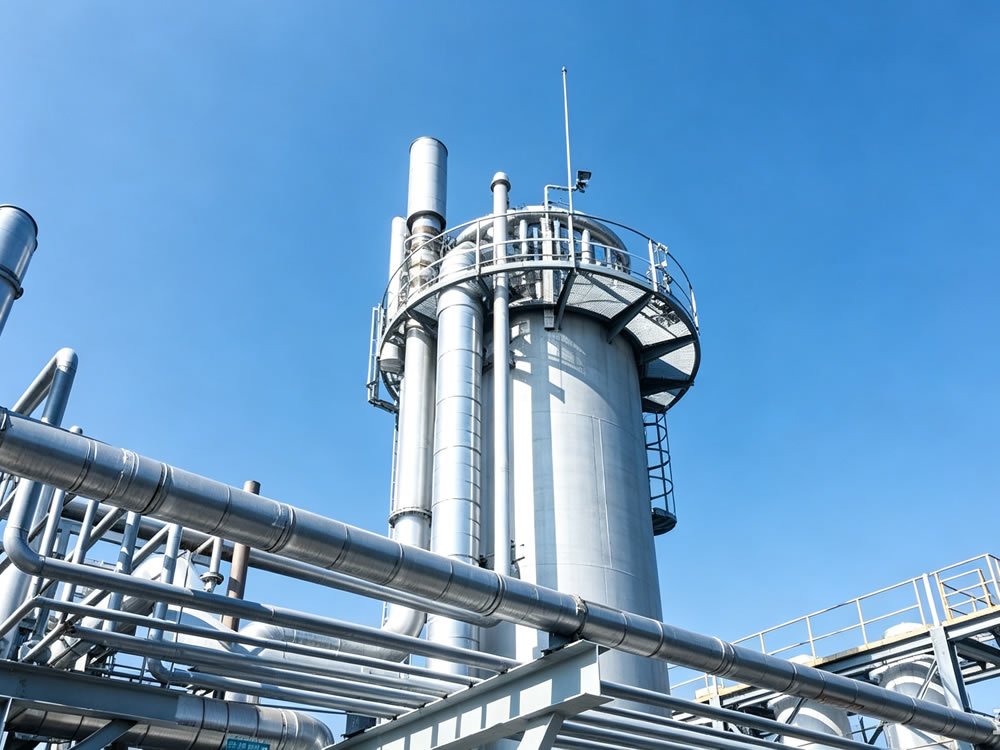
Industrial boilers use finned tube heat transfer technology to efficiently transfer steam heat for HVAC systems, power plants, process heating and air preheating applications.
Reliable thermal energy solutions for modern manufacturing and energy systems.
Industrial boilers are essential thermal energy equipment, providing steam or hot water for a wide range of production processes. Beyond ensuring operational stability, boiler performance directly influences energy consumption, operating costs and compliance with environmental regulations.
With tightening environmental standards and growing emphasis on carbon reduction, industrial boiler technology has evolved toward higher efficiency, lower emissions and intelligent operation—helping manufacturers achieve both economic and sustainability objectives.
Traditional coal-fired boilers were characterized by moderate thermal efficiency and relatively high emissions. In contrast, modern industrial boilers integrate:
These developments improve fuel economy, reduce pollutant formation and enhance operational reliability across diverse industrial applications.
| Technology | Key Benefits |
|---|---|
| Low NOx Boilers | Reduce nitrogen oxide emissions while maintaining stable combustion efficiency. |
| Condensing Boilers | Recover latent heat from flue gas, achieving thermal efficiencies above 90%. |
| Biomass Boilers | Utilize renewable biomass fuels to lower net carbon emissions. |
| Waste Heat Recovery Boilers | Convert exhaust or process waste heat into usable steam or hot water. |
Modern industrial boilers routinely exceed 90% thermal efficiency, driven by improved furnace design, enhanced heat exchanger configurations and precise combustion control.
Higher efficiency reduces fuel consumption, lowers operating costs and supports regulatory compliance.
Low NOx burners, flue gas recirculation (FGR) and intelligent air–fuel ratio control minimize pollutant formation. Combined with advanced flue gas treatment systems, modern boilers achieve significantly cleaner combustion.
This performance supports compliance with increasingly stringent environmental standards worldwide.
New-generation industrial boilers are increasingly equipped with intelligent monitoring platforms capable of real-time data acquisition and analysis, including:
These capabilities improve system reliability, reduce unplanned downtime and lower total lifecycle costs.
| Operational Benefits | Economic & Environmental Benefits |
|---|---|
|
|
Conclusion: Industrial boilers remain central to modern manufacturing and energy systems. By integrating high-efficiency heat transfer, low-emission combustion and intelligent monitoring technologies, today’s boilers deliver reliable thermal energy while reducing environmental impact and operating costs. Selecting the right boiler technology—aligned with production requirements, fuel availability and regulatory obligations—can significantly improve both energy efficiency and long-term economic performance.
Energy Conversion Path: Chemical Energy → Thermal Energy → Steam Energy
An industrial boiler is a closed, pressurized vessel designed to convert the chemical energy of fuel into thermal energy through combustion, and subsequently transfer that heat to water to generate steam. Rather than functioning as a simple “pressure cooker,” a boiler operates as an integrated system comprising a furnace (combustion system) and a boiler proper (steam-water circuit).
Fuels such as coal, oil, natural gas, or biomass are burned in the furnace with controlled air supply, generating high-temperature flue gas with flame temperatures typically ranging from 1,100°C to 1,400°C.
Heat is transferred from flue gas to boiler water through:
As water absorbs heat, it reaches saturation temperature and begins to boil, forming a steam-water mixture. Steam-water separation occurs in the steam drum, producing dry saturated steam, which may be further superheated for process use.
Steam is distributed through insulated piping, headers, and steam traps to process equipment. After giving up its heat, the condensate is recovered and returned to the feedwater system, forming a closed-loop cycle that improves overall efficiency.
An industrial boiler is not merely a pressure vessel but a continuous energy conversion system combining combustion, heat transfer, phase change, and fluid dynamics. Proper selection must account for fuel type, required steam pressure and temperature, load profile, and environmental emission standards.
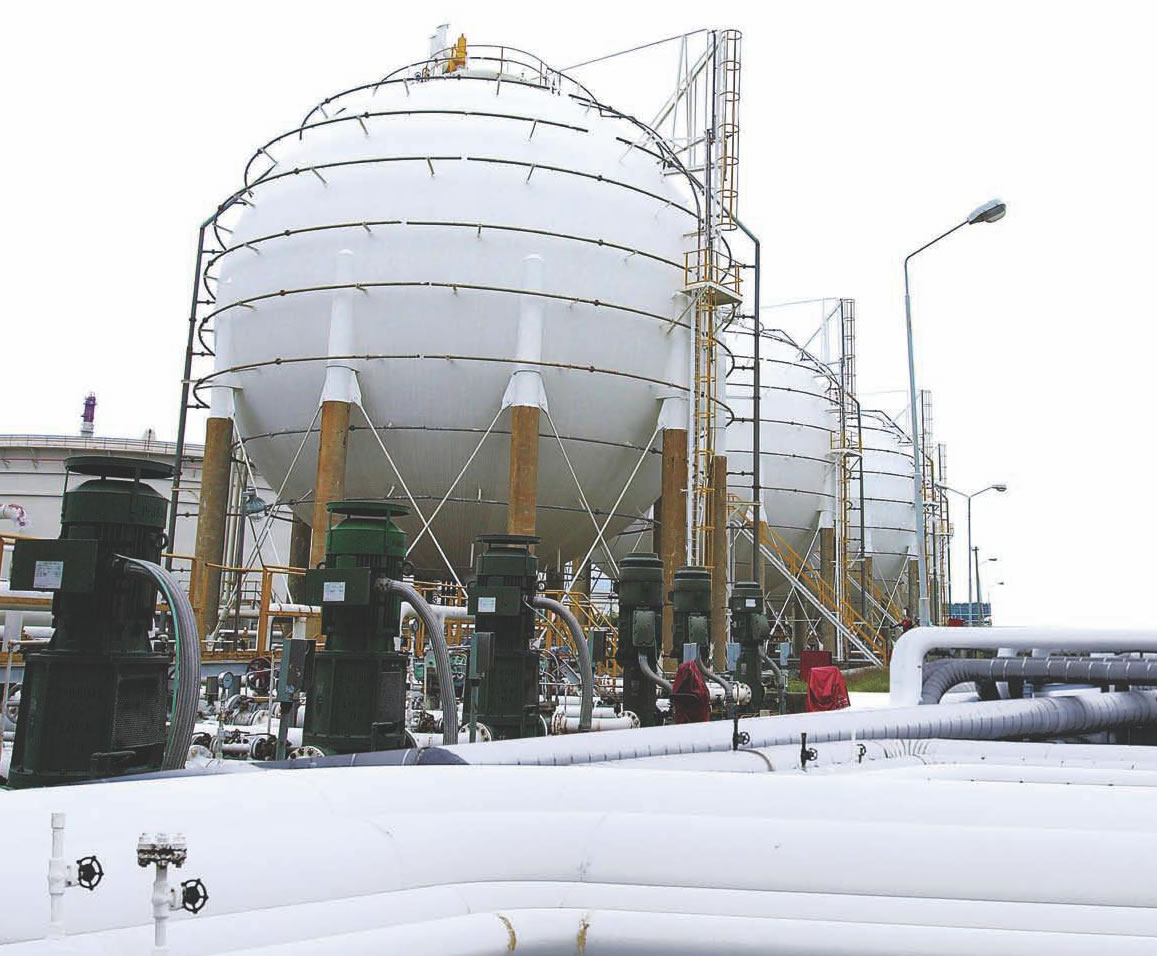
Industrial boilers are thermal energy systems designed to generate steam or hot water for manufacturing, power generation, chemical processing, food production, mining, pharmaceutical plants, district heating, and numerous industrial applications. Different boiler types are selected according to pressure, fuel source, efficiency requirements, installation space, and process demand.
Modern industrial boilers are generally classified by their tube arrangement, combustion method, working pressure, fuel type, circulation system, and intended application. Selecting the appropriate boiler significantly improves thermal efficiency, operational safety, and long-term operating costs.
| Fuel Type | Description | Typical Applications |
|---|---|---|
| Gas-Fired Boiler | Uses natural gas, LNG, LPG, or other gaseous fuels with clean combustion. | Food processing, hospitals, commercial facilities |
| Oil-Fired Boiler | Operates with diesel, heavy fuel oil, or light fuel oil where gas supply is unavailable. | Chemical plants, marine industry |
| Coal-Fired Boiler | Designed for solid coal combustion with high thermal capacity. | Power generation, mining |
| Biomass Boiler | Burns renewable fuels such as wood chips, rice husks, bagasse, and agricultural waste. | Renewable energy projects |
| Electric Boiler | Produces steam without combustion, offering zero onsite emissions. | Laboratories, pharmaceutical manufacturing |
| Pressure Category | Typical Pressure | Main Applications |
|---|---|---|
| Low Pressure Boiler | Below 2.5 MPa | Building heating, food processing |
| Medium Pressure Boiler | 2.5–6 MPa | Industrial manufacturing |
| High Pressure Boiler | Above 6 MPa | Power stations, petrochemical plants |
| Supercritical Boiler | Above 22.1 MPa | Large thermal power generation |
Selecting the proper industrial boiler depends on steam demand, operating pressure, fuel availability, environmental regulations, thermal efficiency targets, maintenance requirements, and lifecycle costs. Modern high-efficiency boilers often integrate economizers, condensate recovery systems, low-NOx burners, and intelligent control systems to reduce fuel consumption and emissions.
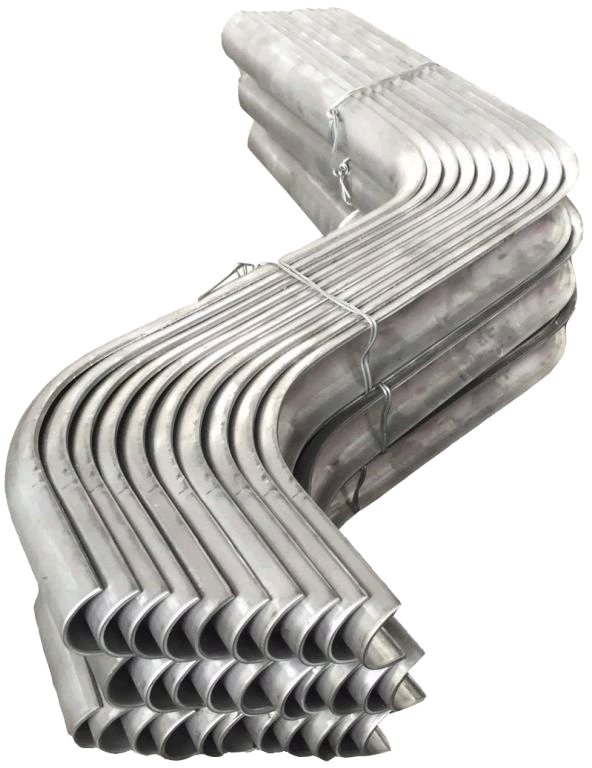
For demanding industrial environments, boiler pressure parts such as water wall tubes, superheater tubes, economizer tubes, reheater tubes, headers, membrane walls, finned tubes, and wear-resistant pipe systems are equally critical to ensuring long-term, reliable operation.

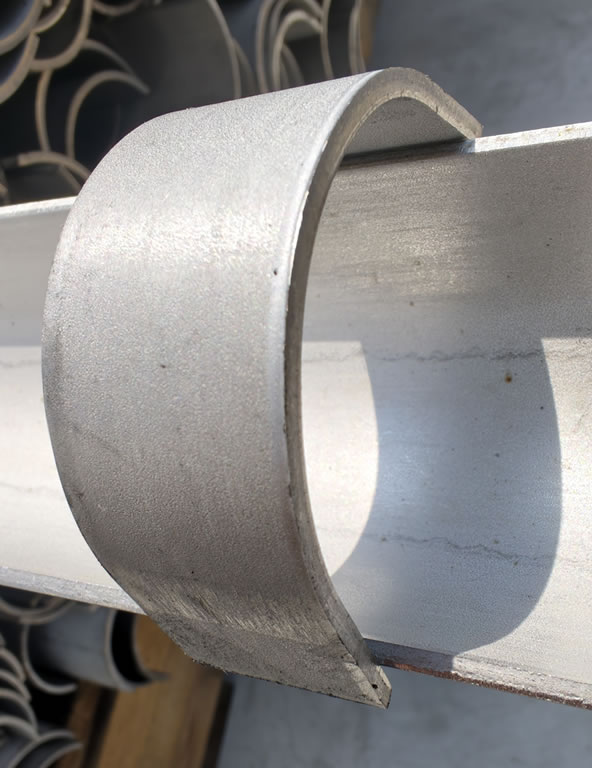
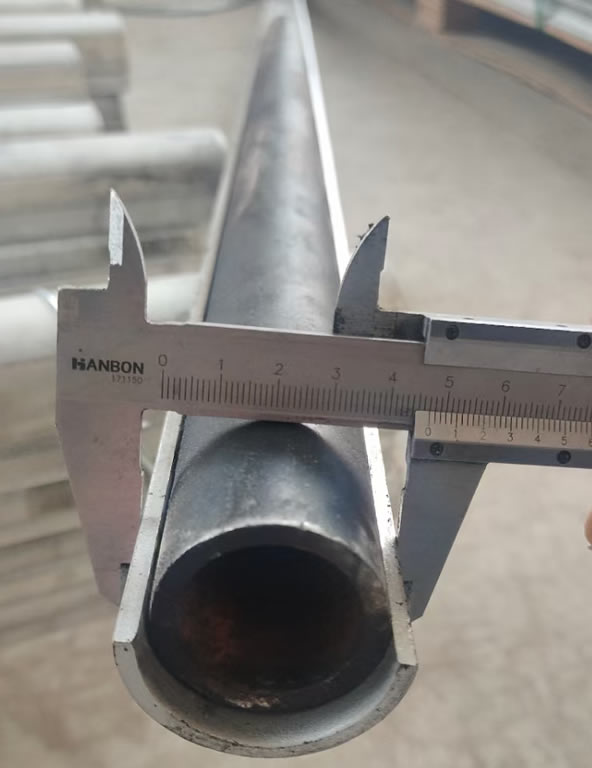
Tubes Erosion Shields are used to protect boiler tubing from the highly erosive effects of high temperatures and pressures thereby greatly extending tube life.

A half pipe sleeve is a piping device, which is placed on a pipe to protect it against the aliments.
Read moreSnap rings are used in conjunction with boiler tubes erosion shields, which is a clip that easily installs boiler tubes erosion shields to the tube.
Read moreA stainless boiler tube shield is a piping device, which is placed on a pipe to protect it against the aliments.

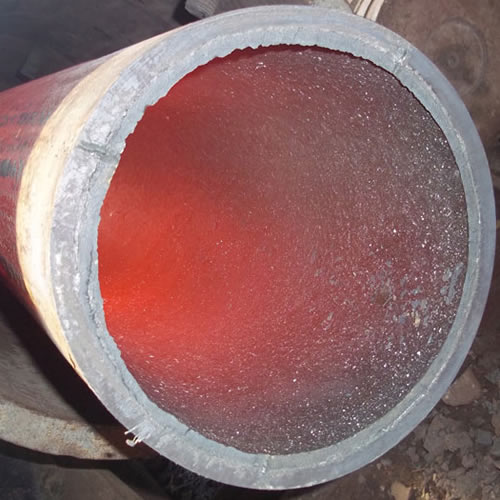
Ceramic lined pipe is made through self-propagating high-temperature synthesis (SHS) technique.
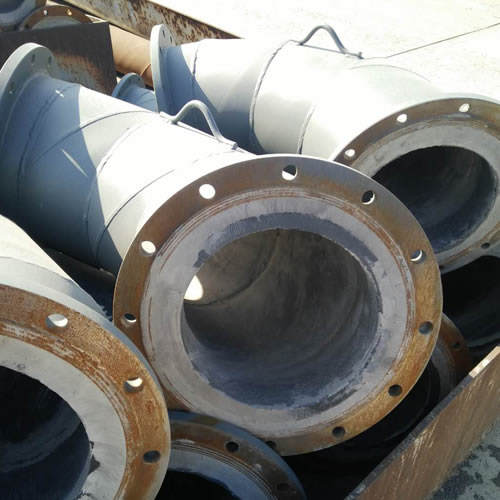
Cast basalt lined steel pipe is composed by lined with cast basalt pipe, outside steel pipe and cement mortar filling between the two layers.
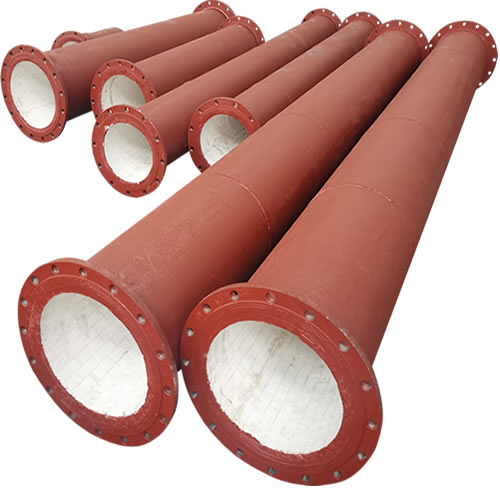
Ceramic tile lined pipes have very uniform coating of specially formulated ceramic material that is affixed to the inner of the pipe.
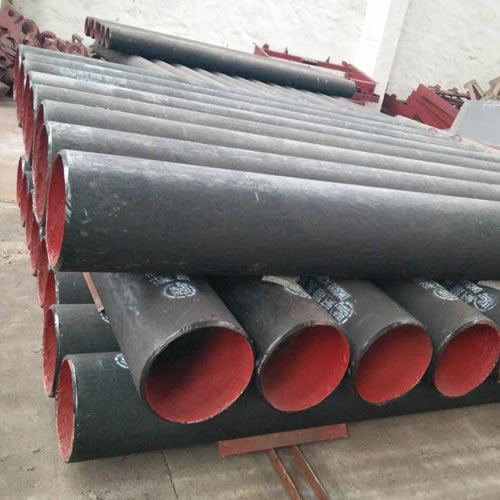
The material of the rare earth alloy wear-resistant pipe is ZG40CrMnMoNiSiRe, which is also the grade of rare earth alloy steel.
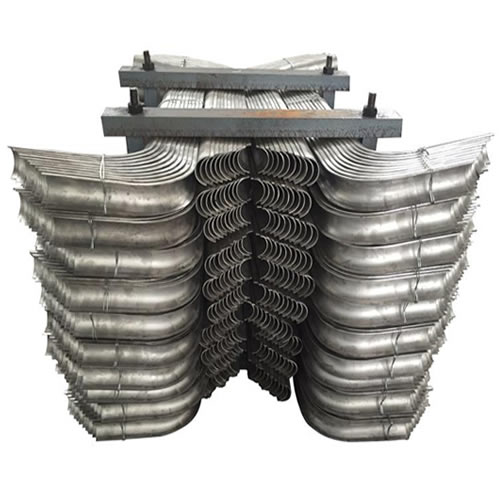
Tubes Erosion Shields are used to protect boiler tubing from the highly erosive effects of high temperatures and pressures thereby greatly extending tube life.
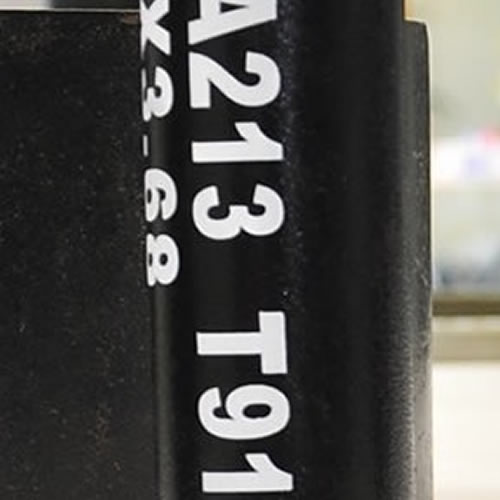
The ASTM A213 T91 seamless tubes are primarily used for boiler, superheater, and heat-exchanger.

When you partner with Sunny Steel, you can stop worrying about meeting deadlines thanks to our responsive and timely service. You'll also say goodbye to unnecessary shopping around. Instead, you'll get white glove service from an expert who understands your needs and can get you the materials you need quickly.