Waste Heat Boilers | Industrial Waste Heat Recovery Systems - Sunny Steel Industrial Pipe Product

Waste Heat Boilers

Industrial Waste Heat Recovery Systems

Waste heat boilers convert unused industrial waste heat into valuable steam or hot water, providing an efficient solution for energy recovery, lower operating costs and sustainable industrial production.

What Is a Waste Heat Boiler?

A waste heat boiler is an energy recovery system designed to capture thermal energy from high-temperature industrial exhaust gases, waste steam or other process heat sources and convert it into useful steam or hot water. Unlike conventional fired boilers, a waste heat boiler utilizes heat that would otherwise be discharged into the atmosphere, allowing industrial facilities to improve energy efficiency without consuming additional primary fuel.

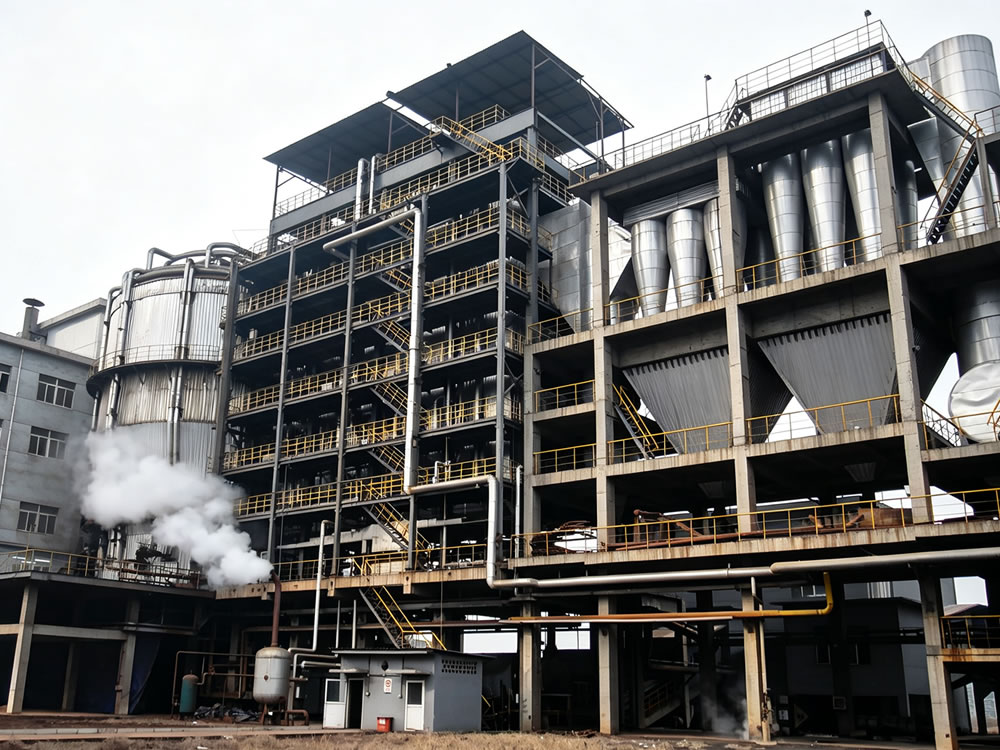
Waste heat boilers are widely installed in steel plants, cement factories, chemical processing facilities, refineries, glass manufacturing plants, non-ferrous metallurgy operations and waste-to-energy projects. By recovering thermal energy from production processes, these systems reduce fuel consumption, lower operating costs and decrease greenhouse gas emissions while maintaining reliable steam production.

Modern waste heat boilers are engineered with optimized heat transfer surfaces, durable pressure parts and advanced control systems to ensure stable operation under continuously changing process conditions. They have become an essential component of industrial energy-saving projects and sustainable manufacturing.

How Does a Waste Heat Boiler Work?

The operating principle of a waste heat boiler is based on transferring thermal energy from hot process gases to water flowing inside boiler tubes. Instead of generating heat by burning fuel, the boiler absorbs existing waste heat from industrial operations and converts it into saturated steam, superheated steam or hot water.

High-temperature exhaust gases pass through specially designed tube bundles where heat is transferred efficiently to the circulating water. Depending on process requirements, the generated steam can be supplied directly to manufacturing equipment, district heating systems or steam turbines for electricity generation.

  1. High-temperature exhaust gas enters the waste heat boiler.
  2. Heat transfers through boiler tubes into circulating water.
  3. Water gradually converts into saturated or superheated steam.
  4. Steam is delivered to industrial processes or power generation equipment.
  5. Cooled exhaust gas exits the system with significantly reduced energy loss.

Key Features of Waste Heat Boilers

Modern waste heat boilers offer numerous technical and economic advantages for industrial facilities seeking improved energy utilization and lower environmental impact.

  • Recovers otherwise wasted thermal energy from industrial processes.
  • Reduces fuel consumption and overall production costs.
  • Produces saturated steam, superheated steam or hot water.
  • Supports steam turbine power generation systems.
  • Improves overall plant energy efficiency.
  • Reduces carbon dioxide and NOx emissions.
  • Suitable for continuous industrial operation.
  • Available in customized designs for different heat sources.
  • Compatible with automatic monitoring and intelligent control systems.

Typical Waste Heat Sources

Waste heat boilers can recover energy from numerous industrial processes where large quantities of thermal energy are discharged through exhaust gases or waste steam.

Heat Source Typical Temperature Industry
Blast Furnace Exhaust Gas 300–900°C Iron & Steel
Cement Kiln Exhaust 250–450°C Cement
Gas Turbine Exhaust 450–650°C Power Generation
Chemical Reactor Off-Gas 200–600°C Chemical Industry
Waste Incinerator Flue Gas 500–850°C Waste-to-Energy
Industrial Waste Steam According to Process Various Industries

Main Components of a Waste Heat Boiler

A waste heat boiler consists of several pressure parts and heat exchange components that work together to recover thermal energy safely and efficiently.

Component Function
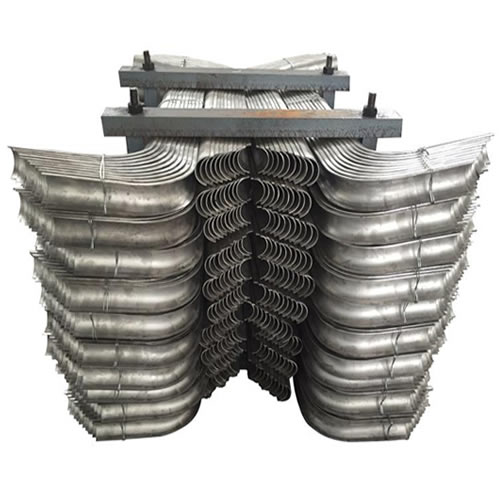
Boiler Tubes Transfer heat from exhaust gases to water.
Steam Drum Separates steam from circulating water.
Water Drum Stores and distributes circulating water.
Superheater Raises steam temperature for higher efficiency.
Economizer Preheats feedwater using remaining exhaust heat.
Headers Distribute water and steam throughout the boiler.

Performance Advantages

Compared with conventional steam generation systems, waste heat boilers significantly improve the utilization of available thermal energy while reducing dependence on fossil fuels.

Performance Item Benefit
Energy Efficiency Recovers waste heat for productive use.
Fuel Consumption Reduces additional fuel requirements.
Operating Cost Lowers long-term production expenses.
Environmental Performance Reduces CO₂ emissions and thermal pollution.
Power Generation Supports steam turbine electricity production.
Return on Investment Improves project profitability through energy savings.

Industrial Applications

Waste heat boilers are widely used wherever high-temperature exhaust gases are generated continuously. They improve process efficiency while helping manufacturers comply with increasingly strict environmental regulations.

  • Iron and steel production plants
  • Petrochemical refineries
  • Chemical manufacturing facilities
  • Cement production lines
  • Glass manufacturing plants
  • Waste incineration projects
  • Combined heat and power (CHP) systems
  • Gas turbine power plants
  • Paper and pulp mills
  • Non-ferrous metallurgy plants
Frequently Asked Questions
A waste heat boiler is a heat recovery system that captures thermal energy from industrial exhaust gases, waste steam or hot process streams to generate steam or hot water without consuming additional primary fuel.
Unlike conventional boilers that burn fuel to produce heat, waste heat boilers utilize existing industrial waste heat as their primary energy source, significantly improving overall energy efficiency.
Waste heat boilers are widely used in steel production, cement manufacturing, petrochemical plants, chemical processing, waste incineration, glass manufacturing and power generation facilities.
Yes. The steam produced by waste heat boilers can be supplied to steam turbines, allowing industrial facilities to generate electricity through waste heat recovery.
Waste heat boilers reduce fuel consumption, lower greenhouse gas emissions, improve energy utilization and help industrial facilities comply with environmental regulations.
Yes. Modern waste heat boilers can be manufactured with corrosion-resistant materials, alloy tubes and protective surface technologies for demanding operating conditions.
Waste heat boilers can recover energy from high-temperature flue gases, industrial waste steam, furnace exhaust, gas turbine exhaust and other hot process streams.
In most applications, waste heat boilers recover existing process heat without requiring additional fuel. Supplementary firing can be incorporated when higher steam output is needed.
The improvement depends on the process and operating conditions, but waste heat recovery systems can significantly increase overall plant energy utilization while reducing operating costs.
Yes. Waste heat boilers are typically custom-engineered according to the heat source, gas composition, steam requirements, operating pressure and plant layout.

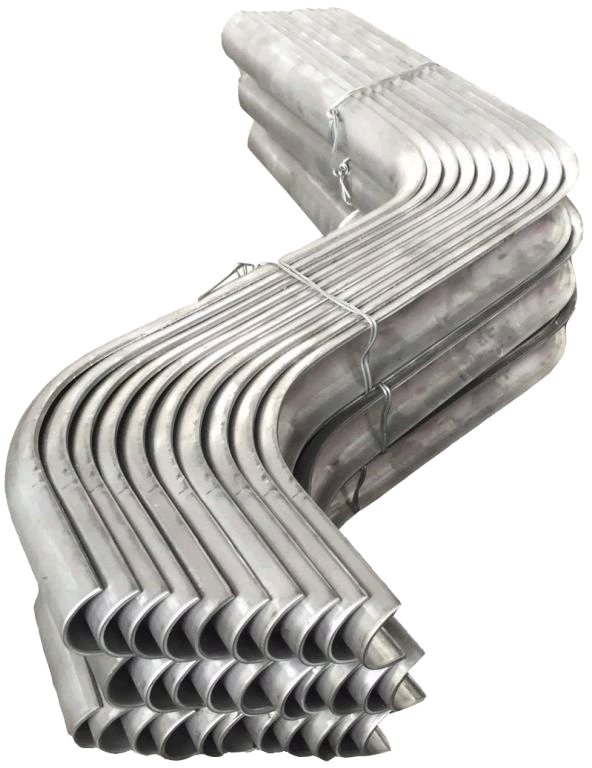
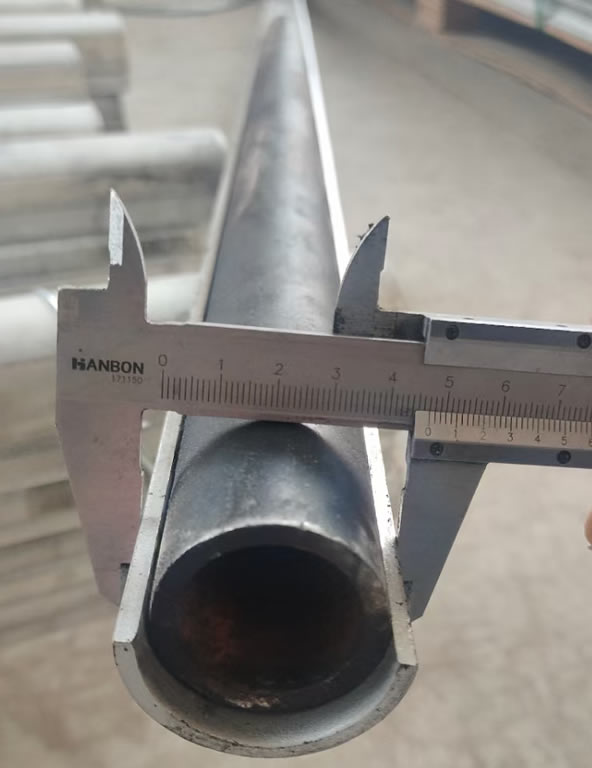
Tubes Erosion Shields are used to protect boiler tubing from the highly erosive effects of high temperatures and pressures thereby greatly extending tube life.

WhatsApp
To get more information
Scan QR code

Welcome to Sunny Steel     +8621 3378 0199

Half Pipe Sleeve

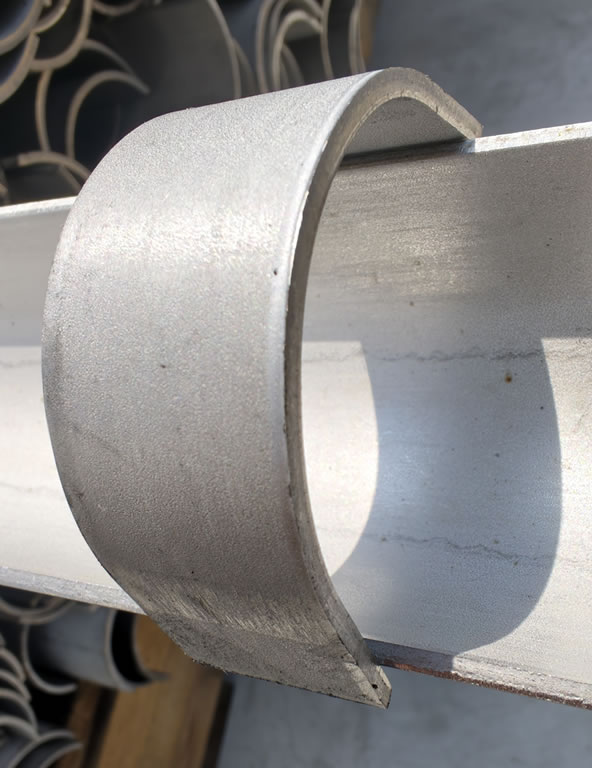
A half pipe sleeve is a piping device, which is placed on a pipe to protect it against the aliments.

Read more

Fixing clamp / Snap rings

Snap rings for tubes erosion shields

Snap rings are used in conjunction with boiler tubes erosion shields, which is a clip that easily installs boiler tubes erosion shields to the tube.

Read more

Stainless Boiler Tube Shields

A stainless boiler tube shield is a piping device, which is placed on a pipe to protect it against the aliments.

Read more
Hot Products

【H】 Ceramic lined pipe

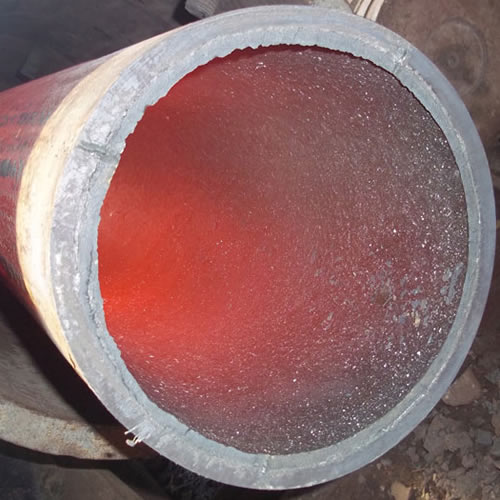
Ceramic lined pipe is made through self-propagating high-temperature synthesis (SHS) technique.

【H】 Cast basalt lined steel pipe

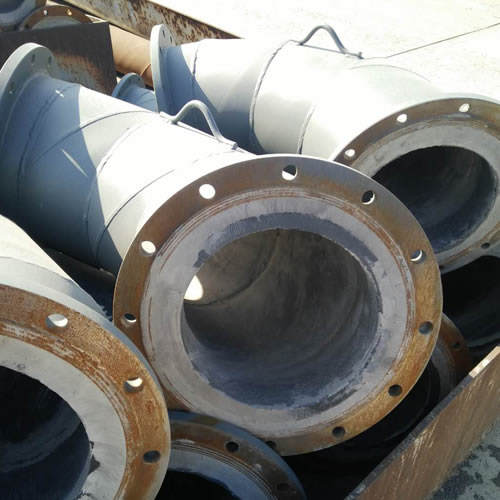
Cast basalt lined steel pipe is composed by lined with cast basalt pipe, outside steel pipe and cement mortar filling between the two layers.

【H】 Ceramic Tile Lined Pipes

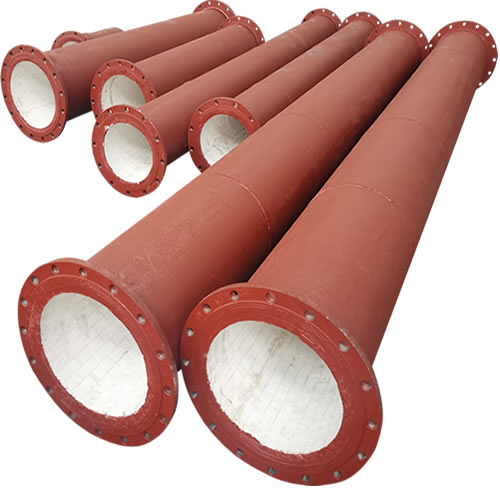
Ceramic tile lined pipes have very uniform coating of specially formulated ceramic material that is affixed to the inner of the pipe.

【H】 Rare earth alloy wear-resistant pipe

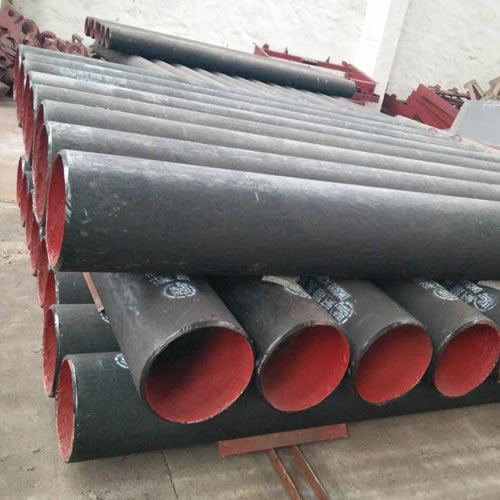
The material of the rare earth alloy wear-resistant pipe is ZG40CrMnMoNiSiRe, which is also the grade of rare earth alloy steel.

【H】 Tubes Erosion Shields

Tubes Erosion Shields are used to protect boiler tubing from the highly erosive effects of high temperatures and pressures thereby greatly extending tube life.

【H】 ASTM A213 T91 Alloy Tube

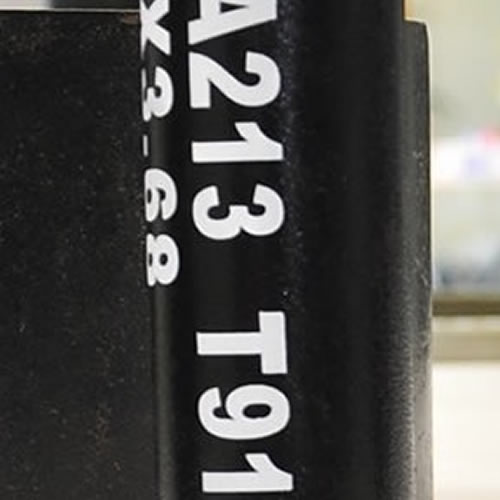
The ASTM A213 T91 seamless tubes are primarily used for boiler, superheater, and heat-exchanger.

The White Glove Service You Deserve

When you partner with Sunny Steel, you can stop worrying about meeting deadlines thanks to our responsive and timely service. You'll also say goodbye to unnecessary shopping around. Instead, you'll get white glove service from an expert who understands your needs and can get you the materials you need quickly.

application

Materials delivered on-time and at a fair price

application

No delays in production or manufacturing process

application

Meet engineering specifications to ensure top quality

application

World-class customer service ready to help