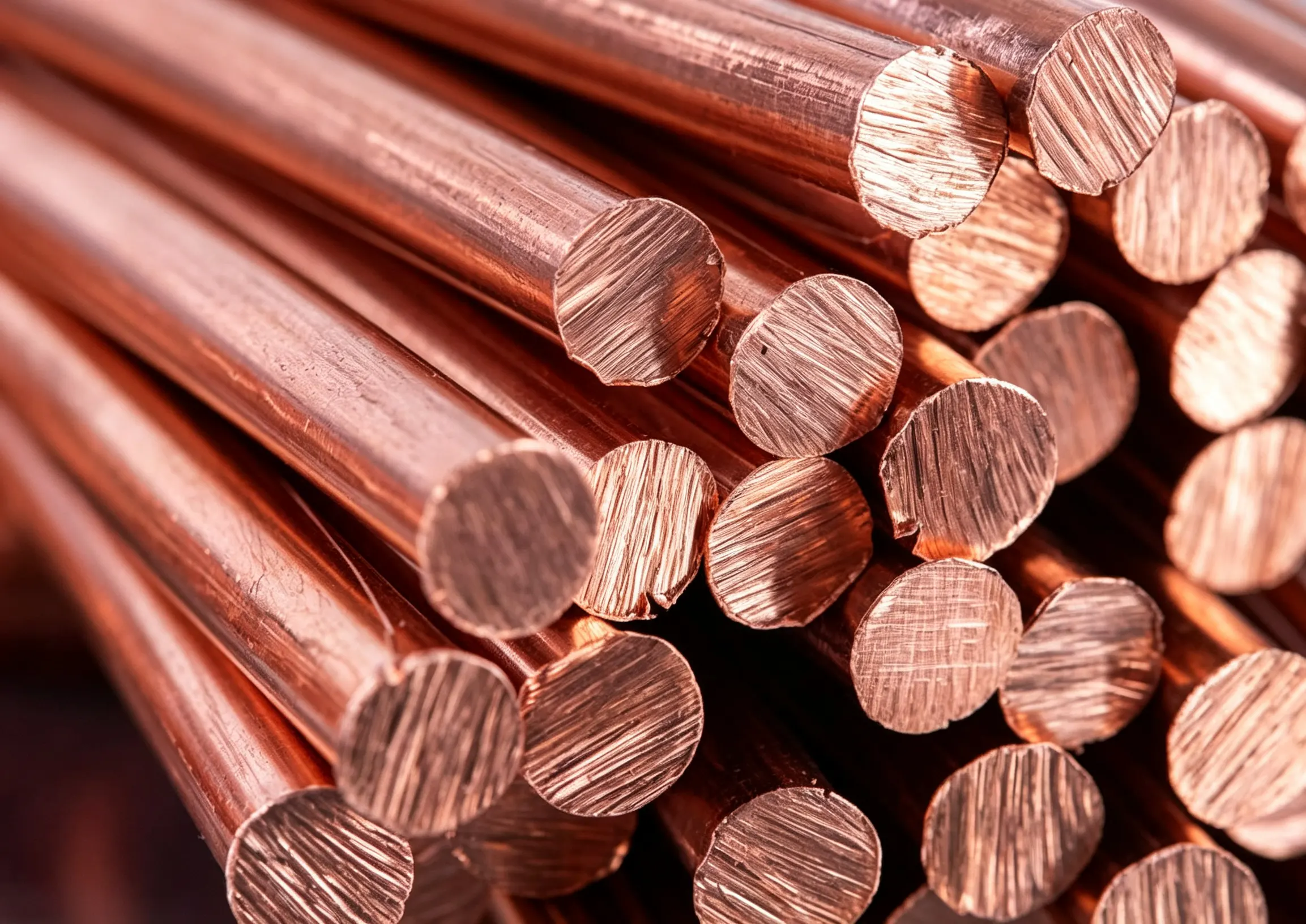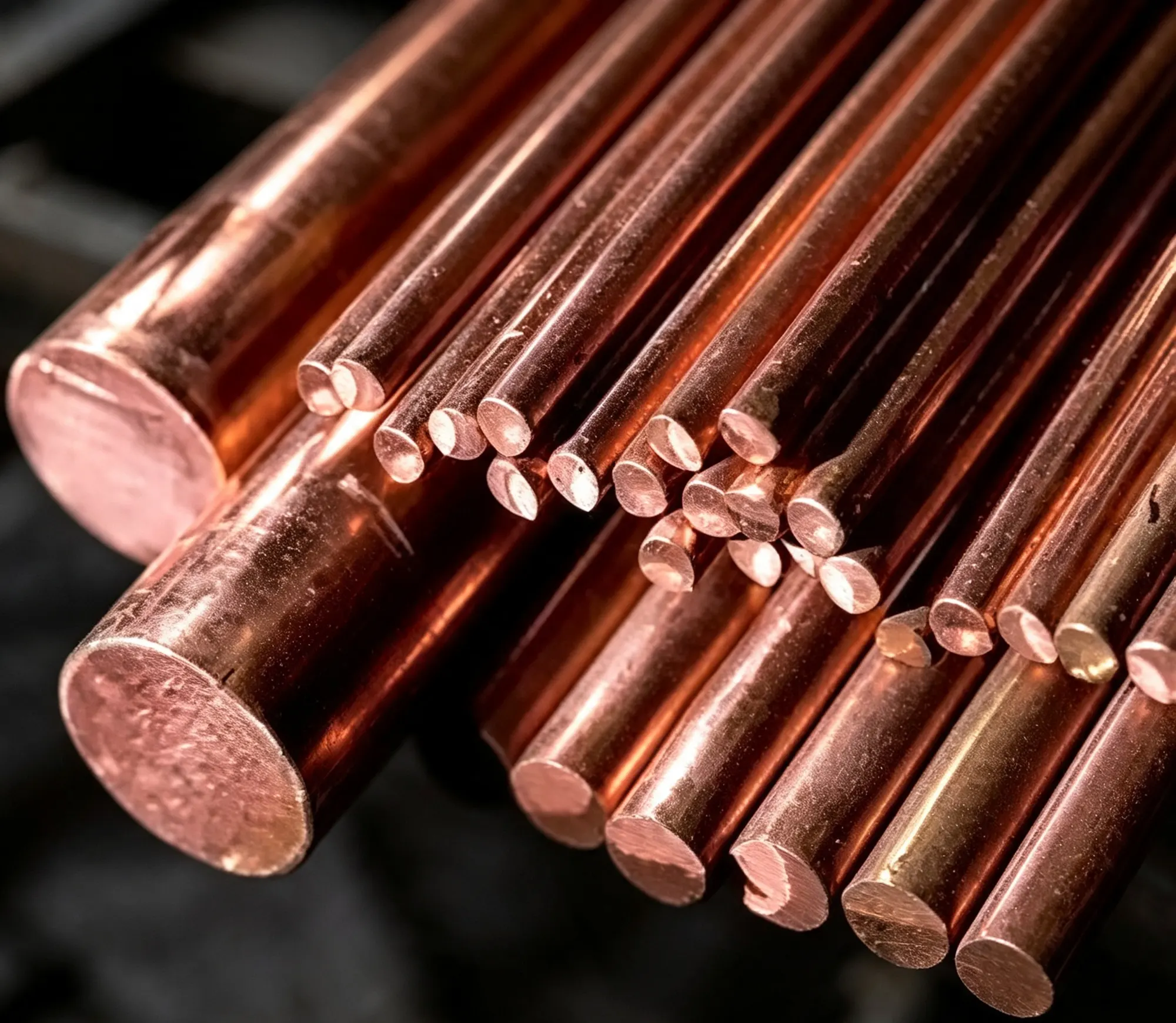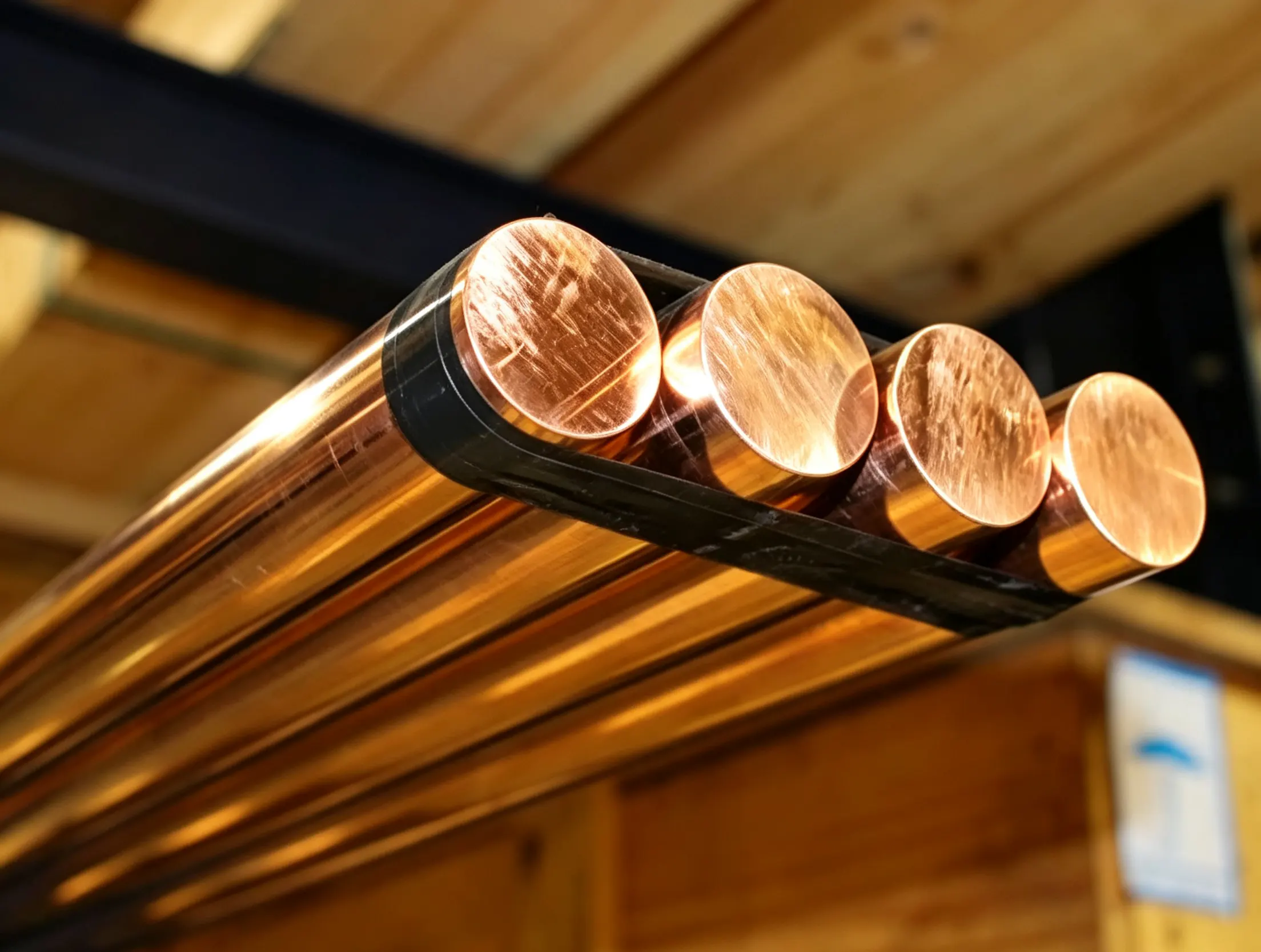
Pure Copper
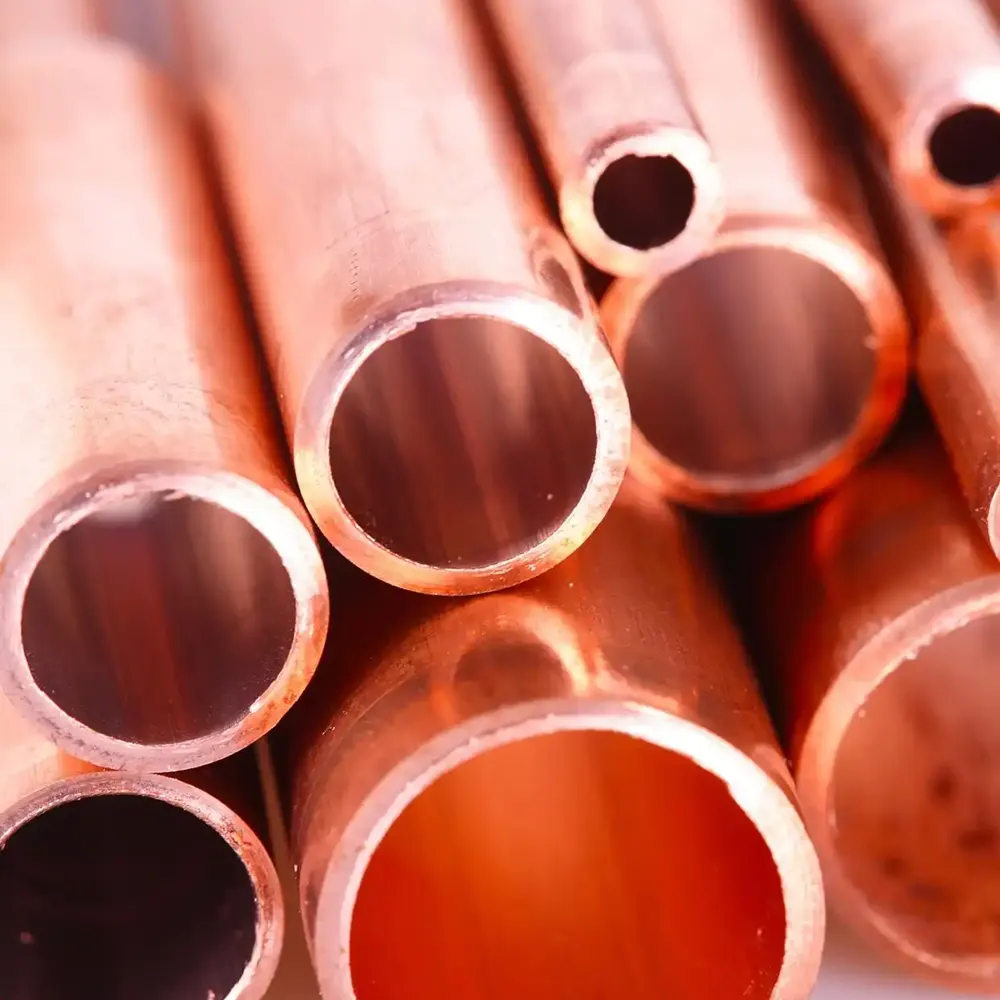
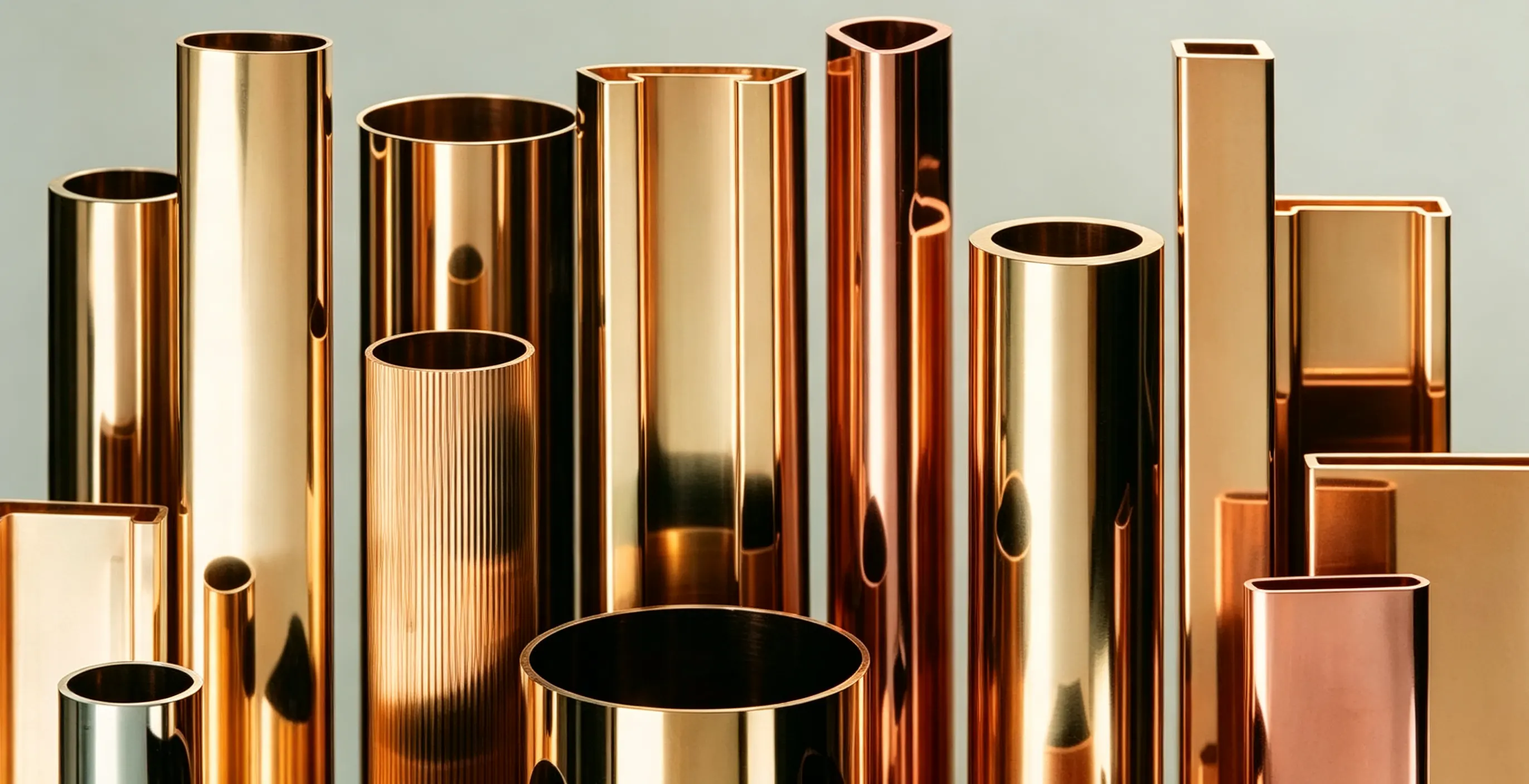
High purity copper material with excellent electrical conductivity, thermal conductivity and corrosion resistance for industrial applications.
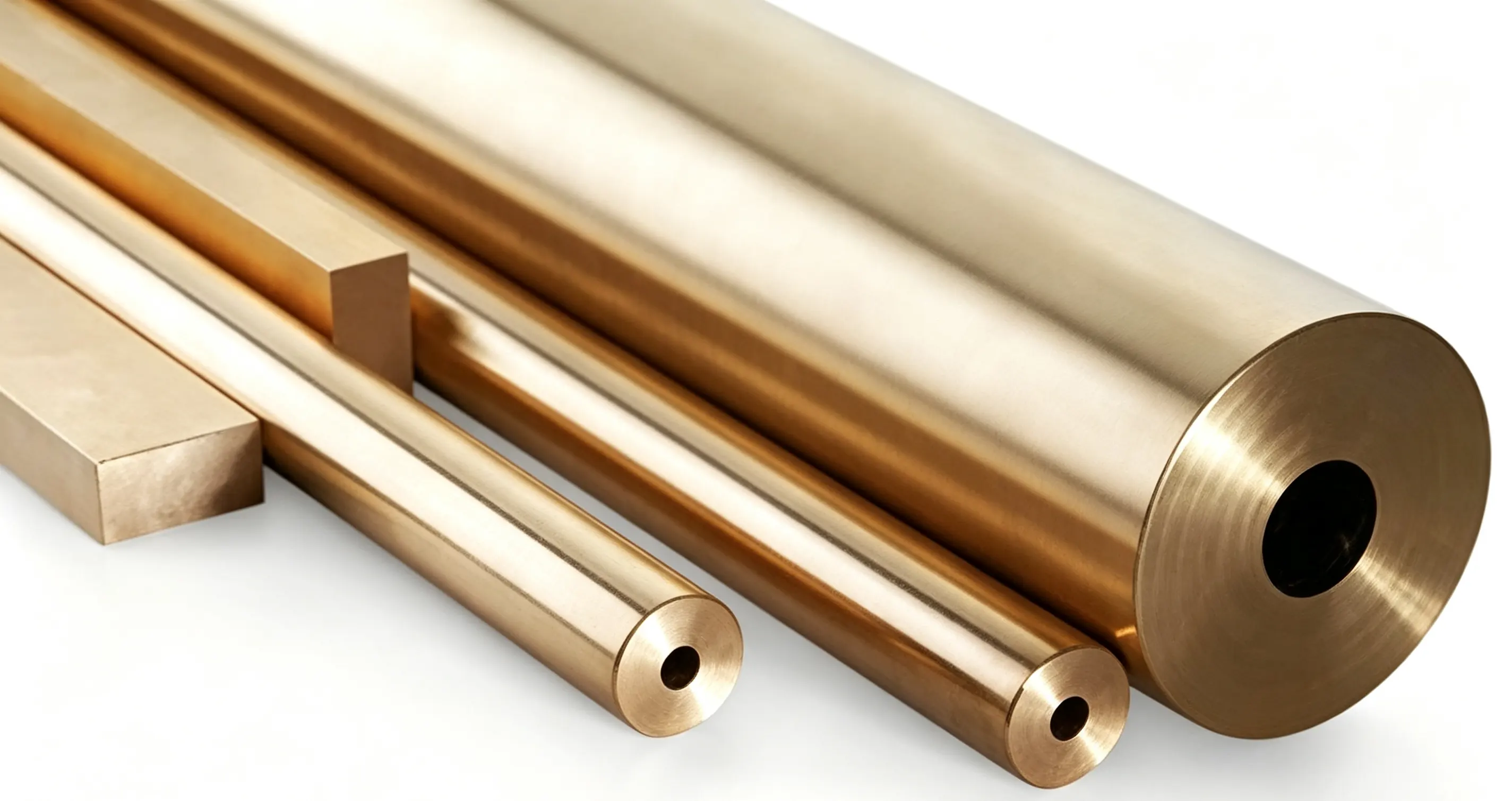
Phosphor Bronze Alloy C51000 C52100 Copper Tin Alloy
Tin bronze is a high-performance copper-tin alloy known for excellent wear resistance, fatigue strength and corrosion resistance in demanding industrial applications.
Copper-tin alloys offering high mechanical strength and wear resistance. Primarily specified for heavy-load, low-speed bearing and gear applications.
Tin Bronze is a copper-based alloy where tin (Sn) is the primary alloying element. Increasing tin content enhances strength and wear resistance but also increases material cost.
Tin bronze is a copper-tin alloy that uses tin as the main alloying element to improve mechanical strength, wear resistance and corrosion resistance. Compared with pure copper, tin bronze provides significantly higher hardness and load-bearing capacity, making it one of the most important engineering copper alloys.
Traditional tin bronze alloys usually contain approximately 3% to 14% tin, while some grades may include additional elements such as phosphorus, zinc, lead or nickel to further improve machinability, casting performance and fatigue resistance.
Due to its excellent wear resistance, low friction characteristics and stable performance under heavy loads, tin bronze is widely used for bearings, bushings, gears, valves, marine components and industrial machinery parts.
Common tin bronze grades include C51000 phosphor bronze, C52100 phosphor bronze and C54400 leaded tin bronze, which are supplied in forms including plates, sheets, rods, tubes, wires and customized components.
Note: The addition of Lead (Pb) or Zinc (Zn) is primarily to improve machinability and reduce porosity.
National, industry and international standards governing copper and copper alloy products.
| Standard No. | Title | Scope |
|---|---|---|
| GB/T 5231-2012 | Designation and Chemical Composition of Wrought Copper and Copper Alloys | Reference baseline for all wrought Cu alloys |
| GB/T 4423-2020 | Copper and Copper Alloy Cold-Drawn Rod and Bar | Round, square, hexagonal & rectangular bars |
| GB/T 1527-2006 | Copper and Copper Alloy Drawn Tubes | General-purpose drawn tubes |
| GB/T 2040-2002 | Copper and Copper Alloy Plate and Sheet | Hot-rolled & cold-rolled plate |
| Standard No. | Title | Scope |
|---|---|---|
| YS/T 584-2018 | Chromium & Zirconium Copper Bars for Electrode Material | Welding electrodes, switch contacts, robot arms |
| YS/T 649-2007 | Copper and Copper Alloy Extruded Bar | Round, square & hexagonal extruded bars |
| YS/T 662-2007 | Copper and Copper Alloy Extruded Tube | General-purpose extruded round tubes |
Note: Standards are subject to revision. Always verify compliance against the latest applicable edition.
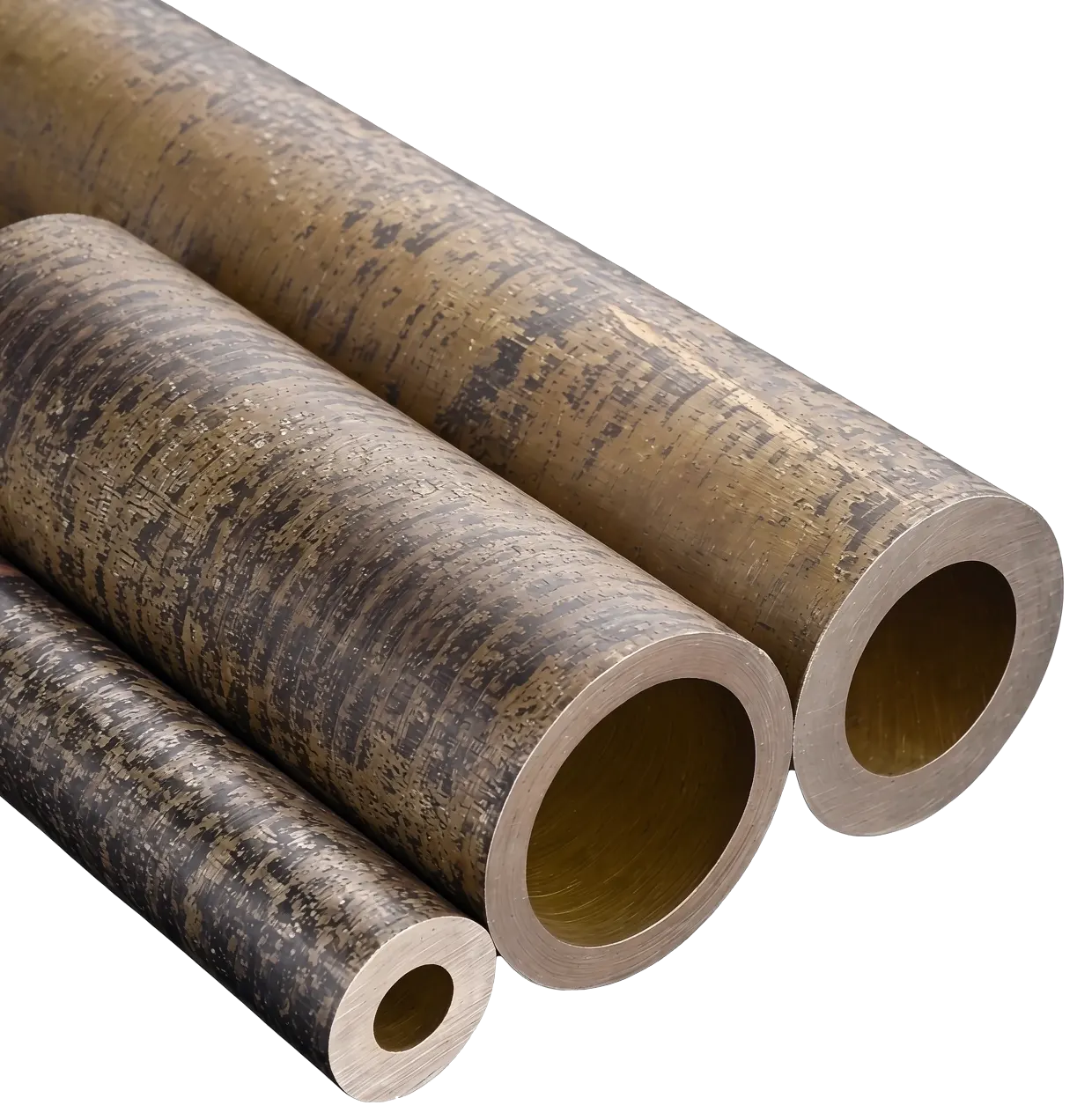
High-strength copper-aluminium alloys with excellent wear resistance and corrosion resistance in marine and industrial environments.
| China (GB) | USA (UNS) | Al (%) | Fe (%) | Ni (%) | Mn (%) | Cu |
|---|---|---|---|---|---|---|
| QAl9-2 | C62300 | 8.0–10.0 | — | — | 1.5–2.5 | Remainder |
| QAl9-4 | C61600 | 8.0–10.0 | 2.0–4.0 | — | ≤0.5 | |
| QAl10-3-1.5 | C63280 | 9.0–11.0 | 2.0–4.0 | — | 1.0–2.0 | |
| QAl10-4-4 | C63000 | 9.5–11.0 | 3.5–5.5 | 3.5–5.5 | ≤0.3 | |
| QAl9-5-1-1 | C62730 | 8.0–10.0 | 0.5–1.5 | 4.0–6.0 | 0.5–1.5 | |
| QAl11-6-6 | C62800 | 10.0–11.5 | 5.0–6.5 | 5.0–6.5 | ≤0.5 | |
| QAl10-5-5 | C62400 | 8.0–10.0 | 4.0–6.0 | 4.0–6.0 | 0.5–2.5 |
| Grade | Form | Condition | Size Range (mm) | Tensile Strength (≥ MPa) |
Elongation (≥ %) |
Brinell Hardness (≥ HB) |
|---|---|---|---|---|---|---|
| QAl9-2 | Bar | R | Φ5–40 | 540 | 15 | 110 |
| QAl9-4 | Bar | R | Φ5–40 | 580 | 12 | 120 |
| QAl10-3-1.5 | Bar | R | Φ5–40 | 600 | 10 | 130 |
| Tube | R | ≥Φ15 × (2–15) | 590 | 10 | 130 | |
| QAl10-4-4 | Bar | R | Φ5–40 | 690 | 4 | 170 |
| Tube | R | ≥Φ15 × (2–15) | 635 | 5 | 170 | |
| QAl10-5-5 | Bar | R | Φ5–40 | 630 | 6 | 160 |
| QAl11-6-6 | Bar | R | Φ5–40 | 700 | 4 | 200 |
| C62400 | Bar | R | Φ5–40 | 650 | 8 | 170 |
| Tube | R | ≥Φ15 × (2–15) | 600 | 9 | 160 |
Note: Values are typical minimums for extruded/forged bar and tube in the as-fabricated (R) condition. Refer to GB/T 4423, ASTM B150 or DIN 17665 for exact limits.
Alpha brass contains lower zinc content and provides excellent ductility and forming performance for fabrication applications.
Free machining brass is designed for excellent cutting performance and is widely used for precision turned components.
Special brass alloys provide improved mechanical strength and wear resistance for demanding industrial applications.
Naval brass provides improved corrosion resistance and is commonly used in marine and mechanical applications.
Cartridge brass offers excellent cold forming ability and is widely used for precision forming applications.
Customized brass alloys can be developed according to specific mechanical, electrical and corrosion requirements.
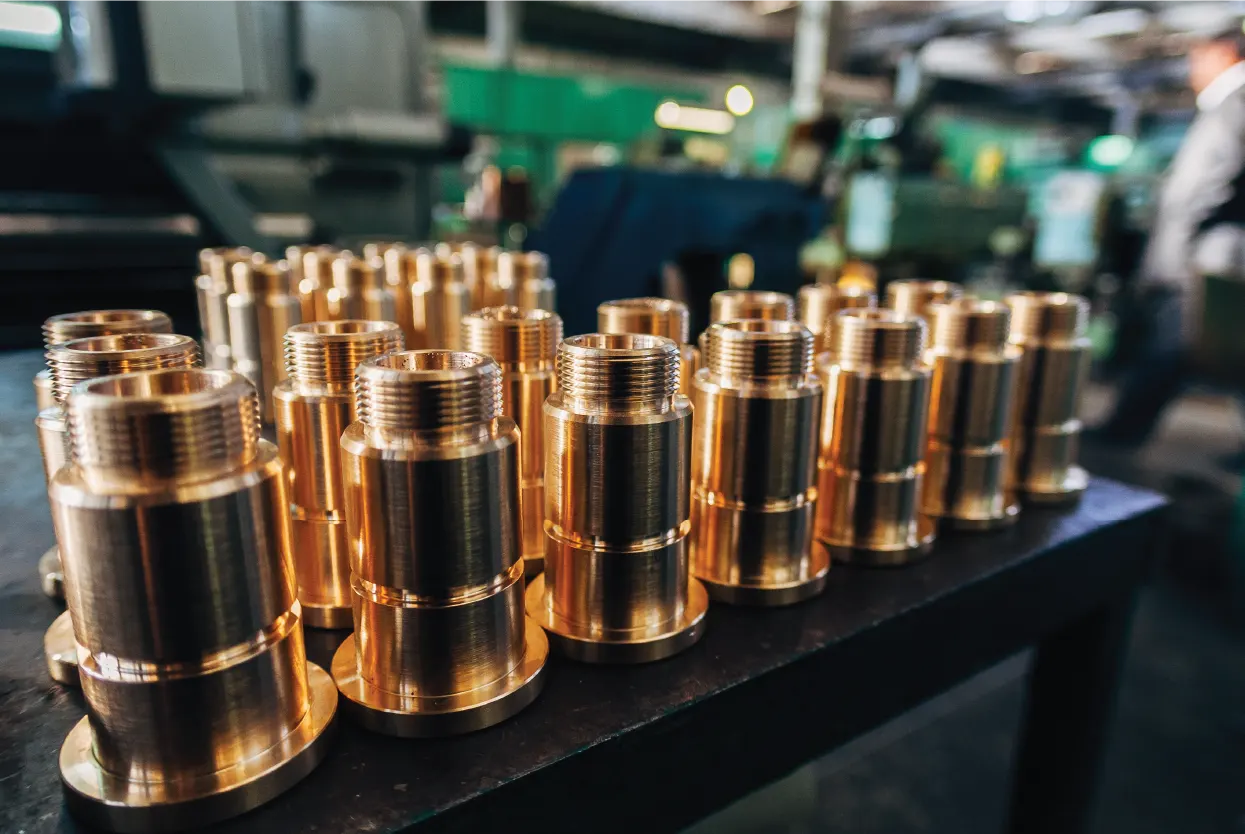
| Property | Brass Alloy | Pure Copper |
|---|---|---|
| Main Alloy Element | Copper + Zinc | High purity Copper |
| Strength | Higher mechanical strength | Lower strength |
| Machinability | Excellent | Moderate |
| Electrical Conductivity | Lower than pure copper | Excellent |
| Corrosion Resistance | Good | Excellent |
| Typical Applications | Valves, fittings, connectors, precision parts | Conductors, heat exchangers, electrical systems |
Tin bronzes are specified for cast components requiring high wear resistance, pressure tightness and long service life under heavy loads.
Tin bronzes with hardness up to 300 HB are preferred for general-purpose bearing and gear applications.
| Trade Name | UNS Designation | Cu (%) | Sn (%) | Pb (%) | Hardness (HB) |
|---|---|---|---|---|---|
| Cuptin 2 | C90500 | 87 (Rem) | 10 | 1 | ~200 |
| Cuptin 3 | C90700 | 89 (Rem) | 11 | 0.5 | ~220 |
| Cuptin 4 | C91000 | 86 (Rem) | 13 | 0.5 | ~260 |
Typical uses: Worm gears, low-speed bearings, bushings, pump bodies, valve guides.
The addition of Lead (Pb) improves machinability and emergency lubrication; Zinc (Zn) enhances pressure tightness and reduces porosity in castings.
| Trade Name | UNS Designation | Cu (%) | Sn (%) | Zn (%) | Pb (%) |
|---|---|---|---|---|---|
| Cuptin 1A | C92300 | 87 (Rem) | 8 | 4 | 1 |
| Cuptin 1B | C92501 | 87 (Rem) | 11 | 0.5 | 1 |
Typical uses: High-speed and low-speed rolling mill bearings, steam fittings, impellers, seal rings.

High-tin gear bronze (SAE 65) for heavy-load, low-speed bearing and gear applications.
| Cu | Sn | Pb | Zn | Fe | P | Ni |
|---|---|---|---|---|---|---|
| 88–90 | 10–12 | ≤0.50 | ≤0.50 | ≤0.15 | ≤0.30 | ≤0.50 |
| Casting Method | Tensile (MPa) | Yield (MPa) | Elongation (%) | Hardness (HB) |
|---|---|---|---|---|
| Sand Cast | 241 | 117 | 10 | 65–80 |
| Centrifugal | 345 | 193 | 12 | 95–102 |
| Continuous | 276 | 172 | 10 | 80–95 |
ASTM B427, B505/B505M, B584, B30 · SAE J461 / J462 (SAE 65)
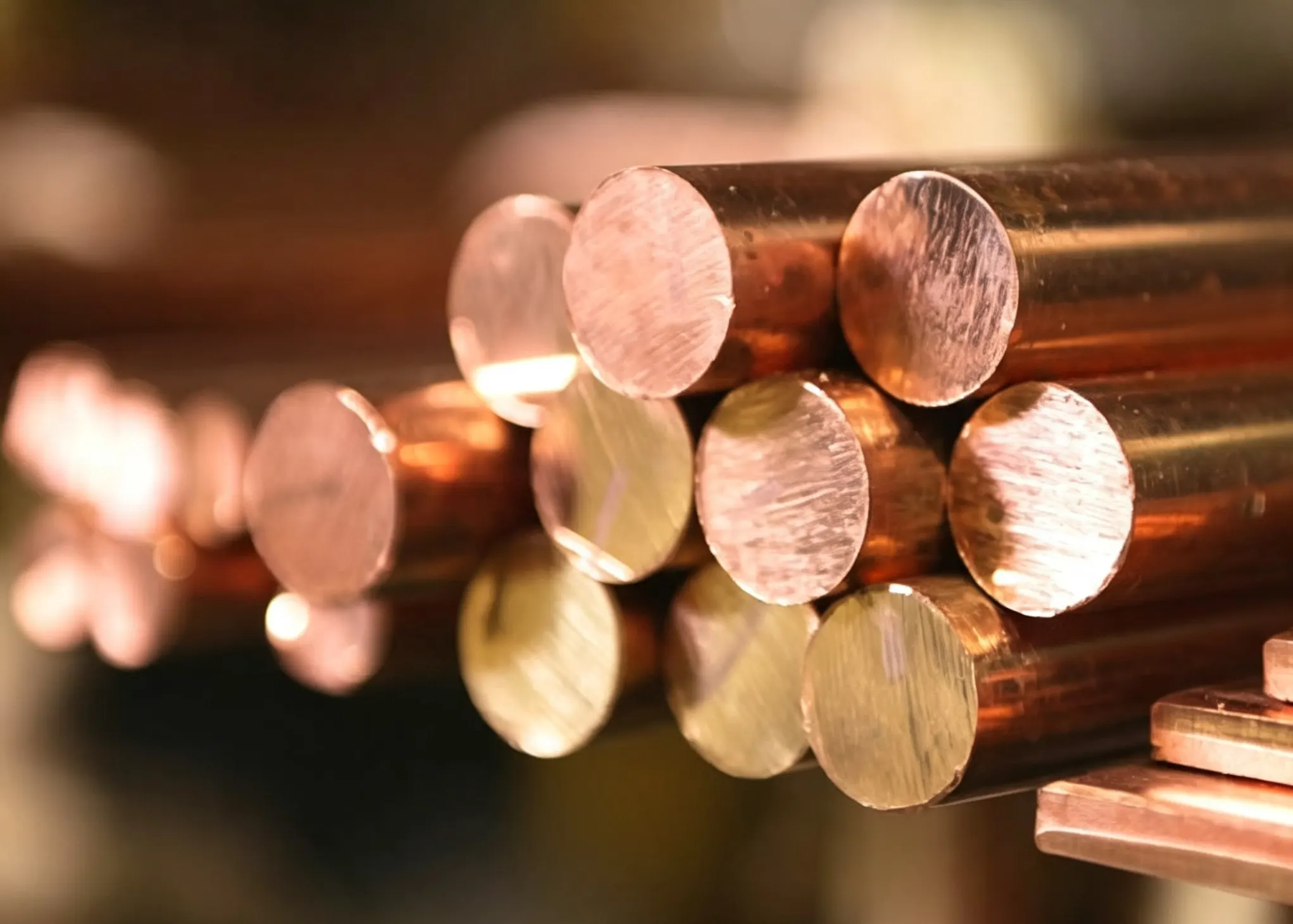
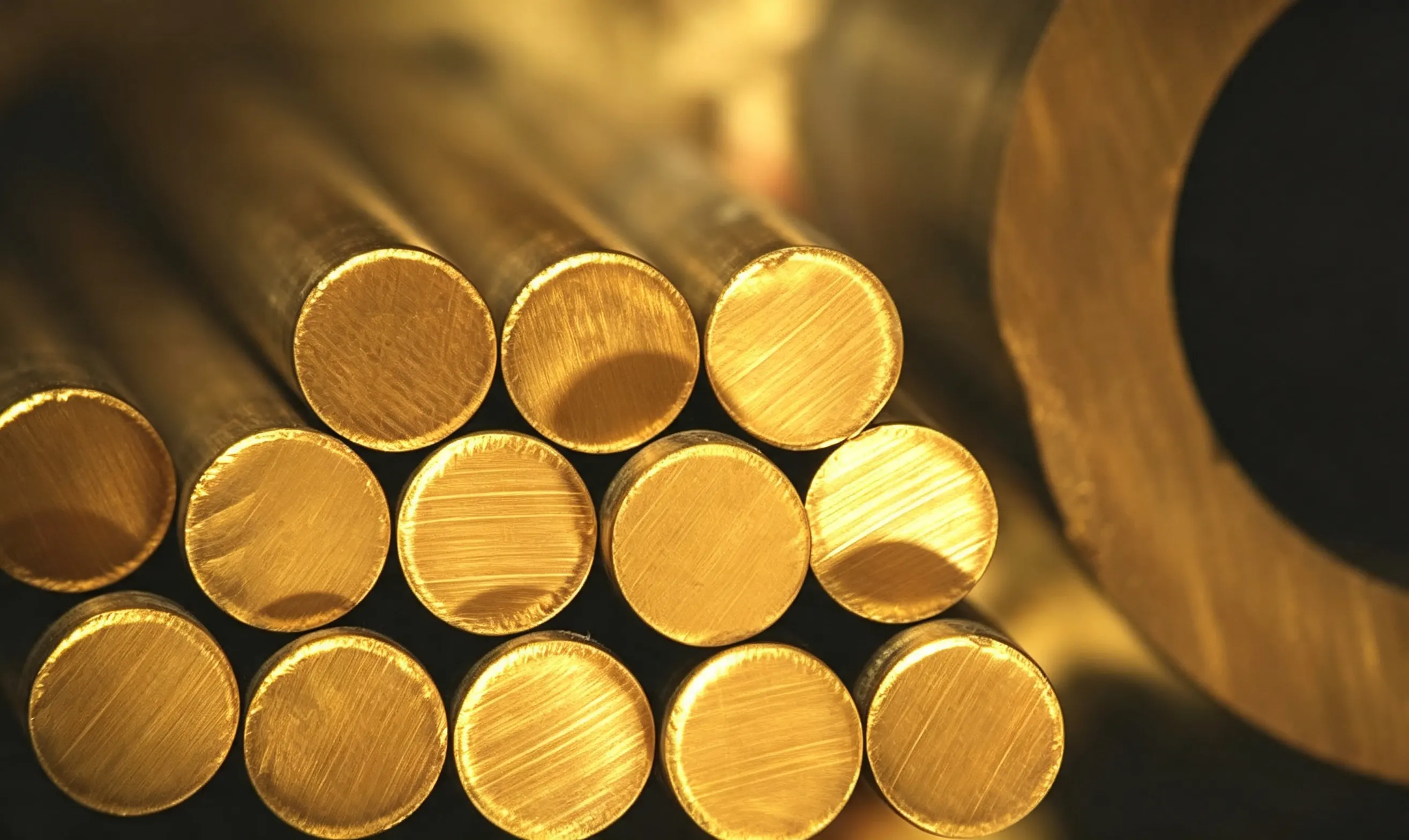
Sunny Steel supplies Tin Bronze materials in various forms to meet different industrial manufacturing requirements.

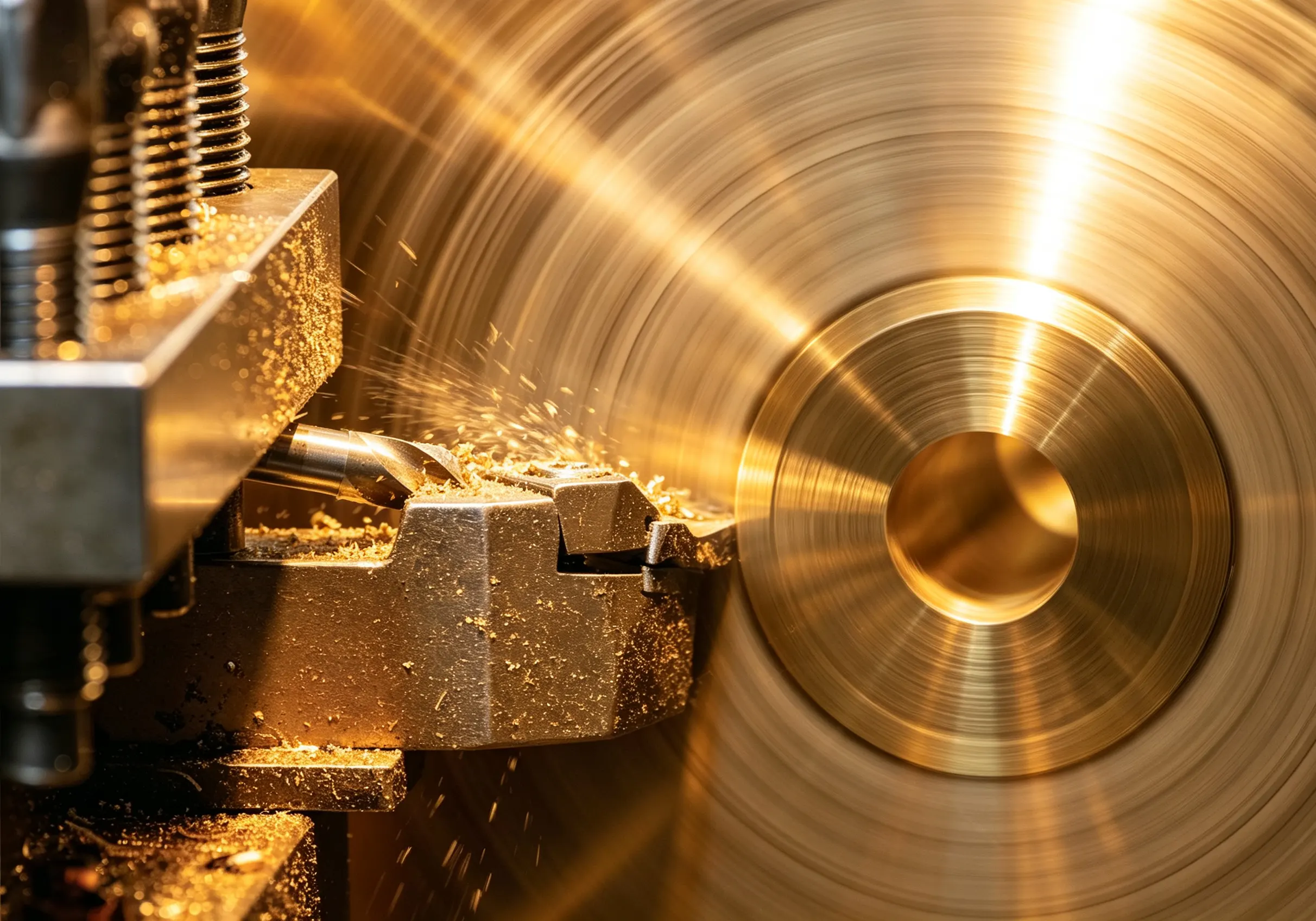
Precision machining and forging of copper alloys, brass and bronze, built on a certified quality management system.
Precision round parts
Internal machining
Complex profiles
Die & open-die
High-precision cutting
Full capability list

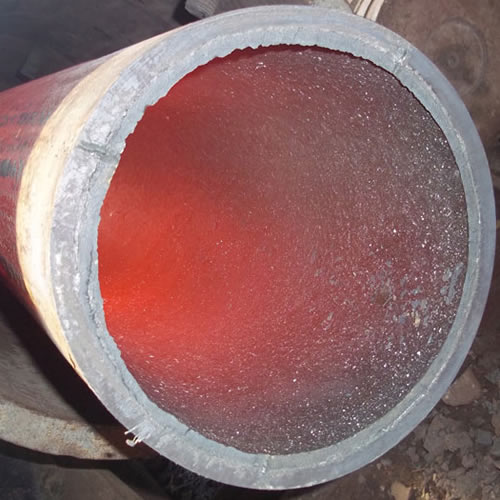
Ceramic lined pipe is made through self-propagating high-temperature synthesis (SHS) technique.
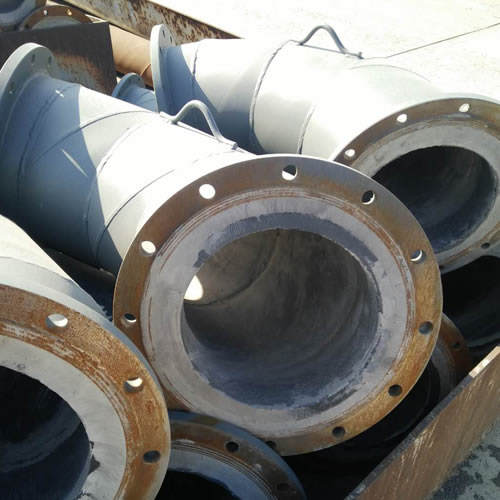
Cast basalt lined steel pipe is composed by lined with cast basalt pipe, outside steel pipe and cement mortar filling between the two layers.
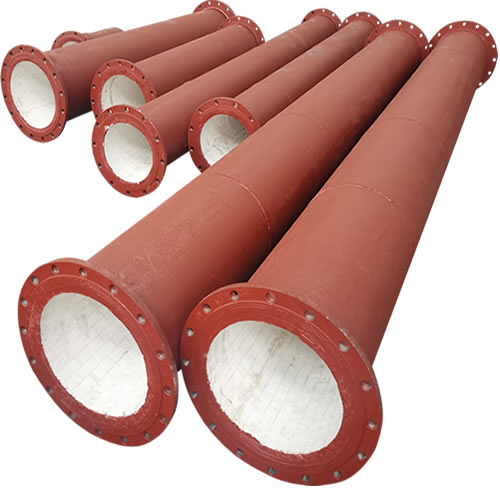
Ceramic tile lined pipes have very uniform coating of specially formulated ceramic material that is affixed to the inner of the pipe.
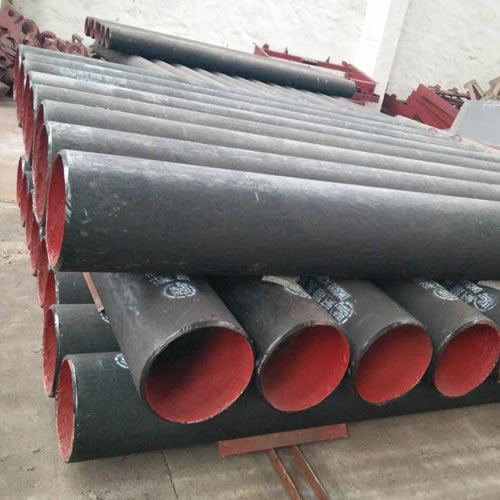
The material of the rare earth alloy wear-resistant pipe is ZG40CrMnMoNiSiRe, which is also the grade of rare earth alloy steel.
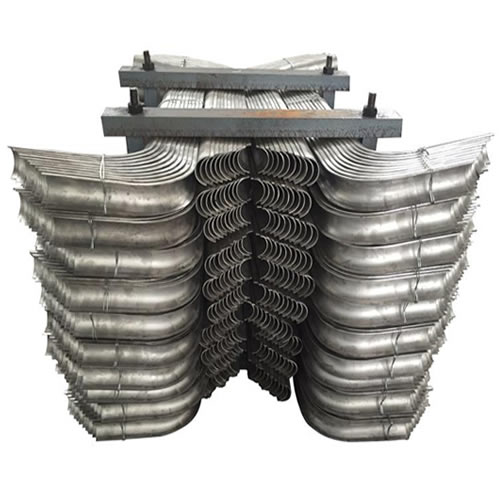
Tubes Erosion Shields are used to protect boiler tubing from the highly erosive effects of high temperatures and pressures thereby greatly extending tube life.
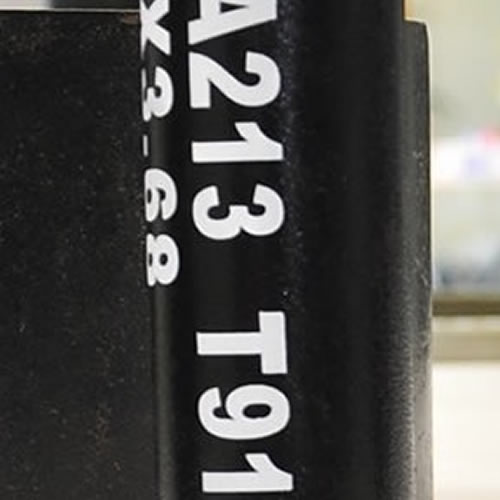
The ASTM A213 T91 seamless tubes are primarily used for boiler, superheater, and heat-exchanger.

When you partner with Sunny Steel, you can stop worrying about meeting deadlines thanks to our responsive and timely service. You'll also say goodbye to unnecessary shopping around. Instead, you'll get white glove service from an expert who understands your needs and can get you the materials you need quickly.