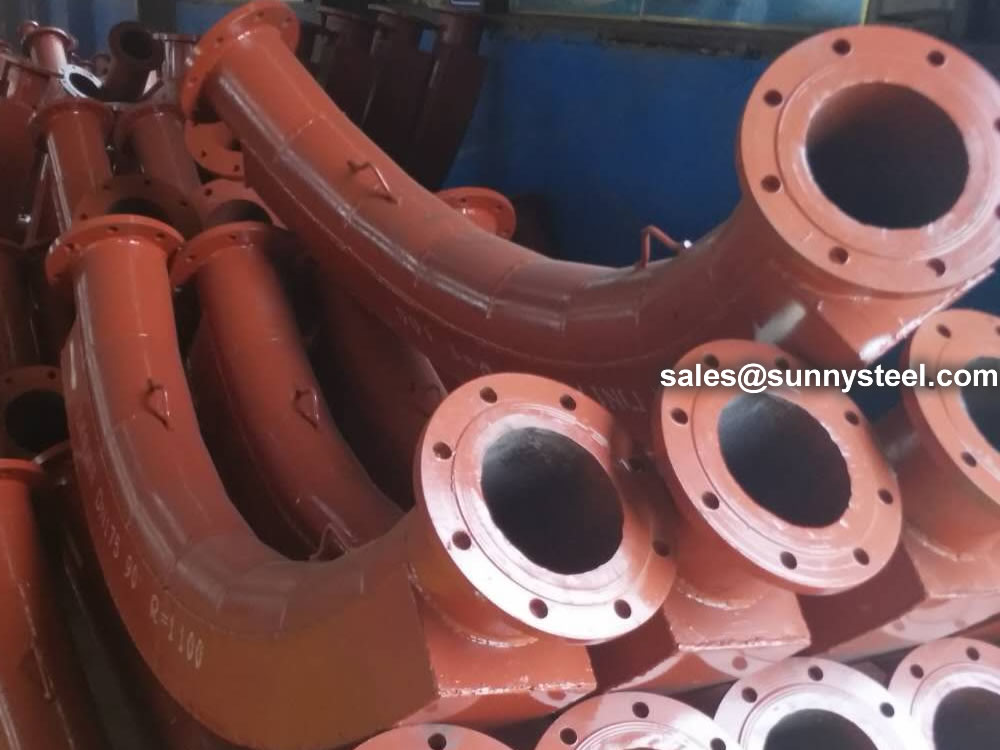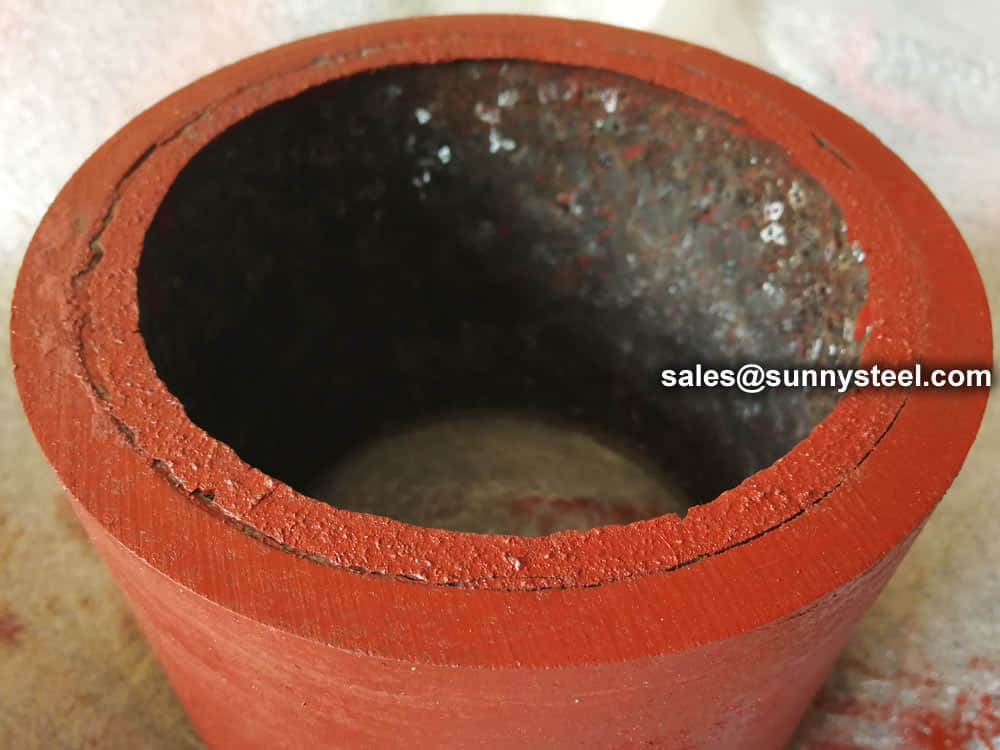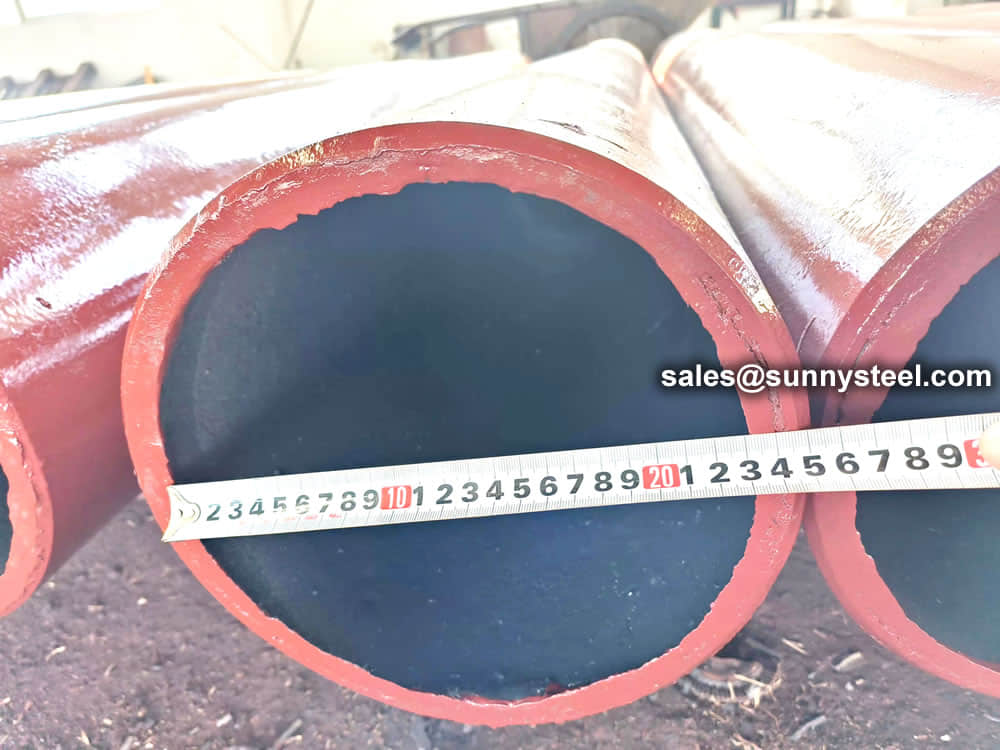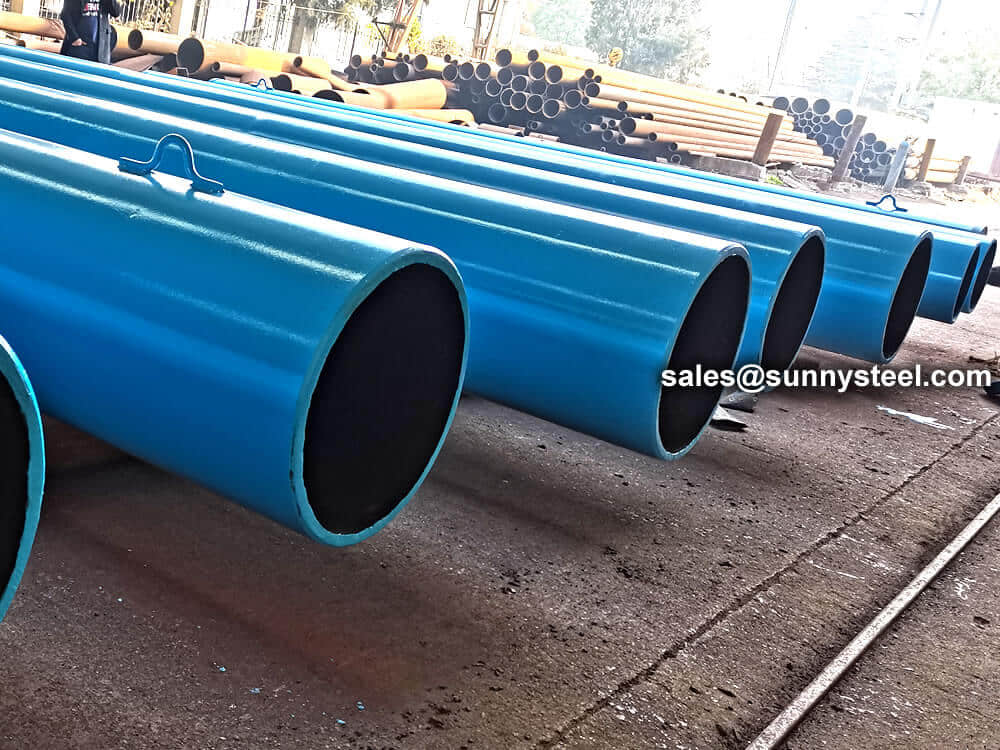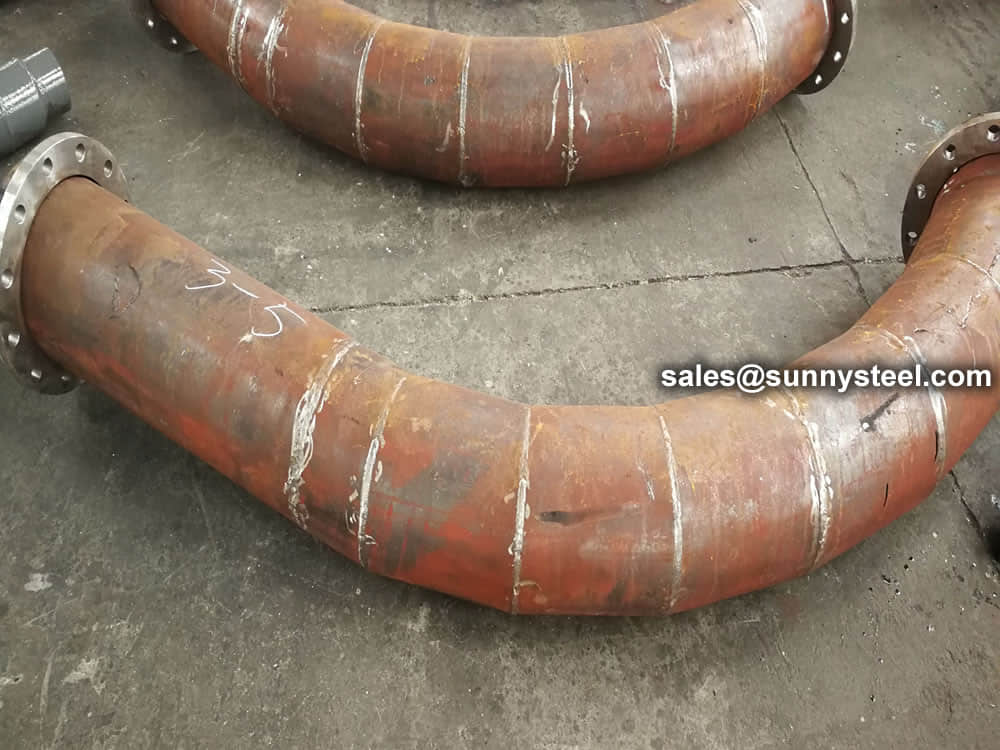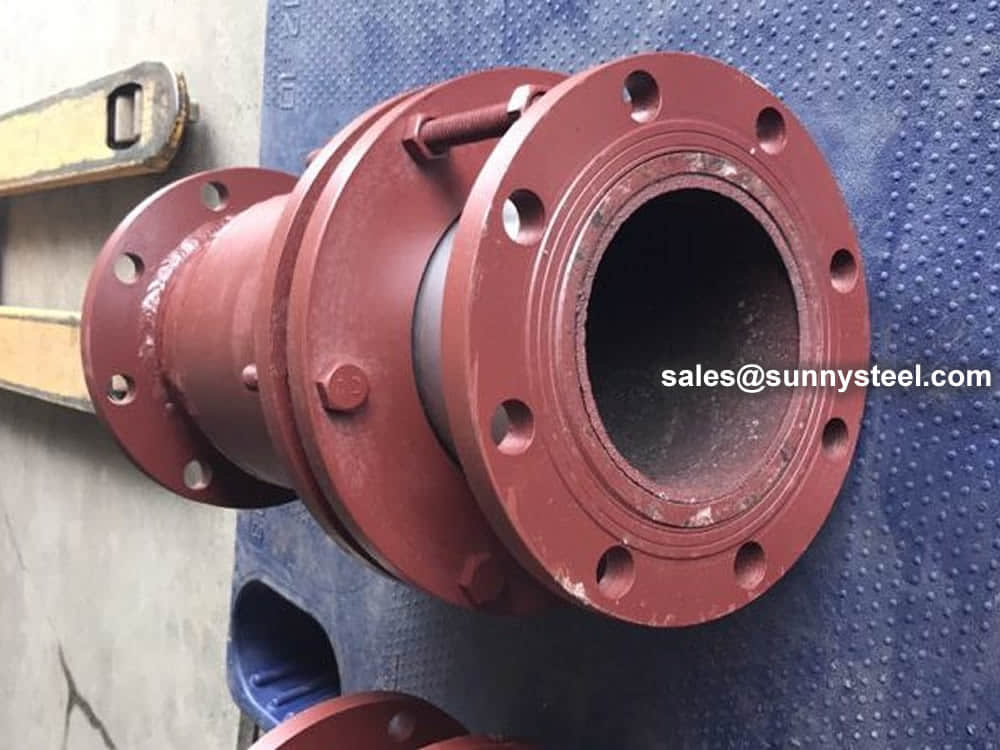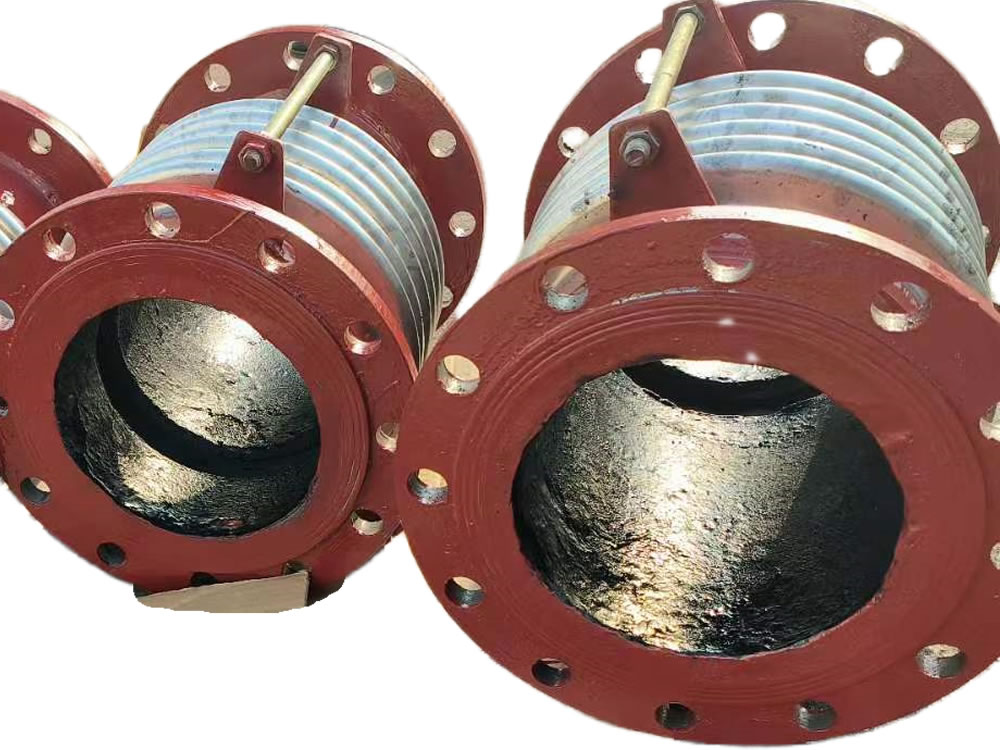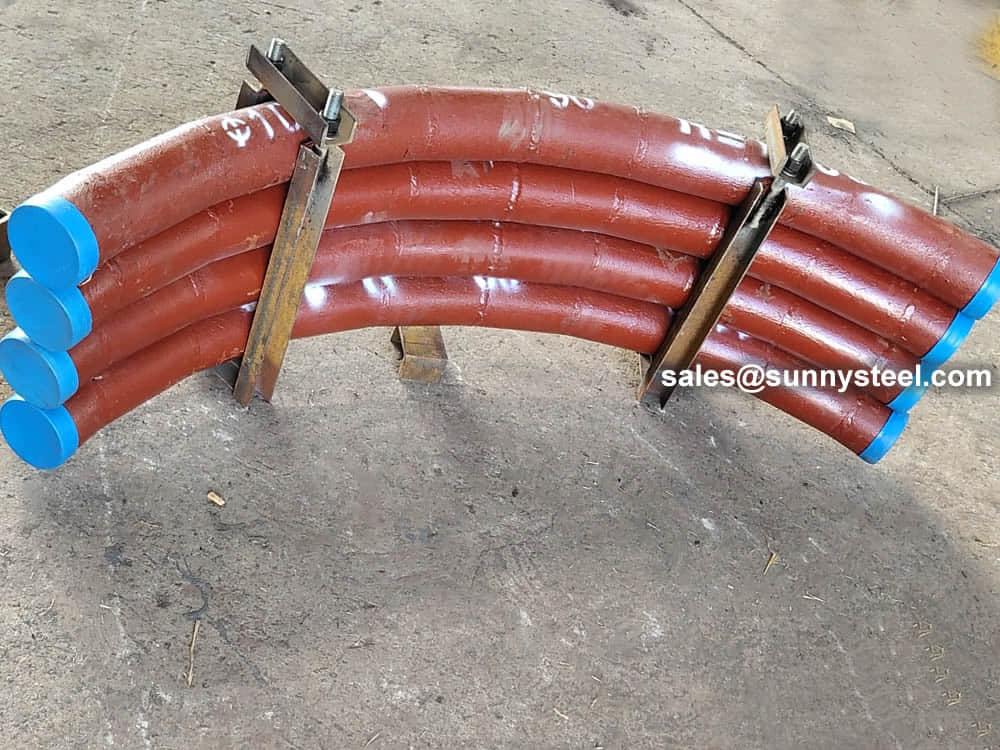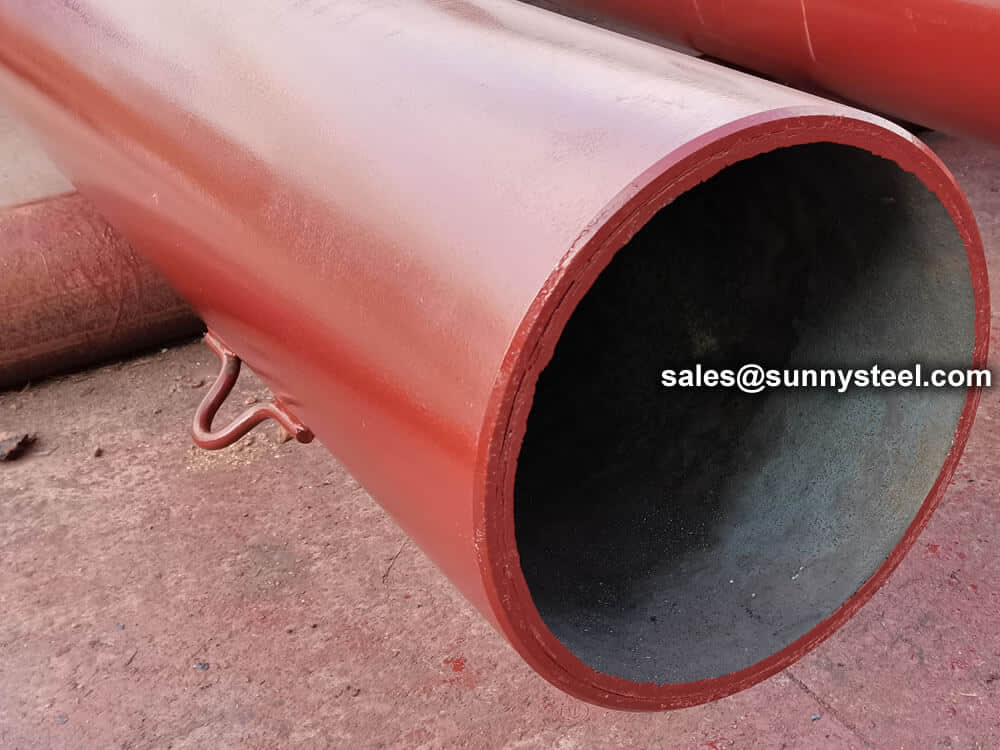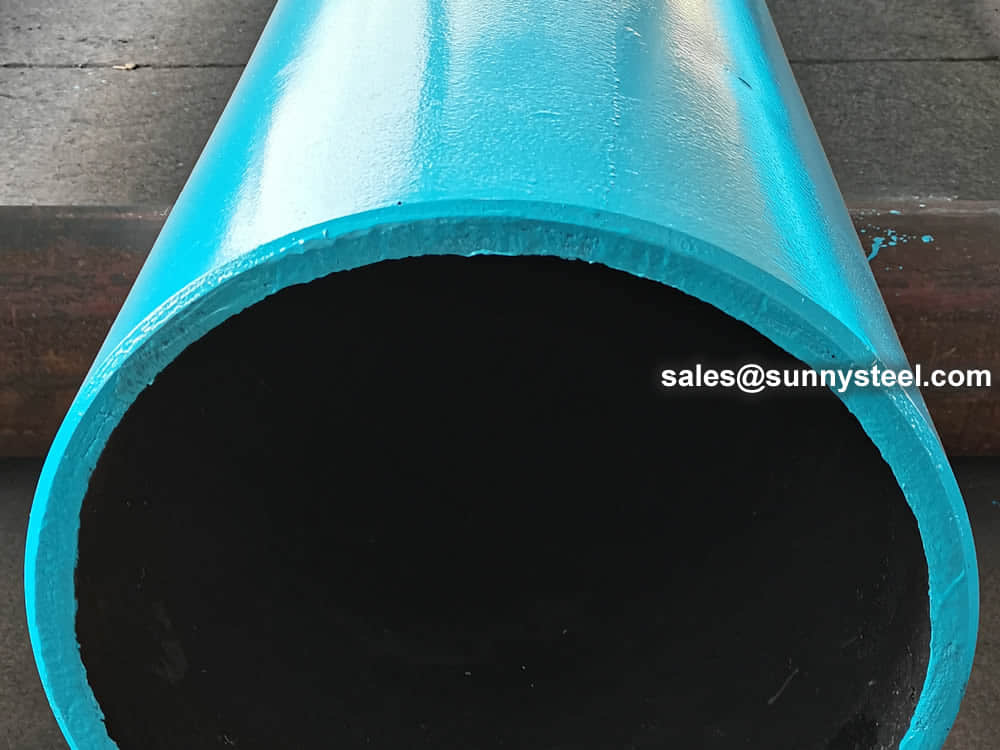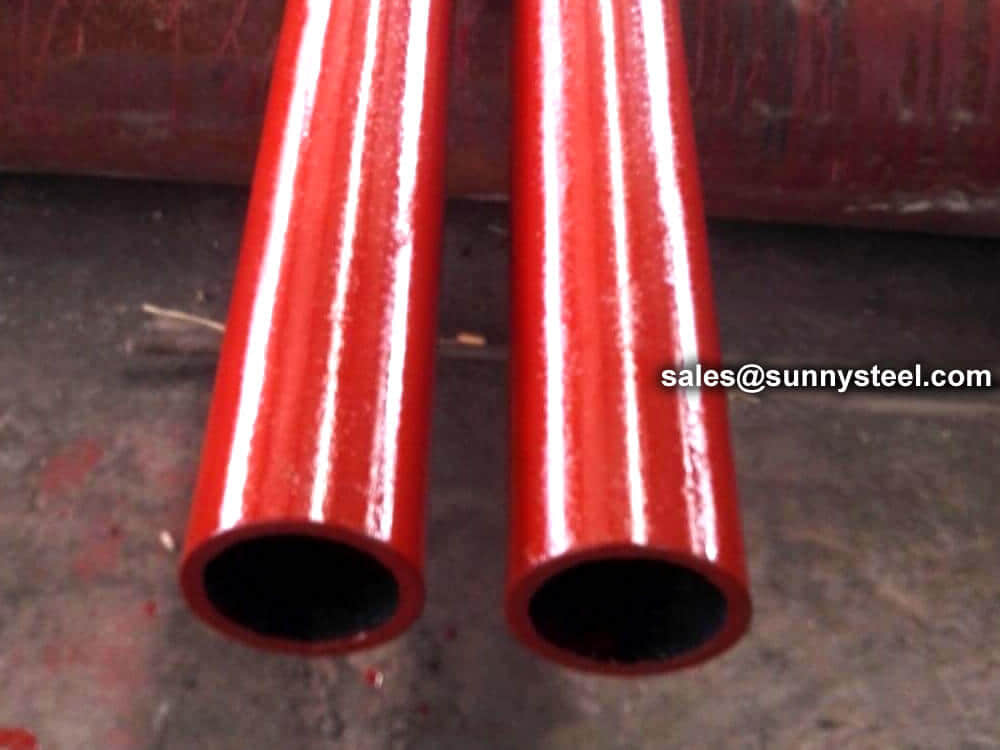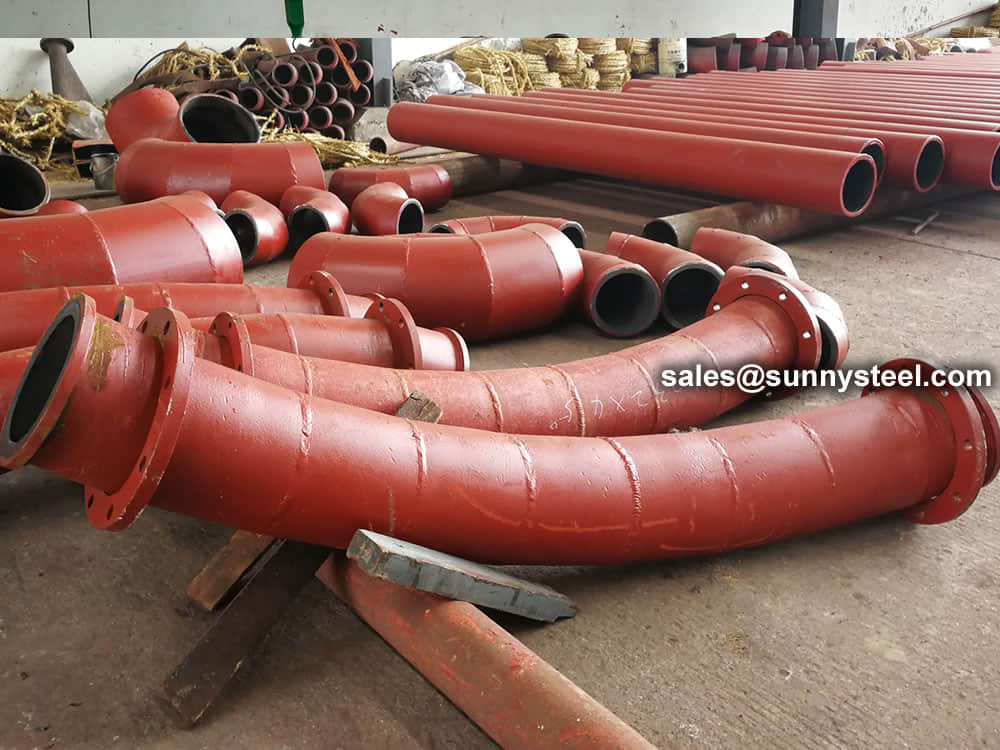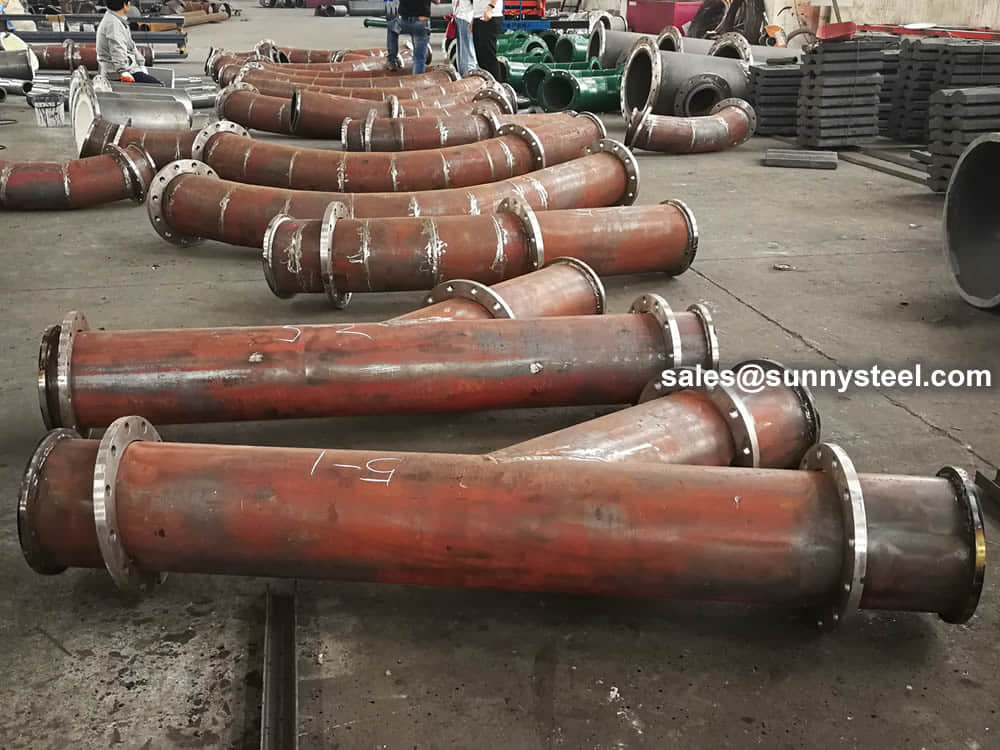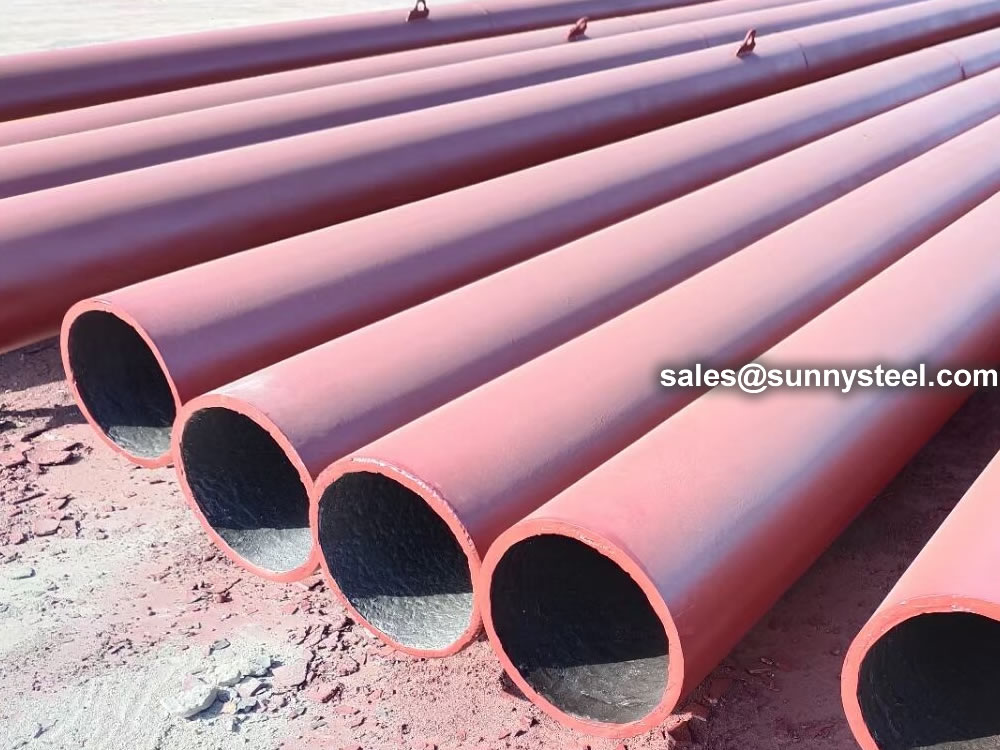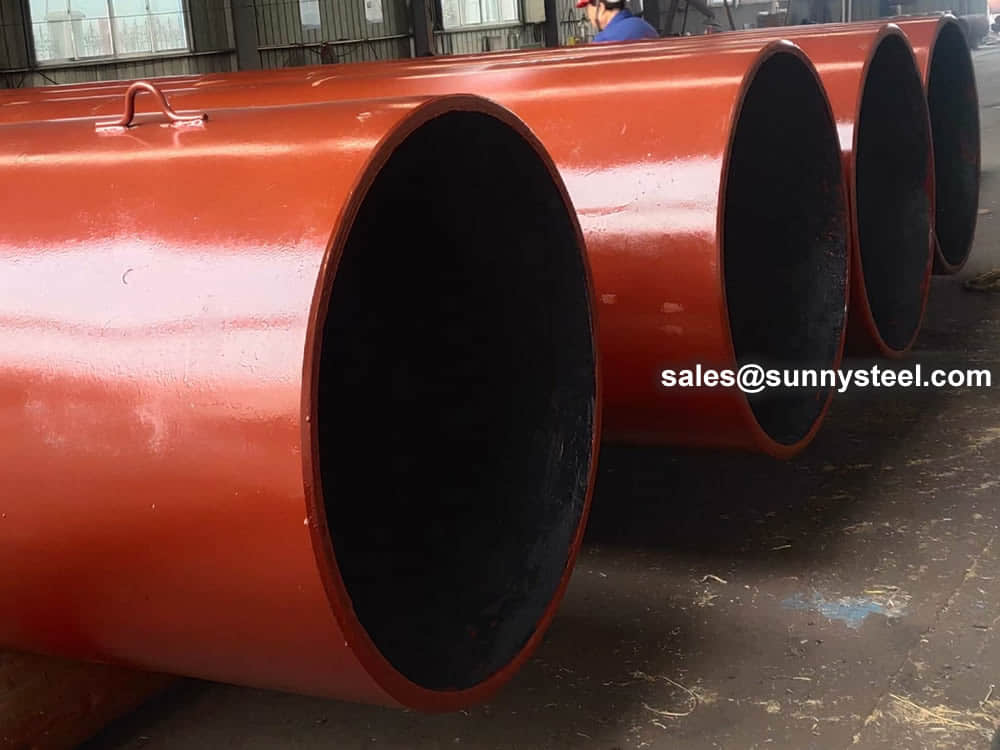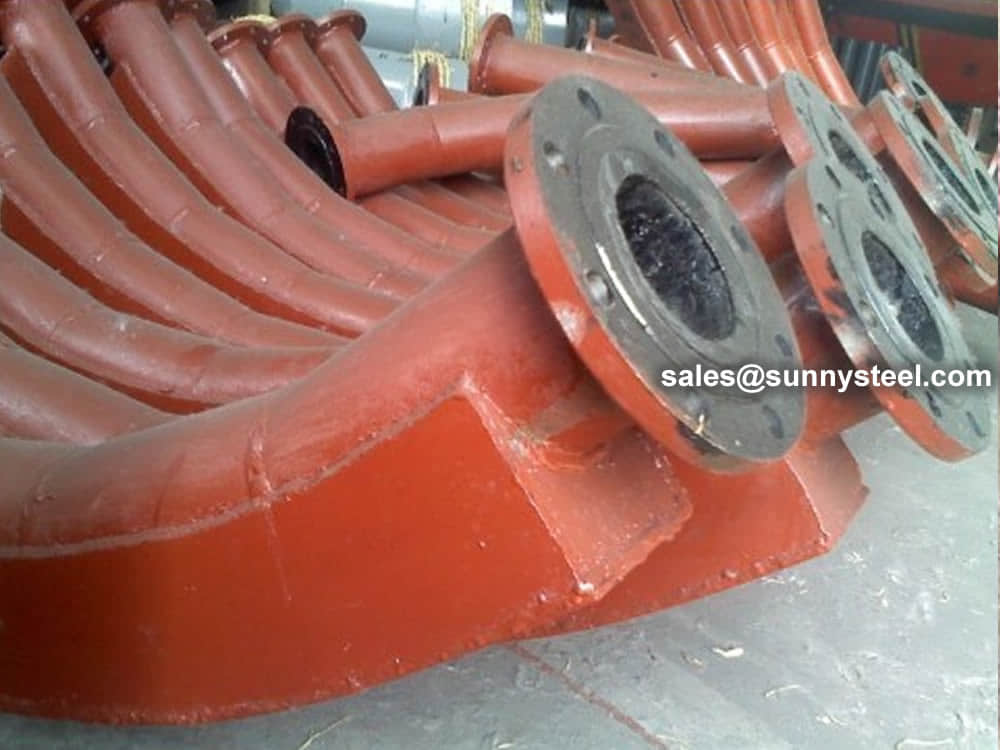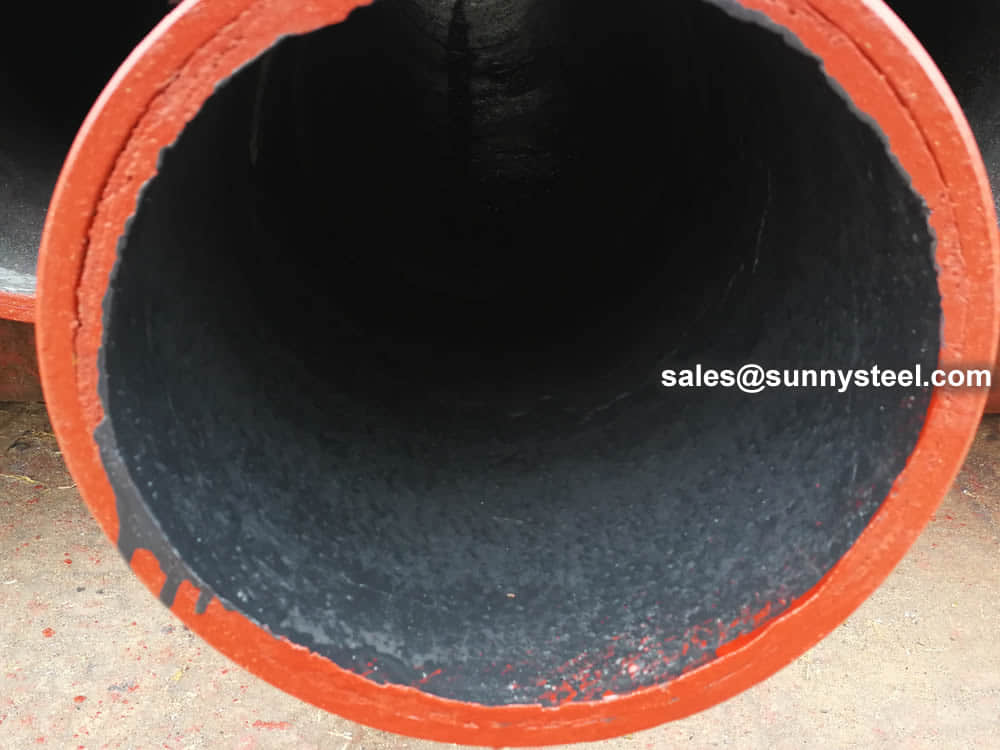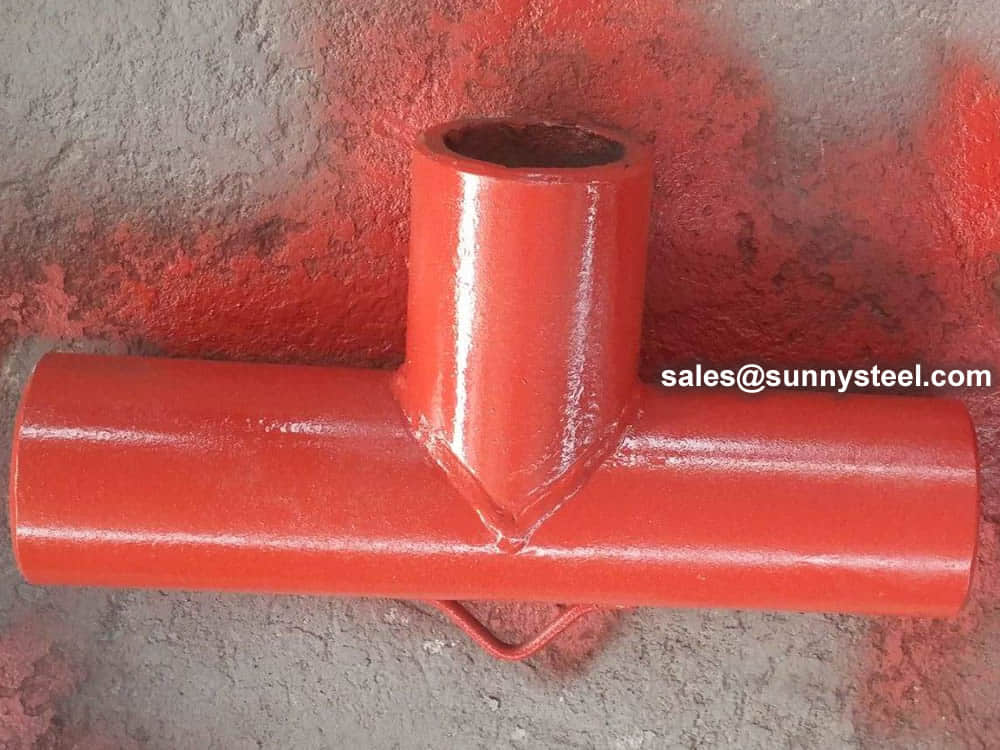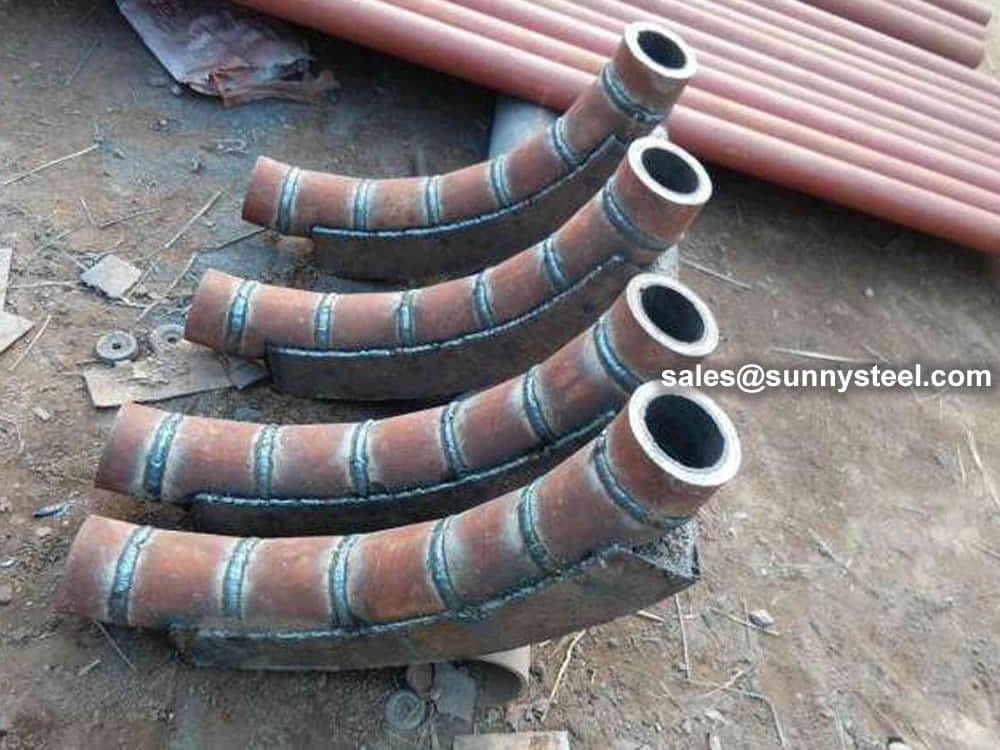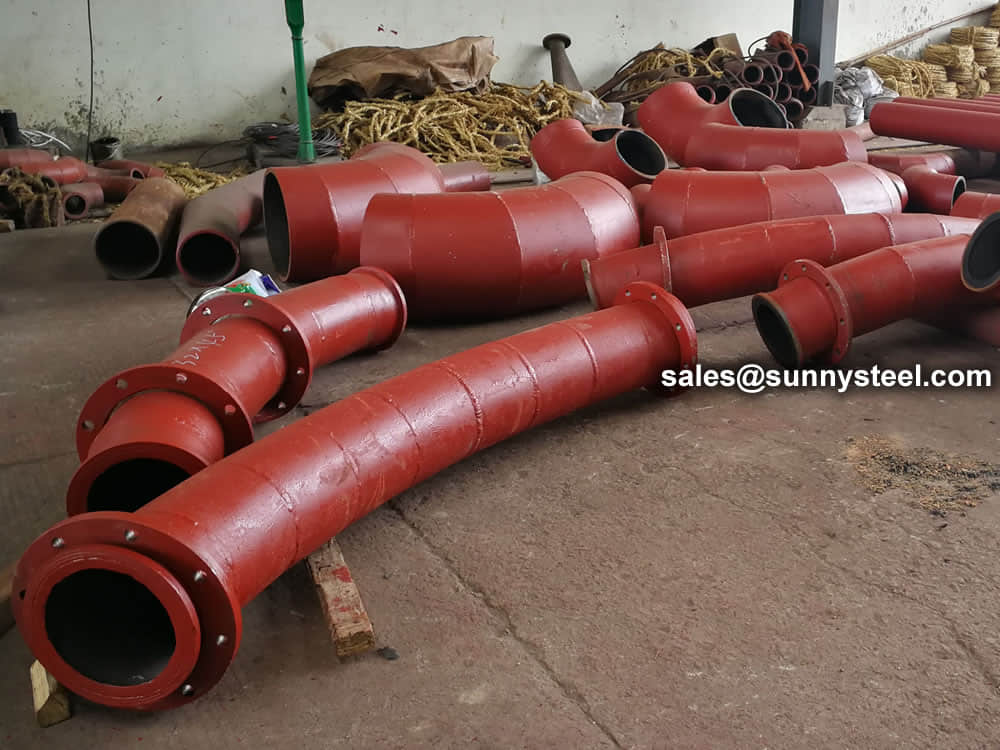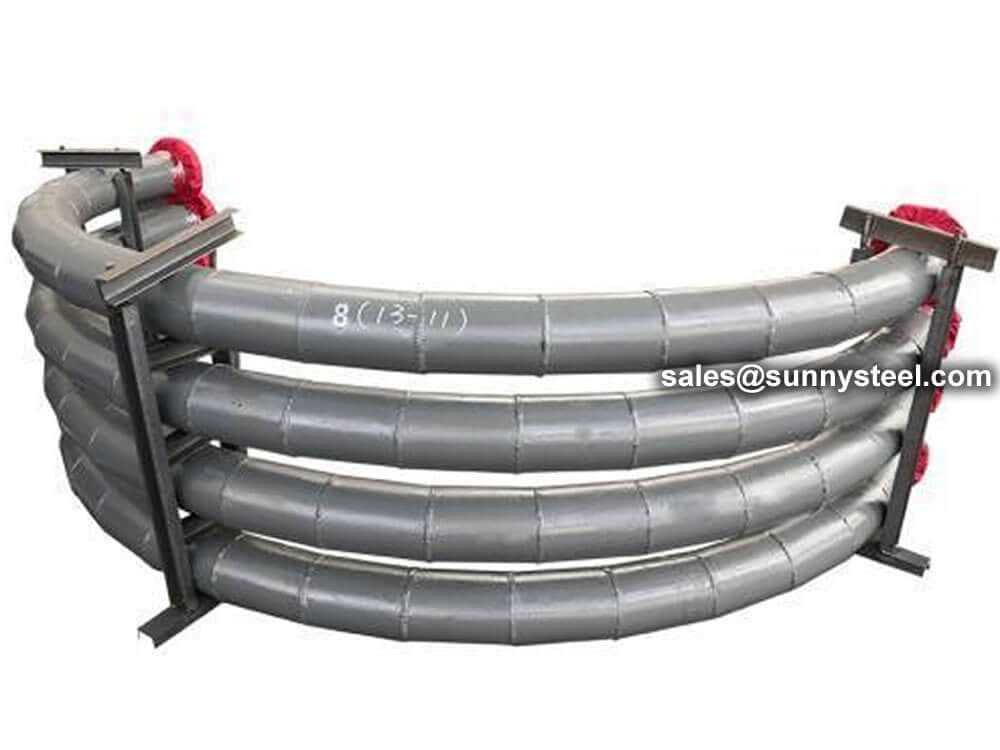
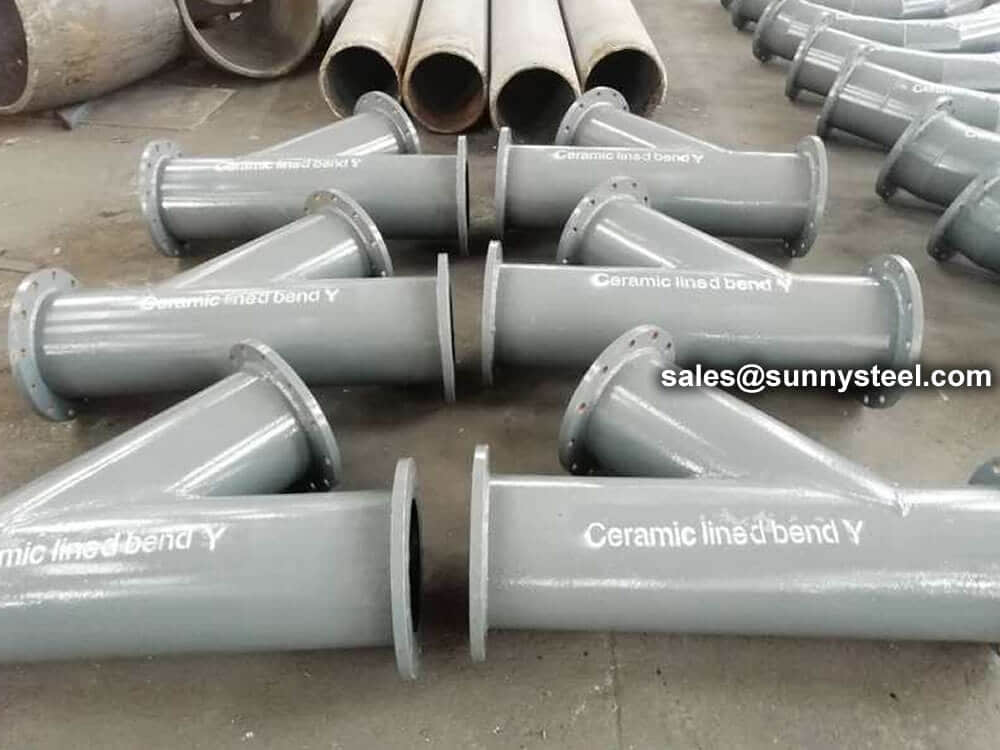
Resistant Y Shape Pipe
Resistant Y Shape Pipe - industrial steel pipe
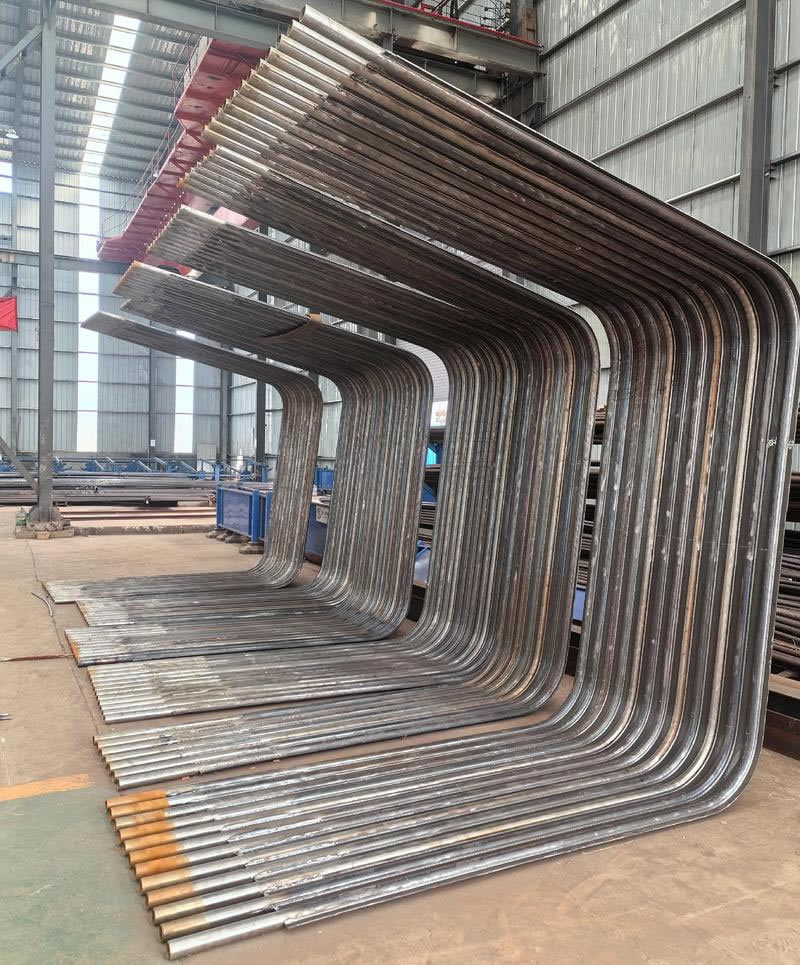
Learn about different material choices for boiler water walls, including carbon steel, low alloy steel, stainless steel and high alloy materials for various temperature and pressure conditions.
Primary radiant heating surface for industrial and utility boilers.
Boiler water walls are installed around the furnace chamber and consist of closely spaced parallel tubes. They absorb radiant heat from combustion gases, generate steam and protect the furnace enclosure from excessive temperatures.
Material selection directly influences boiler safety, thermal efficiency and service life. Different operating temperatures, pressures and fuel characteristics require appropriate tube materials.
Carbon steel is the most widely used material for conventional industrial boilers operating at medium temperatures and pressures. It offers good weldability, adequate strength and low cost.
For higher temperature and pressure conditions, chromium-molybdenum alloy steels are commonly selected. The addition of Cr and Mo improves creep strength, oxidation resistance and hydrogen attack resistance.
Ultra-supercritical (USC) boilers require advanced materials capable of long-term operation at elevated temperatures and pressures. High alloy steels provide superior creep strength and microstructural stability.
In corrosive environments—such as waste incineration, biomass firing or high-chlorine fuels—stainless steel or protective overlays may be used for water wall tubes or local shielding.
| Boiler Type / Condition | Recommended Material | Key Consideration |
|---|---|---|
| Industrial / Auxiliary Boilers | Carbon Steel (A192 / A210) |
Economy, weldability |
| High-Pressure Subcritical Boilers | Low Alloy Steel (P11 / P22 / T11 / T22) |
Creep strength, oxidation resistance |
| Supercritical / USC Boilers | Advanced Alloy Steel (T91 / T92 / P91 / P92) |
High-temperature stability |
| Corrosive / High-Chlorine Environments | Stainless Steel or Cladding | Corrosion resistance |
In addition to base material selection, surface protection technologies are often applied to water walls exposed to erosion, corrosion or high-velocity ash particles.
Grade T23 is generally preferred, offering an optimal balance between elevated-temperature strength and weldability, while reducing post-weld heat treatment requirements.
Grade T22 provides a cost-effective solution for high-pressure water wall and header applications, provided that strict heat treatment procedures are followed.
Austenitic stainless steels (e.g., 316L) or titanium alloys are recommended where chloride-induced corrosion, acidic flue gas or aggressive media are present.
Summary: Carbon steel remains the economical choice for conventional boilers, while low alloy and high alloy steels are essential for high-temperature, high-pressure and ultra-supercritical applications. In corrosive environments, stainless steel or surface protection technologies significantly improve reliability and service life. Final material selection should always consider operating temperature, steam pressure, fuel characteristics and maintenance strategy.


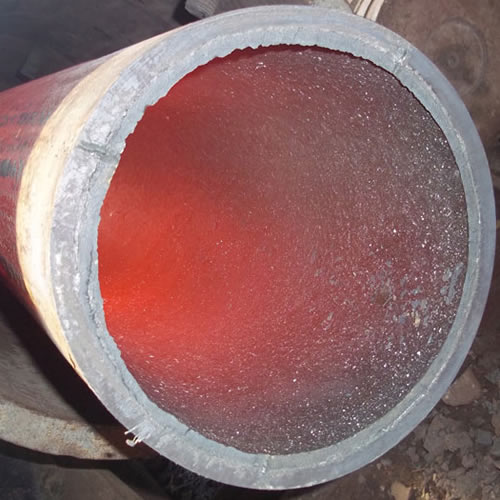
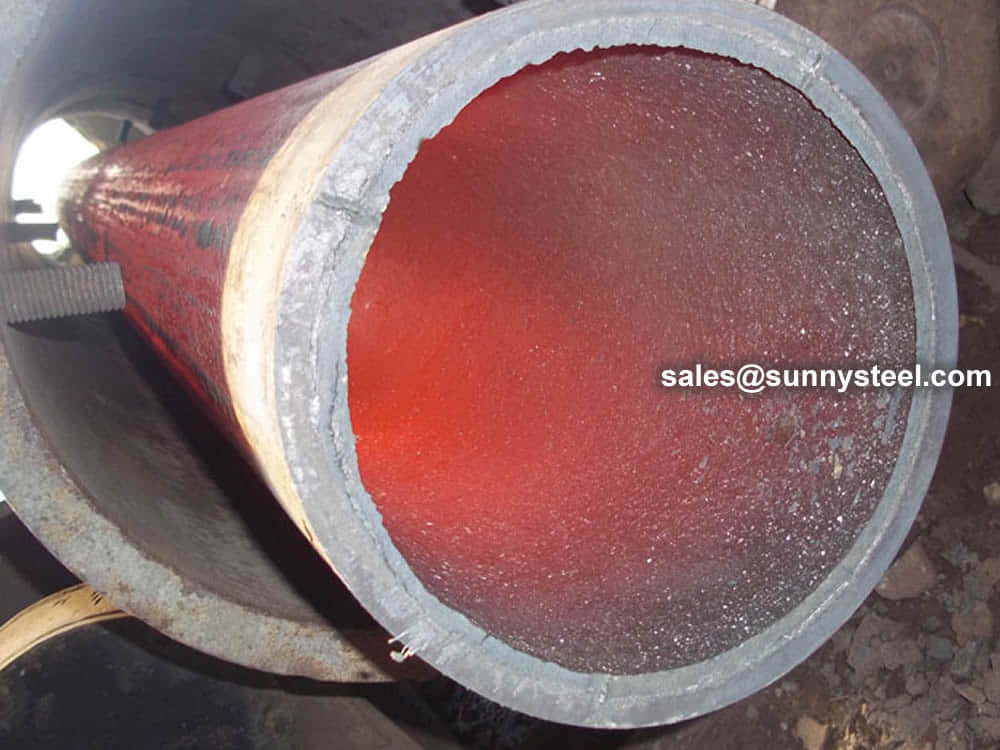
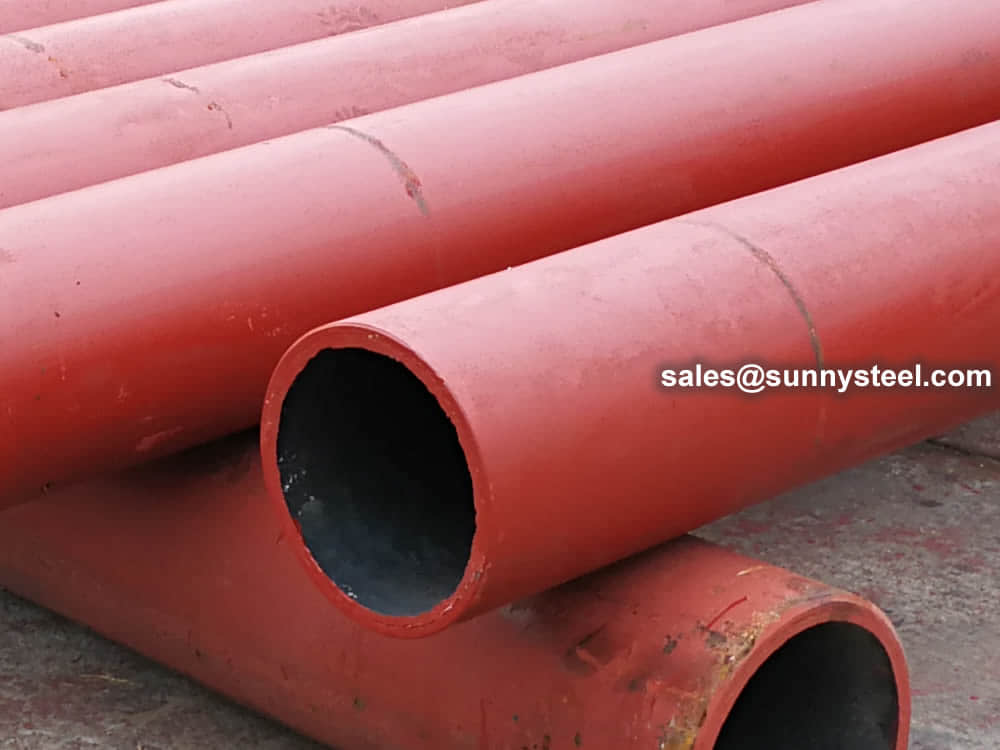
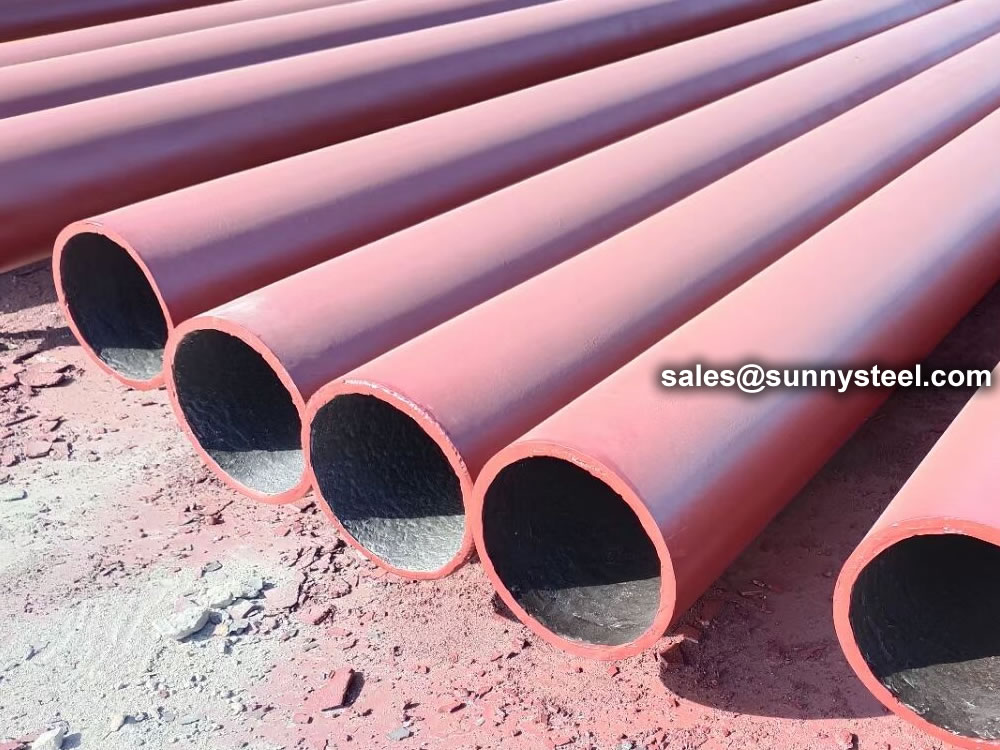
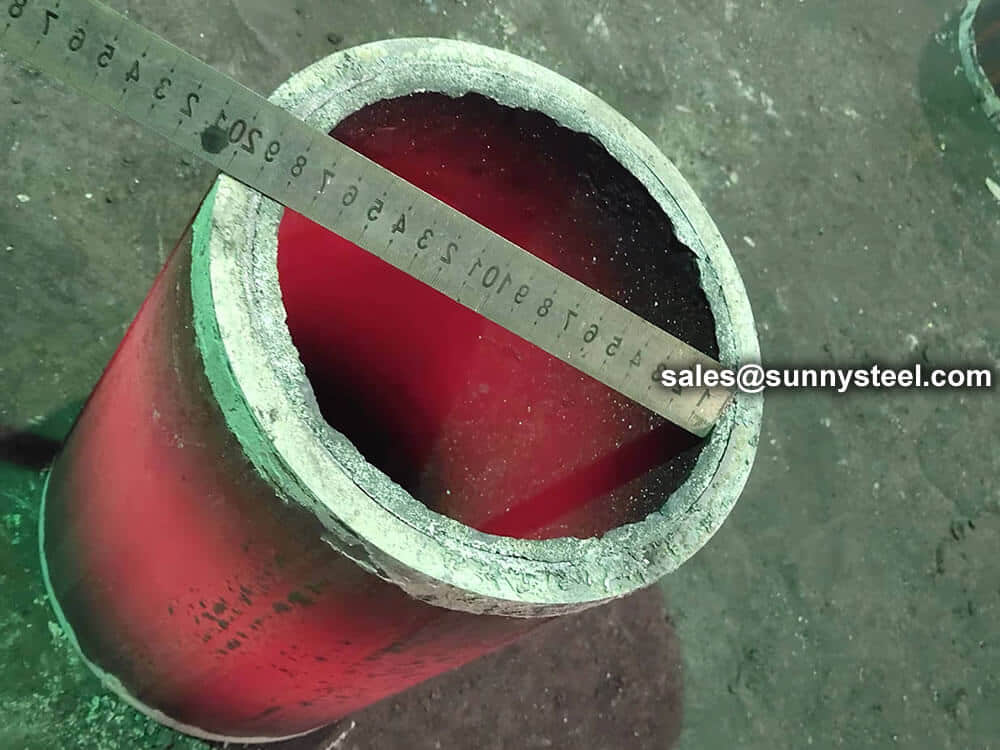
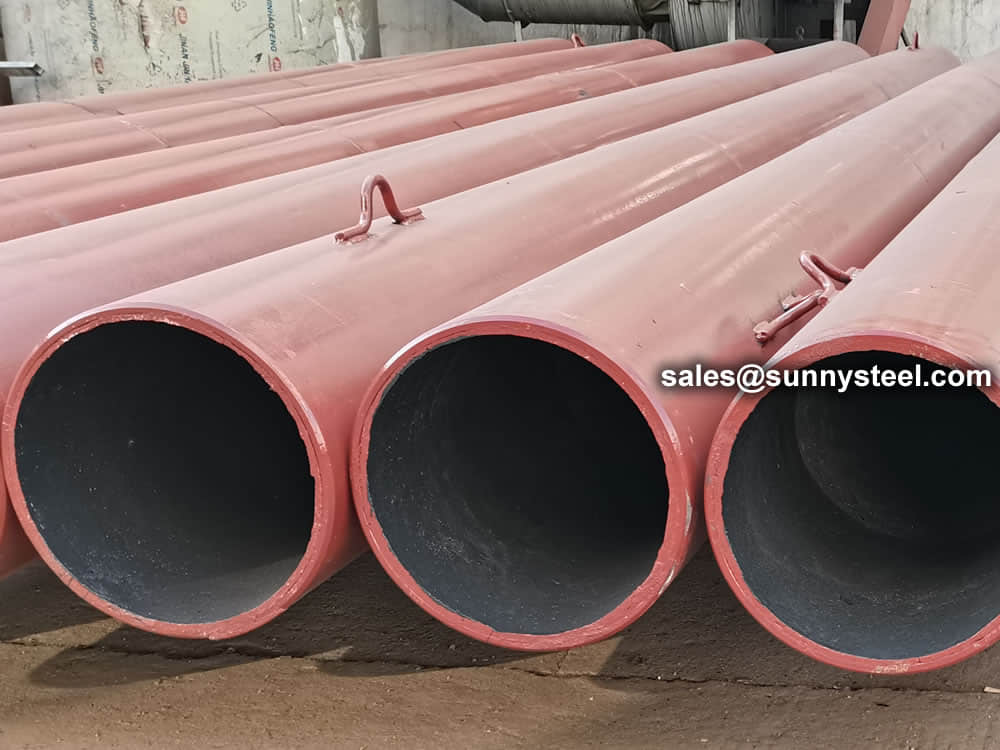
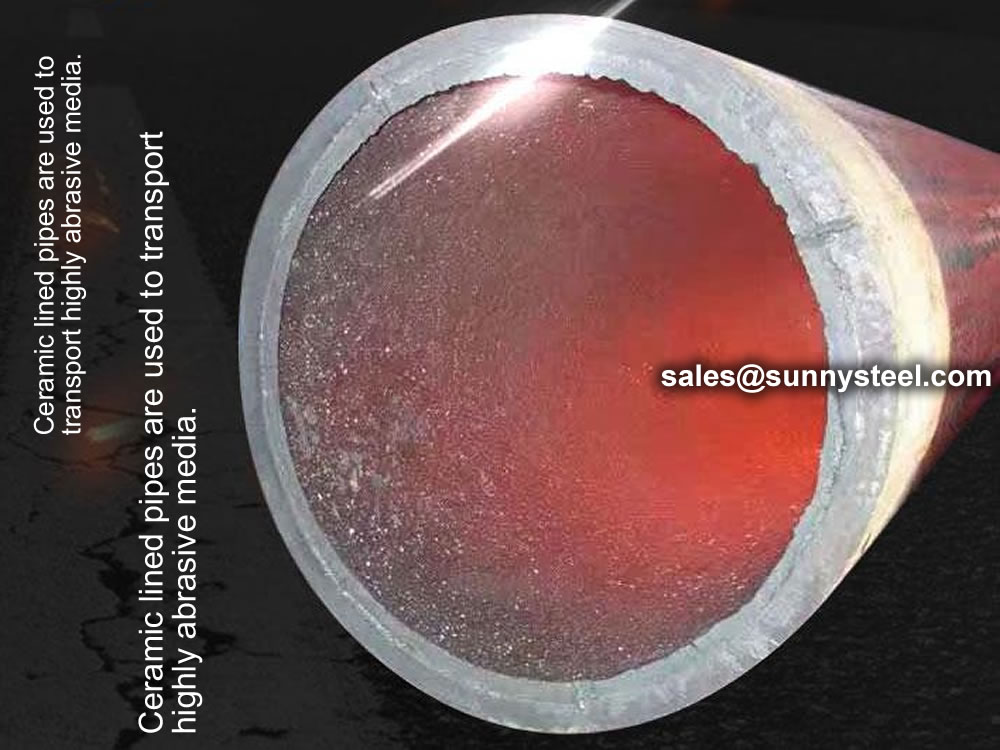
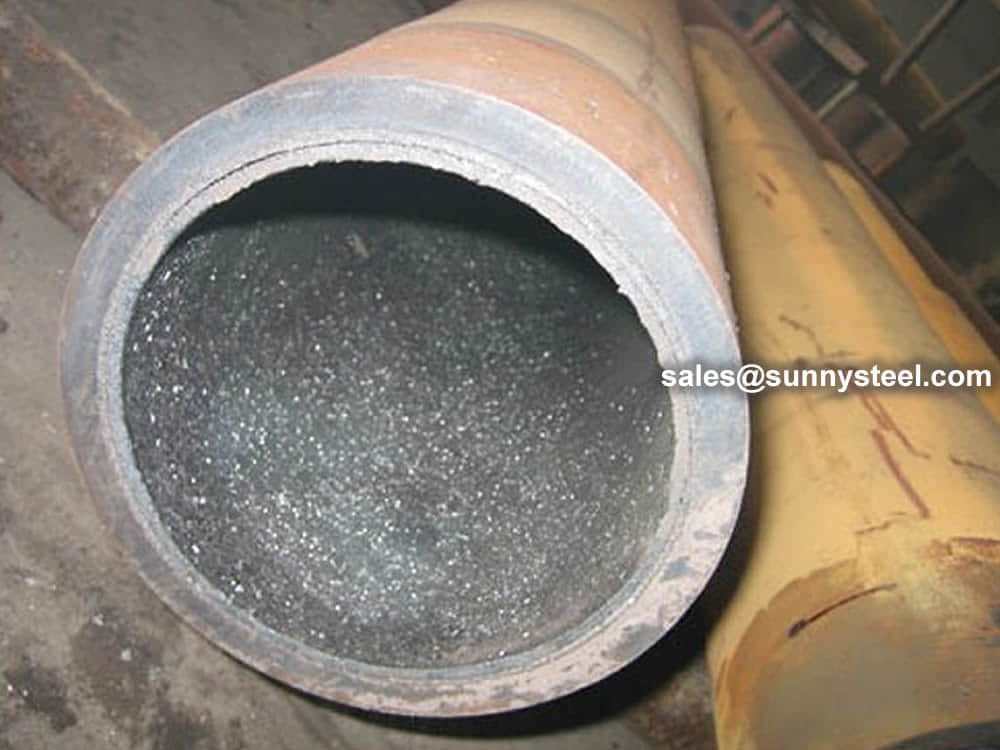
Ceramic lined pipe is made through self-propagating high-temperature synthesis (SHS) technique.
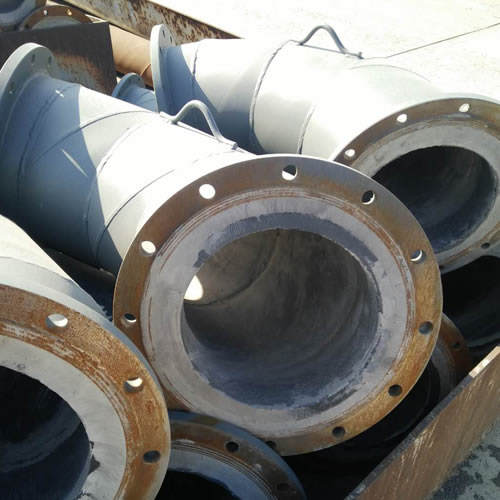
Cast basalt lined steel pipe is composed by lined with cast basalt pipe, outside steel pipe and cement mortar filling between the two layers.
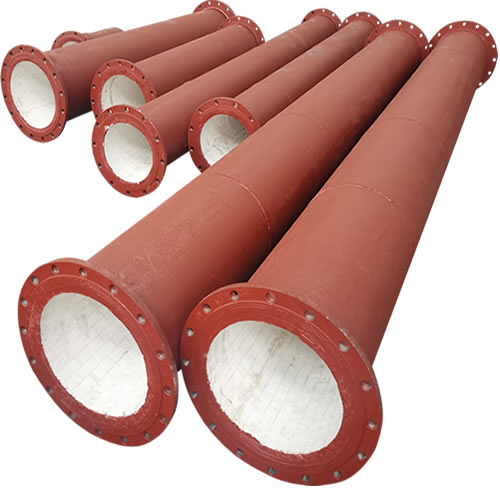
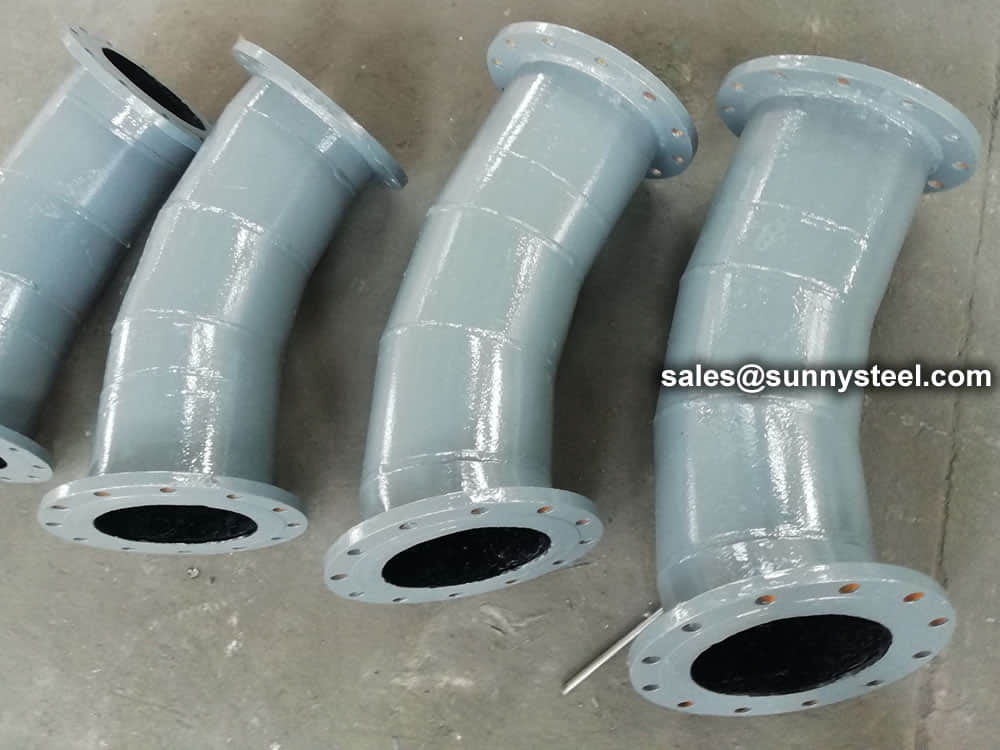
Ceramic tile lined pipes have very uniform coating of specially formulated ceramic material that is affixed to the inner of the pipe.
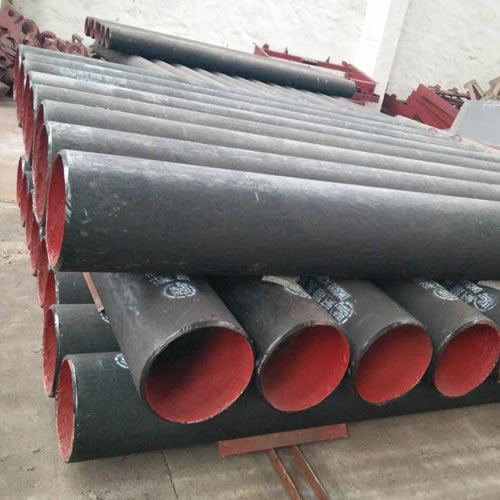
The material of the rare earth alloy wear-resistant pipe is ZG40CrMnMoNiSiRe, which is also the grade of rare earth alloy steel.
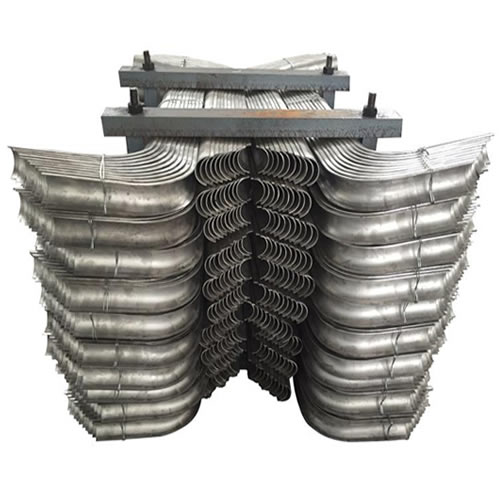
Tubes Erosion Shields are used to protect boiler tubing from the highly erosive effects of high temperatures and pressures thereby greatly extending tube life.
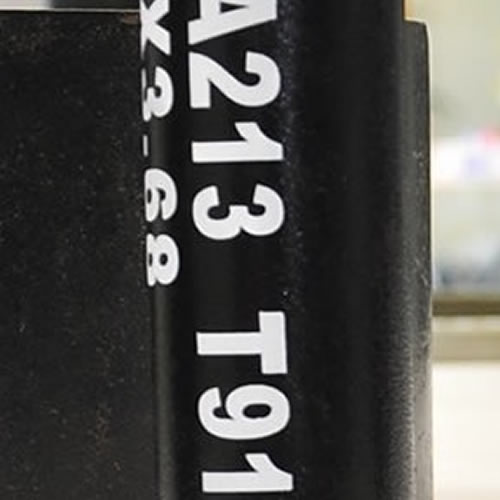
The ASTM A213 T91 seamless tubes are primarily used for boiler, superheater, and heat-exchanger.

When you partner with Sunny Steel, you can stop worrying about meeting deadlines thanks to our responsive and timely service. You'll also say goodbye to unnecessary shopping around. Instead, you'll get white glove service from an expert who understands your needs and can get you the materials you need quickly.