7 Stainless Steel Shapes You Need To Know

Stainless Steel Structural Profiles

Complete guide to 7 common stainless steel shapes with corrosion resistance, manufacturing processes, grade classification and industry application reference for structural and piping engineering.

The service life and overall project cost are jointly determined by two key factors: profile shape and stainless steel grade. Stainless steel owns outstanding comprehensive performance including high strength-to-weight ratio, sanitary smooth surface, wide temperature adaptability and over 90% recycling rate, widely used in construction, chemical processing, food production, marine engineering and pharmaceutical manufacturing.

Angles (L-Shapes)

Equal / Unequal leg L-profiles
Leg width: 0.75″–6″
Thickness: 0.125″–0.5″

Structural brackets, equipment frames, kitchen & medical edge trim

Beams & Channels

I / H-Beams, C / U-Channels
Beam depth: 2″–8″
Channel depth: 3″–12.31″

Industrial building skeletons, bridge supports, process equipment frames

Solid Bars
  • Round bar: Shafts, bolts, reinforcements
  • Square bar: Anti-slip parts, grating
  • Flat bar: Supports, architectural trim
  • Hex bar: Fasteners, precision components
Pipes & Tubing

Hollow profiles for fluid & gas transport.
Small-diameter tubing for medical and structural use.
Seamless & Welded types available.

HVAC, pharmaceutical pipelines, food conveying, handrails

Sheets

Thin, flat-rolled stainless steel coil products.

Building cladding, kitchen appliances, automotive trim, ductwork

Plates

Thick, high-rigidity flat stock with greater strength than sheets.

Pressure vessels, shipbuilding, heavy machinery bases, offshore platforms

Tees (T-Shapes)

T-section structural profiles for reinforcement and framing.

Structural reinforcement, architectural decorative edging, panel support frames


Stainless Steel

Key Inherent Advantages

  • Outstanding Corrosion Resistance: Self-repair chromium passive film, no regular painting maintenance needed
  • Lightweight High Strength: Reduce overall structural load and auxiliary support costs
  • Extended Service Life: Resist abrasion, extreme temperatures and complex corrosive media, cut replacement expenses
  • Sanitary Non-porous Surface: Smooth surface easy to clean and sterilize, compliant with food & medical standards
  • Decorative Versatility: Multiple polished and brushed surface finishes for architectural aesthetic design
  • Wide Temperature Adaptability: Special grades work stably under cryogenic or high-temperature furnace environments
  • Eco-Friendly & Recyclable: Over 90% recycling ratio, low carbon footprint for green construction projects

Standard stainless steel production workflow: Electric furnace smelting → AOD/VOD refining → continuous casting → forming & post-treatment

  • Hot Rolling: Cost-effective for large-size profiles, relatively rough surface finish
  • Cold Rolling: High dimensional precision, smooth surface and increased surface hardness
  • Laser Welding: Produce custom complex shapes with tight dimensional tolerances
  • Annealing: Eliminate internal forming stress, improve ductility and weldability
  • Pickling: Remove surface oxide scale to restore complete anti-corrosion passive layer
  • Cutting & Polishing: Custom fixed-length cutting and surface aesthetic finishing

Different production processes directly change finished profiles’ surface smoothness, dimensional tolerance, hardness, weld performance and long-term corrosion resistance.

Five Major Stainless Steel Families

Stainless Steel Series Representative Grades Core Performance Features Main Application Scenarios
Austenitic (300 Series) 304, 316 Nearly non-magnetic, excellent corrosion resistance and weldability, general-purpose mainstream grade Food equipment, indoor construction, common chemical pipelines
Ferritic (400 Series) 430 Magnetic, low material cost, moderate corrosion resistance Indoor decorative components, household appliances
Martensitic 410, 416 Heat-treatable to achieve high hardness, basic anti-rust performance Mechanical fasteners, cutting parts
Duplex Stainless Steel 2205 Combine austenite & ferrite advantages, superior stress corrosion resistance Marine engineering, high-chloride chemical equipment
Precipitation Hardening 17-4 PH Ultra-high tensile strength after aging treatment Aerospace and precision industrial mechanical parts

Core Grade Comparison: 304 VS 316

Frequently Asked Questions
Austenitic grades like 304 and 316 are nearly non-magnetic. Ferritic, martensitic and duplex stainless steel are magnetic. Cold-worked 304 profiles will generate weak magnetism after bending or stamping.
Stainless steel may rust under harsh working conditions. Long-term chloride immersion, insufficient oxygen supply, surface scratches and carbon steel contamination will damage the protective passive film, leading to pitting and crevice corrosion. Matching the correct grade and regular maintenance is essential.
Three core judging factors: project load bearing demand, service medium including humidity, chloride content and operating temperature, plus architectural aesthetic requirements. Match suitable manufacturing process and steel grade accordingly.
Choose 316 or duplex 2205 stainless steel material. Pipe and tubing for fluid transmission, plate for hull panels, angle and tee for structural support frames to resist salt chloride corrosion.
Sheet refers to thin rolled flat stainless steel for cladding, kitchen and ventilation parts. Plate is thick high-rigidity flat stock designed for heavy-load equipment, pressure vessels and offshore heavy structural components.
Stainless steel tee (T-shape) profiles are designed for pipeline branch diversion and structural reinforcement, widely matched with stainless seamless pipe in chemical and water supply systems.
Yes. We supply standard stock sizes for seven stainless steel shapes, and support custom cutting, polishing, hot forming and special dimension processing according to customer drawings.
Common surface treatments include hot rolled pickled, cold rolled 2B finish, brushed matte finish, mirror polished finish, customized for structural, sanitary or decorative use.
304 and 316 austenitic stainless steel are the standard choice. They have smooth non-porous surfaces, easy to sanitize and fully comply with food safety production standards.
Stainless steel features an over 90% recycling rate. Scrap stainless steel can be fully remelted and refined without loss of core corrosion-resistant performance, belonging to eco-friendly green metal materials.

Stainless Steel & Nickel Alloys

Hot Products

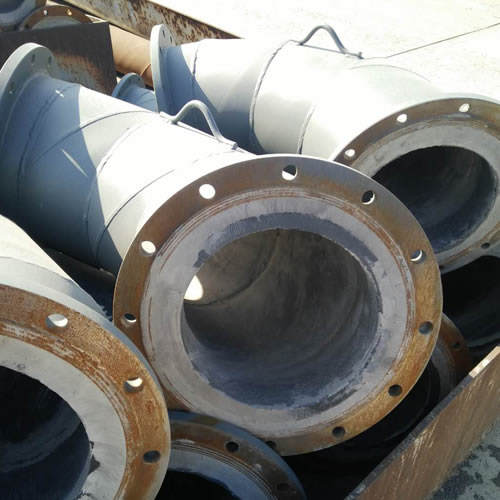
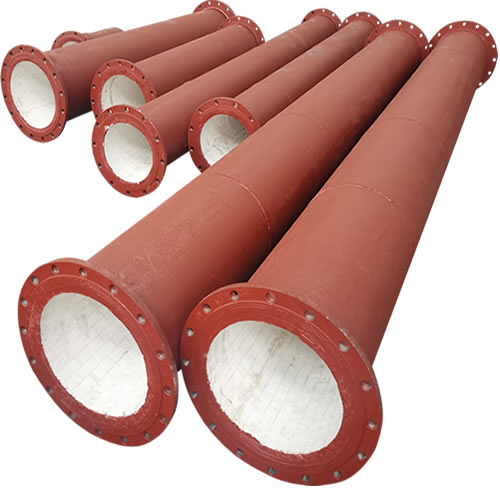
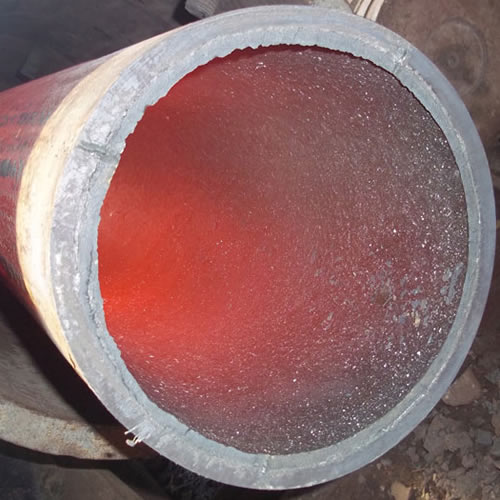
【H】 Ceramic lined pipe

Ceramic lined pipe is made through self-propagating high-temperature synthesis (SHS) technique.

【H】 Cast basalt lined steel pipe

Cast basalt lined steel pipe is composed by lined with cast basalt pipe, outside steel pipe and cement mortar filling between the two layers.

【H】 Ceramic Tile Lined Pipes

Ceramic tile lined pipes have very uniform coating of specially formulated ceramic material that is affixed to the inner of the pipe.

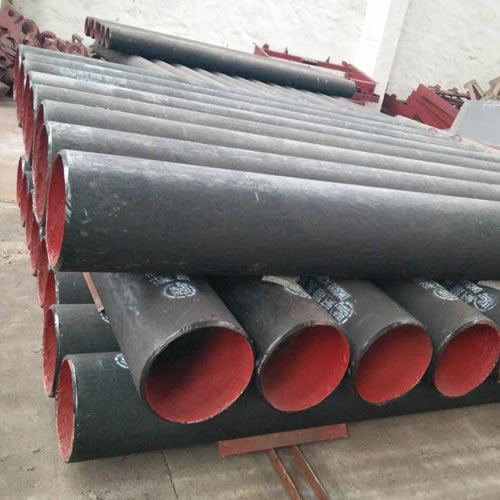
【H】 Rare earth alloy wear-resistant pipe

The material of the rare earth alloy wear-resistant pipe is ZG40CrMnMoNiSiRe, which is also the grade of rare earth alloy steel.

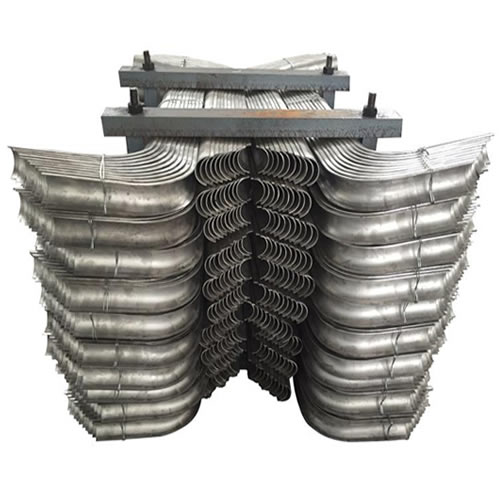
【H】 Tubes Erosion Shields

Tubes Erosion Shields are used to protect boiler tubing from the highly erosive effects of high temperatures and pressures thereby greatly extending tube life.

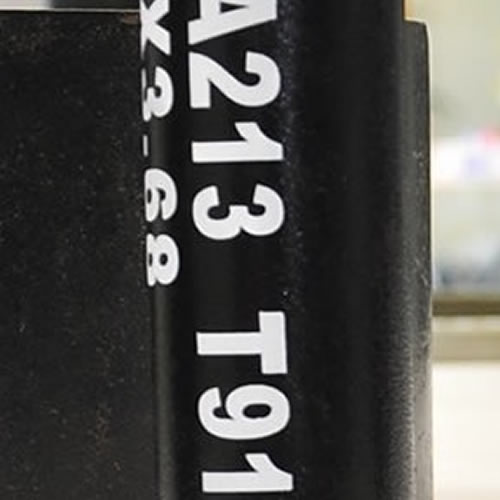
【H】 ASTM A213 T91 Alloy Tube

The ASTM A213 T91 seamless tubes are primarily used for boiler, superheater, and heat-exchanger.

The White Glove Service You Deserve

When you partner with Sunny Steel, you can stop worrying about meeting deadlines thanks to our responsive and timely service. You'll also say goodbye to unnecessary shopping around. Instead, you'll get white glove service from an expert who understands your needs and can get you the materials you need quickly.

application

Materials delivered on-time and at a fair price

application

No delays in production or manufacturing process

application

Meet engineering specifications to ensure top quality

application

World-class customer service ready to help