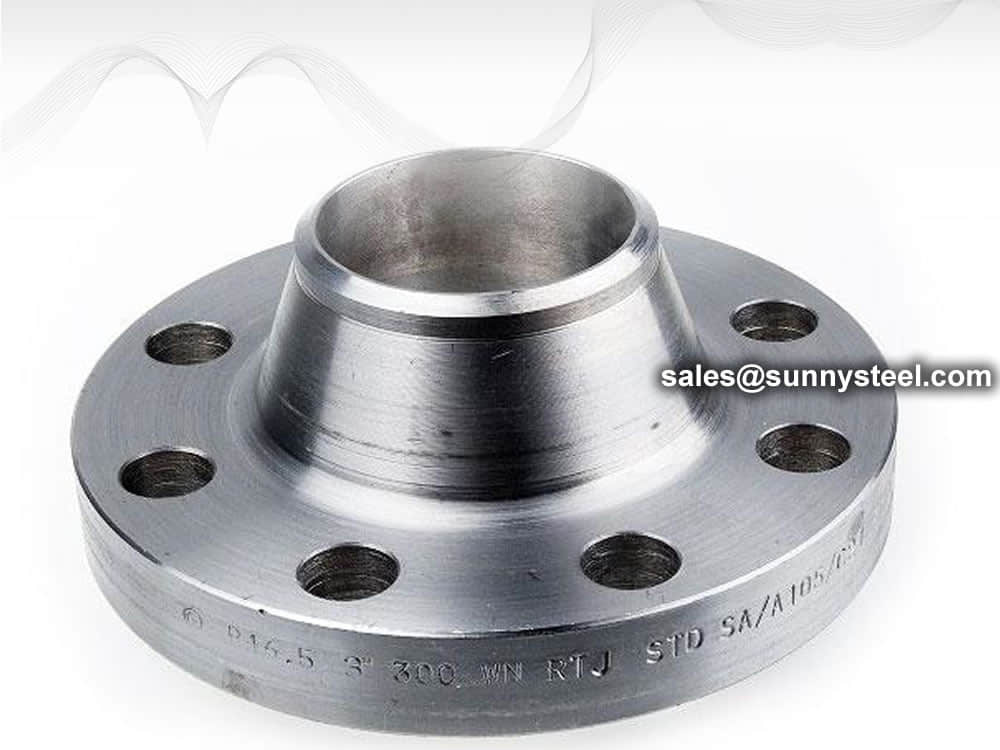
WN Flange
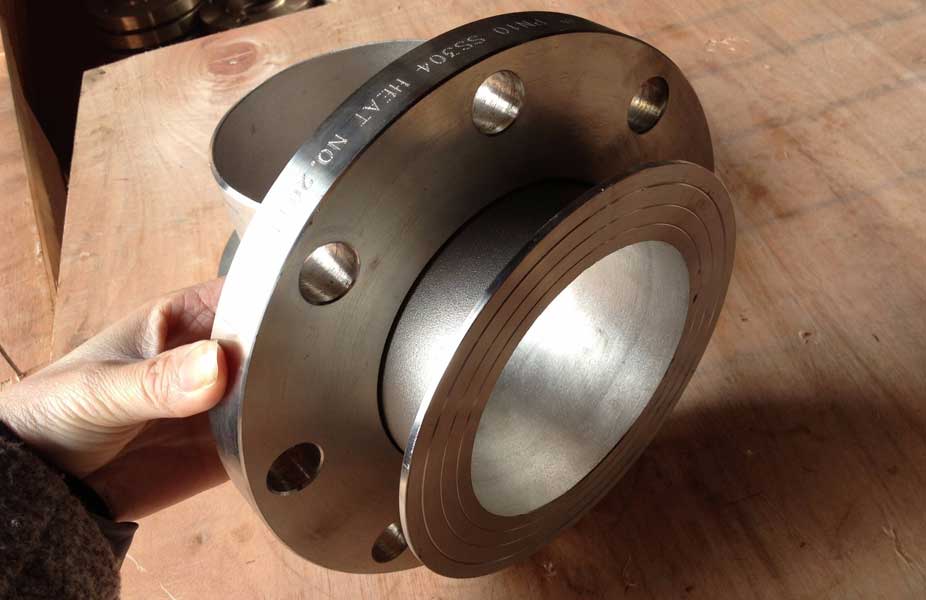
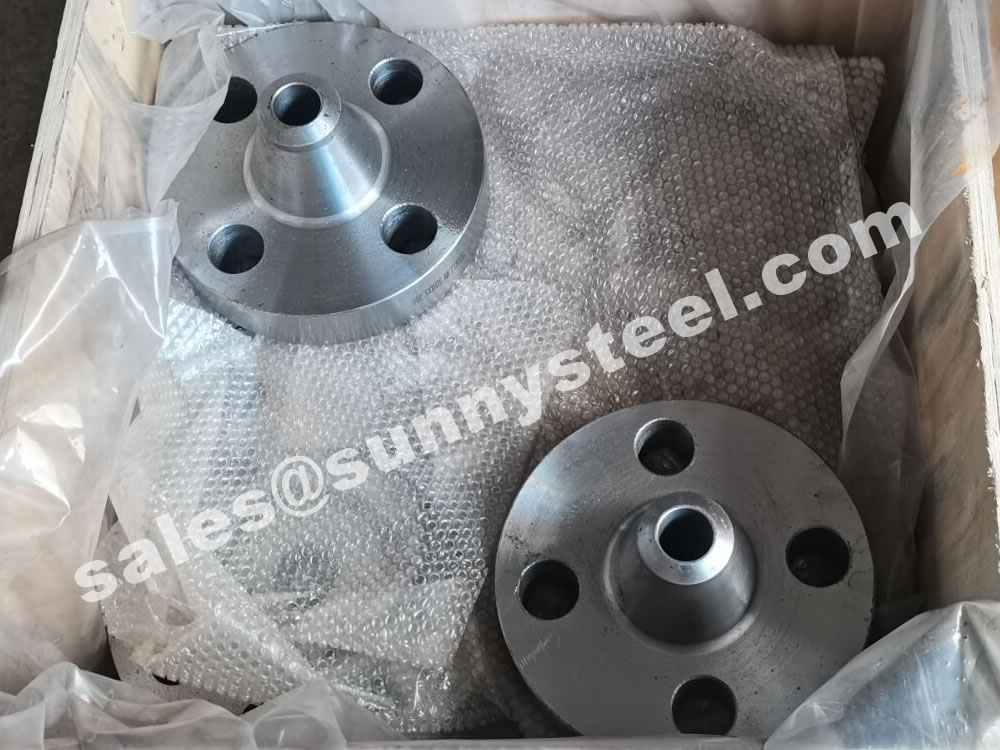
Weld neck flanges with tapered hub and butt weld connection, ideal for high pressure, high temperature and critical industrial piping systems.
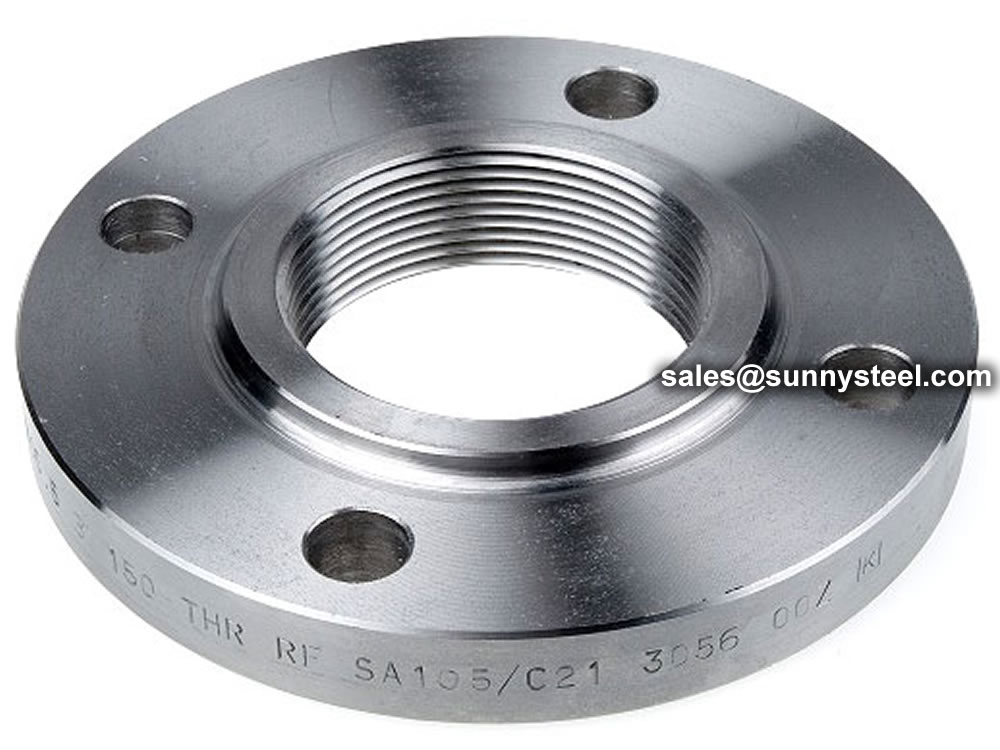
Threaded flanges (screwed flanges) feature internal pipe threads for connection without welding. Fast assembly, easy disassembly, perfect for low-pressure, high-temperature and fire-sensitive pipelines.
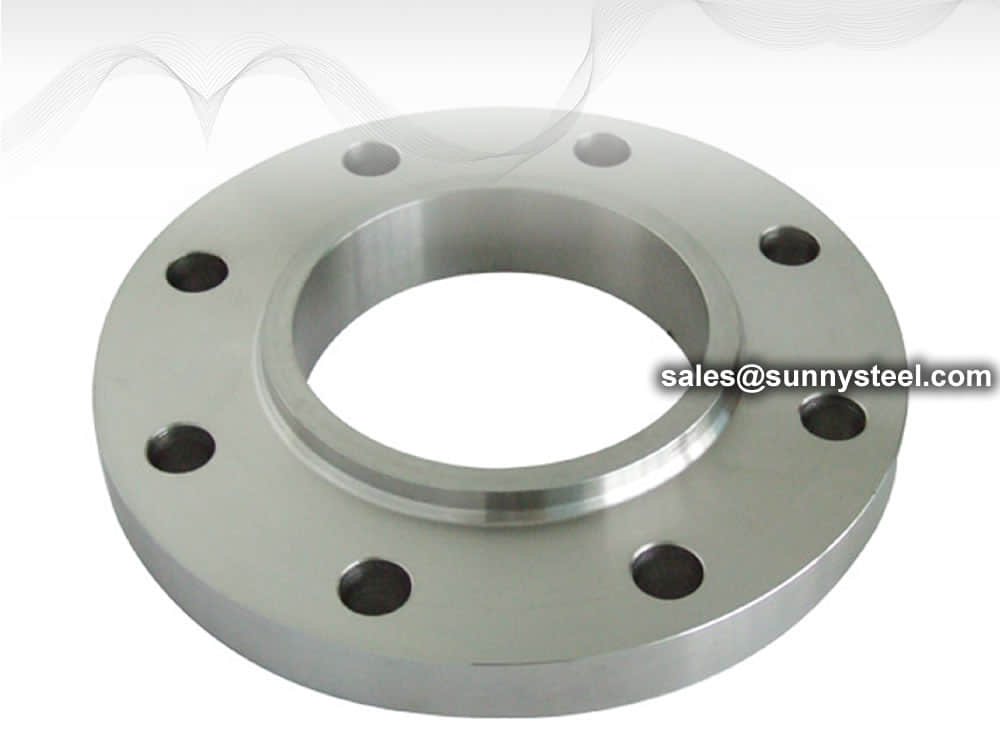
Threaded flange is connecting with pipe without welding. It is similar to slip on flange or a socket weld flange, fitted with a tapered thread (screw) inside the flange bore that is mounted on the pipe with corresponding external threads. In some cases a seal weld also applied in conjunction with threaded pipe flange.
Though threaded pipe flange is available in different dimensions, threaded fittings mostly is used in small diameters pipeline. (Below 4 inch normally.)
On the other hand, it is not compatible with a pipe system in thin wall thickness, since there is no space for doing the threading.
There are two types of threaded flanges. One is to seal the two pipe ends with a certain sealing surface and a lens pad. This type of flange is mostly used for ammonia production. But it has been used less recently, and the lens pad has been replaced by a metal ring.
The other type is the same as a normal flange, sealed with two flange sealing faces.
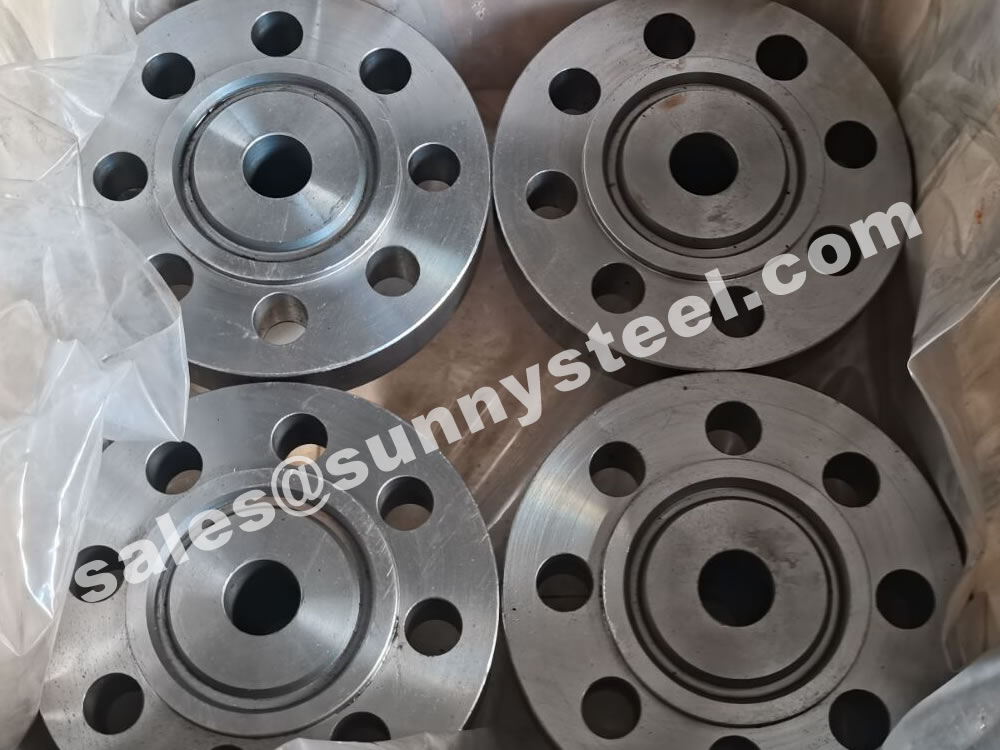
There are two facing types for threaded flange, raised face flange and ring joint flange.
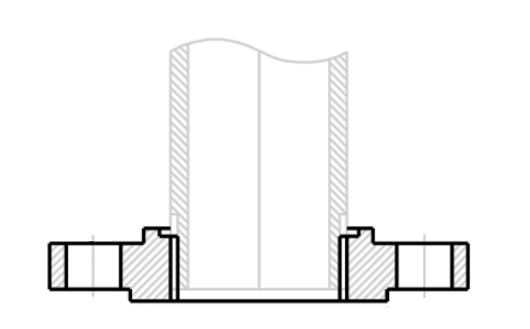
When the gasket surface area is above the bolted line of the flange, the raised face flange is easily identified. It is compatible with a wide range of gaskets, from flat to semi-metallic and metallic types, either ring or full.
The main scope of a raised face flange design is to concentrate the pressure of the two mating flanges on a small surface and increase the strength of the seal.
The height of the raised face surface depends on the flange pressure level, for example, for pressure classes 150 and 300, the height is 1.6 mm or 1/12 inch, and for the 400 to 2500 level, the raised face height is about 6.4 mm, or 1/4 inch.
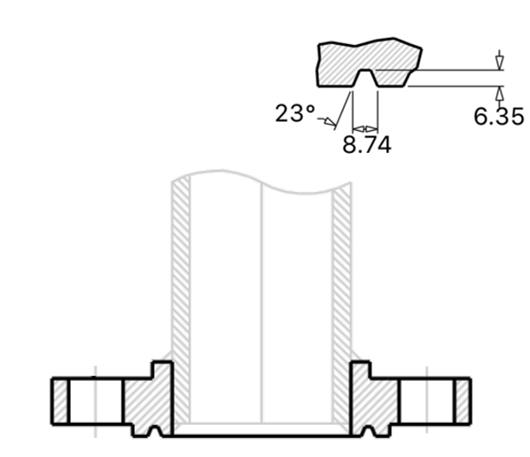
The ring joint flange has a circular groove to accommodate the ring joint gasket, which can be used when metal to metal seals are required. Especially in conditions for high pressure and high temperature.
ASTM A105: Standard forged carbon steel pipe components for environmental and high temperature / high pressure systems.
ASTM A182: The standard for alloy and stainless threaded flanges. Common alloy grades: F5, F9, F11, F22, F91; Stainless steel grades: F304, 304/, F316, F316L.
The threaded flange is screwed to the threaded pipe by the thread, which is processed in the inner hole of the flange. So It does not need to be welded. Therefore, it became so convenient for installation and maintenance comparing with other flange types, such as slip on flange, socket weld flange etc.
Threaded flanges are used where it is difficult to weld or cannot be welded, such as threaded flanges used to protect the galvanized layer of pipes. In addition, It should not be used on pipes with repeated temperature fluctuations or above 260 ℃ and below -45℃ as well.
In ASME B31.3 standard it defines:
Where steel pipe is threaded and used for steam service above 250 psi or for water service above 100 psi with water temperatures above 220° F, the pipe shall be seamless and have a thickness at least equal to schedule 80 of ASME B36.10.
Take the measurements of the following:
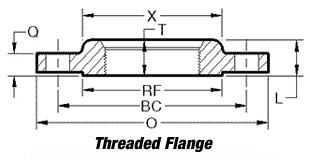
The various types of threaded flanges are as follows:
Threaded flanges are threaded in the bore which match an external thread on the pipe. Threaded flanges are used with pipes that have external threads. The benefit of these flanges is that it can be attached without welding.
| Class | Flat Face | Raised Face | Ring Type Joint |
|---|---|---|---|
| ANSI 150 | THD Flange ANSI 150 FF (in) | THD Flange ANSI 150 RF (in) | THD Flange ANSI 150 RTJ (in) |
| ANSI 300 | THD Flange ANSI 300 FF (in) | THD Flange ANSI 300 RF (in) | THD Flange ANSI 300 RTJ (in) |
| ANSI 400 | THD Flange ANSI 400 FF (in) | THD Flange ANSI 400 RF (in) | THD Flange ANSI 400 RTJ (in) |
| ANSI 600 | THD Flange ANSI 600 FF (in) | THD Flange ANSI 600 RF (in) | THD Flange ANSI 600 RTJ (in) |
| ANSI 900 | THD Flange ANSI 900 FF (in) | THD Flange ANSI 900 RF (in) | THD Flange ANSI 900 RTJ (in) |
| ANSI 1500 | THD Flange ANSI 1500 FF (in) | THD Flange ANSI 1500 RF (in) | THD Flange ANSI 1500 RTJ (in) |
| ANSI 2500 | THD Flange ANSI 2500 FF (in) | THD Flange ANSI 2500 RF (in) | THD Flange ANSI 2500 RTJ (in) |
The datasheets we have on this site are shown below. For simplicity sake, only datasheets that adhere to B16.5 are shown. ASME B16.5 covers flange dimensions from ½" to 24". For sizes larger than this, please visit our flange datasheets page.
A threaded flange consists of a circular flange body, bolt holes, sealing face and precision-machined internal thread. The thread matches standard external pipe thread, enabling tight screwing connection.
During assembly, simply screw the flange onto the pipe end until it is fully tightened. The sealing face is pressed against the mating flange with a gasket in between to realize leak-proof sealing. The whole process requires no welding, heat treatment or complex post-processing.
The thread structure ensures convenient repeated disassembly and maintenance. However, under long-term strong vibration or excessive pressure, the thread may loosen, so it is strictly limited to low-pressure and stable working conditions.
All our threaded flanges are manufactured and inspected in accordance with mainstream international standards to guarantee thread precision, dimensional consistency and interchangeability.
| Standard Code | System | Size Range | Pressure Class |
|---|---|---|---|
| ASME B16.5 | ANSI/American | NPS 1/2"–4" | Class 150 / 300 |
| EN 1092-1 | European | DN15–DN100 | PN16 / PN40 |
| DIN | German | DN15–DN100 | PN10 / PN16 |
| JIS B2220 | Japanese | 15A–100A | 10K / 20K |
Thread types include NPT, BSPP, BSPT and other standard threads, which can be selected according to customer regional standards.
We supply multiple forging materials for threaded flanges to adapt to different fluid media, temperature and corrosion environments:
| Material Grade | Type | Temperature Range | Application |
|---|---|---|---|
| ASTM A105 | Carbon Steel | -29℃ ~ 425℃ | Water, gas, general industrial pipelines |
| ASTM A182 304/304L | Stainless Steel | -196℃ ~ 425℃ | Ordinary corrosive medium, food industry |
| ASTM A182 316/316L | Stainless Steel | -196℃ ~ 425℃ | Strong corrosion, marine environment |
| ASTM A182 F11/F22 | Alloy Steel | -29℃ ~ 550℃ | Moderate high temperature utility lines |
Carbon steel is the most widely used and cost-effective choice. Stainless steel is used for anti-corrosion requirements, and alloy steel is applied for medium high temperature working conditions.
Threaded flanges are limited to low and medium pressure levels due to thread structural characteristics. Below are common pressure grades and corresponding application scenarios:
| ANSI Class | Equivalent PN | Rated Pressure (Bar) | Typical Application |
|---|---|---|---|
| Class 150 | PN16 | 16 | Water supply, fire protection, common gas lines |
| Class 300 | PN40 | 40 | Medium pressure process pipelines, instrument lines |
| Class 600+ | PN63+ | 63+ | Not recommended for threaded connection |
It is forbidden to use threaded flanges in high-pressure, impact load and severe vibration pipelines to prevent thread loosening and leakage accidents.
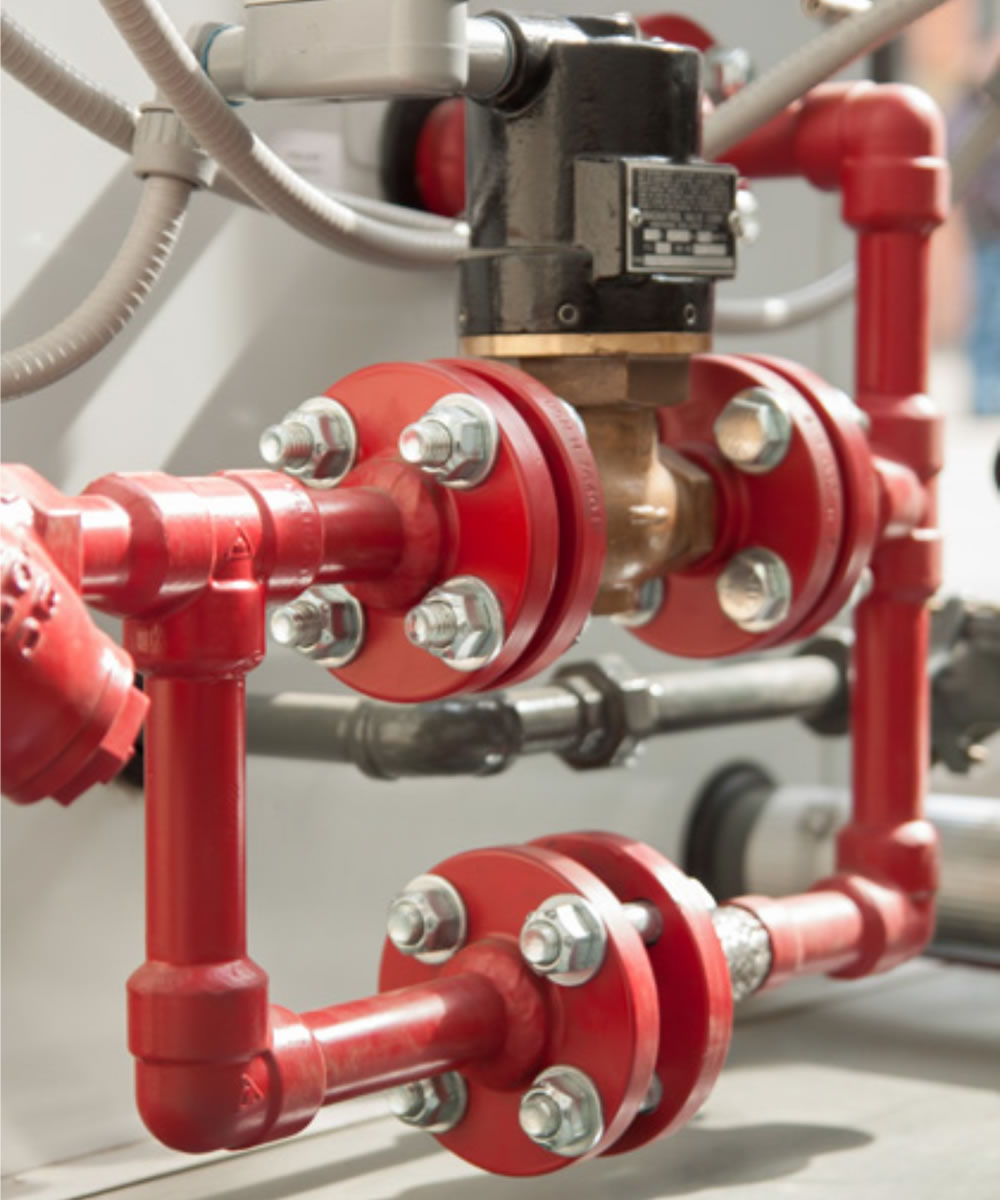
A flange is a method of connecting pipes, valves, pumps, and other equipment to form a piping system. It also provides easy access for cleaning, inspection, or modification.
When a piping joint requires to be dismantled, flanges are being used. These are primarily used on equipment, valves, and specialty items. Breakout flanges are provided at predetermined intervals in certain pipelines where maintenance is a regular occurrence. The flanges, gaskets, and bolting make up a flanged joint, which is made up of three separate but interconnected components. To achieve a leak-proof joint, special controls are required in the selection and application of all of these elements.
Here are the details of Flanges about their advantages and their applications.
Pipes, valves, pumps, and other parts are connected with flanges to form a piping system. Generally, flanges are welded or screwed together. The use of flanges makes pipe system maintenance and repair a breeze. Instead of taking the entire pipe for inspection, a small section of the pipe can be carefully investigated to use a flange to locate the fault.
The following are the five most important benefits of The following are the five most important benefits of flanges:
A flange is a method of connecting pipes, valves, pumps, and other equipment to form a piping system. It also provides easy access for cleaning, inspection, or modification. Flanges are usually welded or screwed.
In many applications, engineers need to find a way to close off a chamber or cylinder in a very secure fashion, usually because the substance inside must differ from the substance outside in composition or pressure.
They do this by fastening two pieces of metal or other material together with a circle of bolts on a lip. This “lip” is a flange.
You can connect two sections of metal piping by soldering or welding them together, but pipes connected in this way are very susceptible to bursting at high pressures. A way of connecting two sections of pipe more securely is by having flanged ends that you can connect with bolts. This way, even if gases or liquids build up to high pressures inside the pipe, it will often hold with no problem.
In order to connect two sections of a large, enclosed area, it is often best to used flanges and bolts. An example of this is the connection between the engine and the transmission in an automobile. In this case, both the engine and the transmission contain a number of moving parts that can easily get damaged if they get dust or other small objects inside of them. By connecting the outer casings of the engine and transmission in this way, engineers protect the inner workings of both.
Flanges have a specific purpose in cameras and other electronic devices. Though flanges in such items do not usually have to sustain high pressures, they do have to hold tight so they can keep out harmful particles. These flanges are usually found connecting two different materials, such as the glass of a lens and the rest of the body of the camera.

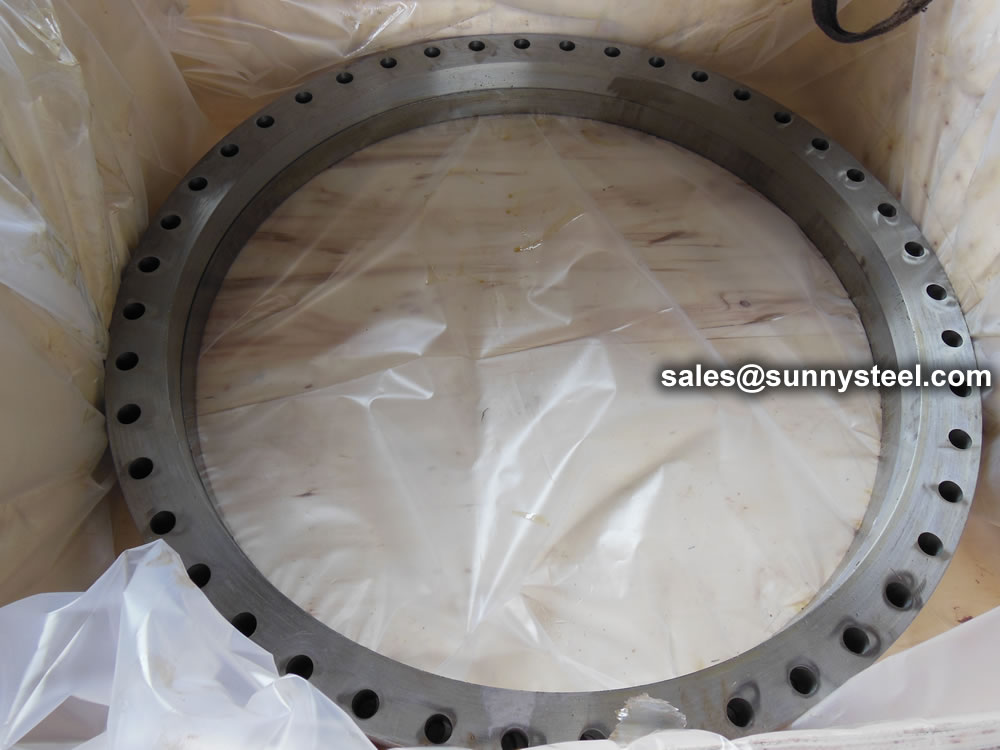
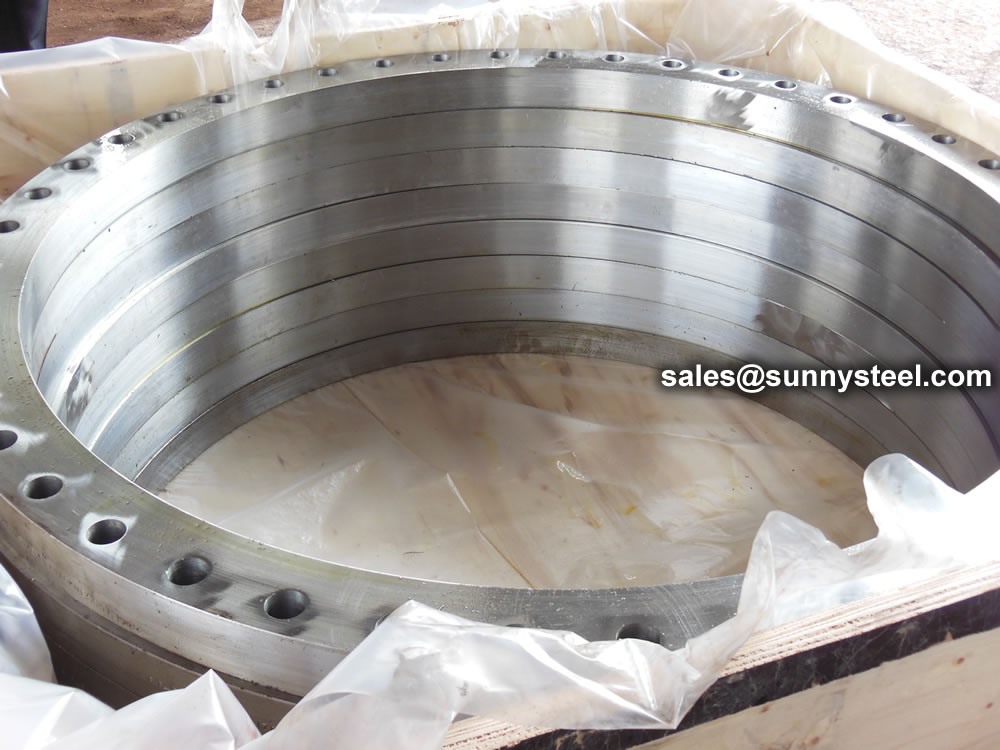
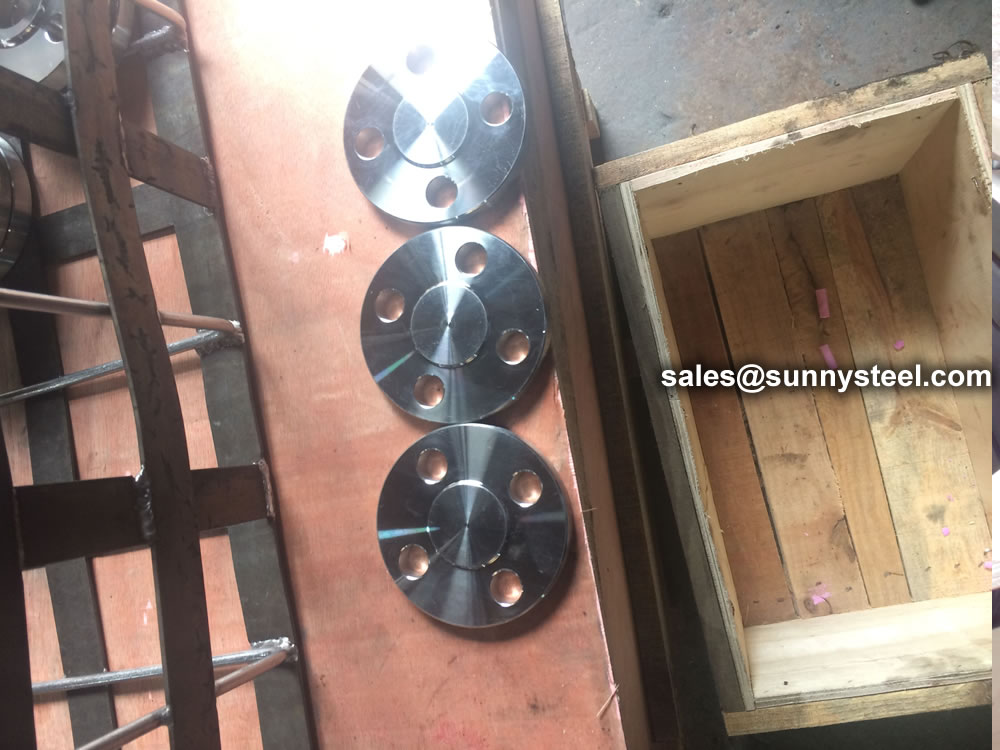
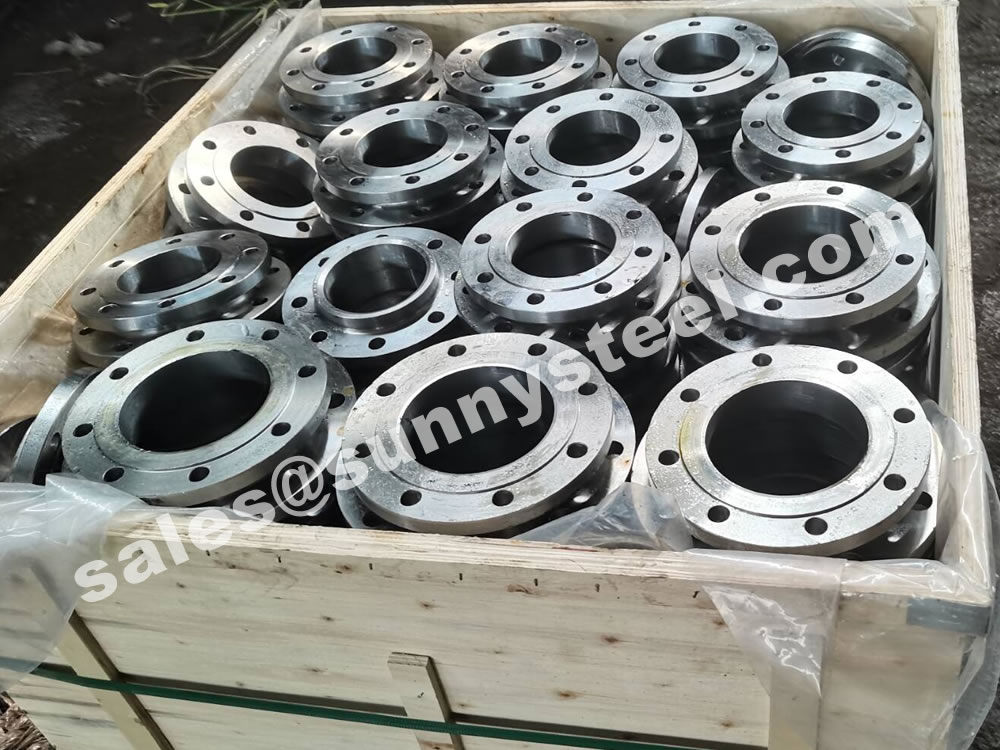
Steel flanges must be packed with seaworthy packing method then delivery to customers, usually the packing way include wooden box, wooden pallet, iron & steel cage, iron & steel pallet etc.
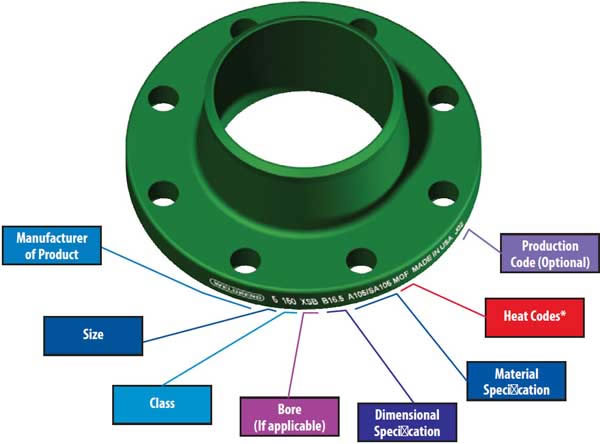
Flange markings are governed by ANSI ASME codes. Flange marking includes;
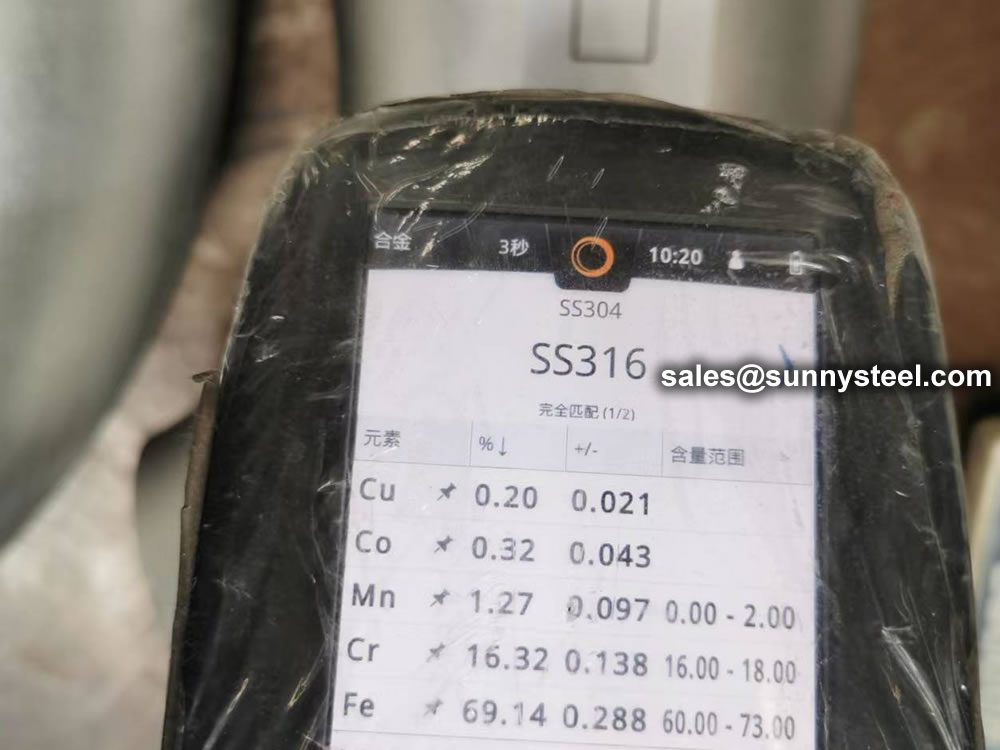
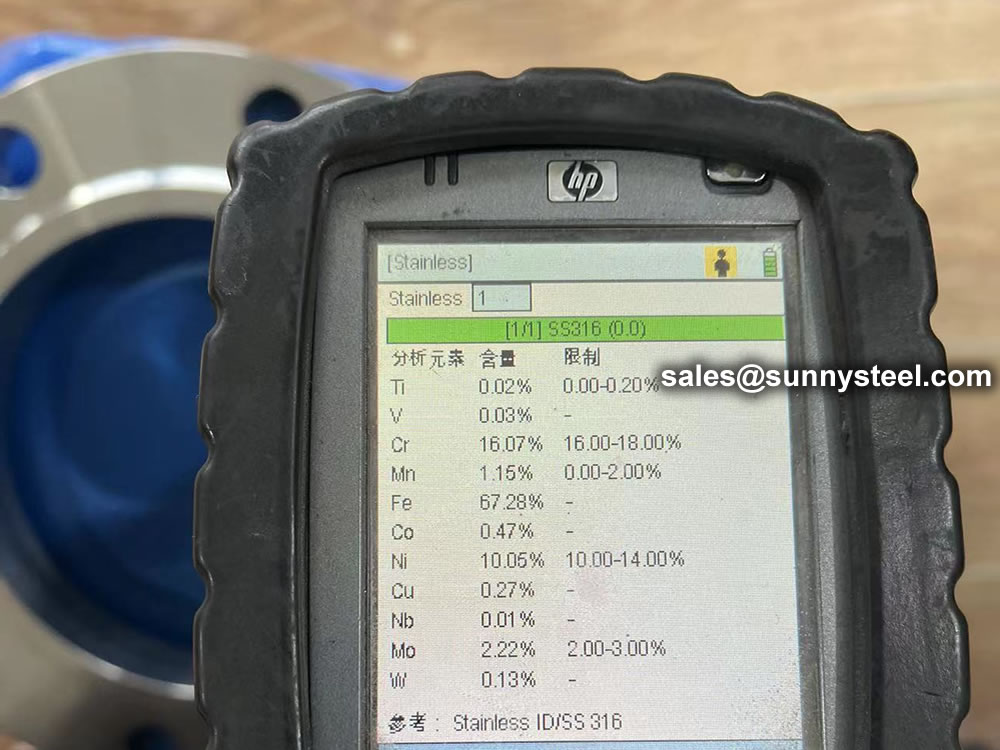
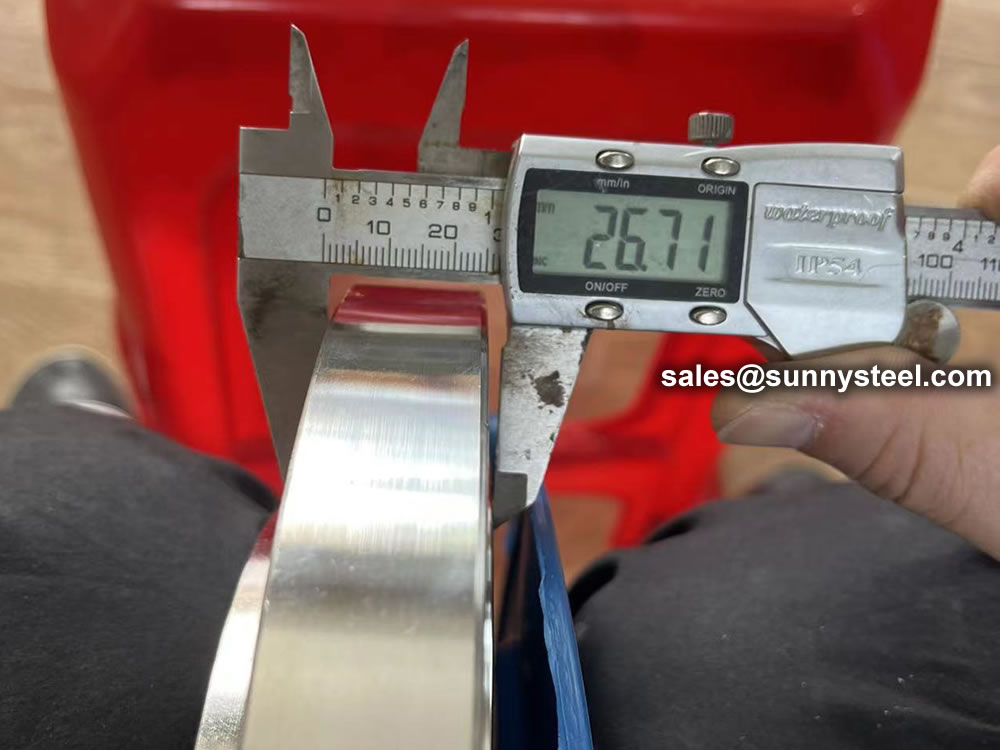
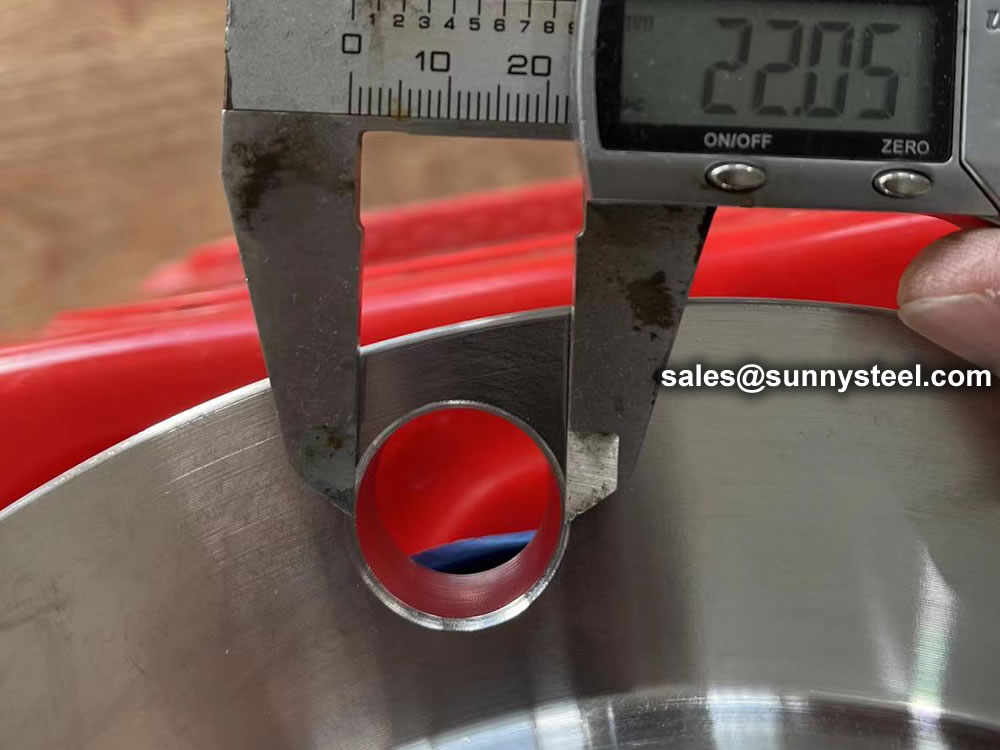
ASME B16.5 and B16.47 standards cover permissible tolerances for inspection.
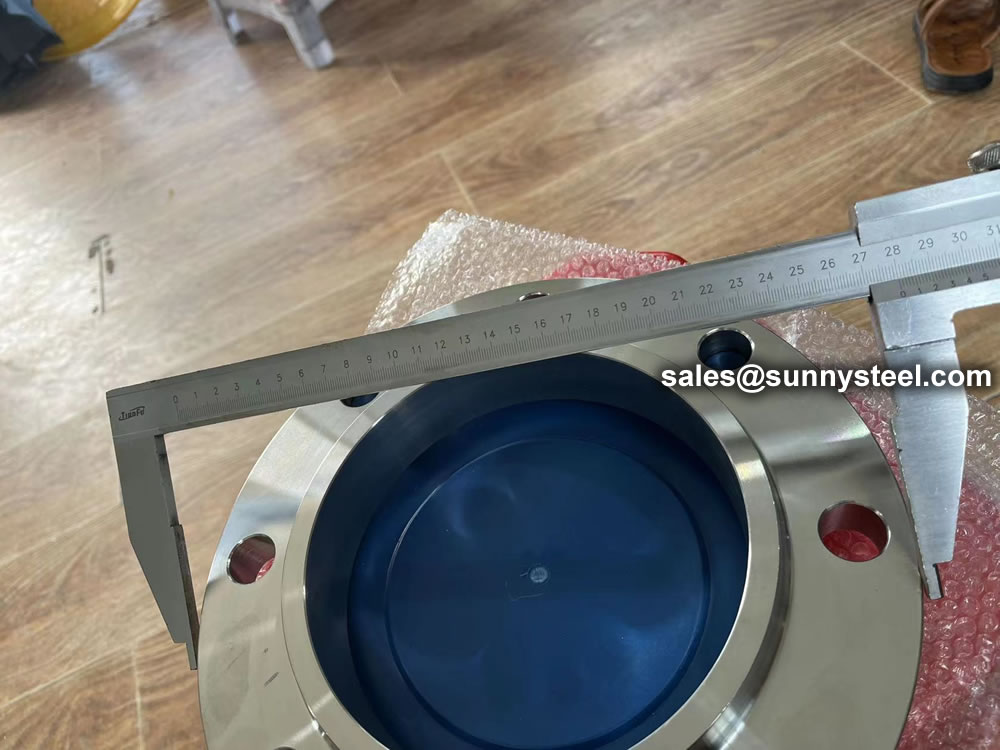
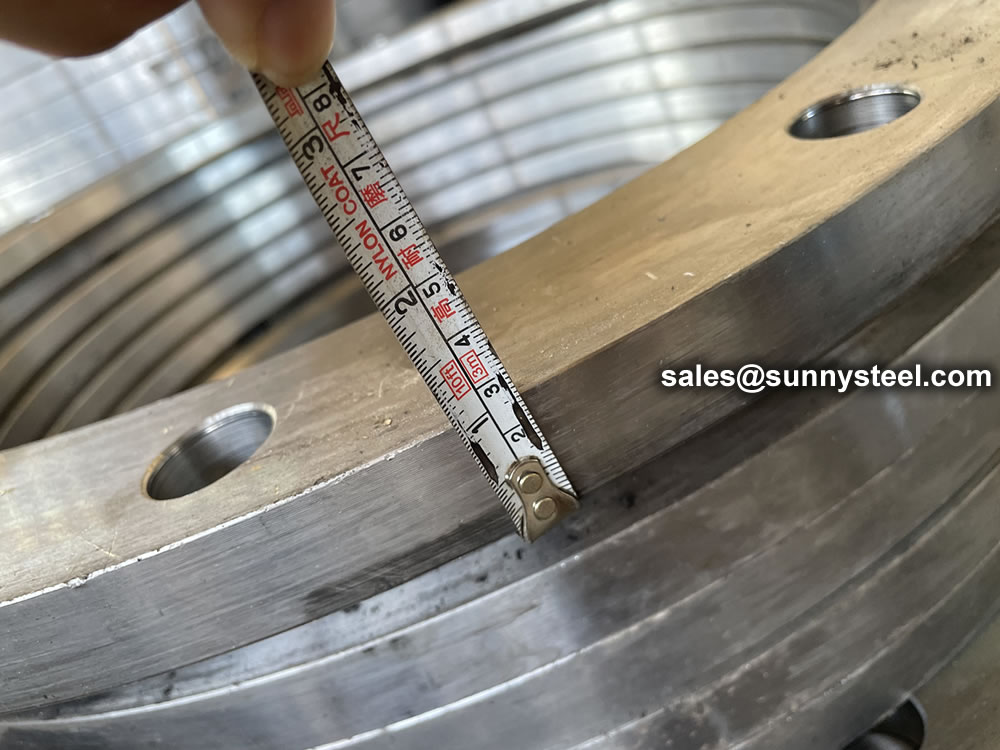
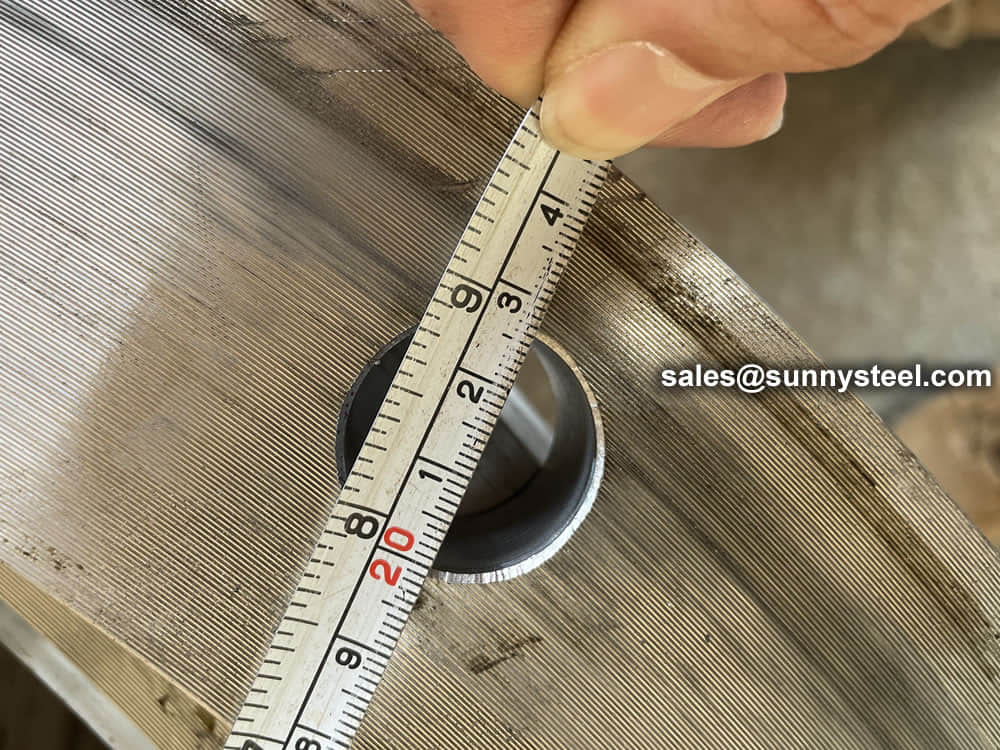
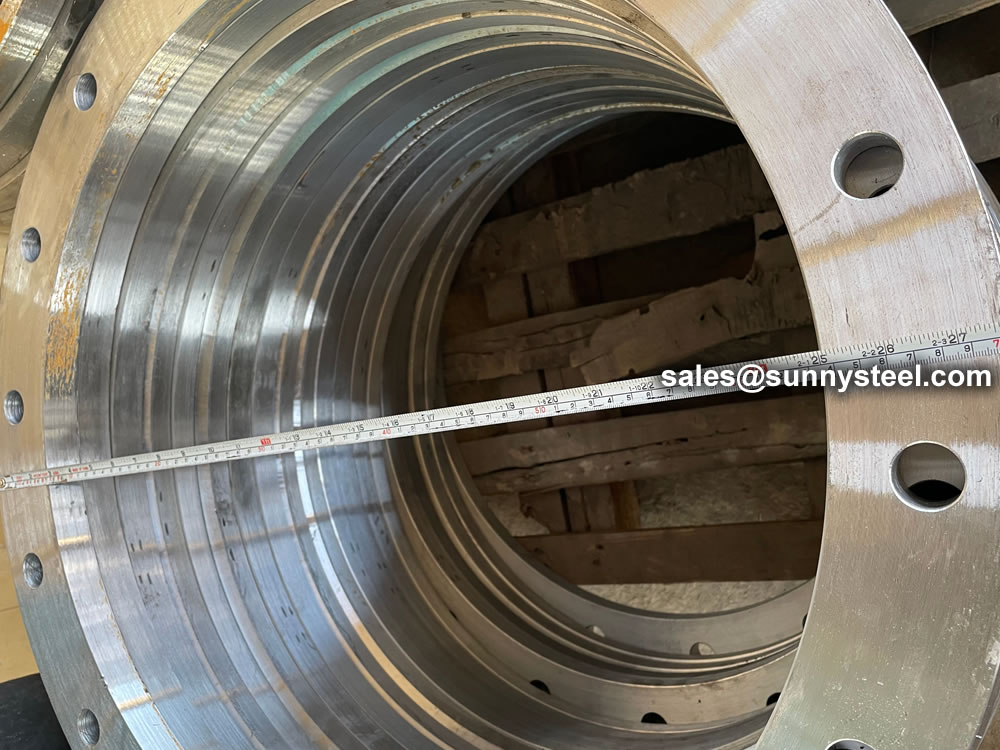
Because of the normal wooden boxes or wooden pallets have to do fumigation treatment, we usually use plywood pallet or plywood case or box to pack steel flanges without fumigation treatment.

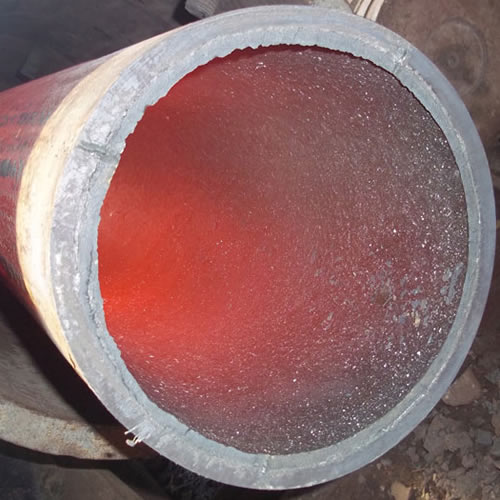
Ceramic lined pipe is made through self-propagating high-temperature synthesis (SHS) technique.
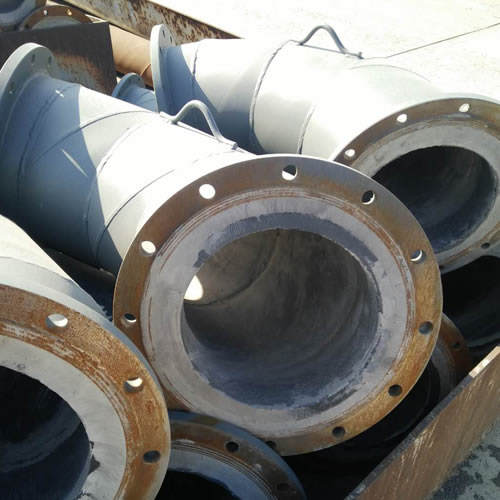
Cast basalt lined steel pipe is composed by lined with cast basalt pipe, outside steel pipe and cement mortar filling between the two layers.
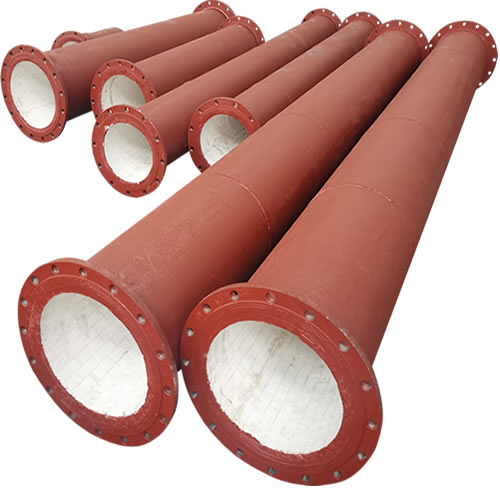
Ceramic tile lined pipes have very uniform coating of specially formulated ceramic material that is affixed to the inner of the pipe.
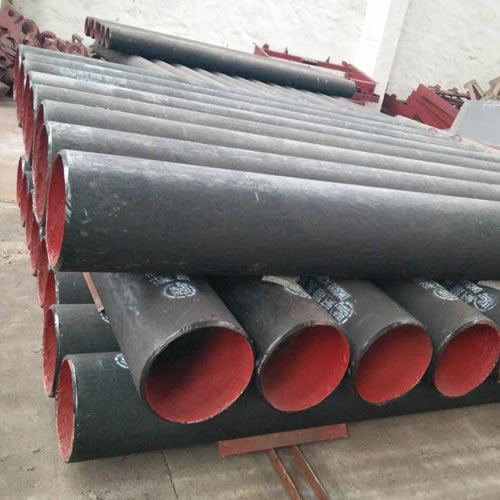
The material of the rare earth alloy wear-resistant pipe is ZG40CrMnMoNiSiRe, which is also the grade of rare earth alloy steel.
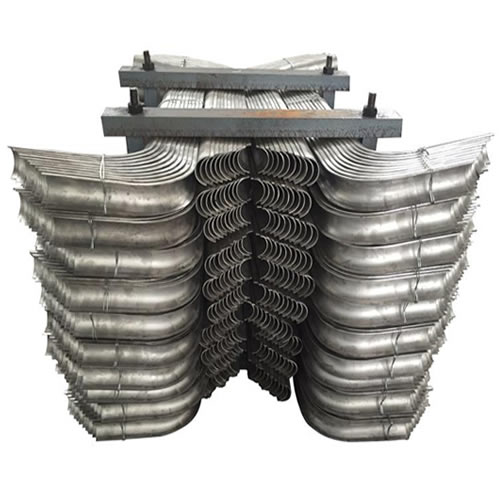
Tubes Erosion Shields are used to protect boiler tubing from the highly erosive effects of high temperatures and pressures thereby greatly extending tube life.
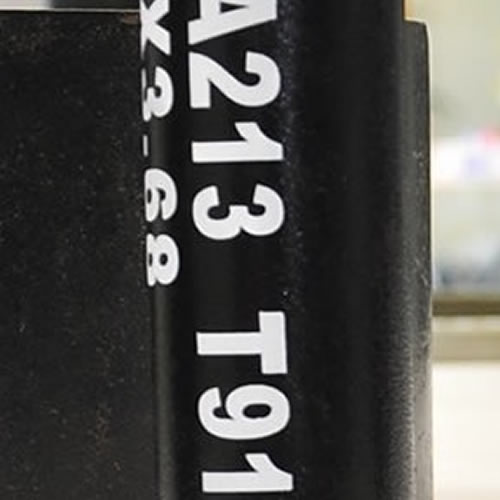
The ASTM A213 T91 seamless tubes are primarily used for boiler, superheater, and heat-exchanger.

When you partner with Sunny Steel, you can stop worrying about meeting deadlines thanks to our responsive and timely service. You'll also say goodbye to unnecessary shopping around. Instead, you'll get white glove service from an expert who understands your needs and can get you the materials you need quickly.