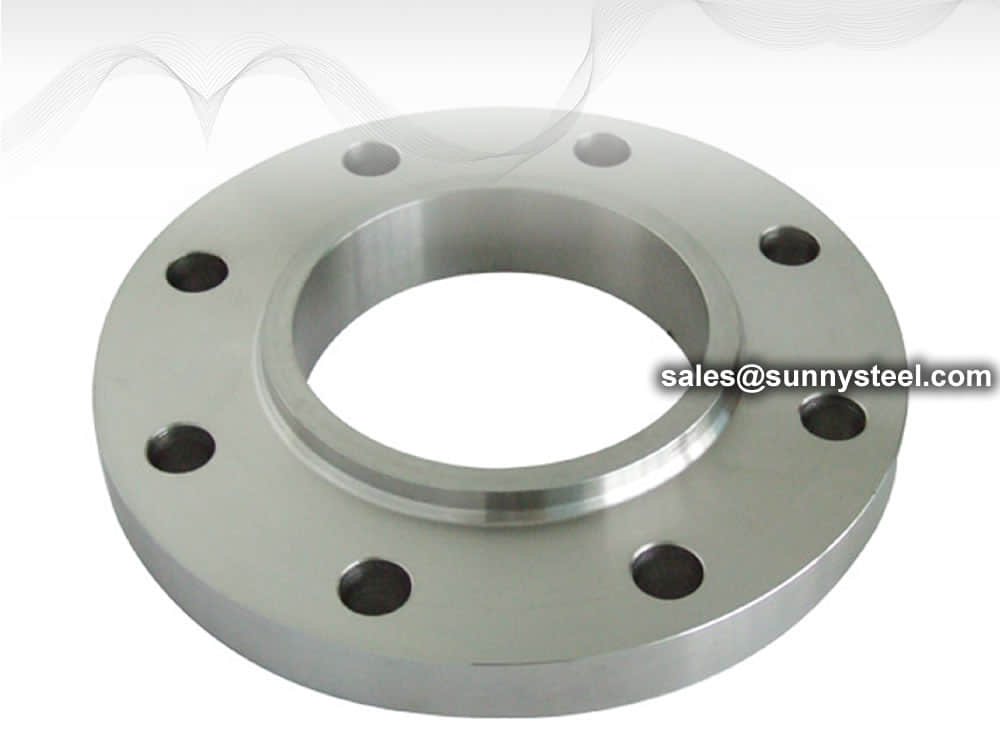
Slip-On Flange (SO Flange)
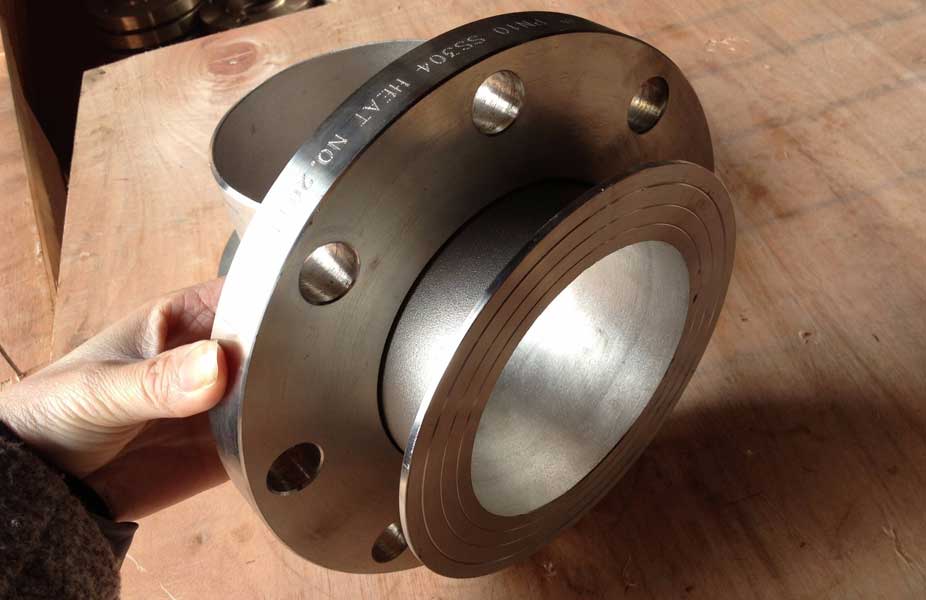
Easy-to-install slip-over flanges for low & medium pressure pipelines, welded internally and externally, available in carbon steel, stainless steel and alloy steel.
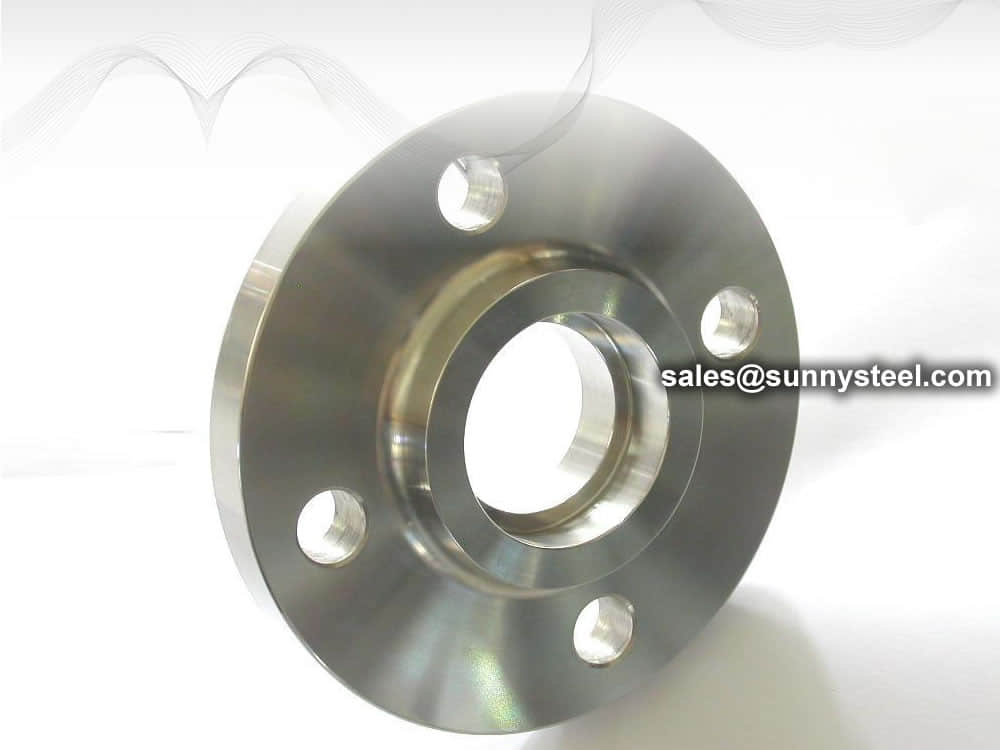
Socket weld flanges (SW) feature a recessed socket for pipe insertion, welded externally. Compact, strong and leak-tight for small-bore, high-temperature and high-pressure applications.
The socket welding flange is similar to a slip-on flange except it has a bore and a counterbore dimension.
The counterbore is slightly larger than the O.D. of the matching pipe, allowing the pipe to be inserted into the flange similar to a slip-on flange.
The diamter of the smaller bore is the same as the I.D. of the matchine pipe A restriction is built into the bottom of the bore which sets as a shoulder for the pipe to rest on.
Insert the pipe end into socket weld flange, until the pipe bottom touch the shoulder area, pull back 1.6mm (1/16'') distance of the inserted pipe then do fillet welding. The point is to create a expansion gap (1 fillet weld) between the flange and the pipes or fittings.
The socket welding flange was firstly to use for stainless steel superheater, due to avoid cracking defects caused by thermal stresses in heating processes, and after years development it became a standard applications for all types of material.
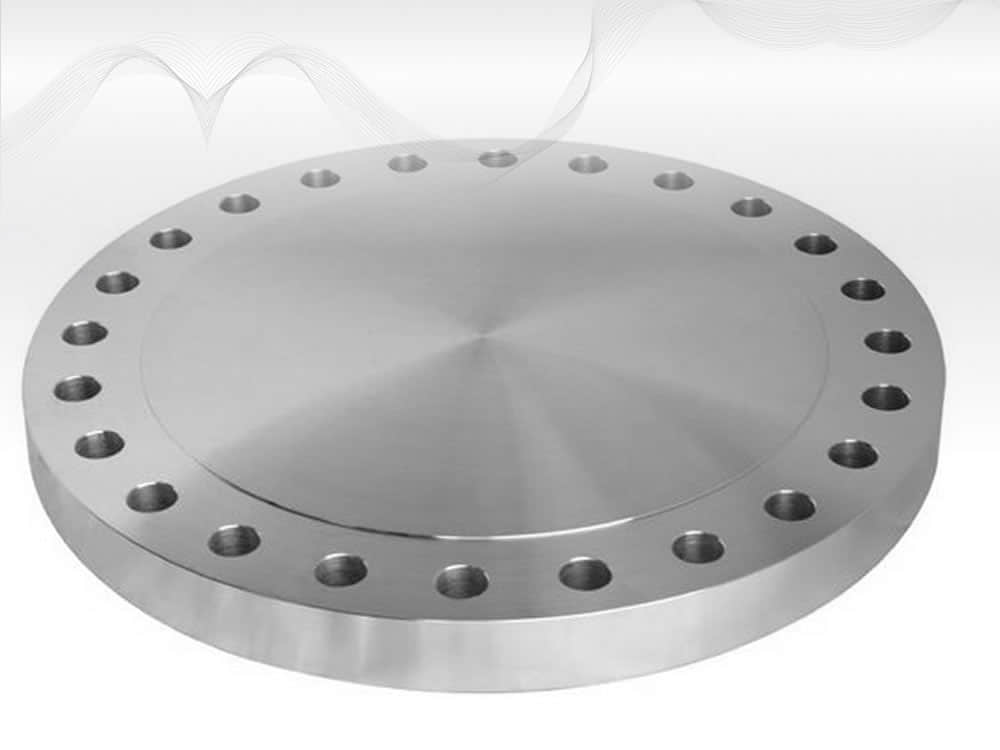
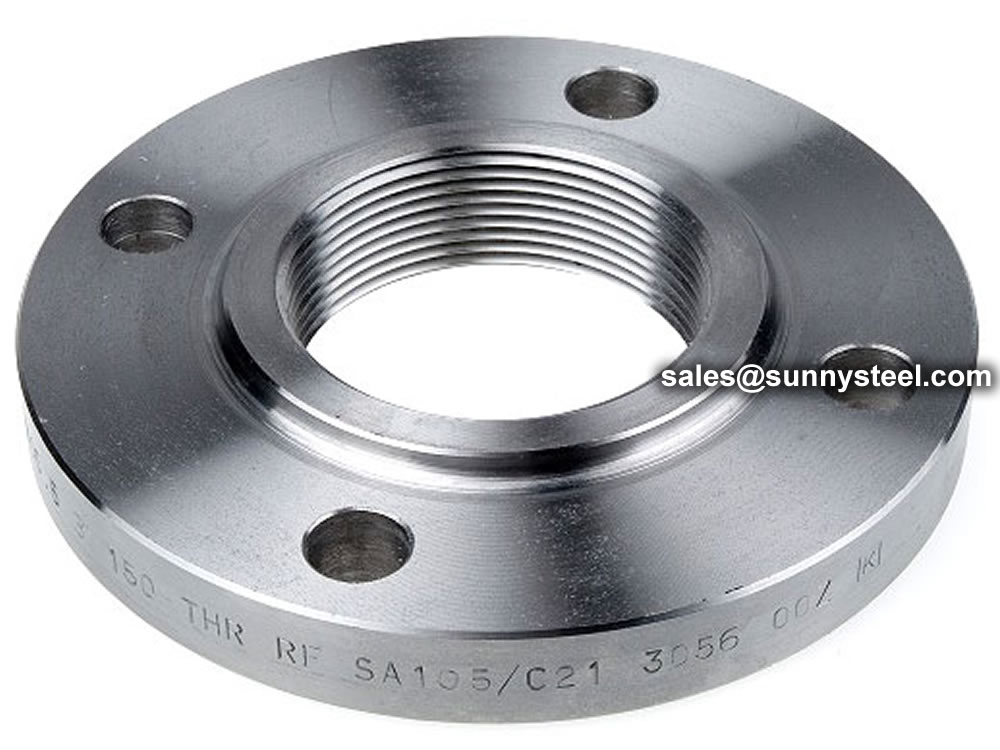
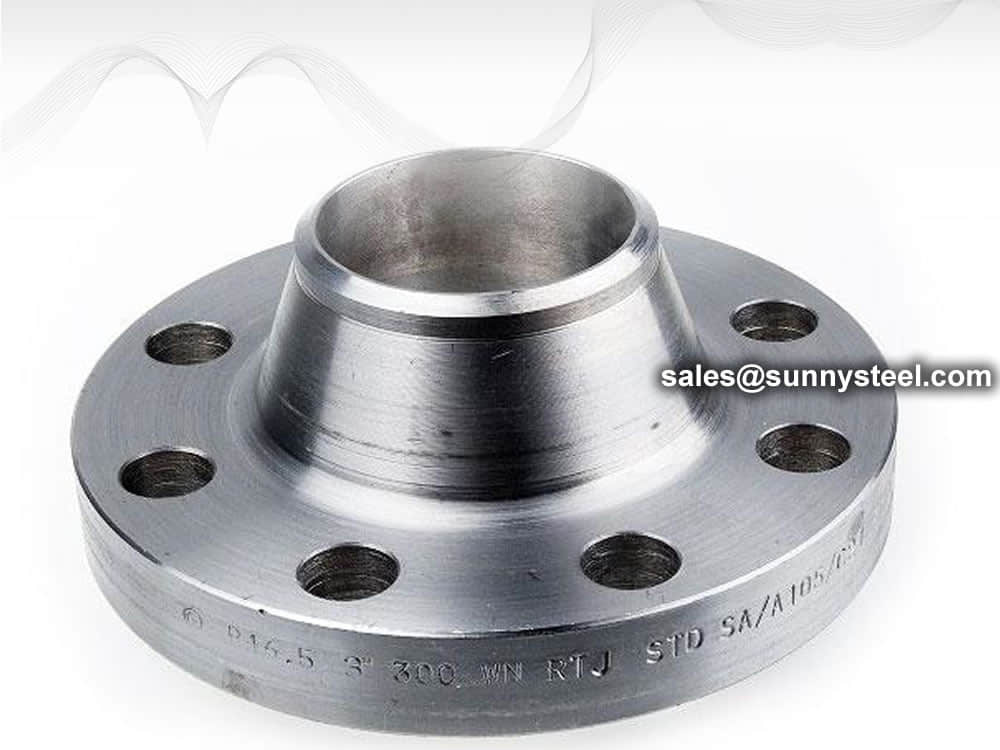
Socket welded flange inlcuding RF type and RTJ type, which like other types of welding flanges (slip on, weld neck or blind flange).
RF socket weld flange has a small portion surrounding the flange bore that protrudes from the face. Gasket seat will be placed in this raised area.
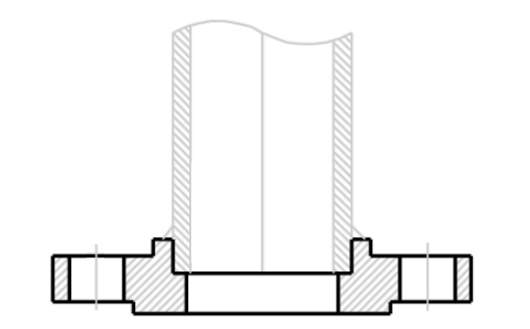
On the raised face surface there has a groove is RTJ type, which you can place a gasket ring to get better sealing performances.
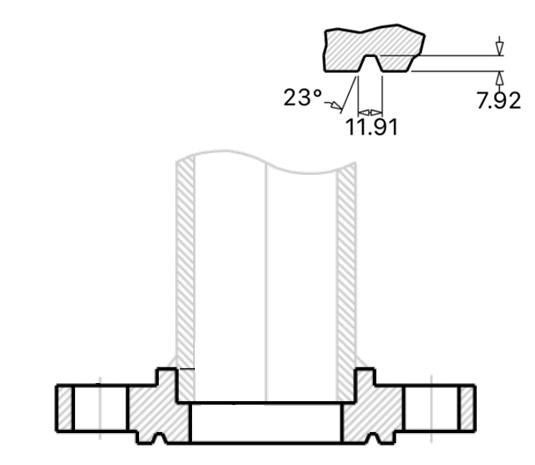
Socket welded flange shape is similar to slip on flange, differently it has a shoulder at the inner bore.
Socket weld flange static strength is equal to slip on flange, but it's fatigue strength is 50% higher than the double welded slip on flange.
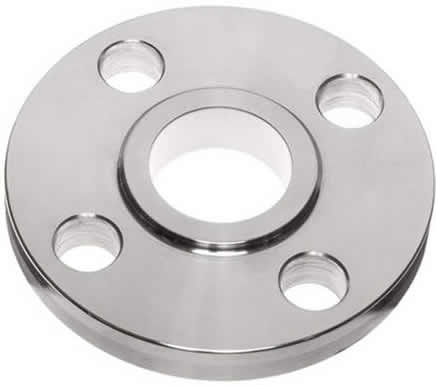
Slip On Flange - No shoulder at inner bore.
Socket weld flanges outperform slip-on flanges in high-pressure small-bore applications. The table below summarizes their main benefits:
| Advantage | Description | Benefit |
|---|---|---|
| High Strength | Forged construction, single external weld | Withstands high pressure/temperature; better fatigue life |
| Leak-Tight | Smooth bore, no internal weld crevices | Minimizes corrosion; ideal for hazardous fluids |
| Compact Design | Smaller dimensions than weld neck flanges | Fits tight spaces; easy installation in congested areas |
| Reduced Welding | Only one external fillet weld required | Faster installation; lower labor cost |
Compared to weld neck flanges, SW flanges are more economical for small sizes and easier to align, while delivering nearly equivalent pressure performance. They are not recommended for sizes above NPS 3" due to cost and installation complexity.
Our socket weld flanges are manufactured and inspected to strict international standards, ensuring dimensional interchangeability and reliable performance in global projects.
| Standard Code | System | Size Range | Pressure Class |
|---|---|---|---|
| ASME B16.5 | ANSI/American | NPS 1/2"–3" (DN15–DN80) | Class 150–Class 2500 |
| ASTM A105/A182 | Material Standard | All sizes | Material specification for forging |
| EN 1092-1 | European | DN15–DN80 | PN16–PN160 |
| JIS B2220 | Japanese | 15A–80A | 10K–30K |
ASME B16.5 is the dominant standard for SW flanges, covering all critical dimensions, tolerances and marking requirements. All our products are fully traceable with material test reports (MTR) and compliance certificates.

Socket weld flanges are specially engineered to serve targeted working conditions in industrial piping systems, and their unique structural design makes them highly practical for a wide range of professional applications. Below are their main usage scenarios and functional advantages in actual projects.
Socket weld flanges are primarily designed for small-bore pipe lines, typically ranging from NPS 1/2 inch to 3 inches. Their compact overall structure does not occupy extra installation space, which makes them perfectly fit for densely arranged instrument pipelines, sampling lines and narrow piping layouts widely seen in factories, refineries and power plants. For large diameter pipelines, other flange types are more recommended instead.
Manufactured by full forging process, socket weld flanges possess excellent mechanical strength and structural stability. They can withstand high internal pressure and frequent pressure fluctuations safely. This feature enables them to be widely adopted in high-pressure process pipelines, gas transmission lines and boiler auxiliary systems, where pipeline safety and tight sealing are critical requirements.
There is a precision machined internal recess on the inside diameter of each socket weld flange. When the pipe is inserted into the socket, the inner wall keeps continuous and flat without sharp edges or protruding parts. This special design effectively reduces flow resistance, guarantees a steady flow of process fluid, and avoids turbulence that may affect production efficiency.
Different from some flange types with internal weld beads, socket weld flanges only require external fillet welding. With standard welding operation and professional grinding treatment after welding, the whole pipeline joint can form a completely smooth bore. It not only optimizes fluid delivery, but also greatly lowers the risk of medium retention, scaling and crevice corrosion, extending the service life of the whole piping system.
Note: Thanks to the above superior characteristics, socket weld flanges are extensively used in petrochemical industry, natural gas projects, thermal power generation, chemical processing and other industrial fields, especially for critical small-bore high-pressure pipelines.
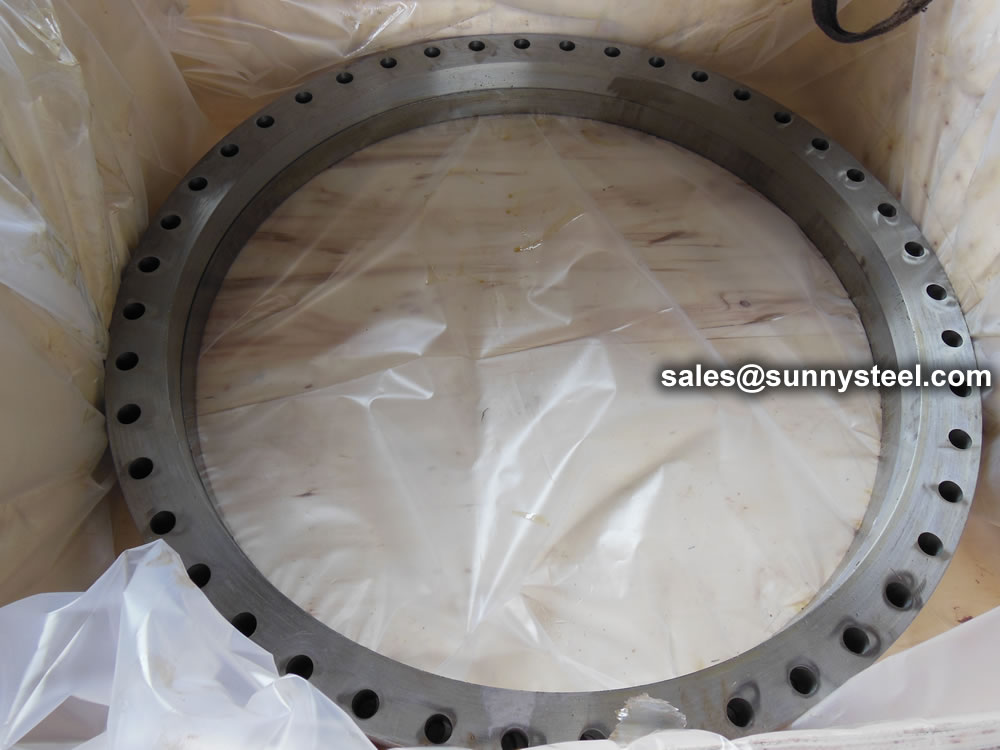
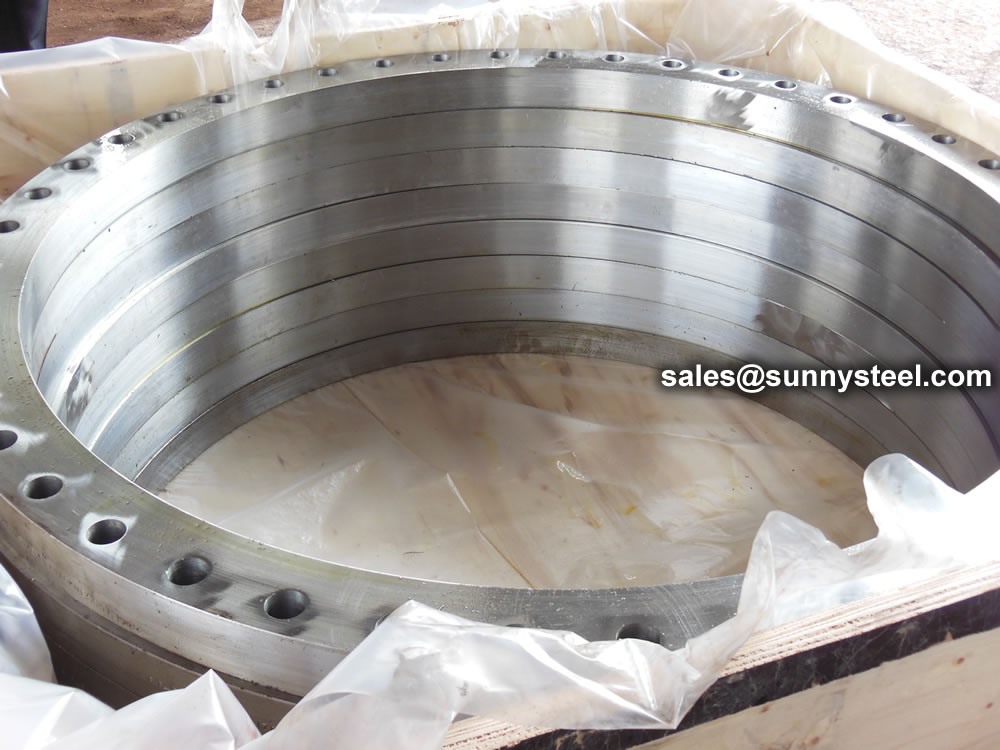
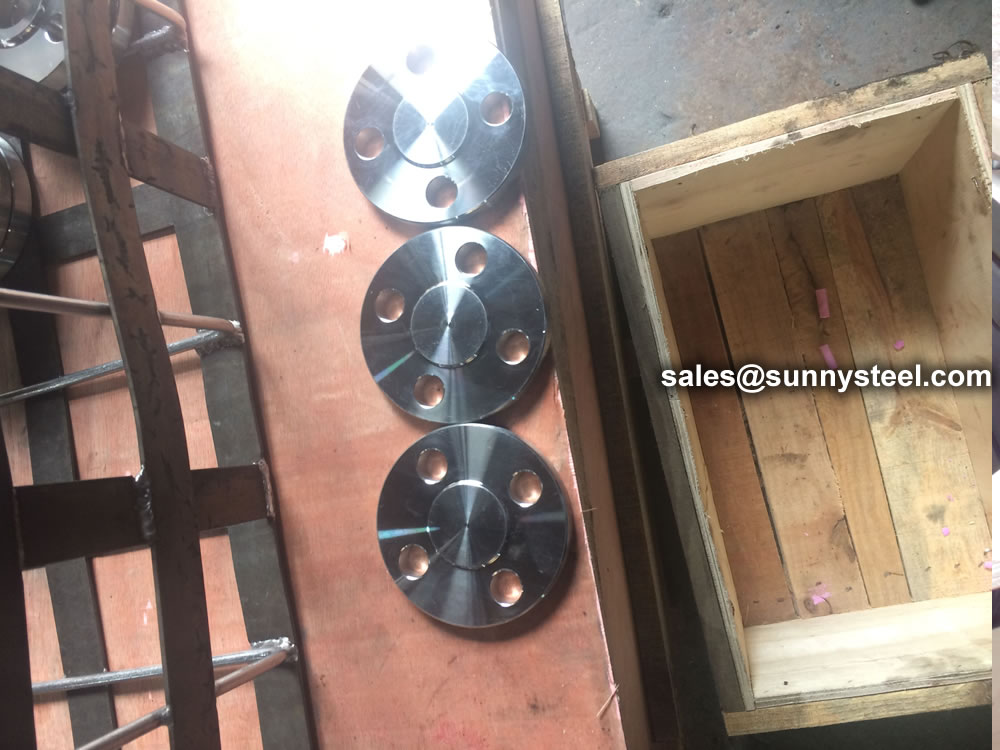
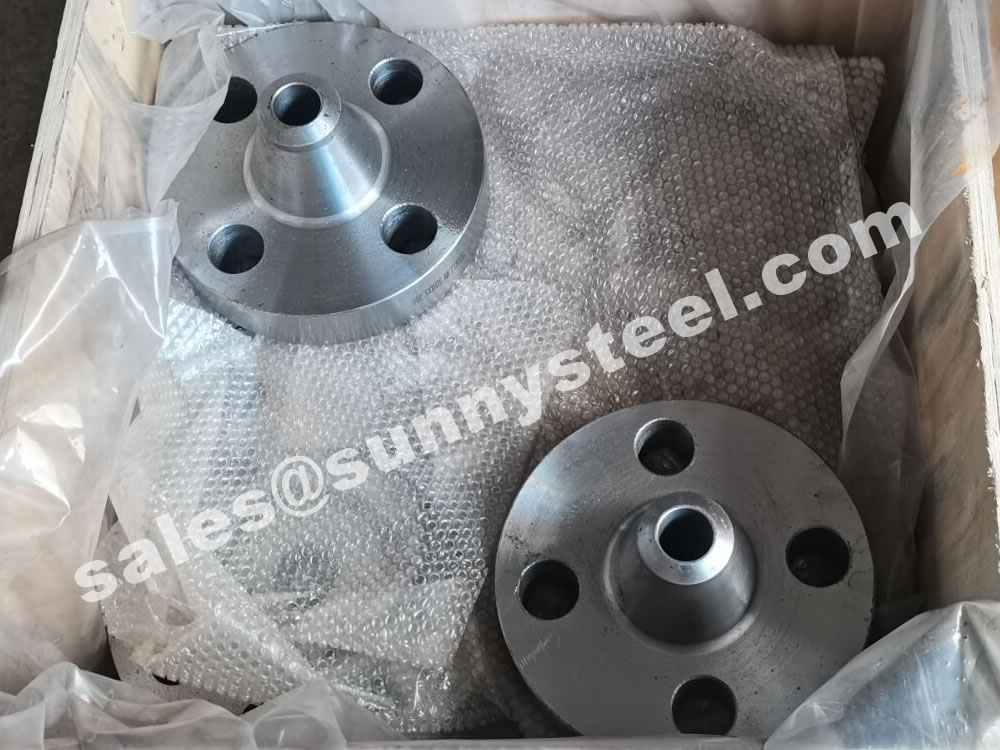
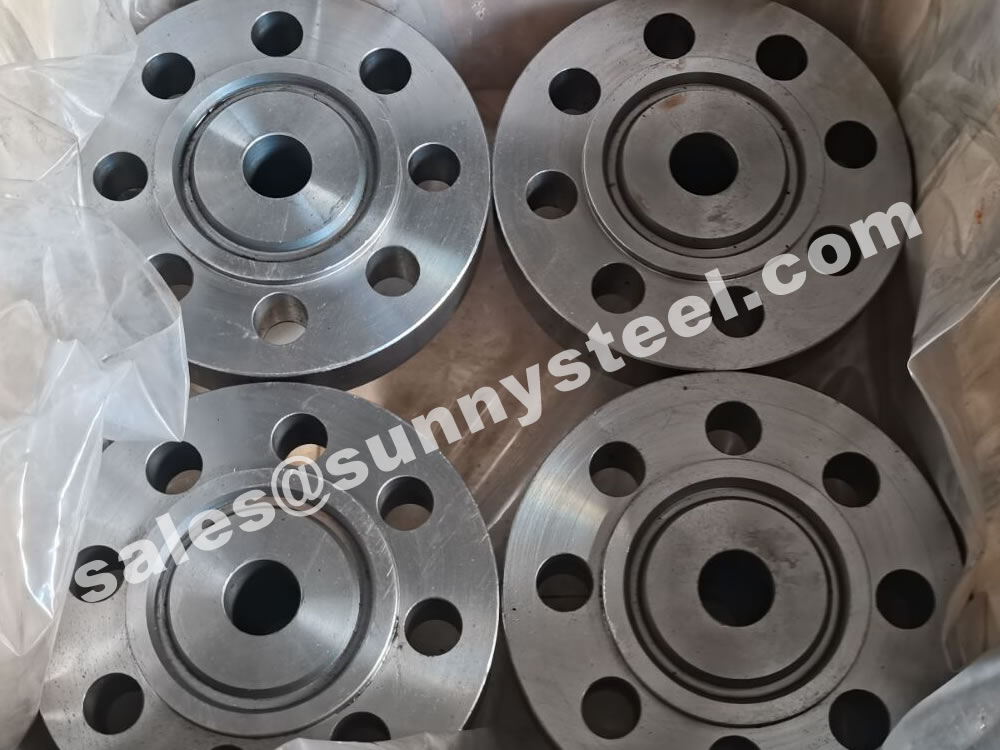
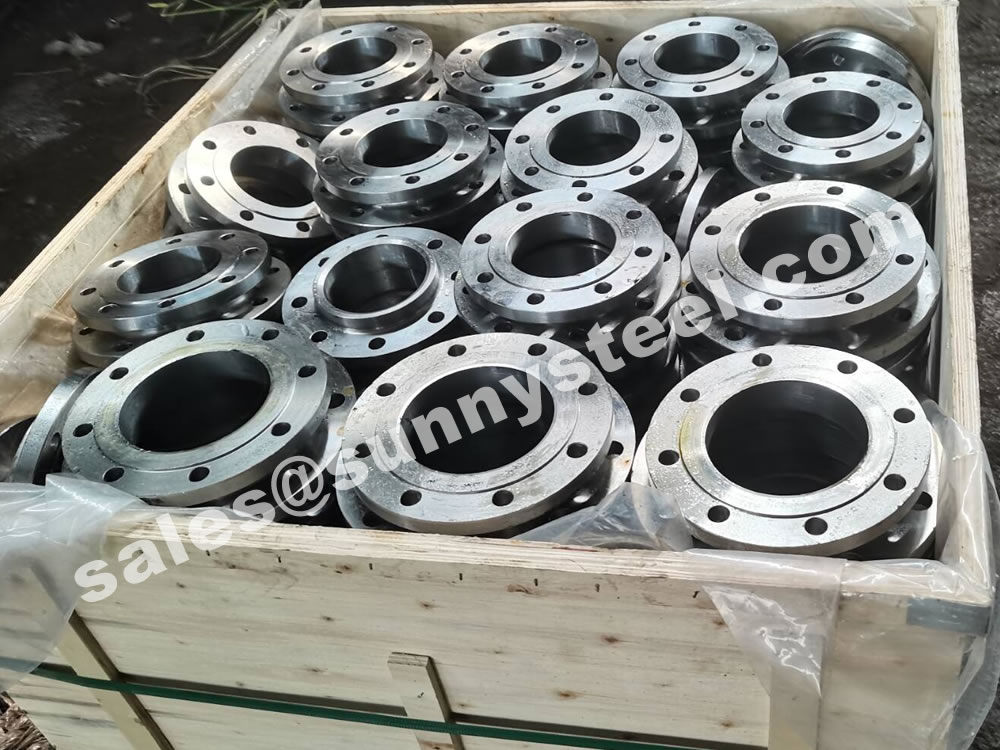
Steel flanges must be packed with seaworthy packing method then delivery to customers, usually the packing way include wooden box, wooden pallet, iron & steel cage, iron & steel pallet etc.
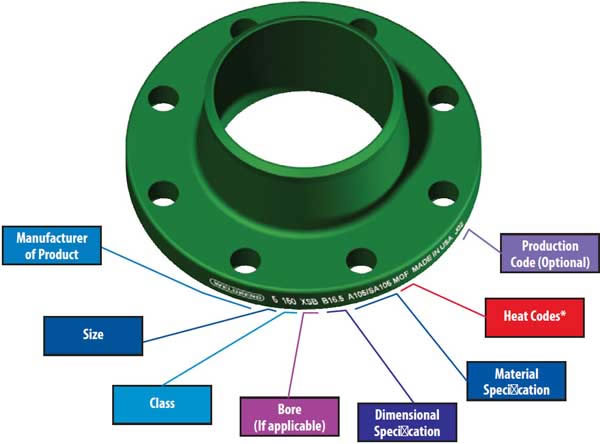
Flange markings are governed by ANSI ASME codes. Flange marking includes;
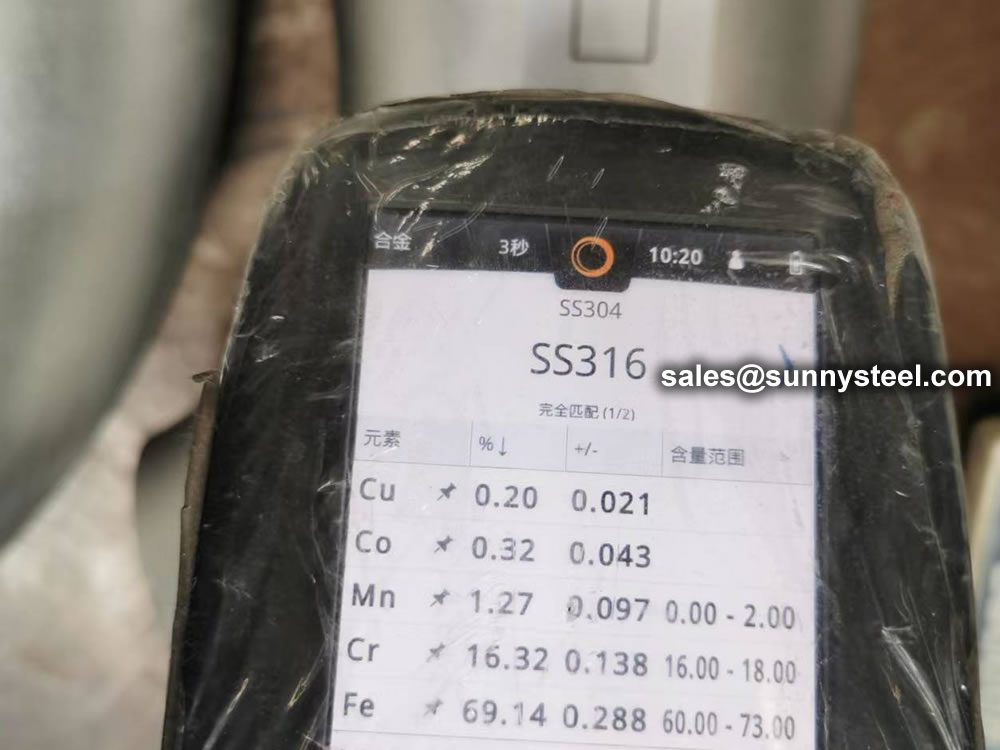
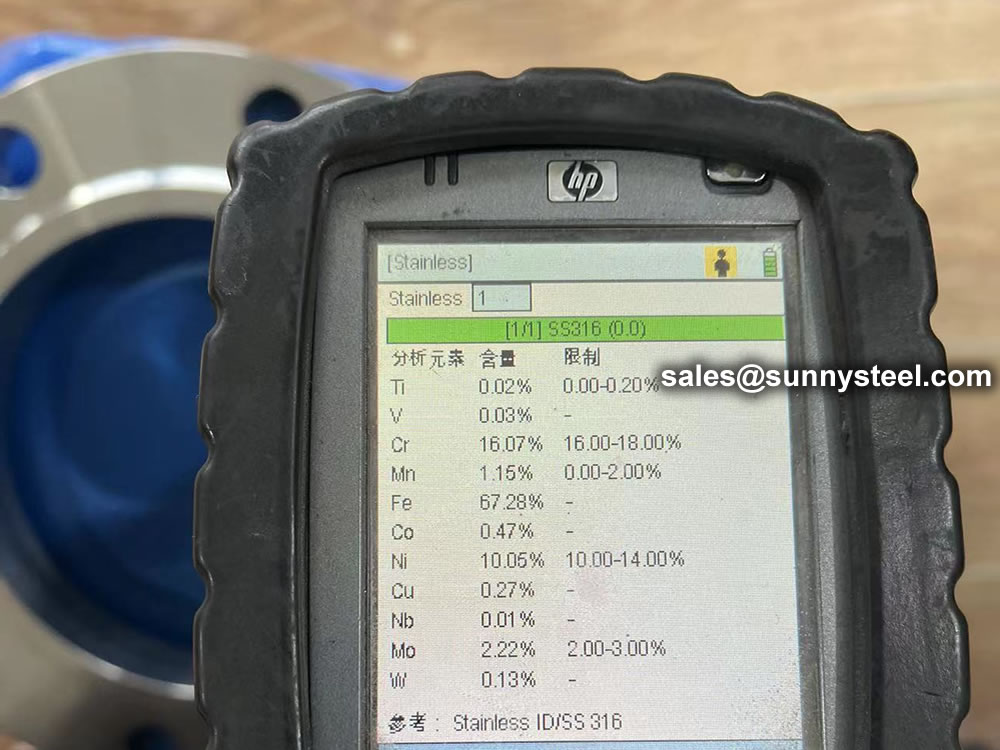
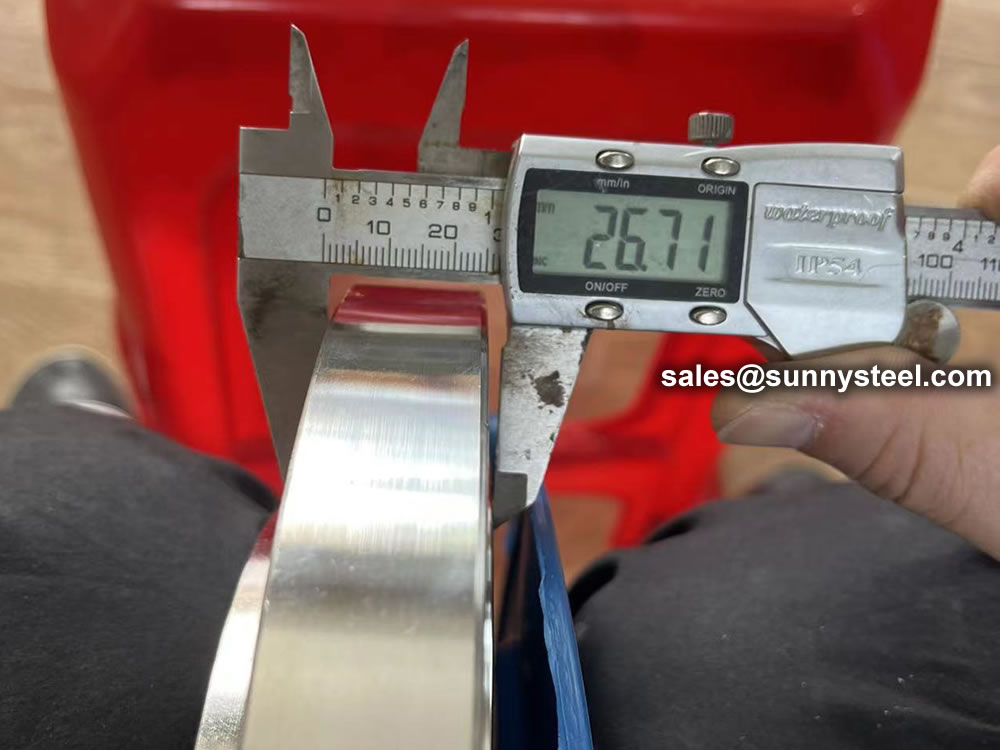
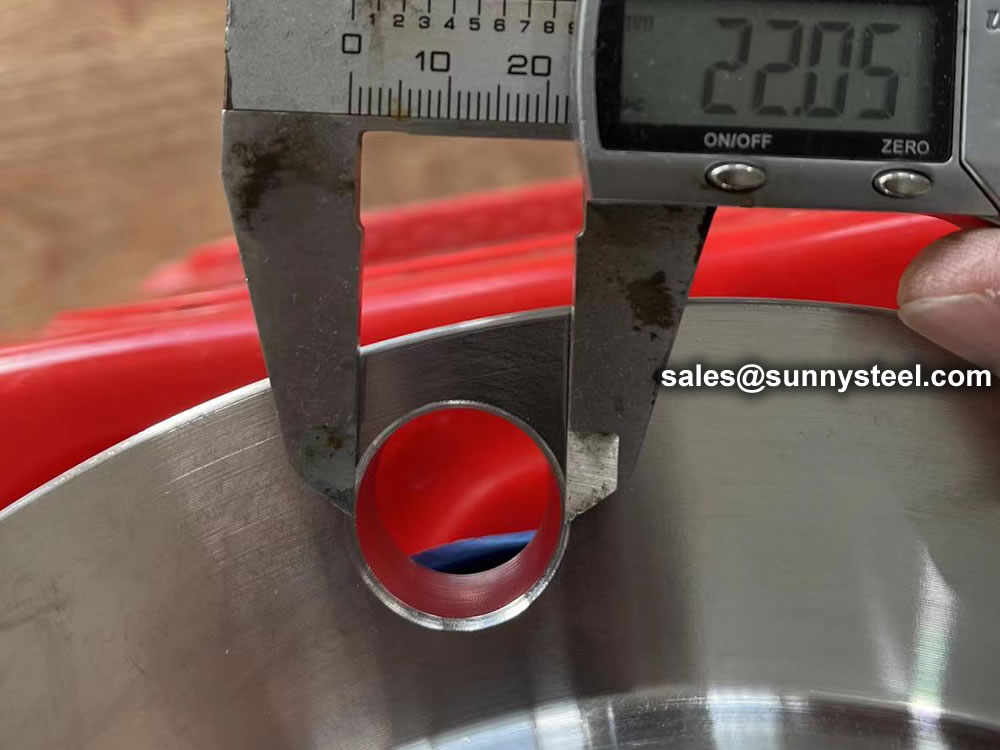
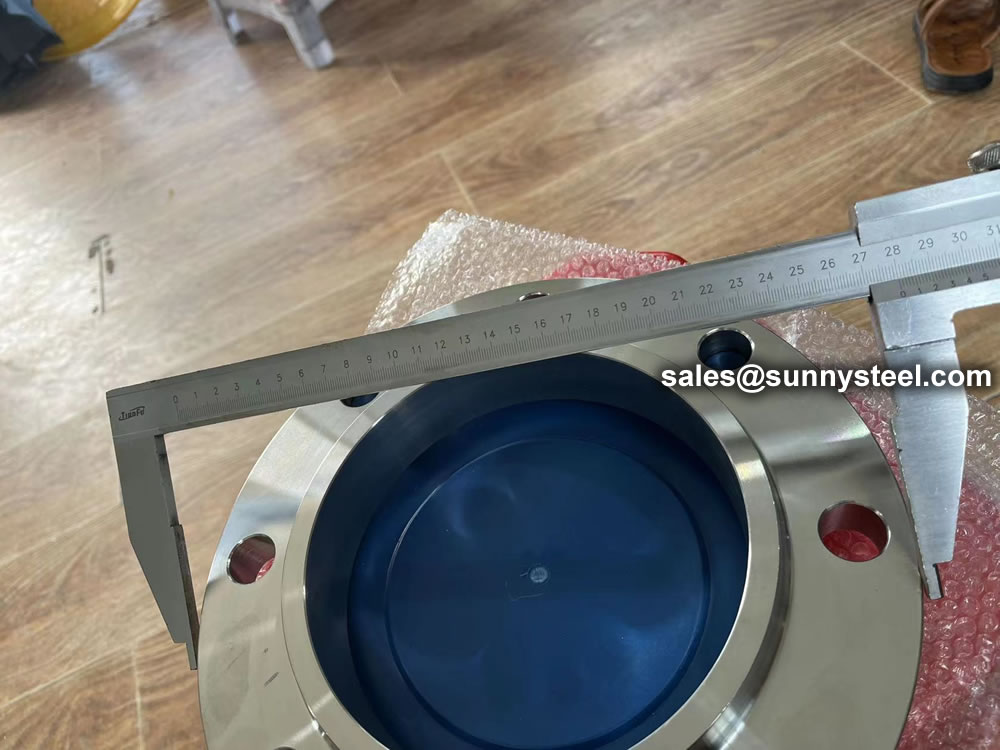
ASME B16.5 and B16.47 standards cover permissible tolerances for inspection.
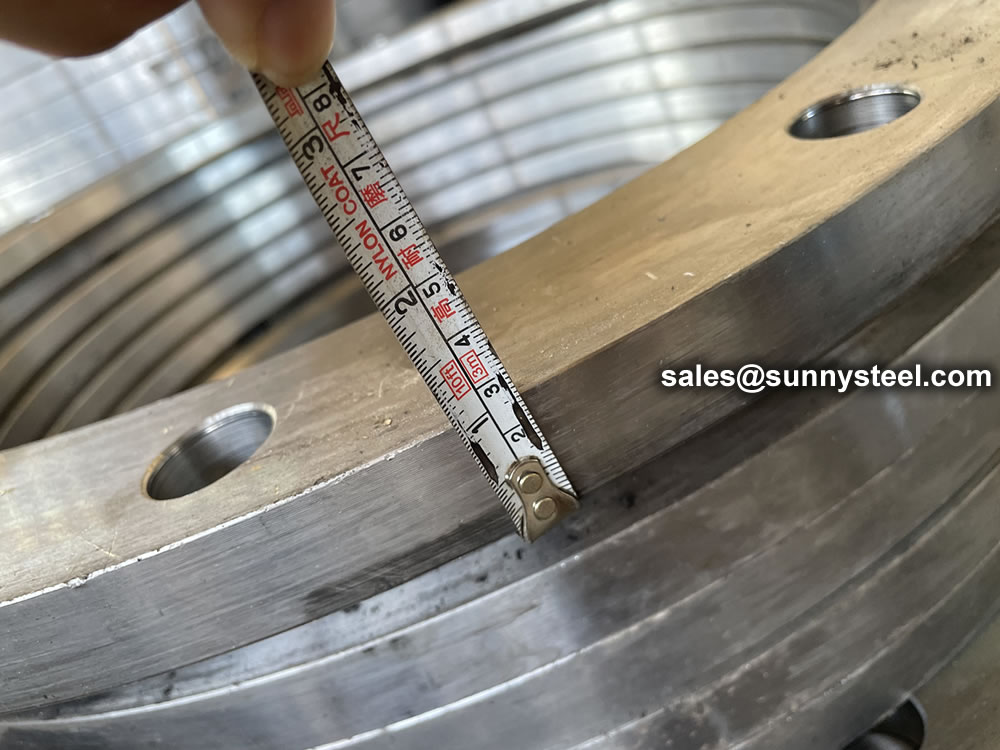
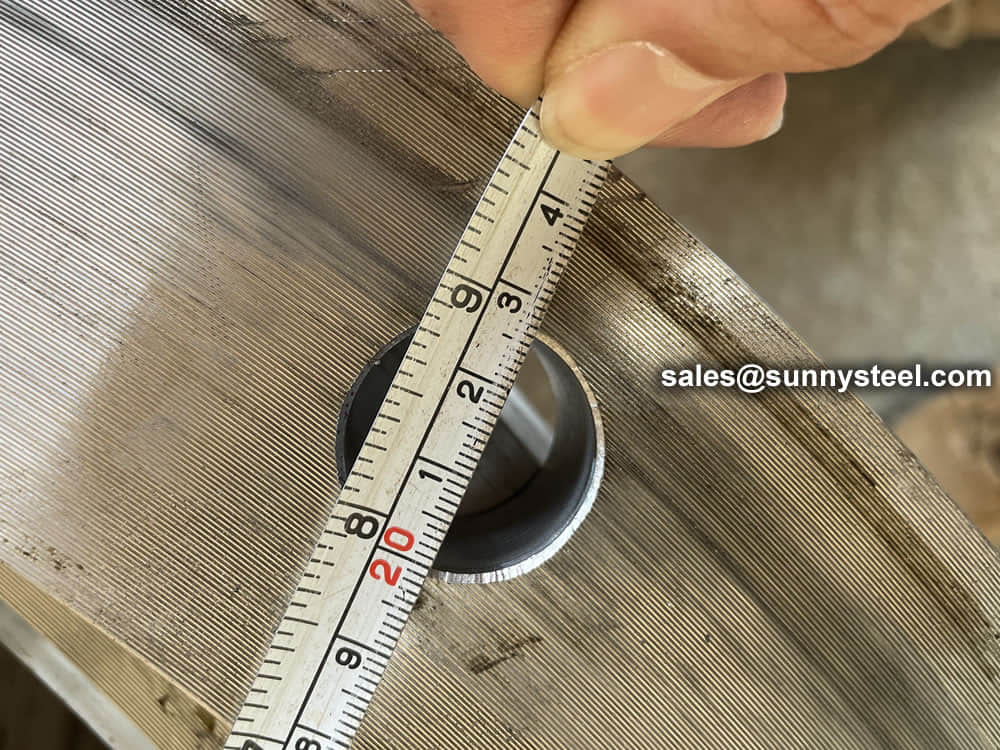
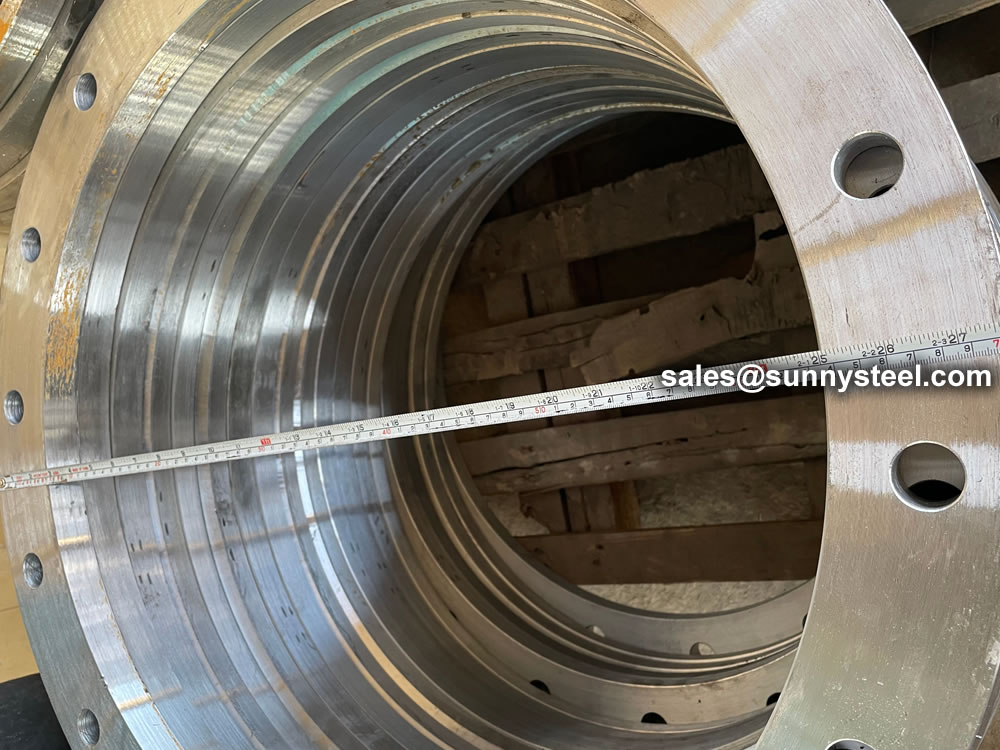
Because of the normal wooden boxes or wooden pallets have to do fumigation treatment, we usually use plywood pallet or plywood case or box to pack steel flanges without fumigation treatment.

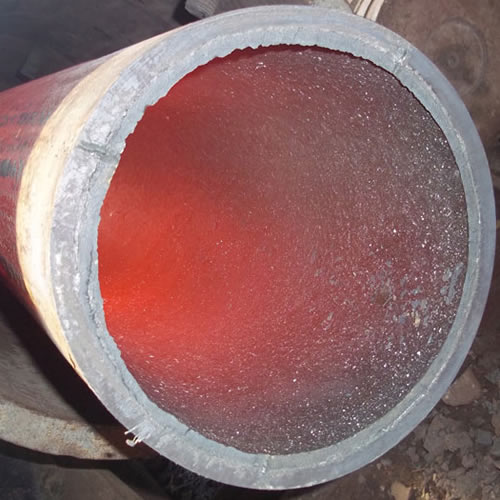
Ceramic lined pipe is made through self-propagating high-temperature synthesis (SHS) technique.
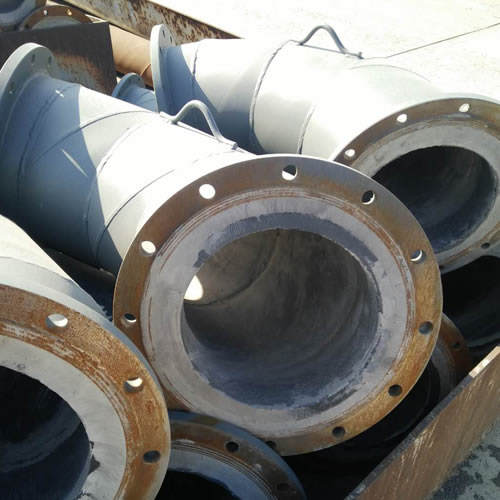
Cast basalt lined steel pipe is composed by lined with cast basalt pipe, outside steel pipe and cement mortar filling between the two layers.
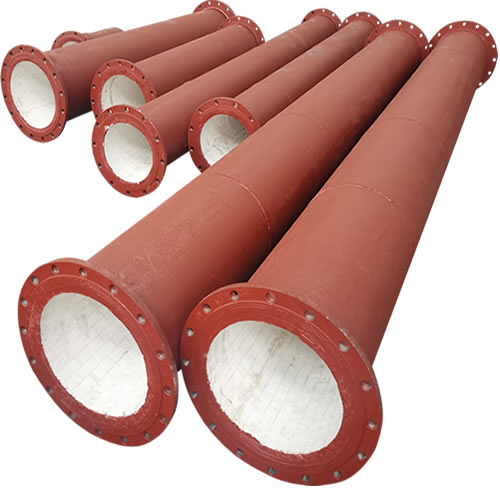
Ceramic tile lined pipes have very uniform coating of specially formulated ceramic material that is affixed to the inner of the pipe.
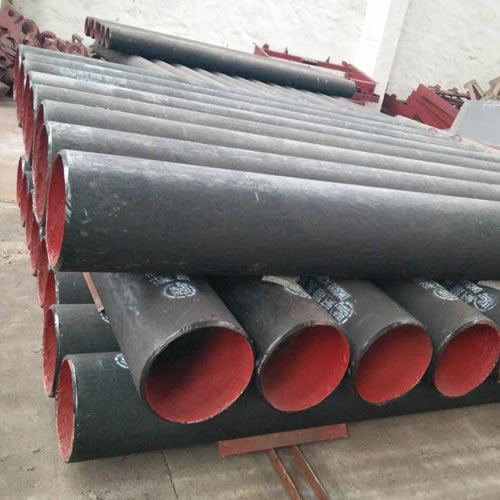
The material of the rare earth alloy wear-resistant pipe is ZG40CrMnMoNiSiRe, which is also the grade of rare earth alloy steel.
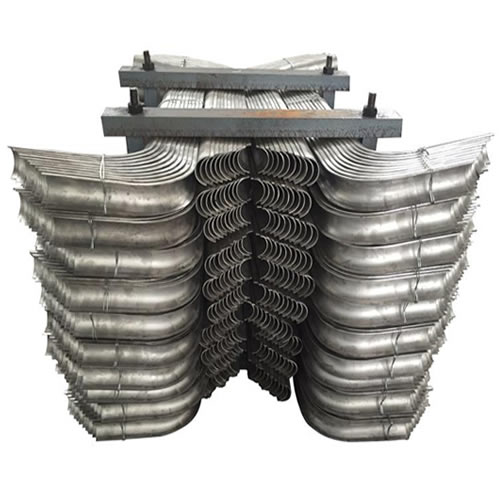
Tubes Erosion Shields are used to protect boiler tubing from the highly erosive effects of high temperatures and pressures thereby greatly extending tube life.
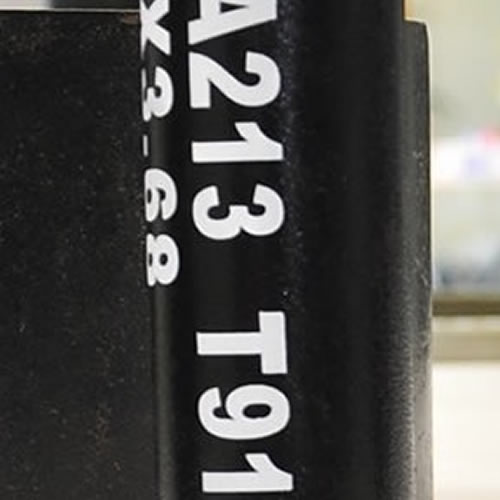
The ASTM A213 T91 seamless tubes are primarily used for boiler, superheater, and heat-exchanger.

When you partner with Sunny Steel, you can stop worrying about meeting deadlines thanks to our responsive and timely service. You'll also say goodbye to unnecessary shopping around. Instead, you'll get white glove service from an expert who understands your needs and can get you the materials you need quickly.