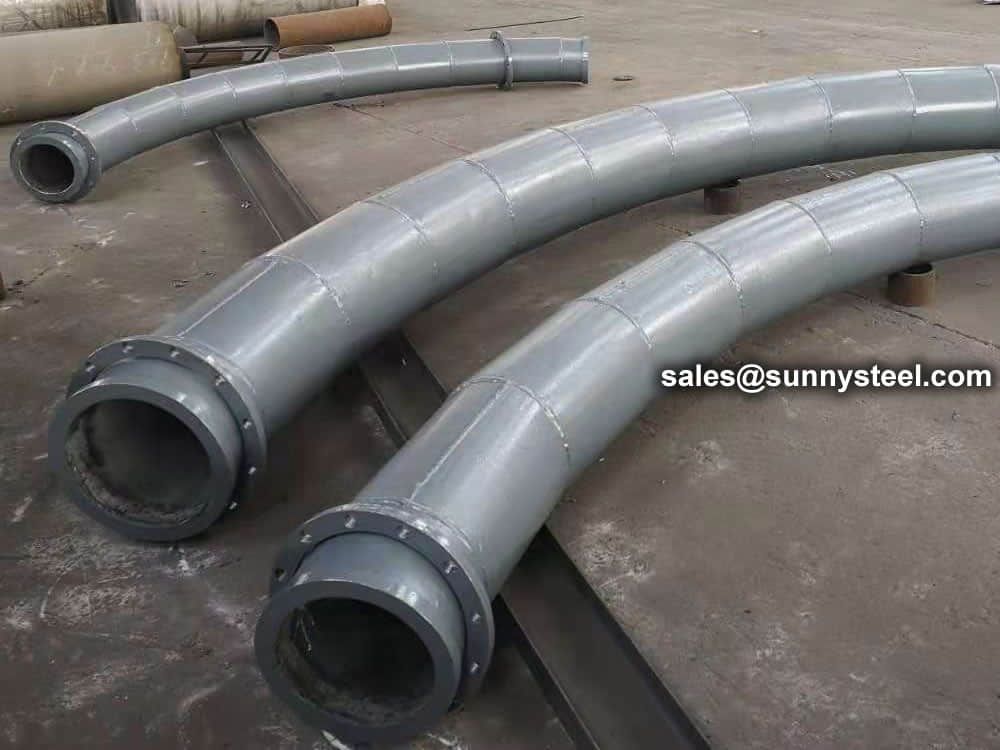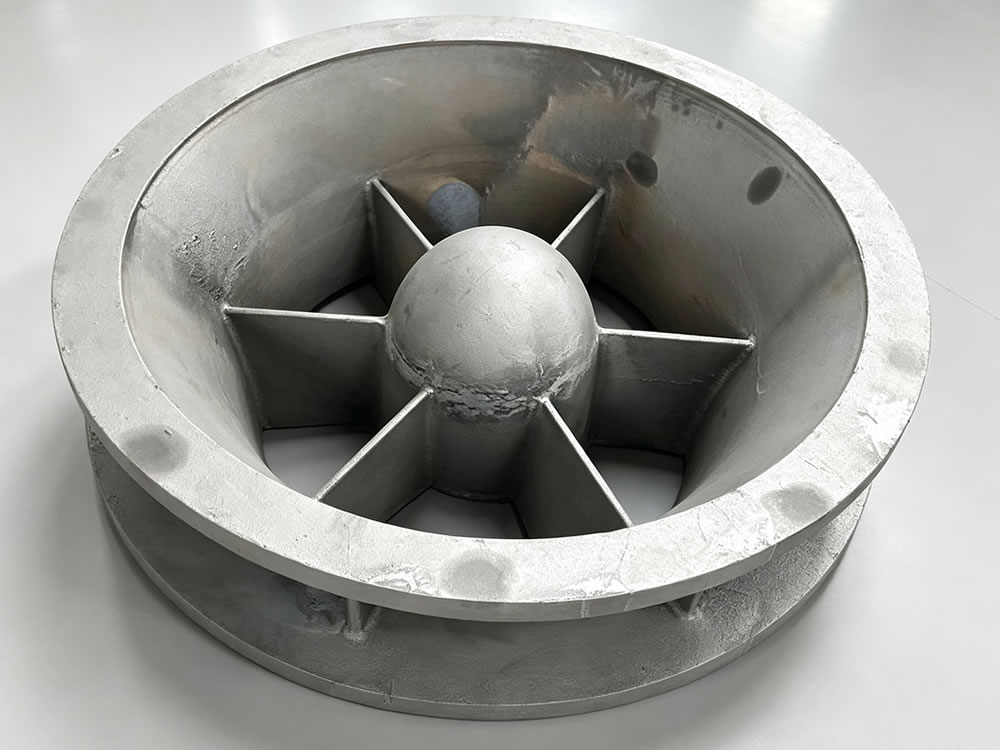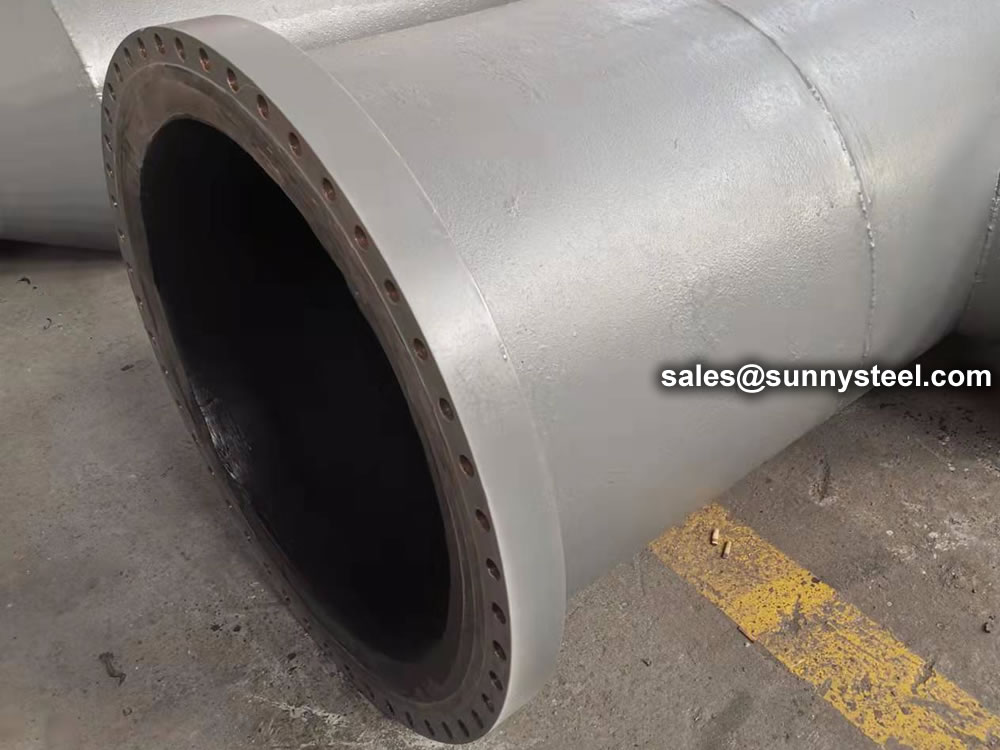
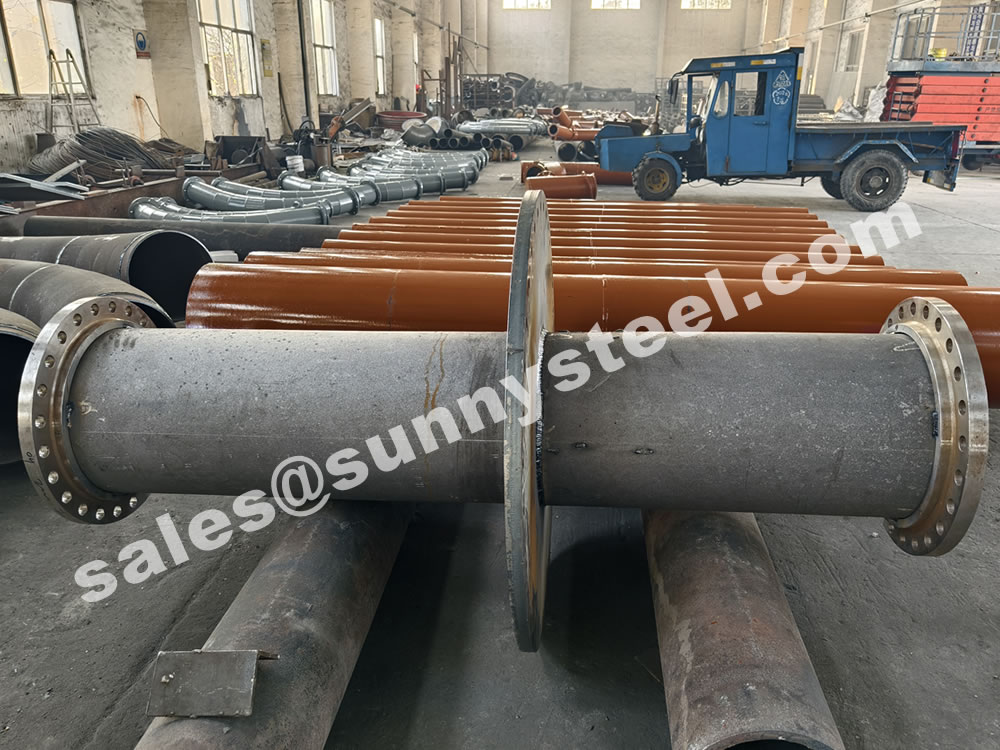
Ni-Hard Wearback Pipes
Abrasion Resistant Cast Iron Pipe
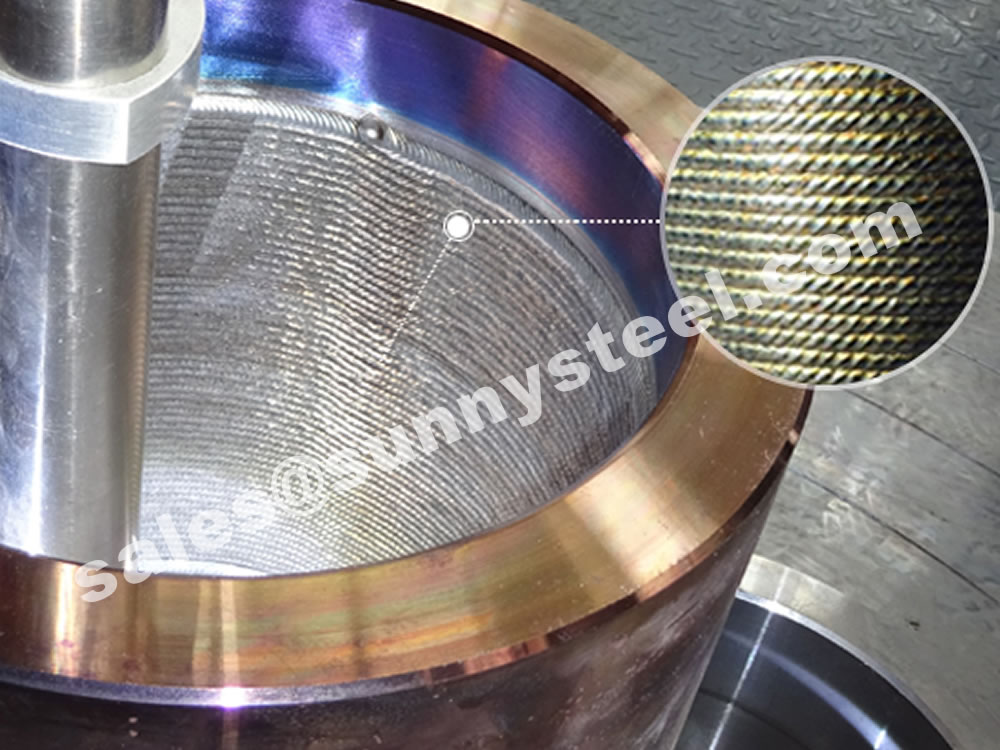
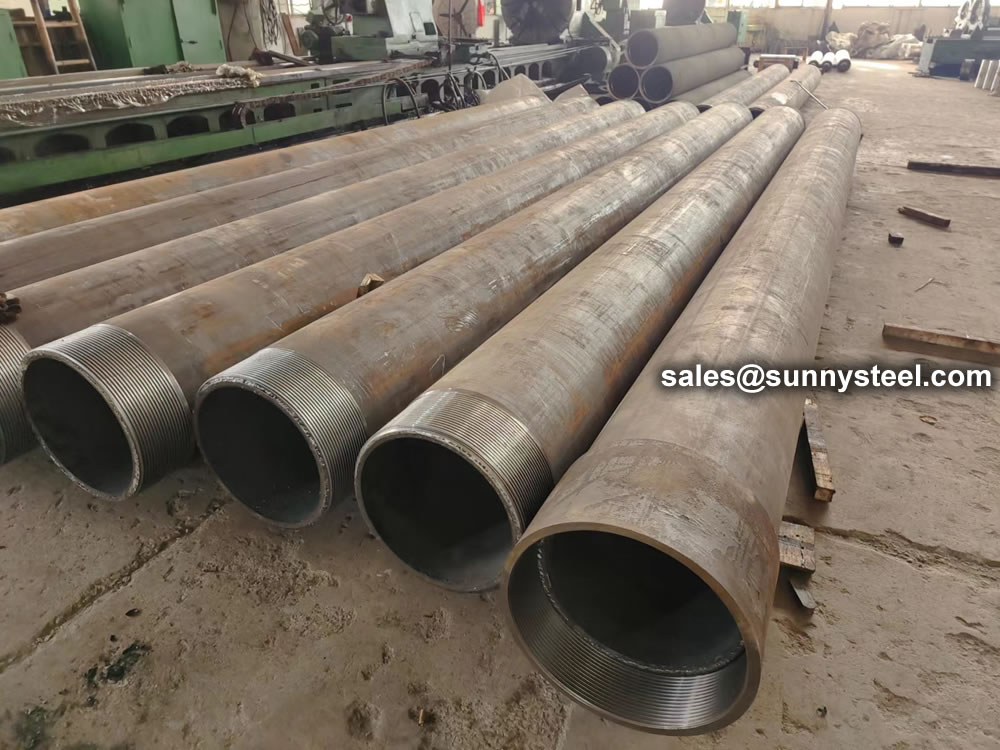
API 5L clad steel pipe refers to a type of steel pipe that consists of two different layers of material bonded together.
API 5L clad steel pipe is a bimetallic composite pipe consisting of a carbon steel inner layer and a corrosion-resistant alloy (CRA) outer layer, metallurgically bonded to combine strength with long-term corrosion protection.
The inner carbon steel provides the required mechanical strength, pressure capacity and impact resistance, while the outer CRA layer (stainless steel, duplex, super duplex or nickel-based alloy) resists aggressive media such as sour gas, brine, CO₂ and chlorides. This makes API 5L clad pipe a preferred solution for oil & gas, chemical, power generation and water treatment projects.
Clad steel pipes first appeared in the early 1900s, primarily in bridge construction, where dissimilar metal welding was initially used. Differences in thermal expansion coefficients often led to cracking at the interface. This limitation was overcome by the introduction of the roll bonding process, which produces a metallurgical bond that allows both layers to expand and contract uniformly.
By the 1940s, clad pipes were increasingly adopted for oil and gas transmission lines. The roll bonding technique was refined and later incorporated into the API 5L specification, becoming the industry benchmark for clad line pipes.
API 5L defines the manufacturing, inspection and testing requirements for clad steel pipes used in pipeline service. Key provisions include:

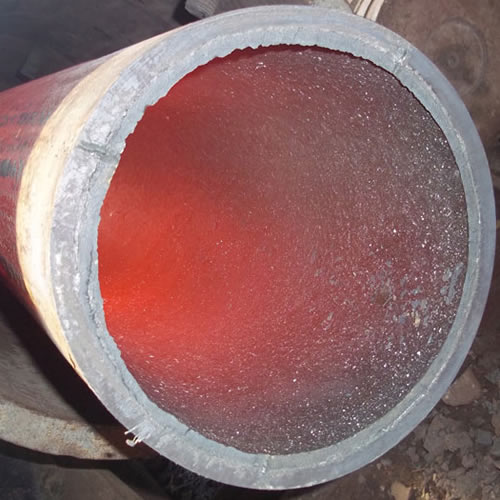
Ceramic lined pipe is made through self-propagating high-temperature synthesis (SHS) technique.
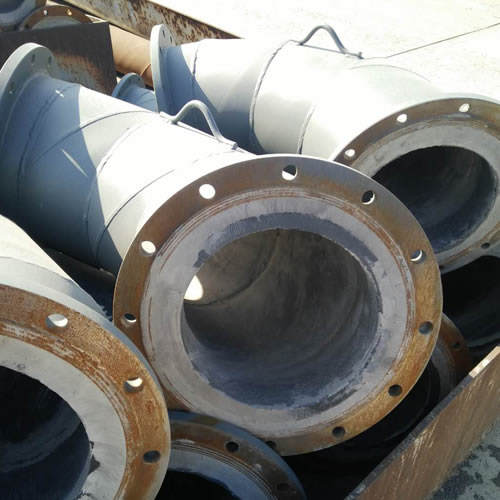
Cast basalt lined steel pipe is composed by lined with cast basalt pipe, outside steel pipe and cement mortar filling between the two layers.
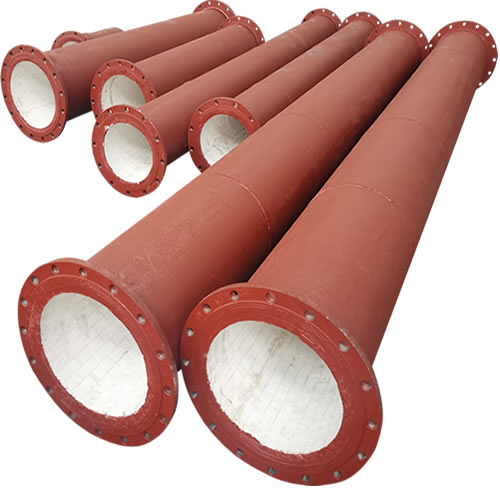
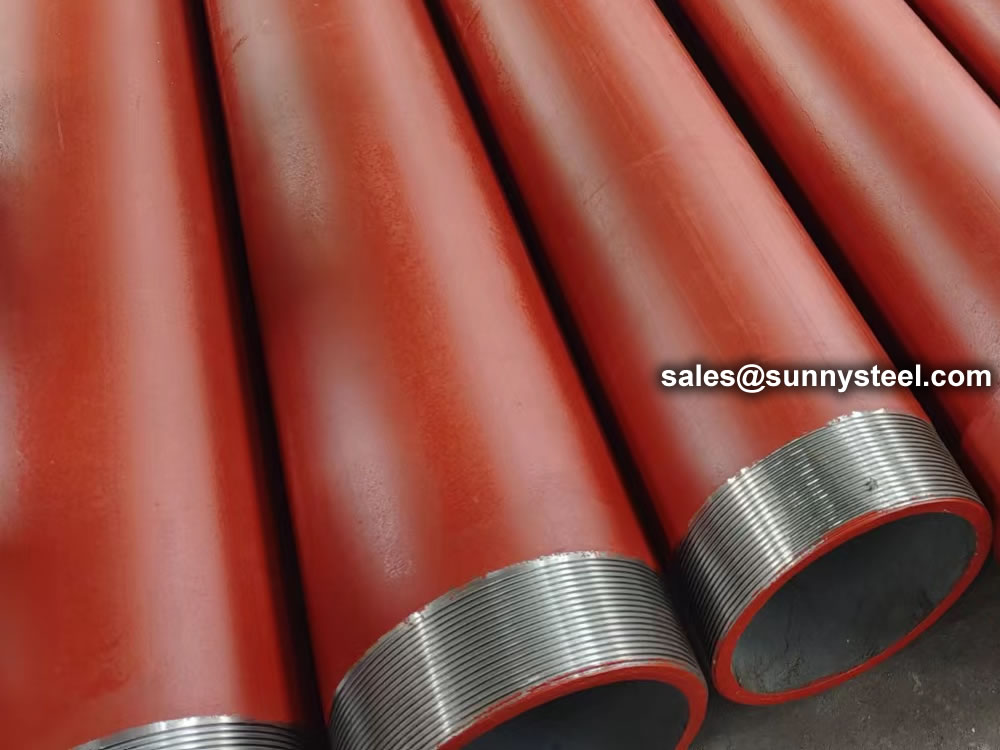
Ceramic tile lined pipes have very uniform coating of specially formulated ceramic material that is affixed to the inner of the pipe.
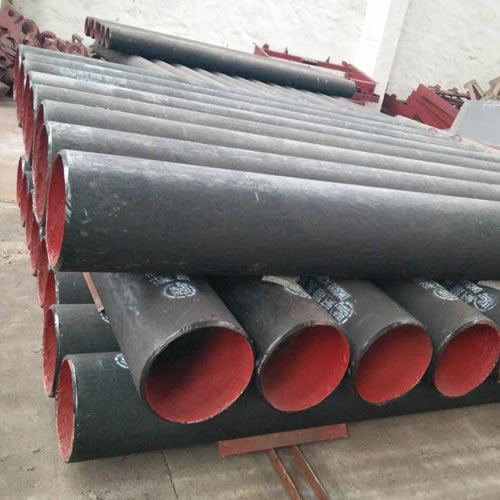
The material of the rare earth alloy wear-resistant pipe is ZG40CrMnMoNiSiRe, which is also the grade of rare earth alloy steel.
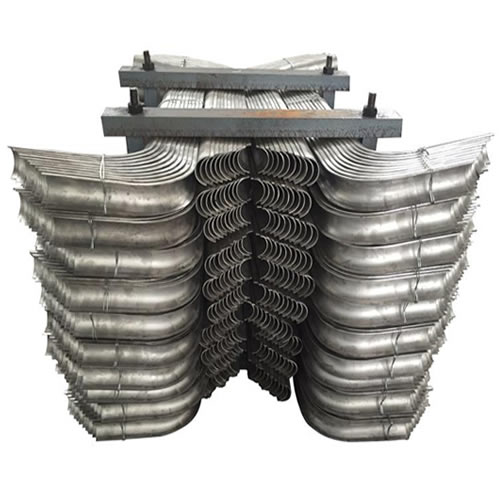
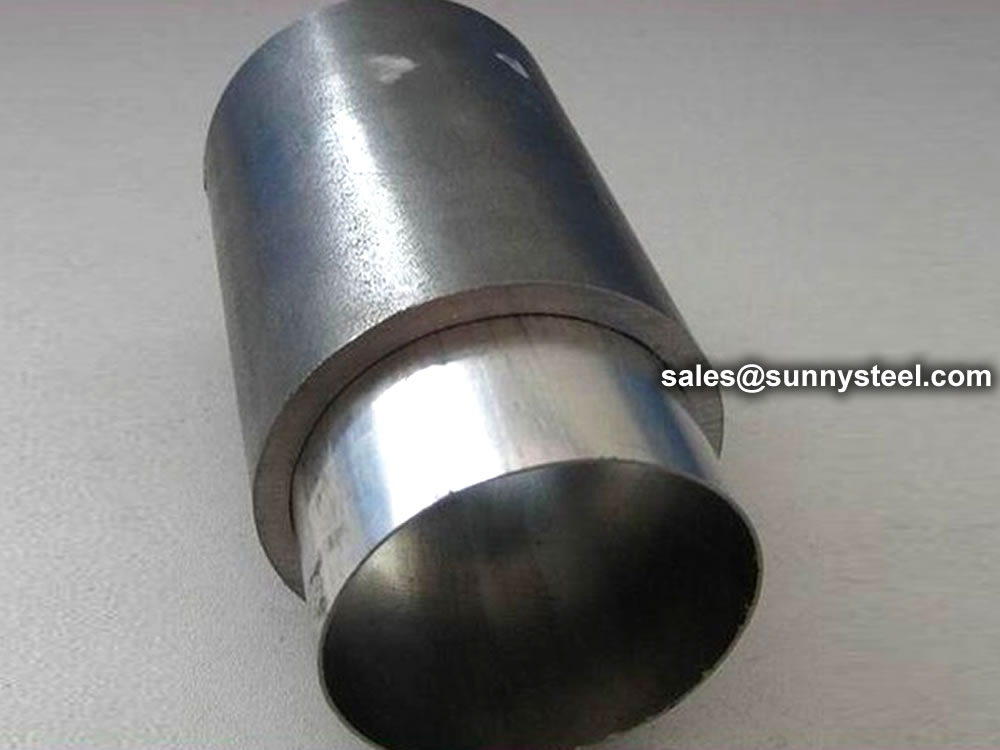
Tubes Erosion Shields are used to protect boiler tubing from the highly erosive effects of high temperatures and pressures thereby greatly extending tube life.
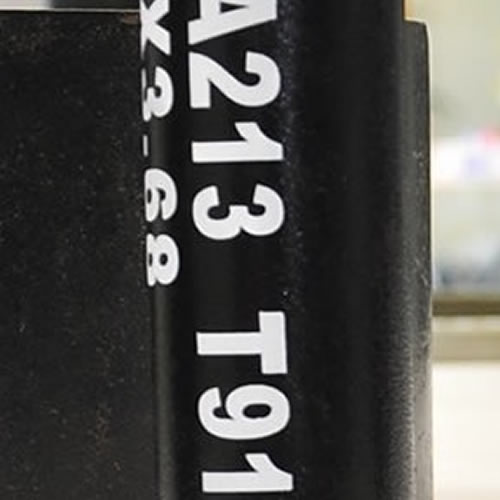
The ASTM A213 T91 seamless tubes are primarily used for boiler, superheater, and heat-exchanger.

When you partner with Sunny Steel, you can stop worrying about meeting deadlines thanks to our responsive and timely service. You'll also say goodbye to unnecessary shopping around. Instead, you'll get white glove service from an expert who understands your needs and can get you the materials you need quickly.