Lithium Battery

Reliable Ceramic-Lined Solutions for Lithium Battery Material Handling

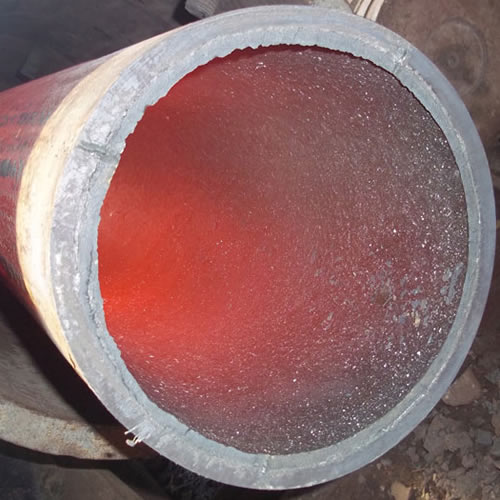
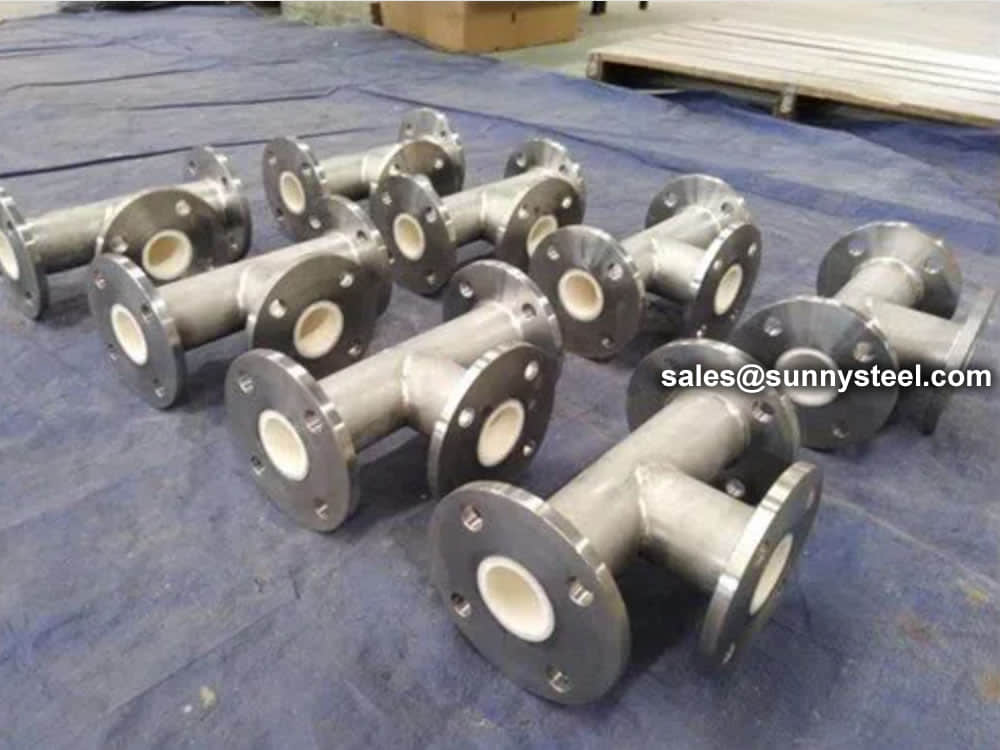
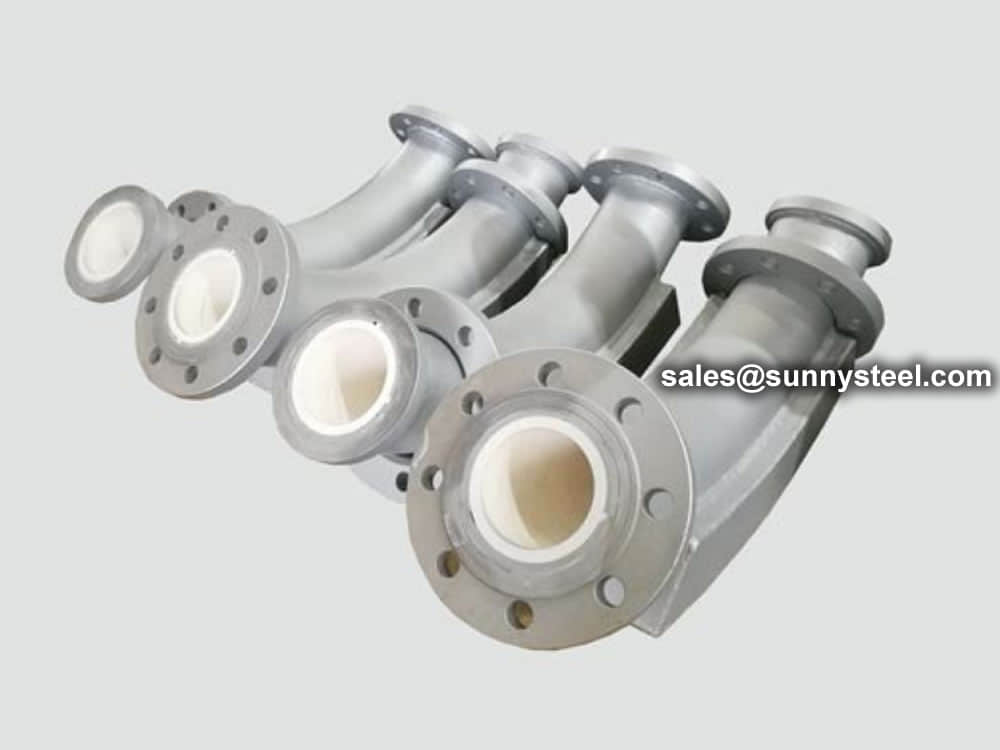
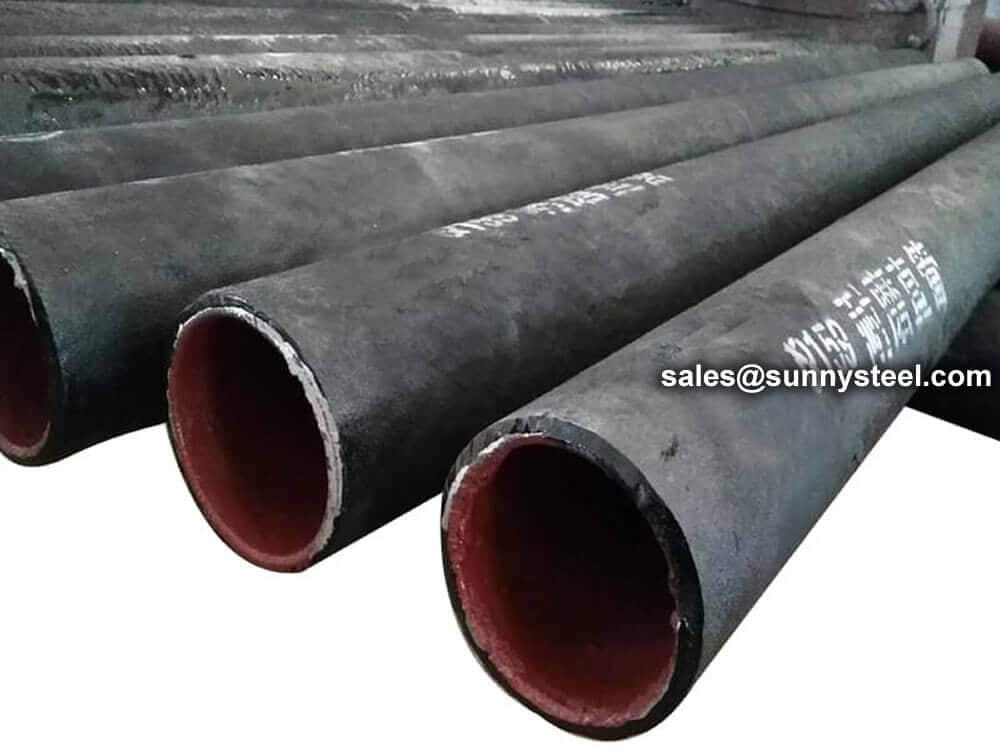
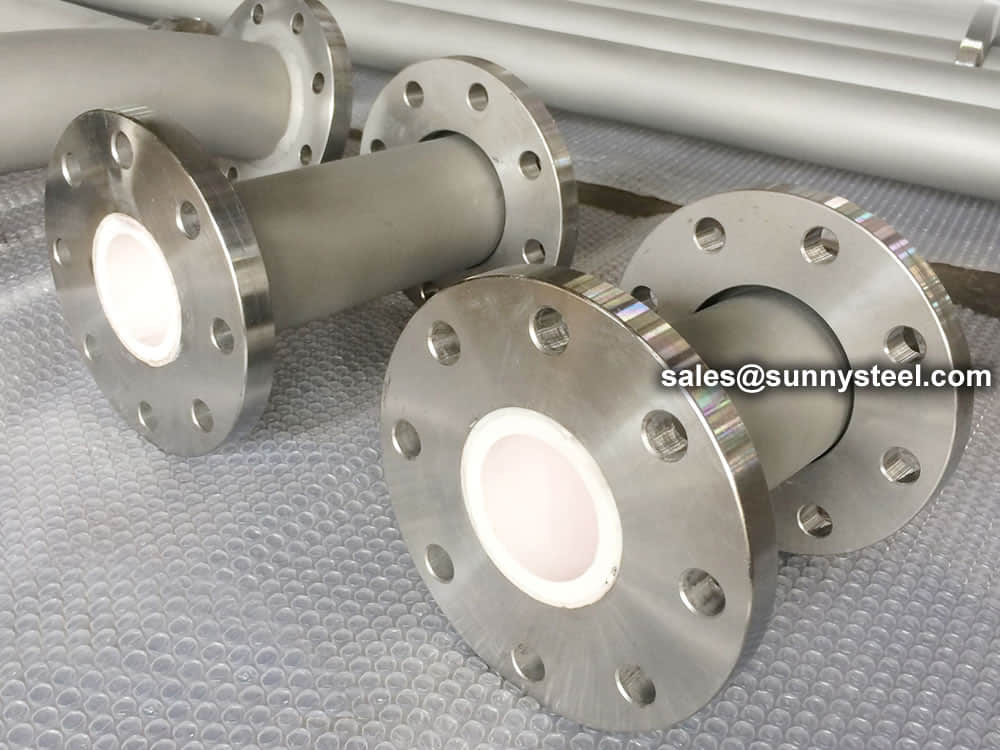
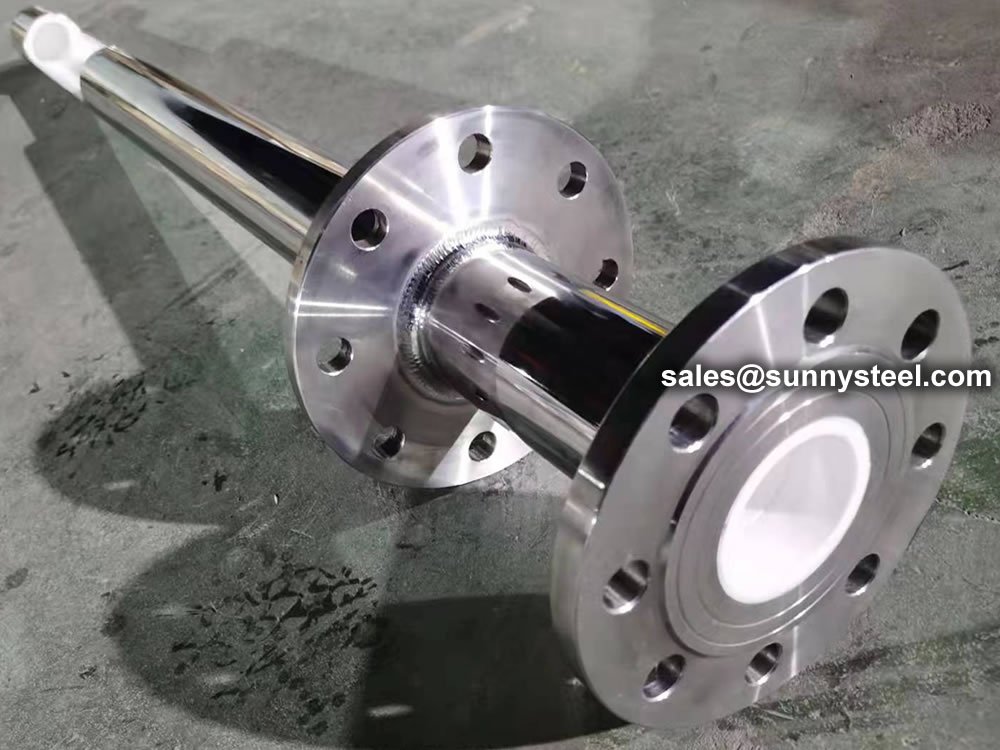
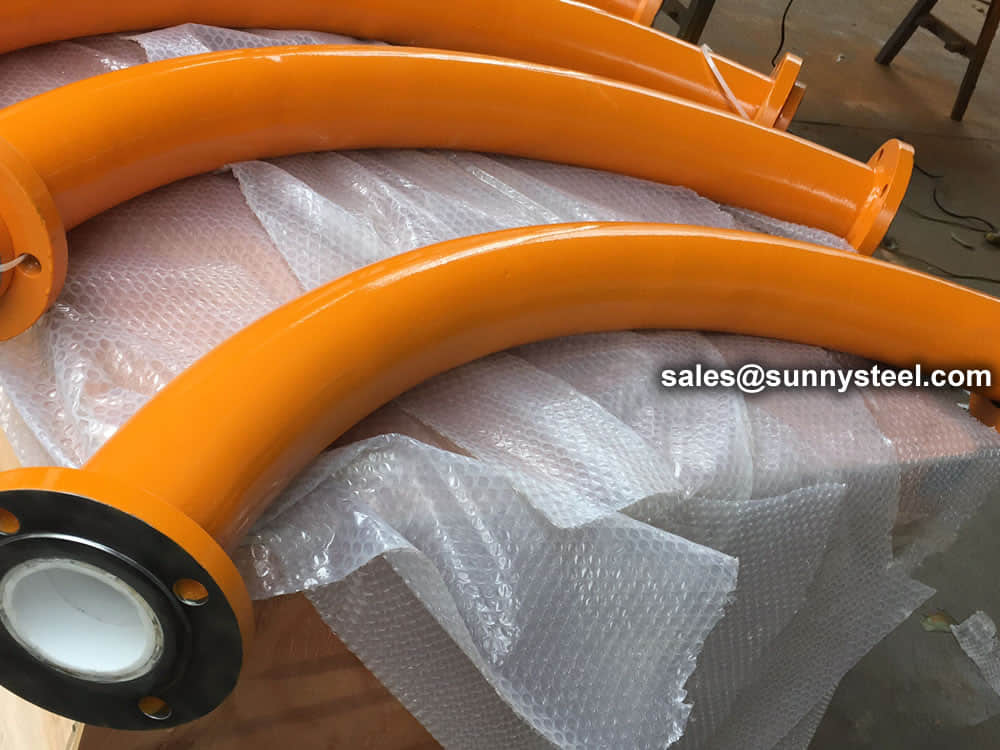
Our ceramic-lined pipe solutions are specifically engineered for lithium battery material transportation, effectively solving the problems of abrasion and contamination common in traditional steel pipes.

Ceramic-Lined Pipe Systems for Lithium Battery Material Conveying

With the rapid growth of the lithium battery industry, demand is rising for high-purity, wear-resistant and reliable conveying systems for cathode and anode materials. Our ceramic-lined pipe solutions are specifically engineered to address abrasion and contamination issues commonly associated with conventional steel pipelines.

Key Advantages

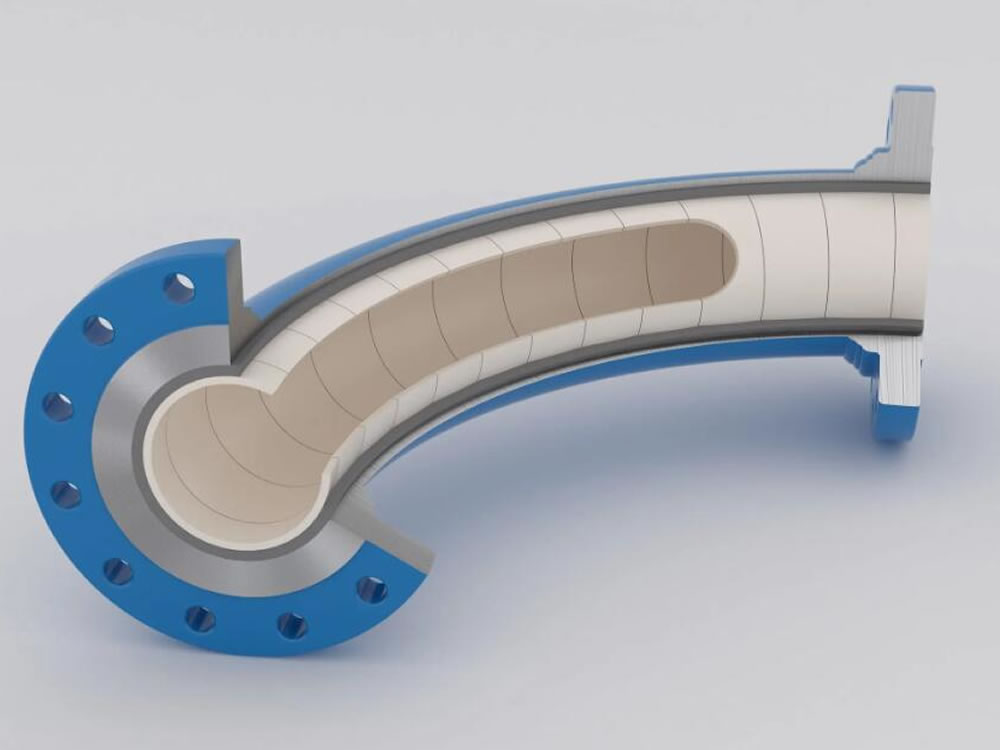
  • High-purity alumina ceramic lining with superior hardness and exceptional wear resistance
  • Extremely low material contamination, ensuring maximum purity of lithium battery materials
  • Significantly longer service life compared to conventional steel pipes, reducing maintenance costs
  • Ideal for highly abrasive materials such as cathode powders, anode materials, graphite and silicon-carbon compounds
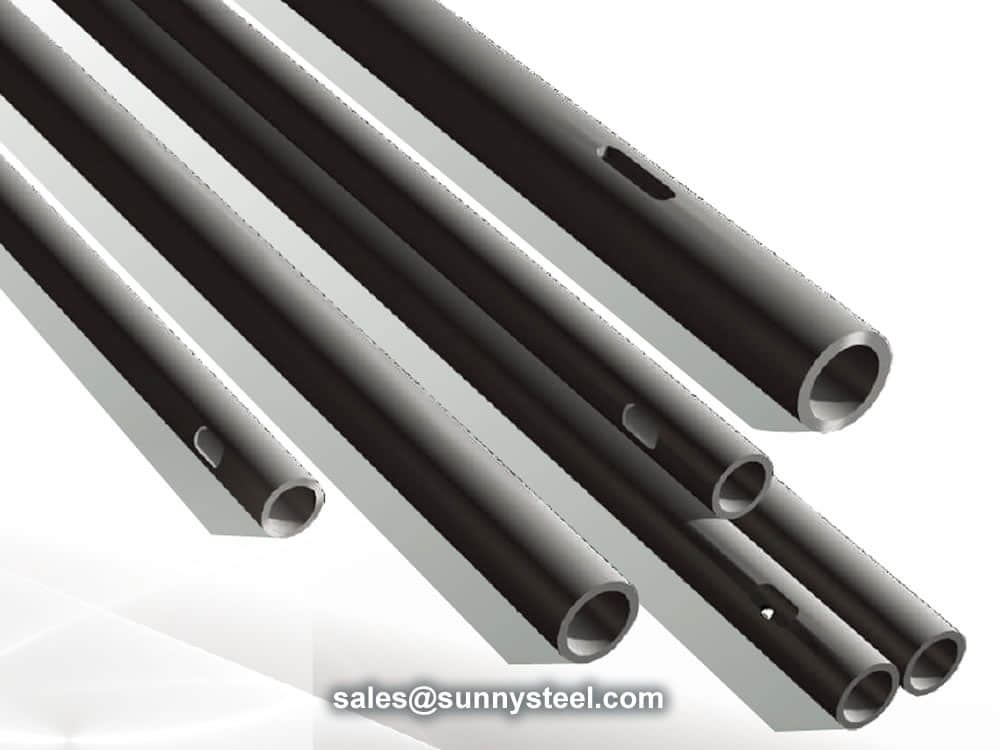
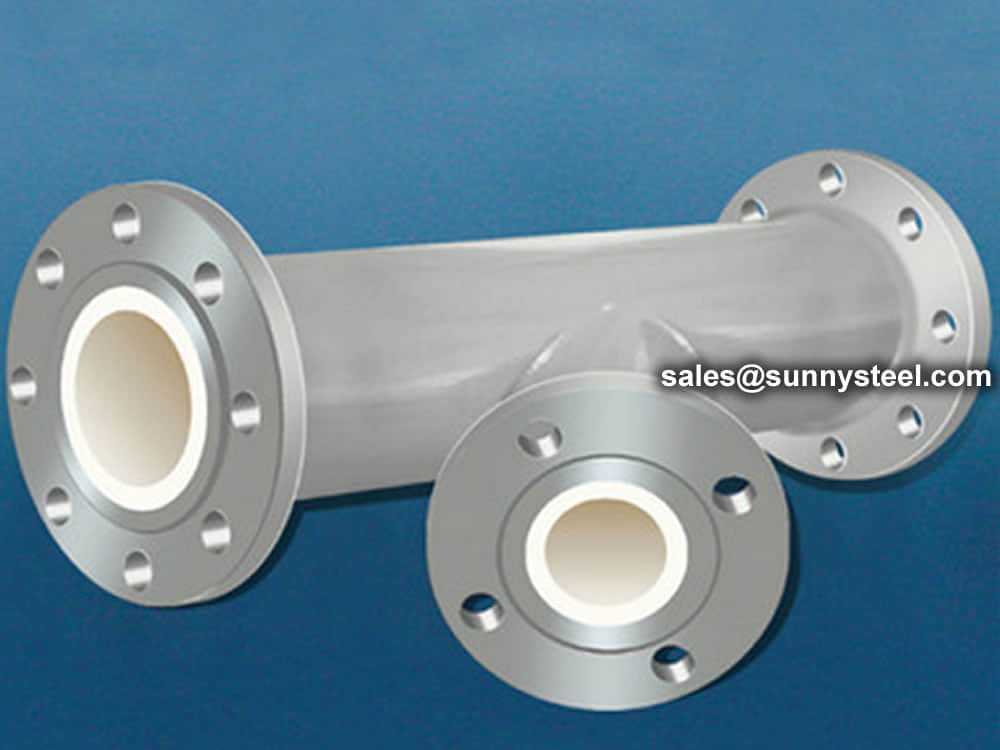
  • Complete range of components including straight pipes, elbows, tees and flanges

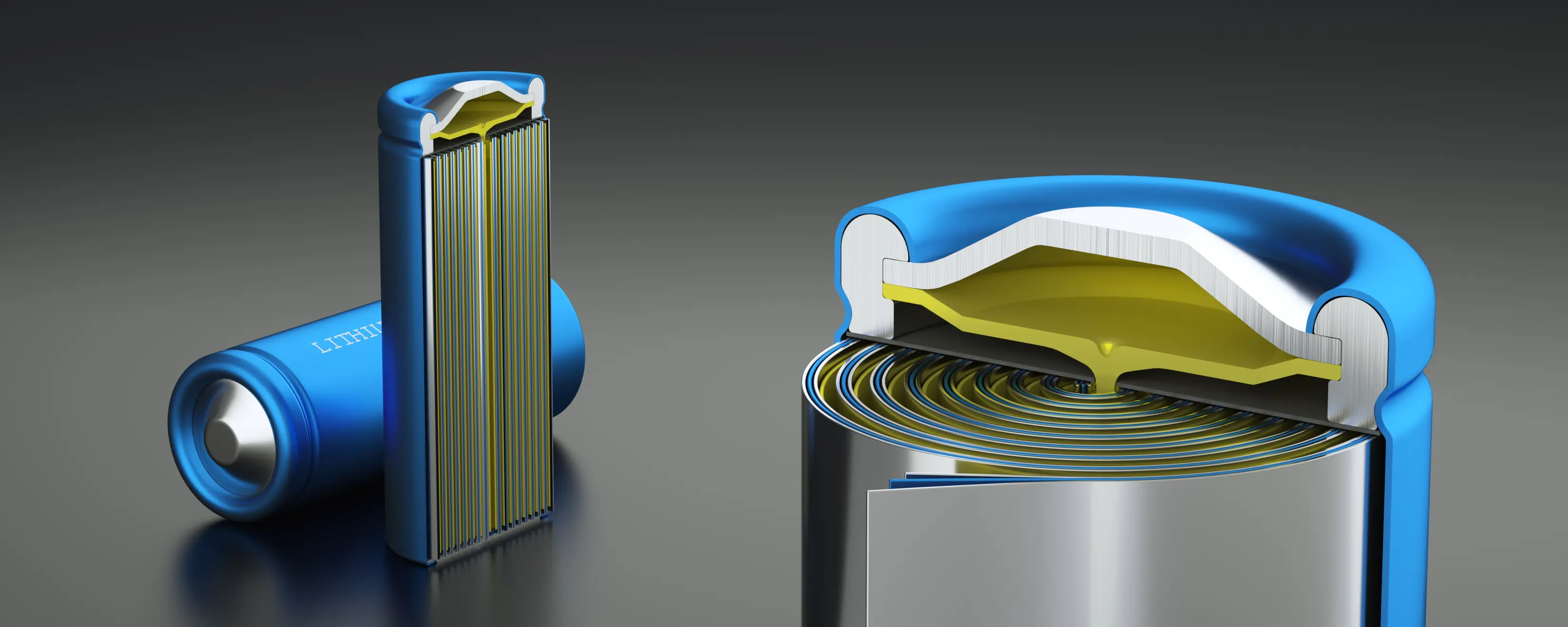
Lithium Battery Main Components
Lithium-Ion Cell Advantages

Powering the Future of Energy Storage

As energy storage technologies advance rapidly, lithium-ion batteries have become the cornerstone of the global transition to green energy. Sunny Steel delivers high-efficiency, safe and reliable energy solutions through its advanced lithium-ion cell technology.

1. High Energy Density & Long Runtime
Sunny Steel cells adopt LFP (LiFePO₄) chemistry, offering high energy density and extended cycle life. Ideal for EVs, ESS and portable electronics.
2. Superior Safety Performance
LFP provides inherent thermal and chemical stability, greatly reducing thermal runaway risk. One-way pressure relief vents prevent explosion or fire.
3. Long Cycle Life & Low TCO
Validated for >4,000 cycles with >80% capacity retention. Significantly reduces Total Cost of Ownership.
4. Wide Operating Temperature Range
Stable performance from -20°C to +60°C, suitable for cold-climate and tropical deployments.
5. Environmental Sustainability
Cobalt- and nickel-free LFP chemistry lowers cost and environmental impact. Modular design supports recycling and circular economy.
6. Smart BMS Integration
Seamless integration with advanced BMS enables real-time monitoring, thermal management and cell balancing. Supports cloud diagnostics.
7. High-Rate Fast Charging
Sunny Steel LFP cells support high-current charging with low heat generation, ideal for EVs, drones and high-availability backup systems.

Technical Highlights at a Glance

Parameter Sunny Steel LFP Cell
Chemistry LiFePO₄ (LFP)
Cycle Life >4,000 cycles @ 80% DoD
Capacity Retention ≥80% after rated cycles
Operating Temperature -20°C to +60°C
Safety Features Thermal stability + pressure relief vent
BMS Compatibility Full analog / digital integration
Environmental Profile Co-free, Ni-free, recyclable

Why Lithium-Ion Batteries?

Compared with traditional battery technologies, lithium-ion batteries offer higher charge/discharge rates, longer cycle life and superior energy density—delivering more stored energy in a lighter, more compact form factor.

Key Technical Advantages

  • High Energy Density: Enables compact battery packs with extended runtime
  • High Power Density: Supports fast charging and high discharge currents
  • Low Self-Discharge: Retains charge efficiently during storage
  • Long Cycle Life: Maintains capacity over hundreds to thousands of cycles

Charging Behavior

  • Fast Charging: Rapidly charges to ~80% State of Charge (SoC)
  • Trickle Charging: Switches to constant-voltage mode to protect cell health
  • Partial-Cycle Friendly: No requirement for full discharge before recharge
  • Thermal Management: Charging is throttled or suspended at elevated temperatures to prevent degradation

Cycle Life & Capacity Retention

A charge cycle is defined as the cumulative use of 100% of the battery’s rated capacity, not necessarily from a single charge. For example, discharging 75% on one day and 25% on the next constitutes one completed cycle. As cycles accumulate, reversible capacity gradually declines— a normal characteristic of all electrochemical systems.

High-quality lithium-ion cells are typically designed to retain ≥80% of initial capacity after several hundred to over one thousand full cycles, depending on chemistry, operating temperature, depth of discharge and charging strategy.

Lithium Battery Certifications & Standards

Safety, transport, environmental & market entry requirements
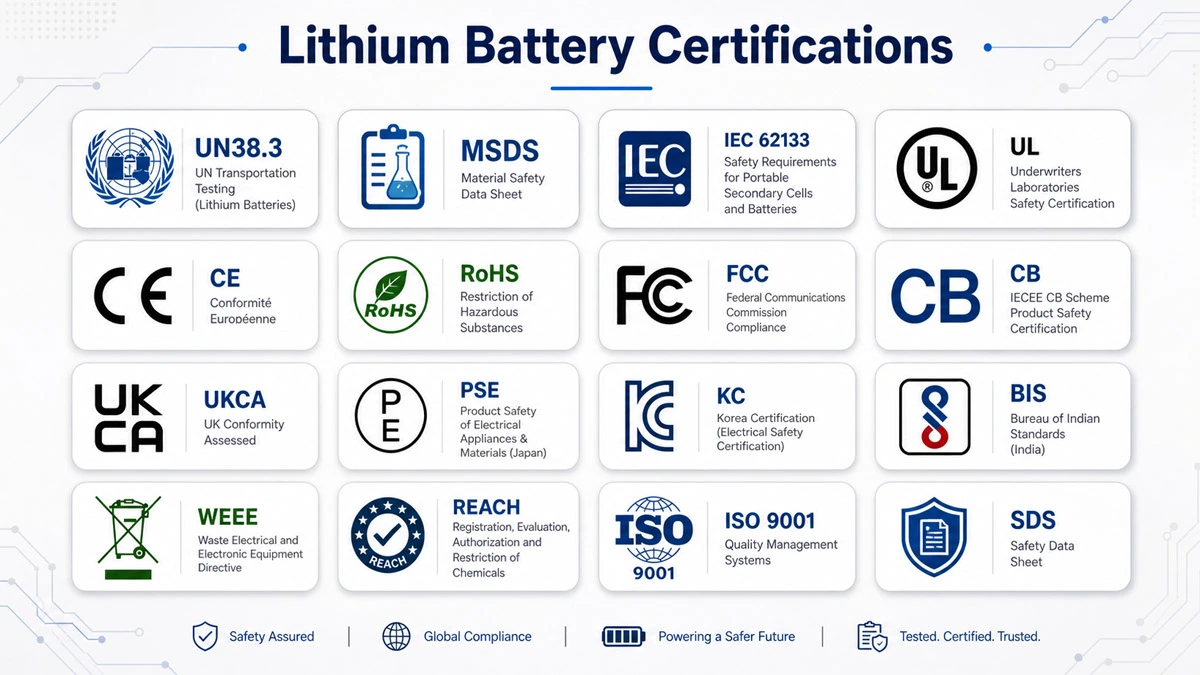
Lithium Battery Certifications

Transportation & Safety


Shipping UN38.3
Required for most lithium battery transportation. Tests include vibration, shock, altitude, thermal cycling, short circuit, impact, overcharge, and forced discharge.
Shipping / Workplace MSDS / SDS
Provides battery material, safety, handling, storage, fire, and emergency information for shipping and workplace use.
Shipping Dangerous Goods Labels
Required for many lithium battery shipments, especially when batteries are shipped alone or in large quantities.

Market Access & Compliance


🇪🇺 EU CE
Common for products sold in the European market; shows compliance with relevant EU safety and performance requirements.
🇪🇺 EU RoHS
Restricts certain hazardous substances in electrical and electronic products, especially for the EU market.
🇺🇸 North America UL
A safety certification often required for batteries, battery packs, chargers, and energy storage products in North America.
🌍 International IEC
International standards used for battery safety, performance, testing methods, and product reliability.
🌍 International CB Certification
Helps batteries enter multiple markets by using IEC-based test reports accepted by many countries.
🇰🇷 South Korea KC
Required for many electrical and battery products sold in South Korea.
🇯🇵 Japan PSE
Required for many electrical and battery-related products sold in Japan.
🇮🇳 India BIS
Required for some battery and electronic products sold in India.
🇬🇧 Great Britain UKCA
Used for products sold in Great Britain after Brexit, similar in role to CE for the UK market.
Important: In practice, UN38.3 and MSDS are usually the most important documents for shipping, while CE, RoHS, UL, IEC, CB, KC, PSE, BIS, and UKCA are more related to market access, safety compliance, and product sales. For custom lithium battery packs, the required certification should be confirmed before production because testing, documentation, and approval can affect cost, lead time, and shipping arrangements.
Frequently Asked Questions
Lithium battery cells mainly consist of cathode materials, anode materials, electrolyte, separator membranes, and metal foils. Common cathode chemistries include LiFePO₄, NMC, NCA, LCO, LMO, and LTO, while anodes are typically graphite or silicon‑carbon composites. The electrolyte is usually a lithium salt dissolved in organic solvents, and the separator is generally polyethylene (PE), polypropylene (PP), or ceramic‑coated films.
Lithium batteries are commonly categorized by chemistry, cell format, and application. Chemistry types include LiFePO₄, NMC, NCA, LCO, LMO, LTO, and lithium‑metal batteries. Cell formats include cylindrical, prismatic, pouch (LiPo), and button cells. Application segments cover consumer electronics, e‑bike, power tool, energy storage systems, EV battery packs, industrial batteries, and backup power systems.
Yes. Capacity fades over time because internal electrochemical reactions are not fully reversible. Contributing factors include cycle aging, exposure to high or low temperatures, frequent fast charging, high‑current discharge, improper storage, low‑quality cells, and calendar aging. Even when unused, gradual chemical degradation leads to slow capacity loss.
Most commercial lithium‑ion cells offer a cell‑level energy density of approximately 100–300 Wh/kg, depending on chemistry and design. Typical ranges are: LiFePO₄ ~90–160 Wh/kg; NMC/NCA ~150–260 Wh/kg; LCO ~150–200 Wh/kg; LTO ~50–80 Wh/kg.
Round‑trip efficiency typically falls between 90% and 95% under real‑world conditions, with premium systems achieving even higher performance. Efficiency is influenced by cell chemistry, operating temperature, discharge current, battery age, charger quality, and BMS design.
Key advantages include high energy density, lightweight construction, long cycle life, high efficiency, fast charging capability, low self‑discharge, flexible form factors, and strong power output. These characteristics make lithium batteries ideal for EVs, e‑bikes, power tools, solar energy storage, portable electronics, drones, and other high‑drain applications.
Lithium batteries can be shipped domestically and internationally by road, sea, or air, but must comply with strict packaging and documentation requirements. Domestic shipments are relatively straightforward, while international consignments often require UN38.3 test reports, MSDS, lithium battery marks, dangerous goods declarations, approved packaging, and carrier approval. Although UPS, FedEx, and DHL accept certain lithium battery shipments, overseas deliveries are best handled by specialized battery freight forwarders.
Hot Products

【H】 Ceramic lined pipe

Ceramic lined pipe is made through self-propagating high-temperature synthesis (SHS) technique.
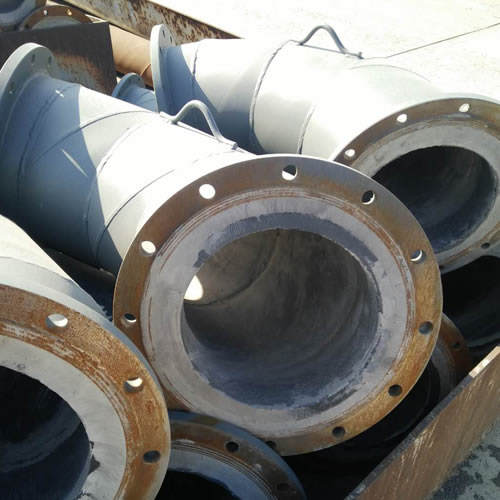
【H】 Cast basalt lined steel pipe

Cast basalt lined steel pipe is composed by lined with cast basalt pipe, outside steel pipe and cement mortar filling between the two layers.
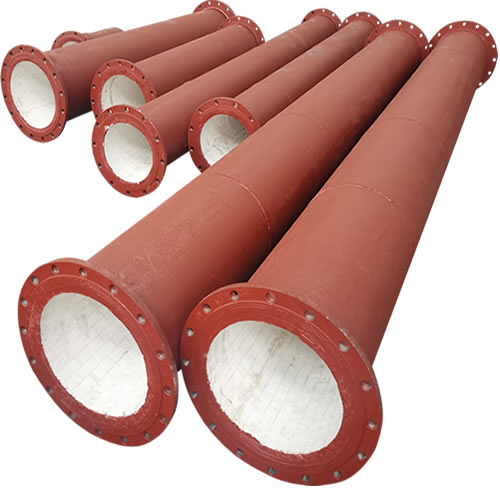
【H】 Ceramic Tile Lined Pipes

Ceramic tile lined pipes have very uniform coating of specially formulated ceramic material that is affixed to the inner of the pipe.
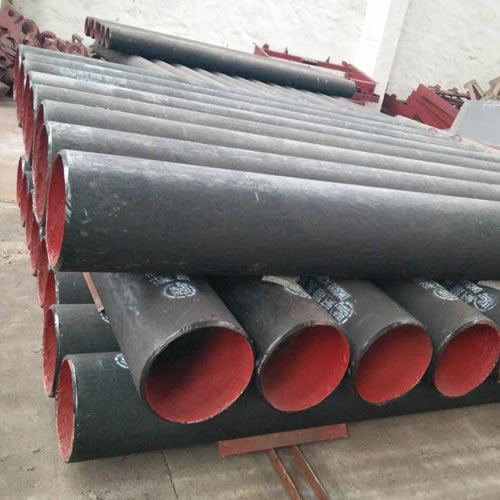
【H】 Rare earth alloy wear-resistant pipe

The material of the rare earth alloy wear-resistant pipe is ZG40CrMnMoNiSiRe, which is also the grade of rare earth alloy steel.
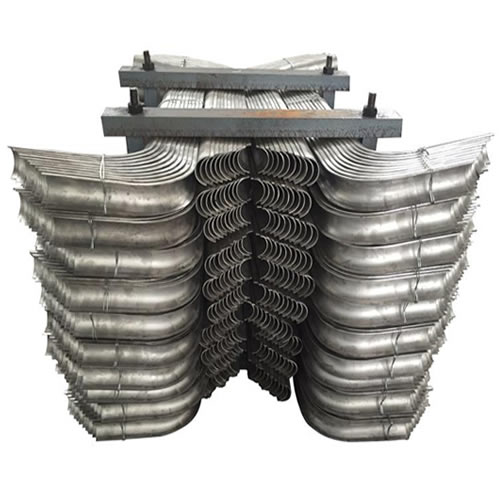
【H】 Tubes Erosion Shields

Tubes Erosion Shields are used to protect boiler tubing from the highly erosive effects of high temperatures and pressures thereby greatly extending tube life.
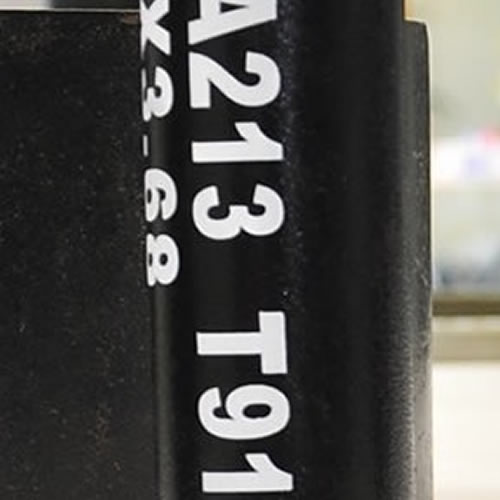
【H】 ASTM A213 T91 Alloy Tube

The ASTM A213 T91 seamless tubes are primarily used for boiler, superheater, and heat-exchanger.

The White Glove Service You Deserve

When you partner with Sunny Steel, you can stop worrying about meeting deadlines thanks to our responsive and timely service. You'll also say goodbye to unnecessary shopping around. Instead, you'll get white glove service from an expert who understands your needs and can get you the materials you need quickly.

application

Materials delivered on-time and at a fair price

application

No delays in production or manufacturing process

application

Meet engineering specifications to ensure top quality

application

World-class customer service ready to help