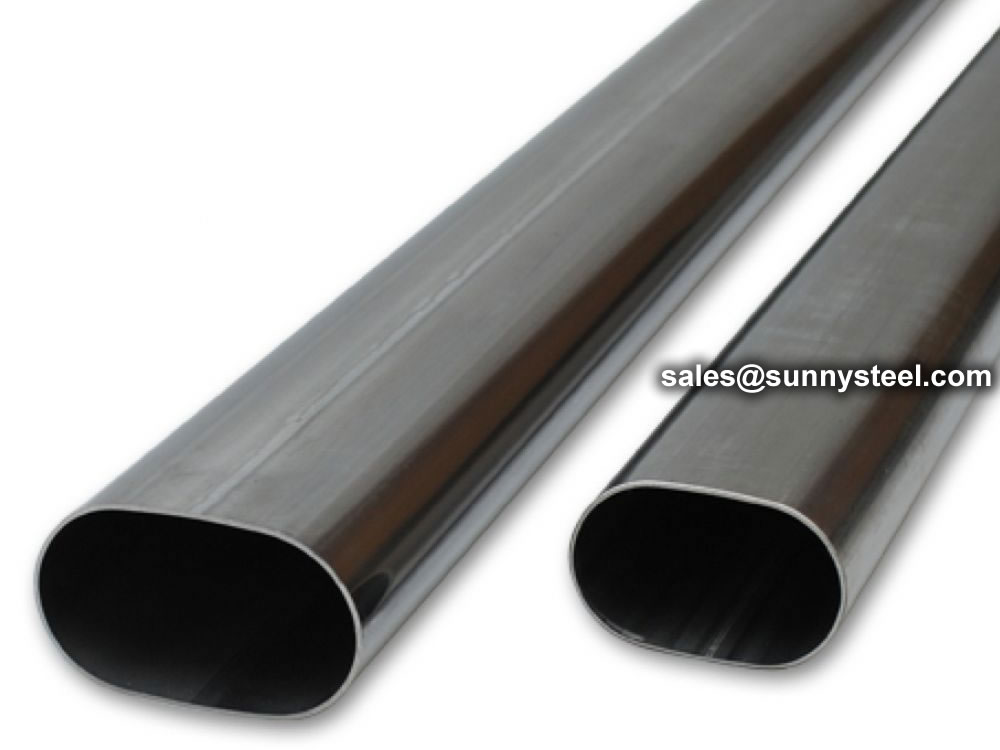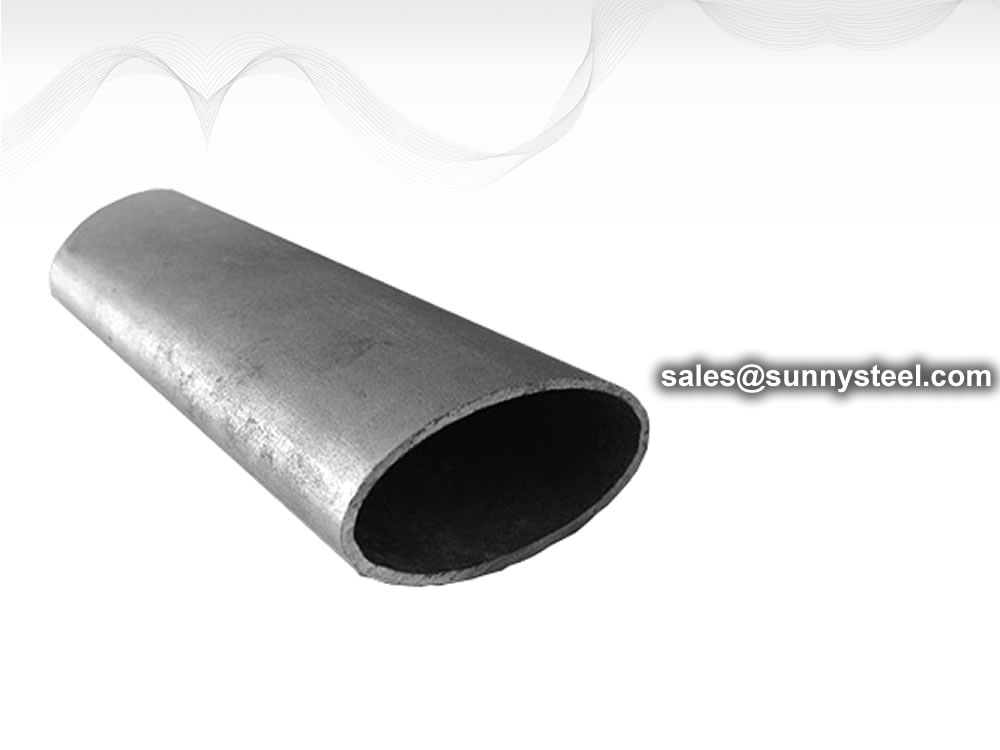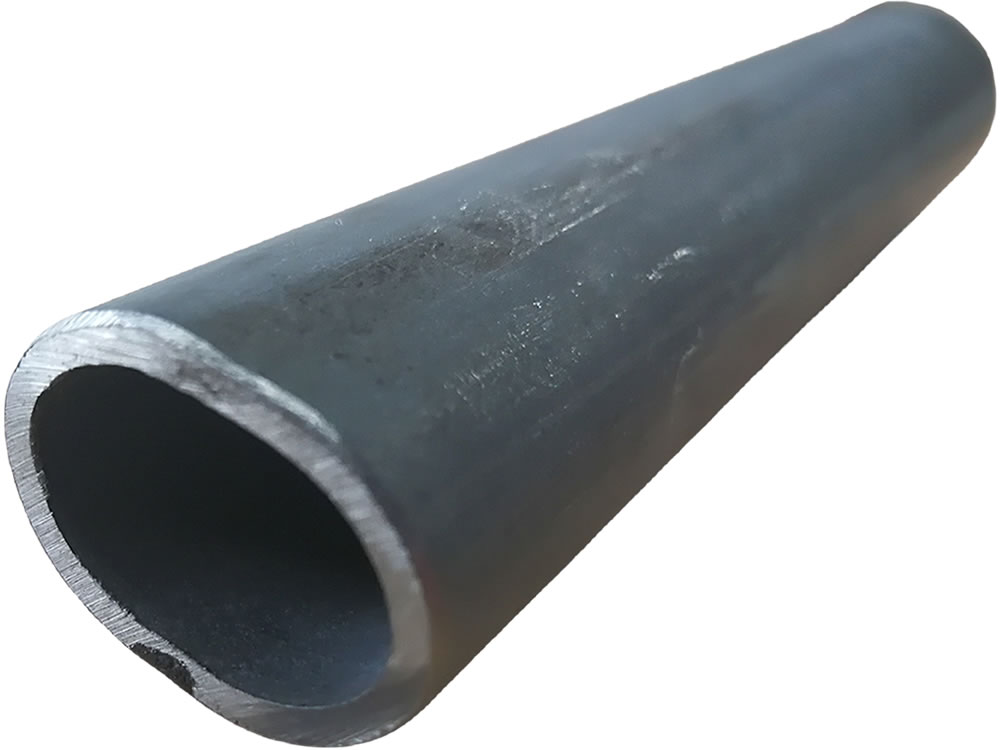
Square Hollow Section
Square hollow sections for structural applications and construction projects.
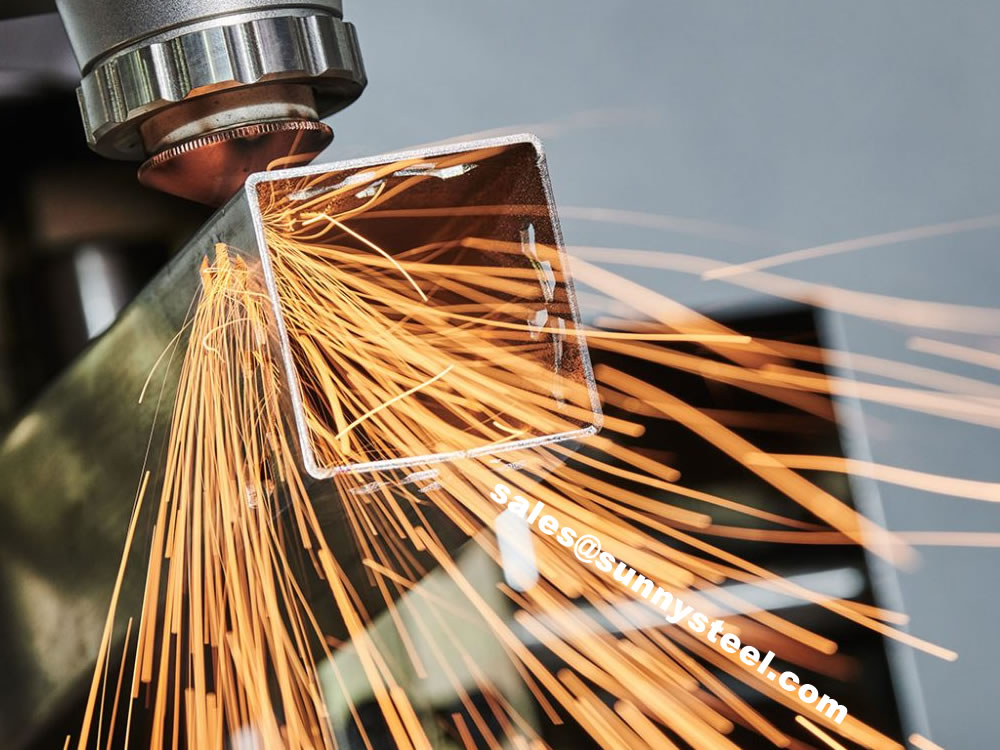
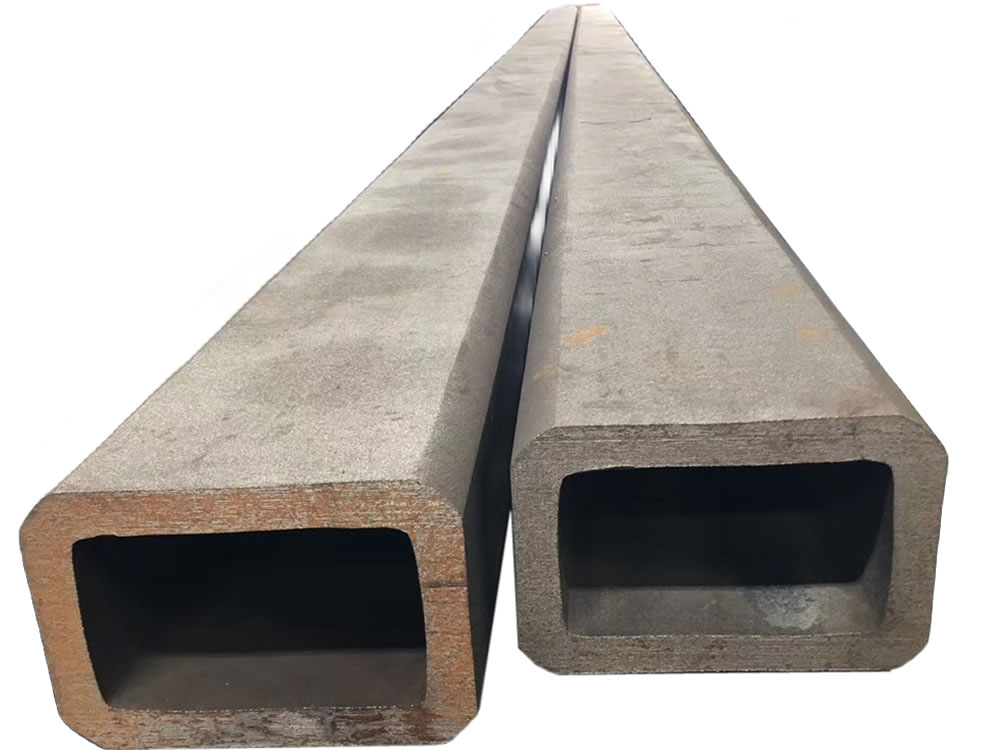
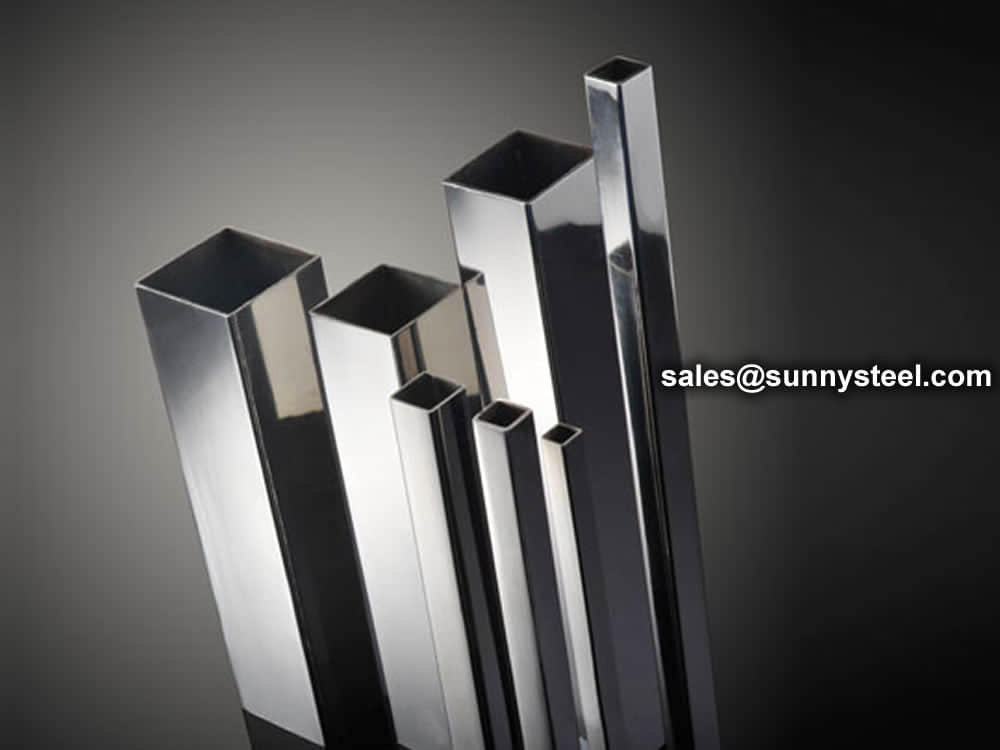
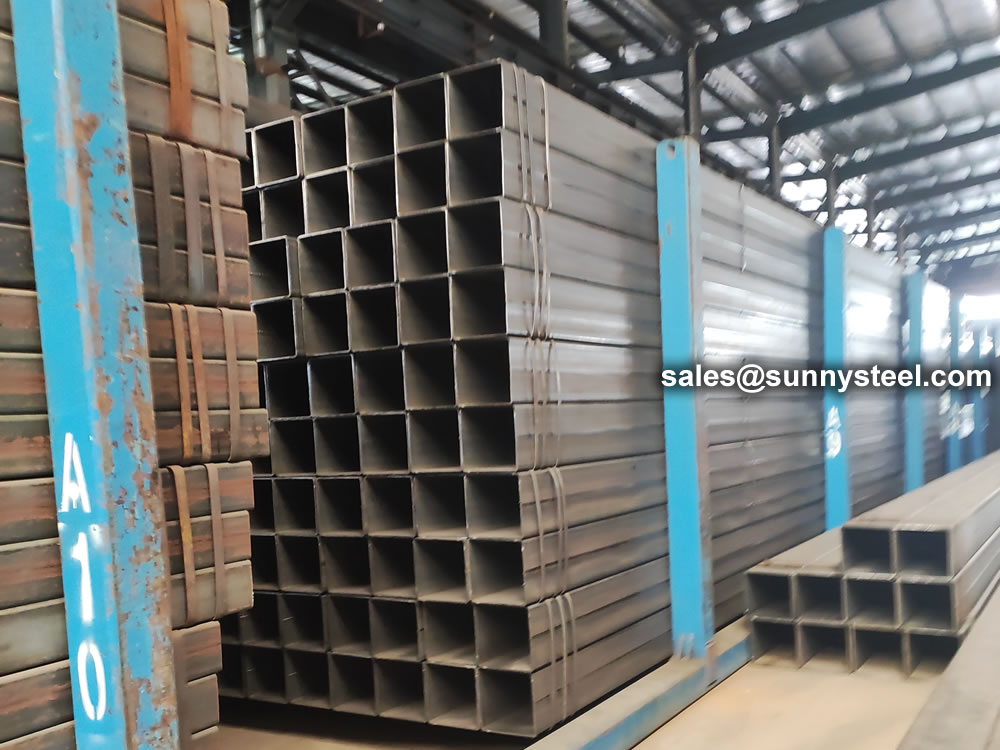
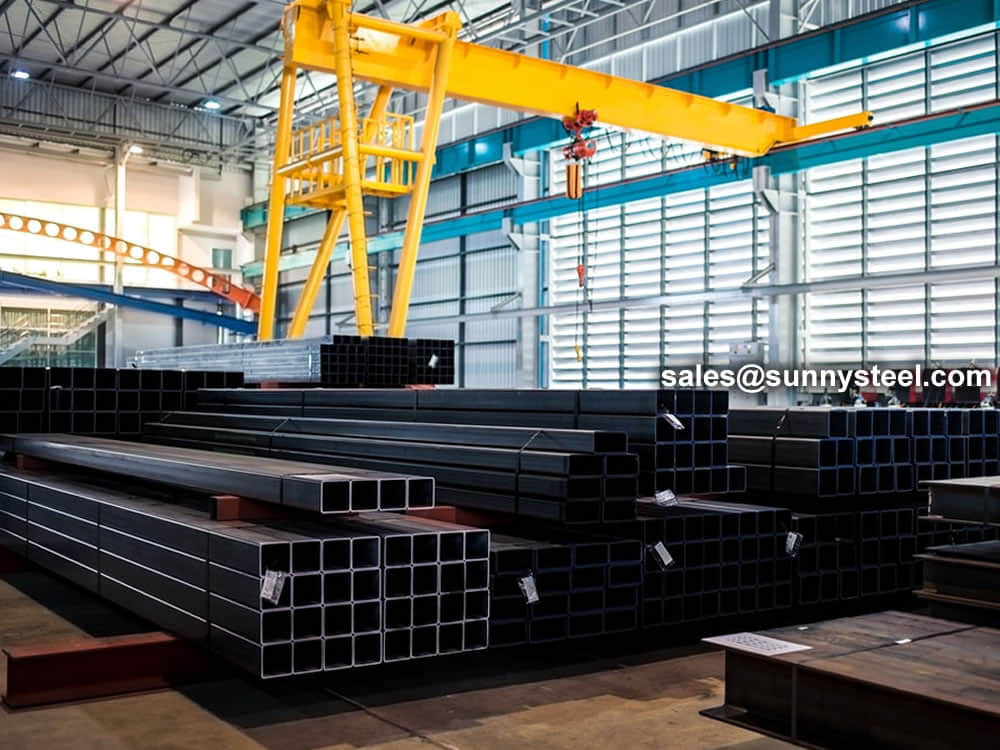
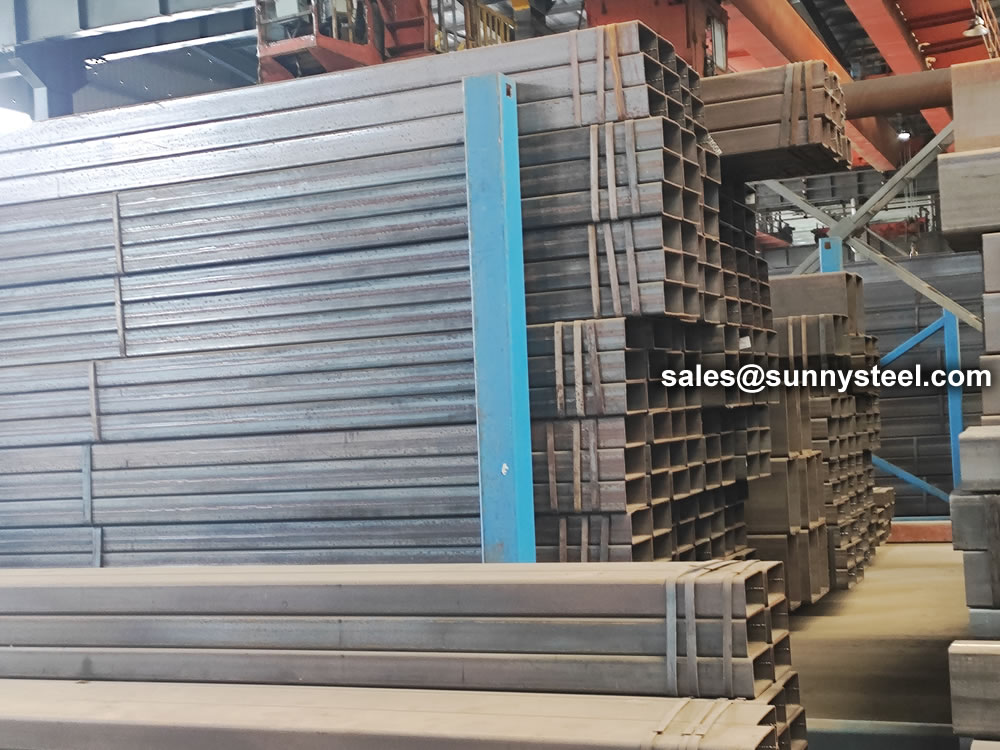
Square hollow section is a popular structural steel profile with uniform wall thickness and stable mechanical performance, perfect for building supports, metal frames, container frames and outdoor engineering structures.
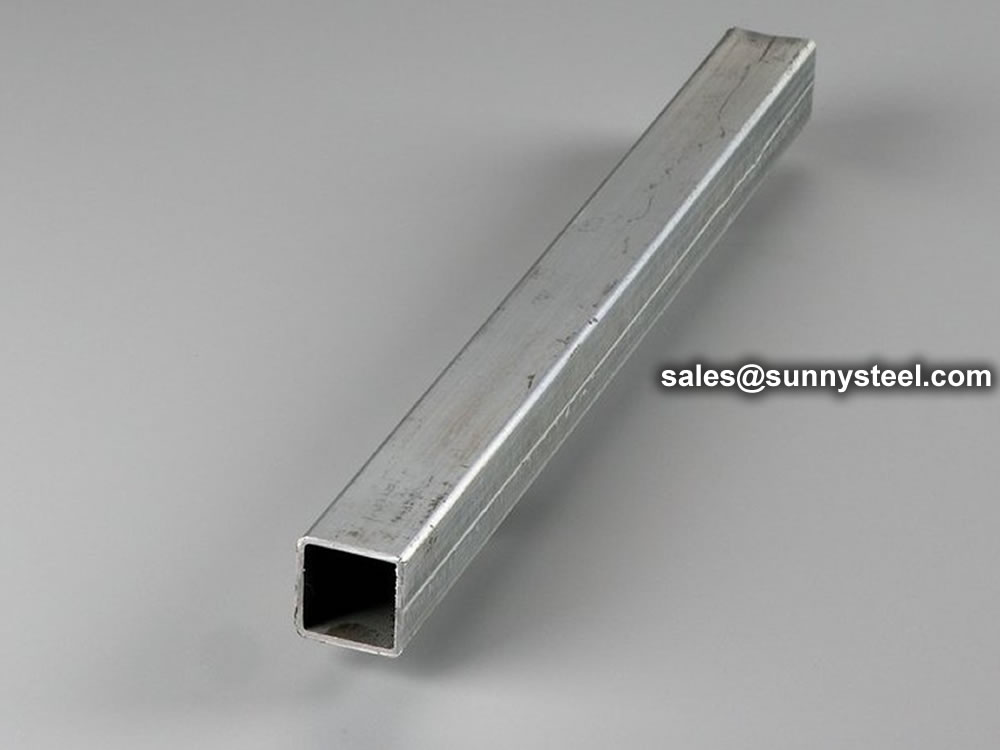
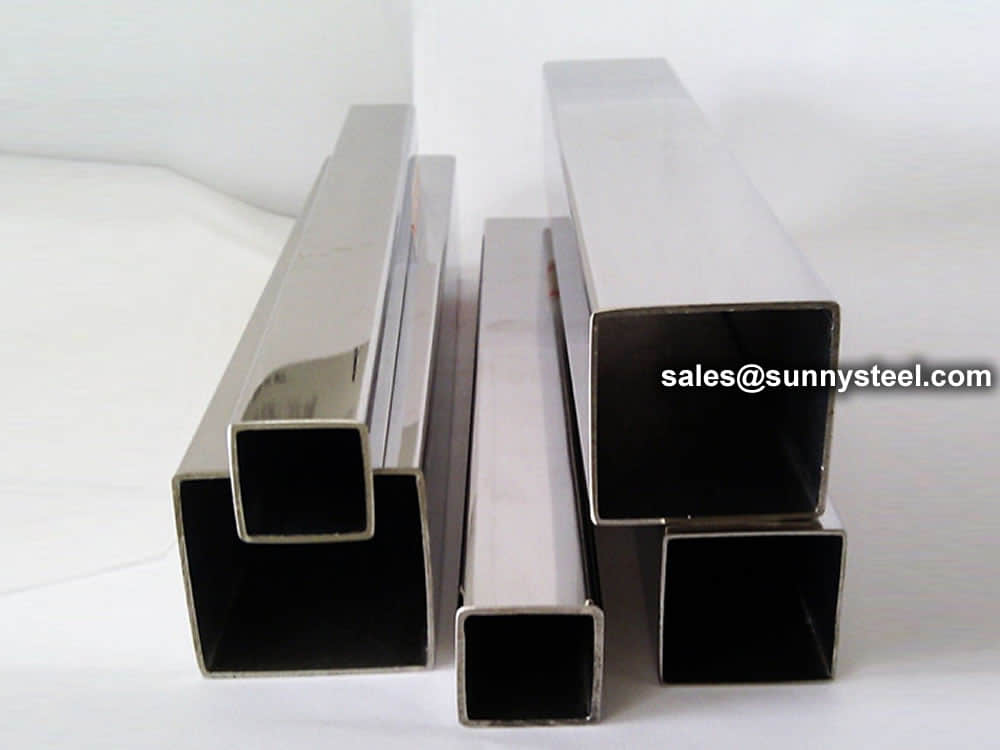
SHS steel is a popular structural steel tube that has four equal sides, giving it a symmetrical appearance. SHS stands for Square Hollow Section. It has a flat surface for easy joining and soldering with minimal edge preparation required.
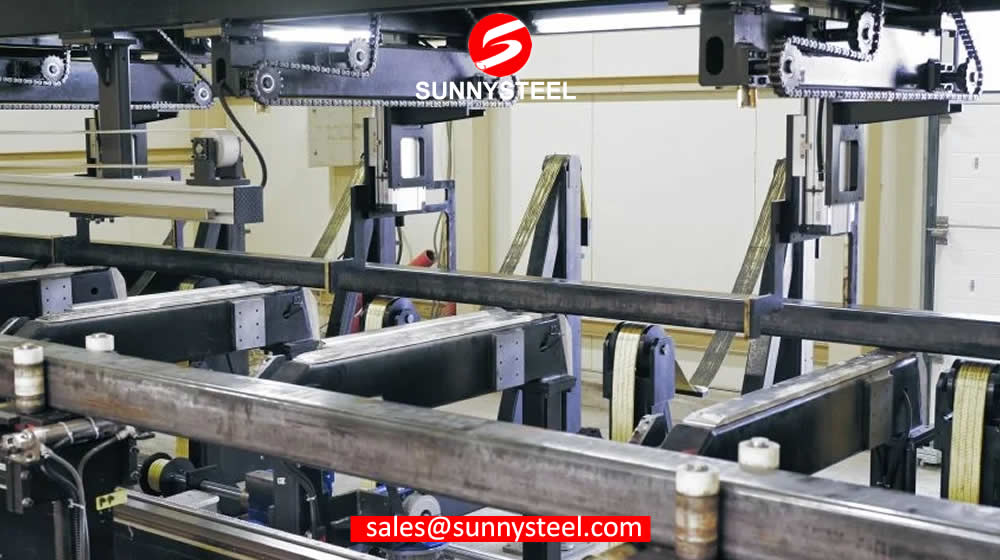
During the manufacturing process of SHS, the flat steel plate is gradually rounded and the edges are ready for welding. The edges are then welded together to form a round tube called the parent tube. This mother tube then goes through a series of forming processes into the final square shape.
SHS is used in structural, industrial, mechanical and architectural applications requiring a balance of strength, function and aesthetic appeal. They are used to construct frames, doors and columns. Its purpose is similar to that of RHS, and it is generally available in the same thickness as RHS. Galvanized SHS or square hollow section steel is very durable and resists cracks.
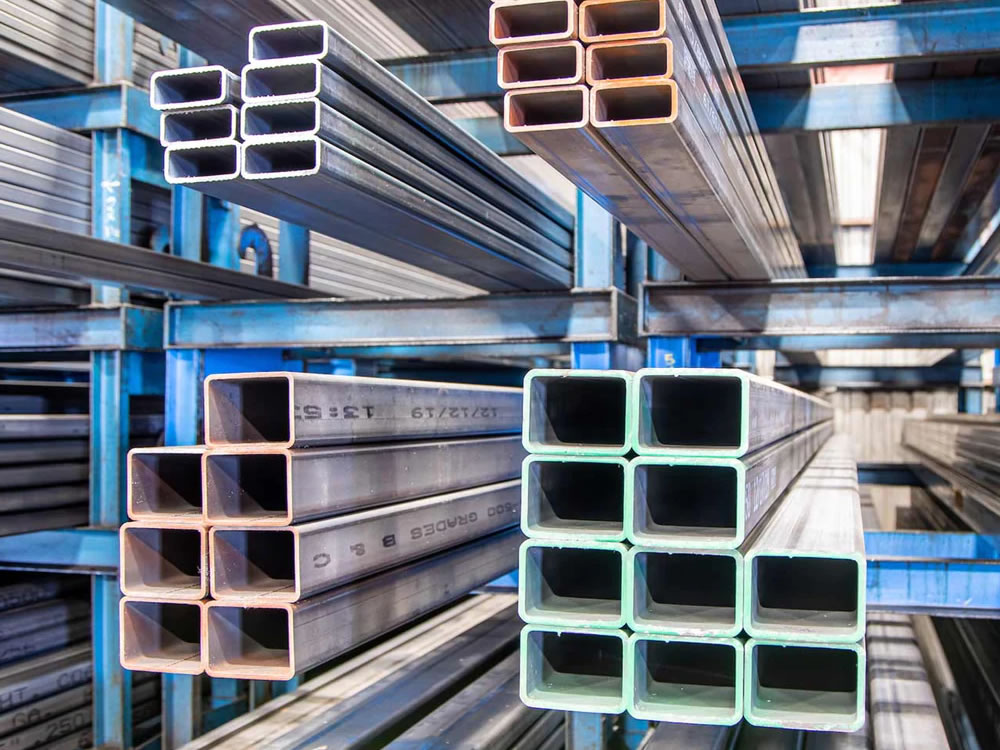
Our Square Hollow Section (SHS) and Rectangular Hollow Section (RHS) steel tubes are manufactured from high-quality carbon steel, stainless steel, and alloy steel materials, offering excellent structural strength, uniform wall thickness, and superior corrosion resistance. These hollow structural sections are widely used in construction, engineering, machinery manufacturing, and infrastructure projects for frames, supports, railings, and load-bearing structures. Available in various grades, sizes, and finishes (black, galvanized, polished), we support custom cutting and OEM processing according to customer requirements.
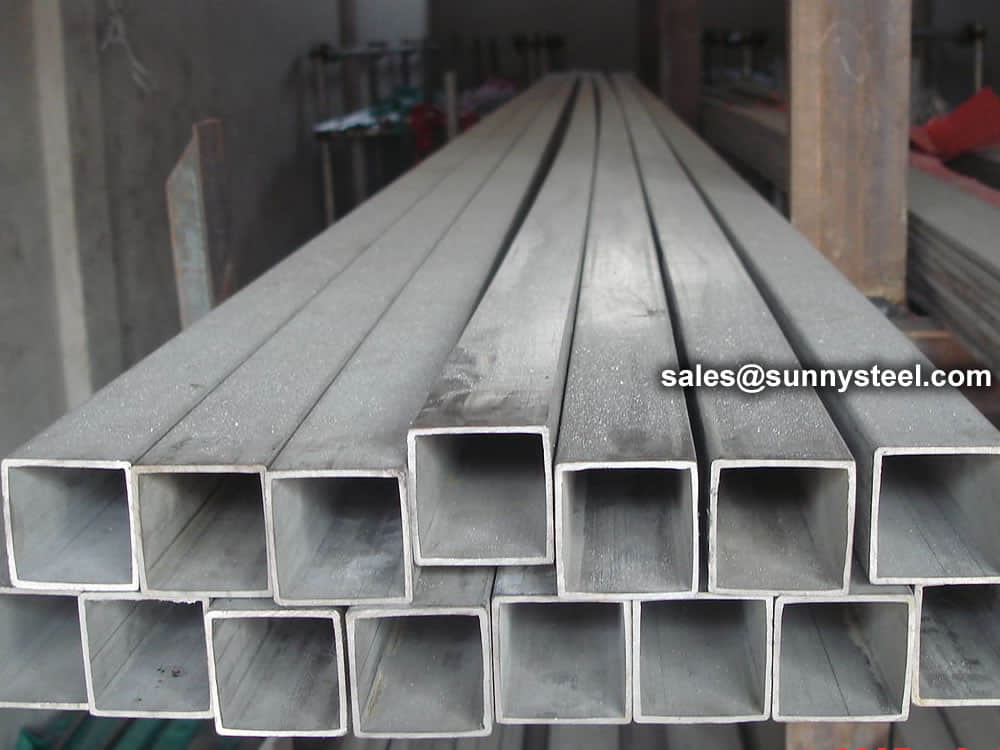
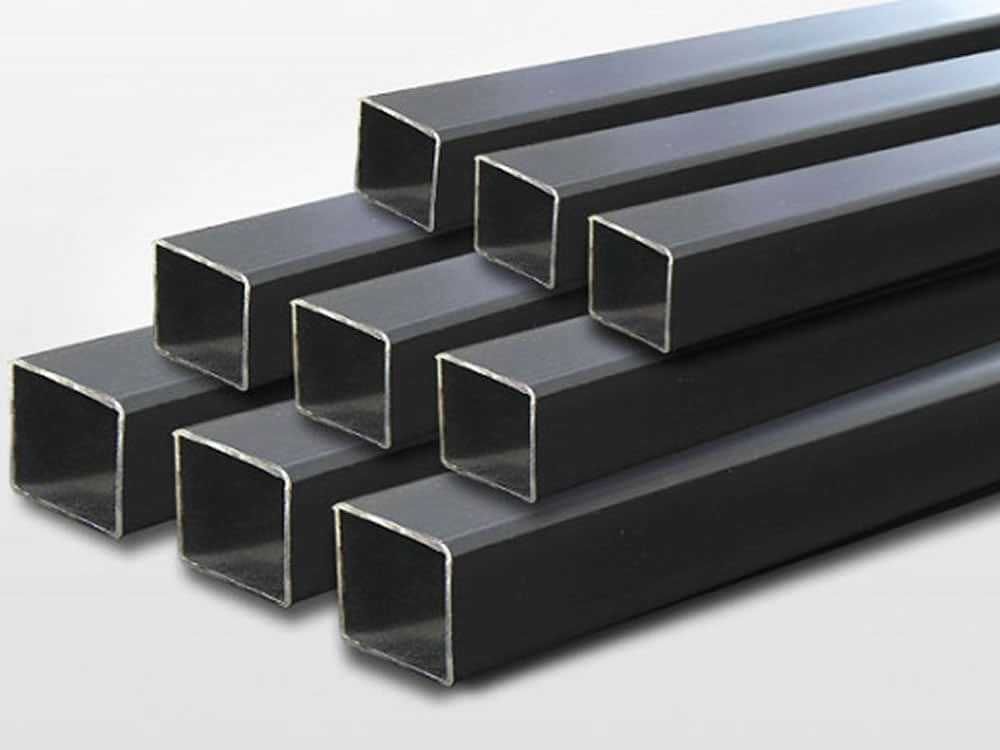
Its uniformity makes it predictable to use and visually appealing.
It has a high weight-to-strength ratio.
It’s easy to bend, and because square steel tubing is inexpensive, it’s cost-effective- even for large projects.
Square Hollow Section, SHS, Square Box, Painted, Galvenised, ERW, Black, Mild Steel
Steel tube is easily recyclable. Many projects take advantage of square steel tubing, including all types of buildings, highway guardrails and signage, support columns, trusses, bridges, heavy equipment, storage systems, and exercise equipment.
The hollow section provided by Sunny Steel is widely used in civil engineering & construction fields, those structural steel hollow sections are important constituent part of buildings and briges.
Steel Grade: Q195, Q215, Q235, Q345, S235JR, S275JR, SS4007-
| Data | Elements(%) | ||||
|---|---|---|---|---|---|
| Materal Grade | C | Mn | S | P | Si |
| Q195 | 0.06-0.12 | 0.25-0.50 | <0.05 | <0.045 | <0.30 |
| Q215 | 0.09-0.15 | 0.25-0.55 | <0.05 | <0.045 | <0.30 |
| Q235 | 0.12-0.20 | 0.30-0.70 | <0.045 | <0.045 | <0.30 |
| Q345 | <0.20 | 1.0-1.6 | <0.04 | <0.04 | <0.55 |
| Materal Grade | Yield point (Mpa) | Tensile Strength (Mpa) | Elongation(%) |
|---|---|---|---|
| Q195 | >195 | 315-430 | 32-33 |
| Q215 | >215 | 335-450 | 26-31 |
| Q235 | >235 | 375-500 | 24-26 |
| Q345 | >345 | 470-630 | 21-22 |
| Length | +/- 50 MM |
|---|---|
| Wall Thickness | +/- 12.5% |
| Weight | +/- 8% |
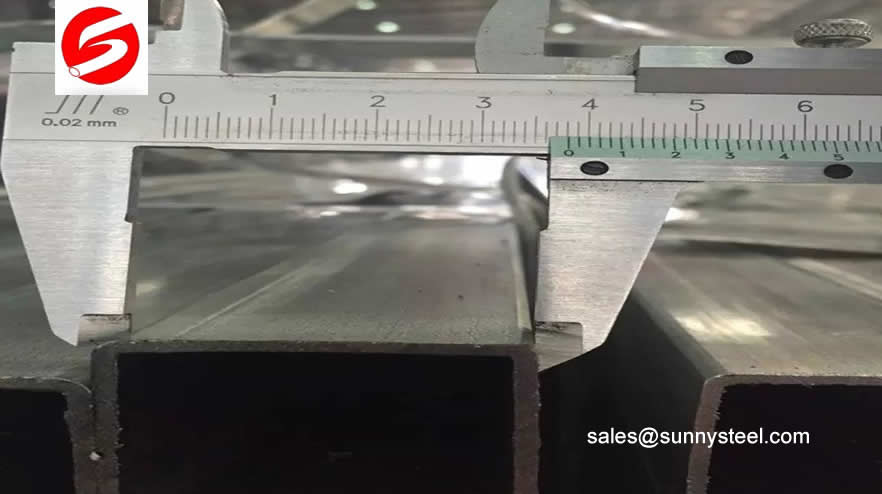
Square Tube is a metal that has been formed into a square tube. It is measured by taking the outside dimensions (which are the same size) and then the wall thickness.
Note: A: with, T: wall thickness, SHS:Square Hollow Section, RHS: Rectangular Hollow Section
Surface Finish: hot dipped galvanized, electro galvanized, black
Note: Pre-galvanized square / rectangular hollow section with OD 19mm-70mm and thickness 1mm-2.3mm are also available.
Square tubing is commonly used as a railing along staircases. However, it is also used in other, less obvious ways as well. From being used for fencing around yards to structures of buildings, as well as entry gates and entrances, a wide variety of applications are solved by steel square tubing.
Square tubing is commonly used for industrial purposes as it can provide numerous benefits. Industries value square tubing for its strength and ability to withstand extremes of temperature, pressure and destructive elements. While in domestic settings, square tubes are used in appliances, pipes, and fencing. Here are just a few of the many benefits and applications of square tubing.
Wide Range in Sizes
Square tubing is available in an exceptionally broad range of OD and wall thickness dimensions. This makes it suitable for various applications and needs.
Large diameter thick wall rectangular tubes, often referred to as heavy wall rectangular tubing, are a type of structural steel component characterized by their rectangular cross-section and substantial wall thickness. They are engineered to withstand significant loads and offer robust solutions in a wide range of industries.
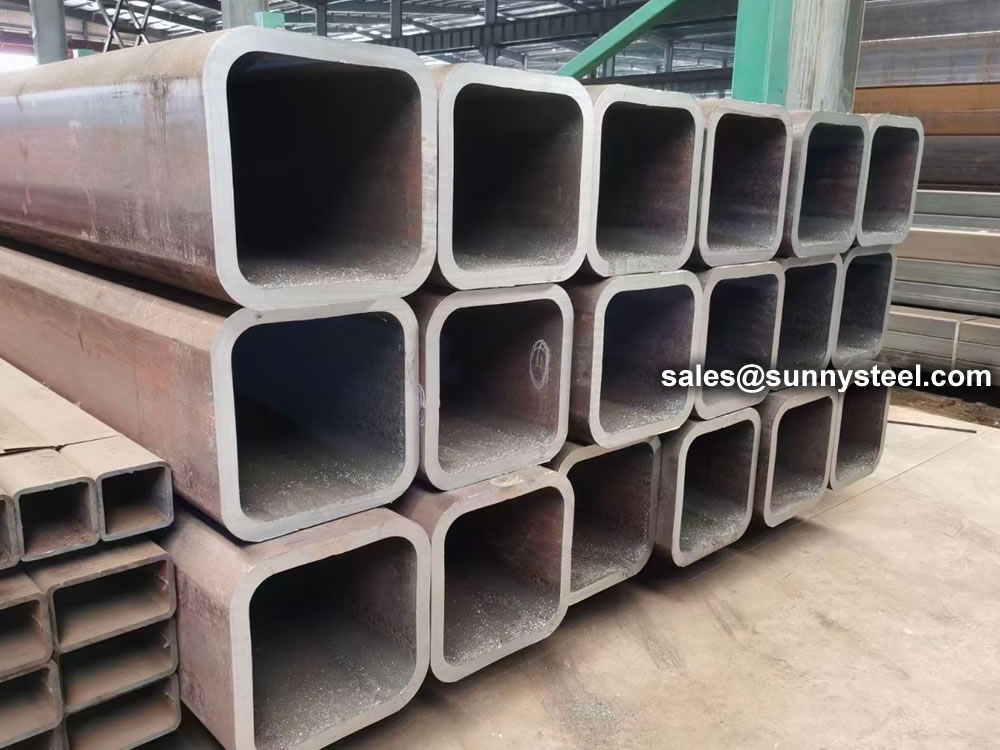
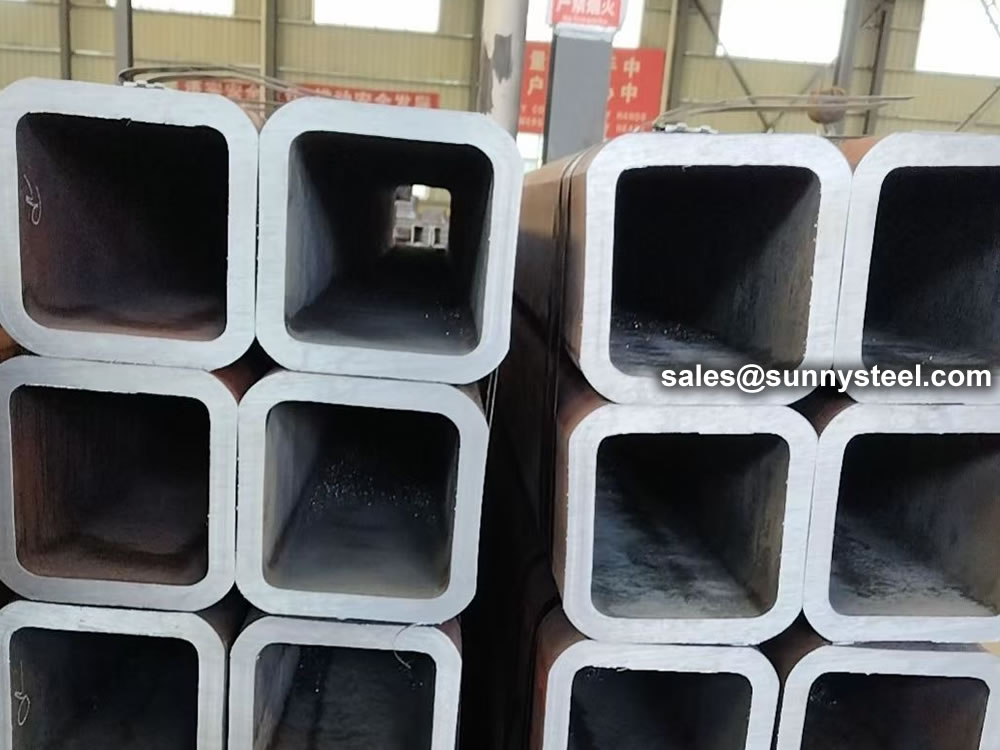
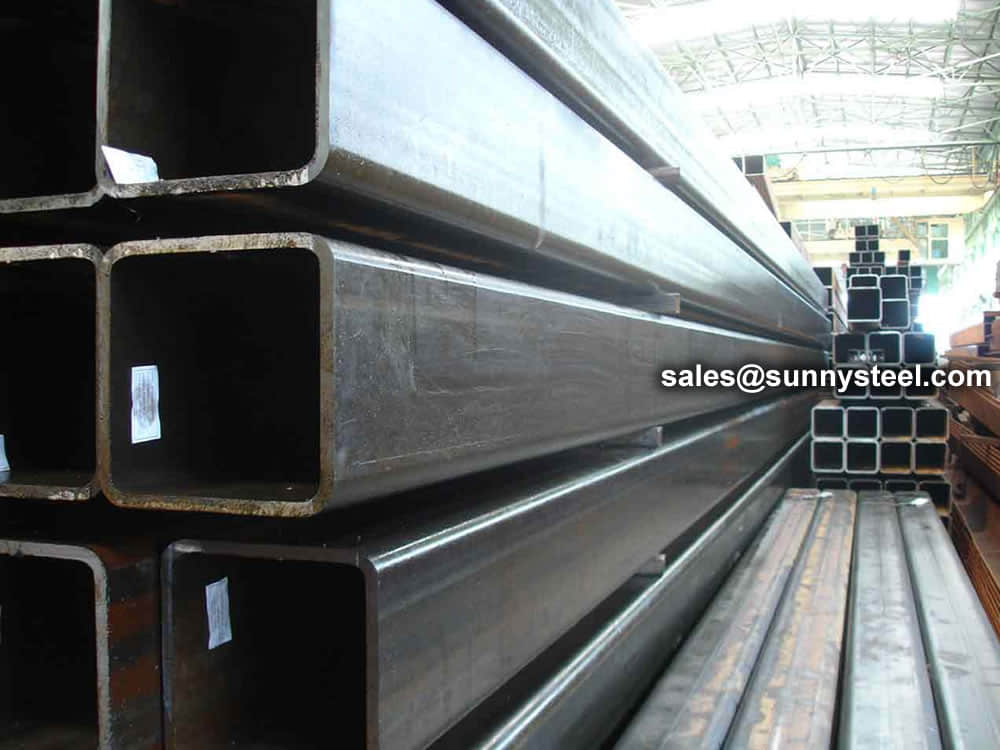
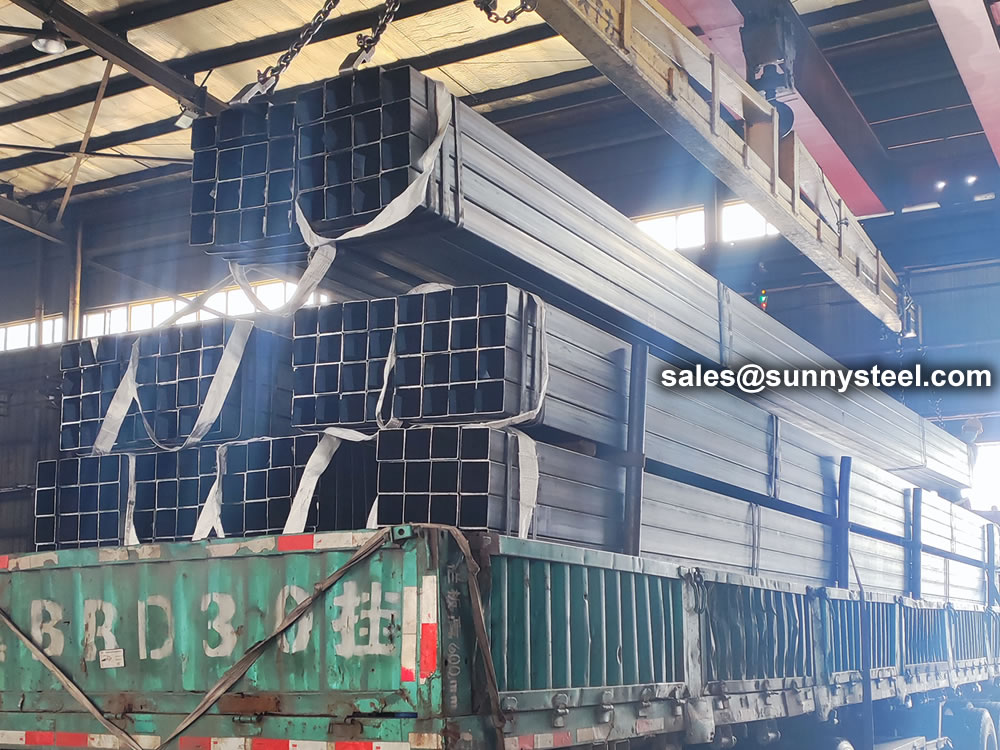
Special welded tubes, often used in critical industrial applications, require careful handling and transportation to ensure they reach their destination in optimal condition. These tubes may vary in size, material, and specifications, making their proper delivery essential.
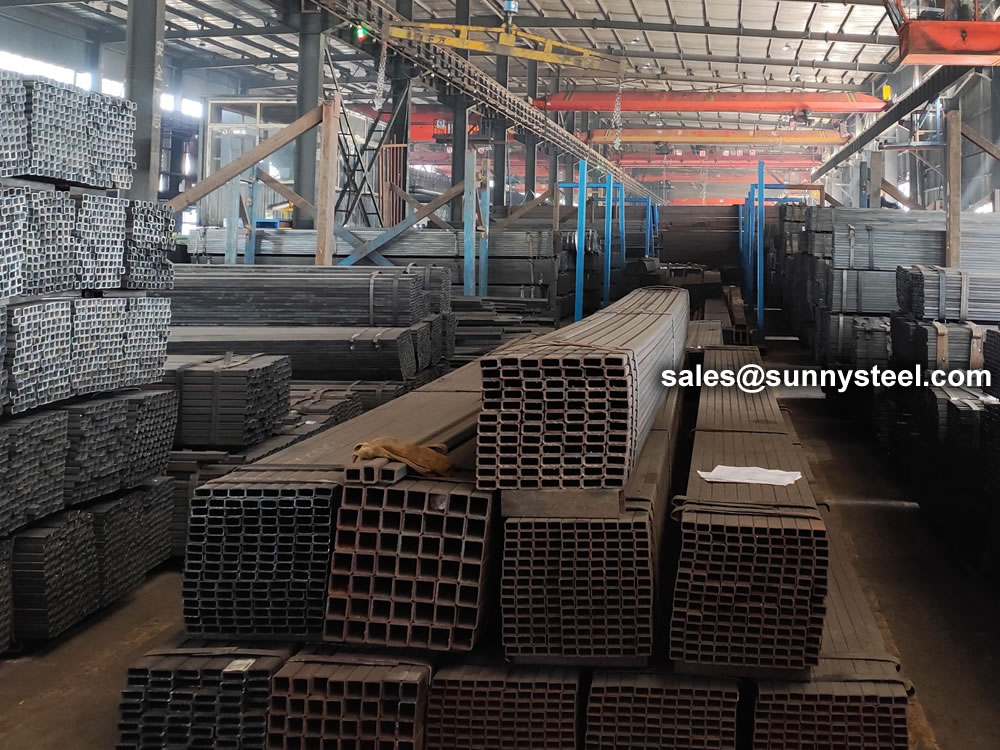
| Product Name | Executive Standard | Dimension (mm) | Steel Code / Steel Grade |
|---|---|---|---|
| Casting | API 5CT | Ø48.3~273 x WT2.77~11.43 | J55, K55, N80, L80 |
| Tubing | API 5CT | Ø48.3~273 x WT2.77~11.43 | J55, K55, N80, L80, H40 |
| Product Name | Executive Standard | Dimension (mm) | Steel Code / Steel Grade |
|---|---|---|---|
| Line Pipes | API 5L | Ø60.3~273.1 x WT2.77~12.7 | A25, A, B, X42, X46, X52, X56, X60, X65, X70, X80 |
| Product Name | Executive Standard | Dimension (mm) | Steel Code / Steel Grade |
|---|---|---|---|
| Electric-Resistance-Welded Steel Pipes | ASTM A135 | Ø42.2~114.3 x WT2.11~2.63 | A |
| Electric-Resistance-Welded Carbon Steel and Carbon-Manganese Steel Boiler and Superheater Tubes | ASTM A178 | 42.2-114.3 x 2.11-2.63 | A, C, D |
| ERW and Hot-dip Galvanized Steel Pipes | ASTM A53 | Ø21.3~273 x WT2.11~12.7 | A, B |
| Pipes for Piling Usage | ASTM A252 | Ø219.1~508 x WT3.6~12.7 | Gr.2, Gr.3 |
| Tubes for General Structural Purpose | ASTM A500 | Ø21.3~273 x WT2.11~12.7 | Gr.2, Gr.3 |
| Square Pipes for General Structural Purpose | ASTM A500 | 25 x 25~160 x 160 x WT1.2~8.0 | Carbon Steel |
| Product Name | Executive Standard | Dimension (mm) | Steel Code / Steel Grade |
|---|---|---|---|
| Threaded Steel Pipes | DIN 2440 | Ø21~164 x WT2.65~4.85 | Carbon Steel |
| Product Name | Executive Standard | Dimension (mm) | Steel Code / Steel Grade |
|---|---|---|---|
| Screwed and Socketed Steel Tubes | BS 1387 | Ø21.4~113.9 x WT2~3.6 | Carbon Steel |
| Scaffolding Pipes | EN 39 | Ø48.3 x WT3.2~4 | Carbon Steel |
| Product Name | Executive Standard | Dimension (mm) | Steel Code / Steel Grade |
|---|---|---|---|
| Carbon Steel Tubes for General Structure Purpose | JIS G3444 | Ø21.7~216.3 x WT2.0~6.0 | Carbon Steel |
| Carbon Steel Tubes for Machine Structure Purpose | JIS G3445 | Ø15~76 x WT0.7~3.0 | STKM11A, STKM13A |
| Carbon Steel Pipes for Ordinary Piping | JIS G3452 | Ø21.9~216.3 x WT2.8~5.8 | Carbon Steel |
| Carbon Steel Pipes for Pressure Service | JIS G3454 | Ø21.7~216.3 x WT2.8~7.1 | Carbon Steel |
| Carbon Steel Rigid Steel Conduits | JIS G8305 | Ø21~113.4 x WT1.2~3.5 | G16~G104, C19~C75, E19~E75 |
| Carbon Steel Rectangular Pipes for General Structure | JIS G3466 | 16 x 16~150 x 150 x WT0.7~6 | Carbon Steel |


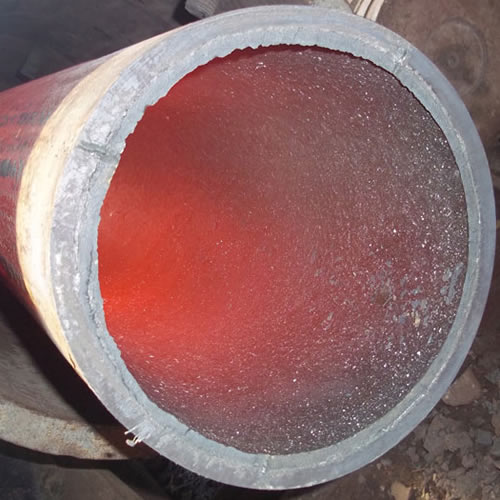
Ceramic lined pipe is made through self-propagating high-temperature synthesis (SHS) technique.
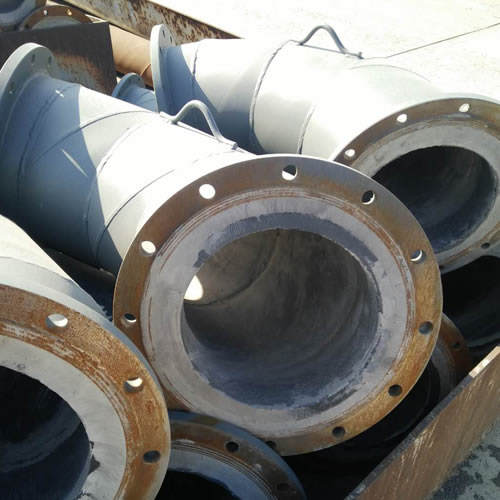
Cast basalt lined steel pipe is composed by lined with cast basalt pipe, outside steel pipe and cement mortar filling between the two layers.
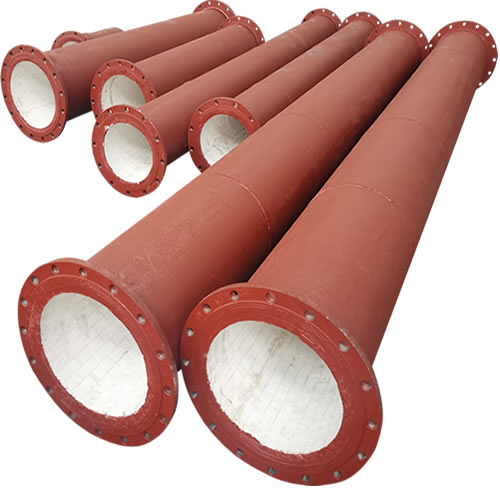
Ceramic tile lined pipes have very uniform coating of specially formulated ceramic material that is affixed to the inner of the pipe.
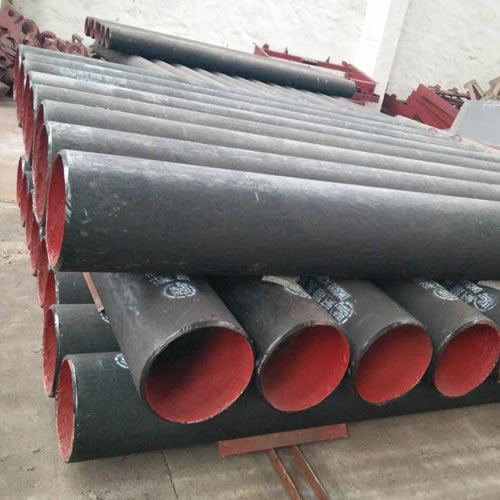
The material of the rare earth alloy wear-resistant pipe is ZG40CrMnMoNiSiRe, which is also the grade of rare earth alloy steel.
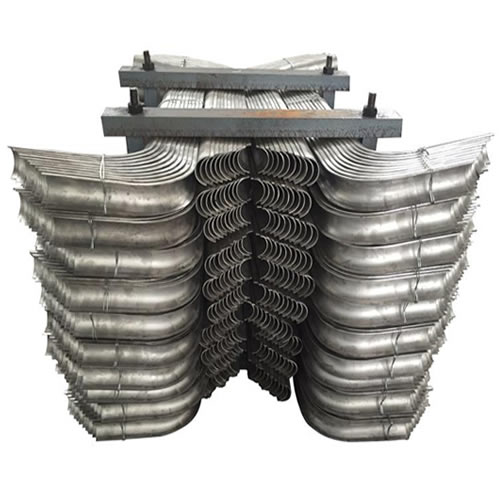
Tubes Erosion Shields are used to protect boiler tubing from the highly erosive effects of high temperatures and pressures thereby greatly extending tube life.
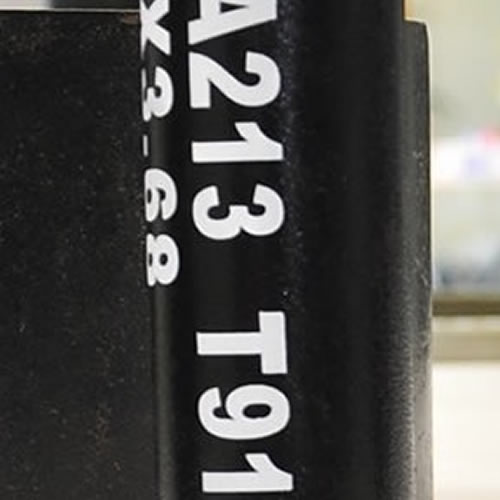
The ASTM A213 T91 seamless tubes are primarily used for boiler, superheater, and heat-exchanger.

When you partner with Sunny Steel, you can stop worrying about meeting deadlines thanks to our responsive and timely service. You'll also say goodbye to unnecessary shopping around. Instead, you'll get white glove service from an expert who understands your needs and can get you the materials you need quickly.