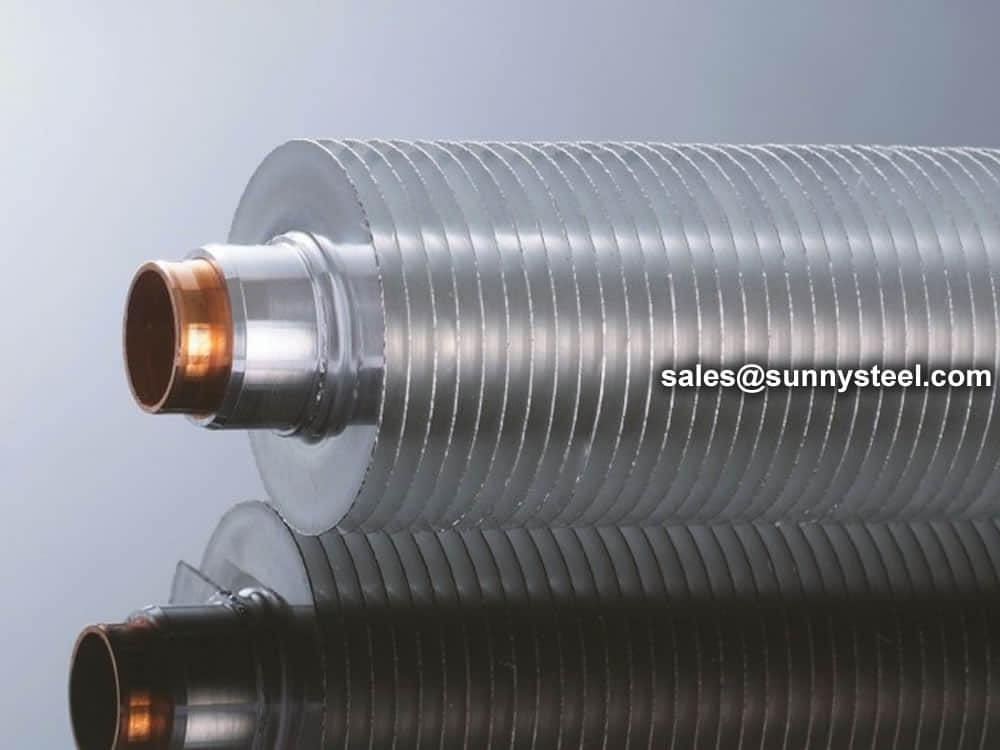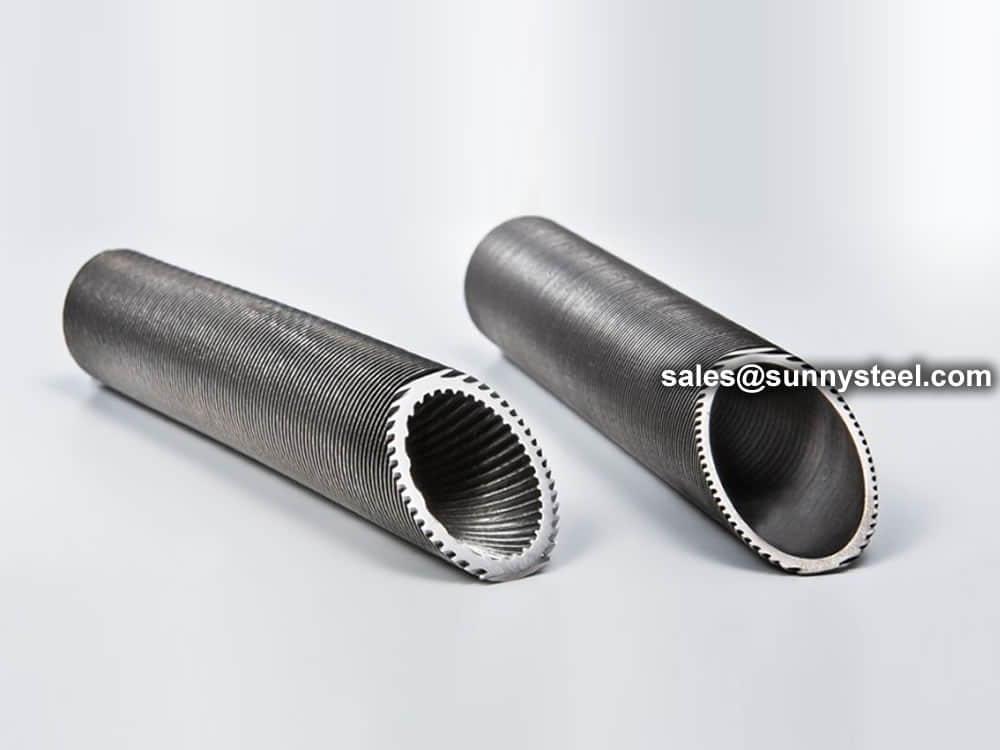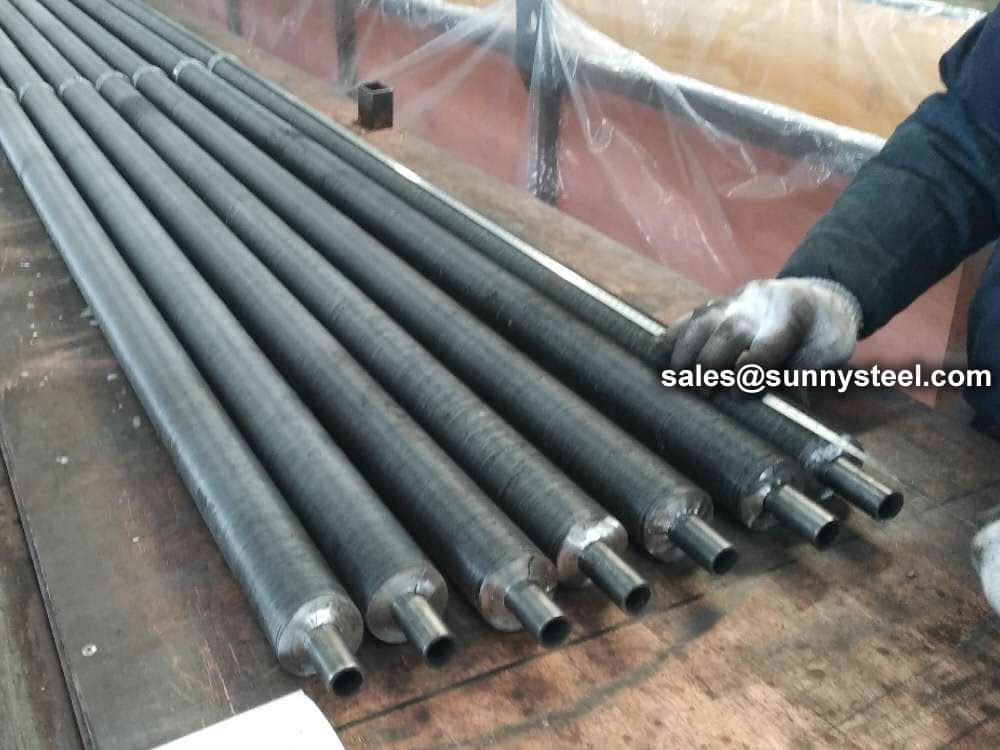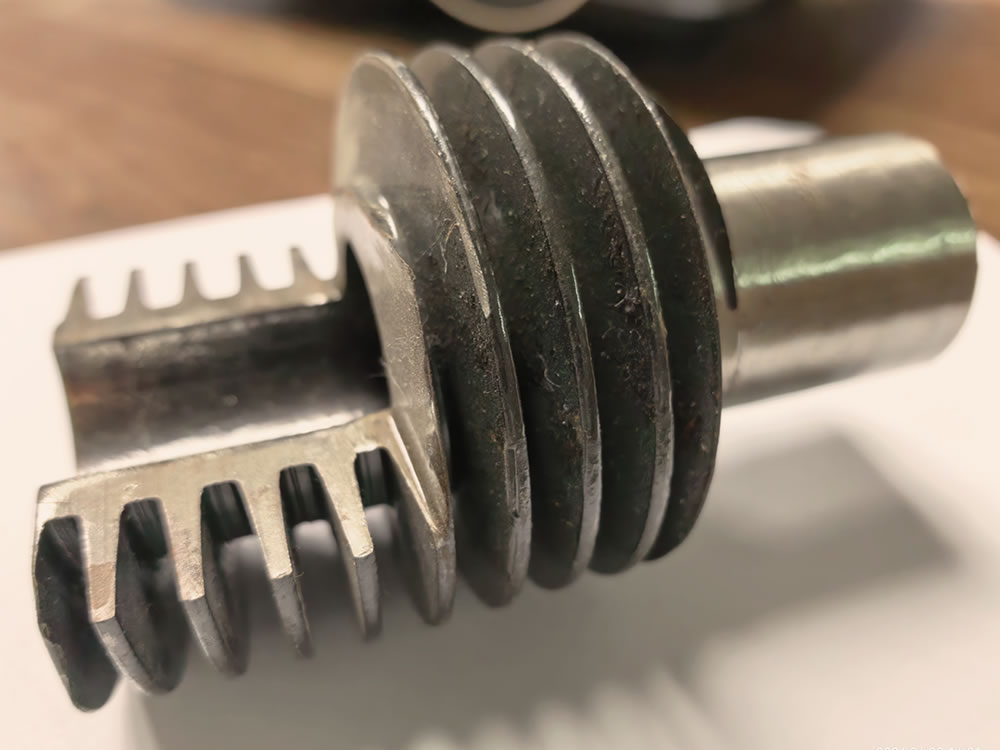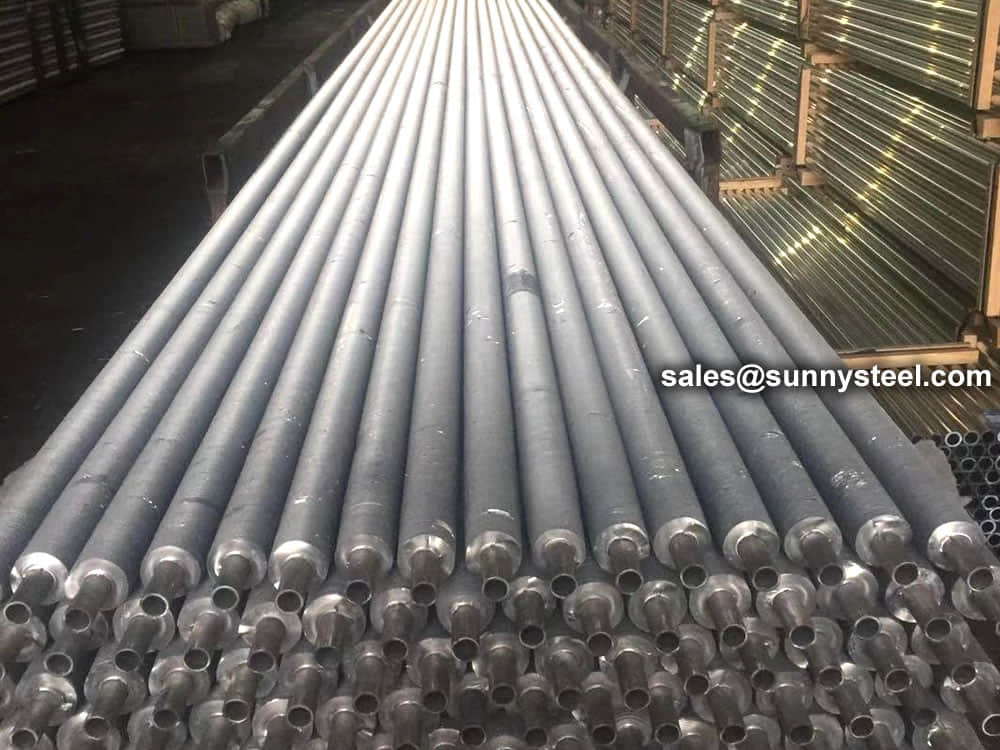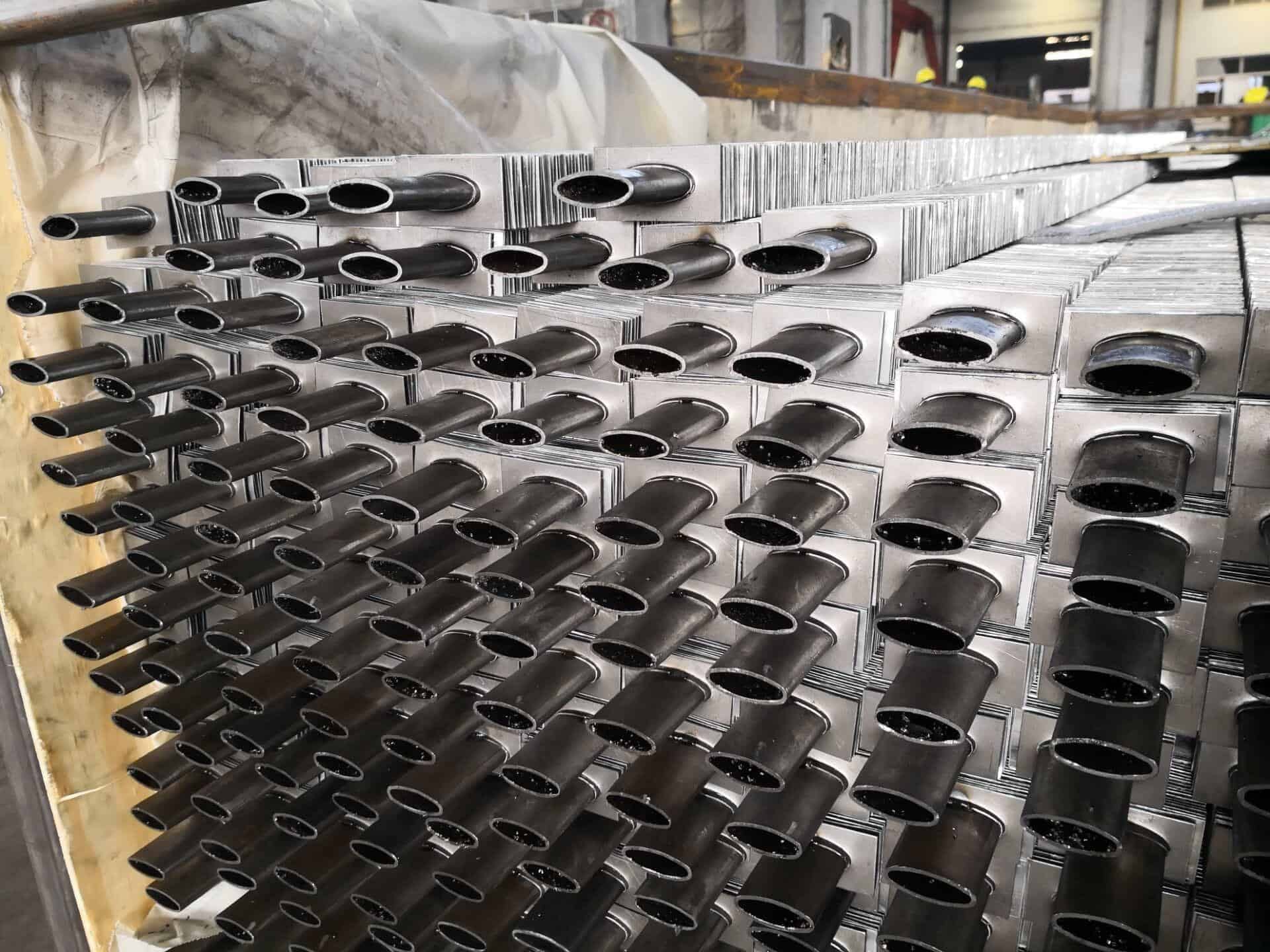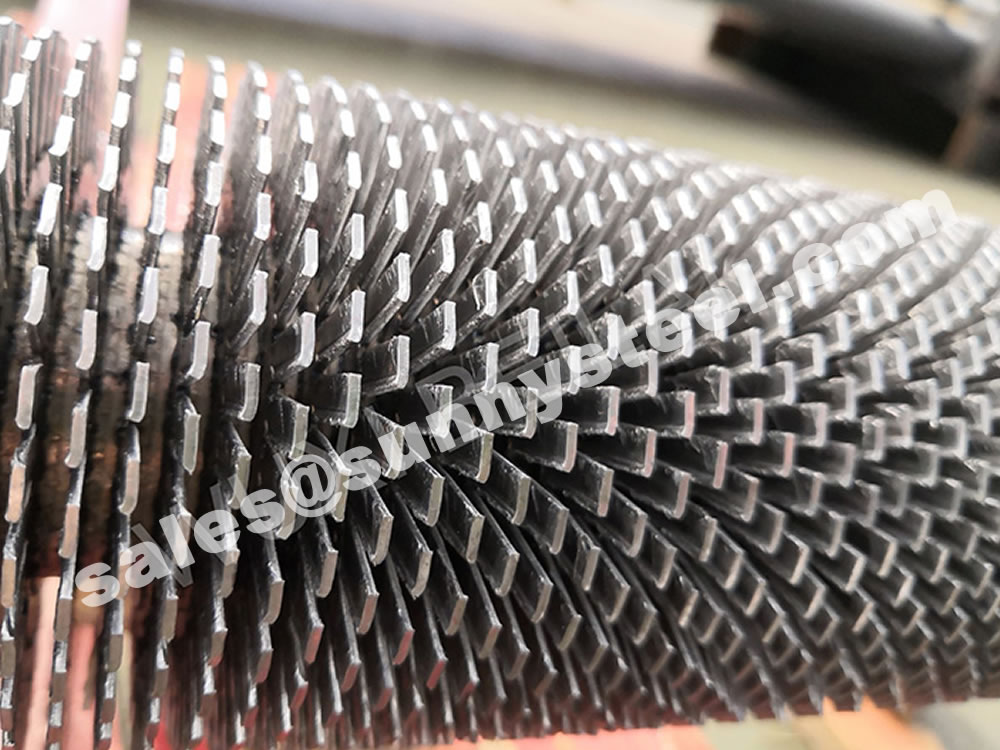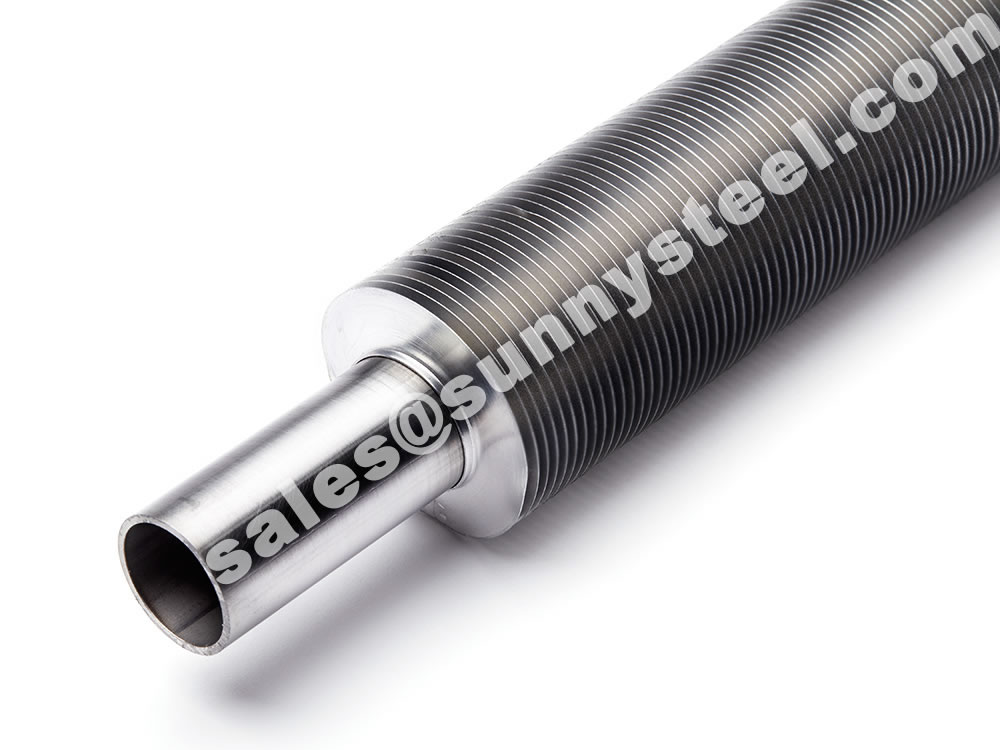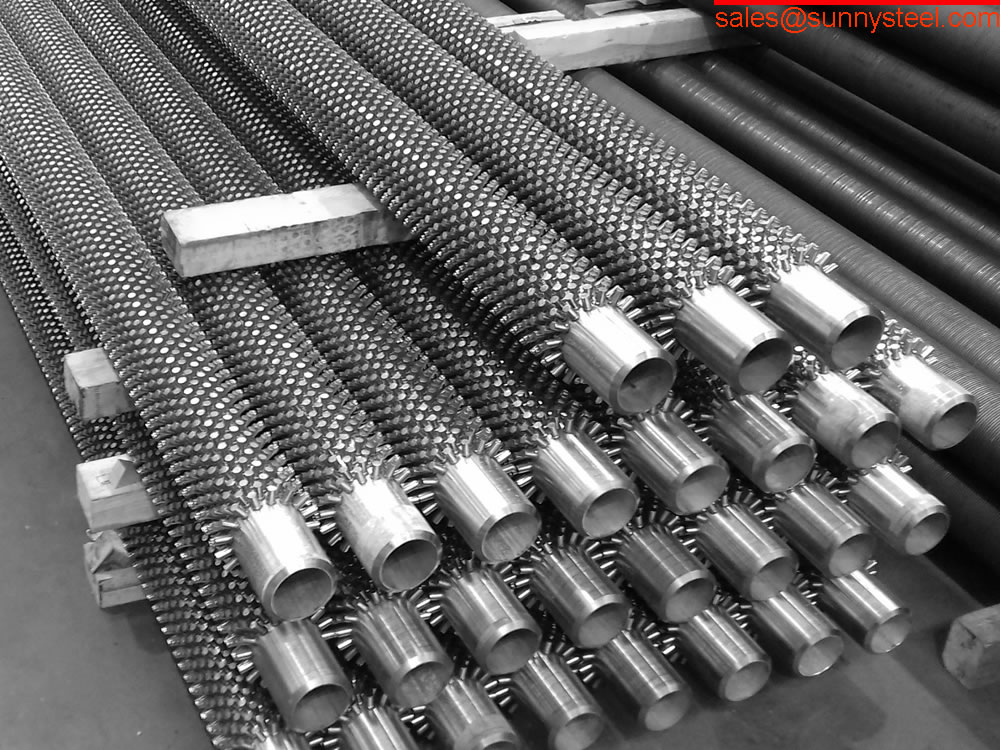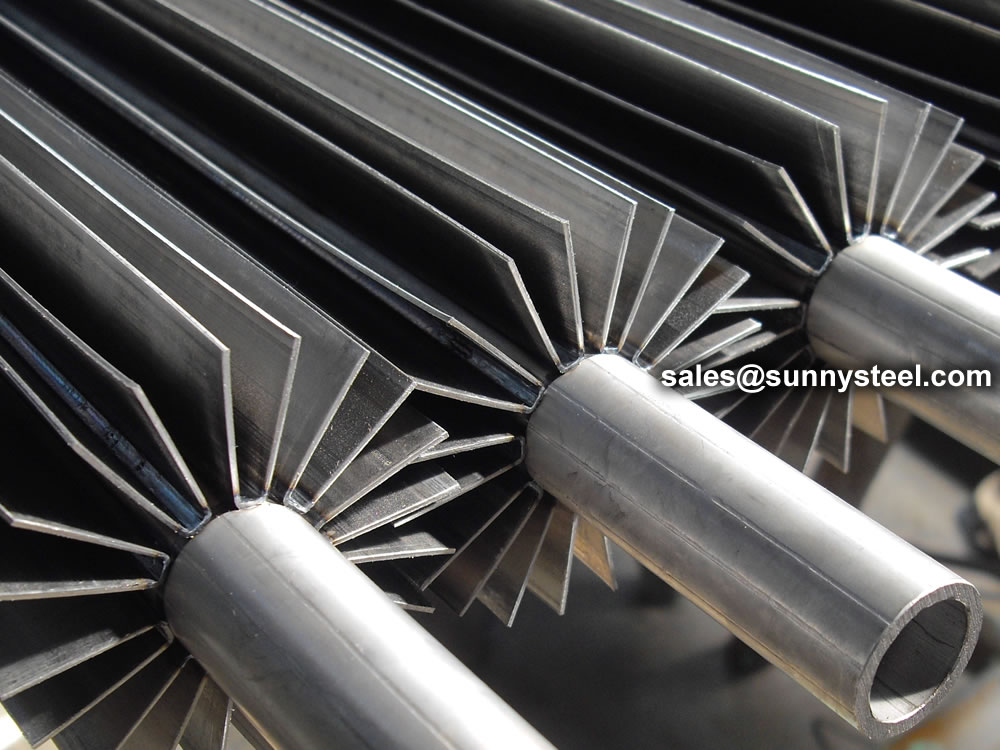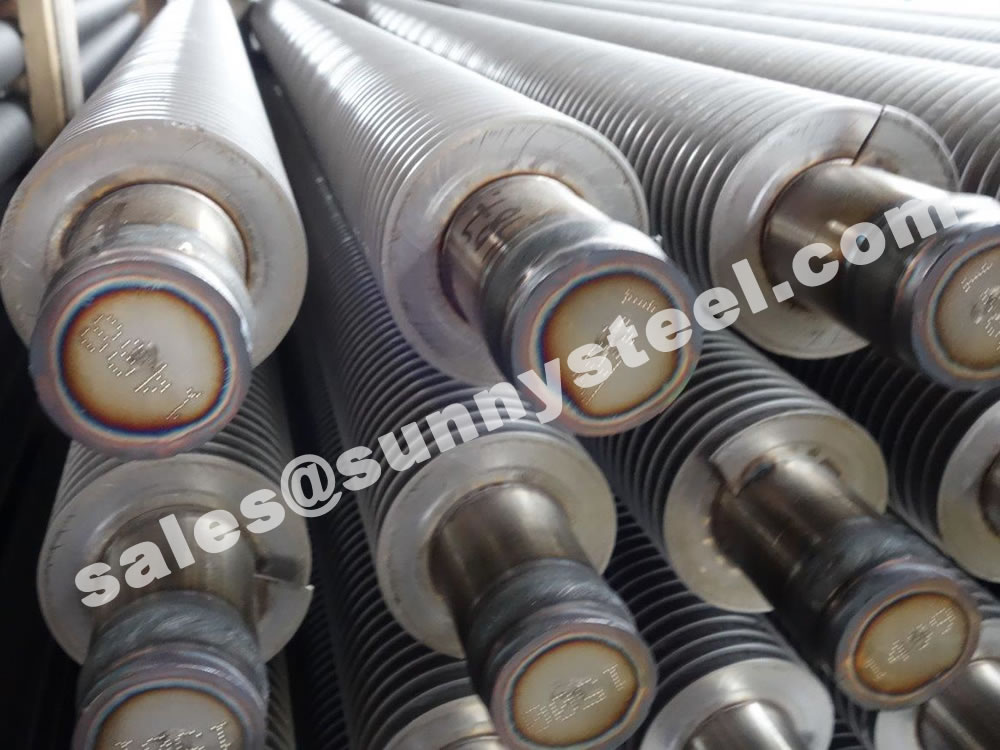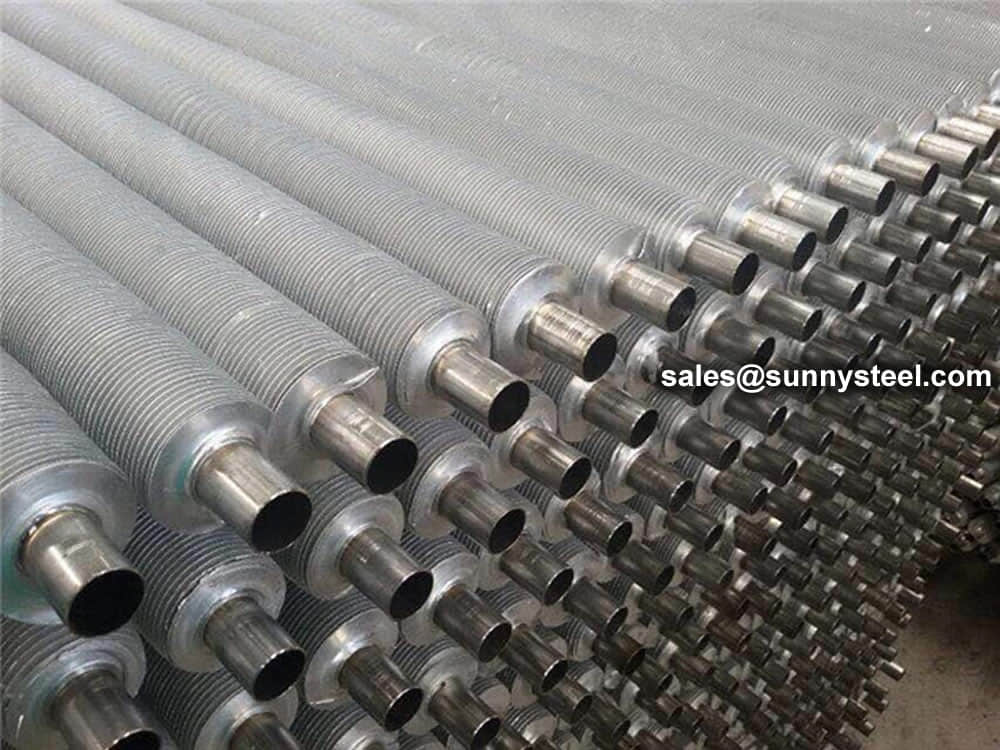
Extruded finned tubes are bimetallic tubes whose outer aluminium surface is finned by cold plastic deformation.
The extruded fin is formed from an outer thick-walled aluminium tube (muff) aligned over an inner base tube. The two tubes are pushed through three mandrels with rotating discs that literally squeeze or extrude the aluminium fins up and out of the muff material in a spiral shape in one operation.
Download PDFThe processing technology of steel-aluminum Extruded Type Finned Tube is to first process aluminum tube and steel tube into bimetallic composite tube, and then form fins after mechanical cold rolling.
There are two major types of finned tubes available with us, single metal tubes (also called mono metallic fin tube) and Bimetallic tube (composite extruded fin tube) .
The former uses Copper, Aluminum, and Copper Nickel alone. The later has a core tube on the inside made of harder material. In this case, the outer tube is rolled onto the core tube in order to provide for a tight bond and good thermal contact between the two tubes.
Finned tube is composite with iron-aluminum or copper-aluminum tube rolling out the fin, which feathers are tightness, small heat resistance, good heat transfer performance, high strength, small flow losses, strong corrosion resistant performance, not easy to deformation and a long working lifetime in cold and hot condition, etc.
Overall rolling fin is smooth and has no burr, so it is easy to clean. It is easy to make the fin surface wet and cooled with water when makes it cold during heating air-conditioning engineering. In the situation with drying, heating and other heat exchanging, its surface is handles by anodizing, which with beautiful color and luster, and can effectively prevent surface corrosion.
Aluminum rolling finned tube is rolling as a whole by the aluminum tube, which has the feather that no contact thermal resistance, high strength, thermal shock and mechanical shock, good thermal performance, and considerable expansion heat transfer surface. The heat ex-changer with this kind of finned tube is ahead of the string or around the plate ones.
The processing technology of steel-aluminum Extruded Type Finned Tube is to first process aluminum tube and steel tube into bimetallic composite tube, and then form fins after mechanical cold rolling. The aluminum fins are tightly combined into a bimetallic tube finned tube (composite extruded finned tube)
Steel-aluminum rolled finned tubes are integrally rolled from aluminum tubes, and have the characteristics of no contact thermal resistance, high strength, thermal shock resistance and mechanical shock resistance, good thermal performance, and a considerable expansion heat transfer surface. This finned tube heat exchanger is in front of the tube or around the plate.
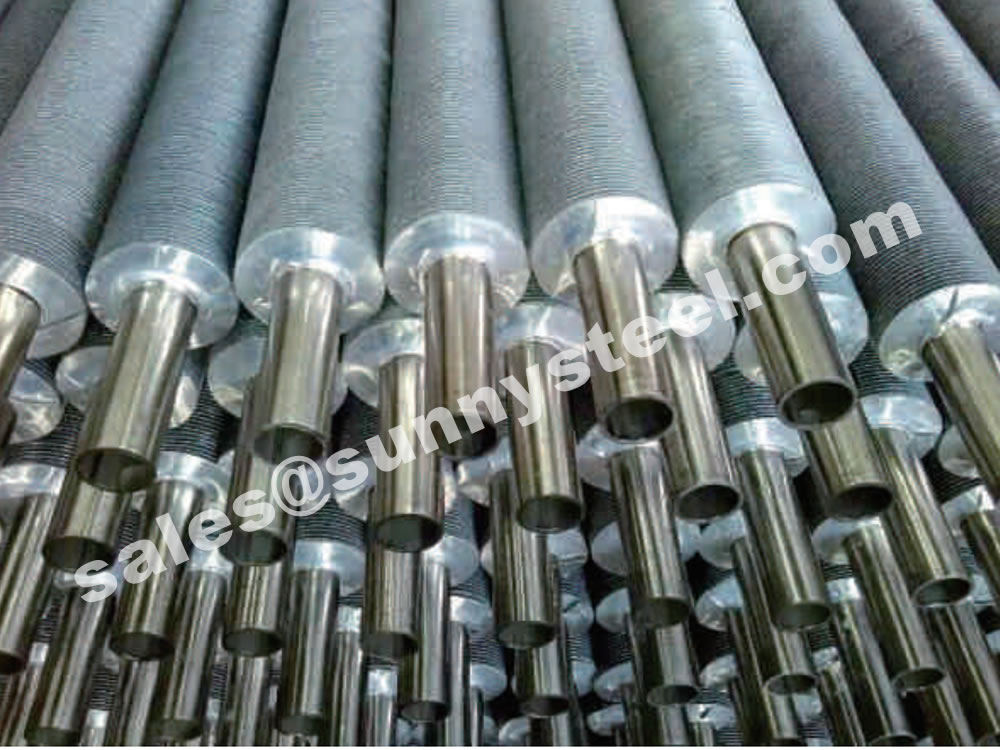
The processing technology of cold rolled aluminium steel finned tube isthat aluminium tube and steel tube are first processed into bimetallic composite tube, and then the fin is formed after mechanical cold rollingBased on the physical characteristics of aluminium tube, the finned tube with steel tube as the core and aluminium fin formed by cold rolling are made into one. lt is widely used in steel, petroleum, chemical industry.machinery, shipbuilding, power station, hospital and food industry.
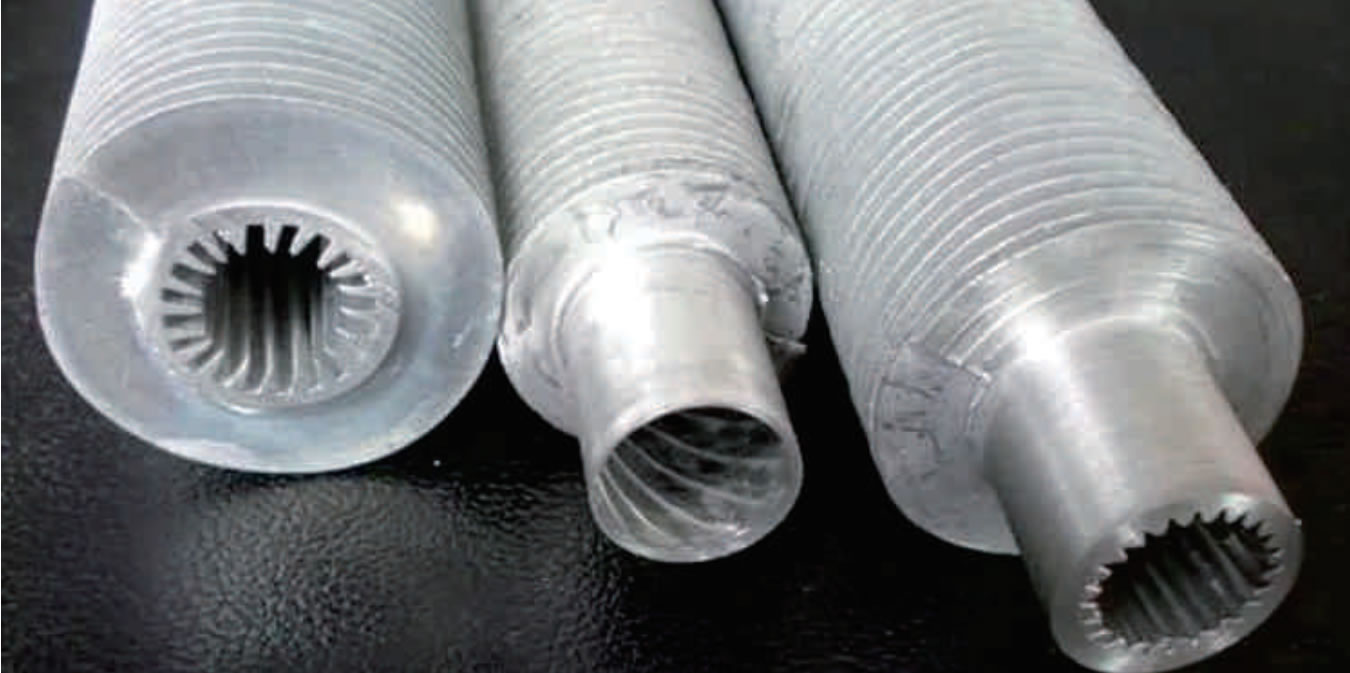
Single metal composite finned tube is rolled from aluminium tube as a whole. Pure aluminium rolling finned tube has no contact thermal resistance, high strength, heat resistance and mechanical vibration, good thermal expansion performance and considerable expansion heat exchange surface.
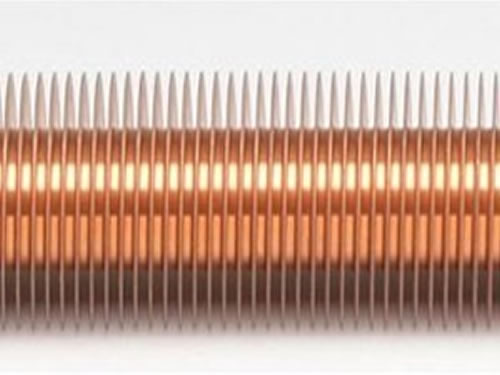
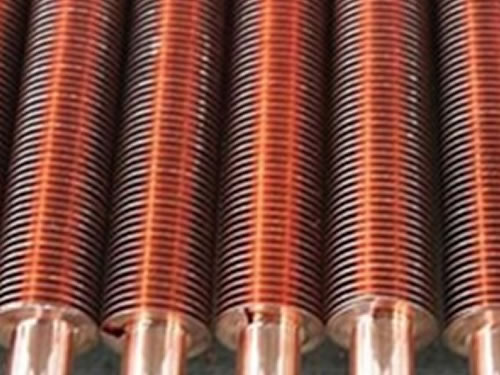
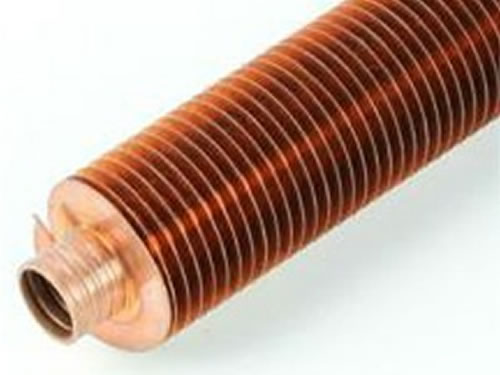
Copper finned tube is a type of heat exchanger element. In order to improve the heat exchange efficiency, fins are usually added on the surface of the heat exchange tube to increase the external surface area (or internal surface area) of the heat exchange tube, so as to achieve the purpose of improving the heat exchange efficiency. The integral rolling fin tube has no contact thermal resistance, good heat transfer performance, high strength, heat resistance and mechanical vibration resistance, and good thermal expansion performance.
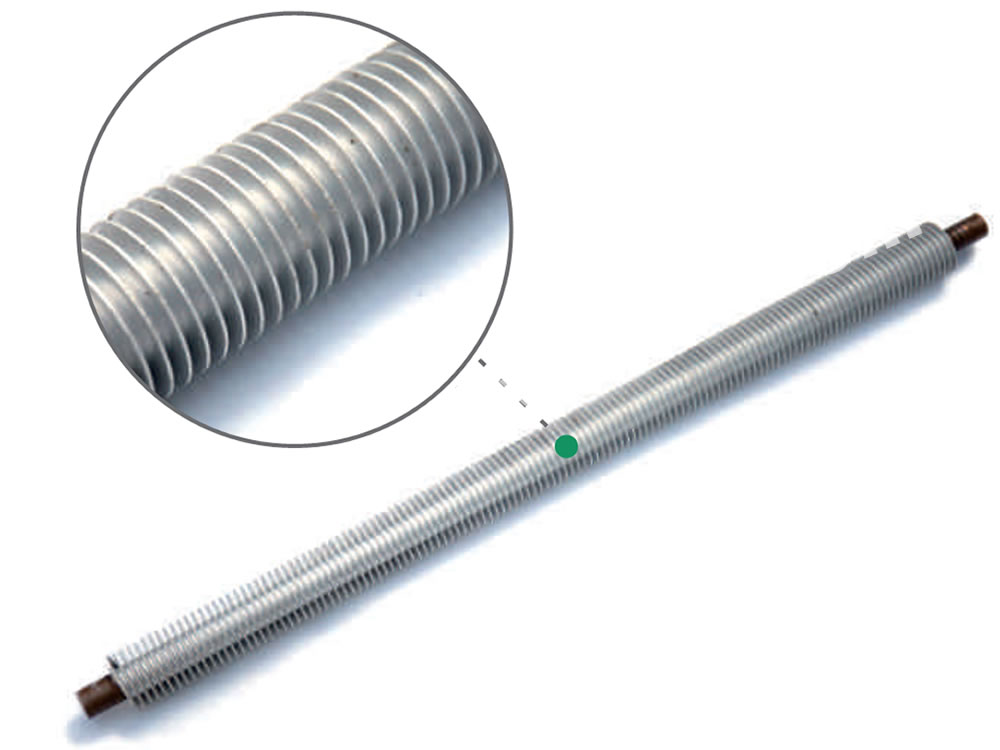
Copper-aluminium composite finned tube is made of copper-aluminium composite tube after compounding and then rolled. It has the characteristics of close combination, small thermal resistance, good heat transfer performance, high strength, small flow loss, strong corrosion resistance, low deformation and long working life under long-term cold and heat conditions. When wet cooling is carried out in heating and air conditioning,condensation water on the surface of fin is easy to beremoved,and it is not easy to form dust and scale in coaxial heating and other heat exchange occasions.
Integral fin tube produced by rolling and extruding from a thick wall tube of aluminium or copper which is easily cold formed. Where internal corrosion resistance is required, the tube is rolled onto an inner sleeve tube which provides excellent thermal conductivity between the tubes. The sleeve can be arranged to protrude at each end to facilitate fixing of the headers. Maximum working temperature 250°C.
| Description | Aluminum |
|---|---|
| Max. Fin Height | 3/8″,7/16″, 1/2″, 5/8″ |
| Max. Fin Density | 6-12 fins/inch |
| Max Tube Diam. | 1/2 – 2 inches OD |
| Base Tube Material | Aluminum |
| Max Tube Length | 49 feet (15m) |
Transferring heat from a hot fluid into a colder fluid through a tube wall is the reason many of us use finned tubes.
But you may ask, what is the major advantage of using a finned tube? Why can’t you just use a regular tube to make this transfer? Well you can but the rate will be much slower.
By not using a finned tube the outside surface area is not significantly greater than the inside surface area. Because of that, the fluid with the lowest heat transfer coefficient will dictate the overall heat transfer rate. When the heat transfer coefficient of the fluid inside the tube is several times larger than that of the fluid outside the tube the overall heat transfer rate can be greatly improved by increasing the outside surface area of the tube.
Finned tubes increase outside the surface area. By having a finned tube in place, it increases the overall heat transfer rate. This then decreases the total number of tubes required for a given application which then also reduces overall equipment size and can in the long-run decrease the cost of the project. In many application cases, one finned tube replaces six or more bare tubes at less than 1/3 the cost and 1/4 the volume.
For applications that involve the transfer of heat from a hot fluid to a colder fluid through a tube wall, fin tubes are used. Usually, for an air heat exchanger, where one of the fluids is air or some other gas, the air side heat transfer coefficient will be much lower, so additional heat transfer surface area or a fin tube exchanger is very useful. The overall pattern flow of a finned tube exchanger is often crossflow, however, it can also be parallel flow or counterflow.
Fins are used to increase the effective surface area of heat exchanger tubing. Furthermore, finned tubes are used when the heat transfer coefficient on the outside of the tubes is appreciably lower than that on the inside. In other words, heat transferred from liquid to gas, vapor to gas, such as steam to air heat exchanger, and thermic fluid to air heat exchanger.
The rate at which such heat transfer can occur depends on three factors – [1] the temperature difference between the two fluids; [2] the heat transfer coefficient between each of the fluids and the tube wall; and [3] the surface area to which each fluid is exposed.
A finned tube exchanger typically has tubes with fins attached to the outside. Usually, there will be some liquid flowing through the inside of the tubes and air or some other gas flowing outside the tubes, where the additional heat transfer surface area due to the finned tube increases the heat transfer rate. In a crossflow fin tube exchanger, the fins will typically be radial fins and they’ll either be circular or square in shape.
By not using a finned tube, the outside surface area is not significantly greater than the inside surface area. Because of this, the fluid with the lowest heat transfer coefficient will dictate the overall heat transfer rate. When the heat transfer coefficient of the fluid inside the tube is several times larger than that of the fluid outside the tube, the overall heat transfer rate can be greatly improved by increasing the outside surface area of the tube.
By having a finned tube in place, it increases the overall heat transfer rate. Finned tubes increase the outside surface area. This decreases the total number of tubes required for a given application which then also reduces overall equipment size and can in the long-run decrease the cost of the project.
Finned tube heat exchangers are used in a variety of applications, and more so as industrial heat exchangers. An air heat exchanger like the evaporator coil in an air conditioning unit is typically a fin tube exchanger. Another common fin tube air heat exchanger is the car radiator. The purpose of the car radiator is to cool the hot water in the tubes with the air passing through the crossflow. On the contrary, the air conditioner evaporator coil has the purpose of cooling the air passing through it. The finned tubes that are manufactured at Kainon Boilers, use high grade carbon steel, stainless steel, copper, brass, and aluminum. Our finned tube exchangers are designed to meet the specific duty condition, temperature and pressure of the fluids.
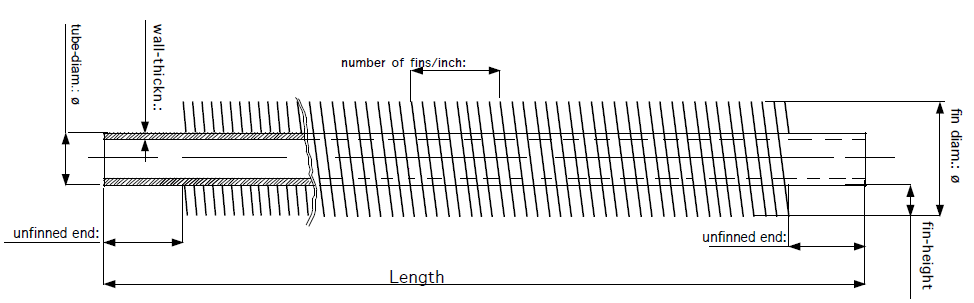
Typical finned tube configurations and dimensional references
| Type | Description | Base Tube O.D. (mm) |
Fin Specification (mm) | |||
|---|---|---|---|---|---|---|
| Fin Pitch | Fin Height | Fin Thickness | Remarks | |||
| Embedded | G-type fin tube | 16–63 | 2.1–5 | <17 | ~0.4 | High bond strength |
| Extruded | Single / bi-metal fin tube | 8–51 | 1.6–10 | <17 | 0.2–0.4 | Excellent corrosion resistance |
| Low fin / T-type fin tube | 10–38 | 0.6–2 | <1.6 | ~0.3 | Used in condensers | |
| Bamboo / corrugated tube | 16–51 | 8–30 | <2.5 | – | Enhanced turbulence | |
| Wound | L / KL / LL-type fin tube | 16–63 | 2.1–5 | <17 | ~0.4 | Aluminum fins on steel tube |
| String | String fin tube | 25–38 | 2.1–3.5 | <20 | 0.2–0.5 | Easy field cleaning |
| U-type | U-bend tube | 16–38 | – | – | – | For heat exchangers |
| Welded | HF welded fin tube | 16–219 | 3–25 | 5–30 | 0.8–3 | High-temperature service |
| H / HH-type fin tube | 25–63 | 8–30 | <200 | 1.5–3.5 | Boiler economizers | |
| Studded fin tube | 25–219 | 8–30 | 5–35 | φ5–20 | Radiant heating | |
Finned tubes are widely used in water-tube boilers, economizers, air preheaters and waste heat recovery units. Water or steam flows inside the tubes, while hot flue gas passes over the extended fin surfaces. The increased external surface area significantly improves heat transfer efficiency and reduces overall equipment size.
Typical selections: HF welded carbon steel fin tubes for economizers, H-type fin tubes for high-dust environments, and studded tubes for radiant sections. Material selection follows service temperature, flue gas chemistry and fouling considerations.
Our factory is equipped with professional technical research and design personnel who can provide product optimization design and services.
Quality is the foundation of an enterprise, the company adopts the most advanced production equipment and the best management and technical personnel in the same industry, constantly improves the product technology, strictly controls every step of the processing process, and strives to meet the fierce market competition with first-class quality products, so as to keep the company at the forefront of the industry forever.
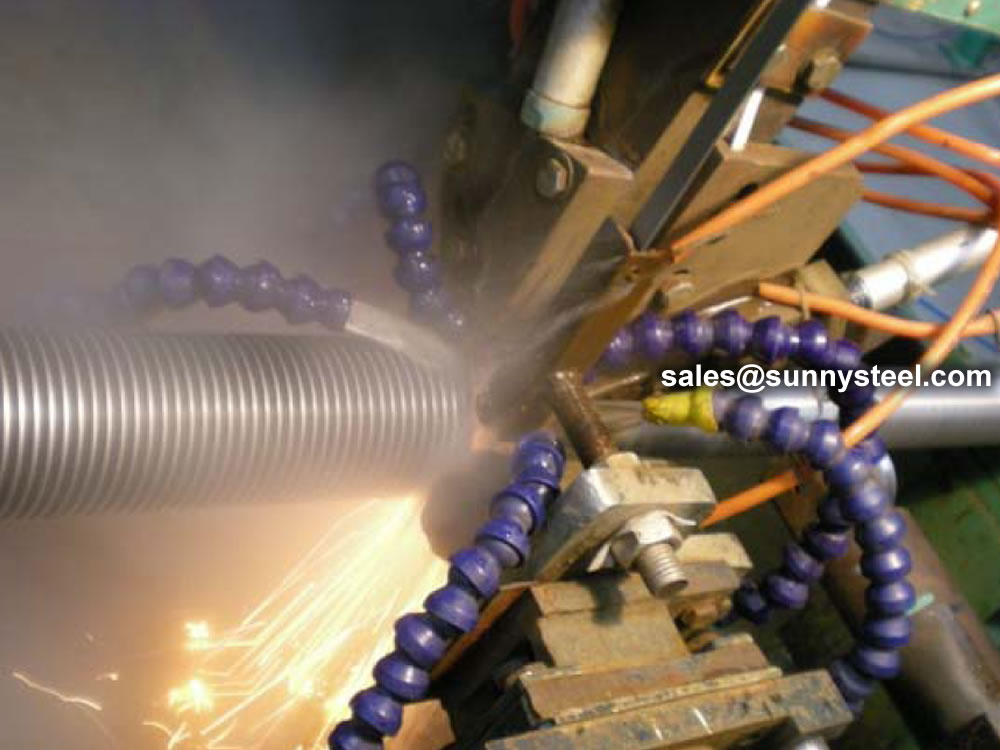
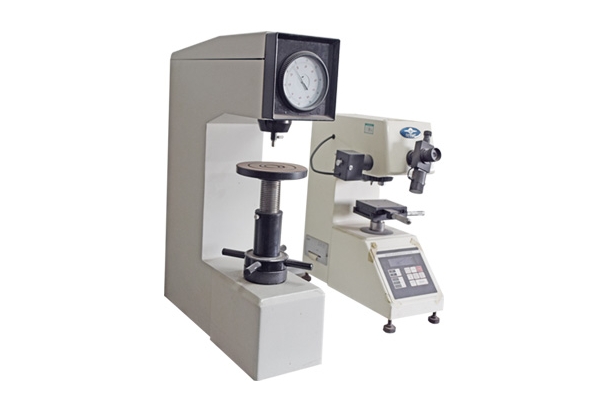
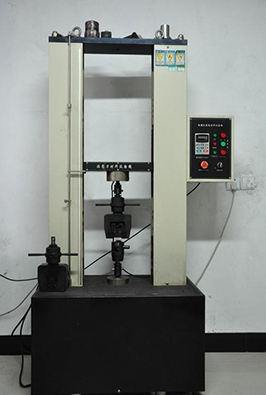
Testing instrument
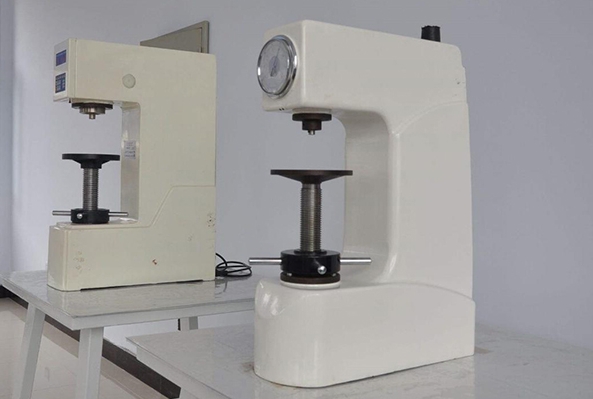
Hardness tester
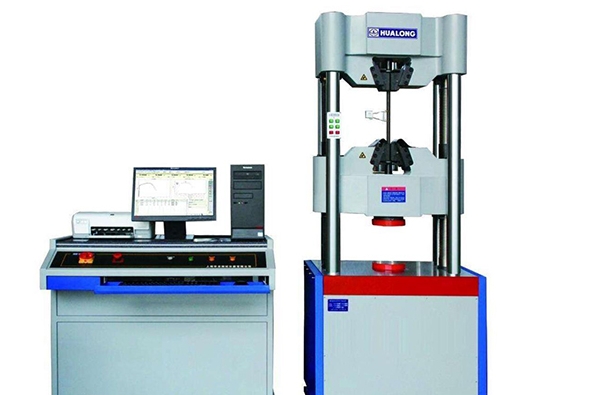
Drawing Machine
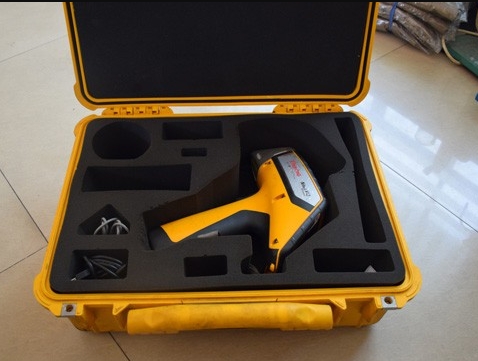
Component analyzer
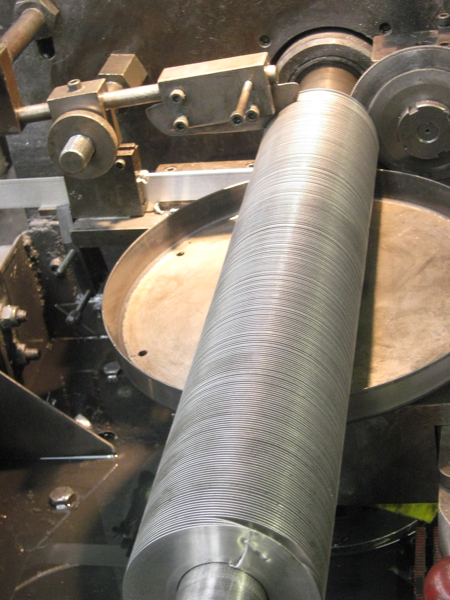
Aluminium KL finned tube
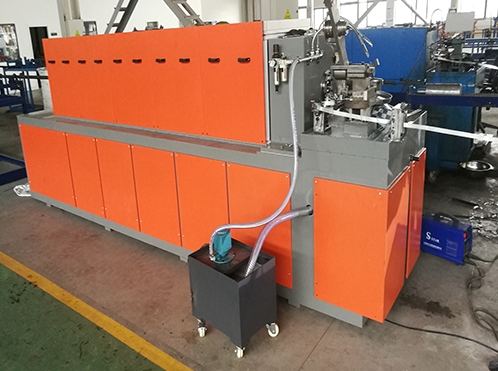
L LL KL G production line
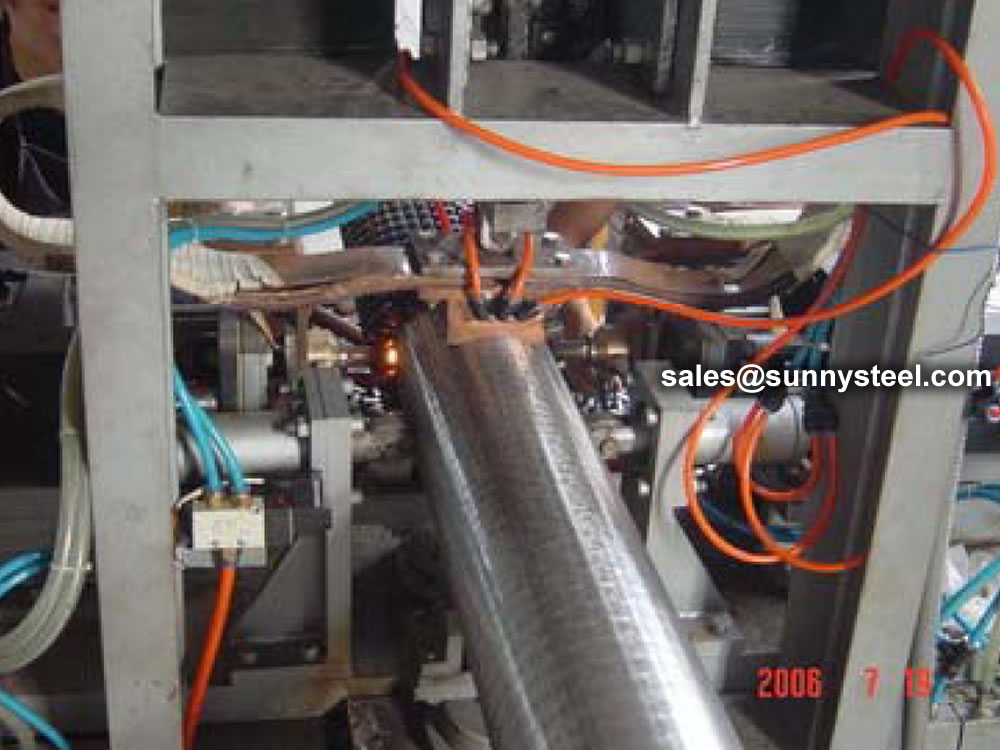
Production equipments
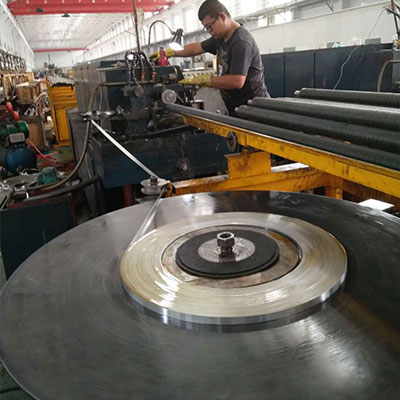
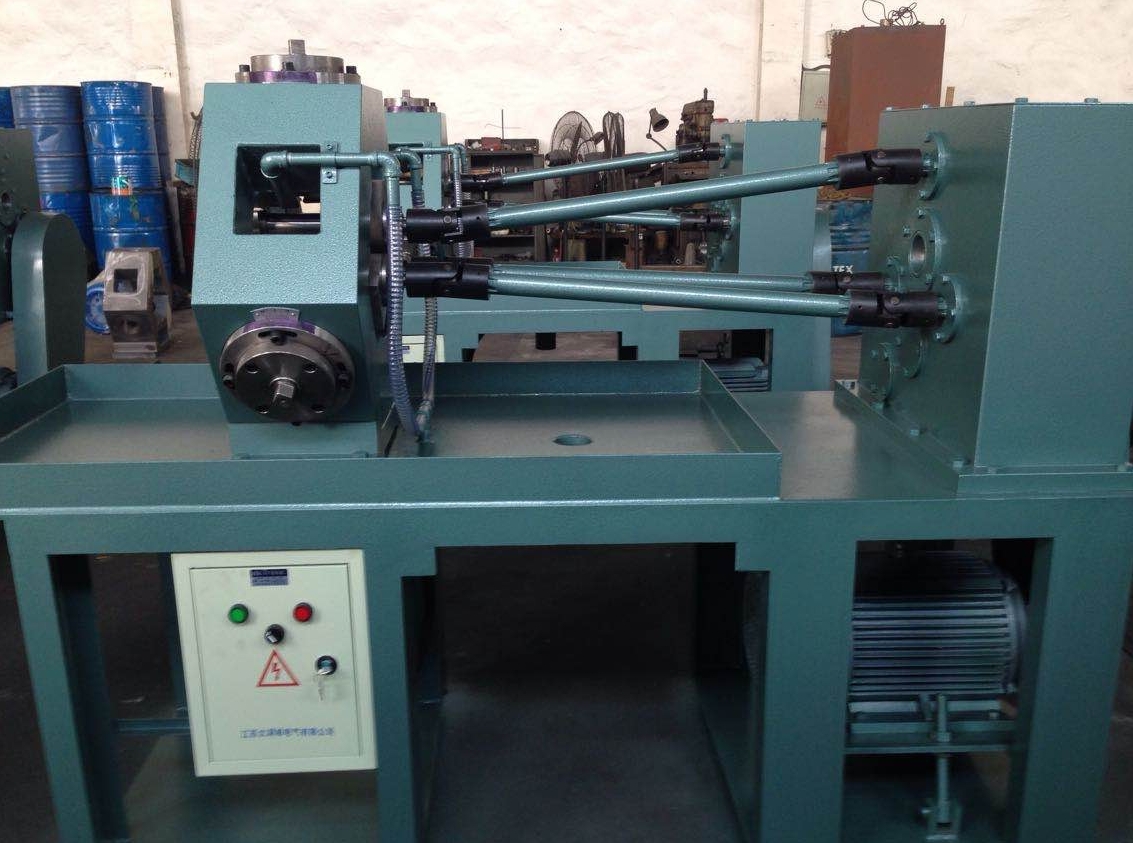
Extrusion equipment
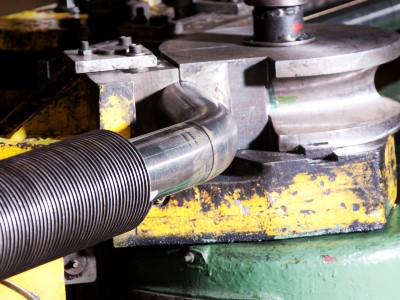
Fin tube bending

Typical combinations of fin, base tube and ring materials
We offer a broad portfolio of fin and base tube materials, customizable to meet specific requirements for thermal conductivity, mechanical strength, and corrosion or erosion resistance.
| Component | Common Materials |
|---|---|
| Base Tube | Carbon steel, Alloy steel, Stainless steel, Copper, Cupro-Nickel, Titanium, Aluminium |
| Fin | Carbon steel, Stainless steels (304, 310, 316, 321, 409, 410), Nickel 200, Inconel, Copper, Aluminium |
| Support Rings | Carbon steel, Aluminium, Hot-dip galvanized steel |
| Material Group | Typical Grades & Standards |
|---|---|
| Carbon Steel |
A179, A192, SA210 Gr A1 / C, A106 Gr B, A333 Gr 3 / 6 / 8, DIN 17175 St35.8 / St45.8, EN 10216 P195 / P235 / P265, GB/T 3087 10 / 20, GB/T 5310 20G / 20MnG |
| Alloy Steel |
A209 T1 / T1a, A213 T2 / T5 / T9 / T11 / T12 / T22 / T91, A335 P2 / P5 / P9 / P11 / P12 / P22 / P91, EN 10216-2 13CrMo4-5, 10CrMo9-10, 15NiCuMoNb5-6-4 |
| Stainless Steel | TP304 / 304L, TP316 / 316L, TP310 / 310S, TP347 / 347H |
| Copper & Copper-Nickel | UNS C12200 / C14200 / C70600, CuNi 90-10, CuNi 70-30 |
| Titanium | ASTM B338 Grade 2 |
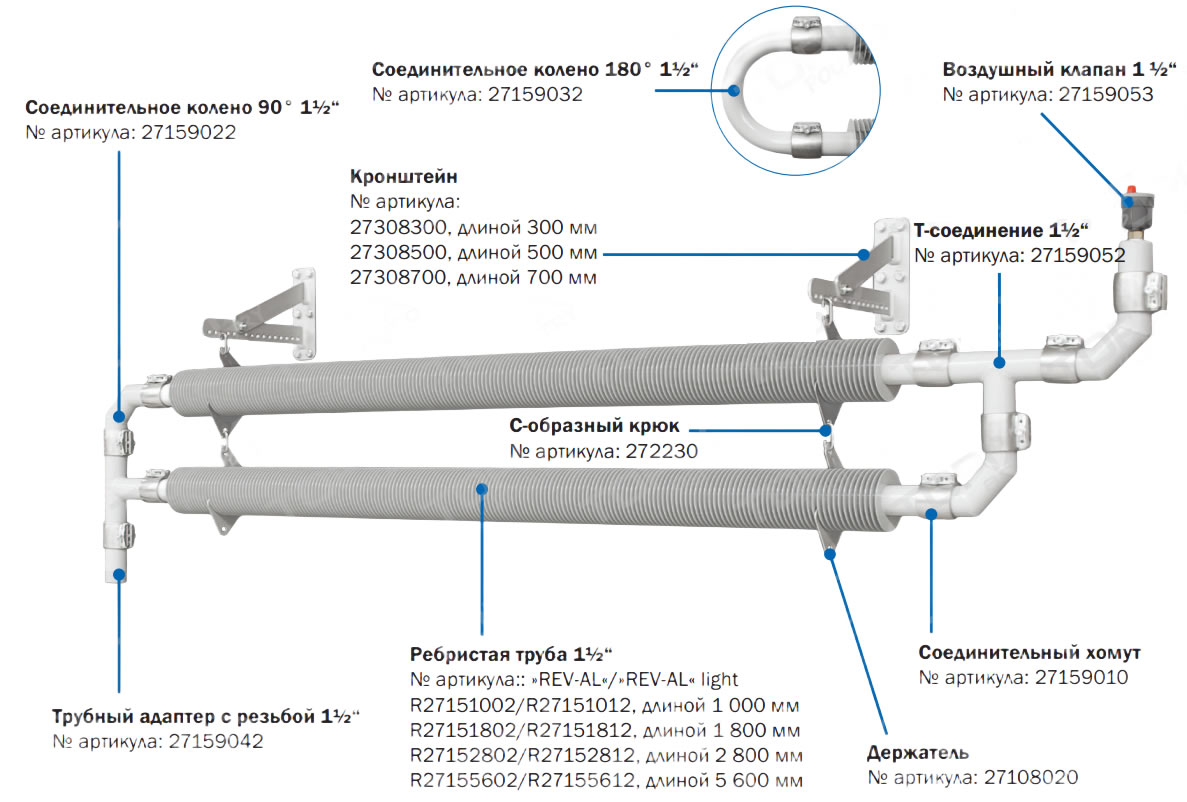
Ребристая труба для отопления на свинокомплексах и птицефабриках
Отопительные трубы с ребрами обеспечивают хорошую теплопередачу, благодаря абсолютно жесткой посадке плоского ребра на внутренней трубе. Наши отопительные трубы с ребрами применяются везде, где особые условия монтажа требуют использования необычных решений, например, в фасадных системах отопления, на многоярусных складах, в теплицах, при защите стеклянных куполов от запотевания и т.д., также трубы используются для отопления жилых, промышленных и складских помещений. Имеют документированную высокую степень теплоотдачи.
Ребристые трубы монтируются при помощи стандартных фитингов, либо под сварку по желанию Заказчика.
Мы изготавливаем два типоразмера ребристой трубы :
Ду32 и Ду40.
Длину трубы определяет Заказчик.
Покрытие трубы:
-грунт
-порошковая окраска
-горячий цинк.
По ценам и срокам изготовления вы можете узнать, позвонив по телефону
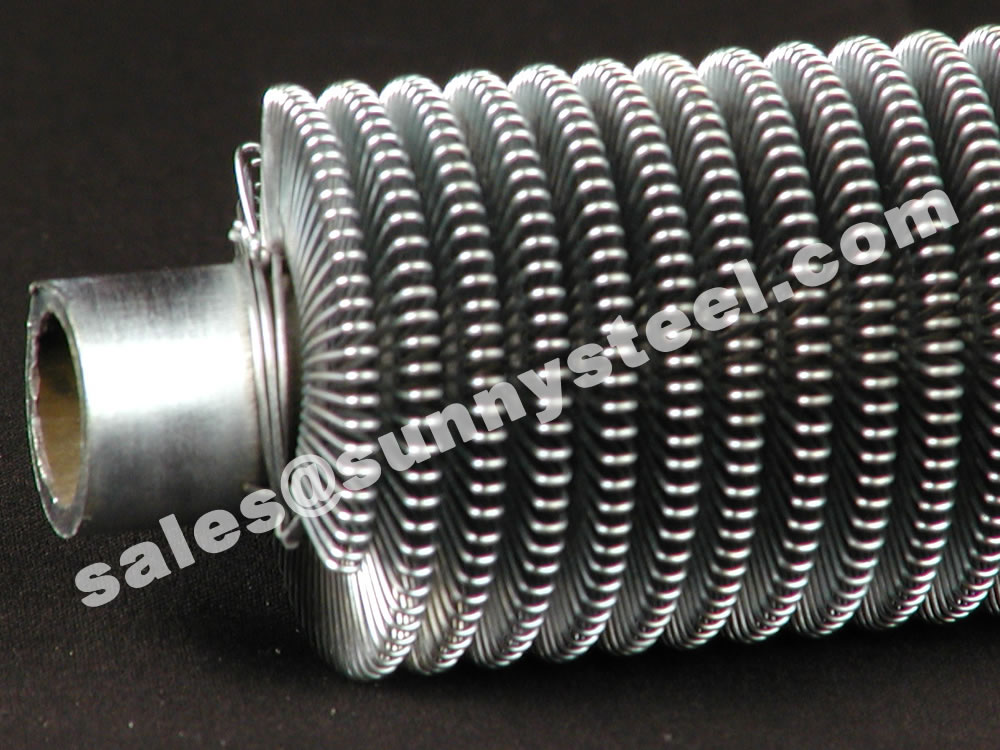
It is fabricated with a batch of single fins that were processed by the punch press and then manually or mechanically, with a certain distance (wingspan) on the base tube.
This is the earliest fin tube fabrication with low cost and simple production process/ technology, easy to maintain. Divides into manual set and mechanical set. Manual set uses a tool that relies on the power of man to press the fins one by one. This method is limited by the pressure of the fin, so it is easy to get loose. The machine – set fin is carried on the wing piece machine. Due to the mechanical impact or liquid pressure, the pressure of the fin is high, so it can be used in a larger volume. The bonding strength between fin and tube is high and not easy to loosen. Mechanical transmission has high productivity, but the noise is large, the safety is poor, and the working conditions of the workers are not good. Although the hydraulic transmission does not have the above problem, but the equipment price is more expensive, the technical requirement to use maintenance personnel is higher, its productivity is also lower.
Currently HF Fin Tube is one of the most widely used helical fin tubes, you can see it as waste heat recovery in power, metallurgy, concrete, oil and gas, petrochemical, etc. When winding the steel strip around steel tube, the use of high frequency current skin effect and proximity effect on steel strip and steel pipe surface heating, until the plastic state or melt, the coil steel belt must be under pressure to complete welding. Comparing with embedded type and spot welding spiral crimped type, it is more advanced either on fin tube quality or production efficiency or automation degree.
The extruded fin is formed from an outer aluminum tube with a large wall thickness (muff), which is aligned over an inner base tube. The two tubes are pushed through three arbors with rotating discs that literally squeeze or extrude the aluminum fins up and out of the muff material in a spiral shape in one operation. Comparing with welding fin tube, dr extruded fin has higher production efficiency with low cost on material and high heat transfer. At present, it divides into copper or aluminum single metal fin tube and bi-metal composited fin tube.
Fin tube manufacturers produce a wide range of fin tubes. They are used in heat exchangers (air, water and chemically cooled) for various industries such as petroleum, petrochemical, steel, power generation and many more.
Corrosion protection processes are performed during fin tube manufacturing and the material used is corrosion resistant. Some fin tube types are:
Helical high finned tubes are used to repair air-cooled heat exchangers and are available in 5 variations
| Type | Photo | Manufacturing Feature | Typical Properties |
|---|---|---|---|
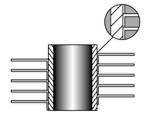
| KL Fin |
|
Fin foot is knurled into a matching knurl on the base tube, enhancing mechanical bonding and thermal contact. |
Max Temp: 260 °C (500 °F) Corrosion Resistance: Fair Mechanical Strength: Fair Fin Material: Aluminium, Copper |
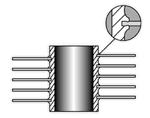
| G Fin |
|
Fin strip is wound into a pre-grooved tube and locked by cold-flow of the base tube material, ensuring a secure joint at elevated temperatures. |
Max Temp: 400 °C (750 °F) Corrosion Resistance: Poor Mechanical Strength: Fair Fin Material: Aluminium, Copper, Carbon Steel |
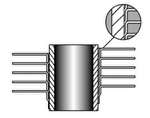
| LL Fin |
|
Similar to L fin, but with the fin foot overlapped to fully encapsulate the base tube, improving corrosion protection in aggressive atmospheres. |
Max Temp: 180 °C (355 °F) Corrosion Resistance: Fair Mechanical Strength: Poor Fin Material: Aluminium, Copper |
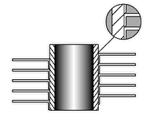
| L Fin |
|
Fin strip is tension-wound onto the base tube, providing uniform contact pressure and basic corrosion protection for the underlying tube. |
Max Temp: 150 °C (300 °F) Corrosion Resistance: Fair Mechanical Strength: Poor Fin Material: Aluminium, Copper |
| Extruded Fin |
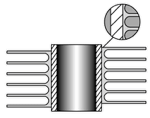
|
Formed from bi-metallic tube by extruding aluminium outer layer into integral fins, providing excellent bond strength and full encapsulation of the base tube. |
Max Temp: 285 °C (545 °F) Corrosion Resistance: Excellent Mechanical Strength: Excellent Fin Material: Aluminium |
Fin foot is pre-formed into an LL shape (overlapped LL) and applied to base tube under tension.
However, foot is pre-shaped to give overlap of one foot onto another, thereby improving base tube protection and thermal contact area Fin materials: Aluminum Base tube materials: Any metallic material.
The smooth flat fins perpendicular to the tube surface give rise to very low resistance to air /gas flow and ensure that fouling is kept to a minimum. The foot of the fin is in contact with base tube and provides a complete sheathing over the finned length.
The Overlapped "L" fin design has interlocking fins that are wound together to prevent movement and separation. The fin protects the entire tubes, so the designation works well for the applications where corrosion is a factor.This type of finned tube is often used as an alternative to the more expensive extruded type fin in corrosive environments.
Fin tubes are a type of heat exchanger that is used in many different industries. These tubes have a finned surface, which increases their surface area and allows them to transfer heat more efficiently. This makes them ideal for applications where high heat transfer rates are required, such as in power plants and refrigeration systems.
Fin tubes are made from a variety of materials, including copper, aluminum, and stainless steel. They are available in a range of sizes and shapes and can be customized to meet the specific needs of each application.
One of the key benefits of fin tubes is their ability to operate efficiently at high temperatures and pressures. This makes them suitable for use in a wide range of applications, including air conditioning, heat exchangers, and radiators.
In addition to their high thermal performance, fin tubes are also durable and long-lasting. They are resistant to corrosion and can withstand the harsh environments often found in industrial settings. This makes them a cost-effective solution for many different industries.


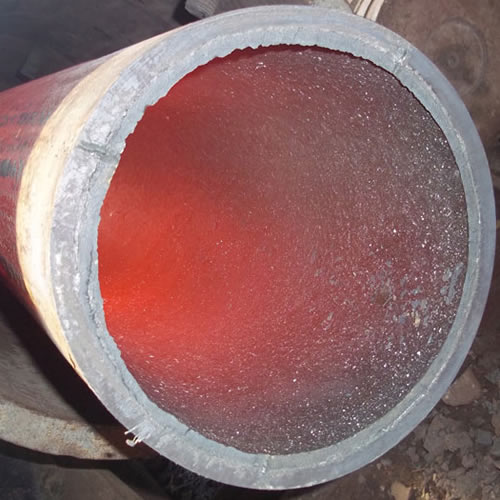
Ceramic lined pipe is made through self-propagating high-temperature synthesis (SHS) technique.
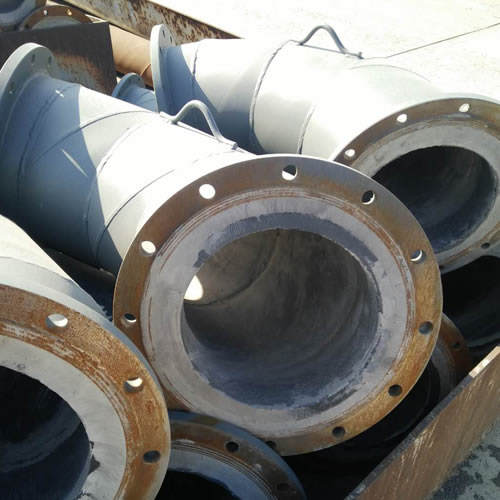
Cast basalt lined steel pipe is composed by lined with cast basalt pipe, outside steel pipe and cement mortar filling between the two layers.
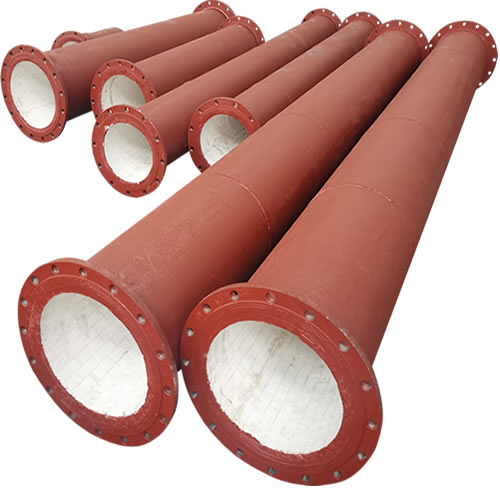
Ceramic tile lined pipes have very uniform coating of specially formulated ceramic material that is affixed to the inner of the pipe.
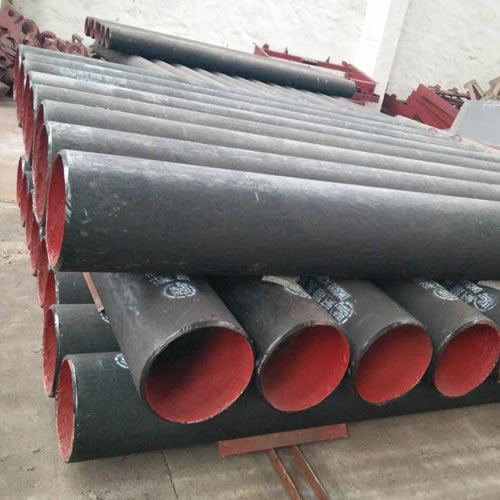
The material of the rare earth alloy wear-resistant pipe is ZG40CrMnMoNiSiRe, which is also the grade of rare earth alloy steel.
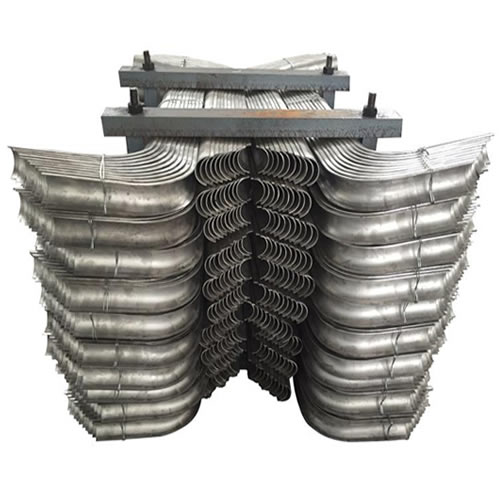
Tubes Erosion Shields are used to protect boiler tubing from the highly erosive effects of high temperatures and pressures thereby greatly extending tube life.
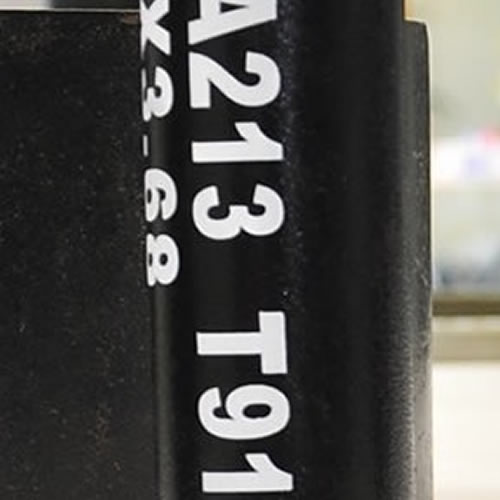
The ASTM A213 T91 seamless tubes are primarily used for boiler, superheater, and heat-exchanger.

When you partner with Sunny Steel, you can stop worrying about meeting deadlines thanks to our responsive and timely service. You'll also say goodbye to unnecessary shopping around. Instead, you'll get white glove service from an expert who understands your needs and can get you the materials you need quickly.