Fin tube

Fin tube, Finned tube

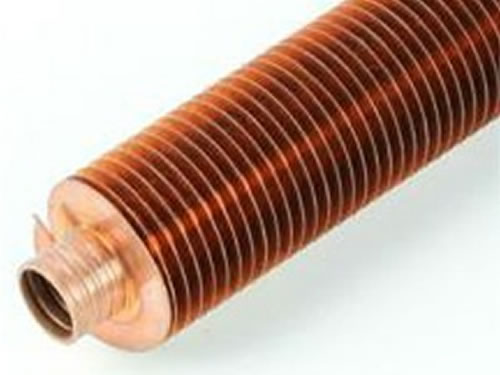
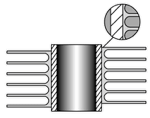
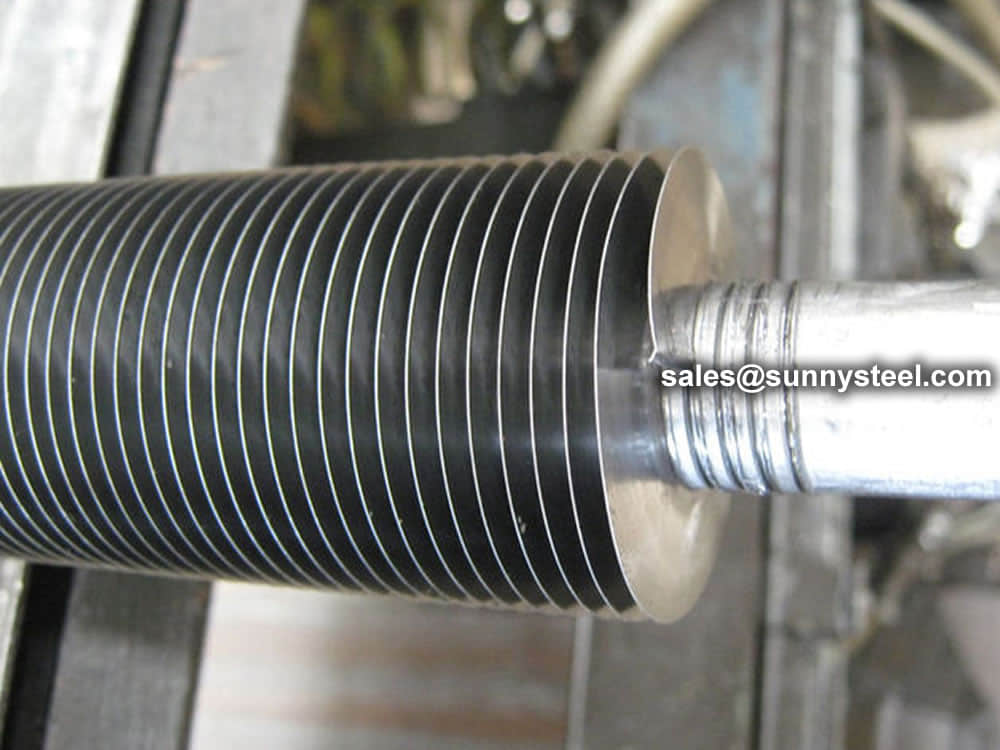
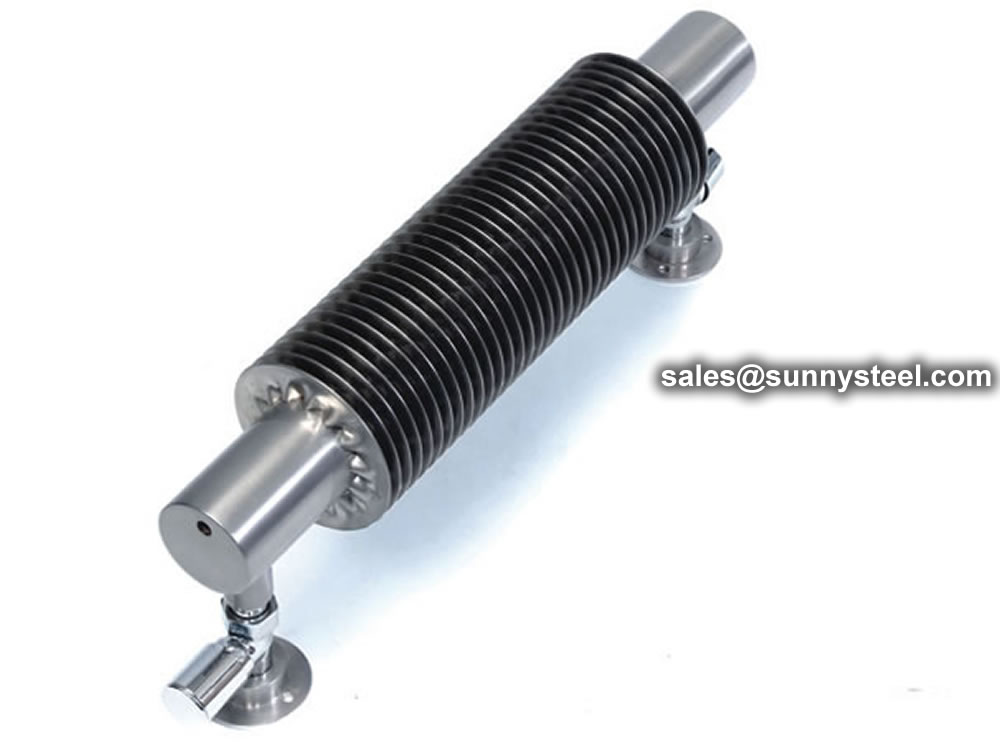
Fin tube(Finned tube) is used in applications involving the transfer of heat from a hot fluid to a colder fluid through a tube wall.

Download PDF

Why use finned tubes?

Fin tubes are a type of heat exchanger used in many industries. They are made of aluminum cladded carbon steel and have brazed aluminum fins. The fins increase the surface area of the tubes, which allows them to transfer heat more efficiently. This makes them ideal for applications where high heat transfer rates are required.

Finned tubes are used in applications that involve the transfer of heat from a hot fluid to a colder fluid through a tube wall. They are used in condensers, coolers, and furnaces. The larger surface area means that fewer tubes are needed compared to the use of plain tubes.

The type of finned tube is chosen depending on the specific requirements of each process equipment unit. The fin type and combination of materials are chosen based on the specific requirements of each process equipment unit.

Finned tubes are used in applications where high heat transfer rates are required, such as in power plants and refrigeration systems. The fins increase the surface area of the tube, allowing for more efficient heat transfer between two fluids. This makes them an ideal solution for heat transfer applications where space is limited.

Finned tubes are used in condensers, coolers, and furnaces. The larger surface area means that fewer tubes are needed compared to the use of plain tubes. This can decrease the overall equipment size and can in the long-run decrease the cost of the project.

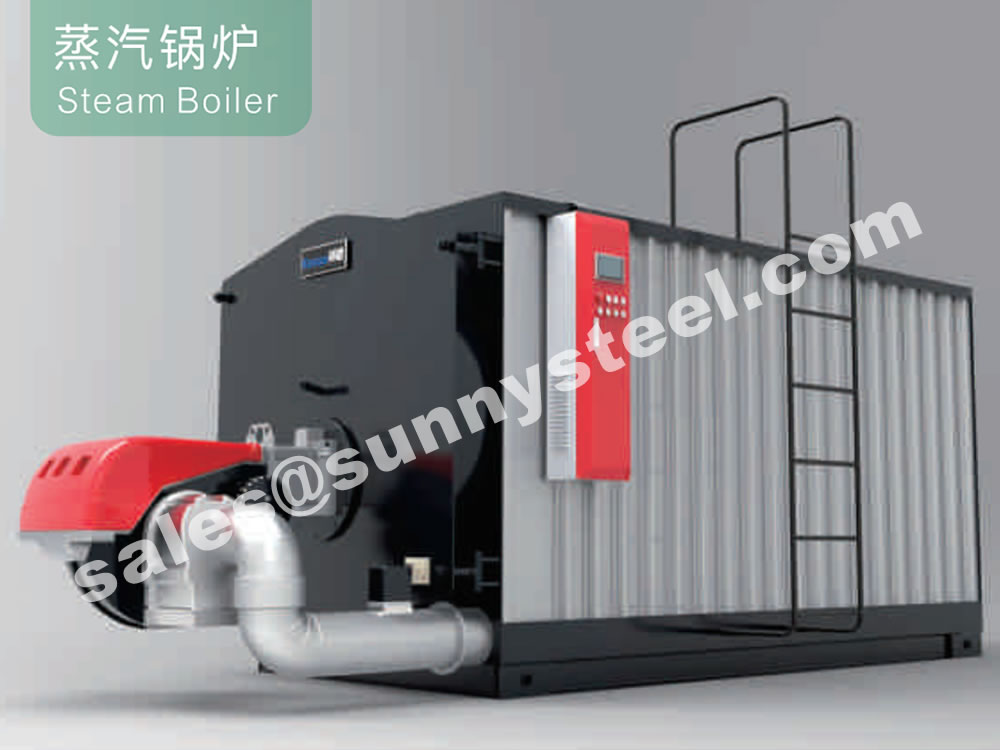
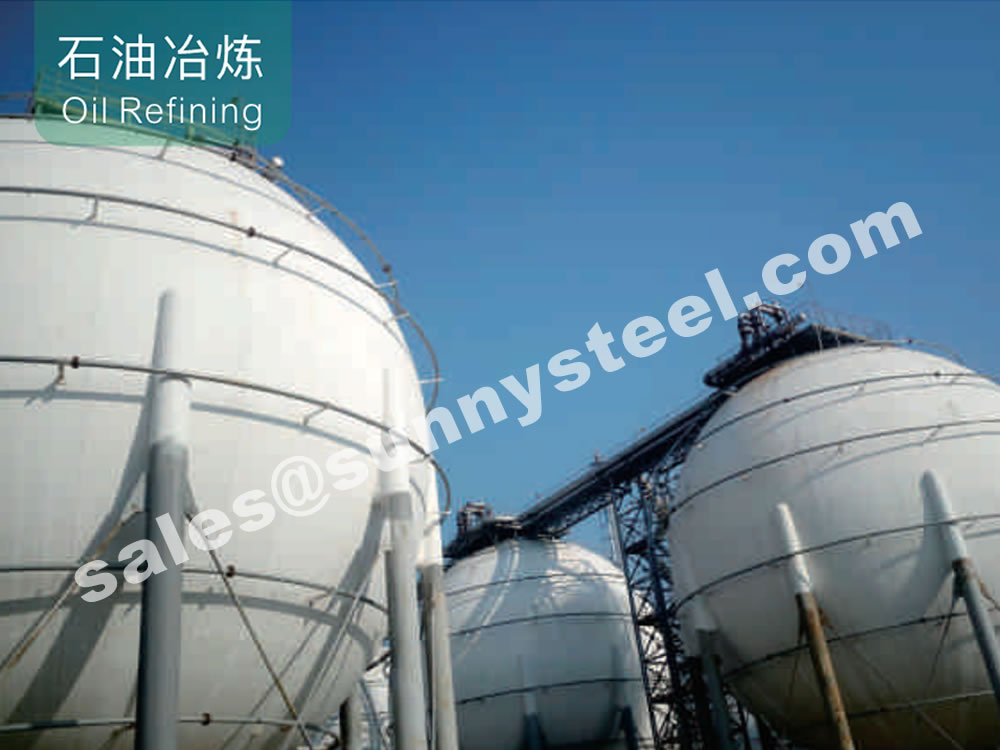
Finned tube heat exchangers can be used in a broad range of industries including oil & gas, power generation, marine and HVAC&R. They generally use air to cool or heat fluids such as air, water, oil or gas, or they can be used to capture or recover waste heat.

The biggest problem with using a finned tube heat exchanger is with the cleaning and maintenance of the outer surface of the tubes. Because of the fins, mechanical cleaning becomes very difficult and you would have to go for chemical cleaning.


What is the difference between fin tube and finned tube?

Fin tubes are a type of heat exchanger that are used in many industries. They have a finned surface, which increases their surface area and allows them to transfer heat more efficiently. Finned tubes are typically used in two-phase heat transfer applications, such as condensation or evaporation.

Finned pipes are generally used for single-phase heat transfer applications. Both finned pipes and finned tubes use fins to increase the surface area for heat transfer.
Finned tubes are used when the heat transfer coefficient on the outside of the tubes is appreciably lower than that on the inside. They can reduce the equipment cost and also equipment sizes.

There are several kinds of fin tubes, such as:

  • Extruded fin tube
  • Crimped spiral fin tube
  • G type embedded fin tube
  • L/KL/LL Foot Fin Tube

What is the difference between high fin and low fin tubes?

High fin tubes are better for applications where the temperature difference between two fluids is high. Low fin tubes are better for applications where the temperature difference is low.

High fin tubes are made of a metal tube surrounded by an aluminum or copper strip. The strip can be applied in different ways, including type L, type KL, type LL, type G (embedded), or type extruded. The higher the fin height, the more surface area and heat transfer capabilities.

Low fin tubes are made of a single material and have a smaller fin of about 1/16th of an inch. They are generally used in liquid to liquid or liquid to gas applications such as coolers, condensers, and chillers.

The profile of the fins has a significant effect on the performance of a finned tube heat exchanger. The larger the fins and the tighter the fin pitch, the more thermal conductivity is achieved.


What is the role of finned tube in heat transfer?

Finned tubes are a series of tubes with fins on the outside. The fins increase the surface area for heat transfer, which increases the rate of heat exchange. Finned tubes are used in heat exchangers to transfer heat between hot and cold streams. The heat transfer rate depends on the temperature difference between the two fluids and the heat transfer coefficient between each of the fluids.

Finned tube heat exchangers are used in a variety of industries, including:

  • Oil and gas
  • Power generation
  • Marine
  • HVAC&R

Finned tube heat exchangers can be used to:

  • Cool or heat fluids such as air, water, oil, or gas
  • Capture or recover waste heat
  • Finned tubes come in two types: transverse and longitudinal.

What is the heat transfer in tube and fins?

Heat transfer in tube and fins is a process that involves a fluid passing through tubes and conducting heat to fins. The fins then dissipate the heat to air that is blown over them. The fins increase the surface area for heat transfer, which increases the rate of heat exchange.

The amount of heat an object transfers is determined by the amount of conduction, convection, or radiation. The thermal flux is a function of both the thermal conductivity of solid parts and the convection heat coefficient between the gas and the surrounding walls. The shape and dimensions of the tubes and fins also affect the convection heat coefficient.

In an air-cooling fin-and-tube heat exchanger, heat transfers from the air flowing outside tubes to the liquid flowing inside the tubes. Because air has low thermal conductivity and density, it has poor heat transfer capability.

Spiral Wound Finned Tube

Spiral wound finned tubes are designed to maximize heat transfer efficiency in various industrial applications.
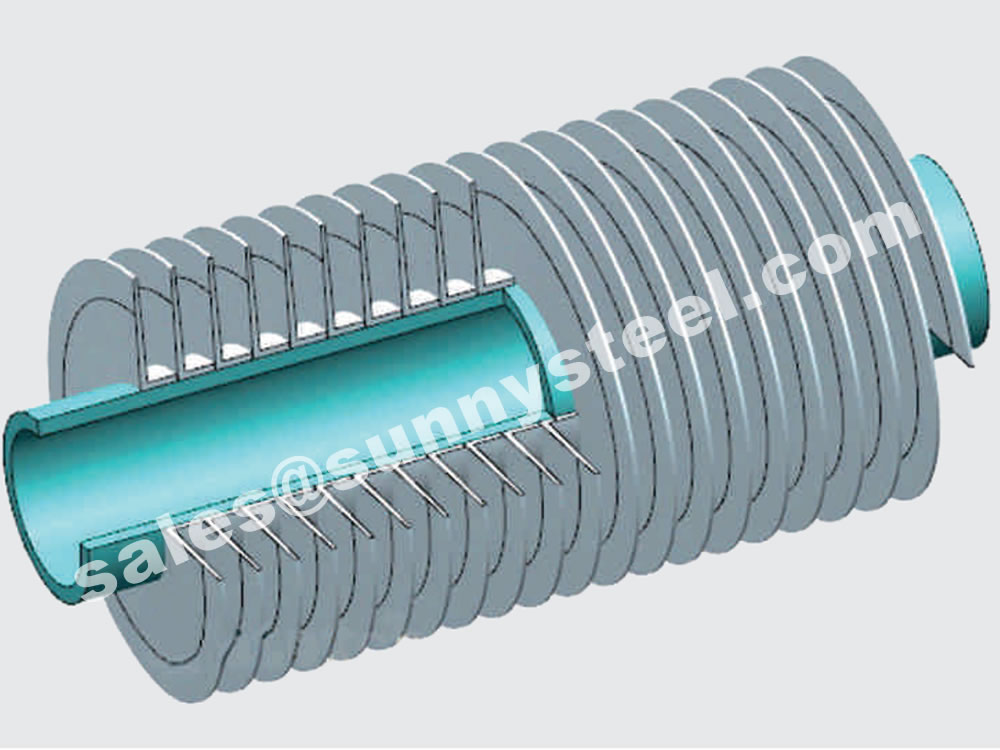
L-type Spiral Wound Finned Tube

L-type

The trapezoidal section formed by rolling L-shaped finned tube is consistent with the distribution of heat flow density, and the tubes are closely combined with high thermal efficiency, thus eliminating the contact thermal resistance caused by the gap between the fins. Working temperature: 230'℃ Characteristics: winding process, high production efficiency, uniform spacinggood heat transfer, high fin ratio, the base tube can be protected from air erosion.
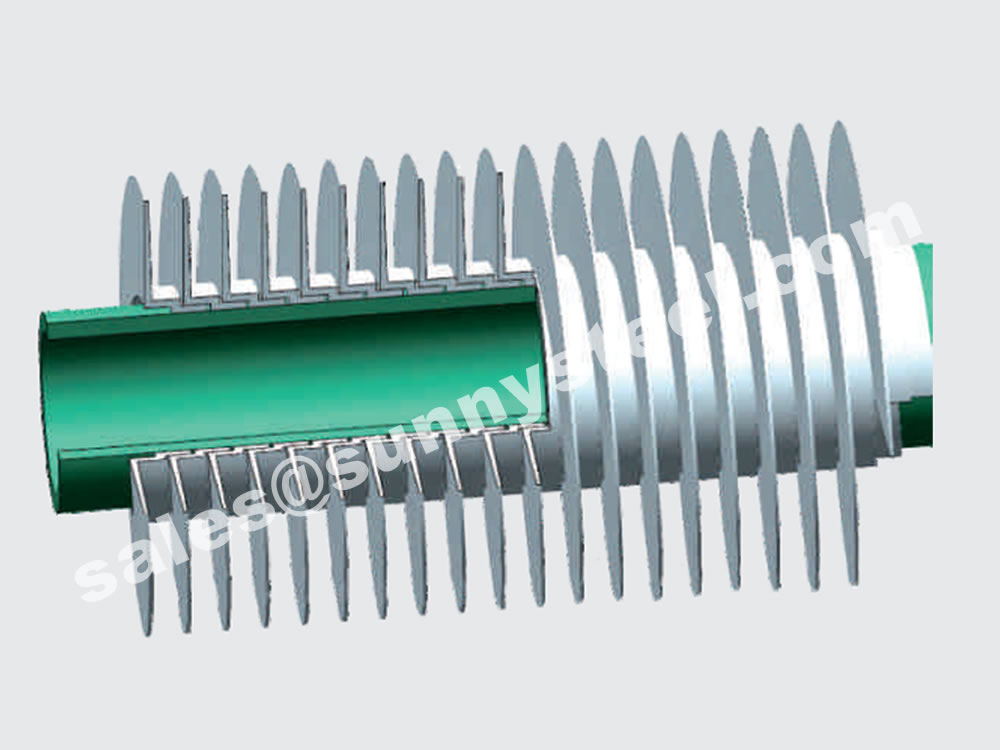
LL-type Spiral Wound Finned Tube

LL-type

LL type spiral wound fined tube: on the basis of L-ype, the root of the fin is completely covered on the outer surface of the base tube, which canstrengthen the contact surface and increase the heat transfer effect. Maximum working temperature: 170 ℃.
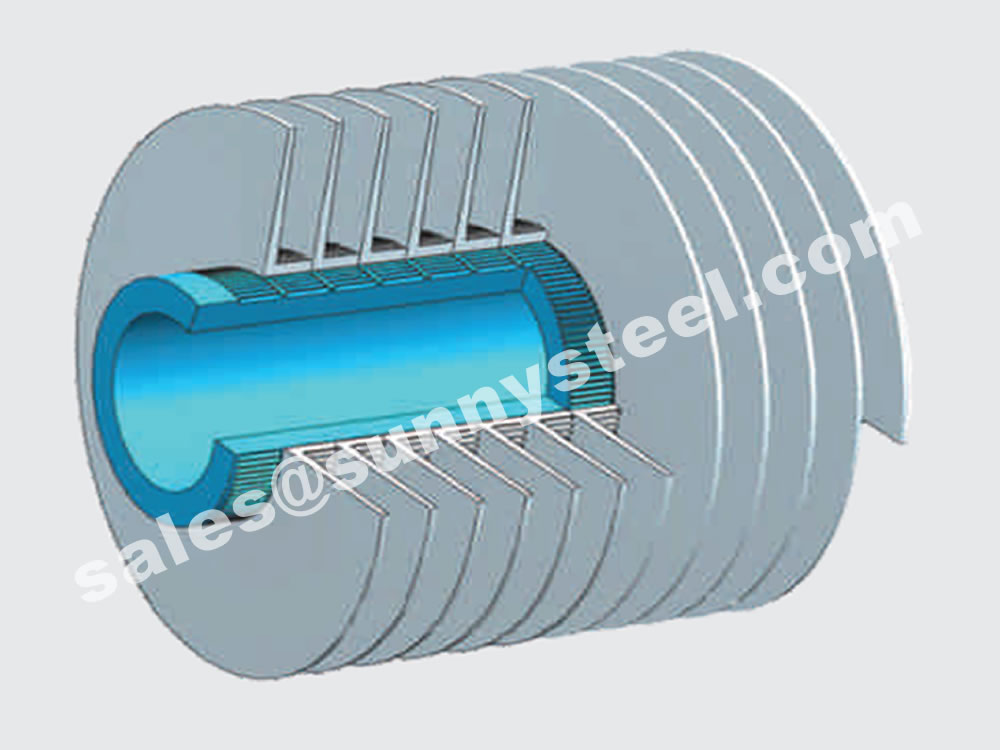
KL-type Spiral Wound Finned Tube

KL-type

KL type fin tube, also known as knurled fin tube, is to roll the pattern on the base tubebefore winding the fin, or install a blade on the winding machine to knurl on the base tube.and the back blade is used for winding, knurling and winding at the same time.The maximum service temperature is<250℃, and the maximum service pressure is <3.2Mpa.

Extruded Finned Tube

The extruded fin is formed from an outer thick-walled aluminium tube (muff) aligned over an inner base tube. The two tubes are pushed through three mandrels with rotating discs that literally squeeze or extrude the aluminium fins up and out of the muff material in a spiral shape in one operation.
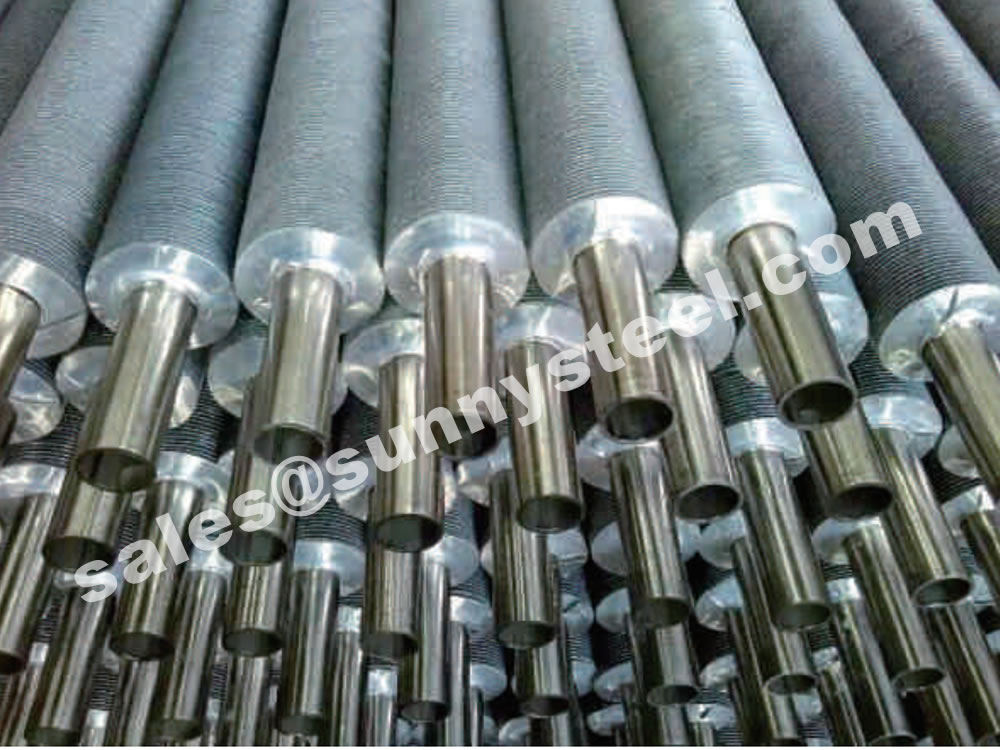
Steel-Aluminum Composite Finned Tube

Steel-Aluminum Composite Finned Tube

The processing technology of cold rolled aluminium steel finned tube isthat aluminium tube and steel tube are first processed into bimetallic composite tube, and then the fin is formed after mechanical cold rollingBased on the physical characteristics of aluminium tube, the finned tube with steel tube as the core and aluminium fin formed by cold rolling are made into one. lt is widely used in steel, petroleum, chemical industry.machinery, shipbuilding, power station, hospital and food industry.
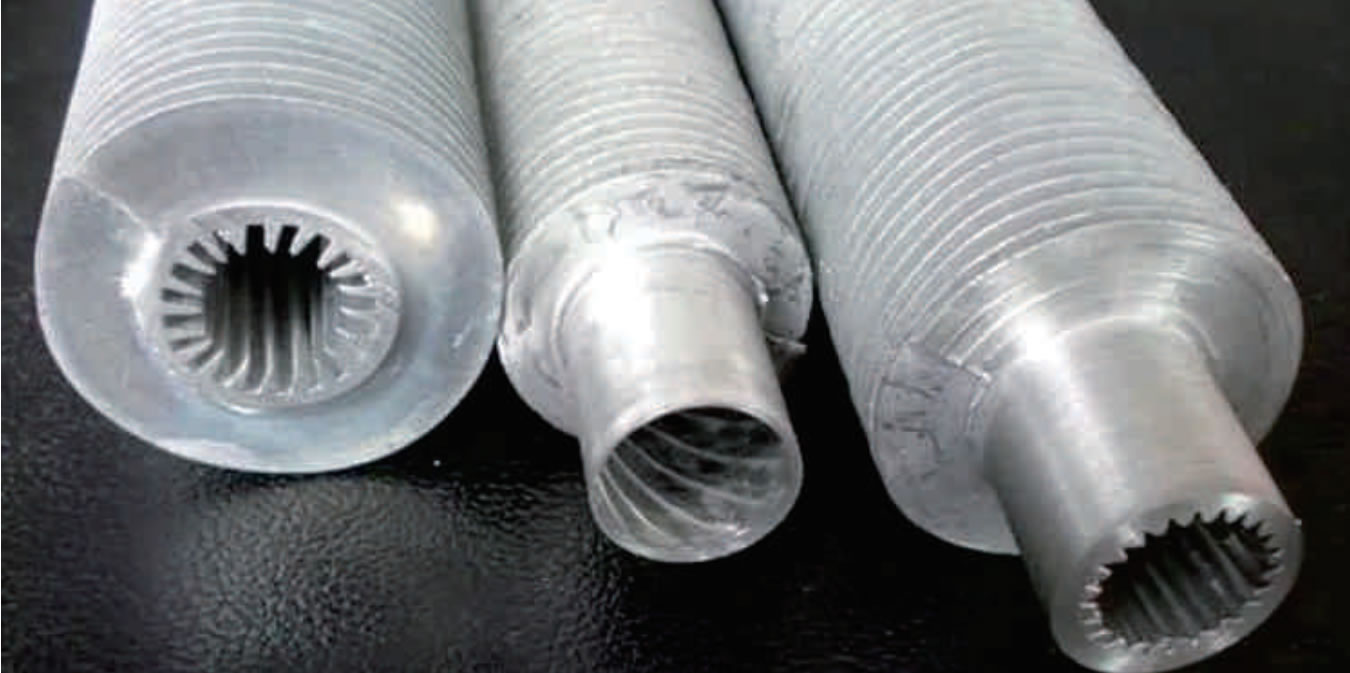
  1. High heat transfer performance and low contact thermal resistance;
  2. The contact area between fin and tube is large, and the joint is tight and reliable;
  3. Good corrosion resistance and stable long-term performance;
  4. The fin has good rigidity and is not easily deformed.
Pure Aluminum Composite Finned Tube

Pure Aluminum Composite Finned Tube

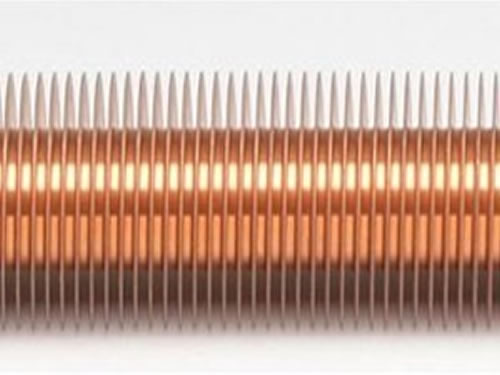
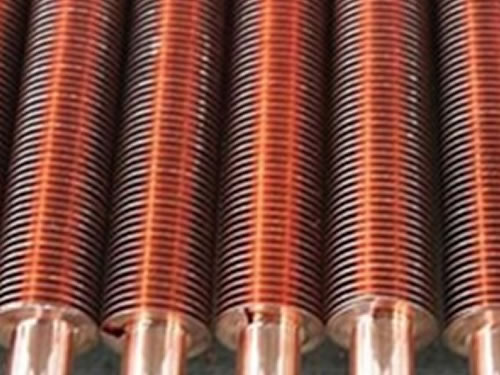
Single metal composite finned tube is rolled from aluminium tube as a whole. Pure aluminium rolling finned tube has no contact thermal resistance, high strength, heat resistance and mechanical vibration, good thermal expansion performance and considerable expansion heat exchange surface.
Pure Copper Composite Finned Tube

Pure Copper Composite Finned Tube

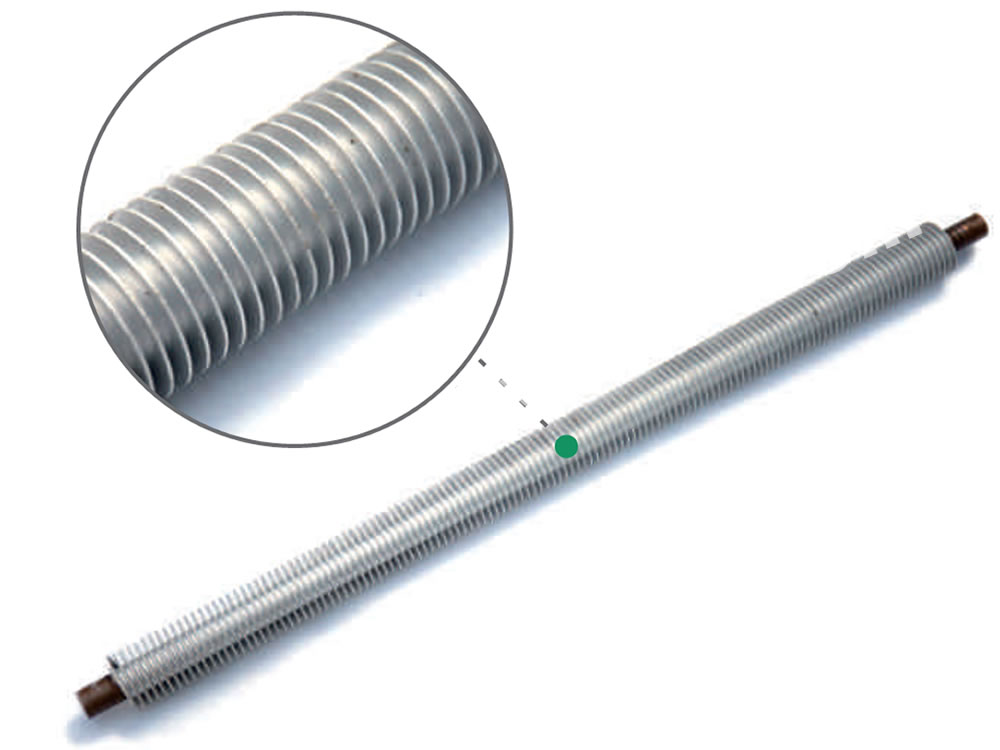
Copper finned tube is a type of heat exchanger element. In order to improve the heat exchange efficiency, fins are usually added on the surface of the heat exchange tube to increase the external surface area (or internal surface area) of the heat exchange tube, so as to achieve the purpose of improving the heat exchange efficiency. The integral rolling fin tube has no contact thermal resistance, good heat transfer performance, high strength, heat resistance and mechanical vibration resistance, and good thermal expansion performance.
Copper Aluminum Composite Finned Tube

Copper Aluminum Composite Finned Tube

Copper-aluminium composite finned tube is made of copper-aluminium composite tube after compounding and then rolled. It has the characteristics of close combination, small thermal resistance, good heat transfer performance, high strength, small flow loss, strong corrosion resistance, low deformation and long working life under long-term cold and heat conditions. When wet cooling is carried out in heating and air conditioning,condensation water on the surface of fin is easy to beremoved,and it is not easy to form dust and scale in coaxial heating and other heat exchange occasions.

Embedded Finned Tube

The fins are manufactured by embedding the fin strip into a groove formed on the base tube.

The Fin is allowed to be placed in the groove and then the backfilling of the groove is carried out to ensure firm adherence of the fins to the base tubes.

  • Processing technology: fins are firmly embedded in the outer surface of the base tube with mechanical grooves;
  • Base tube material: carbon steel, alloy steel, stainless steel, dual phase steel, copper tube;
  • Fins: Aluminium 1060, Aluminium 1100, T2 copper;

Application Area

Spiral wound finned tubes find extensive applications in various industries due to their excellent heat transfer capabilities and durability. Some of the key industries where they are commonly used include:

  • Petroleum, chemical, and petrochemical industries
  • Natural gas processing
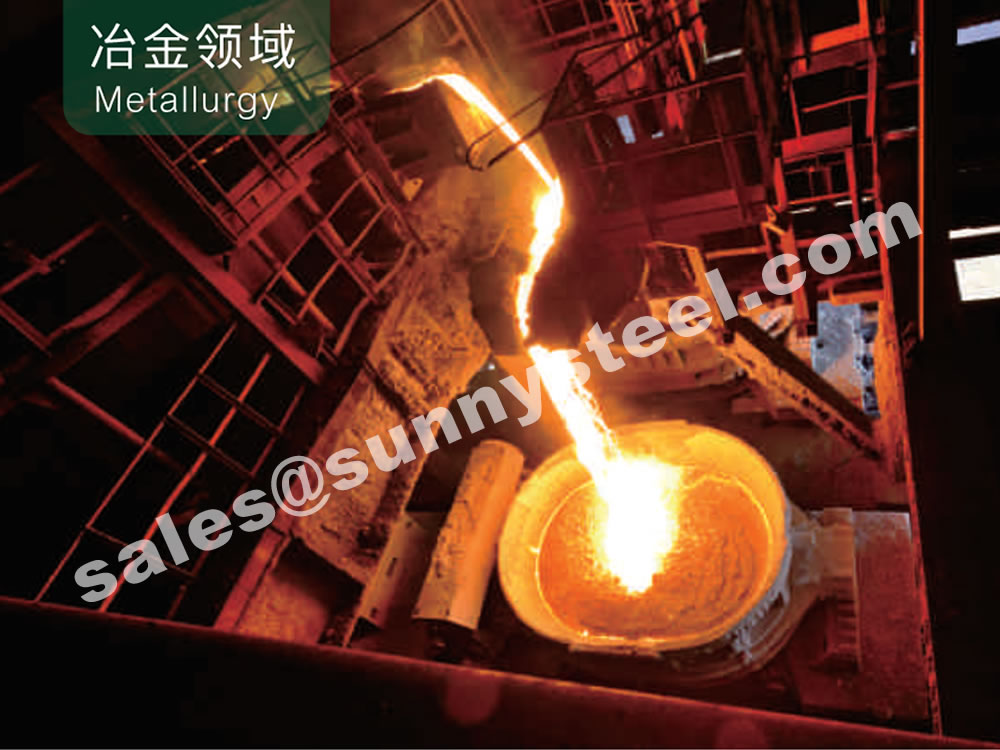
  • Steel industry: blast furnace and converter system
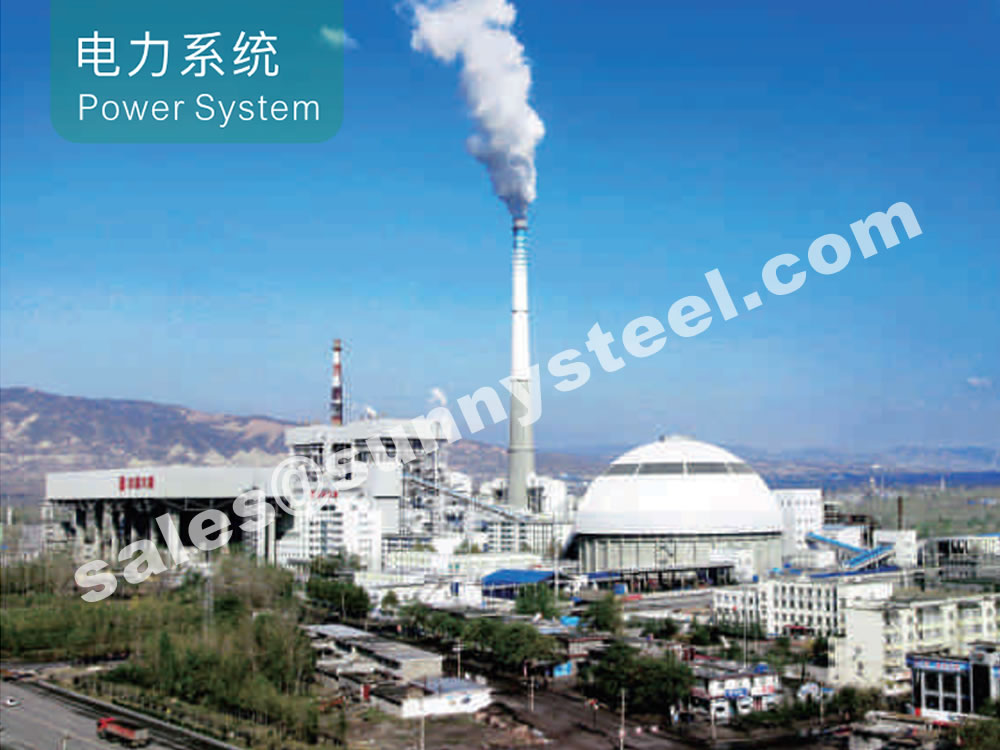
  • Power generation: steam turbine flue gas condensation, condensation water contact cycle cooling condensation, fossil and nuclear power plants
  • Air conditioning (Freon, ammonia, propane)
  • Waste incinerators
  • Compressor coolers, etc.

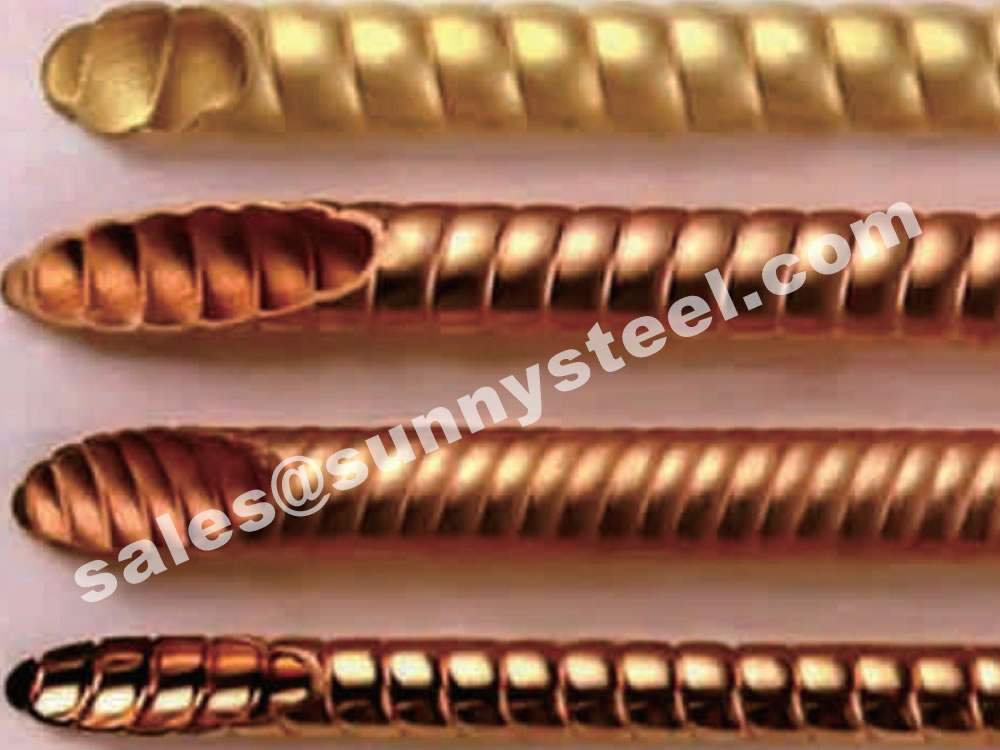
Corrugated Heat Exchange Tube

Corrugated heat exchange tubes are widely used in various industries for efficient heat transfer and thermal management.

Low Finned Threaded Tube

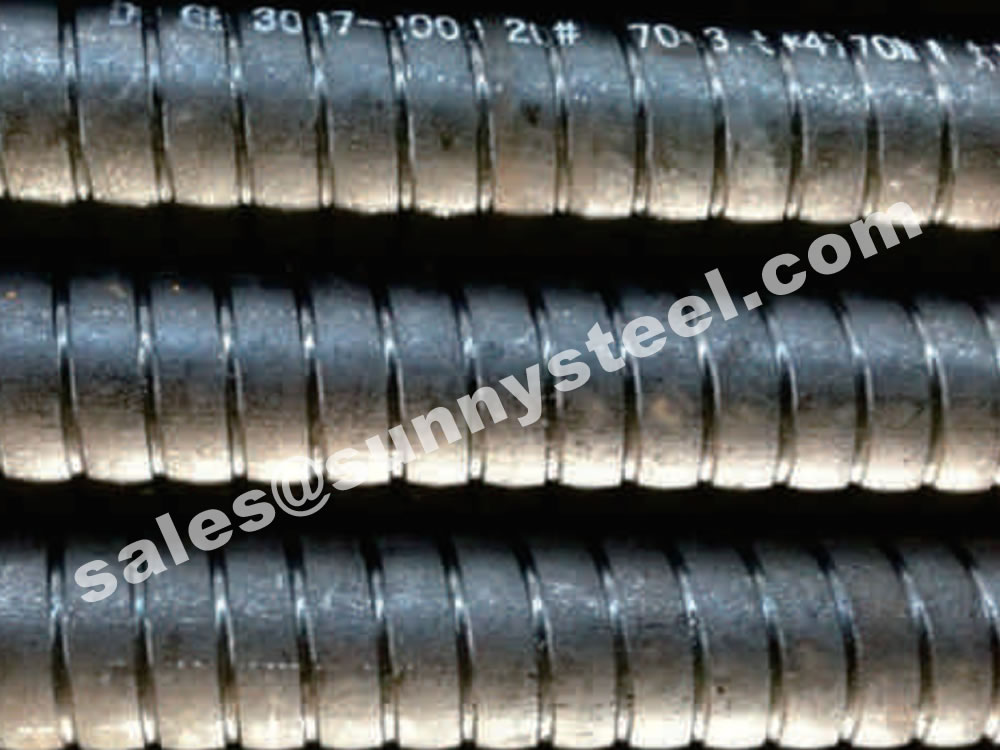
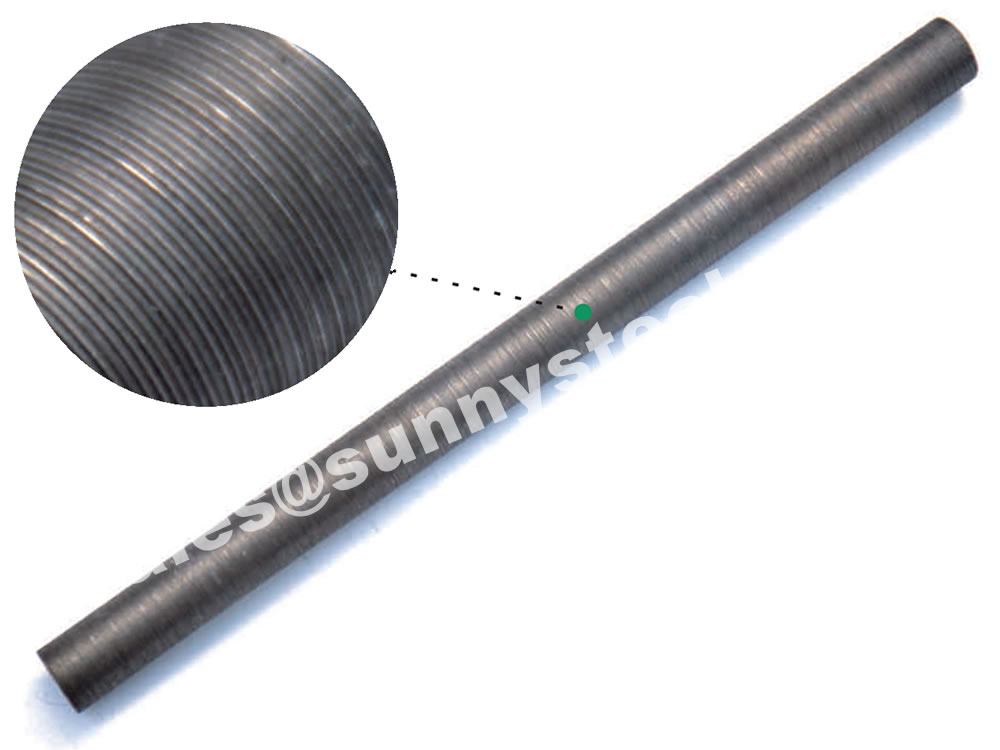
Low Thread Finned Tube is a high efficiency heat exchanger tube rolled to form spiral fins on its outer surface.

The spiral fin enlarges heat transfer area, disrupts laminar flow, reduces boundary layer thickness, and improves boiling and condensation heat transfer efficiency.
Corrugated Heat Exchange Tube
Spiral Pipe
Spiral Pipe
Spiral Pipe

Spiral Pipe

Functions of threaded pipe

  1. Enhanced Heat Transfer: Spiral flue pipe equals 1.7–1.8× ordinary pipe, reducing casing diameter and material usage.
  2. Reduced Pressure Loss: Thread design cuts refrigerant pressure loss by over 50%, enabling lighter, energy-saving equipment.
  3. Applications: Ideal for power plant condensers and boiler systems, replacing smooth and copper pipes.

T-shaped Finned Tube

T-type finned tubes suit clean shell-side media without solid particles or gums, improving boiling heat transfer.
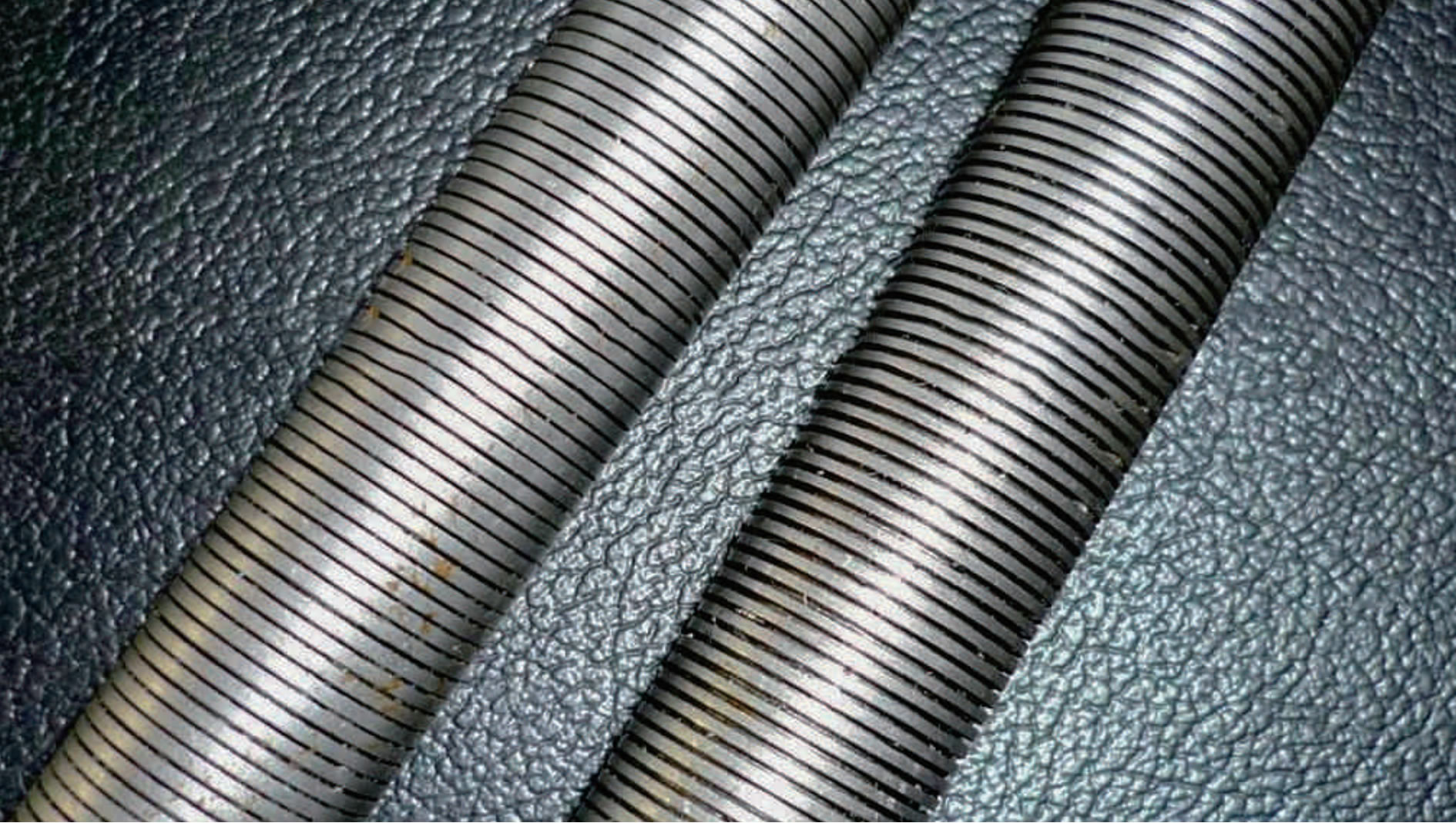
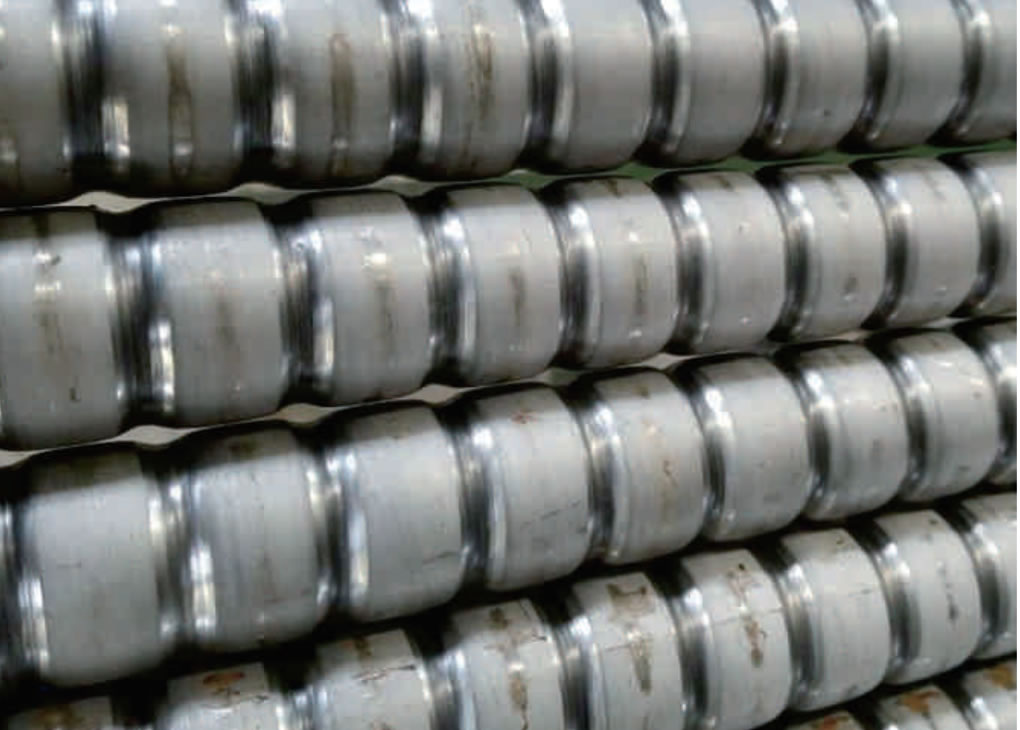
  1. Boiling heat transfer coefficient is 1.6–3.3× higher than smooth tubes.
  2. Only 2–4℃ temperature difference needed to trigger boiling.
  3. Total heat transfer coefficient up to 99% higher under high loads.
  4. Cost-effective compared to aluminum porous tubes.
  5. Self-cleaning design prevents long-term scaling.
T-shaped Finned Tube
Corrugated Tube

Corrugated Tube

Bamboo Tube

Bamboo Tube

Corrugated / Bamboo Tube

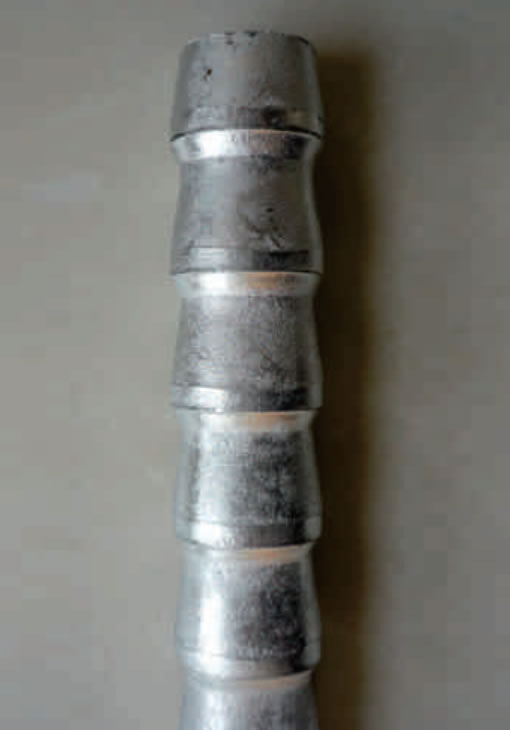
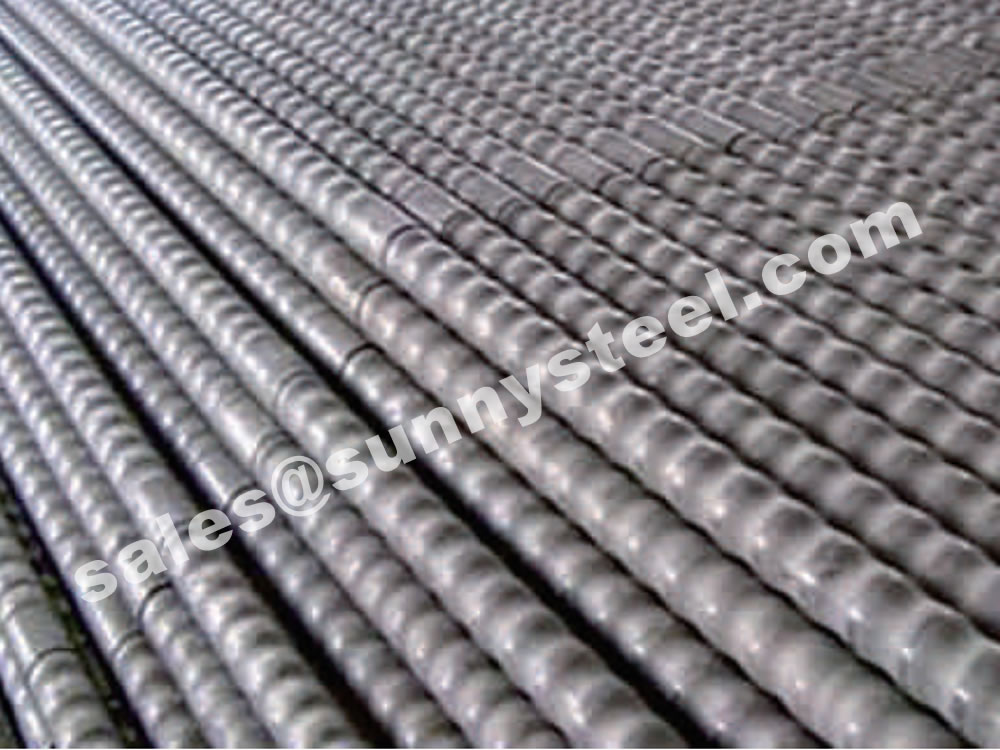
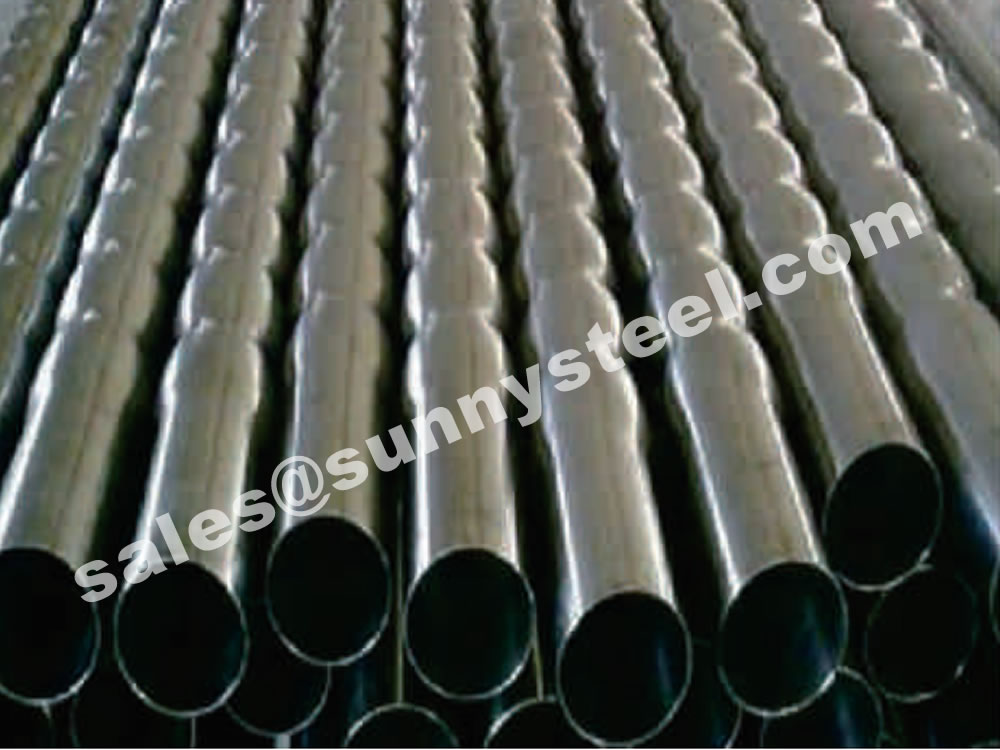
Corrugated tubes replace straight tubes with stronger corrosion resistance, longer service life, and automatic descaling capability.

Turbulent flow continuously cleans tube surfaces, preventing scale buildup and ensuring stable long-term performance.

Ultra-thin stainless steel walls reduce weight, footprint, and overall cost while maintaining excellent mechanical strength.
Expansion Wave Tube
Expansion Wave Tube

Expansion Wave Tube

Expansion wave tubes are specialized components designed for high-efficiency heat exchange under variable thermal stress.

High heat transfer efficiency

Wave crest and trough design creates continuous turbulence, increasing heat transfer coefficient 2–3× compared to traditional tubes.

No pollution, no blockage, no scaling

Turbulence prevents particle deposition; thermal expansion causes automatic scale shedding, ensuring long-term performance.

Automatic compensation function

Structural flexibility reduces thermal stress without requiring additional expansion joints.

Reliable, safe and strong

Short sealing perimeter and wave geometry improve reliability under large temperature and pressure differences.

Welded Finned Tube

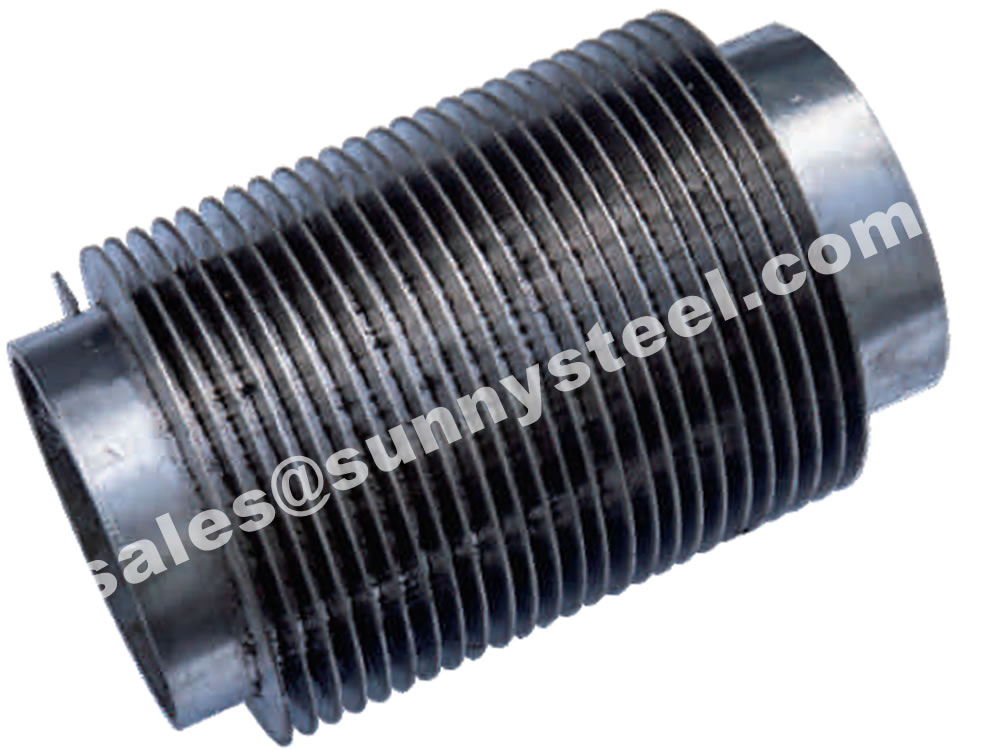
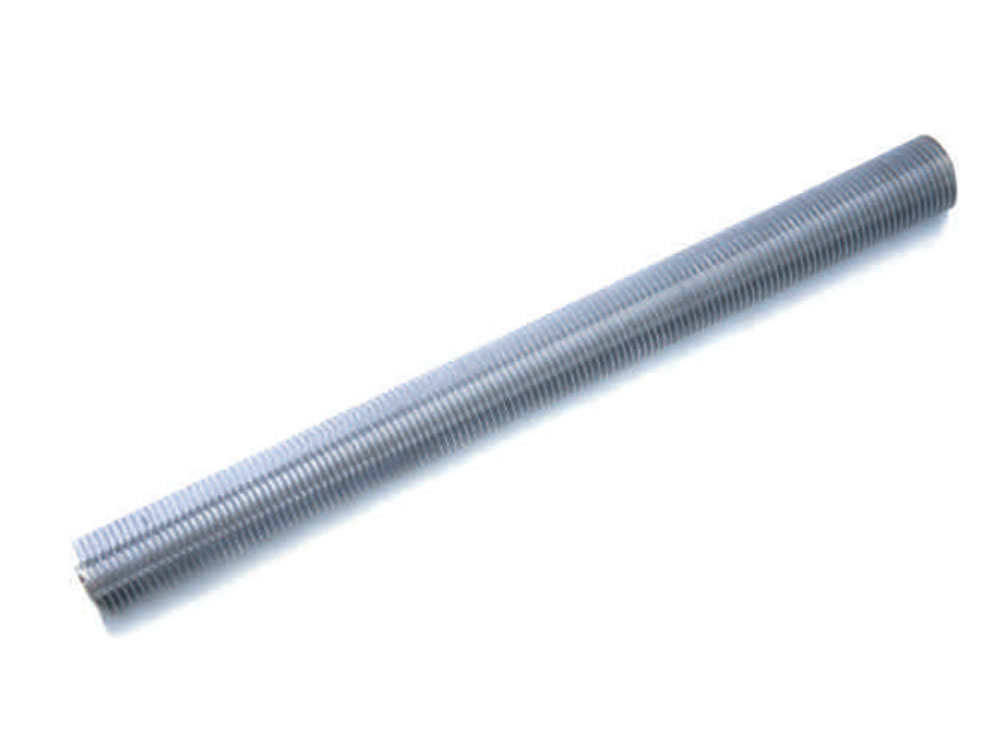
Our welded finned pipes are used in the power generation, petrochemical, oil refining industries and in industrial processing equipment and can be manufactured to meet ASME "U" and "S" stamp certifications.
Spiral High Frequency Welding Finned Tube

Spiral High Frequency Welding Finned Tube

Spiral high frequency welding finned tubes are specialized tubes used in various industries for heat transfer applications.

  1. Due to the high welding speed and strong self-cooling effect, the heat affected zone is small and oxidation is not easy to occur. Therefore, the microstructure and properties of the weld are very good;
  2. Corrosion resistance, wear resistance, low contact thermal resistance, high stability, anti-ash ability;
  3. The heat exchange surface is large;
  4. Reduce the installation space of the required heat transfer surface;
  5. At the same time, it has high reliability;
  6. The pressure drop on the tube side is reduced and the operating cost is reduced;
  7. Improve the stiffness and seismic performance of the steel tube;
  8. Heat transfer and metal flow are reduced.

Our flexible production scheduling provides quick product turnaround, allowing you to minimize downtime during emergency repairs or scheduled downtime when ordering replacement parts, or to meet production schedules when ordering OEM parts.
Studded Tube

Studded Tube

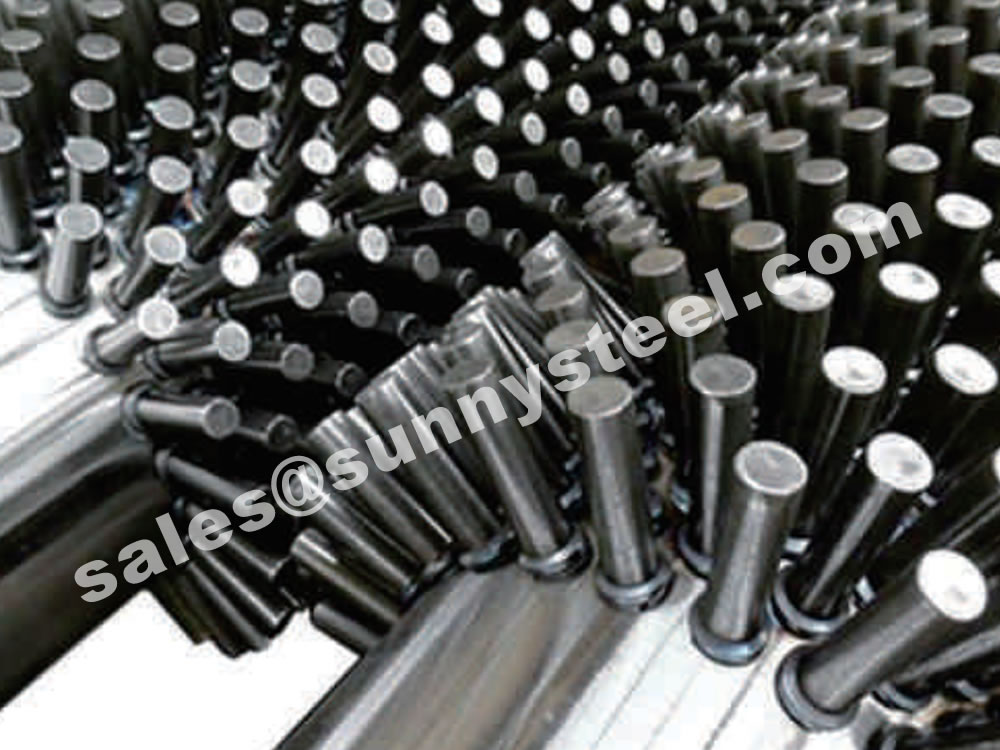
Studded tubes have studs welded to the metal tube. These studs are arranged in a specific formation along the length of the tube. They are commonly used in boilers and refineries. As they increase the surface area for higher heat transfer, they are used for reheating.

The nail head tube is also called nail like ribbed tube. In petrochemical industry, nail head tube is widely used. Especially in the convection chamber of the tube furnace, in order to improve the heat transfer effect outside the tube, the heat transfer element often adopts the nail head tube.

Serrated Spiral High Frequency Welding Finned Tube

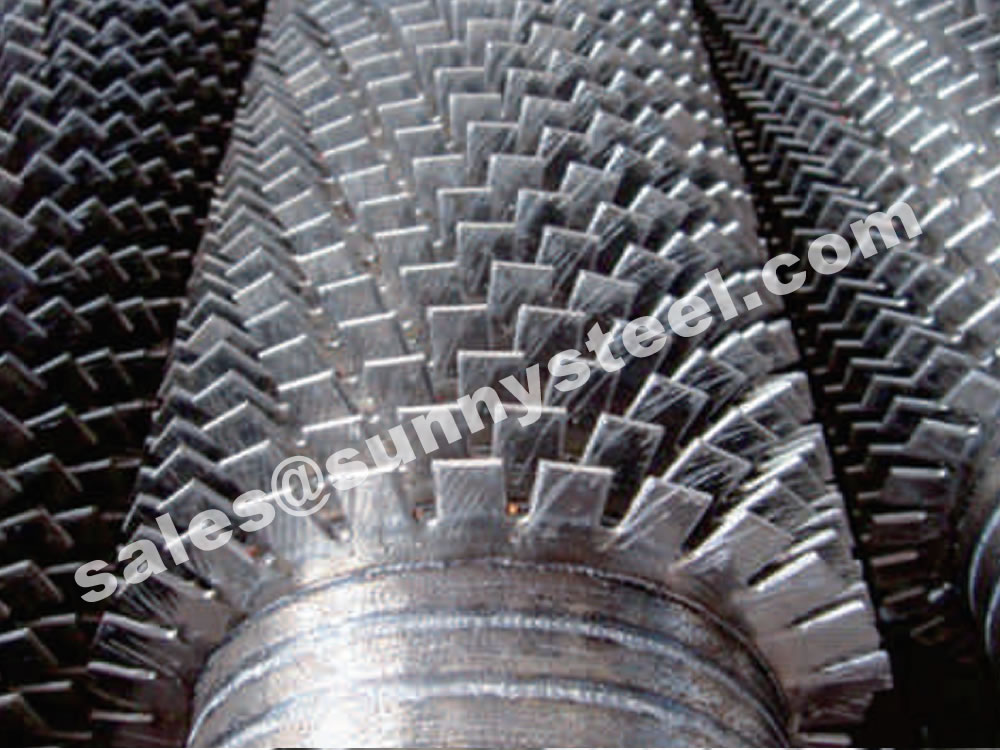
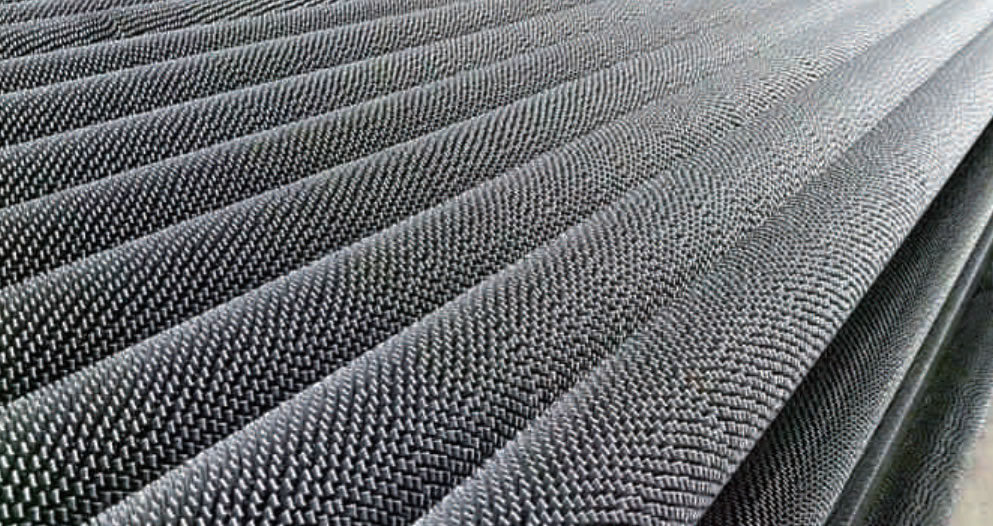
Serrated spiral high frequency welding finned tubes are specialized heat transfer components designed for efficient heat exchange in various industrial applications.
Serrated Spiral High Frequency Welding Finned Tube

Performance features:

  • Installation is simple and economical. The maximum length of high-frequency welded spiral fin pipe can reach 6 metres, which reduces the number of connection points, makes installation more economical and faster, and reduces the likelihood of water leakage at the joint.
  • It is easy to maintain. No maintenance is required after installation of the high-frequency welded spiral fin pipe.
  • High efficiency, high frequency welding spiral fin tube for fin and steel tube winding full contact welding, heat dissipation area is more than 8 times of smooth tube.Internal more smooth, internal flow resistance is small.
  • Long service life, high mechanical strength of fin and tube combination, tensile strength of more than 200MPa, both inside and outside of the tube are hot-dip galvanised.

H-type And Double H-type Finned Tube

H-type And Double H-type Finned Tube
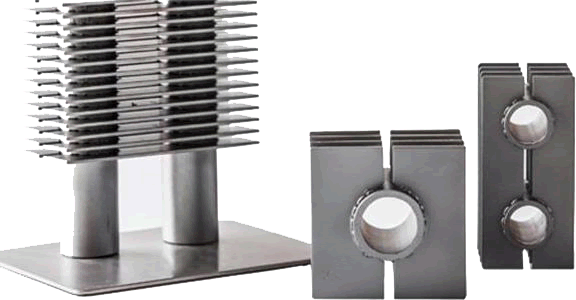
  1. The fin is divided into two symmetrical halves. The tube wall is pressed down from both sides and resistance welding is used to weld on the tube wall with a certain gap left in the middle;
  2. Two circular tubes can share a group of fins, called double tube H-fin, or a single tube H-fin can be placed in the middle;
  3. The H-finned tube heat exchanger is closely packed and the tube bundles are arranged in sequence;
  4. The fins are parallel and independent of each other, and there is no influence of the helix angle, so it is easy to remove the ash.

Cold Wound Steel Finned Tube

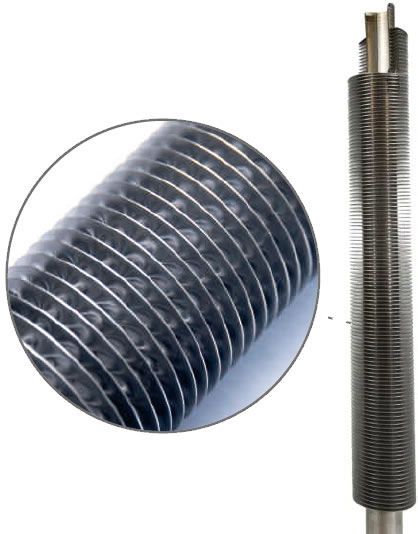
Cold-wound finned tubes are heat exchanger tubes made by wrapping a metal strip around a base tube to create a helical finned structure.

The fins increase the tube's surface area, which improves heat transfer. Cold-wound finned tubes are used in many industrial applications.

According to the material, there are carbon steel (or stainless steel) winding aluminium sheet.carbon steel winding carbon steel sheet, stainless steel winding stainless steel sheet, thewinding segment spacing is about 4mm, and the common sizes of strip steel (aluminium sheet.carbon steel sheet, stainless steel sheet) are sheet height of 10mm, 12mm, 15mm, etc., sheet thickness of 0.35mm, etc., and sheet spacing of 4mm, 5mm, 6mm, etc. can also be customized according to customer requirements.
Cold Wound Steel Finned Tube

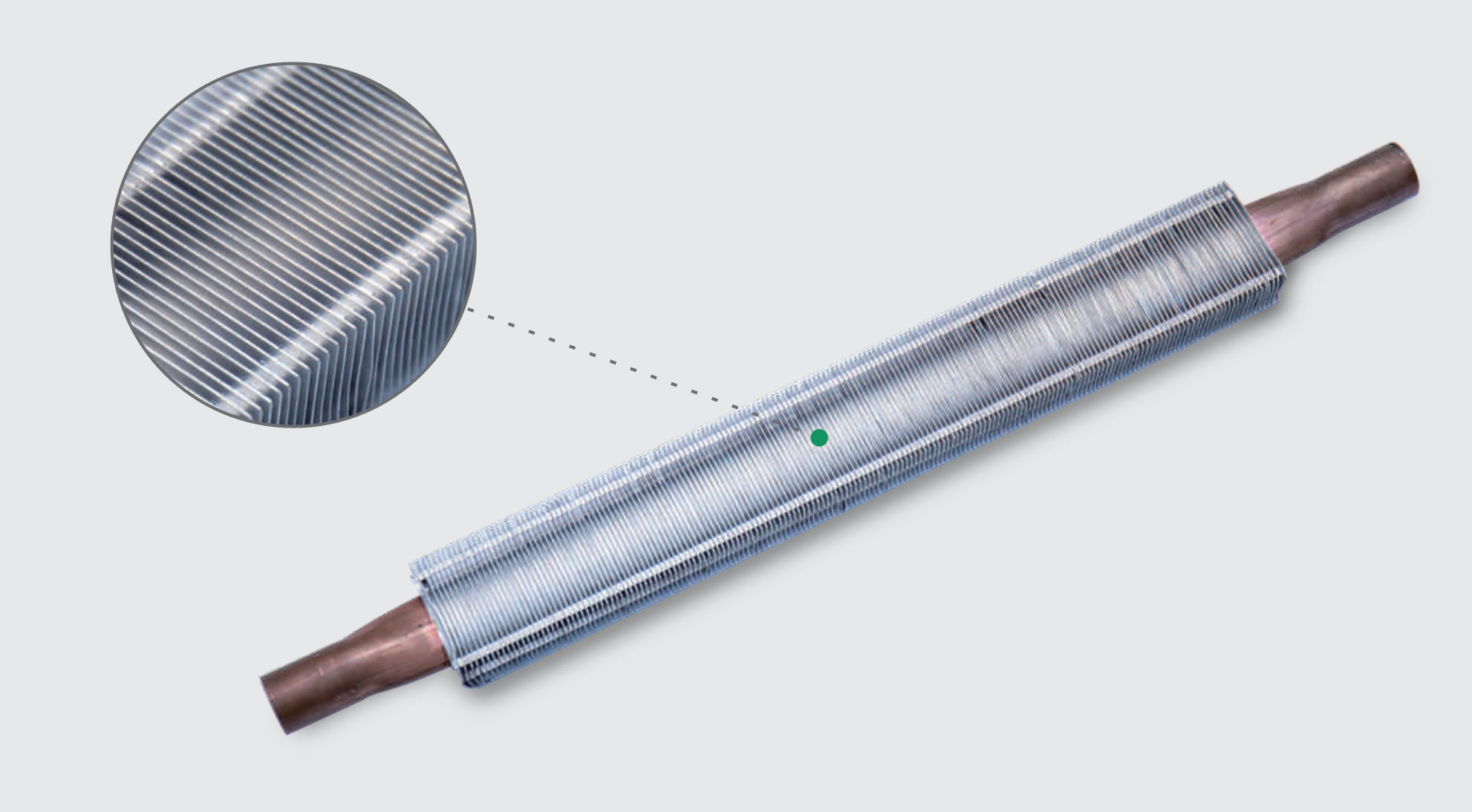
Elliptical Finned Tube

Elliptical Finned Tube is an elliptical seamless tube with a base tube that has aluminium fins or copper fins wrapped spirally and tightly around the outer surface of the base tube under tension.

The finned tube is connected to the pipe piece by piece. As the tube is often not round (especially welded steel tubes), there is inevitably a gap between the fin and the tube wall. lf there is a gap, there is a gap thermal resistance. For this reason, the following measures are often used: resistance welding method, dip coating method, contact welding method and tube expansion method.

The utility model provides a technology to make the tube and fin close together and improve heat dissipation. lt prefabricates the inclined edge hole on the string piece to reserve the interference material, and then retracts it to make the tube and fin form the extrusion of contour peak and contour valley. It can realize the seamless combination under the normal temperature condition without welding, sticking and filing other materials, so as to make it a high efficiency heat sink. In radiator, heat exchanger, shower water heater and so on, this technology can save tin and chemical adhesive.
Elliptical Finned Tube

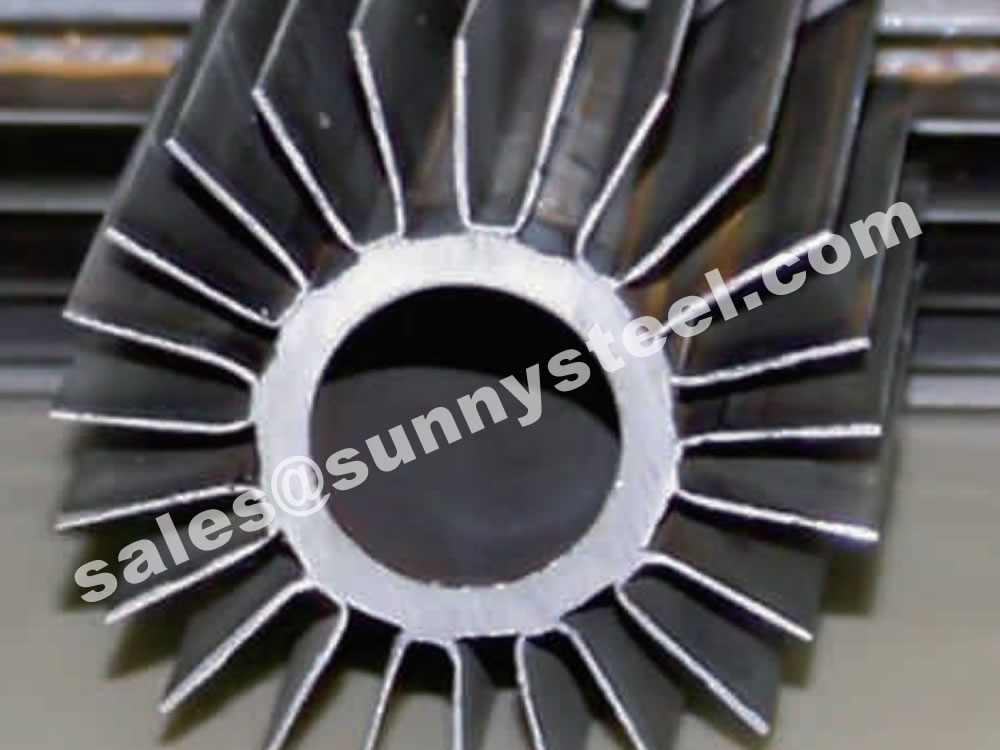
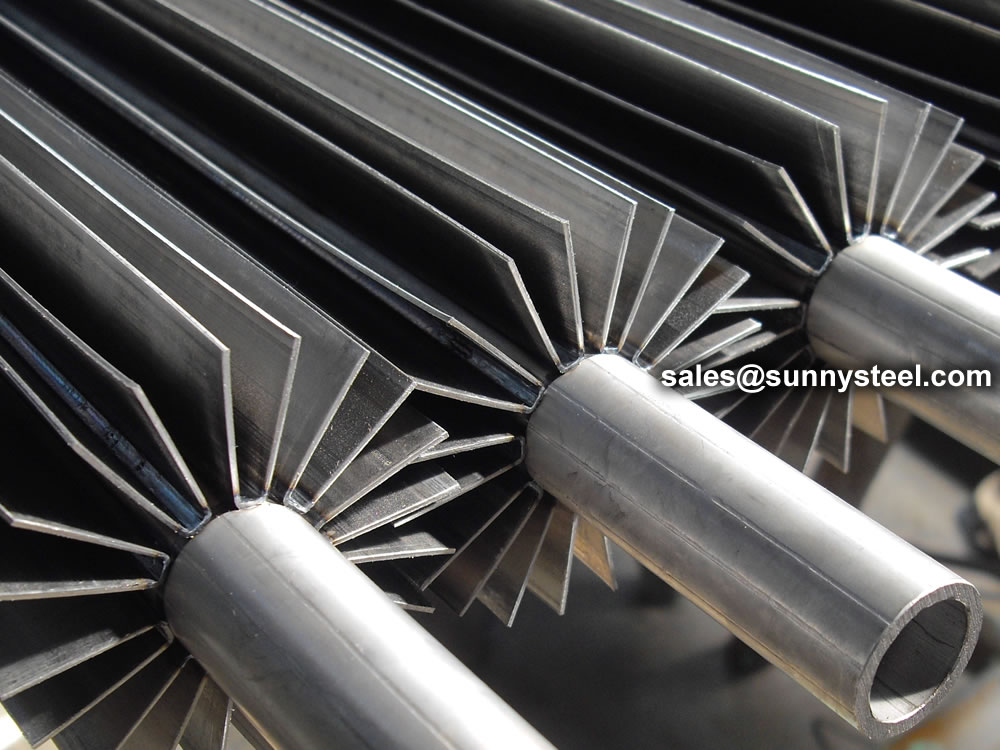
Longitudinal finned tubes

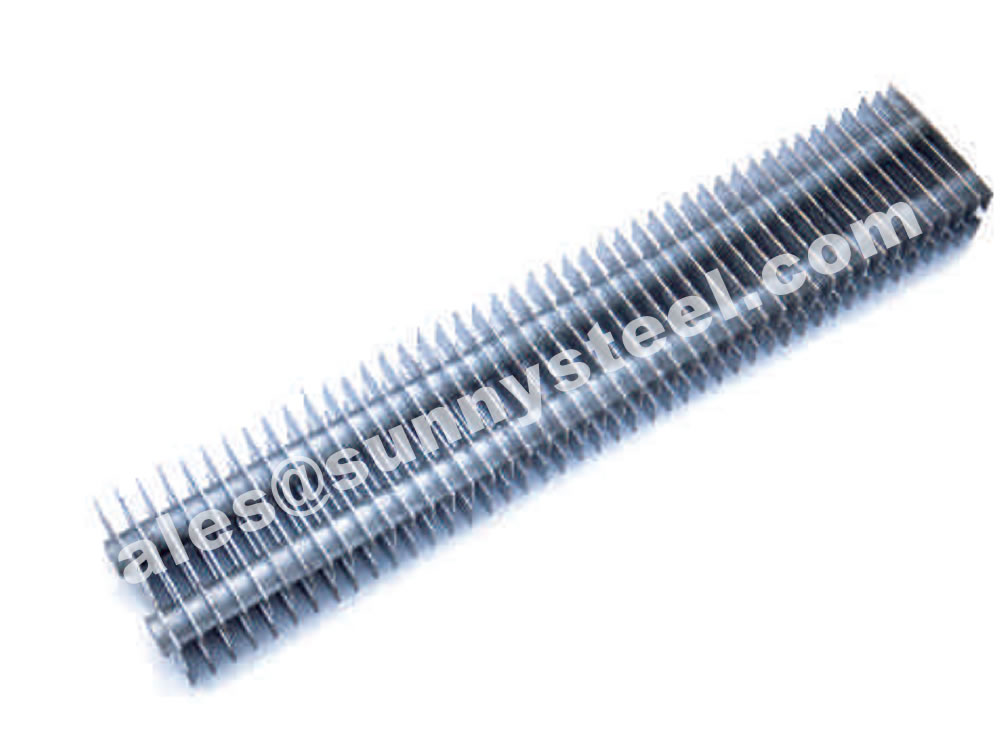
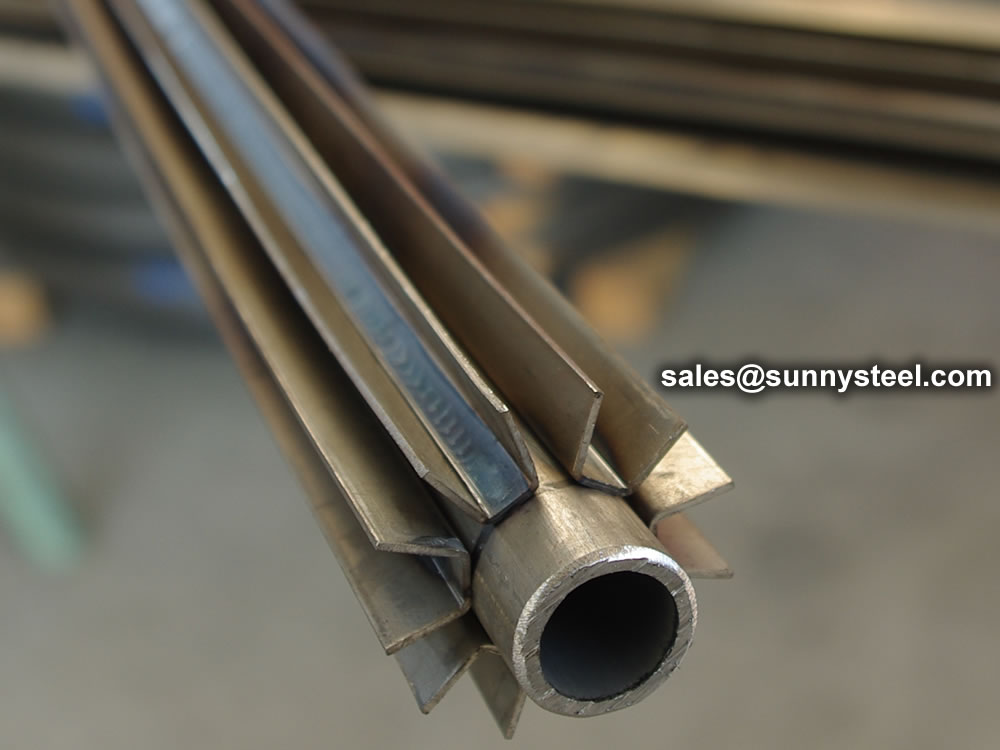
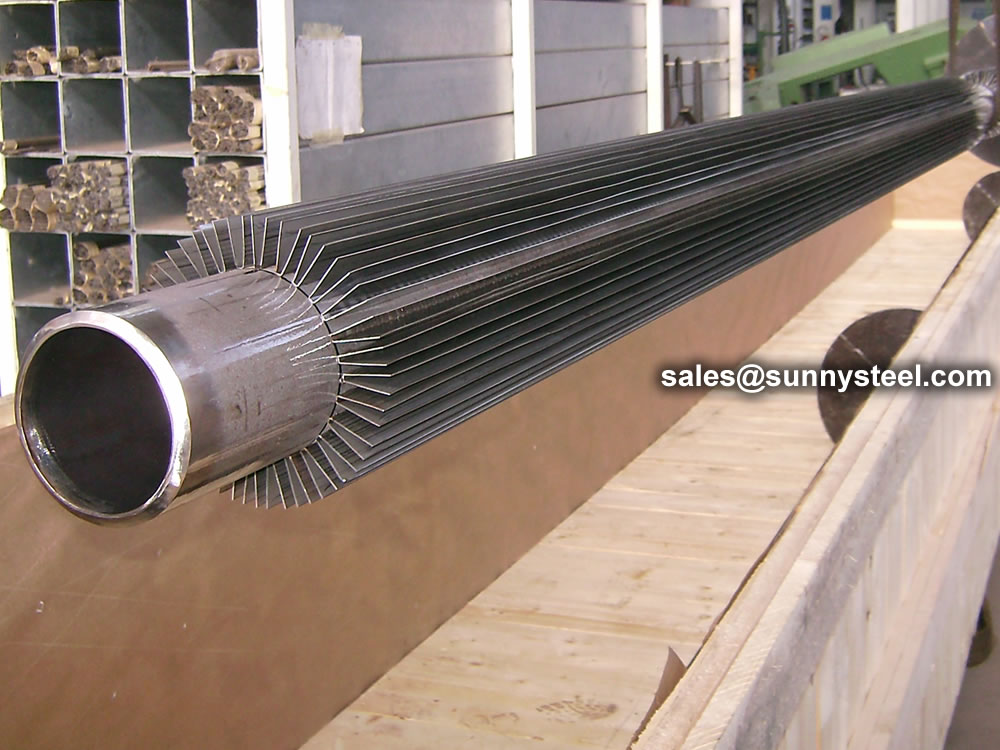
Longitudinally finned tubes are made by resistance-welding fins along the length of the tube.

The fins first form a U-shaped channel so that each U-leg forms a fin. The channel is cut to length, aligned and resistance welded along the length of the tube. The channel is welded in pairs, opposite each other, so the number of fins specified must be a multiple of four.
  1. Improve heat transfer efficiency in the effective space;
  2. Reduce the footprint of the required heat transfer area;
  3. At the same time, it has high reliability;4. The pressure drop on the tube side is reduced and the operating cost is reduced;
  4. Improve the stiffness and seismic performance of the steel tube;
  5. Heat transfer is enhanced to reduce flow resistance and metal consumption.

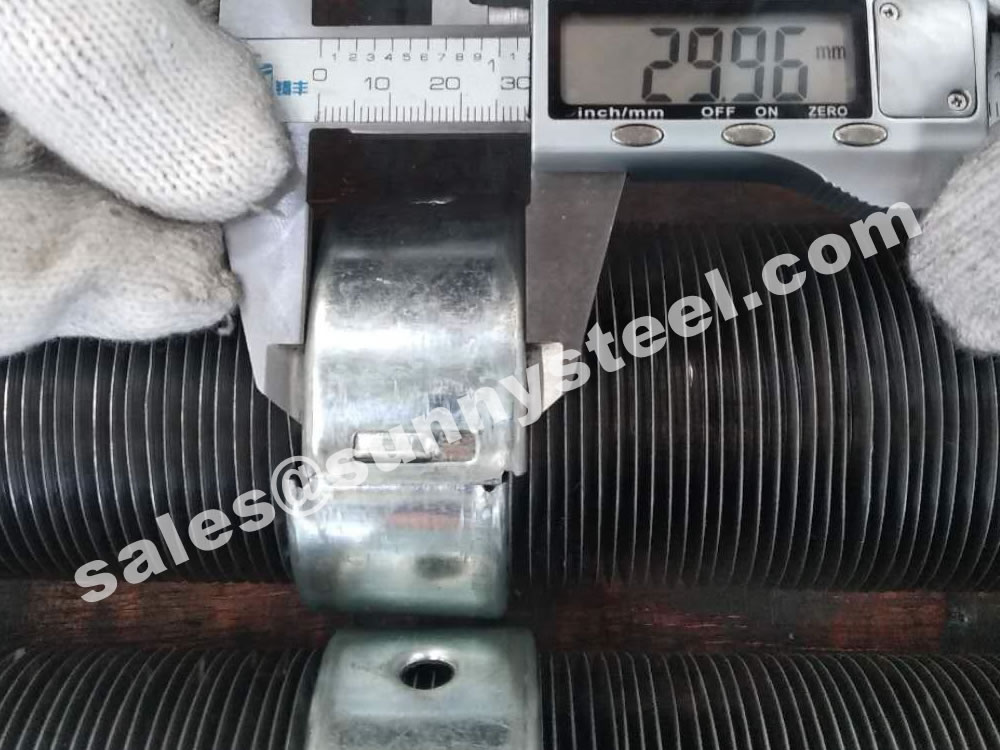
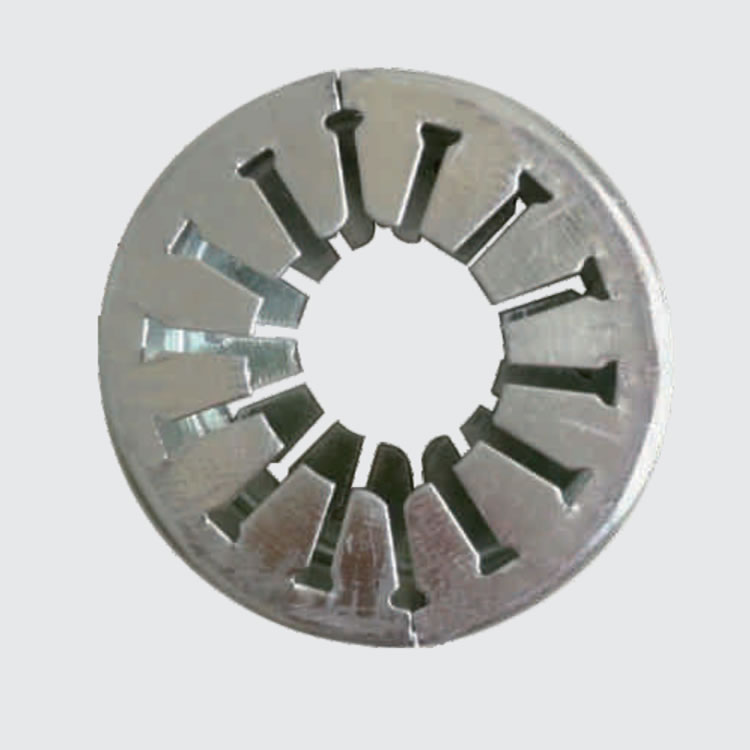
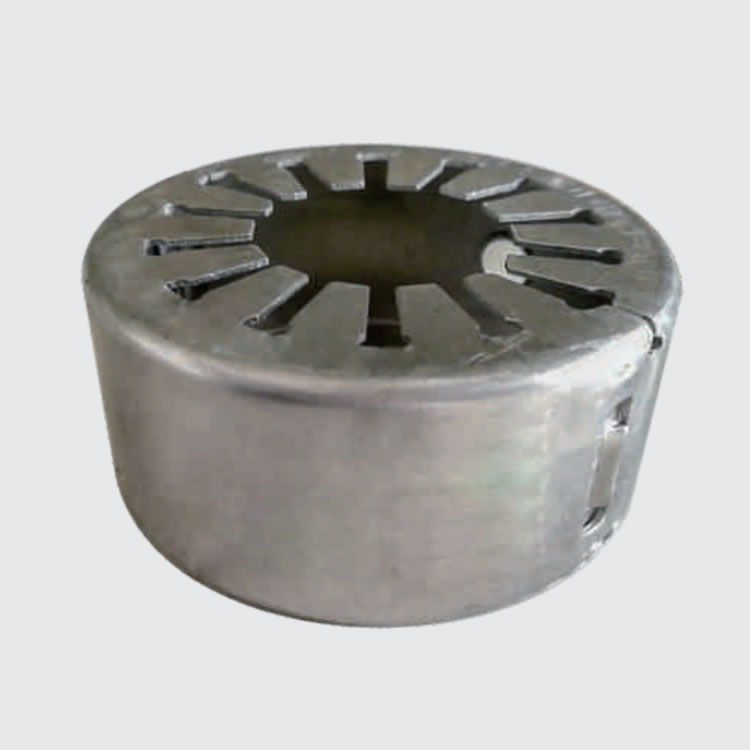
Pipe Hoop/ ZINC ring

The isolation ring is suitable for aluminum finned tube, extruded finned tube and L/ll / KL finned tube, and ismost commonly used in G-based finned tube.

Material: aluminum,galvanized steel, stainless steel

Size: O.D.:63.5mm, O.D.:73.5mm,etc

Used to fin type: L. LL. KL. G-type finned tube

Shape: round, hexagonal, octagonal.

Embedded aluminum finned tube circular spacer box.

The general flexible core tube of finned tube: the outerdiameteris 25.4mm,31.75mm and 38.1mmrespectively
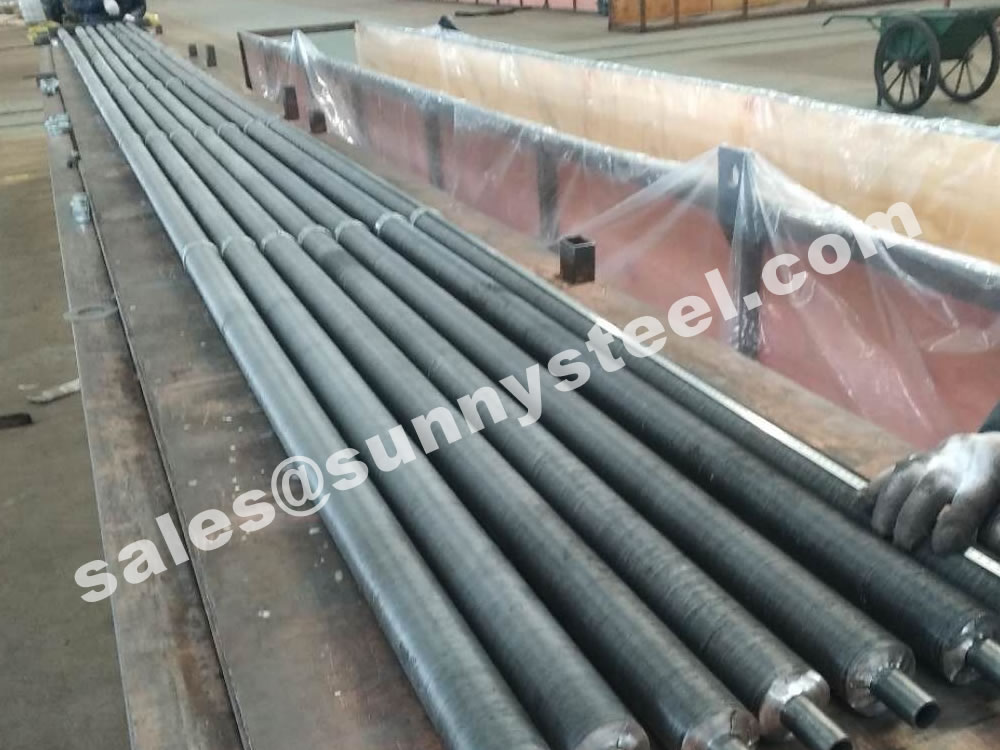
Pipe hoope on Fin Tubes

Be installed on fin

Pipe hoope on Fin Tubes

Display at the joint

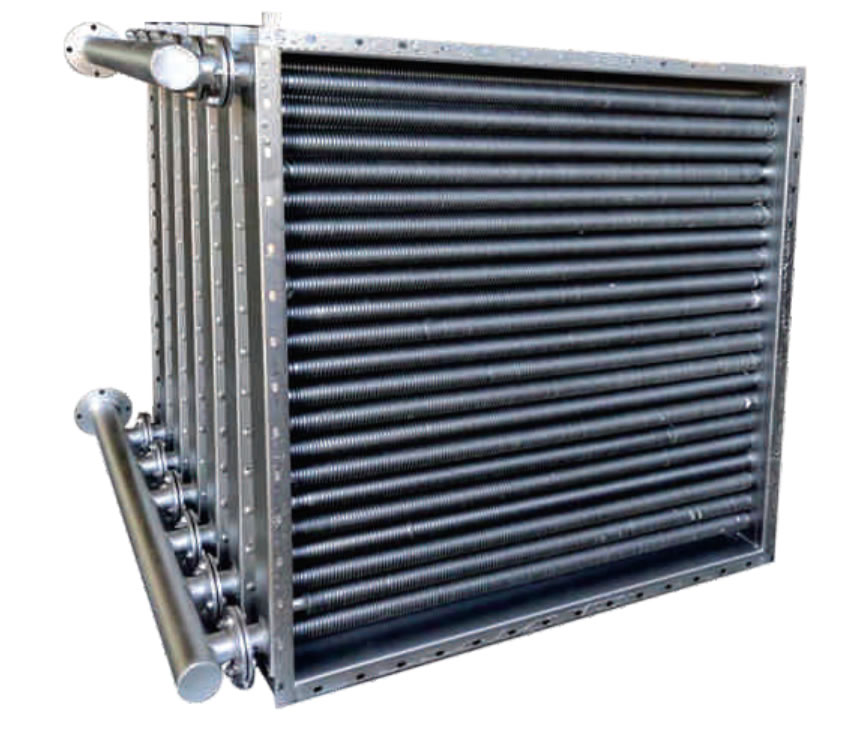
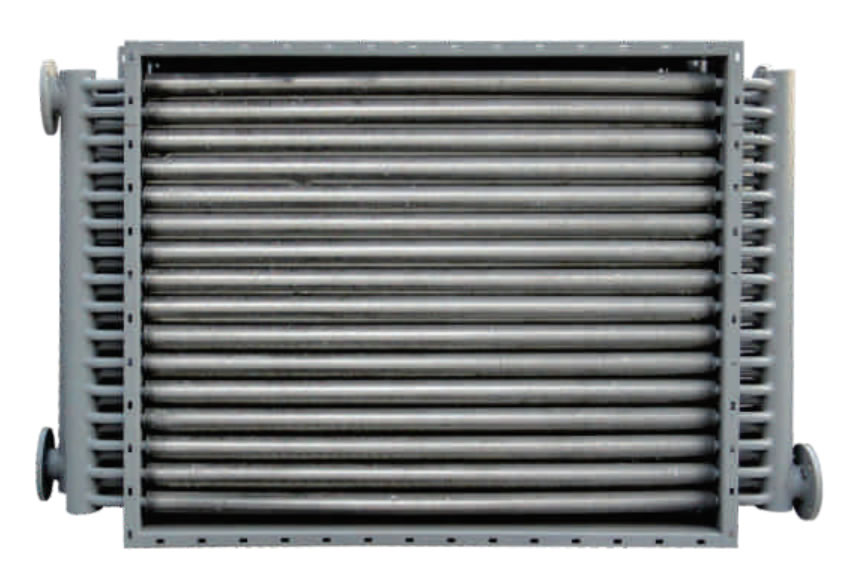
Steel Radiator

Steel Radiator

Steel radiator has the characteristics of compact structure, good air tightness and convenient installation. It is suitable for both steam system and hot water system. lt is widely used in air heating system of heating ventilation and drying equipment in large buildings.Structural Specification:The steel radiator is manufactured andproduced according to the standard atlas, which is composed of carbon steel frame and carbon steel cooling pipe (carbon steel heat pipe). The steel radiator is fixed by frame, with compact structure, good air tightness and convenient installation.Working medium:steam(<1.0MPa),hot water(<130℃).

Aluminium Radiator

Aluminium Radiator

Aluminium finned tube air heater is a new type of air heater improved on the basis of steel finned tube air heater. The heat exchange element of the product is made of steel tube .Aluminium "L" type finned tube, and the working temperature can reach 230℃. lthas the advantages of tight contact, no wrinkle, no dust accumulation, good vibration resistance, and can protect the tube from air erosion. Compared with the steel radiator, the heat dissipation area is increased by 10.20%, the weight is reduced by about 30%, and the heat can be increased by 10-20% under the same working conditions. lt is suitable for steam and hot water systems.lt can be widely used in air heating, material drying and air conditioning systems.

The heating medium of the radiator is steam or hot water, the working pressure of steam is 2.6 MPa, and the temperature of hot water is 70-130℃.

Fin Tube Materials

Material

We offer you a broad portfolio of materials and can expand our offerings at any time to meet your specific needs regarding thermal conductivity, mechanical properties, or corrosion resistance.

For Aluminum L-Foot finned tubes, the fin material is aluminum, either 1100-0. The tube material is generally carbon steel, stainless steel, or brass; however the tube can be of any material.

For Welded Helical Solid and Welded Helical Serrated finned tubes, the fin and tube materials can be any combination that can be welded together using HIGH FREQUENCY WELDING process.

The materials chosen for a given application are a function of service temperature, corrosive environment, and/or erosive environment. Common tube materials used for our welded product lines include: carbon steel, carbon moly, chrome moly, stainless steel, Inconel, and Incoloy. Common fin materials include: carbon steel; stainless steels of types 304, 310, 316, 321, 409, and 410; Nickel 200, and Inconel.

Carbon steel fins are available on carbon, stainless steel, or copper tube. Please call for a specific size if not listed

We offer you a broad portfolio of materials and can expand our offering at any time to meet your specific needs regarding thermal conductivity, mechanical properties, or corrosion resistance.

Core Tube Material

Material Grade
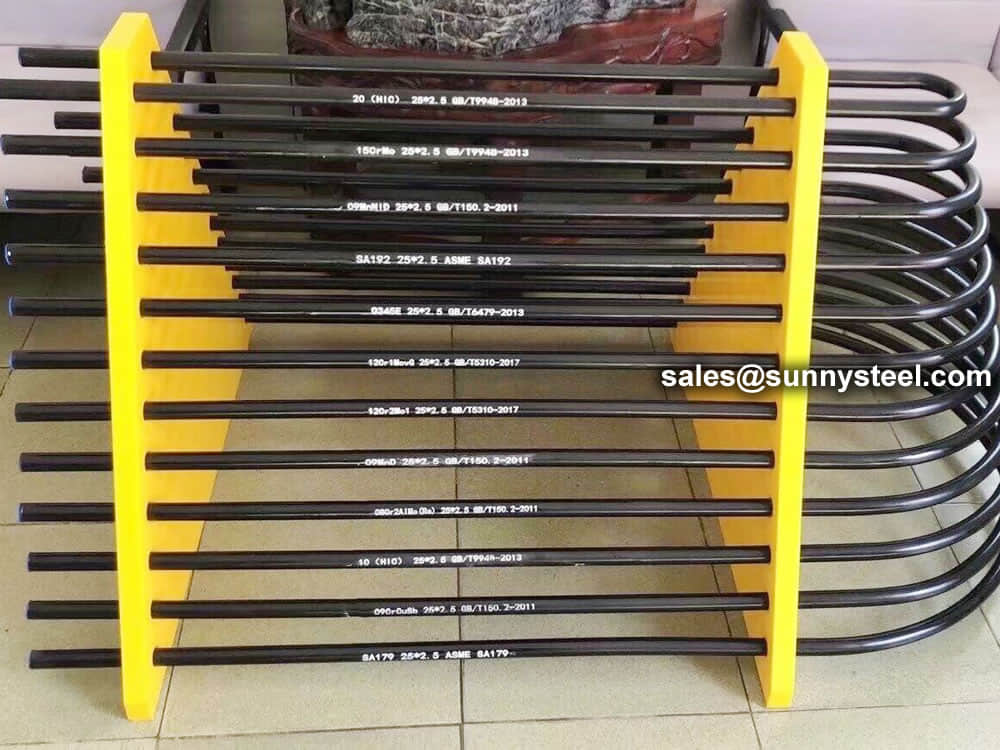
Carbon Steel Tubes A179, A192, SA210 Gr A1/C, A106 Gr B, A333 Gr3 Gr6 Gr8, A334 Gr3 Gr6 Gr8, 09CrCuSb, DIN 17175 St35.8  St45.8, EN 10216 P195 P235 P265, GB/T3087 Gr10 Gr20, GB/T5310 20G 20MnG,
Alloy Steel Tubes A209 T1 T1a,A213 T2 T5 T9 T11 T12 T22 T91,A335 P2 P5 P9 P11 P12 P22 P91,EN 10216-2 13CrMo4-5 10CrMo9-10 15NiCuMoNb5-6-4
Stainless Steel Tubes TP304/304L, TP316/TP316L TP310/310S TP347/TP347H
Copper Tubes UNS12200/UNS14200/UNS70600, CuNi70/30, CuNi 90/10
Titanium Tubes B338 Gr 2

Classification

Specific classification of finned tubes, there are lot of types of finned tubes, meanwhile also lot of new species comes up.

According to the classification process

  1. rolling forming finned tubes (extruded fin tube);
  2. welded finned tubes ( high frequency welded finned tubessubmerged arc welded finned tubes,
  3. roll forming finned tube
  4. set forming finned tube
  5. casting finned tube
  6. the tension wound finned tubes
  7. inserts the tube.

According to the fin shape classification

  1. square fin tube (Square finned tube);
  2. round finned tube
  3. spiral finned tube (spiral finned tube);
  4. the vertical fin tube (Longitudinal Finned Tube)
  5. corrugated fin tube
  6. serrated spiral finned tubes (Helical Serrated Finned Tubes);
  7. the needle finned tube
  8. the overall plate- fin tube ( plate-fin,
  9. the finned tube (inner finned tube).

And so on.


Depending on whether the finned tubes finned tube material and the same material can be divided into groups

  1. a single metal finned tube
  2. bi-metal composite finned tube

A single metal finned tube Material Classification

  1. copper finned tubes
  2. aluminum finned tube
  3. carbon steel finned tube
  4. stainless steel finned tube
  5. iron ( steel, finned tube etc..

By use classification

  1. air conditioning with finned tubes
  2. air-cooled with finned tubes
  3. the boiler : finned water wall economizerair preheater tubes were used
  4. industrial waste heat recovery with finned tubes
  5. other special purpose finned tube etc.

The material certificate including all the tests can be provided, and also with EN10204 3.1standard.


Ребристая труба для отопления на свинокомплексах и птицефабриках

Ребристая труба для отопления на свинокомплексах и птицефабриках

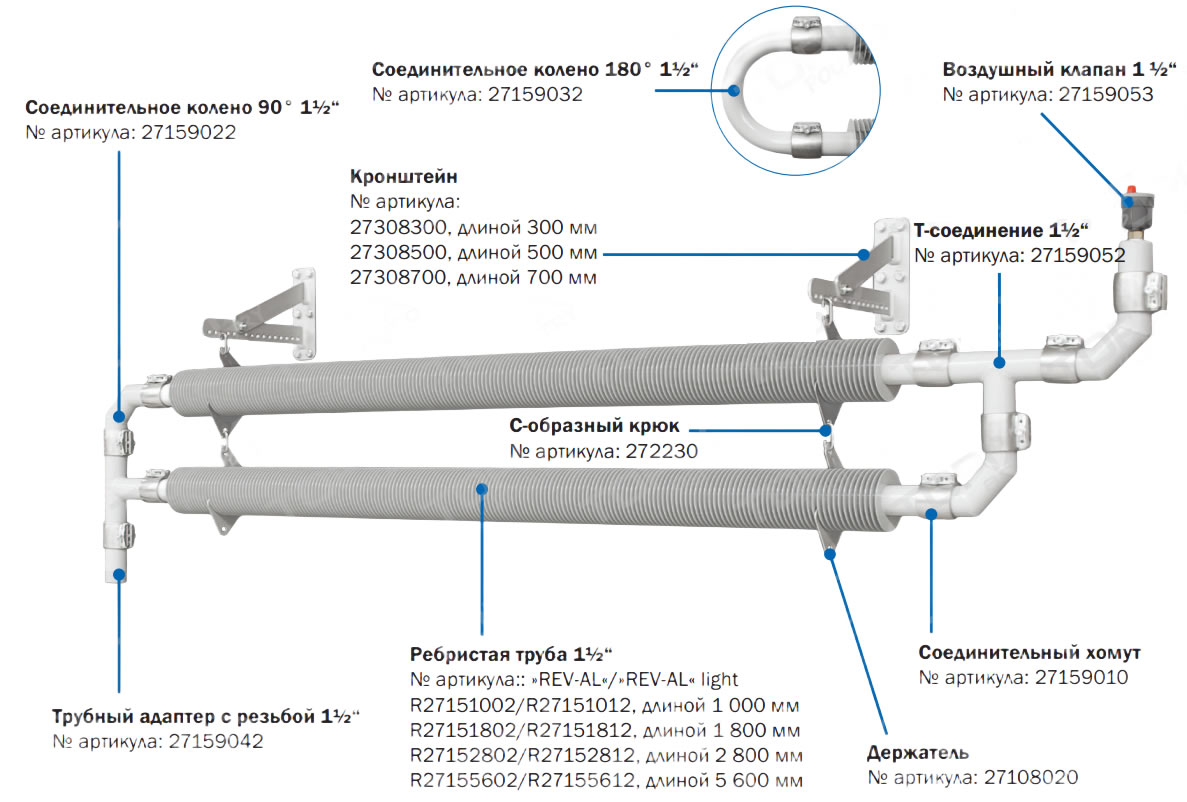
Труба ребристая отопления (регистр отопления)

Отопительные трубы с ребрами обеспечивают хорошую теплопередачу, благодаря абсолютно жесткой посадке плоского ребра на внутренней трубе. Наши отопительные трубы с ребрами применяются везде, где особые условия монтажа требуют использования необычных решений, например, в фасадных системах отопления, на многоярусных складах, в теплицах, при защите стеклянных куполов от запотевания и т.д., также трубы используются для отопления жилых, промышленных и складских помещений. Имеют документированную высокую степень теплоотдачи.

Ребристые трубы монтируются при помощи стандартных фитингов, либо под сварку по желанию Заказчика.

Мы изготавливаем два типоразмера ребристой трубы :

Ду32 и Ду40.

Длину трубы определяет Заказчик.

Покрытие трубы:

-грунт

-порошковая окраска

-горячий цинк.

По ценам и срокам изготовления вы можете узнать, позвонив по телефону

Technology

It is fabricated with a batch of single fins that were processed by the punch press and then manually or mechanically, with a certain distance (wingspan) on the base tube.

This is the earliest fin tube fabrication with low cost and simple production process/ technology, easy to maintain. Divides into manual set and mechanical set. Manual set uses a tool that relies on the power of man to press the fins one by one. This method is limited by the pressure of the fin, so it is easy to get loose. The machine – set fin is carried on the wing piece machine. Due to the mechanical impact or liquid pressure, the pressure of the fin is high, so it can be used in a larger volume. The bonding strength between fin and tube is high and not easy to loosen. Mechanical transmission has high productivity, but the noise is large, the safety is poor, and the working conditions of the workers are not good. Although the hydraulic transmission does not have the above problem, but the equipment price is more expensive, the technical requirement to use maintenance personnel is higher, its productivity is also lower.

Currently HF Fin Tube is one of the most widely used helical fin tubes, you can see it as waste heat recovery in power, metallurgy, concrete, oil and gas, petrochemical, etc. When winding the steel strip around steel tube, the use of high frequency current skin effect and proximity effect on steel strip and steel pipe surface heating, until the plastic state or melt, the coil steel belt must be under pressure to complete welding. Comparing with embedded type and spot welding spiral crimped type, it is more advanced either on fin tube quality or production efficiency or automation degree.

The extruded fin is formed from an outer aluminum tube with a large wall thickness (muff), which is aligned over an inner base tube. The two tubes are pushed through three arbors with rotating discs that literally squeeze or extrude the aluminum fins up and out of the muff material in a spiral shape in one operation. Comparing with welding fin tube, dr extruded fin has higher production efficiency with low cost on material and high heat transfer. At present, it divides into copper or aluminum single metal fin tube and bi-metal composited fin tube.

Fin tube manufacturers produce a wide range of fin tubes. They are used in heat exchangers (air, water and chemically cooled) for various industries such as petroleum, petrochemical, steel, power generation and many more.

Corrosion protection processes are performed during fin tube manufacturing and the material used is corrosion resistant. Some fin tube types are:

Helical high fins

Helical high finned tubes are used to repair air-cooled heat exchangers and are available in 5 variations

Type Photo Descriptions Properties
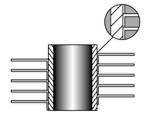
"KL" fin tubes Fin tube After application the fin foot is knurled into the corresponding knurling on the base tube thereby enhancing the bond between the fin and tube resulting in improved heat transfer characteristics. Max. operating. temp. 260ºC Max working temperature – 260 °C (500 °F)
Atmospheric corrosion resistance – acceptable
Mechanical resistance – acceptable
Fin material – aluminum, copper
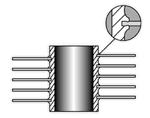
"G" fin tubes Fin tube Fin strip is wound & embedded on a groove and securely locked by closing the groove with the base tube metal. This ensures maximum heat transfer at high temperatures.
Max. operating temp. 450ºC
Max working temperature – 400 °C (752 °F)
Atmospheric corrosion resistance – poor
Mechanical resistance – acceptable
Fin material – aluminum, copper, carbon steel
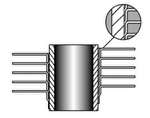
"LL" fin tubes Fin tube Manufactured in the same way as the ‘L’ fin type except that the fin foot is overlapped to completely enclose the base tube thereby giving excellent corrosion resistance. This type of tube is often used as an alternative to the more expensive extruded type fin in corrosive environments. Max. operating. temp. 180ºC Max working temperature – 180 °C (356 °F)
Atmospheric corrosion resistance – acceptable
Mechanical resistance – poor
Fin material – aluminum, copper
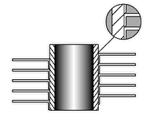
"L" fin tubes Fin tube The strip material is subjected to controlled deformation under tension giving the optimum contact pressure of the foot of the fin onto the base tube thus maximizing the heat transfer properties. The foot of the fin considerably enhances the corrosion protection of the base tube. Max. operating. temp. 150ºC Max working temperature – 150 °C (302 °F)
Atmospheric corrosion resistance – acceptable
Mechanical resistance – poor
Fin material – aluminum, copper
Extruded fin tubes Fin tube This fin type is formed from a bi-metallic tube consisting of an aluminium outer tube and an inner tube of almost any material. The fin is formed by rolling material from the outside of the exterior tube to give an integral fin with excellent heat transfer properties and longevity. Extruded fin offers excellent corrosion protection of the base tube. Max. operating. temp. 280ºC. Max working temperature – 285 °C (545 °F)
Atmospheric corrosion resistance – excellent
Mechanical resistance – excellent
Fin material – aluminum

Uncovered tube area between the fins

Fin foot is pre-formed into an LL shape (overlapped LL) and applied to base tube under tension.
However, foot is pre-shaped to give overlap of one foot onto another, thereby improving base tube protection and thermal contact area Fin materials: Aluminum Base tube materials: Any metallic material.
The smooth flat fins perpendicular to the tube surface give rise to very low resistance to air /gas flow and ensure that fouling is kept to a minimum. The foot of the fin is in contact with base tube and provides a complete sheathing over the finned length.

The Overlapped "L" fin design has interlocking fins that are wound together to prevent movement and separation. The fin protects the entire tubes, so the designation works well for the applications where corrosion is a factor.This type of finned tube is often used as an alternative to the more expensive extruded type fin in corrosive environments.

  • Common Applications: Steam Coils, Air Pre-heaters.
  • Max. Working Temperature: 180 °C
  • Atmospheric Corrosion Resistance: OK
  • Mechanical Resistance: Poor
  • Fin Material: Copper, Aluminum
  • Base Tube materials: Any material available, such as Carbon steel Tube, A179, A192, A210, stainless tube A269/A213 T5 T11 T22 304 316

What are fin tubes?

Fin tubes are a type of heat exchanger that is used in many different industries. These tubes have a finned surface, which increases their surface area and allows them to transfer heat more efficiently. This makes them ideal for applications where high heat transfer rates are required, such as in power plants and refrigeration systems.

Fin tubes are made from a variety of materials, including copper, aluminum, and stainless steel. They are available in a range of sizes and shapes and can be customized to meet the specific needs of each application.

One of the key benefits of fin tubes is their ability to operate efficiently at high temperatures and pressures. This makes them suitable for use in a wide range of applications, including air conditioning, heat exchangers, and radiators.

In addition to their high thermal performance, fin tubes are also durable and long-lasting. They are resistant to corrosion and can withstand the harsh environments often found in industrial settings. This makes them a cost-effective solution for many different industries.


Frequently Asked Questions
Absolutely, we can. We are a pretty proactive bunch. So, while we do charge a small fee per design to cover our costs, we absorb these costs when it is for a regular customer or where we are working jointly on a project. We also refund the fees in case it is followed by an order.
Applied Fin Tube is made with strip wrapped under tension around the base of the tube. Fins are welded to the base tube at the strip ends.
Pin Fin tubes are made from wire. Being cylindrical, wire has a larger area per unit of weight than the strip used in L type fin tubes. Also, due to the looped nature of the wire, less material is put on the tube than in the case of L fins. Consequently, the surface area of fins per meter of tubes is also less. However due to the superior turbulence created by the looped wire the actual heat transfer per meter of tube is significantly higher than in the case of L Type Fin Tubes. All of this together contributes to the weight differential between wire wound fin tubes and L Type Fin Tubes. In the case of similar metals, it is weighing half and in the case of Aluminium L fin vs. Steel wire fin they weigh about the same. The higher performance S5 pin fin tubes have an airside heat transfer performance per meter of tube that is 250% of the L type fin tubes.
Yes. A lot of our customer choose to supply their own pipes or tubes, however, a lot of customers ask us to supply them and we are happy to accommodate! We stock various sizes and if we don’t have what you need we can bring it in from one of our many suppliers. If you would like us to include the pipe or tube material in your order, please indicate that when you request a QUOTE.
A continuous helical fin is attached to the base tube by high frequency electric resistance welding in order to give an efficient and thermally reliable bond. Fins can be either solid or serrated (segmented). The weld produced in this process is a true forge, blacksmith weld. This type of weld is comprised of a fusion between two portions of parent metal without the introduction of a filler material. The weld is simply produced by heating the interfaces to be joined to a plastic state and applying pressure. Used in boilers, furnaces and fired heaters for efficient heat recovery.
The main uses for high frequency welded finned tubes are in the heat recovery associated with boilers for power generation and in furnace applications for the petrochemical industry.
Our finning machines are equipped with online single or duplex cold bending equipment that can manipulate both ends of tubes in a single operation, thus ensuring exact alignment of the ends.
We do not. Our market lends itself to customer designed products, each special in itself. The number of combinations of diameter, overall length, materials and fin specs are too vast. Sunny Steel builds each finned product to each customers needs.
Finned tubes are the main components of heat exchangers. They are a series of tubes where fins have been added on the outside to increase the contact area with the outside fluid, to exchange heat and between the fluid inside the tube and the fluid outside the tube. Finned tubes are elongated aluminium cladded carbon steel flat tubes with brazed aluminium fins. The rate at which such heat transfer can occur depends on three factors: 1. the temperature difference between the two fluids; 2. the heat transfer coefficient between each of the fluids and the tube wall; and 3. the surface area to which each fluid is exposed. In the case of a bare (unfinned) tubes, where the outside surface area is not significantly greater than the inside surface area, the fluid with the lowest heat transfer coefficient will dictate the overall heat transfer rate. When the heat transfer coefficient of the fluid inside the tube is several times larger than that of fluid outside the tube (for example steam inside and oil outside), the overall heat transfer rate can be greatly improved by increasing the outside surface of the tube. In mathematical terms, the product of heat transfer coefficient for the outside fluid multiplied by the outside surface area is made to more closely match the product of the inside fluid heat transfer coefficient multiplied by the inside surface area. For any kind of information and request do not hesitate to contact our team, Sunny Steel is at your complete disposal.
Hot Products

【H】 Ceramic lined pipe

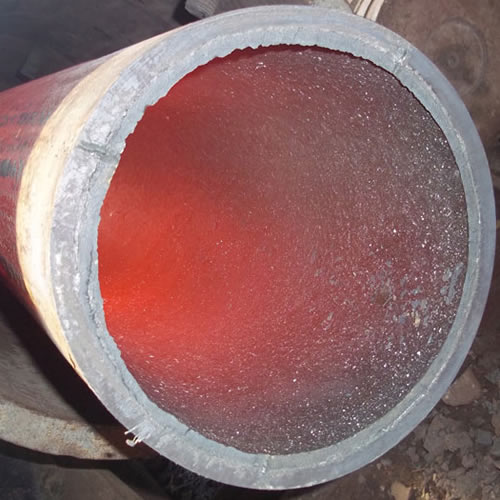
Ceramic lined pipe is made through self-propagating high-temperature synthesis (SHS) technique.
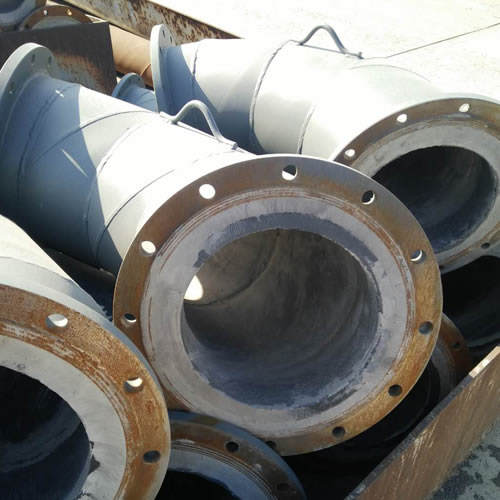
【H】 Cast basalt lined steel pipe

Cast basalt lined steel pipe is composed by lined with cast basalt pipe, outside steel pipe and cement mortar filling between the two layers.
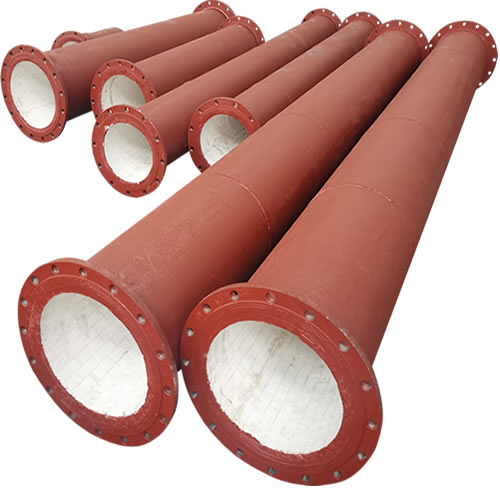
【H】 Ceramic Tile Lined Pipes

Ceramic tile lined pipes have very uniform coating of specially formulated ceramic material that is affixed to the inner of the pipe.
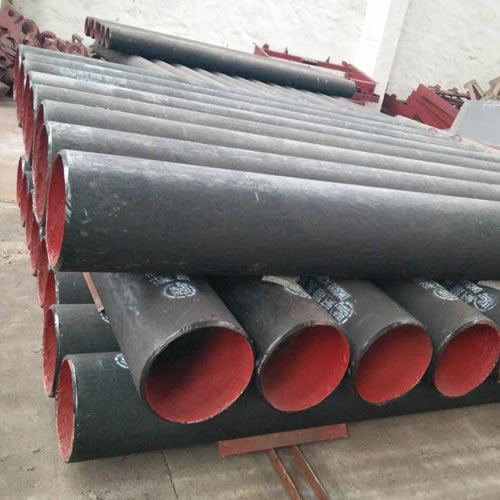
【H】 Rare earth alloy wear-resistant pipe

The material of the rare earth alloy wear-resistant pipe is ZG40CrMnMoNiSiRe, which is also the grade of rare earth alloy steel.
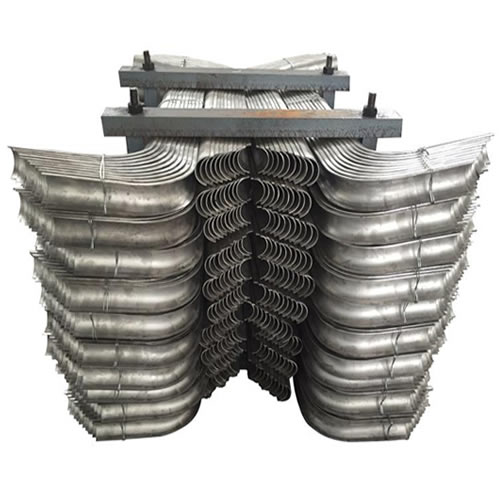
【H】 Tubes Erosion Shields

Tubes Erosion Shields are used to protect boiler tubing from the highly erosive effects of high temperatures and pressures thereby greatly extending tube life.
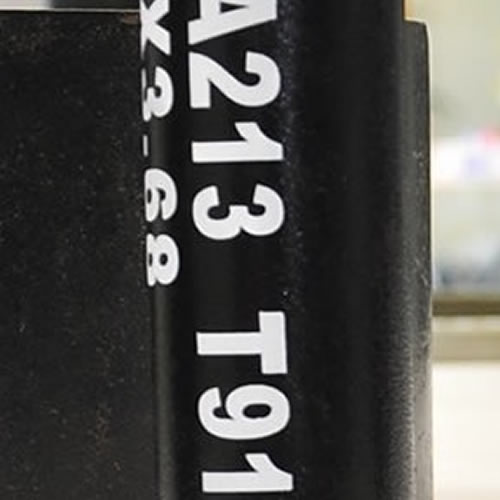
【H】 ASTM A213 T91 Alloy Tube

The ASTM A213 T91 seamless tubes are primarily used for boiler, superheater, and heat-exchanger.

The White Glove Service You Deserve

When you partner with Sunny Steel, you can stop worrying about meeting deadlines thanks to our responsive and timely service. You'll also say goodbye to unnecessary shopping around. Instead, you'll get white glove service from an expert who understands your needs and can get you the materials you need quickly.

application

Materials delivered on-time and at a fair price

application

No delays in production or manufacturing process

application

Meet engineering specifications to ensure top quality

application

World-class customer service ready to help