Limited Flexible Rubber Joint
Limited Flexible Rubber Joint - industrial steel product
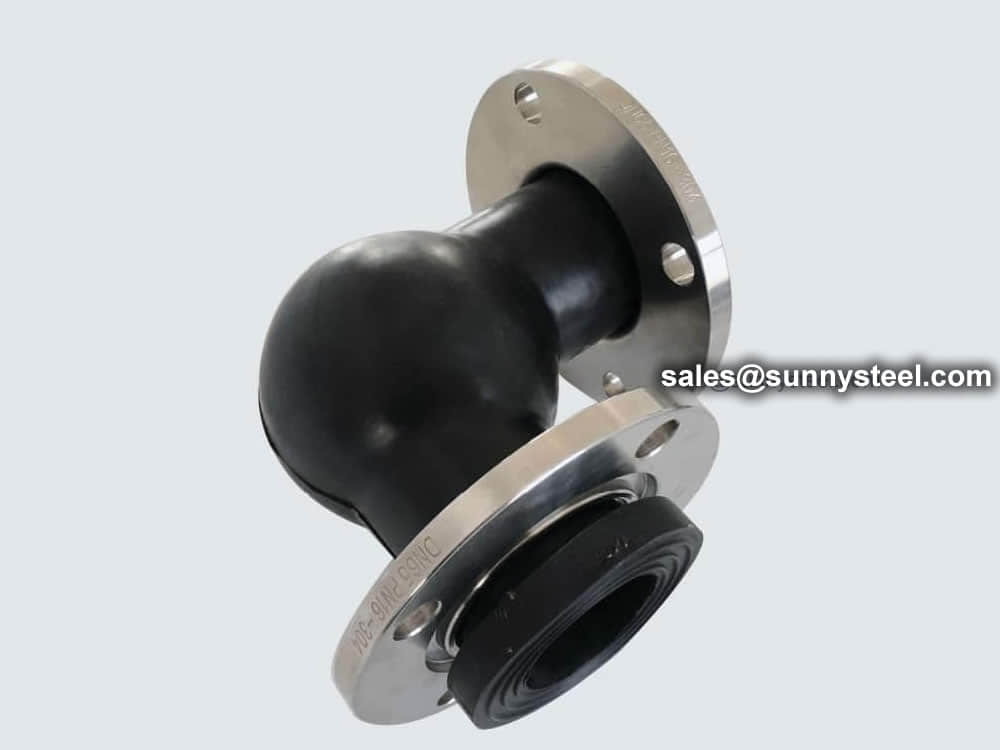
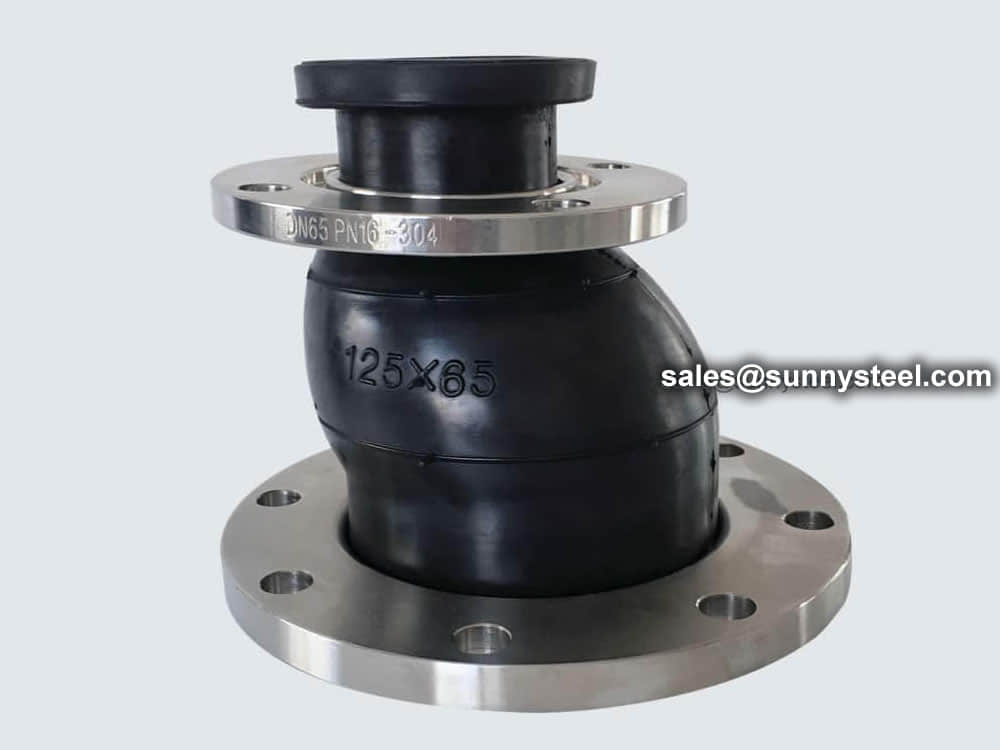
A flexible rubber elbow is a type of plumbing fitting used to connect and redirect pipes at a 90-degree angle.
Download PDFIt is designed to provide flexibility and accommodate slight misalignments or movement in the piping system. The rubber material allows for easy installation and provides a secure and leak-free connection.
Economy: Compared with the systems of mechanic stretching and material damping, it has the advantages of little space covering, light weight, easy assembly and disassembly, labor saving and low cost. Its smooth inner wall can reduce flow resistance. It has good water tightness, so there is no need of gasket during the installation. It has wide application, large temperature-resistance scope and long working life. (This product can be used for 20 years if it is used indoors. )
Displacement: Flange is free from pipe decentraction and imbalance. Its good flexibility allows compression, extension, distortion, deflection of vertical displacement, etc. Which can prevent the pipeline from damage of deformation and foundation settlement arising from expansion caused by heat and contraction caused by cold.
Shock and noise absorption: The large damping of rubber sphere can effectively buffer and isolate vibration, control and reduce mechanical vibration, and absorb fluid impact noise. The reasonable installation between vibrating machine and metal pipe can decrease structure-borne noise by 15-25 decibels.
Pressure resistance: The multilayered sphere structure can especially endure internal pressure, withstand strong blasting force and impact, and prevent deformation from external pressure. There are many pressure standards on work piece.
Reducibility: After external force compressed, it can recover to original state when this force is removed.
Wide application: Different rubber material and formula can make product possess different resistance to heat, oil, corrosion, age, abrasion and ozone.
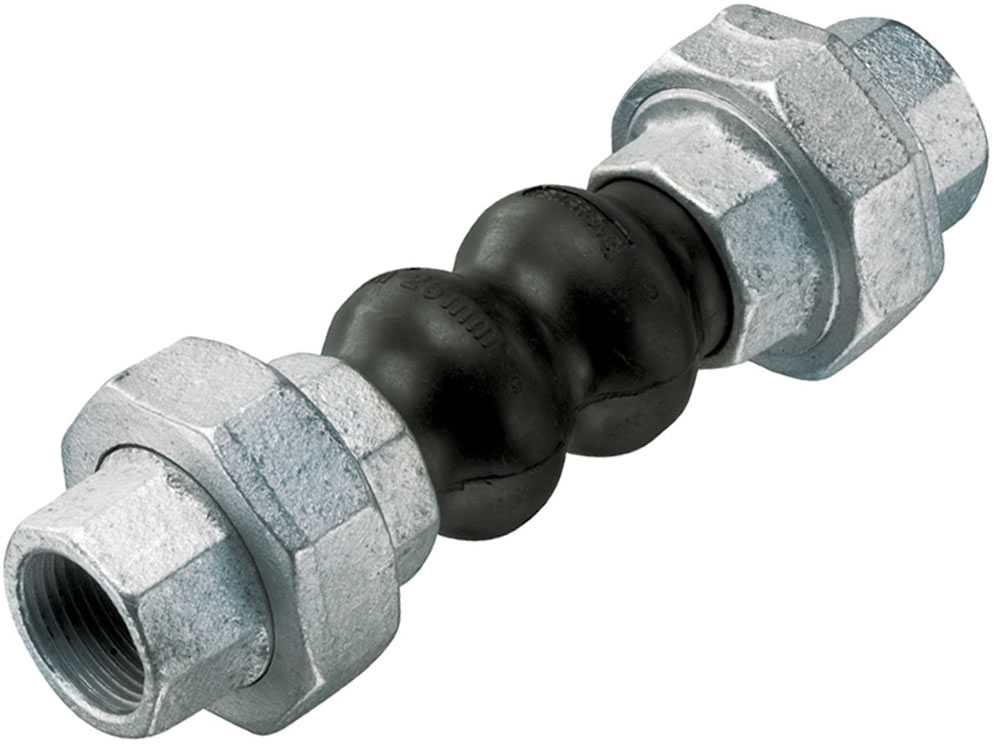
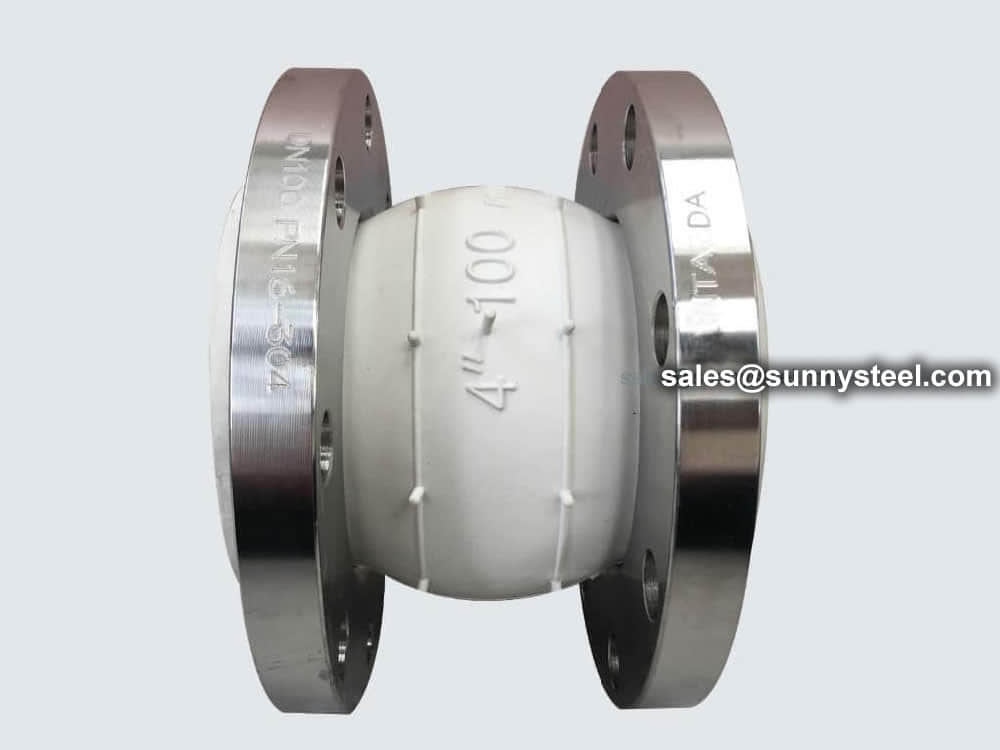
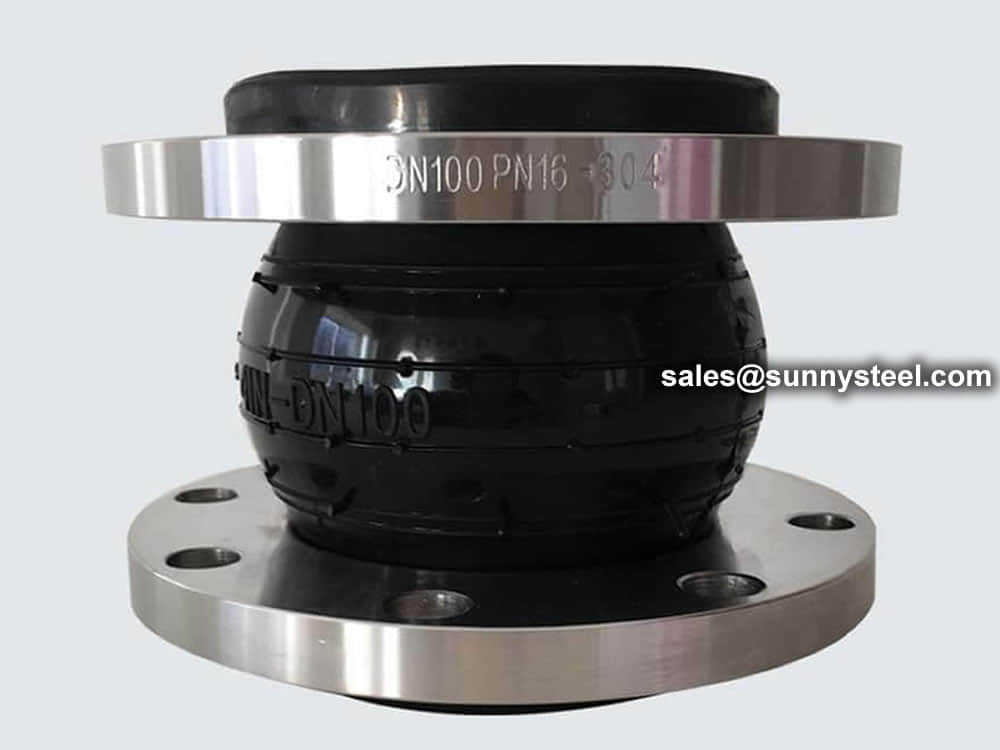
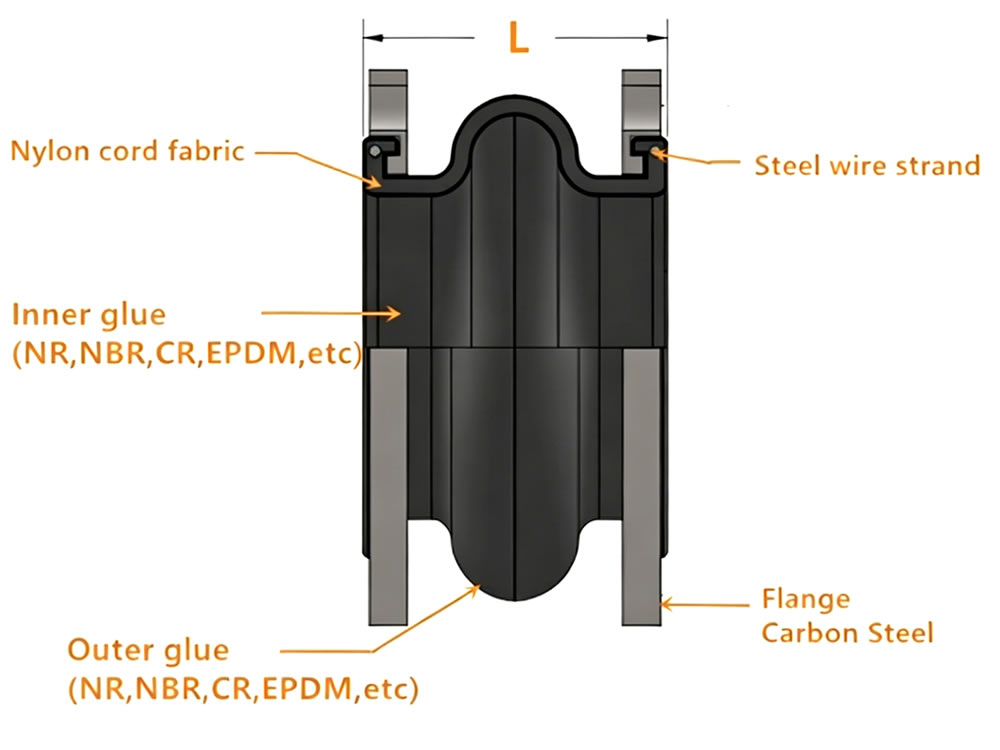
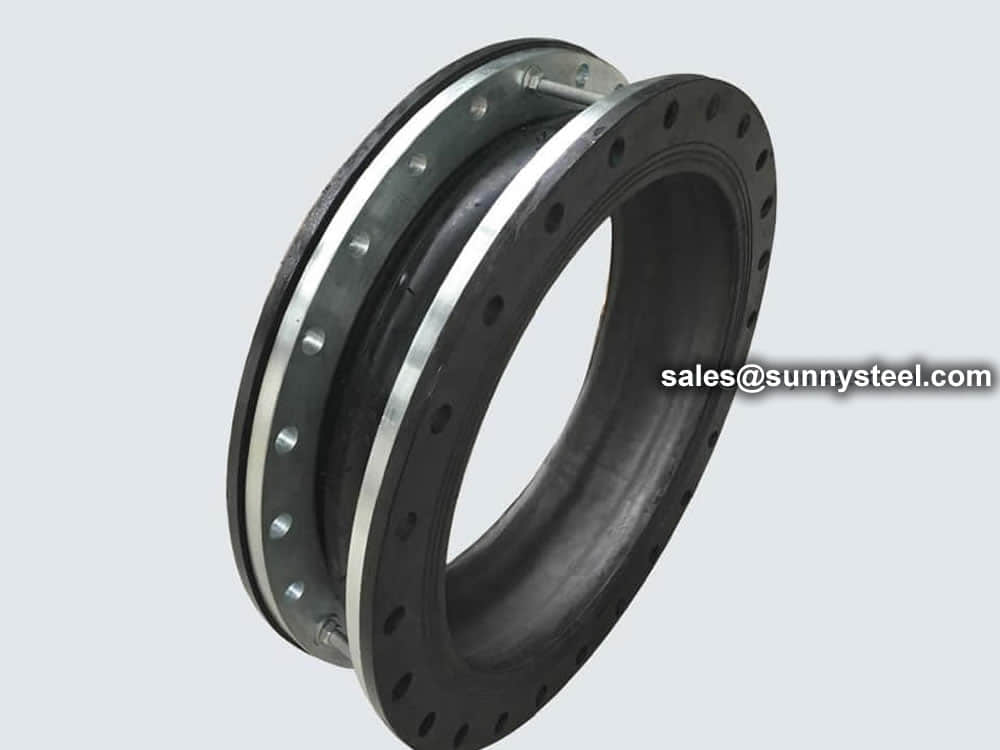
According to the connection method, there are three kinds of flange type, fixed flange type and thread type; according to the structure, it can be divided into five types: single sphere, double sphere, different diameter body, curved sphere and wind pressure coil. The tubular rubber piece is composed of inner and outer rubber, ply and traveler, and is formed by vulcanization molding and loosening with metal flange or parallel joint. This product can reduce vibration and noise, and can compensate for thermal expansion and contraction caused by temperature changes, and is widely used in various piping systems.
| Nominal diameter(DN) | Length | Axial displacement(mm)
|
Horizontal displacement | Deflexion angle | ||
|---|---|---|---|---|---|---|
| mm | inch | mm | Extension | Compression | mm | (a1+a2)° |
| 32 | 1 1/4 | 95 | 6 | 9 | 9 | 15° |
| 40 | 1 1/2 | 95 | 6 | 10 | 9 | 15° |
| 50 | 2 | 105 | 7 | 10 | 10 | 15° |
| 65 | 2 1/2 | 115 | 7 | 13 | 11 | 15° |
| 80 | 3 | 135 | 8 | 15 | 12 | 15° |
| 100 | 4 | 150 | 10 | 19 | 13 | 15° |
| 125 | 5 | 165 | 12 | 19 | 13 | 15° |
| 150 | 6 | 180 | 12 | 20 | 14 | 15° |
| 200 | 8 | 210 | 16 | 25 | 22 | 15° |
| 250 | 10 | 230 | 16 | 25 | 22 | 15° |
| 300 | 12 | 245 | 16 | 25 | 22 | 15° |
| 350 | 14 | 255 | 16 | 25 | 22 | 15° |
| 400 | 16 | 255 | 16 | 25 | 22 | 15° |
| 450 | 18 | 255 | 16 | 25 | 22 | 15° |
| 500 | 20 | 255 | 16 | 25 | 22 | 15° |
| 600 | 24 | 260 | 16 | 25 | 22 | 15° |
Material selection of rubber expansion joints are very variable and depends on the pressure, temperature, fluid etc. parameters. The common materials are, EPDM, IIR, NBR, PTFE and combined with these materials depends of usage area.
Rubber expansion joints are used in piping installations to compensate for thermal growth, relieve piping stress during operation, and reduce vibration and noise caused by rotating equipment.
The majority of expansion joints can be found off the suction and discharge side of every pump; however, they can also be found near boilers, tanks, cooling towers, heat exchangers and the middle of pipe runs. The average life span of a rubber expansion joint is roughly seven to 10 years.
Installing expansion joints and using a high-quality silicone-based sealant is one important step you can take to ensure that your work will last for years to come. Expansion joints allow space in which concrete can contract and expand without causing cracks.

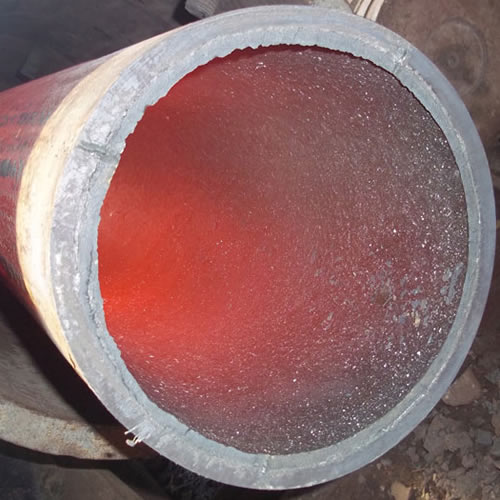
Ceramic lined pipe is made through self-propagating high-temperature synthesis (SHS) technique.
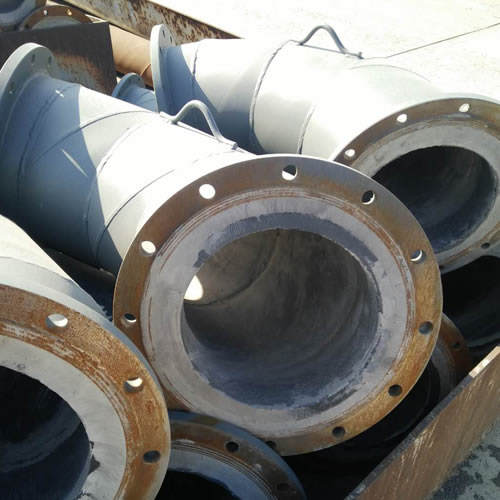
Cast basalt lined steel pipe is composed by lined with cast basalt pipe, outside steel pipe and cement mortar filling between the two layers.
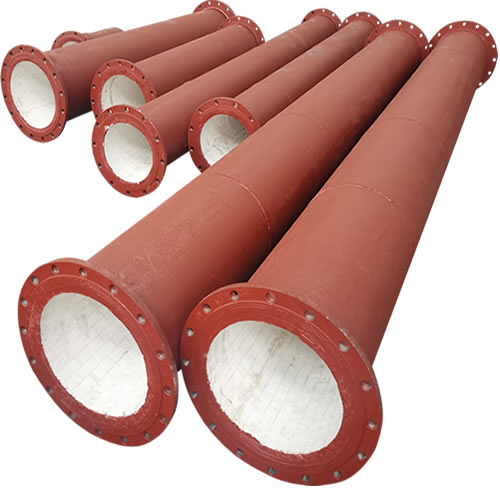
Ceramic tile lined pipes have very uniform coating of specially formulated ceramic material that is affixed to the inner of the pipe.
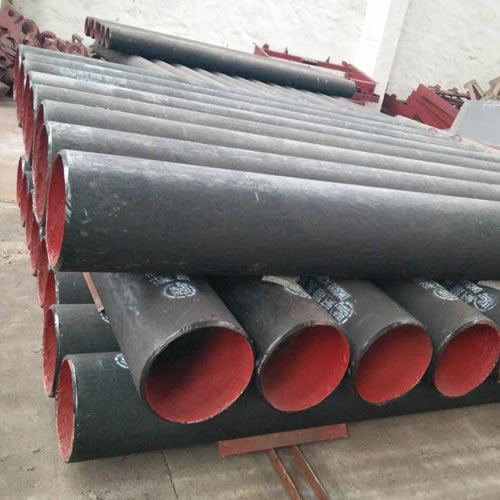
The material of the rare earth alloy wear-resistant pipe is ZG40CrMnMoNiSiRe, which is also the grade of rare earth alloy steel.
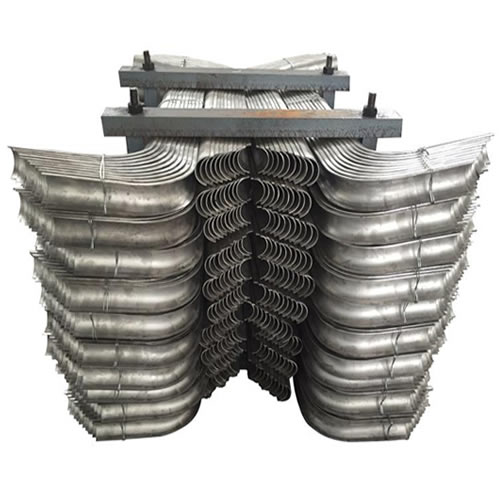
Tubes Erosion Shields are used to protect boiler tubing from the highly erosive effects of high temperatures and pressures thereby greatly extending tube life.
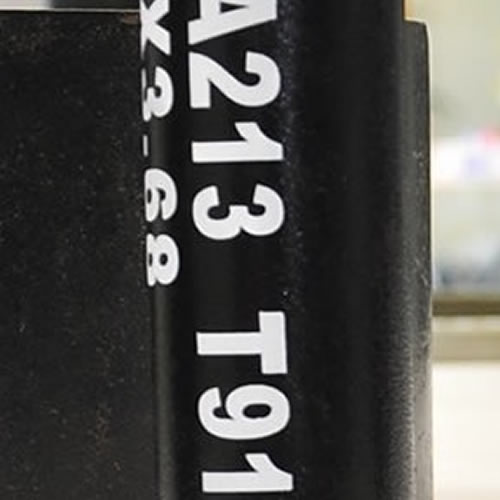
The ASTM A213 T91 seamless tubes are primarily used for boiler, superheater, and heat-exchanger.

When you partner with Sunny Steel, you can stop worrying about meeting deadlines thanks to our responsive and timely service. You'll also say goodbye to unnecessary shopping around. Instead, you'll get white glove service from an expert who understands your needs and can get you the materials you need quickly.