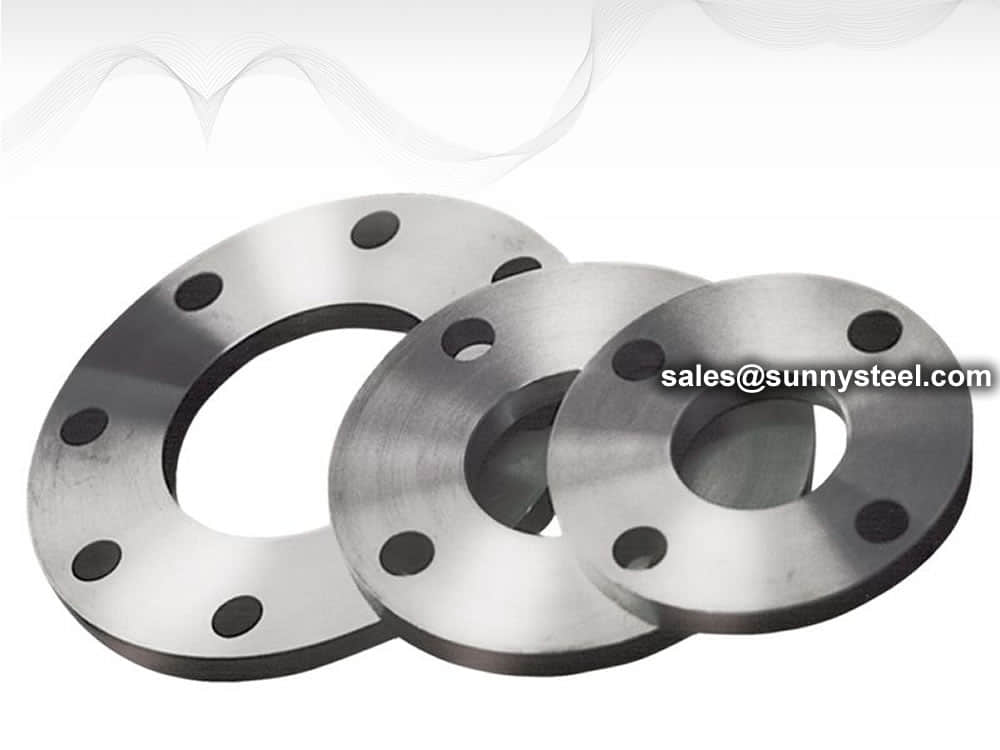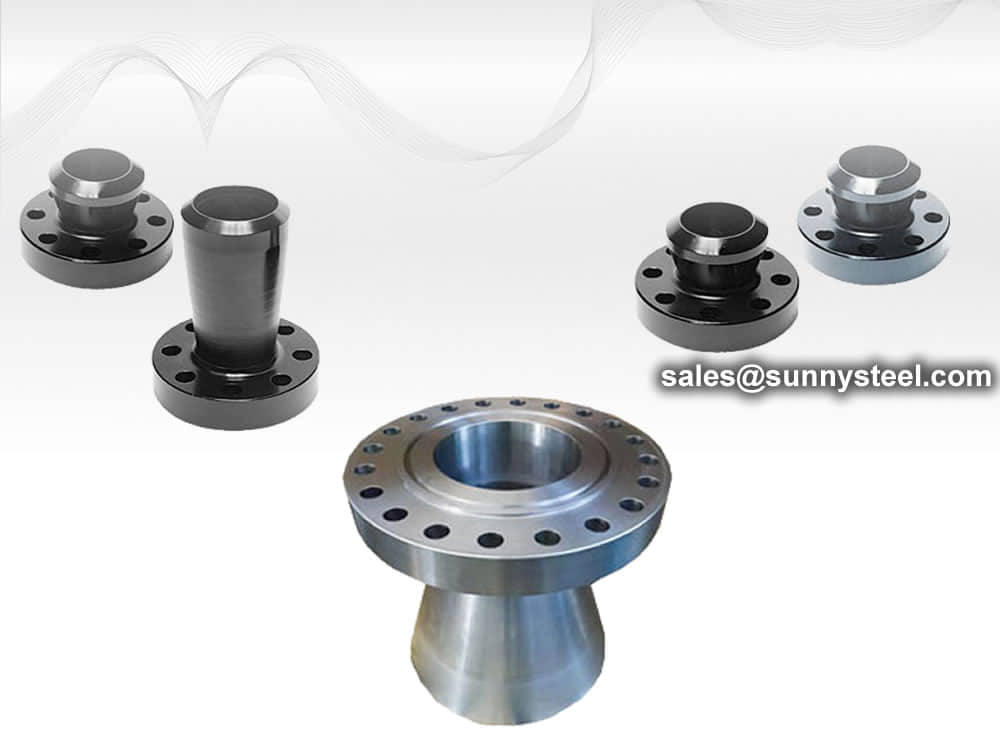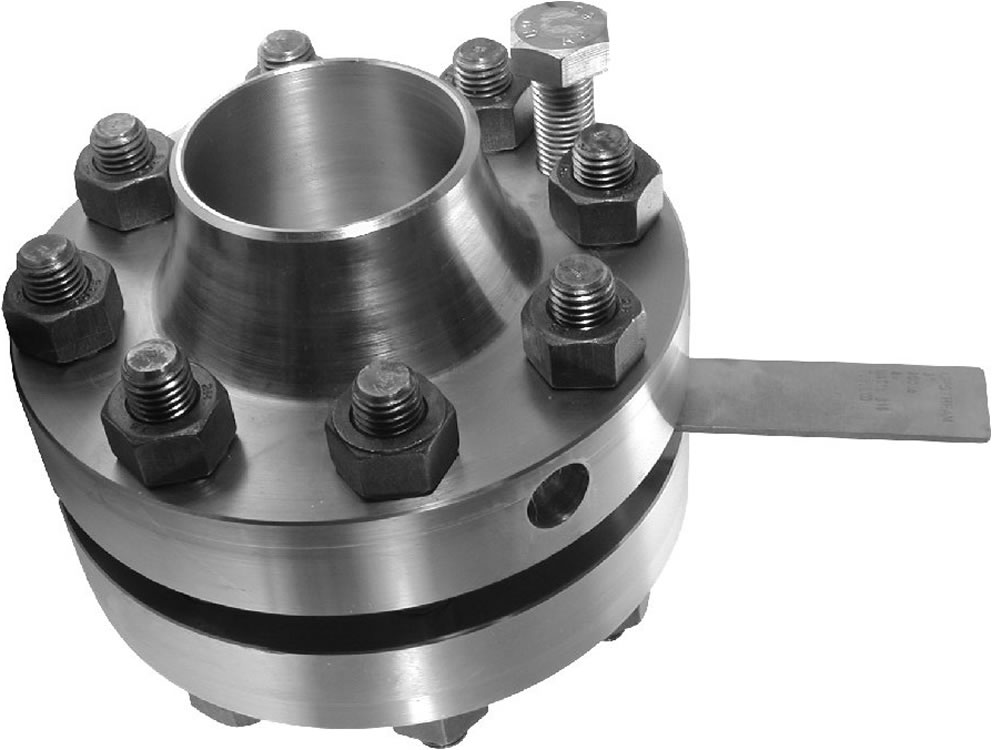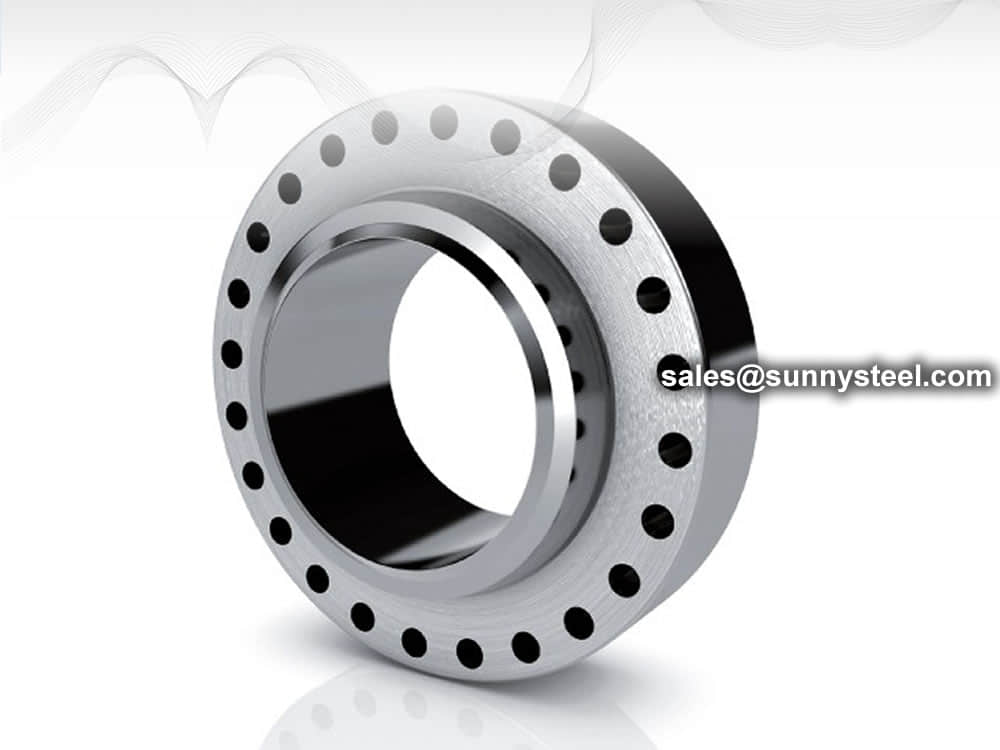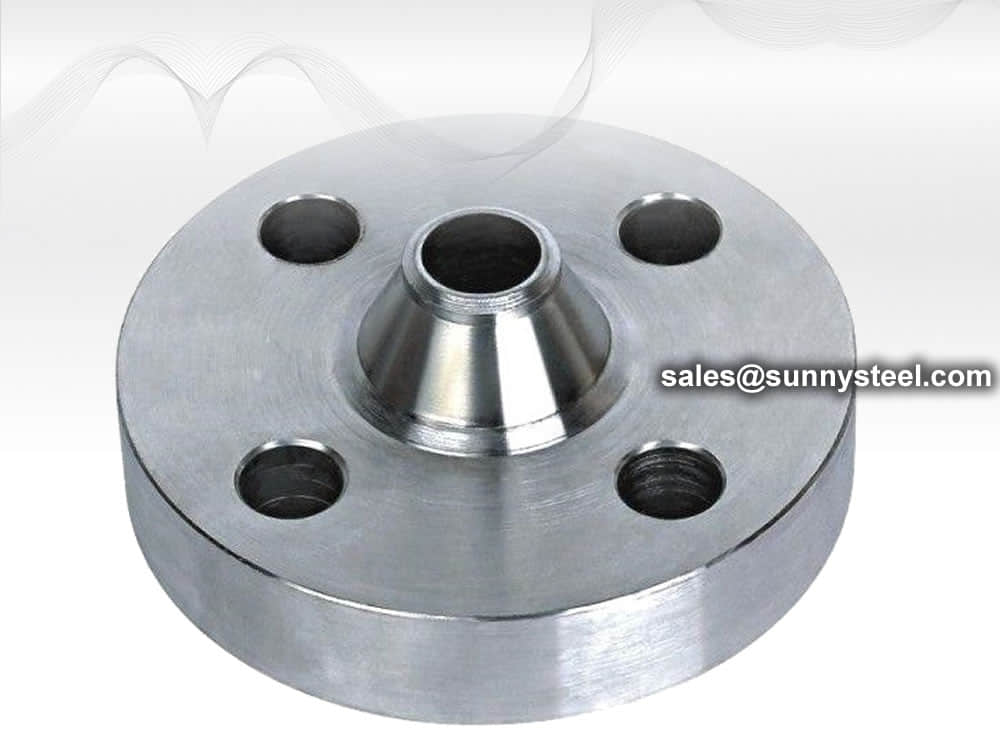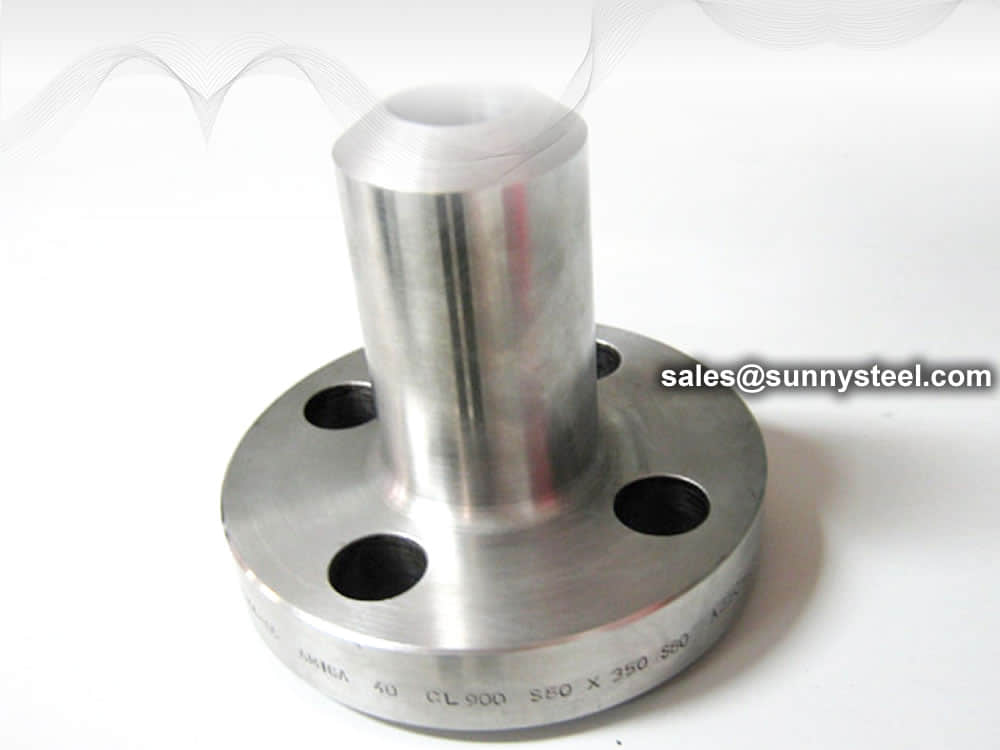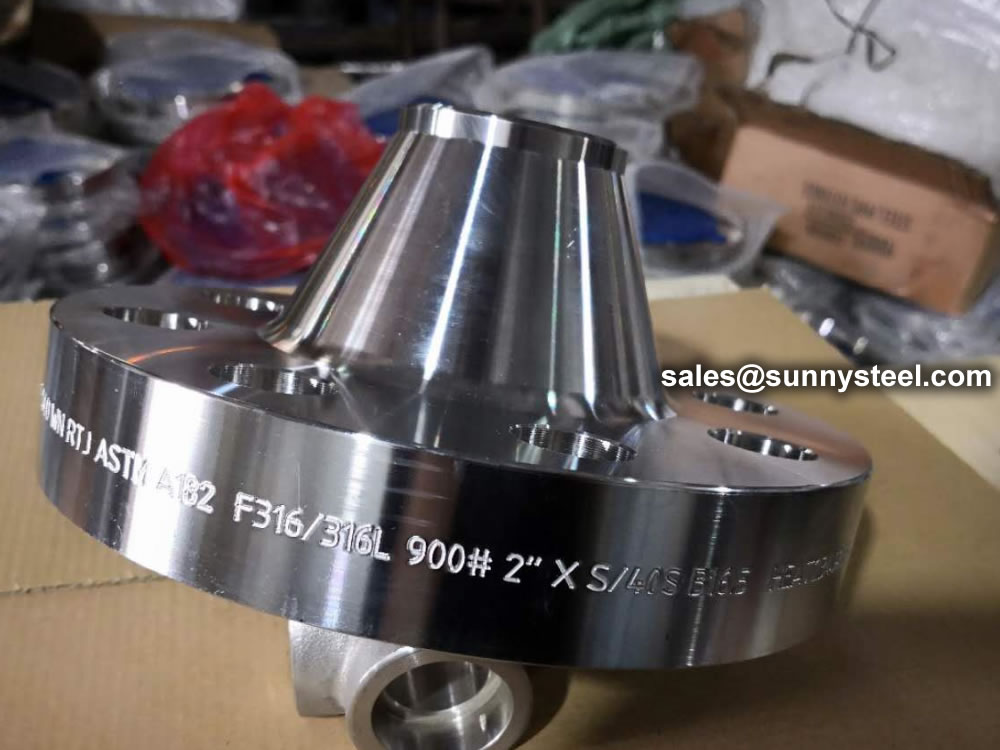
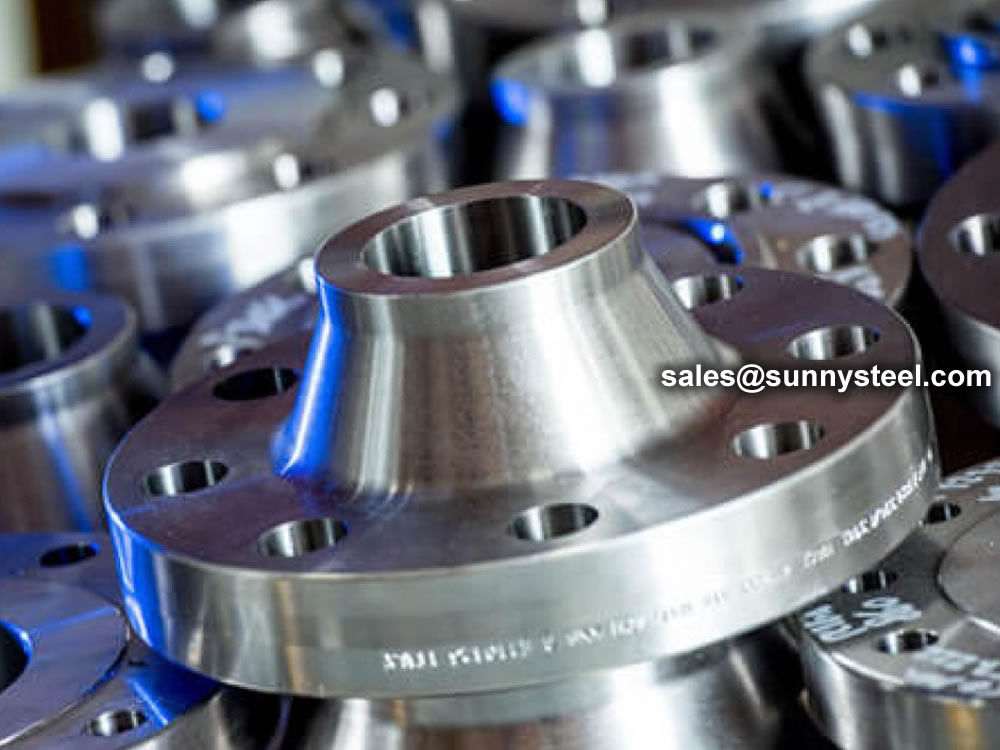
A350 LF2 Flange
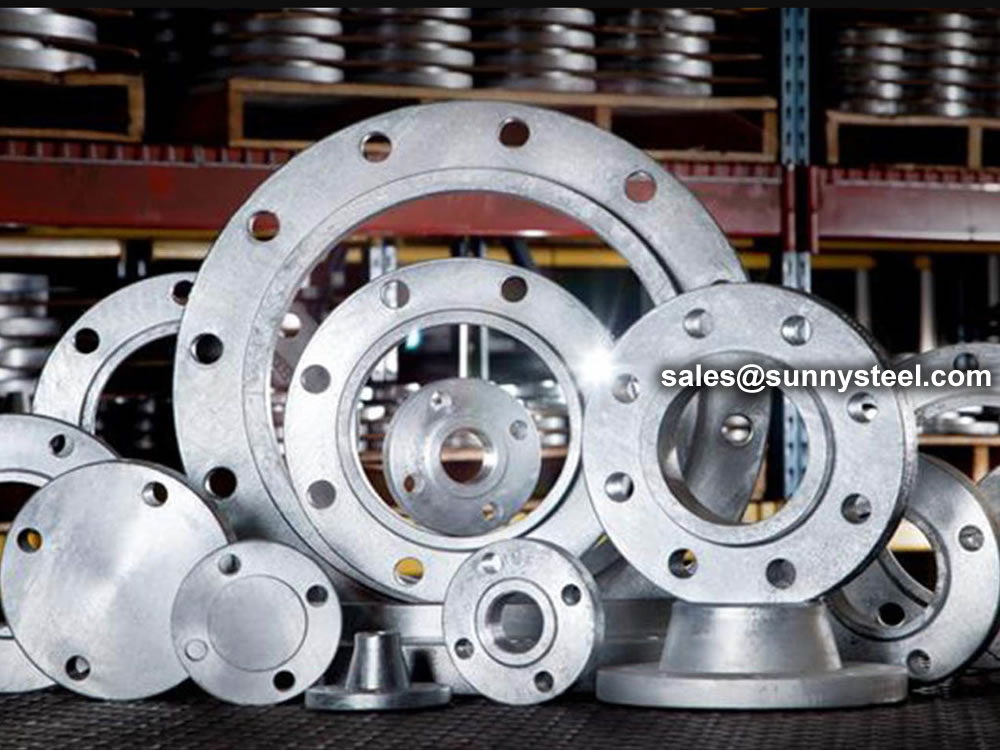
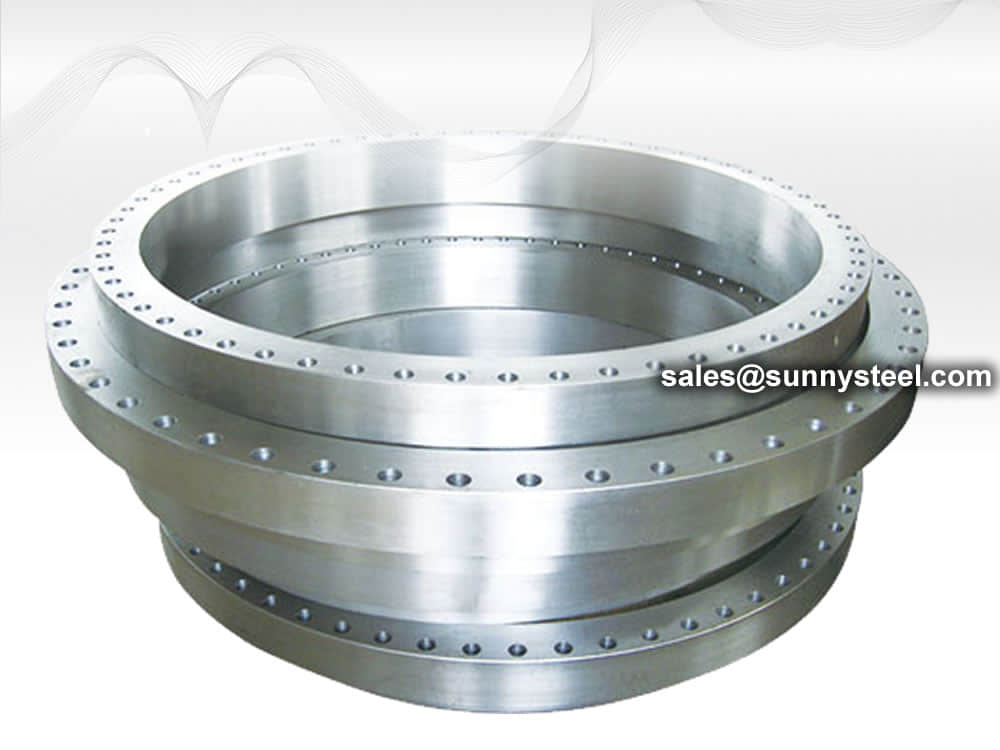
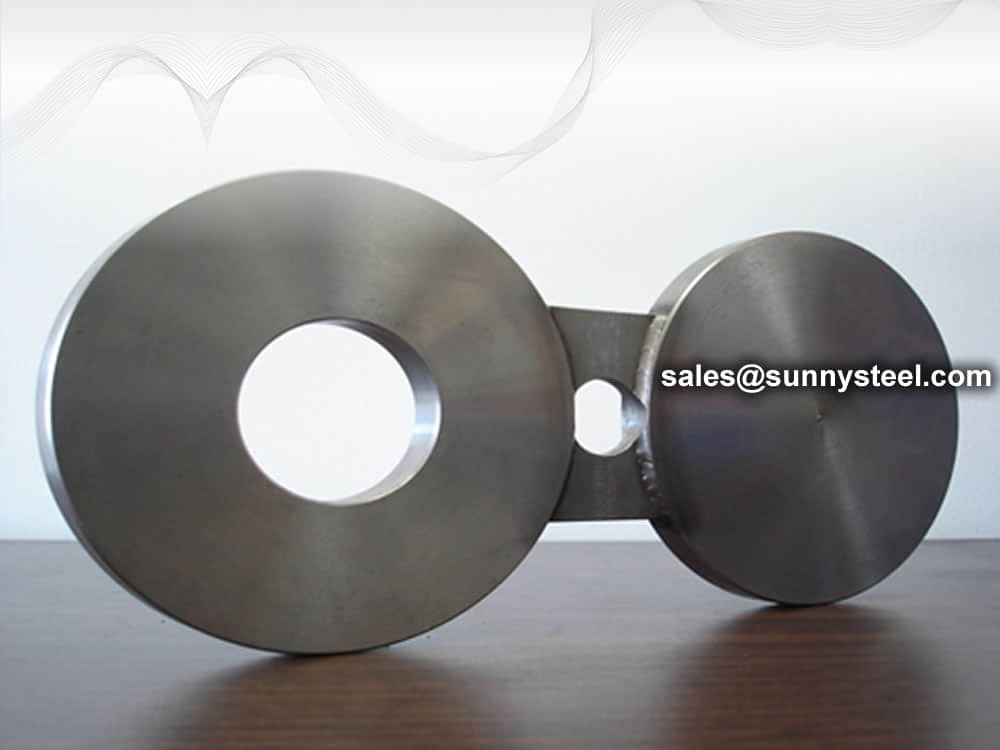
ASTM A350 LF2 forged flanges for carbon steel and low alloy steel industrial piping.
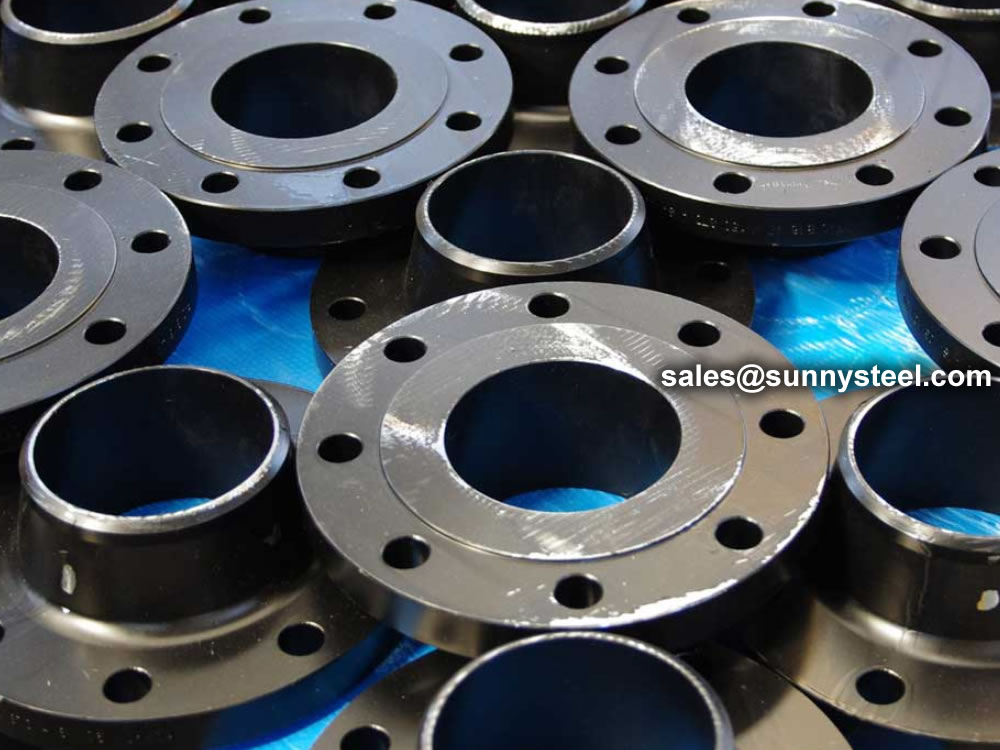
ASTM A105 is the most common standard for forged carbon steel flanges, widely used in pressure systems at ambient and higher temperatures. Available in various types and pressure classes according to ASME B16.5 and other standards.
ASTM A105 steel grade is a typical common material (mild carbon steel) for forged carbon steel flange, it used in a lot of places for ambient and higher-temperature service in pressure systems. This material is durable, cost lower, and difficult to break. In case used in a stainless steel piping system it shall be adapted with a lap joint end ring.
ASTM A105 covers forged carbon steel flange and piping components for ambient and higher-temperature service in pressure systems. It also includes pipe fittings, valves and similar parts. The maximum weight manufactured forging part follows by this standard is 10000 bounds (4540kg). The larger forgings can according by the standard A 266/A266M. This specification do not covers tube sheets and hollow cylindrical forgings for pressure vessel shells .
This specification does not covers raw material which round bar and seamless tubular produced piping components.
The following list of standard apply to these specification:
ASTM standards:
MSS standard:
ASME Standard:
API standard:
| Element | Composition, % |
|---|---|
| Carbon | 0.35 max |
| Manganese | 0.60-1.05 |
| Phosphorus | 0.035 max |
| Sulfur | 0.040 max |
| Silicon | 0.10-0.35 |
| Copper | 0.40 max (1) |
| Nickel | 0.40 max (1) |
| Chromium | 0.30 max (1-2) |
| Molybdenum | 0.12 max (1-2) |
| Vanadium | 0.08 max |
| Property | Value |
|---|---|
| Tensile Strength, min (MPa) | 485 (70 ksi) |
| Yield Strength, min (MPa) | 250 (36 ksi) |
| Elongation (%) | 22% |
| Reduction of Area (%) | 30% |
| Hardness (HB) | 187 max |
(1) The sum of copper, nickel, chromium, molybdenum and vanadium shall not exceed 1.00%.
(2) The sum of chromium and molybdenum shall not exceed 0.32%.
Note..
For each reduction of 0.01% below the specified carbon maximum (0.35%), an increase of 0.06% manganese above the specified maximum (1.05%) will be permitted up to a maximum of 1.35%.
Terminology
For definitions of other terms used in this specification, find in specification A961/A961M.
Ordering information
See specification A961/A961M.
General requirements
If conflict between the requirements of this specification and Specification A961/A961M. Comply with this specification.
Heat treatment
Heat treatment is not required except for flanges above Class 300, flanges of special design where the design pressure or design temperature are not known and for items over 4″ NPS and above Class 300. When heat treatment is required, annealing, normalizing, Normalize and temper, normalize and quench and tempering shall be the applied methods.
Welding
These components can be welded. Welding procedures must comply with ASME Boiler and Pressure Vessel Code Section IX.
Forging
ASTM A105 carbon steel can be forged at temperatures in the range of 2200 to 1700 F followed by quenching and tempering or normalizing.
Annealing
Forged parts can be cooled to below 1000 degrees Fahrenheit and then heated to between 1550 degrees Fahrenheit and 1,700 degrees Fahrenheit. Then carry out slow furnace cooling.
Hydro-static Test
Hydro-static Test shall be conducted by the forging manufacture only when Supplemental S57 of ASTM A961 is specified.
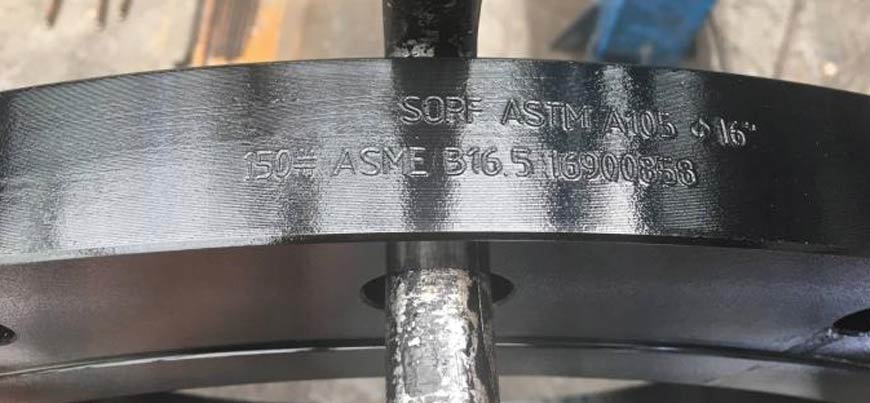
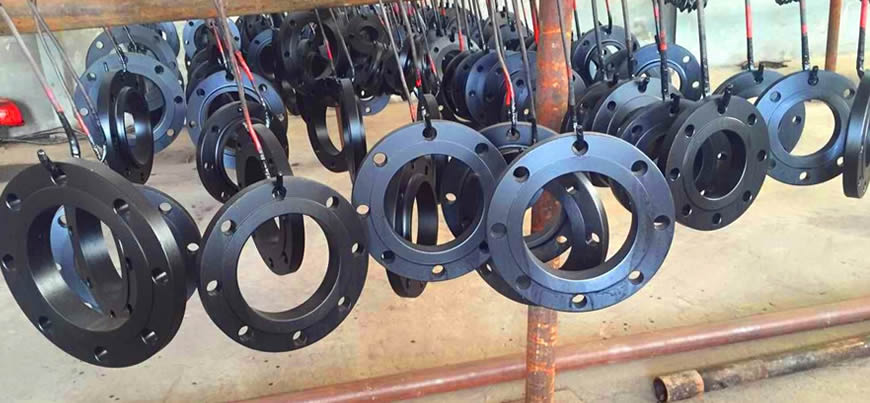
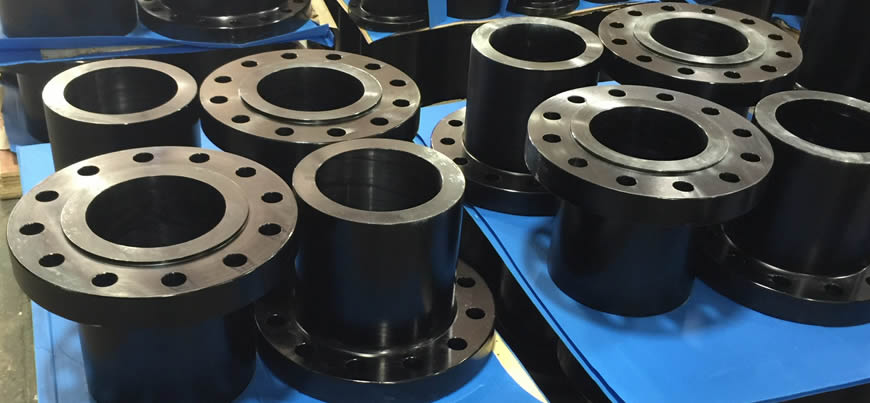
ASTM A182 standard specification is for forged and rolled alloy and stainless steel pipe flanges, fittings, valves and parts for high temperature service. Common grades of alloy steel is Grade F5, F9, F11, F22, stainless steel F304/L and F316/L.
The standard applies to forged low alloy steel and stainless steel pipe parts for use in pressure systems. These include flanges, fittings, valves and similar parts that meet specified size or size standards. And it includes several grades of low carbon alloy steel and ferritic, martensitic, austenitic and ferritic-austenitic stainless steels. So it should be selected according to the design and use requirements.
When additional tests or inspections are required, supplementary requirements are provided for use. When the purchaser has specified them individually in the order, and it can be used.
Alloy grade: ASTM A182 F5, F9, F91, F92, F11, F12, F21, F22
Stainless steel grade: ASTM A182 F304, F304L, F316, F316L
ASTM F11, F22 is the most use alloy steel grade in ASTM A182.
ASTM A182 F316 is most used for stainless steel flange, includes weld neck flange, slip on flange, blind flange, socket weld flange and etc.
Either alloy steel or stainless steel flange dimensions available for the OD up to 48 inch, class pressure from 150# to 2500#.
This specification is expressed in inch-pounds and SI units.
Low alloy ferritic steels should be smelted in one of the following methods:
a. Open hearth furnaces
b. Electric furnaces
c. Basis -oxygen process (with the option of separate degassing and refining processes).
Stainless steel should be smelted in one of the following ways:
a. Electric furnace (with separate deoxidation and refining (optional))
b. Vacuum furnace
c. One of the above, followed by vacuum or electroslag self-consumption remelting.
The discard should be removed sufficiently, so as to ensure the elimination of harmful shrinkage and excessive segregation.
Chemical heat analysis shall be performed and consistent with the chemical composition requirements of Table 1.
Grades that add lead, selenium or other elements to make the material easier machined, it should not be used.
It is not permissible to add any element that exceeds the corresponding material grade listed in Table 2 for the raw materials produced in accordance with a certain standard.
Except for nitrogen in stainless steel, the ordered grade shall not contain unspecified elements to the extent that the content meets the requirements of another grade, which have the specified element with the minimum required content.
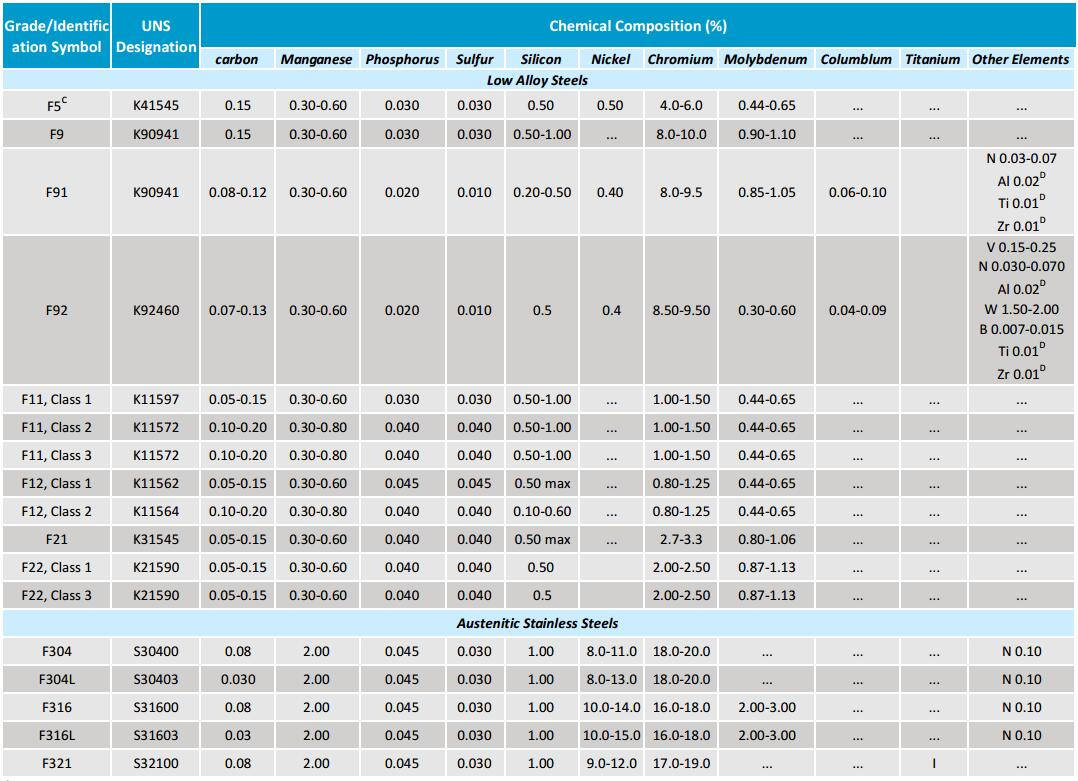
C: The present grade F 5a (0.25 max carbon) previous to 1995 eas assigned the identification symbol F 5. Identification symbol F 5 in 1955 was assigned to the 0.15 max carbon grade to be consistent with ASTM soecification for other products such as pipe, tubing, bolting, welding fittings, and the like.
D: Applies to both heat and product analysises.
I: Grade F 321 shall have a titanium content of not less than five times the carbon content and not more than 0.70%.
For the grade ordered as listed in Table 2, the mechanical properties of the material shall comply with the requirements.
Table 2:
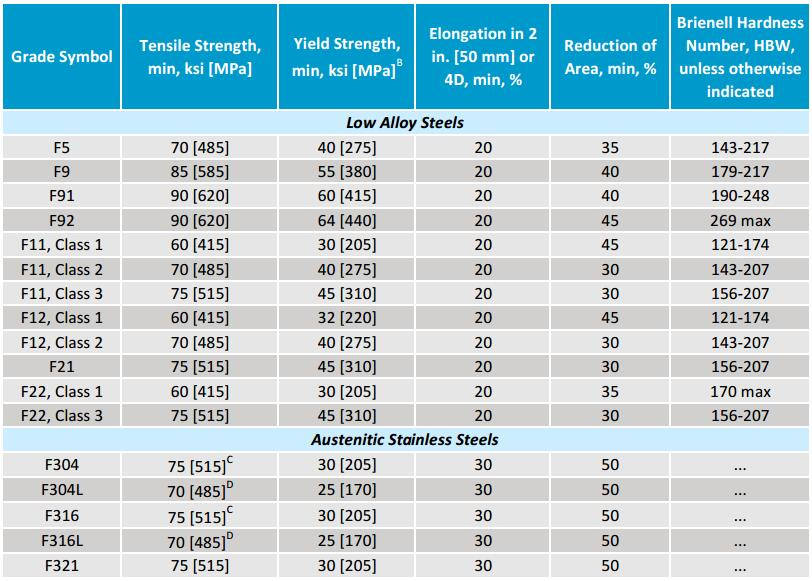
C: For sections over 5 in. [130 mm] in thickness, the minimum tensile strength shall be 70 ksi [485 MPa].
D: For sections over 5 in. [130 mm] in thickness, the minimum tensile strength shall be 65 ksi [450 MPa].
For low alloy steel, ferritic and martensitic stainless steel, one tension test shall be performed for each heat in each heat treatment charge.
When the heat treating cycle are the same and the furnace is controlled within ±25°F[±14℃]. And it is equipped with a recording pyrometer, so as to obtain a complete heat treatment record. However, only one tensile test is performed for each heat of each forging type and section size, rather than the per heating in each heat treatment charge.
If the results of the mechanical properties test do not meet the specified requirements, and the forgings may be performed heat treatment again. Meanwhile the mechanical properties test should comply with requirement.
For hollow forgings of grades F91, F92, F122 and F911, greater than or equal to NPS 4 (DIN 100). The inner surface of which cannot be inspected by magnetic particle or liquid penetration, the ultrasonic inspection shall be carried out in accordance with A388 / A388M.
If the inner surface is accessible, it shall be examined by the magnetic particle in accordance with regulation A275/A275M, or by the penetration test according to test method E165.
The material should be forged as close to the actual specified shape and size as possible.
Elbows, U-bends, tees, connecting tees and any type of flange should not be processed directly from bars.
Cylindrical shaped parts can be machined using forged or rolled solution annealed austenitic stainless steel without the need for additional thermal processing.
Cylindrical shaped low-alloy, martensite, ferrite and ferrite-austenitic stainless steel parts that less than or equal to NPS-4 [DN 100], may be machined using forged or rolled bars without additional hot processing.
After hot working, and the forgings shall be cooled to a temperature less than 1000 °F [538 ℃] before heat treatment as specified in Heat treatment Table 3.
Table 3:
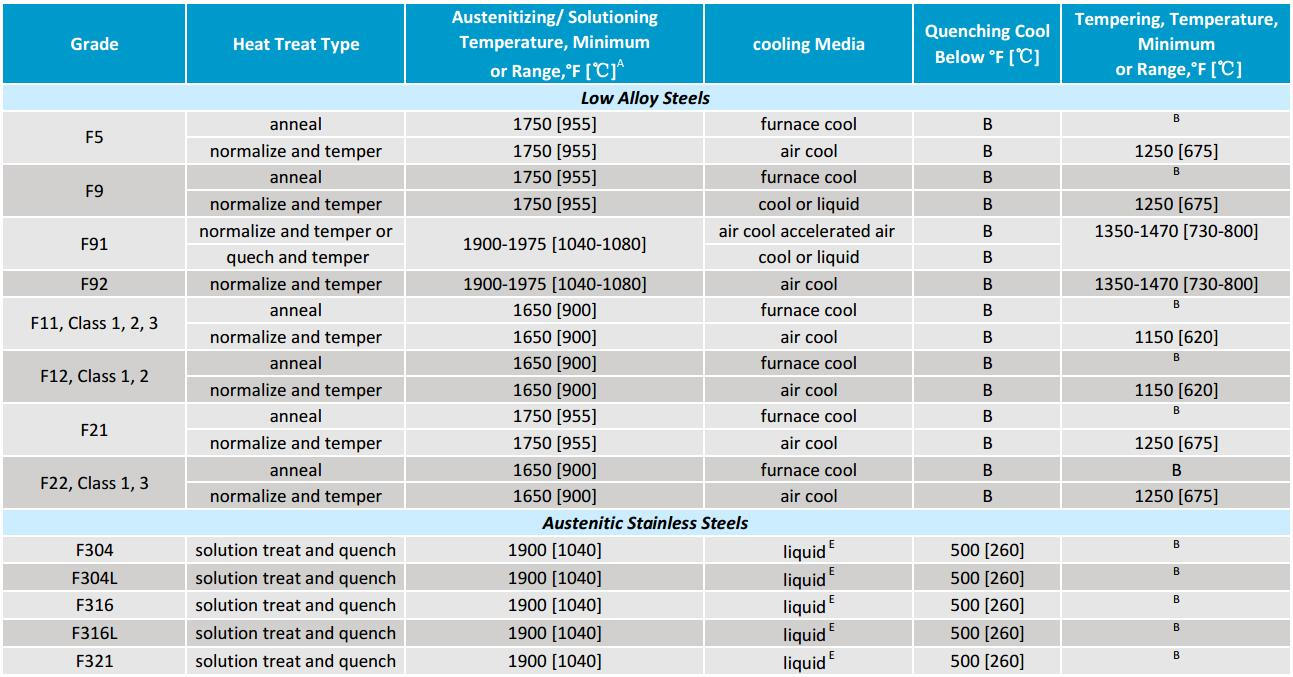
A: Minimum unless temperature range is listed
B: Not applicable
E: Forged or rolled bar meeting the requirements of 7.5 shall be liquid quenched or rapid-cooled by other means in accordance with Specification A484/ A484M
Low-alloy steels, ferritic and martensitic stainless steels shall be heat-treated in accordance with table 3. When more than one heat treatment is listed (optional) for a grade in table 3, any one of these is acceptable. The choice of heat treatment should be determined by the manufacturer, unless otherwise specified in the order.
Except for F1, F2 and F3 in 3.2.2, if the temperature of each grade in Table 3 is used with the consent of purchaser. So the liquid should be allowed to quench, then tempered.
Marking
Parts that are liquid quenched and tempered, and shall be marked with the letter ''QT''.
In addition, grades F1, F2 and F12, Class 1 and 2 can be done a heat treatment with a minimum temperature of 1200°F, (650â„? after final cold or hot forming.
Austenitic and ferritic-austenitic stainless steels shall be heat treated and liquid quenched in accordance with Table 3.
Heat treatment of forgings can be carried out before machining.
Forged or rolled austenitic stainless steel rods for cylindrical shaped parts as specified in mechanical properties requirement. And the parts machined from bar without heat treatment after processing. It shall comply with annealing and quenching or rapid cooling requirements of A484 / A484M or this specification, and also allows for subsequent light cold drawing and straightening.
Forgings and finished parts shall be free of scale and machined burrs that may interfere with installation, and other harmful defects as referred to in this standard. They shall have good processing quality, and the roughness of machined surfaces (except for special requirements) shall not exceed 250AA (arithmetic mean).
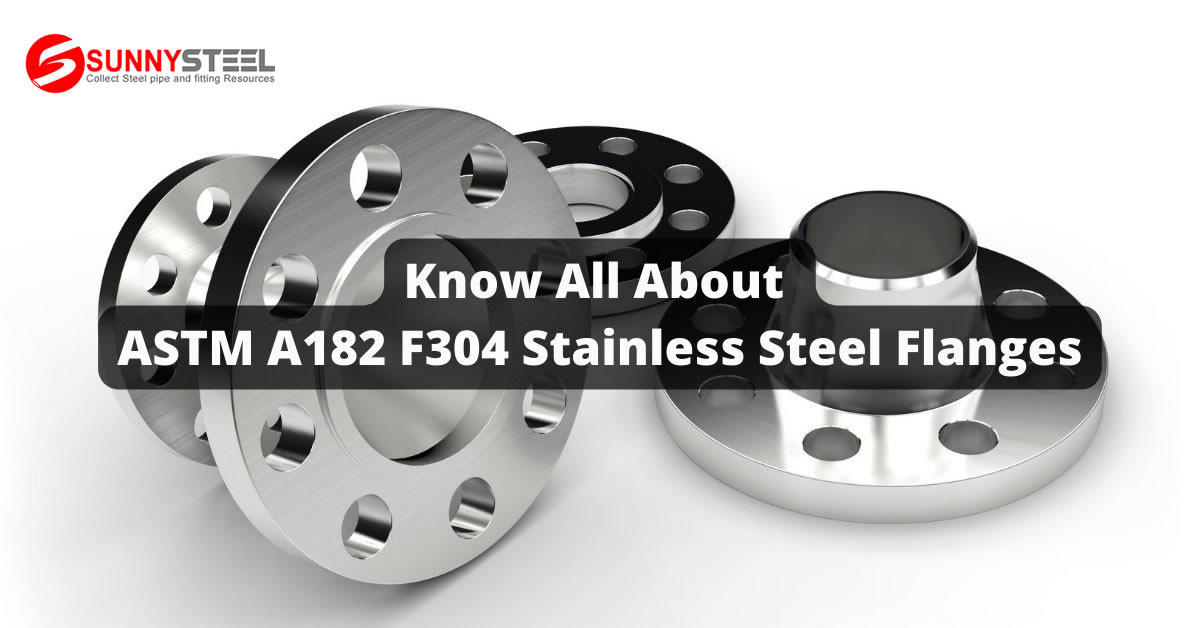
ASTM A182 F304 Stainless Steel Flanges are components made from stainless steel alloy containing chromium and nickel. These components are usually circular in shape with an opening in the center, which is also known as a bore. The edges of this disc-shaped component have raised surfaces that mate with other similar components or pipes to create a secure connection between two pipes or other pieces of equipment. ASTM A182 F304 Stainless Steel Flanges are essential components that are used in a wide range of applications. From the automotive industry to construction, these flanges can be found in many places due to their durability and strength.
These types of flanges have several applications across various industries. For example, they can be found in the automotive industry, where they provide connections between exhaust systems and catalytic converters. In addition, these flanges can be found in industrial piping systems for transporting liquids such as oil or gas, as well as air conditioning systems and refrigeration units. Other common uses include water treatment plants, chemical plants, food processing facilities, and more.
The primary benefit of using these types of flanges is their durability and strength compared to other types of metals, such as aluminum or copper. These materials can handle higher temperatures without corroding or becoming brittle like aluminum or copper would do when exposed to extreme temperatures or pressures. In addition to their strength and durability, these materials also resist corrosion better than other materials, making them ideal for environments where there is a high risk of corrosion, such as marine settings or near coastal areas. Also, they have excellent heat transfer properties, which makes them ideal for transferring heat from one component to another while still maintaining their structural integrity over time.
There are several types of Stainless Steel 304 Flanges available, including slip-on welded-neck socket welded threaded reducing, and lap joint varieties, among others. All different types serve different purposes depending on the specific application. ASTM A182 F304 Stainless Steel Flange offers a variety of benefits, including superior strength and durability compared to other metals, making it an ideal choice for many industries, Additionally, they have excellent heat transfer properties making them suitable for transferring heat from one component to another while still maintaining their structural integrity over time.
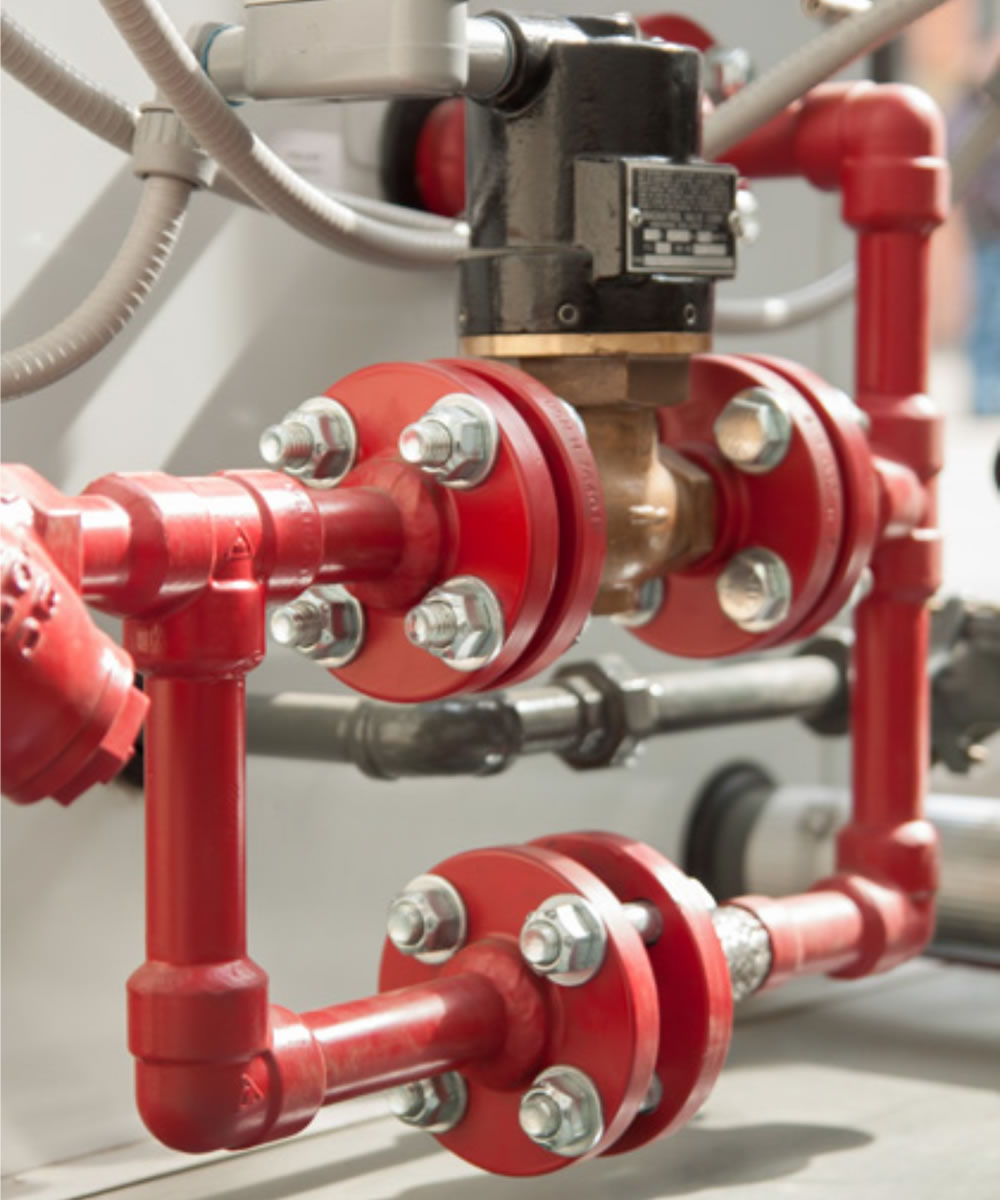
A flange is a method of connecting pipes, valves, pumps, and other equipment to form a piping system. It also provides easy access for cleaning, inspection, or modification.
When a piping joint requires to be dismantled, flanges are being used. These are primarily used on equipment, valves, and specialty items. Breakout flanges are provided at predetermined intervals in certain pipelines where maintenance is a regular occurrence. The flanges, gaskets, and bolting make up a flanged joint, which is made up of three separate but interconnected components. To achieve a leak-proof joint, special controls are required in the selection and application of all of these elements.
Here are the details of Flanges about their advantages and their applications.
Pipes, valves, pumps, and other parts are connected with flanges to form a piping system. Generally, flanges are welded or screwed together. The use of flanges makes pipe system maintenance and repair a breeze. Instead of taking the entire pipe for inspection, a small section of the pipe can be carefully investigated to use a flange to locate the fault.
The following are the five most important benefits of The following are the five most important benefits of flanges:
A flange is a method of connecting pipes, valves, pumps, and other equipment to form a piping system. It also provides easy access for cleaning, inspection, or modification. Flanges are usually welded or screwed.
In many applications, engineers need to find a way to close off a chamber or cylinder in a very secure fashion, usually because the substance inside must differ from the substance outside in composition or pressure.
They do this by fastening two pieces of metal or other material together with a circle of bolts on a lip. This “lip” is a flange.
You can connect two sections of metal piping by soldering or welding them together, but pipes connected in this way are very susceptible to bursting at high pressures. A way of connecting two sections of pipe more securely is by having flanged ends that you can connect with bolts. This way, even if gases or liquids build up to high pressures inside the pipe, it will often hold with no problem.
In order to connect two sections of a large, enclosed area, it is often best to used flanges and bolts. An example of this is the connection between the engine and the transmission in an automobile. In this case, both the engine and the transmission contain a number of moving parts that can easily get damaged if they get dust or other small objects inside of them. By connecting the outer casings of the engine and transmission in this way, engineers protect the inner workings of both.
Flanges have a specific purpose in cameras and other electronic devices. Though flanges in such items do not usually have to sustain high pressures, they do have to hold tight so they can keep out harmful particles. These flanges are usually found connecting two different materials, such as the glass of a lens and the rest of the body of the camera.
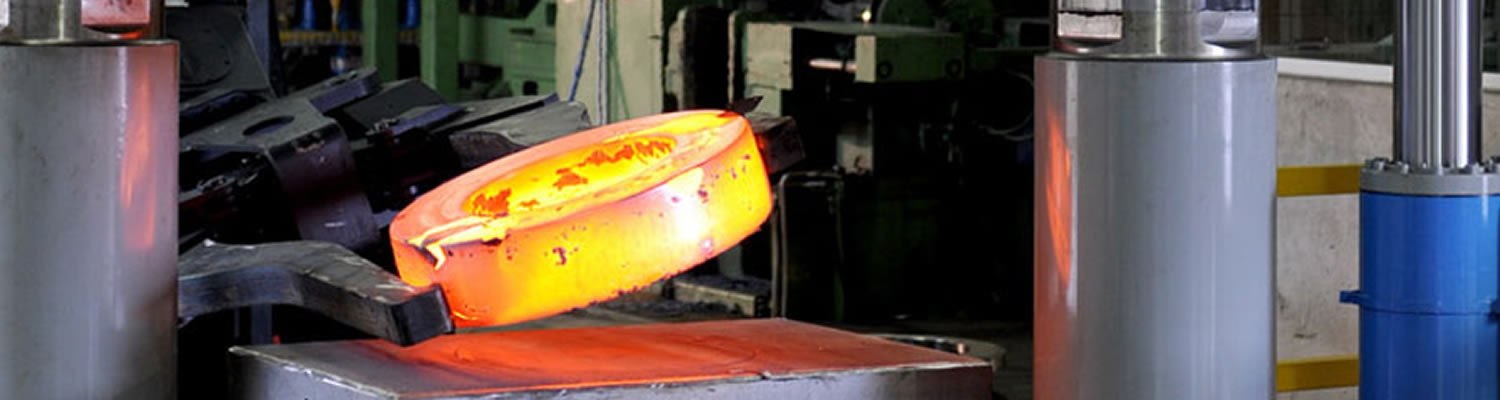
Pipe flanges are manufactured in all the different materials like stainless steel, cast iron, aluminium, brass, bronze, plastic etc. but the most used material is forged carbon steel and have machined surfaces.
Flanges are welded to pipe and equipment nozzle. Accordingly, it is manufactured from the following materials;
The list of materials used in manufacturing is covered in ASME B16.5 & B16.47.
Commonly used Forged material grads are
| Material | Fittings | Flanges | Valves | Bolts & Nuts |
|---|---|---|---|---|
| Carbon Steel | A234 Gr WPA | A105 | A216 Gr WCB | A193 Gr B7 A194 Gr 2H |
| A234 Gr WPB | A105 | A216 Gr WCB | ||
| A234 Gr WPC | A105 | A216 Gr WCB | ||
| Carbon Steel Alloy High-Temp |
A234 Gr WP1 | A182 Gr F1 | A217 Gr WC1 | A193 Gr B7 A194 Gr 2H |
| A234 Gr WP11 | A182 Gr F11 | A217 Gr WC6 | ||
| A234 Gr WP12 | A182 Gr F12 | A217 Gr WC6 | ||
| A234 Gr WP22 | A182 Gr F22 | A217 Gr WC9 | ||
| A234 Gr WP5 | A182 Gr F5 | A217 Gr C5 | ||
| A234 Gr WP9 | A182 Gr F9 | A217 Gr C12 | ||
| Carbon Steel Alloy Low-Temp |
A420 Gr WPL6 | A350 Gr LF2 | A352 Gr LCB | A320 Gr L7 A194 Gr 7 |
| A420 Gr WPL3 | A350 Gr LF3 | A352 Gr LC3 | ||
| Austenitic Stainless Steel | A403 Gr WP304 | A182 Gr F304 | A182 Gr F304 | A193 Gr B8 A194 Gr 8 |
| A403 Gr WP316 | A182 Gr F316 | A182 Gr F316 | ||
| A403 Gr WP321 | A182 Gr F321 | A182 Gr F321 | ||
| A403 Gr WP347 | A182 Gr F347 | A182 Gr F347 |
ASTM standards define the specific manufacturing process of the material and determine the exact chemical composition of pipes, fittings and flanges, through percentages of the permitted quantities of carbon, magnesium, nickel, etc., and are indicated by "Grade".
The usual materials of flanges include stainless steel, carbon steel, aluminum and plastic. The choice of the material largely depends on the purpose of the flange. For example, stainless steel is more durable and is necessary for heavy use. On the other hand, plastic is more feasible for use in the home because of its reasonable price and easy installation. The materials used for flanges are under the designation of the American Society of Mechanical Engineers.
The most common materials for pipe flanges (forged grades) are: ASTM A105 (carbon steel high temperature to match A53/A106/API 5L pipes), A350 Grades LF1/2/3 (carbon steel low temperature to match A333 pipes), A694 Grades F42 to F80 (high yield carbon steel to match API 5L pipe grades), ASTM A182 Grades F5 to F91 (alloy steel flanges to match A335 pipes), A182 Grade F304/316 (stainless steel flanges to match A312 SS pipes), A182 Gr. F44/F51/F53/F55 (duplex and super duplex to match A790/A928 pipes) and various nickel alloy grades (Inconel, Incoloy, Hastelloy, Monel).
The material qualities for these flanges are defined in the ASTM standards.
For example, a carbon steel pipe can be identified with Grade A or B, a stainless-steel pipe with Grade TP304 or Grade TP321, a carbon steel fitting with Grade WPB etc.

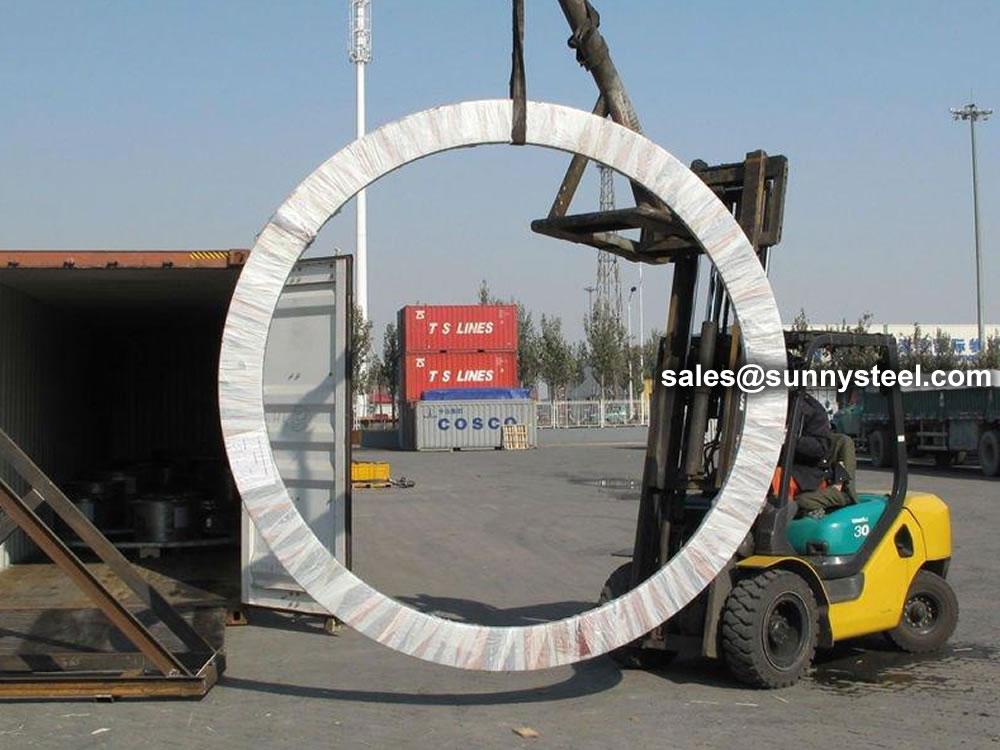
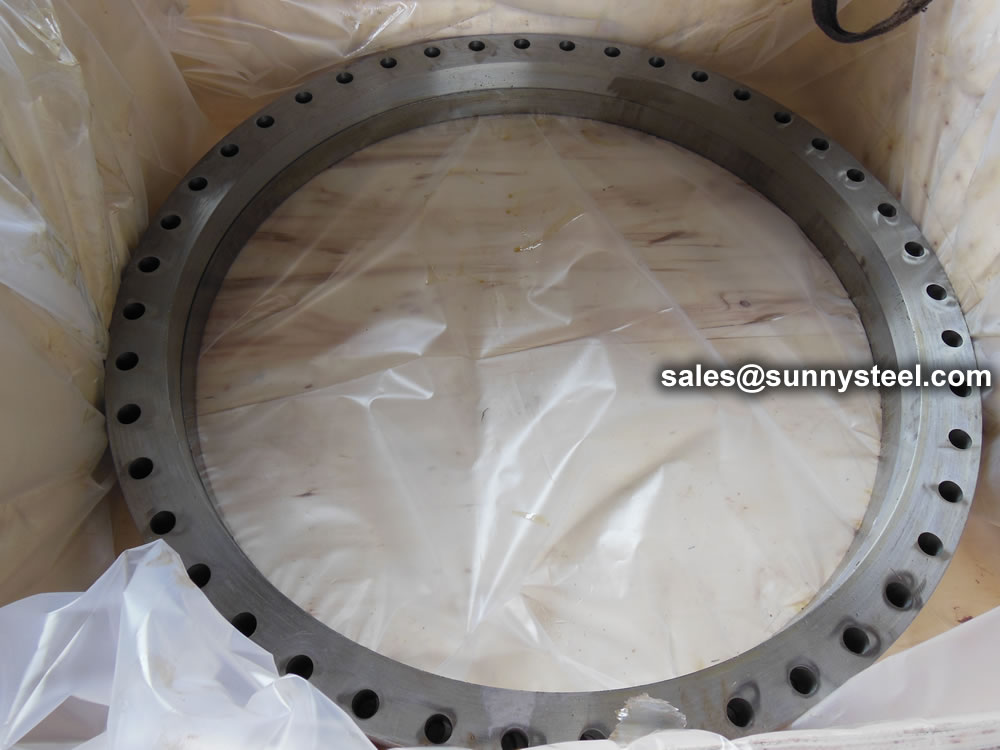
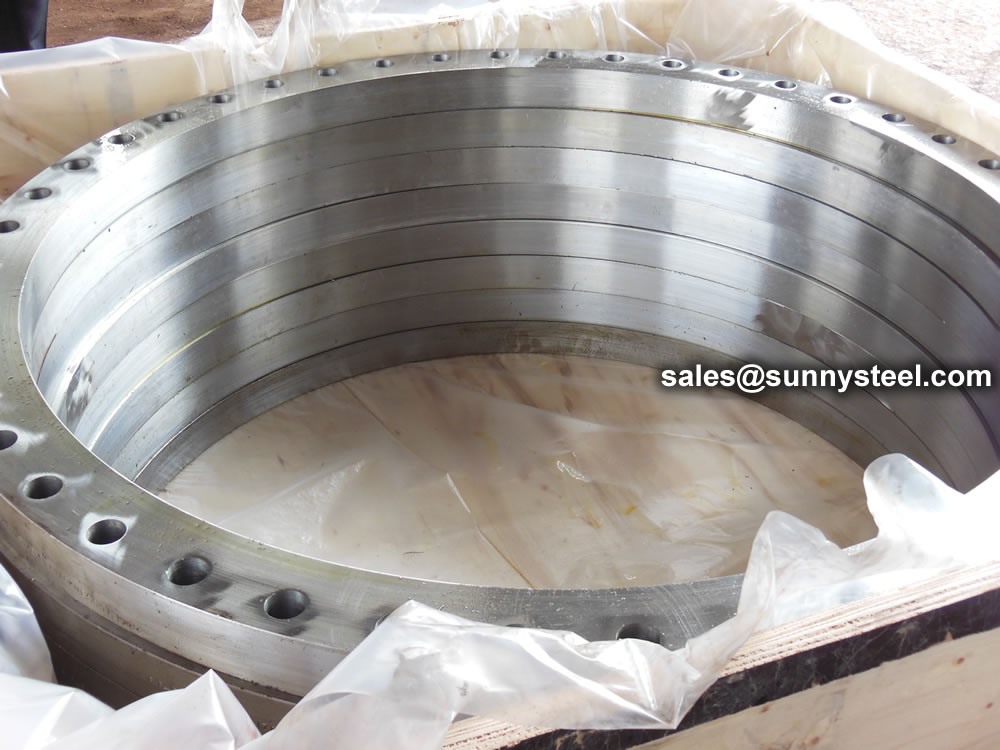
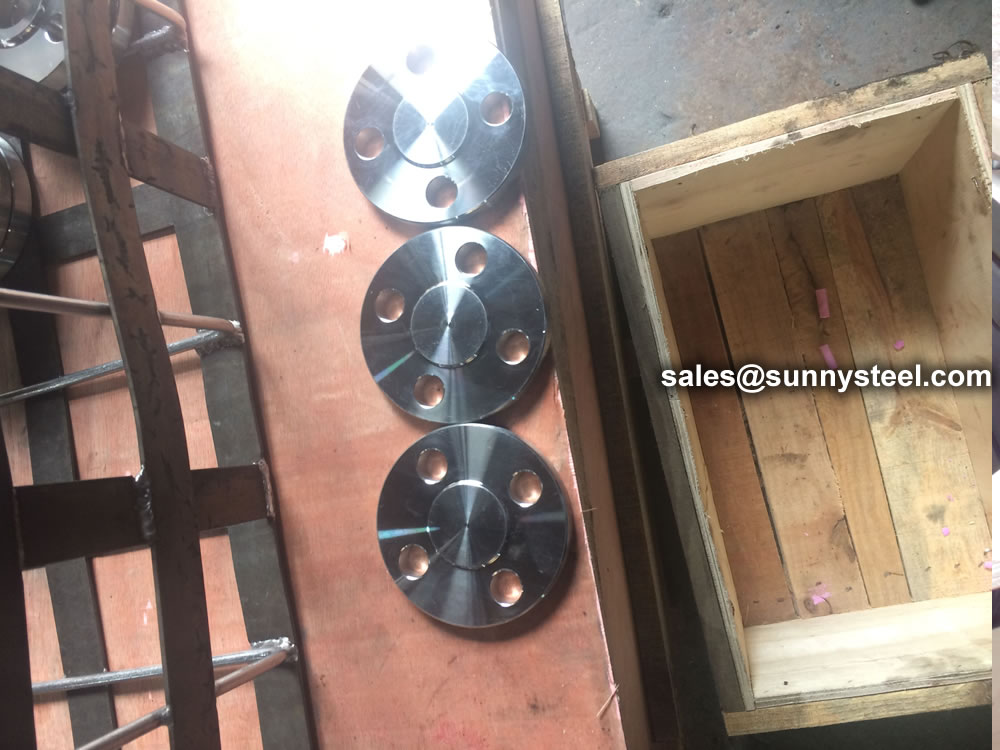
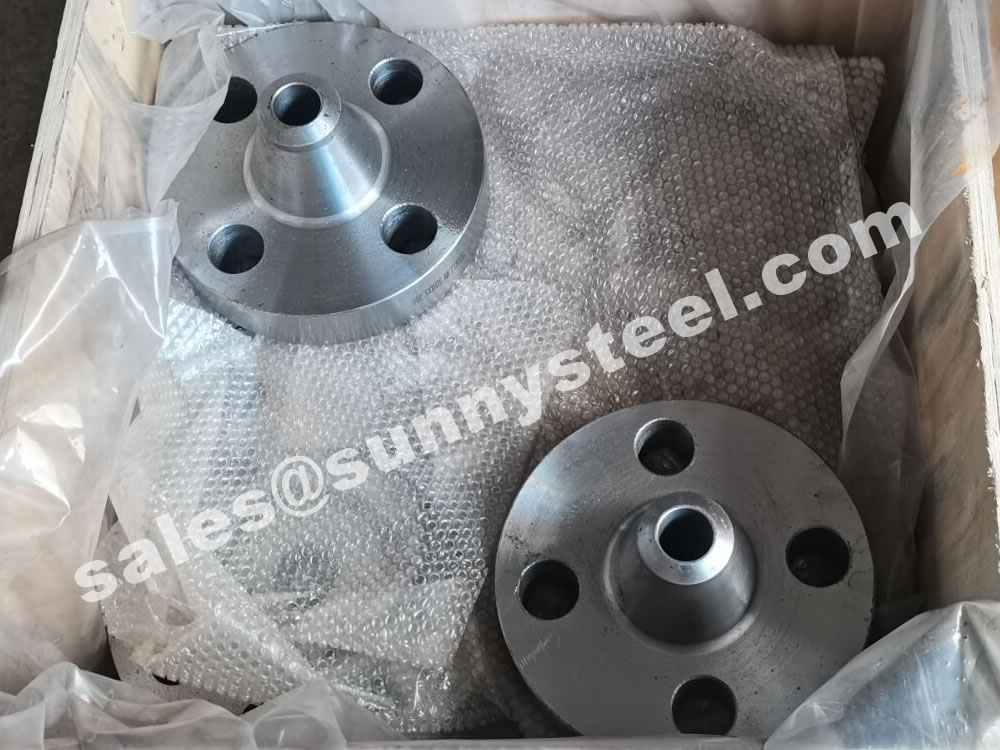
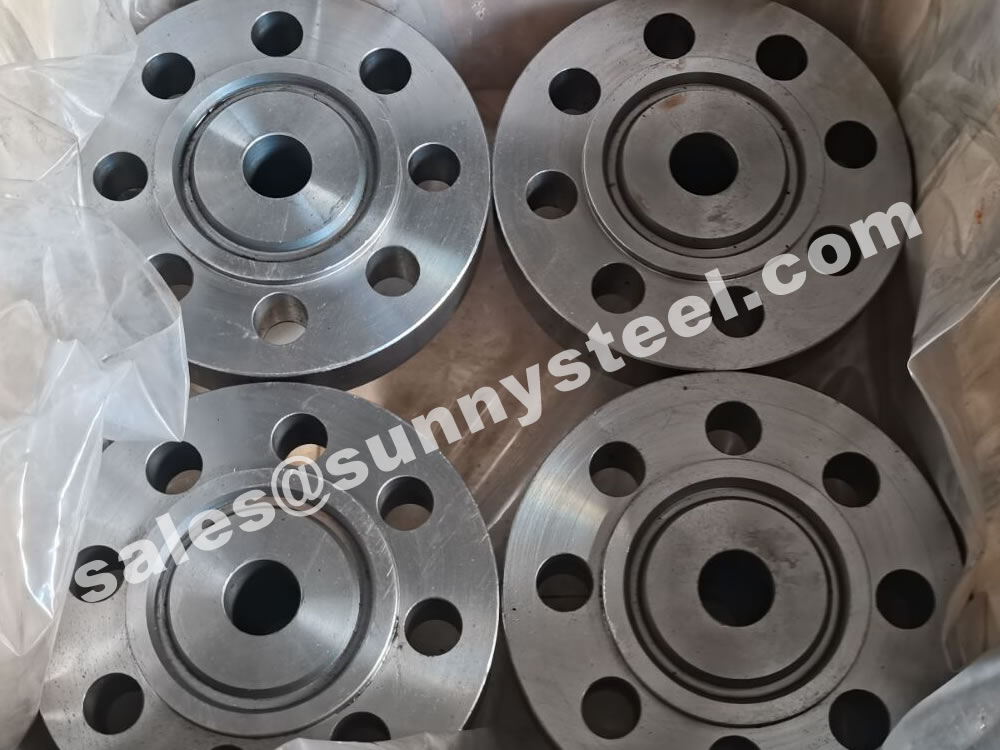
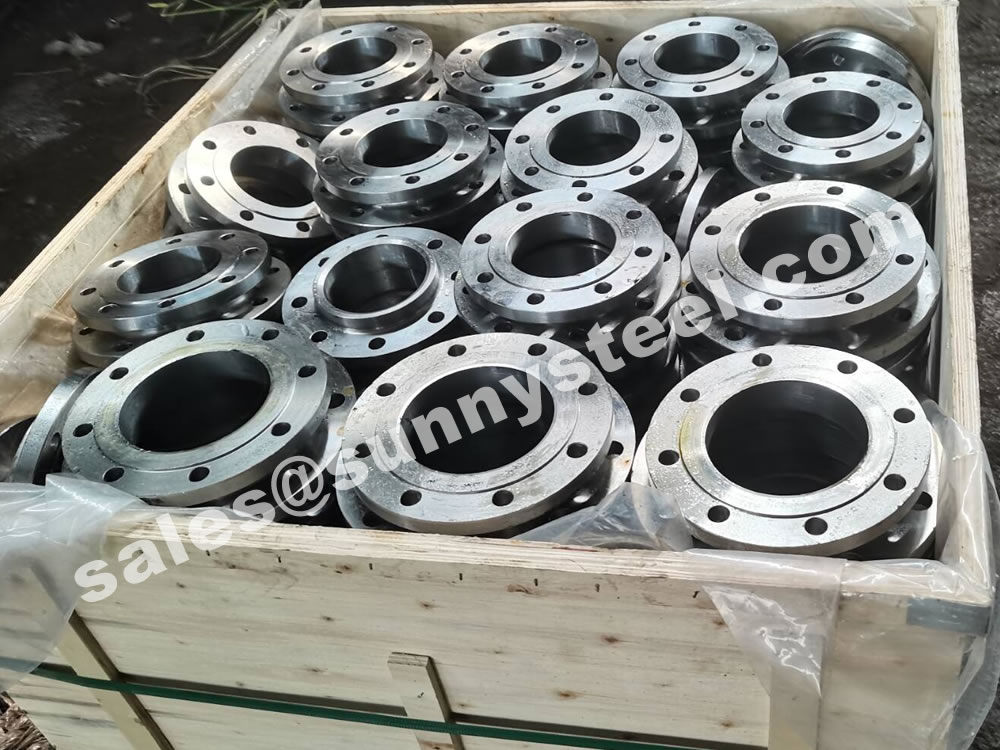
Steel flanges must be packed with seaworthy packing method then delivery to customers, usually the packing way include wooden box, wooden pallet, iron & steel cage, iron & steel pallet etc.
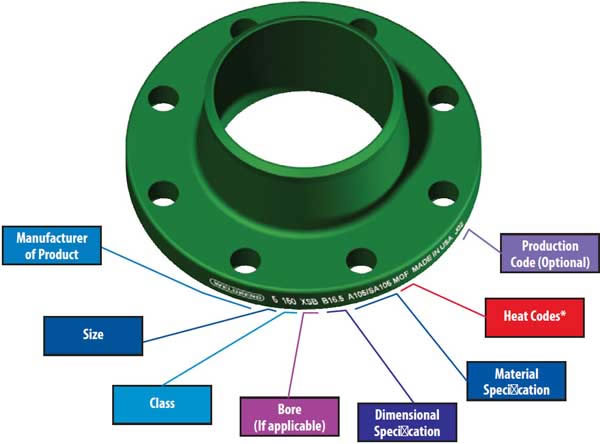
Flange markings are governed by ANSI ASME codes. Flange marking includes;
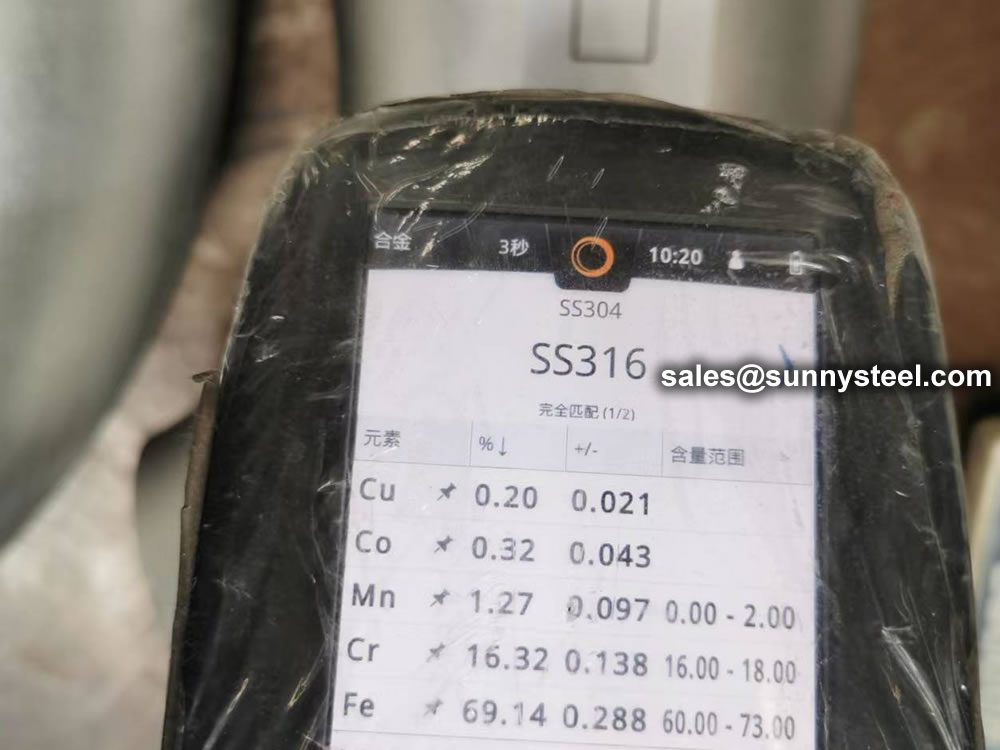
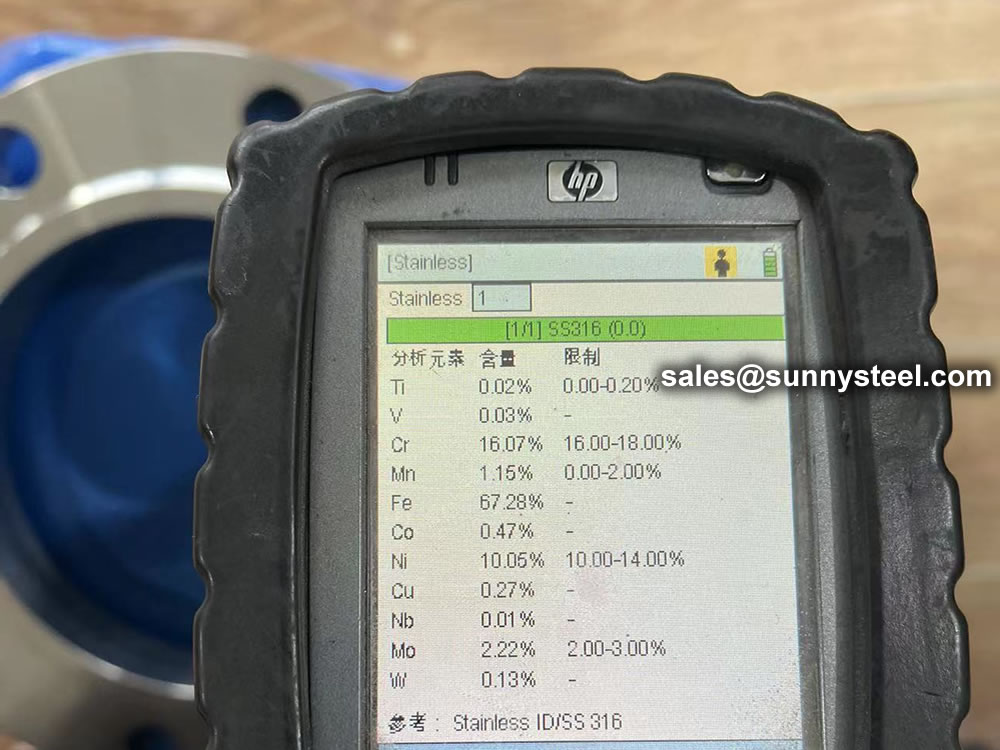
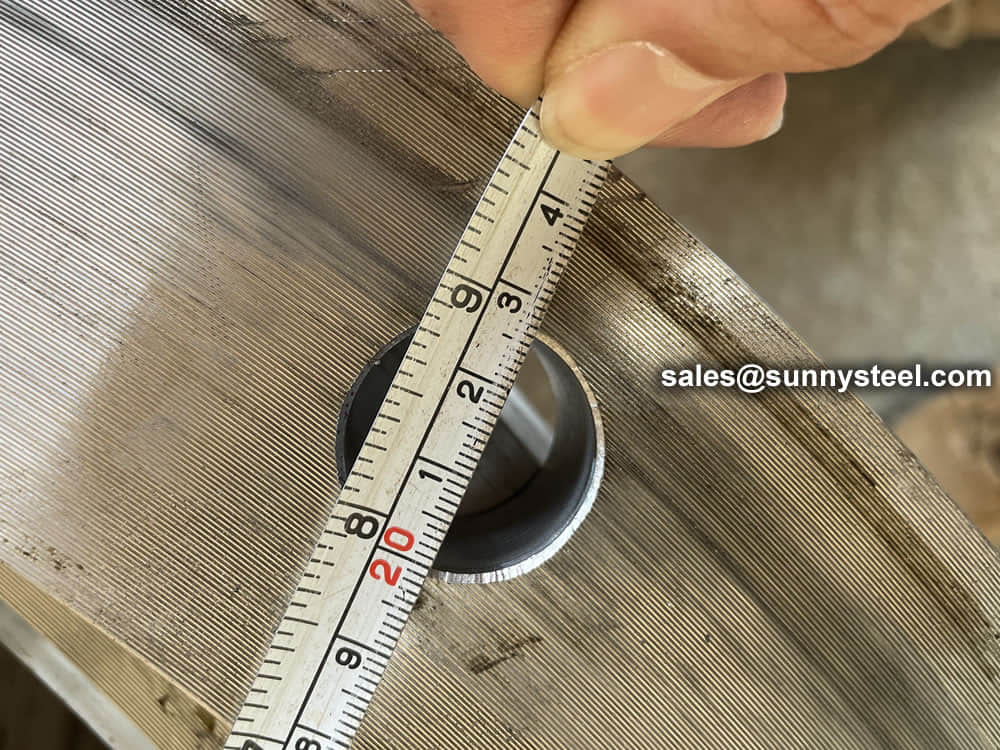
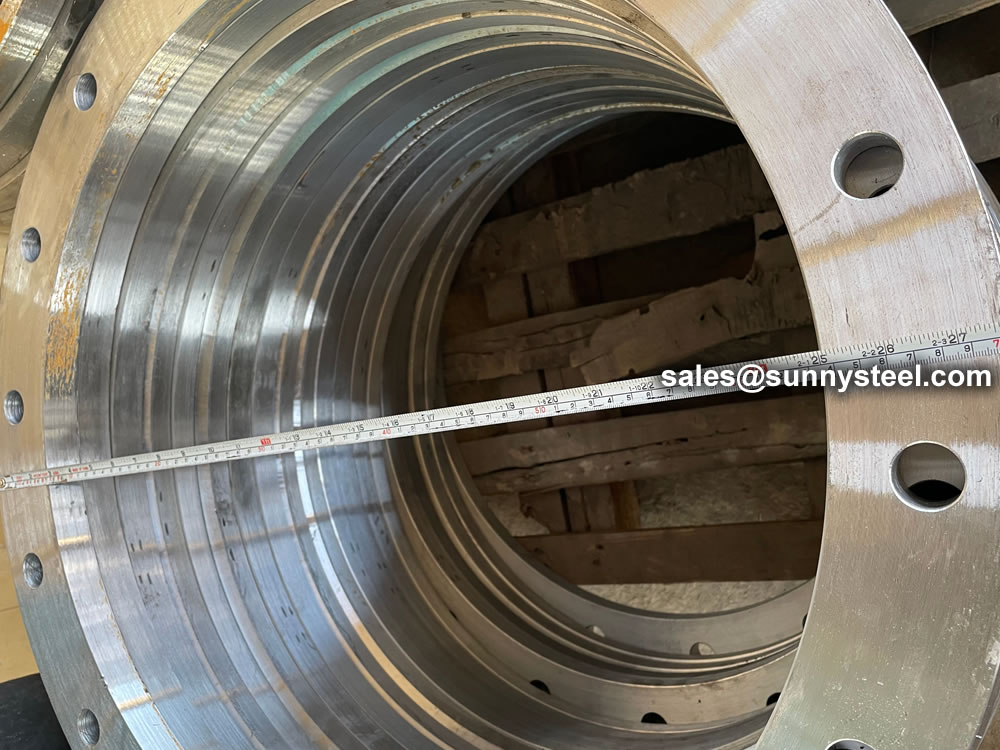
ASME B16.5 and B16.47 standards cover permissible tolerances for inspection.
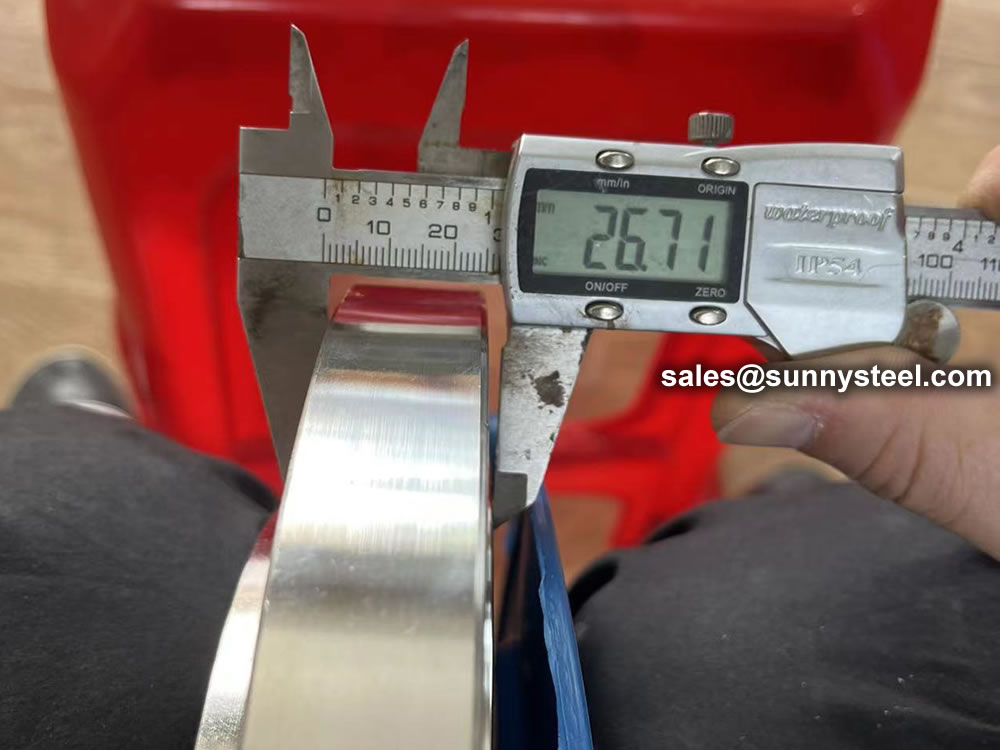
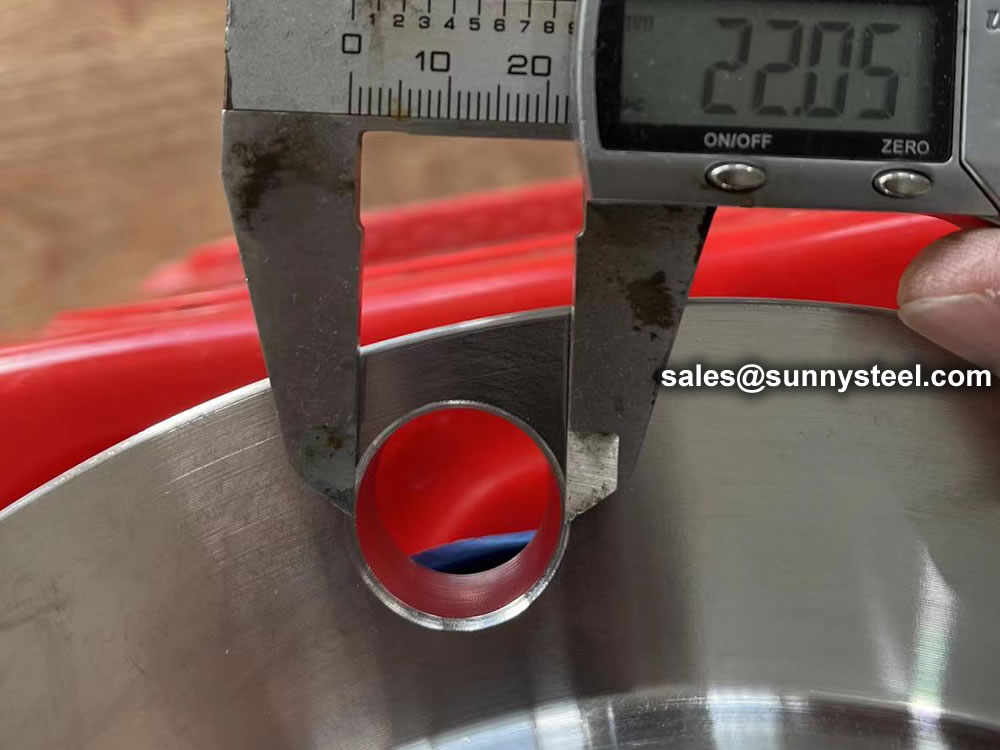
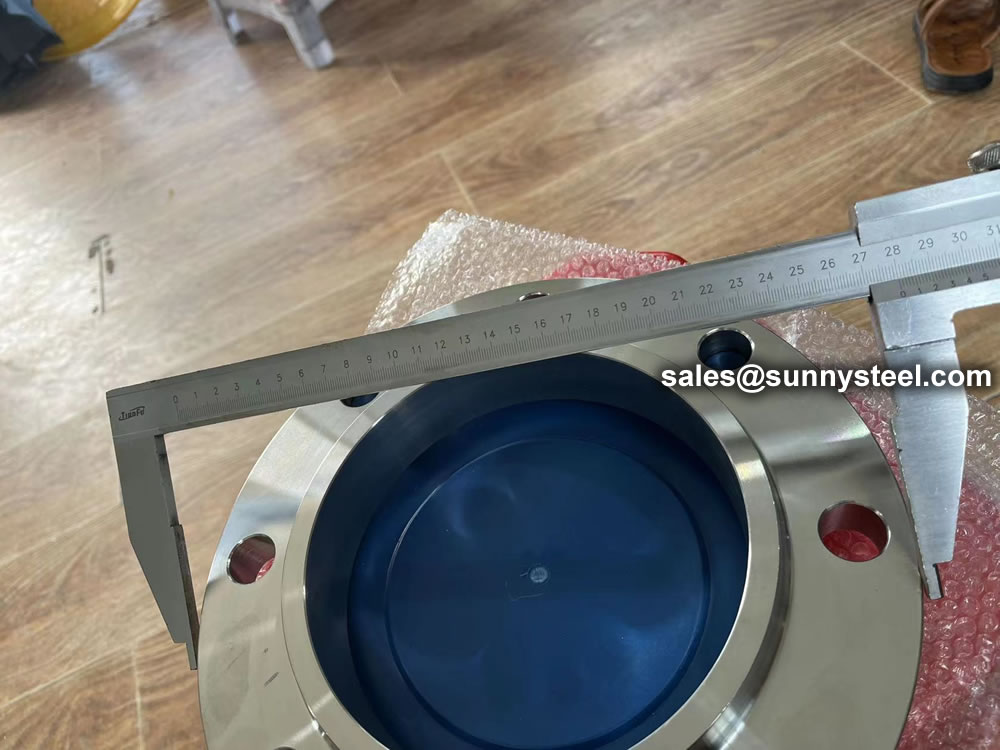
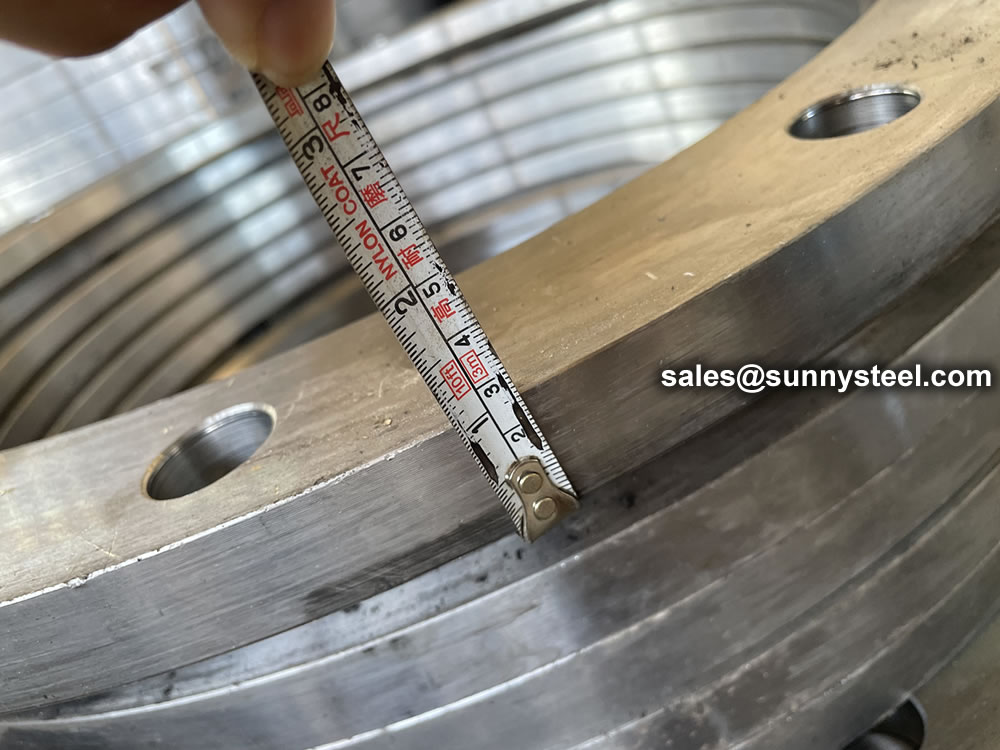
Because of the normal wooden boxes or wooden pallets have to do fumigation treatment, we usually use plywood pallet or plywood case or box to pack steel flanges without fumigation treatment.

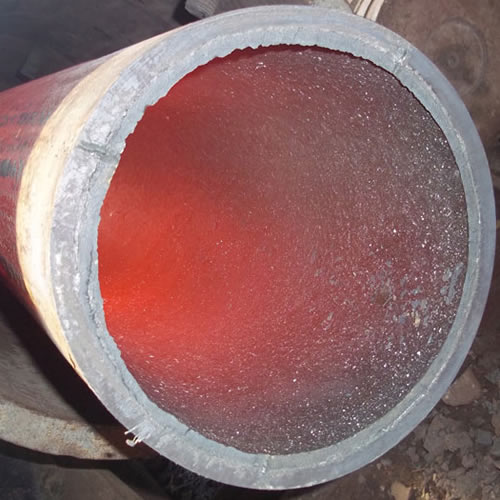
Ceramic lined pipe is made through self-propagating high-temperature synthesis (SHS) technique.
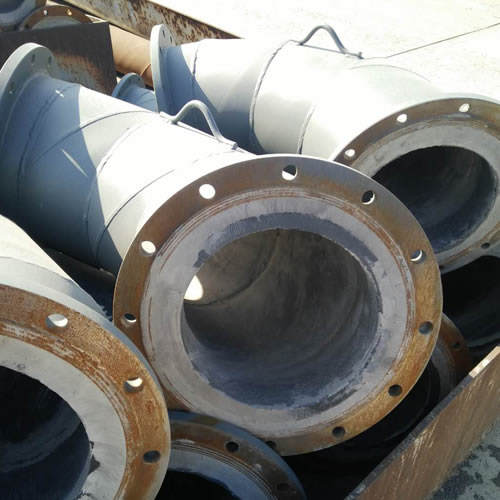
Cast basalt lined steel pipe is composed by lined with cast basalt pipe, outside steel pipe and cement mortar filling between the two layers.
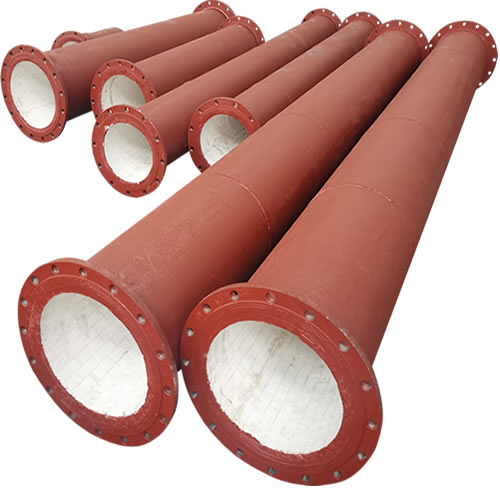
Ceramic tile lined pipes have very uniform coating of specially formulated ceramic material that is affixed to the inner of the pipe.
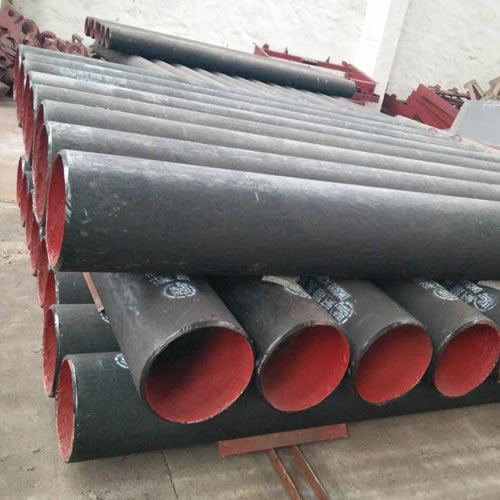
The material of the rare earth alloy wear-resistant pipe is ZG40CrMnMoNiSiRe, which is also the grade of rare earth alloy steel.
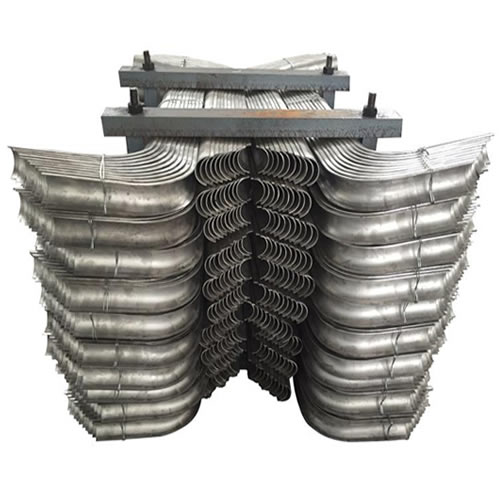
Tubes Erosion Shields are used to protect boiler tubing from the highly erosive effects of high temperatures and pressures thereby greatly extending tube life.
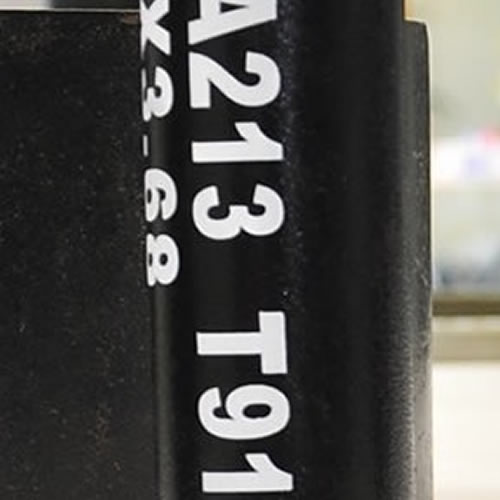
The ASTM A213 T91 seamless tubes are primarily used for boiler, superheater, and heat-exchanger.

When you partner with Sunny Steel, you can stop worrying about meeting deadlines thanks to our responsive and timely service. You'll also say goodbye to unnecessary shopping around. Instead, you'll get white glove service from an expert who understands your needs and can get you the materials you need quickly.