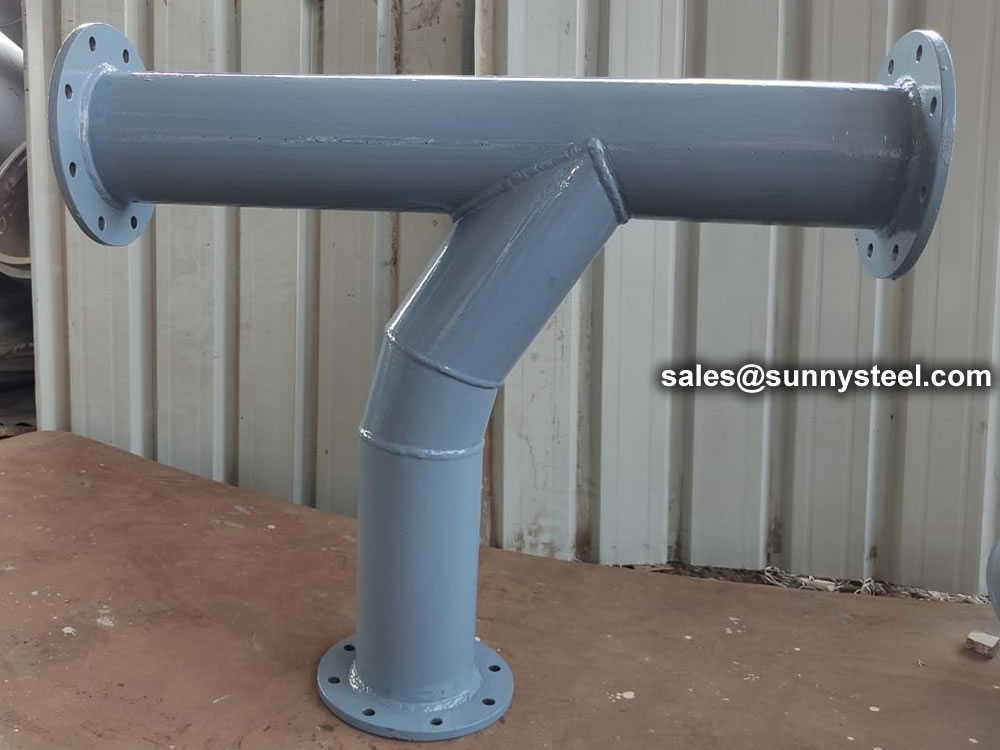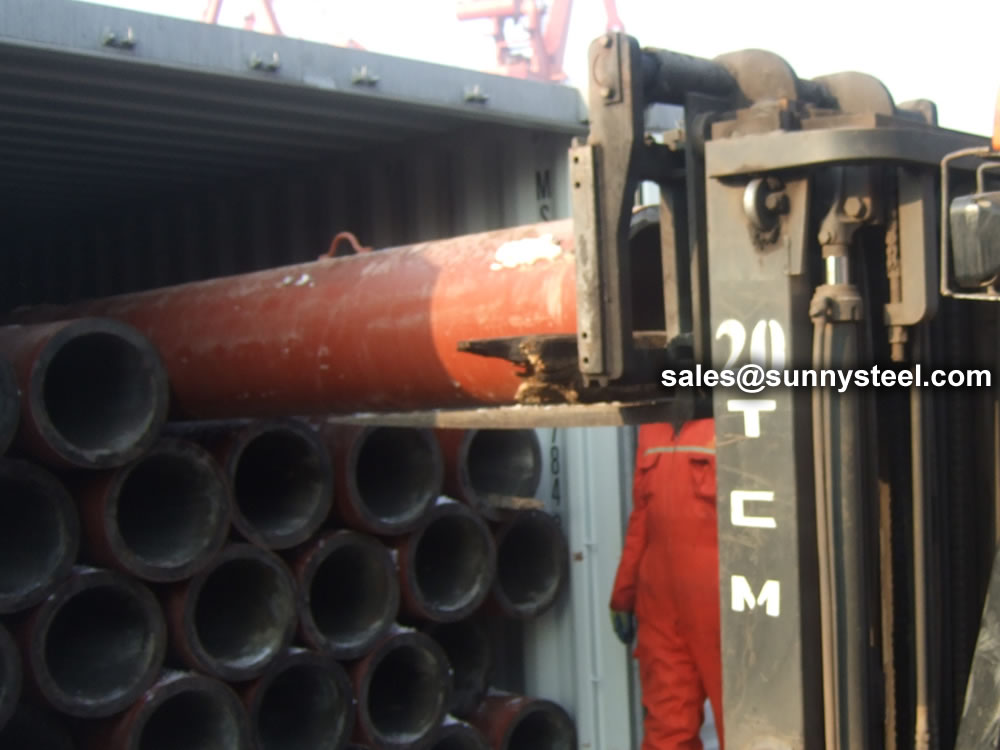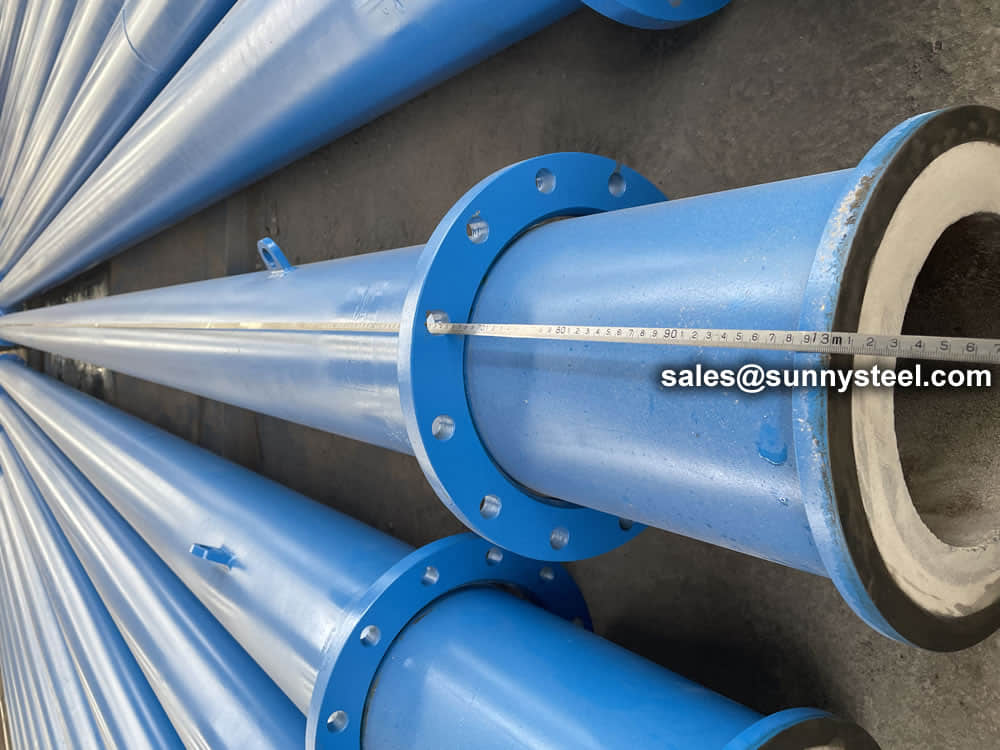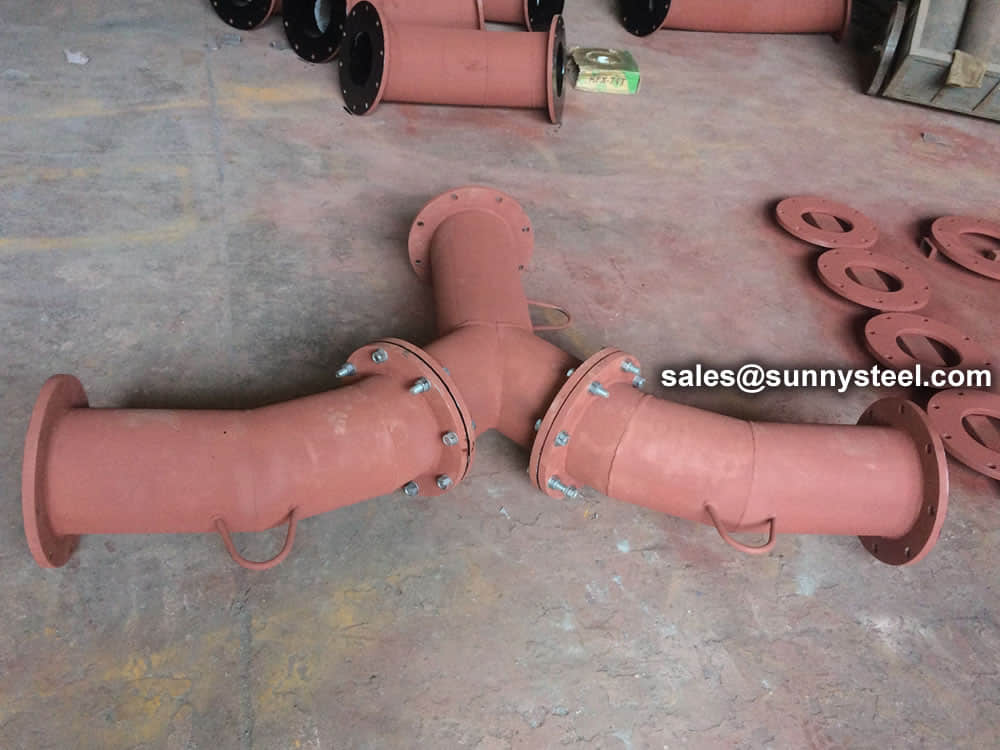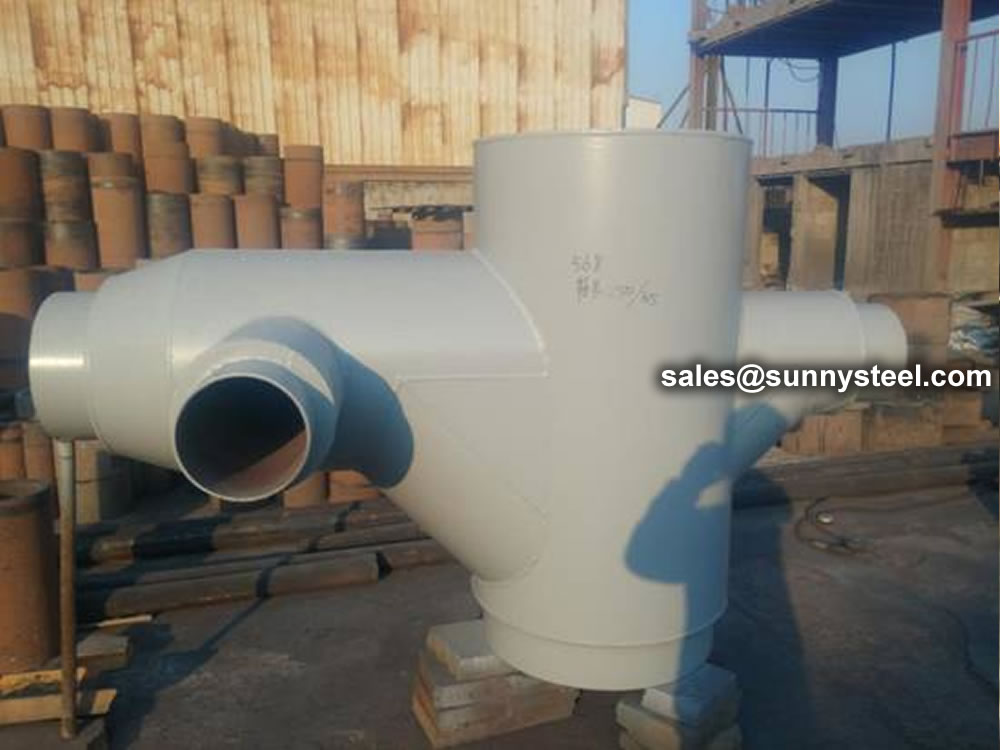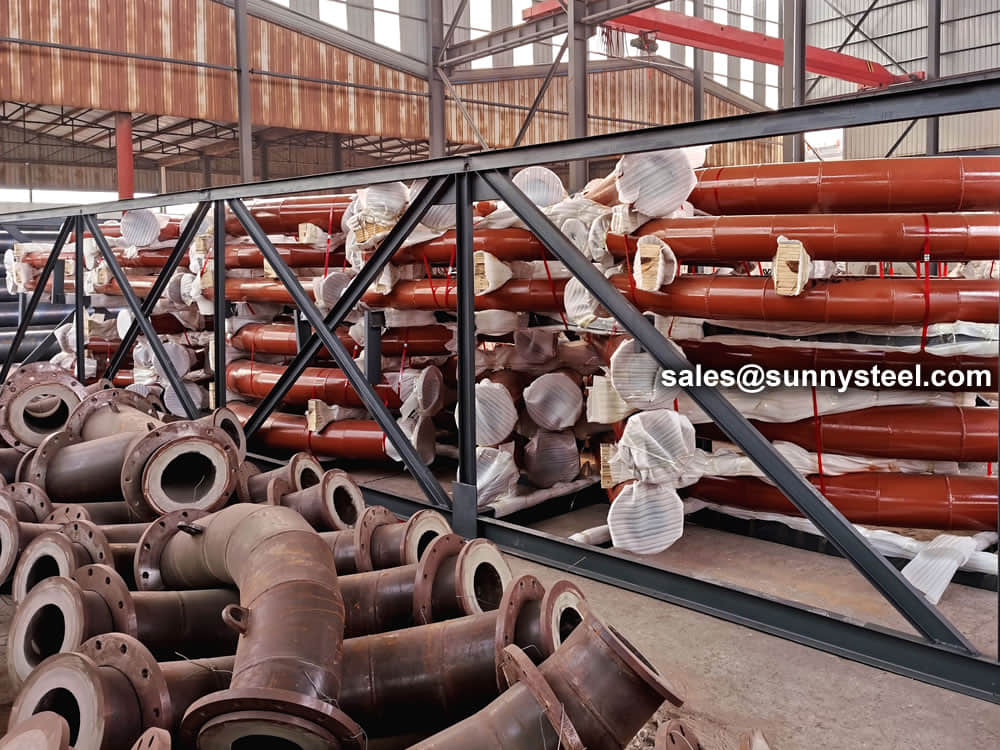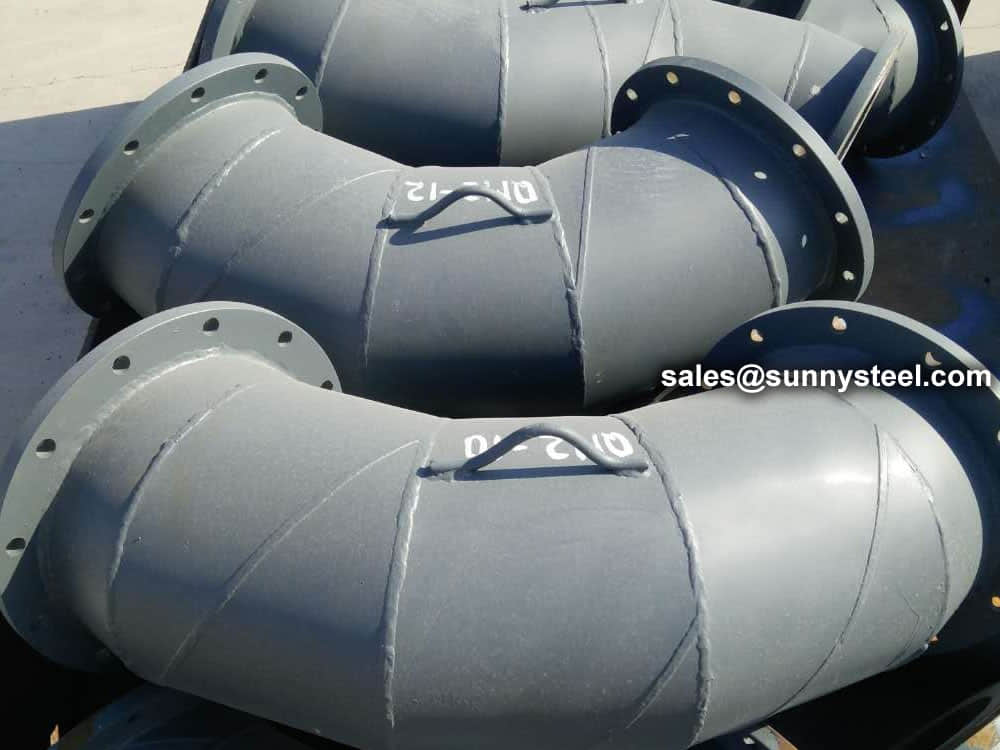
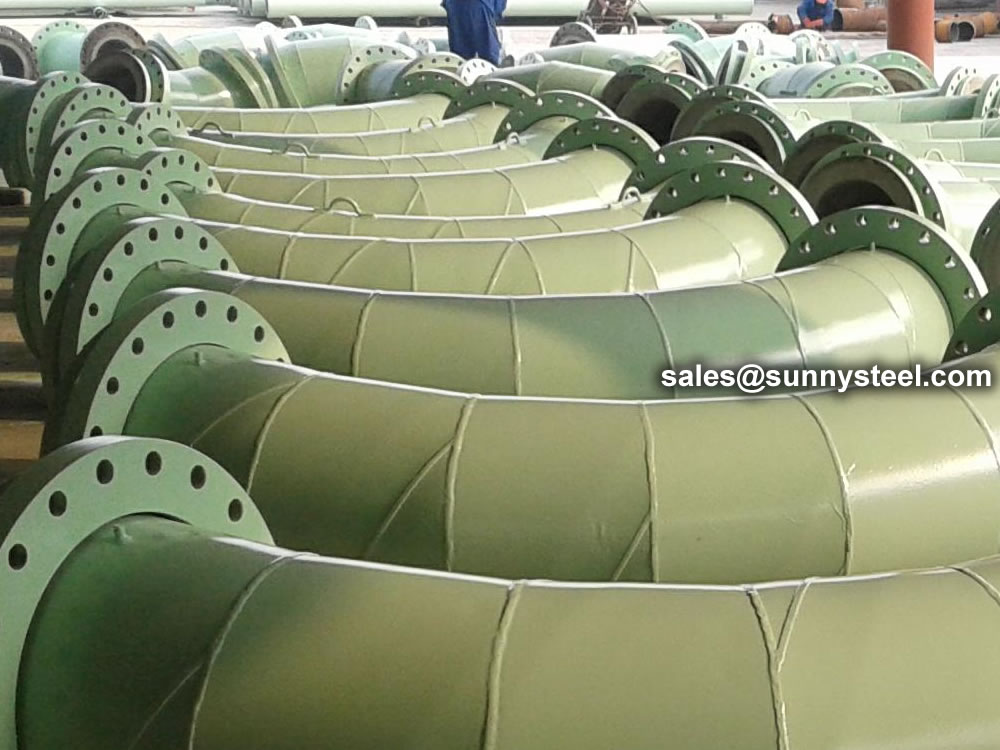
Cast basalt elbow
Cast basalt elbow - pipe elbow fitting
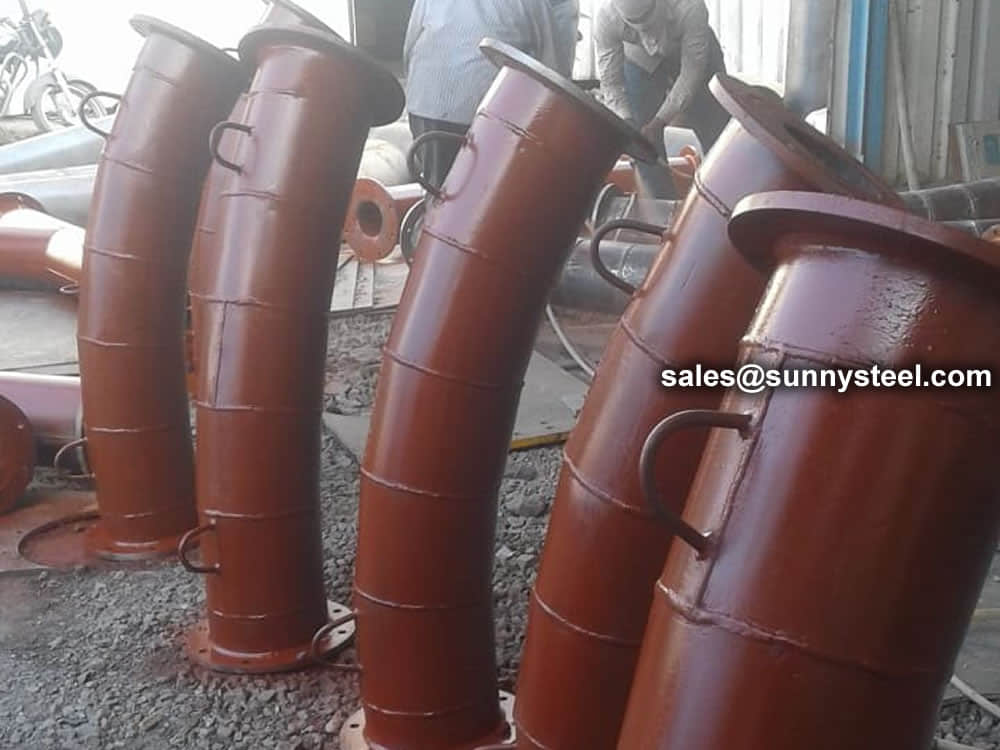
Cast basalt bends are designed for severe wear applications in mining, power plants, cement plants and industrial slurry pipelines.
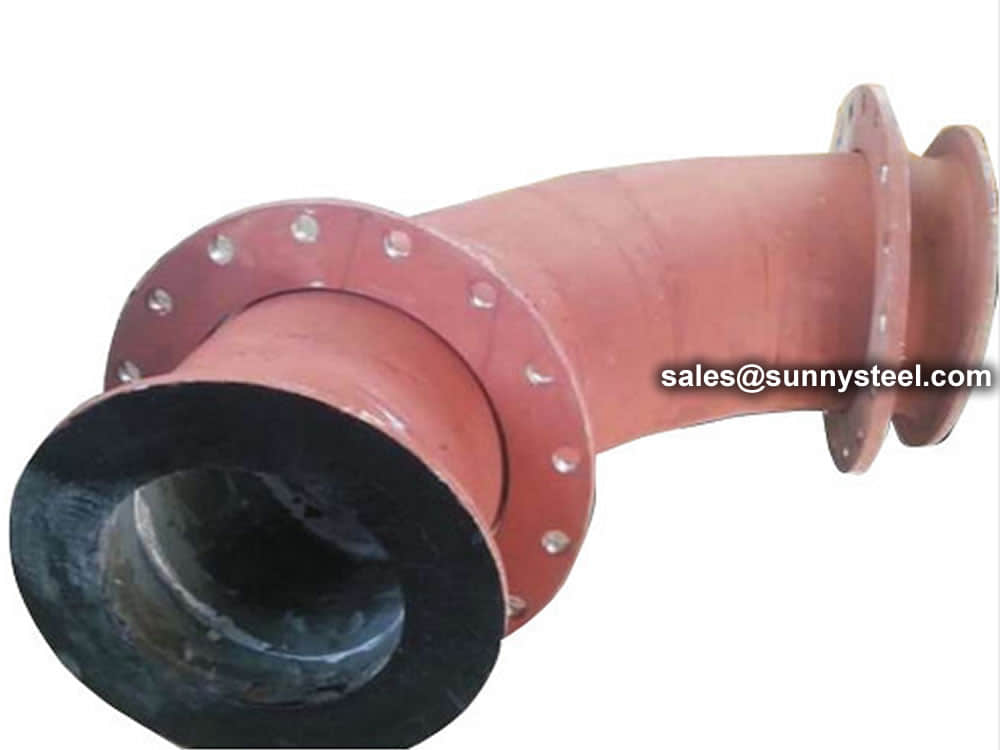
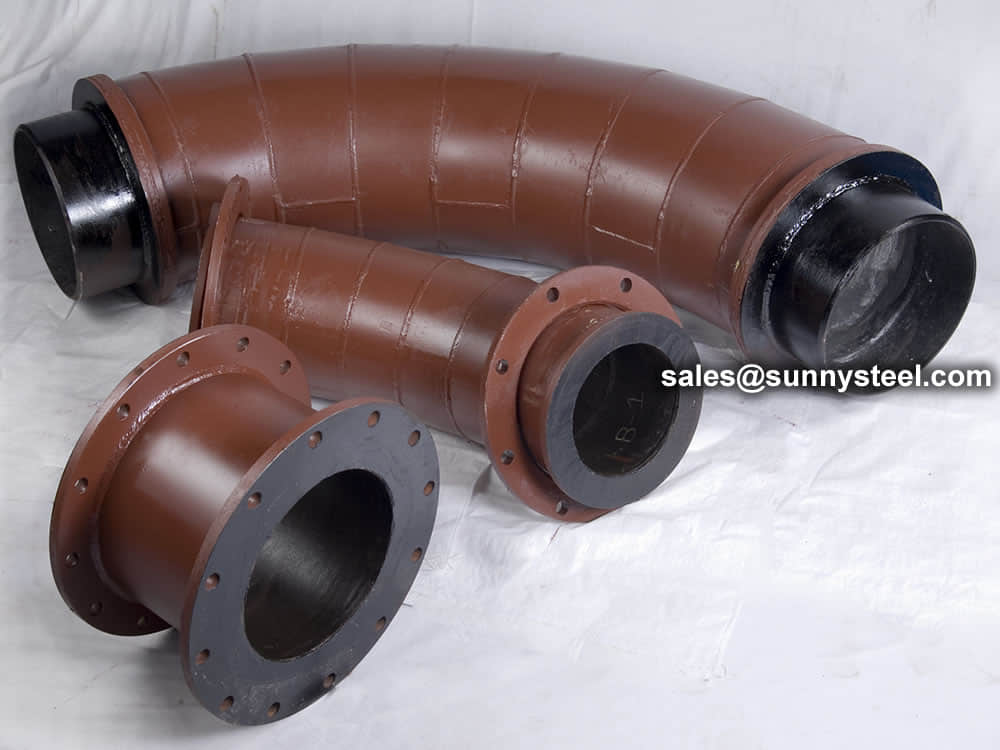
Cast basalt bends are essential wear-resistant components used in pipelines that transport highly abrasive materials such as fly ash, coal powder, mineral slurry, sand and industrial waste. These bends are designed to withstand continuous particle impact in directional change zones where wear is most severe.
In industrial conveying systems, bends are among the most critical wear points due to turbulence and high-velocity flow changes. Standard carbon steel bends often fail quickly in such conditions.
By incorporating a fused cast basalt lining inside a steel shell, cast basalt bends significantly extend service life and reduce maintenance frequency.
Cast basalt is produced by melting selected volcanic rock at high temperatures above 1250°C and then forming a dense crystalline structure with exceptional hardness and abrasion resistance.
These bends are widely used in mining, power plants, cement production, steel mills and dredging systems where long-term reliability is required.
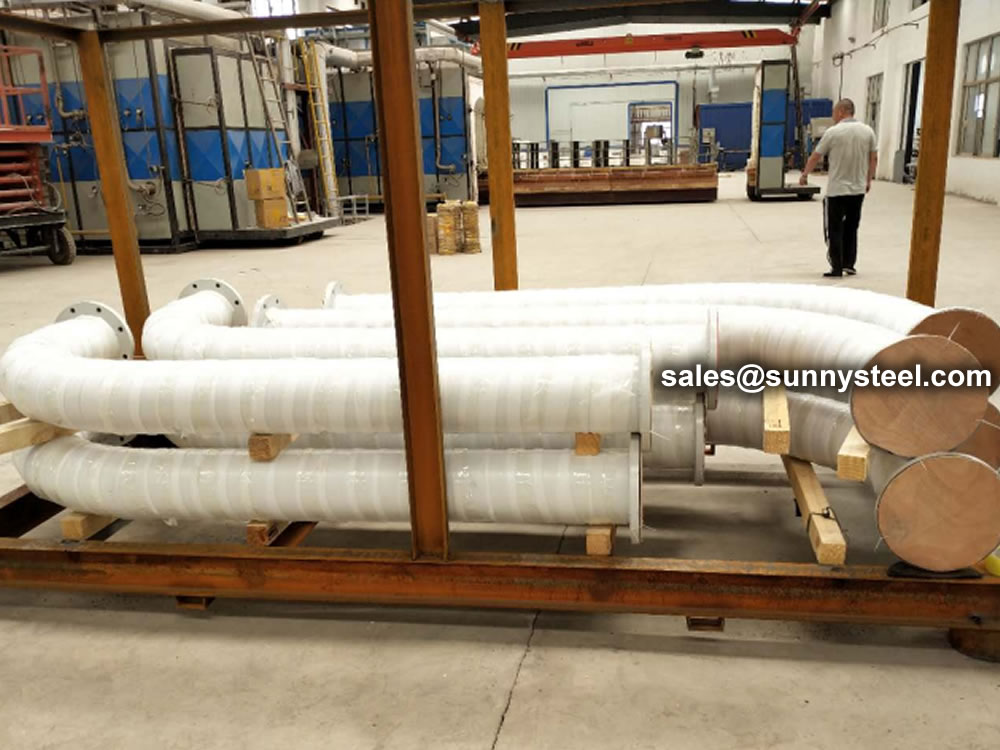
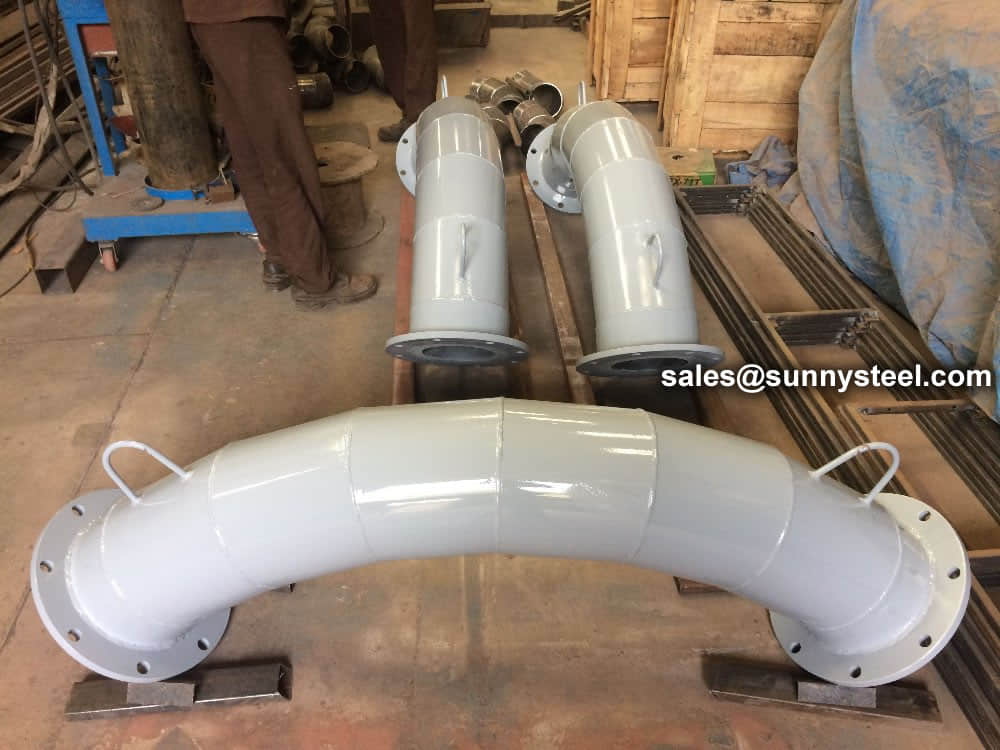
They are available in multiple angles and radii to match different pipeline layouts.
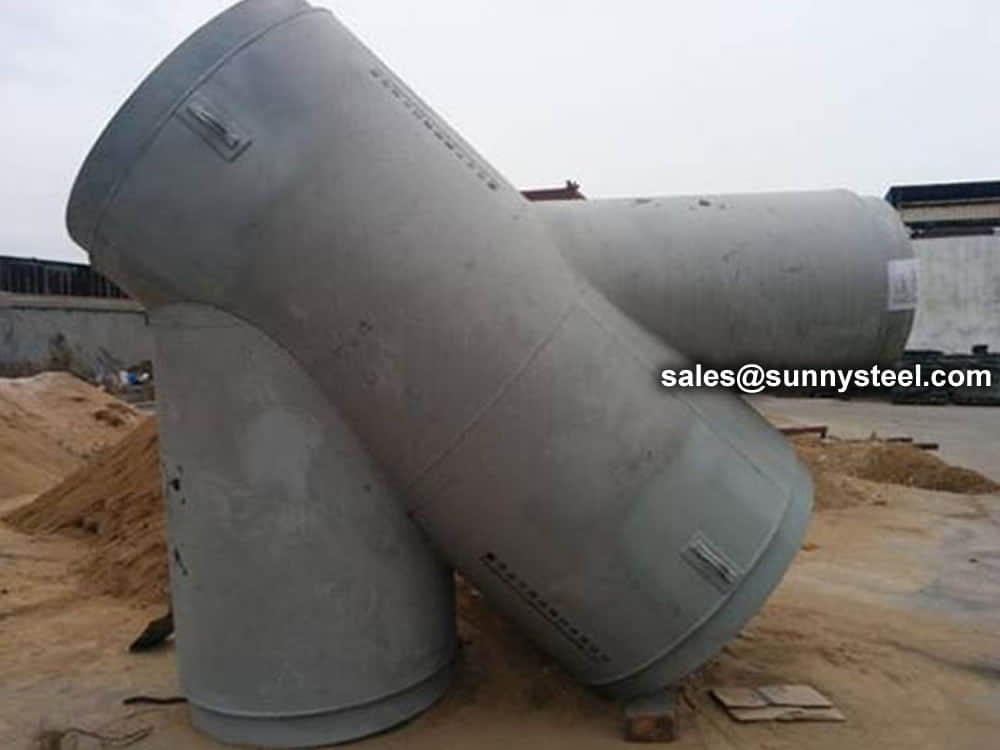
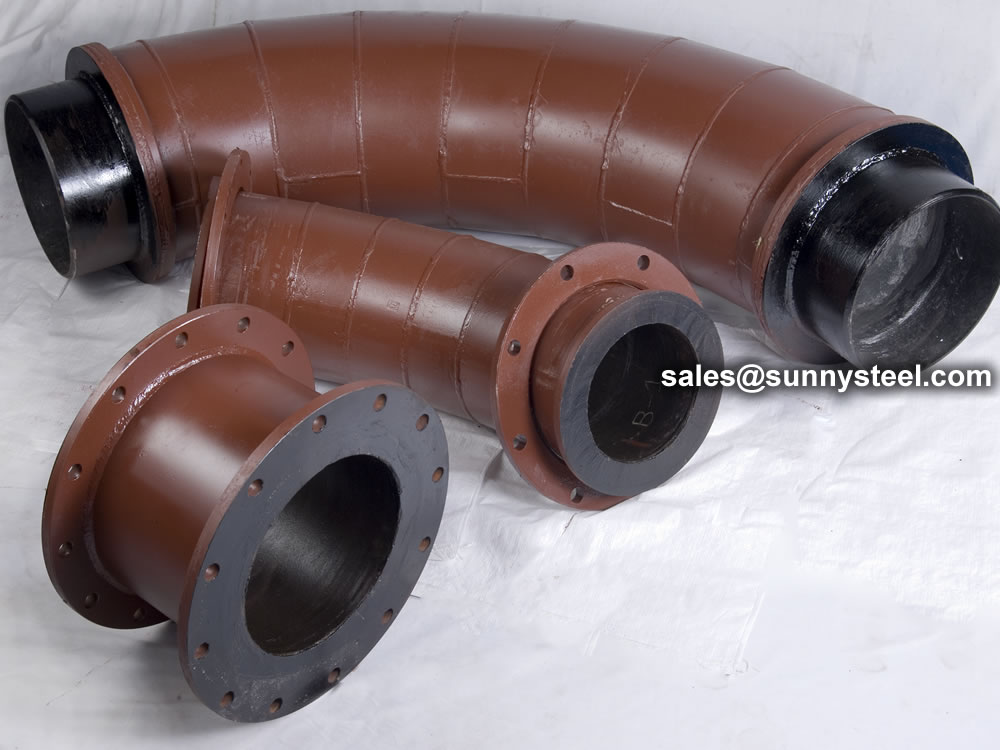
Cast basalt bends are pipe fittings designed to change the direction of flow in a pipeline while providing high resistance to abrasion and erosion. They consist of a steel outer shell and an internal cast basalt lining.
The basalt lining protects the inner surface from particle impact, while the steel structure provides strength and pressure resistance.
Bends experience significantly higher wear because the flow direction changes abruptly, causing particles to impact the outer wall directly.
This creates localized erosion zones that rapidly thin conventional steel fittings, especially in slurry and ash transport systems.
Cast basalt lining eliminates this issue by providing a highly hard and durable internal surface.
| Component | Function |
|---|---|
| Steel Outer Shell | Provides structural strength and pressure resistance. |
| Cast Basalt Lining | Protects against abrasion and erosion. |
| Bonding Layer | Secures basalt lining to steel body. |
| Bend Geometry | Changes flow direction (30°, 45°, 60°, 90°). |
| Type | Description |
|---|---|
| Short Radius Bend | Compact installation, higher wear zone concentration. |
| Long Radius Bend | Reduces turbulence and improves service life. |
| 90° Bend | Most commonly used directional change. |
| 45° Bend | Smoother flow transition. |
| Custom Bend | Manufactured according to drawings. |
Ideal for slurry and ash pipelines.
Significantly reduces replacement frequency.
Minimizes downtime and repair costs.
Improves pipeline reliability.
Cast basalt bends are commonly used in mining, power plants, cement production, steel mills and dredging systems where long-term reliability is required.
What is the difference between a bend and an elbow?
Bends usually refer to smoother radius transitions, while elbows are more standard angular fittings.
Why use cast basalt lining?
It provides extremely high hardness (Mohs 8–9) and excellent wear resistance.
Can custom radii be produced?
Yes, both short radius and long radius bends are available.

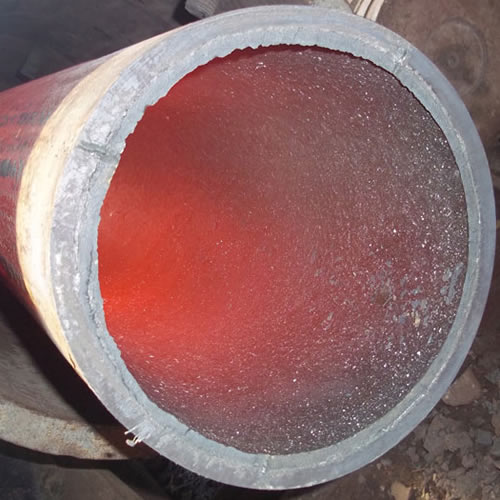
Ceramic lined pipe is made through self-propagating high-temperature synthesis (SHS) technique.
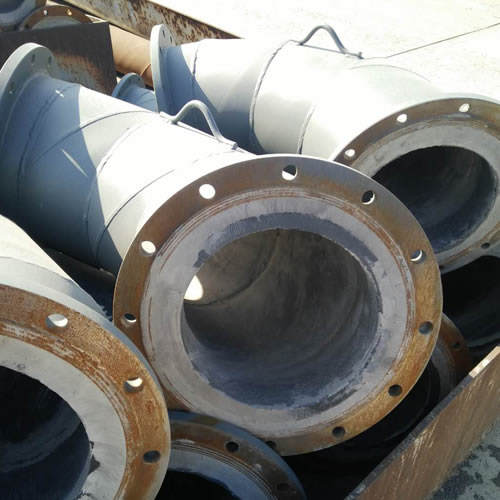
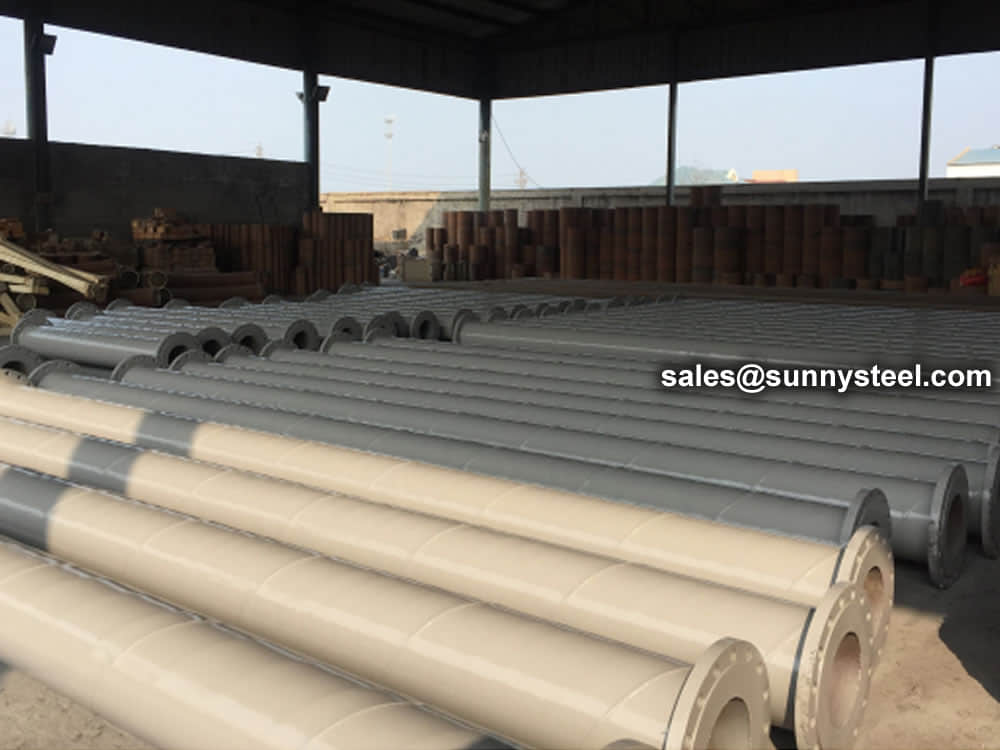
Cast basalt lined steel pipe is composed by lined with cast basalt pipe, outside steel pipe and cement mortar filling between the two layers.
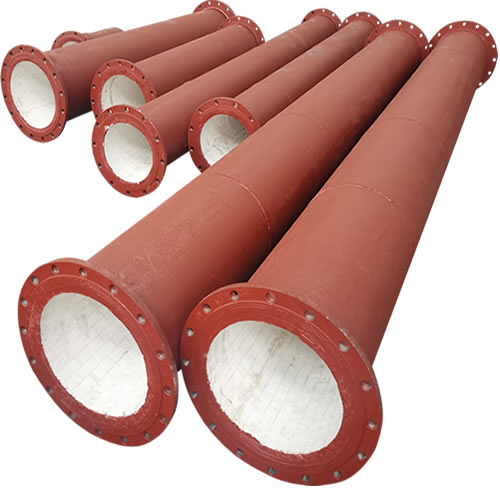
Ceramic tile lined pipes have very uniform coating of specially formulated ceramic material that is affixed to the inner of the pipe.
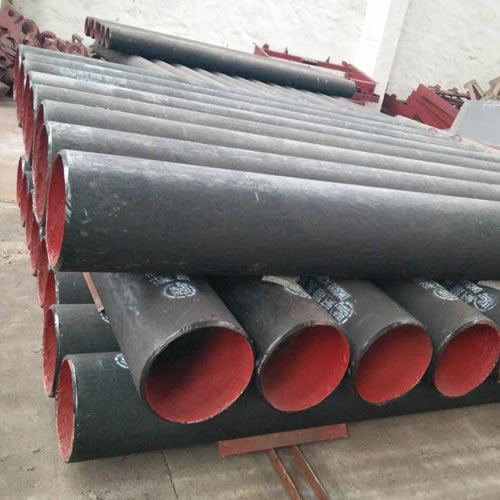
The material of the rare earth alloy wear-resistant pipe is ZG40CrMnMoNiSiRe, which is also the grade of rare earth alloy steel.
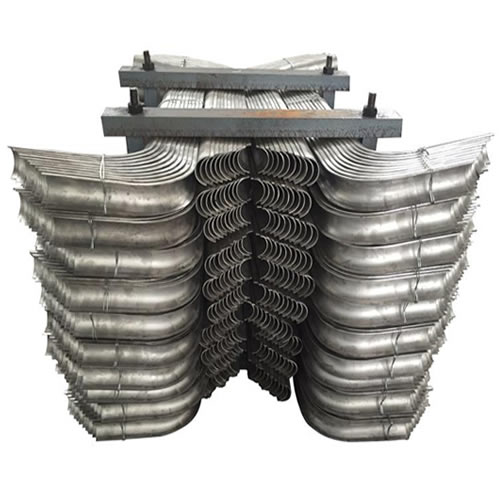
Tubes Erosion Shields are used to protect boiler tubing from the highly erosive effects of high temperatures and pressures thereby greatly extending tube life.
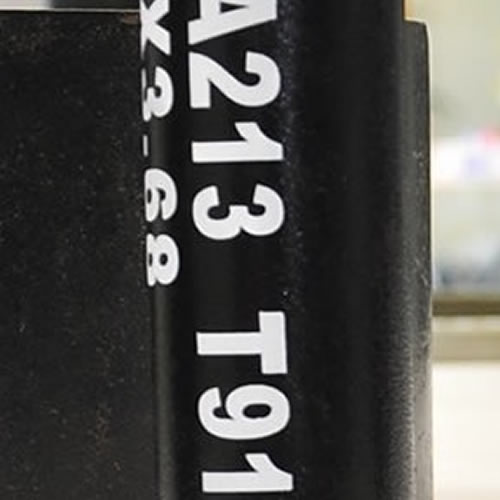
The ASTM A213 T91 seamless tubes are primarily used for boiler, superheater, and heat-exchanger.

When you partner with Sunny Steel, you can stop worrying about meeting deadlines thanks to our responsive and timely service. You'll also say goodbye to unnecessary shopping around. Instead, you'll get white glove service from an expert who understands your needs and can get you the materials you need quickly.