JIS G3455
JIS G3455 - industrial steel pipe
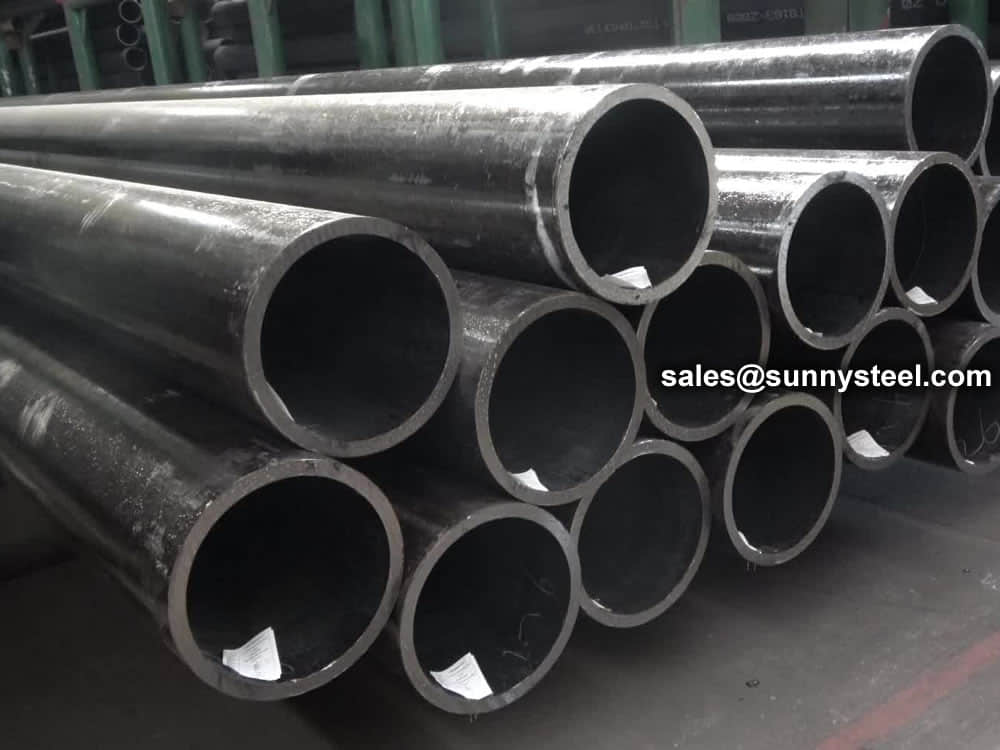
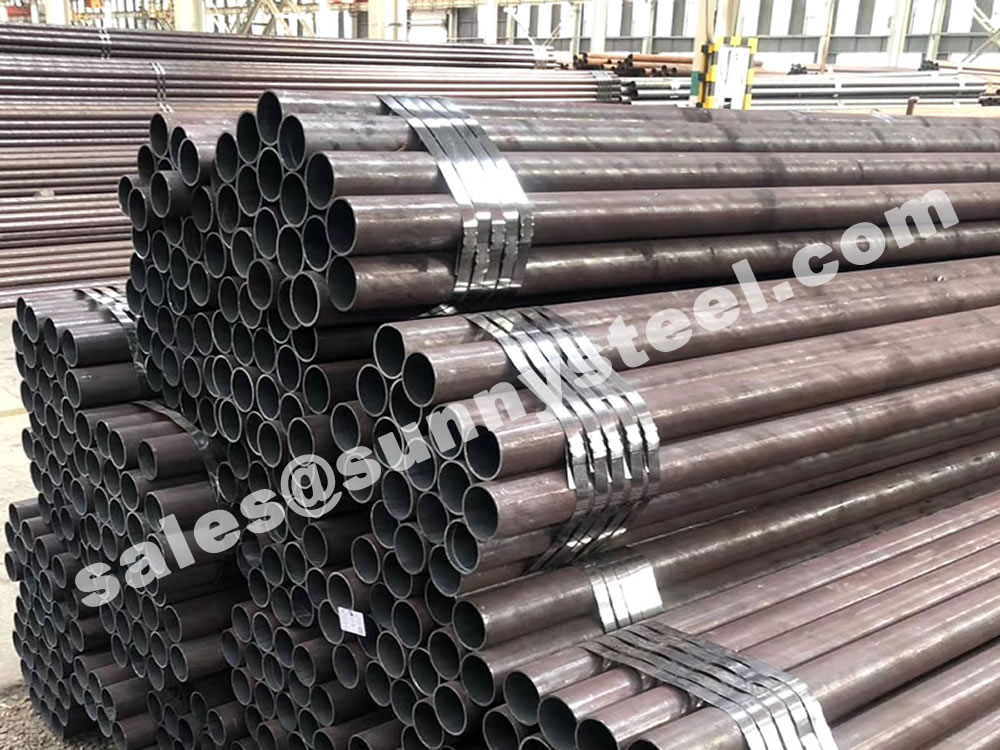
JIS G3445 Carbon steel tubes for machine structural purposes Seamless pipe Specification, standard and identification Seamless pipes are extensively applied for the nuclear device, gas, petrochemical, ship building and boiler industries.
JIS G3445 steel tubes are used in mechanical systems and general structural applications. These tubes, designed according to Japanese Industrial Standards, provide excellent performance and strength for various mechanical systems and machinery.
| Grade | Tensile Strength (MPa) | Yield Strength (MPa) | Elongation (%) |
|---|---|---|---|
| STKM 11A | 315 | 175 | 30 |
| STKM 12A | 370 | 205 | 25 |
| STKM 13A | 440 | 245 | 20 |
| STKM 14A | 510 | 275 | 15 |
| Grade | C | Si | Mn | P | S |
|---|---|---|---|---|---|
| STKM11A | ≤0.12 | ≤0.35 | ≤0.60 | ≤0.040 | ≤0.040 |
| STKM12A | ≤0.20 | ≤0.35 | ≤0.60 | ≤0.040 | ≤0.040 |
| STKM12B | ≤0.20 | ≤0.35 | ≤0.60 | ≤0.040 | ≤0.040 |
| STKM12C | ≤0.20 | ≤0.35 | ≤0.60 | ≤0.040 | ≤0.040 |
| STKM13A | ≤0.25 | ≤0.35 | 0.30-0.90 | ≤0.040 | ≤0.040 |
| STKM13B | ≤0.25 | ≤0.35 | 0.30-0.90 | ≤0.040 | ≤0.040 |
| STKM13C | ≤0.25 | ≤0.35 | 0.30-0.90 | ≤0.040 | ≤0.040 |
| STKM14A | ≤0.30 | ≤0.35 | 0.30-1.00 | ≤0.040 | ≤0.040 |
| STKM14B | ≤0.30 | ≤0.35 | 0.30-1.00 | ≤0.040 | ≤0.040 |
| STKM14C | ≤0.30 | ≤0.35 | 0.30-1.00 | ≤0.040 | ≤0.040 |
The tubes shall be practically straight. and the two ends shall be at right angles to the axis of the tube
The tubes shall be free from defects detrimental to practical use.
The surface finish of the tubes, when especially specified shall be agreed upon by the purchaser and the manufacturer.
| Grade | Yield Strength (Mpa) | Tensile Strength (Mpa) | Elongation (%) |
|---|---|---|---|
| STKM11A | \ | ≥290 | ≥35 |
| STKM12A | ≥175 | ≥340 | ≥35 |
| STKM12B | ≥275 | ≥390 | ≥25 |
| STKM12C | ≥355 | ≥470 | ≥20 |
| STKM13A | ≥215 | ≥370 | ≥30 |
| STKM13B | ≥305 | ≥440 | ≥20 |
| STKM13C | ≥380 | ≥510 | ≥15 |
| STKM14A | ≥245 | ≥410 | ≥25 |
| STKM14B | ≥355 | ≥500 | ≥15 |
| STKM14C | ≥410 | ≥550 | ≥15 |
The tubes shall be manufactured by seamless process, electric resistance welding process, or butt welding process, and those of other grades shall be manufactured by seamless process or electric resistance welding process. The tube shall be as manufactured or as cold-finished condition, or they shall be subjected to appropriate heat treatment.
| Grade | Designation | |
|---|---|---|
| Grade 11 | A | STKM 11A |
| Grade 12 | A | STKM 12A |
| B | STKM 12B | |
| C | STKM 12C | |
| Grade 13 | A | STKM 13A |
| B | STKM 13B | |
| C | STKM 13C | |
| Grade 14 | A | STKM 14A |
| B | STKM 14B | |
| C | STKM 14C | |
| Grade 15 | A | STKM 15A |
| C | STKM 15C | |
| Grade 16 | A | STKM 16A |
| C | STKM 16C | |
| Grade 17 | A | STKM 17A |
| C | STKM 17C | |
| Grade 18 | A | STKM 18A |
| B | STKM 18B | |
| C | STKM 18C | |
| Grade 19 | A | STKM 19A |
| C | STKM 19C | |
| Grade 20 | A | STKM 20A |
JIS G3445 steel tubes for machine structural purposes
The sub classification letter symbols A, B and C are used to indicate distinction of method of manufacturing the tube, cold working process, heat treatment, etc.
| NUBER | GRADE | NUBER | GRADE | NUBER | GRADE | NUBER | GRADE | |
|---|---|---|---|---|---|---|---|---|
| D 3517 | Grade 11 A | STKM 11 A | A513 | MT1010 | G-3445 | STKM11A | – | – |
| A519 | MT1010 | |||||||
| Grade 12A | STKM 12 A | A513 | MT1015 | STKM12A | 980 | CDS-3 | ||
| A519 | MT1015 | |||||||
| Grade 12 B | STKM 12 B | – | – | STKM12B | – | – | ||
| Grade 12C | STKM 12C | A512 | MT1015 | STKM12C | – | – | ||
| A513 | ||||||||
| Grade 13 A | STKM 13 A | A512 | MT 1025 | STKM13A | – | – | ||
| A513 | MTX1025 | |||||||
| A519 | MT 1025 | |||||||
| Grade13B | STKM 13 B | – | – | STKM13B | 980 | CDS-4 | ||
| Grade13 C | STKM 13 C | – | – | STKM13C | – | – | ||
| Grade14 A | STKM 14 A | A513 | MT1030 | STKM14A | 1717 | CDS-103 | ||
| A519 | MT1030 | |||||||
| Grade14 B | STKM 14 B | – | – | STKM14B | – | – | ||
| Grade14 C | STKM 14 C | – | – | STKM14C | – | – | ||
| Grade15 A | STKM 15 A | A513 | MT1033 | STKM15A | 1717 | CDS-105 | ||
| Grade15 C | STKM 15 C | – | – | STKM15C | – | – | ||
| Grade16 A | STKM 16 A | A519 | MT1040 | STKM16A | 980 | CDS-5 | ||
| Grade16 C | STKM 16 C | – | – | STKM16C | – | – | ||
| Grade17 A | STKM 17 A | A519 | MT1050 | STKM17A | 980 | CDS-7 | ||
| 1717 | CDS-107 | |||||||
| Grade17 C | STKM 17 C | – | – | STKM17B | – | – | ||
| Grade18 A | STKM 18 A | A519 | MT1524 | STKM18A | 980 | CDS-9 | ||
| Grade18 B | STKM 18 B | – | – | STKM18B | – | – | ||
| Grade18 C | STKM 18 C | – | – | STKM18C | – | – | ||
| Grade19 A | STKM 19 A | – | – | – | – | – | ||
| Grade19 C | STKM 19 C | – | – | – | – | – | ||
| Grade20 A | STKM 20 A | – | – | – | – | – | ||
The tubes shall be practically straight. and the two ends shall be at right angles to the axis of the tube. The tubes shall be free from defects detrimental to practical use.
The tubes shall be manufactured by seamless process, electric resistance welding process, or butt welding process, and those of other grades shall be manufactured by seamless process or electric resistance welding process. The tube shall be as manufactured or as cold-finished condition, or they shall be subjected to appropriate heat treatment.
The tubes shall be practically straight. and the two ends shall be at right angles to the axis of the tube. The tubes shall be free from defects detrimental to practical use.
Japanese Industrial Standards (JIS) developed by the organization apply to a wide variety of industrial services and technologies such as automobiles, metallurgy, ships and medical equipment
The method for making cold-drawn seamless pipes involves taking a round “billet” or bar of steel and boring it in the center, turning it, cutting it, heating it to make it more pliable, then “drawing” it (extruding or pulling it) to make it a longer and thinner tube.
Japanese Industrial Standards specifies the standards used for industrial activities in Japan. The standardization process is coordinated by Japanese Industrial Standards Committee and published through Japanese Standards Association.
The Industrial Standardization Law was revised in 2004 and the JIS mark product certification system was changed. Standards are named like “JIS X 0208:1997″, where X denotes area division, followed by four digits (or five digits for some of the standards corresponding ISO standards) and the revision release year.
EN 10204:2004 is for metallic products-and this norm tell us things about Types of inspection documents. There are no material standards.
Mostly material is defined with its chemical composition and mechanical properties in a public standars like ISO, EN, JIS, ASTM etc.
Japanese Industrial Standards (JIS) specifies the standards used for industrial activities in Japan. The standardization process is coordinated by Japanese Industrial Standards Committee and published through Japanese Standards Association.
Table 1: Tolerance on Outside Diameter in JIS G3441, G3444, G3445
| Standard | Tolerance on outside diameter (mm) | |
|---|---|---|
| JIS G3441 JIS G3444 JIS G3445 |
=50 | ±0.5 |
| >50 | ±1% | |
| JIS G3441 JIS G3444 JIS G3445 |
<50 | ±0.25 |
| >50 | ±0.5% | |
| JIS G3441 JIS G3445 |
<25 | ±0.12 |
| >25-40 | ±0.15 | |
| >40-50 | ±0.18 | |
| >5:.60 | ±0.20 | |
| >60-70 | ±0.23 | |
| >70-80 | ±0.25 | |
| >80-90 | ±0.30 | |
| >90-100 | ±0.40 | |
| >100 | ±0.5% | |
| JIS G3441 | <13 | ±0.25 |
| >13-25 | ±0.40 | |
| >25-40 | ±0.60 | |
| >40-65 | ±0.80 | |
| >65-90 | ±1.00 | |
| >90-140 | ±1.20 | |
| >140 | By agreement | |
| Standard | Tolerance on wall thickness (mm) | |
|---|---|---|
| JIS G3441 JIS G3444 JIS G3445 |
<=4 | -0.5,+0.6 |
| >4 | -12.5%, +15% | |
| JIS G3441 JIS G3444 JIS G3445 |
<=3 | ±0 .3 |
| >3 | ±10% | |
| JIS G3441 JIS G3445 |
<=2 | ±0.15 |
| >2 | ±8% | |
| Process | Tolerance on outside diameter | Tolerance on wall thickness | ||
|---|---|---|---|---|
| <40A | ±0.5mm | <=4mm | +0.6mm -0.5% |
|
| >50A, <125A | ±1% | |||
| Hot Rolled Seamless Pipes |
150A | ±1.6mm | >4mm | +15% -12.5% |
| >200A | ±0.8% | |||
| More than 350mm,the Tolerance is ±0.5% |
||||
| Cold Drawn Seamless Pipes and Electric Resistant Welded Pipes |
<25A | ±0.3mm | <=3mm | ±0.3mm |
| >32A | ±0.8% | >3mm | ±10% | |
| But more than 350mm, the Tolerance is ±0.5% |
||||
| Process | Tolerance on outside diameter | Tolerance on wall thickness | ||
|---|---|---|---|---|
| Hot Rolled Seamless Pipes |
<=50mm | ±0.5mm | <=4mm | ±0.5mm |
| >50-160mm | ±1% | |||
| >160-200mm | ±1.6mm | >4mm | ±12.5% | |
| >200mm | ±0.8% | |||
| More that 350mm, the Tolerance is ±0.5% |
||||
| Cold Drawn Seamless Pipes and Electric Resistant Welded Pipes |
<=40mm | ±0.3mm | <=2mm | ±0.2mm |
| >40mm | ±0.8% | >2mm | ±10% | |
| More than 350 mm the Tolerance is ±0.5% |
||||
| O.D. | Tolerance on outside diameter | ||||
|---|---|---|---|---|---|
| Hot rolled seamless pipes | Seamless pipes through quench and normalized | Cold drawn seamless pipes throng, the hot treatment except quench and normalized | Electric welded pipes except cold drawn | Cold drawn electric welded pipes | |
| mm | |||||
| <=25 | +0.4 -0.8 |
±0.25 | ±0.10 | ±0.15 | ±0.10 |
| >25.40 | ±0.25 | ±0.15 | ±0.20 | ±0.15 | |
| >40-50 | ±0.25 | ±0.20 | ±0.25 | ±0.20 | |
| >50.60 | ±0.25 | ±0.25 | ±0.30 | ±0.25 | |
| >60-80 | ±0.30 | ±0.30 | ±0.40 | ±0.30 | |
| >80.100 | ±0.40 | ±0.40 | -0.60,+0.40 | ±0.40 | |
| >100-120 | +0.4 -1.2 |
-0.60,+0.40 | -0.60,+0.40 | -0.80,+0.40 | -0.60,+0.40 |
| >120-160 | -0.80,+0.40 | -0.80,+0.40 | -1.00,+0.40 | -0.80,+0.40 | |
| >160-200 | -1.8,+0.4 | -1.20,+0.40 | -1.20,+0.40 | -1.20,+0.40 | -1.20,+0.40 |
| >200 | -2.4,+0.4 | -1.60,+0.40 | -1.60,+0.40 | -1.60,+0.40 | -1.60,+0.40 |
| Wall thickness (mm) |
Hot rolled seamless pipe | Cold drawn seamless pipe | Electric welded pipe | |||
|---|---|---|---|---|---|---|
| O.D(mm) | O.D(mm) | O.D(mm) | ||||
| <=100 | >100 | <=40 | >40 | <=40 | >40 | |
| (%) | ||||||
| <=2 | – | – | -0,+0.4mm | +22 -0 |
-0,+0.3mm | +18 0 |
| >2-2.4 | -0,+40 | – | +20 -,0 |
+18 -0 |
||
| >2.4-3.8 | -0,+35 | -0,+35 | ||||
| >3.8-4.6 | -0,+23 | -0,+33 | ||||
| >4.6 | -0,+28 | -0,+28 | ||||
| Item | Tolerance an length | |
|---|---|---|
| OD<50mm | <7m | -0, +7mm |
| >=7m | Every 3m increase in length, the plus tolerance be increased by 3mm with a maximum of 15mm | |
| OD>=50mm | <7m | -0, +10mm |
| >=7m | Every 3m increase in length, the plus tolerance be increased by 3mm with a maximum of 15mm | |
| OD: Outside Diameter | ||
| Process | Tolerance on outside diameter (mm) | |
|---|---|---|
| Hot Rolled | <=50 | ±0.5 |
| >50 | ±1% | |
| Cold Drawn | <=40 | ±0.2 |
| >40 | ±0.5% | |
| JIS | ASTM | BS | DIN | NF | ISO | Index Number | ||||||||||||
|---|---|---|---|---|---|---|---|---|---|---|---|---|---|---|---|---|---|---|
| Standard Number | Grade | Tupe | Standard Number | Grade | Tupe | Standard Number | Grade | Tupe | Standard Number | Grade | Tupe | Standard Number | Grade | Tupe | Standard Number | Grade | Tupe | |
| G3456 | STPT370 (STPT38) |
C | A106 | GrA | C | 3602 | HFS360 | C | 17175 | St35.8 | C | A49-211 | TU37b | C | 2604/2 | TS5 | C | C004 |
| " | CFS360 | C | 17177 | St37.8 | C | A49-213 | TU37c | C | 2604/3 | TW9H | C | |||||||
| " | ERW360 | C | A49-243 | TU37c | C | |||||||||||||
| " | CEW360 | C | ||||||||||||||||
| STPT410 (STPT42) |
C | A106 | GrB | C | 3602 | HFS410 | C | 17175 | St45.8 | C | A49-211 | TU42b | C | 2604/2 | TS9H | C | ||
| " | CFS410 | C | 17177 | St42.8 | C | A49-213 | TU42c | C | ||||||||||
| " | ERW410 | C | A49-243 | TU42c | C | |||||||||||||
| " | CEEW410 | C | ||||||||||||||||
| STPT480 (STPT42) |
C | A106 | GrC | C | 3602 | HFS460 | C | A49-211 | TU48b | C | 2604/2 | TS14 | C | |||||
| " | CFS460 | C | A49-213 | TU48c | C | |||||||||||||
| " | ERW460 | C | ||||||||||||||||
| " | CEEW460 | C | ||||||||||||||||
In the Meiji era, private enterprises were responsible for making standards. However, the Japanese government did have standards and specification documents for procurement purposes for certain articles, such as munitions. These were summarized to form an official standard old JES in 1921. During World War II, simplified standards were established to increase matériel output. The Industrial Standardization Law was enacted in 1949, which forms the legal foundations for the present Japanese Industrial Standards.
JIS seamless pipe according to alloy, stainless steel or carbon. It tests steel’s properties, hardness, resistance to corrosion, pitting, heat treating processes and others. The results are listed in a main JIS steel grade for steel pipe as below.
Seamless Steel Oil Well, Casing, Tubing and Drill Pipe
Steel grade: STO-G, STO-H, STO-J, STO-N, STO-C, STO-D, STO-E
Application: Seamless Steel Oil Well, Casing, Tubing and Drill Pipe
Steel grade:SCr 420TK, SCM415TK, SCM418TK, SCM420TK, SCM430TK, SCM435TK, SCM440TK
Application:Alloy Steel Tubes for General Structural Purpose
Steel grade: STK 30, STK 41, STK 50, STK 51, STK 55
Application: Carbon Steel Tubes for General Structural Purpose
Dimension Range: 21.7-1016.0 mm
Application: Carbon Steel Tubes for Machine Structural Purposes
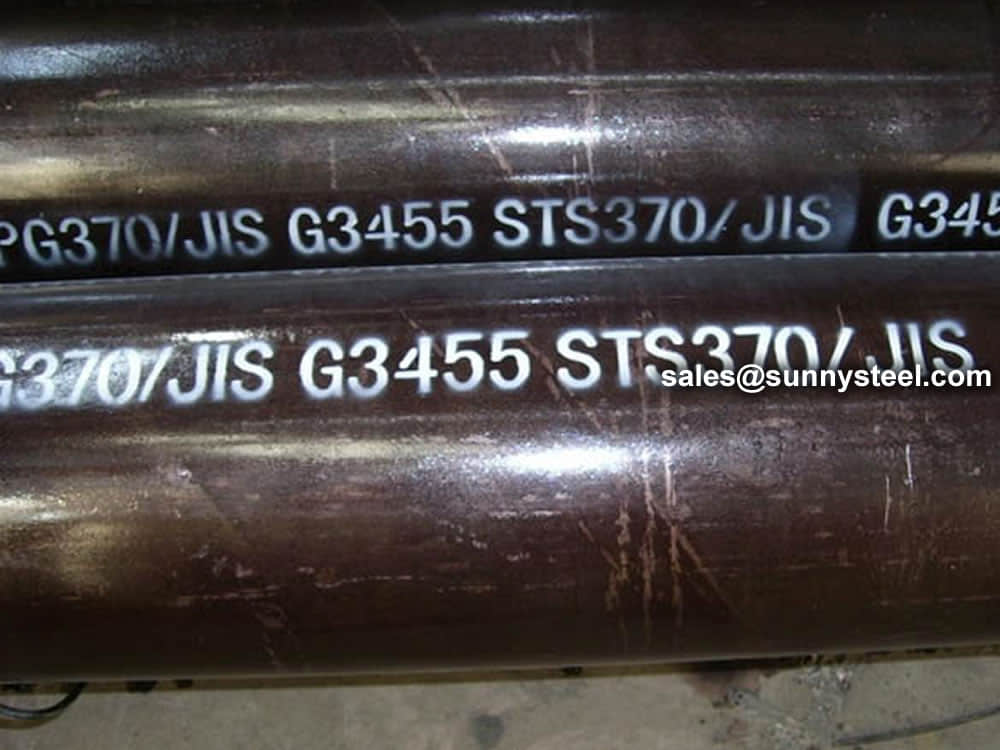
Steel grade: STS 38, STS 42, STS 49
Application: Carbon Steel Pipes for High Pressure Service
Dimension Range: 10.5-660.4 mm
Steel grade: STPT 38, STPT 42, STPT 49
Application: Carbon Steel Pipes for High Temperature Service
Dimension Range:10.5-660.4 mm
Steel grade:STPL 39, STPL 46, STPL 70
Application: Steel Pipes for Low Temperature Service
Dimension Range:10.5-660.4 mm
Steel grade: STBL 39, STBL46, STBL 70
Application: Steel Heat Exchanger Tubes for Low Temperature Service
Dimension Range: 15.9-139.8 mm
Steel grade: STM-055, STM-C65, STM-R60, STM-1170, STM-1180, STM-R85
Application: Seamless Steel Tubes for Drilling
Dimension Range: Casing: 43-142mm / Hollow Pipes: 34-180mm / Drilling:33.5-50mm
Steel grade: STF 42, STFAl2, STFA22, STFA23, 5TFA24, STFA23, STFA26
Application:Steel Tubes for Fired Heater
Dimension Range:60.5-267.4mm
JIS G3101 SS400 is one of the most commonly used hot rolled general structural steel.
SS400 is a Japanese brand of ordinary steel products
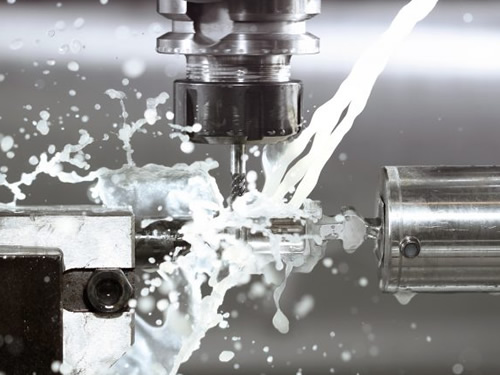
With years of expertise, we provide a wide range of steel tube processing services. From basic sawing and machining to complex bending and upsetting operations, we support you at every stage of your project.
Our capabilities include eccentricity reduction and concentricity improvement through turning and grinding. We specialize in creating complex geometries using rotary swaging and axial forming, and offer property modifications through partial heat treatment to meet your exact requirements.
A range to meet your needs
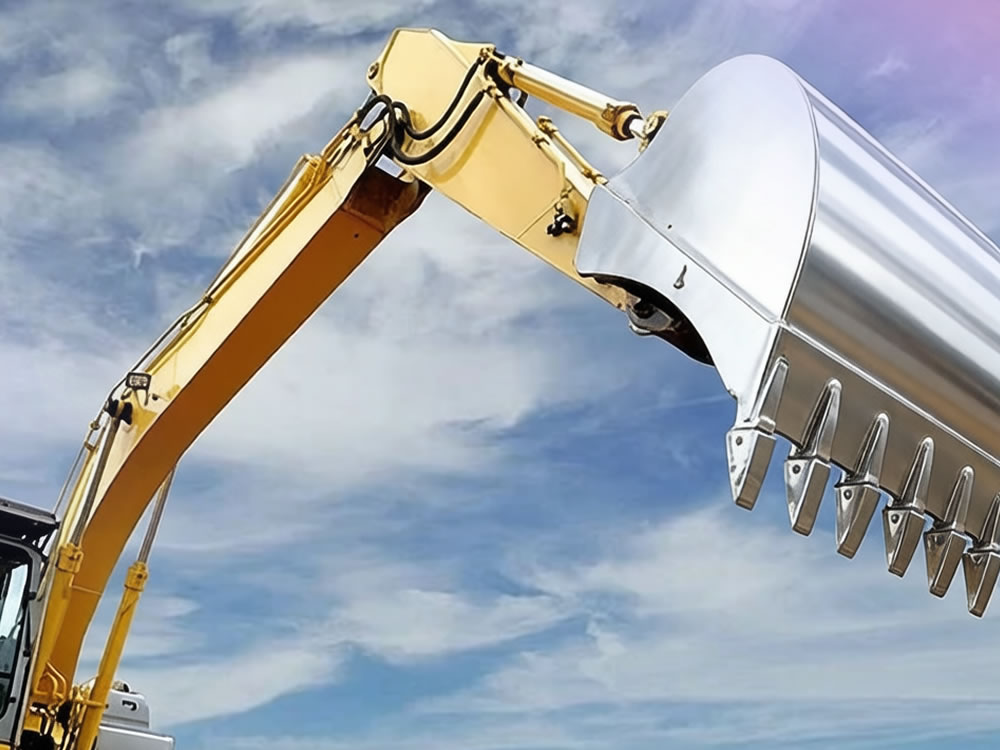
High-quality steel solutions for diverse mechanical engineering applications – reliable, precise, and built for performance.
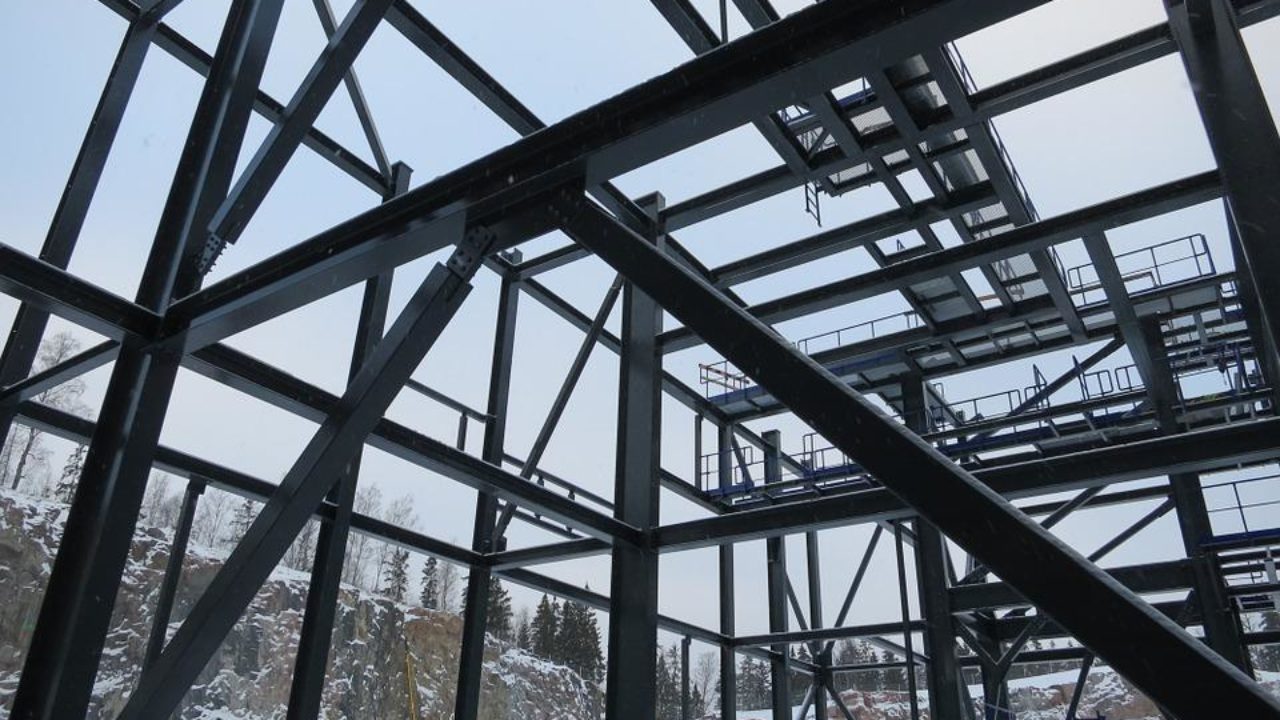
Premium steel products for demanding construction projects – from bridges to offshore structures, built to last.
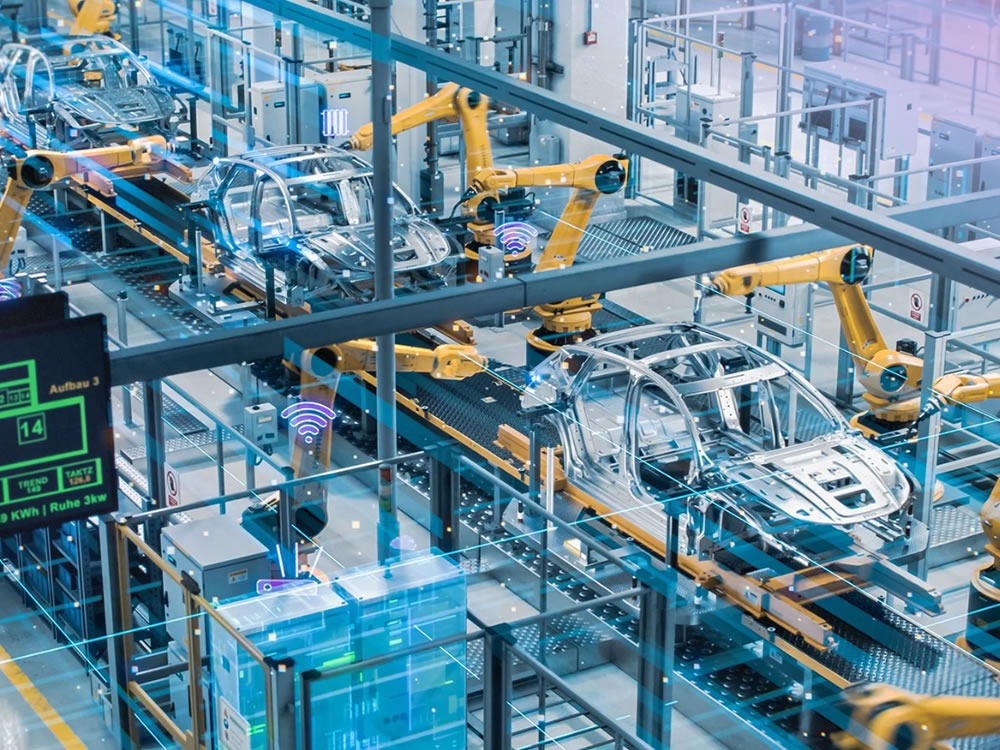
Versatile components for the automotive industry – precision, quality, and processing expertise for every application.
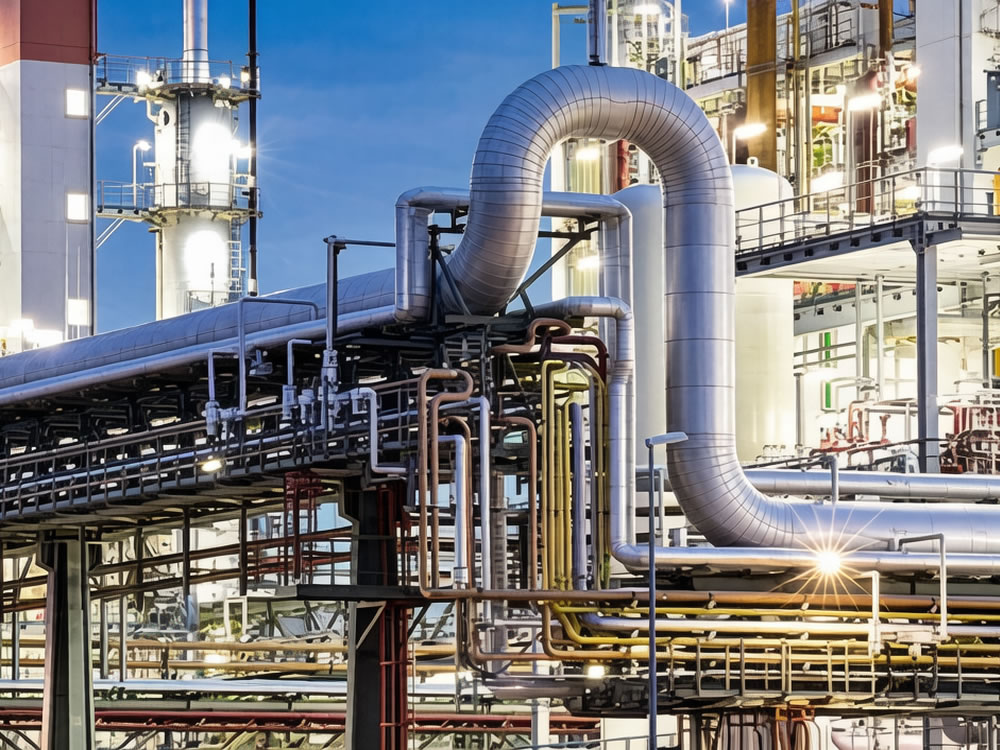
Robust tubes for plant engineering and energy systems – designed for extreme conditions and long-term efficiency.
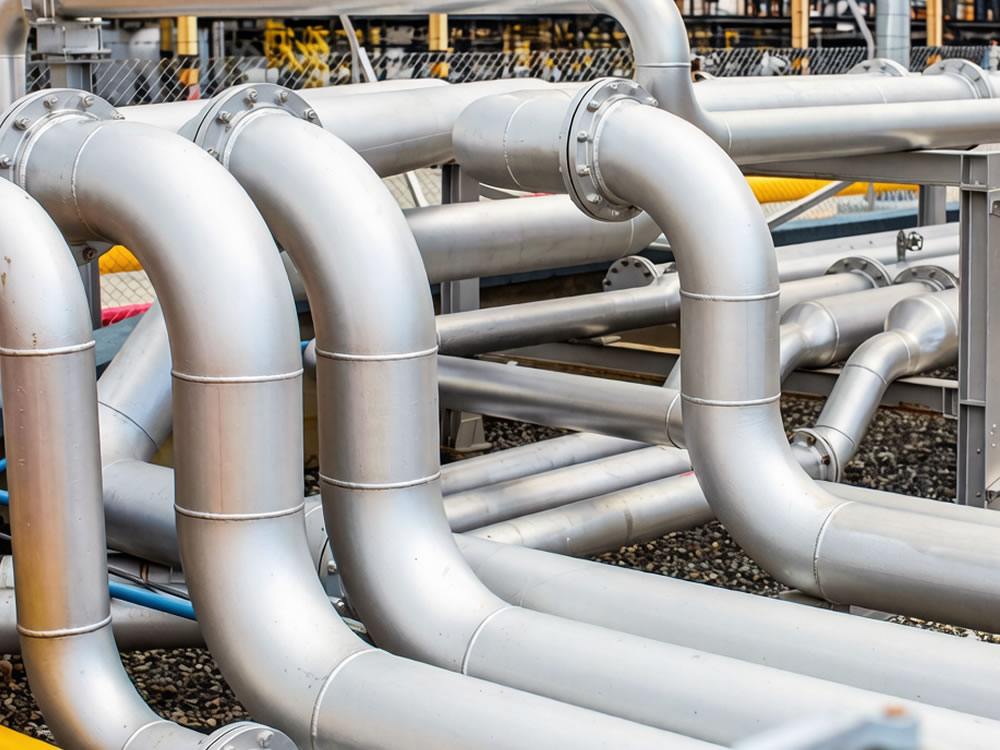
Versatile solutions for modern infrastructure – supporting reliable supply networks and large-scale construction projects.
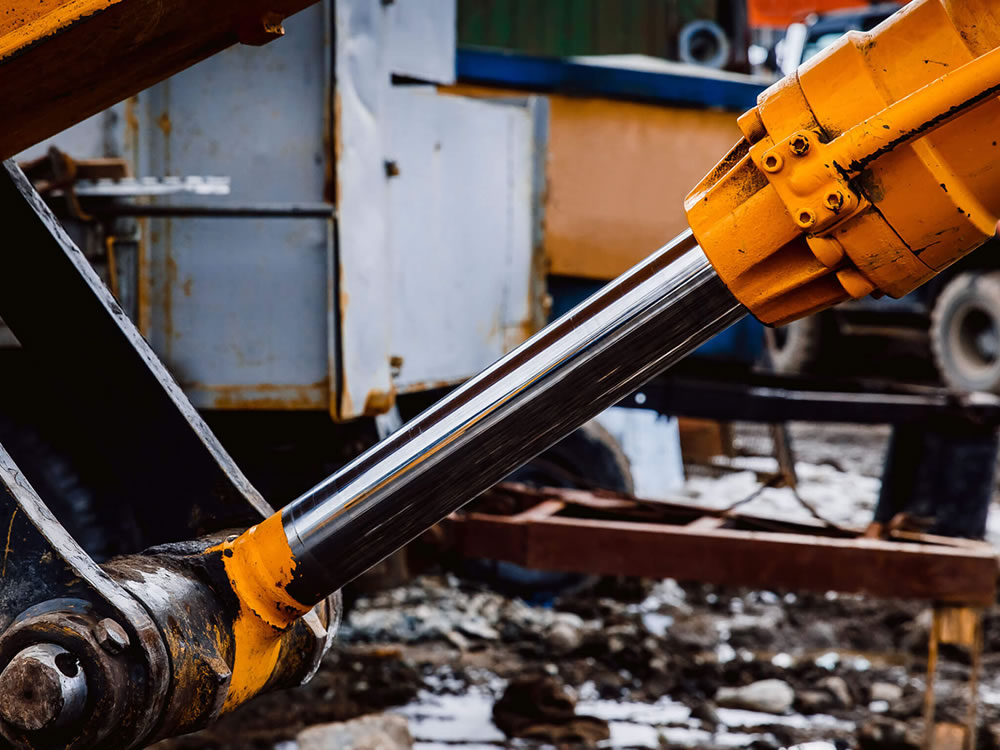
Versatile solutions for hydraulic systems – durable, pressure-resistant, and engineered for maximum reliability.
| Condition | Typical Application |
|---|---|
| High Temperature | Boilers, superheaters, steam headers |
| Low Temperature | Cryogenic processing systems |
| High Pressure | Power & process piping |
| Corrosive Media | Chemical & petrochemical plants |
| Creep Service | Thermal power stations |
| Product | Specification |
|---|---|
| Seamless Pipes | ASTM A335 P1 / P5 / P9 / P11 / P22 / P91 |
| Butt Weld Fittings | ASTM A234 WP1 / WP5 / WP9 / WP11 / WP22 / WP91 |
| Forged Fittings & Flanges | ASTM A182 F1 / F5 / F9 / F11 / F22 / F91 |
Sunny Steel supplies alloy steel piping systems worldwide, supporting projects that demand certified materials, full traceability and long-term operational reliability.
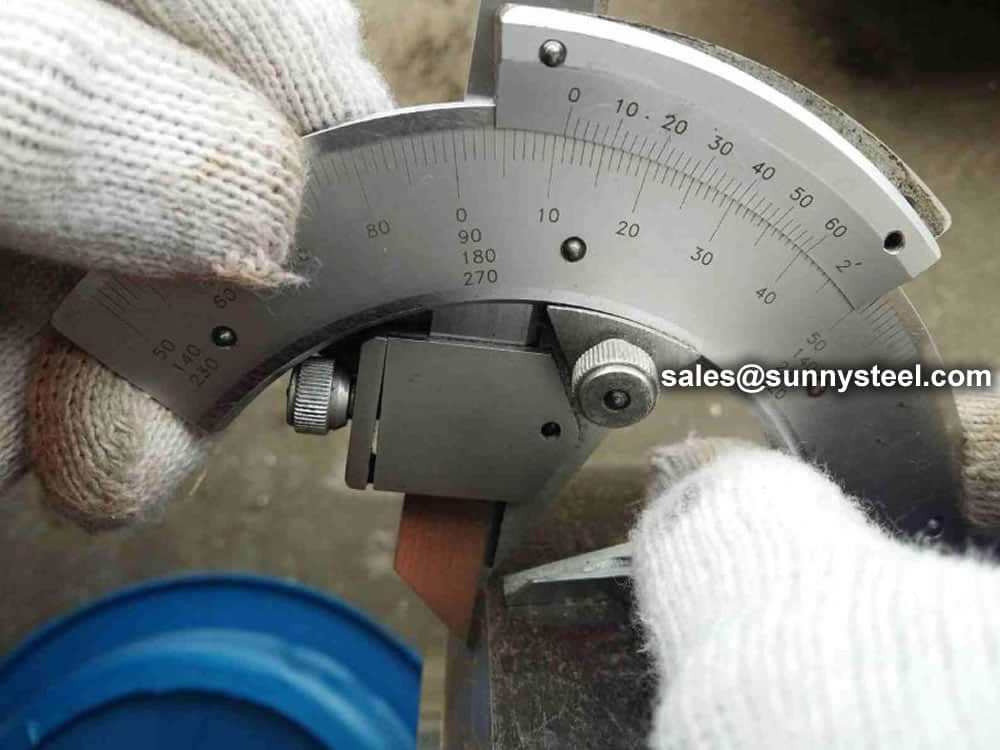
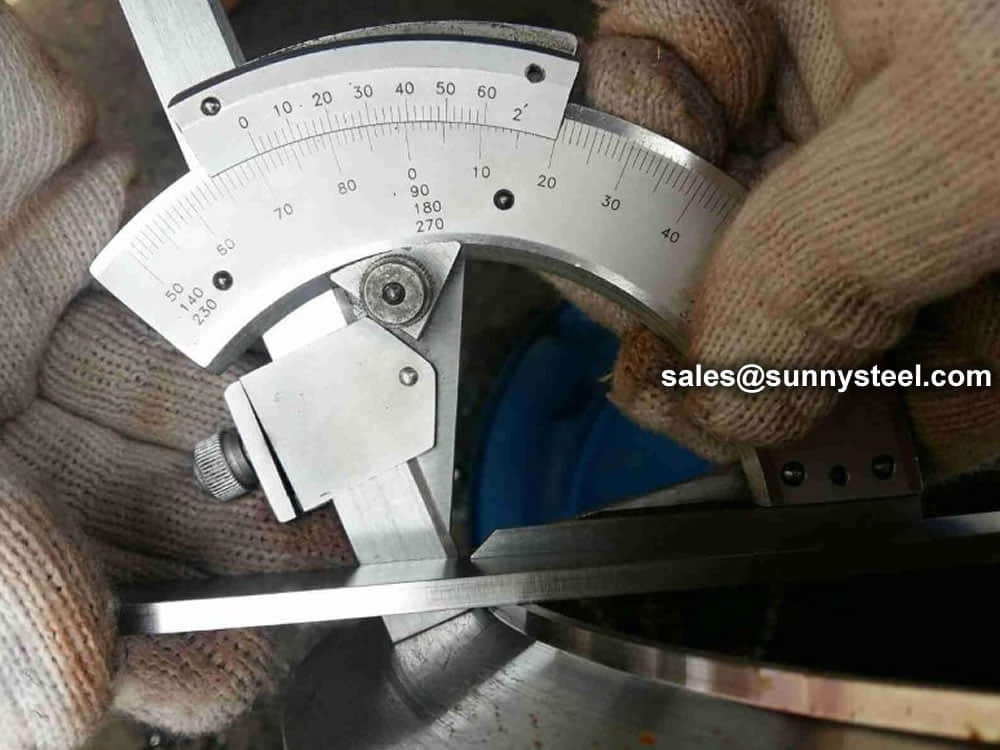
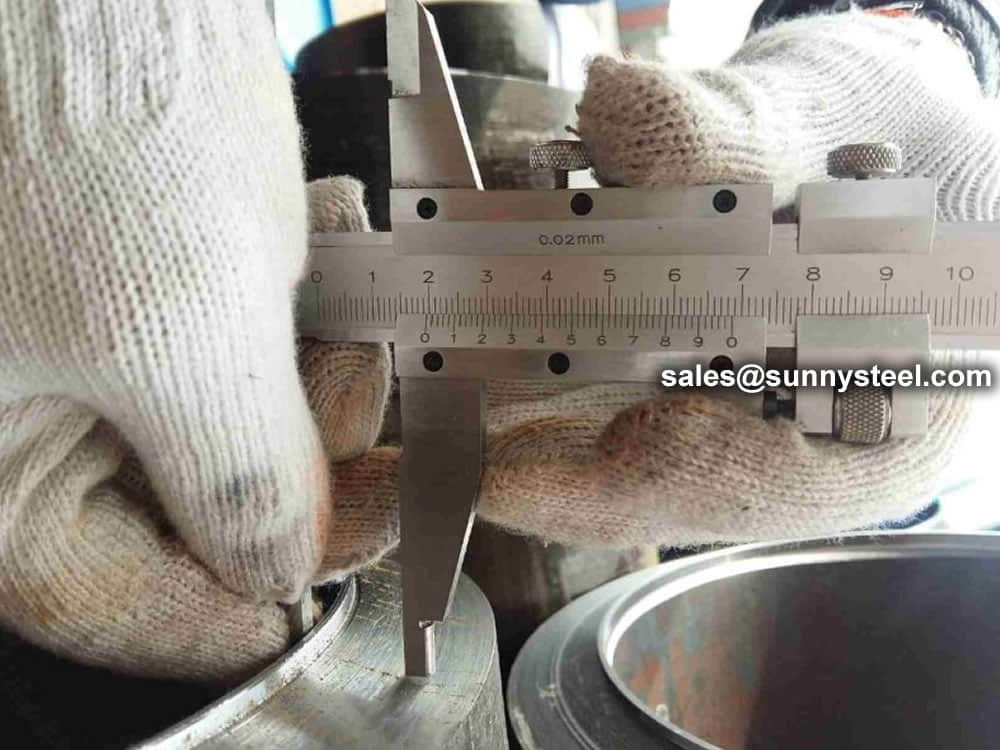
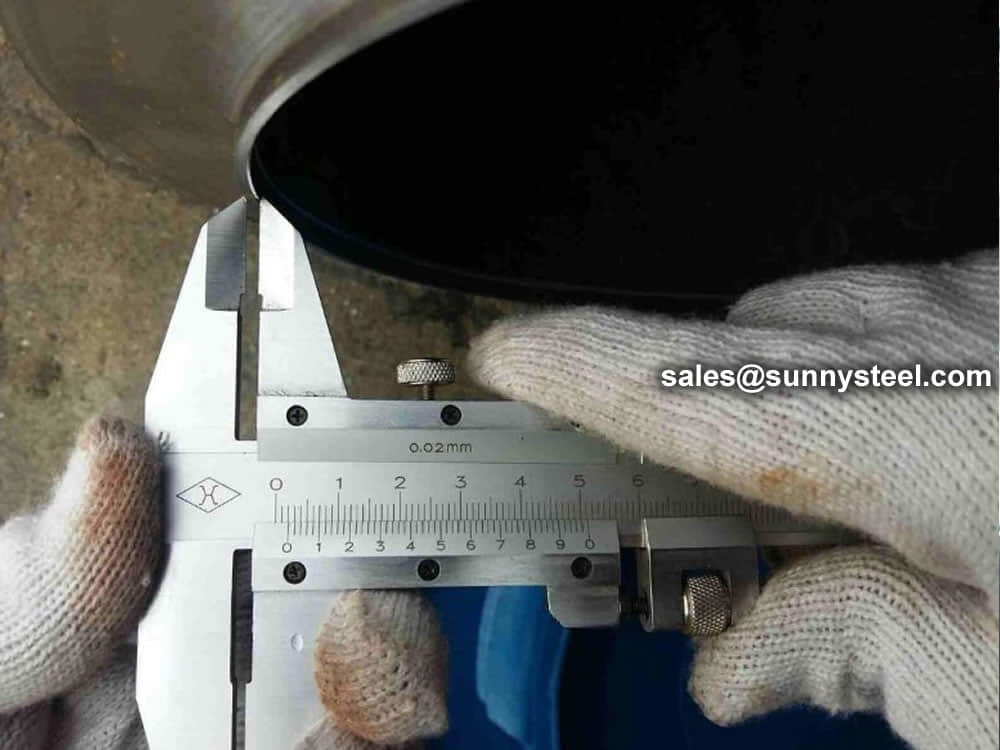
Chemical composition inspection, mechanical properties test(tensile strength,yield strength, elongation, flaring, flattening, bending, hardness, impact test), surface and dimension test, non-destructive test, hydrostatic test.
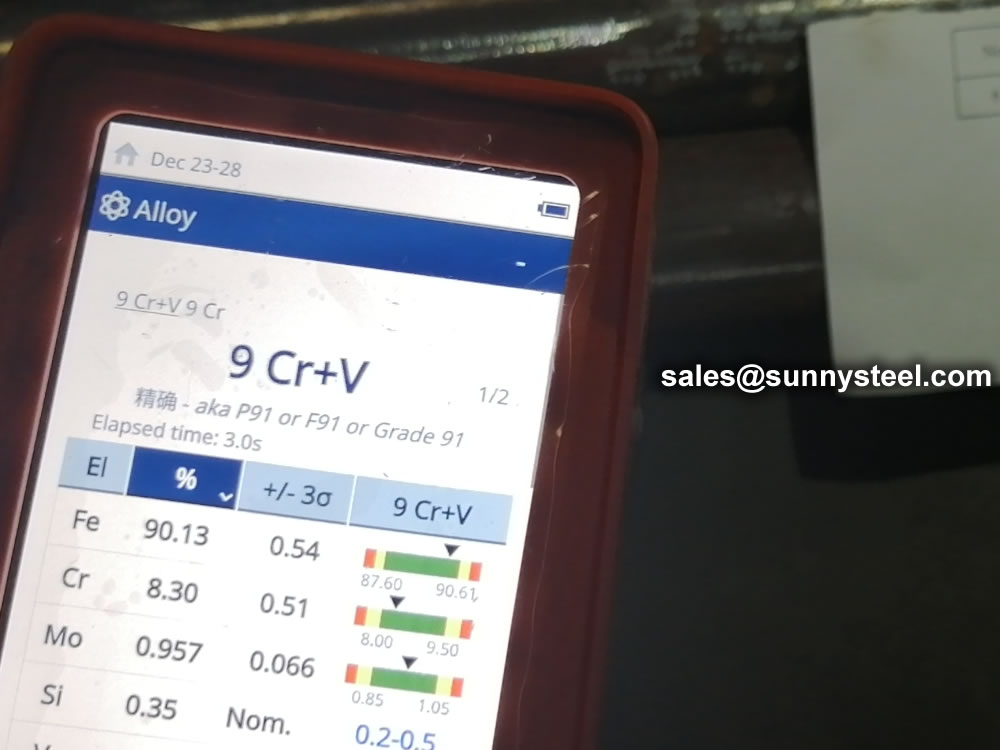
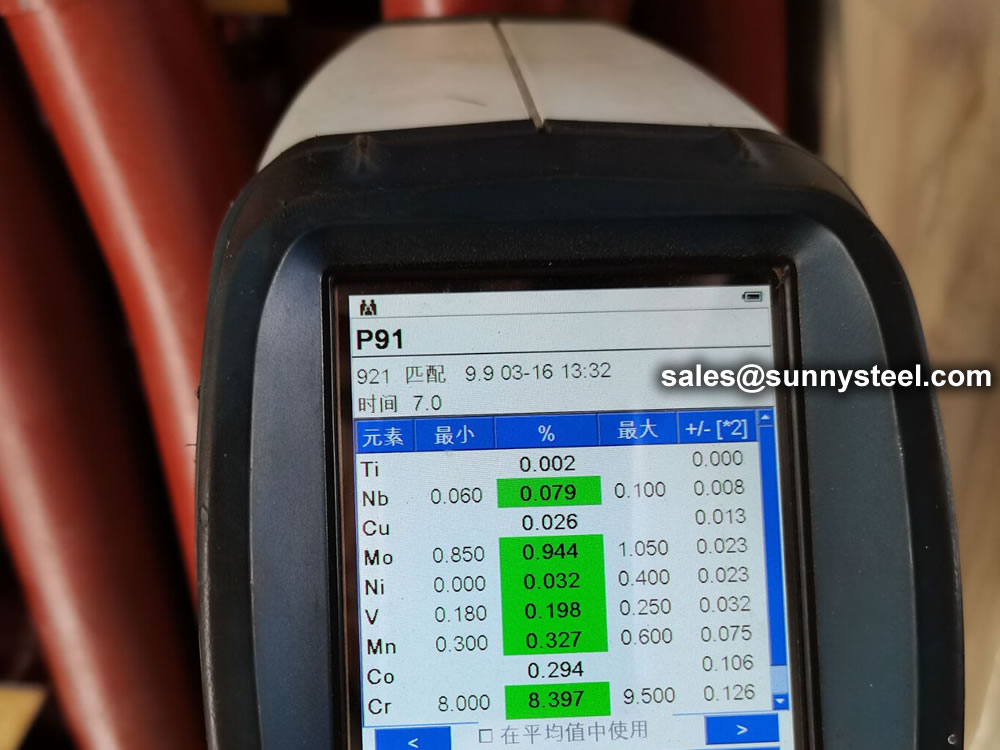
Identification of the chemical composition of the metal used to manufacture the fitting. Uses PMI sensors, including X-ray fluorescence or optical emission spectrometry.
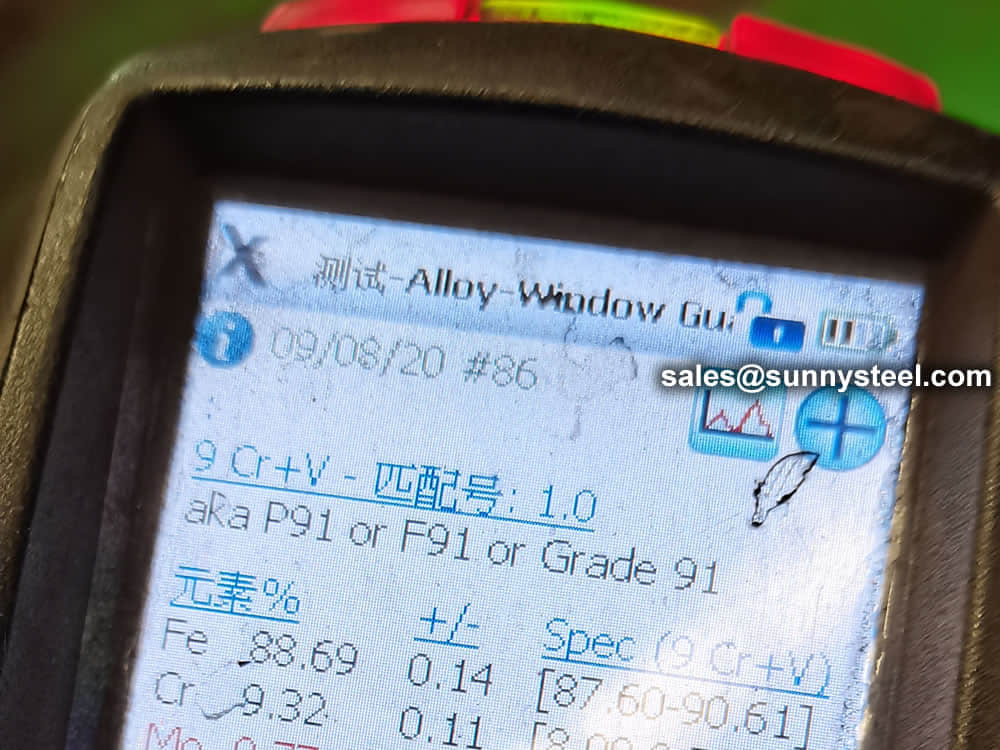
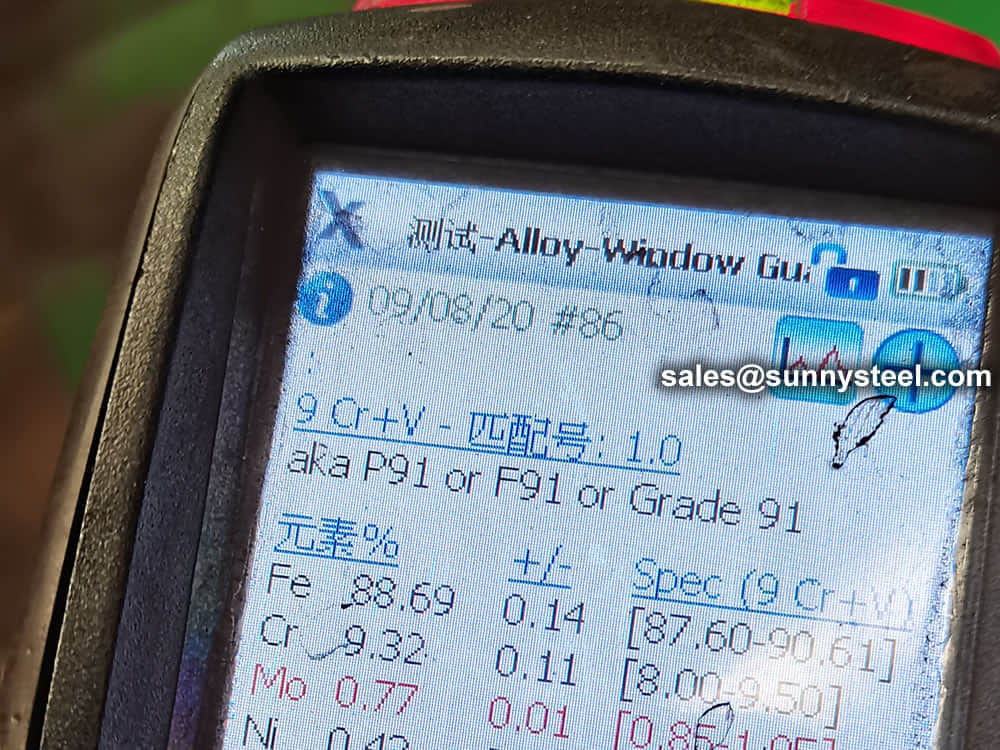
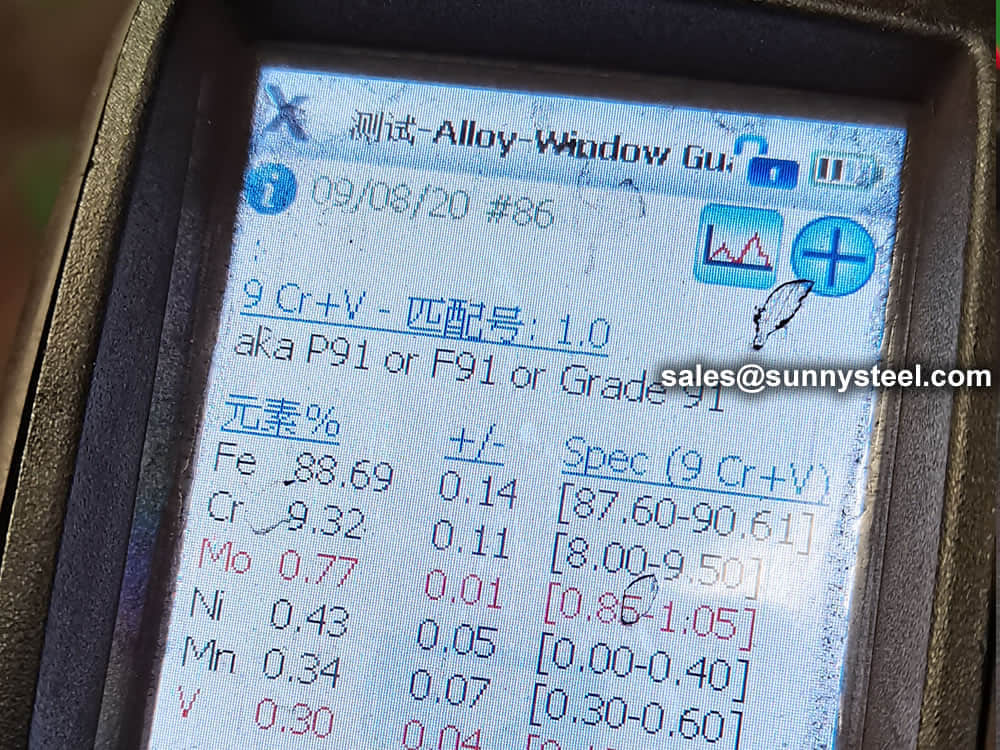
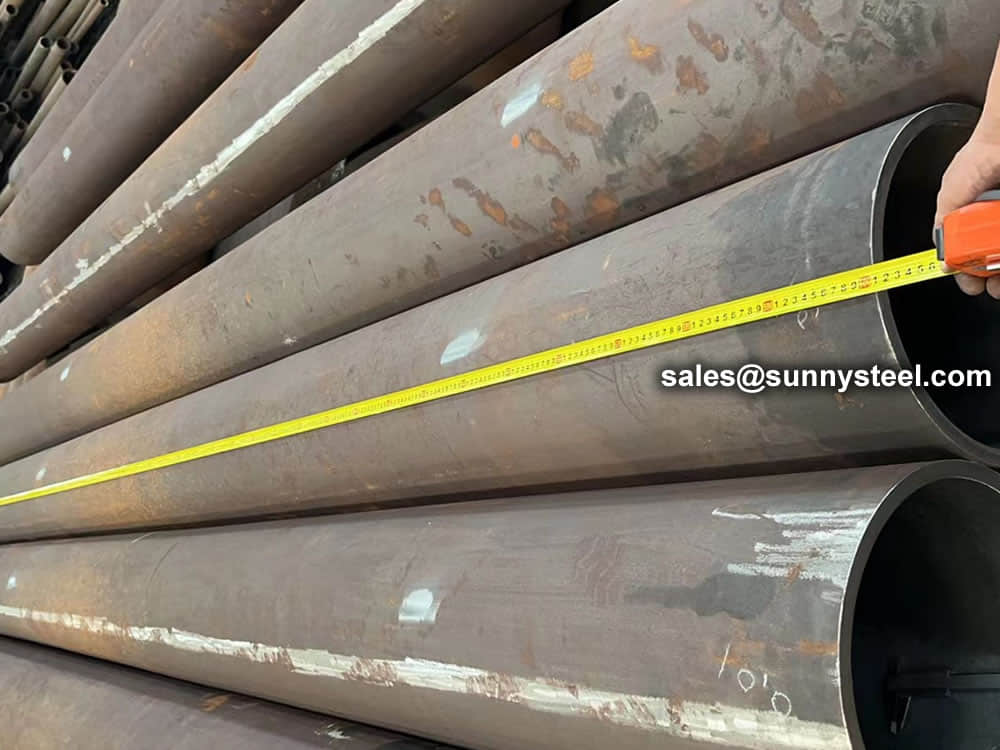
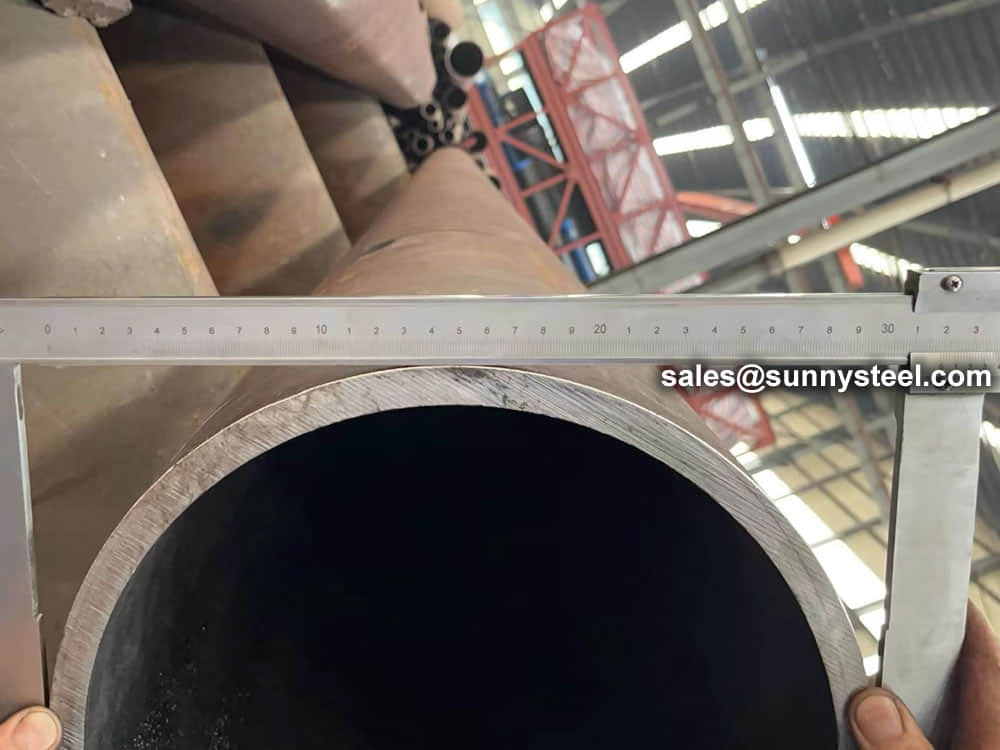
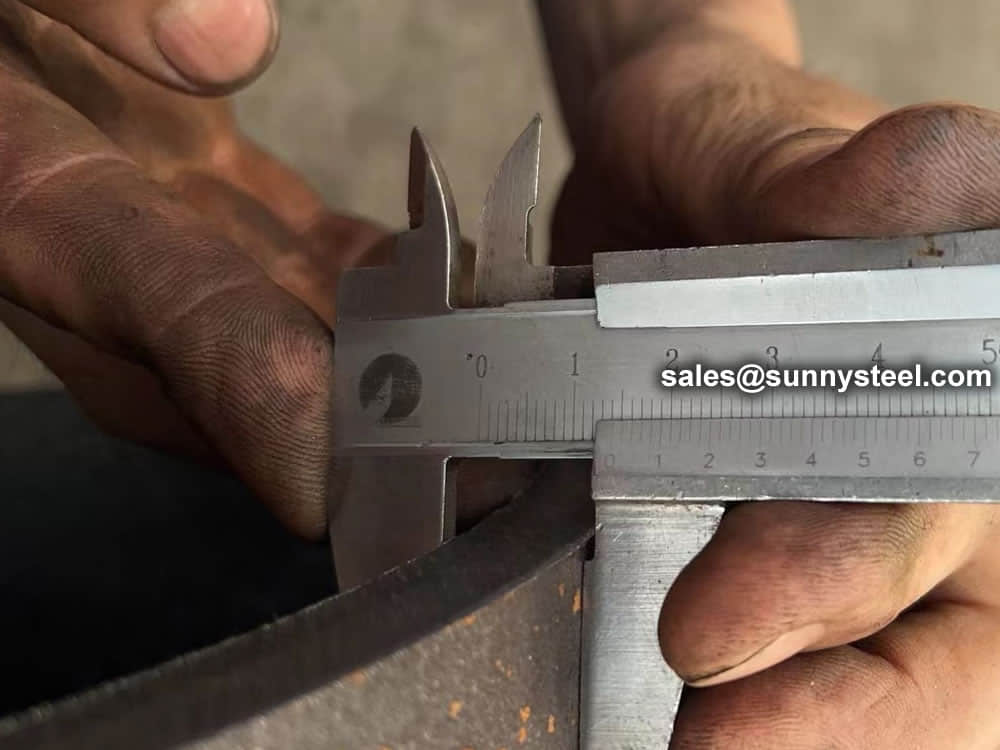
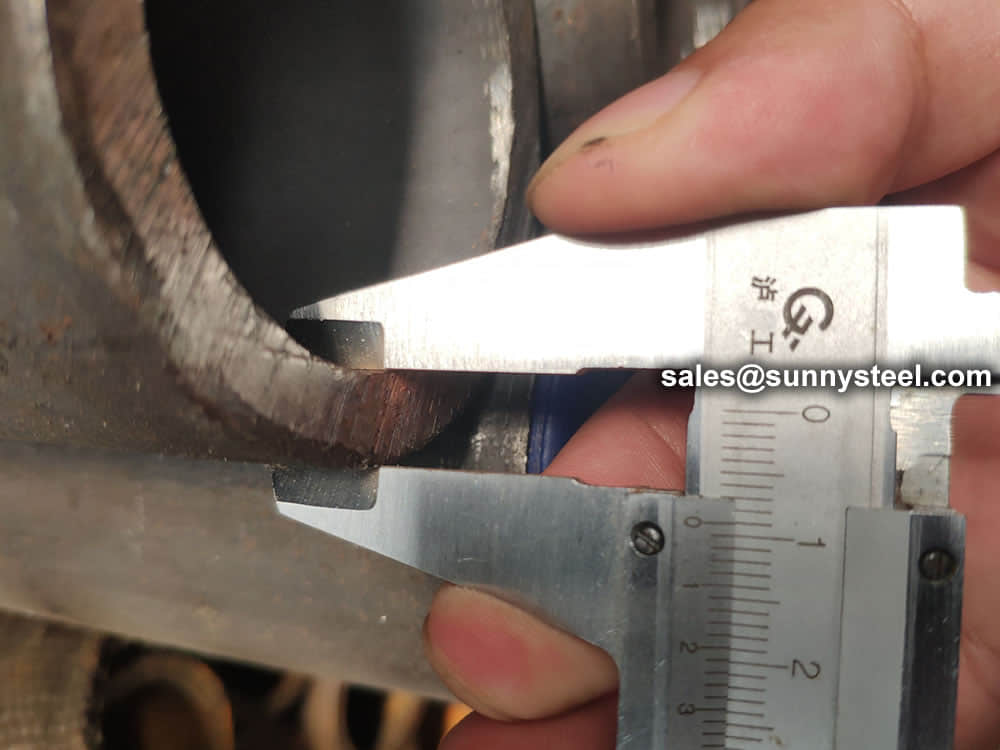
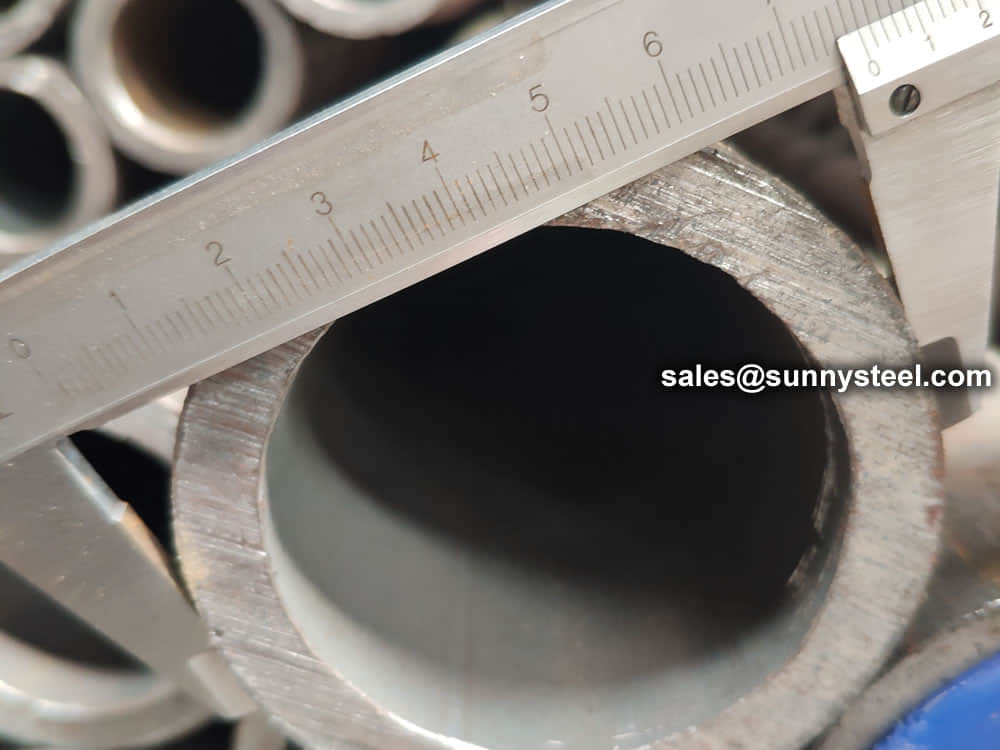
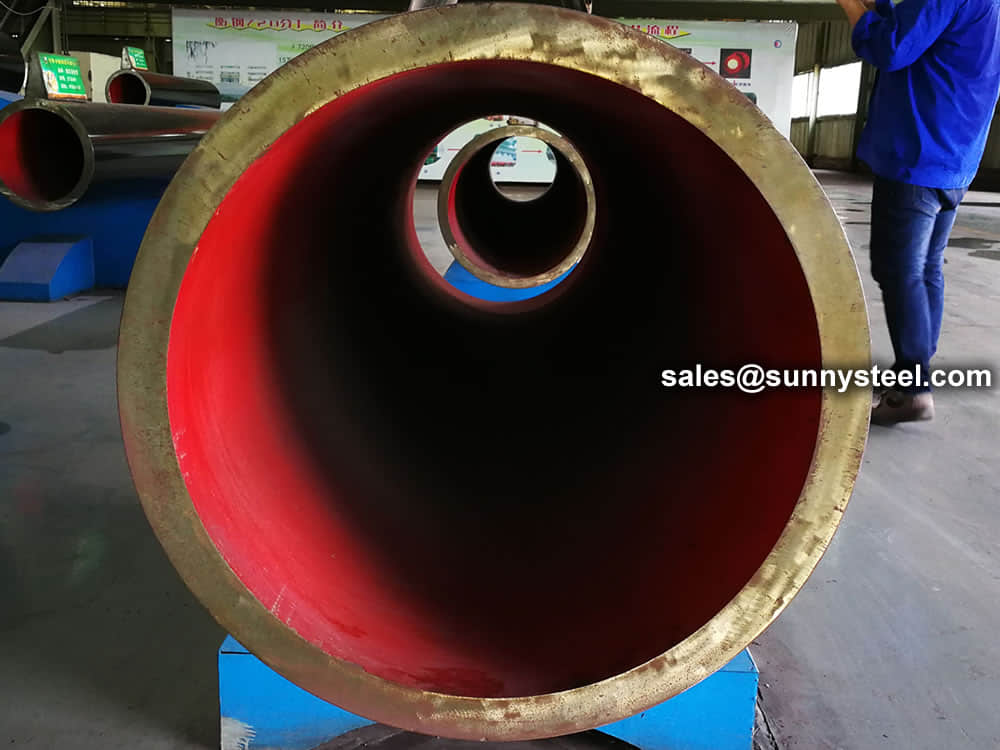
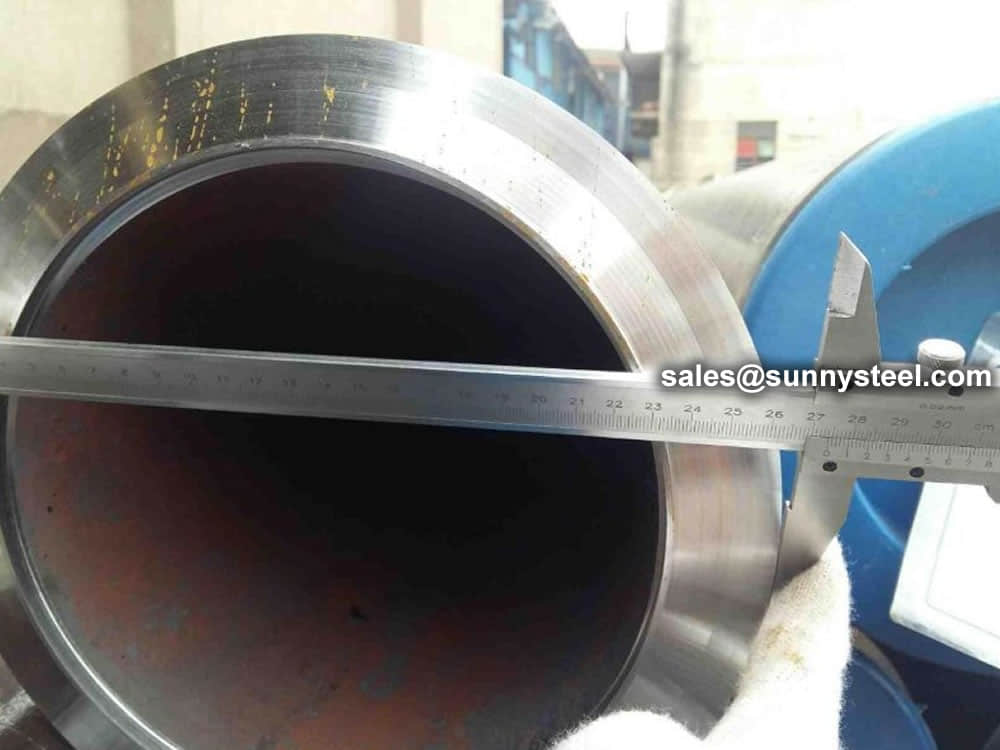
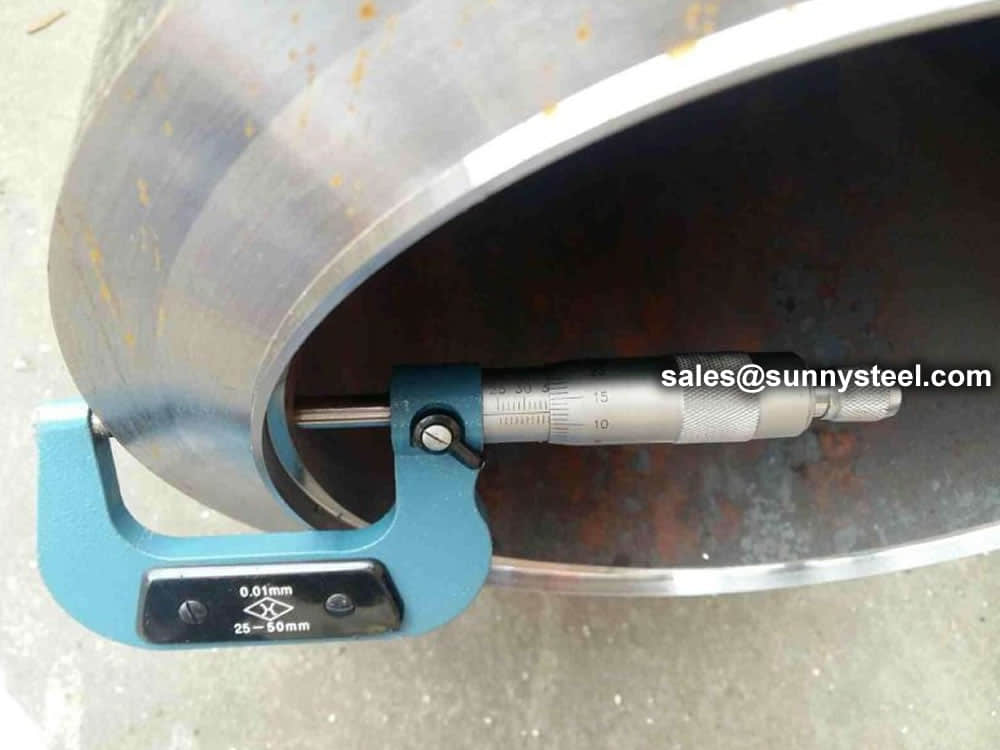
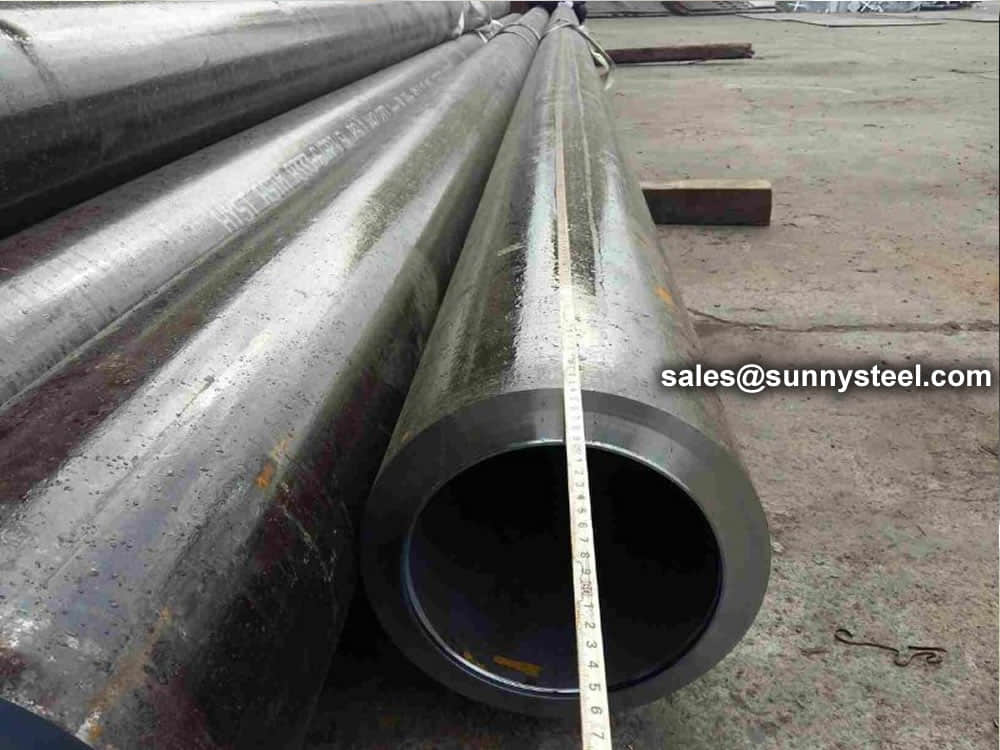
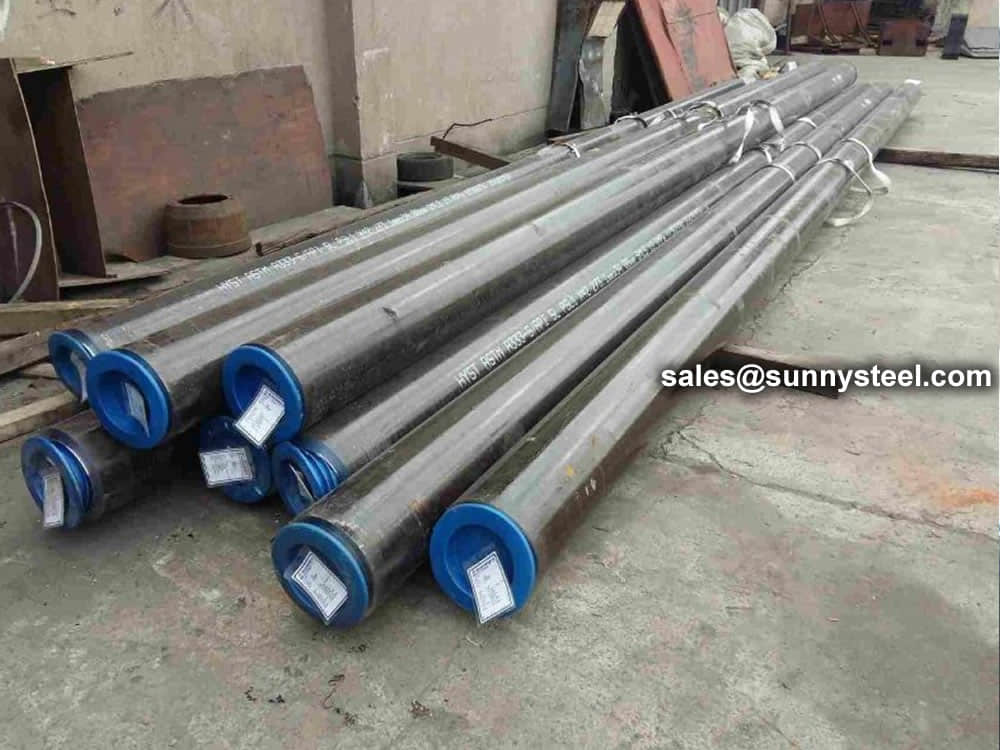
Steel pipe delivery status(condition): cold / hard (BK), cold / soft (BKW), after cold stress relief annealing (BKS), annealing (GBK), normalized (NBK).
| Term | Symbol | Explanation |
|---|---|---|
| Cold-finished/hard (cold-finished as-drawn) | BK | No heat treatment after the last cold-forming process. The tubes therefore have only low deformability. |
| Cold-finished/soft (lightly cold-worked) | BKW | After the last heat treatment there is a light finishing pass (cold drawing). With proper subsequent processing, the tube can be cold-formed (e.g. bent, expanded) within certain limits. |
| Annealed | GBK | After the final cold-forming process the tubes are annealed in a controlled atmosphere or under vacuum. |
| Normalized | NBK | The tubes are annealed above the upper transformation point in a controlled atmosphere or under vacuum. |
The general cold strip mills, volume should go through continuous annealing (CAPL unit) to eliminate cold hardening and rolling stress, or batch annealing reach the mechanical properties of the corresponding standard specifies. Cold rolled steel surface quality, appearance, dimensional accuracy better than hot-rolled plate, and right-rolled thin product thickness is about 0.18mm, so the majority of users favor.
Cold rolled steel coil substrate products deep processing of high value-added products. Such as electro-galvanized, hot dip galvanized, electro-galvanized fingerprint resistant, painted steel roll damping composite steel, PVC laminating steel plates, etc., so that the excellent quality of these products has a beautiful, high resistance to corrosion, has been widely used.
Cold rolled steel coil finishing after annealing, cut the head, tail, trimming, flattening, smooth, heavy volume, or longitudinal clipboard. Cold-rolled products are widely used in automobile manufacturing, household electrical appliances, instruments, switches, buildings, office furniture and other industries. Steel plate strapping package weight of 3 to 5 tons. Flat sub-volume typically 3 to 10 tons / volume. Coil diameter 6m.
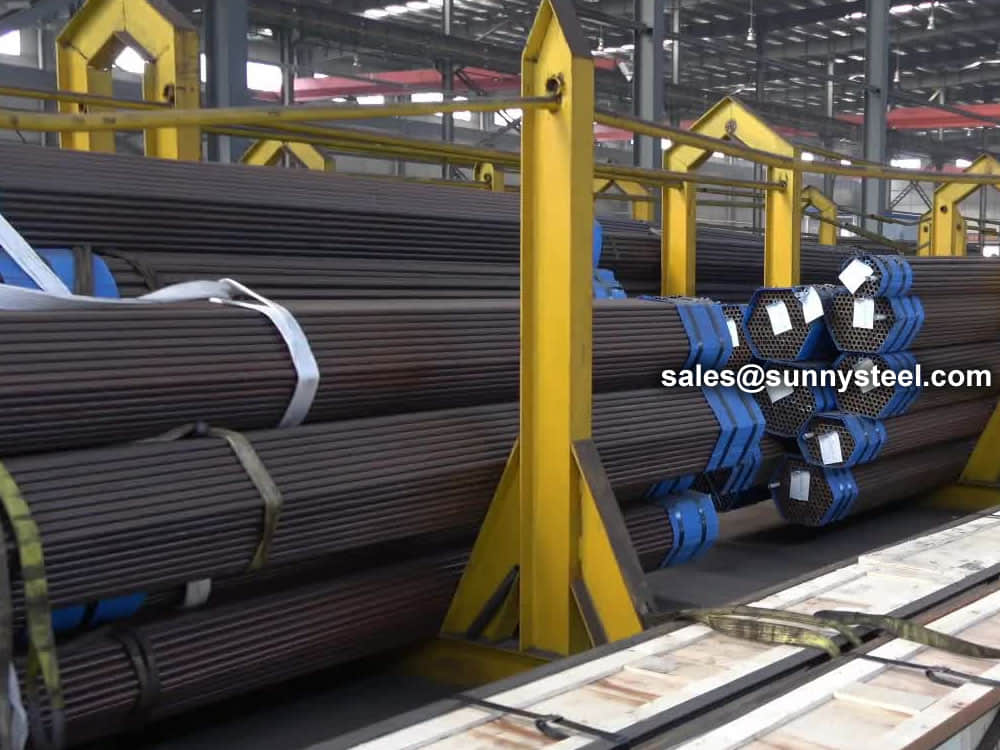
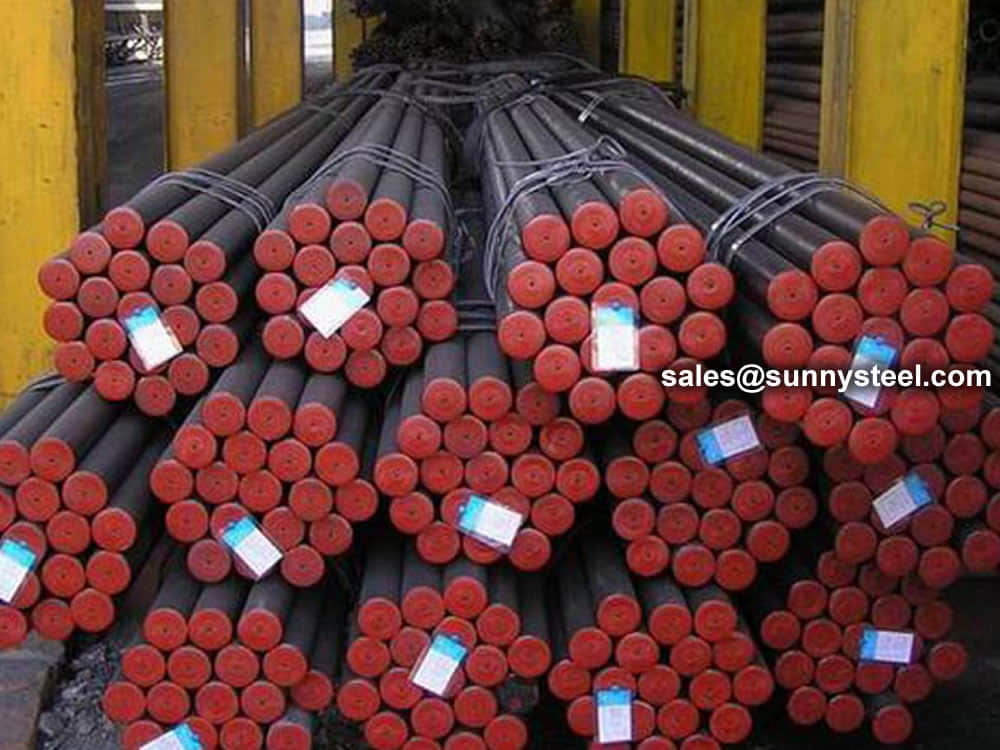
Bare packing/bundle packing/crate packing/wooden protection at the both sides of tubes and suitably protected for seaworthy delivery or as requested.
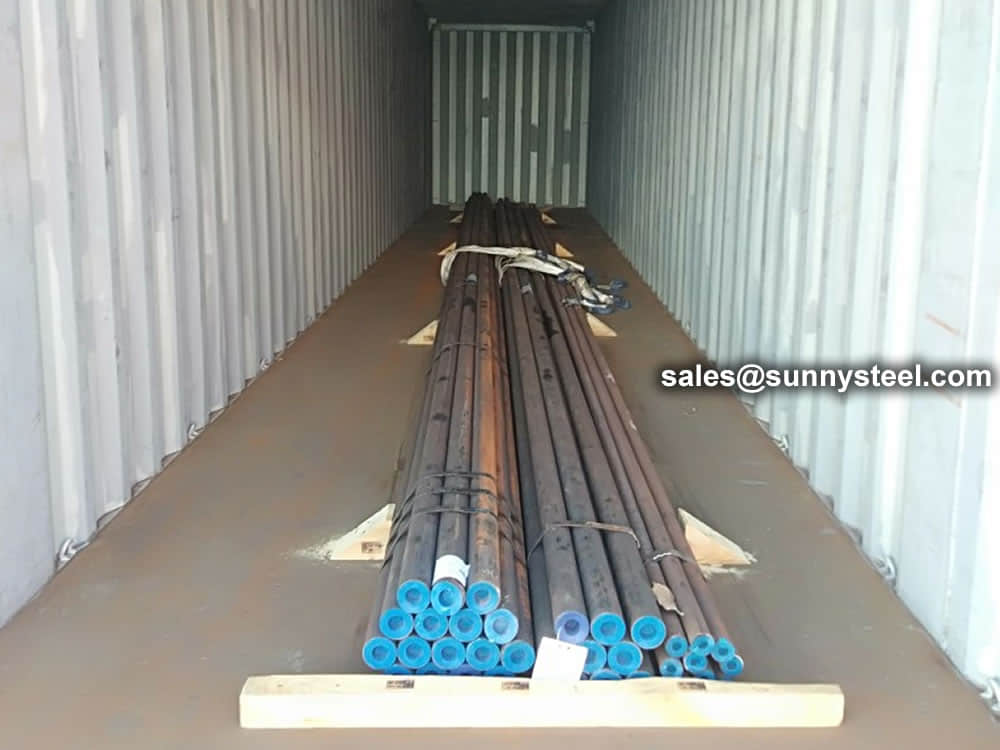
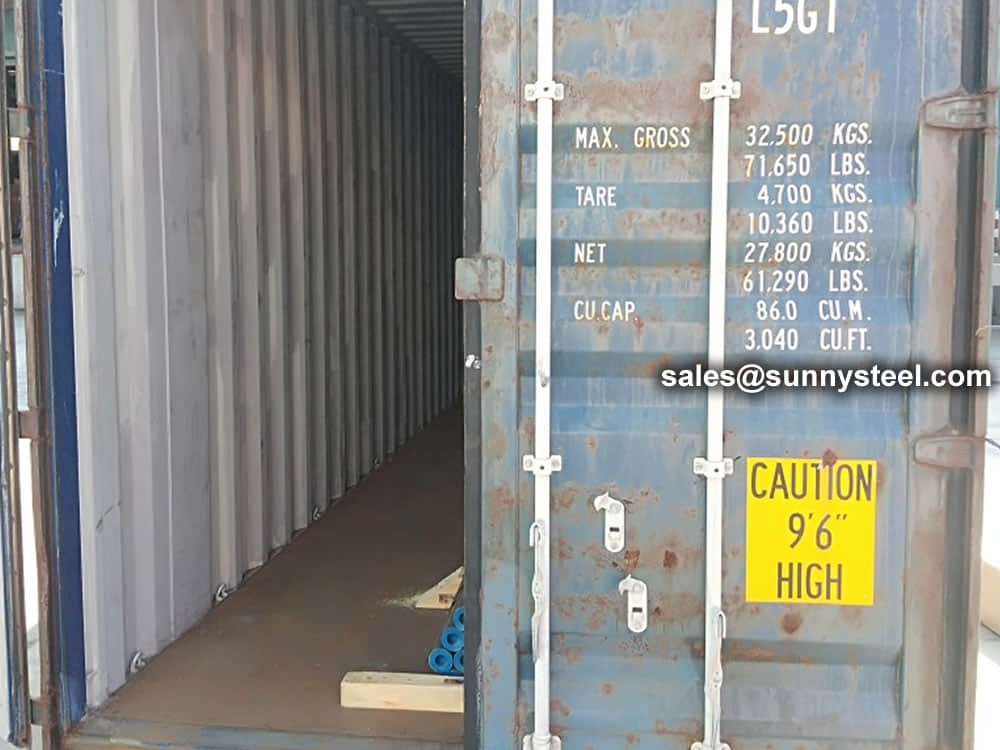
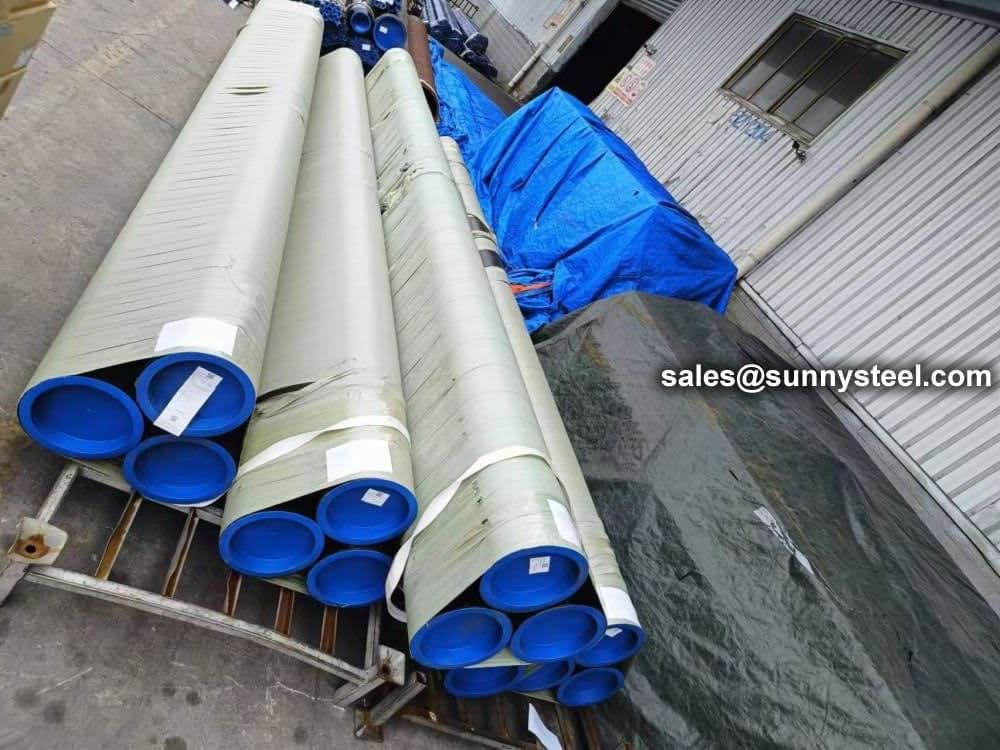
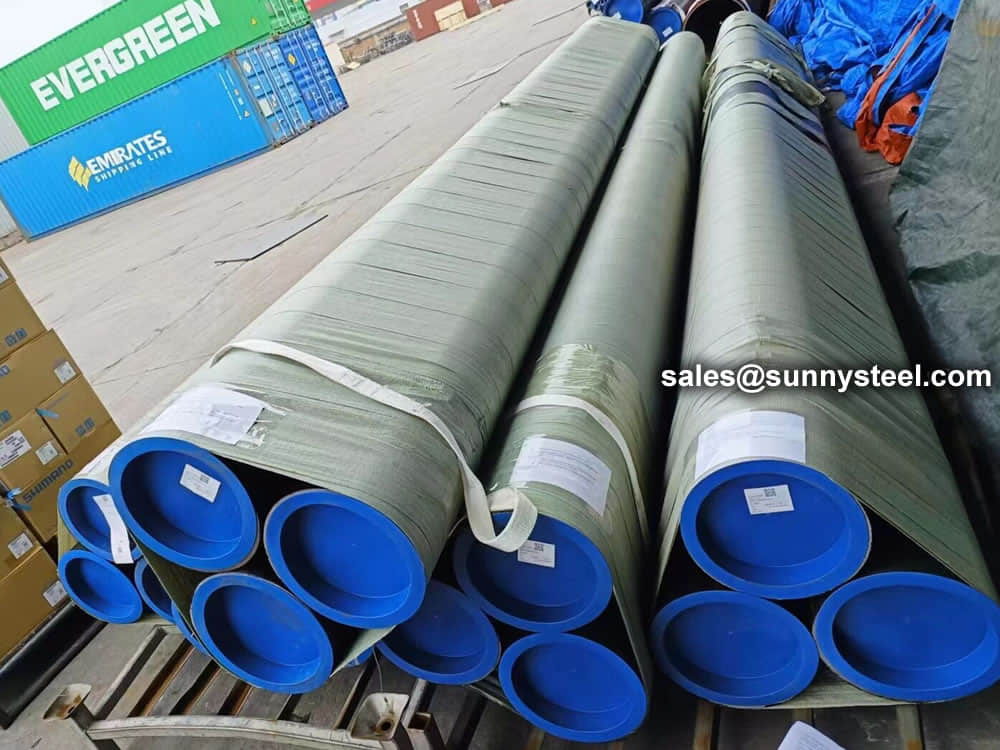
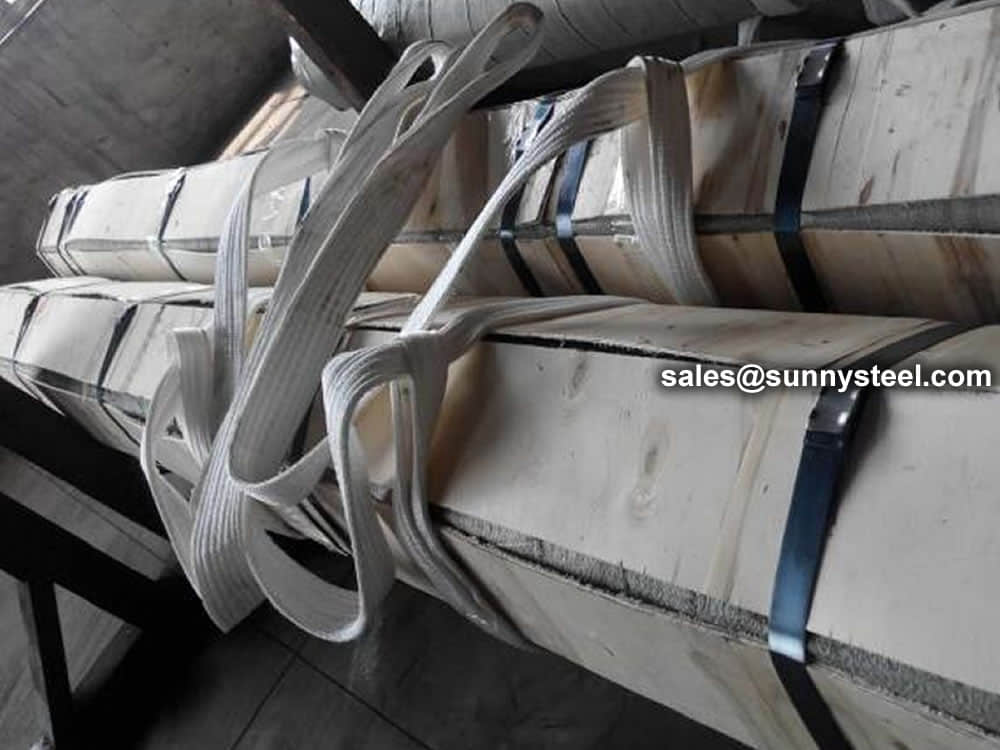
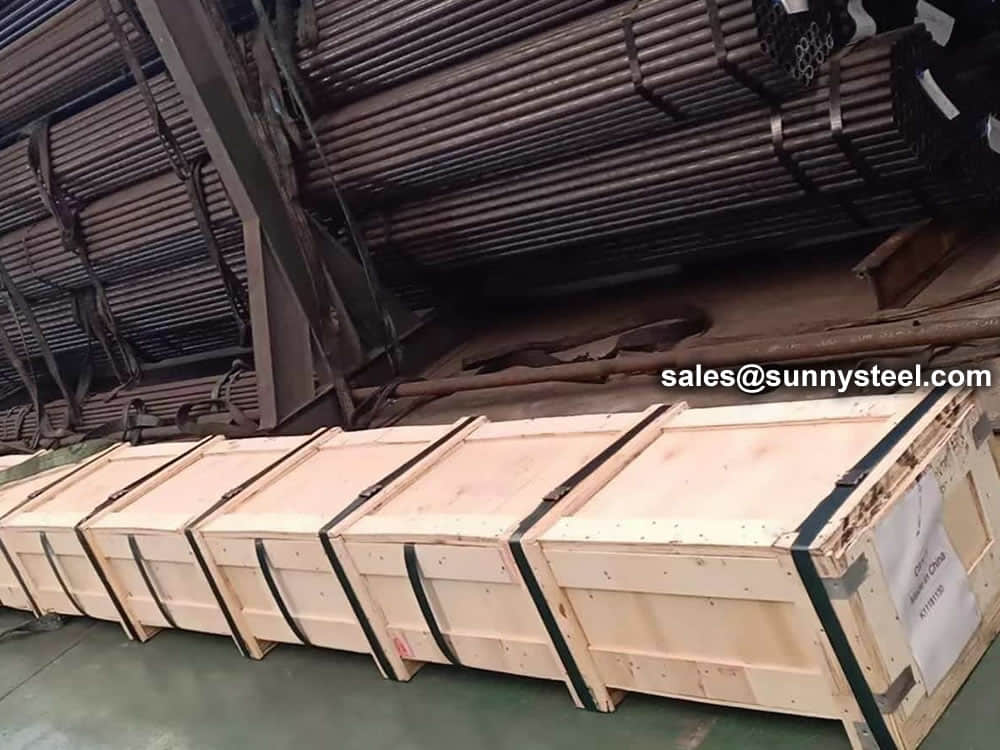
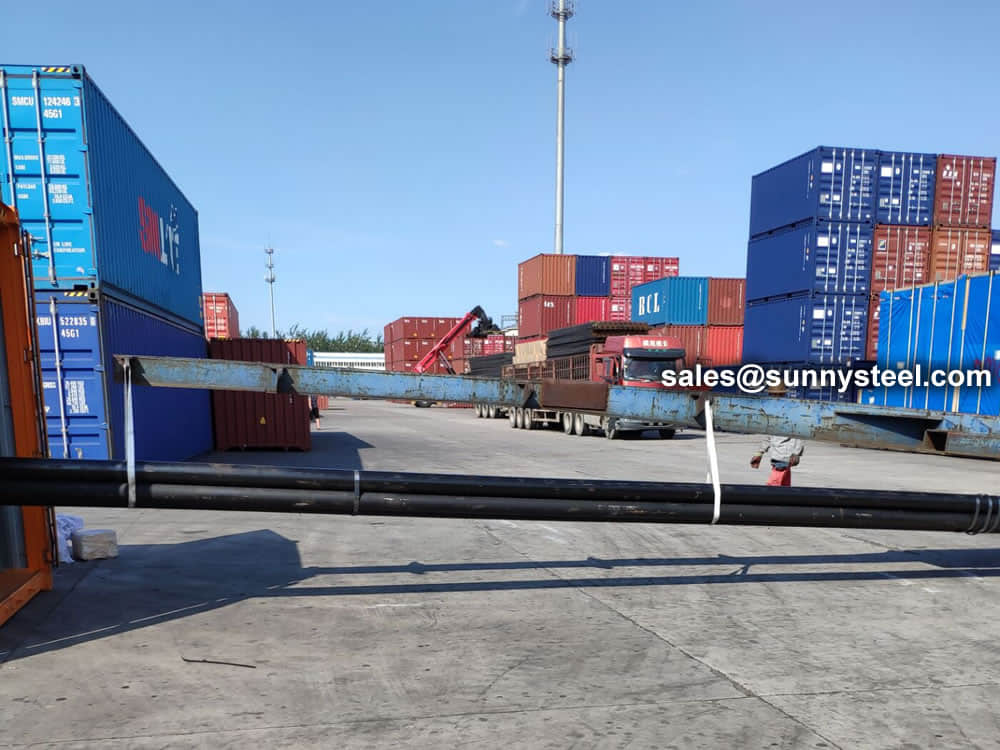
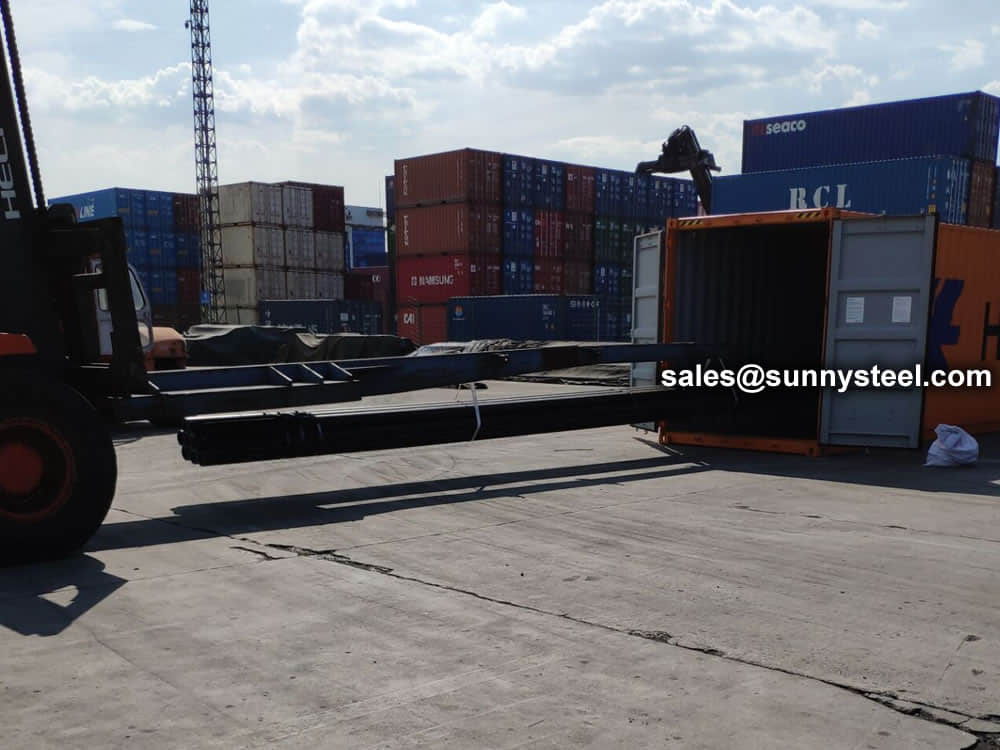
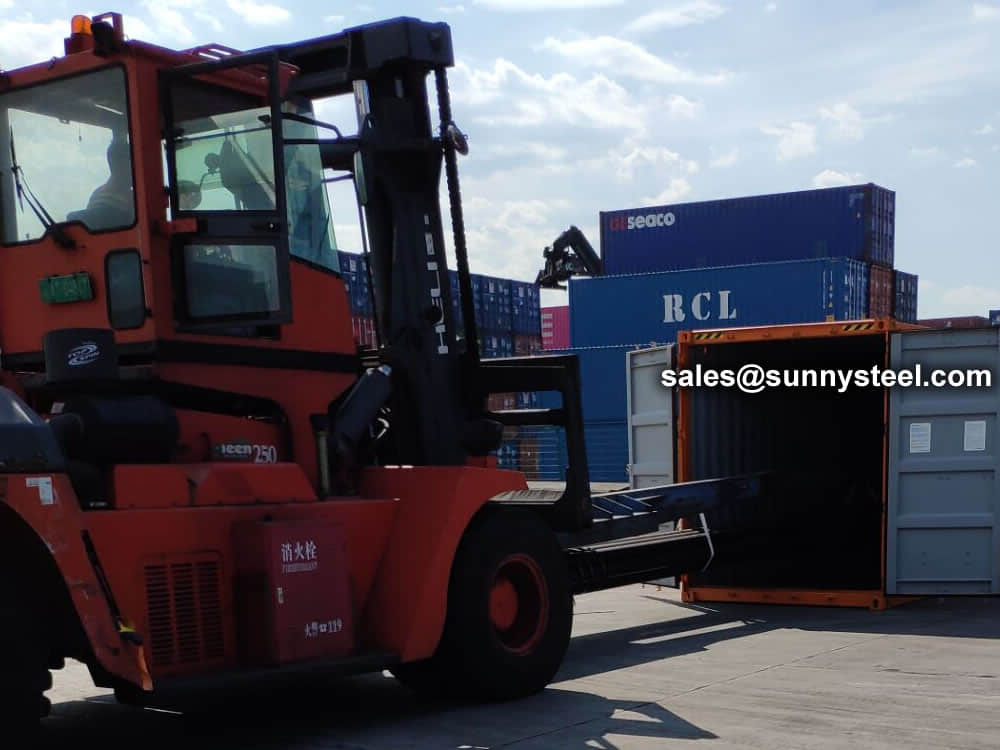
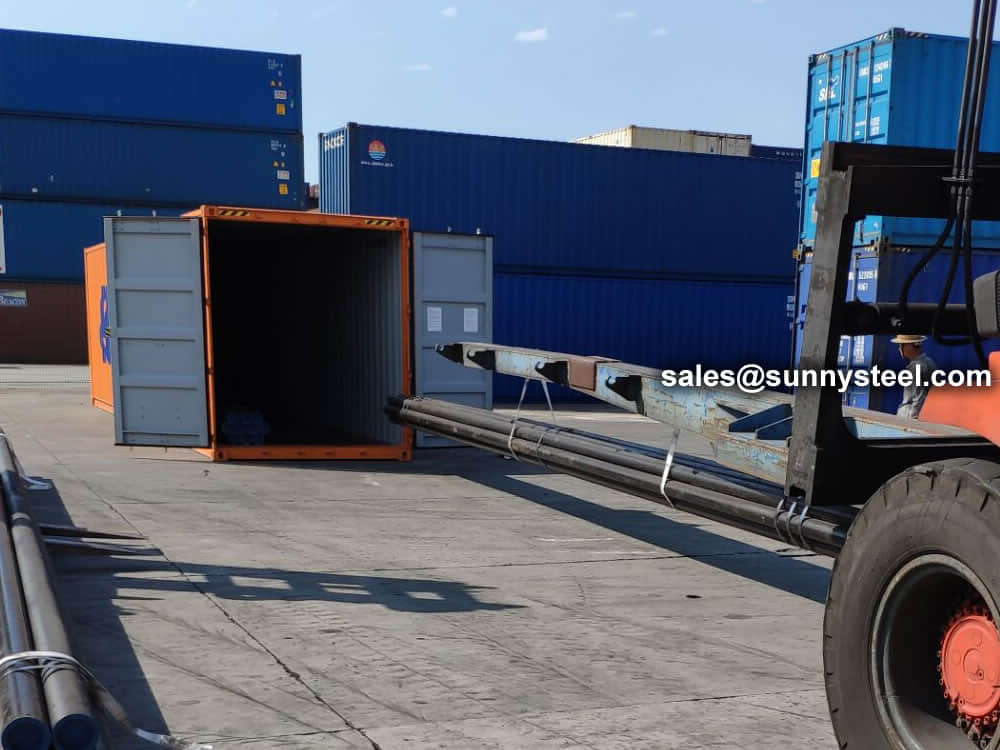
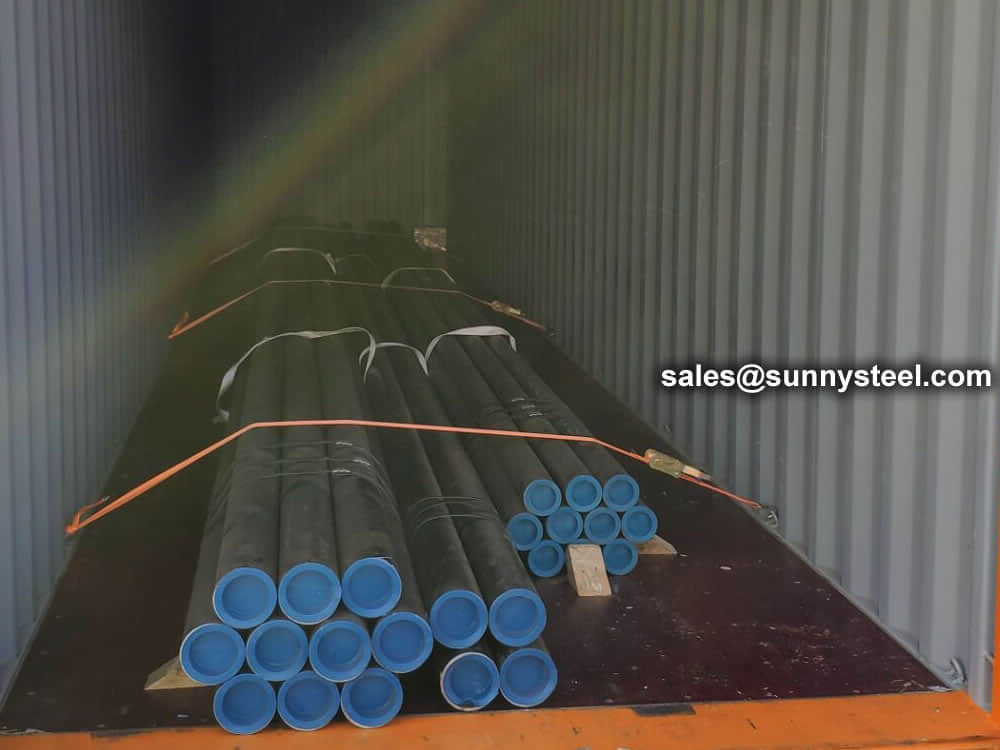
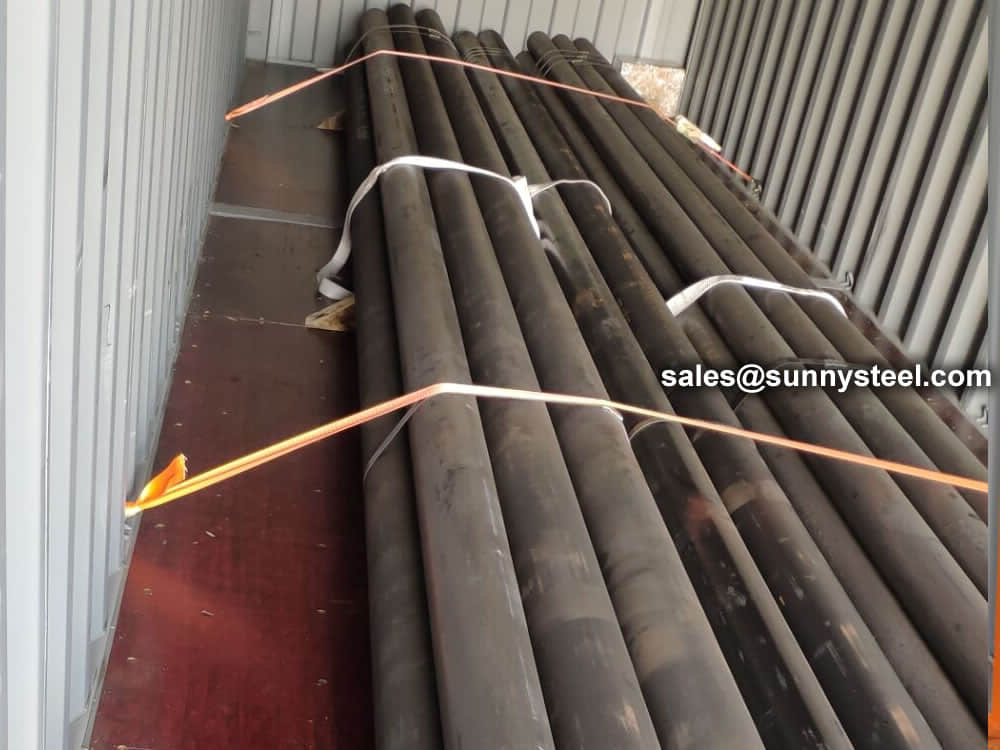
There are probably hundreds of different methods for packing a pipe, and most of them have merit, but there are two principles that are vital for any method to work: prevent rusting and sea transportation security.
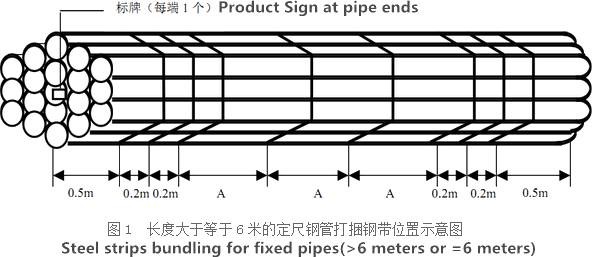
Our packing can meet any needs of the customers.

Commonly used alloying elements and their effects are listed in the table given below.
| Alloying Elements | Effect on the Properties |
|---|---|
| Chromium | Increases Resistance to corrosion and oxidation. Increases hardenability and wear resistance. Increases high temperature strength. |
| Nickel | Increases hardenability. Improves toughness. Increases impact strength at low temperatures. |
| Molybdenum | Increases hardenability, high temperature hardness, and wear resistance. Enhances the effects of other alloying elements. Eliminate temper brittleness in steels. Increases high temperature strength. |
| Manganese | Increases hardenability. Combines with sulfur to reduce its adverse effects. |
| Vanadium | Increases hardenability, high temperature hardness, and wear resistance. Improves fatigue resistance. |
| Titanium | Strongest carbide former. Added to stainless steel to prevent precipitation of chromium carbide. |
| Silicon | Removes oxygen in steel making. Improves toughness. Increases hardness ability |
| Boron | Increases hardenability. Produces fine grain size. |
| Aluminum | Forms nitride in nitriding steels. Produces fine grain size in casting. Removes oxygen in steel melting. |
| Cobalt | Increases heat and wear resistance. |
| Tungsten | Increases hardness at elevated temperatures. Refines grain size. |

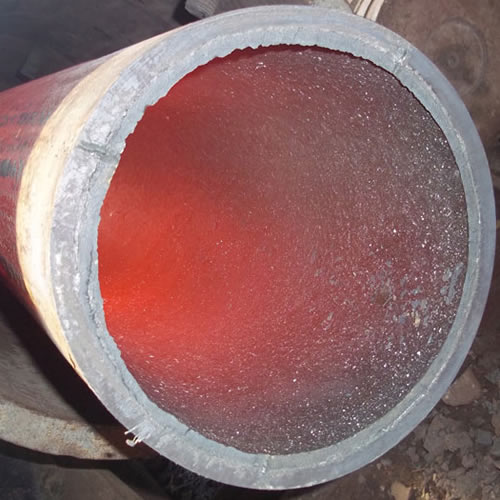
Ceramic lined pipe is made through self-propagating high-temperature synthesis (SHS) technique.
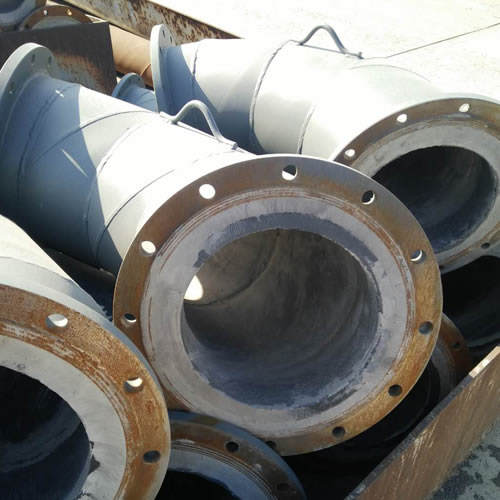
Cast basalt lined steel pipe is composed by lined with cast basalt pipe, outside steel pipe and cement mortar filling between the two layers.
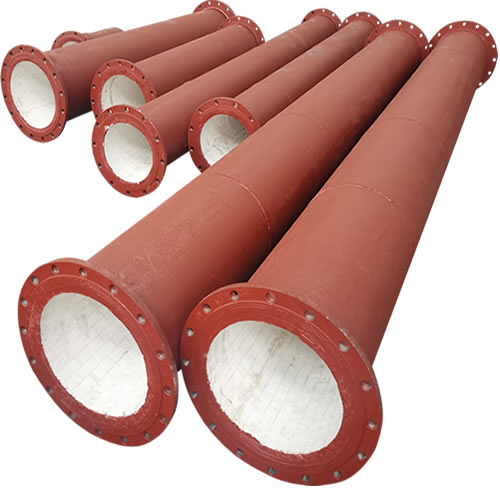
Ceramic tile lined pipes have very uniform coating of specially formulated ceramic material that is affixed to the inner of the pipe.
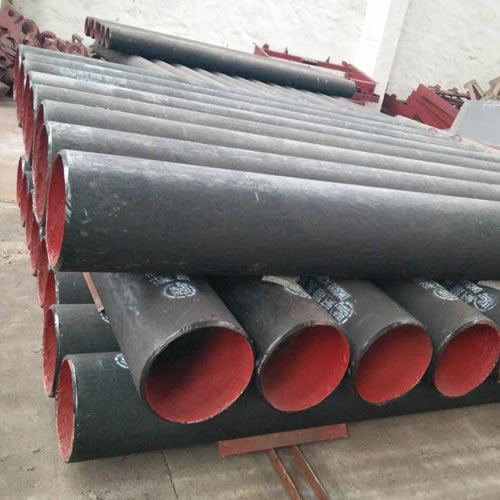
The material of the rare earth alloy wear-resistant pipe is ZG40CrMnMoNiSiRe, which is also the grade of rare earth alloy steel.
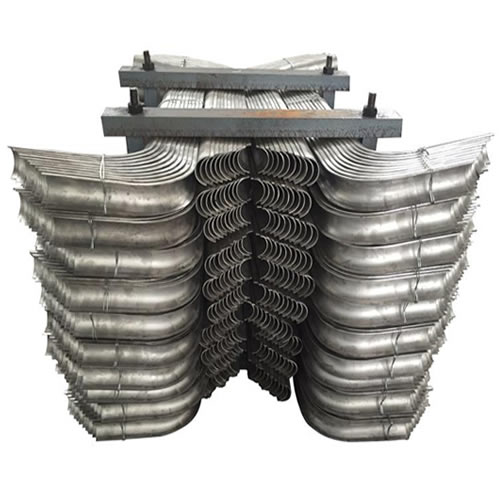
Tubes Erosion Shields are used to protect boiler tubing from the highly erosive effects of high temperatures and pressures thereby greatly extending tube life.
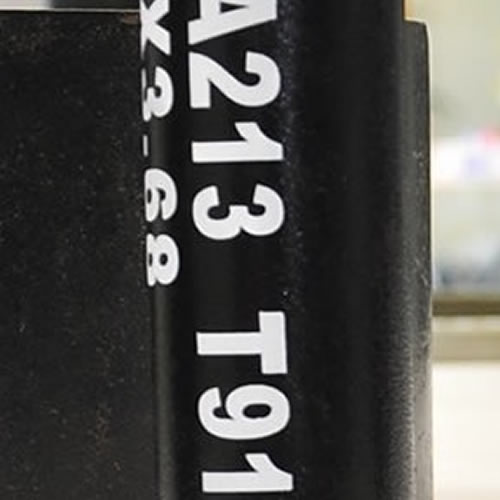
The ASTM A213 T91 seamless tubes are primarily used for boiler, superheater, and heat-exchanger.

When you partner with Sunny Steel, you can stop worrying about meeting deadlines thanks to our responsive and timely service. You'll also say goodbye to unnecessary shopping around. Instead, you'll get white glove service from an expert who understands your needs and can get you the materials you need quickly.