Mining

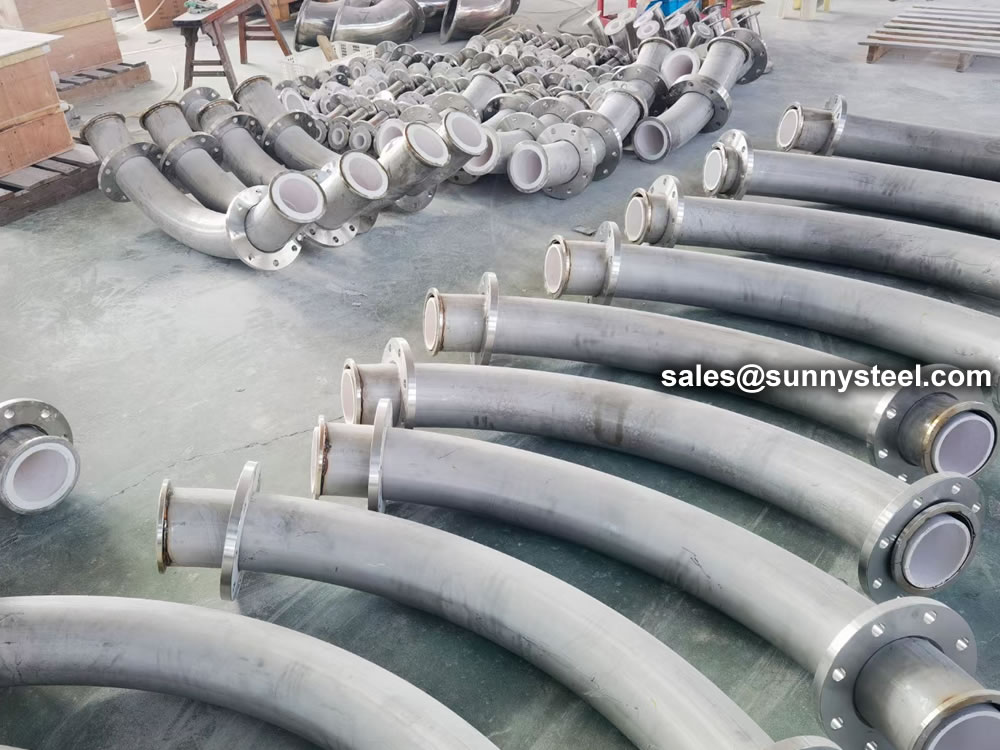
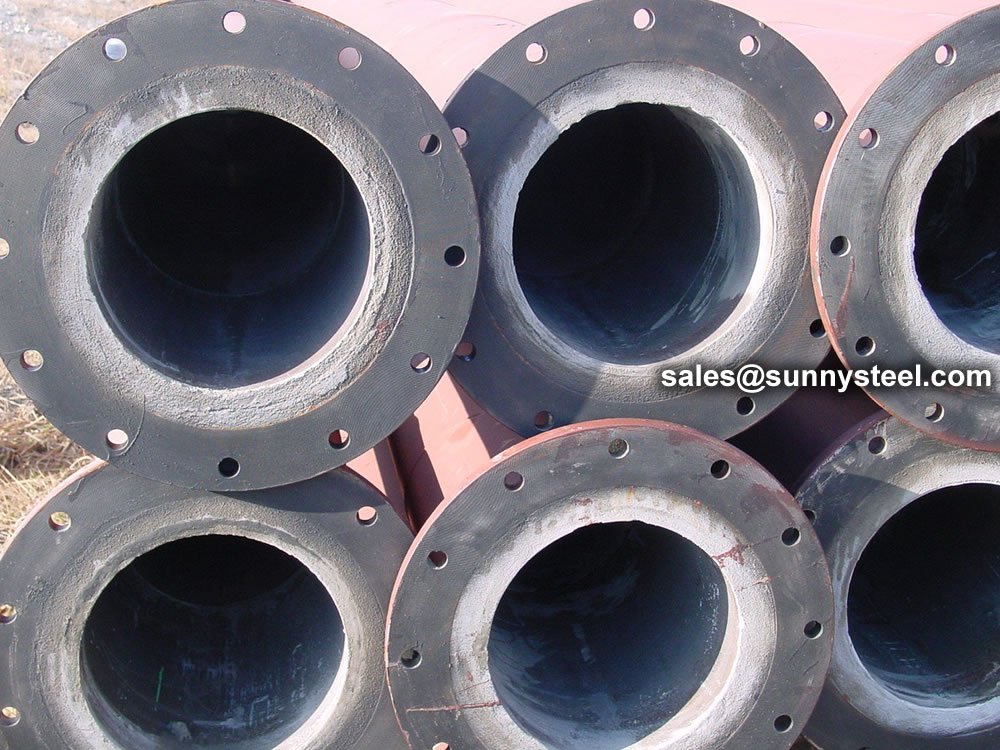
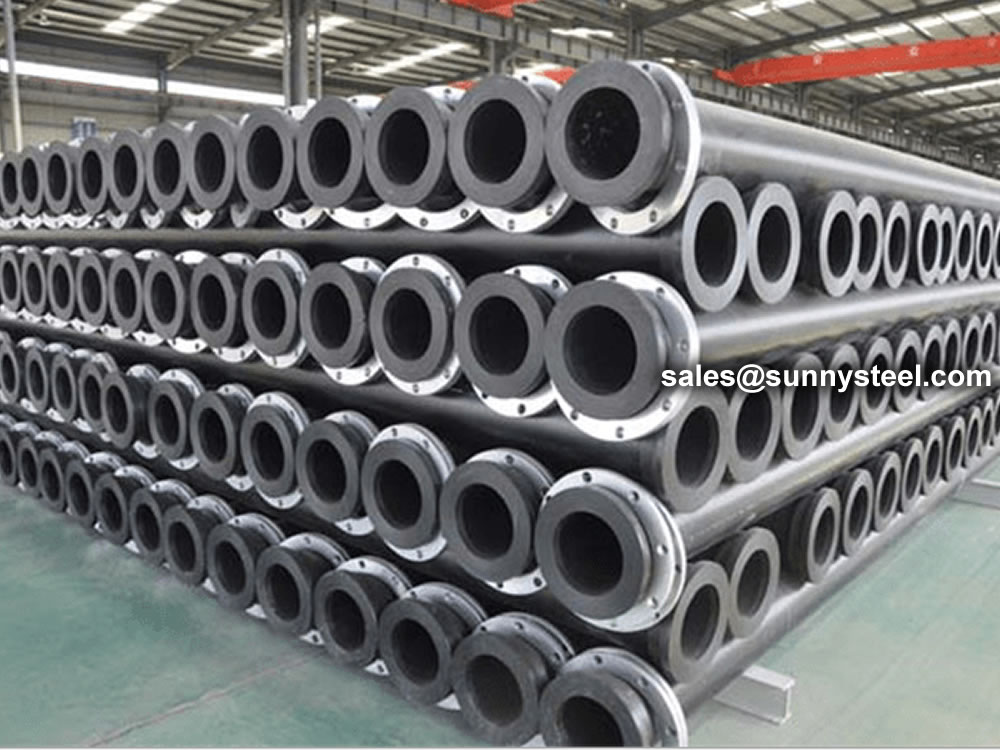
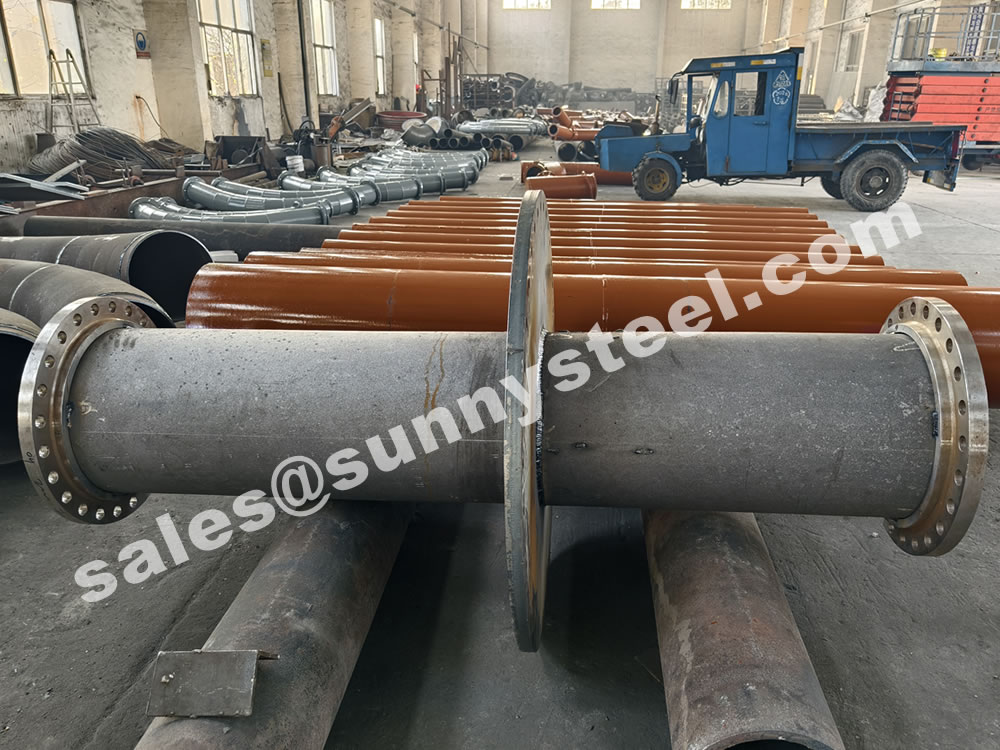
Heavy-Duty Steel Tubing Solutions For Mining Industry.

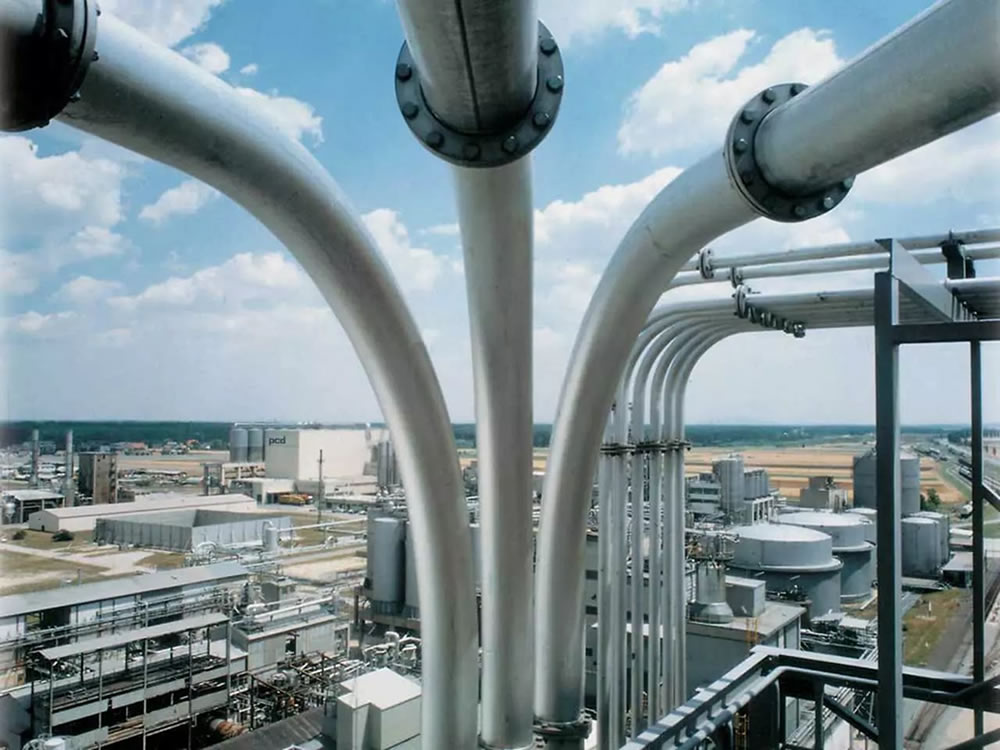
They are ideal for mining equipment, slurry pipelines, ventilation systems, structural supports, and mineral processing plants.

Our high-performance steel pipes and tubes serve surface and underground mining applications, ideal for mining equipment, slurry pipelines, ventilation systems, structural supports and mineral processing plants. Boasting superior abrasion resistance, high pressure resistance and stable long-term durability, our pipes comply with the strict operational requirements of modern mining worksites.

Featuring outstanding abrasion resistance, robust high-pressure bearing capacity and long-term structural durability, our tubular products fully satisfy the harsh, rigorous operating demands of modern mining projects.

Mining Industry

What Is the Mining Industry?

The mining industry is the economic sector responsible for extracting naturally occurring minerals, metals, and fuels from the earth. It supplies the raw materials behind nearly everything in modern life, from the concrete in roads and buildings to the lithium in phone batteries and the copper wiring in your walls.

Globally, it encompasses thousands of operations ranging from small quarries to massive open-pit mines stretching miles across.

What the Mining Industry Produces

Mining output falls into three broad categories: metallic minerals (copper, gold, iron ore, aluminum), non-metallic minerals (sand, gravel, crushed stone, cement), and fuel minerals (coal, uranium).

In many regions, construction materials such as crushed stone, cement, sand, and gravel dominate production value. These materials are essential for infrastructure, while metals like copper and gold support electronics, construction, and manufacturing.

How Minerals Are Extracted

The two primary extraction methods are surface mining and underground mining. The choice depends on deposit depth and economic viability.

  • Surface Mining: Removes overburden to access near-surface deposits. Includes open-pit and strip mines. Offers high output but causes significant landscape disruption.
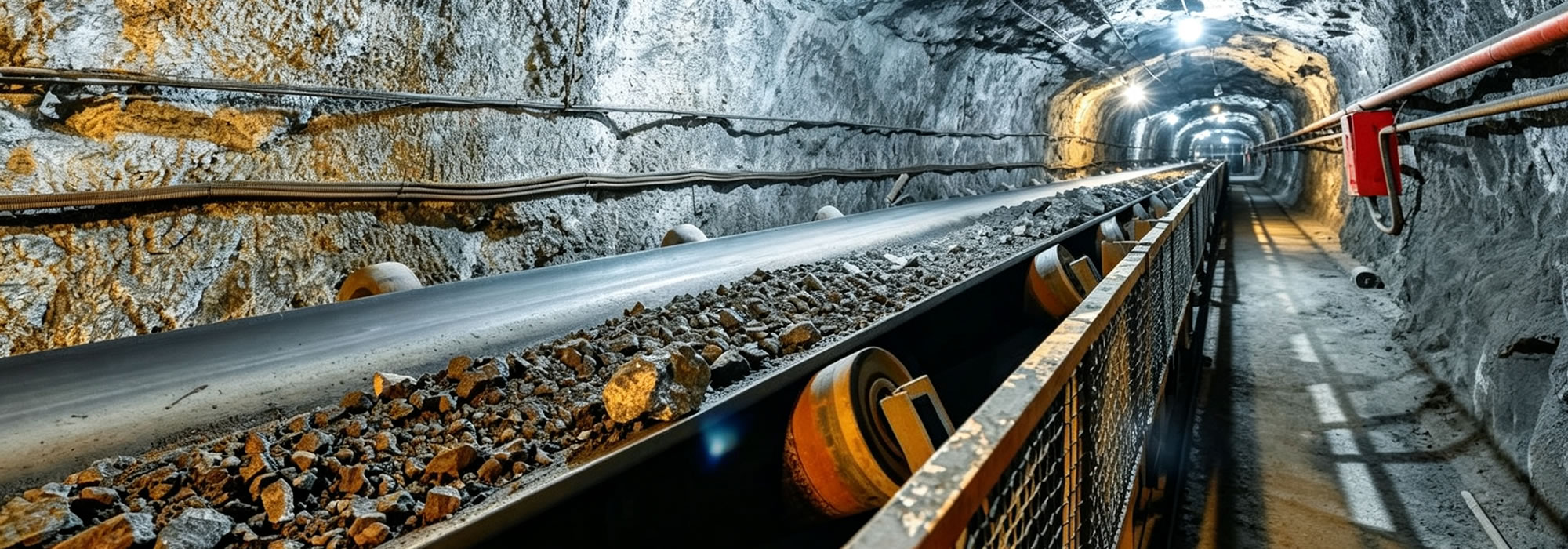
  • Underground Mining: Accesses deeper deposits through shafts and tunnels. Less surface impact but requires higher investment and advanced safety systems.
  • In-Situ Mining: Dissolves minerals underground using chemical solutions and pumps the liquid to the surface. Used for uranium and some copper ores.

Lifecycle of a Mine

Every mine follows a predictable arc from discovery to cleanup, typically spanning decades.

1 Prospecting & Exploration
Geologists survey land, collect samples, and map deposits to identify viable mineral resources.
2 Feasibility & Development
Economic studies, permitting, environmental review, and infrastructure construction before production begins.
3 Extraction
Active production phase where ore is mined, processed, and transported—lasting from years to decades.
4 Closure & Reclamation
Site cleanup, soil restoration, water management, and ecosystem rebuilding after mining ends.

Environmental Impact and Mitigation

Mining’s environmental footprint is one of the industry’s defining challenges. Surface operations reshape landscapes, underground operations can contaminate groundwater, and both generate waste rock and tailings.

One major issue is acid mine drainage. Modern mitigation includes chemical stabilization, bactericides, wetland treatment systems, and comprehensive reclamation programs.

Jobs and Safety

Mining employs millions of people worldwide in roles from equipment operators and blasters to geologists, engineers, and environmental specialists.

Safety has improved dramatically due to stricter regulations, better equipment, and training. However, it remains a physically demanding and hazardous industry with risks such as ground collapse, dust exposure, and heavy equipment accidents.

Mining’s Role in the Energy Transition

The shift to renewable energy and electric vehicles has increased demand for specific minerals. Lithium, nickel, cobalt, rare earth elements, copper, and aluminum are critical for batteries, wind turbines, solar farms, and power transmission.

This creates a challenge: building a low-carbon economy requires scaling up extraction while managing environmental and social impacts responsibly.

Why the Mining Industry Matters

Mining sits at the very beginning of nearly every industrial supply chain. Without mined materials, there is no steel for buildings, no silicon for chips, and no aggregate for highways.

The average person in a developed country relies on roughly 40,000 pounds of newly mined materials per year. The industry is also one of the most heavily regulated sectors in the world.

Future Outlook

The industry’s future depends on its ability to meet surging demand for clean energy minerals while reducing ecological damage. Responsible mining practices, technological innovation, and strong regulatory frameworks will be essential for sustainable growth.

Hot Products

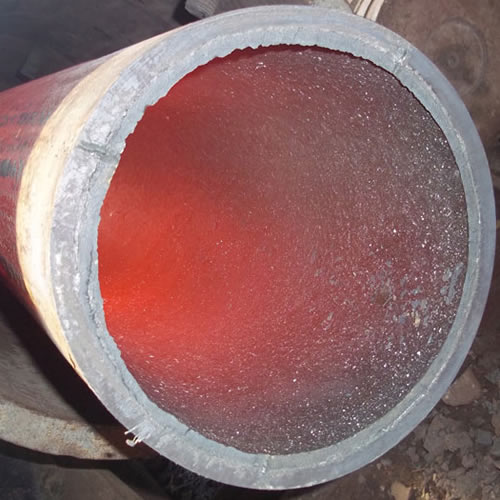
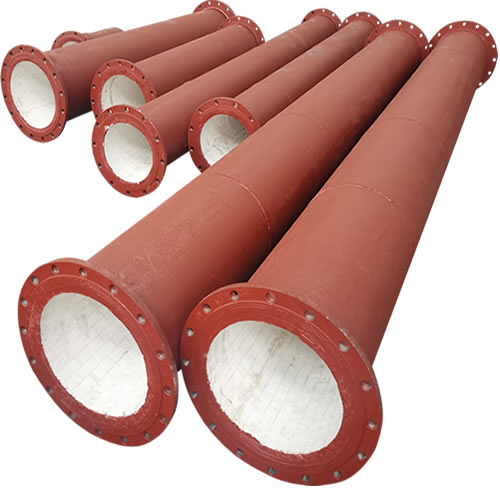
【H】 Ceramic lined pipe

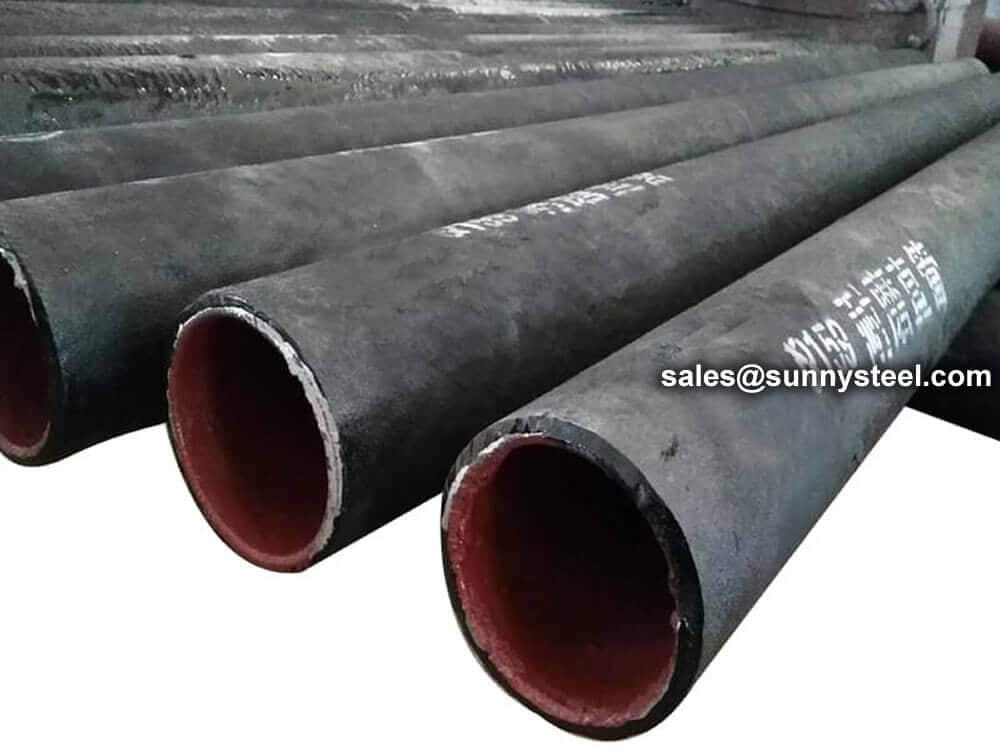
Ceramic lined pipe is made through self-propagating high-temperature synthesis (SHS) technique.

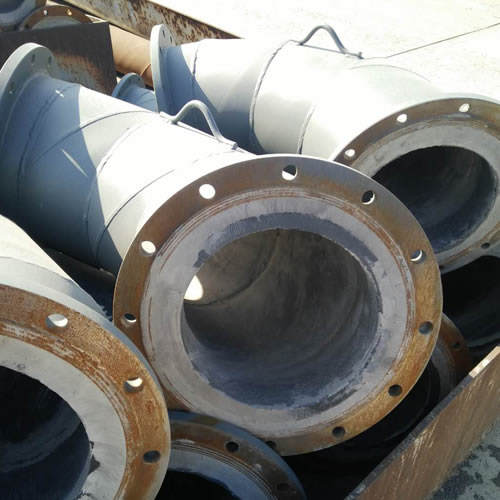
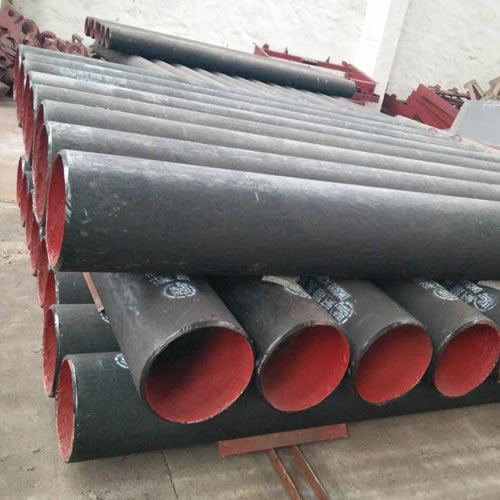
【H】 Cast basalt lined steel pipe

Cast basalt lined steel pipe is composed by lined with cast basalt pipe, outside steel pipe and cement mortar filling between the two layers.

【H】 Ceramic Tile Lined Pipes

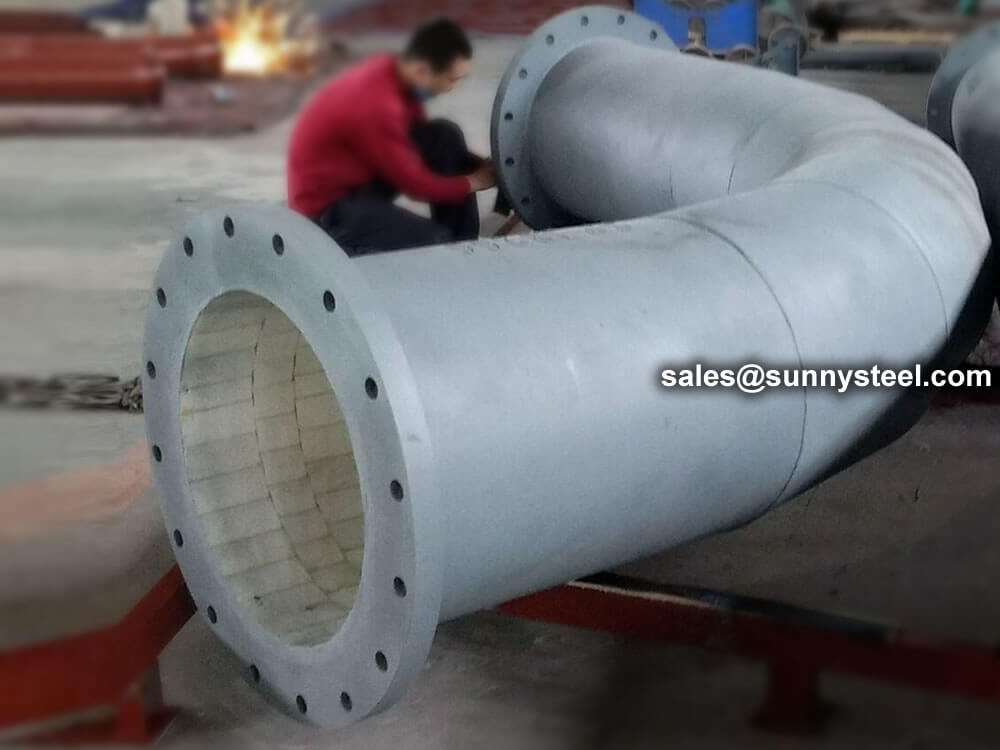
Ceramic tile lined pipes have very uniform coating of specially formulated ceramic material that is affixed to the inner of the pipe.

【H】 Rare earth alloy wear-resistant pipe

The material of the rare earth alloy wear-resistant pipe is ZG40CrMnMoNiSiRe, which is also the grade of rare earth alloy steel.

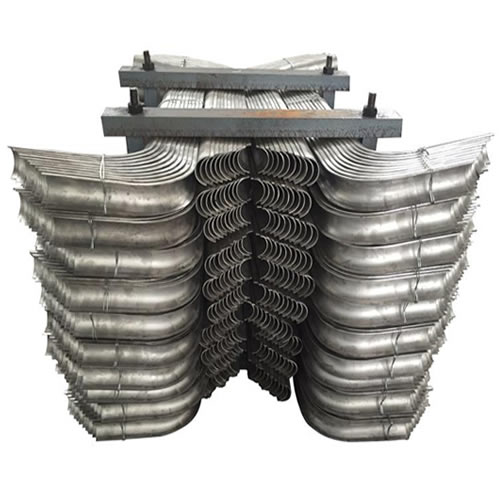
【H】 Tubes Erosion Shields

Tubes Erosion Shields are used to protect boiler tubing from the highly erosive effects of high temperatures and pressures thereby greatly extending tube life.

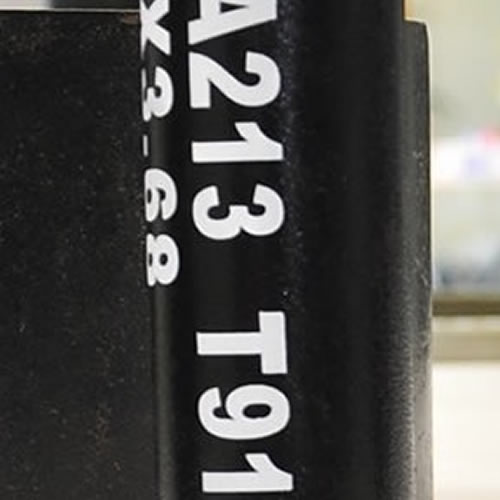
【H】 ASTM A213 T91 Alloy Tube

The ASTM A213 T91 seamless tubes are primarily used for boiler, superheater, and heat-exchanger.

The White Glove Service You Deserve

When you partner with Sunny Steel, you can stop worrying about meeting deadlines thanks to our responsive and timely service. You'll also say goodbye to unnecessary shopping around. Instead, you'll get white glove service from an expert who understands your needs and can get you the materials you need quickly.

application

Materials delivered on-time and at a fair price

application

No delays in production or manufacturing process

application

Meet engineering specifications to ensure top quality

application

World-class customer service ready to help