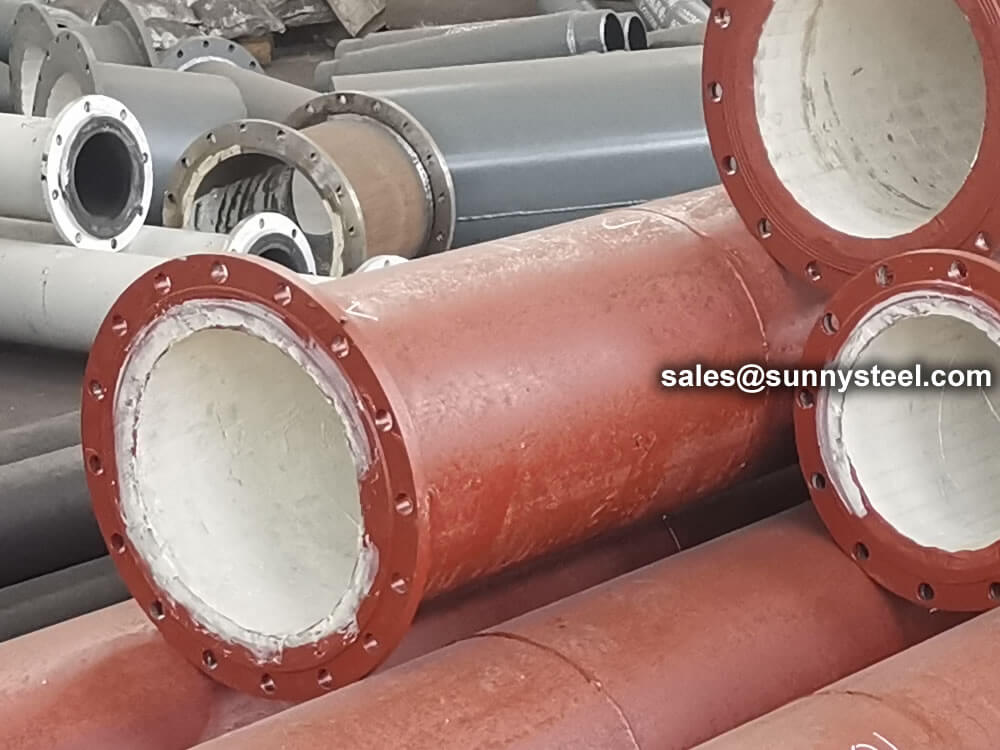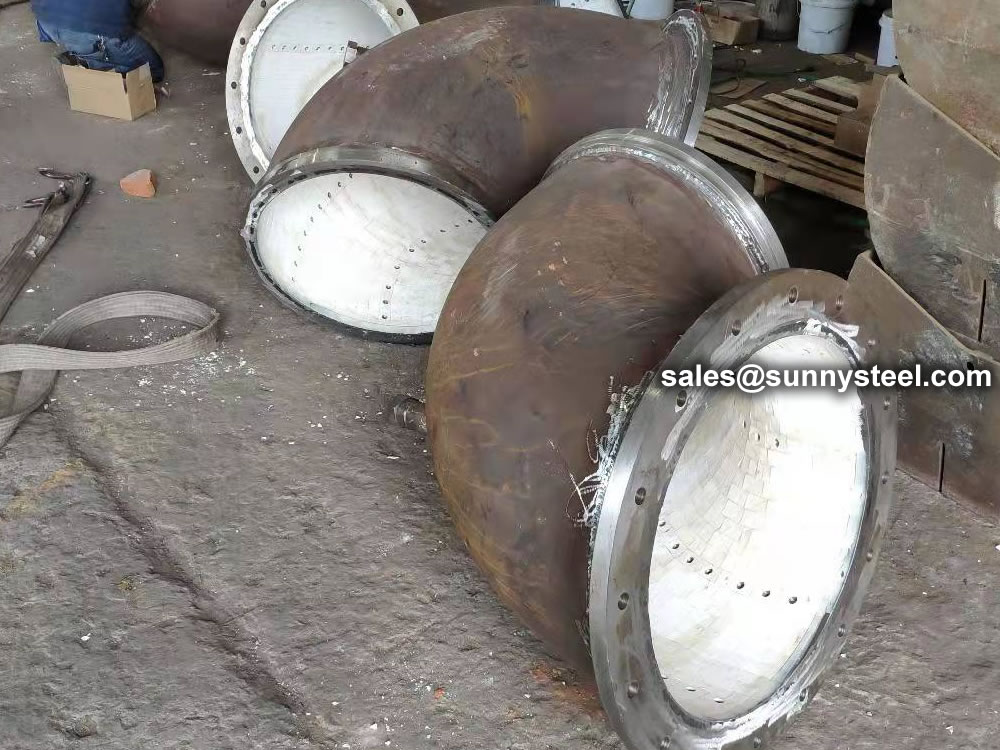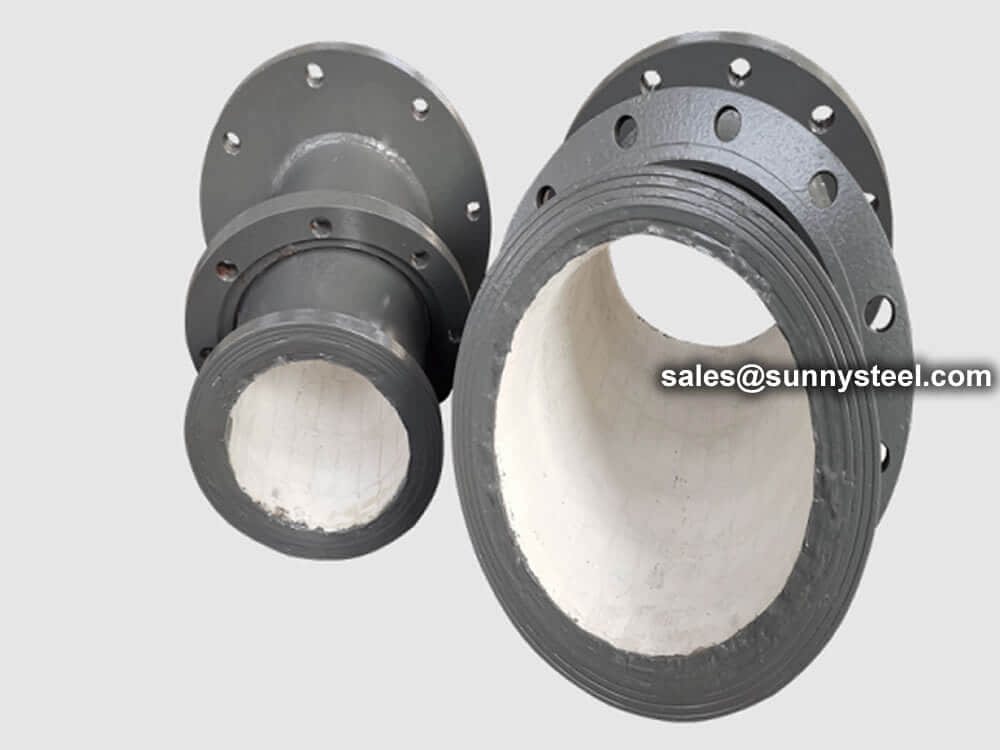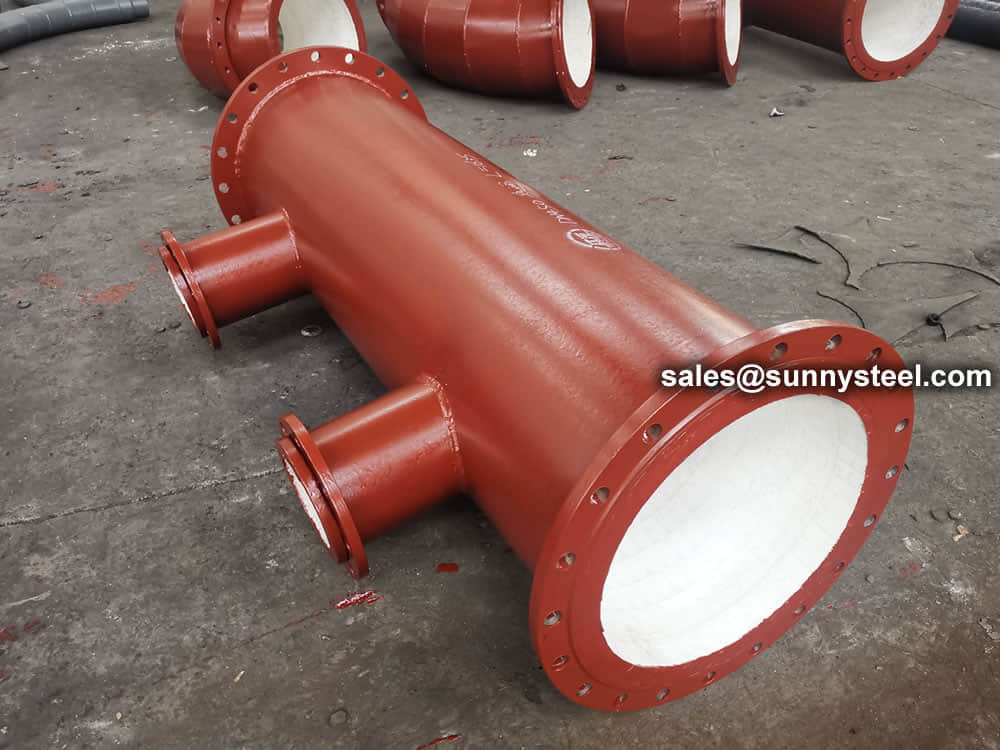
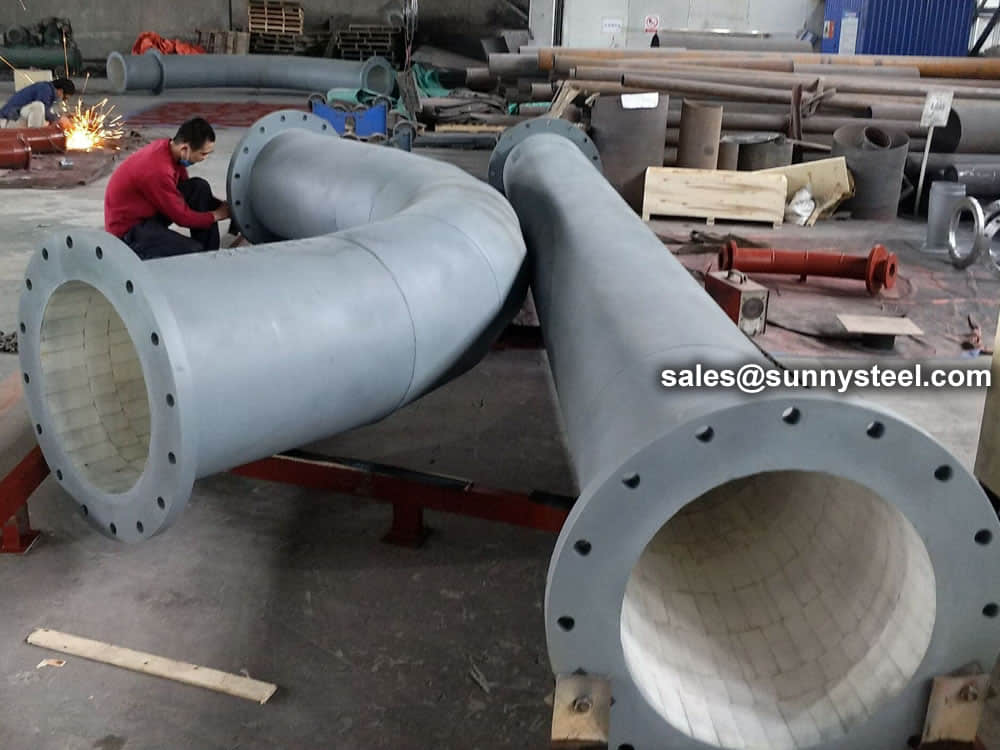
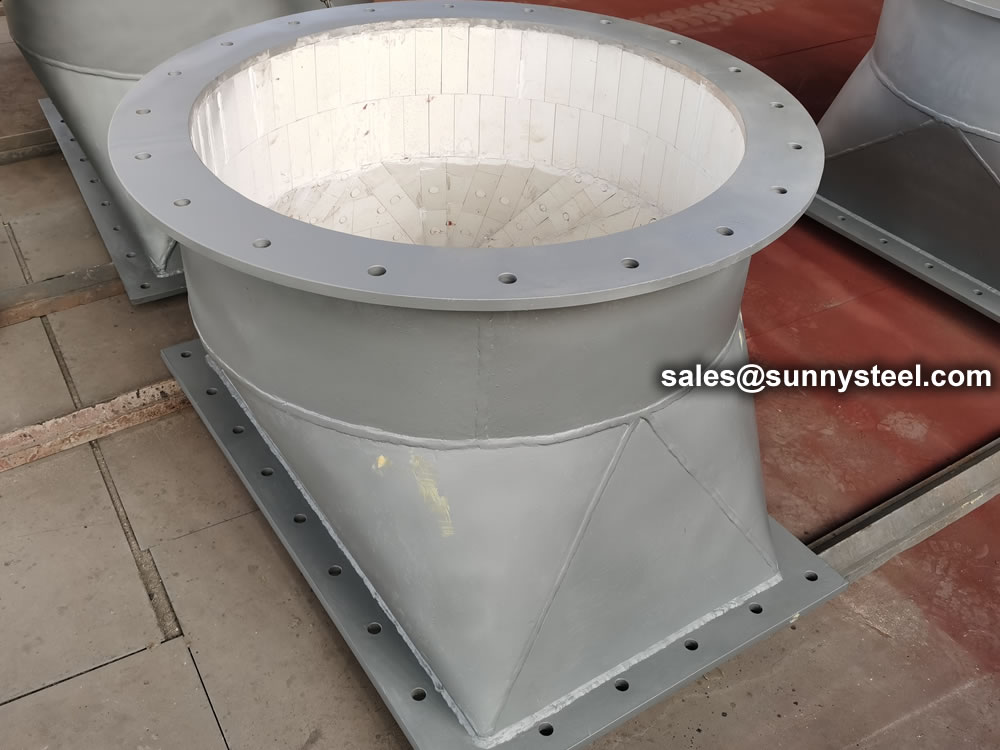
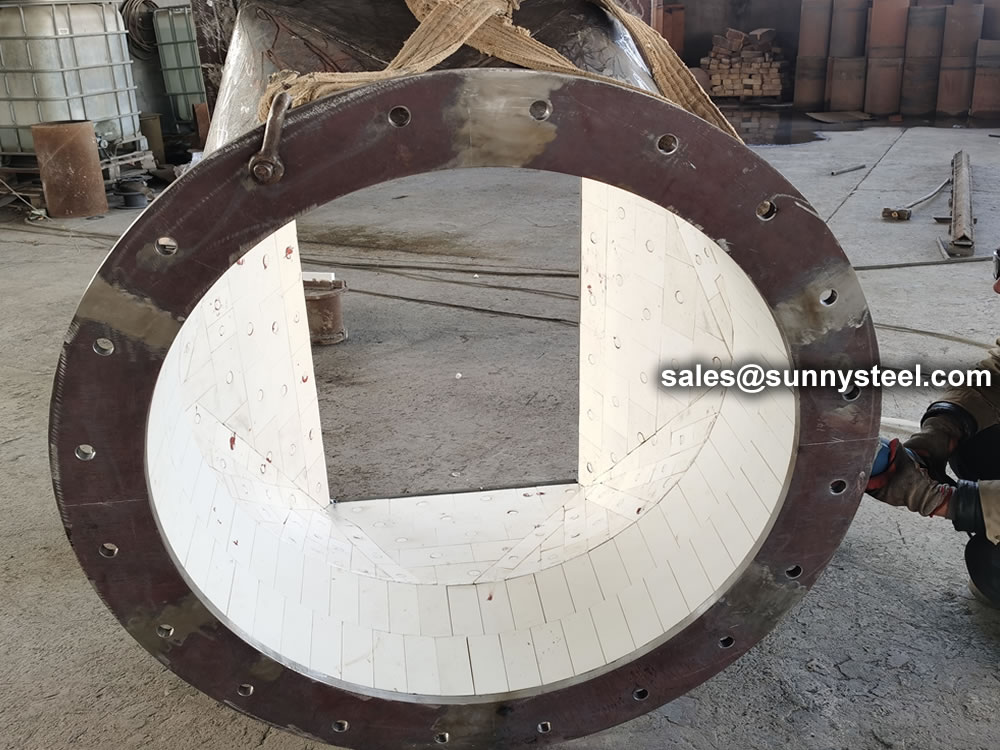
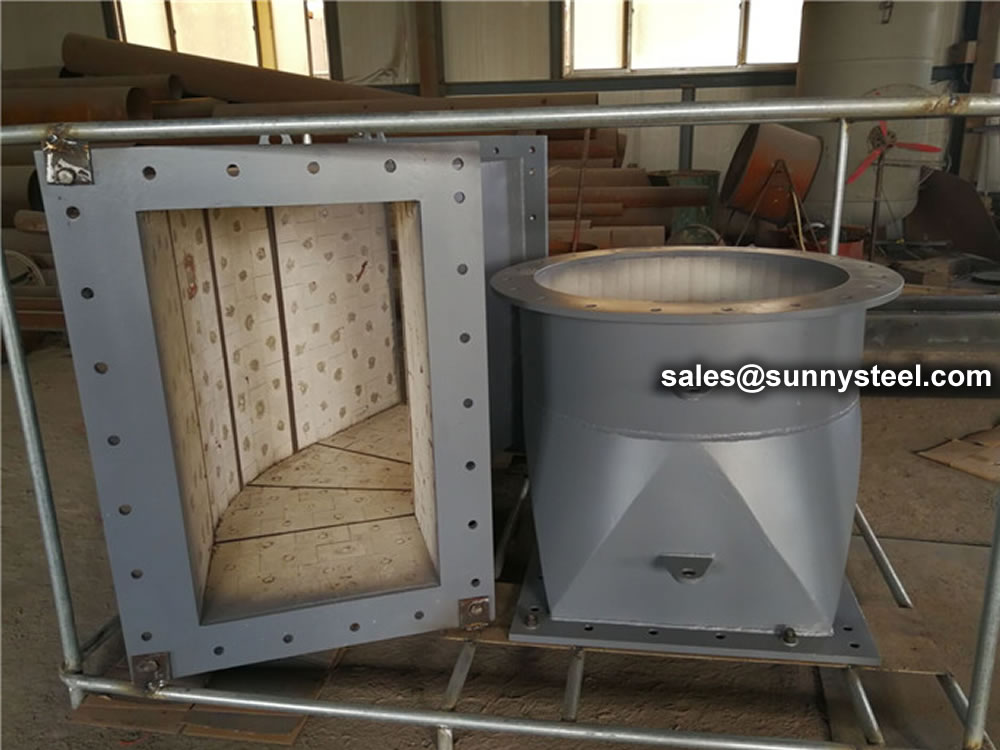
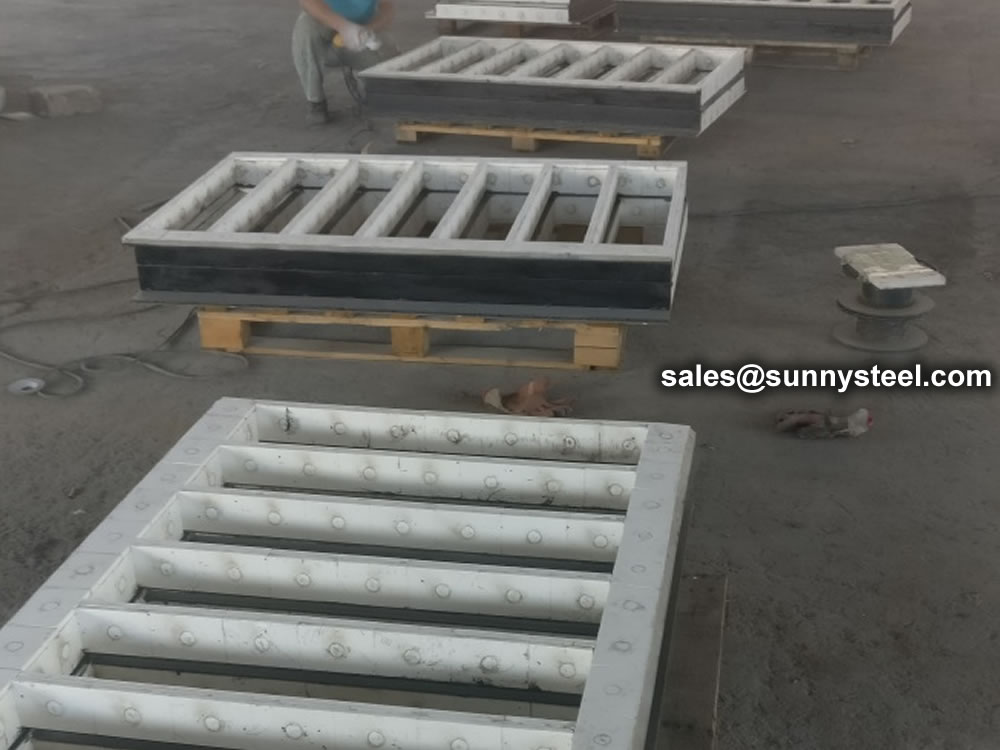
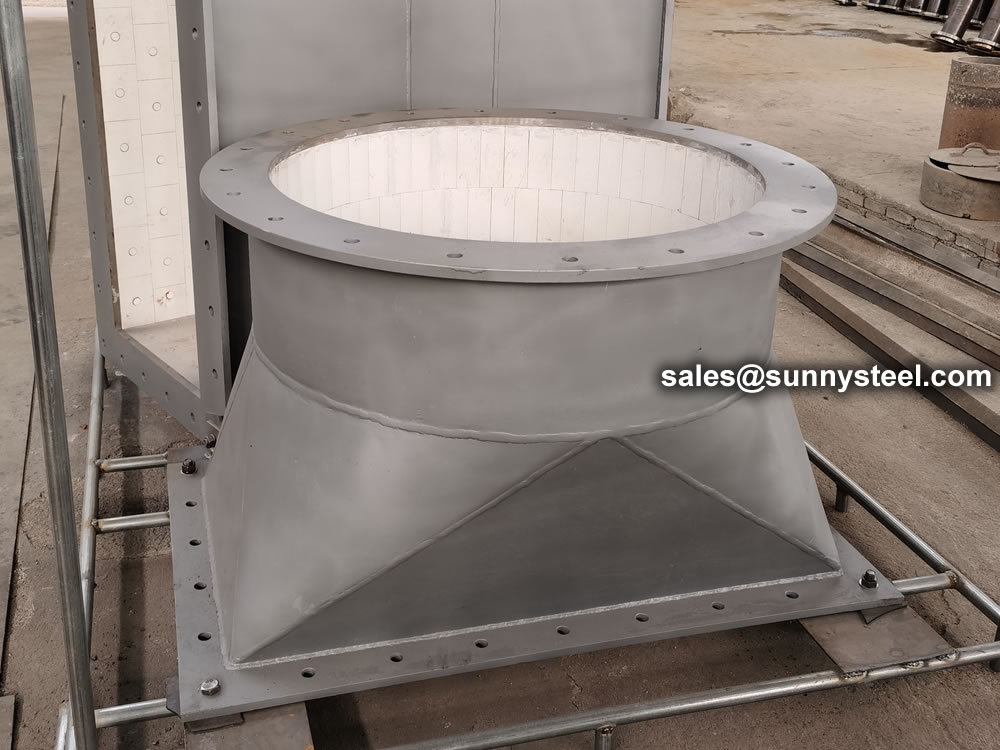
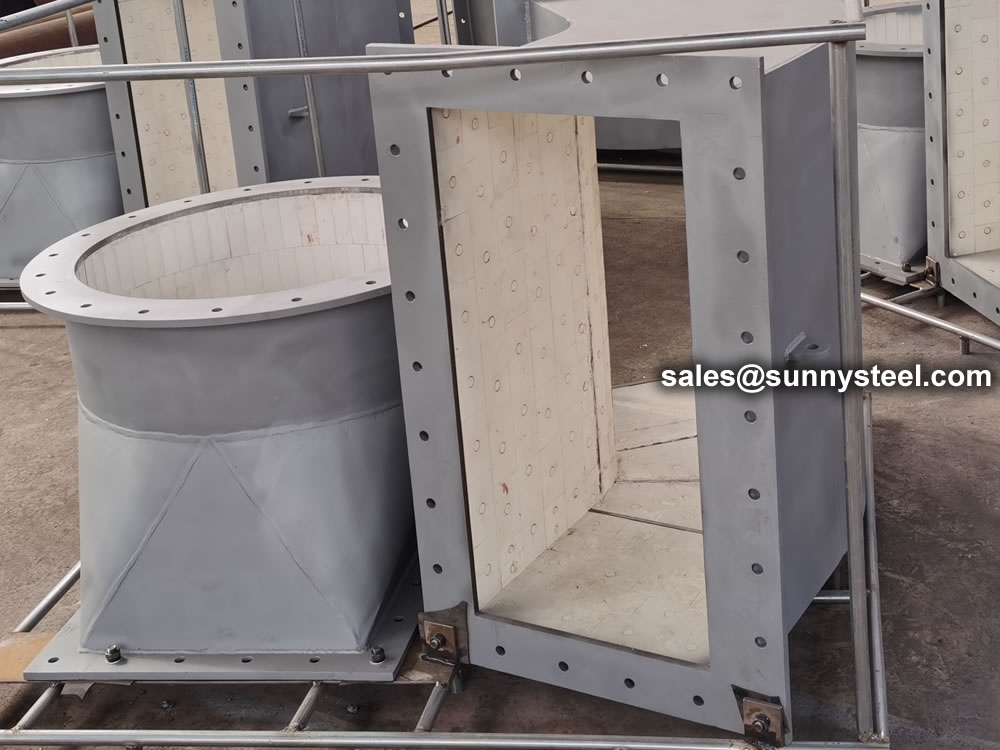
Stud Welding Ceramic Lined Pipe
Stud Welding Ceramic Lined Pipe - ceramic wear resistant product
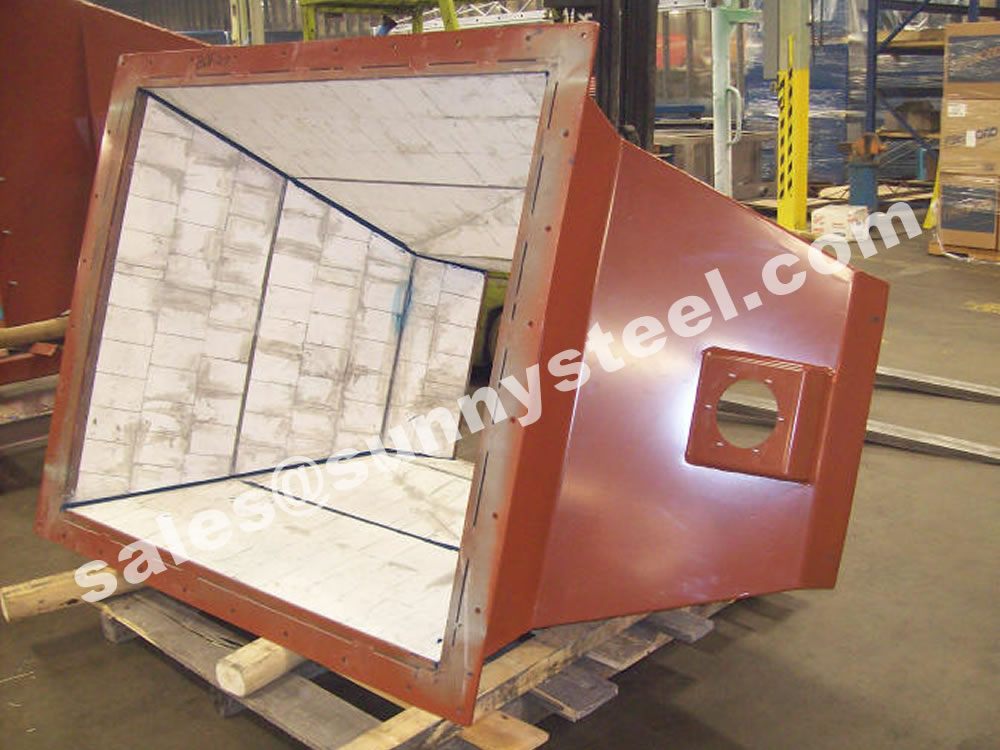
Chute wear liner is a high-hardness protective lining material used to prevent chute abrasion and impact damage, widely applied in mining, coal washing, cement plant, thermal power and metallurgical bulk material conveying systems.
Discover superior protection with our Chute Wear Liner ~an advanced solution crafted for durability and longevity. Engineered to resist abrasion in high-impact environments, our liner ensures optimal performance and minimizes maintenance costs. Trust in our innovative design to safeguard your equipment and streamline operations.
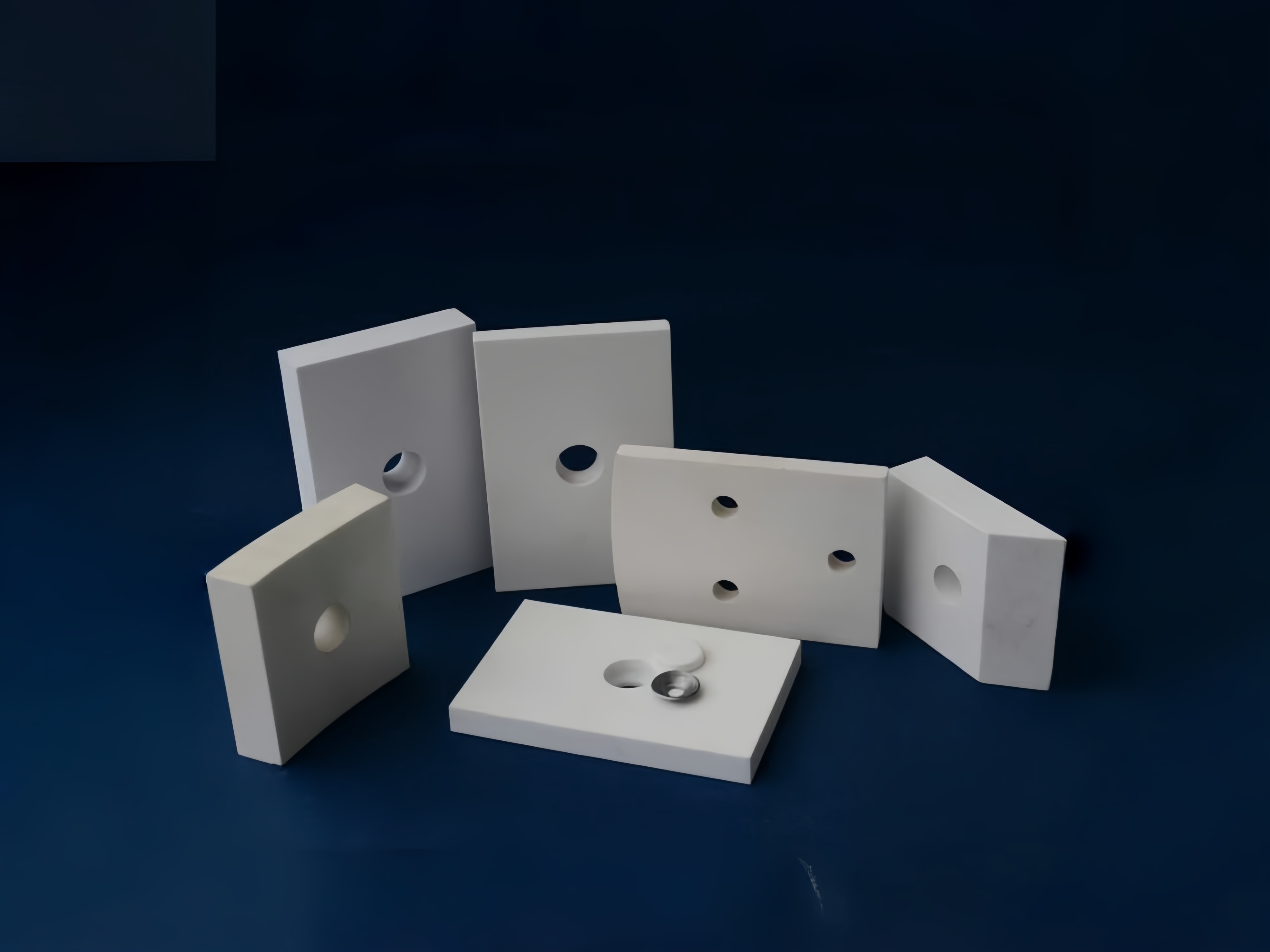
Based on applications in multiple industries, including cement, steel, and mining, ceramic chute liners are used to convey materials such as ore, coke, coal, and lime. Substituting manganese steel plates with ceramic chute liners can extend equipment lifespan by 10-20 times, significantly reducing maintenance time and alleviating labor intensity for workers. Ceramic chute liners are installed and secured through methods such as direct ceramic adhesive bonding, bolt welding, or pre-fabricated ceramic liner attachments.
In industrial production, such as mining, steel, and cement industries, chutes serve as crucial transport devices within material handling systems. They are commonly utilized for conveying materials like ore, coke, and lime. Chutes share common characteristics, including significant material impact, severe abrasion, and high operating temperatures.
From a tribological perspective, chute wear failures are predominantly attributed to abrasive wear and corrosive wear, with adhesive wear possibly occurring under heavy loads.
To enhance the overall lifespan of chutes, various measures must be taken, encompassing material selection and manufacturing processes, structural optimization design, surface treatments, correct usage, and maintenance. Improving working conditions to minimize wear is one aspect, while installing wear-resistant chute liners is another strategy to enhance surface hardness and wear resistance in chute pathways.
Cast iron is a commonly used wear-resistant material in engineering. Cast iron is classified into three types based on carbon content: gray iron, white iron, and malleable iron. High-chromium cast iron is characterized by high hardness and excellent wear resistance, typically falling within the HRA70-80 hardness range. However, it has drawbacks, including difficulty in cutting and welding. Additionally, cast iron wear plates tend to be brittle and cannot withstand heavy impact loads effectively.
The new generation alloy steel wear plate is primarily composed of chromium, nickel, molybdenum, and other key alloy elements. Its hardness and lifespan surpass those of cast iron wear plates. Alloy steel wear plates are categorized based on alloy content into low-alloy, medium-alloy, and high-alloy wear-resistant steel. They are also classified based on structure into austenitic, pearlitic, and martensitic wear-resistant steel.
Alloy steel wear plates exhibit strong plasticity and excellent mechanical properties, providing resistance to rust and corrosion. The material's toughness and hardness can be adjusted by altering alloy ratios and employing forging processes. However, there exists a trade-off between the hardness and weldability of alloy materials. Higher hardness often results in decreased weldability, making installation challenging. As a result, the practical use of alloy wear plates in heavy wear industries is constrained, with typical hardness levels not easily surpassing HRA60.
Cast stone is a crystalline material processed from silicate, utilizing natural rocks (such as basalt, diabase, and other basic rocks) or industrial waste (blast furnace slag, steel slag, copper slag, chromium slag, iron alloy slag, etc.) as the primary raw materials. Depending on the manufacturing process and formulation, it can be classified into ordinary cast stone wear plates and microcrystalline cast stone wear plates.
Compared to other materials, cast stone wear plates have a simple manufacturing process, low cost, and high hardness. Their wear resistance is several times to over ten times higher than that of steel or cast iron. However, they have drawbacks such as poor plasticity, challenging machining, and relatively low toughness and impact resistance. As a result, cast stone wear plates are less common in today's industrial systems.
Polyethylene high-molecular-weight material boasts excellent wear resistance, good sliding properties, a low friction coefficient, insulation, corrosion resistance, lightweight, and easy processability. It also exhibits effective damping and noise reduction properties, contributing to noise reduction and environmental benefits. Polyethylene material wear plates typically have a thickness ranging from 10 to 30mm.
However, there are drawbacks to polyethylene wear plates. These include low surface hardness and thermal deformation temperature, limited bending strength, and relatively poor creep resistance. They are not suitable for withstanding significant impacts, and their use is constrained in conditions of high temperatures and heavy wear.
Chute wear-resistant ceramic liners are currently one of the most effective and widely applicable materials for chute lining. They are primarily composed of aluminum oxide, transformed into a tetragonal crystal structure (α-alumina) through high-temperature calcination at 1700°C. With a hardness reaching HRA88, second only to diamond, these liners exhibit a density â‰?.9g/cm³, a flexural strength exceeding 350MPA, impact toughness â‰?.2J/cm², and an elastic modulus surpassing 317GPA.
Furthermore, with the addition of zirconia oxide to form ZTA ceramics, these ceramic liners acquire strong impact resistance. In heavy wear conditions, their lifespan can exceed 10 times that of manganese steel.
Upon investigation, it has been found that manganese steel liners or old ball mill liners are commonly used as anti-wear liners in mining chutes or coal feeder chutes. However, in actual use, severe wear and frequent replacements are common issues. In some cases, chute liners need to be replaced in less than a week, significantly impacting labor efficiency and safe and civilized production.
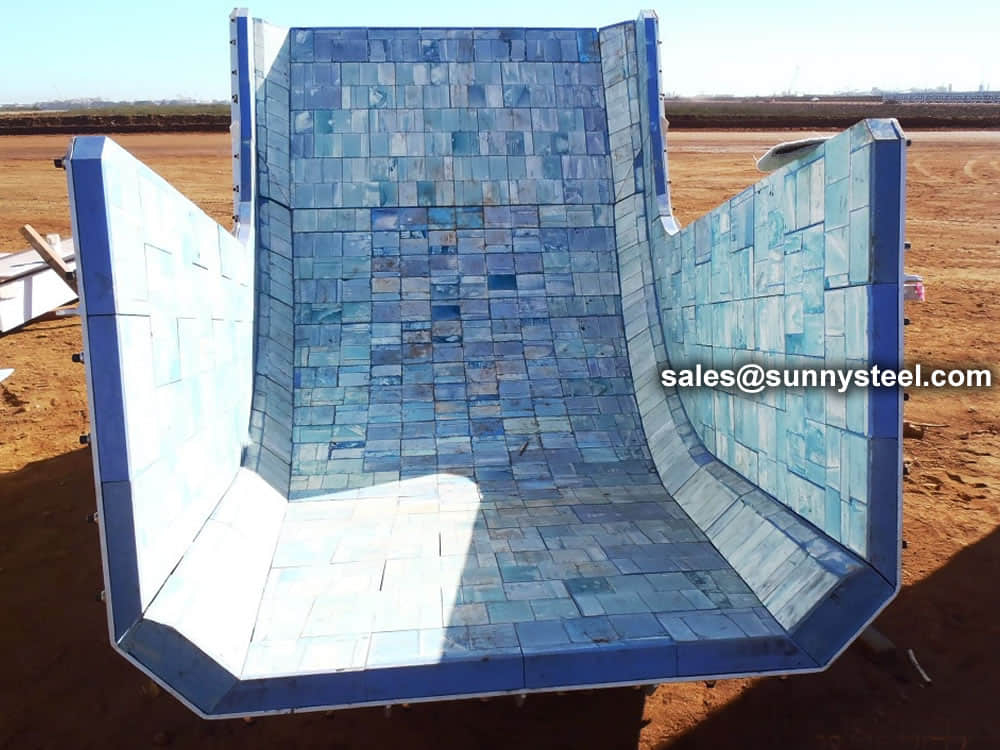
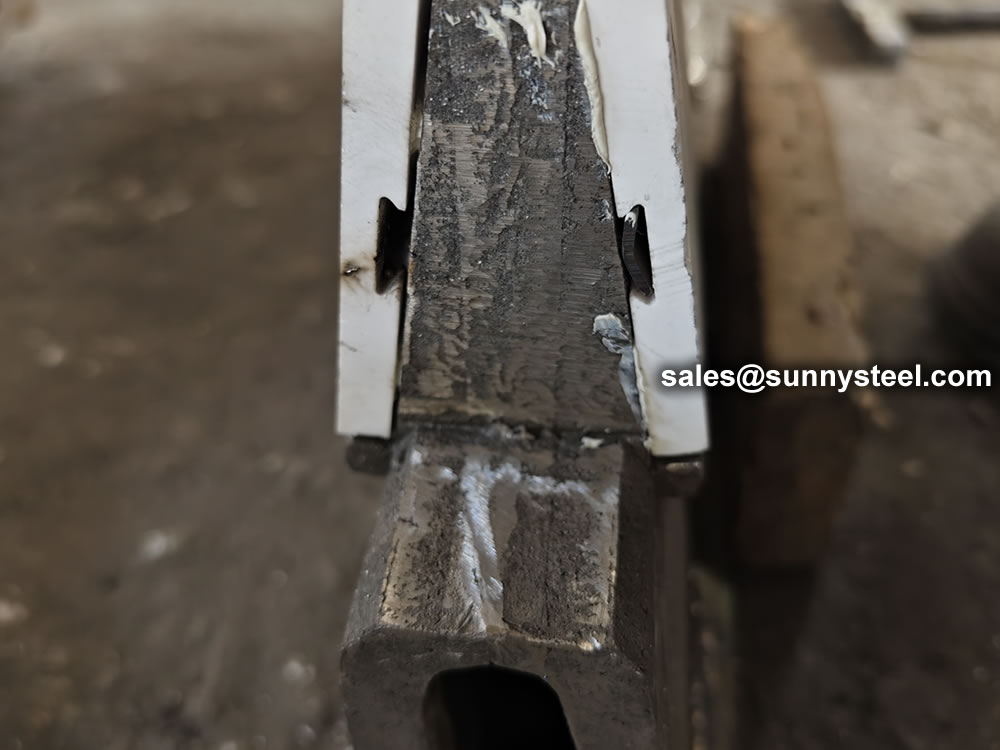
Our factory produces high-temperature, impact-resistant wear-resistant ceramic chute liners that can replace manganese steel liners, fundamentally solving the wear problems of these equipment. The high-temperature, impact-resistant wear-resistant ceramic liners involve welding toughened and thick ZTA wear-resistant ceramics onto the equipment using a bolt welding process, creating a robust anti-wear layer. Spherical protrusions can also be designed on the liners to further enhance their impact resistance. For easy installation and replacement, ceramics can be mounted on steel plates and then installed on the equipment through welding or countersunk bolts.
Results from various applications in cement plants, steel mills, mines, and other industries indicate that replacing manganese steel liners with wear-resistant ceramic chute liners can extend the equipment lifespan by 10-20 times, significantly saving maintenance time and reducing the labor intensity of workers.
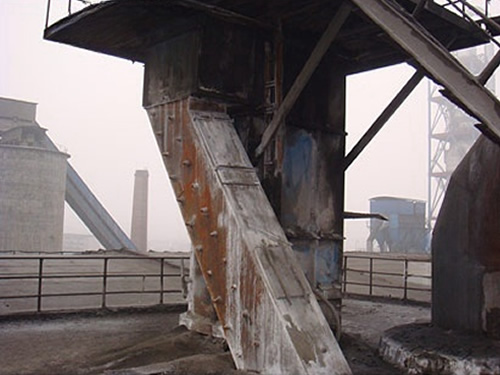
Installing wear-resistant ceramic chute liners involves several methods and considerations to ensure effective performance and durability. Here's a comprehensive guide on installation and fixing methods for these liners:
Use regular or high-temperature-resistant inorganic adhesive for direct bonding and fixing. It is easy to install and suitable for conditions with minimal material impact and temperatures below 200°C.
For situations involving high-temperature materials or significant impact forces on the material drop point, adopt the bolt welding process to secure wear-resistant ceramics within the equipment. Utilize mechanical self-locking force and inorganic adhesion to ensure that the ceramic blocks do not detach.
Initially, install the ceramics onto steel plates, creating a two-in-one ceramic liner (ceramic + steel plate) or a three-in-one ceramic liner (ceramic + rubber + steel plate). Subsequently, secure it to the equipment through welding or countersunk bolts, facilitating easy maintenance and replacement.
Our alumina ceramic lined project consists of alumina ceramic tiles affixed to a natural rubber base mold with high tensile strength, securely mounted on a steel plate.
These ceramic-lined products serve as cost-effective alternatives to expensive materials such as stainless steel, titanium, nickel, cast stone, or alloy tools. The unique combination of the high rigidity of ceramics and the elasticity of steel results in a heat-resistant and corrosion-resistant material, making it widely applicable in various industries, including power generation, metallurgy, mining, and the chemical industry.
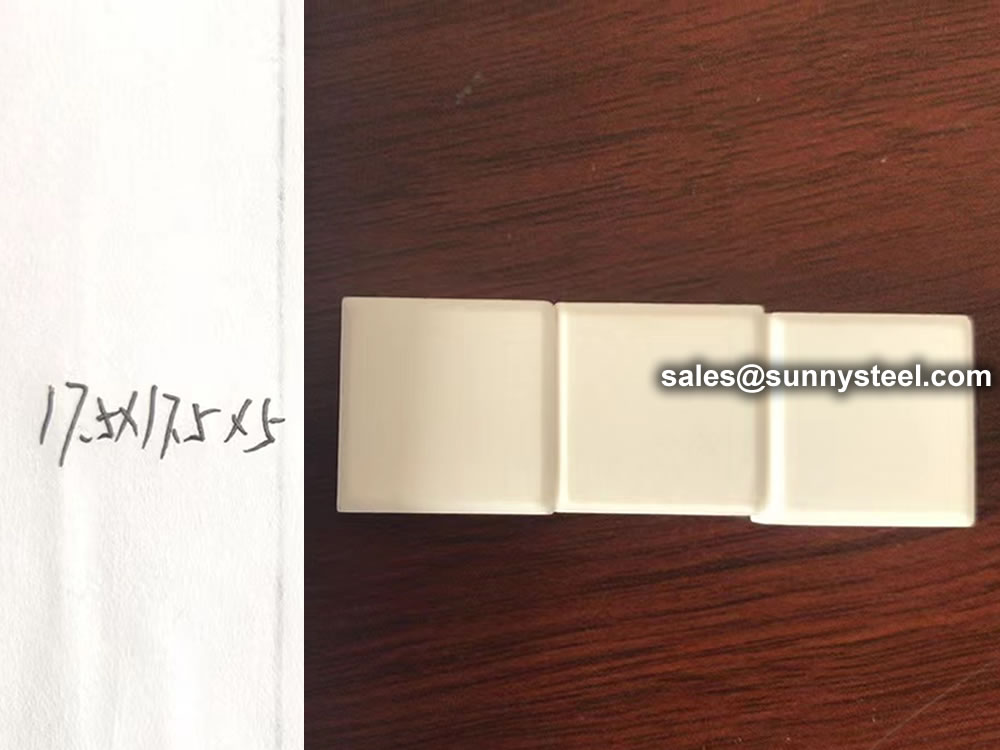
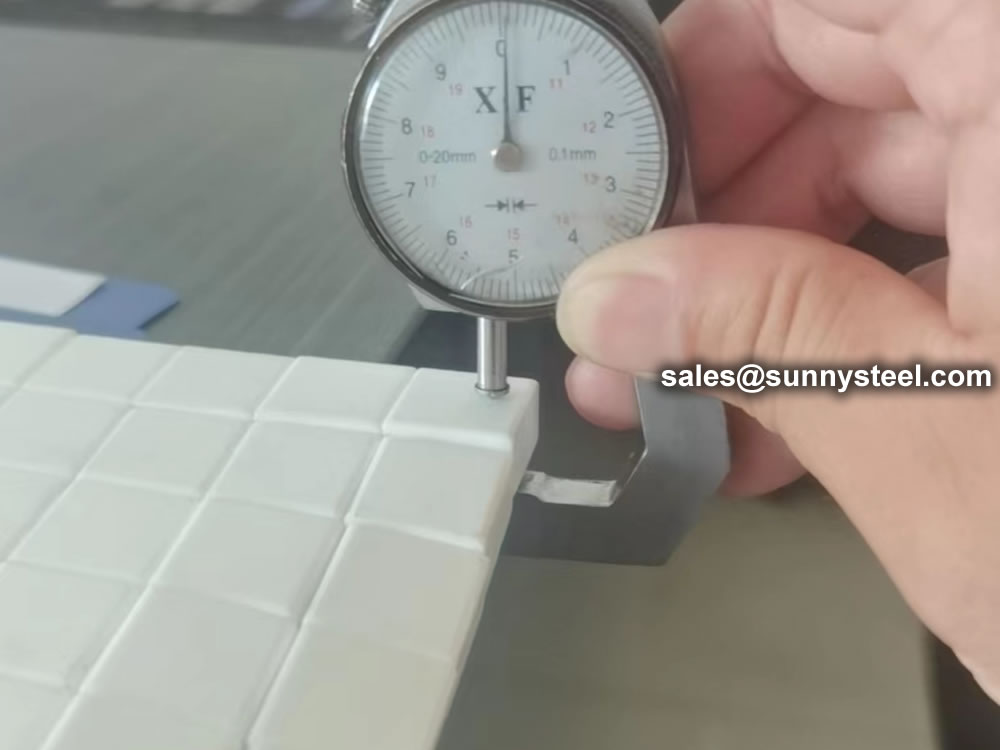
There are many clients who are concerned about the specification of ceramic lined tile sheet, because it is related to whether the ceramic chip purchased can be used.
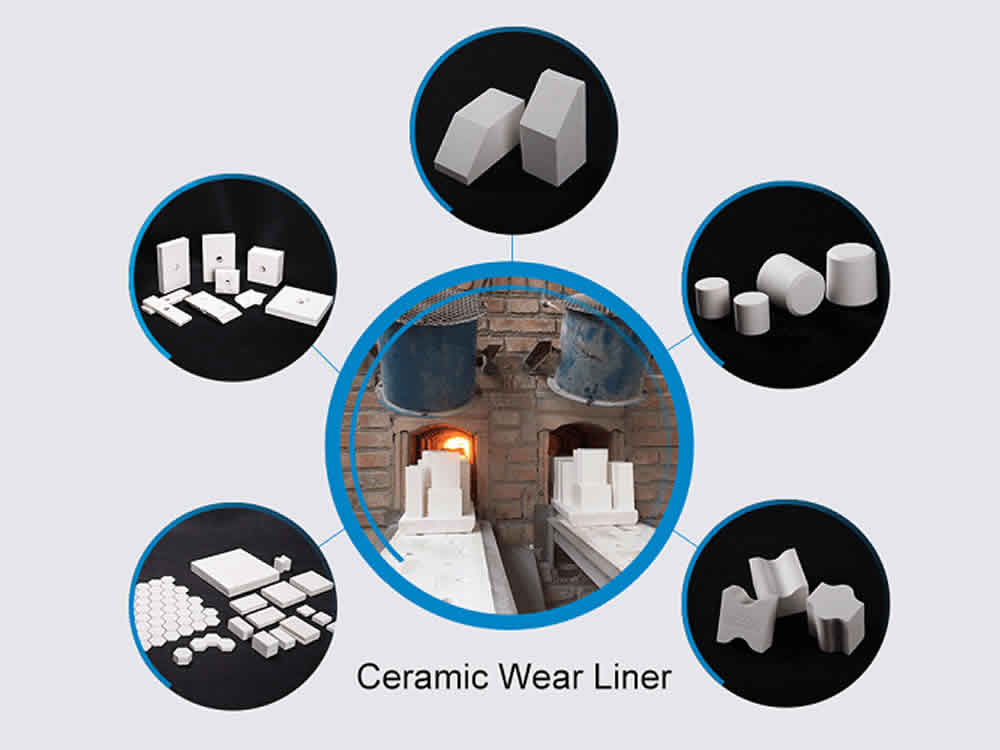
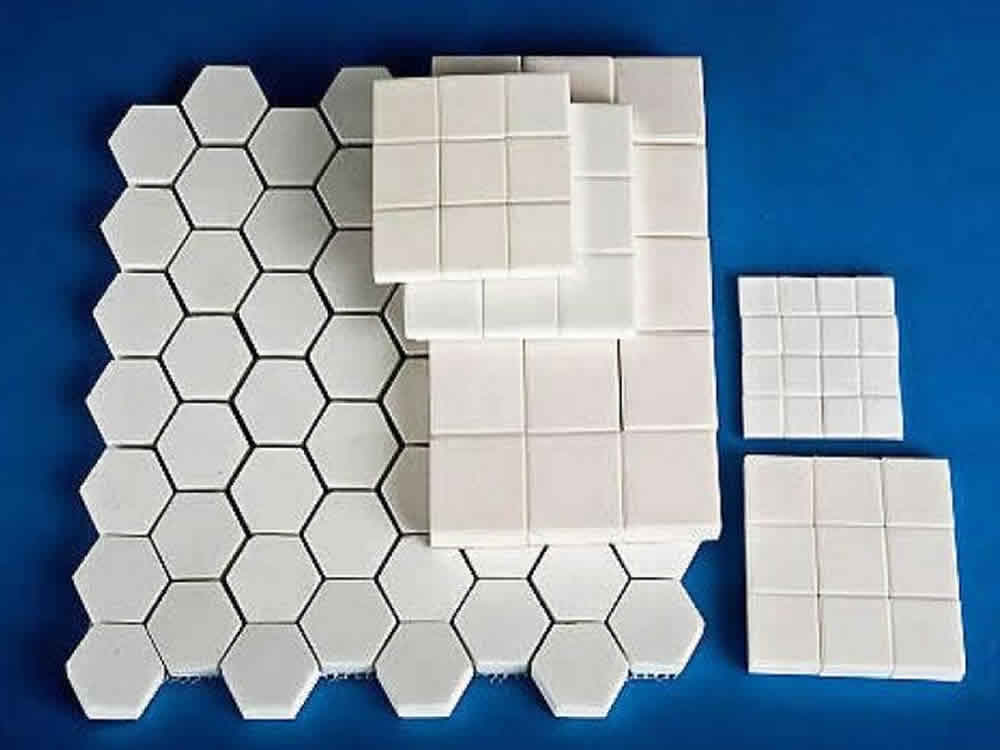
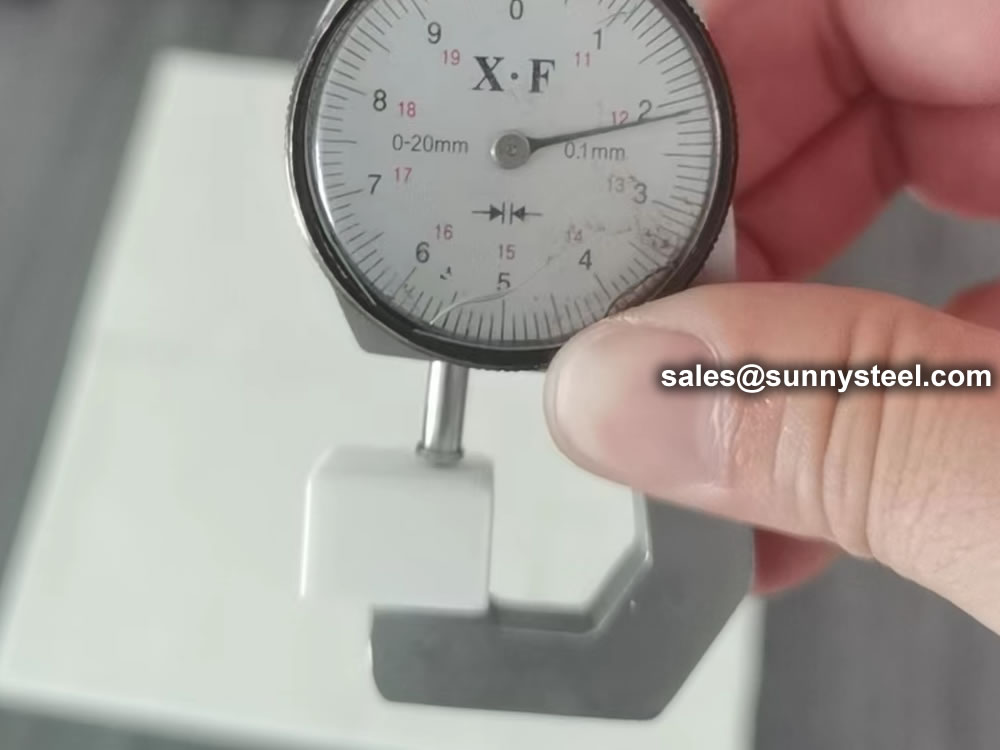
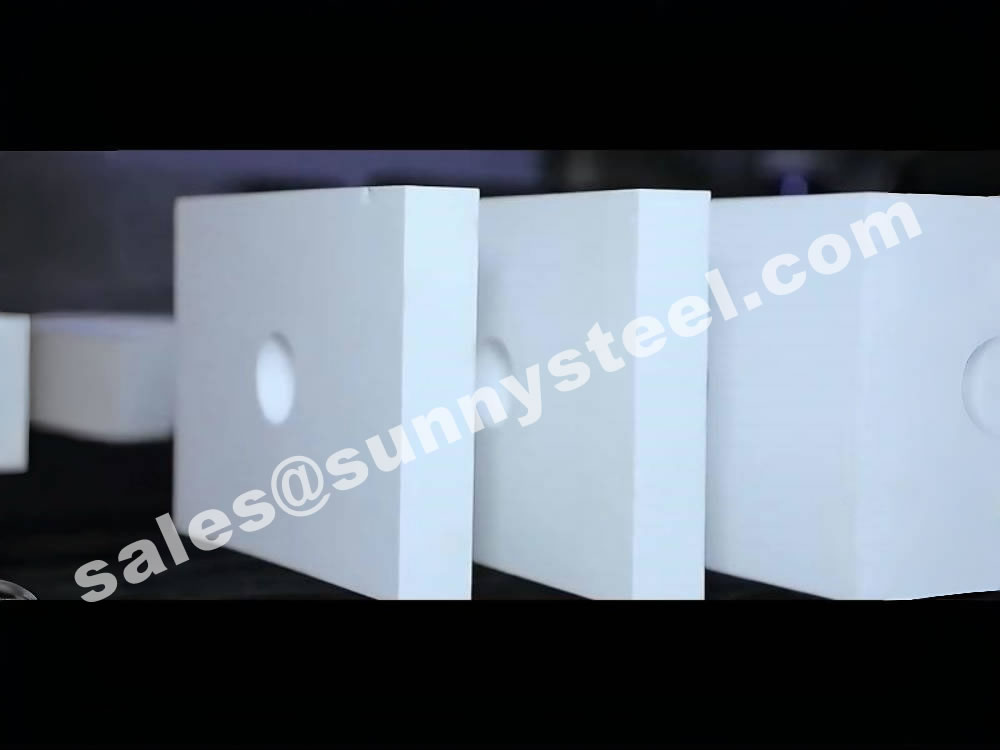
Main performance indicators: The wear resistance of the ceramic work surface is more than 100 times that of manganese steel, 20 times that of high chromium cast iron, and several times to several dozen times higher than that of wear resistant rubber. Ceramic metal bonding strength up to 300kg/cm2 can be used up to 500°C.
The use of equipment made of wear-resistant ceramics, the service life can be increased by more than five times, and the performance-cost ratio can be increased by more than three times.
Wear resistant ceramic lining is AL203 as the main material, with rare metal oxide as solvent, after more than 1700°C high temperature roasting to special ceramic, embedded into rubber , polyurethane or mild steel for the purpose of low to moderate impact and highly abrasive sliding application.
The abrasion pipe of thermal power plant is mainly conveying raw coal powder, ash slag, flue gas desulfurization (FGD) limestone powder and slurry, due to the transmission of medium velocity fast, poor operating conditions, resulting in pipelines, especially elbow, variable diameter pipe serious wear and corrosion, not only consumes a lot of metal materials, but also to the thermal power plant security, economic operation has brought hidden dangers. The abrasion mechanism of pipeline is mainly based on erosion wear. Wear-resistant pipe can be divided into two categories: single metal pipe and composite pipe.
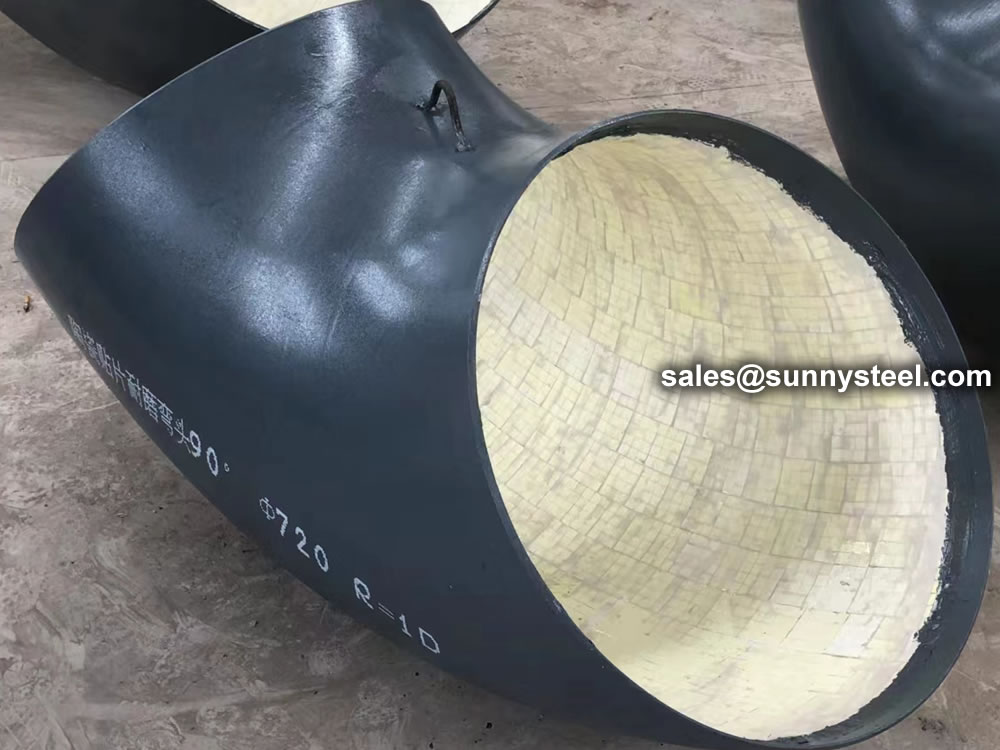
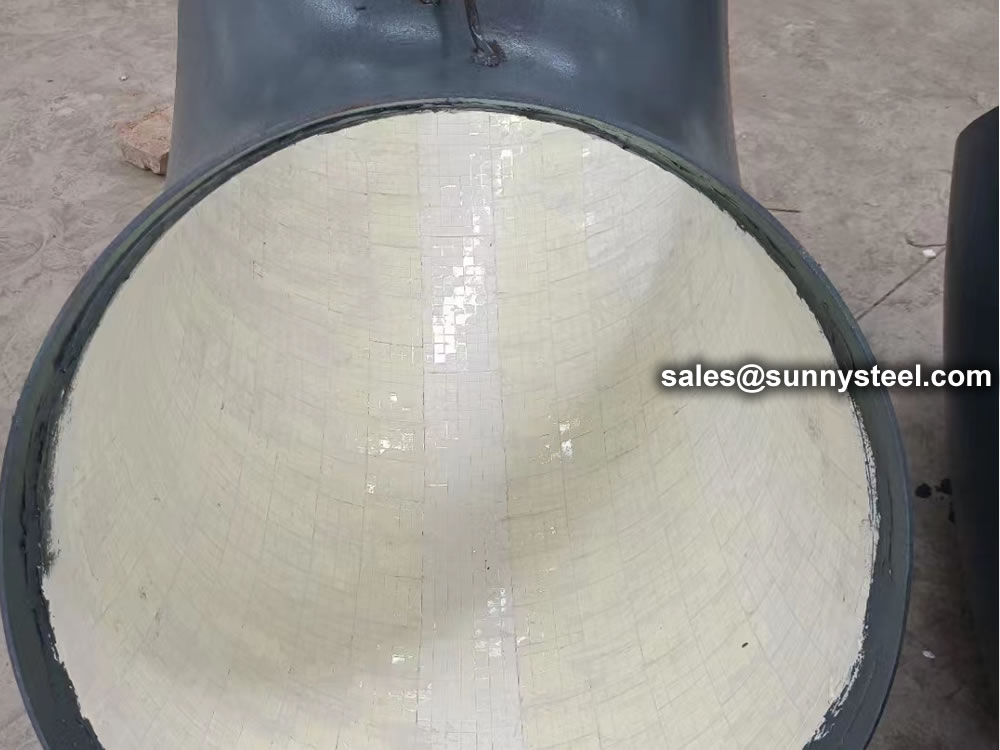
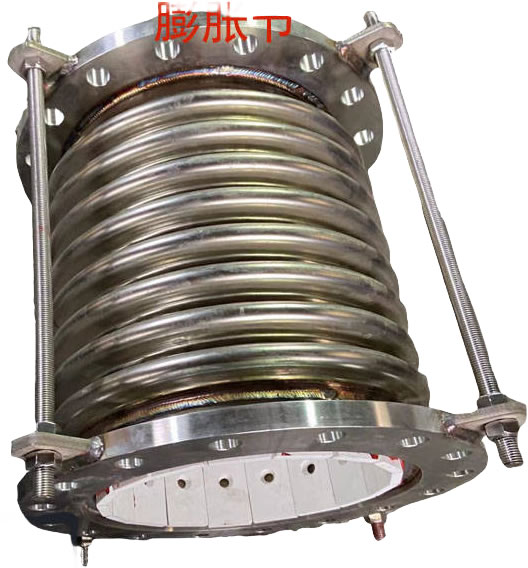
The lined ceramic double-flanged limited expansion joint is created by adhering alumina ceramic tiles to the inner wall of the pipe using a high-temperature adhesive.
After heating and curing, it forms a robust anti-wear layer. This type of product has a relatively simple manufacturing process, a short production cycle, and lower costs.
Technical Specifications: SunnySteel offers various models of ceramic lined wear-resistant pipes and can also customize production as per requirements. Ceramic lined wear-resistant pipes are essentially not restricted by pipe size, and they can be produced for diameters ranging from 1 inch to 120 inches or even larger.
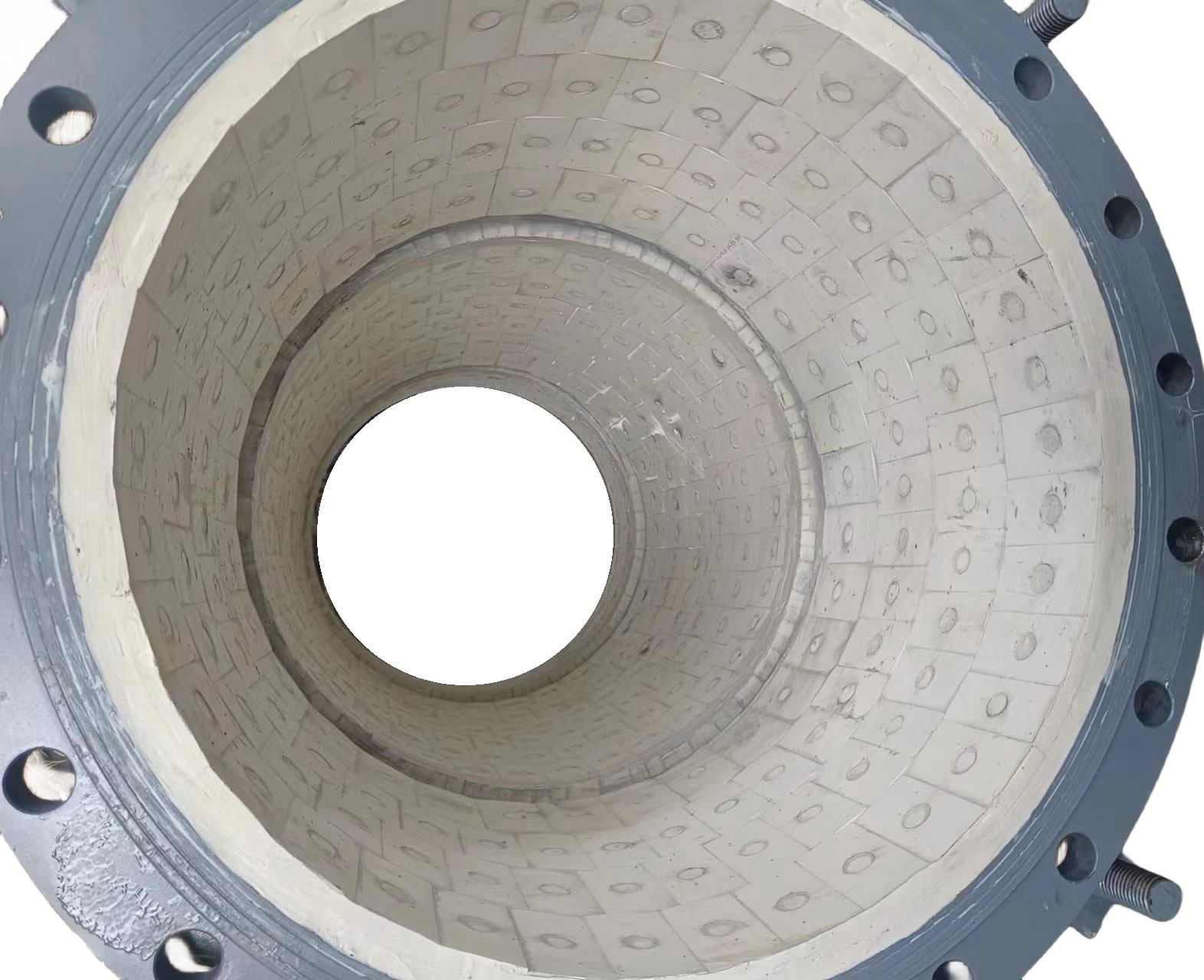
It is important to note that expansion joints are not limited to ceramic tiles alone. They are also used in other applications, such as in pipework systems and ducts, where ceramic lined pipe expansion joints are designed to absorb dimensional changes caused by heat-induced expansion.
When installing ceramic tiles, it is crucial to consider the proper placement of expansion joints. Guidelines suggest that grout lines must be wide and proportional to the size of the tiles, and expansion joints in the tiling must also be calculated accordingly.
Ceramic tile lined expansion joints are used to accommodate the movement and expansion of ceramic tile surfaces, preventing cracks and damage. They can be installed in various ways, such as creating gaps between tiles or toothed around the tiles in an offset-bond pattern.
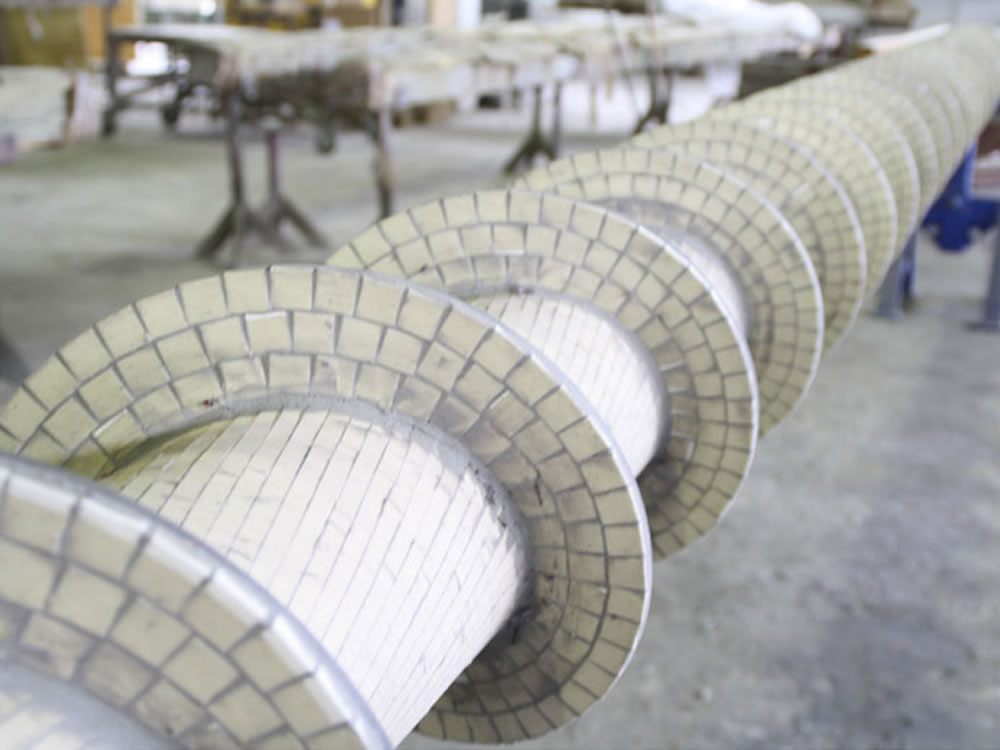
Ceramic-Lined Screw Conveyors for Conveying Abrasive Coal
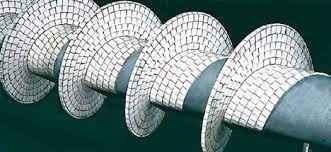
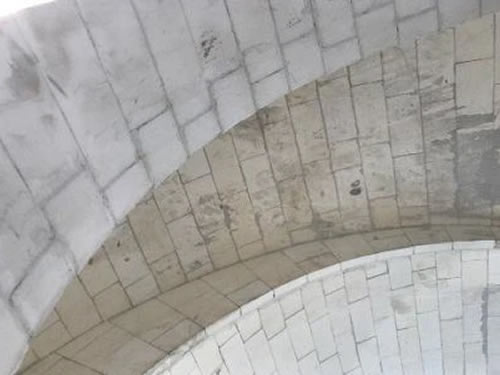
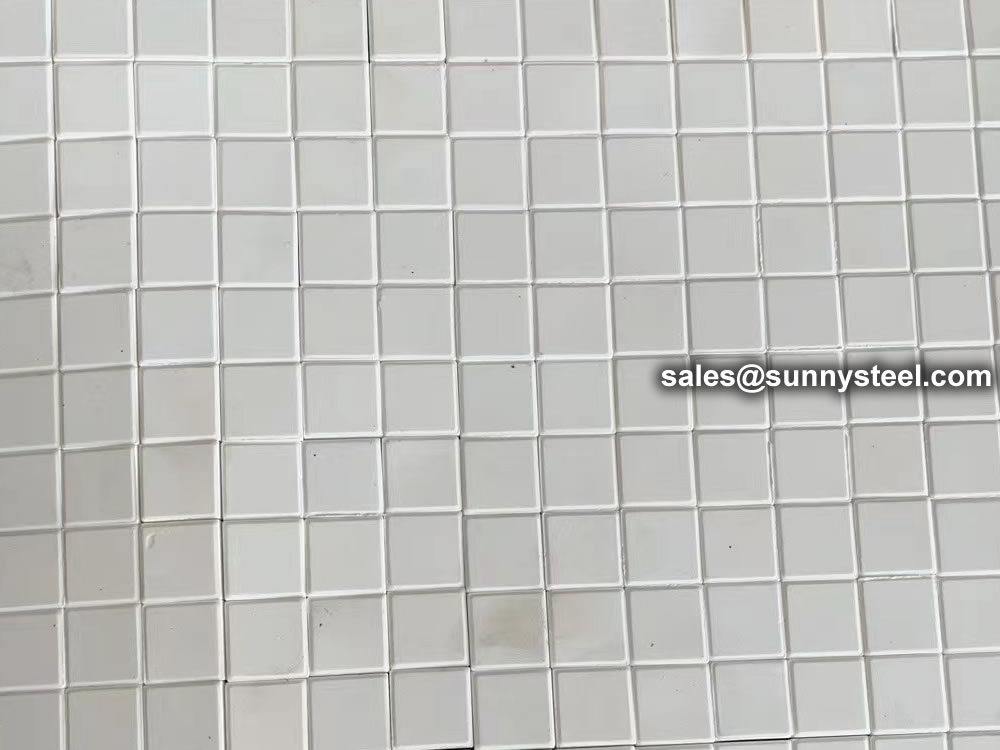
Example of a screw lining with alumina ceramic mosaic size 20x20x4 mm throughout an overall length of nearly 5 m. Bonded by means of a 2-component special adhesive.
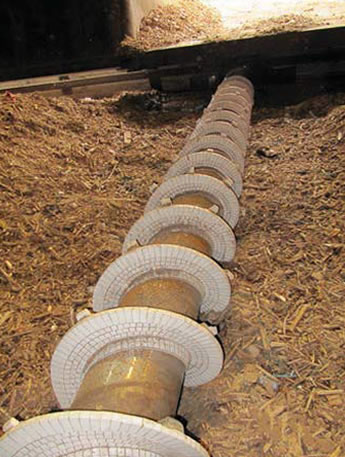
After heating and curing, it forms a robust anti-wear layer. This type of product has a relatively simple manufacturing process, a short production cycle, and lower costs.
Steel-shell composite pipes with high-alumina ceramic tile lining for extreme wear conditions.
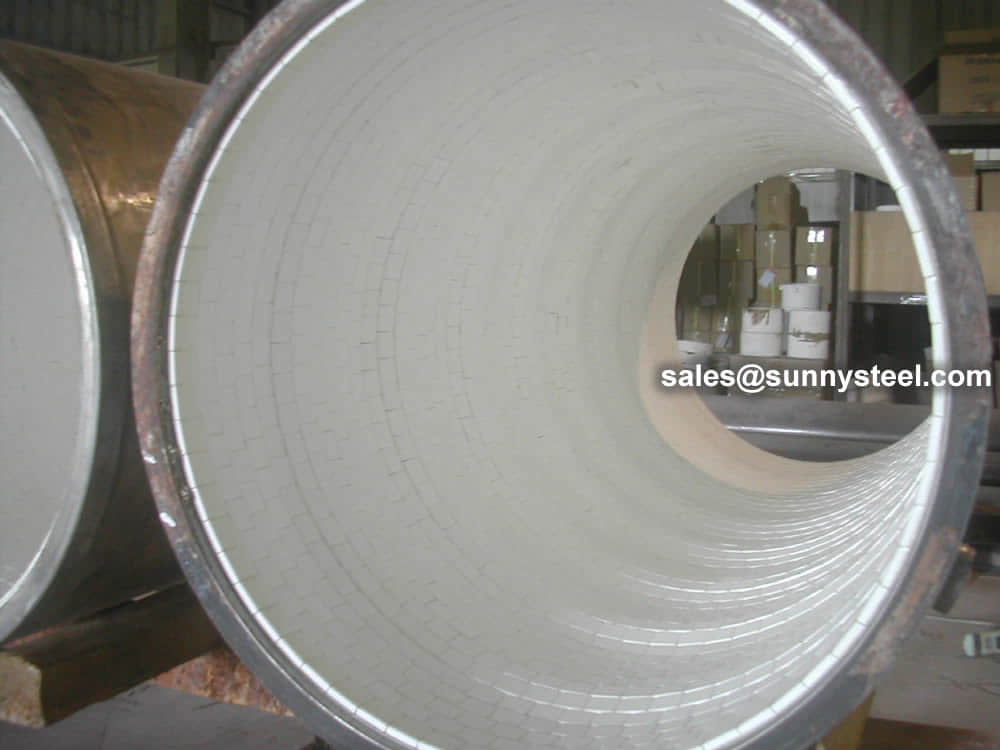
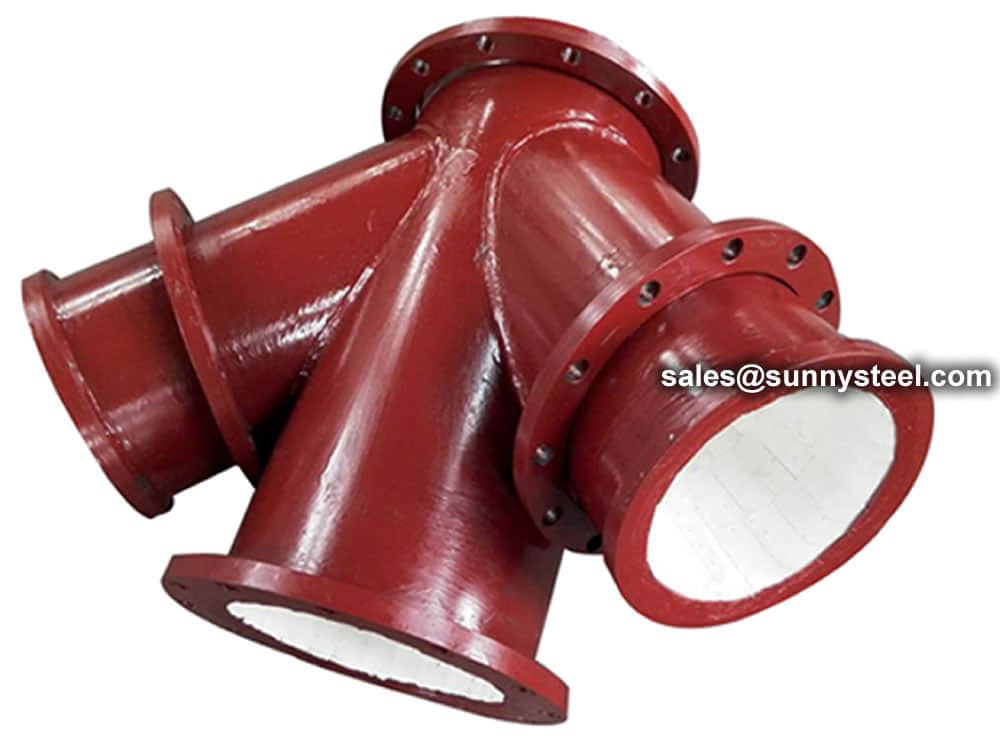
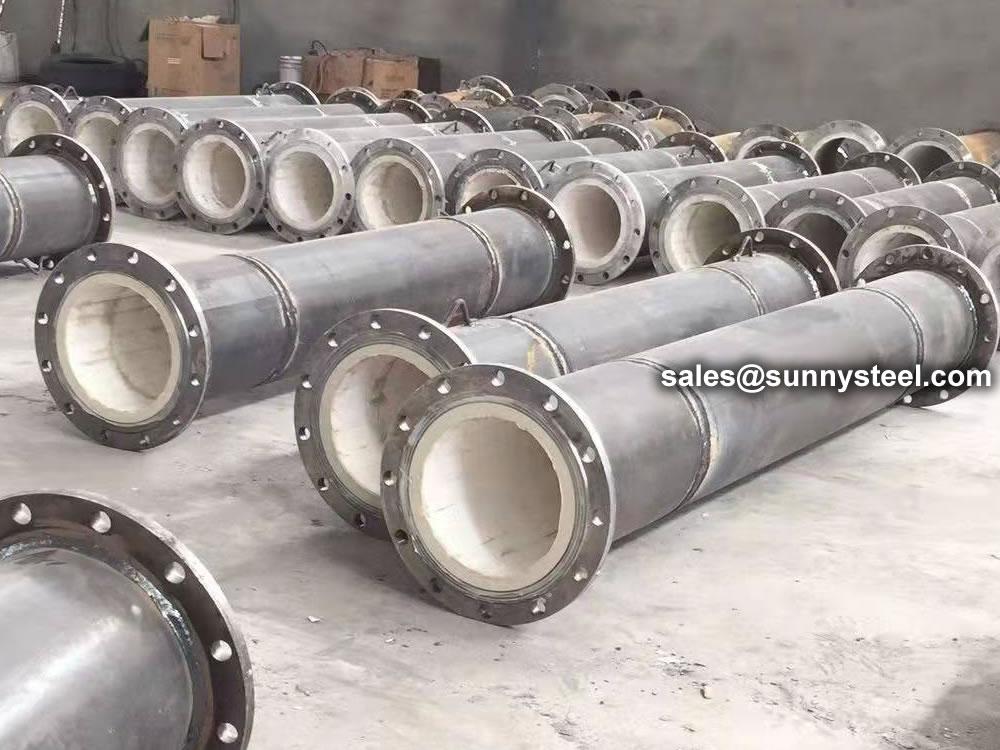
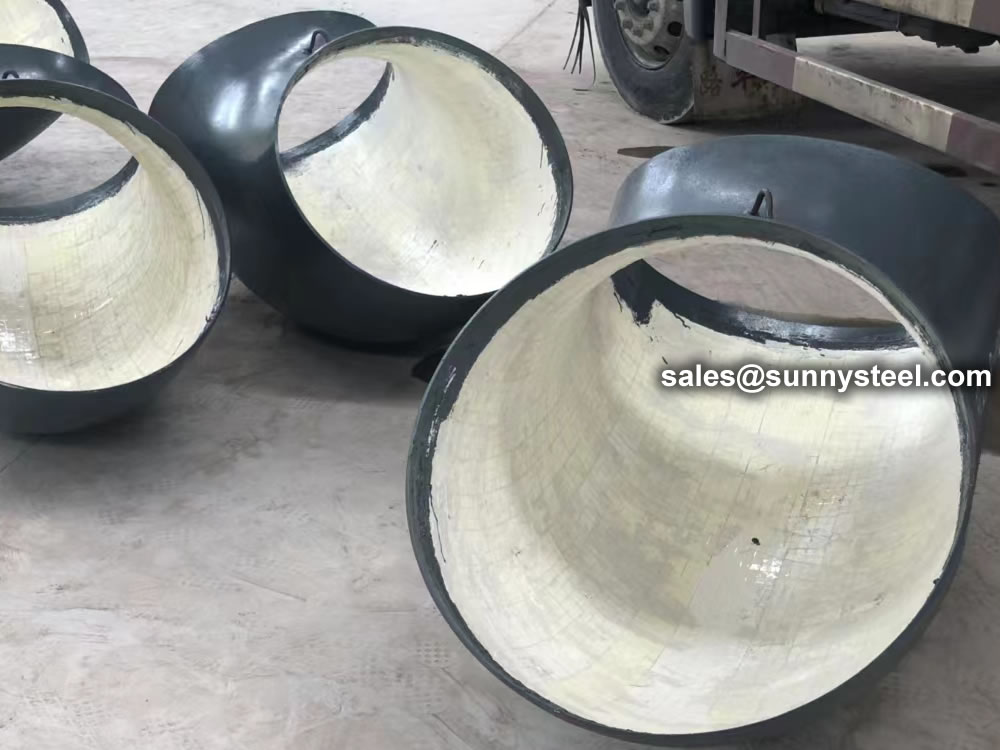
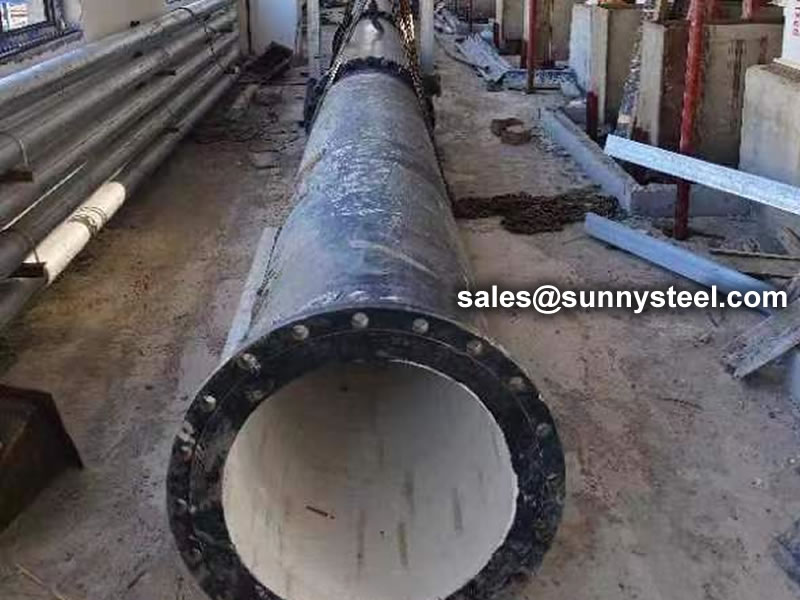
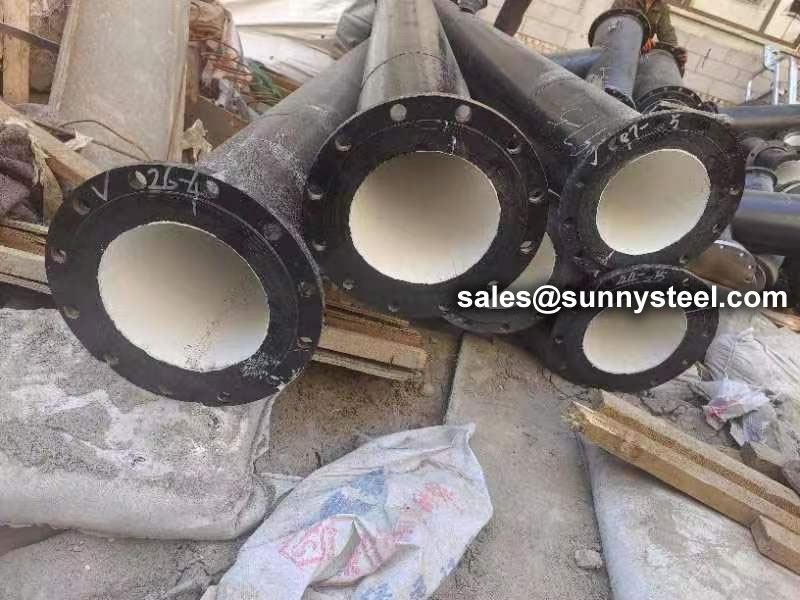
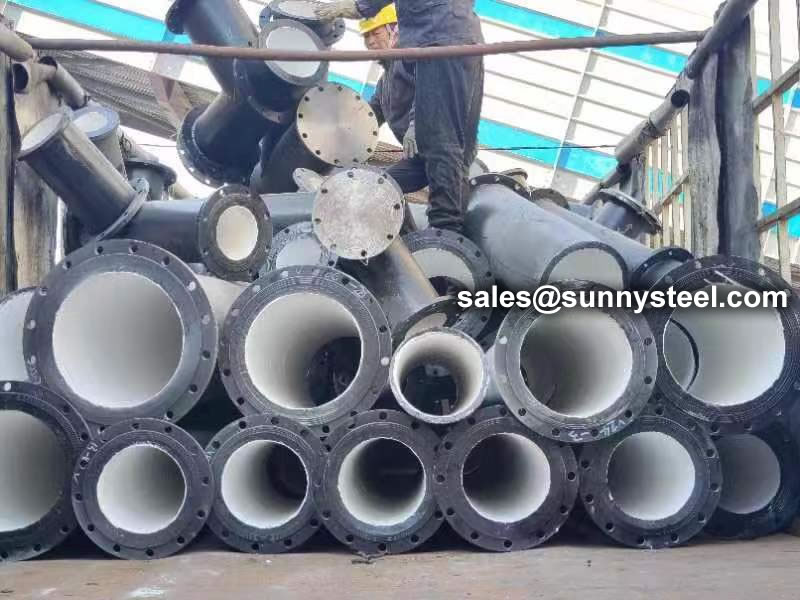
Ceramic tile lined pipe is a composite product developed by integrating advanced domestic and international technologies. It consists of a steel outer shell and an inner lining of high-alumina ceramic tiles, delivering exceptional wear resistance and long service life.
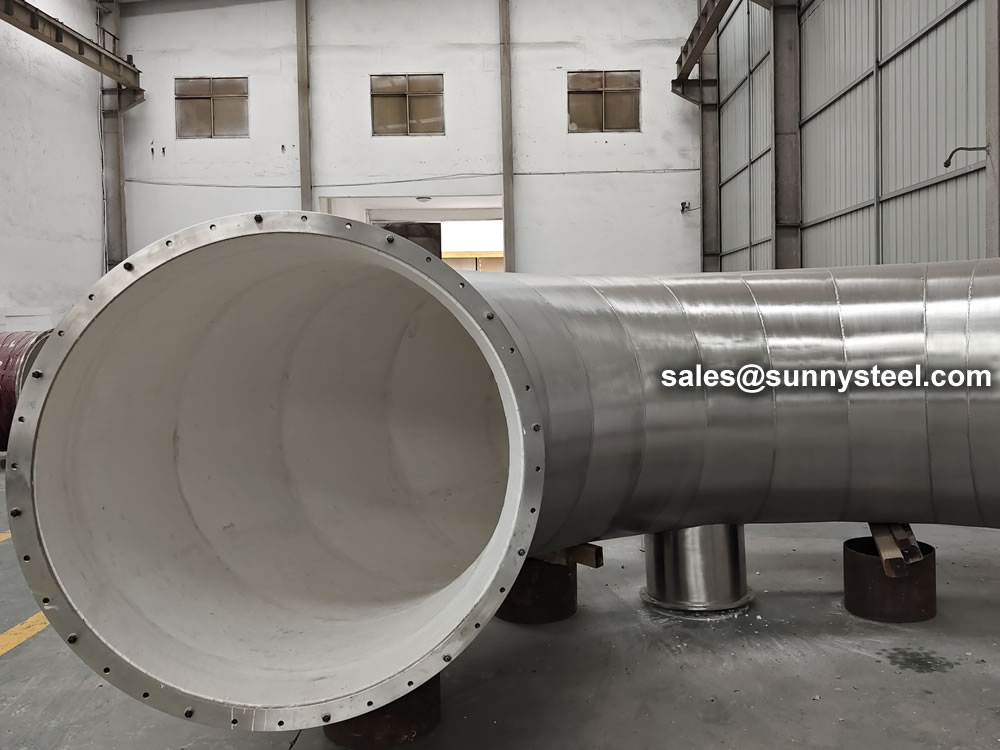
Anti-dislodgement ceramic tiles are precisely positioned and bonded with a high-strength inorganic adhesive, then further secured by wear-resistant steel stud welding. This dual-reinforcement method ensures that the ceramic tiles remain firmly attached under severe operating conditions. The product offers flexible installation, excellent wear performance, convenient fabrication and moderate cost.
High-alumina ceramics achieve a Rockwell hardness of HRA 80–90, second only to diamond and far superior to wear-resistant steel and stainless steel.
The wear resistance of high-alumina ceramics is approximately 266 times that of manganese steel and 171.5 times that of high-chromium cast iron. Field investigations and customer feedback confirm that equipment service life can be extended by more than 10 times under identical operating conditions.
High-alumina ceramics are inorganic oxides with an extremely stable molecular structure and no electrochemical corrosion mechanism. They resist attack from acids, alkalis, salt solutions and organic solvents, making them suitable for chemically aggressive environments.
High-alumina ceramic linings can operate continuously at temperatures up to 1,400°C, making them suitable for high-temperature flue gas, ash handling and furnace applications.
High-alumina ceramics exhibit excellent self-lubricating properties and low surface adhesion. The surface roughness is only 1/6 that of steel pipes, resulting in significantly lower flow resistance and reduced material buildup.
The density of high-alumina ceramics is approximately 3.6 g/cm³, about half that of steel. This significantly reduces the overall weight of the piping system, making transportation, handling and installation easier and more cost-effective.
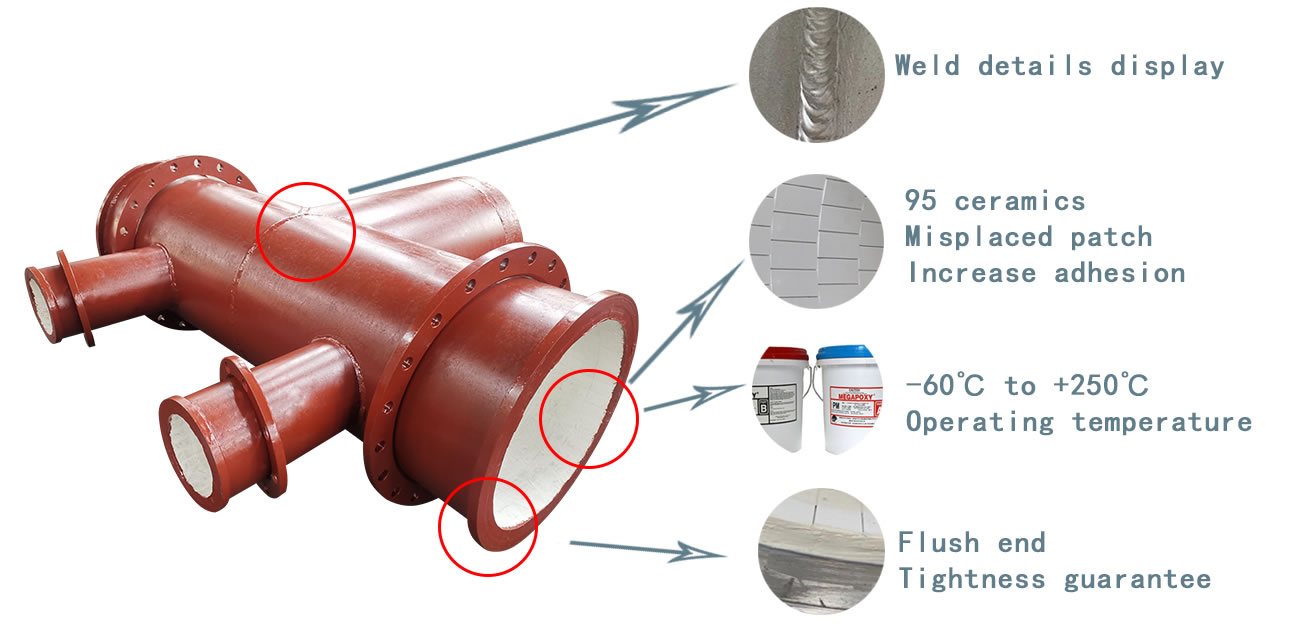
Three-layer composite piping system combining structural steel, high-alumina ceramic lining and engineered bonding technology.
Ceramic tile lined pipe is a composite product consisting of three layers: an outer steel pipe, a high-strength inorganic adhesive layer, and an inner high-alumina ceramic lining. The ceramic layer typically exhibits a white appearance and is manufactured from ≥95% alumina (Al₂O₃) ceramic. Standard service temperature is below 200°C.
Commonly used ceramic lining configurations include ceramic blocks, dovetail-interlocked tiles, welded-stud-fixed tiles, mosaic layouts and grooved locking systems. These designs deliver excellent wear resistance and significantly extend equipment service life in abrasive environments.
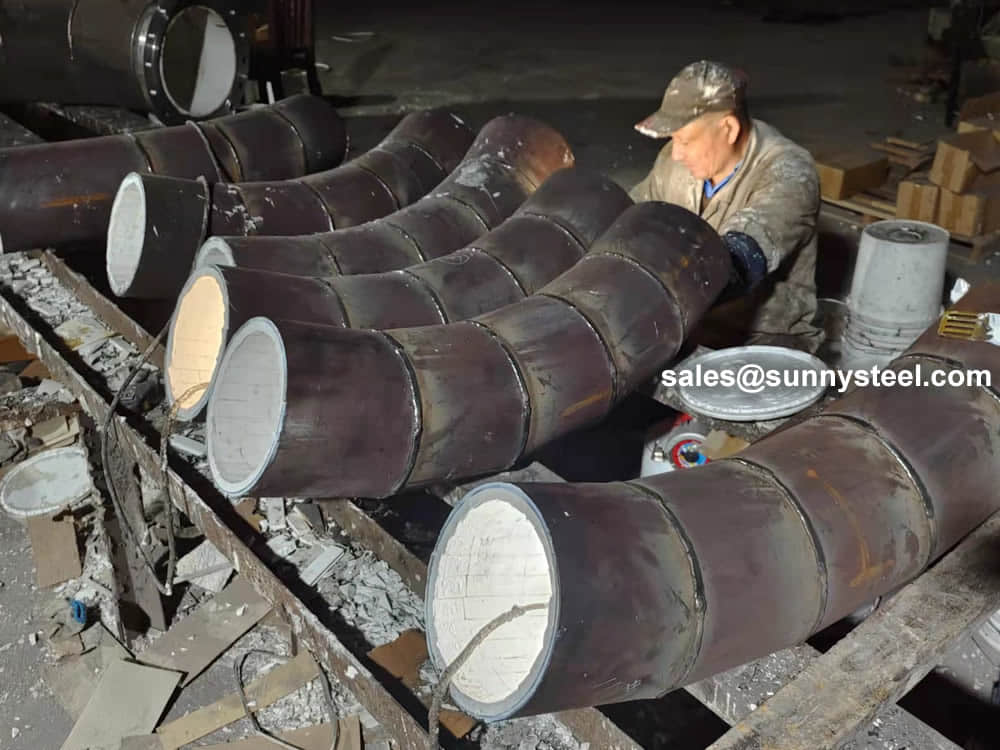
The ceramic tile is pasted on the steel pipe with high temperature wear-resistant glue to play a wear-resistant role, and the pipe is generally white. Generally used for large diameter pipes.
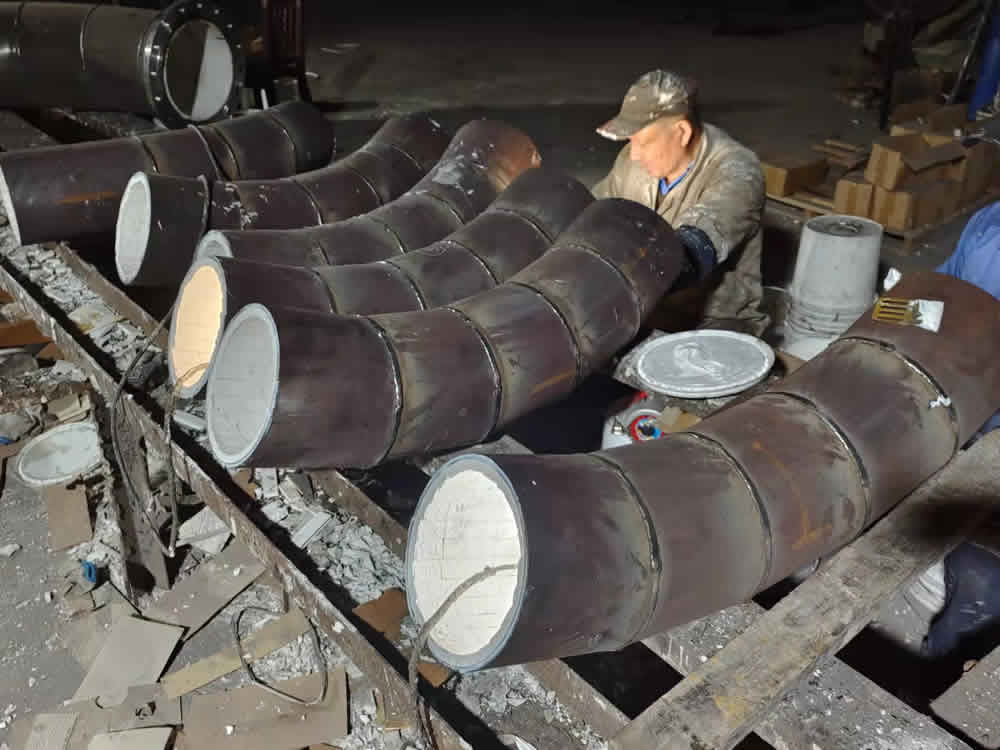
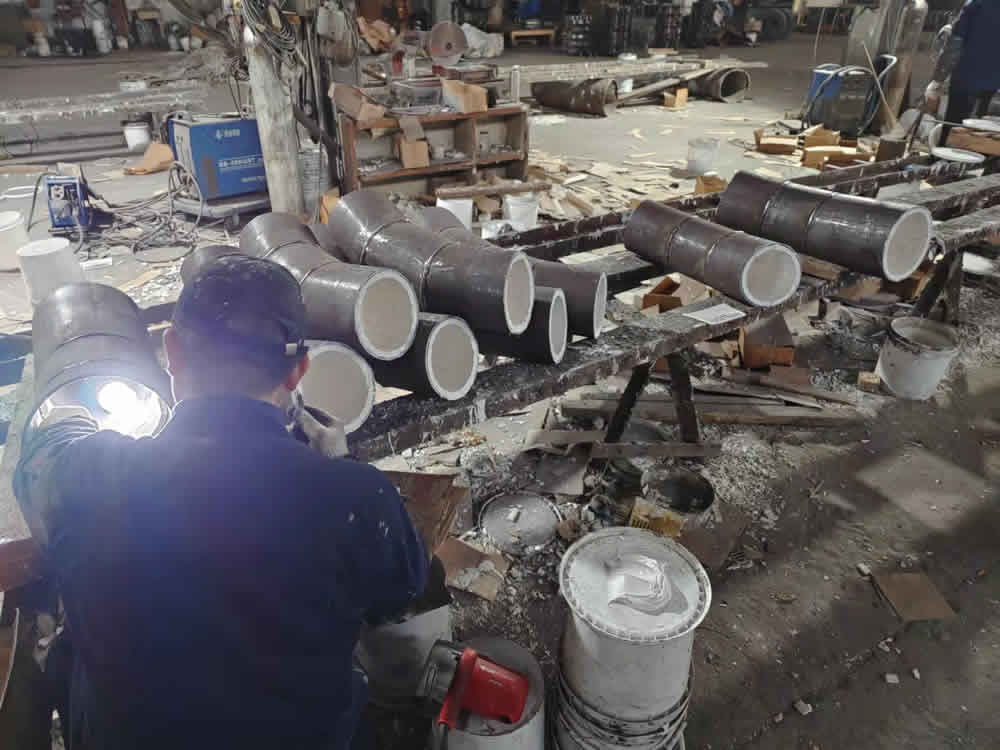
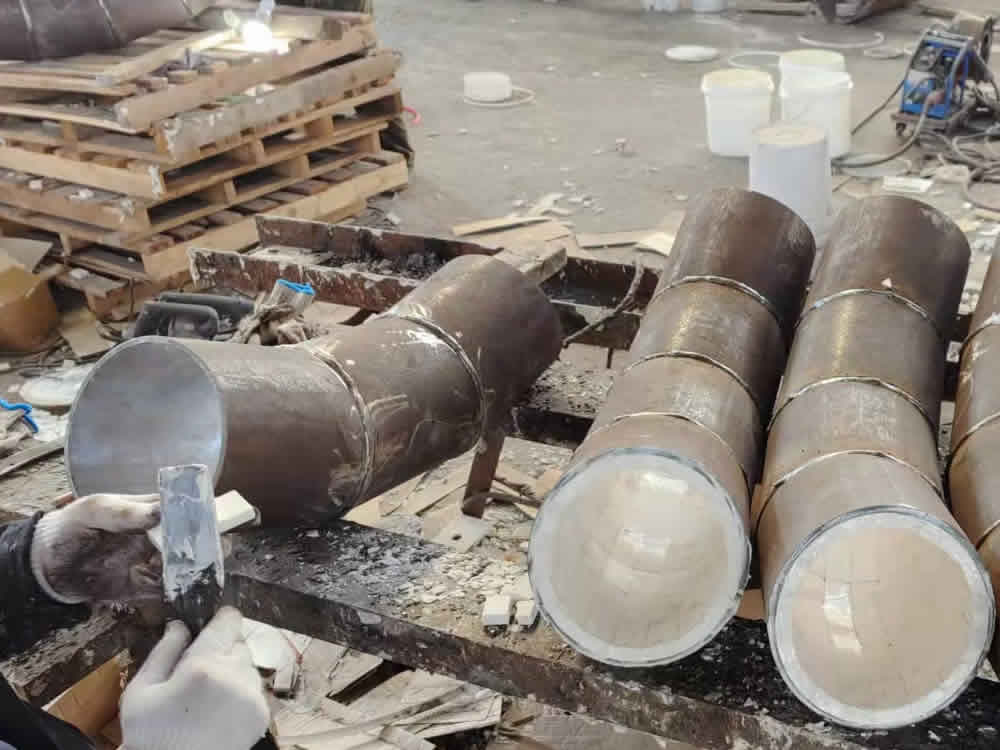
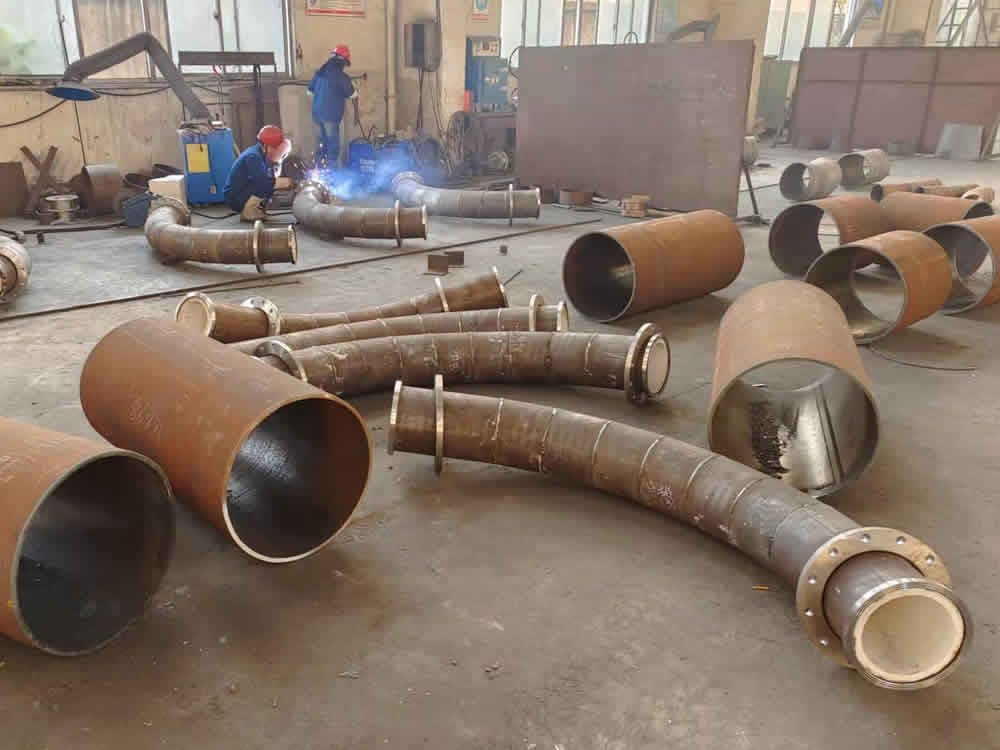
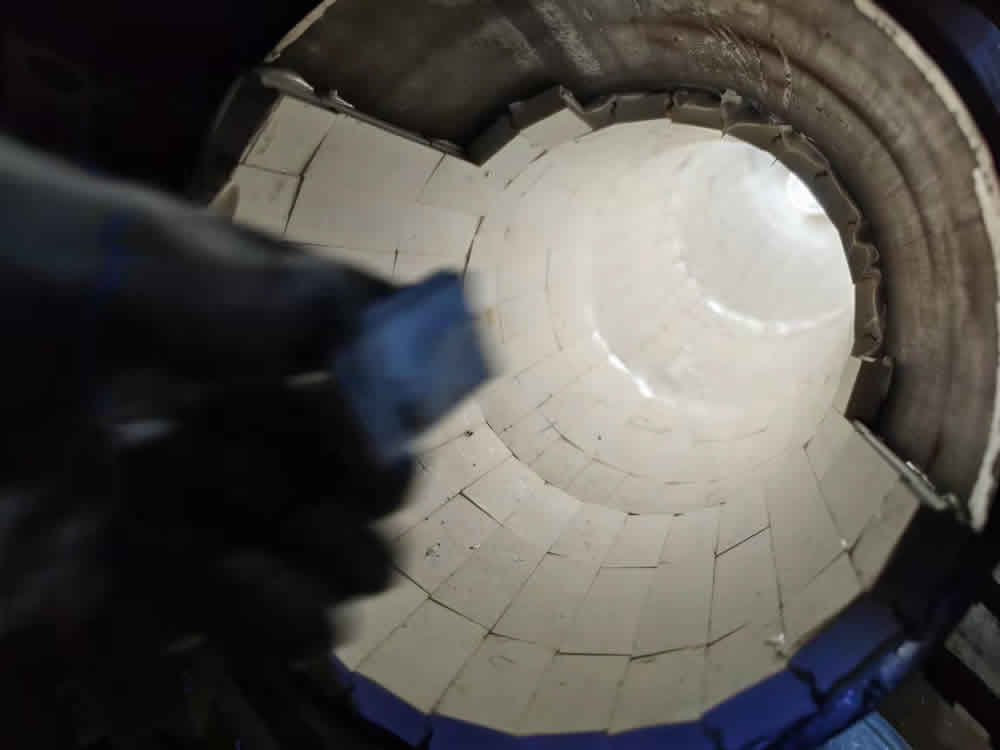
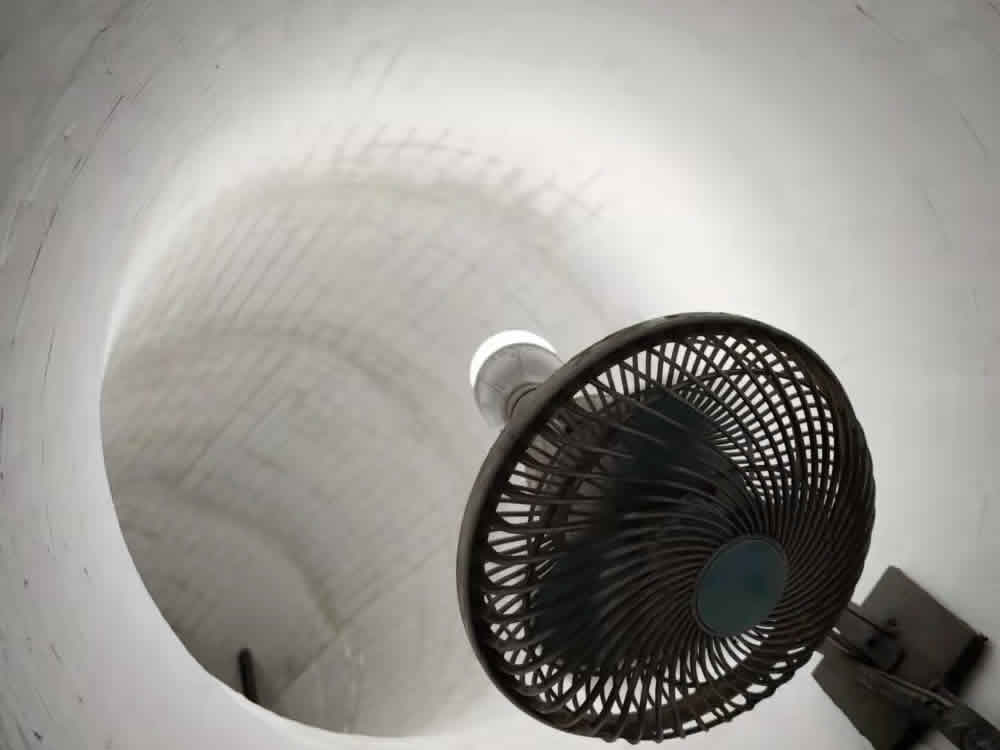
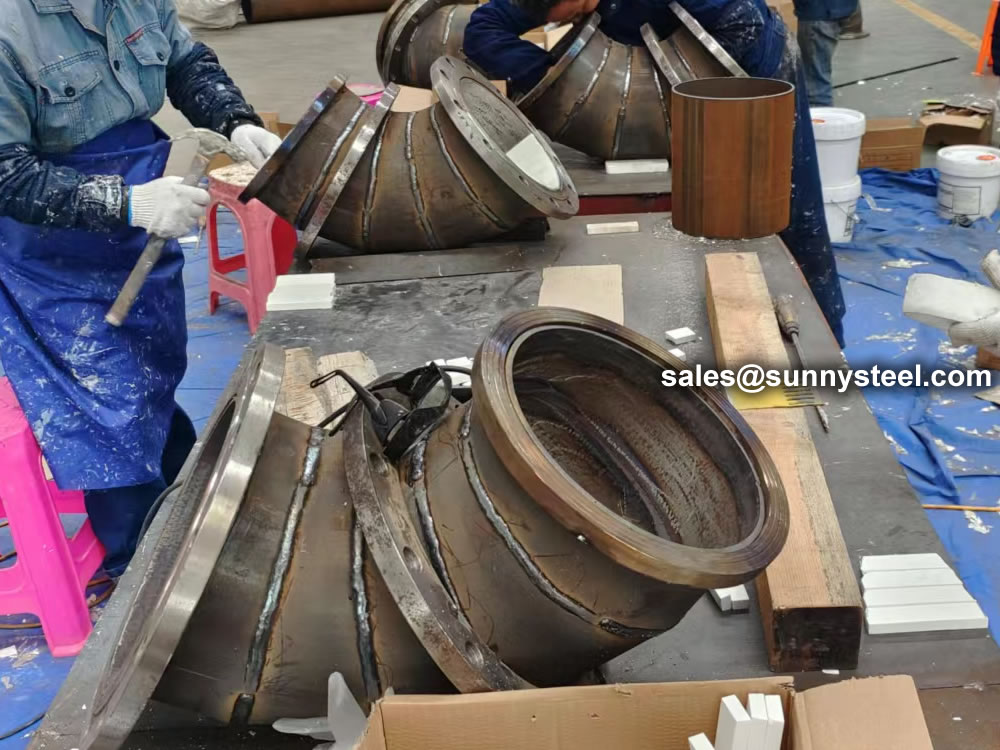
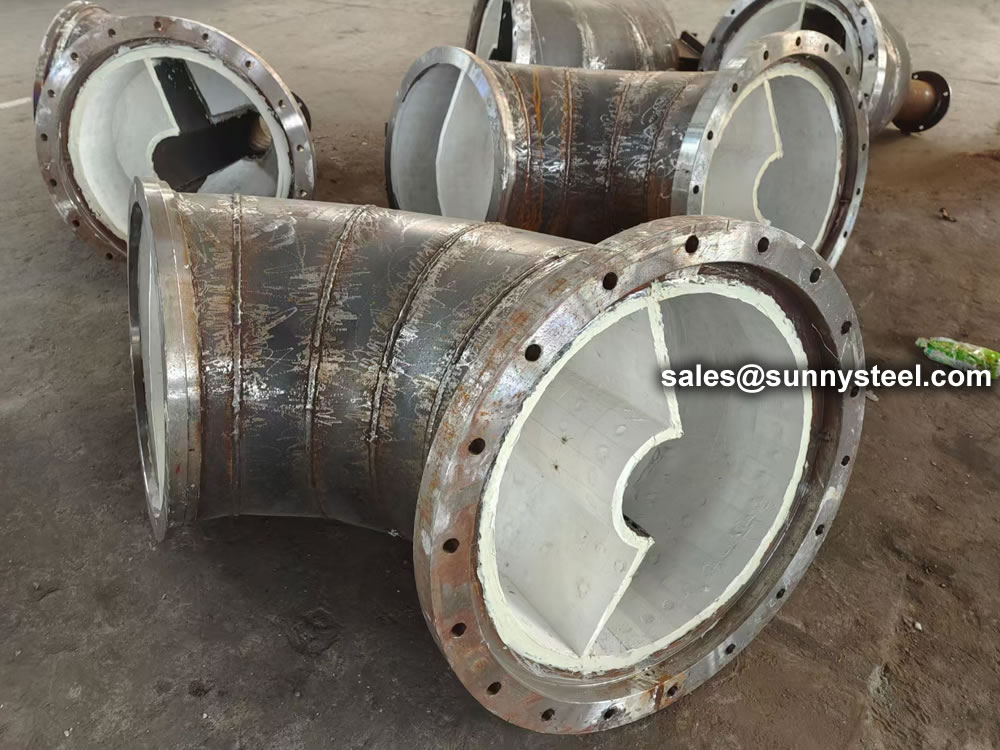
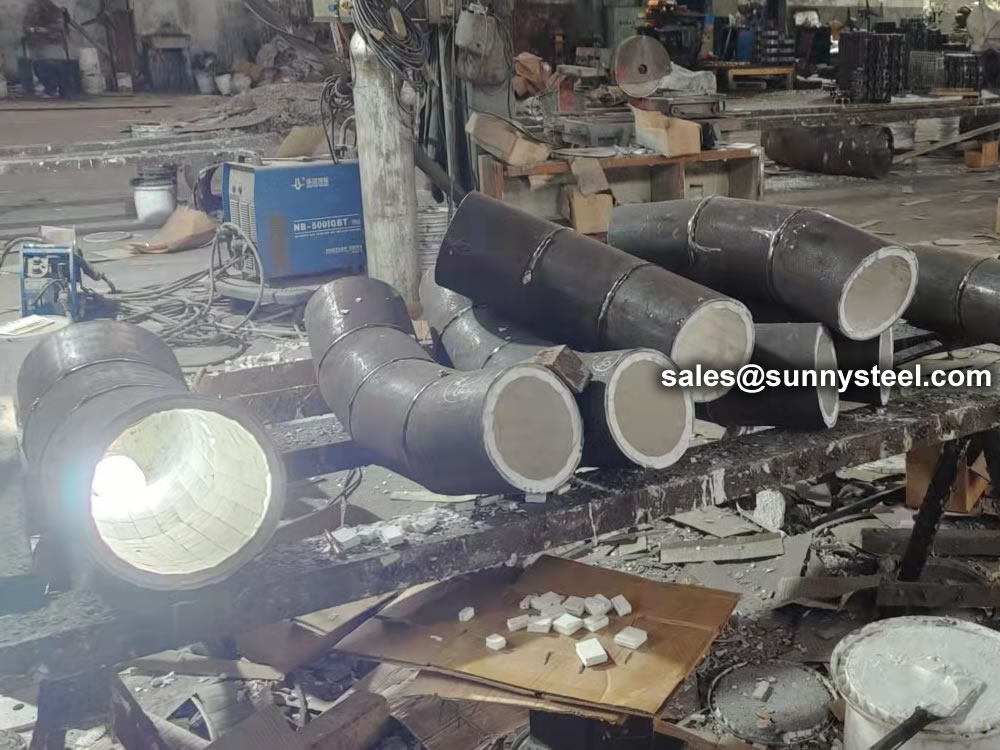
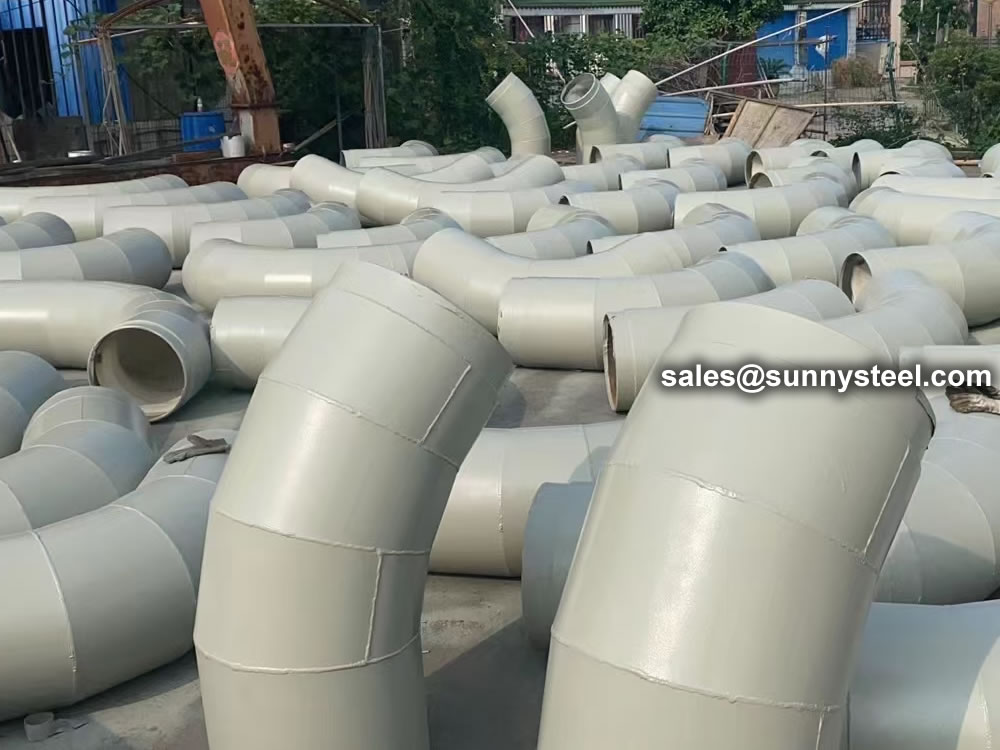
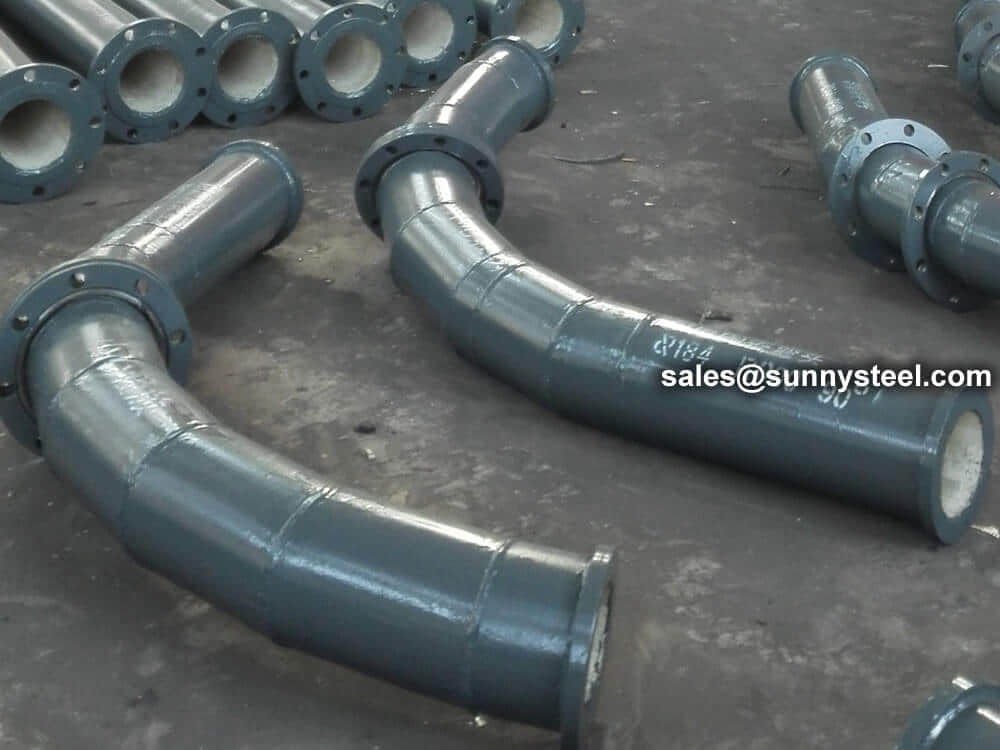
Bends and other profile sections can be clad in whole and this process has changed the traditional practice to fabricate bend and other profile sections by drawing polyline without changing flow pattern of material inside piping, greatly reducing conveyance resistance of material.
The ceramic tiles are pasted to the inner wall of the steel pipe with high temperature wear-resistant glue to play a wear-resistant role.
| No. | Process | Standard | Inspection |
|---|---|---|---|
| 1 | Cleaning the inner surface of the fitting | Clean up all the rubbish and floating ash on the inner surface of construction equipment and pipe fittings. | Checked by the construction supervisor. |
| 2 | Rust removal, oil removal, paint removal | The rust, grease, and paint on the bonding surface must be completely removed without leaving any traces. Use iron sand skin, angle grinder, and soft sand skin to polish to see the metallic luster. After cleaning, wipe the surface with a cloth until there is no trace of dirt. | After the inspection and acceptance by the quality inspector, the construction of the next process can be carried out. |
| 3 | Formulated Adhesives | It must be measured in strict accordance with the prescribed proportion, and how much should be used; it must be stirred evenly, and the overall mixing should not be less than 4 times; if the mixed embedded material is added, the binder must be mixed well before adding the mixture and mixing Not less than 3 times. | Assigned by designated personnel. |
| 4 | Repair of the adhesive surface | If there are potholes on the pasting surface, especially if there are large potholes on the pasting surface of the old equipment, the wear-resistant ceramic sheet must be gradually filled with embedded materials. | After the inspection and acceptance by the quality inspector, the construction of the next process can be carried out. |
| 5 | Paste wear-resistant ceramic tiles | There should be no dust or dirt on the surface of the ceramic tiles. The surface of the repaired inlay material must be leveled. The pasting surface must be wiped again. Scrape the adhesive on the pasting surface for 1-2 times and scrape it flat. Scrape the back of the ceramic sheet for 1 It is necessary to ensure that there is a certain thickness of uniform adhesive available for pasting. | Checked by the person in charge of the construction of the pasted ceramic tiles. |
| 6 | Repair of gaps and corners between ceramic tiles | The gaps exceeding 3 mm must be repaired with wear-resistant and anti-corrosion fillers, the edges and corners must be neat, and the bevels must be trimmed with special ceramic tiles and then filled with fillers. | After the repair, the person in charge of the construction and the quality inspector will conduct a comprehensive quality inspection, and submit it to Party A for acceptance after passing the inspection. |
| 7 | Maintenance time | After construction and repair are completed, it can be put into use after natural maintenance for more than 12 hours after acceptance by Party A. |
There are probably hundreds of different methods for packing a abrasion resistant pipe and Elbows, and most of them have merit, but there are two principles that are vital for any method to work prevent rusting and Sea transportation security.
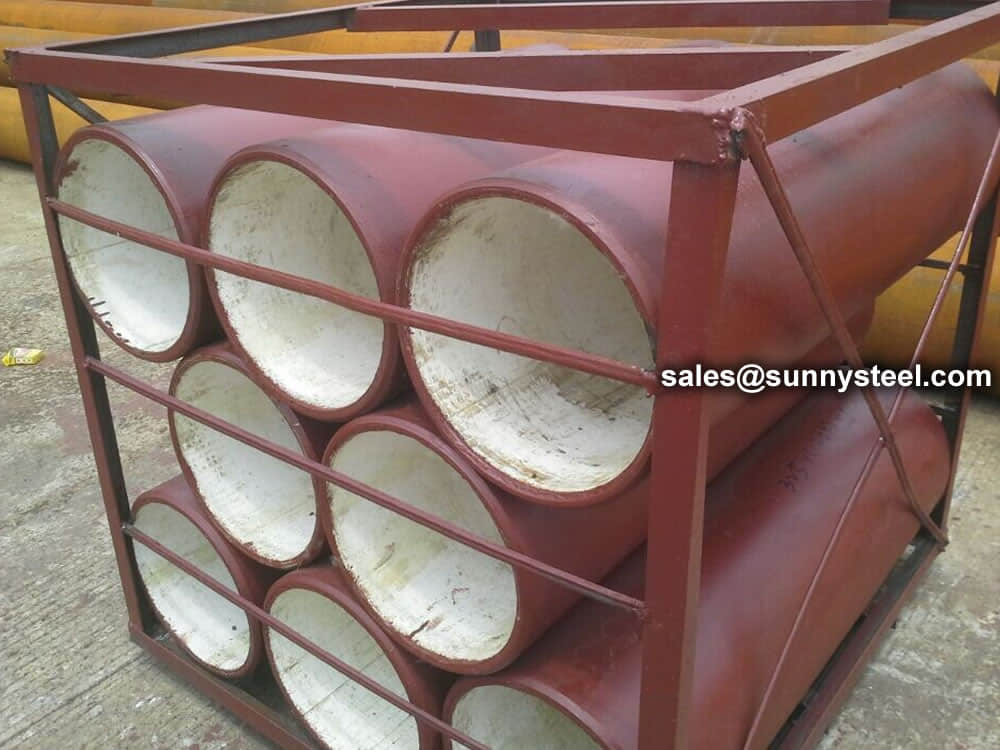
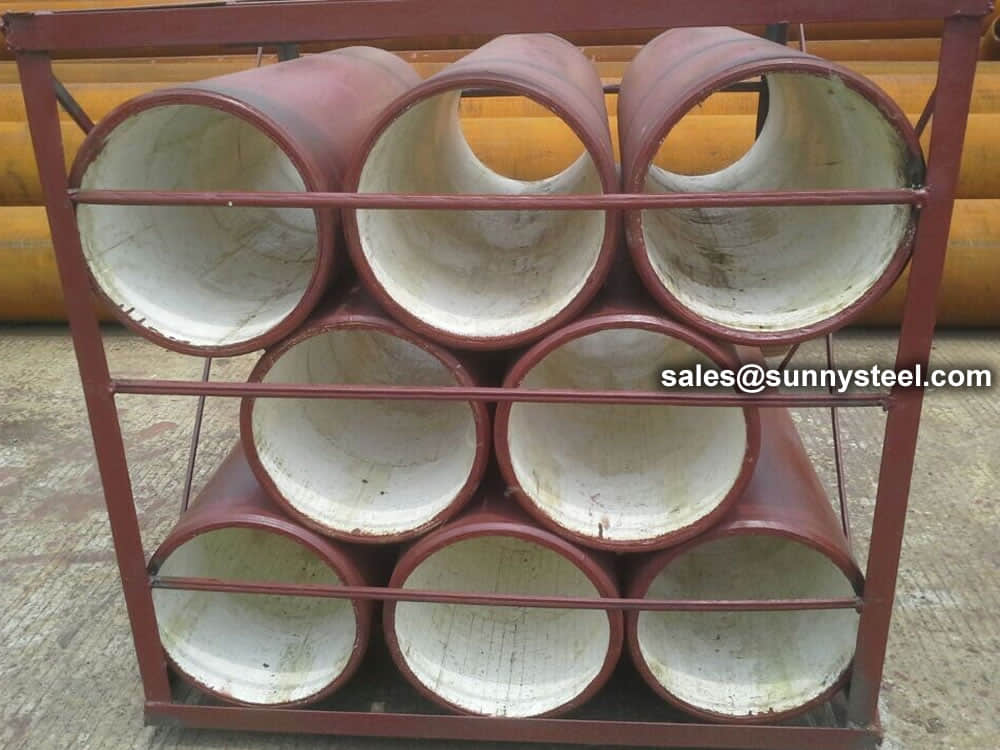
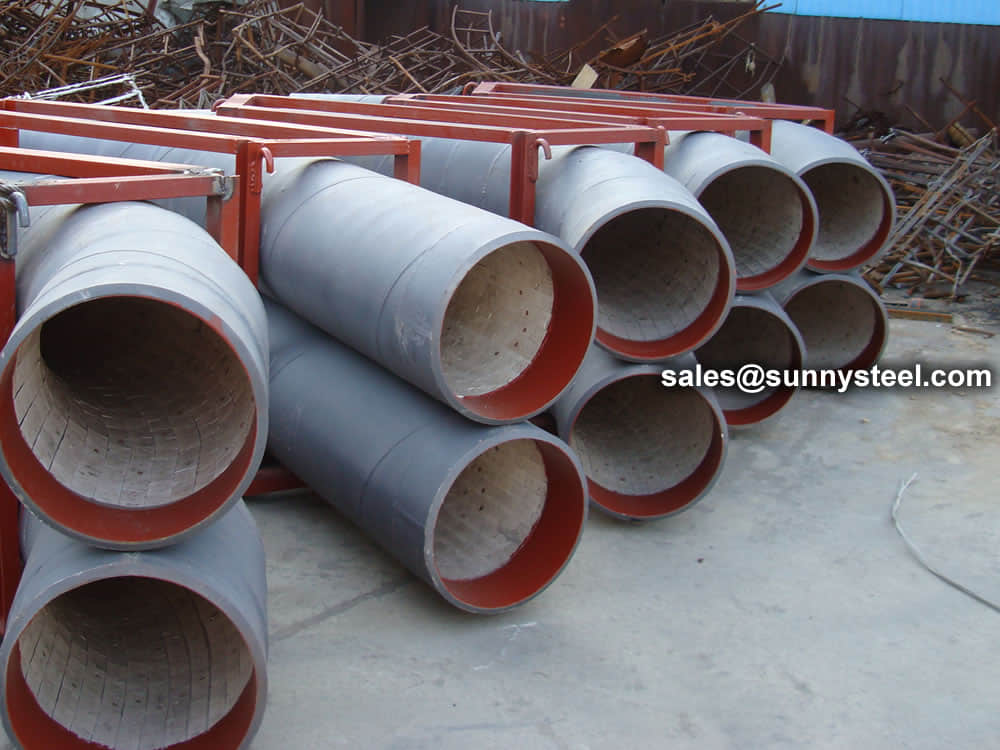
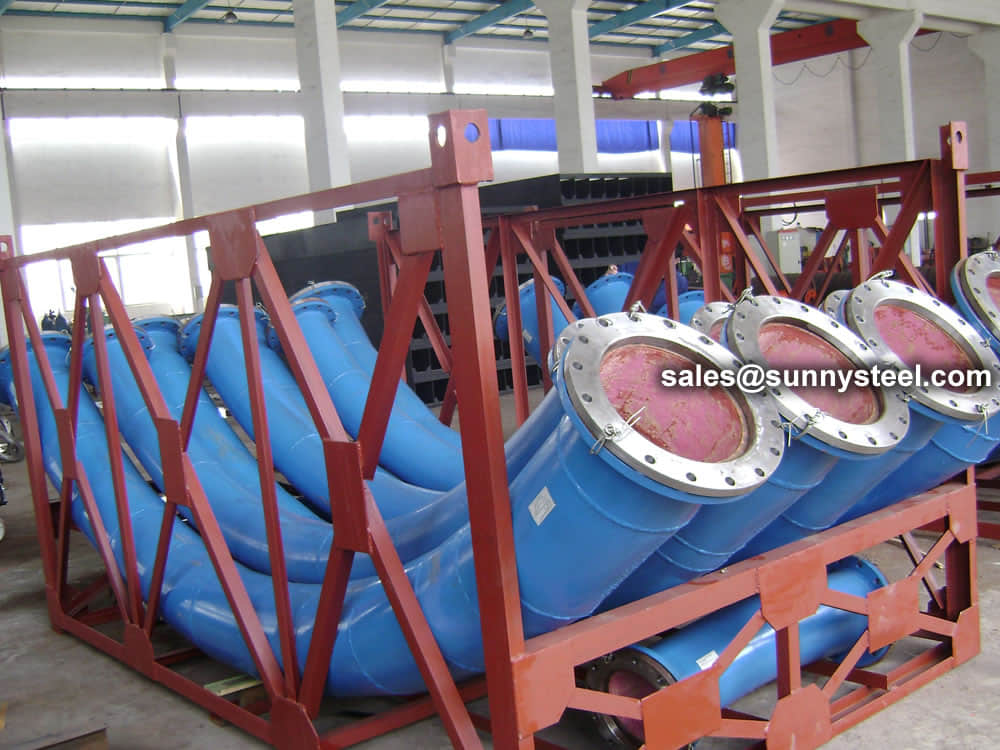
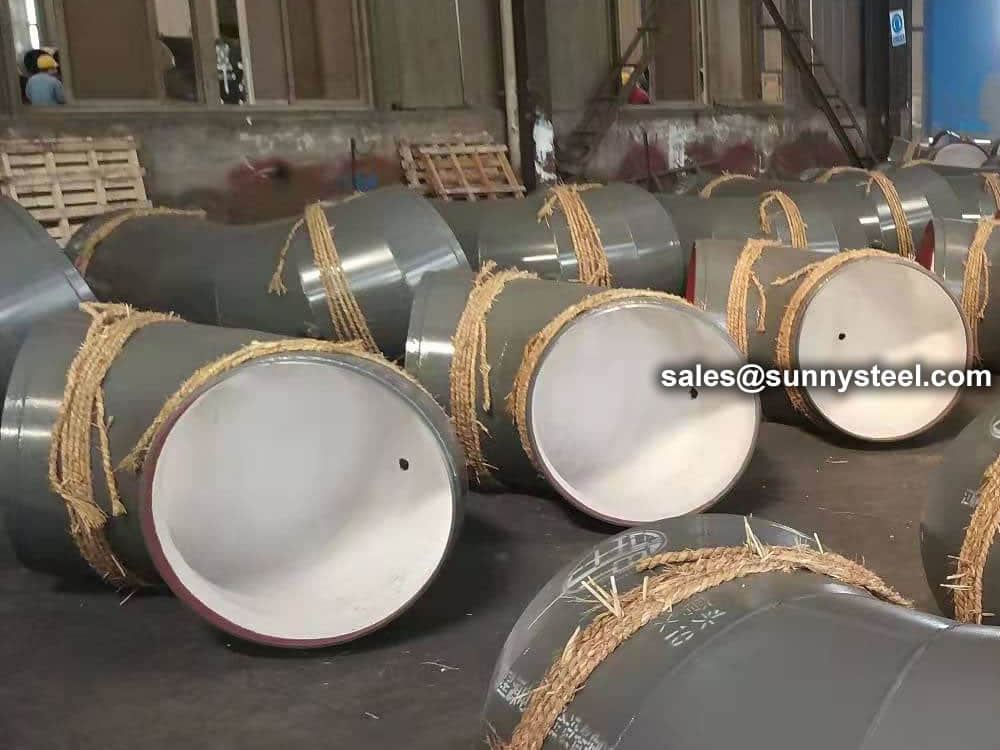
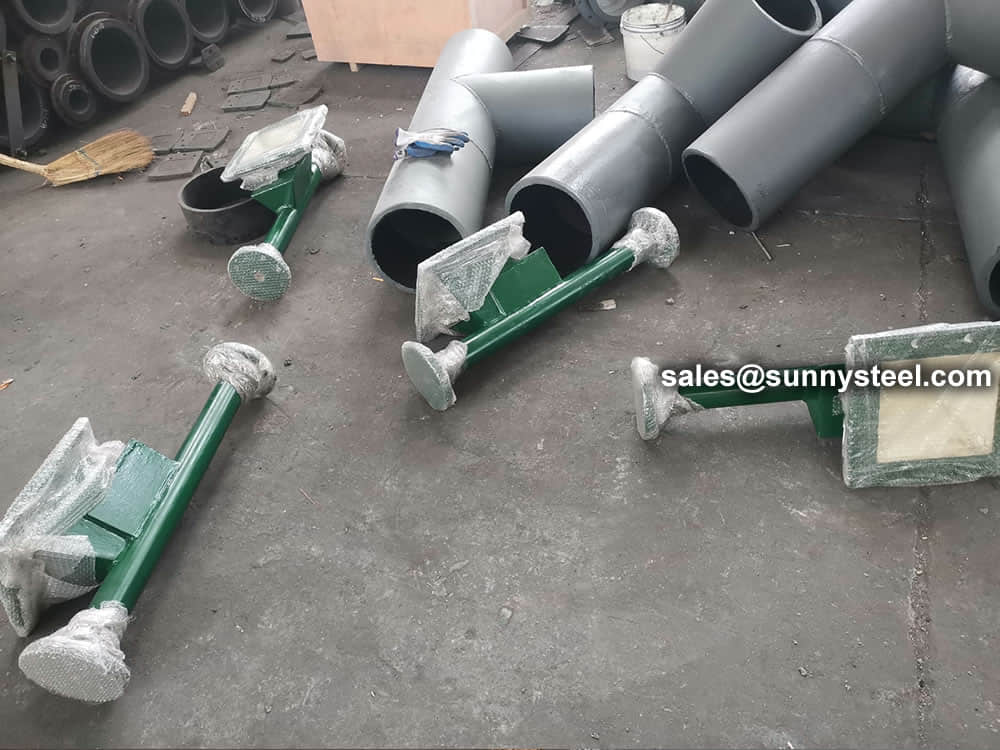
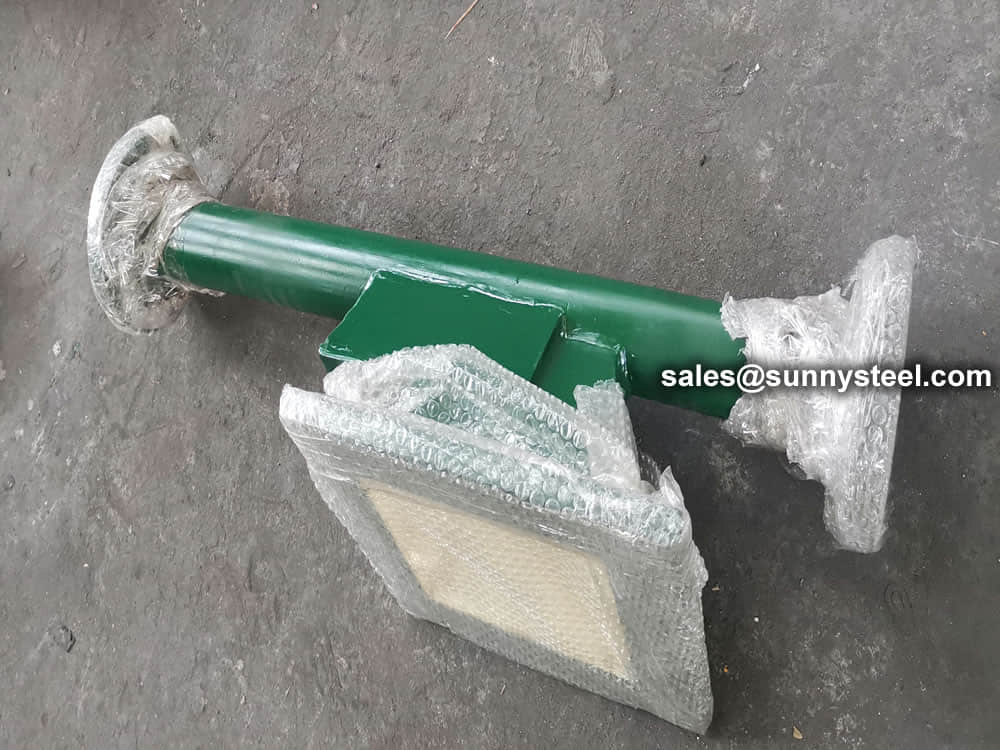
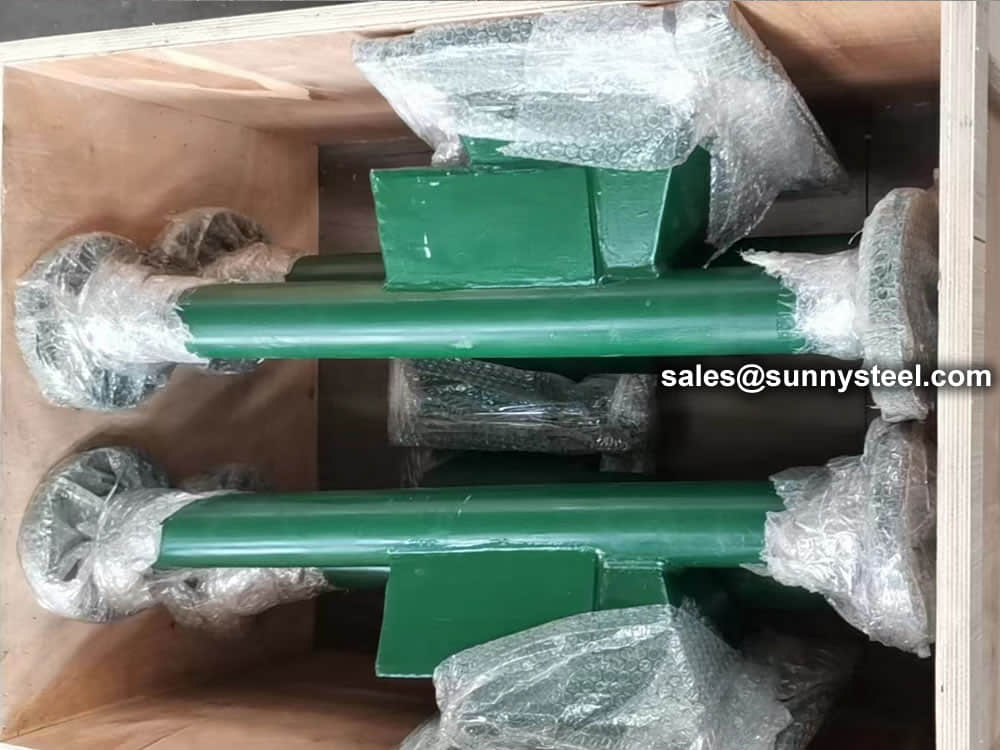
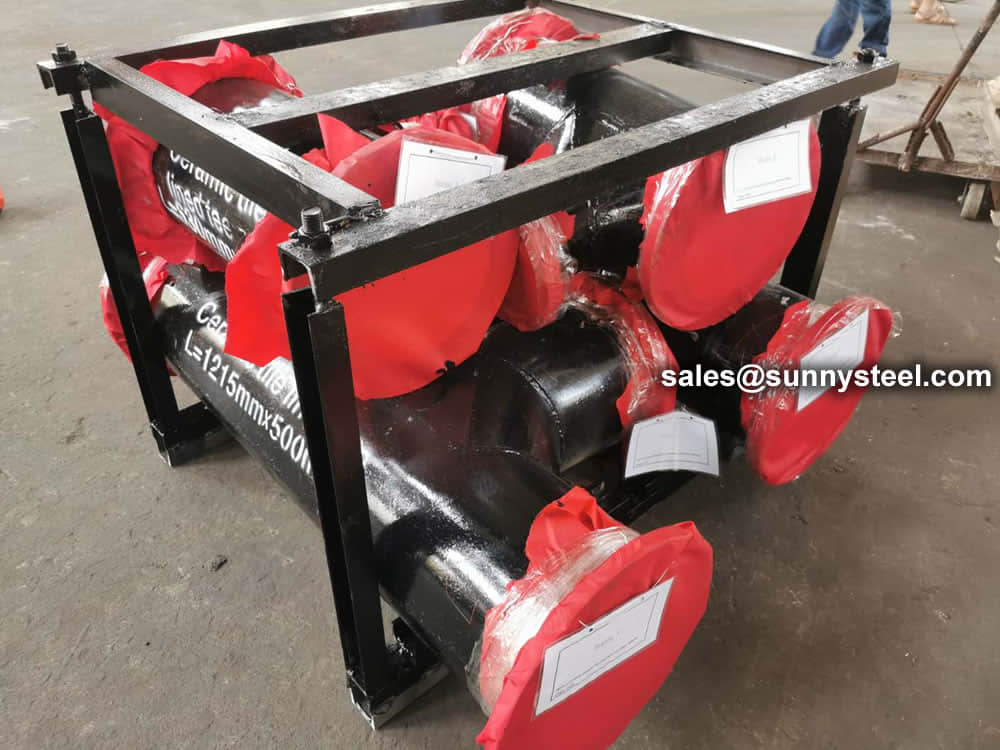
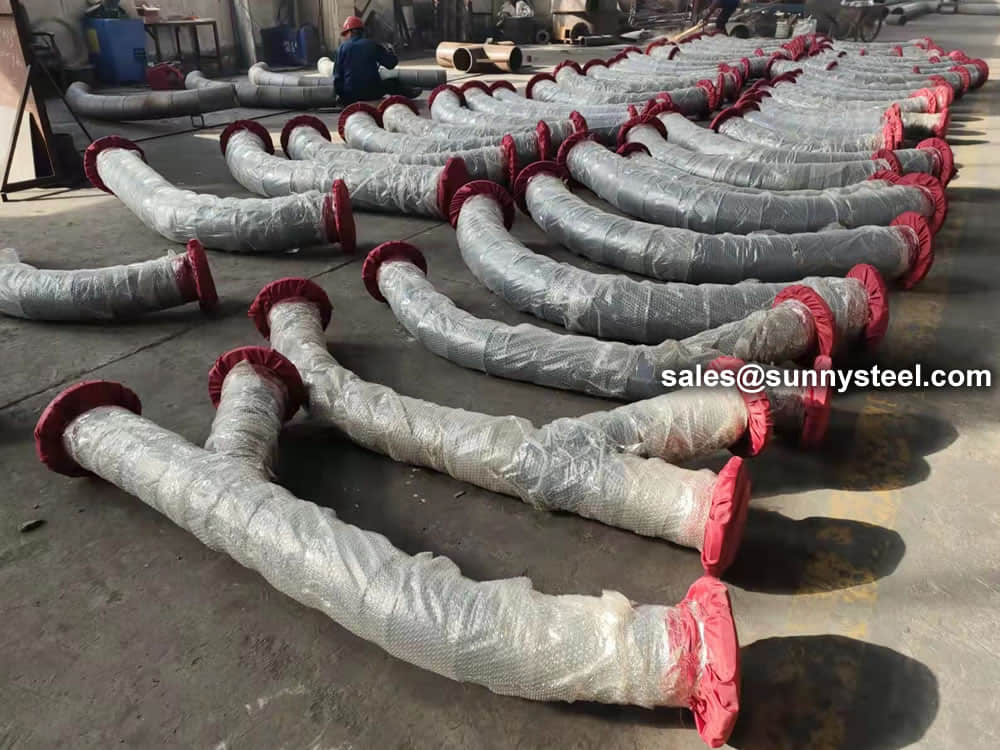
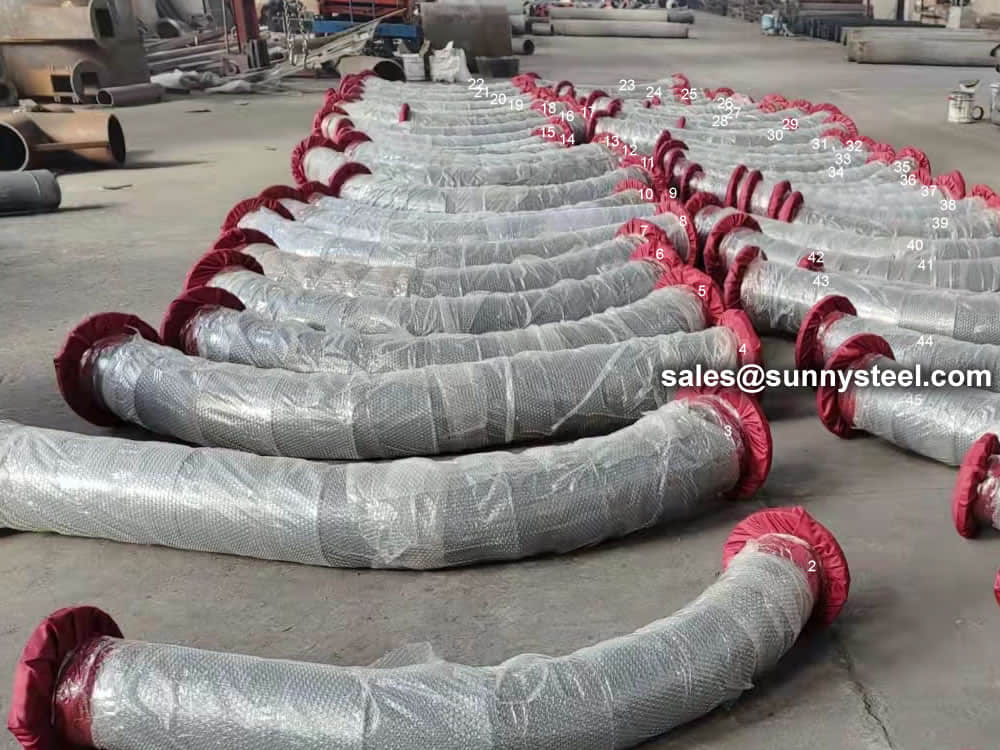
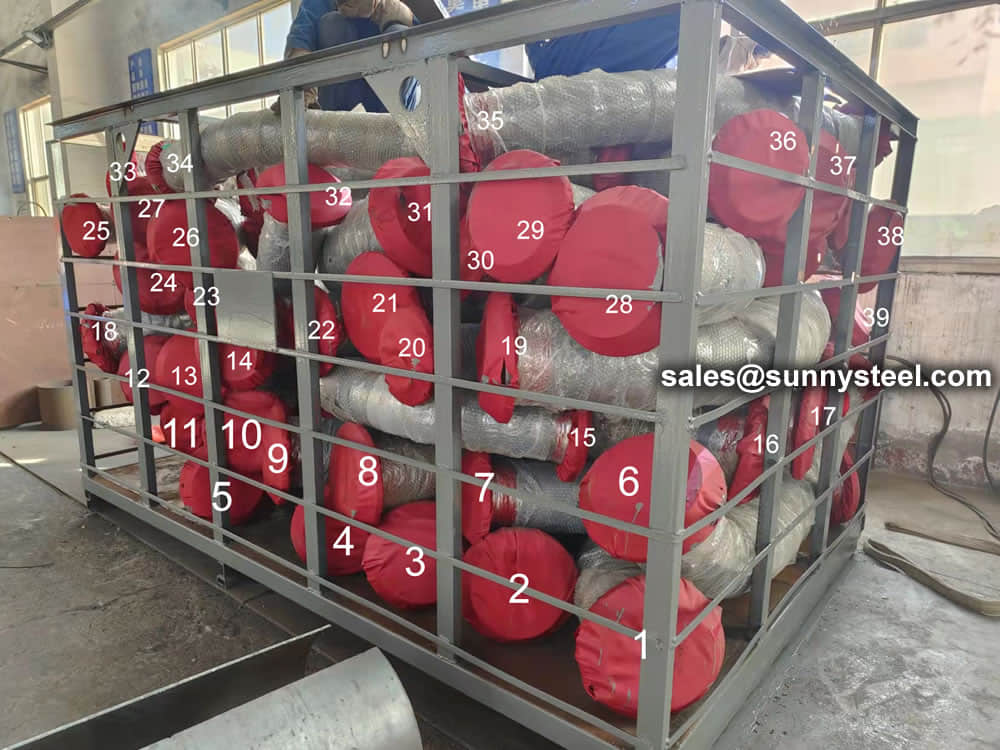
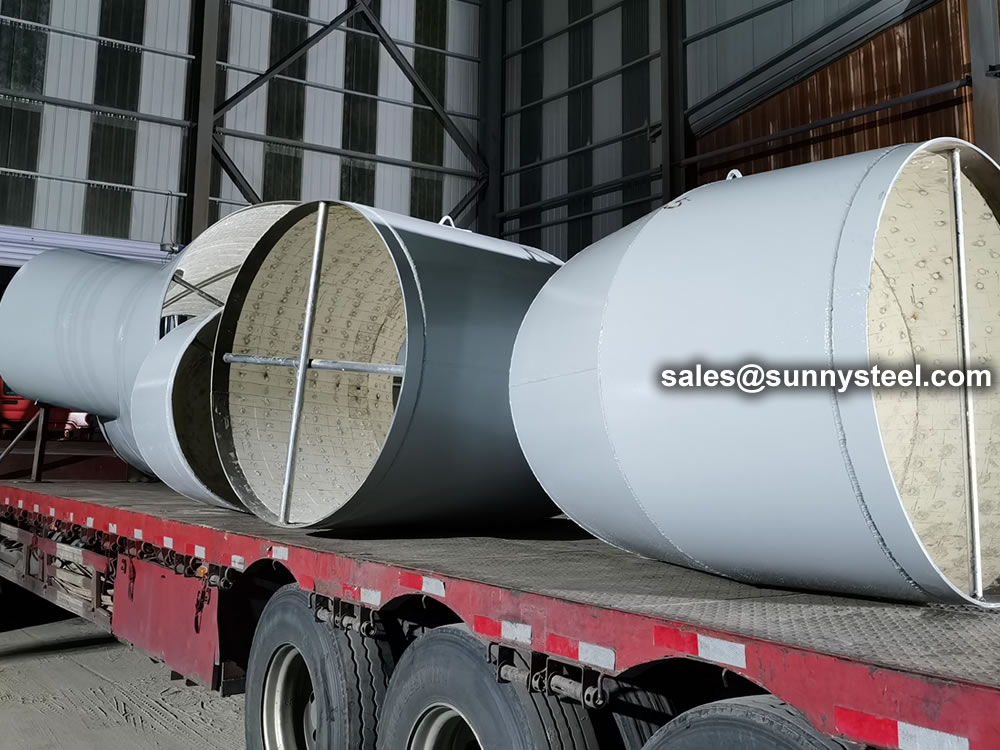
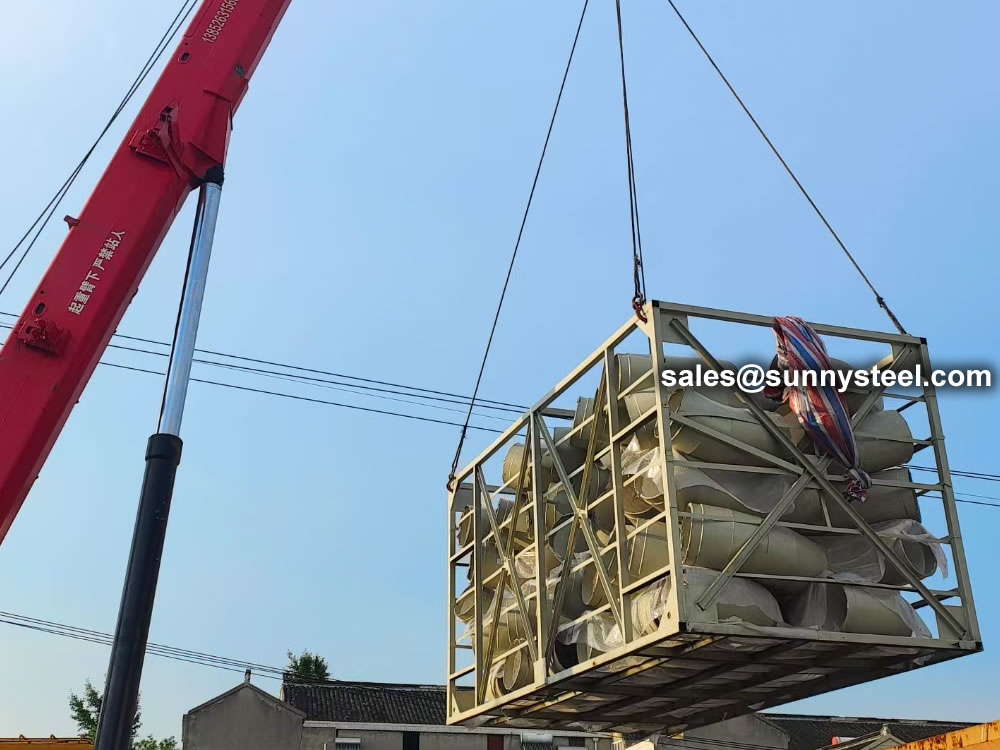
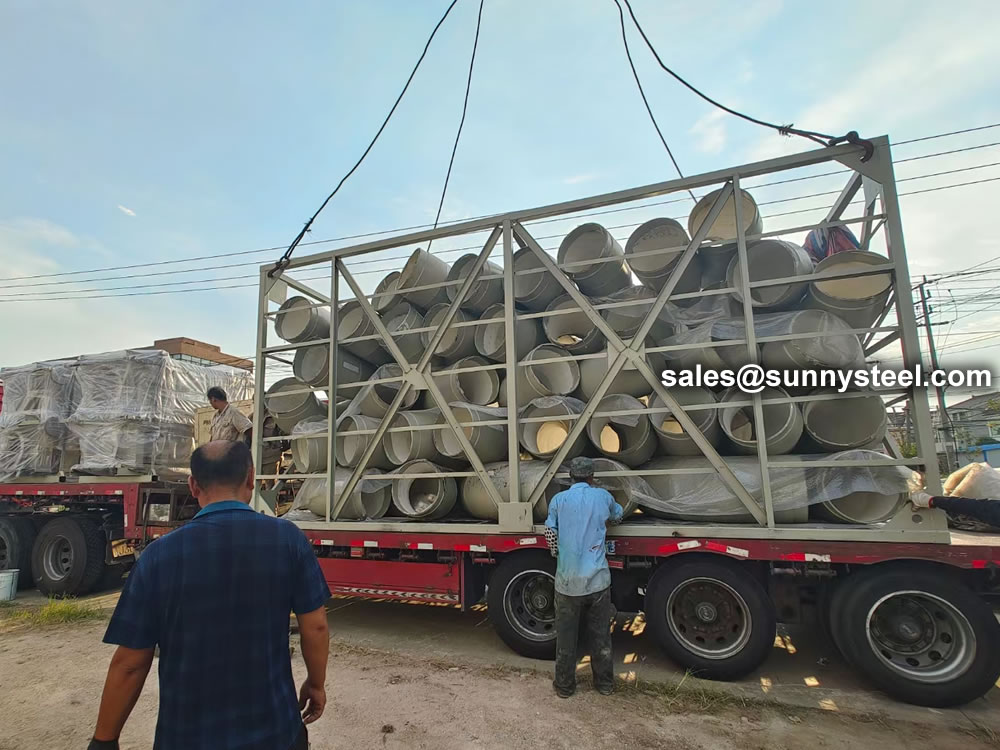
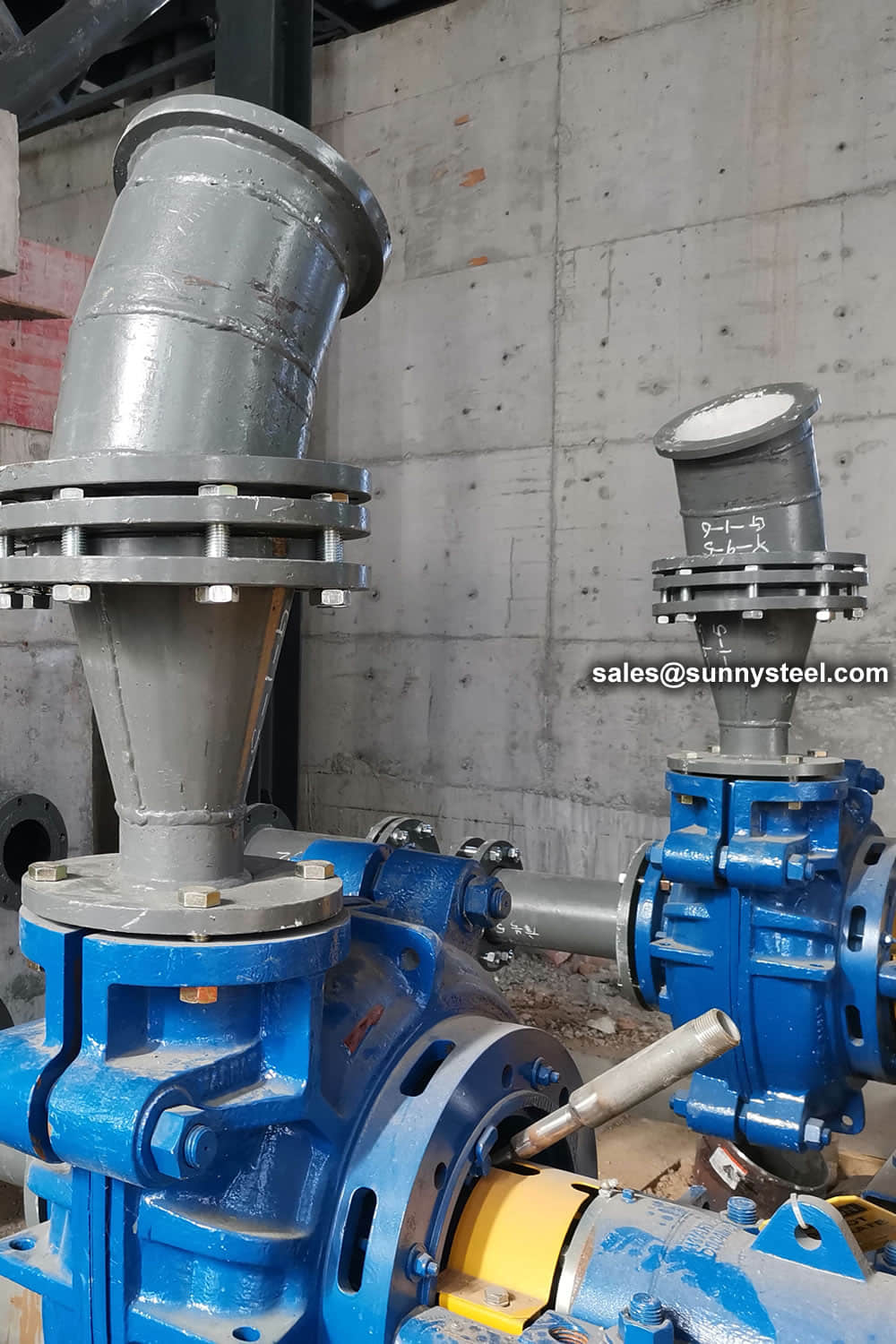
The use of Ceramic tile lined pipe and fittings is ideal in services that are prone to erosive wear, and where standard pipe and fittings would fail within 24 months or less.
Ceramics with very low friction factor at low impingement angles decreases the abrasion of materials maximally. Its low density makes it easy to carry and install.
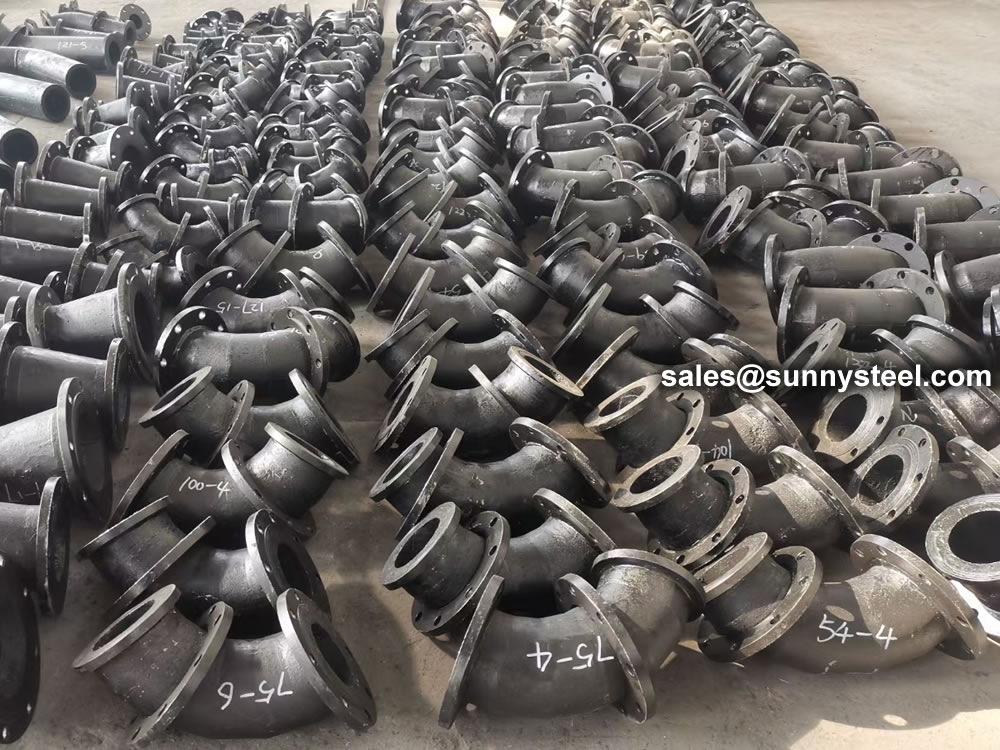
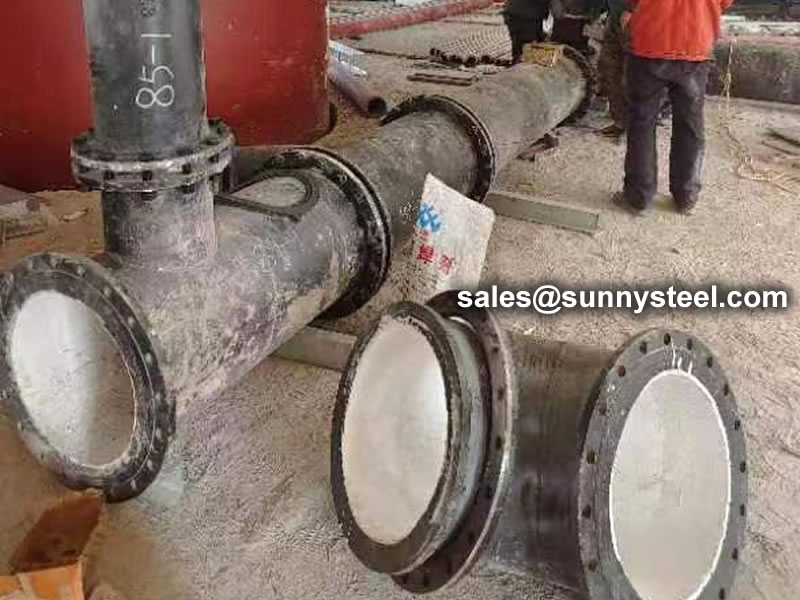
These ceramic lined fittings include elbows, bend, reducers and T pipes are bonded with the abrasion resistant alumina or ZTA ceramic tiles into the inner wall of the carbon steel pipes/elbows with strong-high-temperature resistant adhesive, thus form a firm abrasion resistant layer.
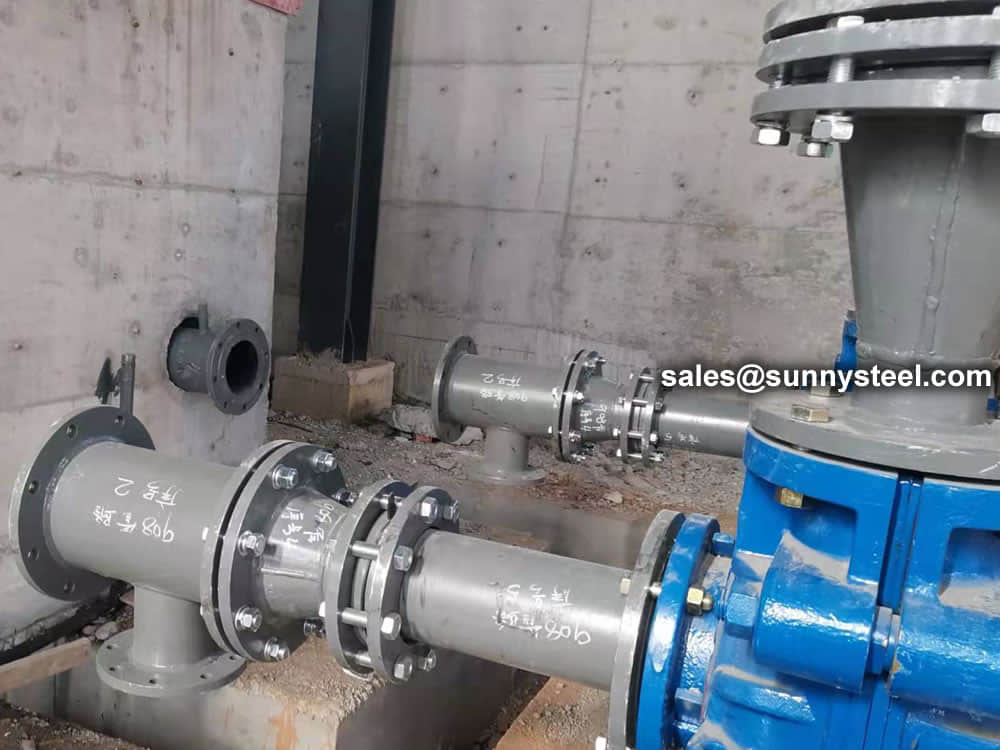
This method mainly applied in the pneumatic&hydraulic conveying system and it can be applied in almost all kinks of pipe fittings like coal powder conveying pipes and elbows,dusting,ash, slag removing pipes ,elbows,reducer,T pipe and cross pipe, even laterals, mining slurry conveying pipe fittings and so on. Almost no limitation for the the diameter of the pipe fittings.
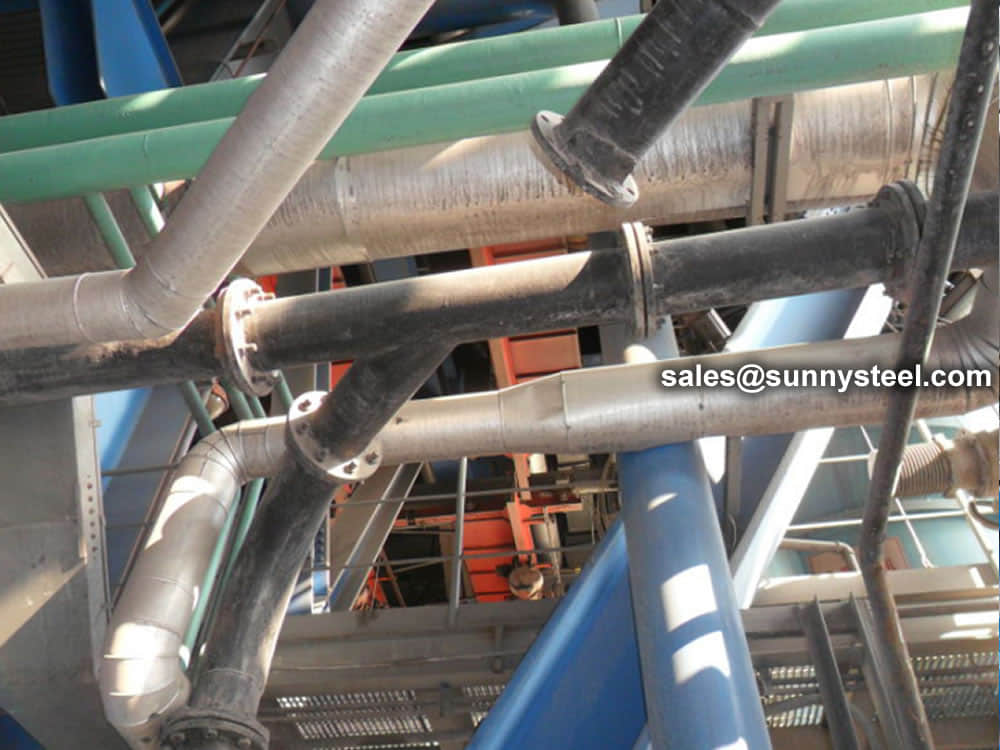
A conventional ceramic tip was arranged with a certain gap between tips in a steel pipe so that the pipe was damaged at the gap before the tip was worn out. The newly developed ceramic tip has a shape with no straight line portion parallel to the transport direction so that the steel pipe is protected until the tip is worn out.
The tailings that are in the pipeline hydraulic transport,which are the phenomena known as the wear abrasion,fatigue,impact.
Have seen that,the use of a tube is 6mm in lenght,the pipe wall thickness was 20mm,and after 8 mounths of using,the bottom is correded till the pipe has 1mm of thickness.
The pipe lined by Dahua has the advantage of the 3mm to 4mm of thickness after 12 mounth of use.
The direction of alignment of ceramics in zig zag,have excellent resistance tc friction of abrasive agents such as sand,gravel,gravel,tailings with solid particles,scale,coal,pulp, tailings from phosphate,salt slag, sludge,ash,..
We are sure that from pure-hearted cooperation we can establish good relationships. Feel free to contact us, we are sure to satisfy you with our professional information, top quality products, best price, and efficient services.
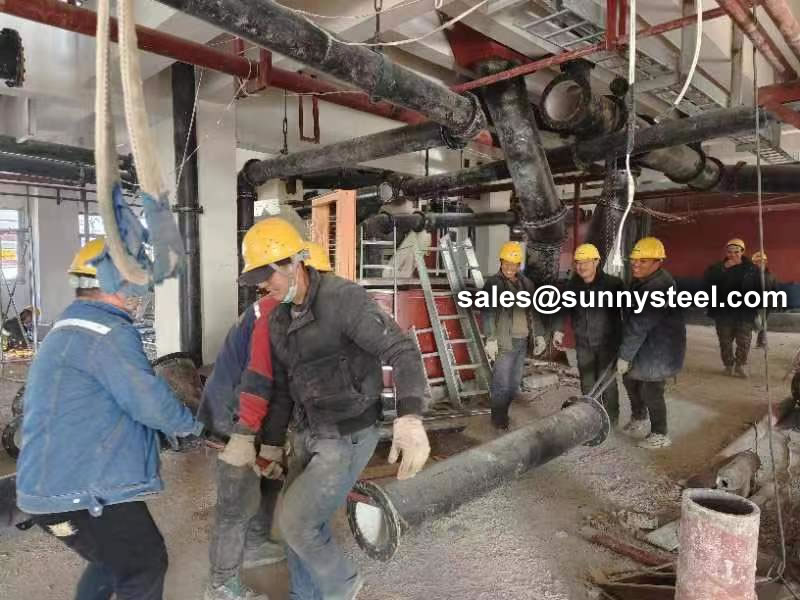
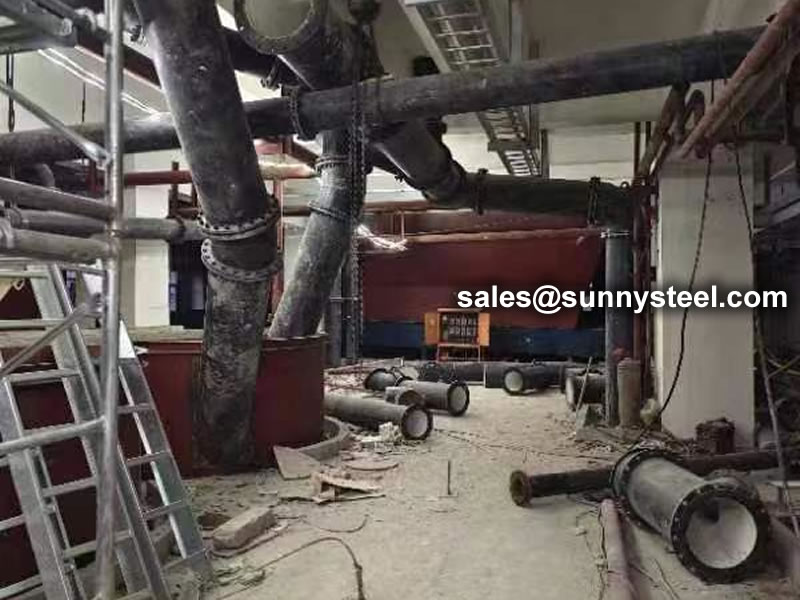
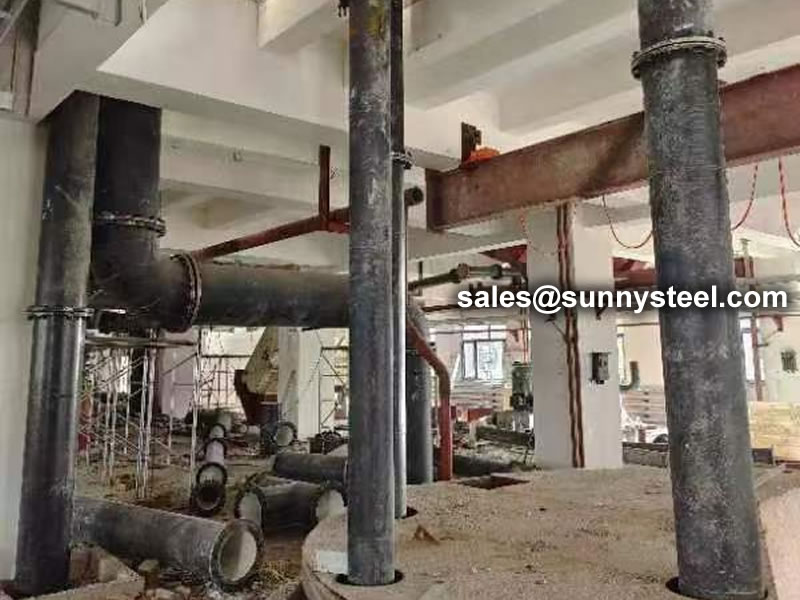
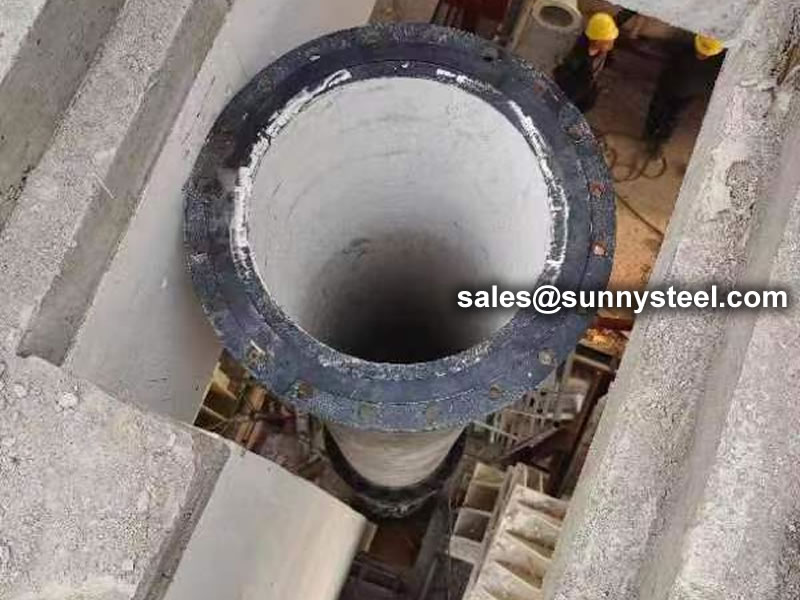
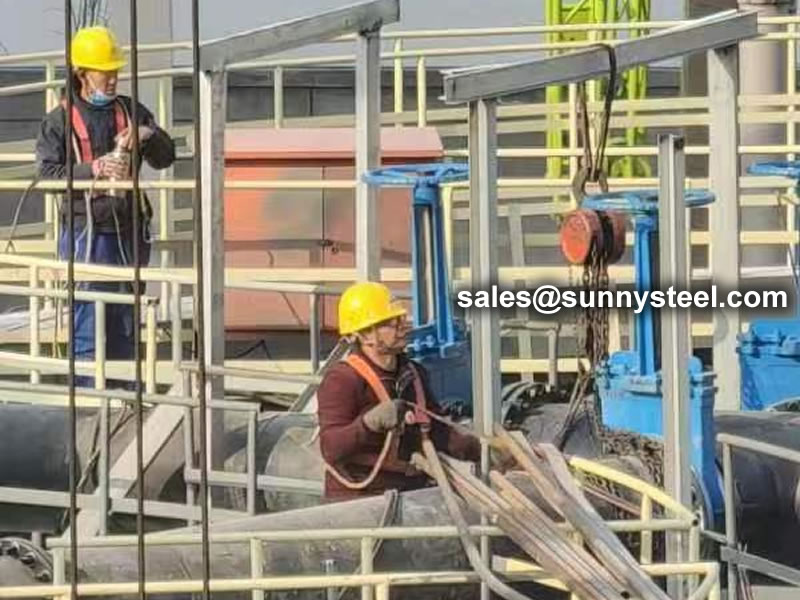
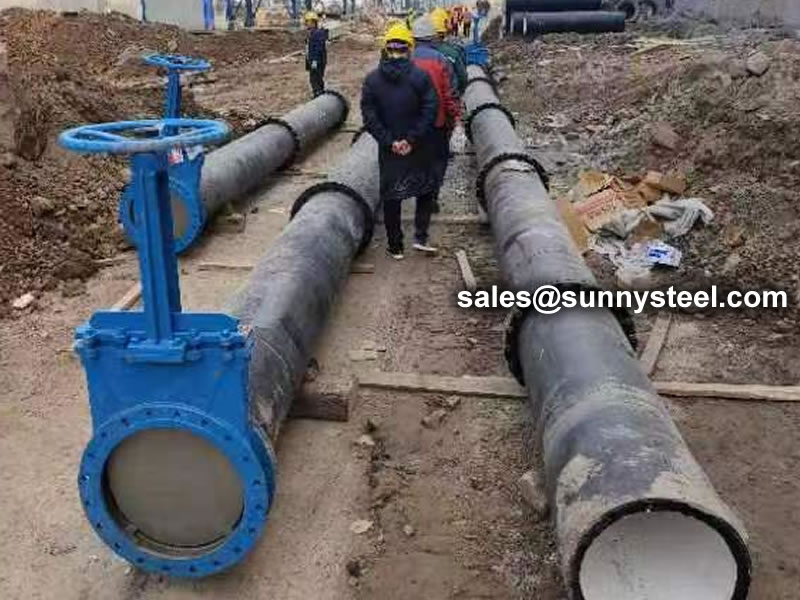
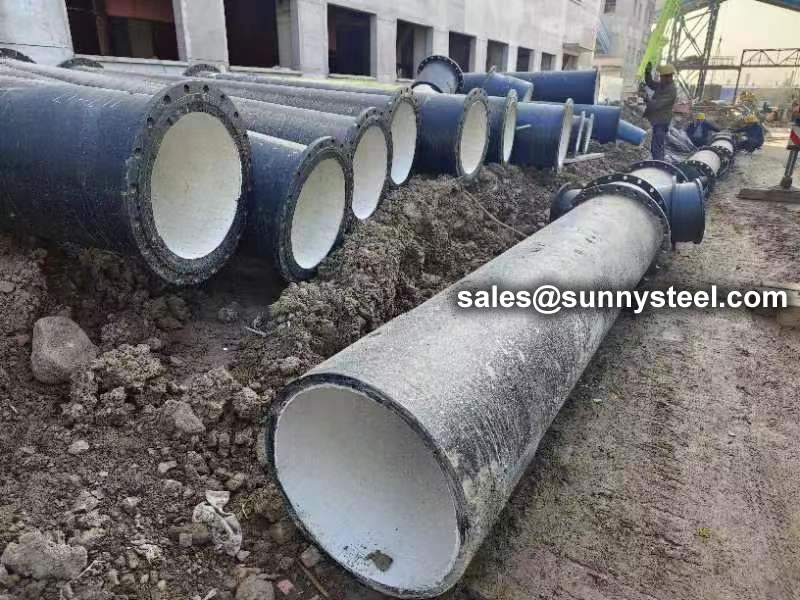
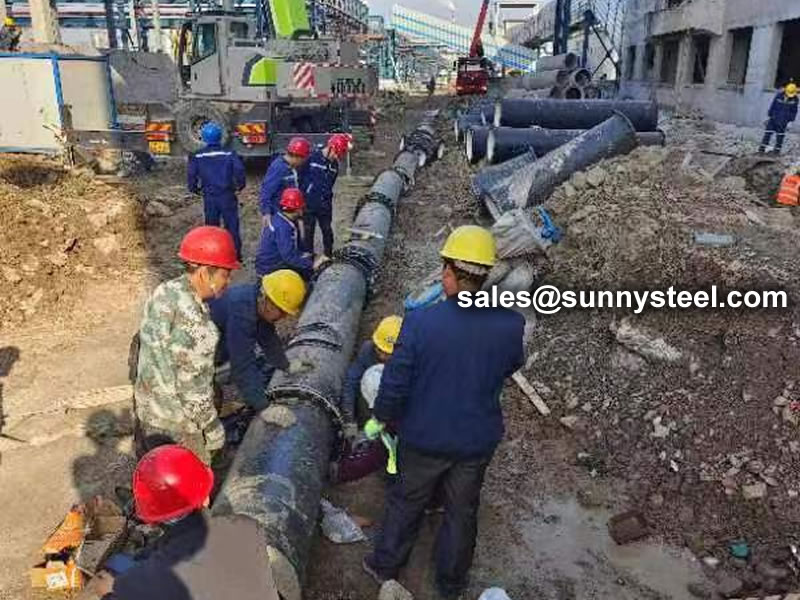
Alumina ceramic lining is often used in industrial settings to protect equipment from abrasion, corrosion, and wear caused by the flow of abrasive materials. The installation site is where these lined components are put into place within an industrial facility. This could include areas such as chutes, pipes, tanks, or other equipment that benefit from the added protection of alumina ceramic lining. The installation ensures that the equipment is properly lined and functioning as intended to enhance its durability and lifespan in challenging environments.
| Ash Pipe & Elbows | Add-Mix Transport Lines | Coal Piping Clinker Chutes |
| Chutes | Coal Conduit Lining | Coal Handing Chute Lining |
| Fan Lining | Pulverizer Housing Liner | Coal Mill Pulverizer Cone Lining |
| Bumer Feed Pipes | Classifer Cone Lining | Cullet Chutes & Hoppers |
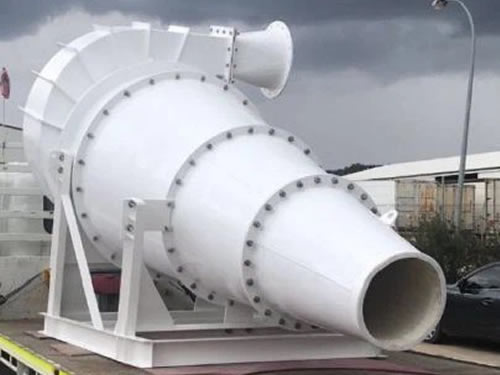
| Cyclone Lining | Downcomer Pipe Lining | Coal Mill Exhauster Lining |
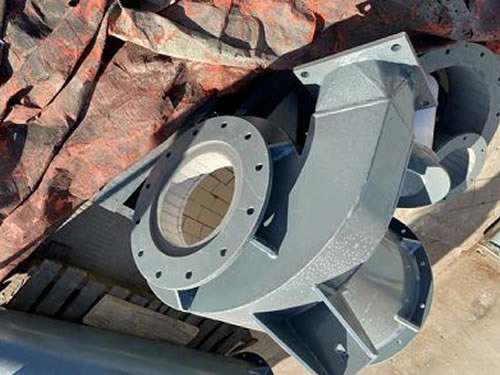
| Fan Housings | Drag Convey or Lining | Coal Mill Pulverizer Lining |
The ceramic alumina pressure has superior performance against abrasion,wich has five times more resistant than the conventional ceramic. If the objective is protection of components and reduced maintenance costs,the correct application of anti-abrasive lining led immediately to track the economy. If the objective is protection of components and reduced maintenance costs,the correct application of anti-abrasive lining led imediately to track the economy.
The ceramic pipe lining of hydraulic and pneumatic conveying transport has efficiency and economy,especially in steel tubes.Where they have great advantages, increasing the time of life.
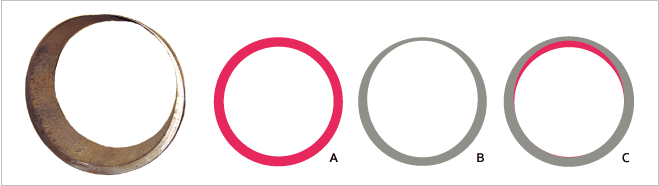
A cross section of a steel pipe after 1 year of used

The perfect choice Resistance to abrasion is superior to all material available on the market
Metals have good ductility but poor resistance to abrasion - which means that abrasion prevention is required when metal pipes are used in high-temperature fluid catalyst service. On the other hand, ceramics possess great hardness and abrasion resistance, but they are brittle. Metal Ceramic double pipe is a hybrid pipe using metal as an outer pipe and a ceramic material for inner pipe segments, applied together to utilize the two materials' advantages. Hence excellent wear-resistance and good corrosion resistance of the ceramics and high strength and toughness of metal can be well combined to get a comprehensive advantage of wear-resistance, corrosion-resistance and anti-scaling. They are suitable for applications in heavy wear working conditions.
Ceramics are among the hardest materials available and provide ultimate wear resistance in piping. In high wear applications, ceramic lined pipes have been demonstrated to be cost-effective by increasing service life and reducing maintenance costs. Sunny Steel supply ceramic lined abrasion resistant steel pipes to your custom dimensions and budget. Our ceramic linings are the highest quality materials available to ensure that we provide the most cost-effective solutions for our clients.

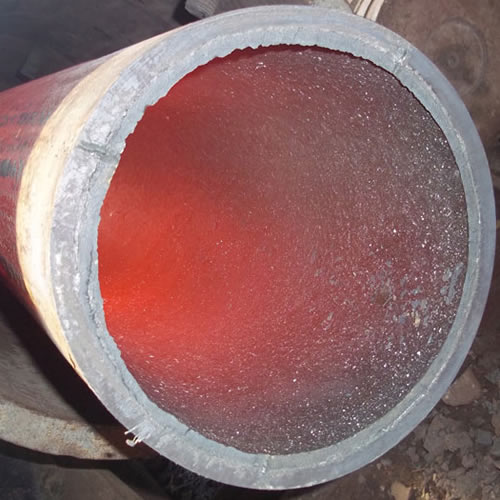
Ceramic lined pipe is made through self-propagating high-temperature synthesis (SHS) technique.
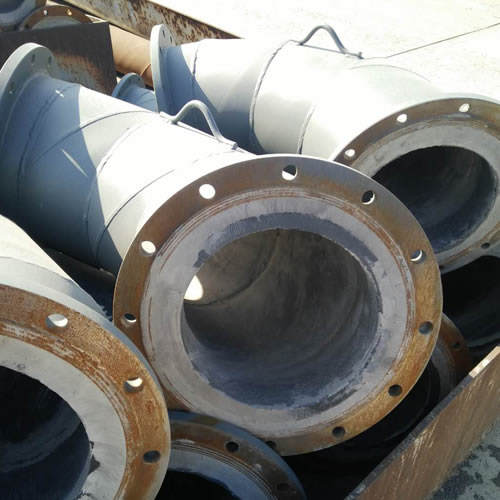
Cast basalt lined steel pipe is composed by lined with cast basalt pipe, outside steel pipe and cement mortar filling between the two layers.
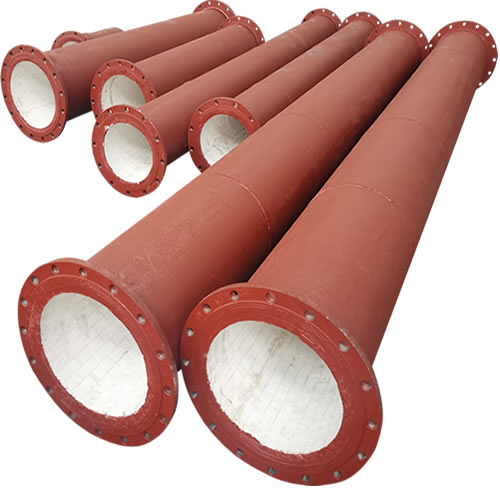
Ceramic tile lined pipes have very uniform coating of specially formulated ceramic material that is affixed to the inner of the pipe.
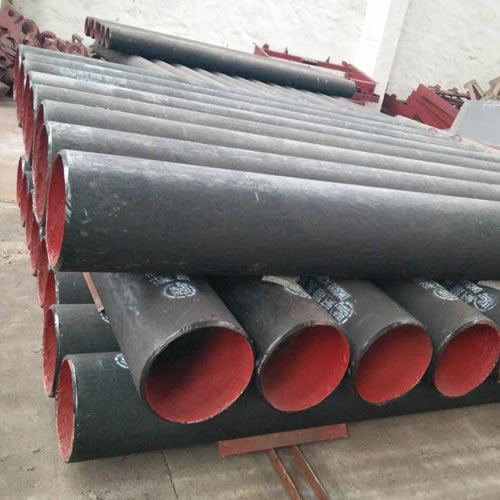
The material of the rare earth alloy wear-resistant pipe is ZG40CrMnMoNiSiRe, which is also the grade of rare earth alloy steel.
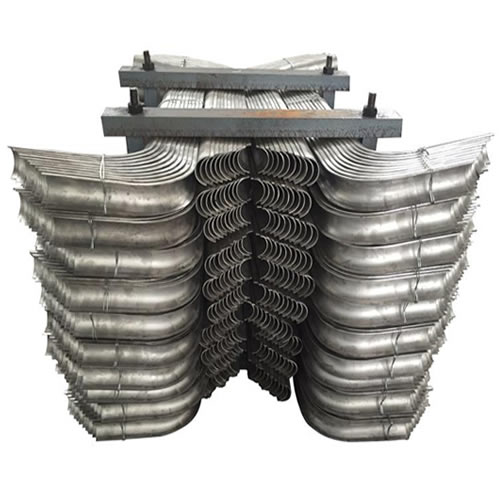
Tubes Erosion Shields are used to protect boiler tubing from the highly erosive effects of high temperatures and pressures thereby greatly extending tube life.
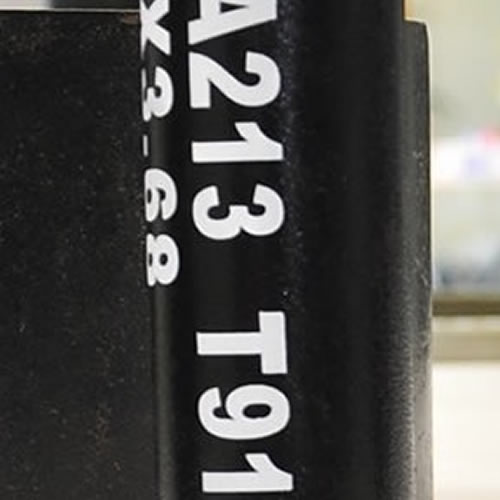
The ASTM A213 T91 seamless tubes are primarily used for boiler, superheater, and heat-exchanger.

When you partner with Sunny Steel, you can stop worrying about meeting deadlines thanks to our responsive and timely service. You'll also say goodbye to unnecessary shopping around. Instead, you'll get white glove service from an expert who understands your needs and can get you the materials you need quickly.