Air preheaters recover heat from boiler exhaust gas and use it to warm incoming combustion air. This heat recovery reduces fuel use, but the equipment operates in a difficult environment of ash, corrosive condensate, thermal cycling, abrasion, and pressure differences. A disciplined maintenance program keeps the heat-transfer surface open, limits leakage between air and gas paths, and protects the cold end from premature deterioration.
1. What Is a Boiler Air Preheater?
A boiler air preheater is a heat exchanger installed in the rear gas path of a boiler. It transfers residual energy from outgoing flue gas to the air delivered to the furnace for combustion. Preheated combustion air supports more efficient fuel burning, lowers stack losses, and can improve overall boiler thermal performance.
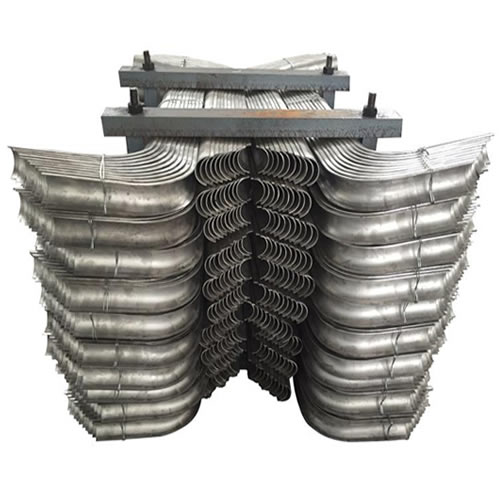
The two common arrangements are rotary regenerative air preheaters and tubular recuperative air preheaters. Rotary designs store heat in a rotating element that alternately passes through gas and air streams. Tubular designs keep the heating surface stationary, with the two streams separated by tube walls. Both require cleaning and inspection, but rotary units place particular emphasis on seals, rotor alignment, sector plates, and bearings.
| Type | Heat-transfer arrangement | Maintenance focus |
|---|---|---|
| Rotary regenerative | Rotating heat-storage baskets alternate between gas and air. | Seals, rotor drive, bearings, basket condition, and deposits. |
| Tubular recuperative | Stationary tubes separate air and flue gas. | Tube cleanliness, leakage, corrosion, supports, and expansion joints. |
2. Why Air Preheater Maintenance Is Important
Small losses in air preheater performance can affect the entire boiler island. Fouled heating elements increase pressure drop and fan power. Worn seals allow unwanted air to enter the gas path, increasing gas volume and reducing effective heat recovery. Cold-end corrosion can remove material quickly when acidic moisture remains on metal surfaces.
- Preserves heat-transfer efficiency and helps control fuel consumption.
- Reduces induced-draft and forced-draft fan energy penalties.
- Limits leakage that can disturb combustion and emissions control.
- Prevents progressive damage to baskets, tubes, seals, bearings, and casing components.
- Supports planned outages instead of forced repairs.
- Creates reliable operating data for efficiency and reliability decisions.
3. Common Causes of Air Preheater Fouling
Fouling rarely has a single cause. It develops when particulate loading, sticky compounds, surface temperature, gas velocity, and cleaning effectiveness combine unfavorably. Understanding the deposit is important before choosing a cleaning method.
| Cause | Typical indicator | Maintenance response |
|---|---|---|
| Fly ash or soot accumulation | Rising differential pressure and restricted passages. | Inspect deposit pattern; improve soot blowing or scheduled cleaning. |
| Unburned carbon and oil contamination | Sticky, dark deposits or local hot spots. | Review combustion quality, burner performance, and oil leakage sources. |
| Ammonium salt deposition | Hard or adhesive deposits in low-temperature areas. | Coordinate with emissions-control operation and cleaning strategy. |
| Acid dew-point condensation | Wet deposits, corrosion, and cold-end thinning. | Control temperatures, drainage, materials, and downtime protection. |
| Air or gas maldistribution | Localized blockage or uneven basket wear. | Check dampers, ducts, baffles, seals, and flow distribution. |
4. Mechanical Cleaning Methods
Mechanical cleaning removes loose or moderately adherent deposits using tools and methods that do not depend on water or chemical reaction. It is typically performed during a controlled outage after isolation, cooling, ventilation, and safe access have been established.
- Review the work permit, isolation plan, confined-space controls, and approved cleaning method.
- Inspect the heating surface and record deposit thickness, location, basket damage, and corrosion.
- Use approved brushes, vacuum equipment, low-energy air tools, or purpose-designed cleaning machines.
- Work in a pattern that prevents debris from being driven farther into passages.
- Remove loosened material promptly to avoid recontamination or access hazards.
- Inspect seals, baskets, tube sheets, and supports before returning the unit to service.
5. Water Washing Procedures
Water washing can remove deposits that are difficult to dislodge mechanically, but it introduces a corrosion and drying risk. It should be performed only under an approved procedure that defines water quality, pressure, temperature, runoff containment, drainage, inspection, and drying criteria.
- Confirm that the boiler and air preheater are isolated, cooled, and safe for the selected wash method.
- Use water quality compatible with the equipment materials and site environmental requirements.
- Apply a controlled spray pattern; avoid directing high-energy jets at fragile elements, seals, insulation, or instrument connections.
- Keep drains open and monitor for pooling in cold-end sections, casings, ducts, and ash hoppers.
- Inspect for damaged coatings, loose elements, and trapped water after washing.
- Dry the equipment completely using the approved ventilation or warm-air procedure before startup.
Incomplete drying is a common avoidable failure mechanism. Residual moisture can combine with sulfur-bearing deposits to create highly corrosive conditions during the next cooldown or startup.
6. Chemical Cleaning Techniques
Chemical cleaning may be considered for tenacious deposits when dry methods and water washing are not effective. The cleaning agent must be selected from deposit analysis and material compatibility data, not by trial and error. Site safety, waste handling, neutralization, and rinse requirements are essential parts of the job.
| Consideration | Good practice |
|---|---|
| Deposit identification | Sample and analyze the deposit before selecting an agent. |
| Material compatibility | Verify suitability for base metal, enamel, coatings, elastomers, seals, and drains. |
| Application control | Define concentration, contact time, temperature, circulation, and rinse steps. |
| Personnel protection | Use the site chemical safety plan, PPE, ventilation, spill control, and trained personnel. |
| Waste management | Collect, test, neutralize, and dispose of effluent under applicable requirements. |
7. Online Cleaning Systems
Online cleaning systems help control deposits between major outages. Depending on the design, they may use soot blowers, acoustic devices, low-energy vibration, or other engineered methods. Their benefit is continuity: deposits are addressed before passage blockage and fan power penalties become severe.
Online cleaning is not a universal substitute for outage work. It should be evaluated against deposit chemistry, fire risk, element construction, gas temperature, and the original equipment design. Trend data should demonstrate that the system improves differential pressure or heat-transfer performance without causing unacceptable wear.
- Verify correct sequence, travel, pressure, and coverage of installed cleaning equipment.
- Check nozzles, valves, supply piping, and controls for leakage or plugging.
- Compare cleaning events with differential pressure and temperature trends.
- Review operating experience to avoid over-cleaning or ineffective cycles.
8. Seal Inspection and Adjustment
In a rotary air preheater, seals restrict mixing between the air and gas sides. Seal wear, rotor distortion, thermal growth, basket damage, and poor alignment can all increase leakage. Excess leakage adds gas volume for the induced-draft fan to handle and reduces useful heat recovery.
Inspect radial, axial, and circumferential sealing surfaces at the intervals recommended by the OEM. Measure clearances using the approved tools and account for hot and cold operating conditions. Automatic sealing systems require their own inspection of actuators, linkages, sensing points, and control response.
- Record baseline clearances and leakage indicators before adjustment.
- Inspect for worn seal plates, distorted sectors, rubbing marks, and element interference.
- Correct mechanical causes such as rotor runout, basket displacement, or damaged supports.
- Adjust seals according to the manufacturer’s sequence and clearance limits.
- Confirm free rotation and recheck leakage and fan loading after return to service.
9. Bearing Lubrication and Monitoring
Guide and thrust bearings support the moving assembly in rotary units. Their condition affects rotor alignment, seal performance, drive loading, and reliability. A bearing problem can escalate quickly if contamination, inadequate oil level, excessive temperature, or vibration is ignored.
- Maintain lubricant level, grade, and change intervals as specified by the manufacturer.
- Inspect breathers, seals, coolers, heaters, and oil lines for blockage or leakage.
- Trend bearing temperature, vibration, oil condition, and drive motor current.
- Investigate a sustained temperature increase, unusual noise, or abrupt vibration change promptly.
- Keep housekeeping standards high to prevent dust and water ingress around bearing housings.
Many sites use a planning reference of keeping bearing temperature below 55°C, but the equipment manufacturer’s alarm and trip limits always take precedence. Temperature alone is not enough; the rate of change and the relationship to load are equally important.
10. Corrosion Protection Methods
Cold-end corrosion develops when metal surfaces fall below the acid dew point and corrosive condensate forms. Sulfur compounds, chlorine, moisture, and deposit chemistry can accelerate attack. Good protection combines material selection, temperature management, cleaning, drainage, and shutdown preservation.
| Protection method | Typical benefit | Maintenance note |
|---|---|---|
| Enamel-coated heating elements | High resistance to acidic cold-end environments. | Inspect for chips, cracks, and impact damage. |
| Stainless or alloy materials | Improved corrosion resistance in selected zones. | Choose based on process chemistry and temperature. |
| Qualified protective coatings | Can protect casings and selected surfaces. | Surface preparation and repair quality determine life. |
| Temperature and dew-point control | Reduces likelihood of acid condensation. | Coordinate with boiler load, bypasses, and combustion settings. |
| Dry layup and drainage | Limits corrosion during outages. | Remove deposits and moisture before extended downtime. |
11. Proper Operating Procedures
Operational discipline has a direct effect on maintenance demand. Startups, shutdowns, low-load periods, fuel changes, and abnormal combustion conditions should all be managed with the air preheater in mind.
- Before startup, confirm rotor turning gear or manual barring requirements, lubrication status, drain condition, and damper positions.
- Warm equipment according to the approved ramp rate to limit thermal distortion and condensation.
- Maintain stable excess oxygen, air distribution, and furnace draft to avoid abnormal ash carryover and deposit formation.
- During a one-side or degraded operating mode, coordinate fan output and unit load carefully within approved limits.
- Before shutdown, use approved cleaning and drying steps, then close or protect openings as required for layup.
- Escalate unusual odors, smoke, hot spots, high drive current, or changing pressure drop before they become a forced outage.
12. Performance Monitoring
Performance monitoring turns maintenance from a calendar-only activity into a condition-based program. Readings should be taken consistently, compared with similar load conditions, and reviewed for trends rather than isolated values.
| Parameter | What a change can indicate | Recommended response |
|---|---|---|
| Gas-side differential pressure | Fouling, blockage, damper issue, or flow restriction. | Check trend, compare sides, and inspect at the next safe opportunity. |
| Air leakage rate | Seal wear, rotor misalignment, or casing leakage. | Verify calculation inputs, inspect seals, and plan adjustment. |
| Air and gas outlet temperatures | Heat-transfer loss, bypassing, leakage, or maldistribution. | Compare with load-corrected baseline data. |
| Bearing temperature and vibration | Lubrication, alignment, wear, or drive issues. | Investigate trend changes promptly. |
| Fan current or power | Increased resistance, leakage, or a duct-system change. | Correlate with pressure, damper position, and unit load. |
13. Preventive Maintenance Schedule
Maintenance frequency must match fuel properties, unit duty, emissions-control configuration, seasonal load, and equipment design. The schedule below is a practical starting framework to be adapted by the responsible plant team.
| Frequency | Typical tasks |
|---|---|
| Each shift / daily | Record temperatures, differential pressure, leakage indicators, drive status, bearing condition, and unusual noise or odor. |
| Weekly | Check lubrication levels, visible leaks, cleaning-system availability, and trend exceptions. |
| Monthly | Review performance data; inspect accessible seals, linkages, drains, instruments, and casing condition. |
| Quarterly or seasonal | Test alarms and interlocks as permitted; inspect drive components and verify cleaning effectiveness. |
| Planned outage | Perform detailed internal inspection, clean elements or tubes, inspect corrosion, measure seals, service bearings, and repair damaged components. |
| After abnormal event | Inspect after fire, water ingress, fan trip, vibration event, prolonged low-load operation, or severe fuel-quality change. |
Outage inspection checklist
- Heating elements, baskets, tubes, and supports for fouling, plugging, erosion, corrosion, and distortion.
- Radial, axial, and circumferential seals for wear, clearance, rubbing, and attachment integrity.
- Bearings, oil systems, drive gear, couplings, motor, and turning gear.
- Casing, expansion joints, access doors, insulation, drains, hoppers, and duct connections.
- Cleaning devices, nozzles, valves, controls, instrumentation, and safety interlocks.
14. Conclusion
A boiler air preheater delivers valuable efficiency gains only when its heating surfaces, seals, bearings, and cold-end protection are kept in good condition. Regular cleaning, inspection, trend monitoring, and disciplined operating practices reduce pressure losses, limit air leakage, and slow corrosion.
The strongest programs combine daily operating data with carefully planned outage work. By identifying deposits early, correcting seal or bearing problems promptly, and selecting cleaning methods that match the equipment and deposit chemistry, plant teams can improve reliability while protecting boiler efficiency over the long term.