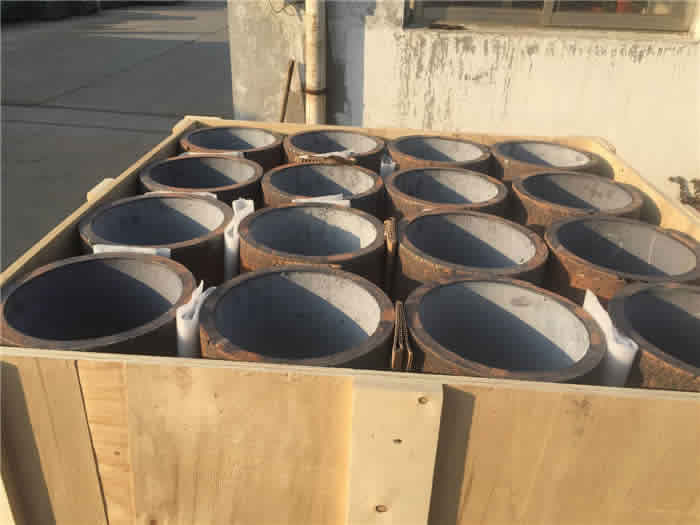
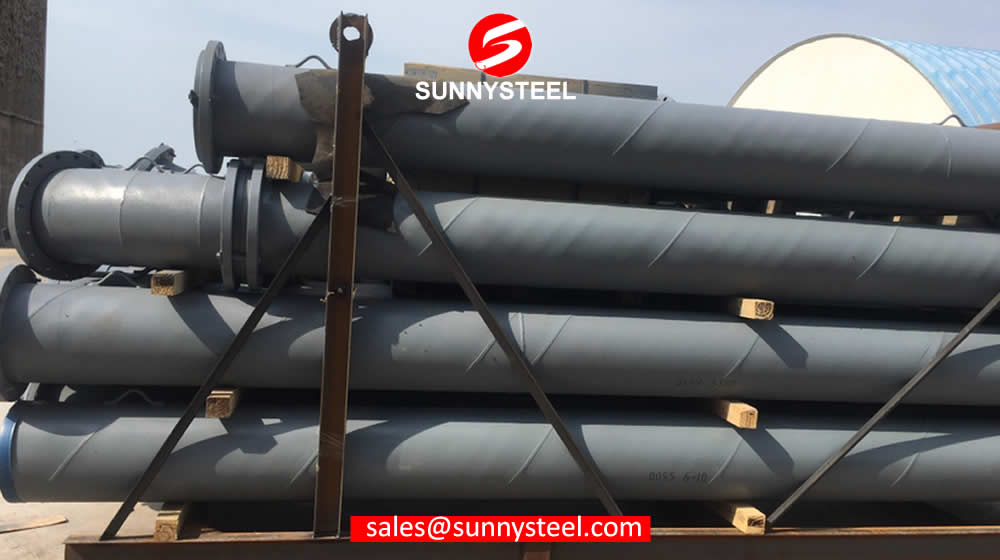
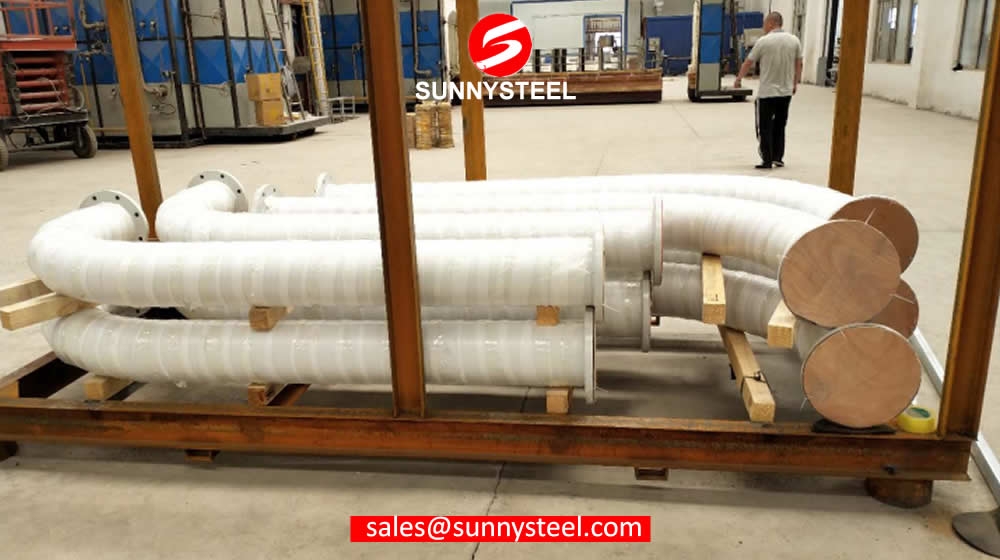
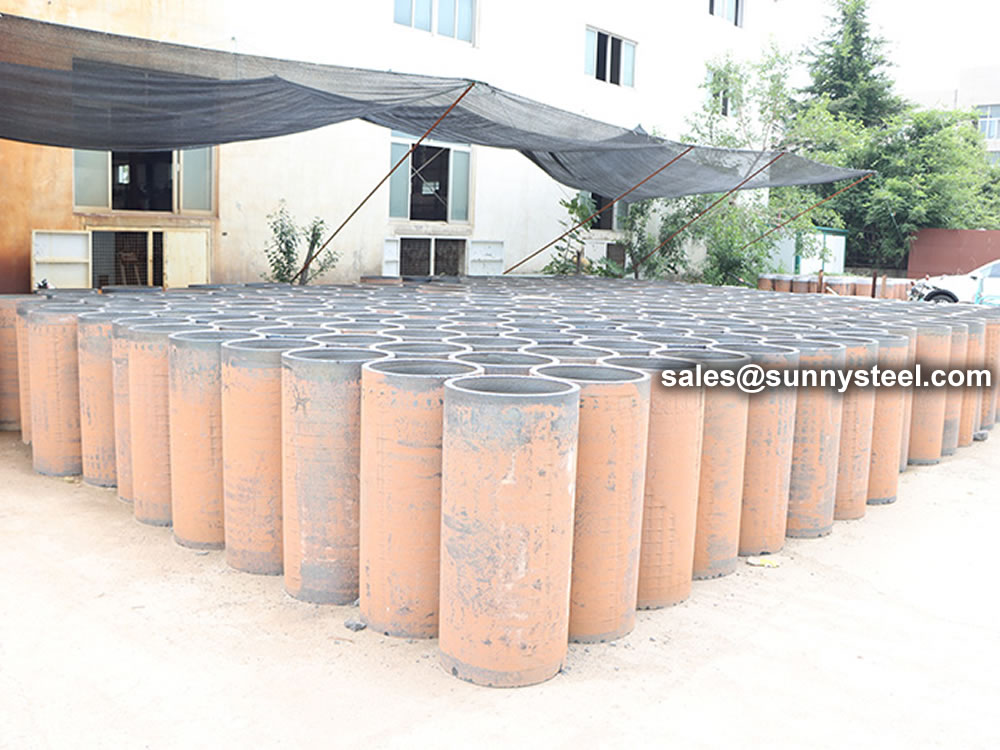
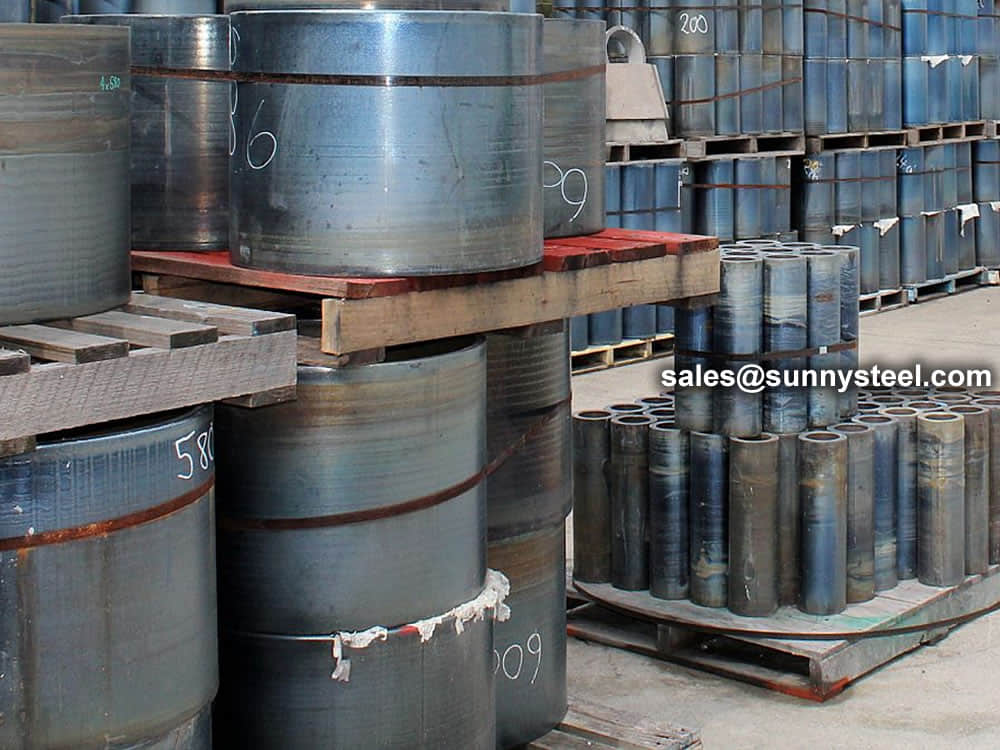
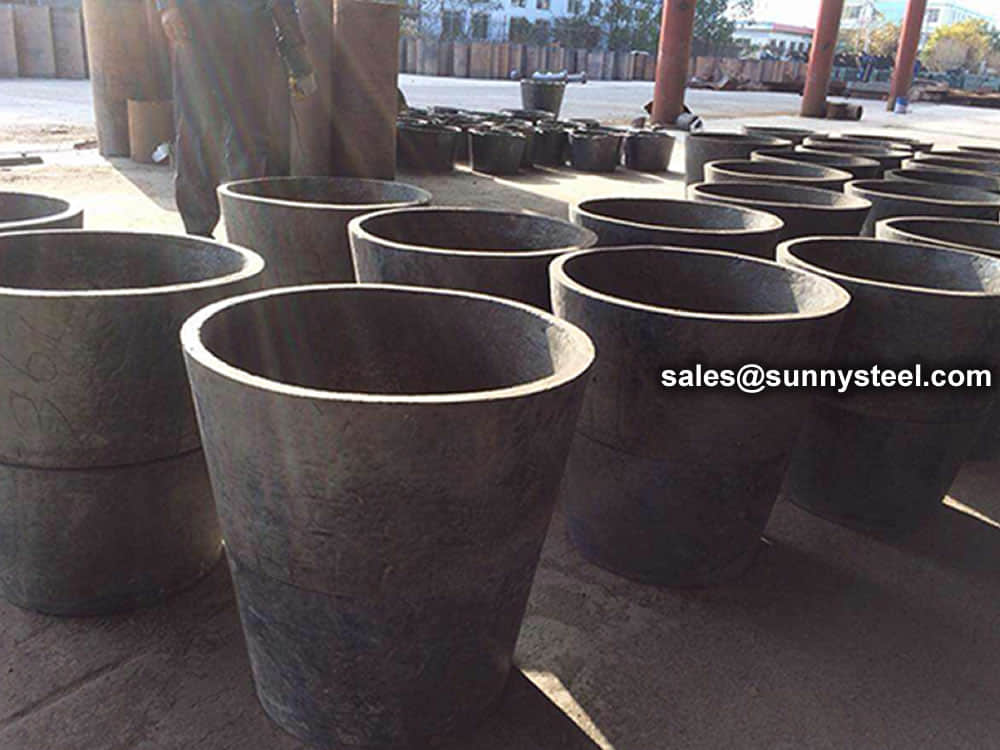
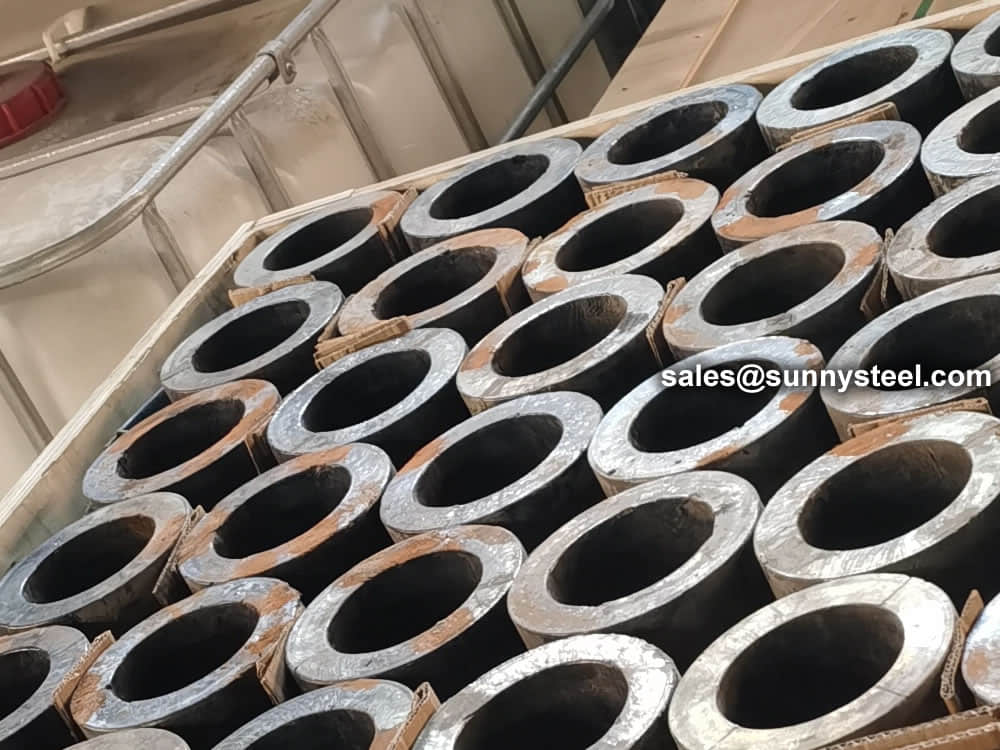
Cast basalt pipes with rebar are a type of pipe used in industrial applications that require high resistance to wear and abrasion.
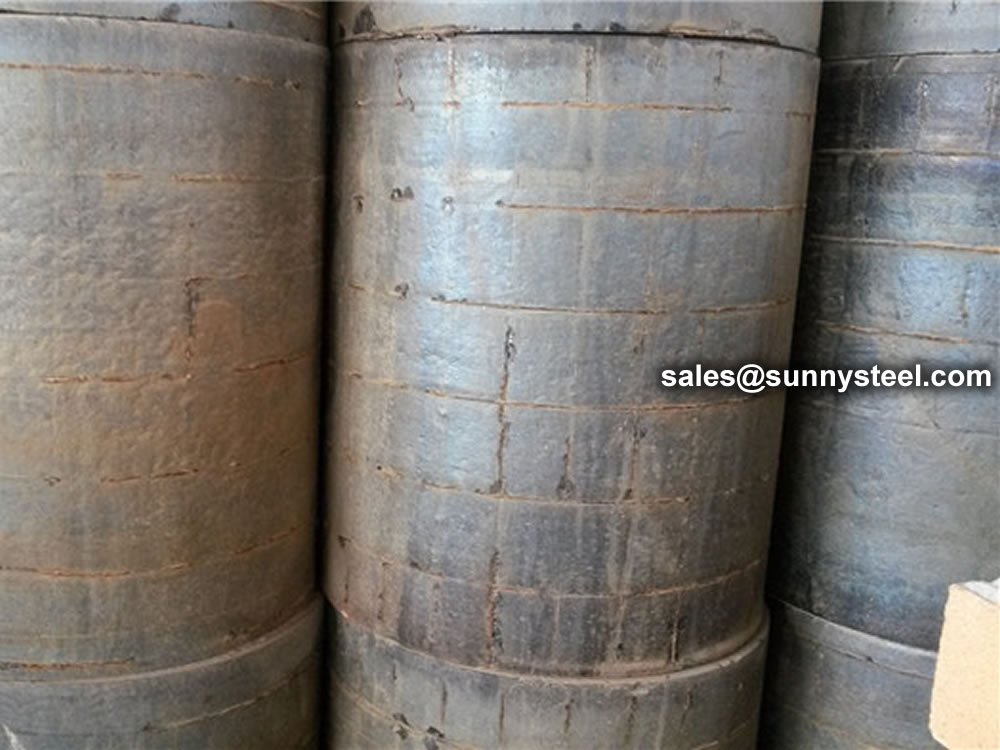
Cast basalt pipes consist of an inner lining made of cast basalt, a naturally occurring volcanic rock that is melted and cast into shapes. The basalt lining is then reinforced with a layer of steel rebar, which provides additional strength and durability.
Cast basalt pipes with rebar are commonly used in industries such as mining, energy generation, and chemical processing, where the transportation of abrasive or corrosive materials can quickly damage other types of piping systems. The combination of cast basalt and rebar makes these pipes extremely resistant to wear, erosion, and corrosion, making them ideal for use in harsh and demanding environments.
Some of the benefits of cast basalt pipes with rebar include reduced maintenance costs, longer service life, and improved process efficiency. They are also lighter and easier to install than traditional piping systems, which can save time and labor costs.
In summary, cast basalt pipes with rebar are a durable and high-performance piping option that is ideal for use in harsh industrial environments. They combine the natural strength and durability of cast basalt with the added reinforcement of steel rebar to provide superior resistance to wear, erosion, and corrosion.
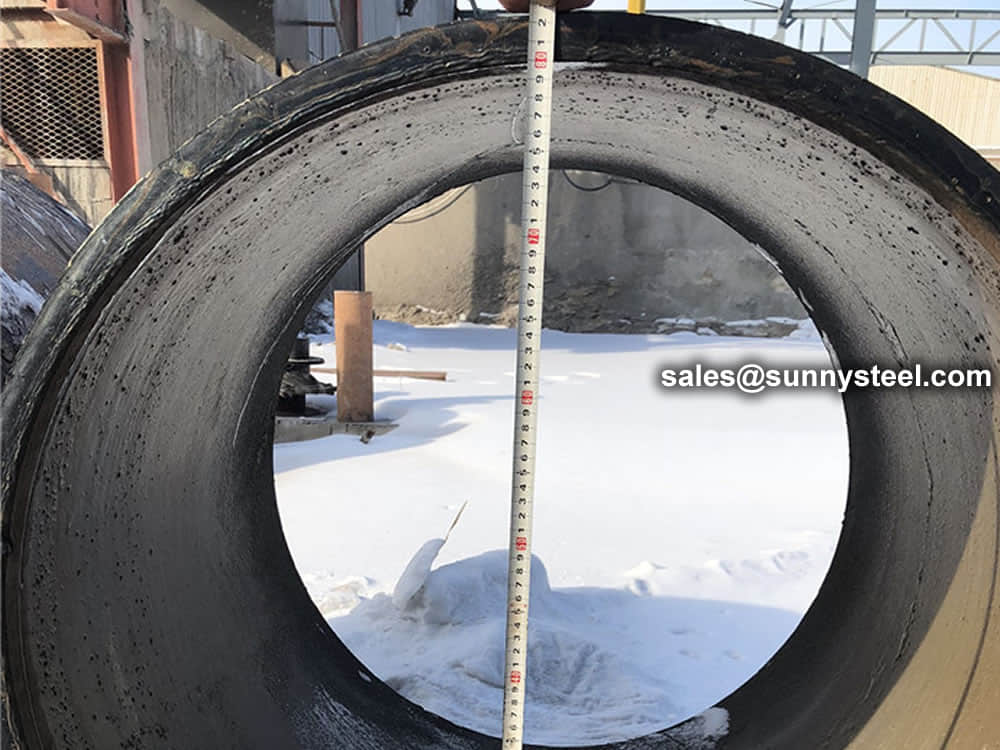
Our factory can produce cast basalt pipe of nominal diameter φ40mm ~ φ800mm, which φ600mm above the large-diameter, 1000mm length tube is the exclusive production of cast basalt pipes.
Adopt centrifugal casting manufacturing cast basalt pipe reducer. Molten lava in the vacuum state is poured into the high-speed rotation the centrifuge. In fixed standard time to exit the centrifuge into the annealing furnace. Cast basalt pipes have an excellent performance of high abrasive and high corrosion resistance. Often in the form of cast basalt pipe reducer appeared in various operating conditions the pump outlet location.
As hydraulic or pneumatic conveying worn or corrosive wear resistance, corrosion resistant lining material pipe can effectively protect the pipe prolong the service life of pipelines.
The whole production process of cast basalt wear resistant materials are completely finished under the monitoring of internal control procedures for the safe and orderly.
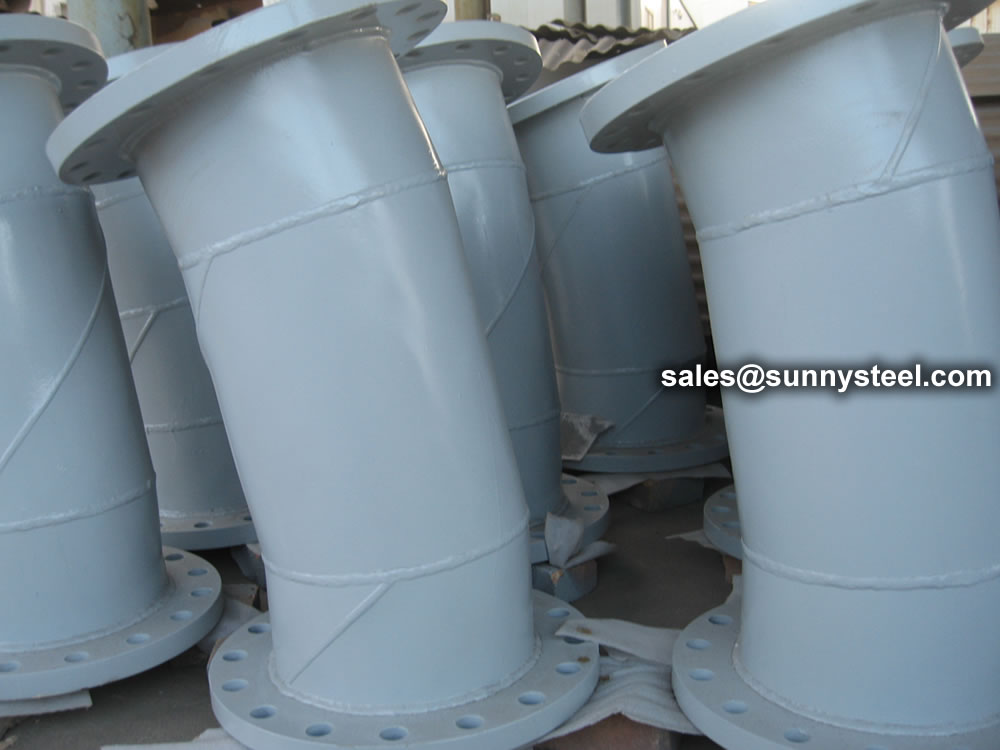
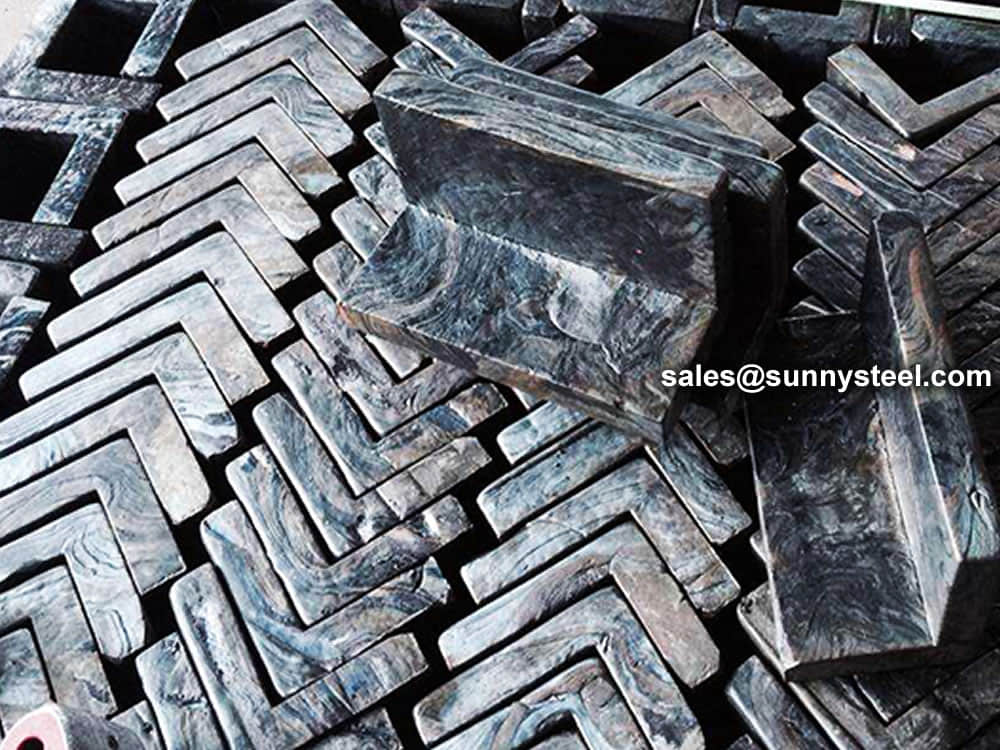
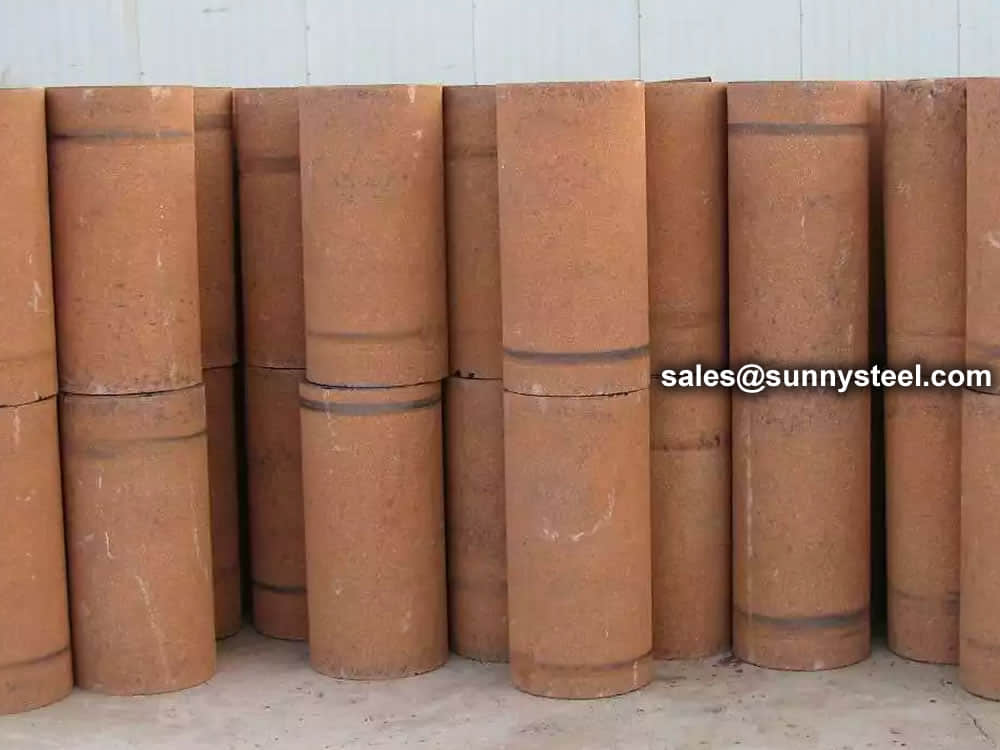
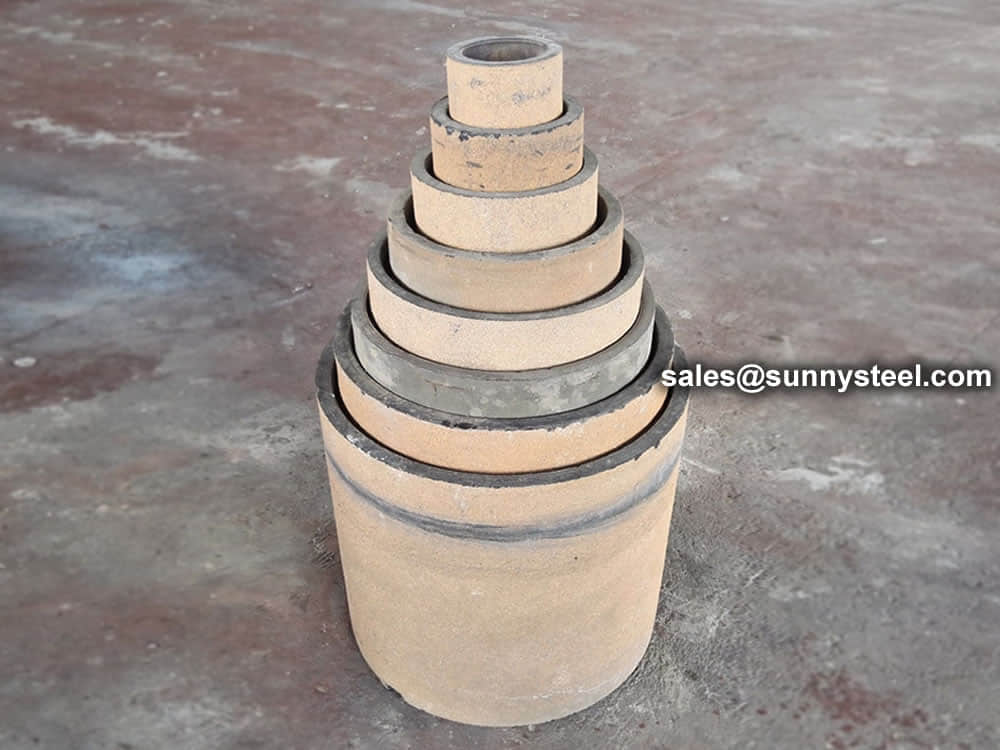
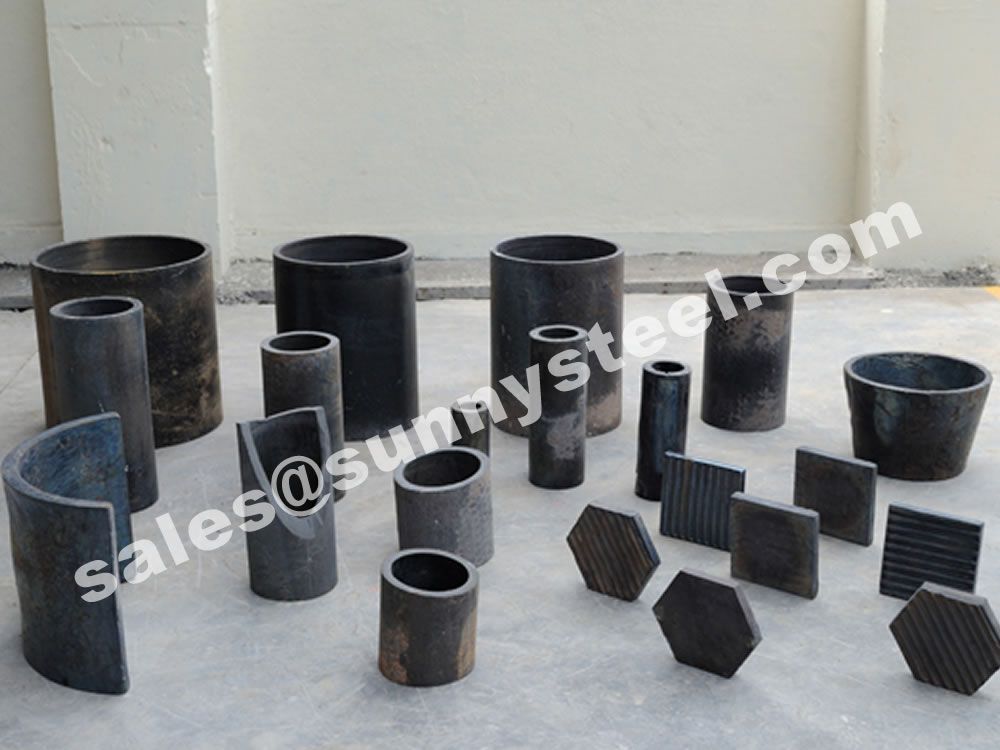
Cast basalt pipe can be divided into straight pipe, elbow, three-way (four-way) pipe and variable diameter pipe, etc.
Basalt is substantially more erosion-resistant than iron or steel.
In fact, over time, as the pipe experiences more friction from the media being transported, the coefficient of friction increases—creating even more beneficial flow outcomes.
Basalt-lined pipes are perfect for many applications including slurry lines for all mineral processing and hydraulic conveying. They’re commonly used for fine material conveying.
Cast basalt is an all-round cost-effective and adaptable lining material that extends the life of equipment.
As the wear surface, the cast basalt ceramic is 8 Mohs hardness, whose wear resistance is 10 times that of hi-chrome cast iron alloy pipes. It can make little wear loss of the pipe during running, which extend the service life of the equipment largely.
-50-350 ℃ is ideal temperature for the cast basalt ceramic lined pipe, and the inner wall of the pipe is cast basalt plates or tubes which have unique chemical properties of wonderful acid and alkali resistance.
The density is 3.63g/cm³, which is only half of the steel to reduce the load of equipment largely.
Welding, flange, flexible joint are available for fix with the equipment.
All the performance of Anti-wear cast stone lined steel pipe / cast basalt lining composite tube makes low project costs, the charges can be about 20-30% less than wear steel piping project.
Full range of Anti-wear cast stone lined steel pipe / cast basalt lining composite tube including straight pipes, bends, elbows, tees,Y-pieces, reducers,crosses and etc can be available from our factory.
Regarding the connection ways, we can provide with the normal way of welding or flange or to customize according to the customer’s requirements.
| Cast Basalt Pipe DN (mm) |
Standard Steel Pipe OD (mm) |
Cast Basalt Thickness (mm) |
Length (mm) |
|---|---|---|---|
| 80 | 159 | 25 | 4000 |
| 100 | 168 |
17.5 20 |
4000 6000 8000 |
| 125 | 195 | ||
| 150 | 219 | ||
| 175 | 245 |
6000 8000 10000 12000 |
|
| 200 | 273 | ||
| 225 | 300 | ||
| 250 | 325 | ||
| 275 | 345 | ||
| 300 | 377 | ||
| 350 | 426 | ||
| 400 | 478 |
20 25 |
|
| 450 | 529 | ||
| 500 | 600 | 25 | |
| 550 | 650 | ||
| 600 | 720 | 30 | 6000 |
| 650 | 770 | ||
| 700 | 820 | ||
| 750 | 870 | ||
| 800 | 920 |
Other specifications of cast steel pipe lined with basalt can be manufactured according to customer technical requirements. Suitable for large-diameter basalt lining steel pipes with a nominal diameter greater than 800mm. Generally, according to the running status of the pipeline, different cement is used to fix the basalt brick inside the finished steel pipe to complete the basalt lining steel pipe. Its advantages are good wear resistance, wide range of use, basically not limited by the size of the pipeline and low cost of pipeline installation.
Comparison of Ceramic lines with few other materials under standard conditions :
| Material | Thickness(mm) | Approx life ( Months ) |
|---|---|---|
| Mild Steel | 10 | 3-5 |
| Cast Iron | 20 | 6-8 |
| Ni-Hard | 20 | 12-14 |
| Cast Basalt | 30 | 20-25 |
| Ceramic | 10 | 35-40 |
Hard & Compact Smooth & Inner Withstands High-Abrasion & Corrosion In any of the process industries especially Sled and Cement corrosion and abrasion lead to significant downtime of the plant. Further, the useful life or the equipment itself may get impaired because of the high abrasive nature of the materials being used. Thus, ‘wear mechanism’ results in hut down, replacement, etc., which is costly, resulting in loss to tilt: tunic of millions of dollars.
The bend radius should be minimum 3 times of the nominal bore. At discharge end of each bend, cast basalt lined straight pipe of length 5 to 12 times the nominal bore must be used.
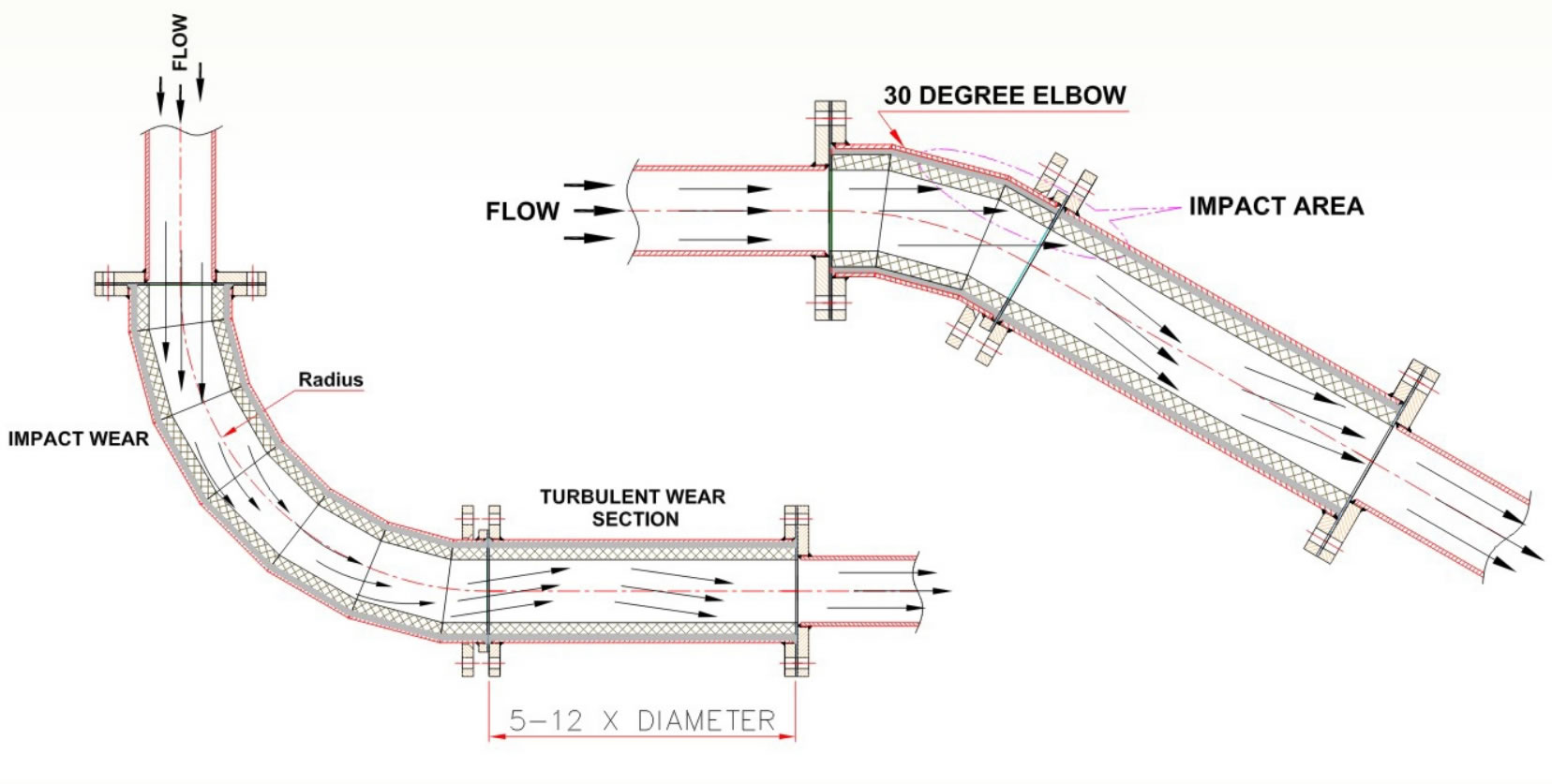
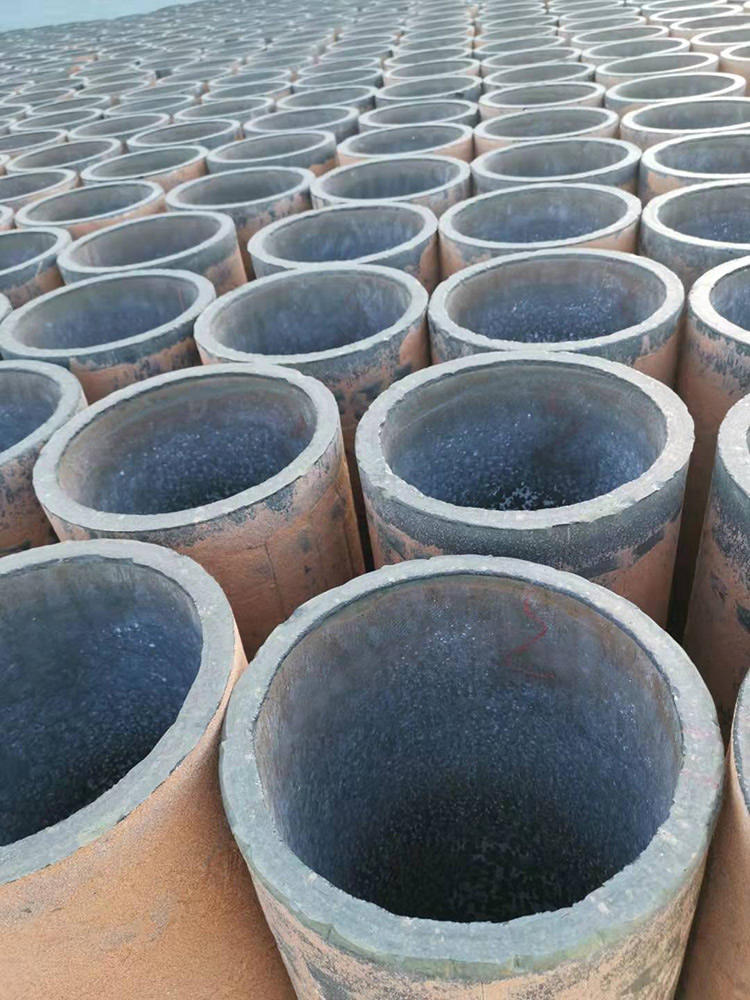
Cast basalt pipe can be divided into straight pipe, elbow, three-way (four-way) pipe and variable diameter pipe, etc.
Cast basalt lined pipes exhibit exceptional wear resistance due to several key characteristics:
Cast basalt lined pipes are engineered with a well-thought-out structure. The internal arrangement consists of interlaced pyroxene spheres or feather-like crystallites of 0.05-0.1 mm, enhancing the material's hardness and wear resistance.
These pipes have low water absorption, contributing to their resistance against the deteriorating effects of moisture.
Cast basalt pipes possess high compressive strength, enabling them to endure heavy loads and pressures without deformation.
With the exception of hot phosphoric acid, hydrofluoric acid, and dissolved alkali above 30â„? cast basalt exhibits excellent corrosion resistance to a wide range of substances, including inorganic acids, organic acids, alkalis, salts, water, and organic solvents.
The material's Mohs hardness reaches 7-8, indicating a high level of hardness that directly correlates with superior wear resistance. Harder materials generally exhibit better resistance to wear and abrasion.
The combination of silicon and oxygen atoms in the silicate mineral structure is bound by strong forces at the atomic and molecular levels, contributing to the overall strength of the material.
While individual cast basalt lined pipes demonstrate good wear resistance in applications like blast furnace tanks, it's important to note the inherent brittleness of ceramic materials. This brittleness may result in breakage during heavy impacts. Additionally, single-piece pasting construction may exhibit signs of aging over extended periods. However, when properly applied and maintained, cast basalt lined pipes remain a popular choice for wear-resistant applications due to their durability and performance.
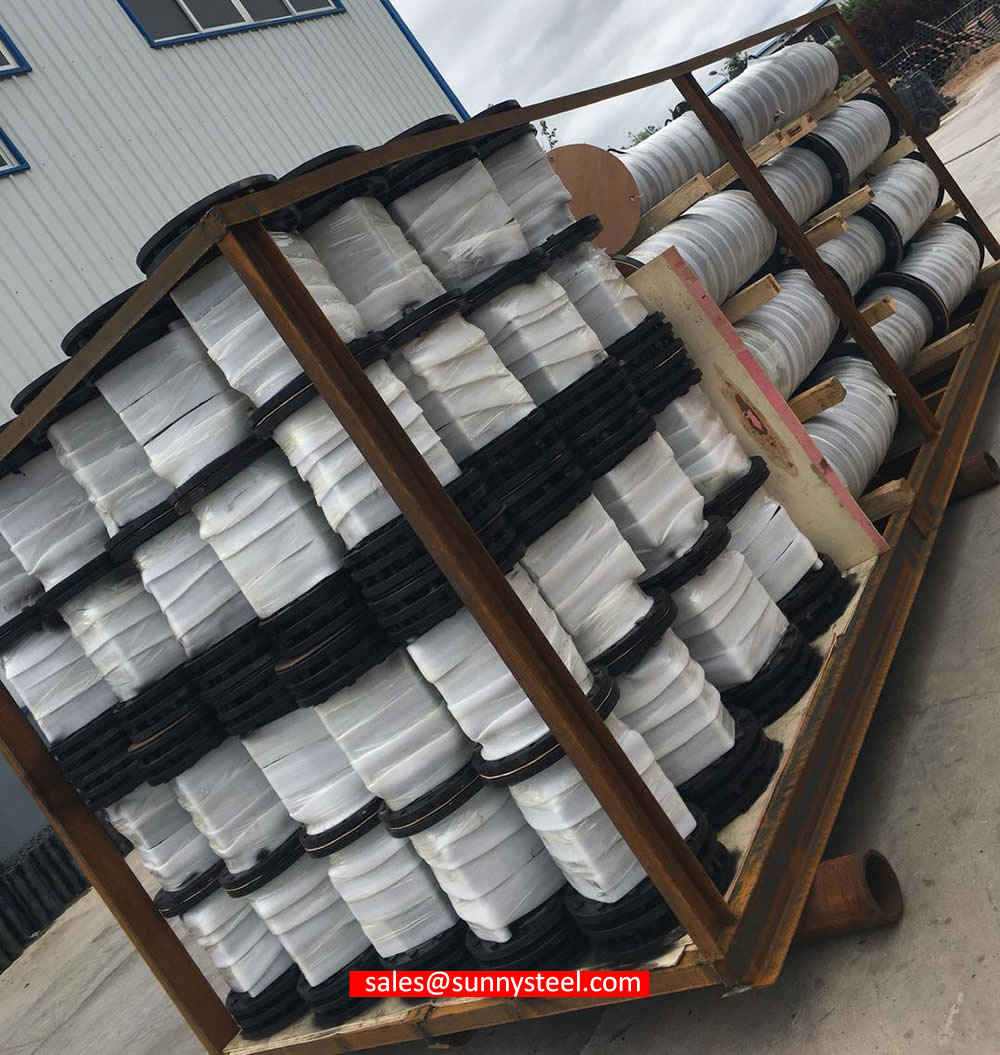
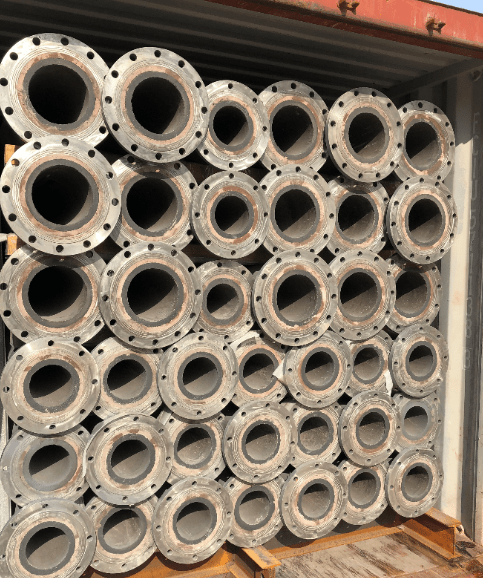
Cast blast lined pipe and fittings can connect with flange, quick assembly joints and welding.
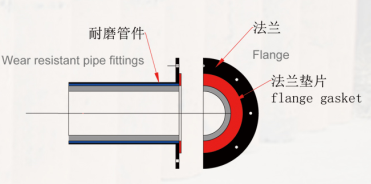
Flange connection is one kind of common pipeline installation connections. By two pieces of flanges, pipeline, valve, equipments are connected and it forms a tight piping system. When pipeline pressure is larger, flange connection is priority selection. Flanges have lots of different sizes. Flange size is determined according to pipeline normal diameter and pipeline operation pressure.
The parameters of the outside steel pipe will be decided according to the working pressure of the system. The connection of the pipes and fitting will be of flange connections, easy—flexible joint connection or by welding.
By two pieces of flanges,pipeline,valve,equipments are connected and it forms a tight piping system. When pipeline pressure is larger, flange connection is priority secection. Flanges have lots of differents sizes.
Flange size is determined according to pipeline normal diameter and pipeline operation pressure.
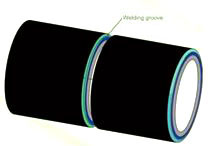
Beveled ends allow for proper alignment and penetration during welding, ensuring a strong and effective joint. This preparation is commonly used in various industries, especially in piping systems where welded connections are prevalent.
It suits short distance pipeline system without maintenance. It is one kind of common installation connections. It requires installation personnel higher welding ability. It also restricts by welding site, distance, welding positions. Welding connections is inconvenient in later maintenance.
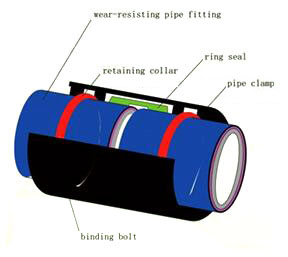
It is one of high efficient and rapid installation connection. I t has the below characteristic: easily install and disassemble, fast installation, temperature adjustable compensation function, saving the necessary expansion in long pipeline. Easy-flexible joint also has angle compensation characteristic. At smaller angle turning points, easy-flexible joint can be instead of bends and adjust angle.
Cast basalt is a highly wear-resistant and corrosion-resistant lining material widely used in pipes, chutes, bunkers, cyclones, and hoppers.
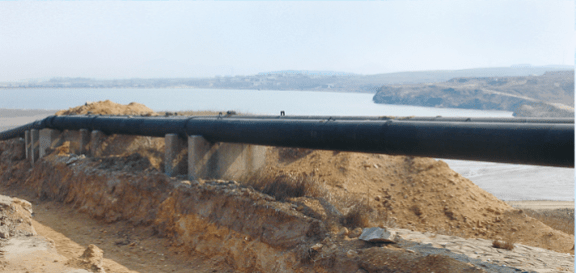
Usage
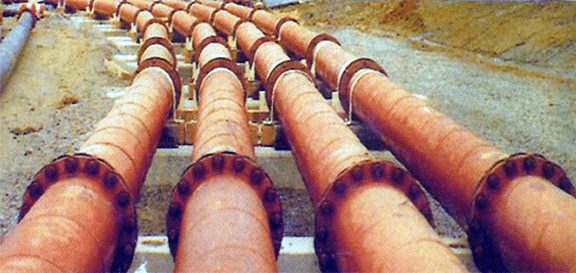
Installation
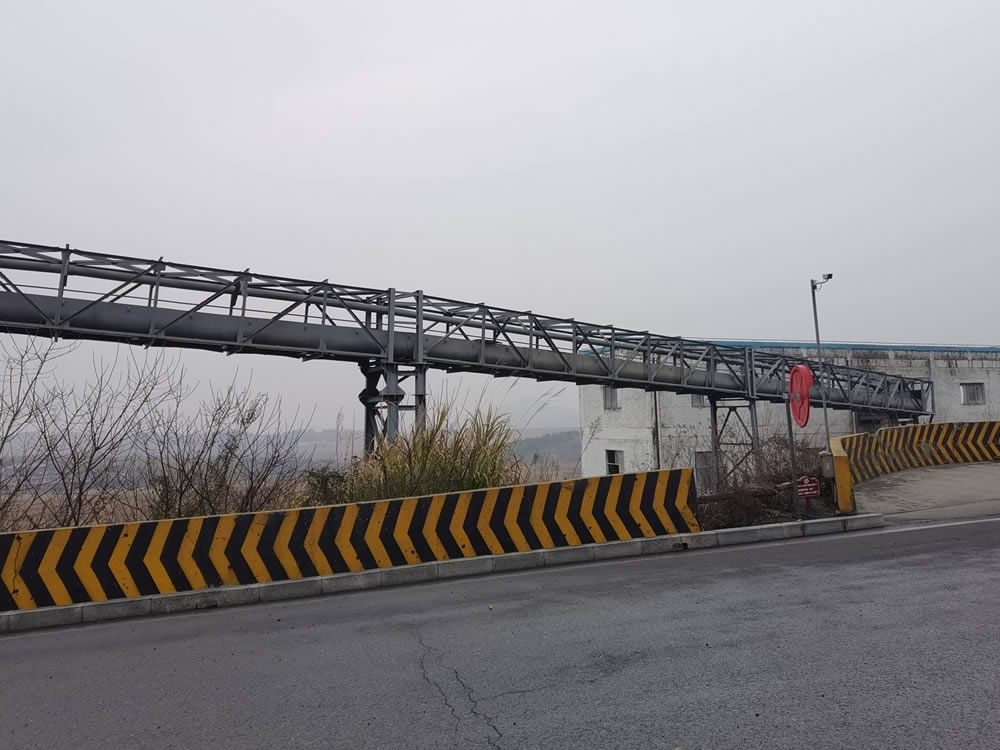
Cast basalt has become the global standard for ash slurry pipelines in fossil-fuel power stations and other heavy industries. It significantly extends equipment service life in environments with severe abrasion and corrosion.
It is commonly used as a cost-effective lining material for steel, cast iron, rubber, or polyurethane equipment, offering 5–10 times longer service life than traditional materials.
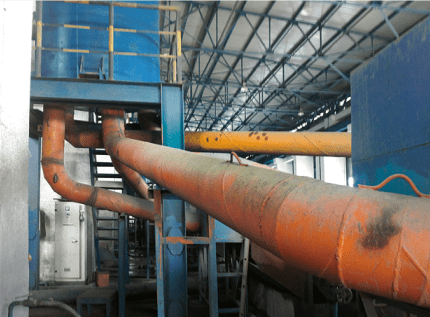
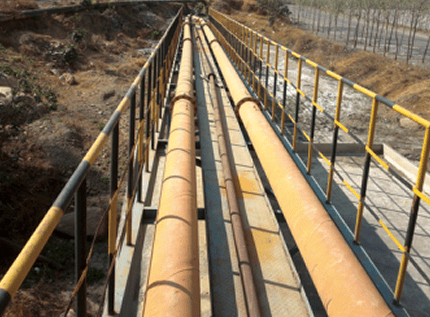
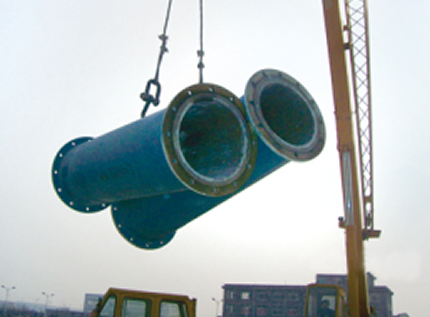
Cast basalt is a mineral of exceptionally high abrasion resistance, unlimted resistance to moisture, high compressive strength and resistance to virtually all acids and alkalis and is completely corrosion free.
Cast basalt is produced by melting selected natural basalt broken into sizes of 20-50 mm in shaft furnaces at tempreatures around 1,300C, following by casting at which the metled basalt forms uniforms pherolithic crystals hence producing its typical physical propertics, in particular its exceptional hardness and wear-resitance.
Cast basalt reaches a value of hardness of 8( min ) on the Moh's hardness scale. for comparision : the highest value10is only attained by dimonds. by virtue of these properties,the silicate cast basalt provides outstanding protection against abrasion and scrubbing.
however, it is marked by asertain sensitivity ti impacts.Under Normal services conditions, cast basalt withstands tempratures up to approx.+ 350C or-40C. However Cast basalt sholud not be subjected ti temprature shocks.
Sizes : Cast basalt produces are manufactured as tiles, from pieces and segments. straight pipes are spun-cast, available for nominal bores of 32 to 600 mm with the wall thickness ranging from 20 to 30mm and a standard lenght of 500mm.samller nominal bores of straight pipes, pipe segment for radill of 40 to 3,000mm of vatrious angles, as well as special formpiece linings are pre dominately sand-cast. The standard wall-thickness is 20mm. depending on the respective quantity, steel moulds can also be used, the wall thickness in those cases usually being 30 to 40mm.
Cast basalt lined pipe can be mainly used as abrasive material and ash handling system like chute slip trough, funnel, silos, a variety dust catcher, revolving-flow machine, various scraper transport planes, all the feeder liner. Laying the ground all types of chemical plants, it can be for lining picking tank or storage of corrosive substance of the storage room.
According to customer requirements along with cast basalt production technology and we can offer various specifications and various shape to meet client's need.
Friction Resistance : As more material is passed over Cast Basalt it gets polished up thereby reducing friction further. Cast Basalt improves in service after getting polished. Wetting also improves its performance in practical applications.
Impact Resistance : Direct Impact Resistance at 90 degree is low like all other ceramics, but it can be increased with proper installation by reducing the angle of impact. Cast Basalt is the best wherever sliding abrasion exists. Moreover, external impact strength of composite basalt pipe (enclosed in M.S. Shell) is always more than that of bare Ni-hard Pipe.
Chemical Resistance : Cast Basalt is almost absolutely acid/alkali resistant (except Hydrofluoric Acid) and hence corrosion resistant.
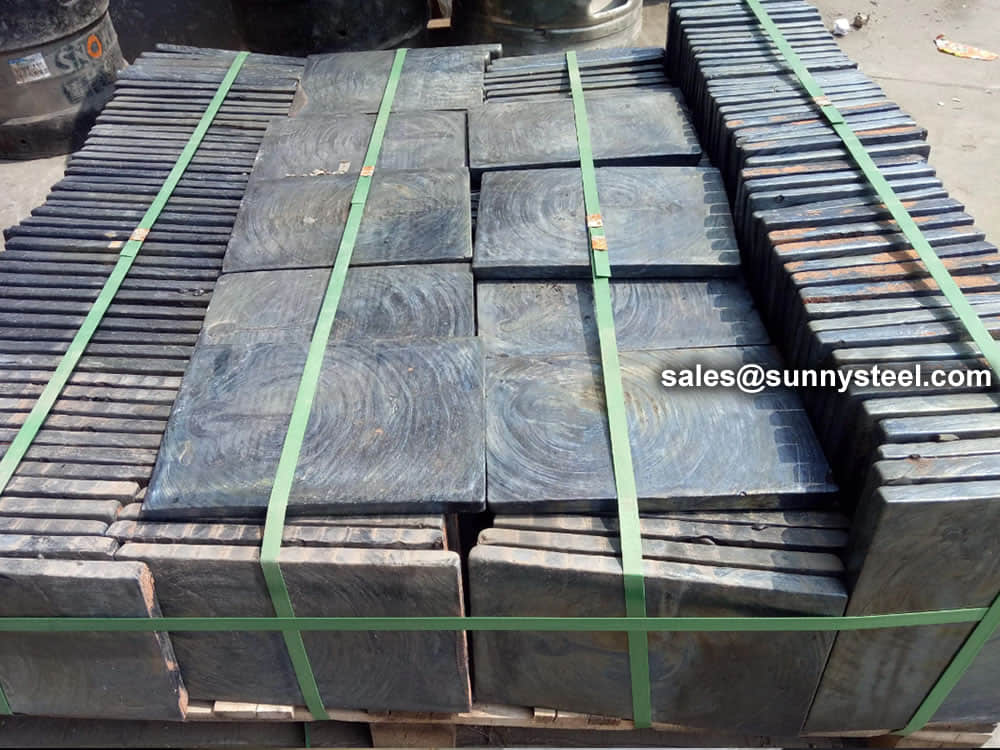
Weight and Sizes : Basalt Tiles are available in regular shape square of 200 x 200 x 30 mm thick, weighing approx. 90 kg/sq m; whereas bends and pipes are lined using Basalt Cylinders of various standard sizes from 50NB upto 500NB.
Temperature : Cast Basalt withstands temperature up to 4500 oC.
Design Aspects
Refining basalt to a finely crystallised glass ceramic, SunnySteel’s cast basalt wear resistant material provides an extremely durable, long-lasting lining for static plants bearing large volumes of abrasive and/or corrosive matter.
Supplied as both a pipe and tile lining solution, cast basalt is ideally suited for wet material handling applications with lower impacts, such as coal chutes, ash sluiceways, ash pipelines at power stations and hydraulic granulated slag or sand conveying. Basalt delivers high resistance to wear corrosion and temperatures up to approximately 400 °C.
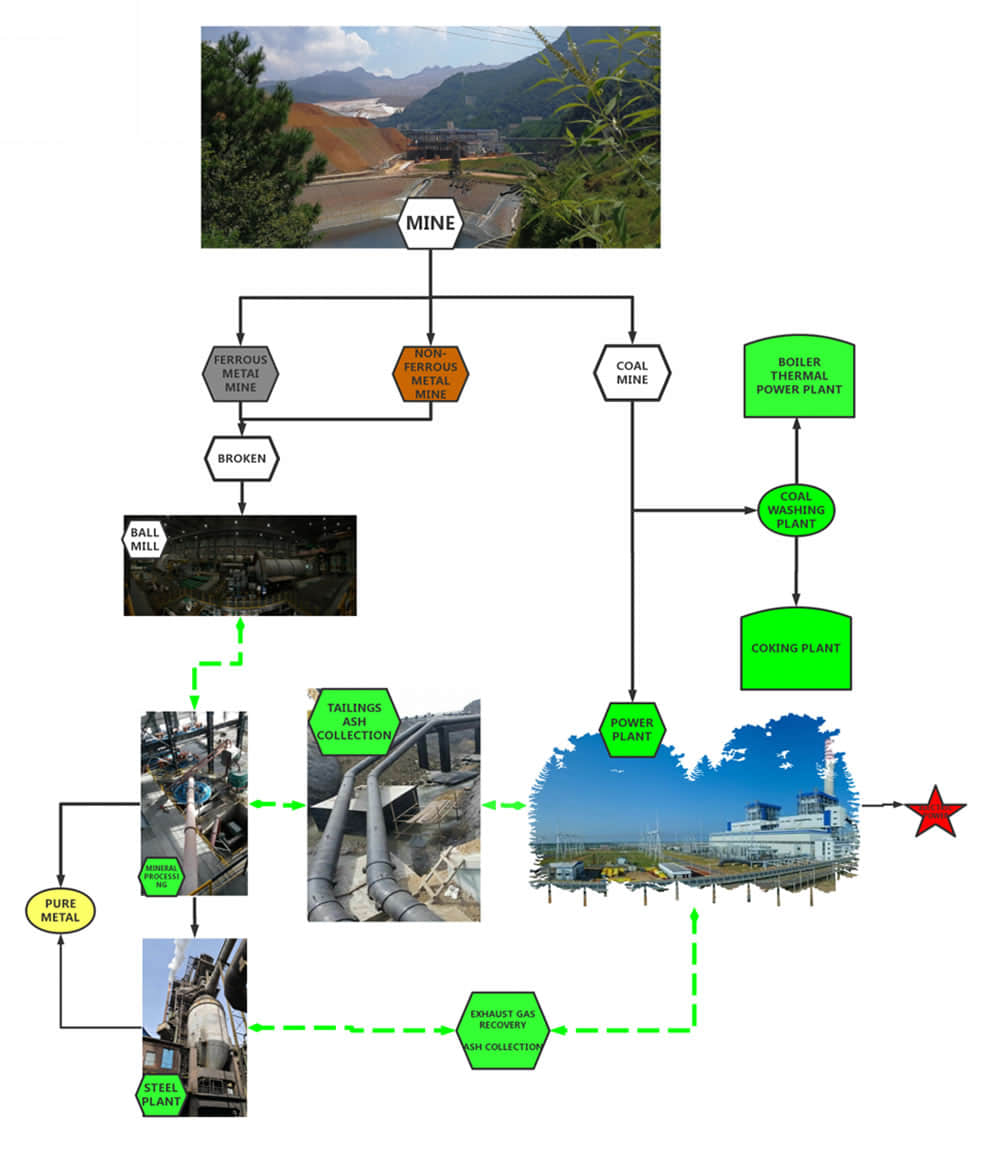
Cast basalt pipe is a kind of silicate crystalline material that has been produced and processed. It uses natural rock (basalt, diabase and other basic rocks) or some industrial waste slag as the main raw material. After melting, pouring, crystallization and annealing and other processes. Cast stone has excellent wear resistance and corrosion resistance. Cast stone products mainly include cast stone slabs, cast stone pipes, cast basalt lined pipes, jacketed cast stone pipes, cast stone wear-resistant expansion joints, cast stone wear-resistant valves, cast stone powder and various wear-resistant and resistant cast stone powders as raw materials. Putty slime, etc. Has been widely used in electric power, mining, coal, metallurgy, chemical, construction and other industrial sectors severely worn and corroded parts and equipment.
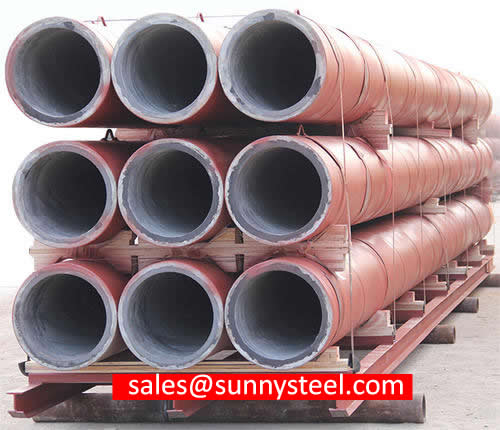
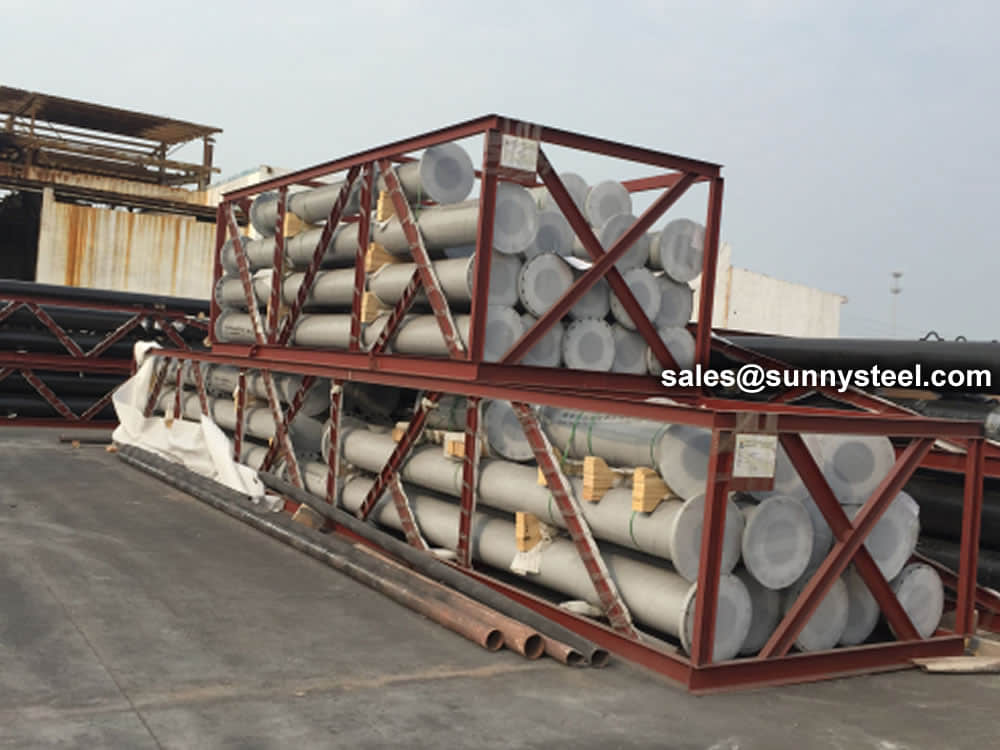
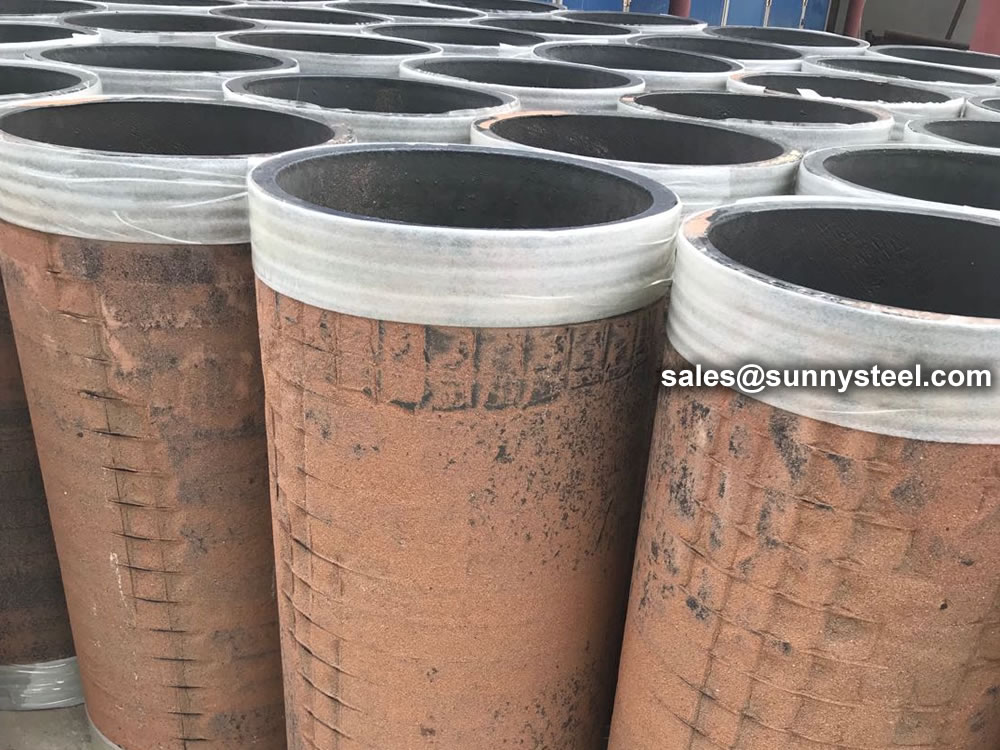
the cast basalt lined pipe is composed of the inner lined cast stone pipe, the outer steel pipe and the cement mortar filling layer between the two. It integrates the wear resistance and corrosion resistance of the cast stone pipe, the toughness of the steel pipe and the consolidation of the cement mortar. In one. It improves the adaptability of the Product to various complex working conditions. At the same time, the use of cement mortar as a filler can make the inner surface of the steel pipe in an alkaline medium, and the surface of the steel pipe will produce a purification film, which can prevent corrosion. It is resistant to wear, corrosion, and high pressure, and is safe and convenient to transport.
Cast basalt lined pipes are divided into straight pipes, curved pipes, tee (cross) pipes, reducing pipes, etc.
The diameter series of the cast stone composite elbow is the same as that of the cast stone composite straight tube, and its turning radius and center angle are made according to user requirements.
Non-standard specifications of cast basalt lined pipes can be made according to customer’s technical requirements. For large-diameter cast basalt lined pipes with a nominal diameter of more than 800mm, different cements are usually used to paste the cast stone plates on the inner wall of the well-processed steel pipes according to the operating conditions of the pipe fittings to form an integrated cast basalt lined pipe. Its advantages are good wear resistance, wide application range, small size limitation of pipe fittings, and low cost of pipe fittings.
Natural gas is used for melting basalt stone in melting furnace. Natural gas is currently very clean and environmentally friendly fuel. No any pollution. To the customer requirements choose environmental protection material that is a good choice.
The product processed from cast basalt is a new type of silicate crystalline material. Using natural rock (basic database, shale, etc.) or industrial waste as the main raw material components, smelting, casting, heat treatment and other processes are regularly arranged, crystalline, hard, and fine-textured metal industrial materials. Casting basalt has an excellent high abrasion and high resistance. Abrasiveness. Corrosion resistance.
Lorem ipsum dolor sit amet, consectetur adipiscing elit. Sed ultrices elit eget sem luctus interdum. Morbi a sapien ut dolor placerat consequat. Nulla facilisi. Vivamus at lacinia elit. Phasellus at faucibus lacus. Duis in enim pharetra, lobortis neque id, ultricies sapien. Sed finibus, arcu vitae suscipit vehicula, purus lectus vestibulum tortor, vel semper justo erat eu risus. Nulla ac odio ac turpis blandit porttitor vitae vitae metus. Fusce commodo lacinia leo quis dictum.
Friction Resistance As more material is passed over Cast Basalt it gets polished up thereby reducing friction further. Cast Basalt improves in service after getting polished. Wetting also improves its performance in practical applications.
Impact Resistance Direct Impact Resistance at 90 degree is low like all other ceramics, but it can be increased with proper installation by reducing the angle of impact. Cast Basalt is the best wherever sliding abrasion exists. Moreover, external impact strength of composite basalt pipe (enclosed in M.S. Shell) is always more than that of bare Ni-hard Pipe.
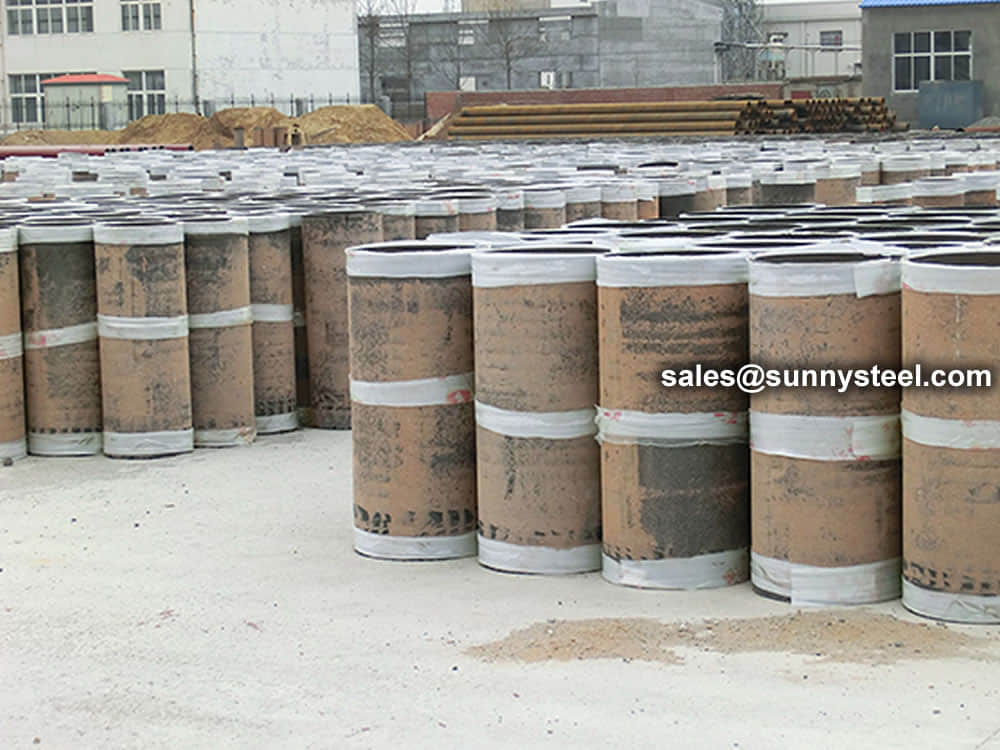
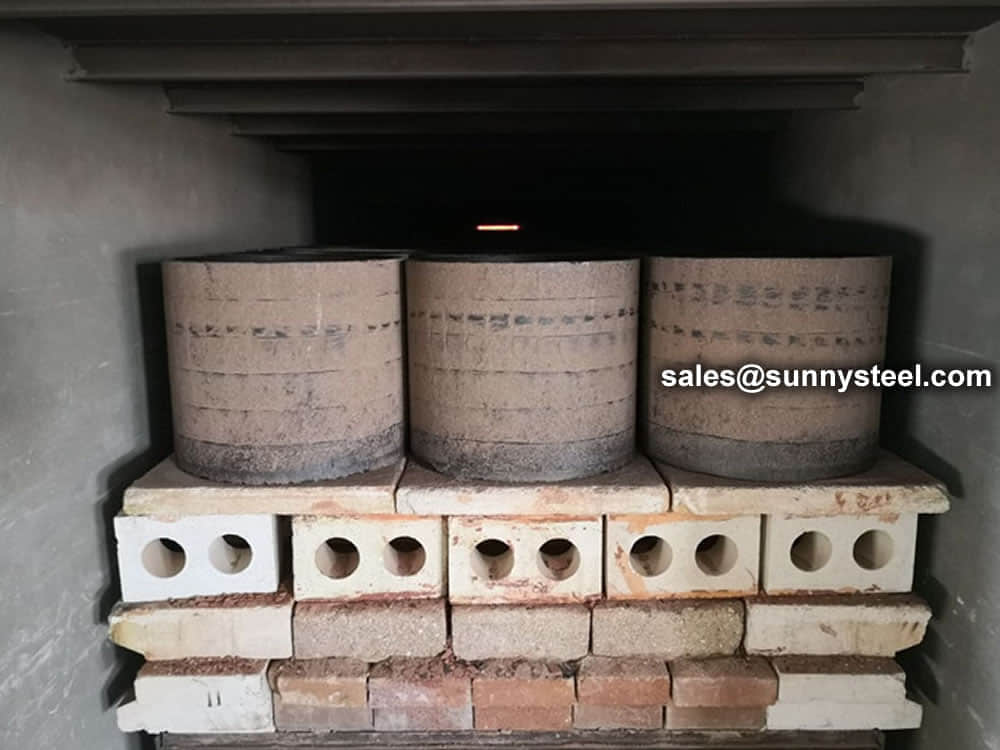
Chemical Resistance Cast Basalt is almost absolutely acid/alkali resistant (except Hydrofluoric Acid) and hence corrosion resistant.
Weight and Sizes - Basalt Tiles are available in regular shape square of 200 x 200 x 30 mm thick, weighing approx. 90 kg/sq m; whereas bends and pipes are lined using Basalt
Cast basalt is a wear-resistant mineral lining material widely used in slurry transport, mining, power generation, dredging, and bulk material handling systems. Its exceptional hardness and chemical resistance help protect pipelines from severe abrasion and corrosion, extending service life and reducing replacement costs.
SunnySteel cast basalt lined pipes combine the structural strength of steel with the exceptional wear resistance of cast basalt, providing a reliable solution for abrasive and corrosive material handling systems.
Ideal for mining, ash handling, dredging and bulk materials.
Resists most acids, alkalis and corrosive media.
Suitable for demanding industrial applications.
Reduces downtime and replacement frequency.

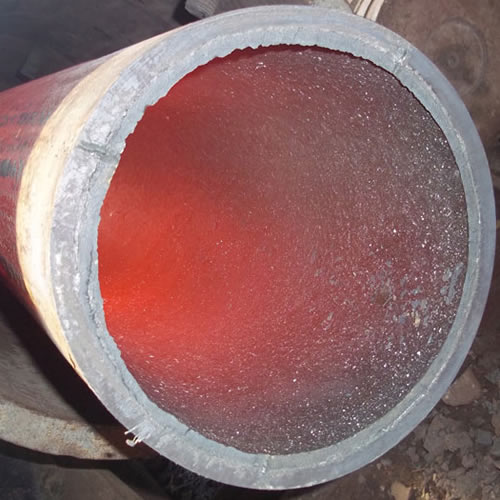
Ceramic lined pipe is made through self-propagating high-temperature synthesis (SHS) technique.
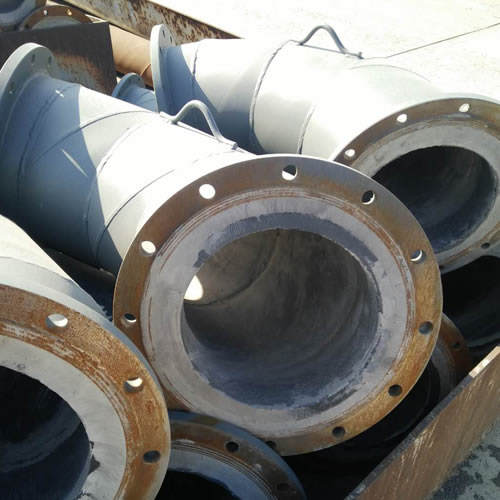
Cast basalt lined steel pipe is composed by lined with cast basalt pipe, outside steel pipe and cement mortar filling between the two layers.
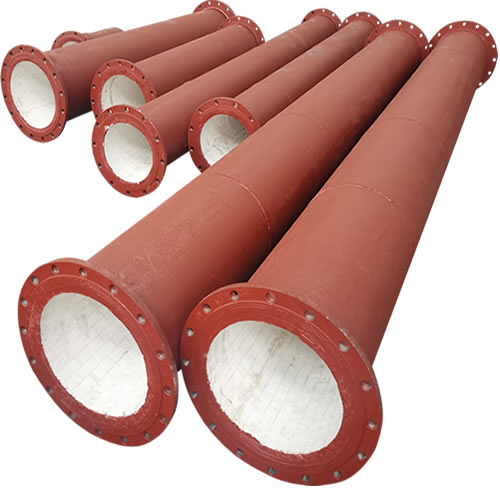
Ceramic tile lined pipes have very uniform coating of specially formulated ceramic material that is affixed to the inner of the pipe.
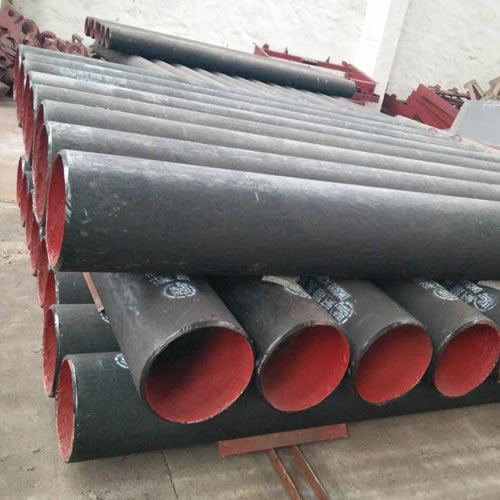
The material of the rare earth alloy wear-resistant pipe is ZG40CrMnMoNiSiRe, which is also the grade of rare earth alloy steel.
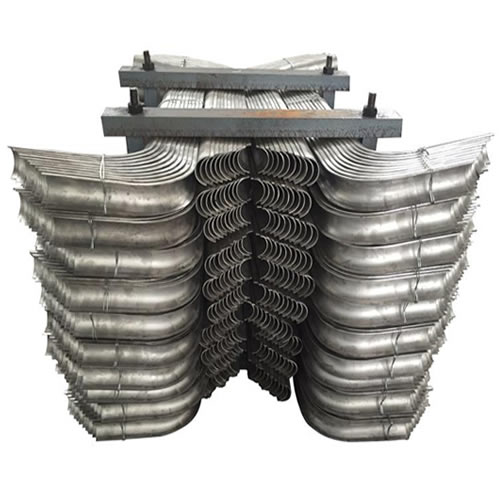
Tubes Erosion Shields are used to protect boiler tubing from the highly erosive effects of high temperatures and pressures thereby greatly extending tube life.
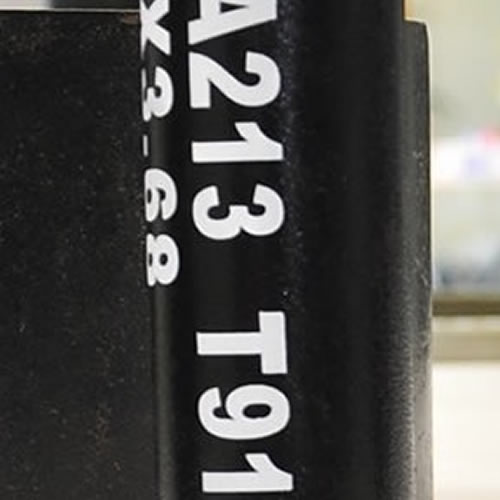
The ASTM A213 T91 seamless tubes are primarily used for boiler, superheater, and heat-exchanger.

When you partner with Sunny Steel, you can stop worrying about meeting deadlines thanks to our responsive and timely service. You'll also say goodbye to unnecessary shopping around. Instead, you'll get white glove service from an expert who understands your needs and can get you the materials you need quickly.