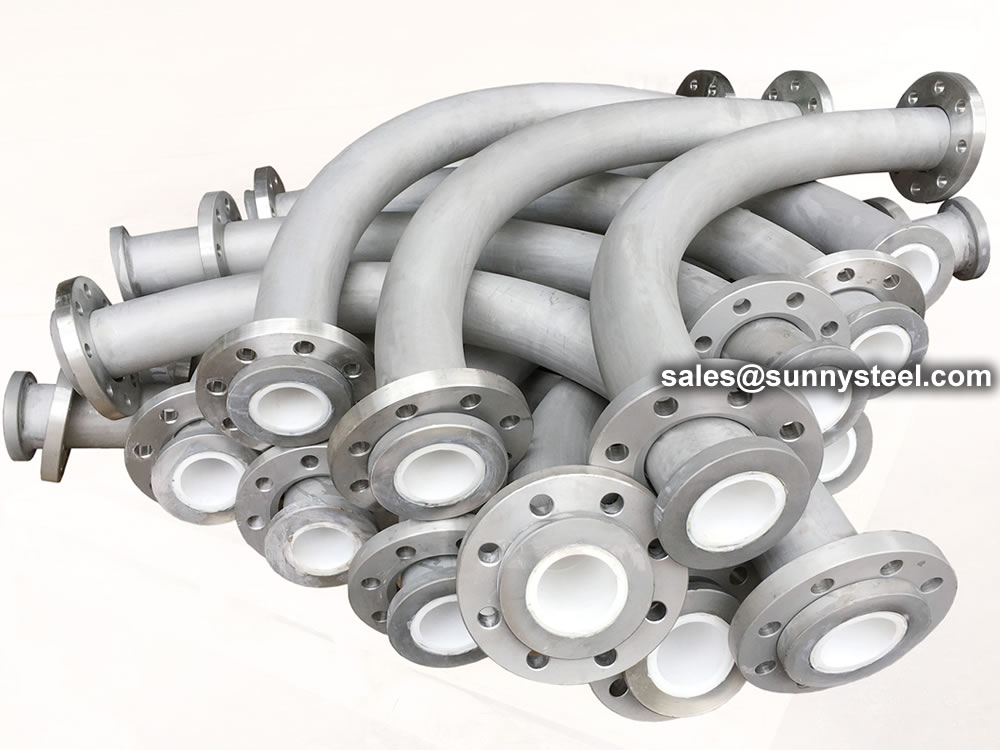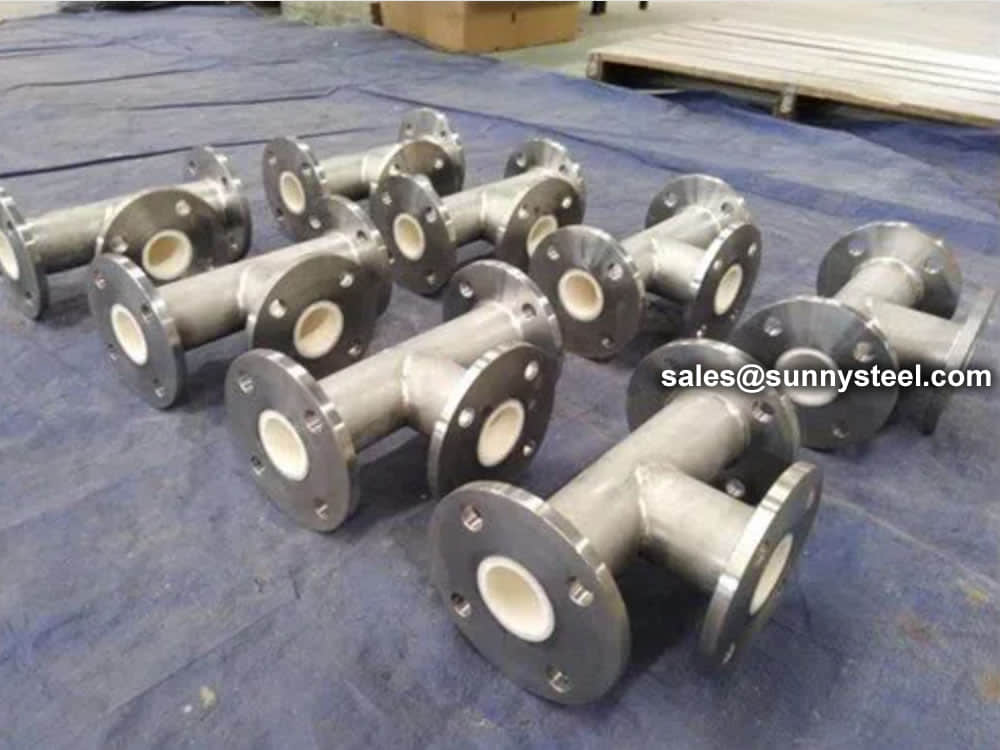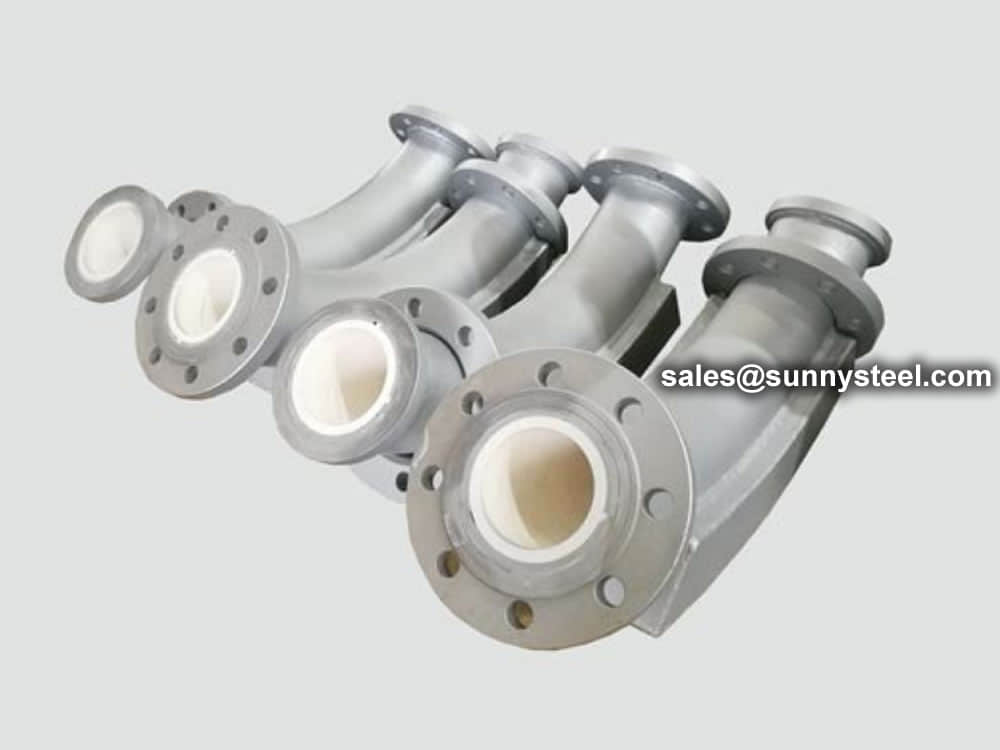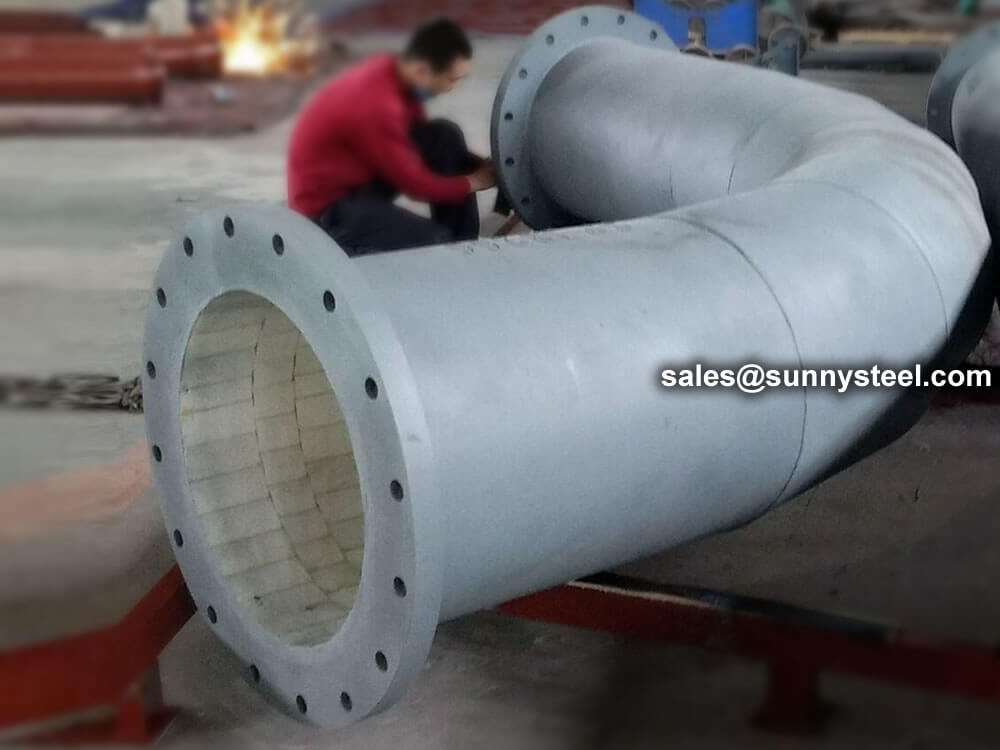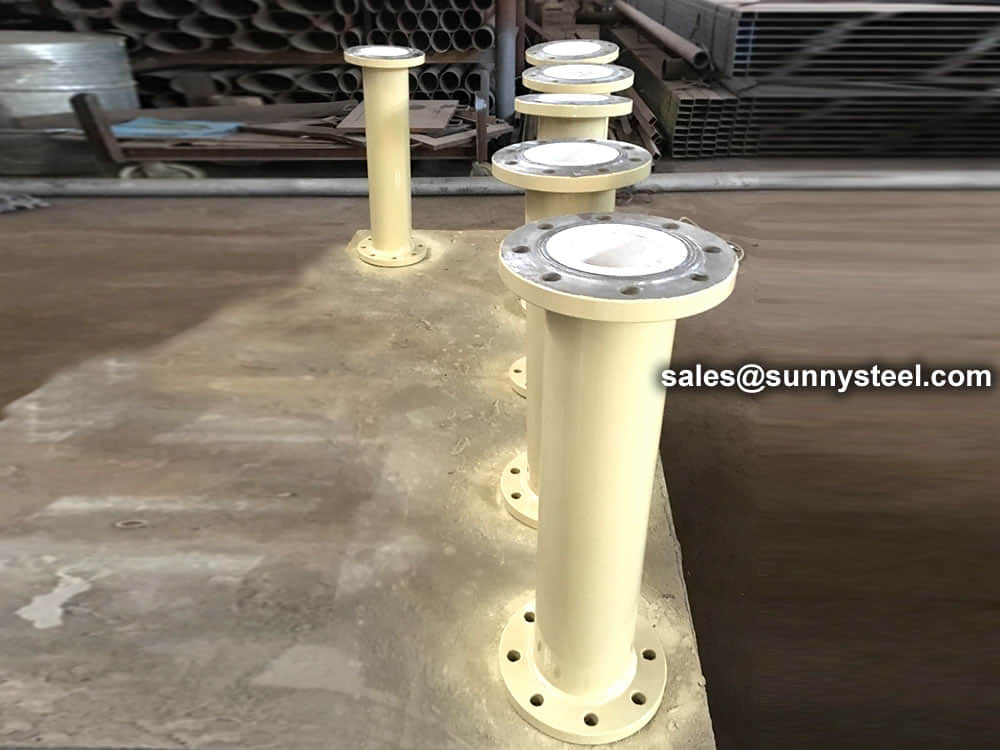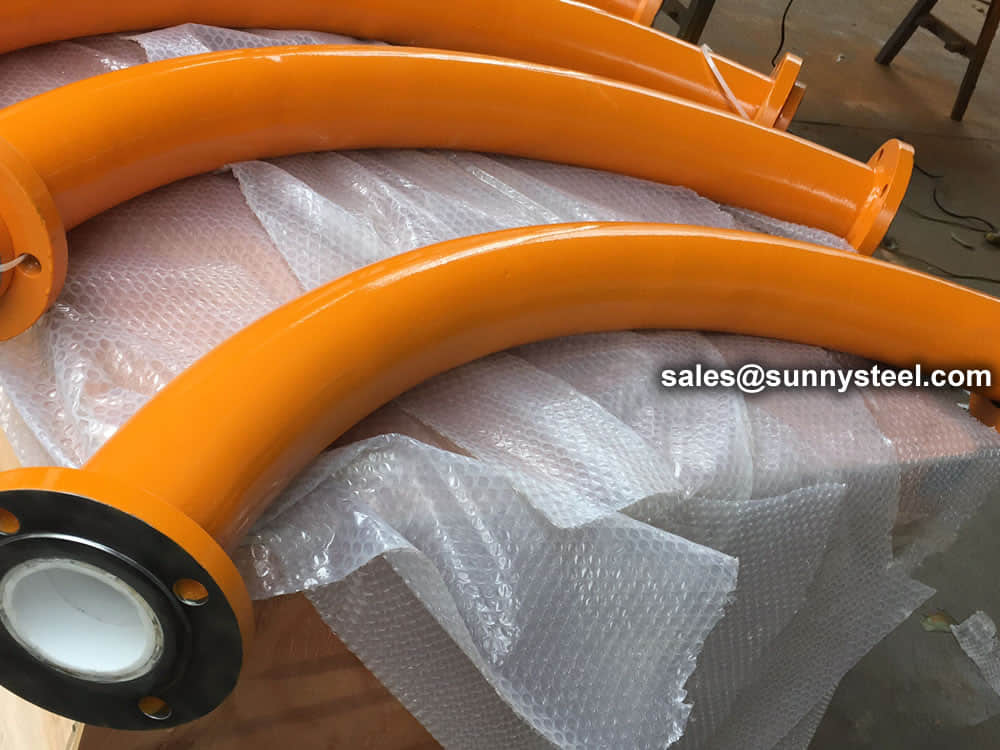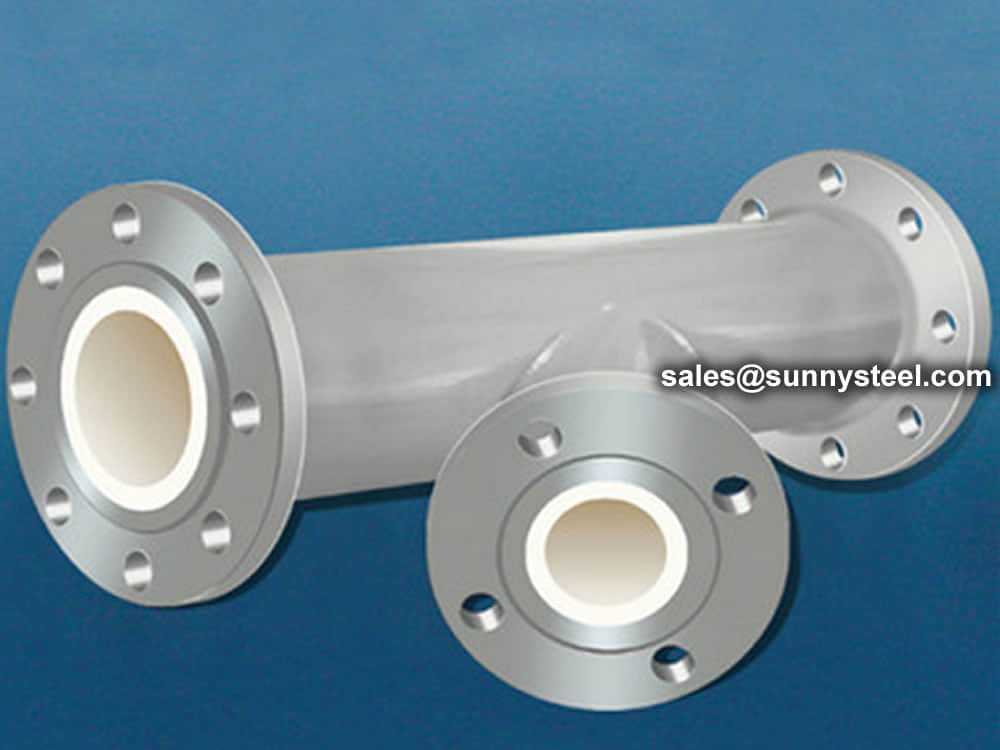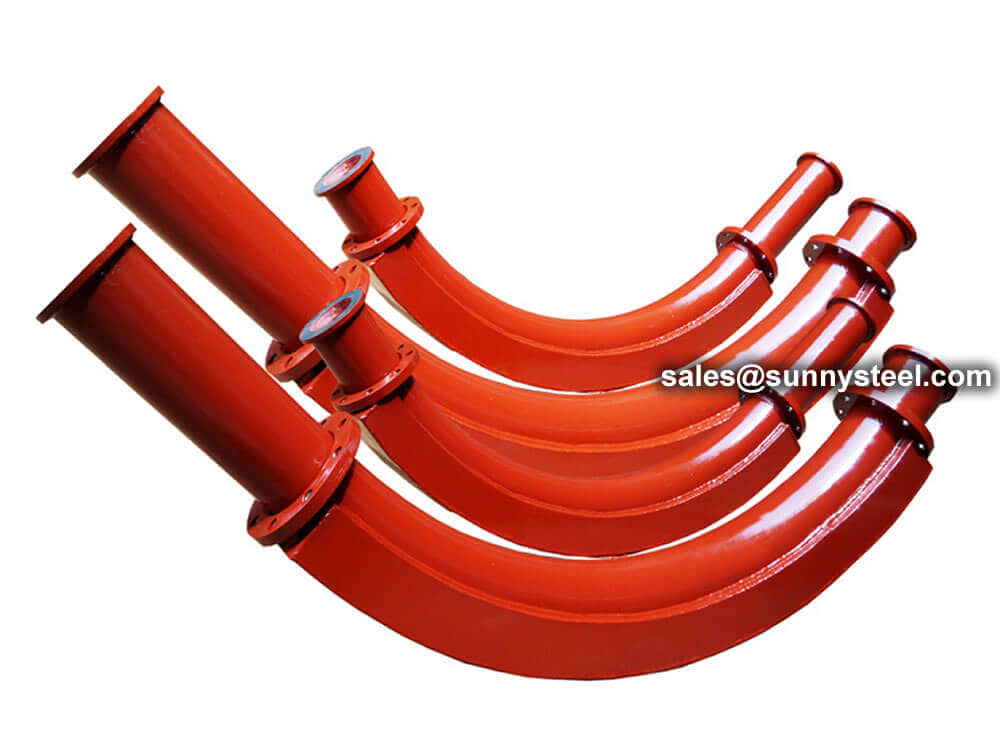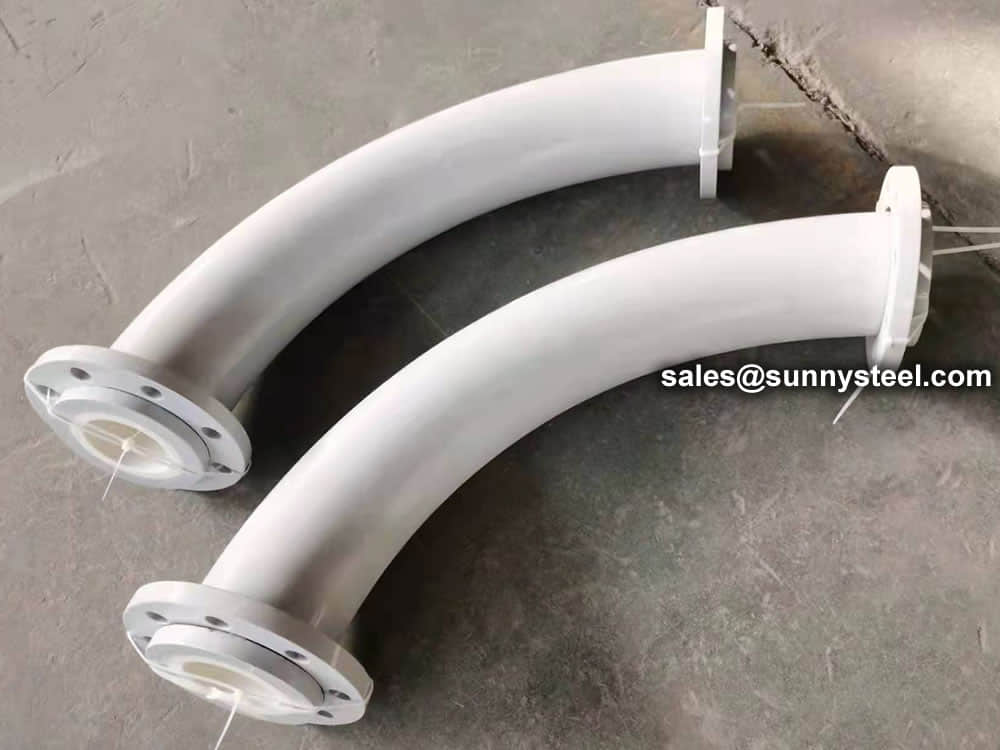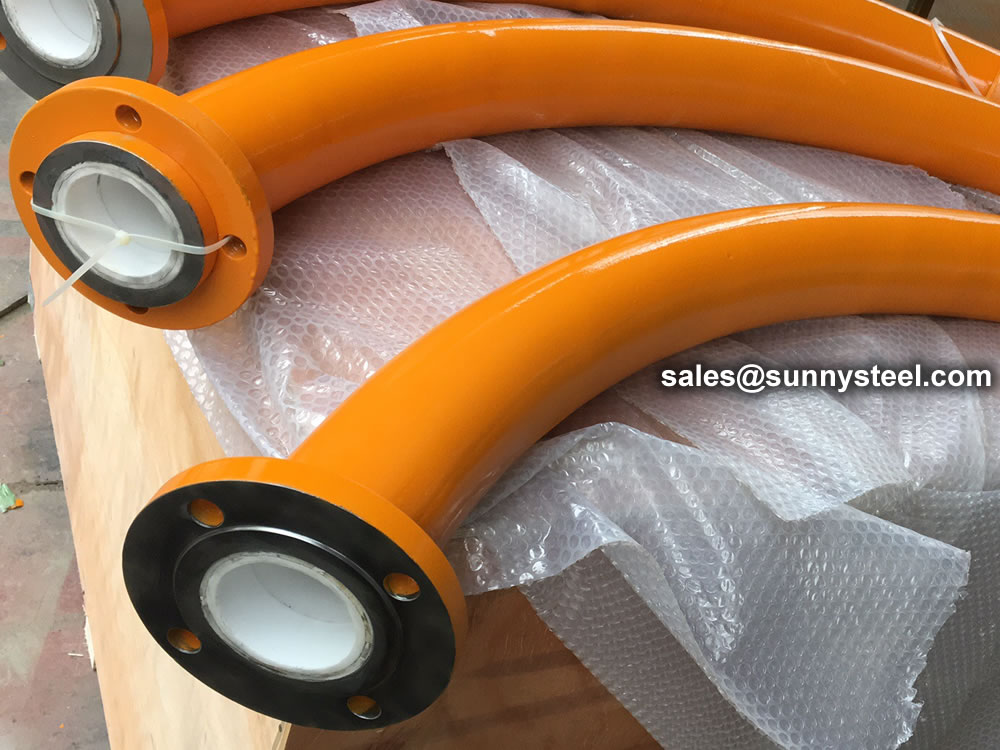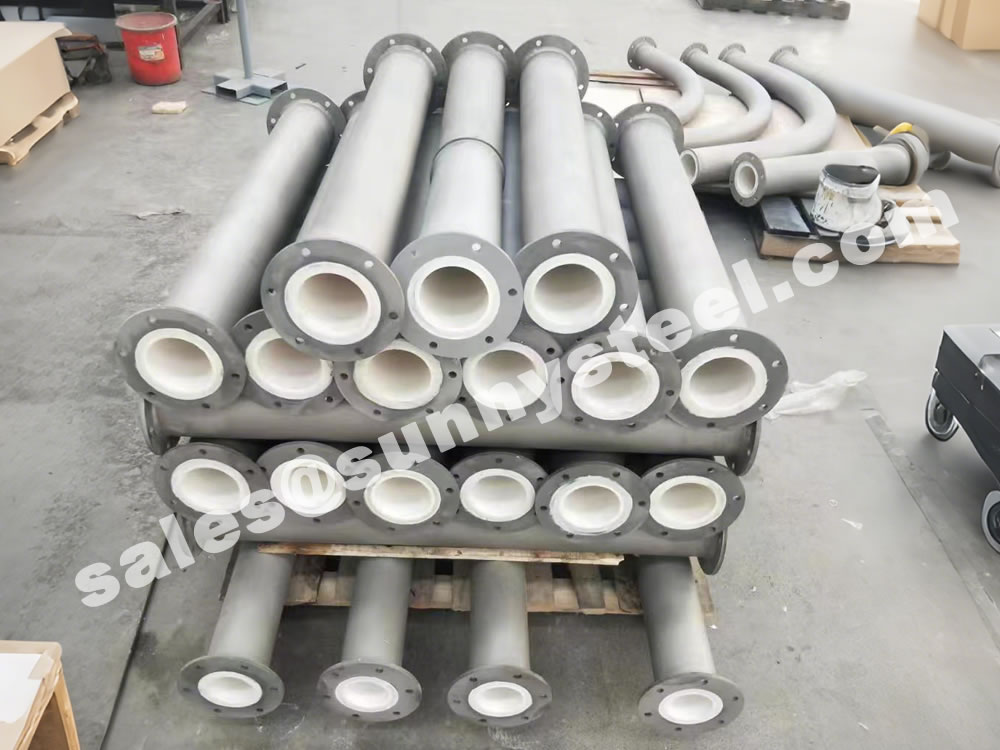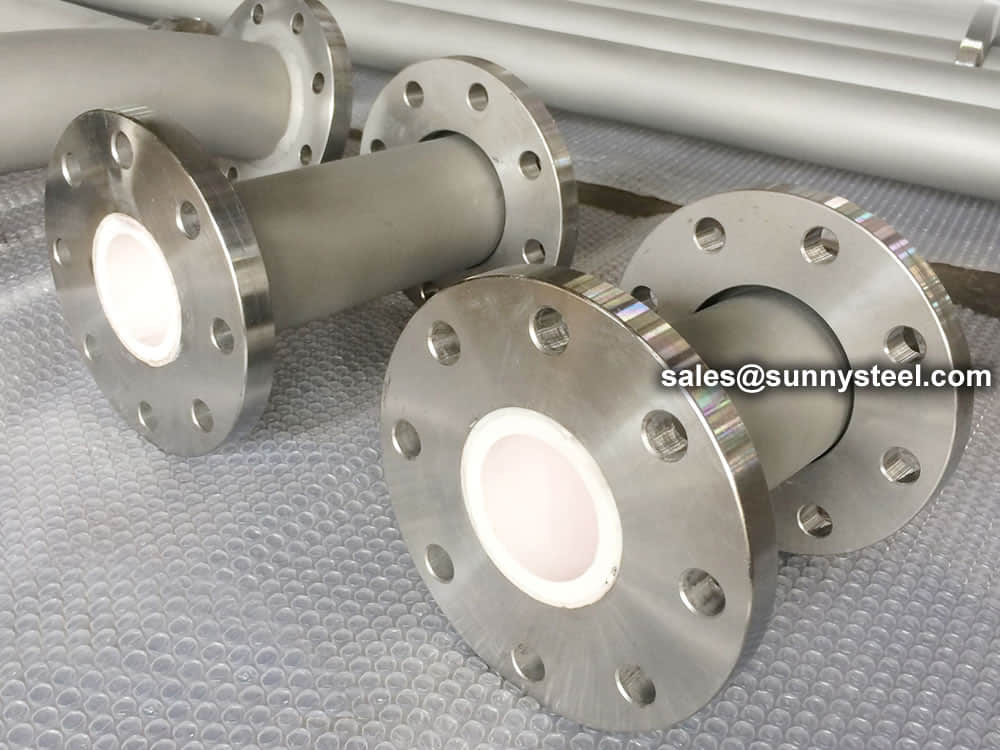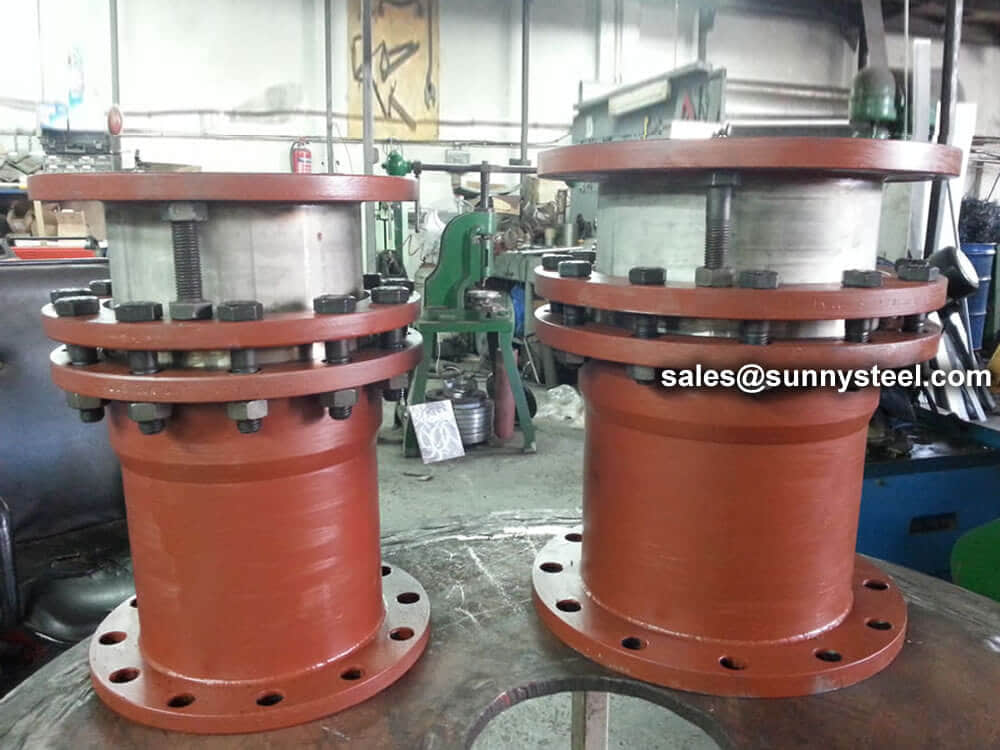
Alumina Ceramic Lined Components
Alumina Ceramic Lined Components - ceramic wear resistant product
Full Production Process Flow Chart
Step-by-step manufacturing process of wear-resistant ceramic sleeve lined pipe, detailed process parameters and factory quality control rules.
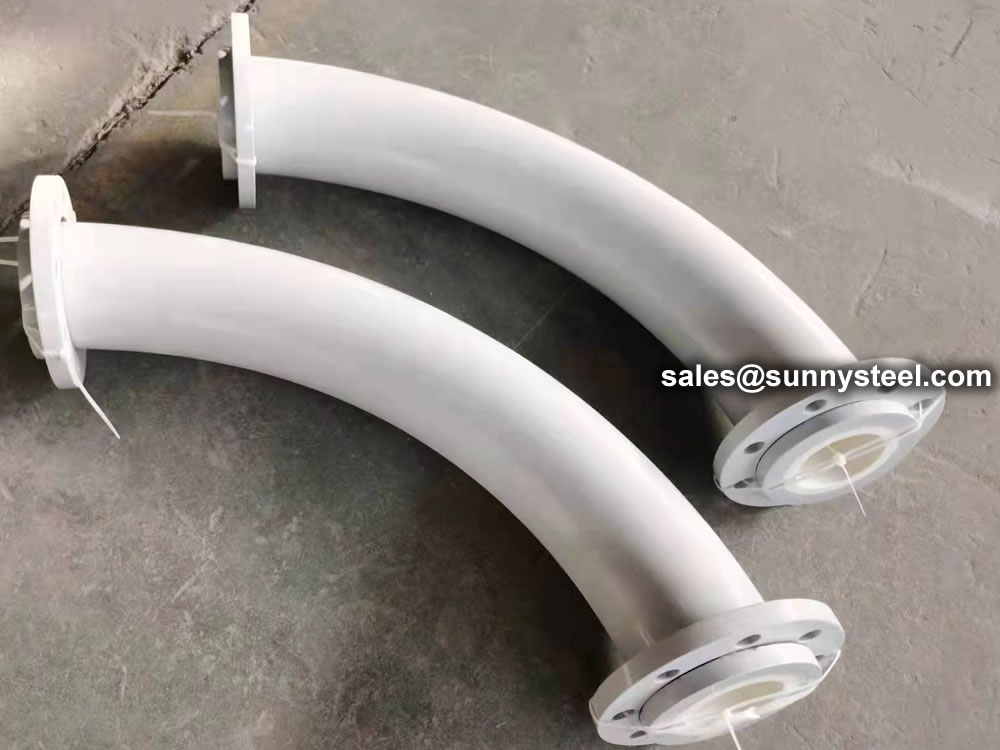
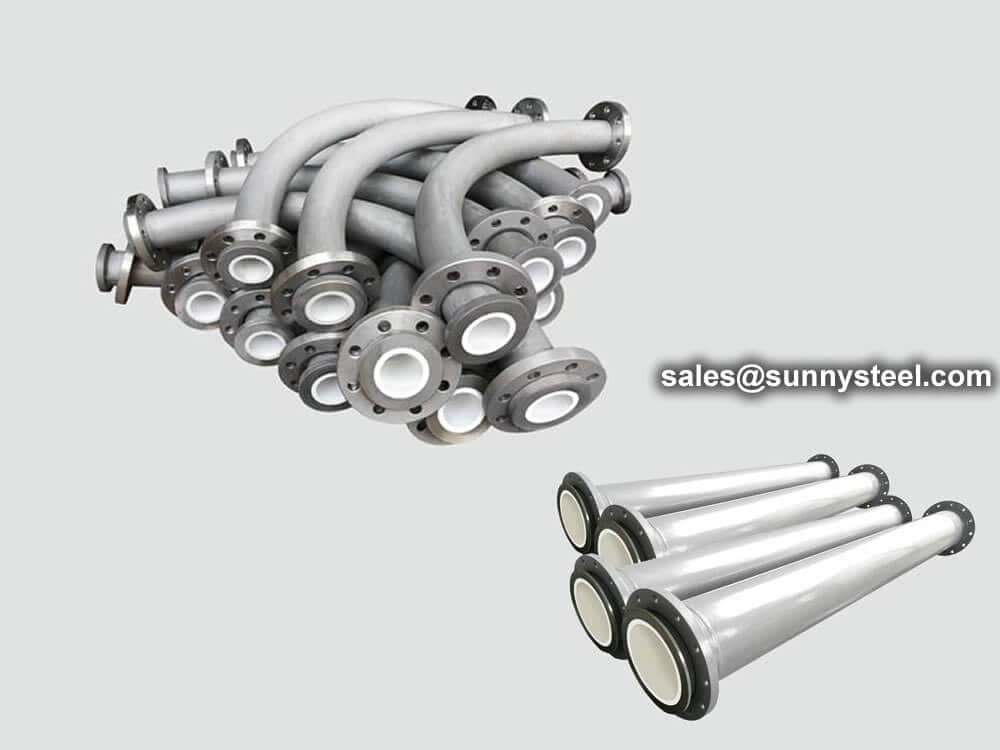
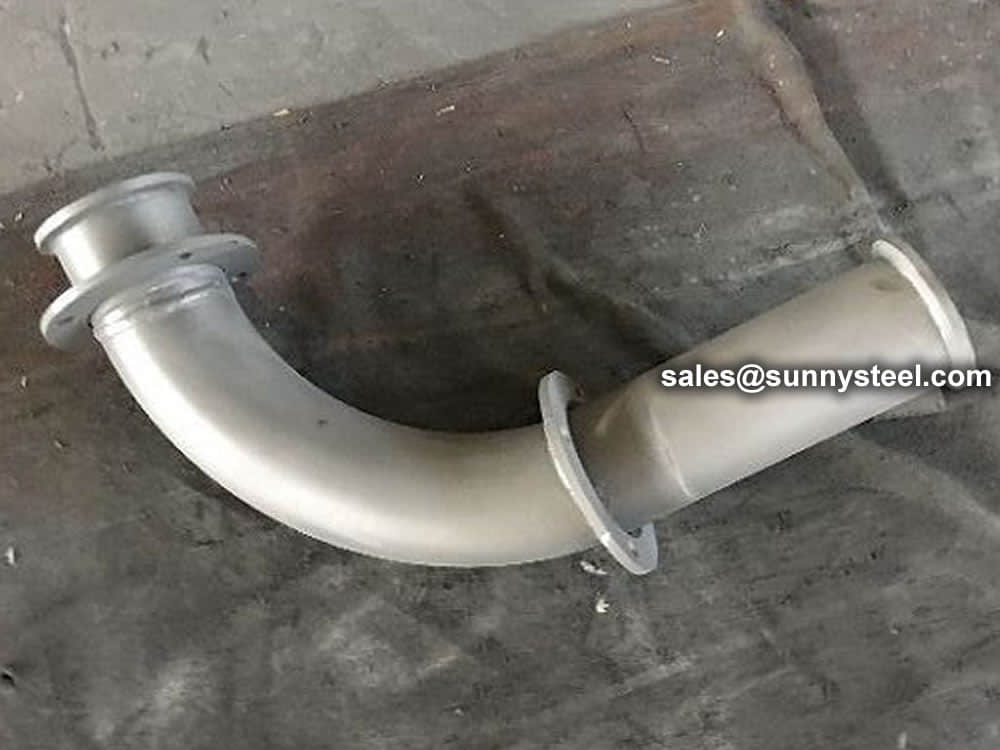
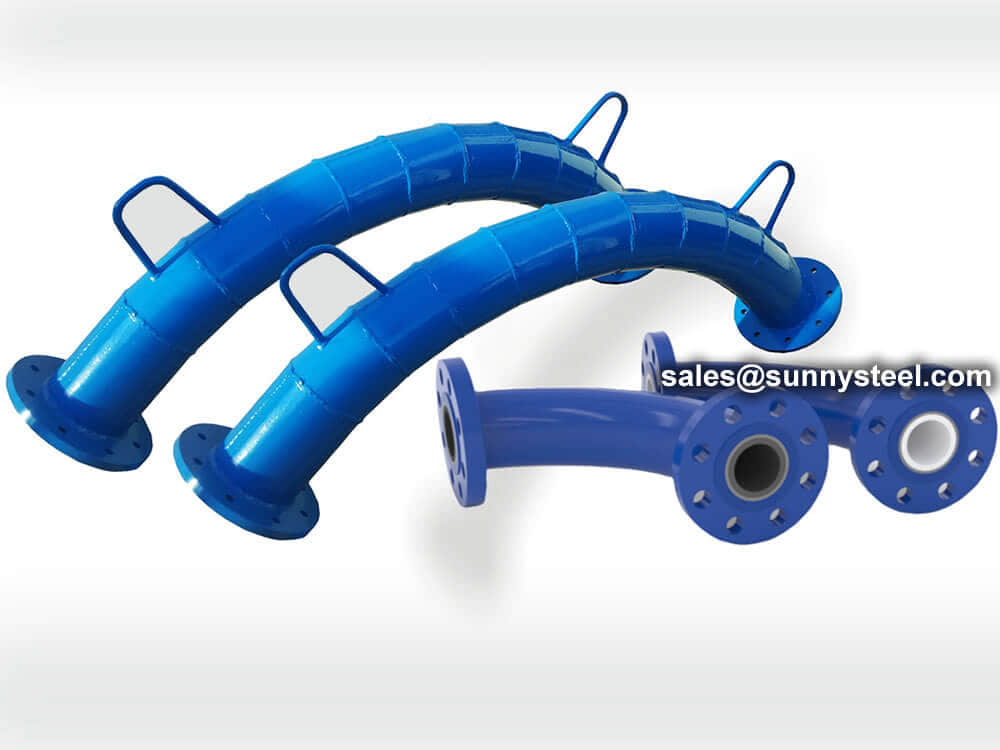
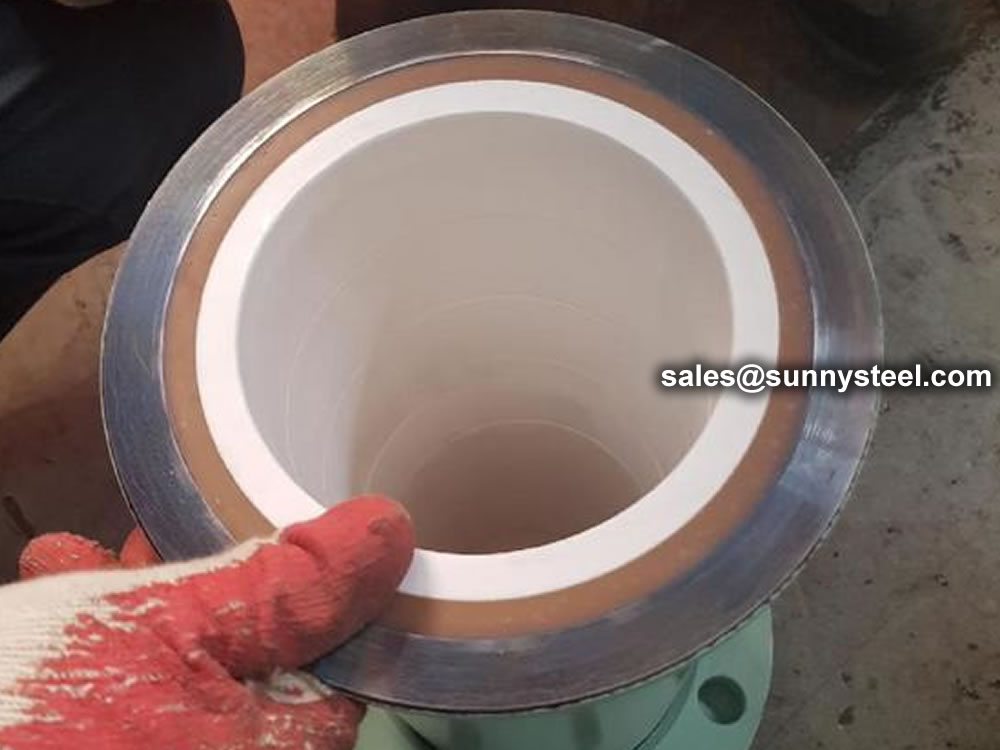
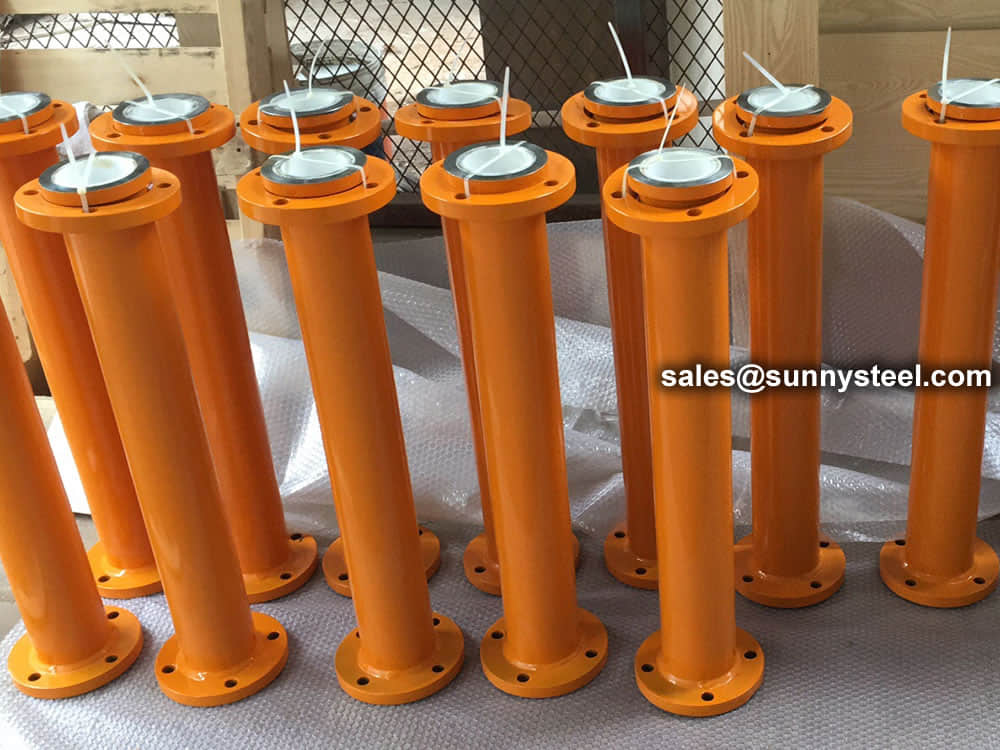
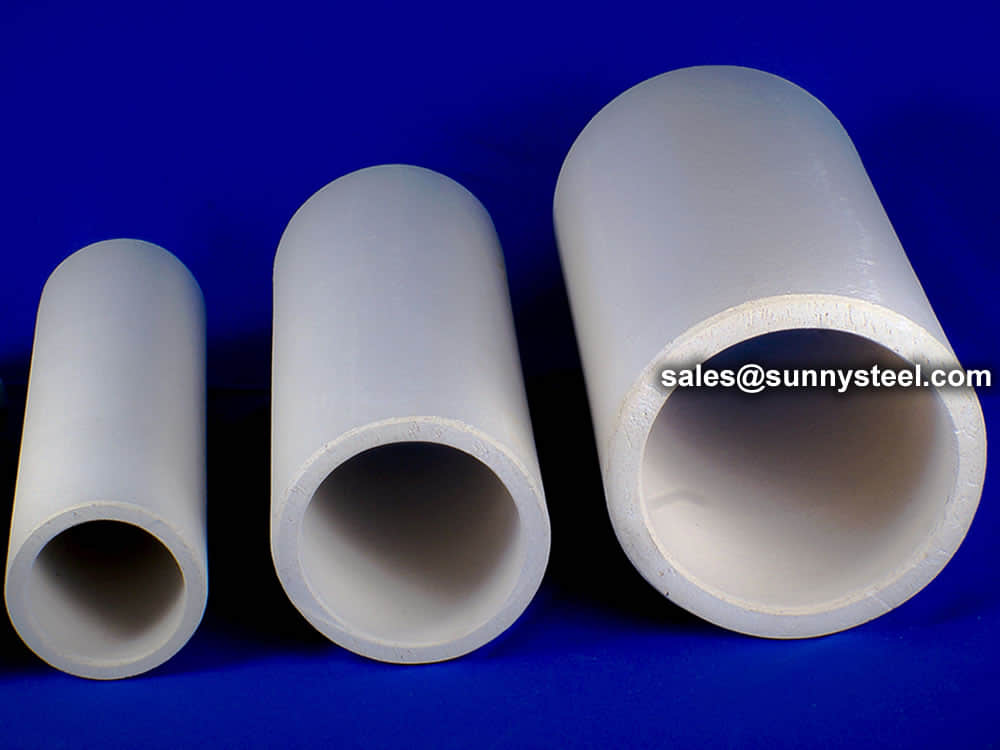
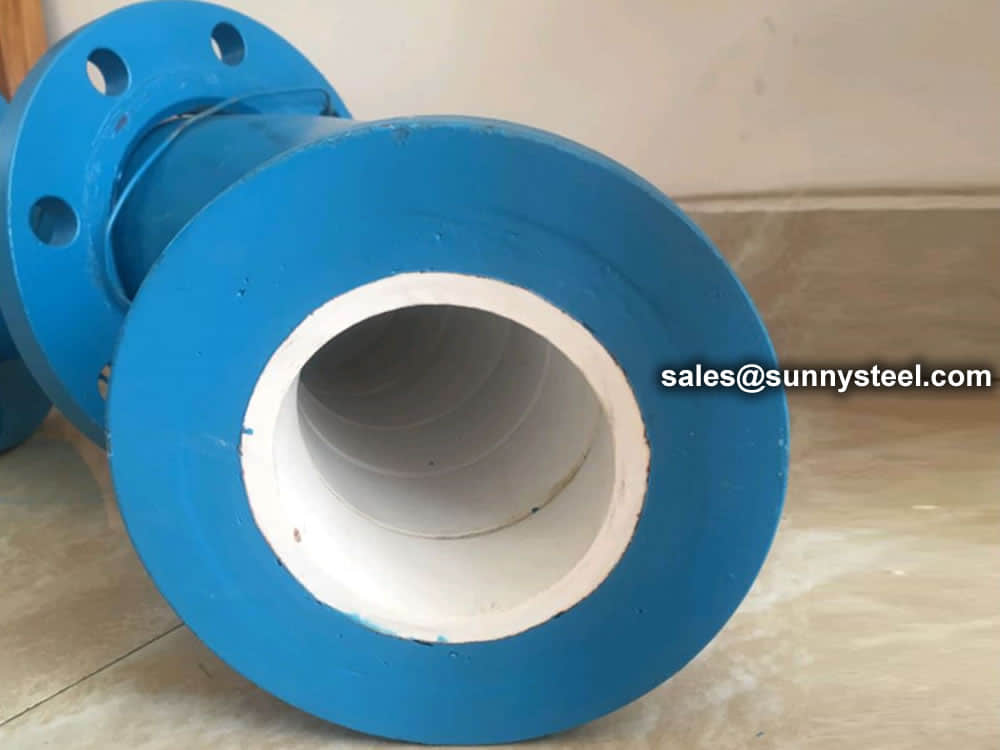
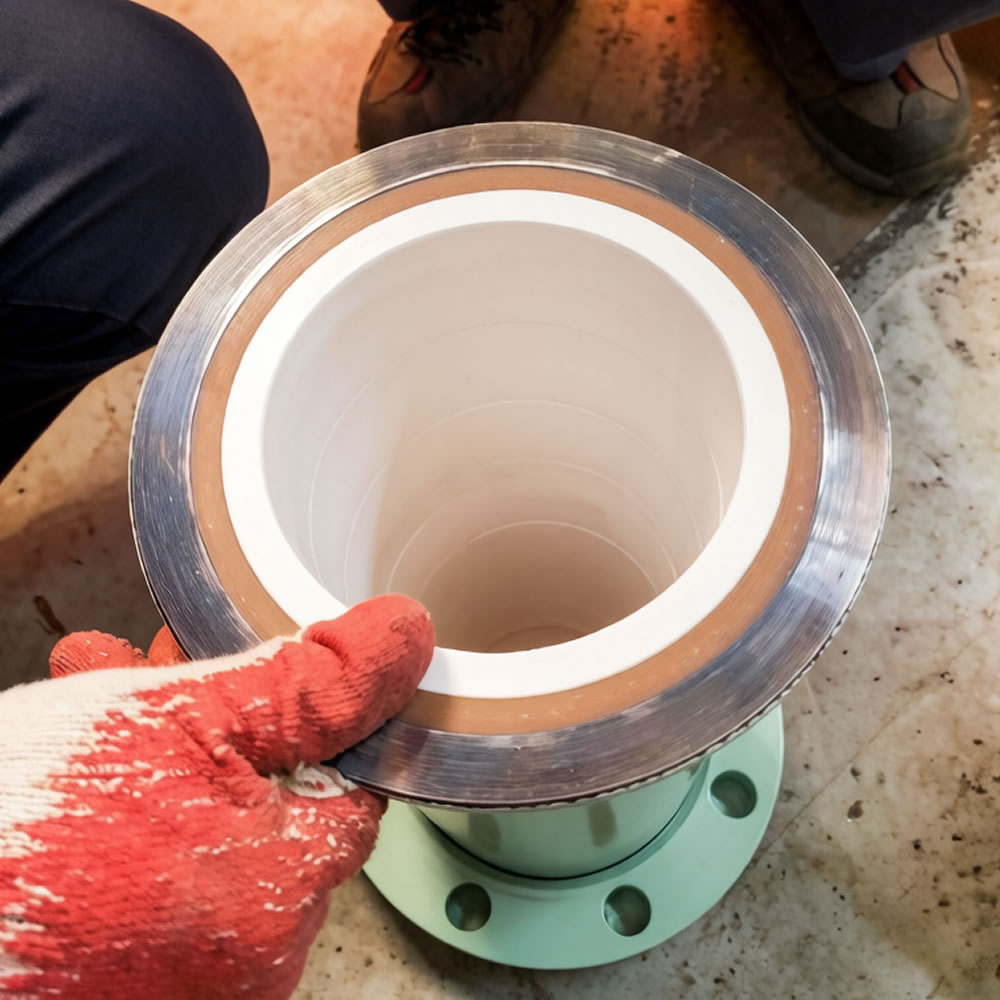
Ceramic sleeve lined pipe adopts split high-purity alumina ceramic sleeves as inner wear-resistant layer, matched with carbon steel outer pipe, and uses high-temperature inorganic adhesive to tightly bond ceramic and steel matrix. Compared with integral cast basalt pipe, split ceramic sleeve has better impact resistance and convenient replacement of local damaged sections. The whole production chain is divided into two major workshops: ceramic blank sintering workshop and steel pipe lining assembly workshop, with strict inspection set after each working procedure to eliminate unqualified semi-finished products in advance.
Whole production flow of alumina ceramic sleeve composite steel pipe
| Process No. | Working Procedure | Core Operation & Key Technical Parameters | In-Process Inspection Item |
|---|---|---|---|
| Step 1 | Raw Material Incoming Inspection | 1. Steel pipe: Check OD, wall thickness, straightness, surface rust; 2. Ceramic powder: Alumina content ≥92%; 3. Adhesive: High temperature resistance ≥350℃ |
Dimension measurement, chemical composition test of raw materials |
| Step 2 | Ceramic Sleeve Forming & Green Body Pressing | High alumina powder + binder mixing, isostatic pressing to make split arc ceramic blanks; uniform blank thickness control | Blank size, surface crack visual inspection |
| Step 3 | Ceramic High-Temperature Sintering | Sintering furnace temperature 1650℃, constant temperature holding 4-6h, slow cooling to room temperature | Ceramic hardness, density, crack detection |
| Step 4 | Steel Pipe Inner Wall Pretreatment | Sand blasting to remove rust & oxide scale, clean inner wall with alcohol, dry completely | Rust residue inspection, surface roughness test |
| Step 5 | Ceramic Sleeve Assembly Inside Pipe | Arrange split ceramic sleeves inside steel pipe, stagger vertical joints between adjacent layers | Sleeve gap ≤0.8mm, no dislocation |
| Step 6 | Inject High-Temperature Adhesive | Fill gap between ceramic and steel pipe with inorganic adhesive, vibrate to discharge air bubbles | No hollow cavity inside bonding layer |
| Step 7 | Constant Temperature Curing | Curing oven 120℃, heat preservation 3 hours for adhesive full solidification | Bonding strength sampling test |
| Step 8 | Pipe End Finishing & Sealing | Grind flat pipe ends, fill end gaps with wear-resistant sealant | Smooth end face, no exposed steel edge |
| Step 9 | Full Performance Inspection | Hydrostatic test, drop impact test, bonding peel test, visual full inspection | No liner shedding, no leakage, no crack |
| Step 10 | Anti-Corrosion Coating & Packing | Outer steel pipe spray primer, install plastic end caps, bind and stack finished products | Complete surface protection, clear product marking |
All test data will be recorded in MTC material test report and delivered together with goods.
| Industry Field | Pipeline Medium |
|---|---|
| Coal & Metal Mining | Mineral slurry, tailings waste residue conveying pipeline |
| Boiler fly ash, bottom slag slurry discharge pipe | |
| Cement Plant | Raw material powder, clinker conveying pipeline |
| Metallurgical Factory | High-temperature furnace slag, ore slurry pipeline |
| Municipal Solid Waste Incineration | High abrasion flue ash conveying pipeline |
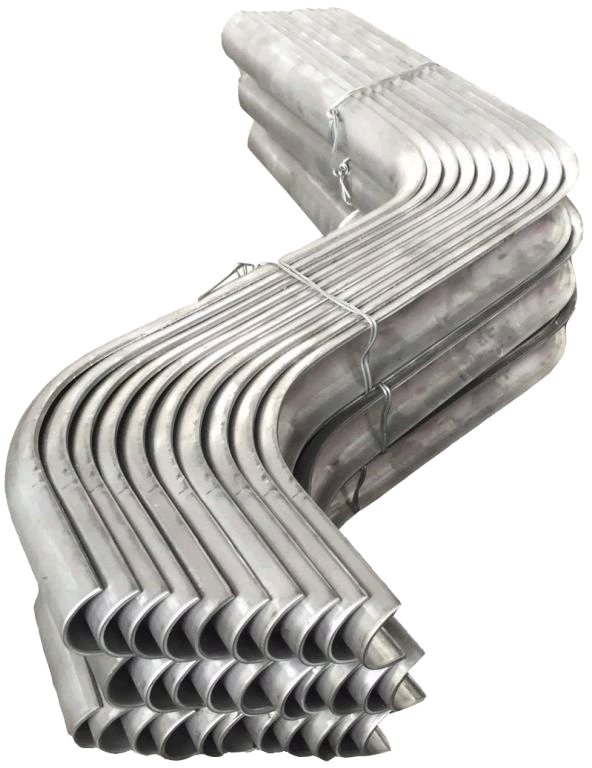
Tubes Erosion Shields are used to protect boiler tubing from the highly erosive effects of high temperatures and pressures thereby greatly extending tube life.

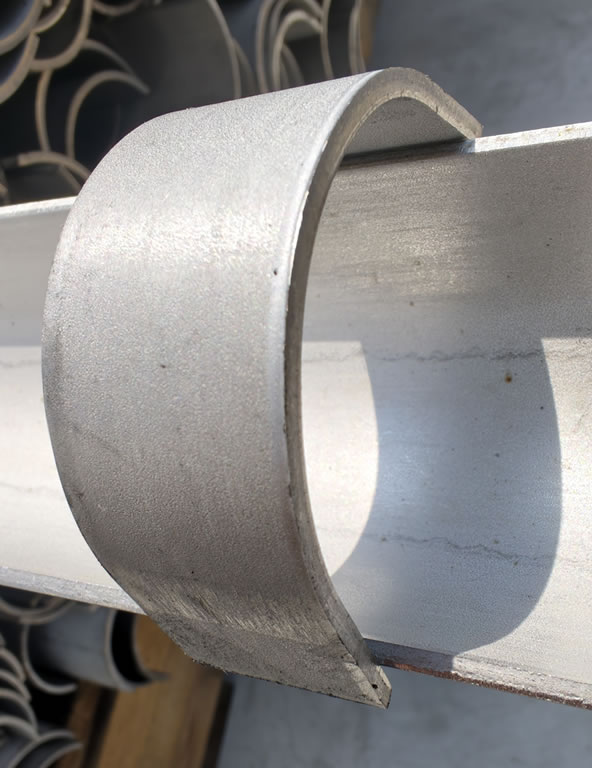
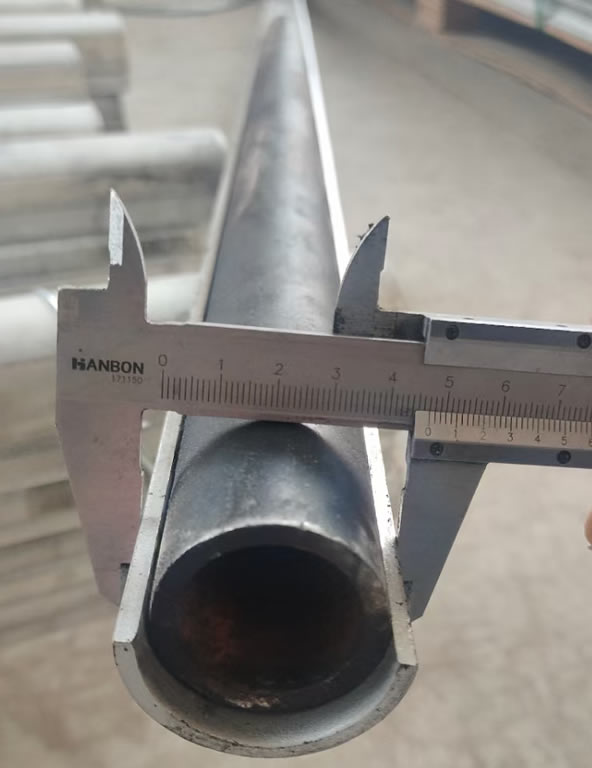
A half pipe sleeve is a piping device, which is placed on a pipe to protect it against the aliments.
Read moreSnap rings are used in conjunction with boiler tubes erosion shields, which is a clip that easily installs boiler tubes erosion shields to the tube.
Read moreA stainless boiler tube shield is a piping device, which is placed on a pipe to protect it against the aliments.

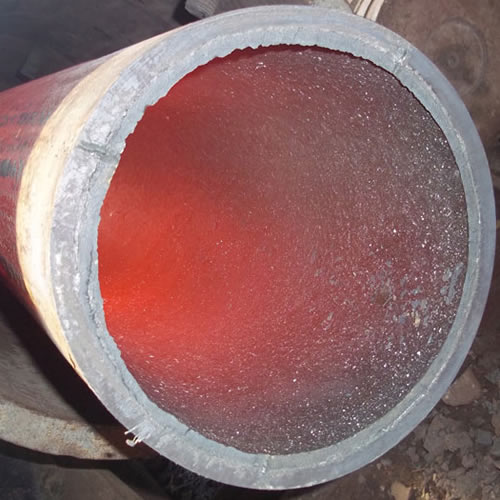
Ceramic lined pipe is made through self-propagating high-temperature synthesis (SHS) technique.
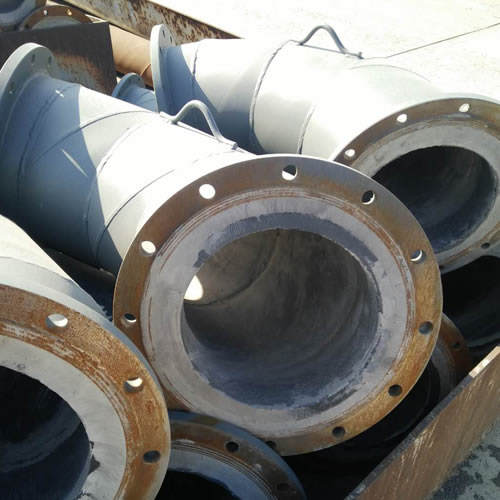
Cast basalt lined steel pipe is composed by lined with cast basalt pipe, outside steel pipe and cement mortar filling between the two layers.
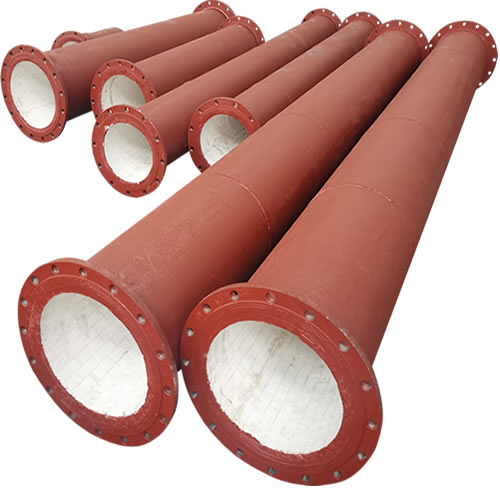
Ceramic tile lined pipes have very uniform coating of specially formulated ceramic material that is affixed to the inner of the pipe.
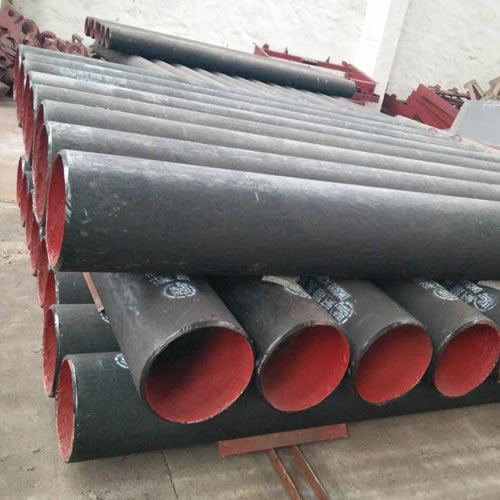
The material of the rare earth alloy wear-resistant pipe is ZG40CrMnMoNiSiRe, which is also the grade of rare earth alloy steel.
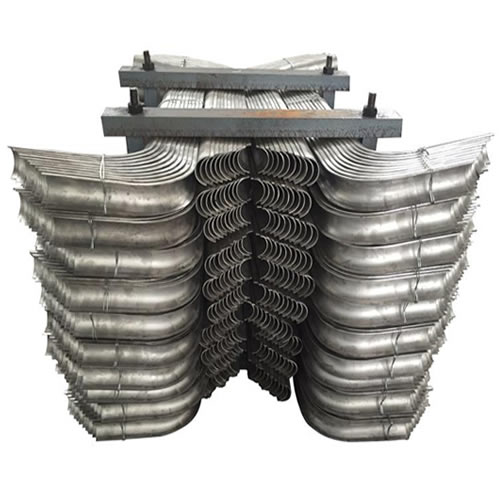
Tubes Erosion Shields are used to protect boiler tubing from the highly erosive effects of high temperatures and pressures thereby greatly extending tube life.
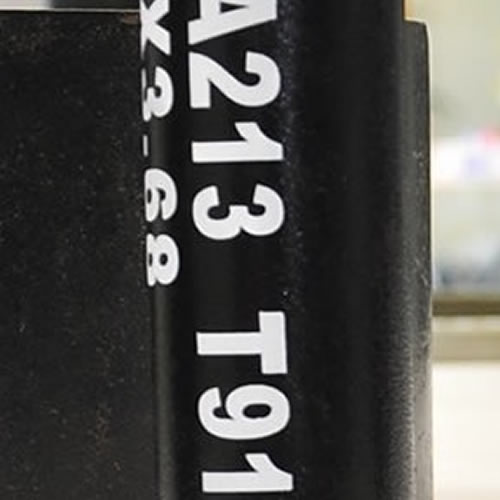
The ASTM A213 T91 seamless tubes are primarily used for boiler, superheater, and heat-exchanger.

When you partner with Sunny Steel, you can stop worrying about meeting deadlines thanks to our responsive and timely service. You'll also say goodbye to unnecessary shopping around. Instead, you'll get white glove service from an expert who understands your needs and can get you the materials you need quickly.