Titanium Tubing
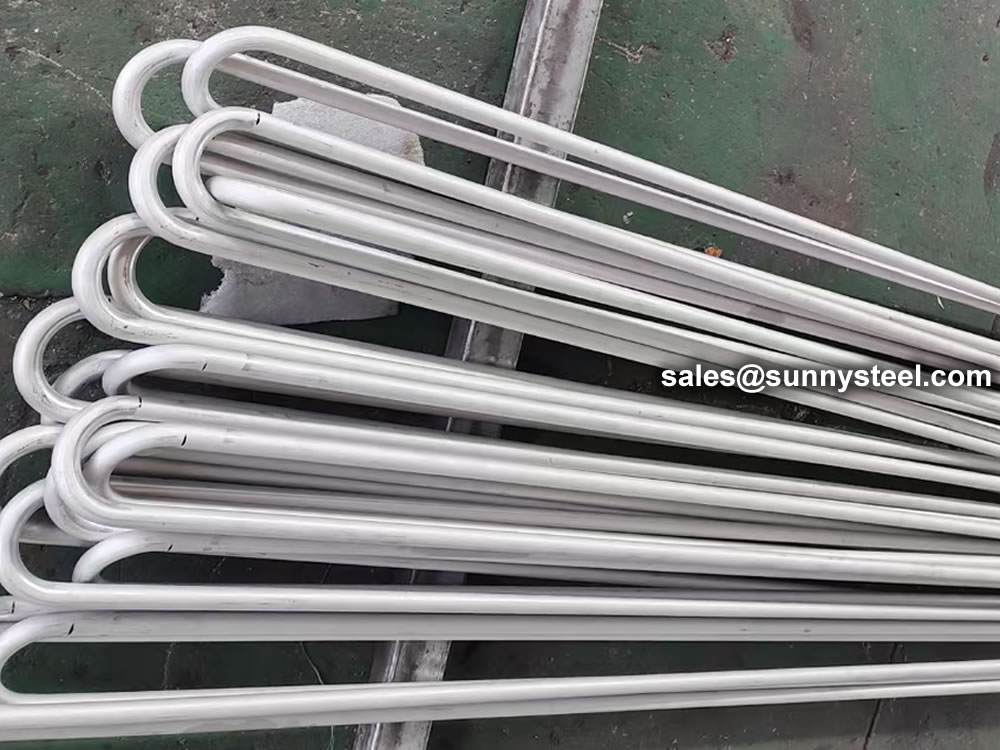
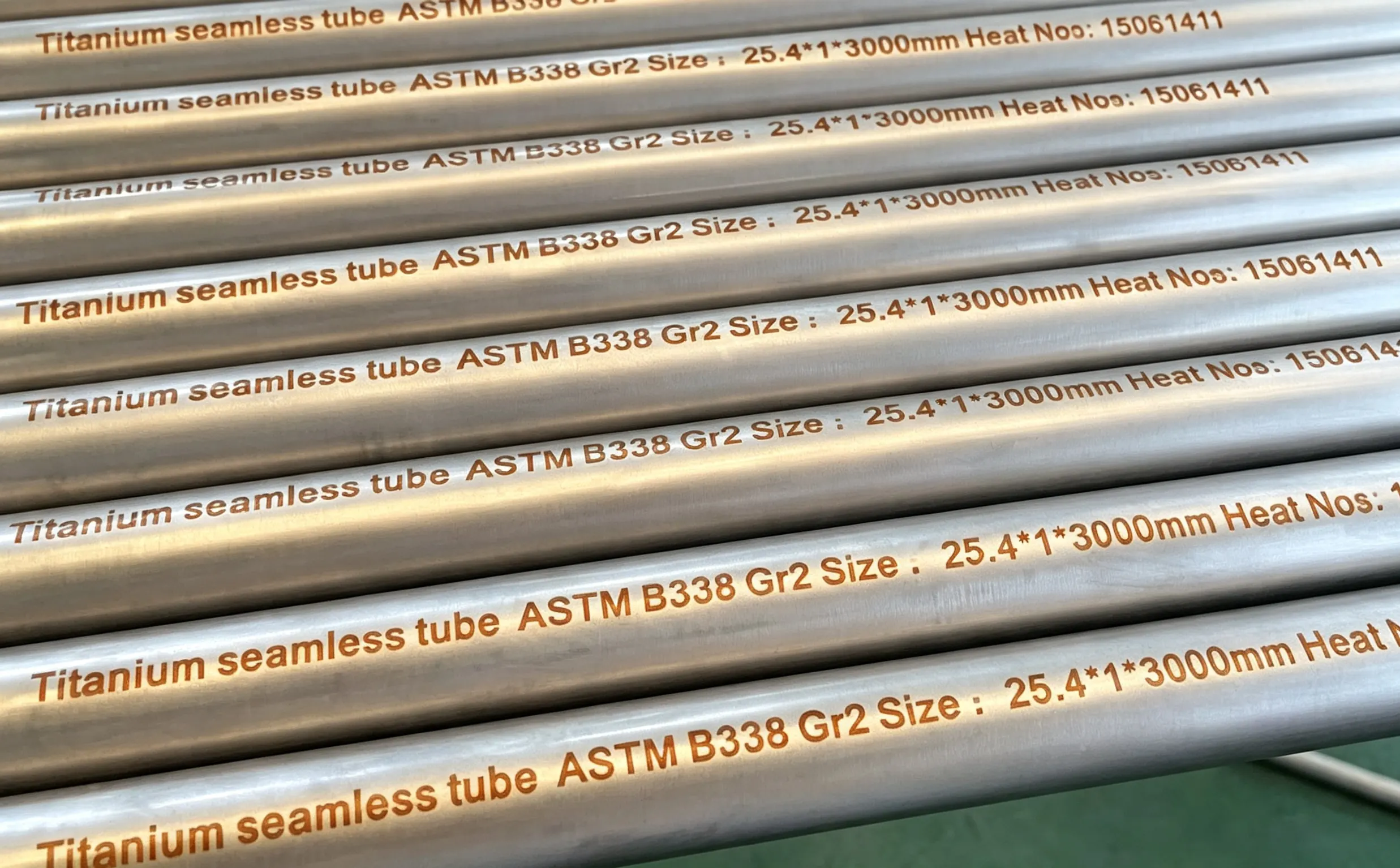
Commercially pure seamless & welded titanium tube compliant with ASTM B338 standard, widely used in seawater condensers, desalination evaporators and corrosive heat exchangers.
Custom Aerospace Industrial Titanium Forged Components
High‑strength custom titanium alloy forgings with multiple alloy grades, various forging processes, full NDT inspection, for aviation, medical implant and heavy‑duty industrial projects.
Custom High‑Strength Titanium Forged Components for Aerospace, Medical, Industrial & Military Applications
Custom titanium alloy forgings include seamless rings, discs, blocks, die‑forged precision parts for high‑performance industries
Titanium and titanium alloy forgings feature excellent strength‑to‑weight ratio, high‑temperature stability and outstanding corrosion resistance. We provide custom forgings for single prototype pieces as well as long‑term bulk orders. Product scope covers small components of several kilograms up to extra‑large monolithic integrated forgings. Selected items support short lead‑time delivery within one to two weeks. All forgings can be manufactured per drawing requirements for aerospace, military and harsh‑condition industrial projects.
| Alloy Grade | Key Characteristics | Relevant Standards |
|---|---|---|
| Commercially Pure Titanium Grades 1‑4 | Excellent corrosion resistance, balanced strength‑toughness, low density | AMS 4921, ASTM B381, GB/T 16598 |
| Ti‑6Al‑4V Grade 5 | High strength‑to‑weight ratio, good fatigue resistance and formability | AMS 4928, AMS 4931, ASTM B381, MIL‑T‑9047 |
| Ti‑6Al‑4V ELI Grade 23 | Extra‑low interstitial elements, high toughness, premium biocompatibility | AMS 6931, AMS 4928 |
| Ti‑5Al‑2.5Sn | Superior high‑temperature creep resistance | ASTM B381, MIL‑T‑9047 |
| Ti‑6Al‑2Sn‑4Zr‑2Mo (6‑2‑4‑2) | Outstanding high‑temperature strength and creep performance | AMS 4921, AMS 4965 |
| Ti‑10V‑2Fe‑3Al | High‑strength beta alloy, adjustable properties via post‑forging heat‑treatment | AMS 4983 |
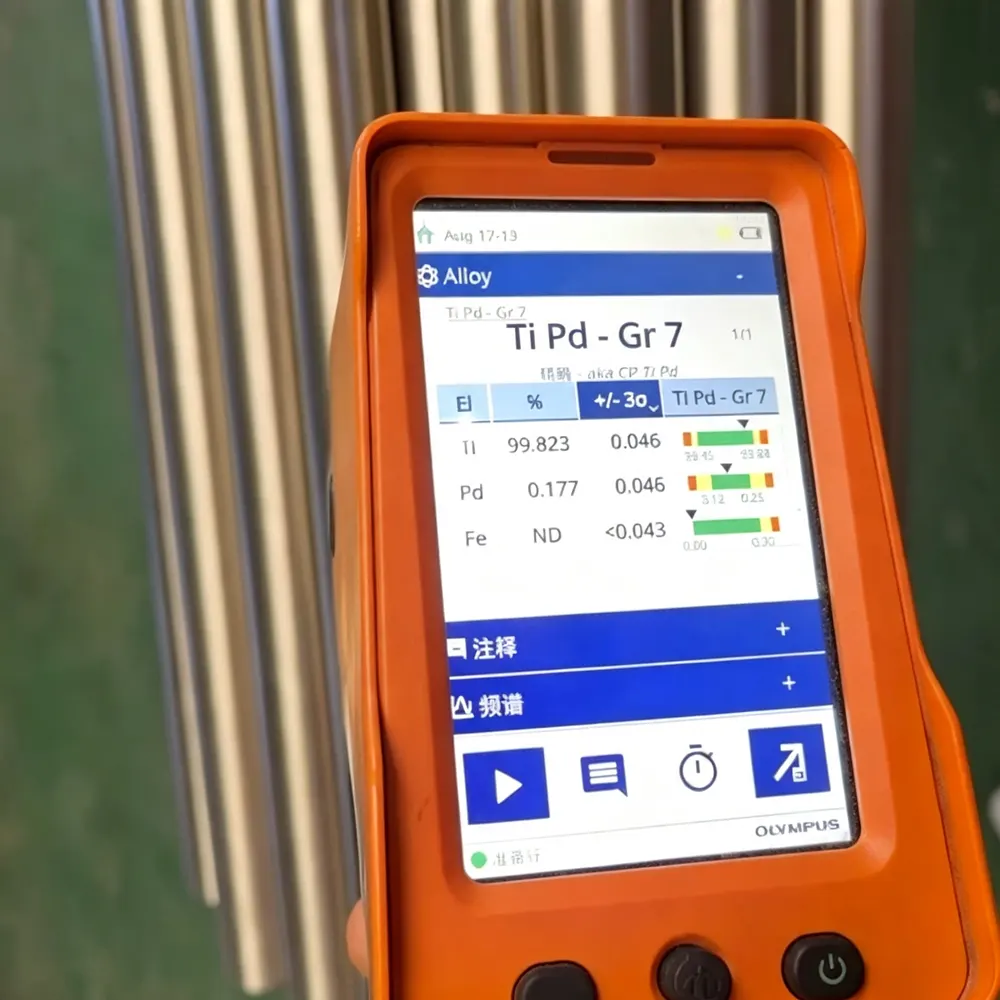
| Ti‑0.2Pd Grade7 / Ti‑0.3Mo‑0.8Ni Grade12 | Enhanced crevice & seawater corrosion resistant titanium alloys | ASTM B381 |
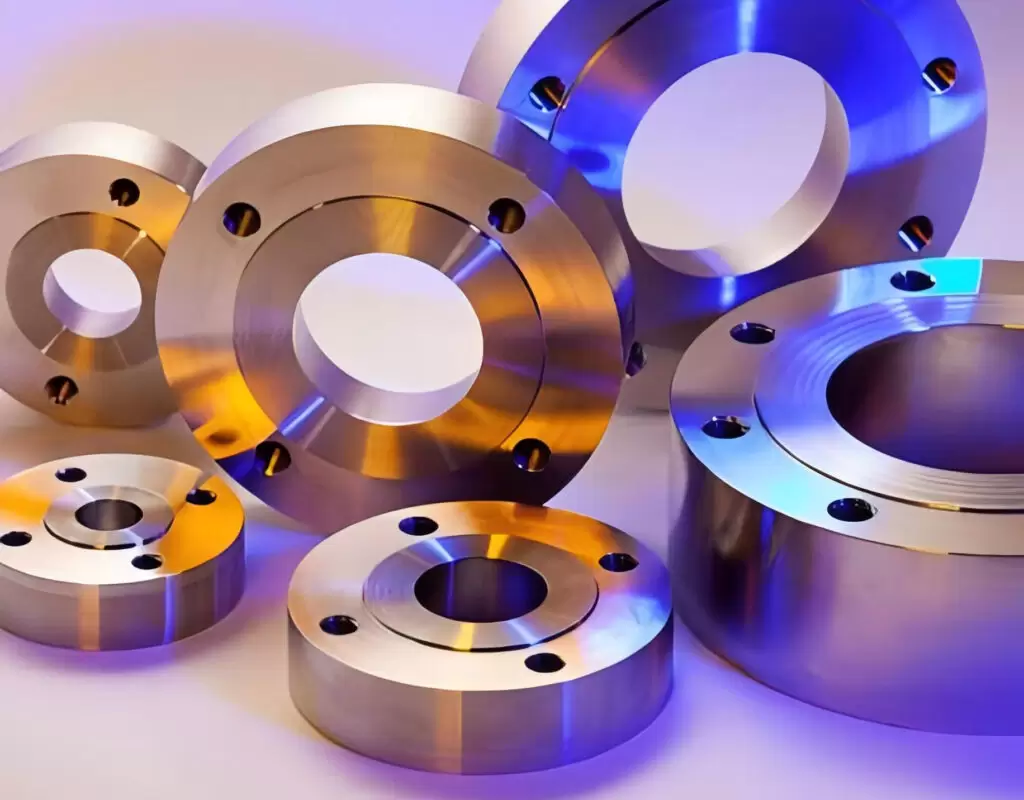
Forged titanium flanges are manufactured in accordance with ASTM B381 / ASME SB-381 to meet the stringent requirements of pressure-retaining and corrosive service applications.
Through controlled multi-pass upsetting and drawing operations, the internal structure is refined into a uniform wrought microstructure. This thermomechanical process effectively eliminates casting-induced defects such as gas porosity, micro-cracks, and non-metallic inclusions.
The resulting density and structural integrity significantly enhance mechanical properties, ensuring the flange can withstand high hoop stresses, cyclic loading, and aggressive chemical environments while extending the operational service life of the piping system.
The forging process provides excellent machinability, allowing for the production of complex geometries and custom configurations based on project-specific requirements.
Precision machining capabilities include:
Forged flanges exhibit superior surface integrity, providing an optimal foundation for subsequent surface treatments such as pickling, passivation, or PTFE coating, and ensuring reliable sealing performance during assembly.
Titanium components are produced by several thermomechanical routes. Each process delivers distinct microstructural characteristics, dimensional capabilities and cost profiles. The following comparison assists in material and process selection for engineering applications.
| Process | Key Characteristics | Typical Applications | Limitations |
|---|---|---|---|
| Forgings (ASTM B381) |
|
Aerospace structural parts, compressor discs, flanges, pressure-retaining components, high-performance automotive systems | Higher tooling cost; limited geometric complexity compared to casting |
| Castings (ASTM B367) |
|
Large valve bodies, pump casings, impellers, flanges, and irregularly shaped housings | Lower ductility; potential for porosity; not recommended for critical fatigue applications without HIP |
| Extrusions (ASTM B348 / B381) |
|
Bars, hollow sections, tubes, structural profiles, shafts, and frames | Limited to constant cross-sections; not suitable for highly complex geometries |
| Powder Metallurgy (Additive / P/M) |
|
Medical implants, aerospace brackets, miniature components, custom prototypes | Higher raw material cost; limited part size; mechanical properties may be anisotropic |
Engineering Selection Note: For critical pressure-retaining or fatigue-prone applications, forged titanium is typically specified. Castings are preferred for complex geometries where machining costs would be prohibitive. Extrusions are selected for long, uniform cross-sections, while powder metallurgy is reserved for high-value, low-volume, or geometrically complex components.
Equipped with air hammers, hydraulic presses (2000 tons ~ 65000 tons), quick forging machines and ring rolling mills. Ring rolling mill can produce seamless rings up to 120‑inch diameter. Support small‑batch prototype development as well as mass serial production orders.
| Manufacturing Type | Key Merits | Typical Application |
|---|---|---|
| Titanium Forging | Highest strength, good fatigue resistance, dense grain structure, high reliability for critical loads | Aerospace landing gear, military structural components, high‑pressure parts |
| Titanium Casting | Complex shapes, lower cost for mass‑production; risk of internal porosity | General flanges, pipe fittings, non‑safety‑critical parts |
| Titanium Extrusion | Smooth surface, free of welding defects, good dimensional precision | Bar, tube, profile shaft‑type components |
| Powder‑Metallurgy Parts | Material saving, suitable for miniature complex geometry small‑batch parts | Micro precision special‑shaped components |
High‑temperature protective coatings: Liquid glass, molybdenum disulfide, graphite, boron nitride, ceramic, titanium‑dioxide coatings, preventing oxygen / nitrogen contamination during heating cycles.
Titanium forgings are manufactured in accordance with ASTM B381 / ASME SB-381. The forging process is designed to refine the microstructure, eliminate casting defects, and achieve specified mechanical properties for critical applications.
Titanium is highly reactive at elevated temperatures. During forging, oxygen, nitrogen, and hydrogen can diffuse into the surface, forming a brittle alpha case that must be removed after processing.
Common protective measures include:
| Liquid Glass | Primary lubricant; promotes metal flow and reduces die pickup. |
| MoS₂ / Graphite | Reduce friction and extend die life. |
| Boron Nitride | High-temperature lubricant; prevents adhesion to tooling. |
| Zirconium / Ceramic | Excellent oxidation resistance for high-temperature forging. |
| TiO₂-based Coatings | Reduce surface oxidation and improve release characteristics. |
Quality Assurance: All forgings are supplied with EN 10204 3.1 Mill Test Certificates. Mechanical properties are verified by tensile testing, and internal integrity is confirmed by ultrasonic inspection (UT) per ASTM A388 or customer requirements. Alpha case removal is performed when specified.

Titanium flanges are manufactured in accordance with ASTM B381 / ASME SB-381. The selection between free forging and die forging depends on geometry complexity, production volume, and dimensional tolerances.
Suitable for low-complexity geometries, single-piece orders, or low-volume production runs, such as flat-face or raised-face flanges.
Process sequence:
The forging ratio is strictly controlled, typically within 3:1 to 5:1, to ensure optimal mechanical properties and eliminate casting-induced defects.
Selected for complex geometries and medium-to-high volume production. Heated titanium billets are placed into precision-machined dies and deformed under high pressure to fill the cavity completely.
Key advantages:
Process considerations: While die forging offers superior consistency, it requires significant upfront investment in die design and manufacturing. Tooling costs are typically amortized over larger production quantities.
Engineering Selection Note: Free forging is preferred for large-diameter flanges (e.g., ASME B16.47 Series B) or custom non-standard designs. Die forging is economically viable for standardized flanges (e.g., ASME B16.5) with predictable annual demand. Both methods produce forgings supplied with EN 10204 3.1 certification.
All forged titanium flanges are manufactured in accordance with ASTM B381 / ASME SB-381 and machined to the dimensional requirements of the following international standards.
| Category | Specifications |
|---|---|
| Applicable Standards | ASME B16.5, ASME B16.47 Series A & B, ASME B16.36, ASME B16.48, BS 10, BS 4504, BS 1560, BS 3293, EN 1092-1, DIN 2527–2656 series, GOST 12820, JIS B2220, KS B1503, UNI 2276, NFE 29203, SABS 1123, AWWA C207, API 6A, API 605, MSS SP-44 |
| Titanium Grades | Gr1, Gr2, Gr3, Gr4, Gr5 (Ti-6Al-4V), Gr6, Gr7, Gr9 (Ti-3Al-2.5V), Gr11, Gr12, Gr23 (Ti-6Al-4V ELI) |
| Pressure Ratings |
ASME Classes: 150, 300, 600, 900, 1500, 2500 LBS EN / DIN PN: PN6, PN10, PN16, PN25, PN40, PN64 JIS / KS: 5K, 10K, 16K, 20K, 30K, 40K, 63K |
| Nominal Size Range |
ASME: ½" (DN15) – 48" (DN1200) Extended range: up to DN5000 on request |
| Flange Face Types | Raised Face (RF), Flat Face (FF), Ring-Type Joint (RTJ), Lap-Joint Face (LJF), Large & Small Tongue & Groove (T&G), Large & Small Male-Female (LMF / SMF) |
| Flange Types | Plate Flange, Threaded Flange, Socket-Weld Flange, Slip-On Flange, Weld-Neck Flange, Blind Flange, Lap-Joint Flange, Forged Flange, Screwed Flange |
| Supporting Components | Stud bolts & nuts (ASTM F468 / F467 Ti alloy), Spiral-wound & ring-joint gaskets, RTJ ring grooves per ASME B16.20 |
| Mill / Material Origin | Korea, Japan, India, USA, Western Europe |
Engineering Note: Pressure-temperature ratings must be verified against ASME B16.5 Table 1A / 1B for the specific titanium grade and operating temperature. For chloride-containing service, Gr2 and Gr7 are preferred; Gr5 is specified for high-strength structural flanges. All flanges are supplied with EN 10204 3.1 MTC.
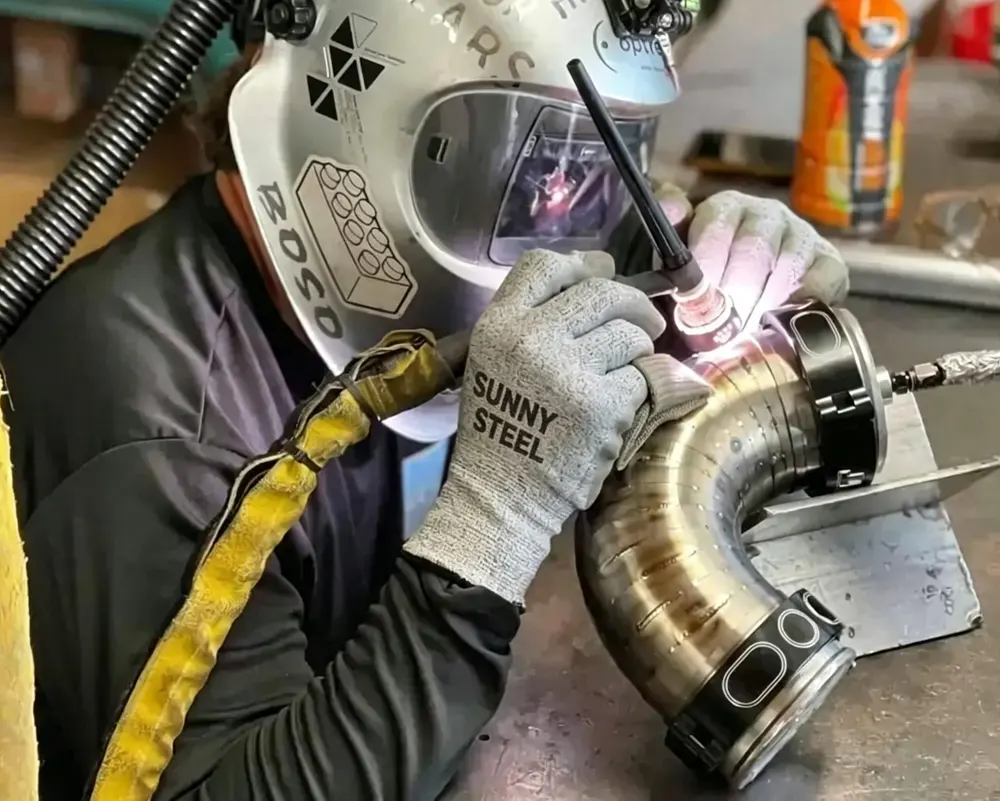
Performed to AWS A5.16 & ASME Section IX. Strict inert gas shielding and surface cleanliness are mandatory.
Primary Process: GTAW (TIG), DCEN polarity
Common Grades:
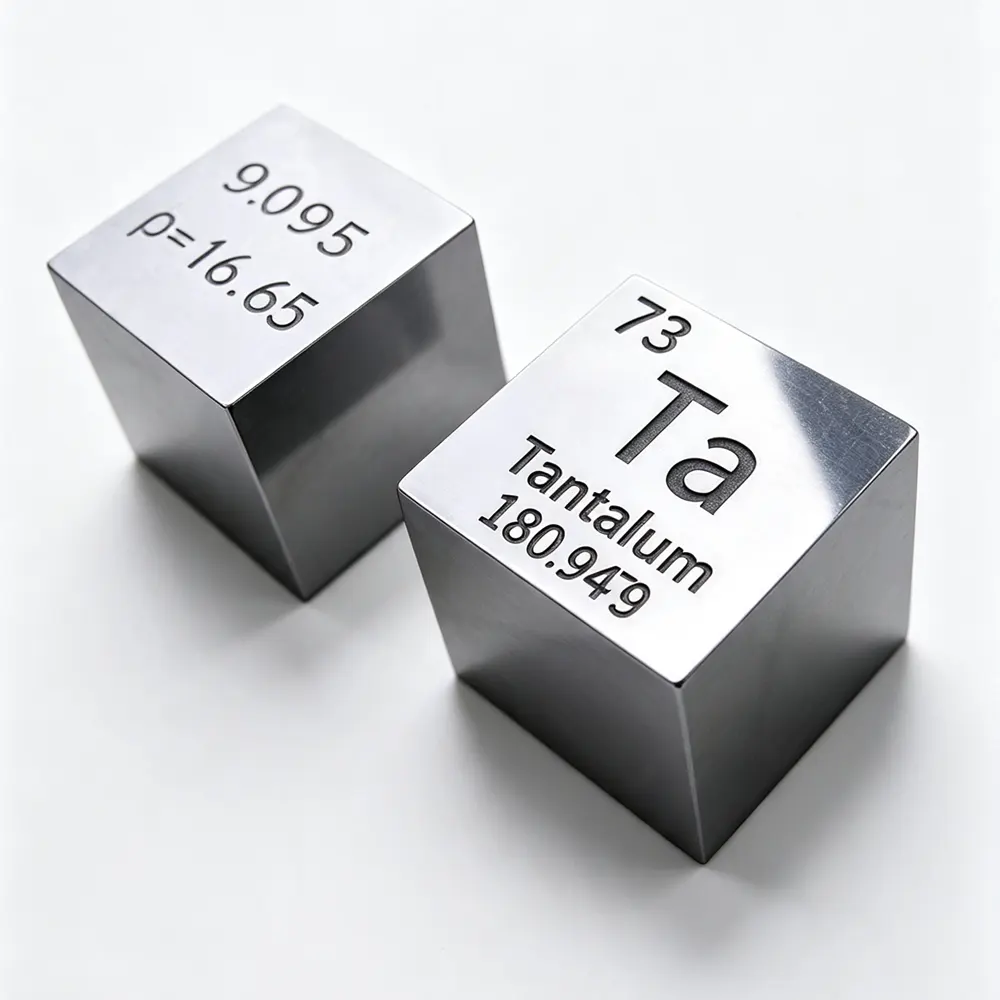
Titanium is a transition metal valued for its high strength-to-weight ratio, excellent corrosion resistance and biocompatibility. It is widely used in aerospace, chemical processing, marine and medical applications.
Titanium uses chemical symbol Ti, atomic number 22 and atomic weight 47.90. It ranks as the 9th most abundant element and 4th most abundant metallic element within the Earth’s crust. The main natural mineral deposits containing titanium are rutile and ilmenite, which are mostly mined in Australia and South Africa.

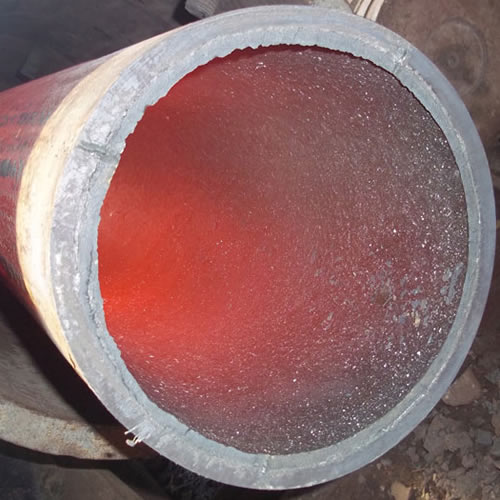
Ceramic lined pipe is made through self-propagating high-temperature synthesis (SHS) technique.
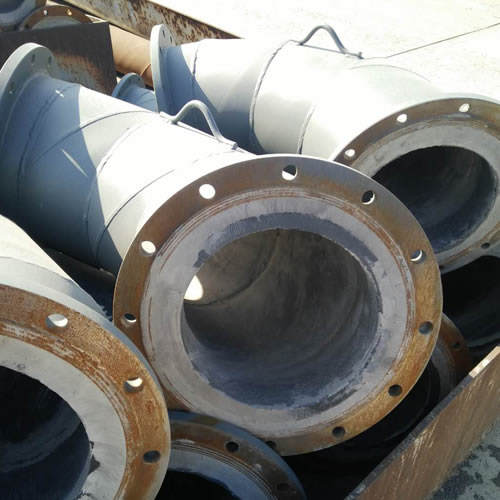
Cast basalt lined steel pipe is composed by lined with cast basalt pipe, outside steel pipe and cement mortar filling between the two layers.
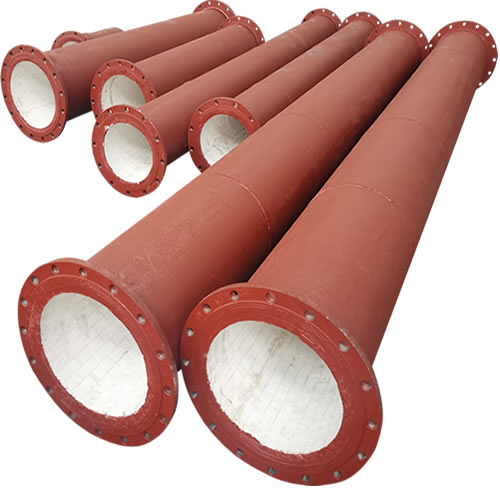
Ceramic tile lined pipes have very uniform coating of specially formulated ceramic material that is affixed to the inner of the pipe.
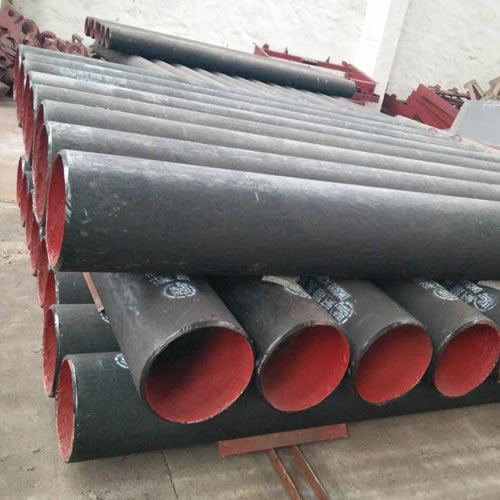
The material of the rare earth alloy wear-resistant pipe is ZG40CrMnMoNiSiRe, which is also the grade of rare earth alloy steel.
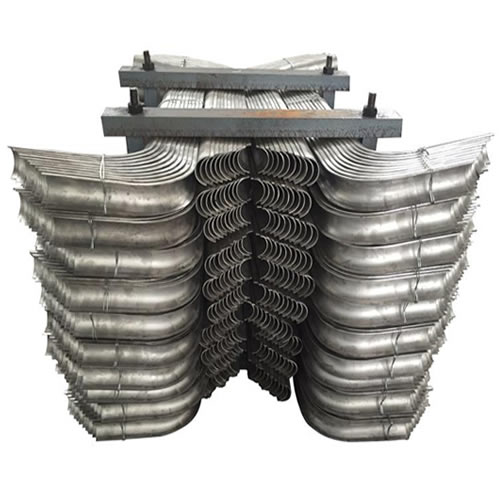
Tubes Erosion Shields are used to protect boiler tubing from the highly erosive effects of high temperatures and pressures thereby greatly extending tube life.
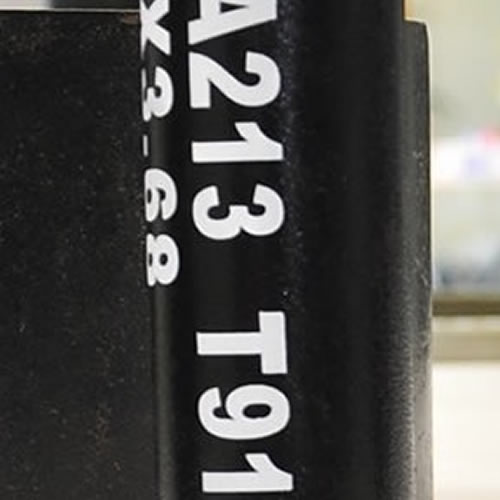
The ASTM A213 T91 seamless tubes are primarily used for boiler, superheater, and heat-exchanger.

When you partner with Sunny Steel, you can stop worrying about meeting deadlines thanks to our responsive and timely service. You'll also say goodbye to unnecessary shopping around. Instead, you'll get white glove service from an expert who understands your needs and can get you the materials you need quickly.