Titanium Forging
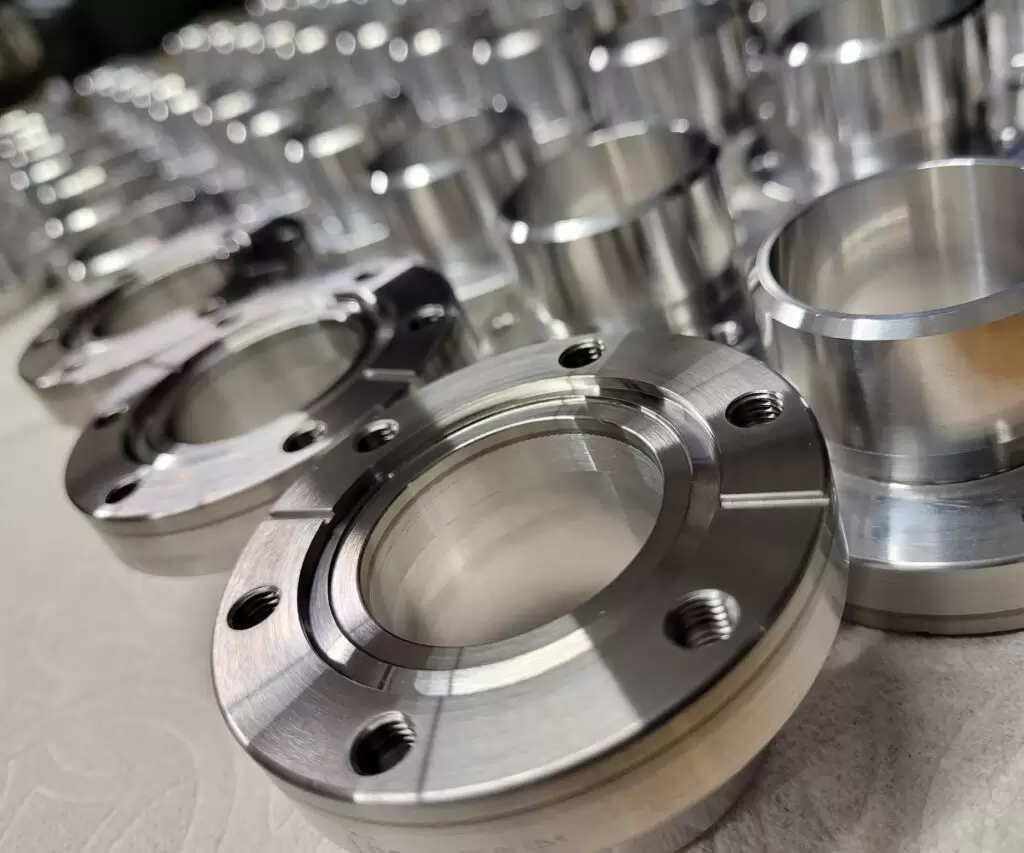
Custom titanium forgings: forged rings, discs, hollow tubes, bars, blocks, flanges and precision die forgings for aerospace, medical, marine, automotive and military high‑load working conditions.
Element, Production & Material Properties Guide
Professional technical guide covering titanium element basics, manufacturing steps, unique corrosion resistance and full industrial application scenarios.
Full Guide to Titanium Element, Production, Metallurgical Properties & Industrial Applications
Titanium uses chemical symbol Ti, atomic number 22 and atomic weight 47.90. It ranks as the 9th most abundant element and 4th most abundant metallic element within the Earth’s crust. The main natural mineral deposits containing titanium are rutile and ilmenite, which are mostly mined in Australia and South Africa.
Titanium is a transition metal valued for its high strength-to-weight ratio, excellent corrosion resistance and biocompatibility. It is widely used in aerospace, chemical processing, marine and medical applications.
Commercially pure titanium is relatively soft, but titanium alloys (such as Ti-6Al-4V) exhibit tensile strengths exceeding many alloy steels while maintaining approximately 60% of the density of steel. Titanium has a high melting point and is non-toxic, making it suitable for both high-temperature and biomedical applications.
Titanium dioxide (TiO₂) is a naturally occurring oxide with high opacity and reflectivity. In industrial contexts, it is primarily used as a white pigment in coatings, plastics and paper. Its UV-reflective properties also make it a common component in sunscreen formulations.
| Chemical Symbol | Ti |
| Primary Ores | Rutile, Ilmenite |
| Density | 4.5 g/cm³ |
| Hardness | 6 (Mohs scale) |
| Malleability | High |
| Ductility | High |
| Melting Point | 1668°C |
| Boiling Point | 3287°C |
Engineering Note: Titanium’s low density and high melting point make it suitable for weight-sensitive and high-temperature applications. Its passive oxide film provides exceptional resistance to chlorides, seawater and many industrial acids, which is why it is frequently specified for heat exchangers, pressure vessels and offshore systems.
Rutile is the most important natural source of titanium dioxide (TiO₂) and a primary feedstock for the production of titanium metal, titanium tetrachloride (TiCl₄) and titanium pigments.
The name “rutile” is derived from the Latin rutilus, meaning “red,” referring to its typical brownish-red hue. Rutile occurs as an accessory mineral in igneous rocks and as a major component of heavy mineral sand deposits.
In industrial applications, rutile is processed via the Kroll process to produce titanium sponge, which is subsequently melted and fabricated into mill products such as plates, tubes and forgings in compliance with ASTM B265, ASTM B338 and ASME SB series standards.
| Chemical Formula | TiO₂ |
| Colour | Brownish red |
| Hardness (Mohs) | 6 – 6.5 |
| Density | 4.23 g/cm³ |
Ilmenite is the primary global source of titanium dioxide (TiO₂) and the dominant feedstock for the production of titanium metal and pigments.
The mineral derives its name from the Ilmensky Mountains in Russia, where it was first identified. Ilmenite is weakly magnetic, allowing for physical separation from other heavy minerals in placer deposits. With a high melting point and relative density, it is occasionally utilized in steel furnace refractories and as an abrasive in industrial applications.
Industrially, ilmenite is processed via two main routes: sulfate and chloride processes for titanium dioxide pigments, and the Kroll process for producing titanium sponge. The sponge is subsequently melted and fabricated into mill products such as plates, tubes, and forgings in compliance with ASTM B265, ASTM B338, and ASME SB series standards.
| Chemical Formula | FeTiO₃ |
| Colour | Black to dark grey |
| Hardness (Mohs) | 5 – 6 |
| Density | 4.7 – 4.8 g/cm³ |
Industrial Significance: While high-grade rutile is preferred for premium titanium metal production, ilmenite accounts for the vast majority of global titanium feedstock. Controlling impurities (notably iron and magnesium) during the upgrading of ilmenite to synthetic rutile or slag is critical for maintaining the chemical purity of final ASTM-grade titanium products.
| Element | Grade 1 Max Content | Grade 2 Max Content |
|---|---|---|
| Nitrogen (N) | 0.03 | 0.03 |
| Carbon (C) | 0.08 | 0.08 |
| Hydrogen (H) | 0.015 | 0.015 |
| Iron (Fe) | 0.20 | 0.30 |
| Oxygen (O) | 0.18 | 0.25 |
| Single Residual Element | 0.10 | 0.10 |
| Total Residual Elements | 0.40 | 0.40 |
| Titanium (Ti) | Balance | Balance |
| Element | Content Range / Max Value |
|---|---|
| Aluminum (Al) | 5.5 ~ 6.75 |
| Vanadium (V) | 3.5 ~ 4.5 |
| Nitrogen (N) | ≤0.05 |
| Carbon (C) | ≤0.08 |
| Hydrogen (H) | ≤0.015 |
| Iron (Fe) | ≤0.40 |
| Oxygen (O) | ≤0.20 |
| Titanium (Ti) | Balance |
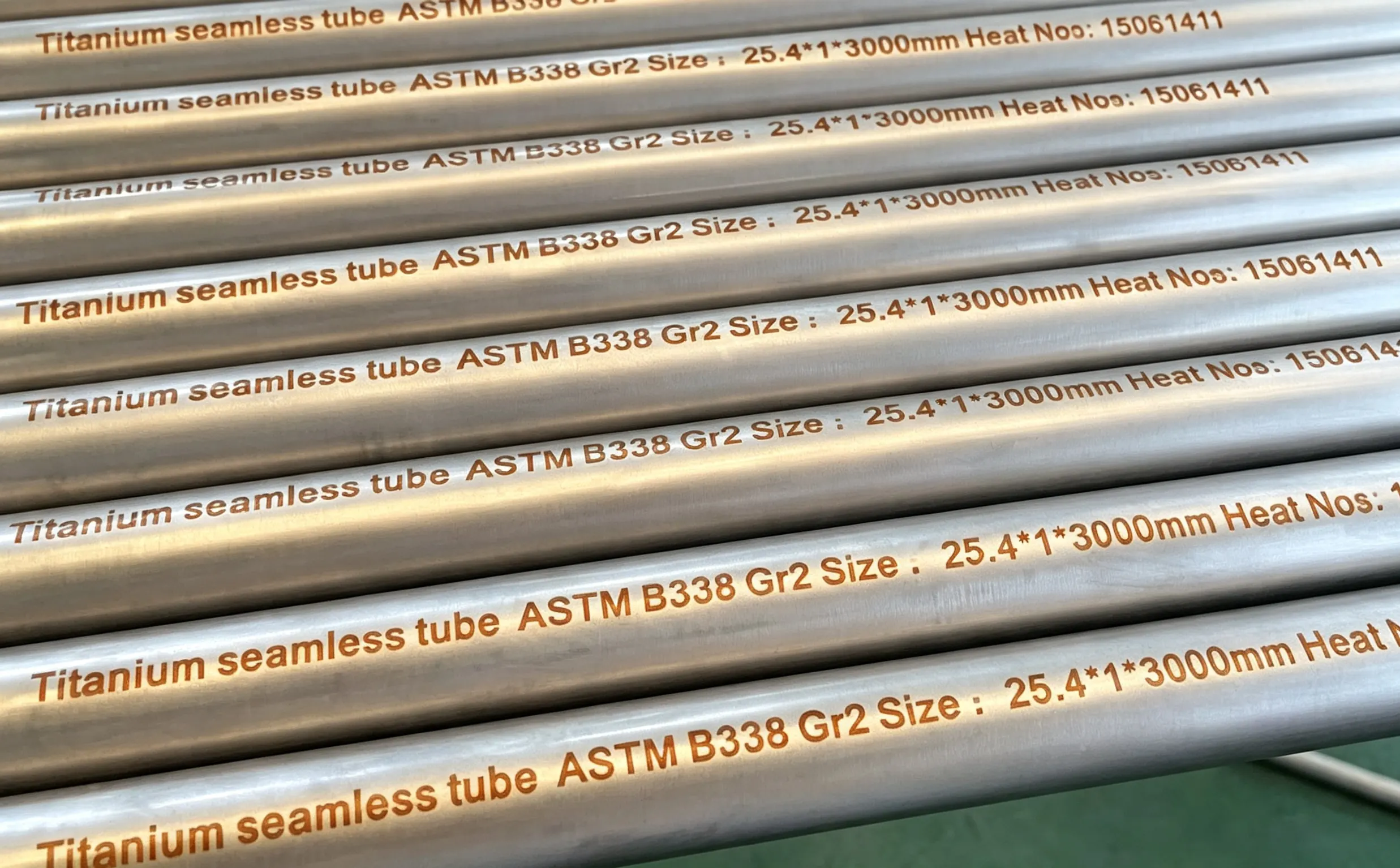
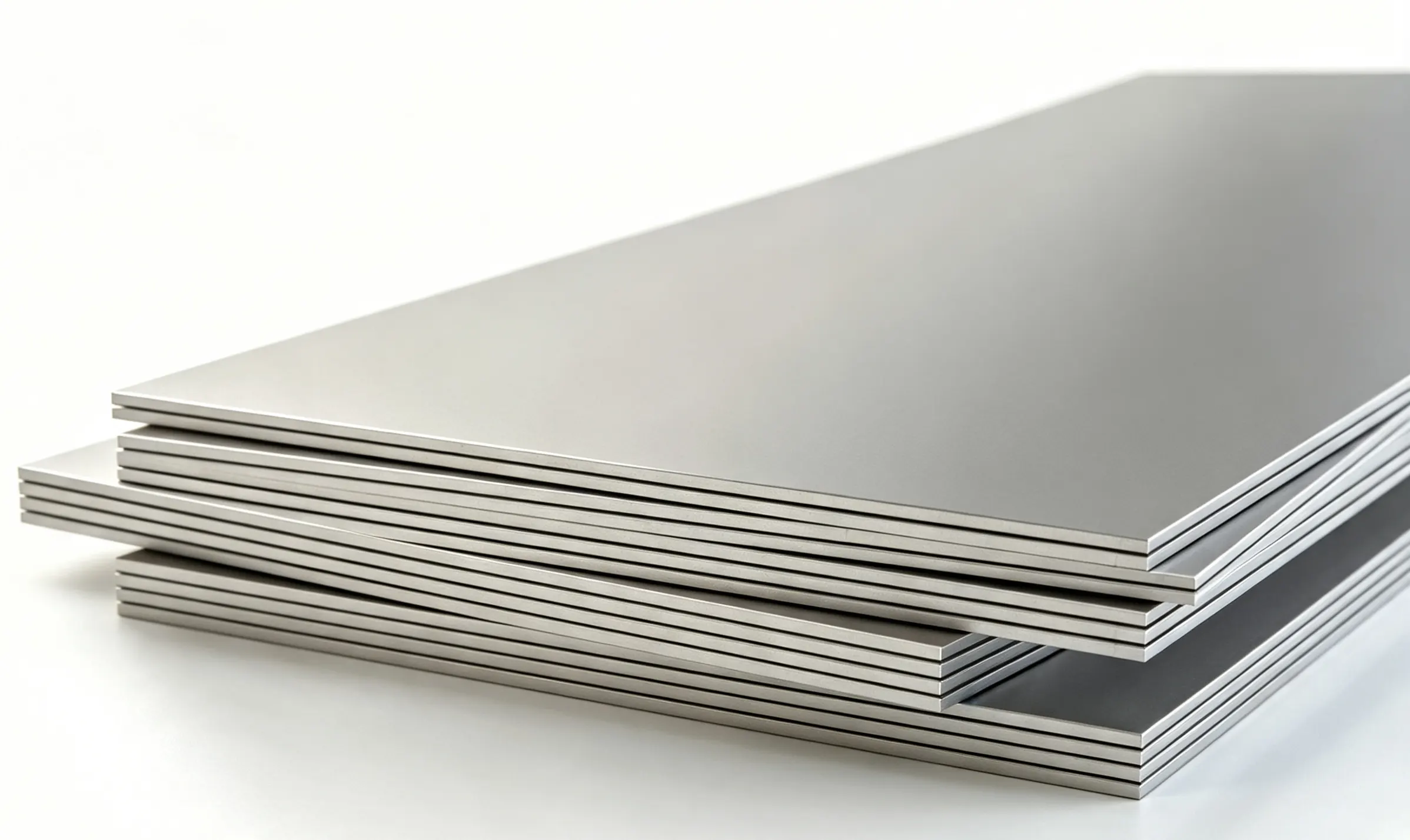
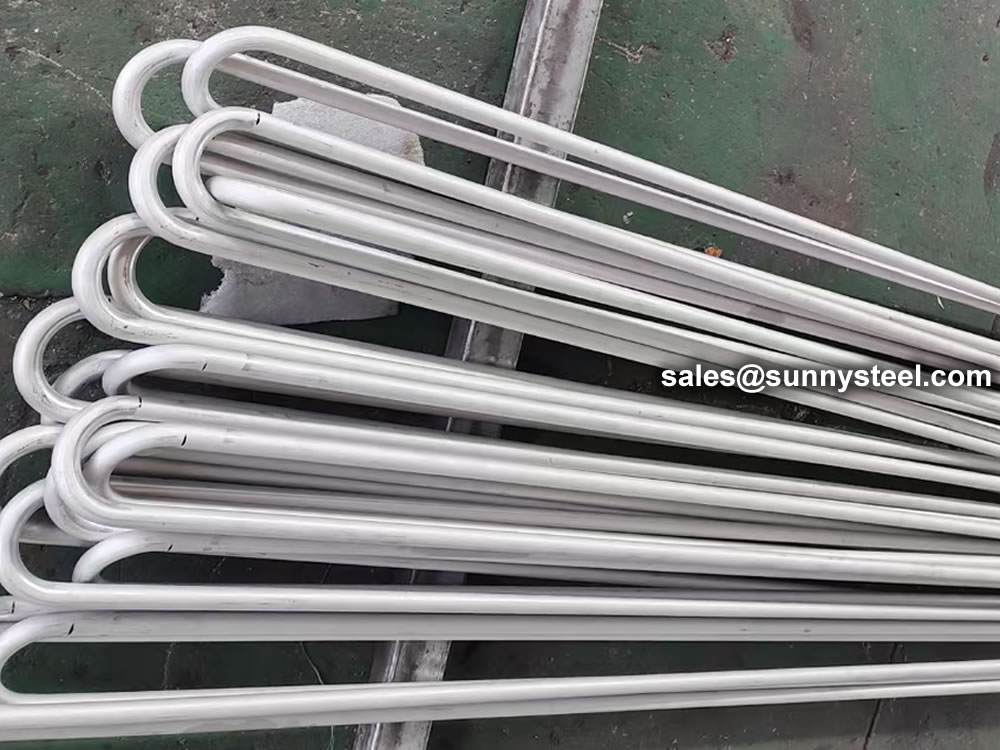
Manufacturer of ASTM/ASME-compliant titanium materials, delivering precision-fabricated plates, tubes and forgings for chemical, energy, marine and industrial applications.
Due to its exceptionally high melting point and outstanding mechanical strength, titanium is one of the most challenging precious metals to manufacture. Modern production combines powder metallurgy, vacuum melting technologies and precision machining to ensure superior purity, dimensional accuracy and long-term reliability.

Our titanium products are engineered to meet the stringent requirements of critical industrial sectors, delivering certified material performance in accordance with ASTM and ASME standards.
High strength-to-weight ratio alloys (Gr5, Gr23) for airframe structures, engine components and landing gear systems.
Biocompatible Grades (Gr2, Gr23) for surgical implants, orthopedic fixation devices and precision instruments.
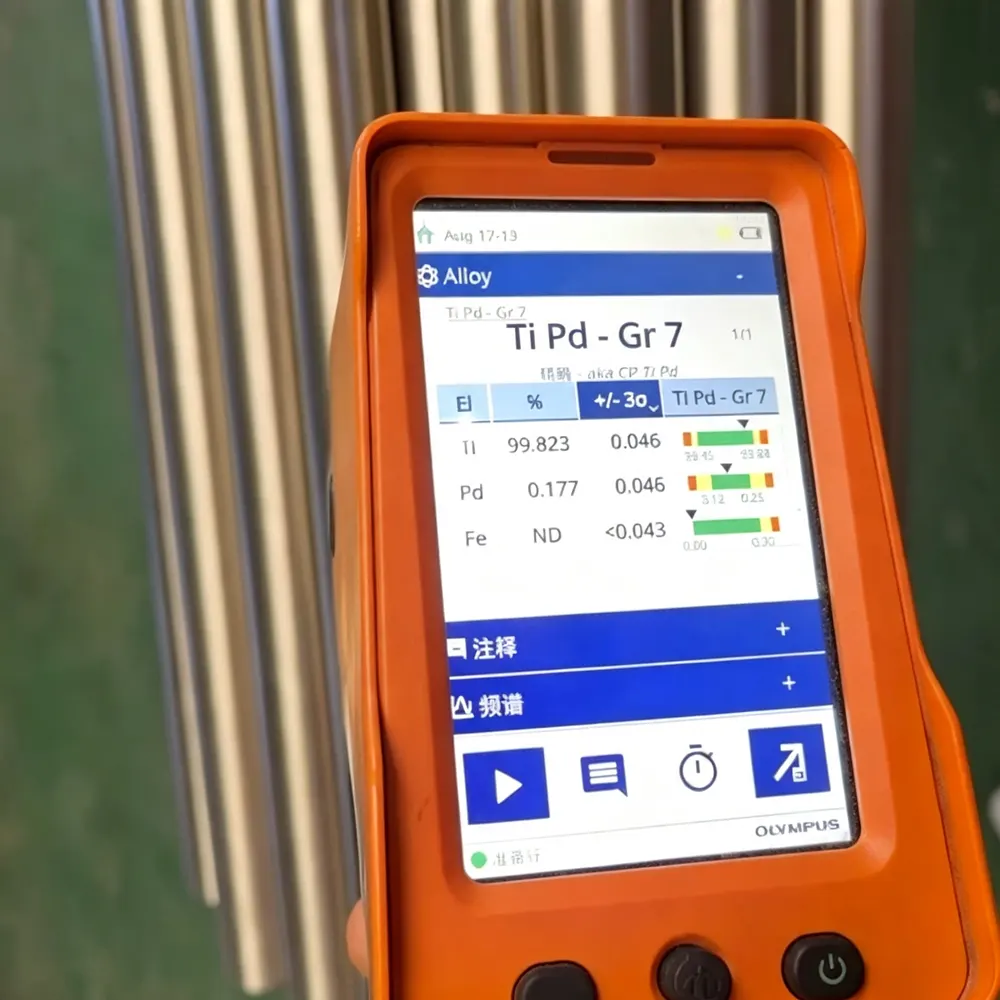
Corrosion-resistant Grades (Gr2, Gr7, Gr12) for reactors, heat exchangers and acid handling systems.
Seawater-resistant Grades (Gr2, Gr7) for condensers, desalination plants and offshore platform piping.
Material Compliance: All products are supplied with EN 10204 3.1 Mill Test Certificates and manufactured in accordance with ASTM B265, ASTM B338 and ASME SB series standards.

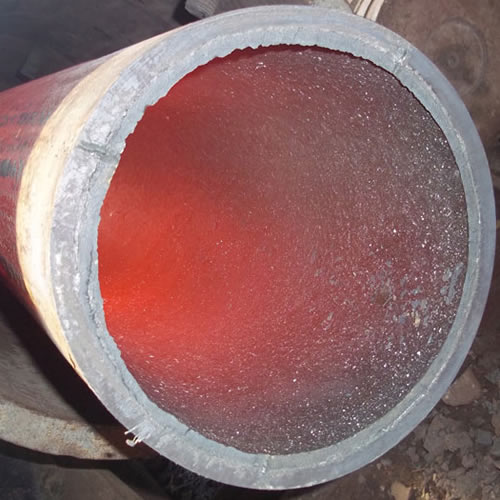
Ceramic lined pipe is made through self-propagating high-temperature synthesis (SHS) technique.
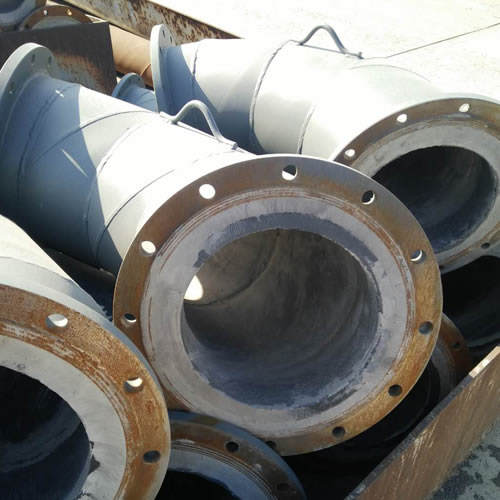
Cast basalt lined steel pipe is composed by lined with cast basalt pipe, outside steel pipe and cement mortar filling between the two layers.
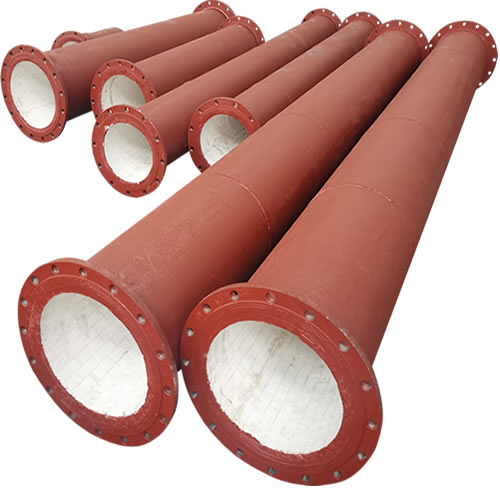
Ceramic tile lined pipes have very uniform coating of specially formulated ceramic material that is affixed to the inner of the pipe.
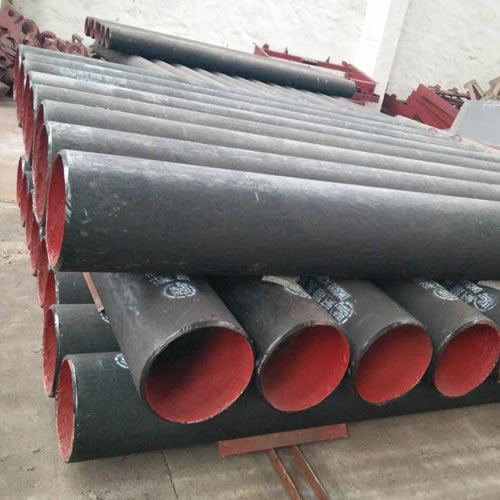
The material of the rare earth alloy wear-resistant pipe is ZG40CrMnMoNiSiRe, which is also the grade of rare earth alloy steel.
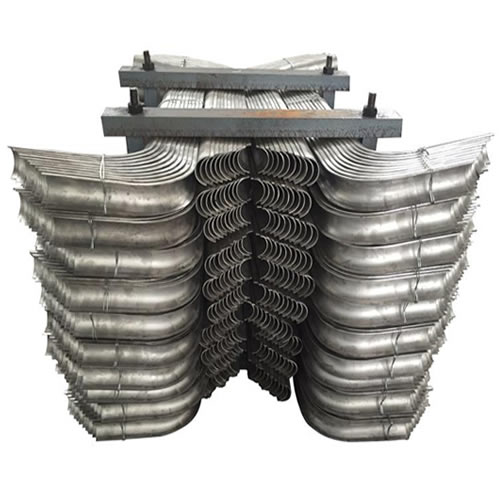
Tubes Erosion Shields are used to protect boiler tubing from the highly erosive effects of high temperatures and pressures thereby greatly extending tube life.
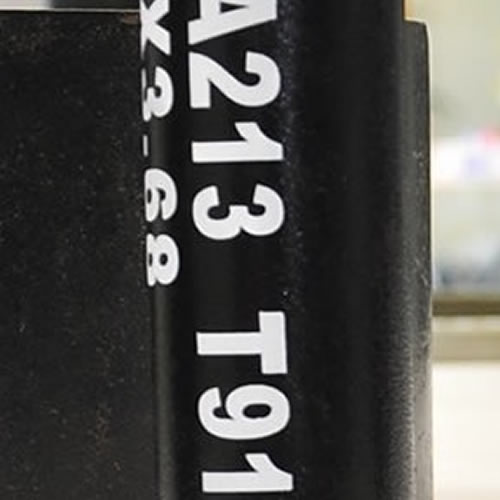
The ASTM A213 T91 seamless tubes are primarily used for boiler, superheater, and heat-exchanger.

When you partner with Sunny Steel, you can stop worrying about meeting deadlines thanks to our responsive and timely service. You'll also say goodbye to unnecessary shopping around. Instead, you'll get white glove service from an expert who understands your needs and can get you the materials you need quickly.