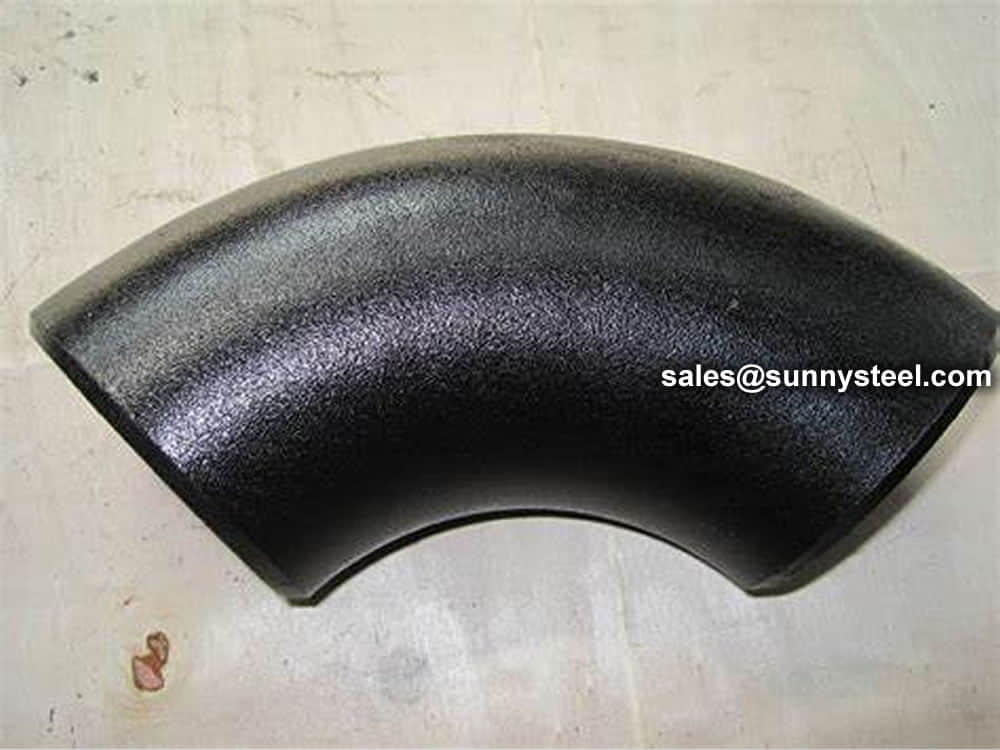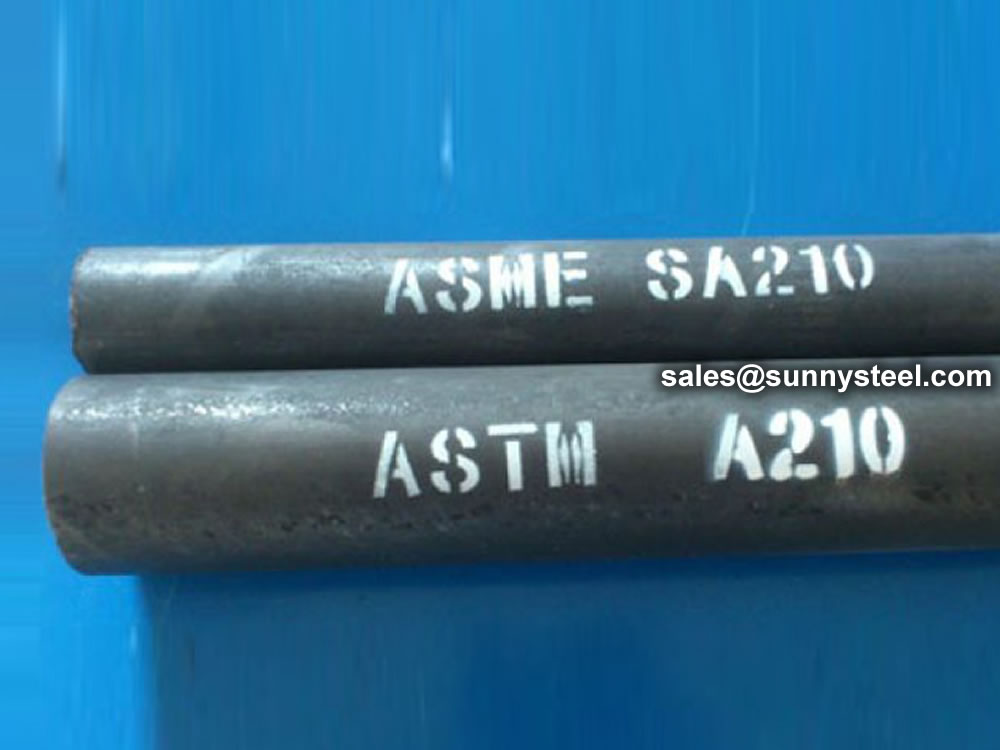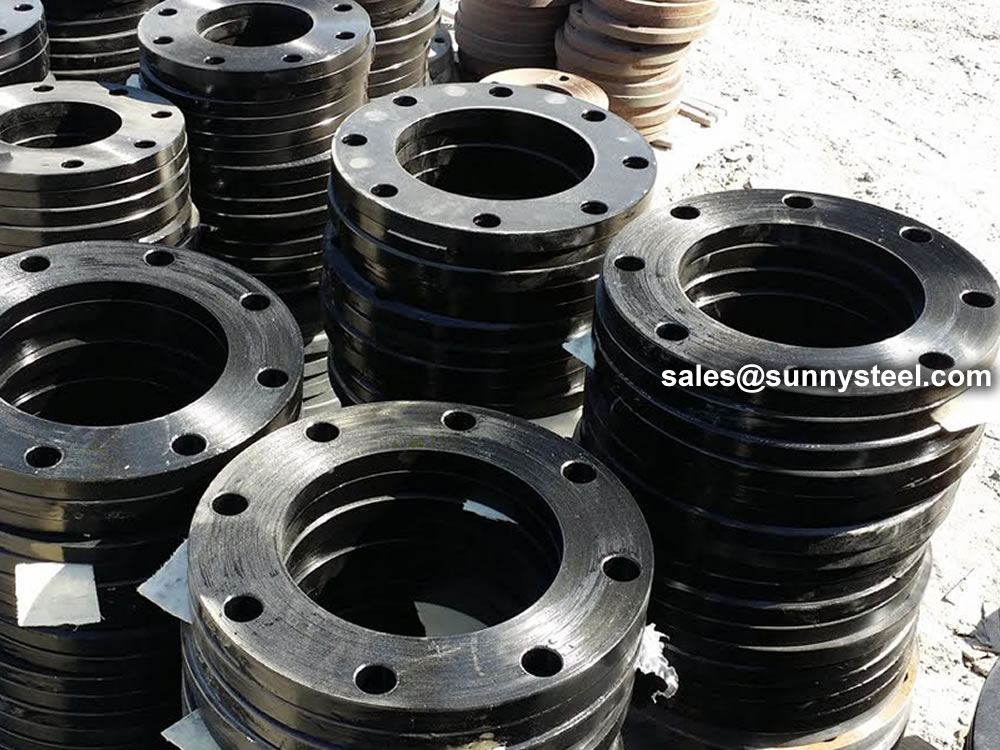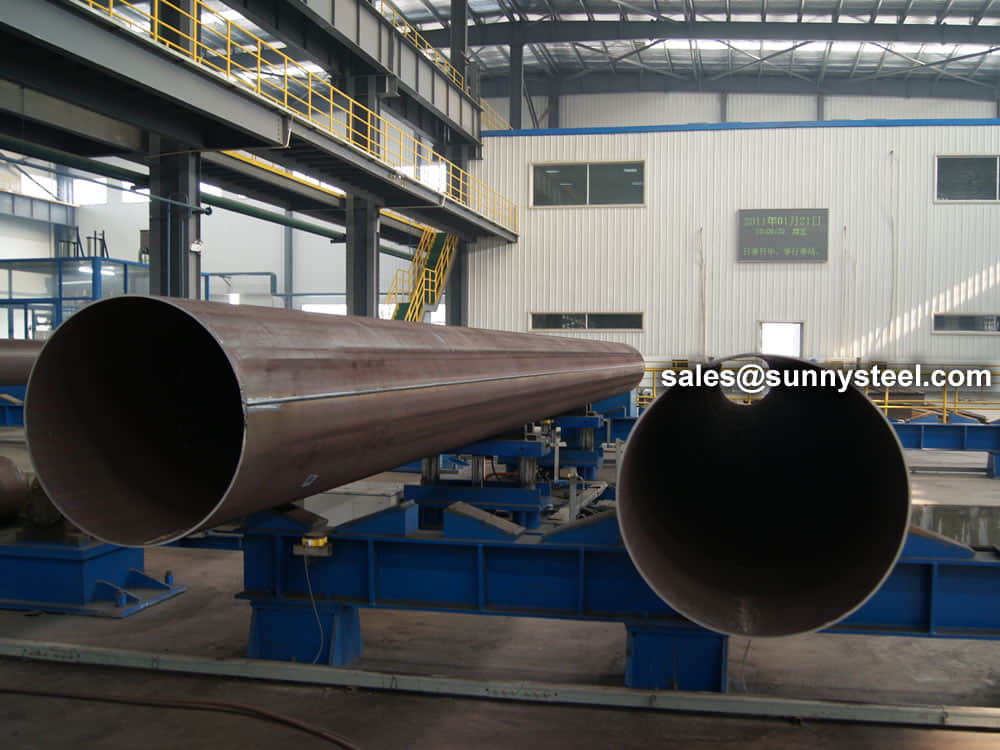
Carbon Steel

Material for Mining & Industrial Equipment

Professional carbon steel extend component lifespan in harsh industrial conditions.

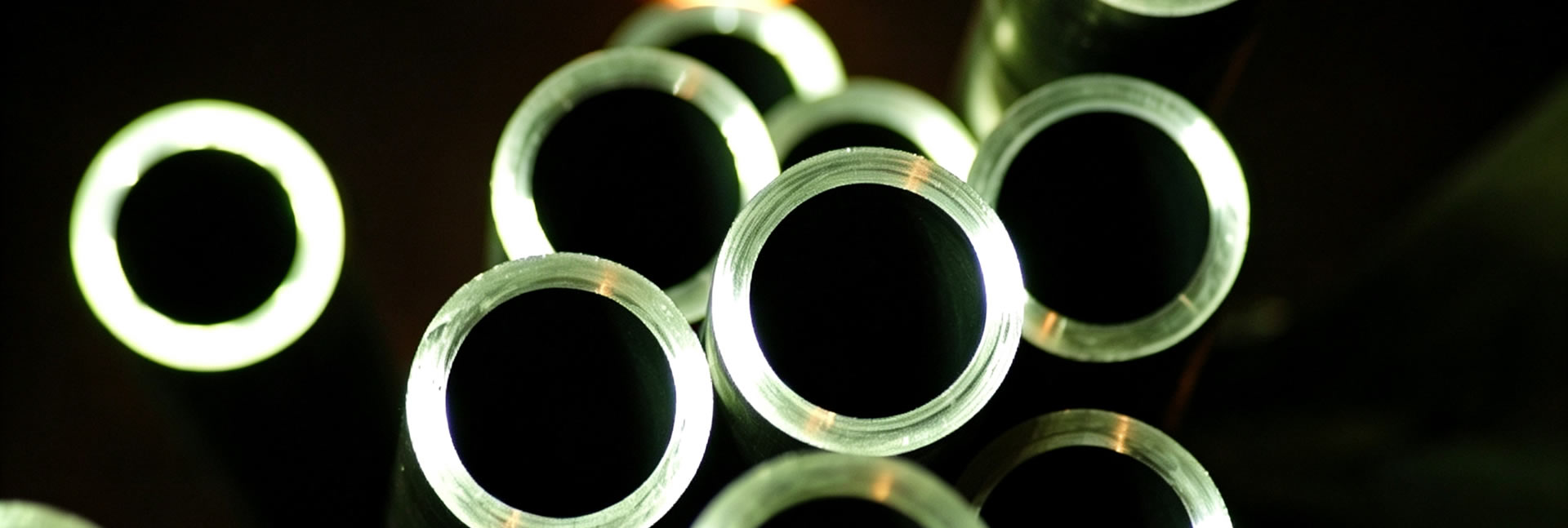
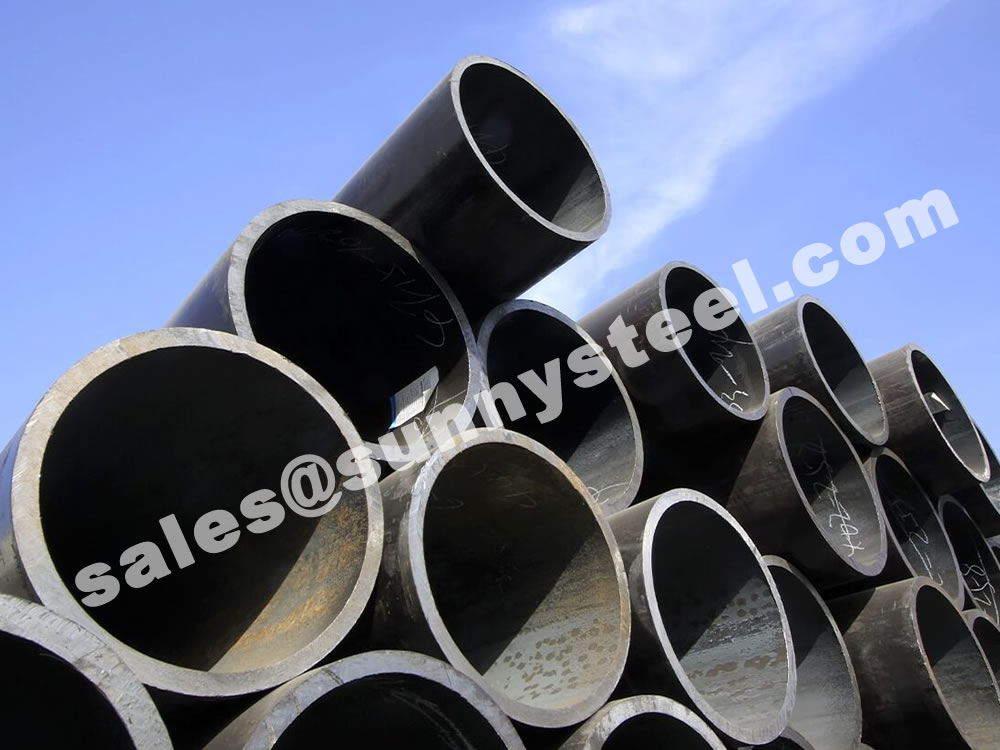
Carbon steel is an alloy made primarily of iron and a small amount of carbon, typically between 0.05% and 2.0% by weight. It is the most widely produced type of steel in the world, used in everything from car frames to kitchen knives. What makes it “carbon steel” rather than another type of steel is simple: carbon is the main element added to iron to change its properties, with minimal amounts of other alloying elements like chromium or nickel.
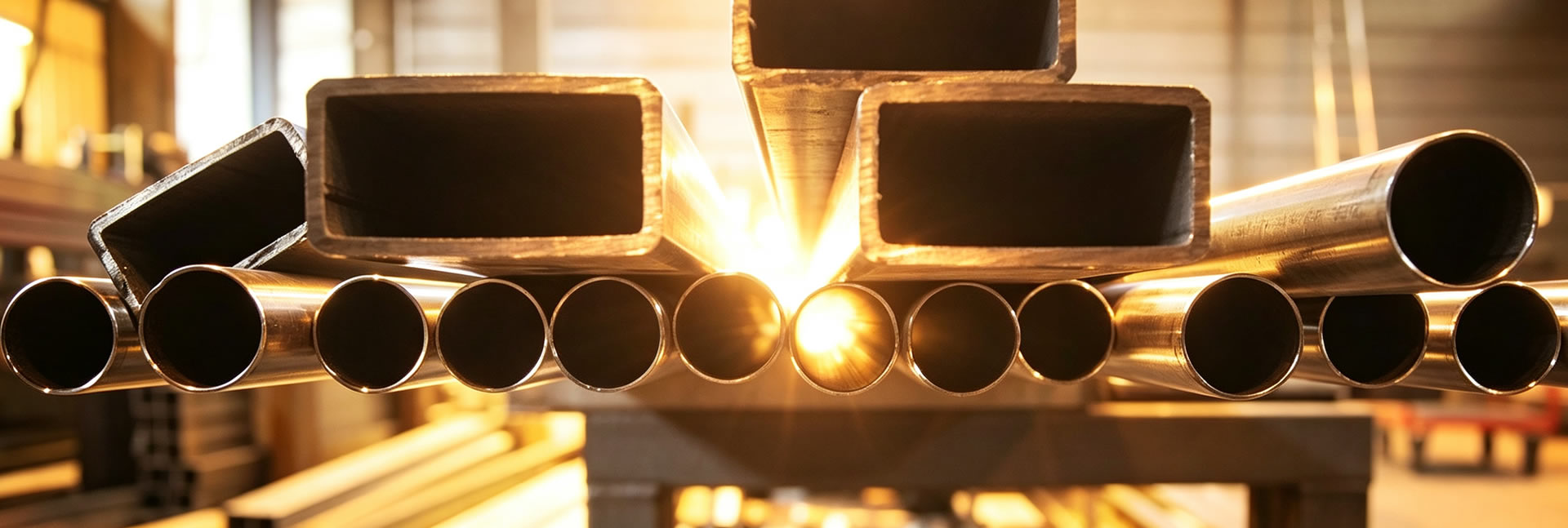
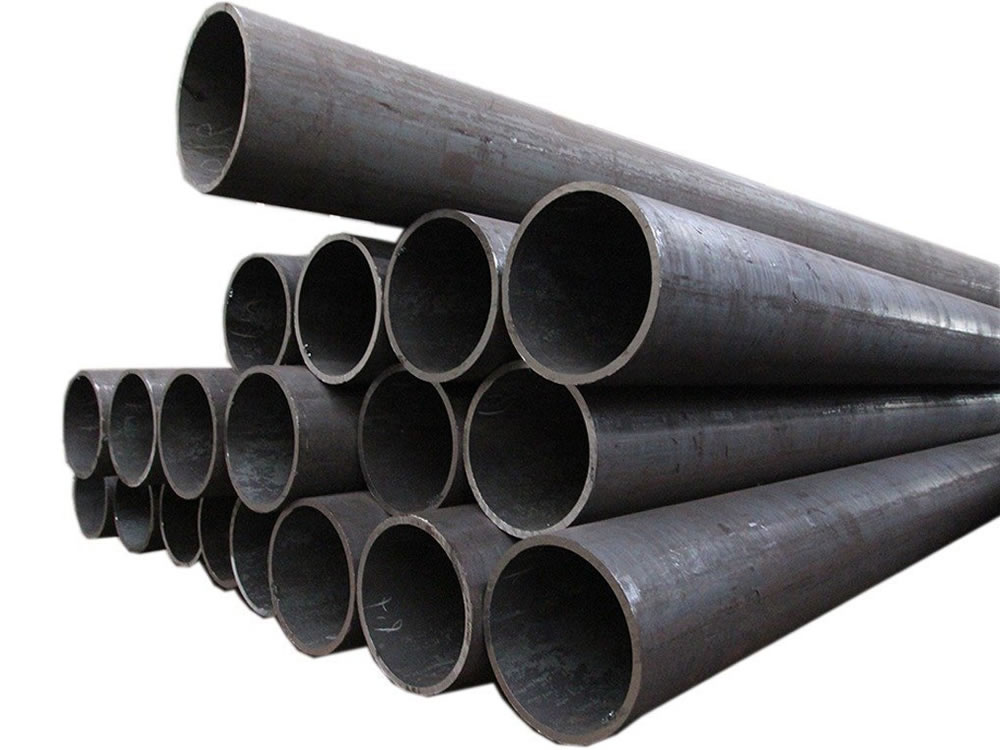
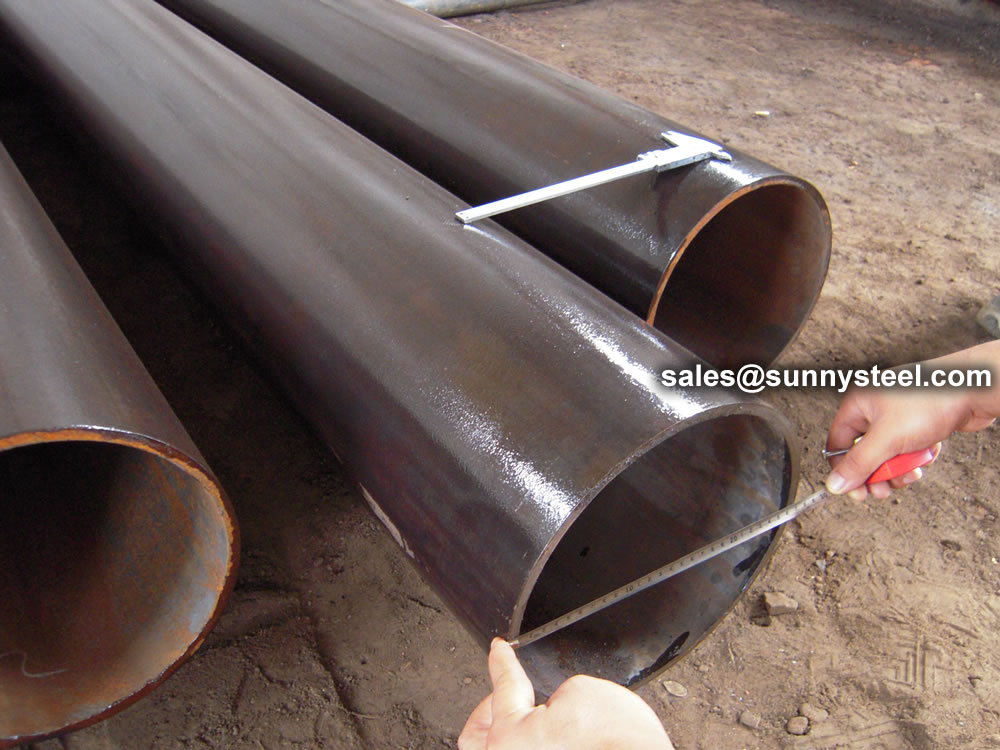
Carbon Steel Seamless Pipe
Carbon Steel Advantages

Strength and Durability

Carbon steel is valued for its high strength, durability, affordability, versatility, and recyclability, making it a preferred material across industries.

What is Carbon Steel?

Carbon steel is a material that is still widely used today in modern engineering, due to its combination of high mechanical strength, high fabrication flexibility and economic value. It is versatile and can be used for various purposes, such as building structures, manufacturing industrial components, and creating decorative features.

Global Executive Standards for Mild Carbon Seamless Pipe

Standard System Standard Code Classification
Chinese GB GB/T 8162 Structural tubes for buildings & bridges
Chinese GB GB/T 8163 Fluid pipes for water, gas & heating
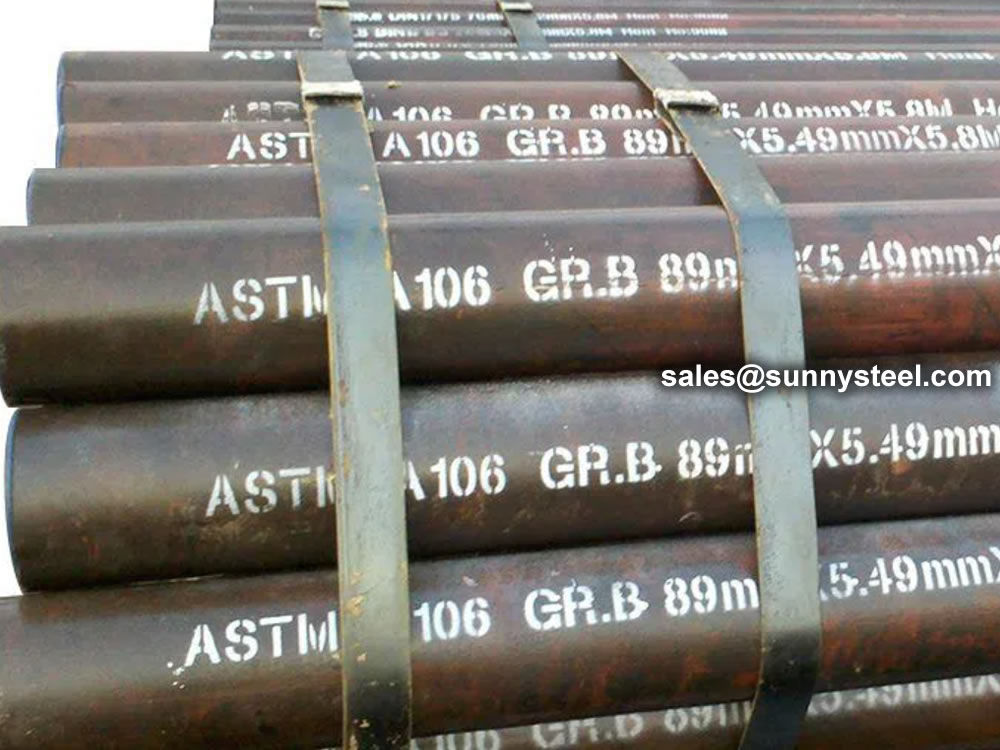
ASTM (USA) ASTM A106 Gr.B Medium-temperature fluid & structural pipe

Main Carbon Steel Grades & Application Matching

Grade Equivalent Advantage Typical Application
20# Carbon Steel ASTM A106 Gr.B Excellent weldability, low cost Municipal pipelines, steel frames, irrigation
45# Carbon Steel 1045 / ST45 High machinability, quench-hardenable Transmission shafts, sleeves

20# / A106 Gr.B covers over 90% of civil and general industrial carbon pipe demands.

Production Range & Delivery Conditions

Hot-Rolled Seamless Pipe

  • OD: 32–720 mm
  • WT: 3–100 mm
  • Length: 6 / 12 m
  • Use: Large-span frames, trunk pipelines

Cold-Drawn Precision Tube

  • OD: 6–114 mm
  • WT: 1–12 mm
  • Use: Mechanical parts, hydraulic barrels

Heat Treatment Conditions

Code Condition Suitability
NBK Normalized General structural & fluid pipes
BKW Stress Relieved Bending, galvanizing base tubes
GBK Annealed Complex cold bending

Key Application Fields

Municipal & Water Conservancy
  • Water, sewage & stormwater pipelines
  • Low-pressure natural gas networks
  • Irrigation & reservoir circulation
Steel Construction & Factories
  • Frame columns, bracing, stadiums
  • Compressed air & cooling water lines
  • Guardrails, sign supports

Custom Machining & Anti-Corrosion Services

  • Precision cutting, beveling & chamfering
  • Cold / hot bending for structural profiles
  • Threading, drilling & prefabrication
  • HDG, 3PE coating, anti-rust painting
  • Laser marking & full traceability
  • Sample supply & bulk EPC delivery

Full Batch Inspection & MTC

Material & Mechanical Tests

  • PMI chemical analysis
  • Tensile, yield, elongation
  • Flattening & flaring tests
  • Optional low-temperature impact

NDT & Hydrostatic Test

  • UT inspection (100%)
  • Hydrostatic pressure test
  • Dimensional & visual inspection

EN 10204 3.1 / 3.2 MTC supplied per batch.

Core Advantages

  • Economical material, low procurement cost
  • Excellent weldability & formability
  • Full size coverage (HR + CD)
  • Compatible with HDG & 3PE systems
  • Complete MTC for EPC compliance

Types of Carbon Steel

Carbon steel is grouped by carbon content, and this directly influences its strength, hardness, formability and performance. A grasp of these classifications enables professionals to choose materials for a project in the most effective manner.

Low Carbon Steel (Mild Steel)

Carbon Content: ≤ 0.30%

Provides high formability, excellent weldability and low cost. Widely used for general fabrication and structural components.

Medium Carbon Steel

Carbon Content: 0.30% – 0.60%

Offers greater strength and wear resistance while maintaining reasonable machinability. Suitable for machine parts and axles.

High Carbon Steel

Carbon Content: 0.60% – 1.00%

Delivers high hardness and toughness for critical mechanical components requiring durability under cyclic loading.

Ultra-High Carbon Steel

Carbon Content: > 1.00%

Provides exceptional hardness and abrasion resistance for special industrial components and wear-intensive applications.


Common Uses by Category

Construction & Infrastructure
Structural beams, rebar, bridge components and pipelines. Primarily low & medium carbon steel for optimal strength, weldability and cost efficiency.
Automotive
Body panels, brackets, axles and frame components. Often low carbon steel (e.g. 1018), ideal for stamping and complex forming processes.
Machinery
Gears, shafts, pistons, sprockets and pins. Typically low to medium carbon grades for precision machining and fatigue resistance.
Cutting Tools & Blades
Knives, chisels, saw blades and drill bits. Manufactured from high carbon steel to retain a sharp edge after heat treatment.
Wire Products
Springs, fencing and cable. Drawn from carbon steel wire to leverage tensile strength and low material cost.
Cookware
Carbon steel pans and woks. Preferred in professional kitchens for rapid heating, natural nonstick seasoning and lighter weight than cast iron.
Frequently Asked Questions
Mainly 20# carbon steel equivalent to ASTM A106 Gr.B for structural and fluid pipelines, plus 45# carbon tube for mechanical shaft and sleeve parts.
GB/T8162 for structural tubes, GB/T8163 for fluid delivery pipes and ASTM A106 Gr.B international standard widely accepted overseas.
Municipal water/gas/irrigation pipelines, steel workshop frame structures, factory auxiliary cooling & air piping, and raw base pipe for hot-dip galvanizing and 3PE coating.
Yes, 20# carbon steel is the ideal base material compatible with hot-dip galvanizing, 3PE epoxy coating and other external anti-rust treatments.
NBK normalized (standard delivery), BKW stress relieved for galvanizing, GBK fully annealed for complex cold bending processing.
PMI chemical spectrum test, tensile mechanical test, flattening/flaring forming test, 100% UT ultrasonic NDT and hydrostatic pressure test for fluid pipes.
Lower raw material cost, excellent weld & bend performance, complete size range and mature anti-corrosion secondary processing solutions for general low-medium pressure projects.
Complete EN 10204 3.1/3.2 MTC reports including chemical composition, mechanical test, NDT and hydrostatic pressure inspection records per batch.
Hot Products

【H】 Ceramic lined pipe

Ceramic lined pipe is made through self-propagating high-temperature synthesis (SHS) technique.
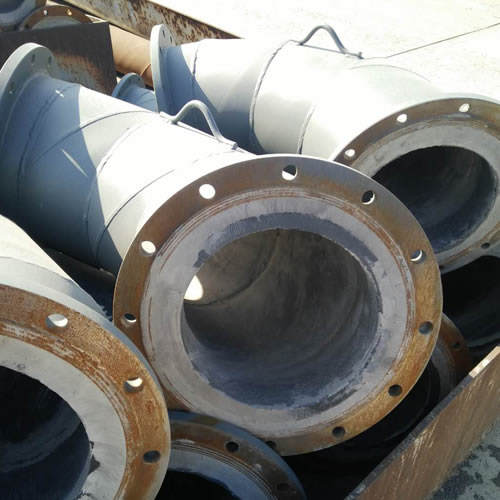
【H】 Cast basalt lined steel pipe

Cast basalt lined steel pipe is composed by lined with cast basalt pipe, outside steel pipe and cement mortar filling between the two layers.
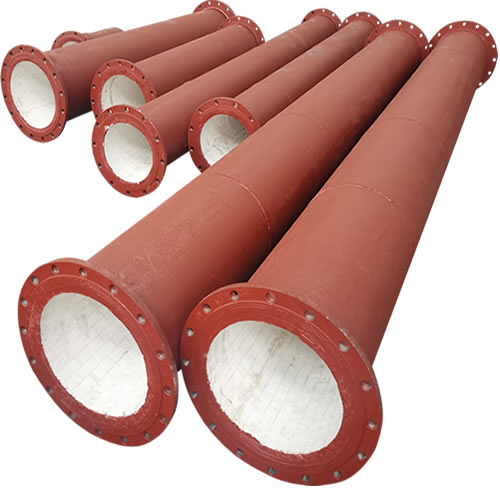
【H】 Ceramic Tile Lined Pipes

Ceramic tile lined pipes have very uniform coating of specially formulated ceramic material that is affixed to the inner of the pipe.
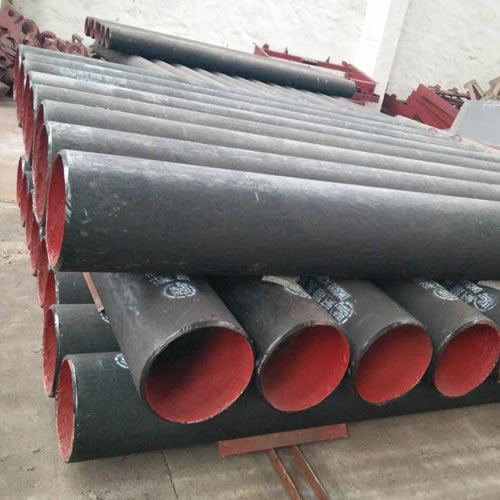
【H】 Rare earth alloy wear-resistant pipe

The material of the rare earth alloy wear-resistant pipe is ZG40CrMnMoNiSiRe, which is also the grade of rare earth alloy steel.
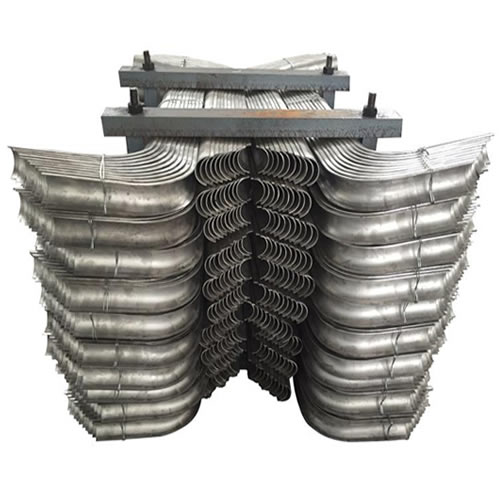
【H】 Tubes Erosion Shields

Tubes Erosion Shields are used to protect boiler tubing from the highly erosive effects of high temperatures and pressures thereby greatly extending tube life.
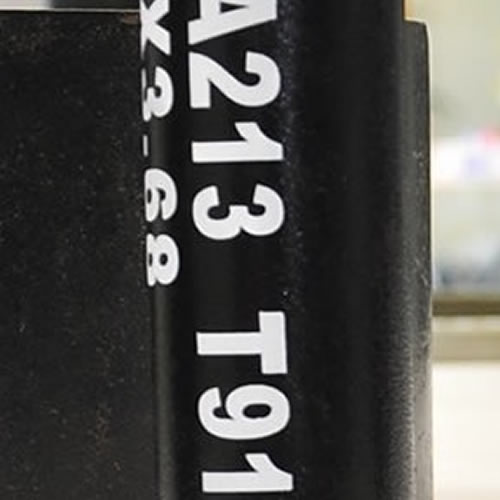
【H】 ASTM A213 T91 Alloy Tube

The ASTM A213 T91 seamless tubes are primarily used for boiler, superheater, and heat-exchanger.

The White Glove Service You Deserve

When you partner with Sunny Steel, you can stop worrying about meeting deadlines thanks to our responsive and timely service. You'll also say goodbye to unnecessary shopping around. Instead, you'll get white glove service from an expert who understands your needs and can get you the materials you need quickly.

application

Materials delivered on-time and at a fair price

application

No delays in production or manufacturing process

application

Meet engineering specifications to ensure top quality

application

World-class customer service ready to help