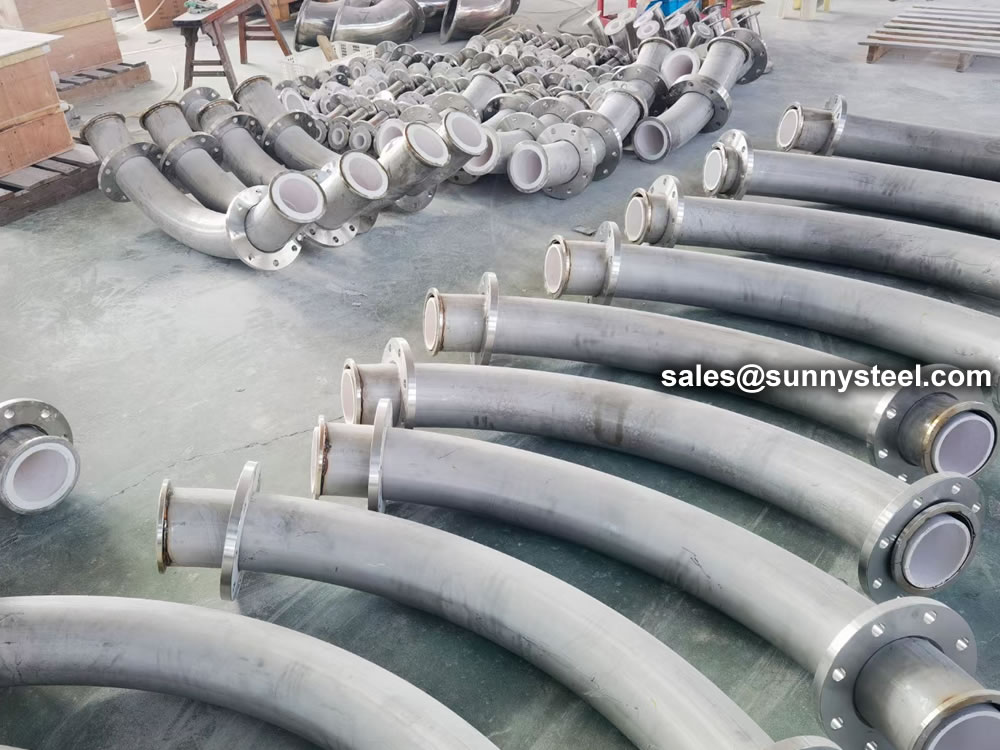
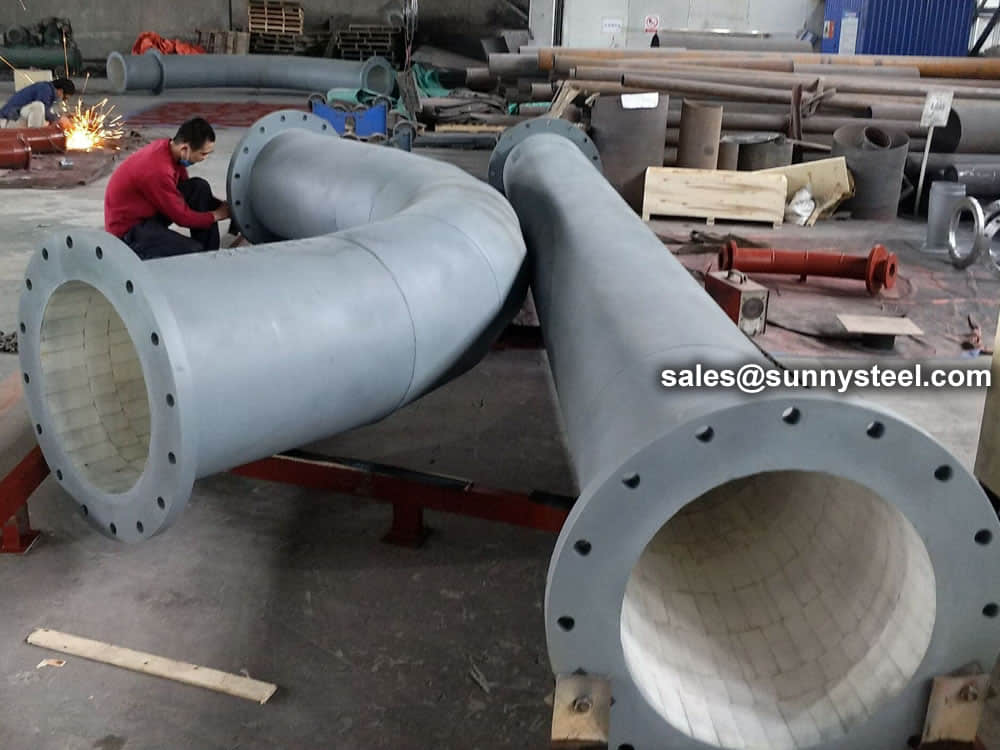
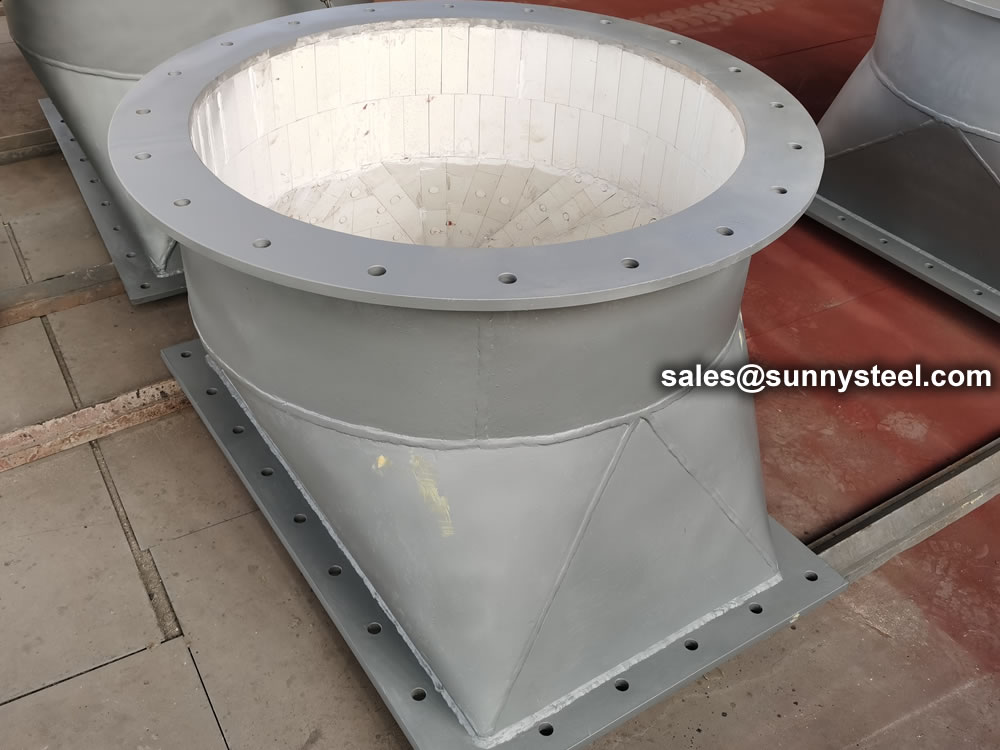
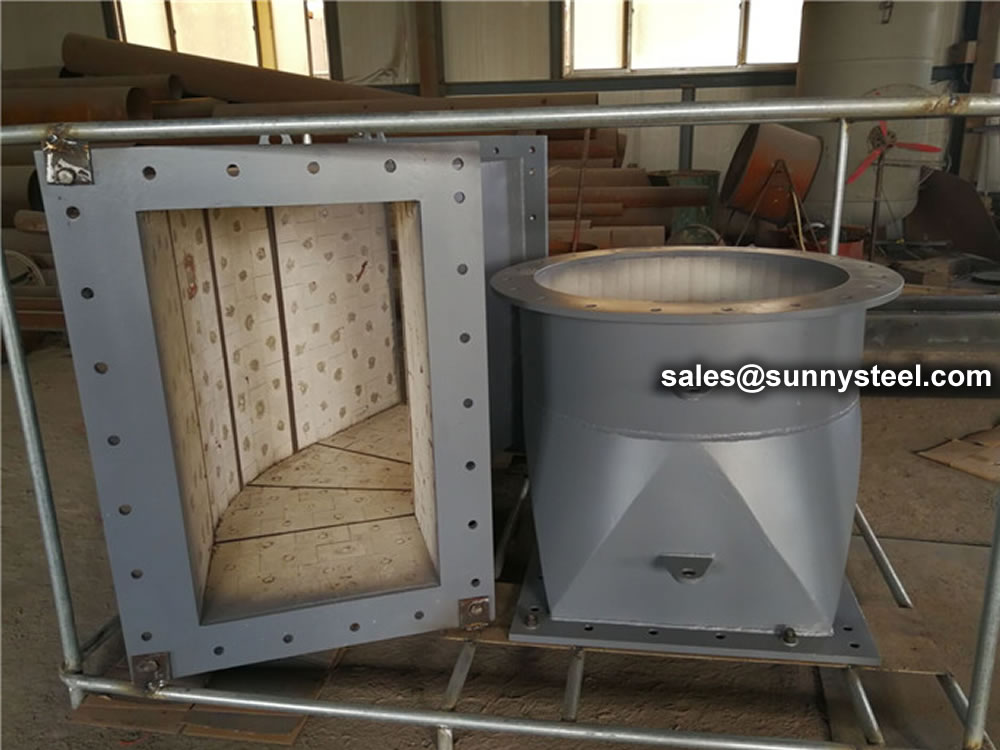
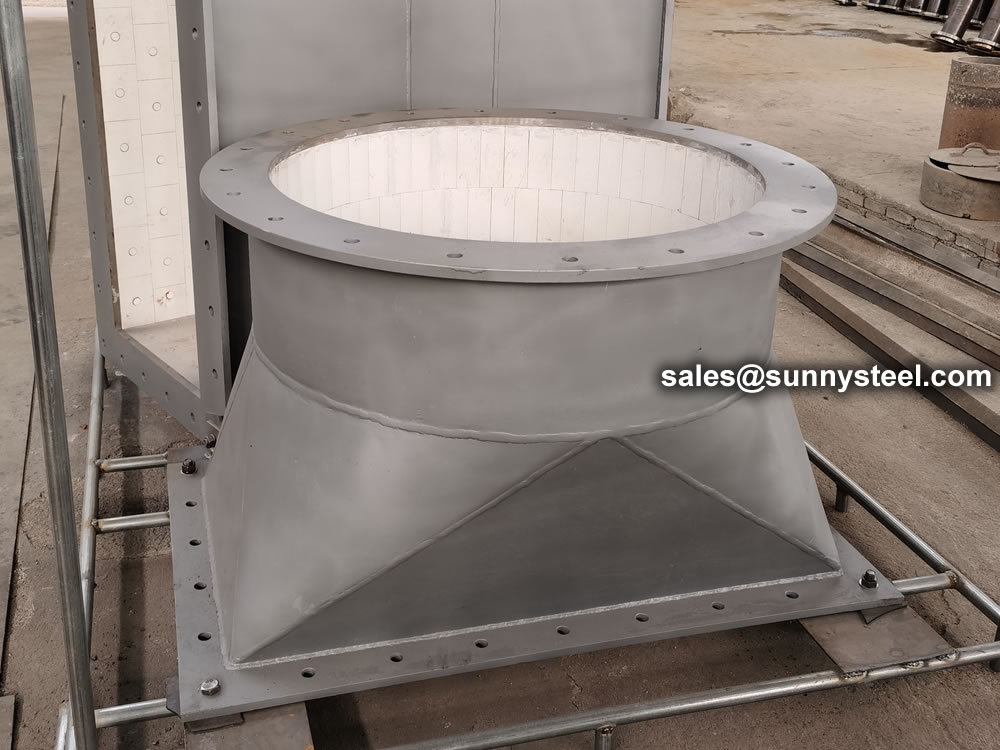
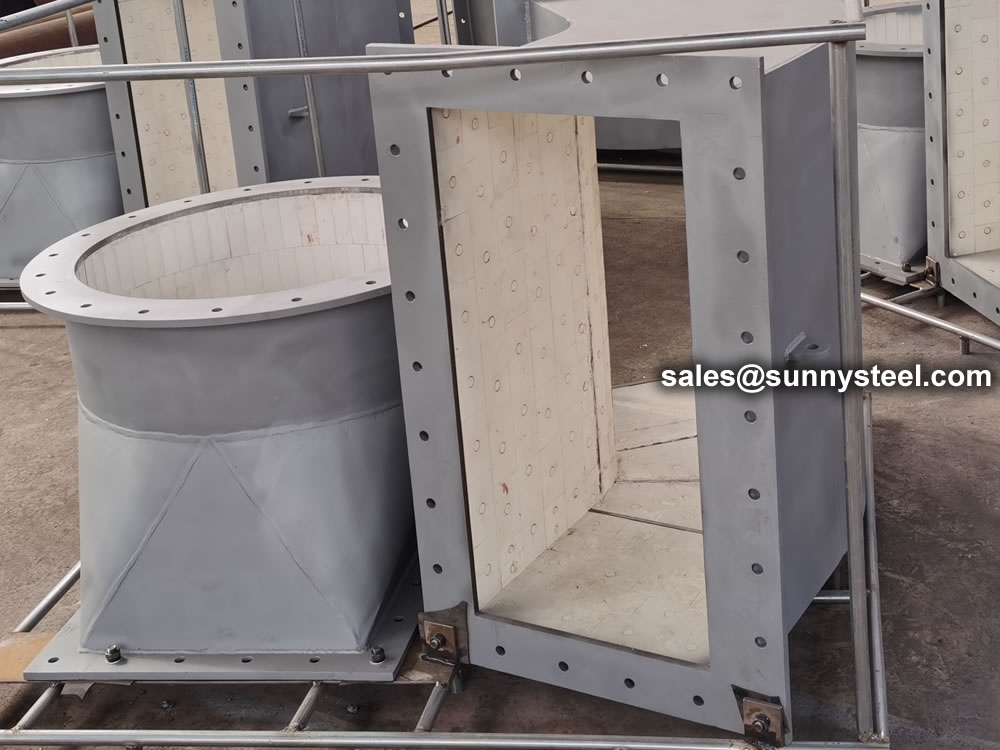
Ceramic Lined Wear Bends
Ceramic Lined Wear Bends - ceramic wear resistant product
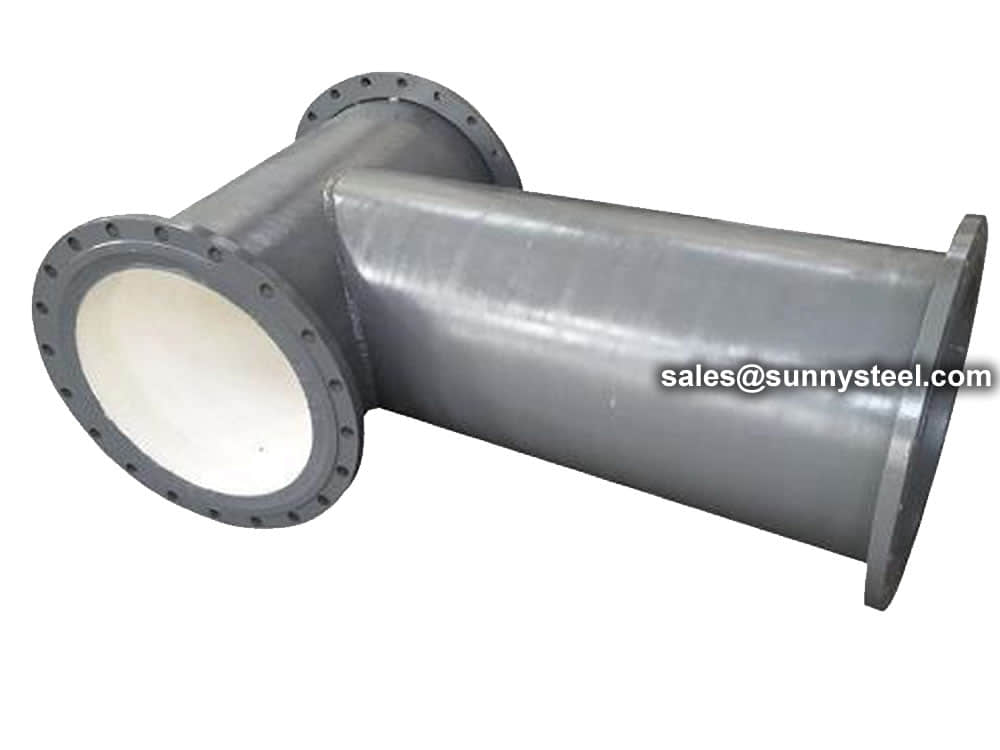
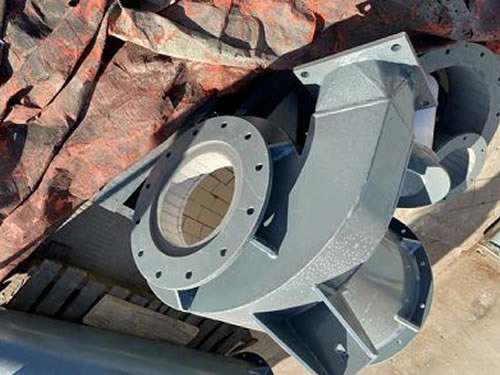
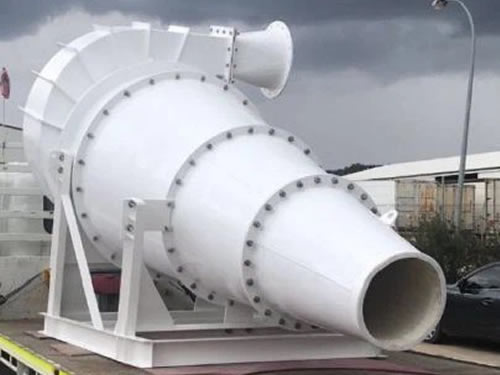
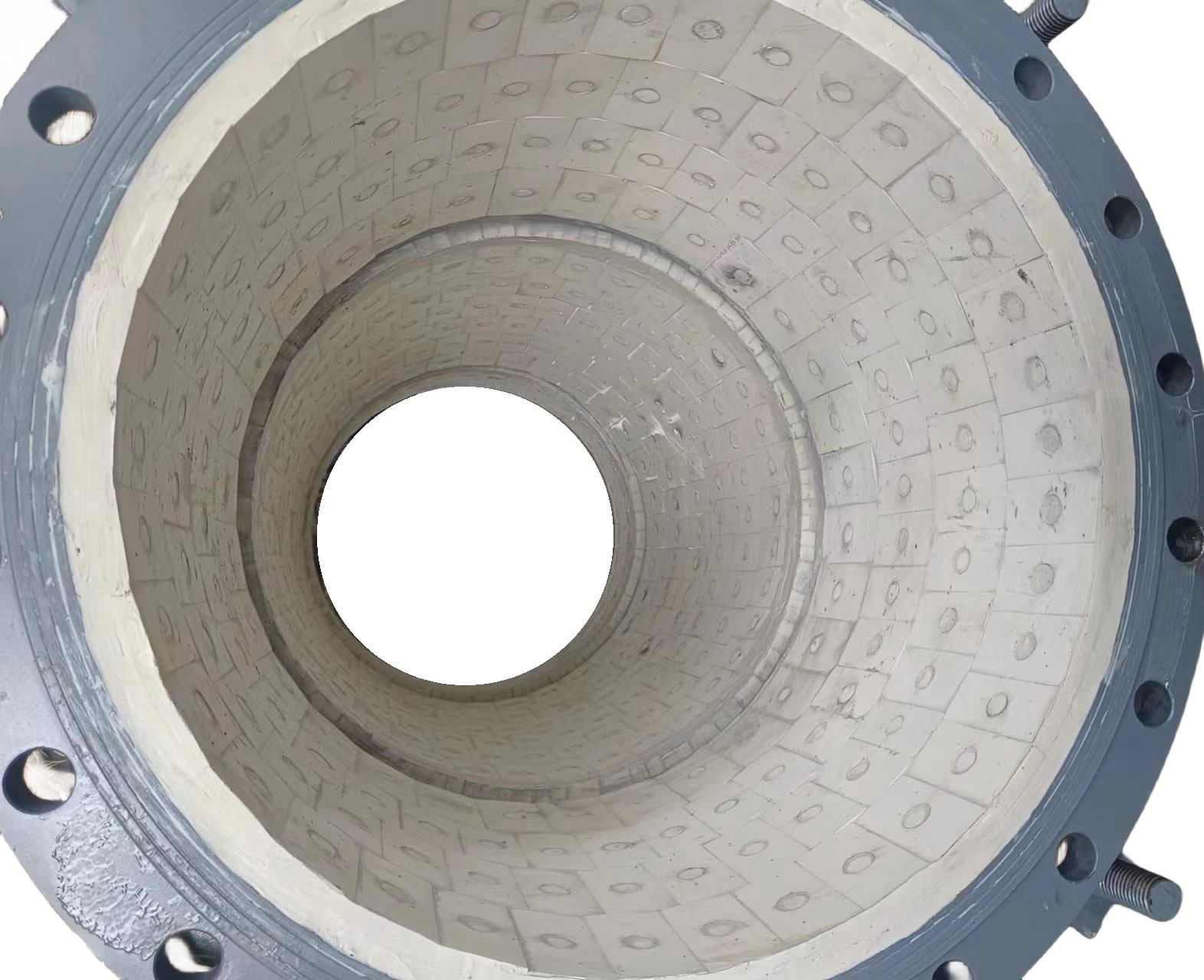
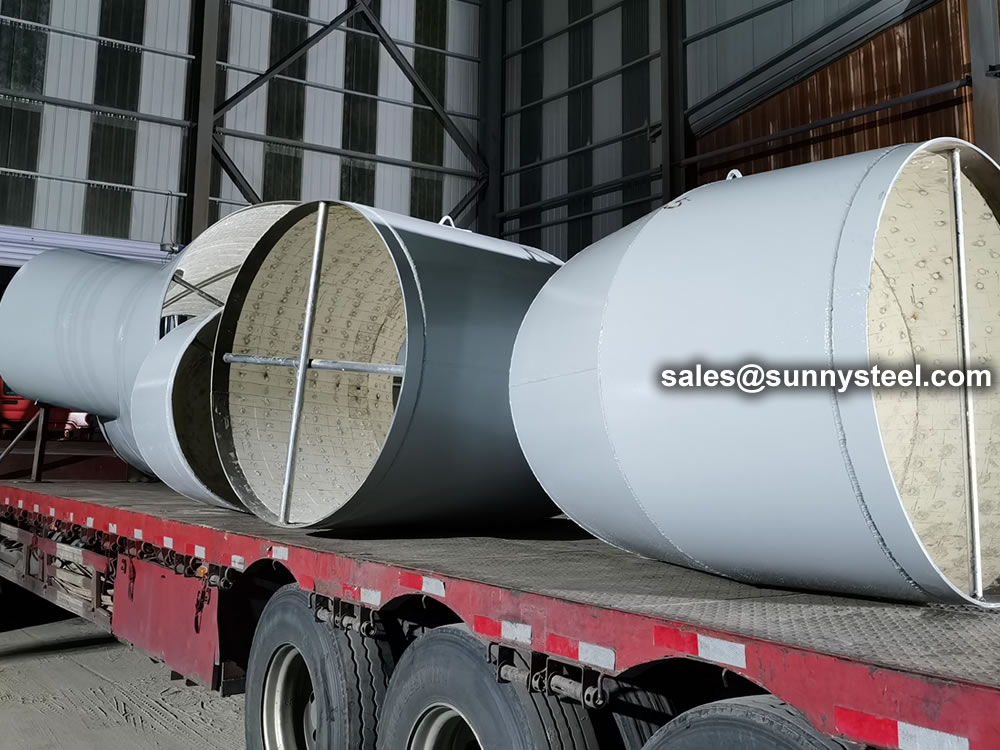
Large diameter ceramic lined tile pipe can be customized to produce 630-1200mm pipe diameter.
The ceramic layer thickness can also be customized.
Download PDF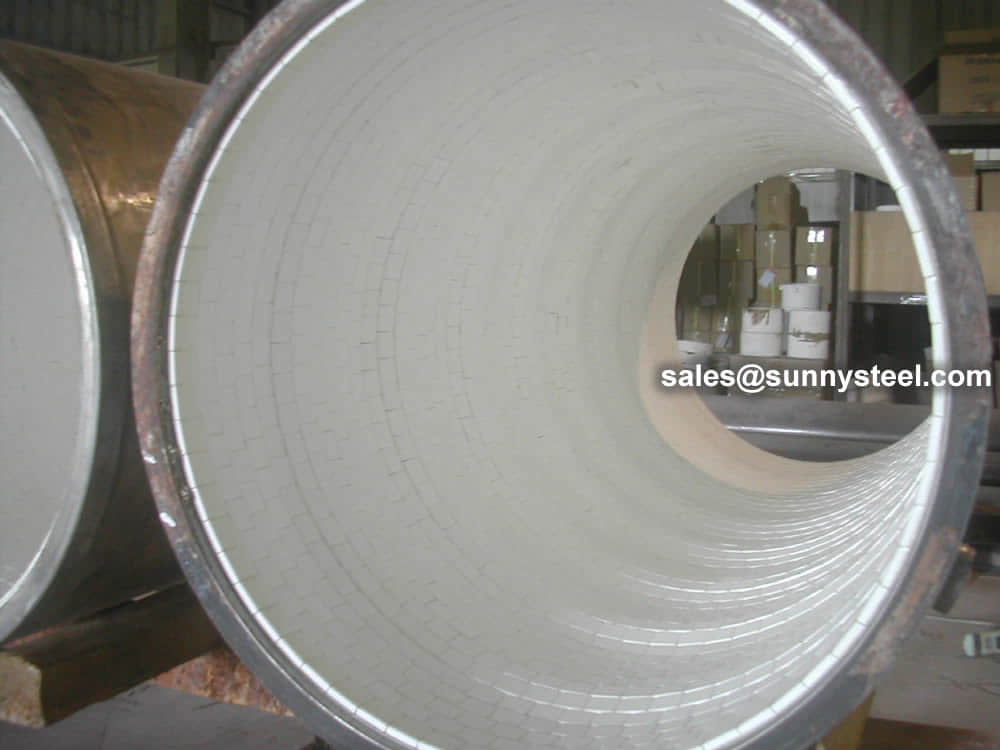
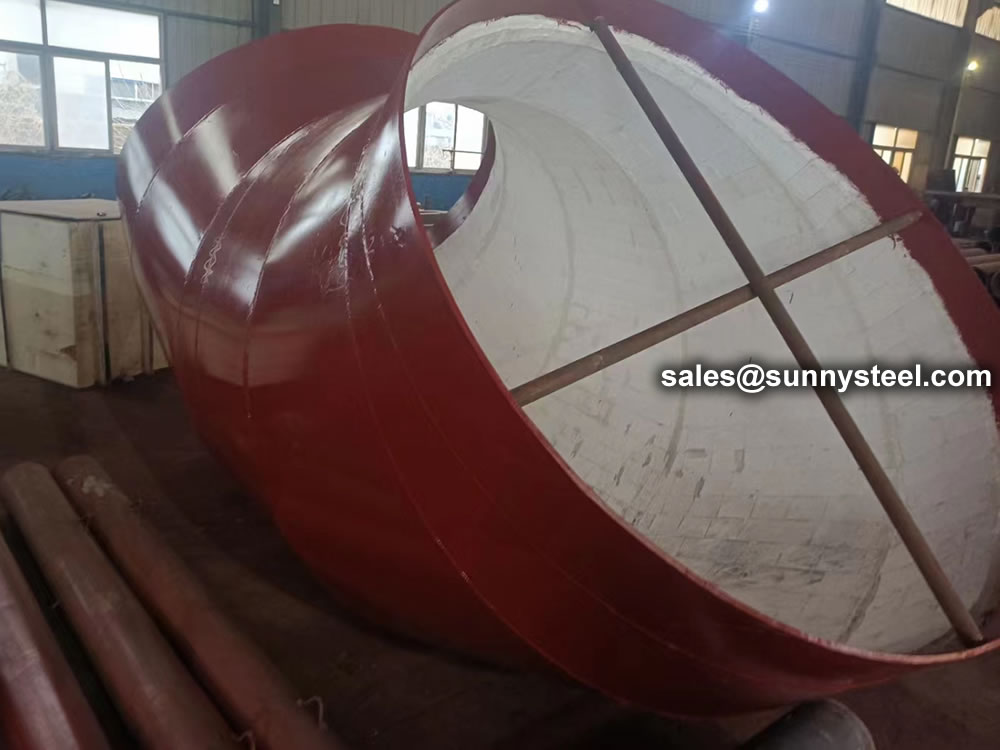
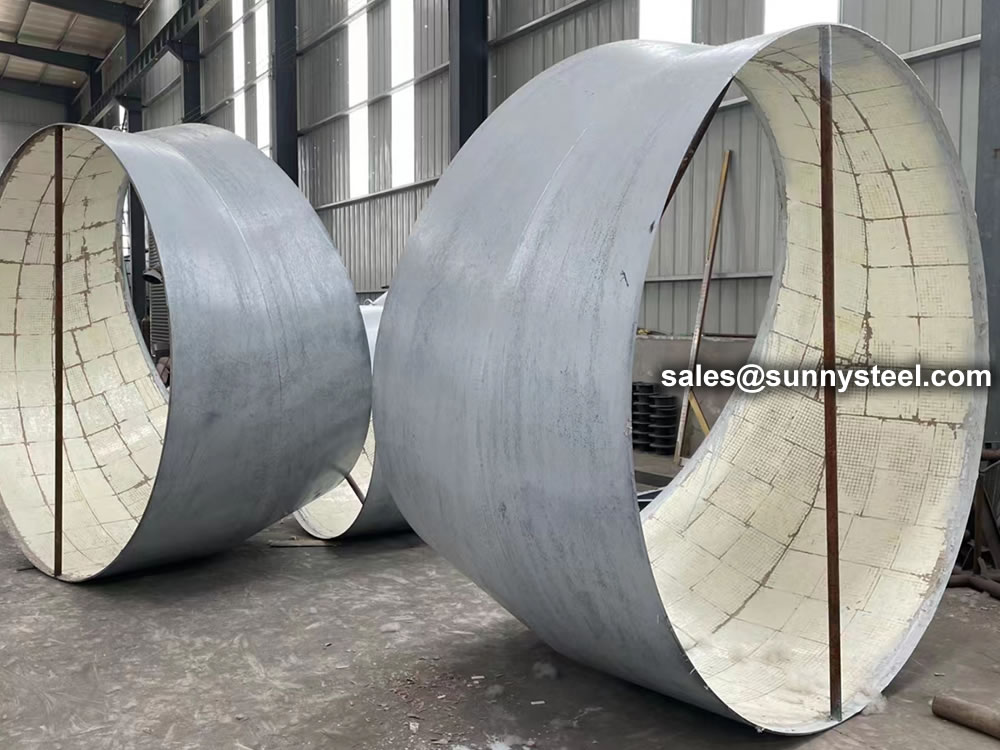
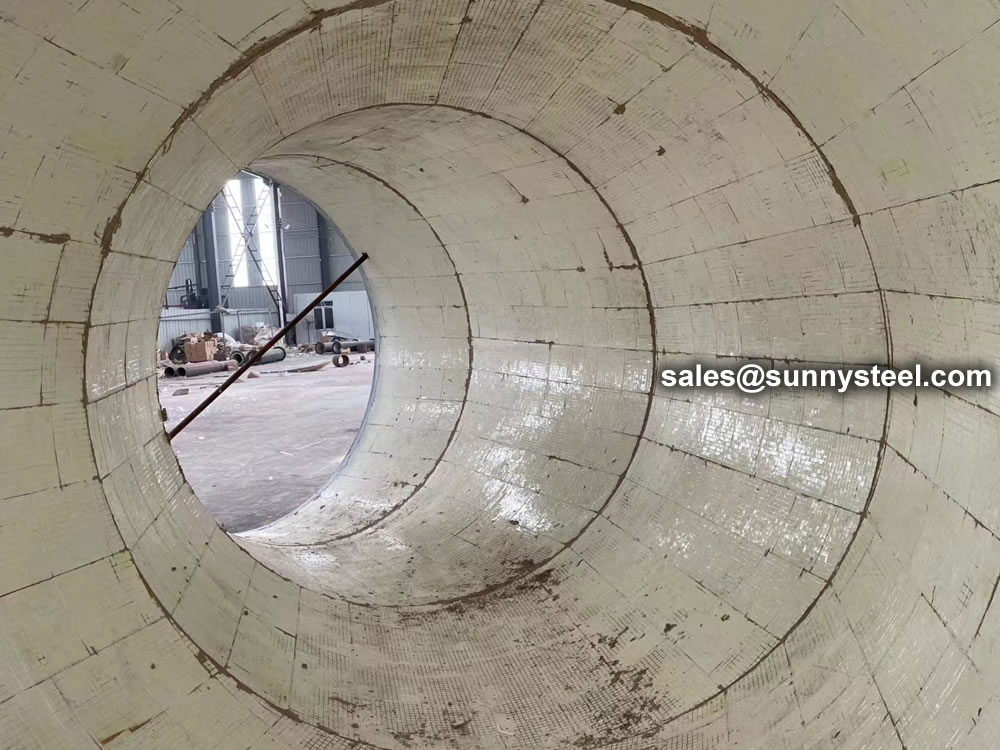
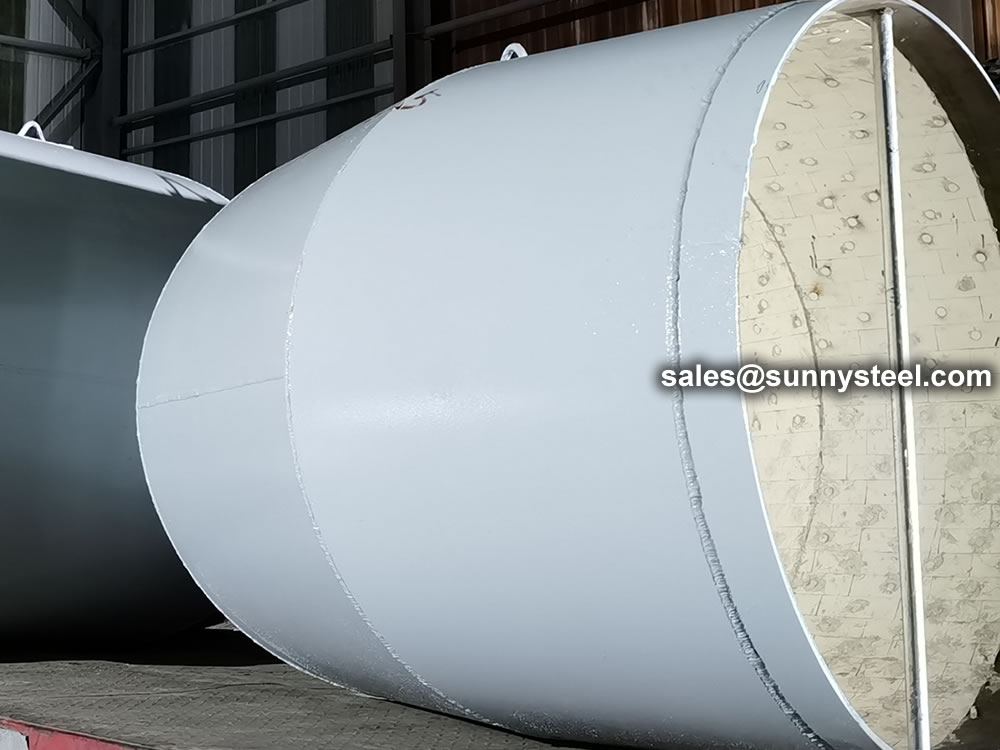
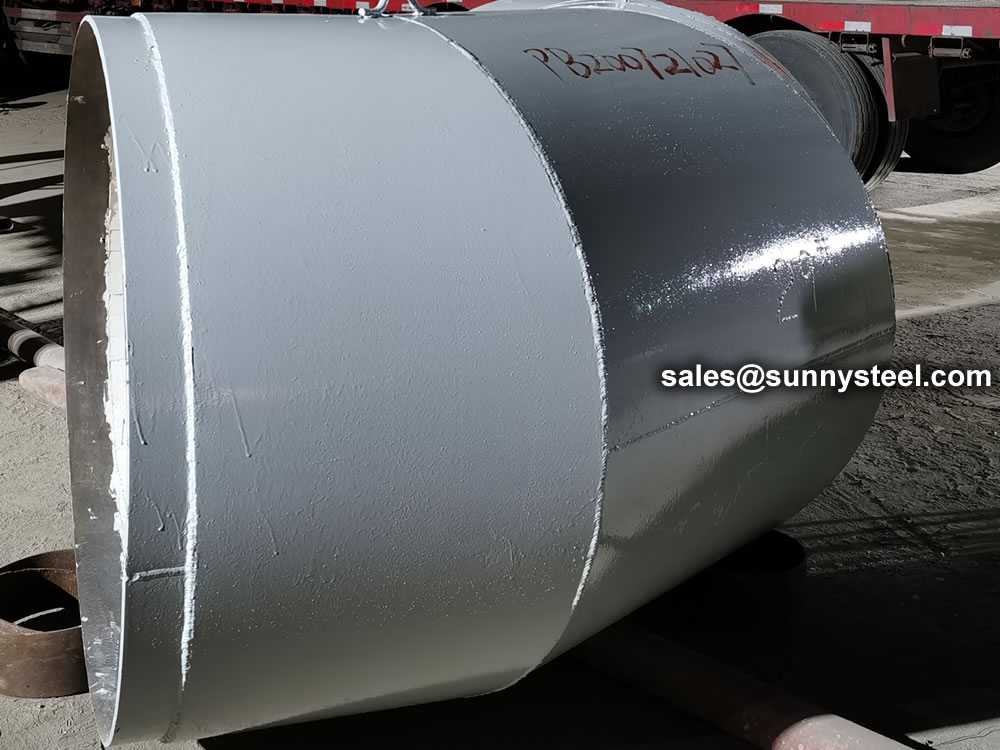
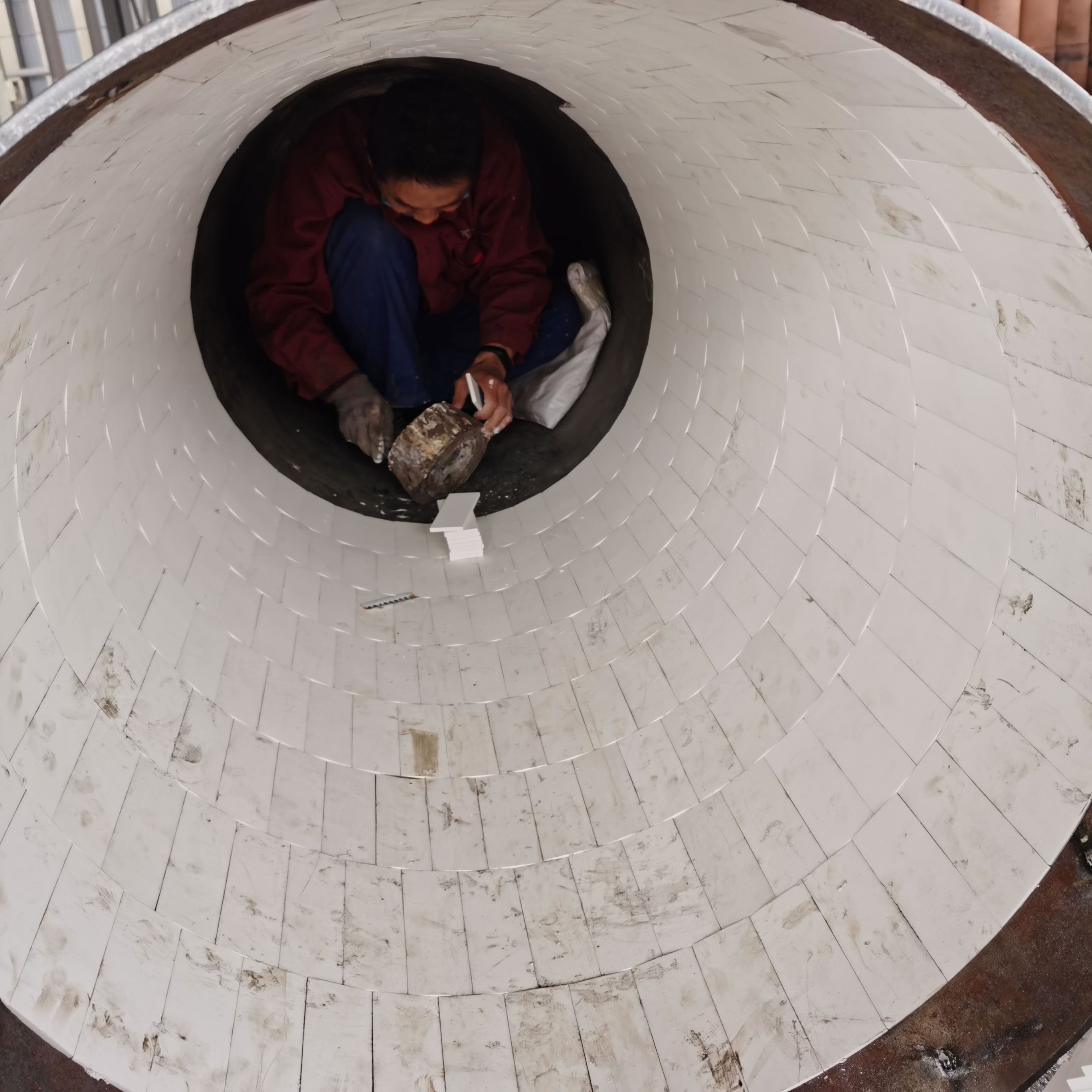
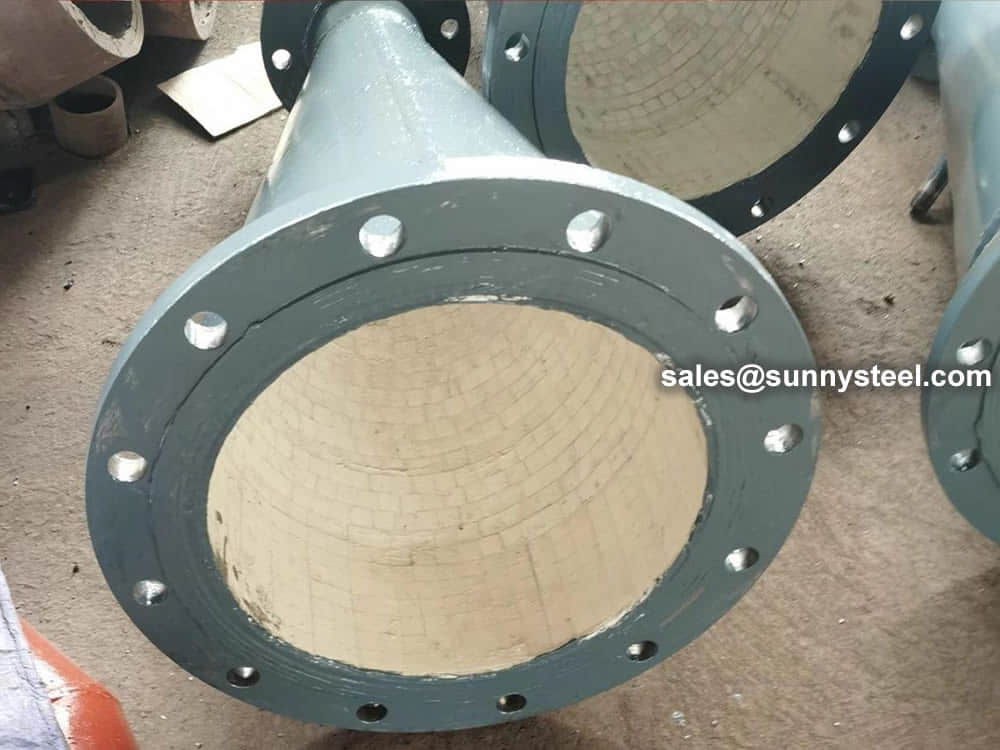
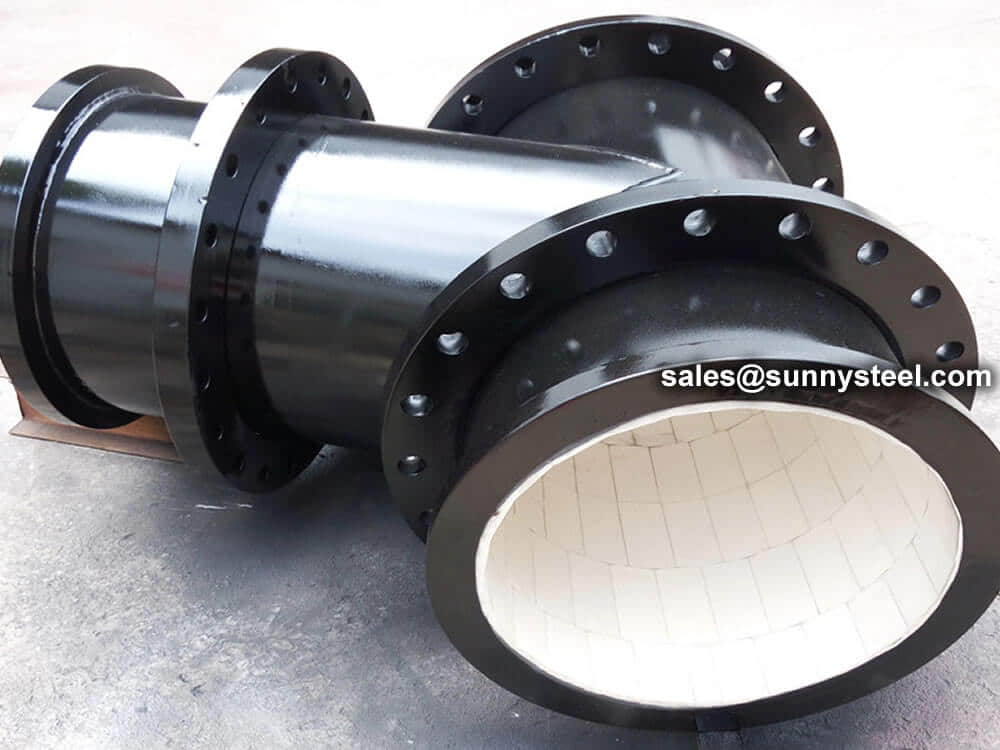
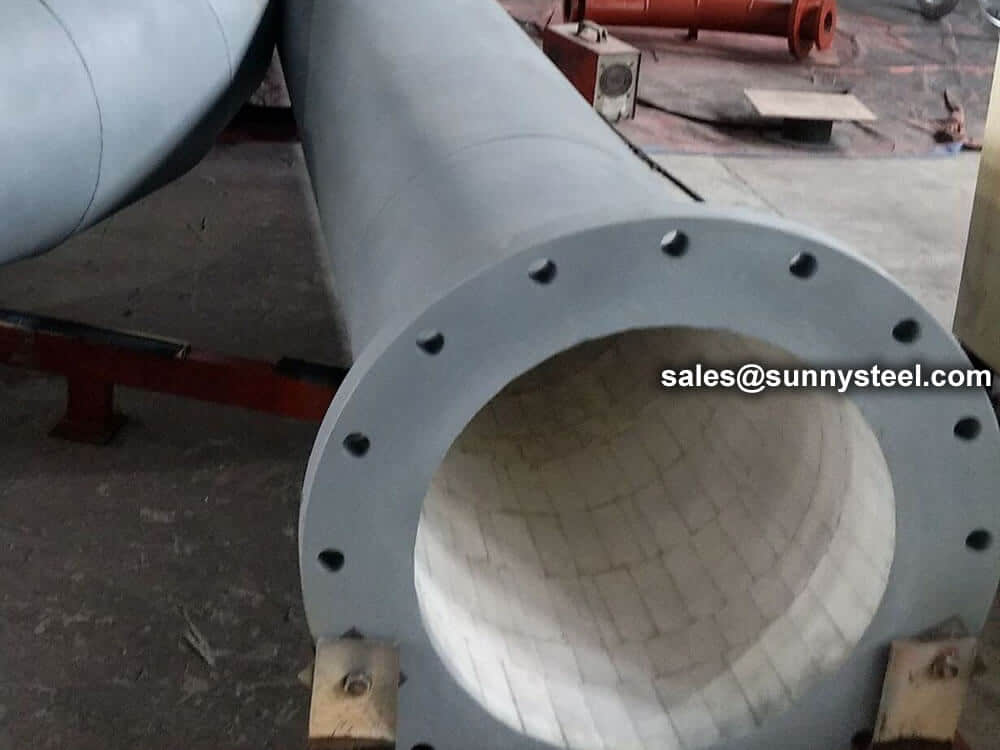
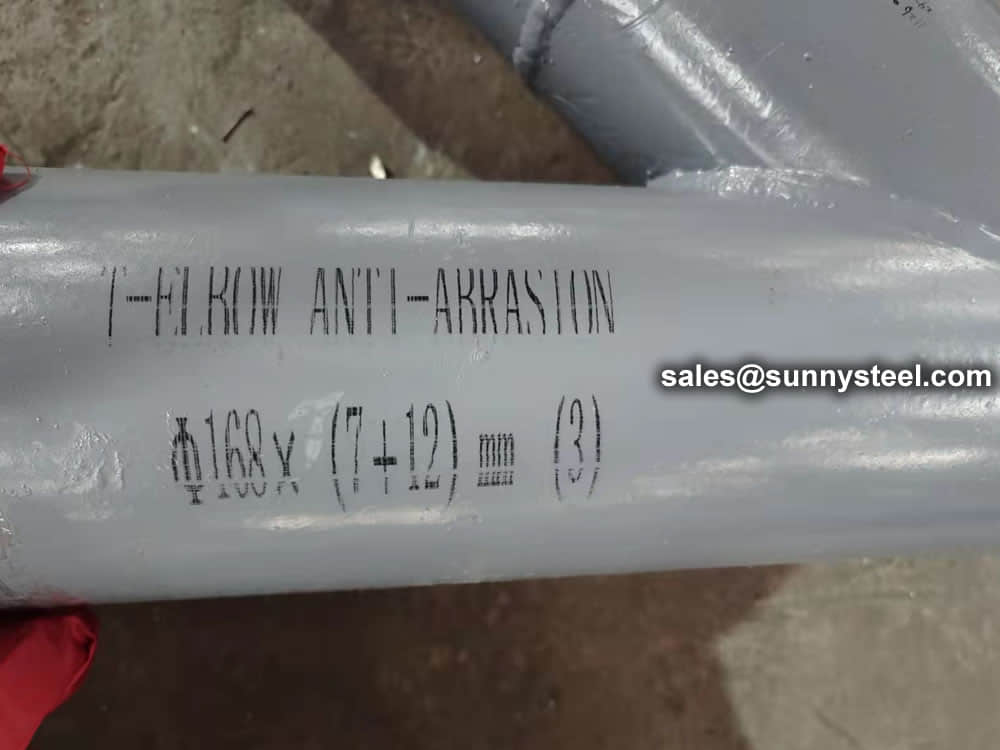
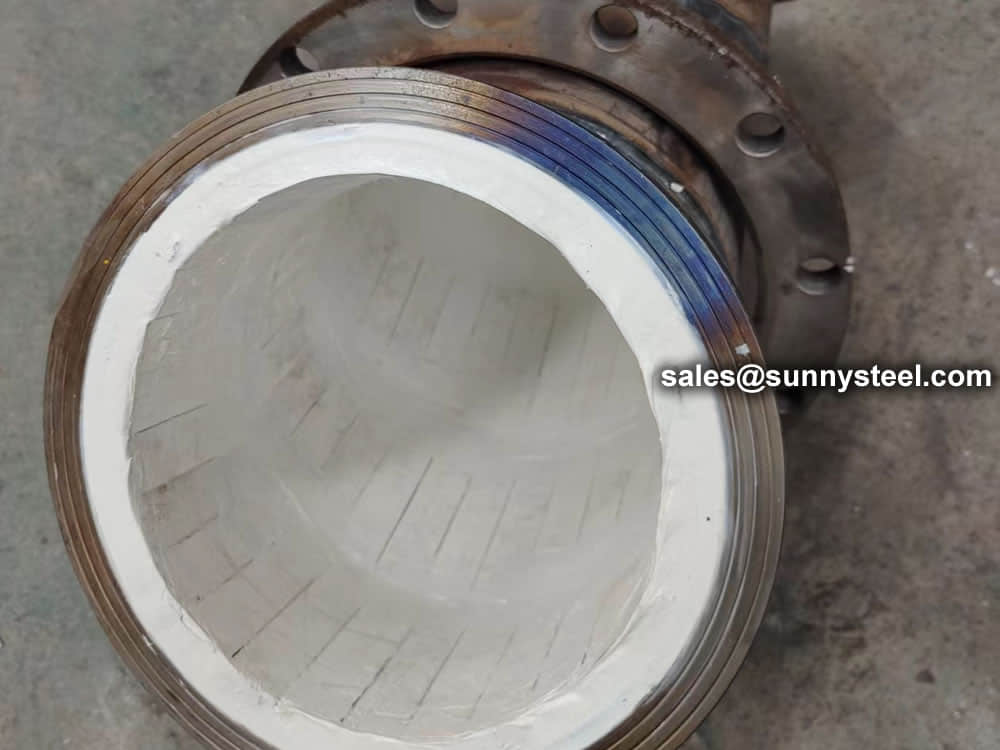
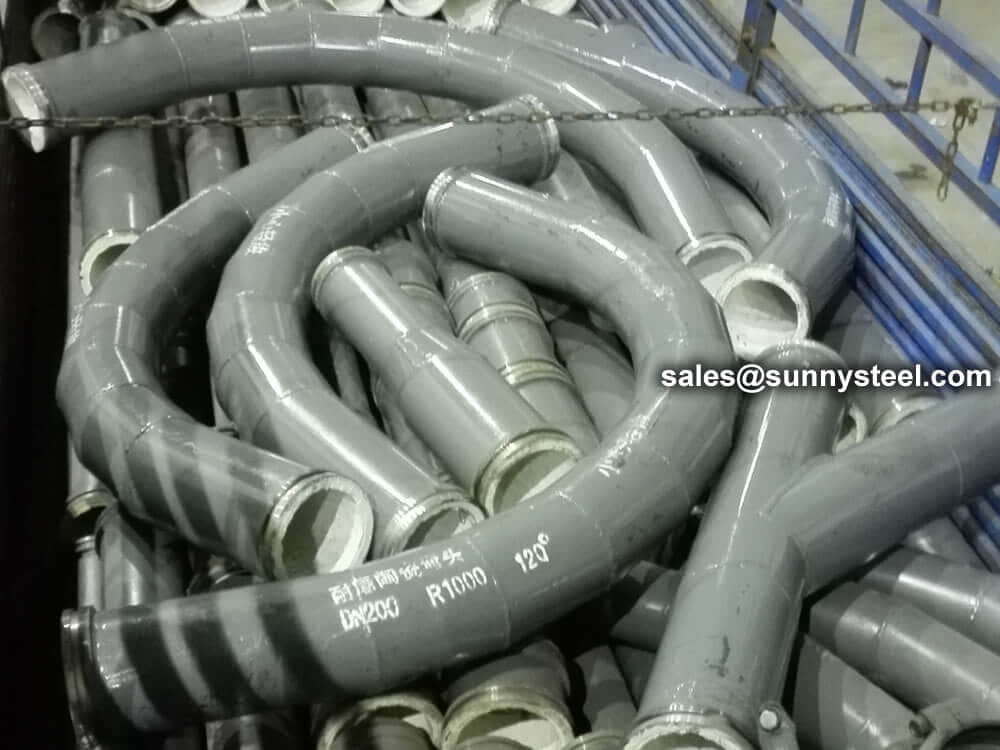
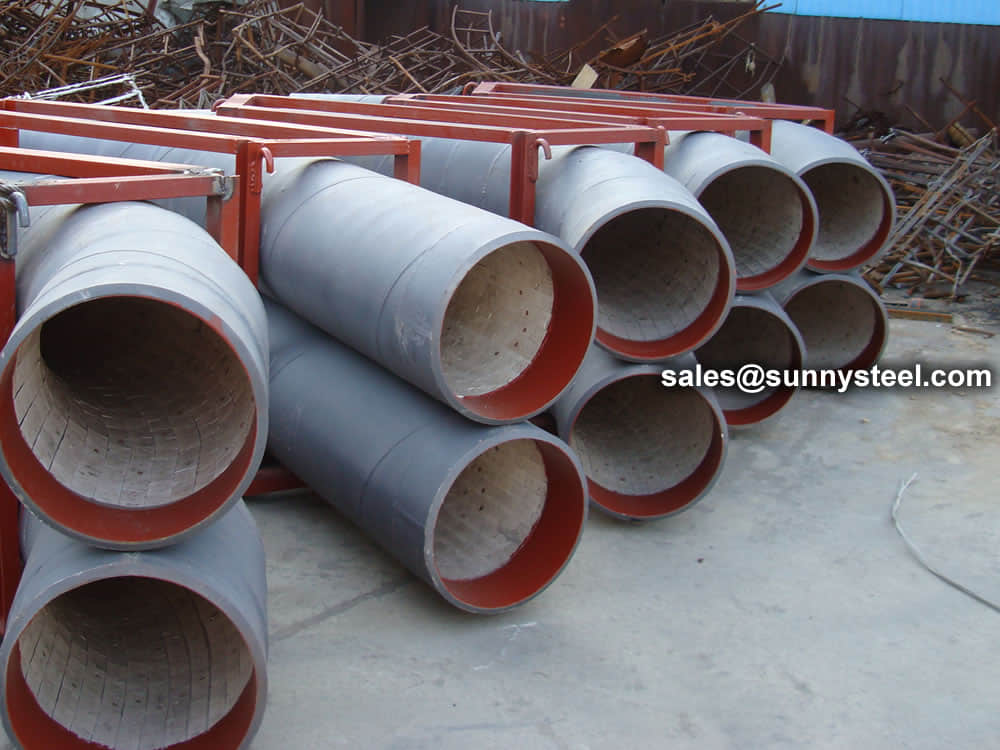
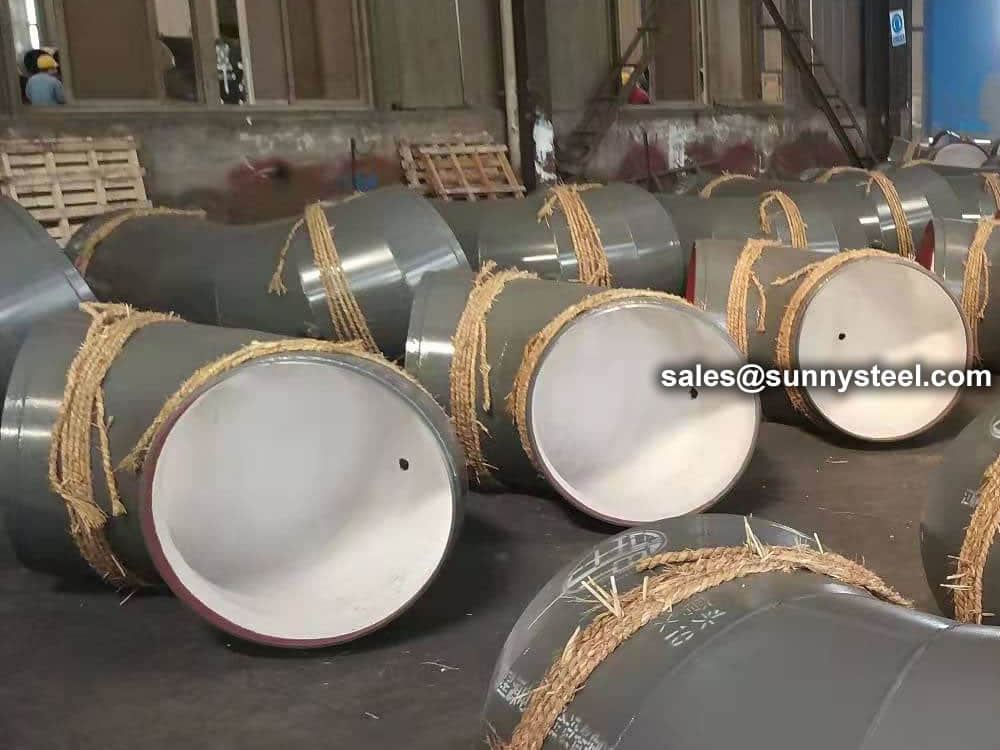
The ceramic tile is pasted on the steel pipe with high temperature wear-resistant glue to play a wear-resistant role, and the pipe is generally white. Generally used for large diameter pipes.
Steel body Grinding-> Ceramic patch-> Paste-> Welding-> Detection
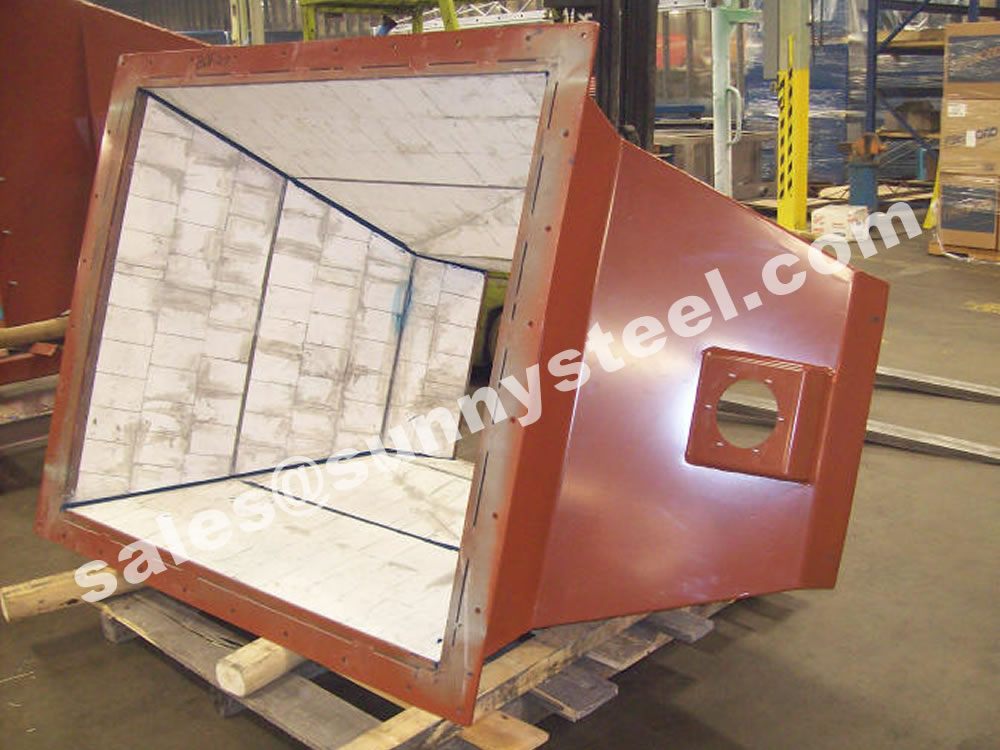
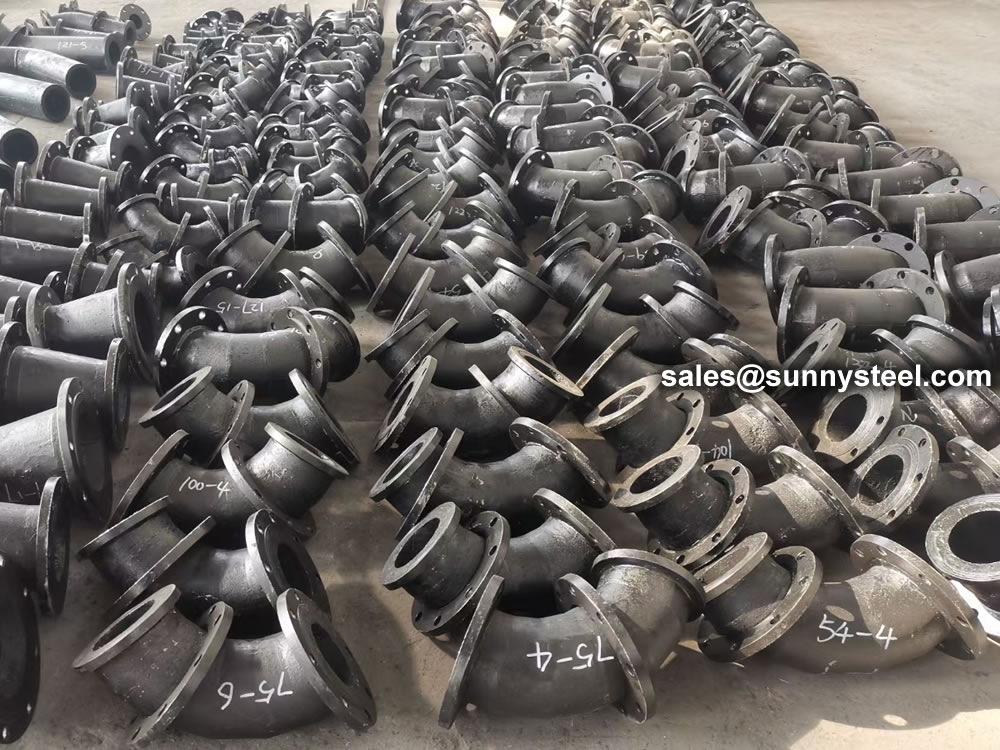
Bends and other profile sections can be clad in whole and this process has changed the traditional practice to fabricate bend and other profile sections by drawing polyline without changing flow pattern of material inside piping, greatly reducing conveyance resistance of material.
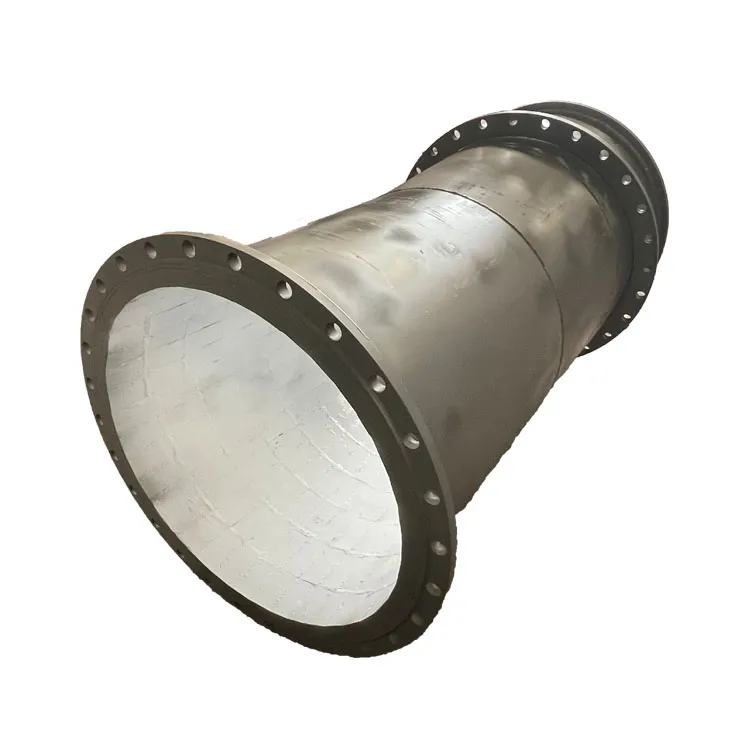
Large-diameter ceramic patch wear-resistant pipeline is the use of high temperature strong adhesive will be used to paste alumina ceramic plate in the pipe wall, after the heat curing to form a solid anti-wear layer.
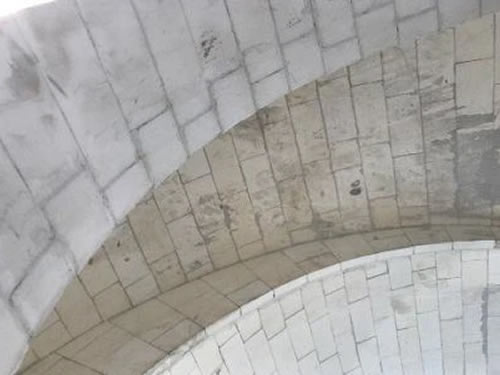
The Ceramic tile lined pipe spool is composed by steel pipe, adhensive and abrasion-resistant ceramic, we use 20 # seamless steel pipes shaping with hot bending (it is different from centrifugal casting or steel plate rolling), the ceramic tiles bonding with GWJ-350 high temperature-resistant inorganic adhesive which was developed by TsingHua University and affix abrasion-resistant ceramic in the steel pipes, we use miss match installation instead of directly bonding (this technology was used in the bridge building a thousand years ago), and forms a firm wear-resistance layer after heating solidification. Ceramic tile lined pipe spool is applicable for the pneumatic powder-feeding, and can be used under a temperature of 350℃without aging and peeling for long life. The service life is 4-5 times than the normal abrasion-resistant pipes.
A large diameter ceramic lined tile pipe is a specialized pipeline component designed to withstand the harsh conditions of abrasive and corrosive fluid transport. Its distinguishing feature is the interior lining, which consists of small, high-density ceramic tiles.
These tiles are typically made from materials like alumina, silicon carbide, or zirconia due to their exceptional hardness and wear-resistant properties.
Outstanding Wear Resistance: The primary purpose of ceramic tile lining is to provide exceptional wear resistance, making large diameter ceramic lined tile pipes suitable for transporting abrasive materials and slurries.
Extended Service Life: By significantly reducing wear and abrasion, these pipes extend the service life of the entire piping system. This results in lower maintenance costs and reduced system downtime.
Corrosion Resistance: In addition to wear resistance, ceramic linings are highly resistant to corrosion, making them suitable for conveying corrosive fluids and materials.
Smooth Flow: The ceramic tiles create a smooth inner surface, reducing friction and minimizing turbulence in the fluid flow. This contributes to improved system efficiency.
Customization: Large diameter ceramic lined tile pipes are available in various sizes and configurations, allowing for customization to fit specific project requirements.
| Flexure strength | Tensile strength | Elongation | Cross section stretch Ratio | Impact toughness | Hardness of wearable layer | Hydrostatic testing pressure |
|---|---|---|---|---|---|---|
| MN/㎡ | MN/㎡ | % | % | J/c㎡ | HRC | Mpa |
| >610 | >700 | 5 | 5.1 | >15 | >38 | 5.6-12.9 |
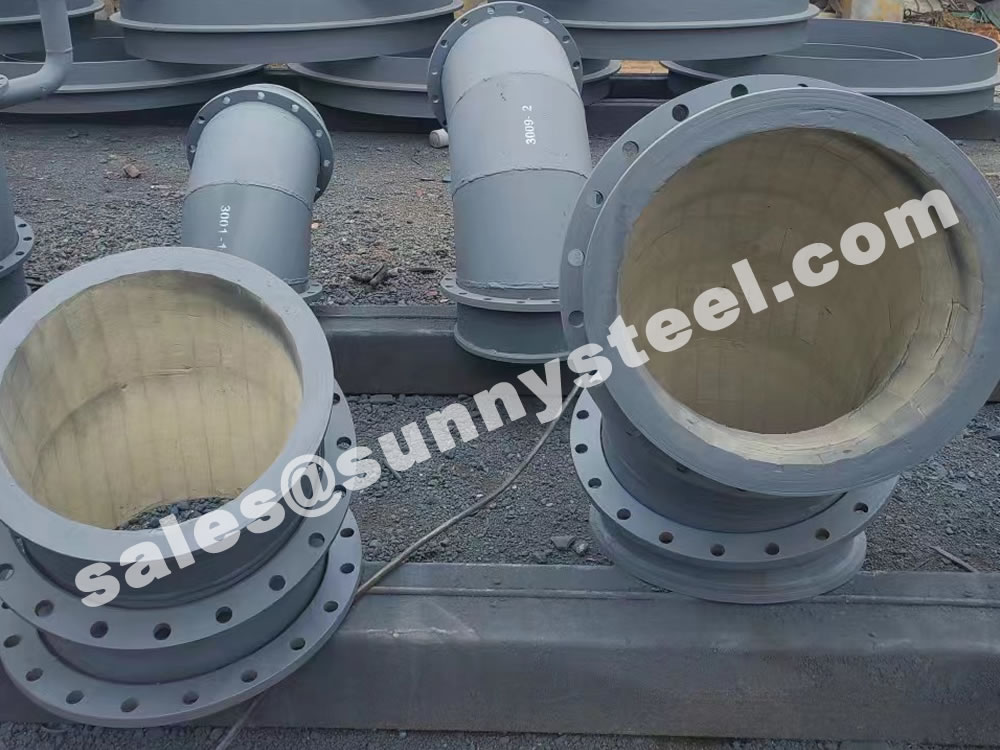
To achieve the best abrasion-resistant solutions, thicken ceramic liners can be used in the elbow which has serious abrasions.
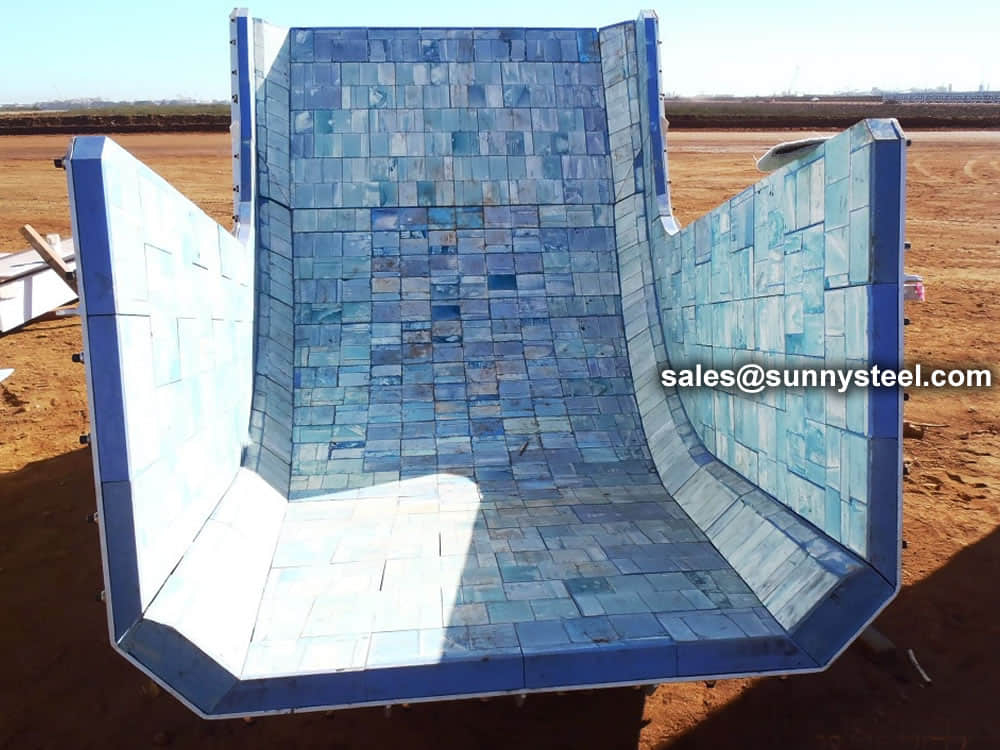
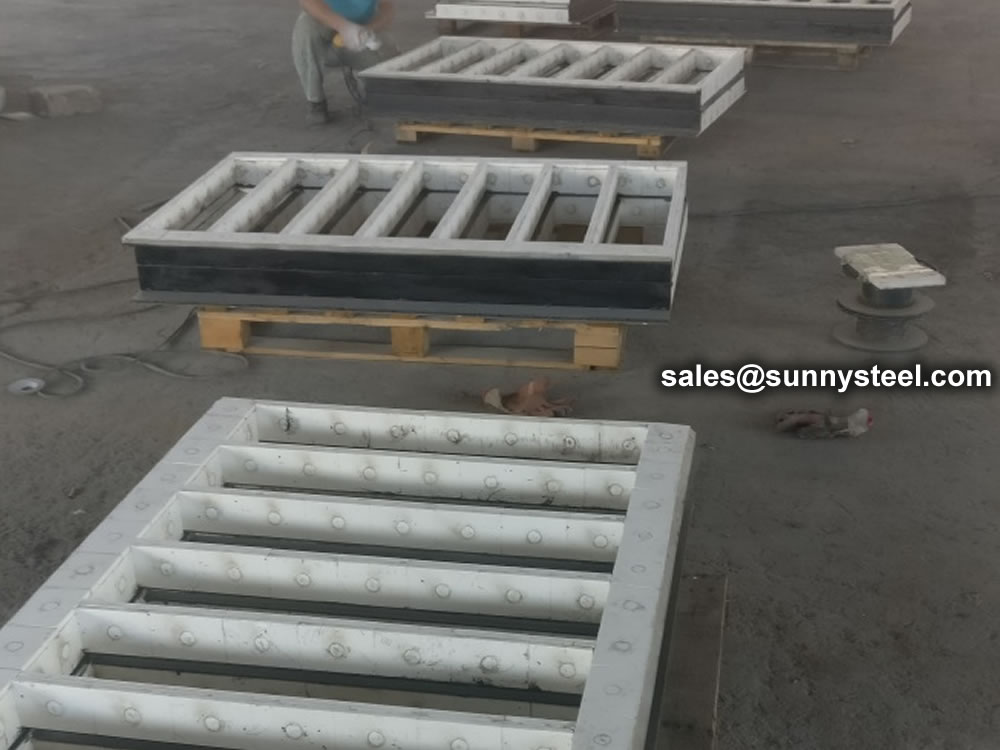
Our alumina ceramic lined project consists of alumina ceramic tiles affixed to a natural rubber base mold with high tensile strength, securely mounted on a steel plate.
These ceramic-lined products serve as cost-effective alternatives to expensive materials such as stainless steel, titanium, nickel, cast stone, or alloy tools. The unique combination of the high rigidity of ceramics and the elasticity of steel results in a heat-resistant and corrosion-resistant material, making it widely applicable in various industries, including power generation, metallurgy, mining, and the chemical industry.
There are many clients who are concerned about the specification of ceramic lined tile sheet, because it is related to whether the ceramic chip purchased can be used.
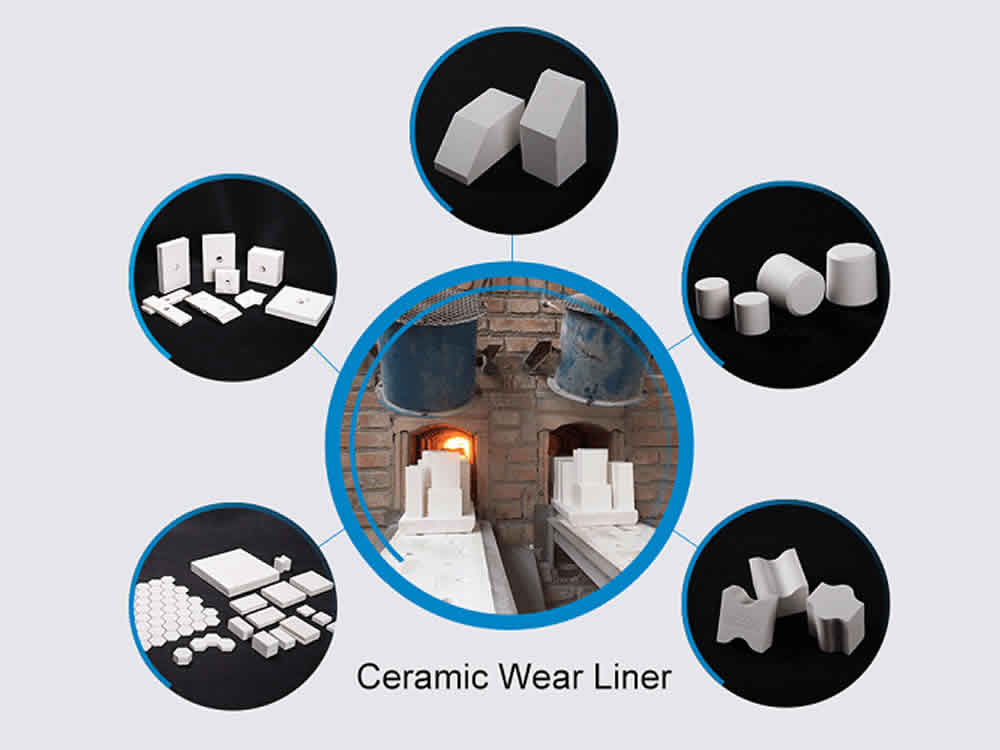
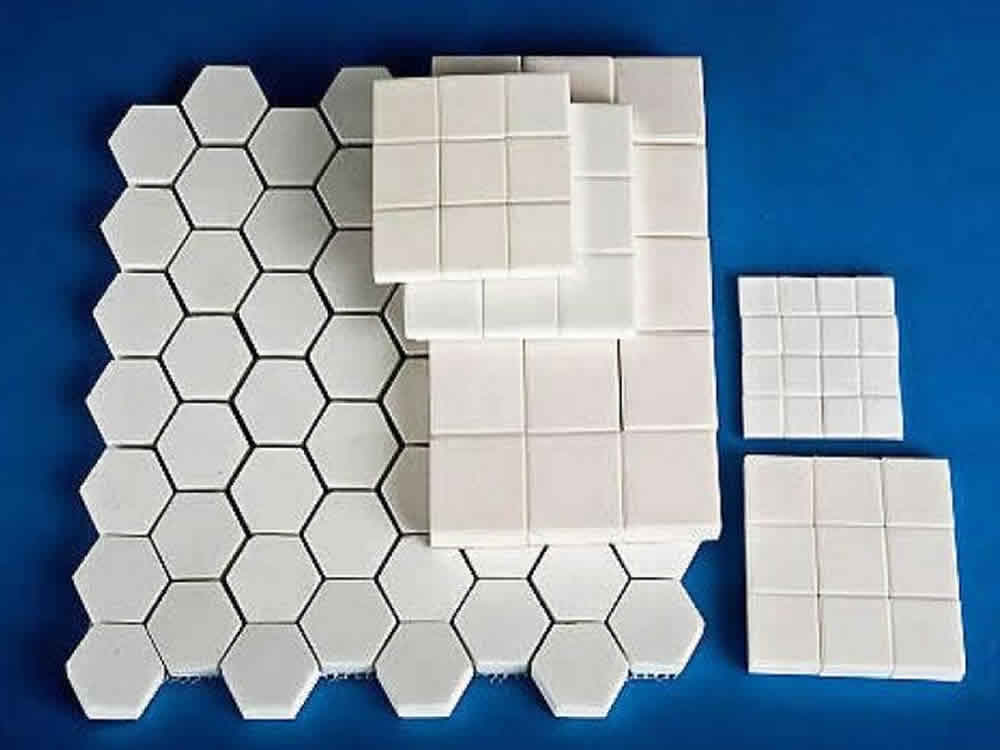
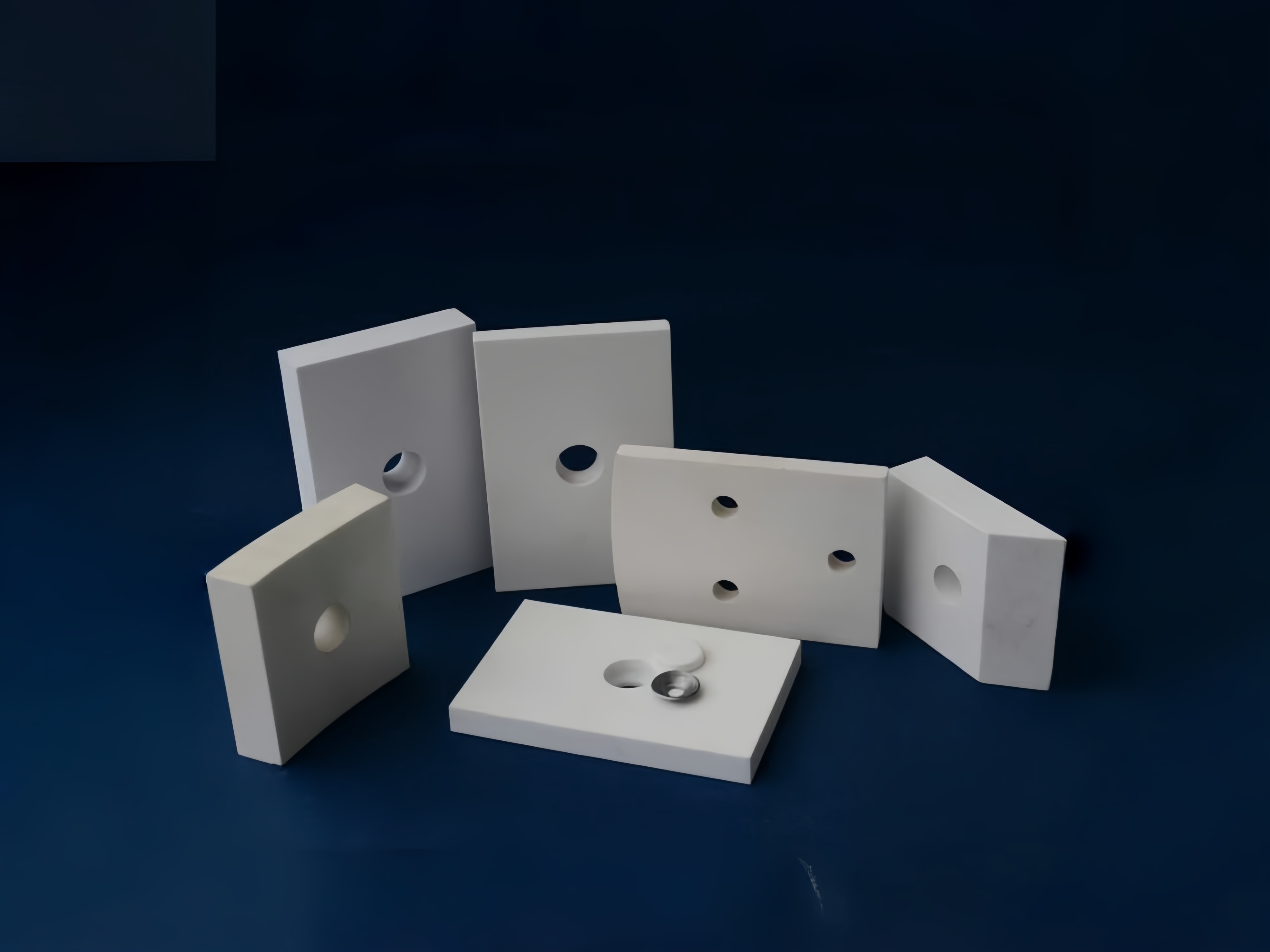
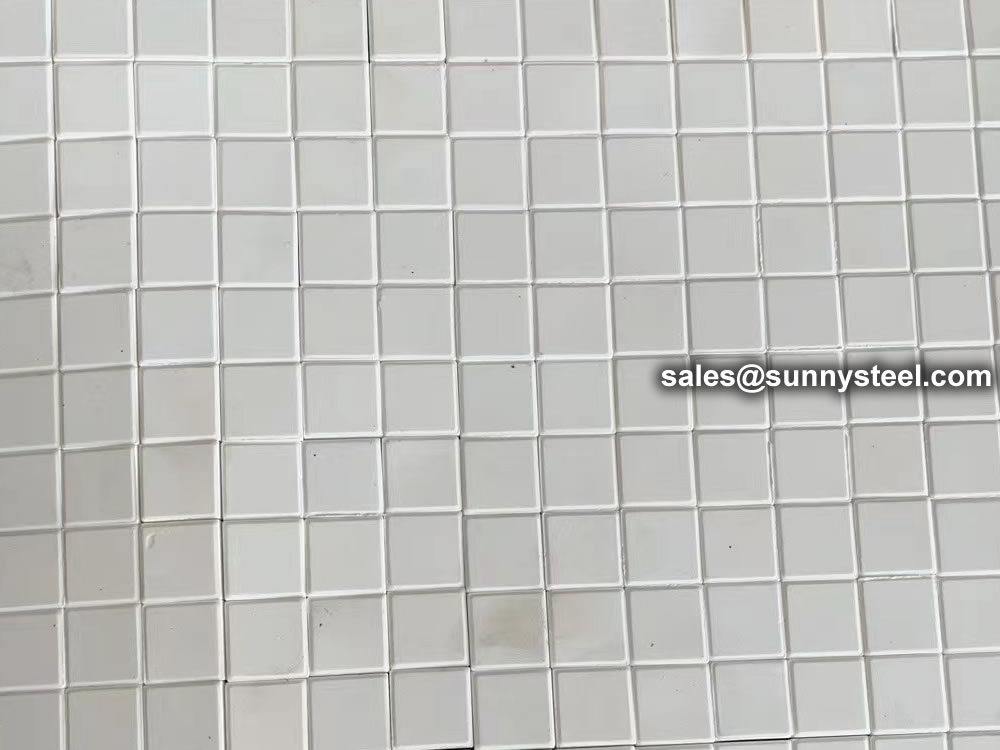
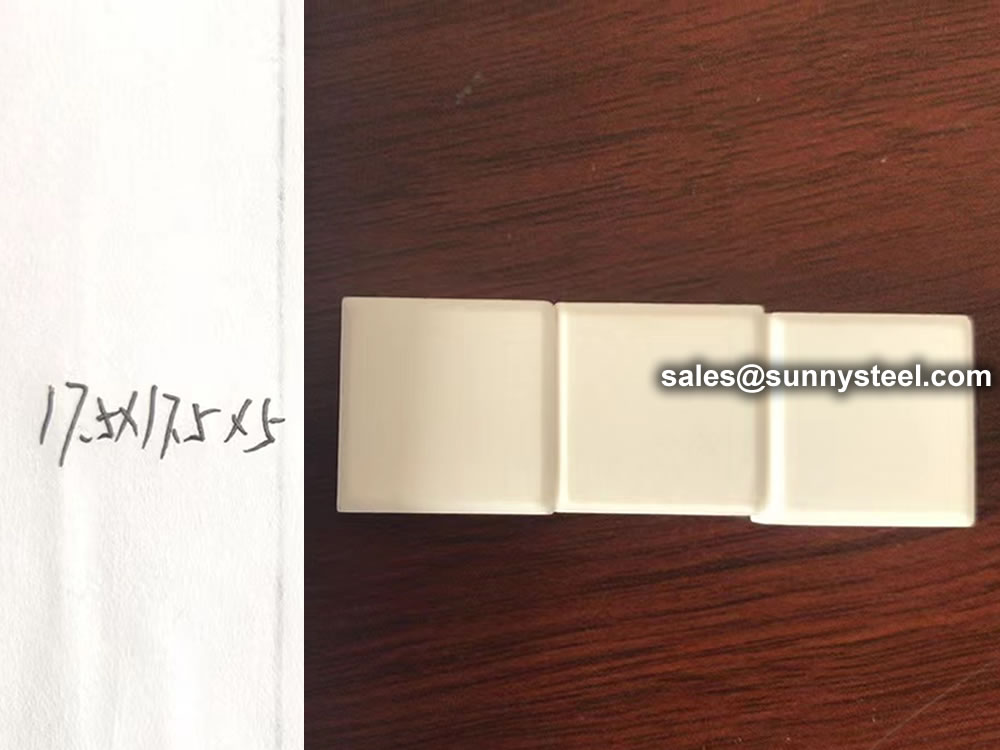
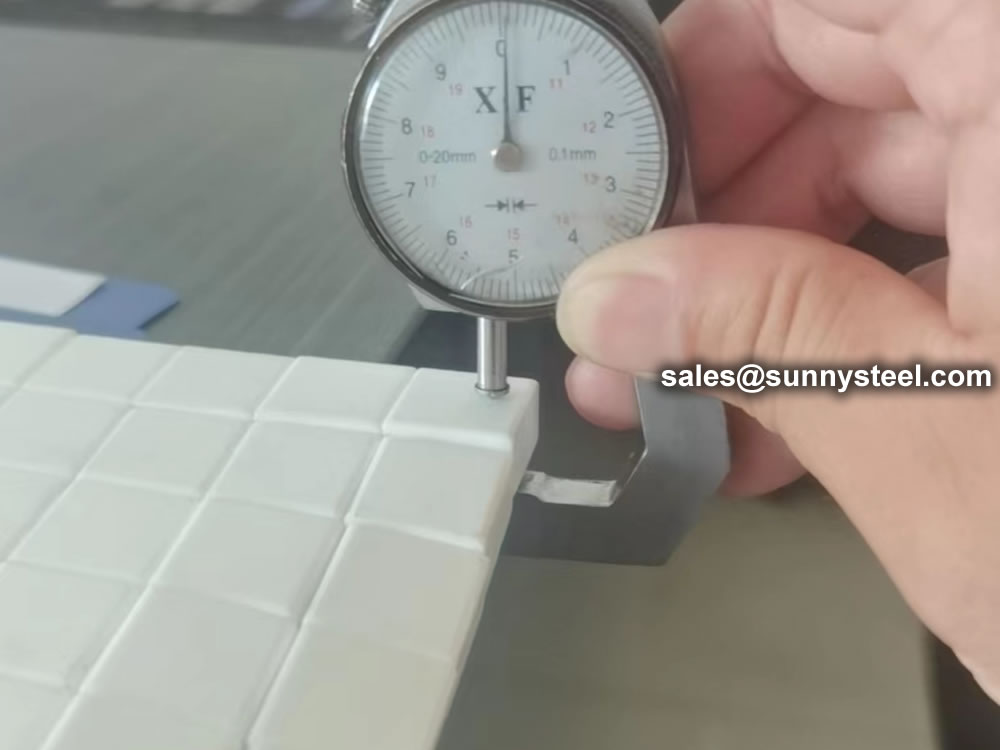
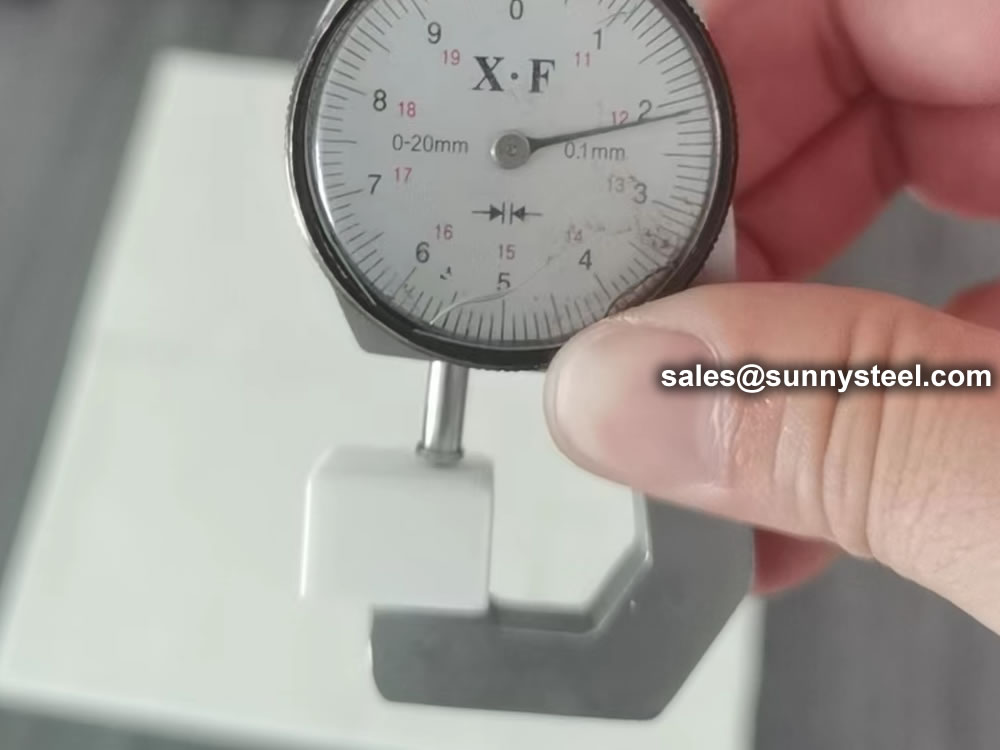
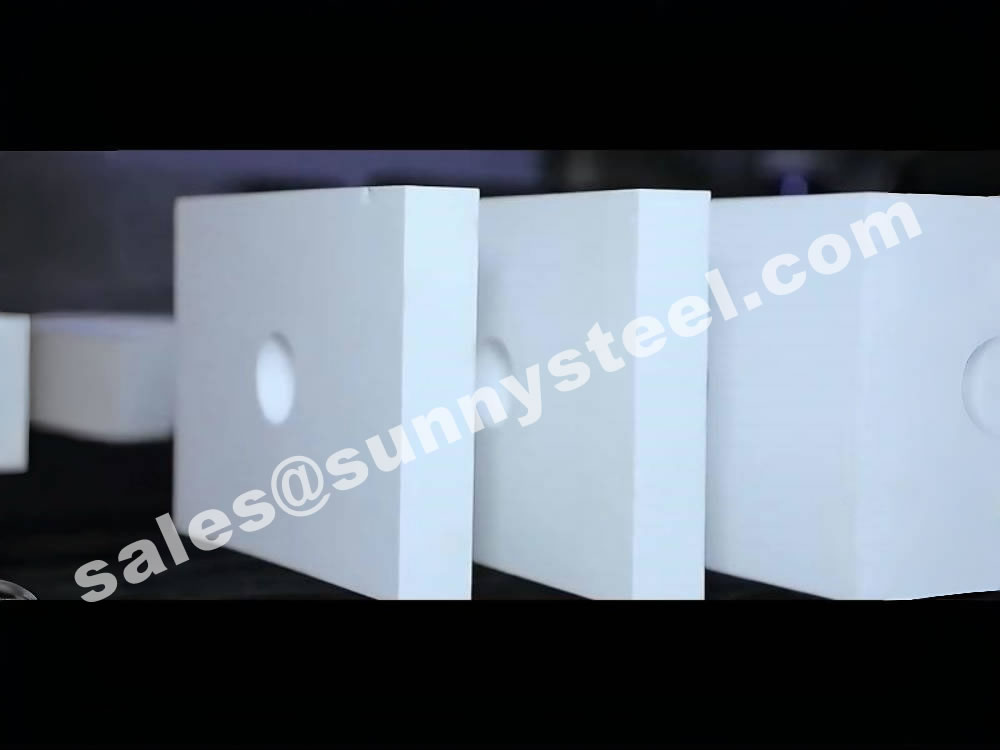
Main performance indicators: The wear resistance of the ceramic work surface is more than 100 times that of manganese steel, 20 times that of high chromium cast iron, and several times to several dozen times higher than that of wear resistant rubber. Ceramic metal bonding strength up to 300kg/cm2 can be used up to 500°C.
The use of equipment made of wear-resistant ceramics, the service life can be increased by more than five times, and the performance-cost ratio can be increased by more than three times.
Wear resistant ceramic lining is AL203 as the main material, with rare metal oxide as solvent, after more than 1700°C high temperature roasting to special ceramic, embedded into rubber , polyurethane or mild steel for the purpose of low to moderate impact and highly abrasive sliding application.
The abrasion pipe of thermal power plant is mainly conveying raw coal powder, ash slag, flue gas desulfurization (FGD) limestone powder and slurry, due to the transmission of medium velocity fast, poor operating conditions, resulting in pipelines, especially elbow, variable diameter pipe serious wear and corrosion, not only consumes a lot of metal materials, but also to the thermal power plant security, economic operation has brought hidden dangers. The abrasion mechanism of pipeline is mainly based on erosion wear. Wear-resistant pipe can be divided into two categories: single metal pipe and composite pipe.
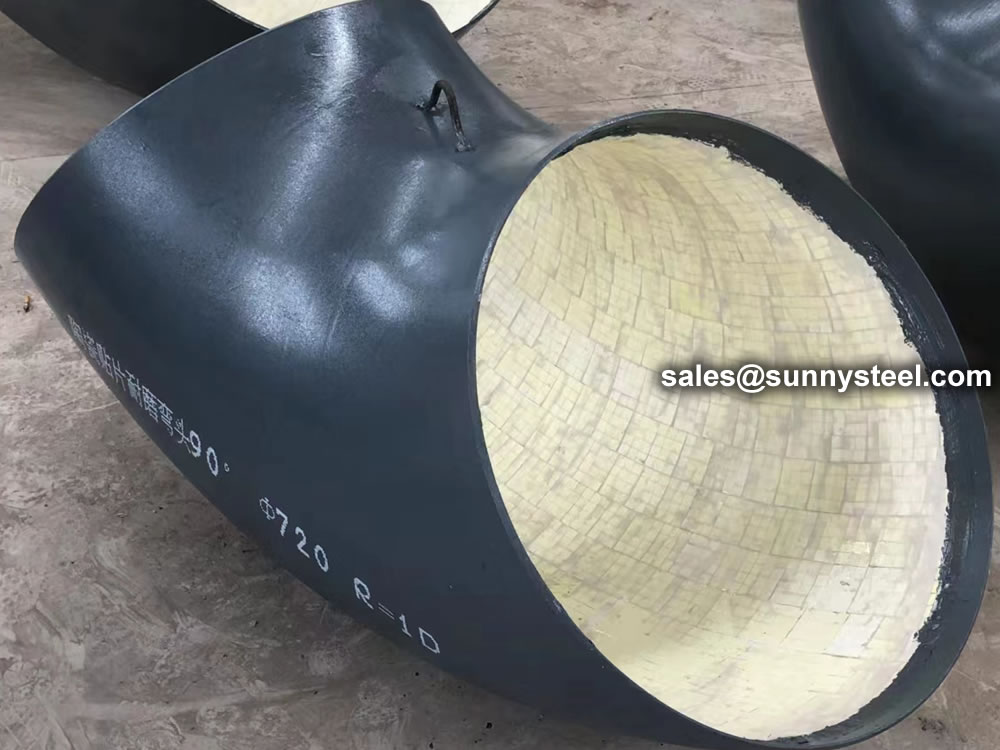
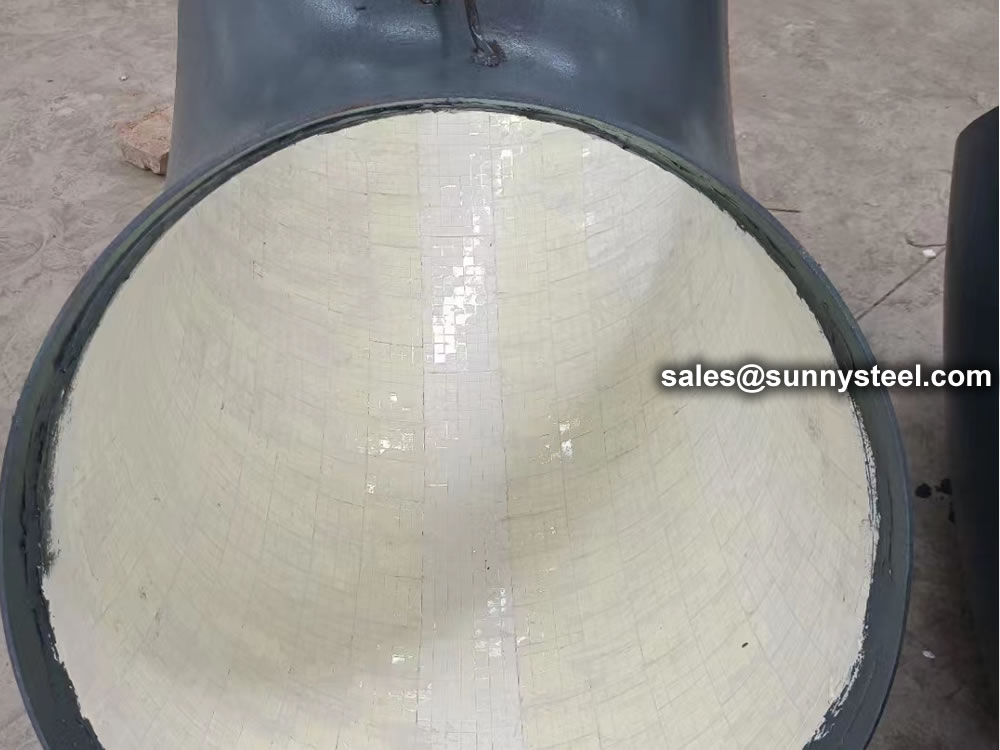
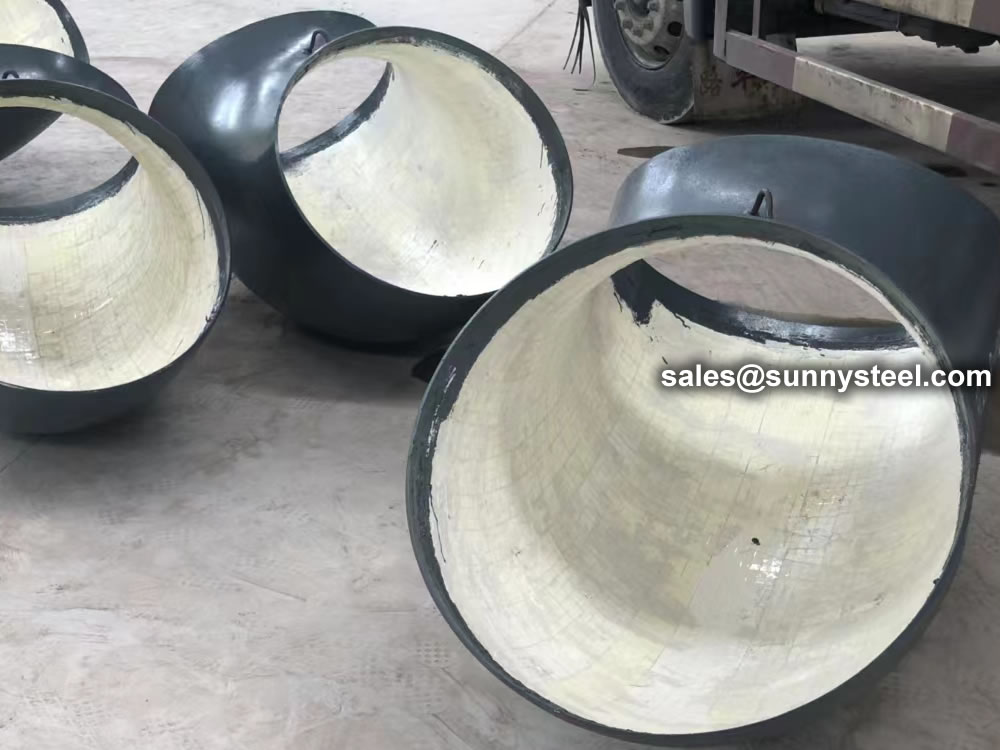
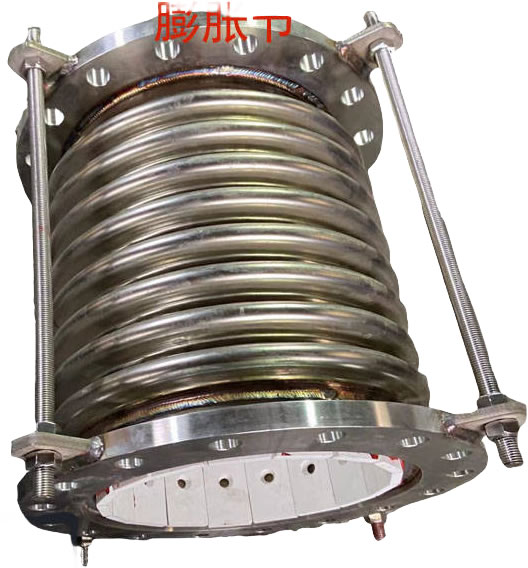
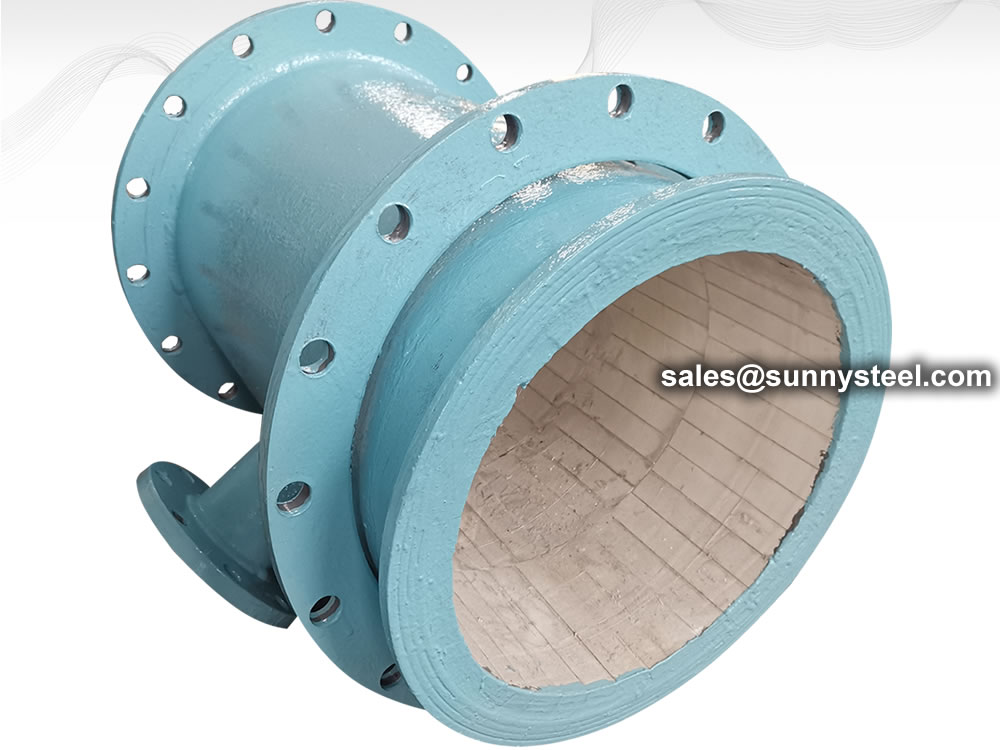
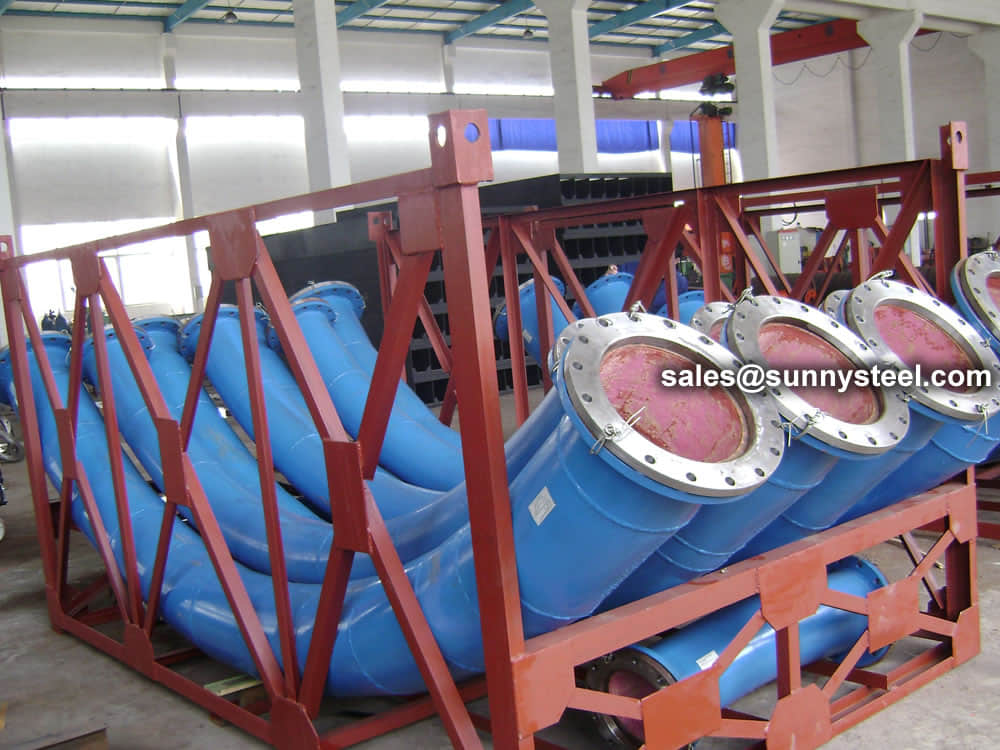
The lined ceramic double-flanged limited expansion joint is created by adhering alumina ceramic tiles to the inner wall of the pipe using a high-temperature adhesive.
After heating and curing, it forms a robust anti-wear layer. This type of product has a relatively simple manufacturing process, a short production cycle, and lower costs.
Technical Specifications: SunnySteel offers various models of ceramic lined wear-resistant pipes and can also customize production as per requirements. Ceramic lined wear-resistant pipes are essentially not restricted by pipe size, and they can be produced for diameters ranging from 1 inch to 120 inches or even larger.
It is important to note that expansion joints are not limited to ceramic tiles alone. They are also used in other applications, such as in pipework systems and ducts, where ceramic lined pipe expansion joints are designed to absorb dimensional changes caused by heat-induced expansion.
When installing ceramic tiles, it is crucial to consider the proper placement of expansion joints. Guidelines suggest that grout lines must be wide and proportional to the size of the tiles, and expansion joints in the tiling must also be calculated accordingly.
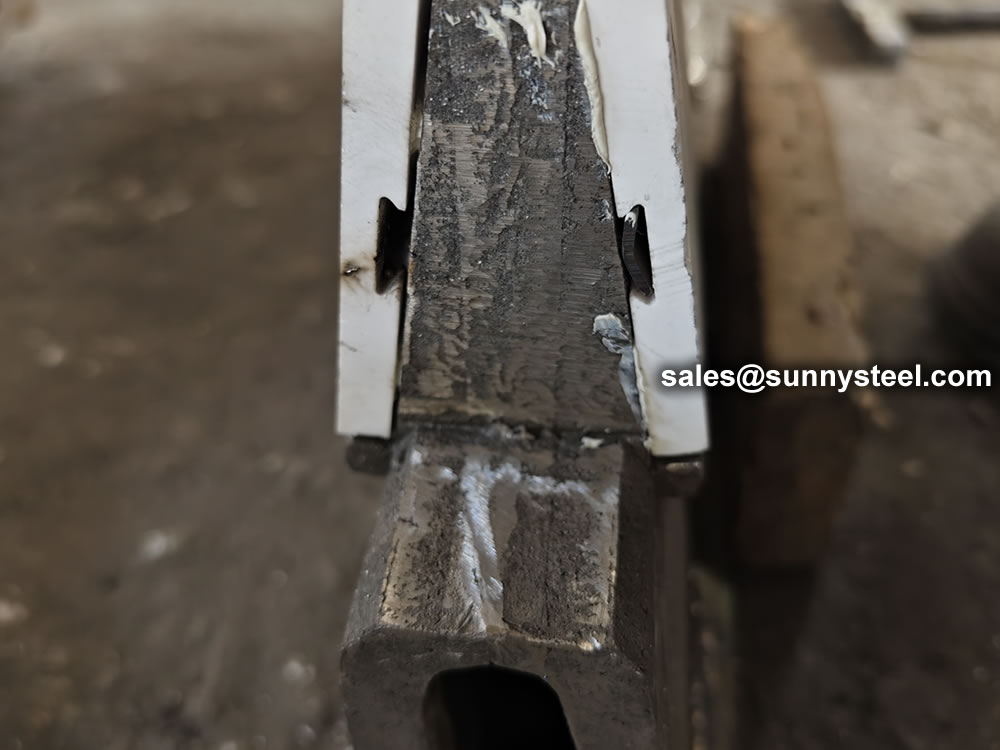
Ceramic tile lined expansion joints are used to accommodate the movement and expansion of ceramic tile surfaces, preventing cracks and damage. They can be installed in various ways, such as creating gaps between tiles or toothed around the tiles in an offset-bond pattern.
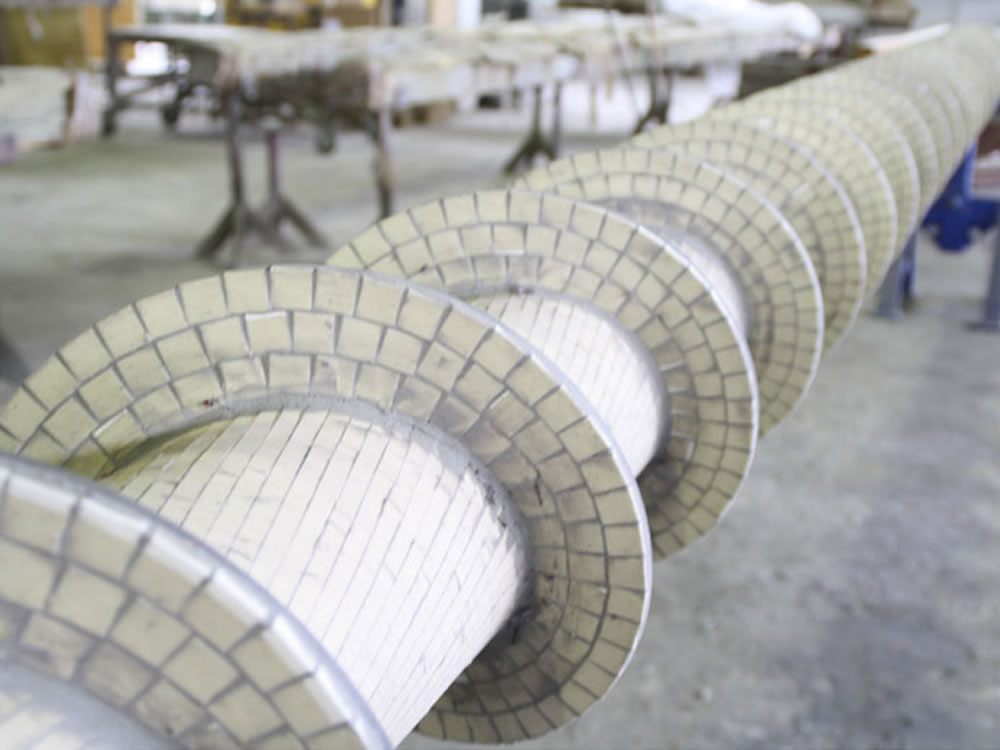
Ceramic-Lined Screw Conveyors for Conveying Abrasive Coal
Example of a screw lining with alumina ceramic mosaic size 20x20x4 mm throughout an overall length of nearly 5 m. Bonded by means of a 2-component special adhesive.
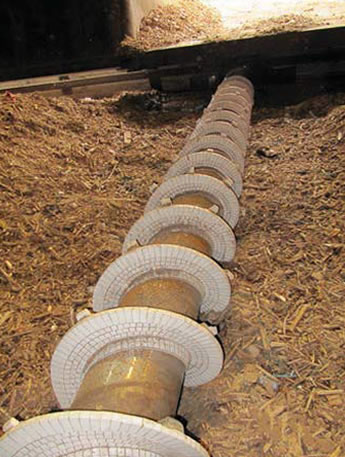
After heating and curing, it forms a robust anti-wear layer. This type of product has a relatively simple manufacturing process, a short production cycle, and lower costs.
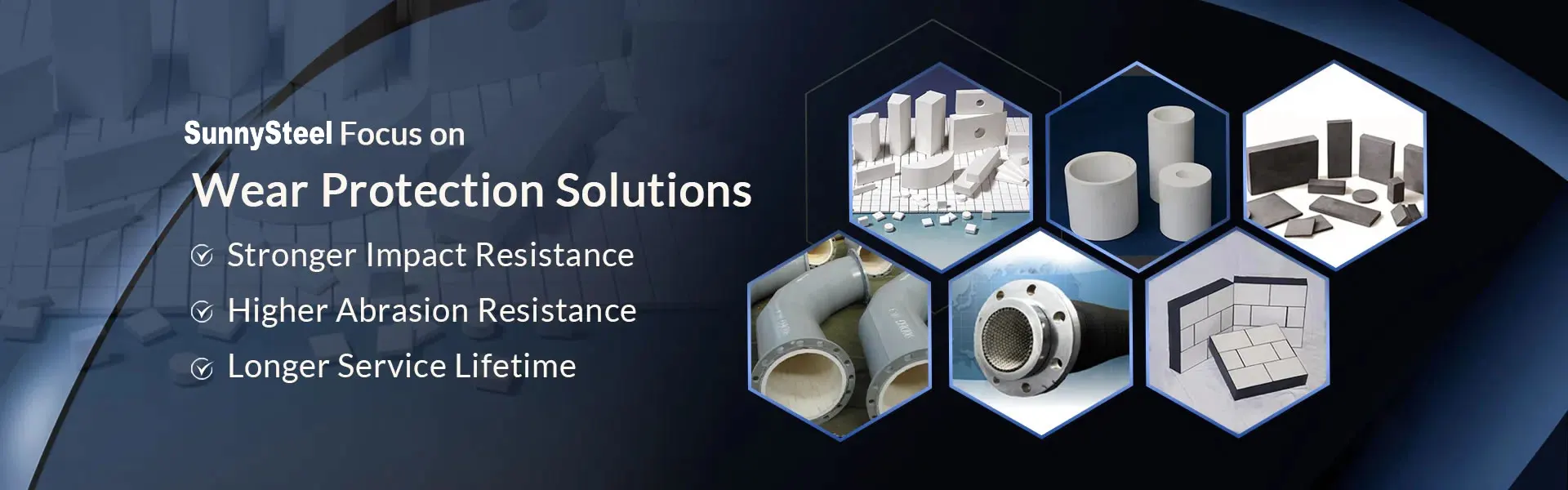
Steel-shell composite pipes with high-alumina ceramic tile lining for extreme wear conditions.
Ceramic tile lined pipe is a composite product developed by integrating advanced domestic and international technologies. It consists of a steel outer shell and an inner lining of high-alumina ceramic tiles, delivering exceptional wear resistance and long service life.
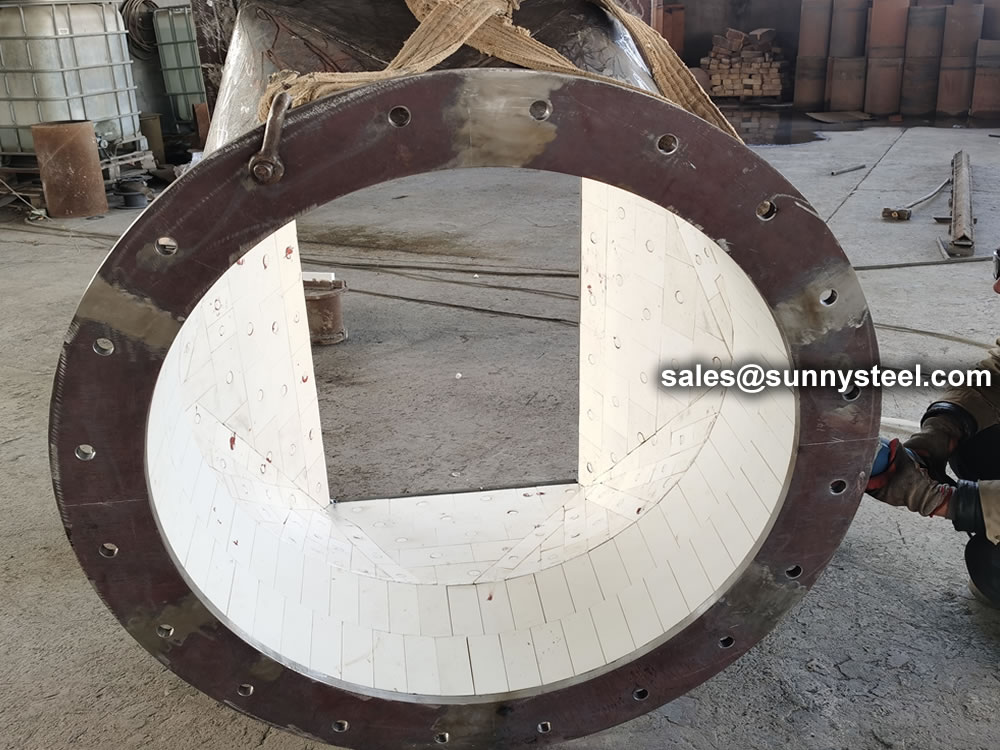
Anti-dislodgement ceramic tiles are precisely positioned and bonded with a high-strength inorganic adhesive, then further secured by wear-resistant steel stud welding. This dual-reinforcement method ensures that the ceramic tiles remain firmly attached under severe operating conditions. The product offers flexible installation, excellent wear performance, convenient fabrication and moderate cost.
High-alumina ceramics achieve a Rockwell hardness of HRA 80–90, second only to diamond and far superior to wear-resistant steel and stainless steel.
The wear resistance of high-alumina ceramics is approximately 266 times that of manganese steel and 171.5 times that of high-chromium cast iron. Field investigations and customer feedback confirm that equipment service life can be extended by more than 10 times under identical operating conditions.
High-alumina ceramics are inorganic oxides with an extremely stable molecular structure and no electrochemical corrosion mechanism. They resist attack from acids, alkalis, salt solutions and organic solvents, making them suitable for chemically aggressive environments.
High-alumina ceramic linings can operate continuously at temperatures up to 1,400°C, making them suitable for high-temperature flue gas, ash handling and furnace applications.
High-alumina ceramics exhibit excellent self-lubricating properties and low surface adhesion. The surface roughness is only 1/6 that of steel pipes, resulting in significantly lower flow resistance and reduced material buildup.
The density of high-alumina ceramics is approximately 3.6 g/cm³, about half that of steel. This significantly reduces the overall weight of the piping system, making transportation, handling and installation easier and more cost-effective.
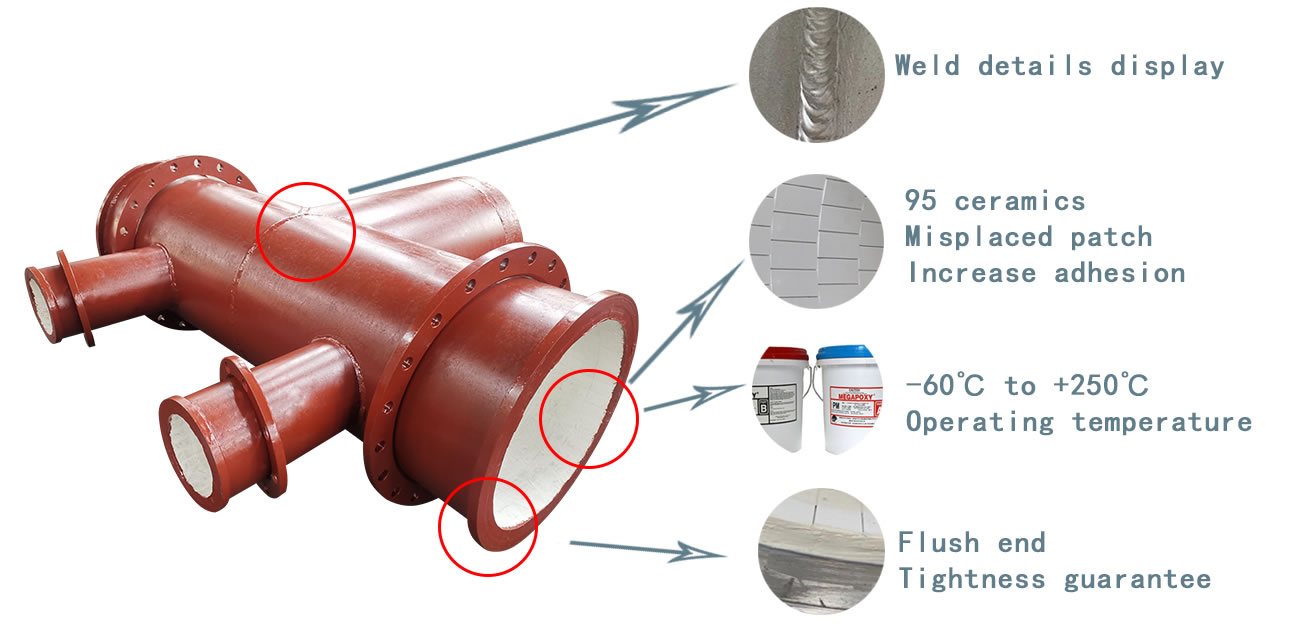
Three-layer composite piping system combining structural steel, high-alumina ceramic lining and engineered bonding technology.
Ceramic tile lined pipe is a composite product consisting of three layers: an outer steel pipe, a high-strength inorganic adhesive layer, and an inner high-alumina ceramic lining. The ceramic layer typically exhibits a white appearance and is manufactured from ≥95% alumina (Al₂O₃) ceramic. Standard service temperature is below 200°C.
Commonly used ceramic lining configurations include ceramic blocks, dovetail-interlocked tiles, welded-stud-fixed tiles, mosaic layouts and grooved locking systems. These designs deliver excellent wear resistance and significantly extend equipment service life in abrasive environments.
The ceramic tiles are pasted to the inner wall of the steel pipe with high temperature wear-resistant glue to play a wear-resistant role.
| No. | Process | Standard | Inspection |
|---|---|---|---|
| 1 | Cleaning the inner surface of the fitting | Clean up all the rubbish and floating ash on the inner surface of construction equipment and pipe fittings. | Checked by the construction supervisor. |
| 2 | Rust removal, oil removal, paint removal | The rust, grease, and paint on the bonding surface must be completely removed without leaving any traces. Use iron sand skin, angle grinder, and soft sand skin to polish to see the metallic luster. After cleaning, wipe the surface with a cloth until there is no trace of dirt. | After the inspection and acceptance by the quality inspector, the construction of the next process can be carried out. |
| 3 | Formulated Adhesives | It must be measured in strict accordance with the prescribed proportion, and how much should be used; it must be stirred evenly, and the overall mixing should not be less than 4 times; if the mixed embedded material is added, the binder must be mixed well before adding the mixture and mixing Not less than 3 times. | Assigned by designated personnel. |
| 4 | Repair of the adhesive surface | If there are potholes on the pasting surface, especially if there are large potholes on the pasting surface of the old equipment, the wear-resistant ceramic sheet must be gradually filled with embedded materials. | After the inspection and acceptance by the quality inspector, the construction of the next process can be carried out. |
| 5 | Paste wear-resistant ceramic tiles | There should be no dust or dirt on the surface of the ceramic tiles. The surface of the repaired inlay material must be leveled. The pasting surface must be wiped again. Scrape the adhesive on the pasting surface for 1-2 times and scrape it flat. Scrape the back of the ceramic sheet for 1 It is necessary to ensure that there is a certain thickness of uniform adhesive available for pasting. | Checked by the person in charge of the construction of the pasted ceramic tiles. |
| 6 | Repair of gaps and corners between ceramic tiles | The gaps exceeding 3 mm must be repaired with wear-resistant and anti-corrosion fillers, the edges and corners must be neat, and the bevels must be trimmed with special ceramic tiles and then filled with fillers. | After the repair, the person in charge of the construction and the quality inspector will conduct a comprehensive quality inspection, and submit it to Party A for acceptance after passing the inspection. |
| 7 | Maintenance time | After construction and repair are completed, it can be put into use after natural maintenance for more than 12 hours after acceptance by Party A. |
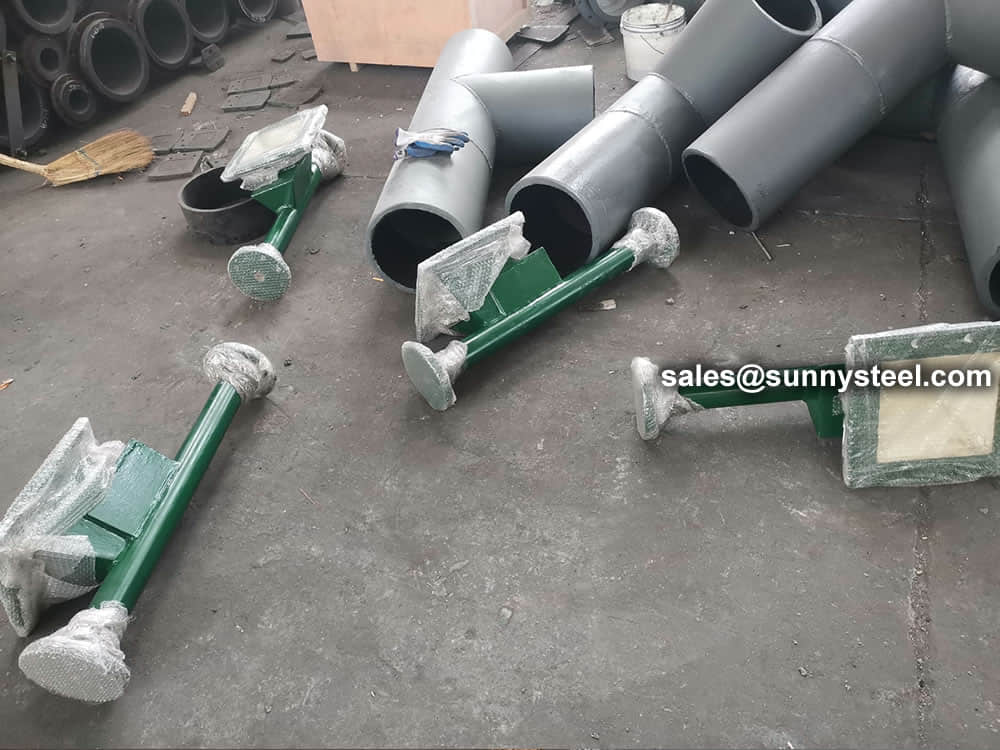
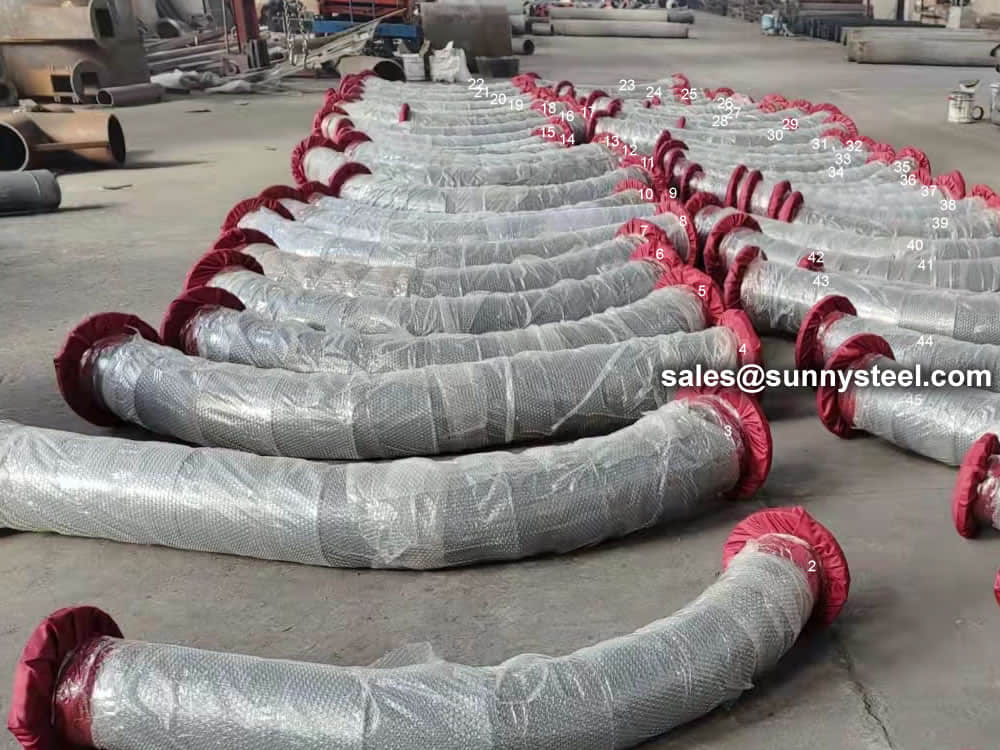
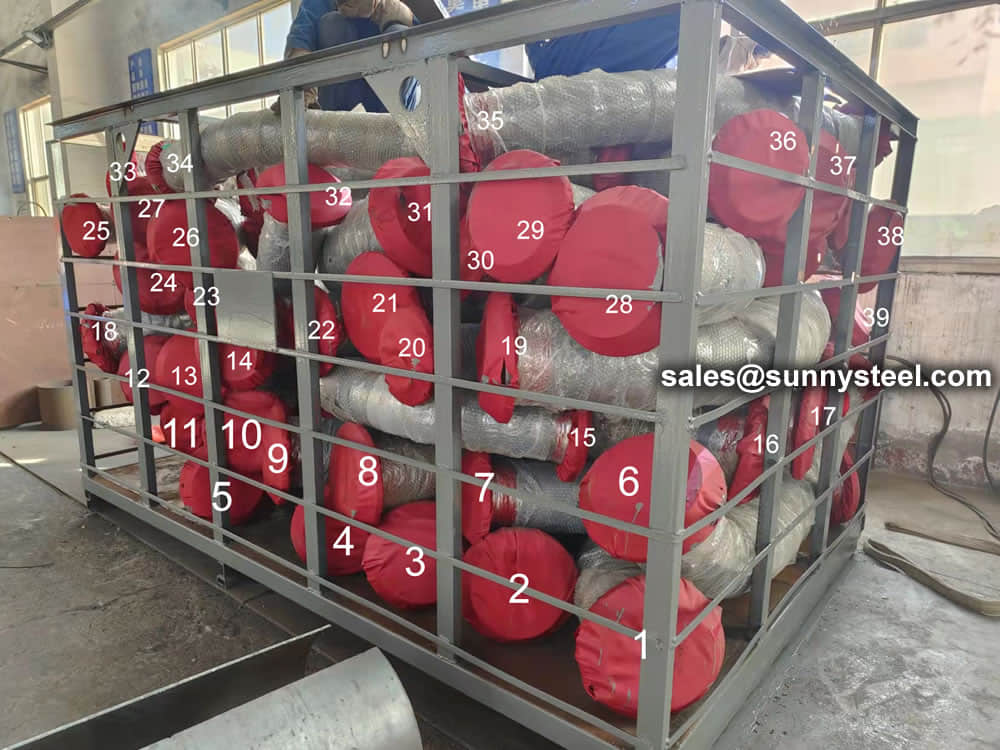
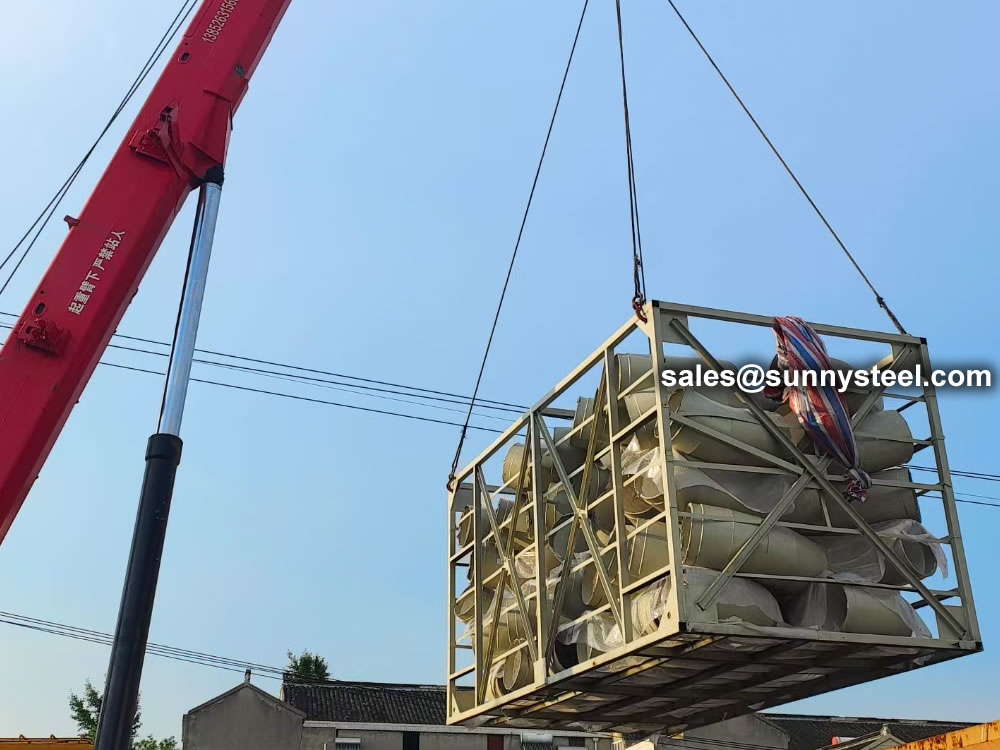
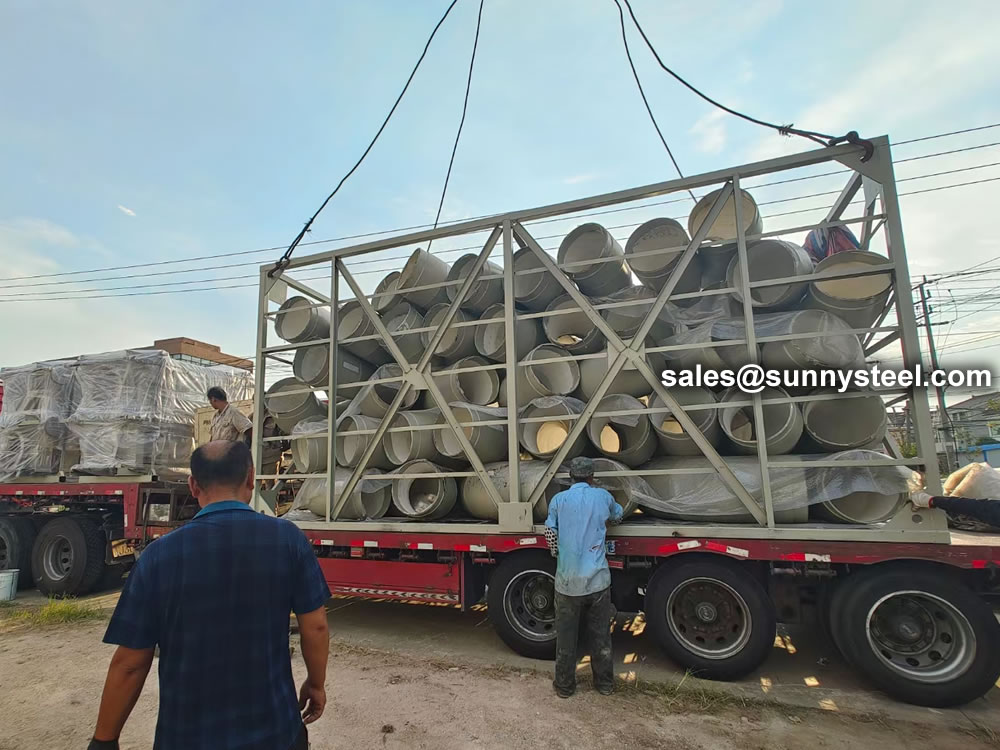
There are probably hundreds of different methods for packing a abrasion resistant pipe and Elbows, and most of them have merit, but there are two principles that are vital for any method to work prevent rusting and Sea transportation security.
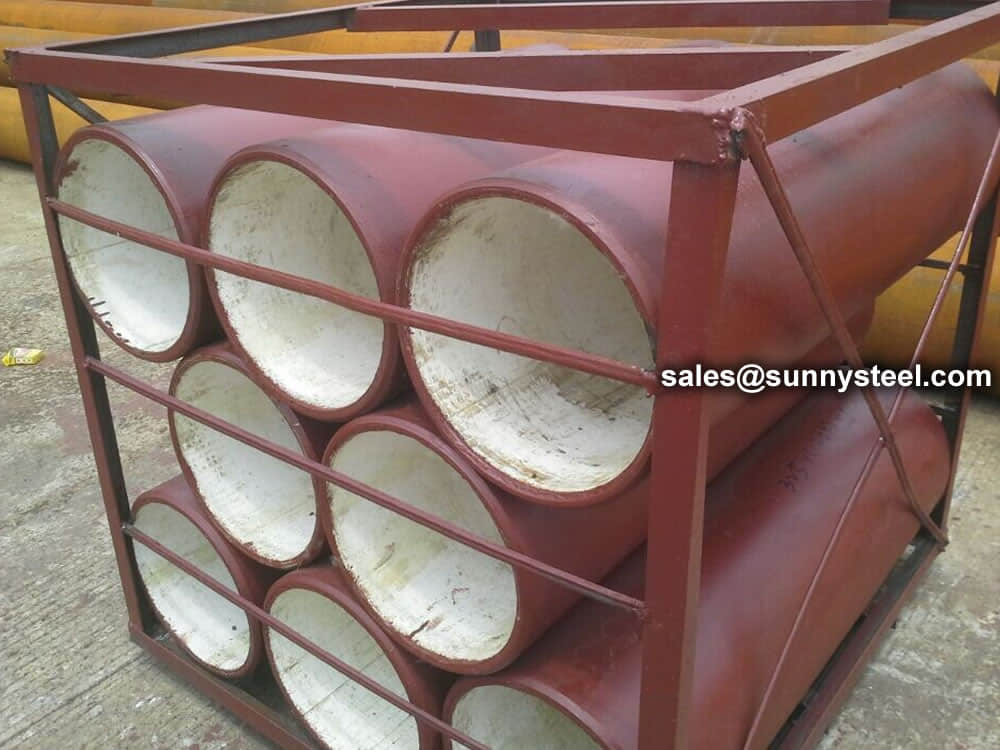
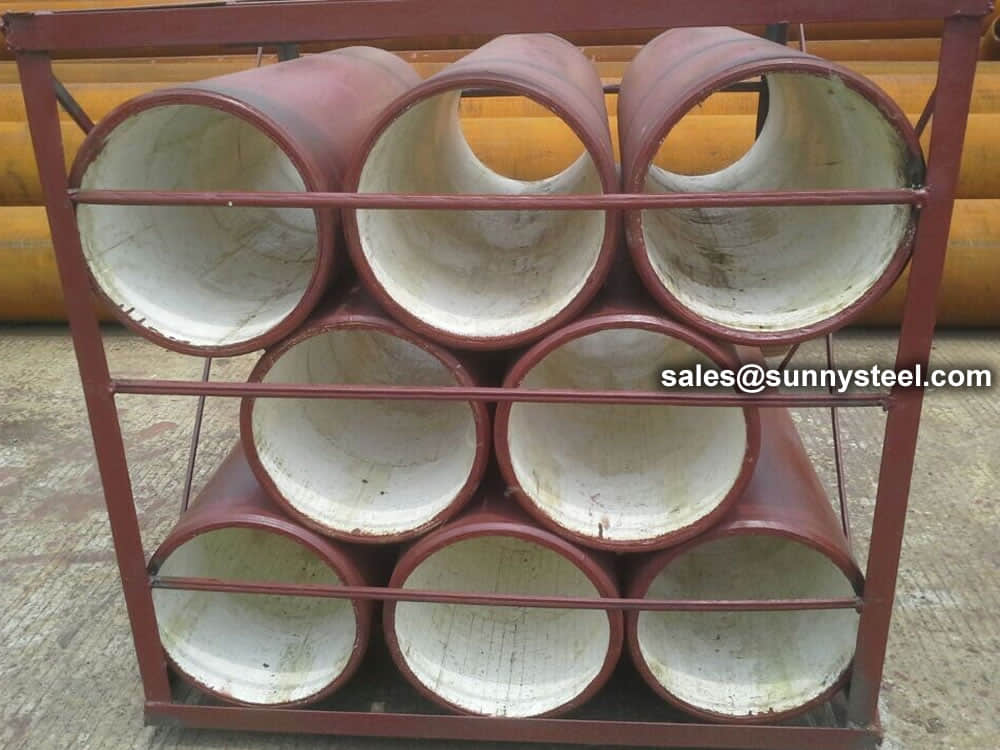
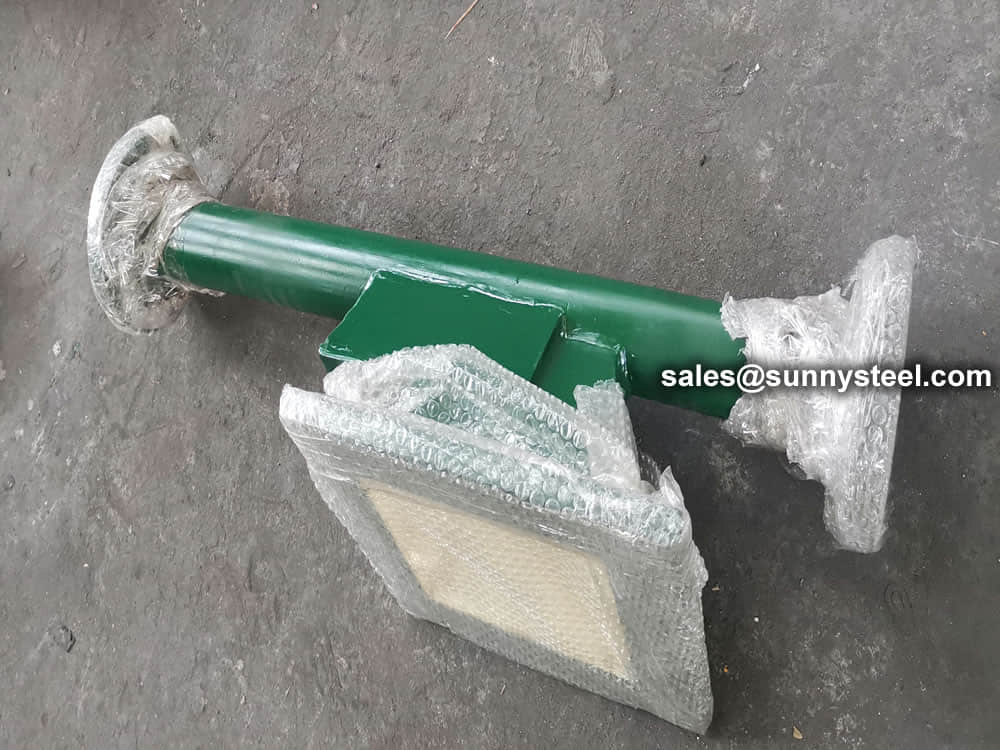
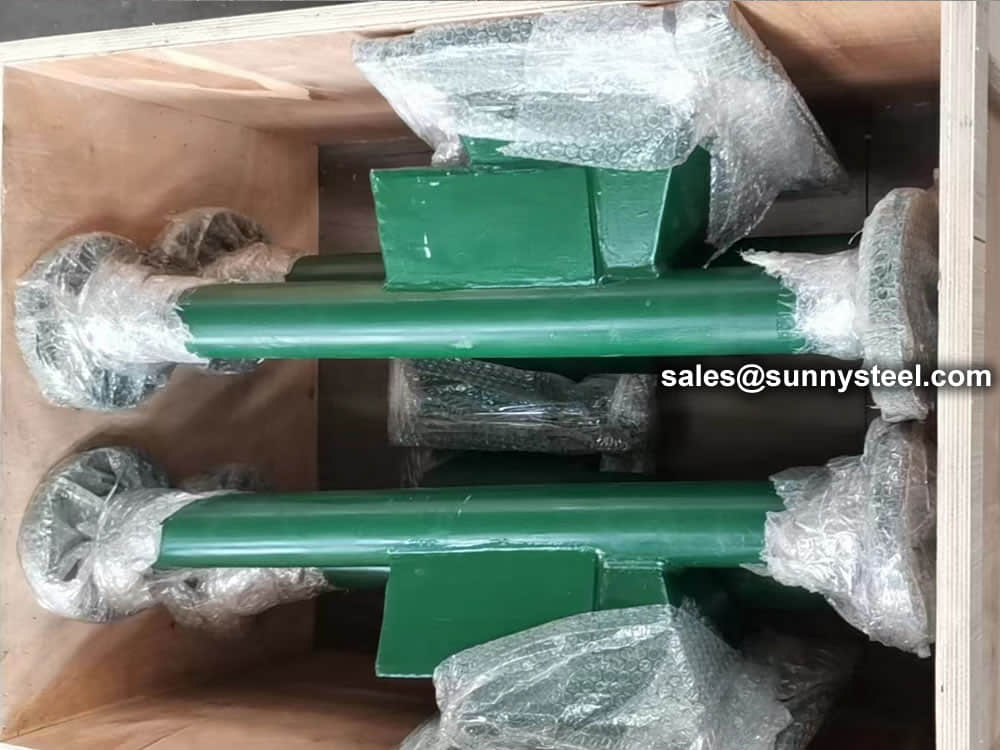
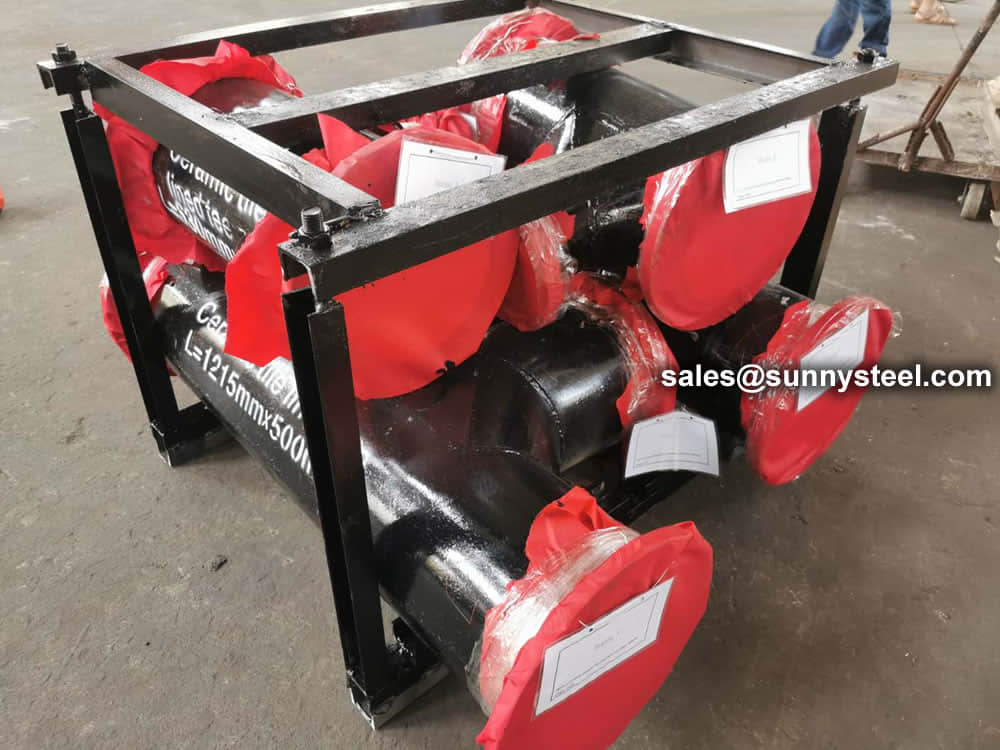
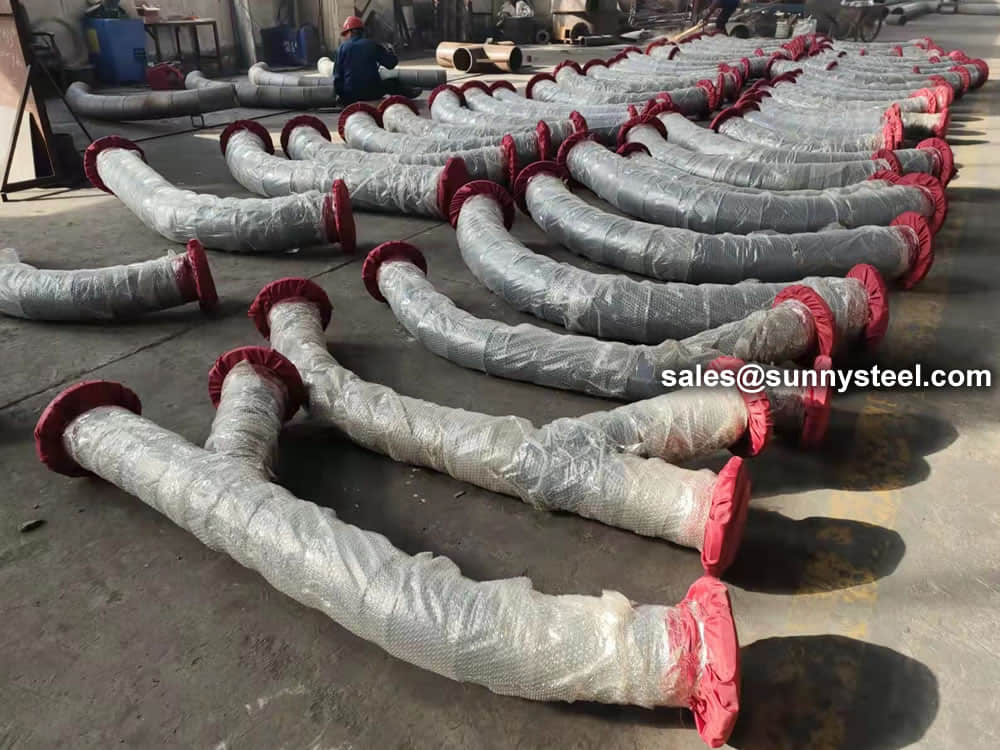

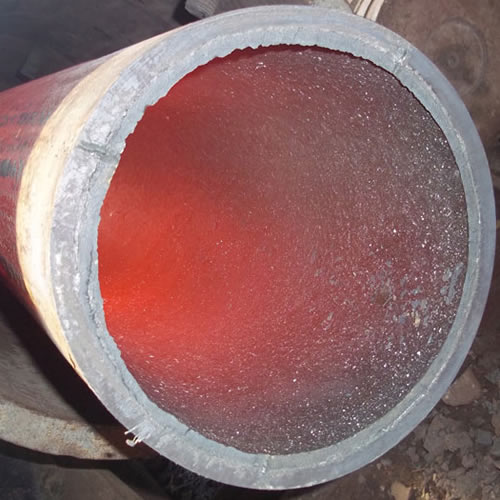
Ceramic lined pipe is made through self-propagating high-temperature synthesis (SHS) technique.
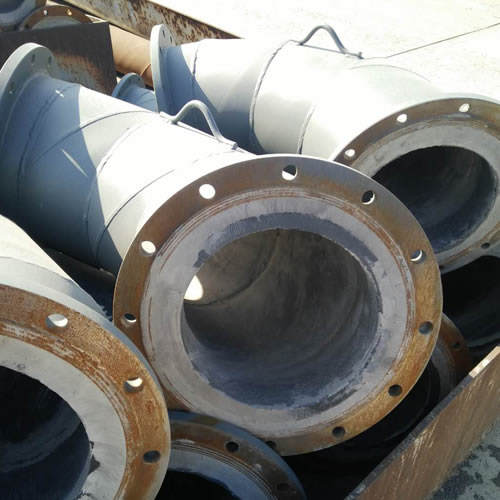
Cast basalt lined steel pipe is composed by lined with cast basalt pipe, outside steel pipe and cement mortar filling between the two layers.
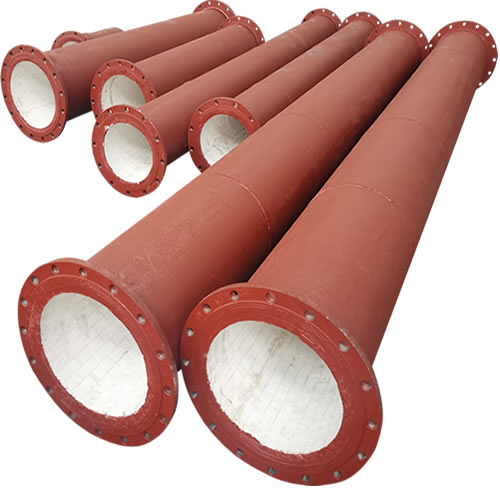
Ceramic tile lined pipes have very uniform coating of specially formulated ceramic material that is affixed to the inner of the pipe.
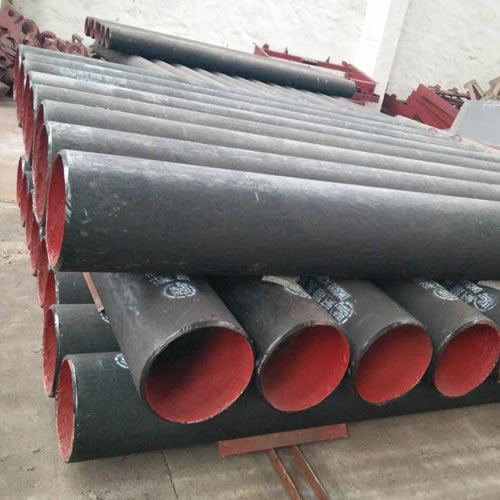
The material of the rare earth alloy wear-resistant pipe is ZG40CrMnMoNiSiRe, which is also the grade of rare earth alloy steel.
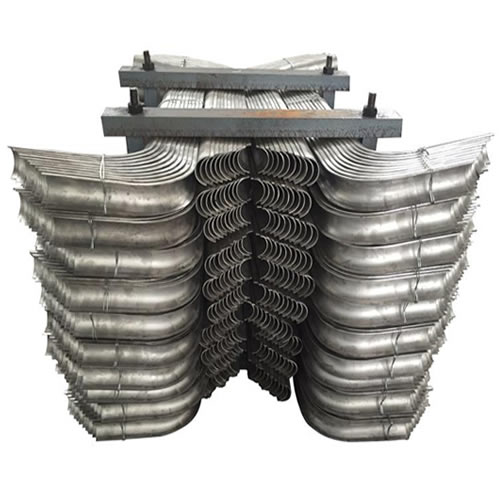
Tubes Erosion Shields are used to protect boiler tubing from the highly erosive effects of high temperatures and pressures thereby greatly extending tube life.
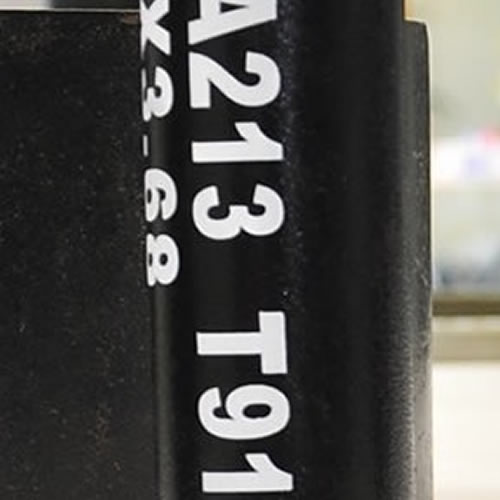
The ASTM A213 T91 seamless tubes are primarily used for boiler, superheater, and heat-exchanger.

When you partner with Sunny Steel, you can stop worrying about meeting deadlines thanks to our responsive and timely service. You'll also say goodbye to unnecessary shopping around. Instead, you'll get white glove service from an expert who understands your needs and can get you the materials you need quickly.