Seamless Pipe for Structure | Structural Steel Pipe for Construction & Engineering - Sunny Steel Industrial Pipe Product

Seamless Pipe for Structure

Structural Steel Pipe for Construction & Engineering

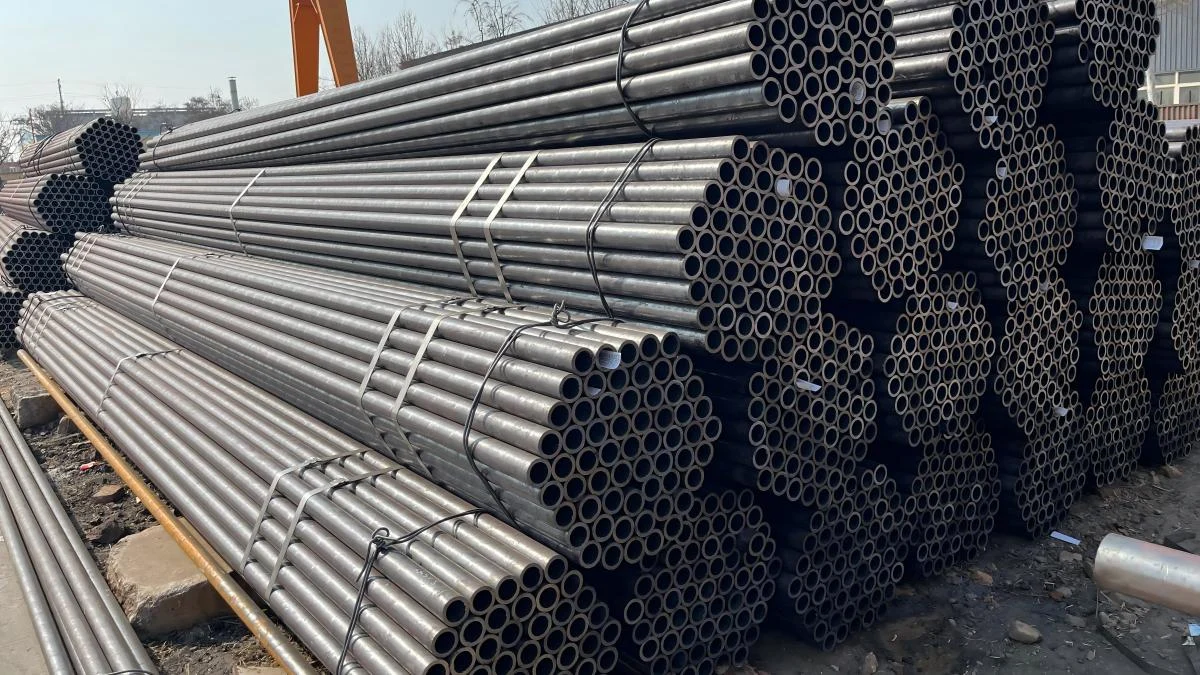
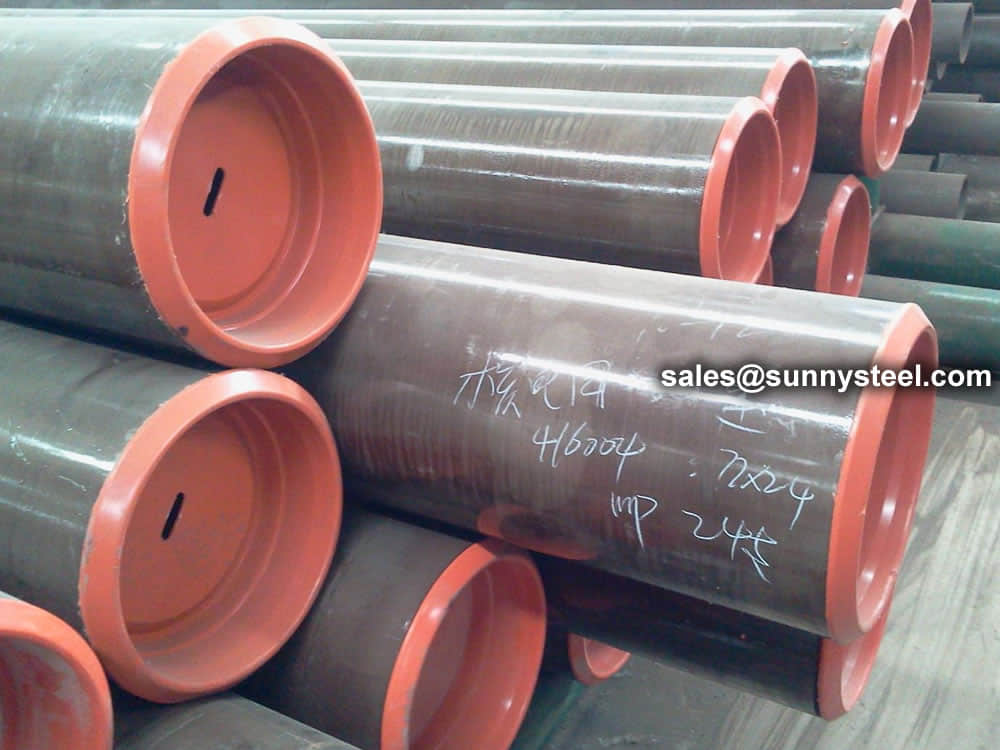
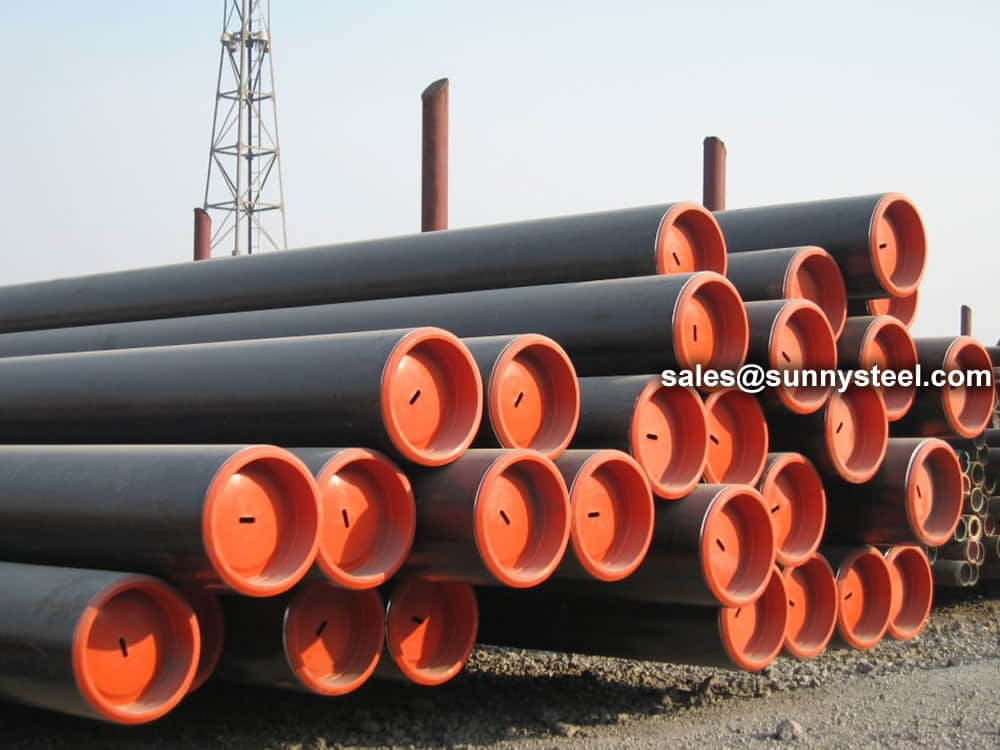
Structural seamless steel pipes are designed for mechanical and load-bearing applications, offering high strength, excellent toughness and reliable performance in construction, infrastructure, transportation and industrial engineering projects.

What is Structural Steel Pipe

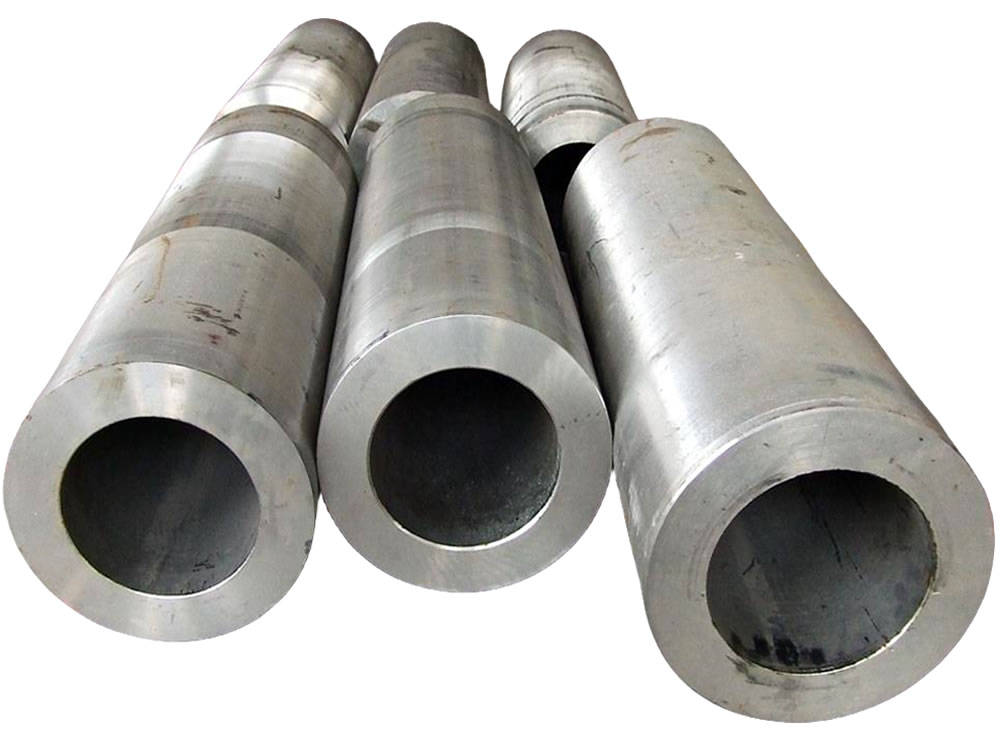
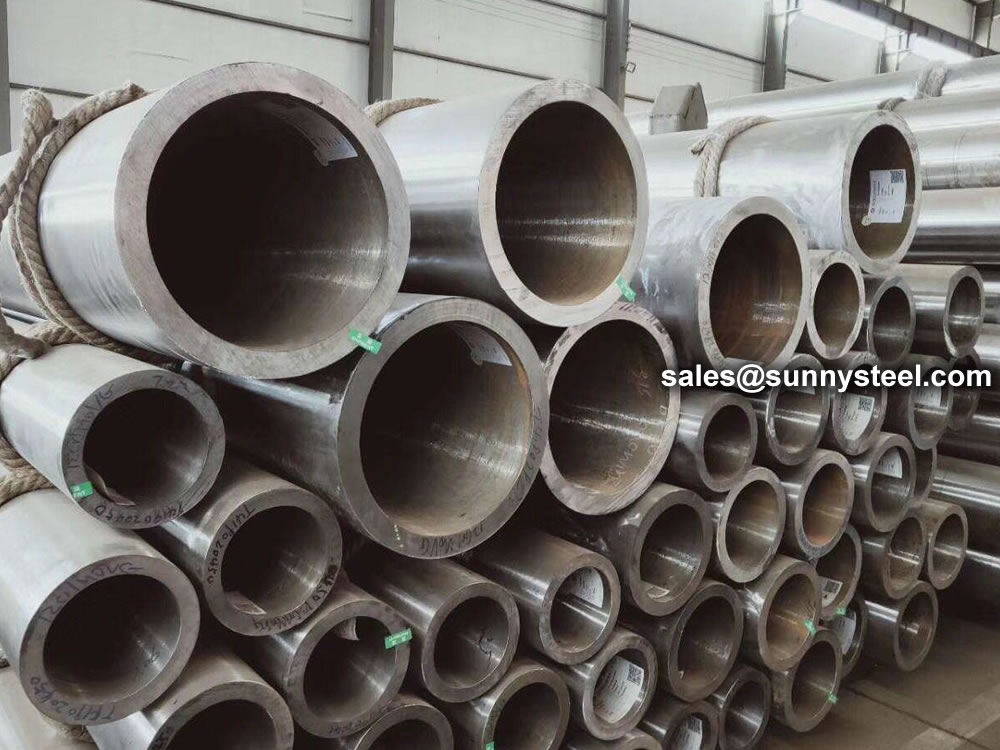
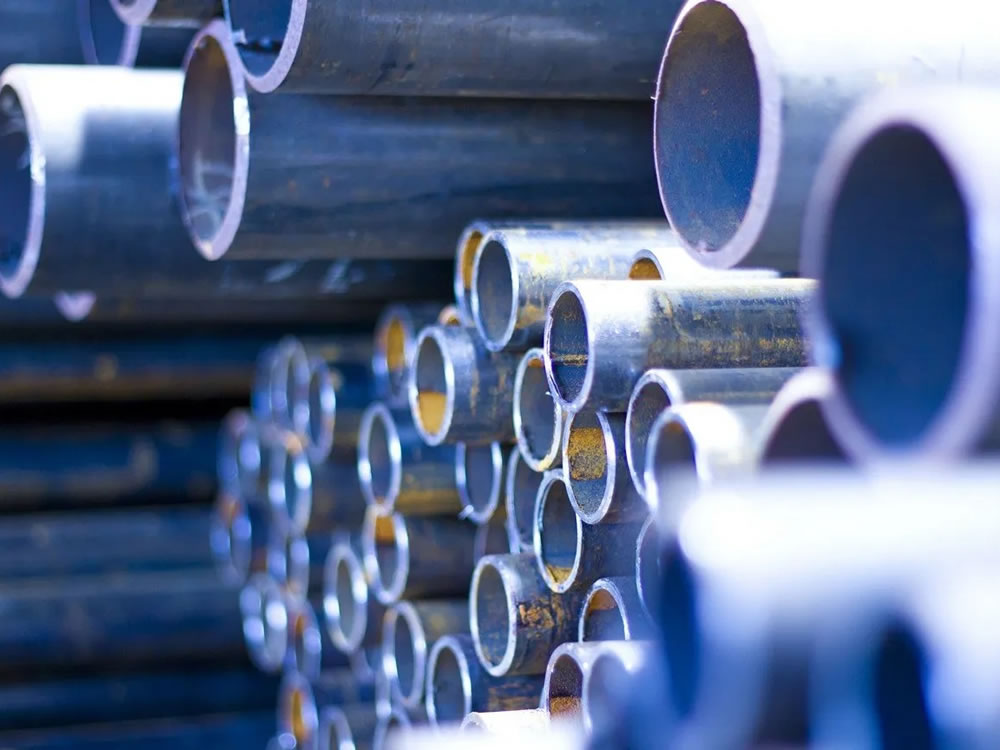
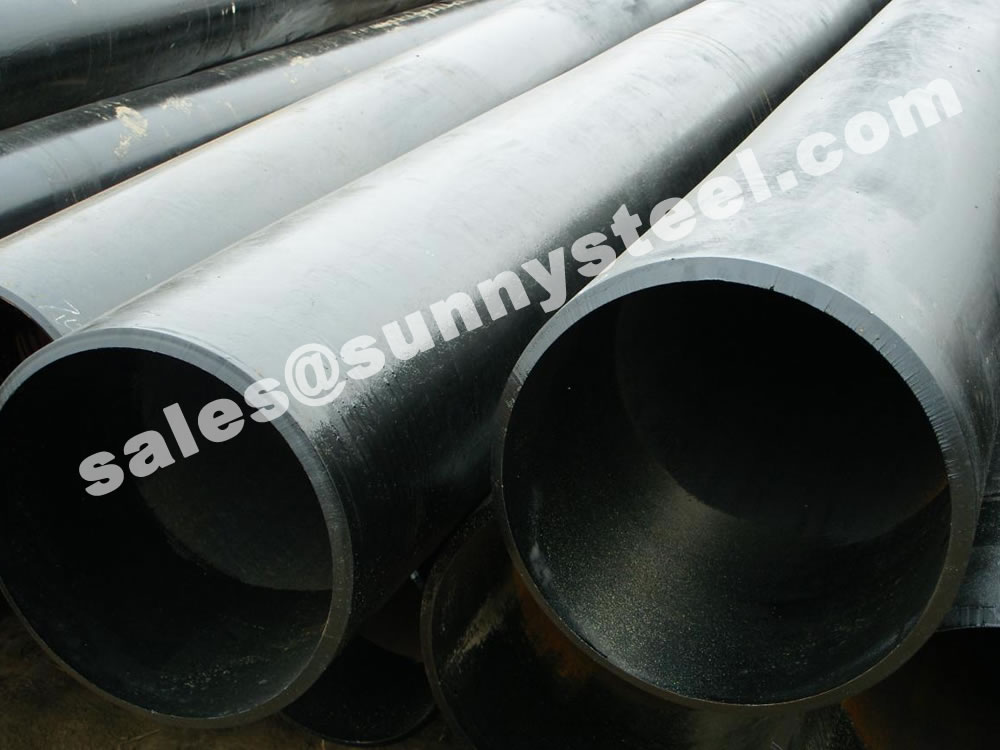
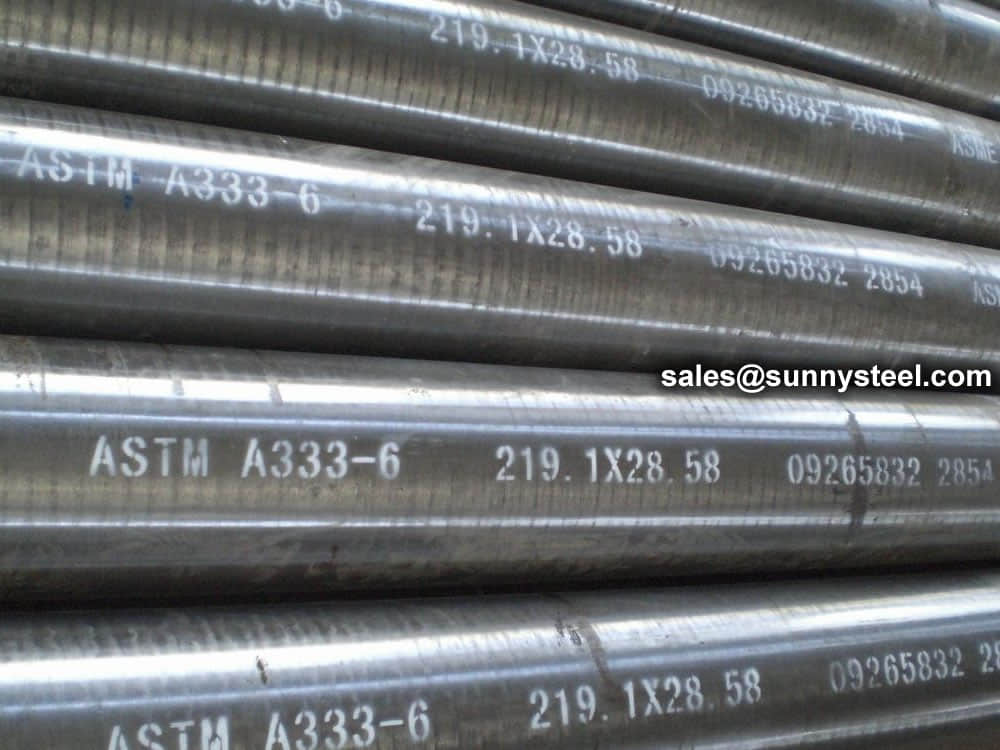
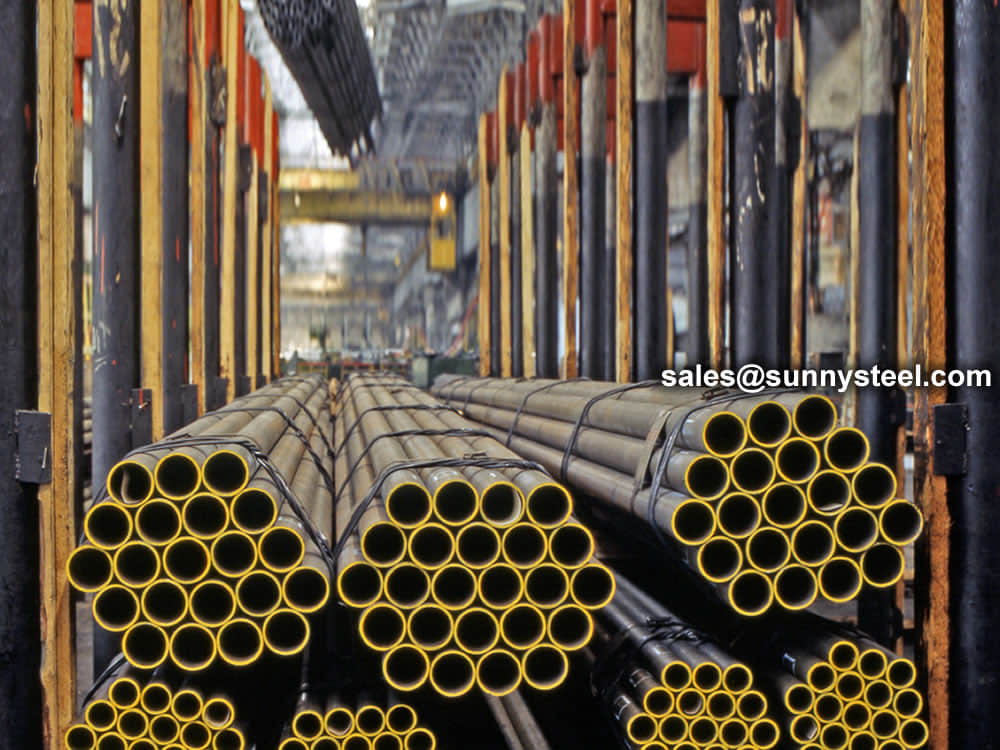
Seamless pipes and tubes are very important components of contemporary industrial infrastructure. Steel seamless pipes are manufactured with solid metal billets and do not have any longitudinal weld, and its structure remains homogenous and is able to meet challenging conditions of service.

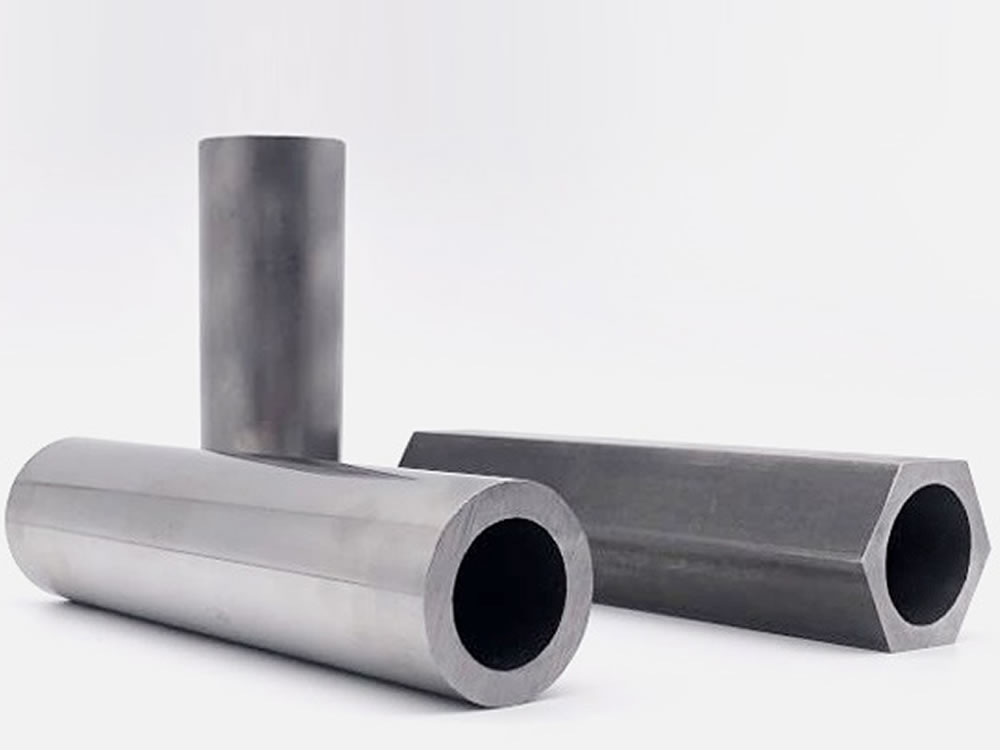
Structural steel pipe refers to tubular products manufactured to specified chemical compositions and mechanical properties for use in construction and engineering. Available in seamless and welded executions, these pipes serve as primary members in frames, trusses, columns and piles, as well as in mechanical systems such as steam, water, gas and air lines.

Manufacturing Process

Production begins with high-quality steel billets or strips. Seamless pipes are hot-rolled over a mandrel, while welded pipes are formed by electric resistance welding (ERW) or submerged arc welding (SAW). After forming, pipes may be normalized, stress-relieved or heat-treated to achieve the required microstructure and toughness. Final straightening and end finishing ensure dimensional accuracy for field assembly.

Material Properties

  • High Yield & Tensile Strength: Supports heavy static and dynamic loads.
  • Impact Resistance: Maintains toughness at low temperatures.
  • Dimensional Stability: Excellent roundness and straightness.
  • Weldability: Compatible with standard welding procedures.
  • Formability: Suitable for bending, flanging and profiling.
  • Corrosion Resistance: Improved by coatings or alloying.

Typical Applications

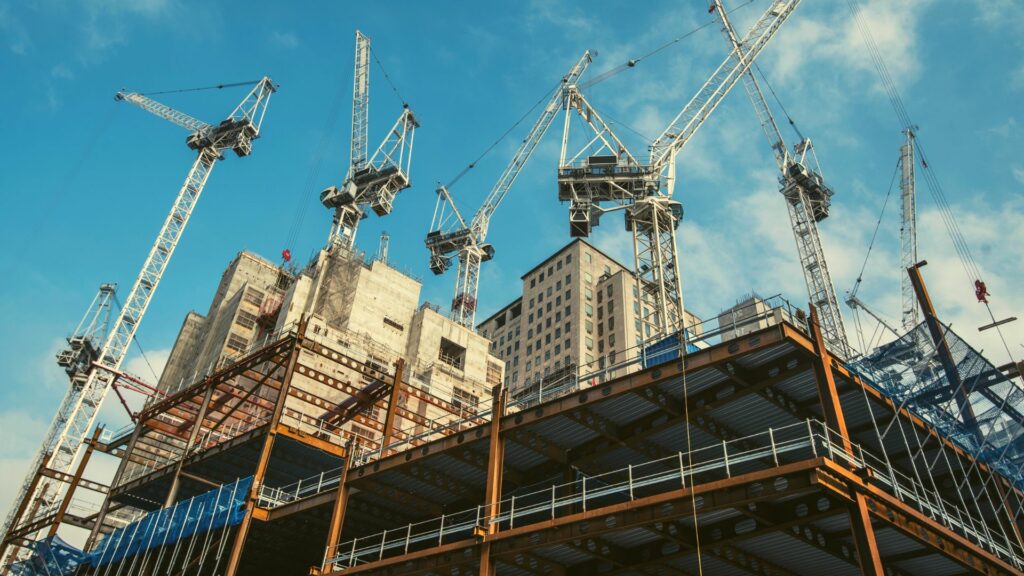
  • Buildings & Infrastructure: Columns, beams, trusses and piles.
  • Bridges: Main girders, bracings and pier supports.
  • Industrial Structures: Equipment frames and platforms.
  • Oil & Gas: Pipeline risers, casings and structural members.
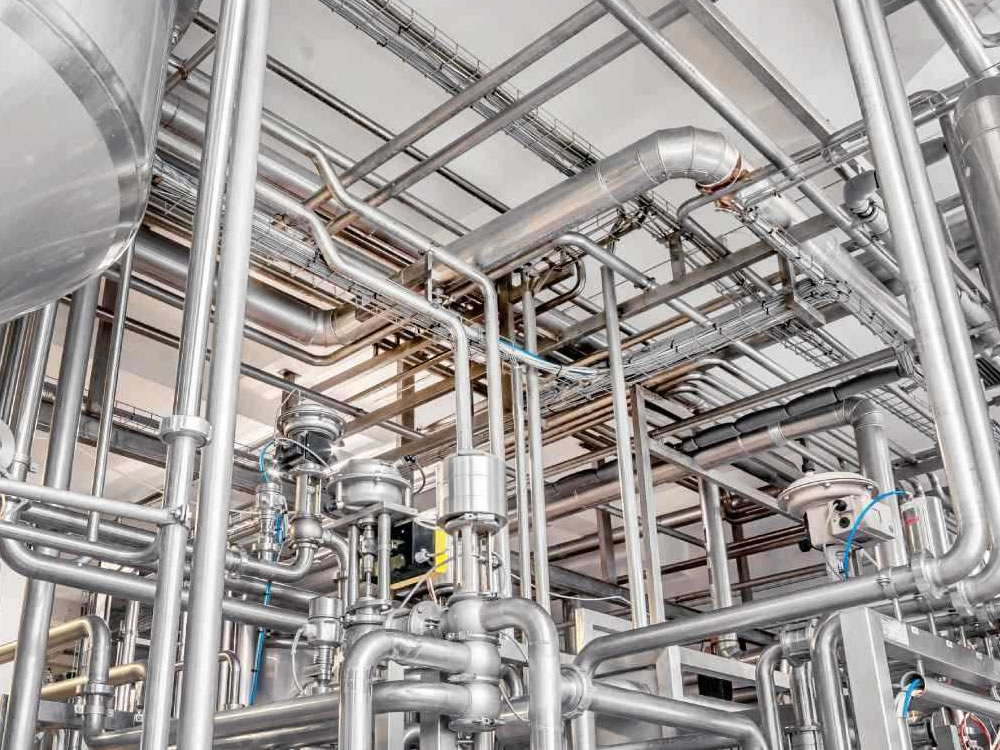
  • Utilities: Steam, water, gas and air distribution lines.
  • Heavy Machinery: Crane booms and support legs.

Quality Control & Inspection

Structural pipes are subject to rigorous quality assurance protocols. Non-destructive testing (NDT)—including ultrasonic, radiographic and magnetic particle inspection—detects internal and surface discontinuities. Hydrostatic and pressure testing verify structural integrity under load. Mill test certificates (EN 10204 3.1 / 3.2) document chemistry, mechanical properties and inspection results for project compliance.
Engineering Summary:
Structural steel pipe combines high strength-to-weight ratio, fabrication flexibility and proven reliability, making it a preferred choice for critical infrastructure and industrial projects worldwide. Correct specification and inspection are essential to ensure long-term safety and performance.
Standard Standard

Structural Steel Pipe – Standards & Applications

Hollow structural sections and seamless / welded steel pipes manufactured to ASTM, JIS, GB and DIN specifications for construction, machinery, transportation and energy projects.

Major ASTM Standards for Structural Tubing

Standard Scope Typical Application
ASTM A500 / A500M Cold-formed welded & seamless carbon steel tubing (round & shaped) Building frames, bridges, general structures
ASTM A501 / A501M Hot-formed welded & seamless carbon steel tubing Heavy structural members
ASTM A847 / A847M High-strength low-alloy tubing with improved atmospheric corrosion resistance Outdoor & coastal structures
ASTM A618 / A618M Hot-formed HSLA structural tubing Bridges, utility towers, marine structures
ASTM A53 / A53M Seamless & welded black / galvanized steel pipe (NPS 1/8–26) General structural, water, gas, steam service

Structural Steel Pipe by Application

Category Typical Standards Key Features Typical Use
Carbon Steel Pipe for Structures JIS G 3445, GB/T 8162 Good weldability, economical Frames, machinery, furniture, tools
Alloy Steel Pipe for Structures JIS G 3441, JIS G 4053 Higher strength & toughness Automotive & heavy machinery parts
ERW Carbon Steel Pipe JIS G 3472 Consistent dimensions, good surface Automotive structural components
High-Strength Steel Pipe Custom specs, GB/T 17396 Weight reduction, low-temp toughness Marine structures, hydraulic cylinders

Typical GB/T 8162 Structural Pipe Program

Application OD (mm) WT (mm) Typical Grades Remarks
General Structural 42–760 4–120 20#, 35#, 45#, Q345 series Buildings, supports
Automotive Axle 45–245 4–35 20Mn2, 40Cr, 45Mn2 Axle shafts, semi-shafts
Hydraulic Support 42–760 4–120 27SiMn, 30MnNbRE Coal mine equipment
Fluid Transmission 42–760 4–120 20#, Q345 series Water, gas, slurry
Geological Drilling 42–133 DZ40, DZ55, R780 Drill pipe strings

Key Application Sectors

Structural steel pipes combine high strength-to-weight ratio, fabrication flexibility and compliance with multiple international standards. Correct specification—based on service conditions, applicable standard and required mechanical properties—is essential to ensure safety, economy and long-term performance of the structure.

  • Construction: Columns, beams, trusses, piles
  • Infrastructure: Bridges, stadiums, tunnels
  • Transportation: Chassis, axle housings, crane booms
  • Energy: Hydraulic supports, drilling tools
  • Industrial: Machine frames, cylinders, rollers
  • Agriculture: Irrigation lines, storage structures
Building construction Building construction

6 types of pipes used in building construction

The different types of pipes used in building construction all have specific uses.

For example, some pipes may be practical for plumbing, while some kinds are more ideal for structural applications. When it comes to using these pipes for many installations, it’s important to consider the purpose, since this can be affected by the main piping material. Furthermore, the benefits of each type of pipe can bring about many advantages like cost-efficiency, versatility, environmental-friendliness, and the like.

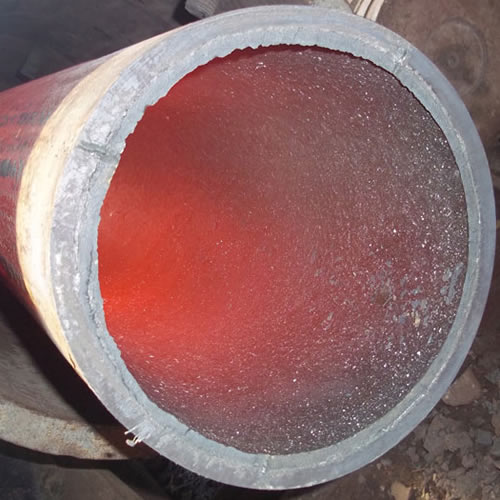
Carbon Steel Pipes
High carbon content provides strength and durability under extreme temperature and pressure. Available as seamless, ERW or welded configurations. Widely used in petrochemical plants, boilers, scaffolding and sewage systems.
Cast Iron Pipes
One of the oldest piping materials, with service life up to 100 years under proper maintenance. Commonly applied in sewerage, stormwater drainage and high-rise building drainage systems.
Galvanized Steel Pipes
Zinc coating applied via hot-dip galvanizing enhances corrosion resistance. Suitable for fencing, water supply, railings, drainage and scaffolding. Higher upfront cost offset by reduced maintenance over time.
Galvanized Iron Pipes
Galvanization provides strong resistance to rust and surface pitting. Frequently used in automotive, aerospace, architectural and telecom applications. Not recommended for environments with high dissolved salt content.
Concrete Pipes
Manufactured from crushed aggregates and often reinforced with steel. Highly durable and suitable for drainage, sewage and culvert systems. Rigid yet versatile, with straightforward transport and installation.
PVC Pipes
Lightweight and flexible, ideal for electrical conduits and fluid transfer. Provides watertight protection for wiring in harsh environments. Limited to lower-temperature applications due to thermal deformation risk.
Hot Products

【H】 Ceramic lined pipe

Ceramic lined pipe is made through self-propagating high-temperature synthesis (SHS) technique.
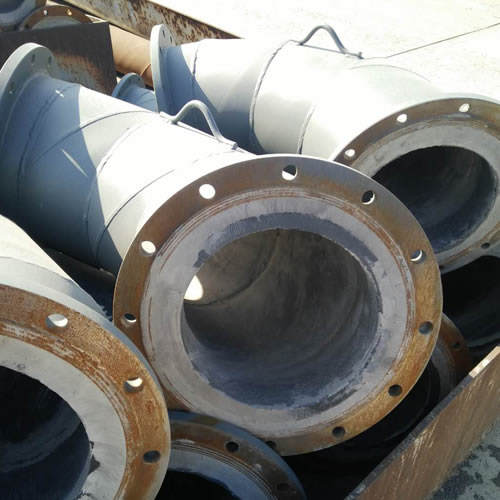
【H】 Cast basalt lined steel pipe

Cast basalt lined steel pipe is composed by lined with cast basalt pipe, outside steel pipe and cement mortar filling between the two layers.
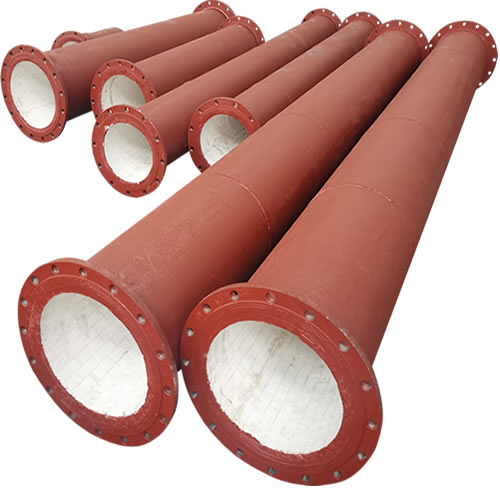
【H】 Ceramic Tile Lined Pipes

Ceramic tile lined pipes have very uniform coating of specially formulated ceramic material that is affixed to the inner of the pipe.
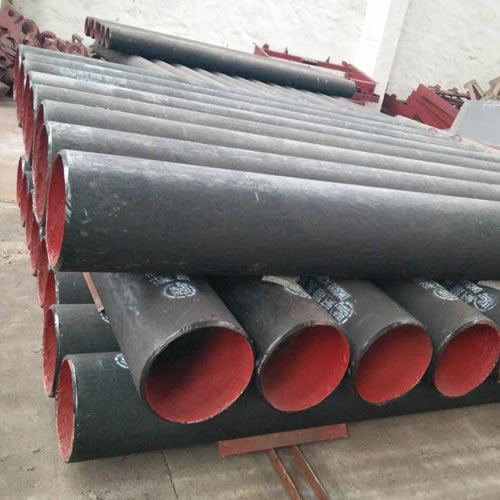
【H】 Rare earth alloy wear-resistant pipe

The material of the rare earth alloy wear-resistant pipe is ZG40CrMnMoNiSiRe, which is also the grade of rare earth alloy steel.
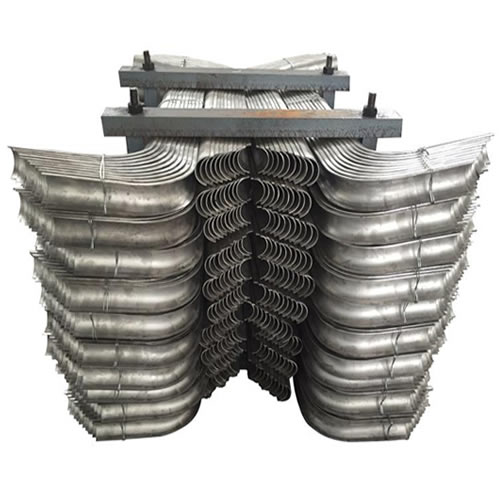
【H】 Tubes Erosion Shields

Tubes Erosion Shields are used to protect boiler tubing from the highly erosive effects of high temperatures and pressures thereby greatly extending tube life.
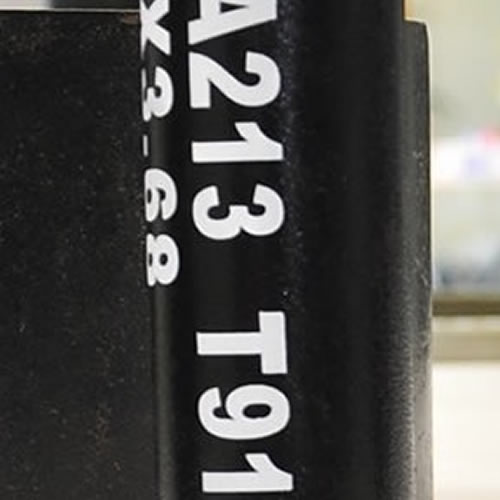
【H】 ASTM A213 T91 Alloy Tube

The ASTM A213 T91 seamless tubes are primarily used for boiler, superheater, and heat-exchanger.

The White Glove Service You Deserve

When you partner with Sunny Steel, you can stop worrying about meeting deadlines thanks to our responsive and timely service. You'll also say goodbye to unnecessary shopping around. Instead, you'll get white glove service from an expert who understands your needs and can get you the materials you need quickly.

application

Materials delivered on-time and at a fair price

application

No delays in production or manufacturing process

application

Meet engineering specifications to ensure top quality

application

World-class customer service ready to help