Seamless Pipes For High Temperature

Seamless Pipes For High Temperature

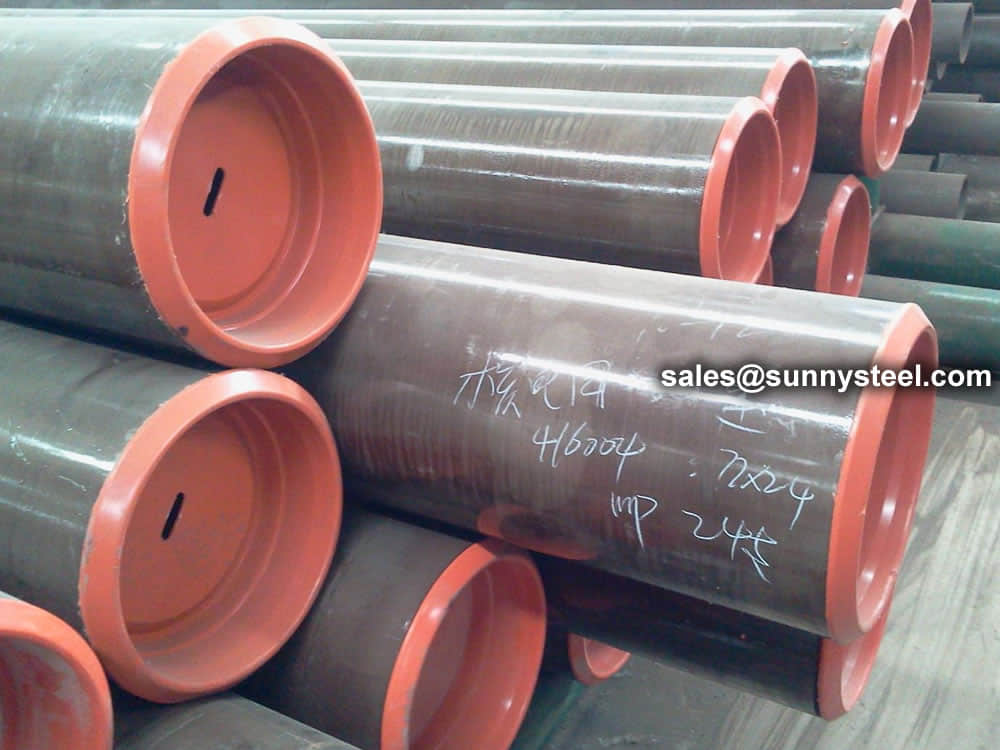
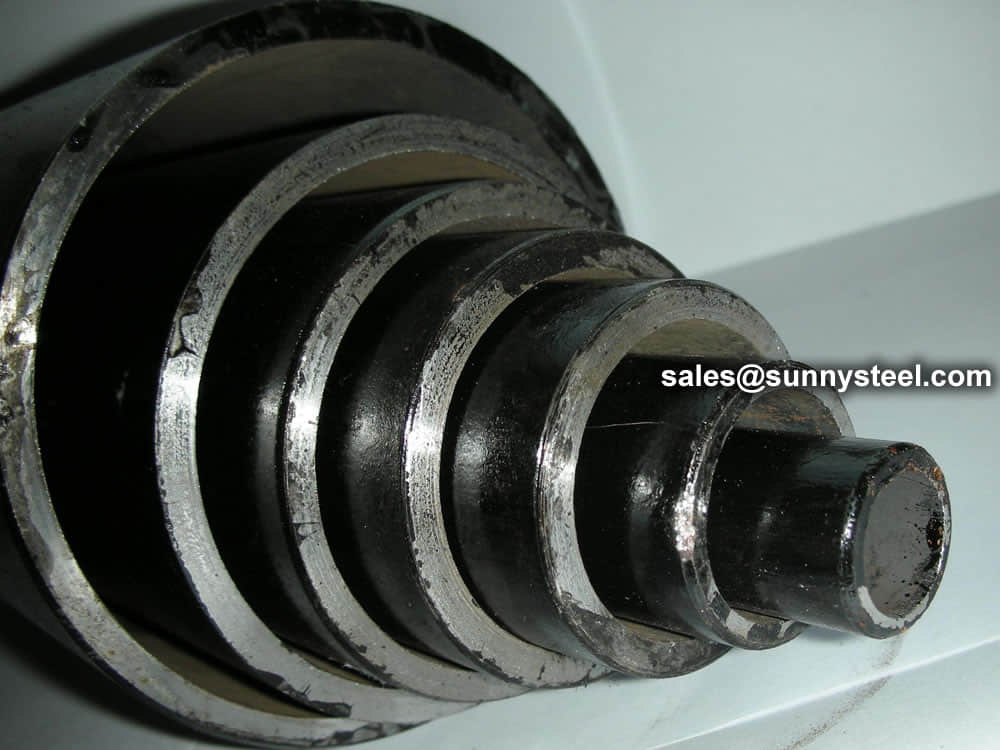
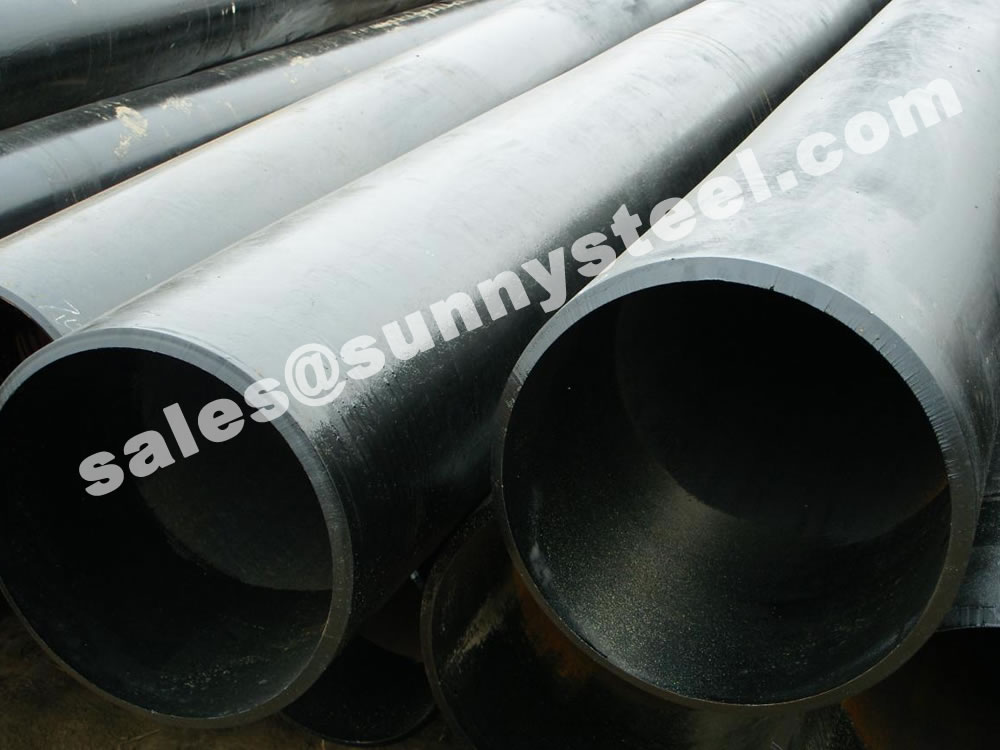
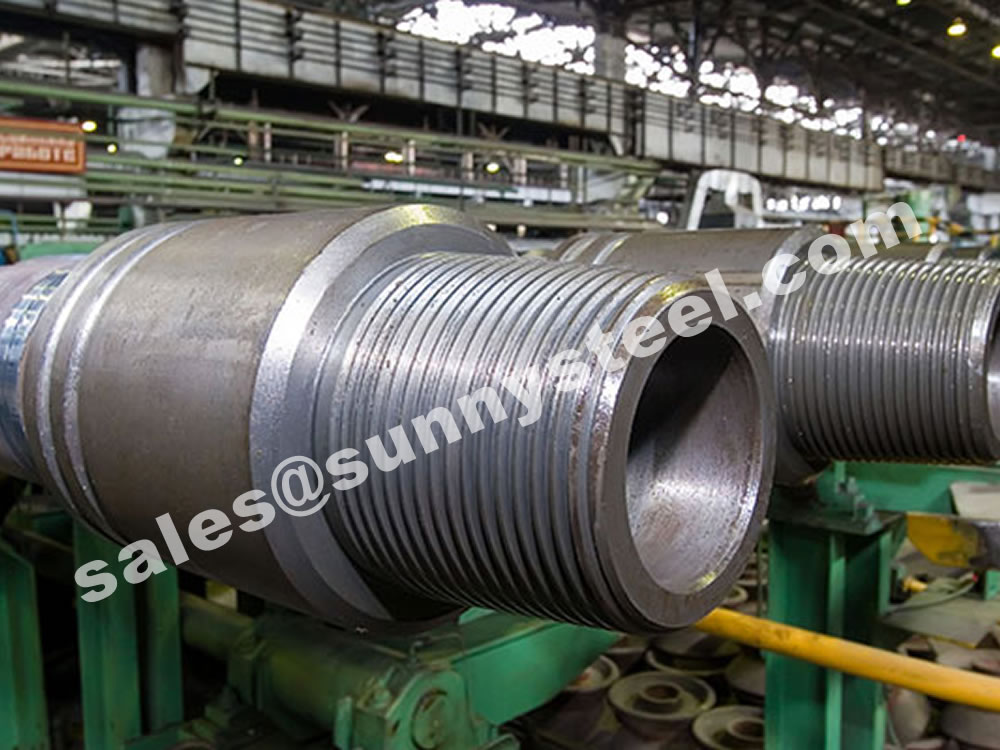
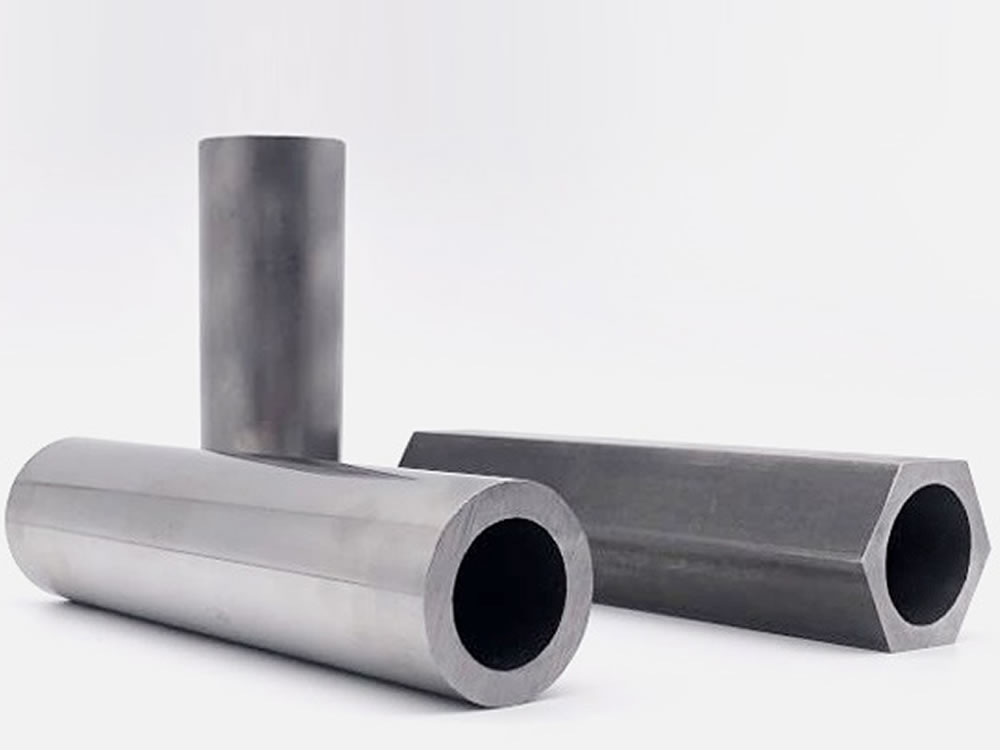
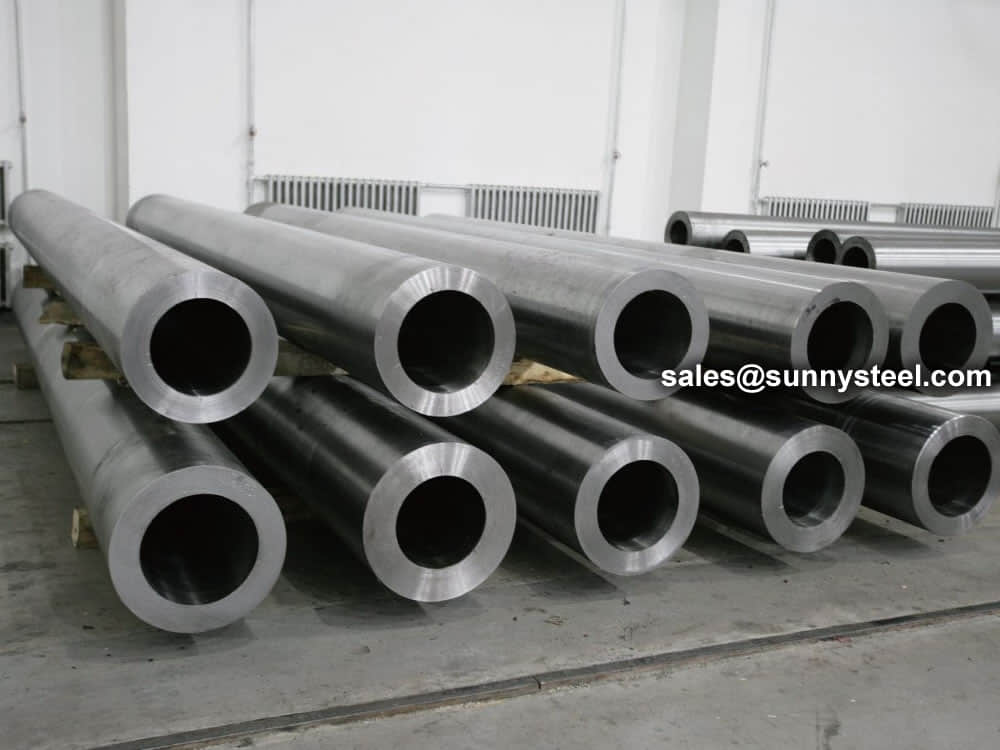
Seamless pipes for high temperature are a type of steel pipe specifically designed to withstand high-temperature environments.

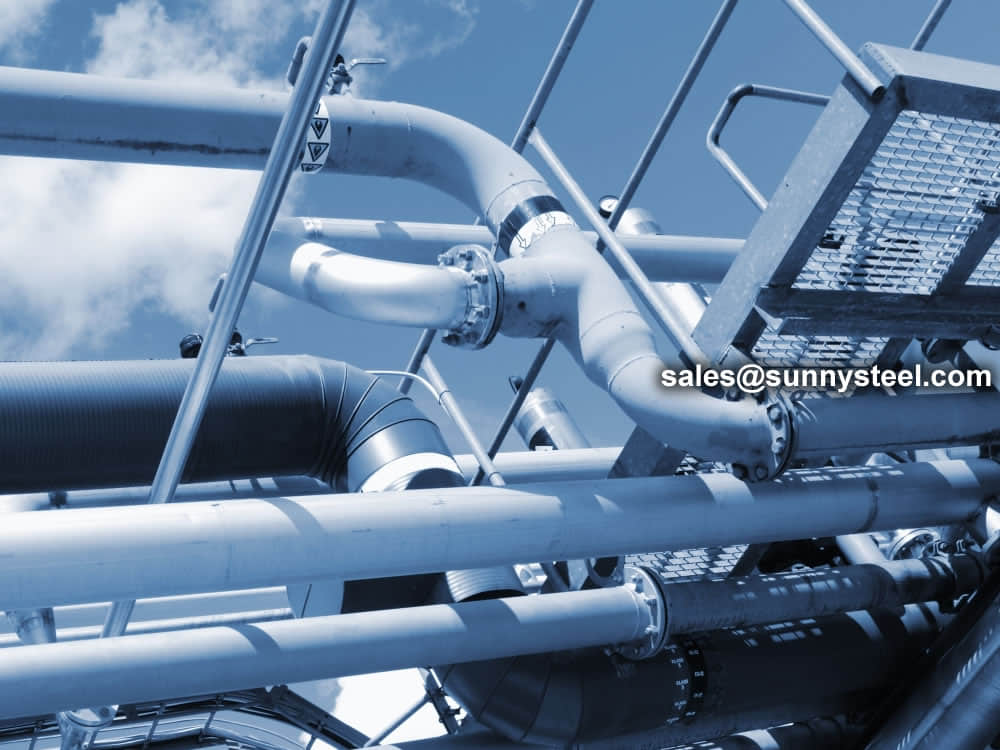
Seamless pipes are an essential component in industries where high-temperature applications are prevalent. These pipes are designed to withstand extreme heat and pressure, making them ideal for use in oil refineries, chemical plants, power generation facilities, and other heavy industries.

Key Characteristics of Seamless Pipes for High-Temperature Applications

Specifications and Standards

Seamless pipes for high-temperature applications adhere to strict specifications and standards to ensure their suitability for use in demanding environments. Common standards include:

Applications

Seamless pipes are used in a variety of high-temperature applications, including:

Manufacturing Process

Seamless pipes for high-temperature applications are manufactured through a process that ensures a uniform structure and eliminates the need for welding, which can be a point of failure in high-temperature environments. The process typically involves:

Quality Control and Testing

Rigorous quality control measures are implemented to ensure the quality and safety of seamless pipes for high-temperature applications. These include:

Seamless pipes for high-temperature applications are critical in many industries due to their ability to withstand extreme conditions. By adhering to strict manufacturing processes and quality control measures, these pipes ensure reliable performance in even the most demanding environments. Understanding the specifications, manufacturing processes, and applications of seamless pipes is essential for specifying the correct materials for high-temperature applications.

High Temperature service Alloy Steel tube are known as Chrome Moly pipe.

Basically there are three types of High Temperature Steel Pipe:

  1. High Temperature Carbon Steel pipe
  2. High Temperature Alloy Steel pipe
  3. High Temperature Stainless Steel tube

Seamless Pipes For High Temperature are produced without any welding or joining, which ensures that they have a homogeneous and consistent structure that can withstand thermal expansion and contraction without being deformed or ruptured.

Seamless pipes for high temperature typically have a chemical composition that includes chromium (Cr), molybdenum (Mo), and other alloying elements that enhance their resistance to high temperatures and corrosion. The exact chemical composition depends on the specific grade and application requirements.

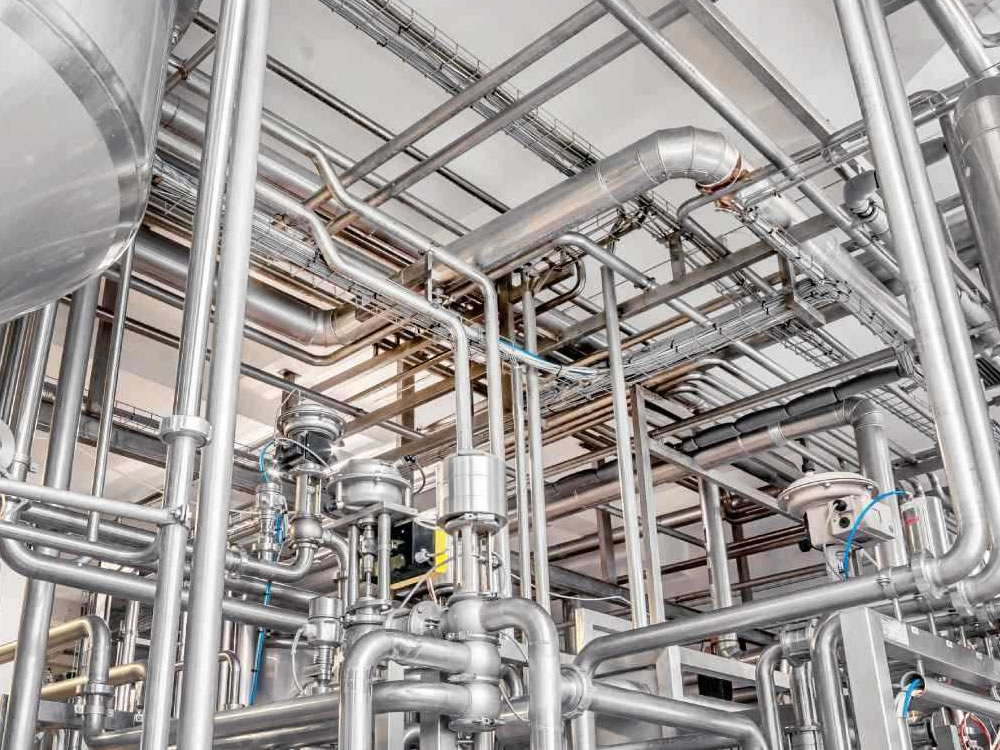
Seamless pipes for high temperature are commonly used in various industries such as power generation, chemical processing, oil and gas, and mechanical engineering. They are often used in applications where high-temperature steam or fluids need to be transported, such as in boilers, heat exchangers, and superheaters.

The advantages of using seamless pipes for high temperature include:

  1. High-temperature resistance: Seamless pipes for high temperature are capable of withstanding high temperatures and pressures without being deformed, fractured or corroded.
  2. Corrosion resistance: Seamless pipes for high temperature have excellent corrosion resistance properties, which makes them suitable for use in harsh environments.
  3. Safety: Seamless pipes for high temperature are reliable and safe, providing a secure means for transporting fluids at high temperatures and pressures.
  4. Easy installation: Seamless pipes for high temperature are easy to install and can be easily integrated into existing piping systems, reducing downtime and maintenance costs.

Overall, seamless pipes for high temperature are an important component of industrial piping systems, providing reliable and efficient means for transporting fluids at high temperatures and pressures.
Standard Standard

High-Temperature Carbon Steel Tubes

ASTM A179, A192 and A210 cover seamless carbon steel tubes for high-temperature service, including heat exchangers, condensers and boiler pressure parts.

Chemical Compositions(%) of GB 5310

Steel Grade C Si Mn S P Cr Mo V Ti B W Ni Al Nb N
20G 0.17-0.23 0.17-0.37 0.35-0.65 0.015 0.025                    
20 MnG 0.17-0.24 0.17-0.37 0.70-1.00 0.015 0.025                    
25MnG 0.22-0.27 0.17-0.37 0.70-1.00 0.015 0.025                    
15MoG 0.12-0.20 0.17-0.37 0.40-0.80 0.015 0.025   0.25-0.35                
20MnG 0.15-0.25 0.17-0.37 0.40-0.80 0.015 0.025   0.44-0.65                
12CrMoG 0.08-0.15 0.17-0.37 0.40-0.70 0.015 0.025 0.40-0.70 0.40-0.55                
15CrMoG 0.12-0.18 0.17-0.37 0.40-0.70 0.015 0.025 0.80-1.10 0.40-0.55                
12Cr2MoG 0.08-0.15 ≤0.60 0.40-0.60 0.015 0.025 2.00-2.50 0.90-1.13                
12Cr1MoVG 0.08-0.15 0.17-0.37 0.40-0.70 0.010 0.025 0.90-1.20 0.25-0.35 0.15-0.30              
12Cr2MoWVTiB 0.08-0.15 0.45-0.75 0.45-0.65 0.015 0.025 1.60-2.10 0.50-0.65 0.28-0.42 0.08-0.18 0.002-0.008 0.30-0.55        
10Cr9Mo1VNbN 0.08-0.12 0.20-0.50 0.30-0.60 0.010 0.020 8.00-9.50 0.85-1.05 0.18-0.25       ≤0.040 ≤0.040 0.06-0.10 0.03-0.07

Manufacturing methods

Steel smelting method

High-quality carbon structural steel and alloy structural steel shall be smelted by electric furnace plus furnace refining, oxygen converter plus furnace refining or electroslag remelting method, and steel refined outside the furnace shall be subjected to vacuum degassing treatment.

10Cr9Mo1VNbN, 10Cr9MoW2VNbBN, 10Cr11MoW2VNbCu1BN, 11Cr9Mo1W1VNbBN and stainless (heat-resistant) steel should be smelted by electric furnace plus furnace refining or electroslag remelting. The steel refined outside the furnace should be vacuum degassed.

After consultation between the supplier and the buyer, and indicating in the contract, other higher-required smelting methods may be adopted. When the purchaser specifies a certain smelting method, it should be indicated in the contract.


Manufacturing methods and requirements for tube blanks

The tube blank can be produced by continuous casting, die casting or hot rolling (forging).

Continuous casting tube blanks shall comply with the provisions of YB/T 4149, in which the level of low-fold structural defects shall not exceed 1; the hot-rolled (forged) tube blanks shall comply with the provisions of YB/T ××××; It is carried out in accordance with the regulations for hot-rolled (forged) tube blanks.


Manufacturing method of steel pipe

Steel pipes shall be manufactured by hot rolling (extrusion, expansion) or cold drawing (rolling). Steel pipes of grade 08Cr18Ni11NbFG shall be manufactured by cold drawing (rolling) seamless method.


Delivery status

The steel pipe shall be delivered in a heat treated condition. The heat treatment system for steel pipes shall comply with the requirements of Table 4. The heat treatment system for steel pipes should be filled in the quality certificate.

Mechanical Properties of GB5310

Grade Tensile strength
(Mpa)
Yield point(Mpa)
not less than
Elongation(%)
not less than
Impact(J)
not less than
20G 410-550 245 24/22 40/27
25MnG 485-640 275 20/18 40/27
15MoG 450-600 270 22/20 40/27
20MnG 415-665 220 22/20 40/27
12CrMoG 410-560 205 21/19 40/27
12Cr2MoG 450-600 280 22/20 40/27
12Cr1MoVG 470-640 255 21/19 40/27
12Cr2MoWVTiB 540-735 345 18 40/27
10Cr9Mo1VNb ≥585 415 20 40
1Cr18Ni9 ≥520 206 35  
1Cr19Ni11Nb ≥520 206 35  

Chemical Composition (%) of ASTM A179

C Si Mn P ≤ S ≤ Mo Cr V
0.06–0.18 0.27–0.63 0.035 0.035

Mechanical Properties of ASTM A179

Tensile Strength
(MPa ≥)
Yield Strength
(MPa ≥)
Elongation
(% ≥)
Hardness
(HRB ≤)
325 180 35 72

Chemical Composition (%) of ASTM A192

Element Content (%)
C 0.06–0.18
Mn 0.27–0.63
P ≤ 0.035
S ≤ 0.035
Si ≤ 0.25

Mechanical Properties of ASTM A192

Property Value
Tensile Strength (MPa ≥) 325
Yield Strength (MPa ≥) 180
Elongation in 2" (%) ≥ 35
Brinell Hardness (HBW ≤) 137
Rockwell Hardness (HRBW ≤) 77

Chemical Composition (%) of ASTM A210

Grade C ≤ Si ≤ Mn S ≤ P ≤
A210 A1 / SA-210 A1 0.27 0.10 ≤0.93 0.020 0.025
A210 C / SA-210 C 0.35 0.10 0.29–1.06 0.020 0.025

Mechanical Properties of ASTM A210

Grade Tensile Strength
(MPa ≥)
Yield Strength
(MPa ≥)
Elongation
(% ≥)
Impact
(J ≥)
Hardness
(HRB ≤)
A210 A1 / SA-210 A1 415 255 79
A210 C / SA-210 C 485 275 89

High-Temperature Alloy Steel Tubes

ASTM A213 and A209 cover alloy steel seamless tubes for high-temperature service, suitable for bending, forming and fusion welding. These are commonly referred to as low-alloy Chrome-Moly grades.


High-Temperature Stainless Steel Tubes

Stainless steel tubing retains its mechanical properties at elevated temperatures, making it suitable for heating pipelines, superheaters, reheaters and energy-saving equipment in high-pressure, high-temperature boilers (P ≥ 9.8 MPa, T ≥ 450°C).

  • Heating pipelines & pressure vessels
  • Superheaters & reheaters
  • Coal-saving devices
  • O.D.: 3/4" to 20"
  • W.T.: 0.102" to 4" (2.6–100 mm)
  • Max length: 16,000 mm

Marking & Delivery

Marking

  • Pipes are marked per standard and customer request
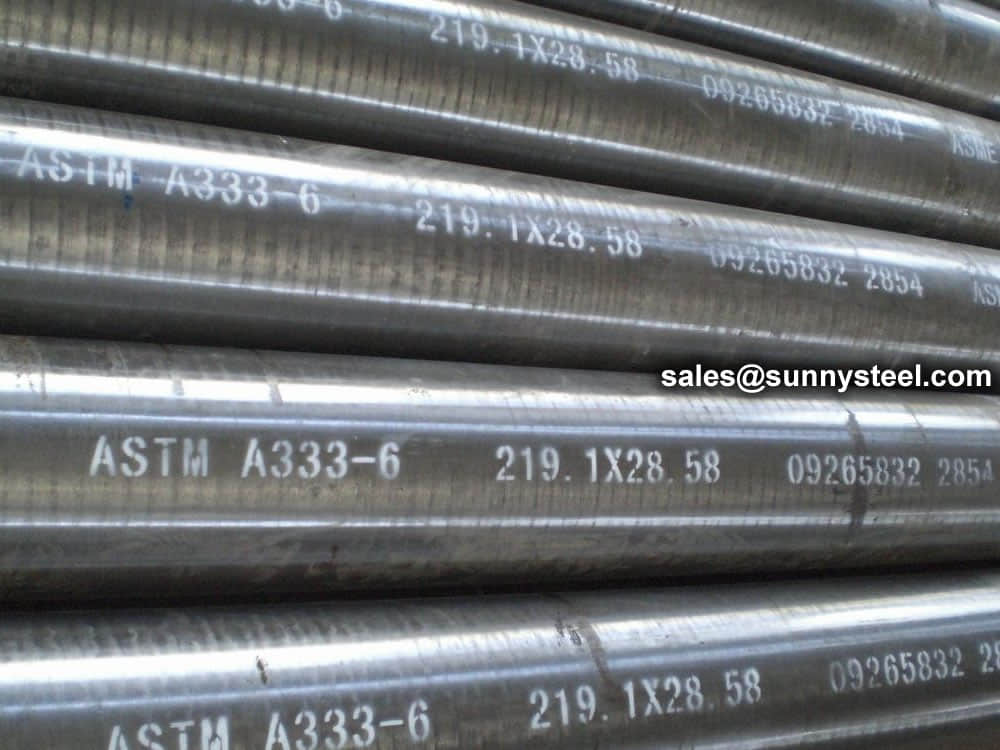
  • Paint marking applied to pipe ends
  • Additional information per customer requirement on bundle tags

Delivery

  • Supplied in hexagonal or round bundles tied with steel strip
  • Bundle weight up to 5,000 kg upon request
  • Each bundle furnished with three identification tags

Hydrostatic Testing & Eddy Current Testing of High-Pressure Seamless Pipes

1. Quality Challenges in High-Pressure Seamless Pipes

High-pressure seamless pipes are critical materials for boiler manufacturing. The quality of these pipes directly affects boiler fabrication, installation and long-term operation. Boiler manufacturers require assured material quality, yet in tight supply conditions, certain quality issues may still arise from the mill.

Water wall tubes, convection tubes, superheater tubes and heat exchanger tubes are all susceptible to leakage or burst events caused by material defects. Addressing this concern has become a priority for both boiler manufacturers and end users.

In a seller's market, boiler manufacturers often bear full responsibility for material quality control. The two primary solutions are:

  • 100% hydrostatic testing of incoming high-pressure seamless pipes
  • 100% eddy current testing (ECT) as an additional NDT method

2. Defects & Imperfections in Seamless Pipes

From a materials science perspective, ideal metallic materials should exhibit continuity, purity and homogeneity in their chemical composition, physical properties and geometry. Any deviation in these characteristics is considered a defect.

Imperfections refer to geometric discontinuities such as:

  • Cracks (transverse and longitudinal)
  • Shrinkage cavities and slag inclusions
  • Laminations and seams
  • Pinholes and surface dents

These imperfections typically originate from billet quality (approximately 70% of cases), including residual slag from oxygen-blowing processes and shrinkage defects. During rolling, these can manifest as transverse cracks, laminations, folds and heavy surface defects.

If such imperfections are present in high-pressure seamless pipes, the material's internal continuity and compactness are compromised, leading to leakage during hydrostatic testing and potential in-service burst failure.

3. Hydrostatic Testing – Density Verification

Hydrostatic testing serves two purposes:

  • Process hydrostatic test: Verifies leak-tightness and sealing performance
  • Confirmatory hydrostatic test: Verifies structural strength

For boiler tubes, hydrostatic testing is a process test focused on verifying material density and internal continuity, not on confirming design strength. From the perspective of materials mechanics, seamless steel tubes are thin-walled components with relatively small diameters and thin walls, making them susceptible to pressure-induced deformation.

Both Chinese and international standards require 100% hydrostatic testing for boiler tubes as a fundamental quality assurance measure.

Hot Products

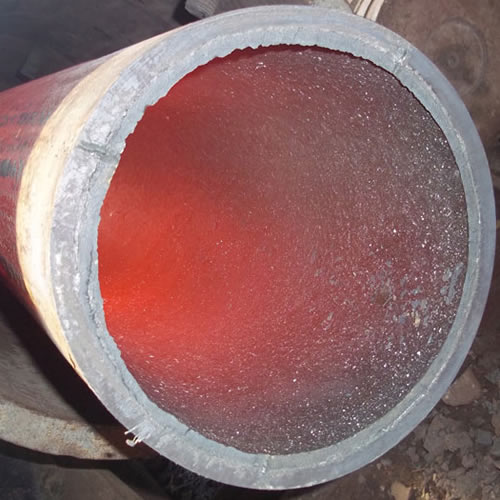
【H】 Ceramic lined pipe

Ceramic lined pipe is made through self-propagating high-temperature synthesis (SHS) technique.
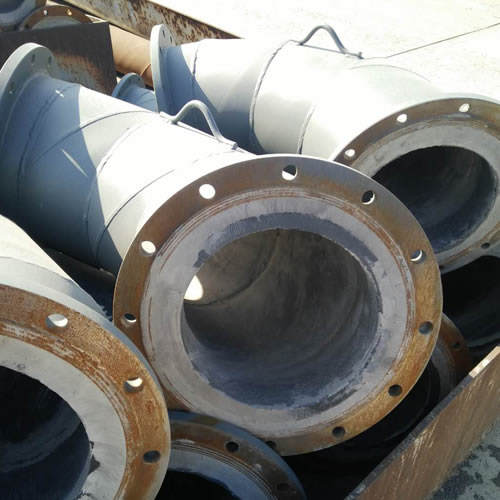
【H】 Cast basalt lined steel pipe

Cast basalt lined steel pipe is composed by lined with cast basalt pipe, outside steel pipe and cement mortar filling between the two layers.
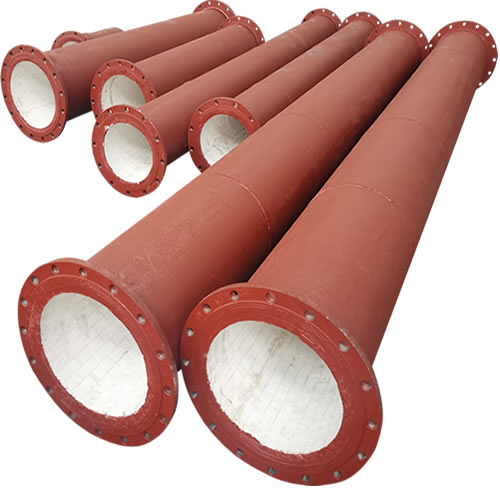
【H】 Ceramic Tile Lined Pipes

Ceramic tile lined pipes have very uniform coating of specially formulated ceramic material that is affixed to the inner of the pipe.
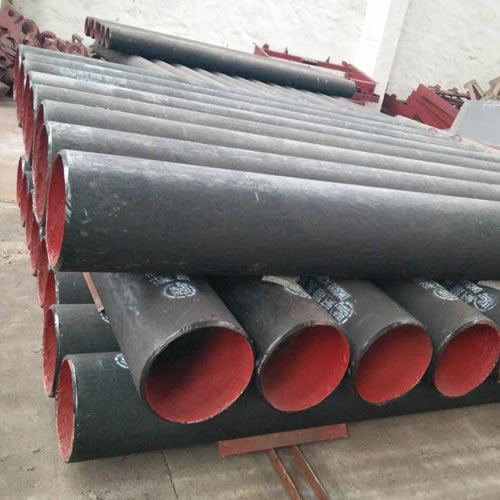
【H】 Rare earth alloy wear-resistant pipe

The material of the rare earth alloy wear-resistant pipe is ZG40CrMnMoNiSiRe, which is also the grade of rare earth alloy steel.
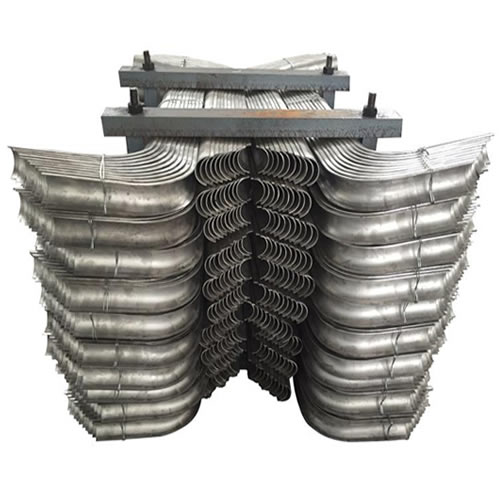
【H】 Tubes Erosion Shields

Tubes Erosion Shields are used to protect boiler tubing from the highly erosive effects of high temperatures and pressures thereby greatly extending tube life.
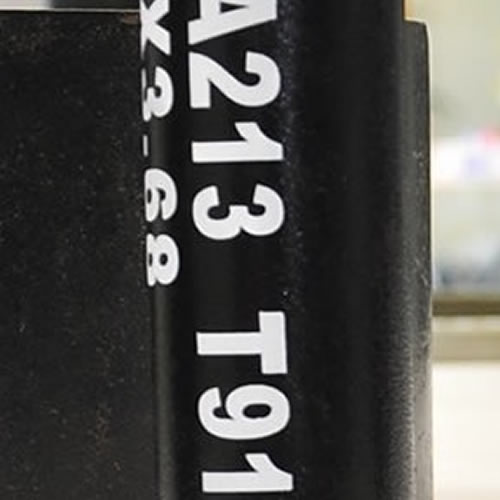
【H】 ASTM A213 T91 Alloy Tube

The ASTM A213 T91 seamless tubes are primarily used for boiler, superheater, and heat-exchanger.

The White Glove Service You Deserve

When you partner with Sunny Steel, you can stop worrying about meeting deadlines thanks to our responsive and timely service. You'll also say goodbye to unnecessary shopping around. Instead, you'll get white glove service from an expert who understands your needs and can get you the materials you need quickly.

application

Materials delivered on-time and at a fair price

application

No delays in production or manufacturing process

application

Meet engineering specifications to ensure top quality

application

World-class customer service ready to help