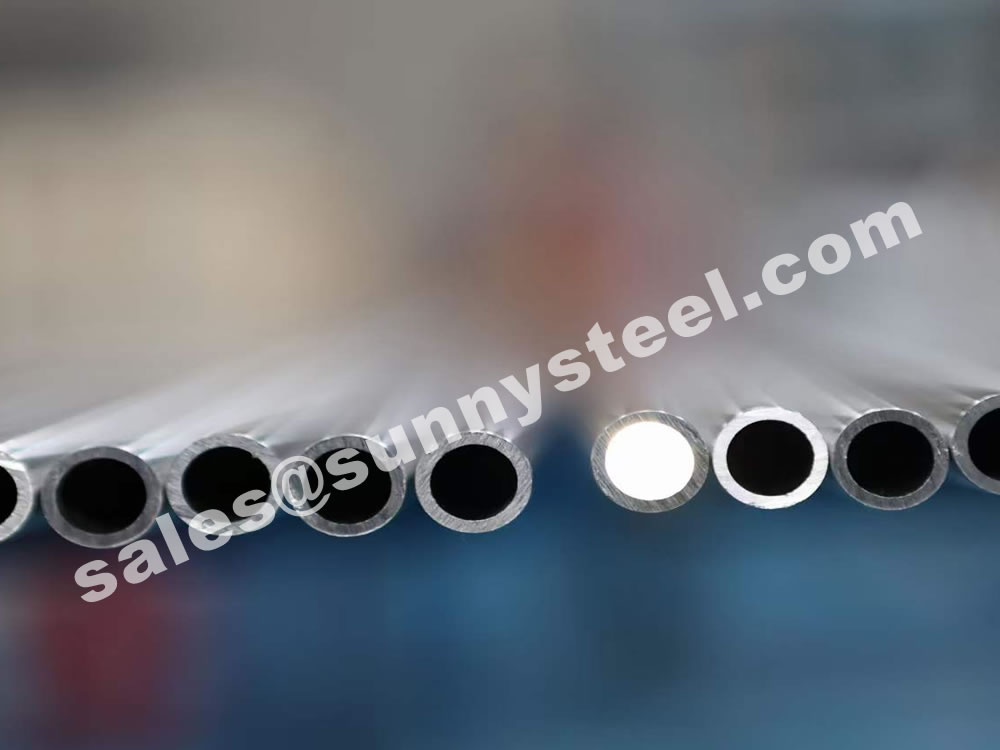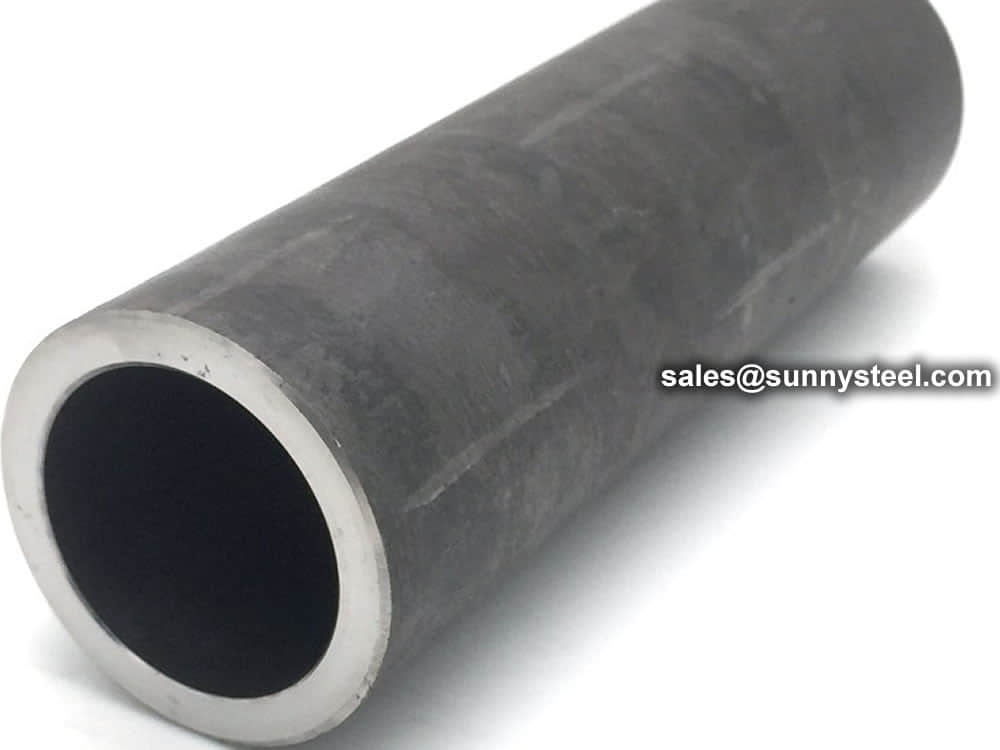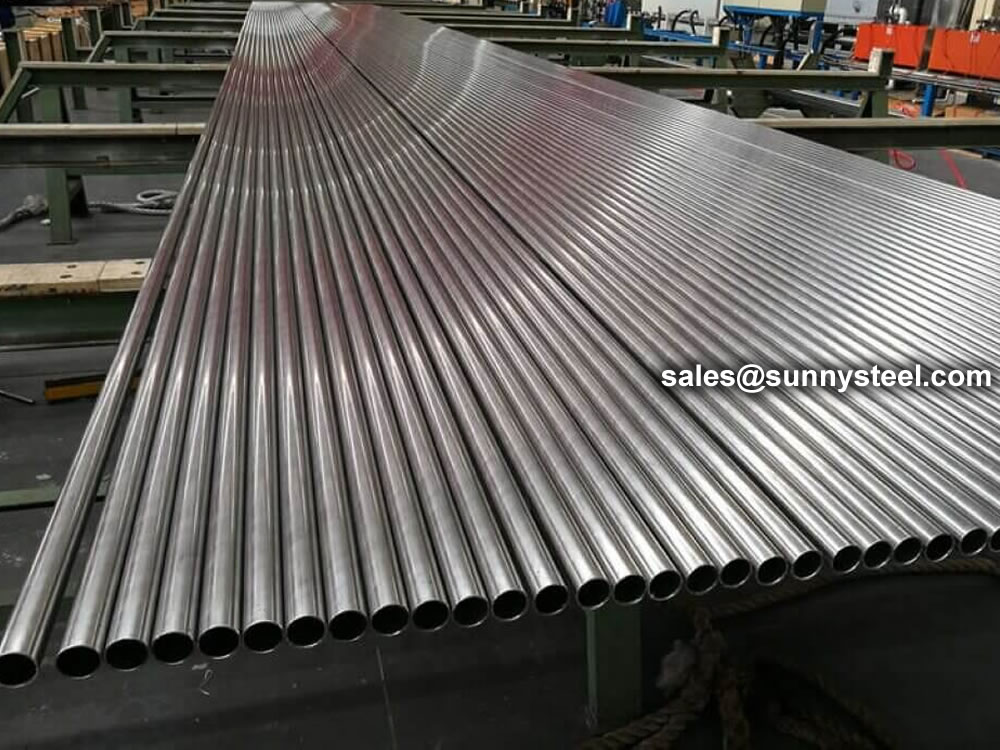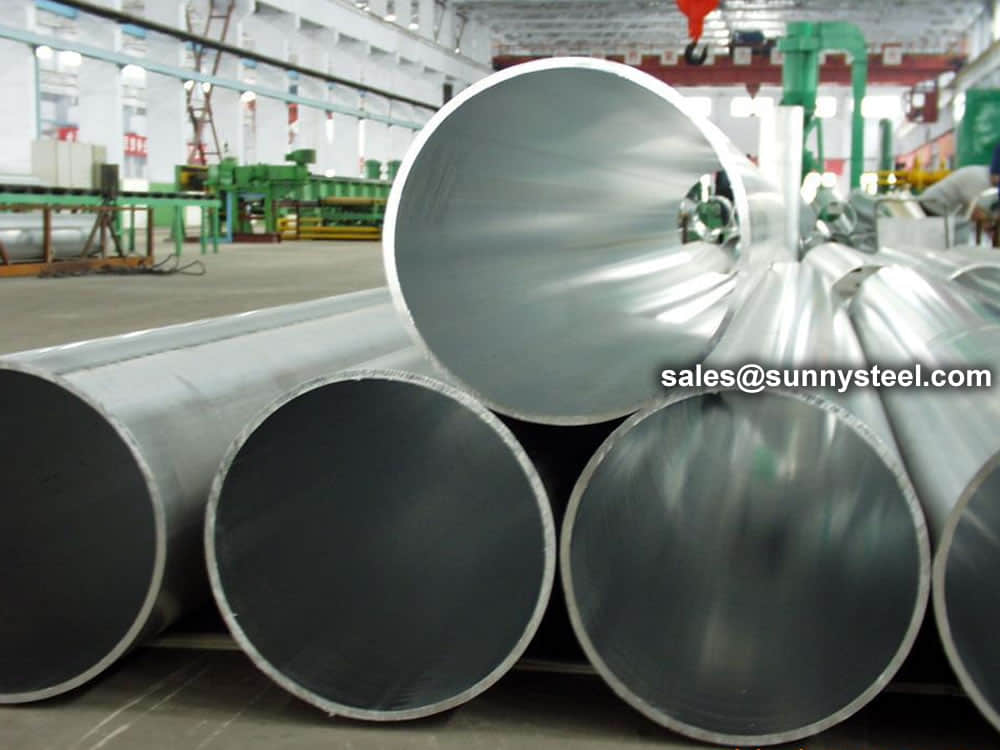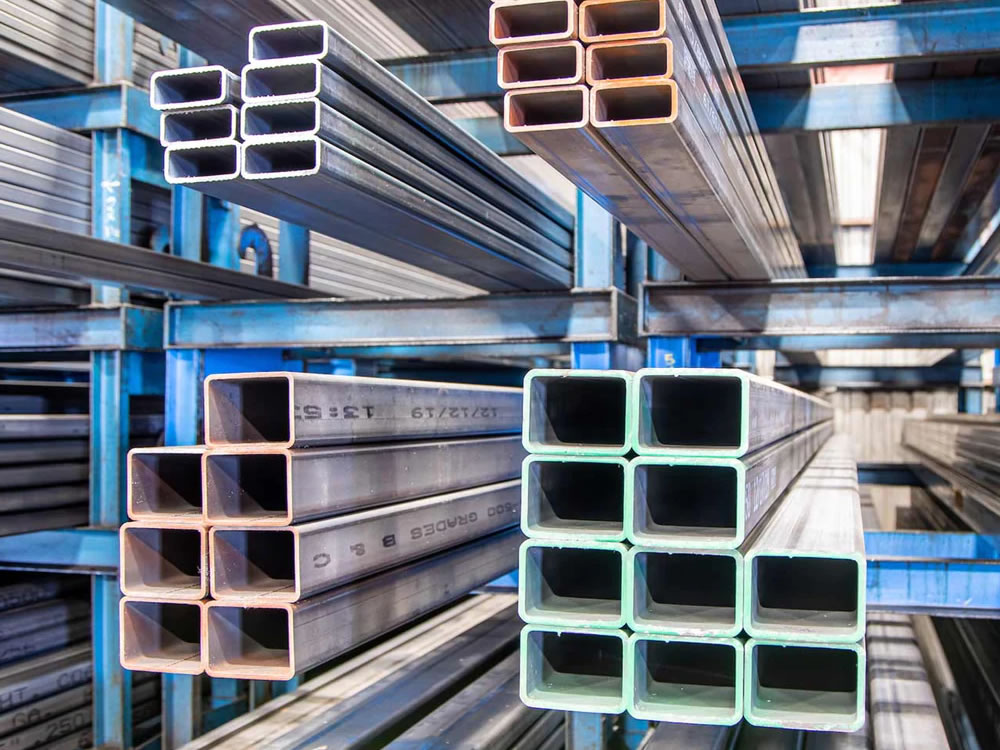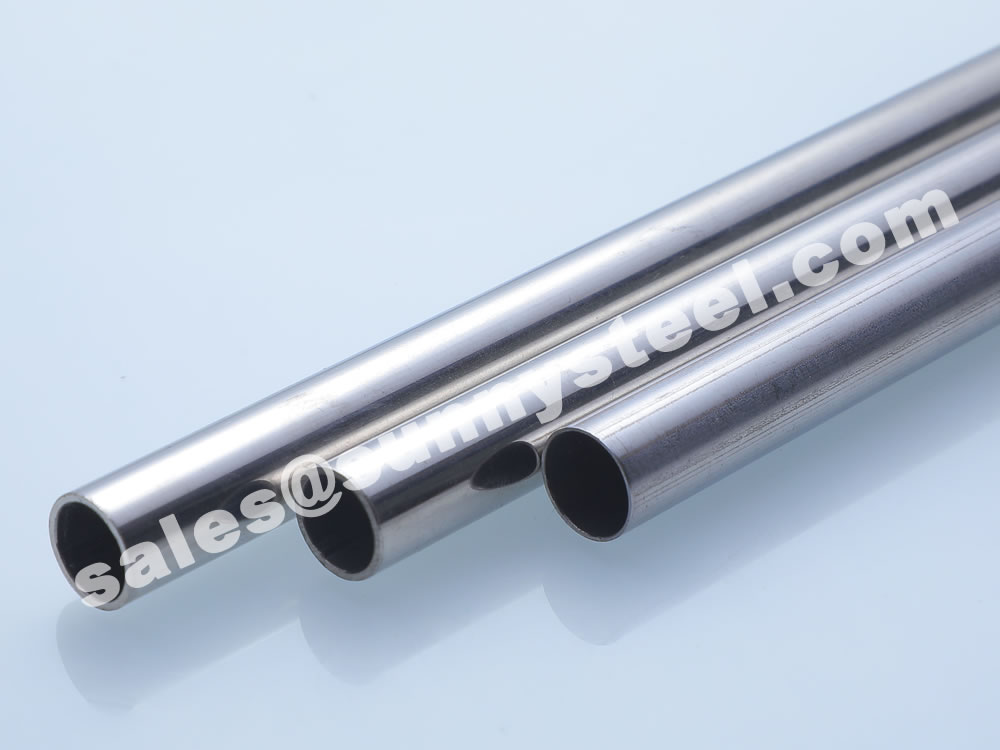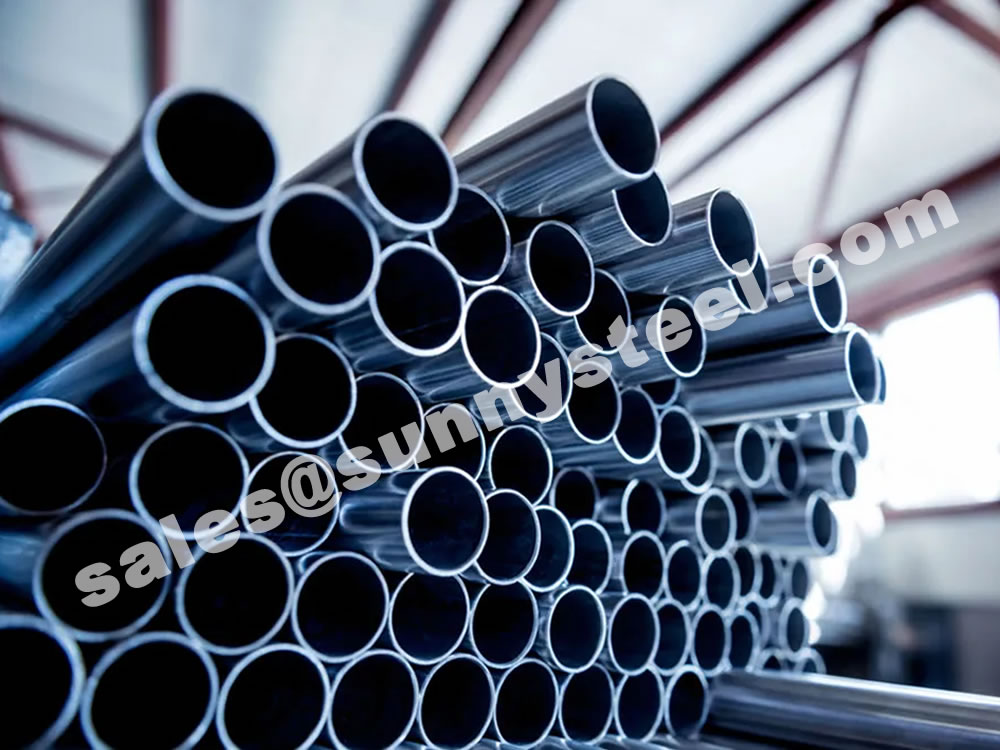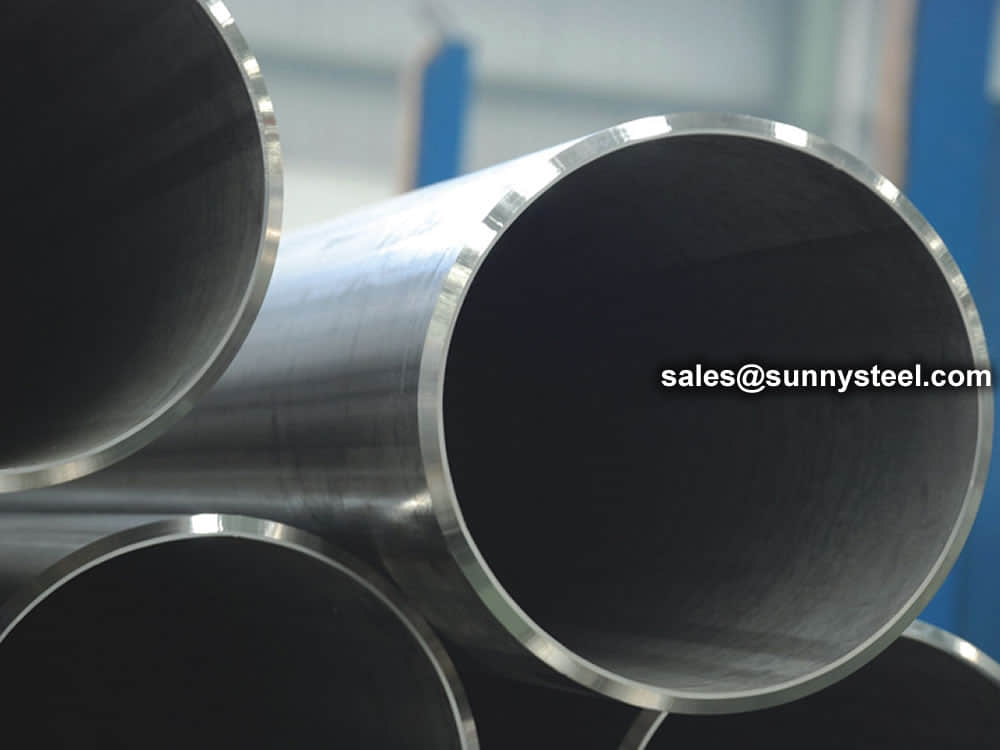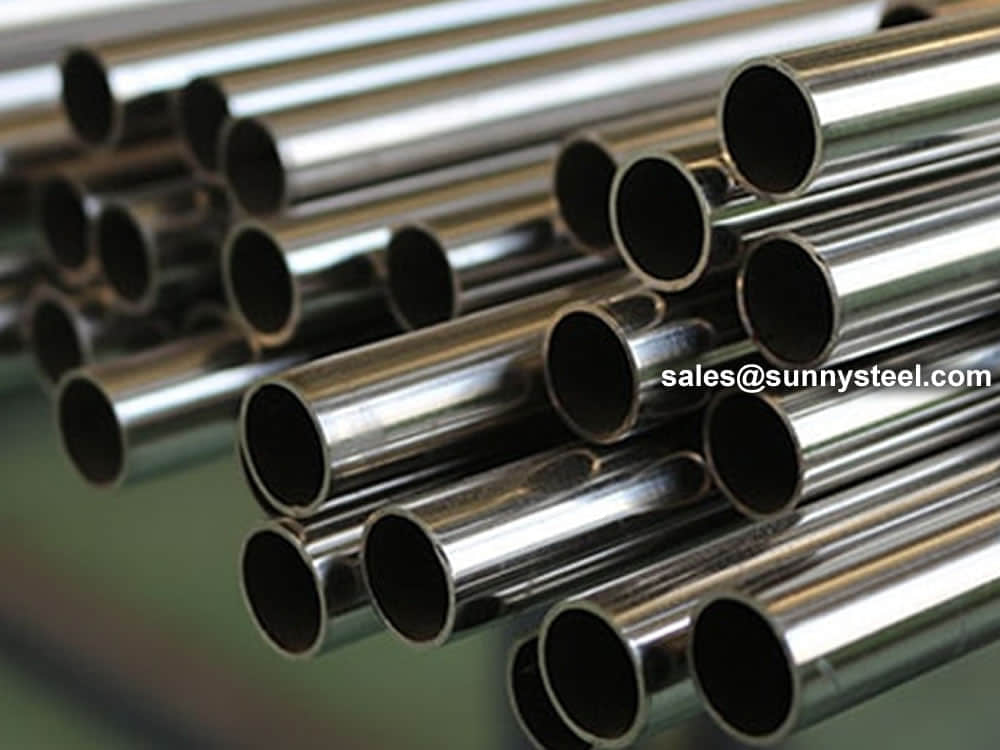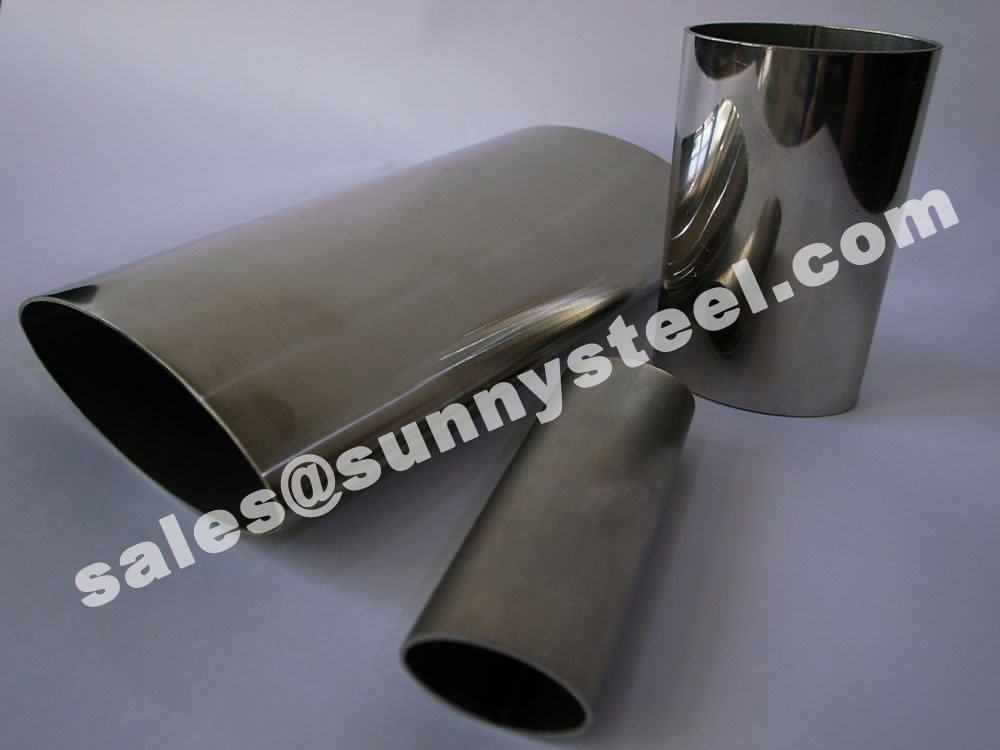
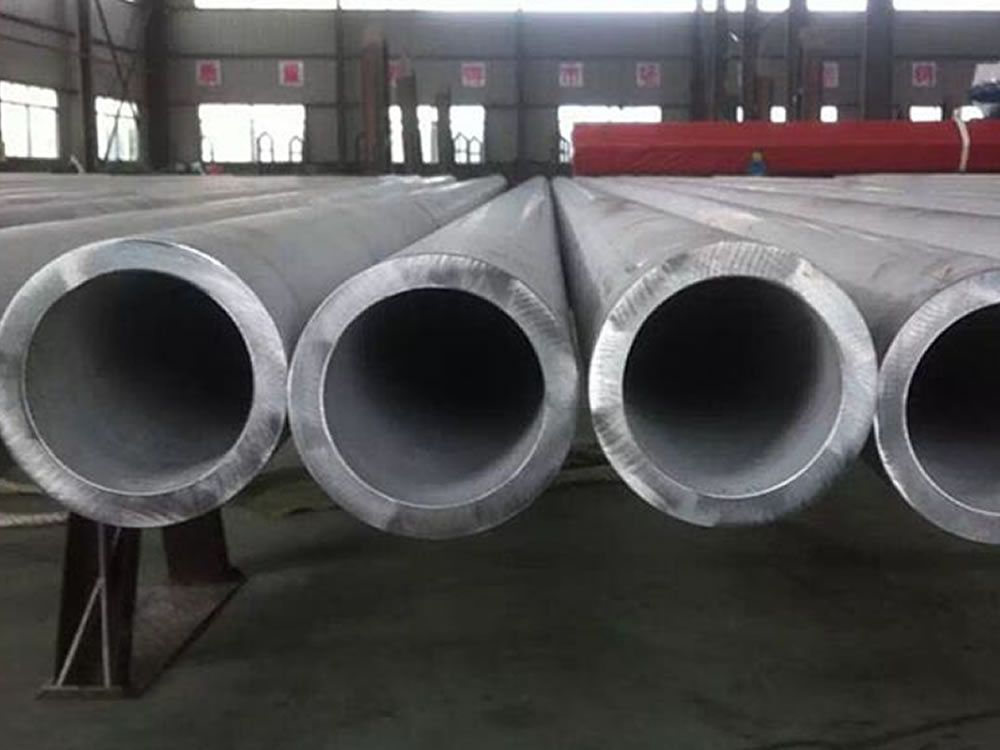
SEAMLESS STAINLESS STEEL PIPE
SEAMLESS STAINLESS STEEL PIPE - industrial steel pipe
Stainless Steel Welded Pipes / Tubes are made from the finest materials and are designed for industrial use.
Shipbuilding involves the assembly of various structural elements, and tubes play a crucial role in this process.
Stainless steel welded pipes are manufactured by welding a steel plate or strip to form a pipe. The process ensures precision, uniformity, and high-quality finishes, making them ideal for both structural and fluid transport applications. These pipes are available in various grades and dimensions, tailored to meet the specific requirements of diverse industries.
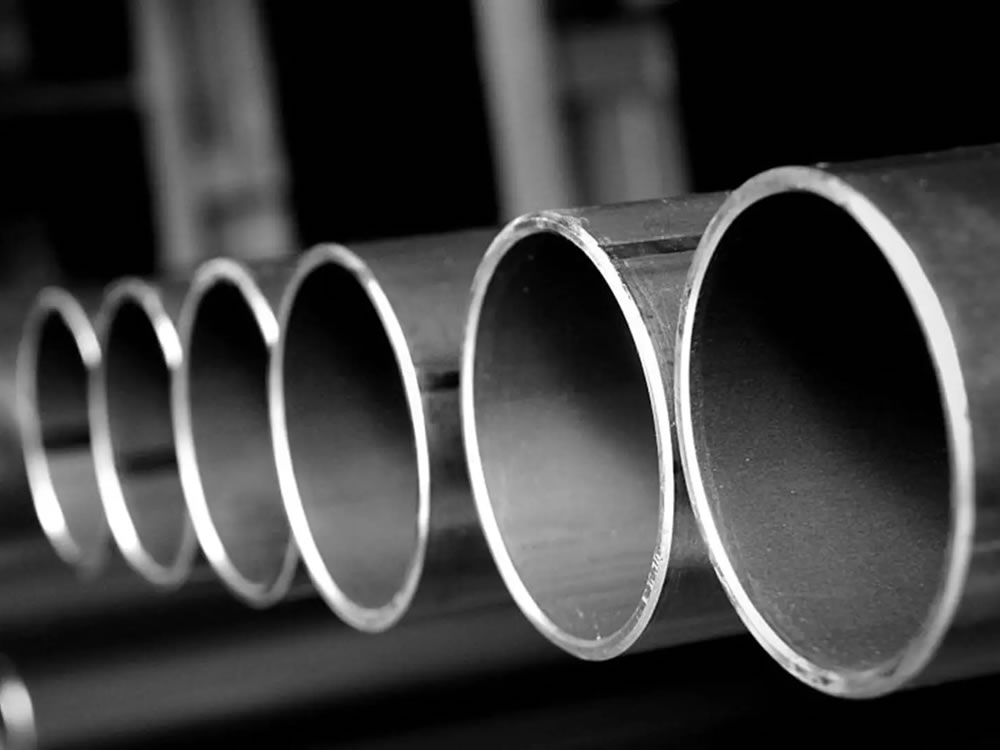
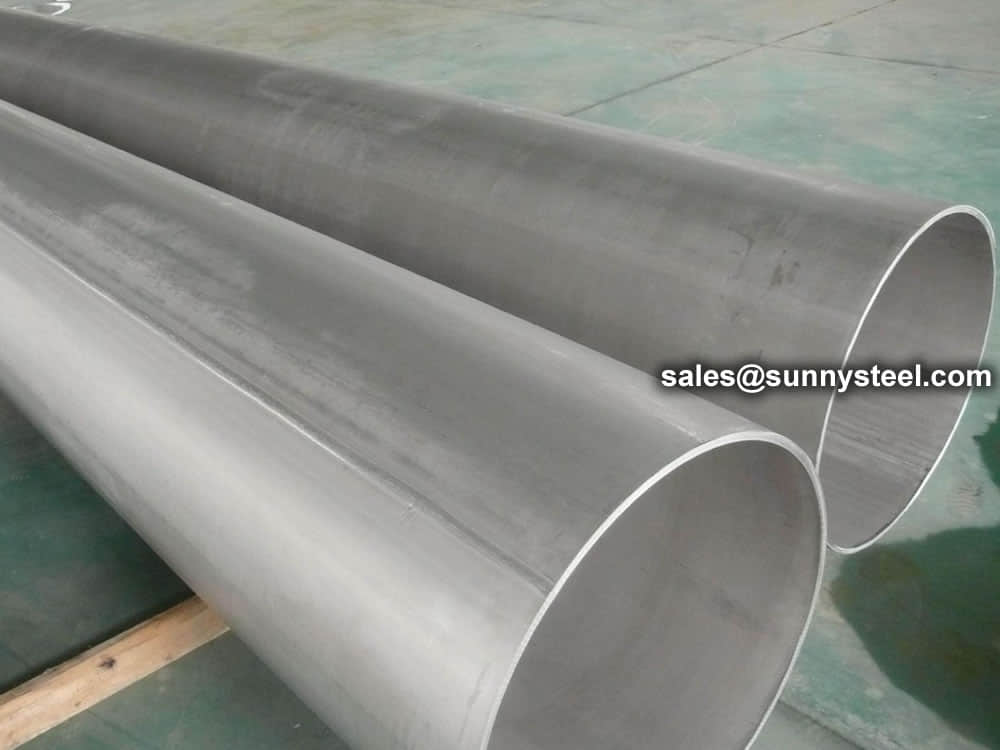
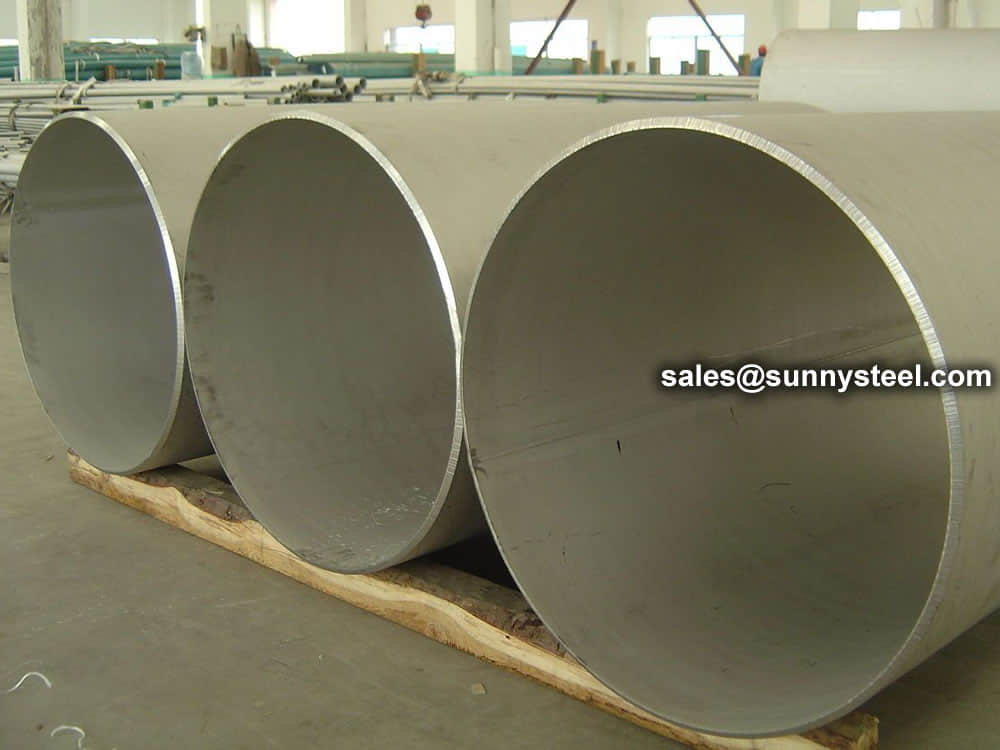
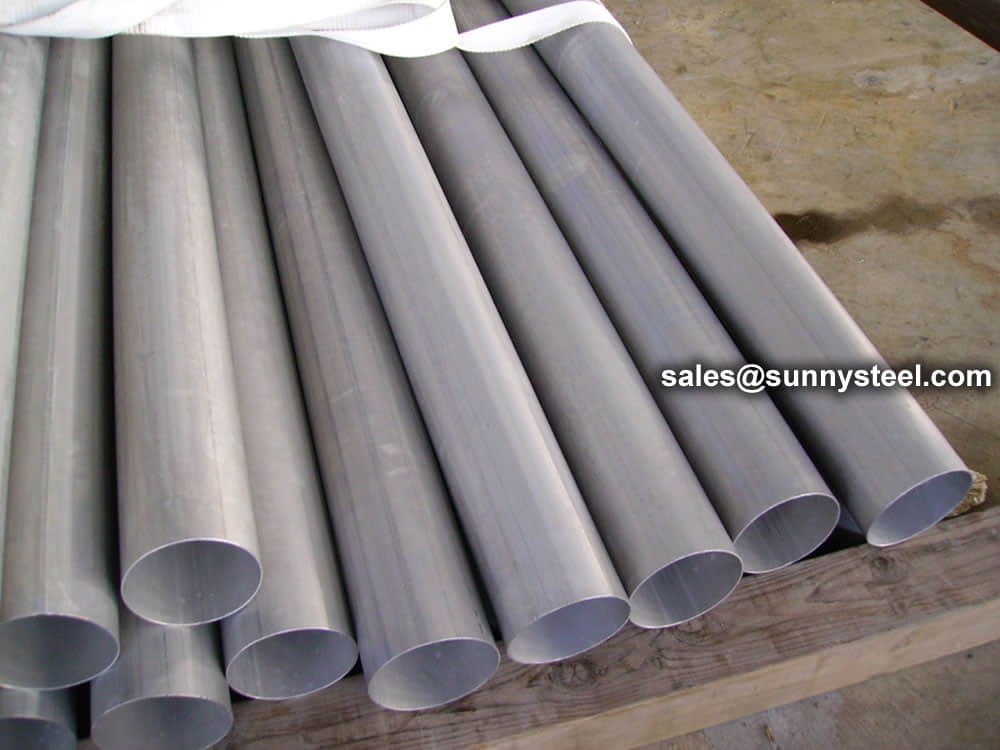
Stainless steel welded pipes are indispensable in modern engineering and industry. Their unmatched combination of strength, durability, and resistance to corrosion ensures they remain a preferred choice for diverse applications. Whether you’re constructing skyscrapers or building pipelines, stainless steel welded pipes provide a reliable, long-lasting solution.
Stainless steel is a low-cost and corrosion-resistant material with a high level of durability. It is ideal for both residential and marine applications. Not only is it durable and long-lasting with a perfect surface finish, but it also has excellent strength.
A wide range of effective production facilities offers you a large number of possibilities:
Duplex Welded Stainless Steel Pipe is in the application of Petrochemical and Chemical industry, Onshore and Offshore Oil & Gas field of exploration, production and processing, Pulp and Paper-making industry, Ship Buliding industry, Coal industry and etc.
The general features of our DSSP: superior corrision resistance, such as pitting corrosion, crevice corrosion, abrasion corrosion; better weldability and mechanical properties; excellent intergranular corrosion resistance and better cost- effectiveness.
Stainless steel can withstand corrosive or chemical environments due to its smooth surface.
NPS: 1/8" through 24"
Schedules: 5, 10, 10S, 20, 30, 40, 40S, 80, 80S
Specifications: ASTM A312, ASME SA312
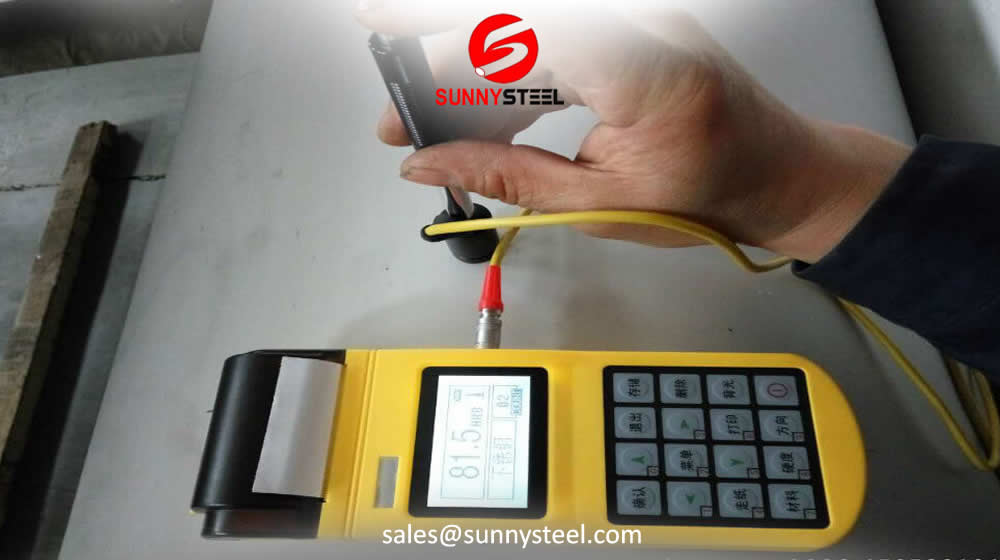
With a complete set of advanced testing equipment, we have the following Regular Testing Items:
Also used in producing all kinds of conventional weapons, the barrel, artillery shells and so on.
Custom Grades of Stainless Steel Tube
ASTM A358 TP321 is a specification for electric-fusion-welded austenitic chromium-nickel stainless steel pipe suitable for corrosive or high-temperature service.
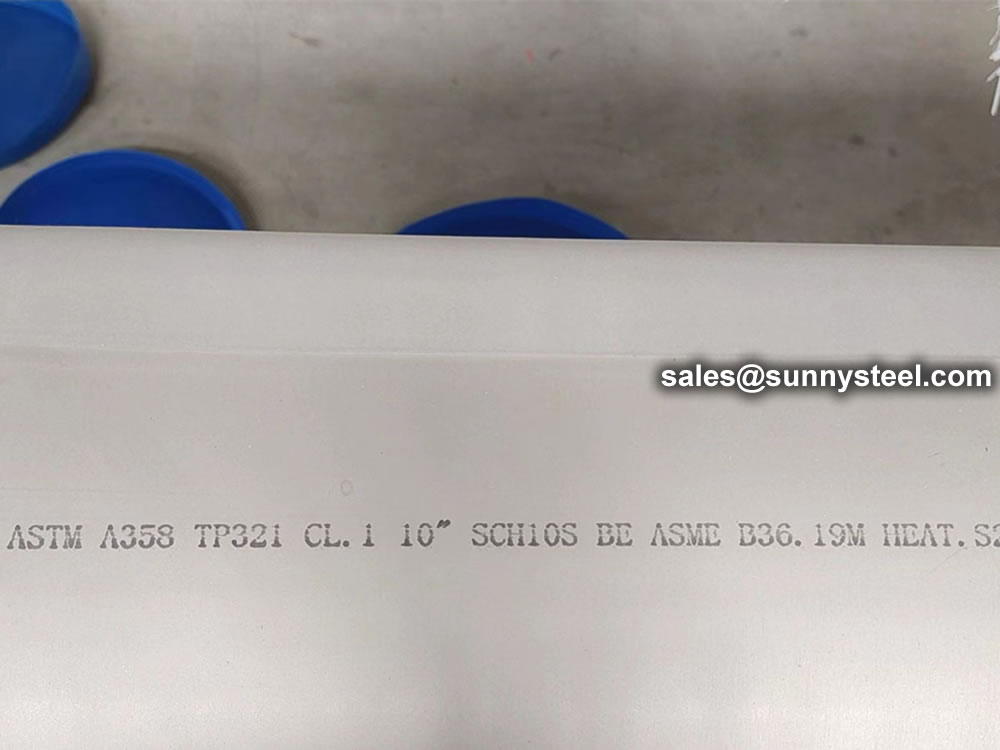
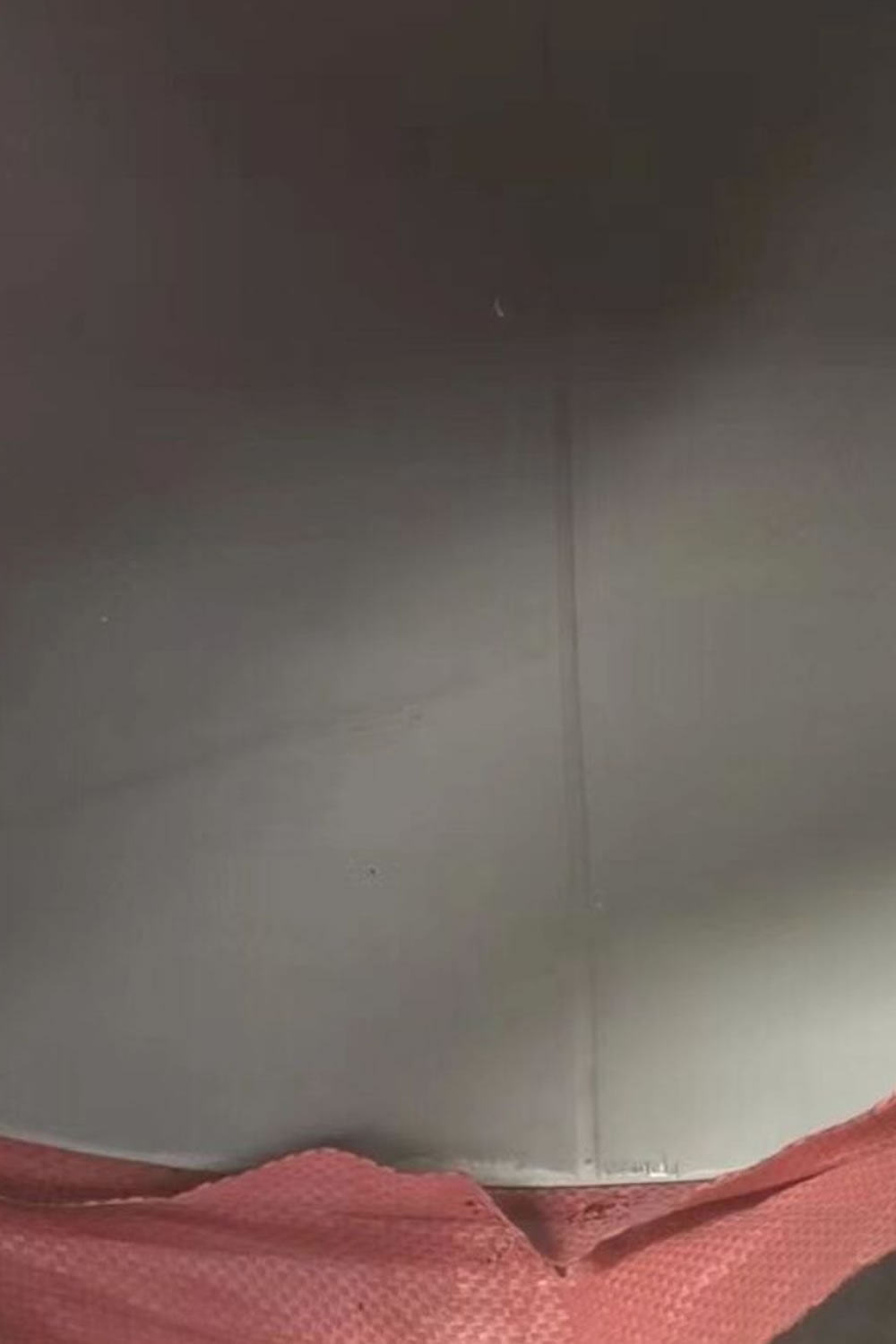
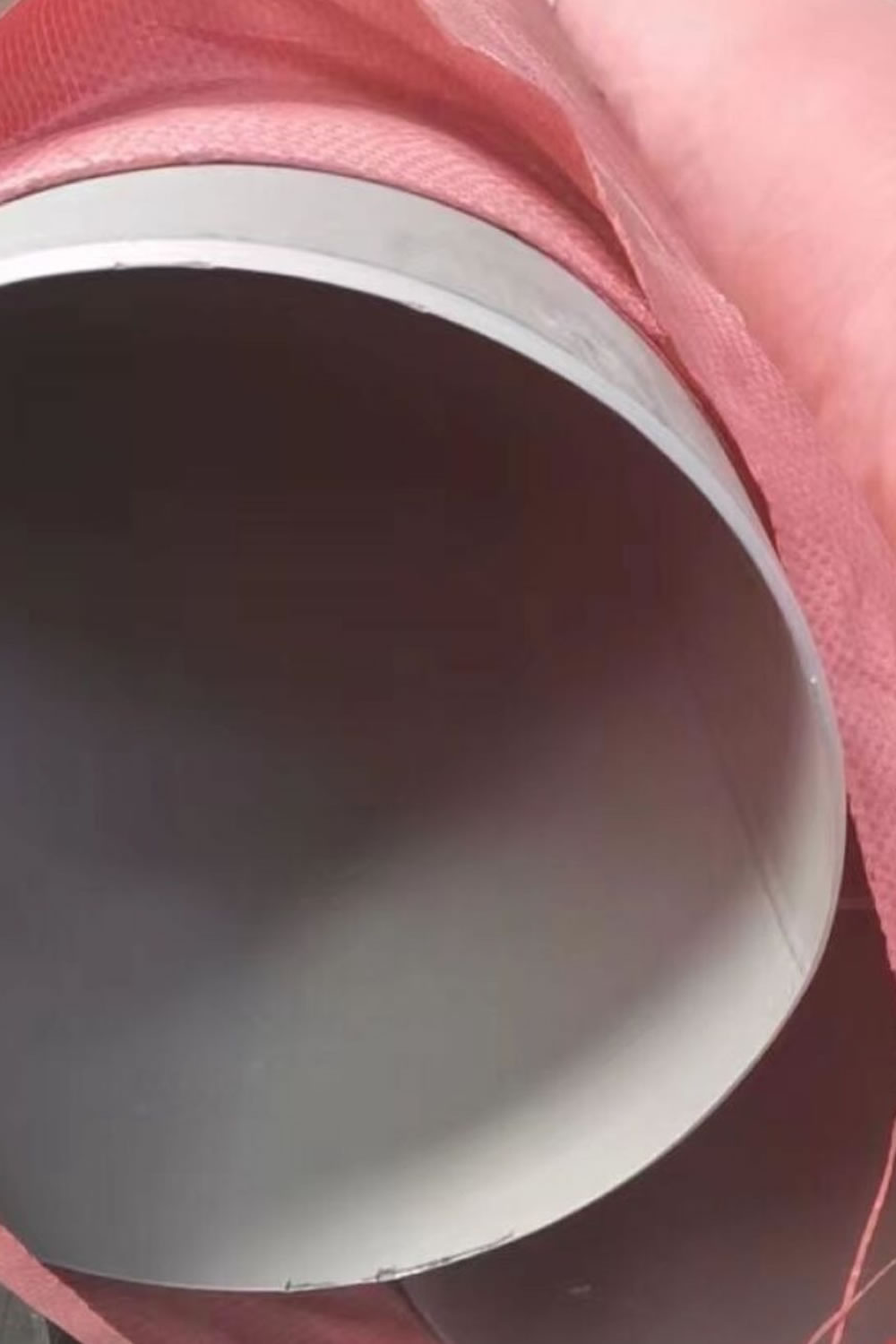
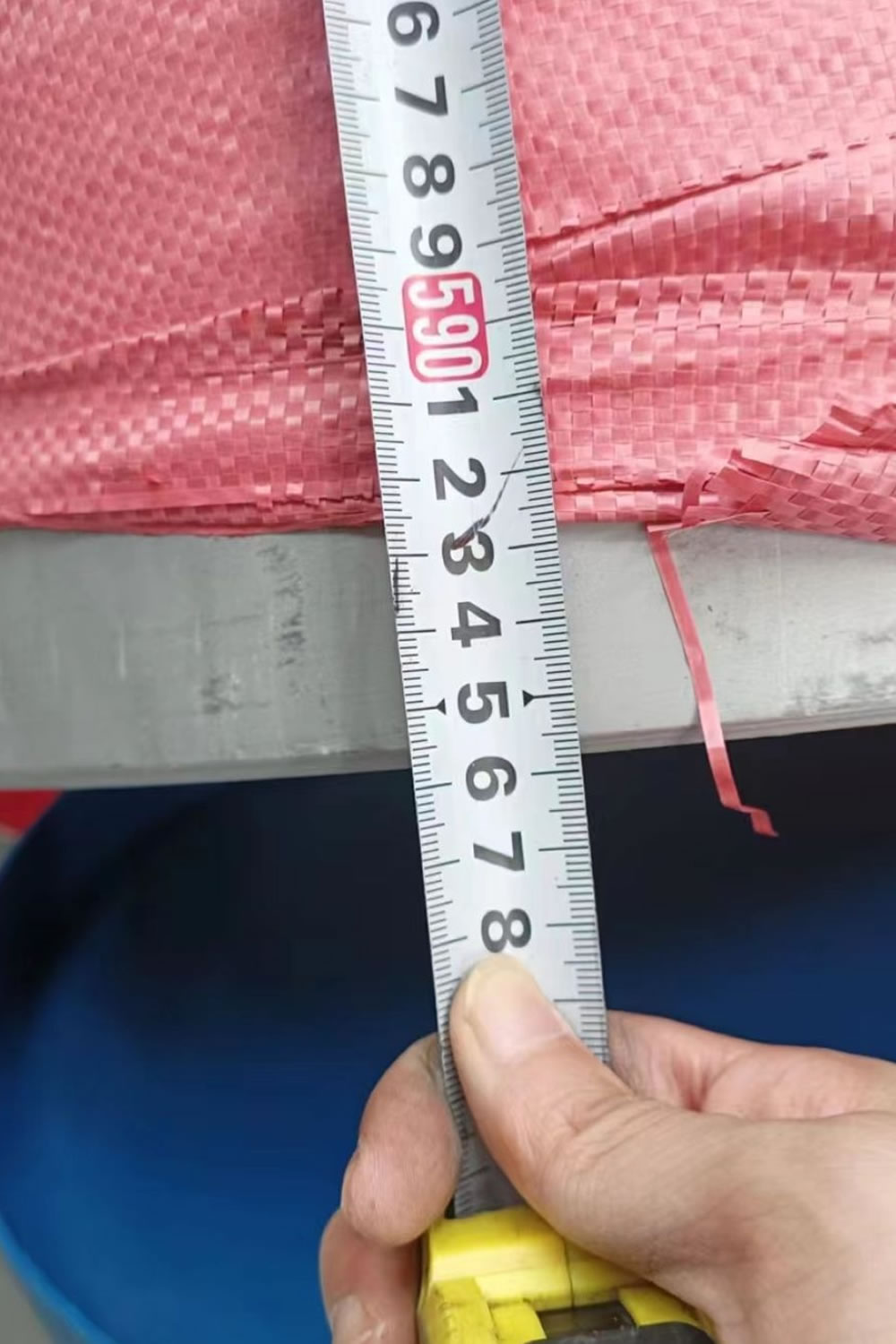
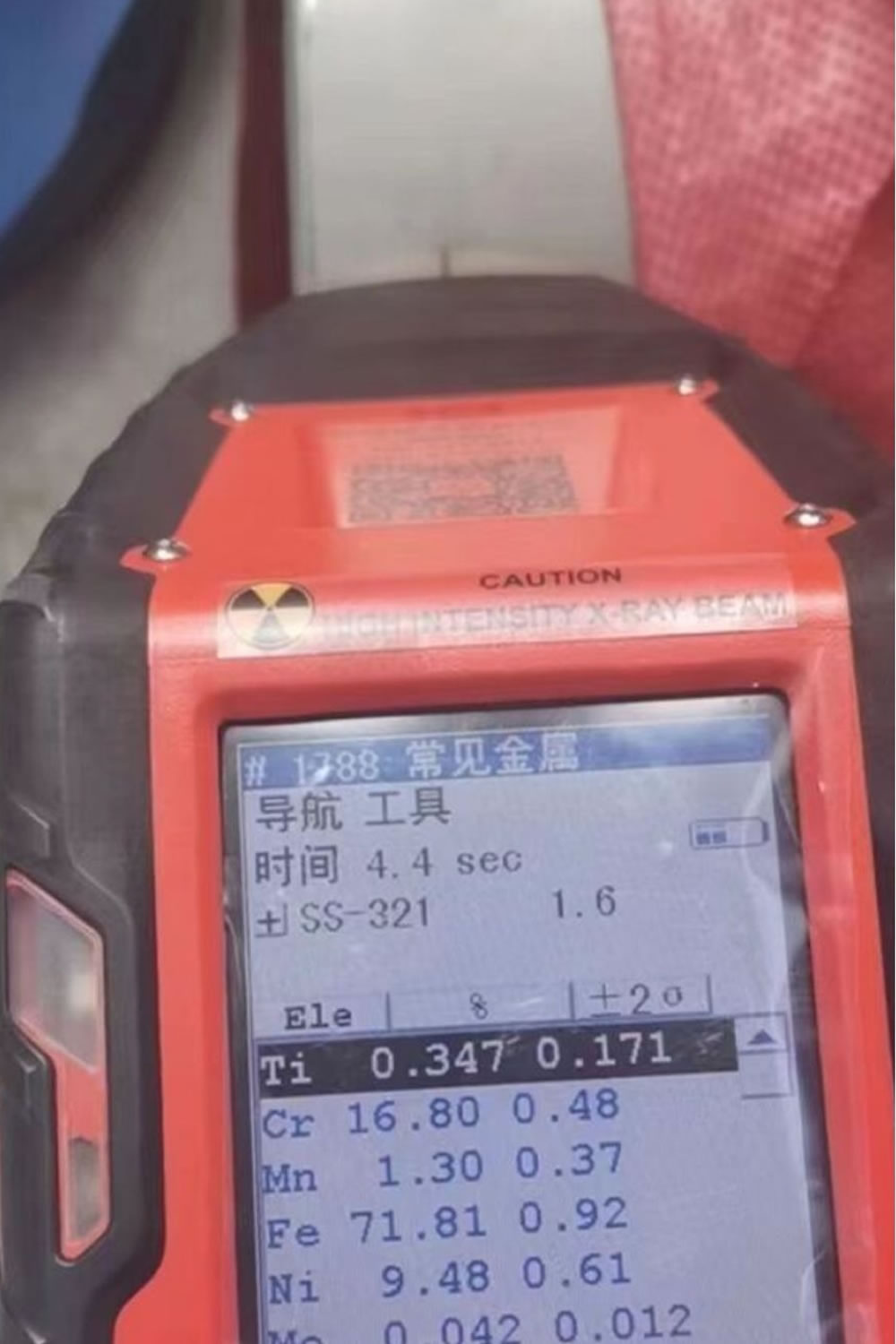
TP321 refers to the grade of stainless steel, which is a stabilized version of the basic 18-8 austenitic stainless steel with titanium added to prevent intergranular corrosion.
These pipes are suitable for corrosive or high-temperature service and are commonly used in various industries for their excellent corrosion resistance and high-temperature properties.
| Product Name | Executive Standard | Dimension | Steel Code / Steel Grade |
|---|---|---|---|
| Industrial Pipes | ASTM A312, A358, A778 |
OD: 1/4"-40" WT: SCH5S-SCH80S |
TP304, TP304L, TP316L, SUS304TP |
| Tubes for Boiler and Heat-Exchanger, General Service Tubing | ASTM A249, A269, JIS G3463 | OD: 15.9-139.8mm WT: 1.6-5.0mm |
TP304, TP304L, TP316L, SUS304TB |
| Mechanical and Structural Tubes | ASTM A554, JIS G3446 | OD: 7.9-152.4mm WT: 0.5-6.5mm |
MT304, MT304L, MT316L, MT430 Grade 201, 202 as per mill's STD SUS304 |
| Square Tubes | ASTM A554 | OD: 12.7x12.7-150x150mm WT: 0.7-6.5mm |
MT304, MT304L, MT316L, MT430 Grade 201, 202 as per mill's STD |
| Rectangular Tubes | ASTM A554 | OD: 10x20-100x200mm WT: 0.7-6.5mm |
MT304, MT304L, MT316L, MT430 Grade 201, 202 as per mill's STD |
| Sanitary Tubing | ASTM A270 JIS G3447 |
OD: 25.4-165.2mm WT: 0.8-3.05mm |
TP304, TP304L, TP316L, SUS304TBS |
| Large Gauge Pipes for Ordinary Piping | JIS G3448 | OD: 15.88-318.5mm WT: 0.8-3.0mm |
SUS304TPD |
| Large Diameter Pipes | JIS G3468 | OD: 14"-40" WT: SCH5S-SCH40S |
SUS304TPY |
| Steel Grade | Ni% Max. | Cr% Max. | C% Max. | Si% Max. | Mn% Max. | P% Max. | S% Max. | Mo% Max. | Ti% Max. | Other |
|---|---|---|---|---|---|---|---|---|---|---|
| SUS201 | 3.5-5.5 | 16.0-18.0 | 0.15 | 1.0 | 5.5-7.5 | 0.06 | 0.03 | - | - | N: 0.25 |
| SUS202 | 4.0-6.0 | 17.0-19.0 | 0.15 | 1.0 | 7.5-10.0 | 0.06 | 0.03 | - | - | N: 0.25 |
| SUS304 | 8.0-10.5 | 18.0-20.0 | 0.08 | 1.0 | 2.0 | 0.045 | 0.03 | - | - | - |
| SUS304L | 9.0-13.0 | 18.0-20.0 | 0.03 | 1.0 | 2.0 | 0.045 | 0.03 | - | - | - |
| SUS316L | 12.0-15.0 | 16.0-18.0 | 0.03 | 1.0 | 2.0 | 0.045 | 0.03 | 2.0-3.0 | - | - |
| SUS430 | 0.60 | 16.0-18.0 | 0.12 | 0.75 |
| Steel Grade | N/mm 2 MIN. Tensile Stress |
N/mm 2 MIN. Proof Stress |
% MIN. Elongation |
HRB MAX. Hardness |
Bendability: Bending Angle |
Bendability: Inside Radius |
|---|---|---|---|---|---|---|
| SUS201 | 520 | 275 | 40 | 100 | No Require | - |
| SUS202 | 520 | 275 | 40 | 95 | No Require | - |
| SUS304 | 520 | 205 | 40 | 90 | No Require | - |
| SUS304L | 480 | 175 | 40 | 90 | No Require | - |
| SUS316L | 480 | 175 | 40 | 90 | No Require | - |
| SUS430 | 420 | 205 | 22 | 88 | 180° | 1.0 time the thickness |
To simplify grade identification and align with international designations, China adopted the “Universal Code System for Steel and Alloy Grades” (e.g. 06Cr19Ni10 corresponds to 304). While chemical compositions vary slightly between standards, each grade is governed by its national standard.
| No | China (GB) | Japan (JIS) |
USA | Korea (KS) |
Europe (EN Werkstoff) |
India (IS) |
Australia | Taiwan (CNS) |
||
|---|---|---|---|---|---|---|---|---|---|---|
| Old | New (2007) | SUS | ASTM | UNS | STS | W.-Nr. | IS | Approx. | CNS | |
| Austenitic stainless steel | ||||||||||
| 1 | 1Cr17Mn6Ni5N | 12Cr17Mn6Ni5N | SUS201 | 201 | S20100 | STS201 | 1.4372 | 10Cr17Mn6Ni4N20 | 201-2 | 201 |
| 2 | 1Cr18Mn8Ni5N | 12Cr18Mn9Ni5N | SUS202 | 202 | S20200 | STS202 | 1.4373 | – | – | 202 |
| 3 | 1Cr17Ni7 | 12Cr17Ni7 | SUS301 | 301 | S30100 | STS301 | 1.4319 | 10Cr17Ni7 | 301 | 301 |
| 4 | 0Cr18Ni9 | 06Cr19Ni10 | SUS304 | 304 | S30400 | STS304 | 1.4301 | 07Cr18Ni9 | 304 | 304 |
| 5 | 00Cr19Ni10 | 022Cr19Ni10 | SUS304L | 304L | S30403 | STS304L | 1.4306 | 02Cr18Ni11 | 304L | 304L |
| 6 | 0Cr19Ni9N | 06Cr19Ni10N | SUS304N1 | 304N | S30451 | STS304N1 | 1.4315 | – | 304N1 | 304N1 |
| 7 | 0Cr19Ni10NbN | 06Cr19Ni9NbN | SUS304N2 | XM21 | S30452 | STS304N2 | – | – | 304N2 | 304N2 |
| 8 | 00Cr18Ni10N | 022Cr19Ni10N | SUS304LN | 304LN | S30453 | STS304LN | – | – | 304LN | 304LN |
| 9 | 1Cr18Ni12 | 10Cr18Ni12 | SUS305 | 305 | S30500 | STS305 | 1.4303 | – | 305 | 305 |
| 10 | 0Cr23Ni13 | 06Cr23Ni13 | SUS309S | 309S | S30908 | STS309S | 1.4833 | – | 309S | 309S |
| 11 | 0Cr25Ni20 | 06Cr25Ni20 | SUS310S | 310S | S31008 | STS310S | 1.4845 | – | 310S | 310S |
| 12 | 0Cr17Ni12Mo2 | 06Cr17Ni12Mo2 | SUS316 | 316 | S31600 | STS316 | 1.4401 | 04Cr17Ni12Mo2 | 316 | 316 |
| 13 | 0Cr18Ni12Mo3Ti | 06Cr17Ni12Mo2Ti | SUS316Ti | 316Ti | S31635 | – | 1.4571 | 04Cr17Ni12MoTi20 | 316Ti | 316Ti |
| 14 | 00Cr17Ni14Mo2 | 022Cr17Ni12Mo2 | SUS316L | 316L | S31603 | STS316L | 1.4404 | 02Cr17Ni12Mo2 | 316L | 316L |
| 15 | 0Cr17Ni12Mo2N | 06Cr17Ni12Mo2N | SUS316N | 316N | S31651 | STS316N | – | – | 316N | 316N |
| 16 | 00Cr17Ni13Mo2N | 022Cr17Ni13Mo2N | SUS316LN | 316LN | S31653 | STS316LN | 1.4429 | – | 316LN | 316LN |
| 17 | 0Cr18Ni12Mo2Cu2 | 06Cr18Ni12Mo2Cu2 | SUS316J1 | – | – | STS316J1 | – | – | 316J1 | 316J1 |
| 18 | 00Cr18Ni14Mo2Cu2 | 022Cr18Ni14Mo2Cu2 | SUS316J1L | – | – | STS316J1L | – | – | – | 316J1L |
| 19 | 0Cr19Ni13Mo3 | 06Cr19Ni13Mo3 | SUS317 | 317 | S31700 | STS317 | – | – | 317 | 317 |
| 20 | 00Cr19Ni13Mo3 | 022Cr19Ni13Mo3 | SUS317L | 317L | S31703 | STS317L | 1.4438 | – | 317L | 317L |
| 21 | 0Cr18Ni10Ti | 06Cr18Ni11Ti | SUS321 | 321 | S32100 | STS321 | 1.4541 | 04Cr18Ni10Ti20 | 321 | 321 |
| 22 | 0Cr18Ni11Nb | 06Cr18Ni11Nb | SUS347 | 347 | S34700 | STS347 | 1.4550 | 04Cr18Ni10Nb40 | 347 | 347 |
| Austenitic-ferritic (Duplex) stainless steel | ||||||||||
| 23 | 0Cr26Ni5Mo2 | – | SUS329J1 | 329 | S32900 | STS329J1 | 1.4477 | – | 329J1 | 329J1 |
| 24 | 00Cr18Ni5Mo3Si2 | 022Cr19Ni5Mo3Si2N | SUS329J3L | – | S31803 | STS329J3L | 1.4462 | – | 329J3L | 329J3L |
| Ferritic stainless steel | ||||||||||
| 25 | 0Cr13Al | 06Cr13Al | SUS405 | 405 | S40500 | STS405 | 1.4002 | 04Cr13 | 405 | 405 |
| 26 | – | 022Cr11Ti | SUH409 | 409 | S40900 | STS409 | 1.4512 | – | 409L | 409L |
| 27 | 00Cr12 | 022Cr12 | SUS410L | – | – | STS410L | – | – | 410L | 410L |
| 28 | 1Cr17 | 10Cr17 | SUS430 | 430 | S43000 | STS430 | 1.4016 | 05Cr17 | 430 | 430 |
| 29 | 1Cr17Mo | 10Cr17Mo | SUS434 | 434 | S43400 | STS434 | 1.4113 | – | 434 | 434 |
| 30 | – | 022Cr18NbTi | – | – | S43940 | – | 1.4509 | – | 439 | 439 |
| 31 | 00Cr18Mo2 | 019Cr19Mo2NbTi | SUS444 | 444 | S44400 | STS444 | 1.4521 | – | 444 | 444 |
| Martensitic stainless steel | ||||||||||
| 32 | 1Cr12 | 12Cr12 | SUS403 | 403 | S40300 | STS403 | – | – | 403 | 403 |
| 33 | 1Cr13 | 12Cr13 | SUS410 | 410 | S41000 | STS410 | 1.4006 | 12Cr13 | 410 | 410 |
| 34 | 2Cr13 | 20Cr13 | SUS420J1 | 420 | S42000 | STS420J1 | 1.4021 | 20Cr13 | 420 | 420J1 |
| 35 | 3Cr13 | 30Cr13 | SUS420J2 | – | – | STS420J2 | 1.4028 | 30Cr13 | 420J2 | 420J2 |
| 36 | 7Cr17 | 68Cr17 | SUS440A | 440A | S44002 | STS440A | – | – | 440A | 440A |
During manufacturing, the actual dimensions of stainless steel tubes and pipes often deviate from the nominal sizes. Such deviations are defined as tolerances and have been strictly standardized.
A positive deviation is called positive tolerance, and a negative deviation is called negative tolerance.
Outside diameter (OD), wall thickness and length are the three fundamental parameters in stainless steel tube & pipe manufacturing and distribution. Among them, OD and wall thickness are critical to structural design, fluid conveyance and downstream processing.
A. Nominal Pipe Size: The idealized dimension specified in standards such as ASME B36.10M and ASME B36.19M. It is the ordered size stated in contracts.
B. Actual Pipe Size: The real dimension obtained after production. Deviation occurs when the actual size is larger or smaller than the nominal size.
European standards define four tolerance classes for OD and wall thickness based on the nominal dimension, expressed either as percentages or absolute values. Larger diameters or heavier walls typically use percentage tolerances, while small-diameter or thin-wall tubes use absolute values.
| Standard | Process & Type | OD Tolerance | Wall Thickness Tolerance | Remarks | |
|---|---|---|---|---|---|
| OD (mm) | Class | ||||
| EN 10216-5 | Hot Finished Seamless | 219.1–610 | D1 | +22.5%T, –15%T | T/D ≤ 0.05 |
| T1 | T/D ≤ 0.09 | ||||
| T2 | T/D > 0.09 | ||||
| 30–219.1 | D2 | T1 | |||
| T2 | |||||
| Cold Finished Seamless | ≤219.1 | D3 | T3 | ||
| D4 | T4 | By agreement | |||
| EN 10297-2 | Hot Finished Seamless | – | D1 | T1 | |
| D2 | T2 | By agreement | |||
| Cold Finished Seamless | – | D3 | T3 | ||
| D4 | T4 | By agreement | |||
| EN 10217-7 | Welded | >168.3 | D2 | T3 | |
| ≤168.3 | D3 | T3 | |||
| D4 | T3 | By agreement | |||
| EN 10296-2 | Welded | >168.3 | D2 | T3 | |
| ≤168.3 | D3 | T3 | |||
| ≤114.3 | D4 | T3 | By agreement | ||
| EN 10312 | Welded | Series 1 | D4 | T3 | T = 0.6–2 mm |
| Series 2 | D3–D4 | T3–T4 | T = 1–3 mm | ||
OD classes D1–D4 and wall thickness classes T1–T4 follow DIN EN ISO 1127: Dimensions, tolerances and conventional masses per unit length.
| Outside Diameter | Wall Thickness | ||
|---|---|---|---|
| Class | Tolerance | Class | Tolerance |
| D1 | ±1.5% or ±0.75 mm min. | T1 | ±15% or ±0.6 mm min. |
| D2 | ±1.0% or ±0.5 mm min. | T2 | ±12.5% or ±0.4 mm min. |
| D3 | ±0.75% or ±0.3 mm min. | T3 | ±10% or ±0.2 mm min. |
| D4 | ±0.50% or ±0.1 mm min. | T4 | ±7.5% or ±0.15 mm min. |
| T5 | ±5.0% or ±0.10 mm min. | ||
Where both percentage and absolute values apply, the greater value shall be used.
ASTM specifications are primarily governed by ASTM A999/A999M and A1016/A1016M.
| ASTM A999 | ASTM A1016 |
|
|
A511 (seamless mechanical tubing) and A554 (welded mechanical tubing) are exceptions and have independent tolerance tables.
| Standard | Process / Condition | OD (mm) | OD Tolerance (mm) | Wall Thickness T (mm) | Wall Thickness Tolerance | |
|---|---|---|---|---|---|---|
| Minimum | Average | |||||
| ASTM A1016/A1016M | Hot Drawn Seamless | ≤100 | +0.4 / –0.8 | ≤2.4 | +0.4t / 0 | |
| 100–200 | +0.4 / –1.2 | 2.4–3.8 | +0.35t / 0 | |||
| 200–225 | +0.4 / –1.6 | 3.8–4.6 | +0.33t / 0 | |||
| ≥4.6 | +0.28t / 0 | |||||
| Cold Drawn Seamless | <25 | ±0.1 | +0.20t / 0 | ±0.10t | ||
| 25–40 | ±0.1 | +0.20t / 0 | ±0.10t | |||
| 40–50 | ±0.2 | +0.22t / 0 | ±0.10t | |||
| 50–65 | ±0.25 | +0.22t / 0 | ±0.10t | |||
| 65–75 | ±0.3 | +0.22t / 0 | ±0.10t | |||
| 75–100 | ±0.38 | +0.22t / 0 | ±0.10t | |||
| 100–200 | +0.38 / –0.04 | +0.22t / 0 | ±0.10t | |||
| 200–250 | +0.38 / –1.14 | +0.22t / 0 | ±0.10t | |||
| Welded | 40–50 | ±0.2 | +0.18t / 0 | ±0.10t | ||
| 50–65 | ±0.25 | +0.18t / 0 | ±0.10t | |||
| 65–75 | ±0.3 | +0.18t / 0 | ±0.10t | |||
| 75–100 | ±0.38 | +0.18t / 0 | ±0.10t | |||
| 100–200 | +0.38 / –0.04 | +0.18t / 0 | ±0.10t | |||
| 200–250 | +0.38 / –1.14 | +0.18t / 0 | ±0.10t | |||
| ASTM A999 | Seamless & Welded | <48.3 | +0.4 / –0.8 | –0.125t | ||
| ASTM A312 | Seamless & Welded | 48.3–114.3 | ±0.8 | OD=10.3–73 | +0.20t / –0.125t | |
| 168.3–219.1 | +1.6 / –0.8 | t/OD≤5%, OD=88.9–457.2 | +0.225t / –0.125t | |||
| 219.1–457.2 | +2.4 / –0.8 | t/OD>5%, OD=88.9–457.2 | +0.15t / –0.125t | |||
| Welded | 508–660 | +3.2 / –0.8 | OD≥508 | +0.175t / –0.125t | ||
| 711–864 | +4.0 / –0.8 | t/OD≤5%, OD≥508 | +0.225t / –0.125t | |||
| Seamless | 914–1209 | +4.8 / –0.8 | t/OD>5%, OD≥508 | +0.15t / –0.125t | ||
| ASTM A409 | Welded | ±0.2% (t<4.8) ±0.4% (t≥4.8) |
||||
| ASTM A358 | Welded | ±0.50% | ||||
| ASTM A511 | Seamless Mechanical | ≤12.7 | ±0.1 | ±0.15t | ||
| 12.7–38.1 | ±0.2 | ±0.10t | ||||
| 38.1–88.9 | ±0.3 | ±0.10t | ||||
| 88.9–139.7 | ±0.4 | ±0.10t | ||||
| 139.7–203.1 | ±0.8 | ±0.10t | ||||
| 203.1–220 | ±1.1 | ±0.10t | ||||
| 220–325 | ±1.6 | ±0.10t | ||||
U.S. standards predominantly use absolute OD tolerances, often asymmetrical. In many cases, average OD accuracy exceeds D4 class per EN ISO 1127.
Typical wall thickness tolerance: ±10%t or tighter. Pipeline products allow larger tolerances, with hot-finished seamless pipe being the most permissive.
China’s stainless steel tube & pipe standards are broadly aligned with European practice, while incorporating select provisions from U.S. specifications.
| Specification | Process | OD (mm) | OD Tolerance | Wall (mm) | Wall Tolerance | |
|---|---|---|---|---|---|---|
| GB 13296 | Cold Rolled Seamless | 6–30 | ±0.15 / –0.2 | 1–3 | +20% | 0% |
| >30–50 | ±0.3 | >3 | +22% | 0% | ||
| >50 | ±0.75% | Average wall thickness applies | ||||
| GB/T 14976 | Cold Rolled Seamless | 6–10 | ±0.15 | 1–3 | +12.5% | –12.5% |
| 10–30 | ±0.2 | >3 | +12.5% | –10% | ||
| 30–50 | ±0.3 | Average wall: +22% | ||||
| >50 | ±0.8% | |||||
Wall thickness tolerances in Chinese standards are generally comparable to mainstream U.S. and European specifications, though slightly less stringent than the highest EU accuracy classes.
OD tolerances in Chinese standards are typically tighter than U.S. requirements and approach EU levels. U.S. standards place stronger emphasis on tight OD control relative to wall thickness.
Neither Chinese nor European standards prescribe weight tolerances. Seamless tubes may be delivered by actual or theoretical weight; welded tubes are typically delivered by theoretical weight, optionally by actual weight.
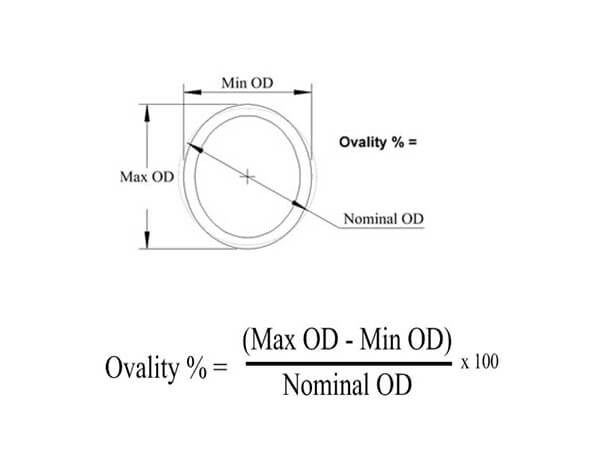
Ovality is the difference between the maximum and minimum OD measured on the same cross-section. It is determined by measuring the high and low points of the tube or pipe.
Eccentricity describes variation in wall thickness around the circumference. High-precision applications require tight concentricity.
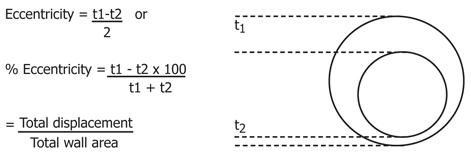
EN standards incorporate concentricity within wall thickness tolerances. ASTM A1016/A1016M specifies concentricity for OD ≥ 50 mm and t ≥ 5.6 mm.
Seamless tubes:
WTmax – WTmin ≤ ±10% × (WTmax + WTmin) / 2Welded tubes:
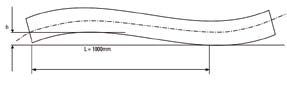
WTmax – WTmin ≤ 5% × (WTmax + WTmin) / 2Standard tubes are supplied straightened to the eye. For special applications, permissible deviation from straightness may be agreed upon. It is expressed per unit length, e.g. 1 mm per 1000 mm.
| OD (mm) ≤ | OD (inches) ≤ | Wall | Commercial Straightness | Achievable (mm/m) |
|---|---|---|---|---|
| 15.9 | 0.625 | All sizes | 1 in 600 | 1 in 2000 |
| 25.4 | 1.00 | ≥2% of OD | 1 in 600 | 1 in 1500 |
| 25.4 | 1.00 | <2% of OD | 1 in 400 | 1 in 1000 |
Delivery length is the length requested by the purchaser and specified in the contract. Standards define several types:
A. Normal / Random Length: Within the standard range, without fixed length requirement. Example: hot-finished pipe 3000–12000 mm; cold-drawn pipe 2000–10500 mm.
B. Fixed Length: A specific length within the normal range. An allowable positive deviation applies.
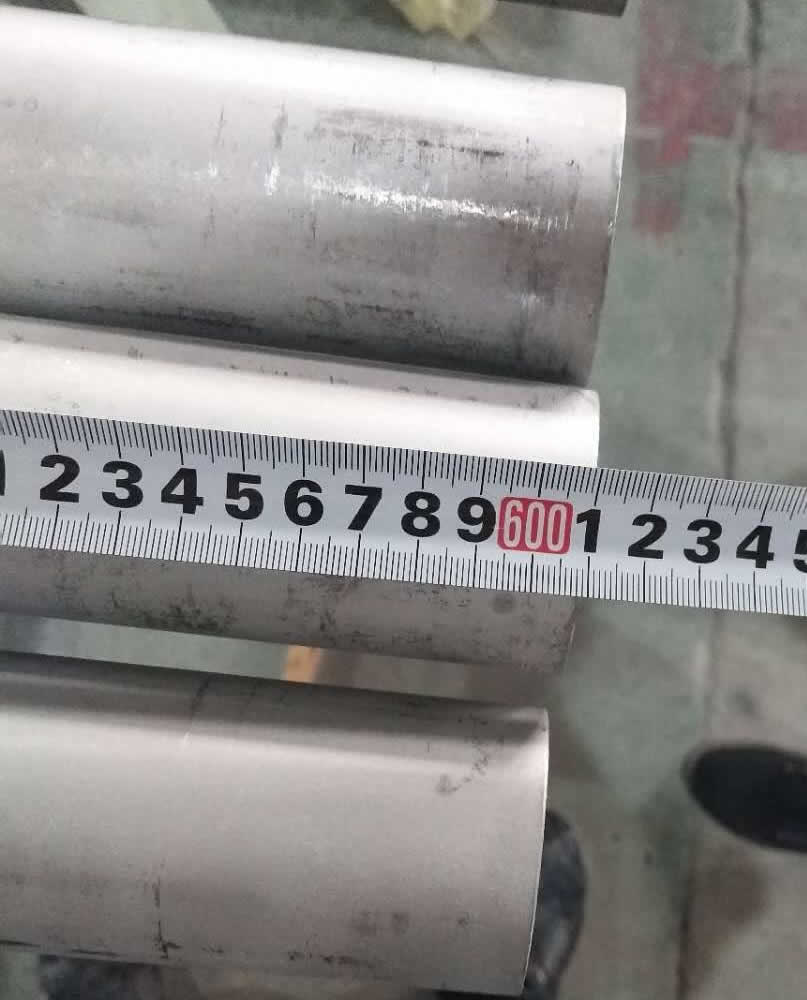
Fixed-length production yields significantly lower than random length. Price premiums of approximately 10% are common.
C. Multiple Length: Total length is a multiple of a single length, with an additional cutting allowance. Example: 3000 mm × 3 = 9000 mm total.
Cutting allowances: 5–10 mm for OD ≤ 159 mm; 10–15 mm for OD > 159 mm.
D. Range Length: A defined length interval within the normal range. Example: 6000–8000 mm or 8000–10000 mm. Premiums of ~4% are typical.
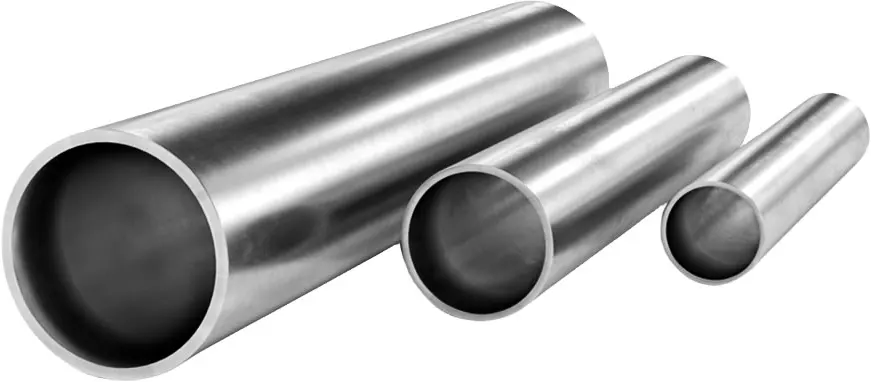
Density is defined as mass per unit volume. For stainless steels, typical densities range from 7600 kg/m³ to 8000 kg/m³, depending on alloy composition.
Stainless steels contain a minimum of 10.5% chromium, along with alloying elements such as nickel, molybdenum, titanium and copper. These elements enhance strength and corrosion resistance but also influence density.
Even within the same grade, exact density may vary slightly due to compositional tolerances. The values below are theoretical references for engineering calculations.
| Grade Family | Typical Grades | Density (g/cm³) | Density (kg/m³) |
|---|---|---|---|
| Austenitic (Cr-Ni) |
201, 202, 301, 302, 303, 304, 304L, 304LN, 305, 321 |
7.93 | 7930 |
| Austenitic (Mo-bearing) |
309S, 310S, 316, 316L, 316Ti, 316LN, 317, 317L, 347 |
7.98 | 7980 |
| Super Austenitic | 904L | 7.98 | 7980 |
| Duplex | 2205 / S31803 | 7.80 | 7800 |
| Super Duplex | S32750 | 7.85 | 7850 |
| Martensitic | 403, 410, 410S, 416, 431 | 7.75 | 7750 |
| Martensitic (High C) | 440A / 440C | 7.74 / 7.62 | 7740 / 7620 |
| Martensitic | 420 | 7.73 | 7730 |
| Ferritic | 439, 430, 430F | 7.70 | 7700 |
| Ferritic (Mo-bearing) | 434 / 444 | 7.74 / 7.75 | 7740 / 7750 |
| Ferritic | 405 | 7.72 | 7720 |
* Values are given at standard temperature and pressure (STP).
304 and 316 are the most widely used austenitic grades. 304 has a density of 7930 kg/m³, while 316 measures 7980 kg/m³. This difference must be accounted for when calculating theoretical weights for procurement or design.
Density is commonly expressed in g/cm³, kg/m³ or lb/in³. The following conversion applies:
1 kg/m³ = 0.001 g/cm³ = 0.000036127 lb/in³
Stainless steel density varies with environmental conditions. Increasing temperature generally reduces density, while increasing pressure raises density. For precision engineering, these effects should be considered in high-temperature or high-pressure service.
Seamless and welded tubes and pipes are the two primary product forms for stainless steel. For decades, there has been ongoing discussion regarding which type offers superior performance.
With advances in metallurgy and welding technology, the debate now centers on structural integrity and corrosion resistance—particularly within the weld zone of welded products. Fundamentally, the key distinction lies in the manufacturing process.
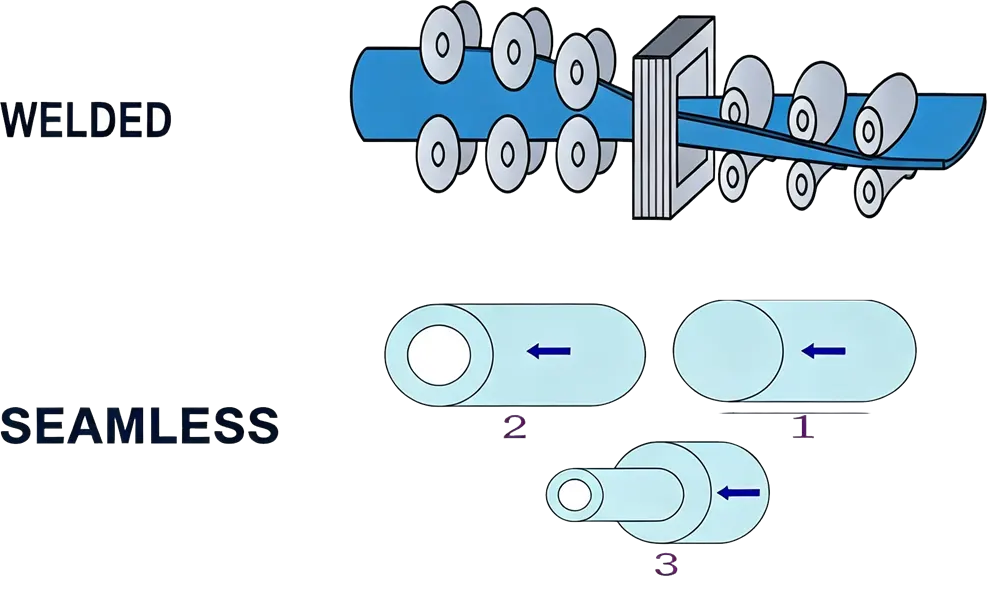
In certain highly corrosive or high-pressure applications, selecting a higher-performance alloy—rather than simply choosing seamless over welded—may be the most effective solution.
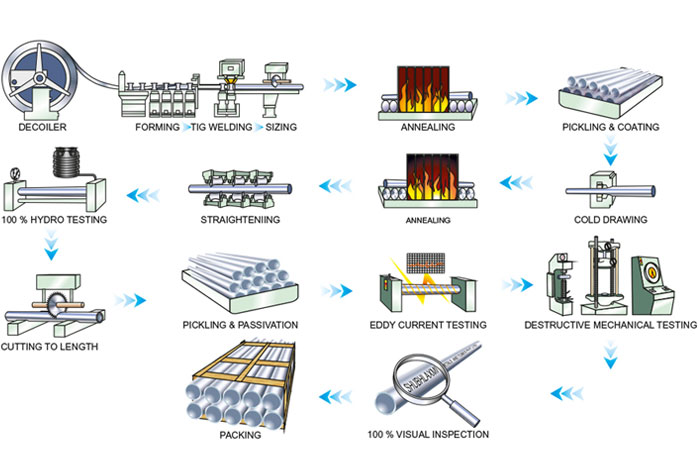
Strip-welded tubes are produced from stainless steel coils or strips. The strip passes through grooved rollers, gradually forming a circular profile. As the edges converge, they are joined by automatic welding.
The most common welding process is TIG (GTAW), which provides excellent protection of the weld seam and consistent metallurgical quality.
After welding, the seam is typically ground flush, followed by solution annealing or stress-relief heat treatment, depending on application requirements. Modern production lines often integrate inline induction annealing, straightening, dimensional calibration, cutting to length, deburring and non-destructive testing.
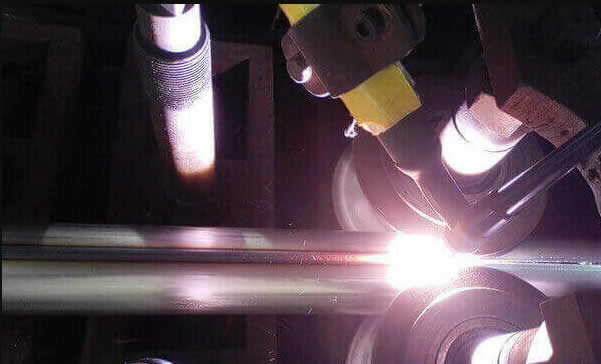 TIG welding of stainless steel tubing
For large-diameter or heavy-wall pipes, the manufacturing route differs. Production begins with stainless steel plates rather than strips. Plates are plasma-cut to size, edge-prepared, and formed using roller bending machines or hydraulic presses.
Welding methods such as EFW (Electric Fusion Welding) or ERW (Electric Resistance Welding) are commonly applied. For critical services, double-sided welding may be employed to ensure full penetration and structural integrity.
For large-diameter welded pipes, radiographic examination (RT) and hydrostatic testing (HT) are typically mandatory. Double-sided welding is commonly accepted and specified for high-integrity applications.
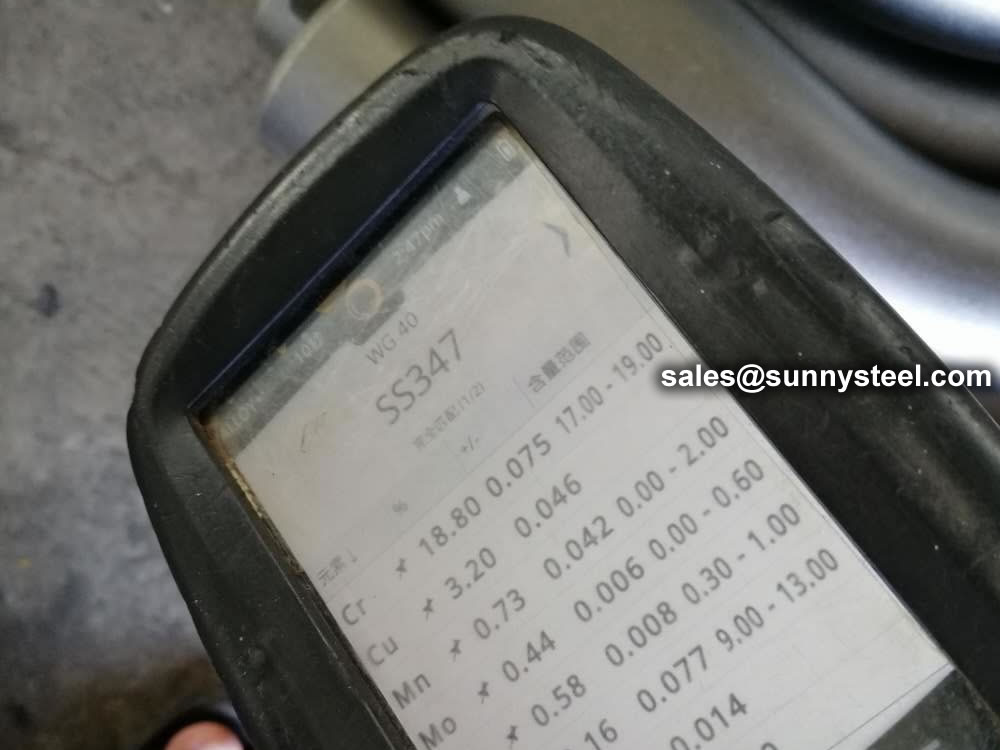
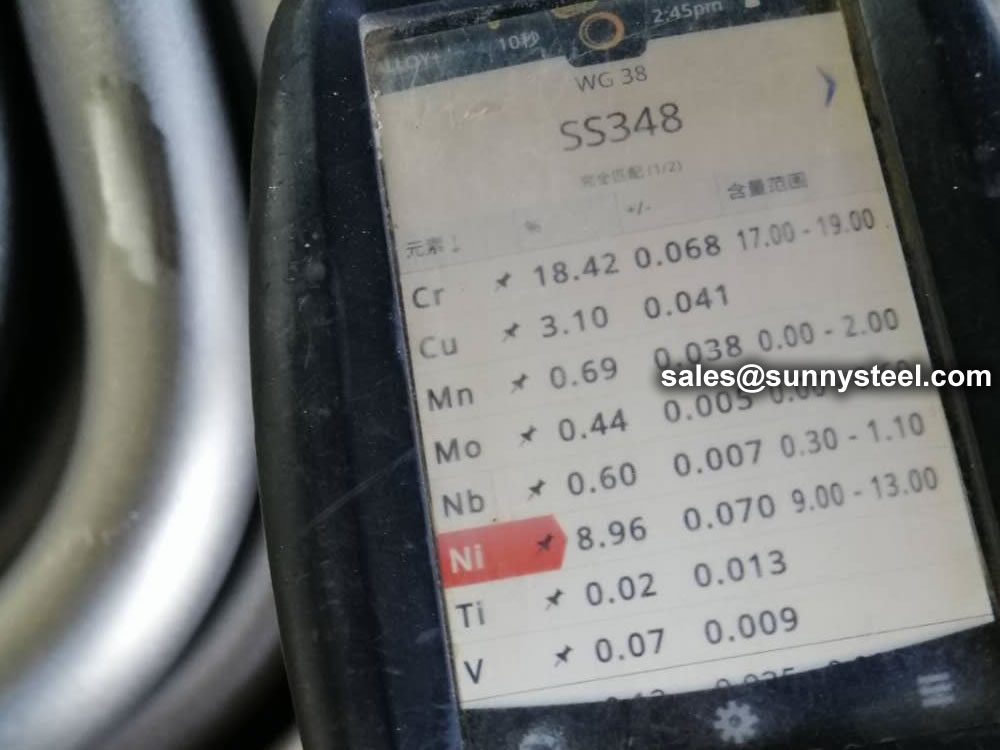
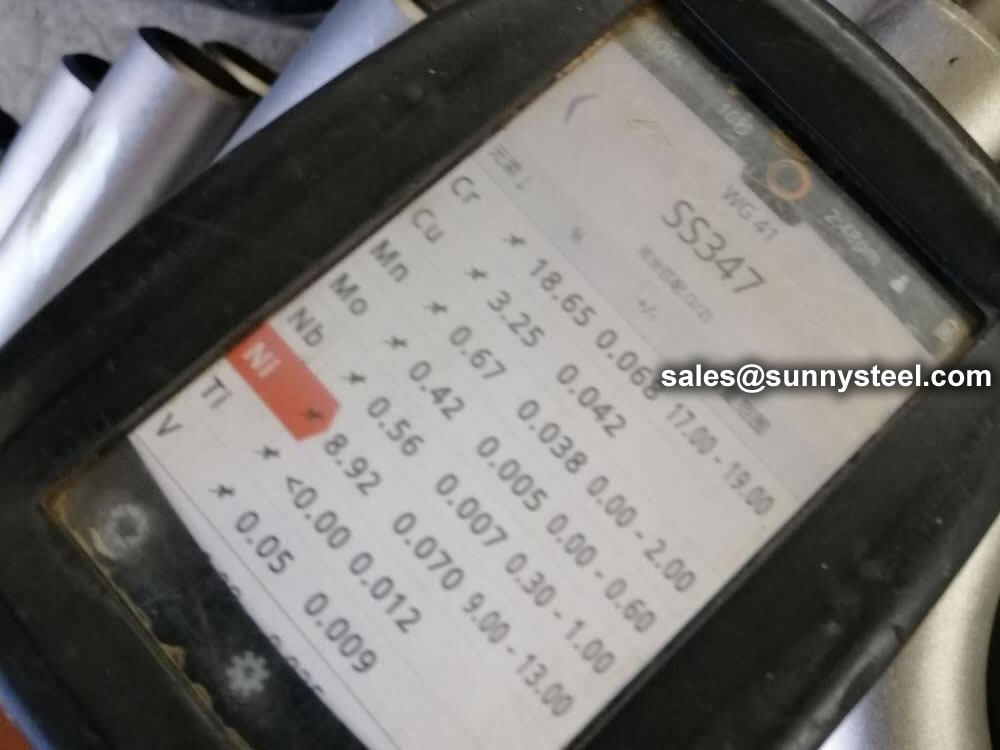
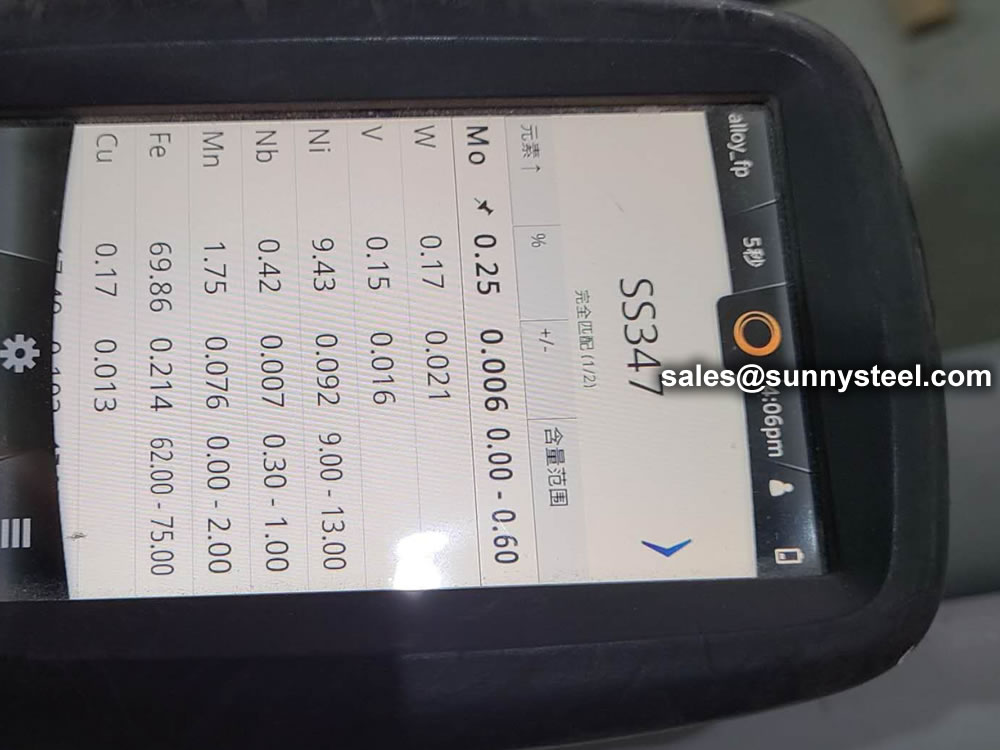
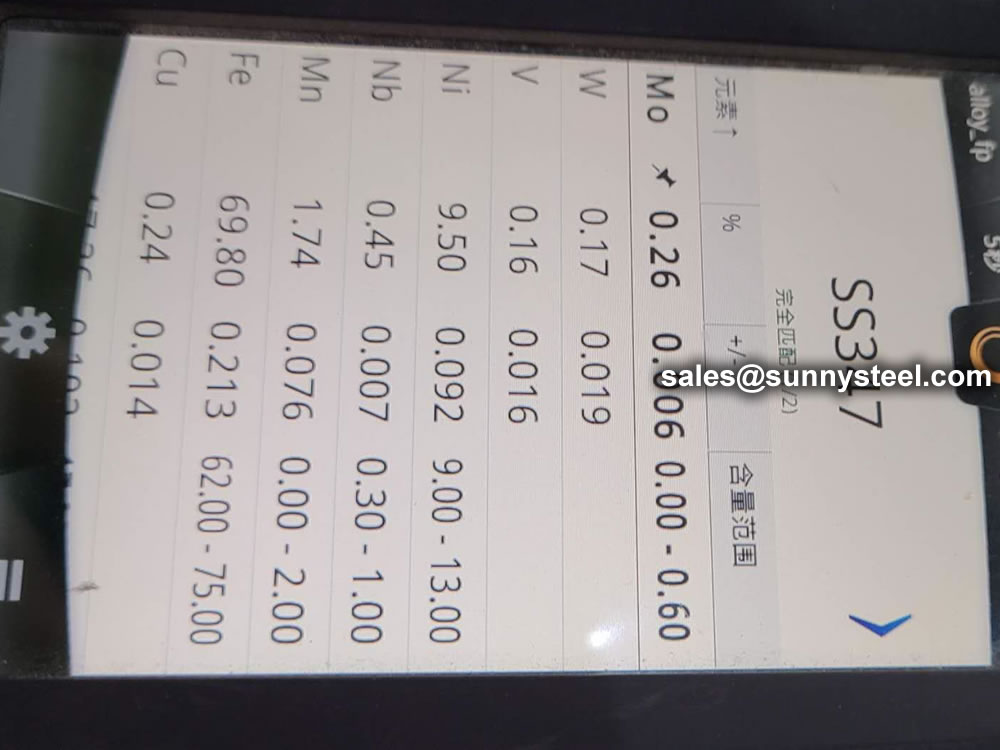
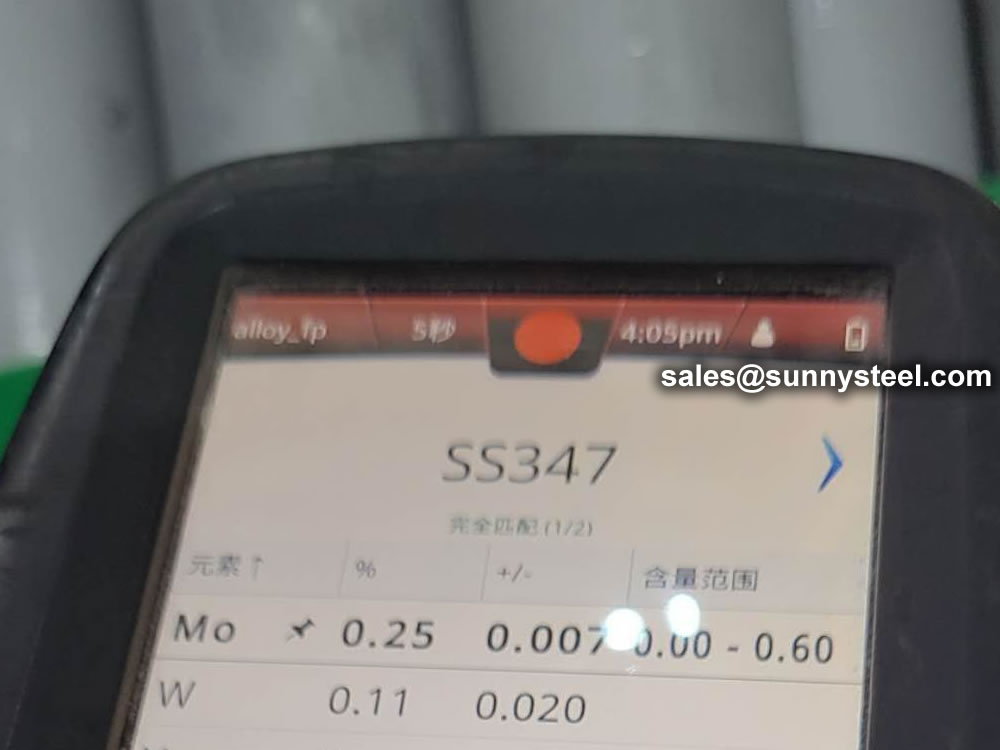
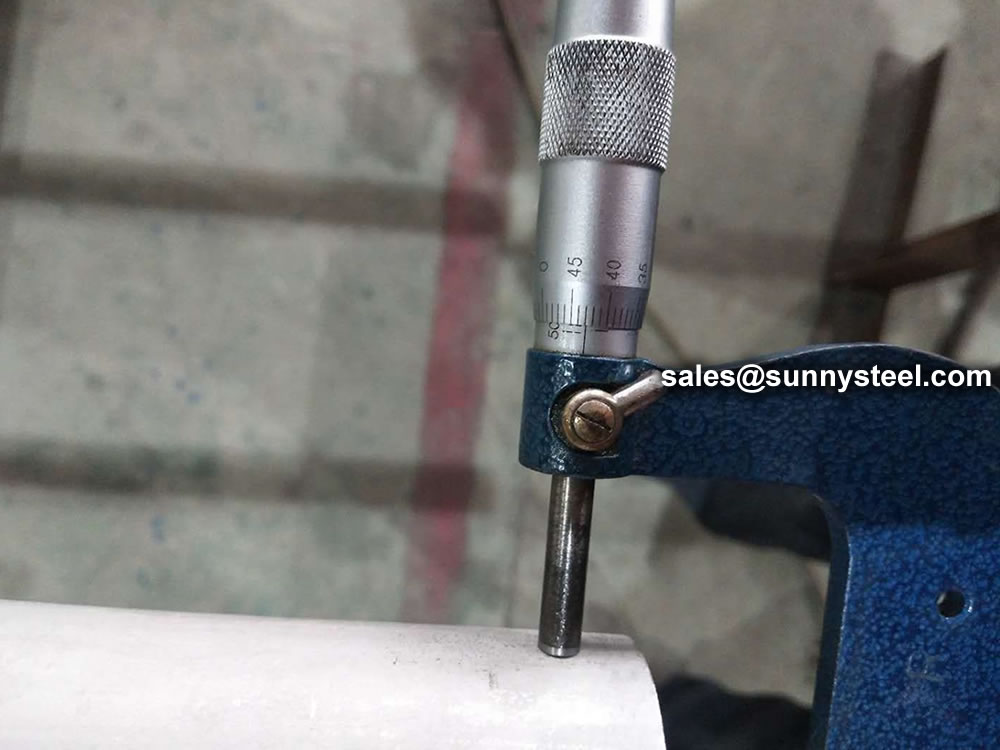
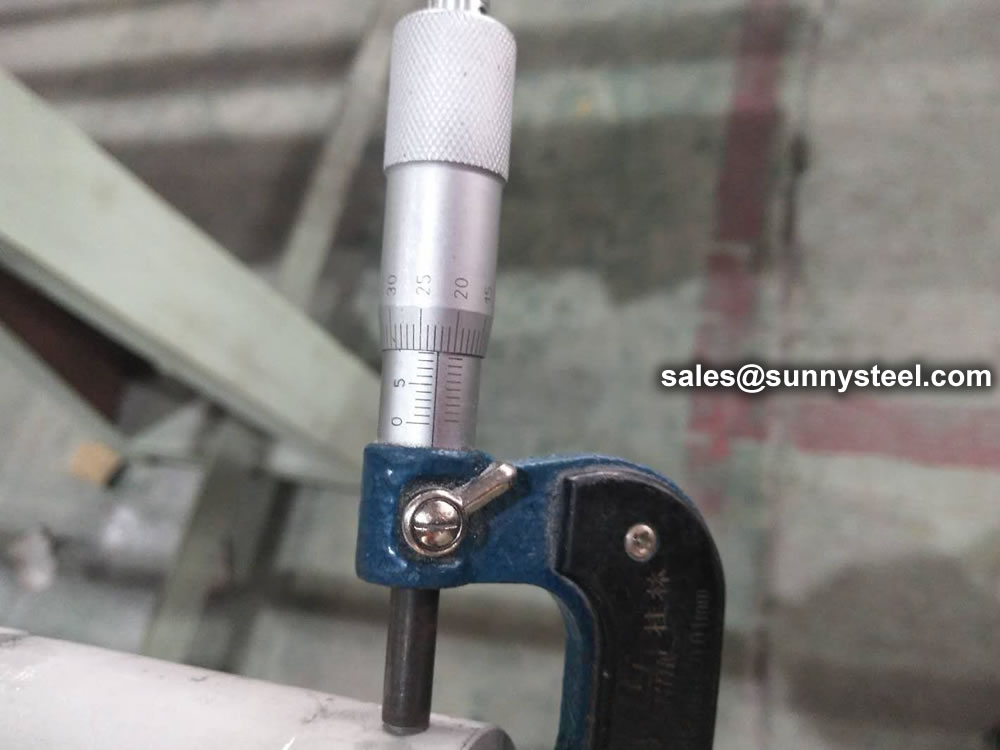
Chemical composition inspection, mechanical properties test(tensile strength,yield strength, elongation, flaring, flattening, bending, hardness, impact test), surface and dimension test,no-destructive test, hydrostatic test.
identification of the chemical composition of the metal used to manufacture the fitting. Uses PMI sensors, including X-ray fluorescence or optical emission spectrometry.
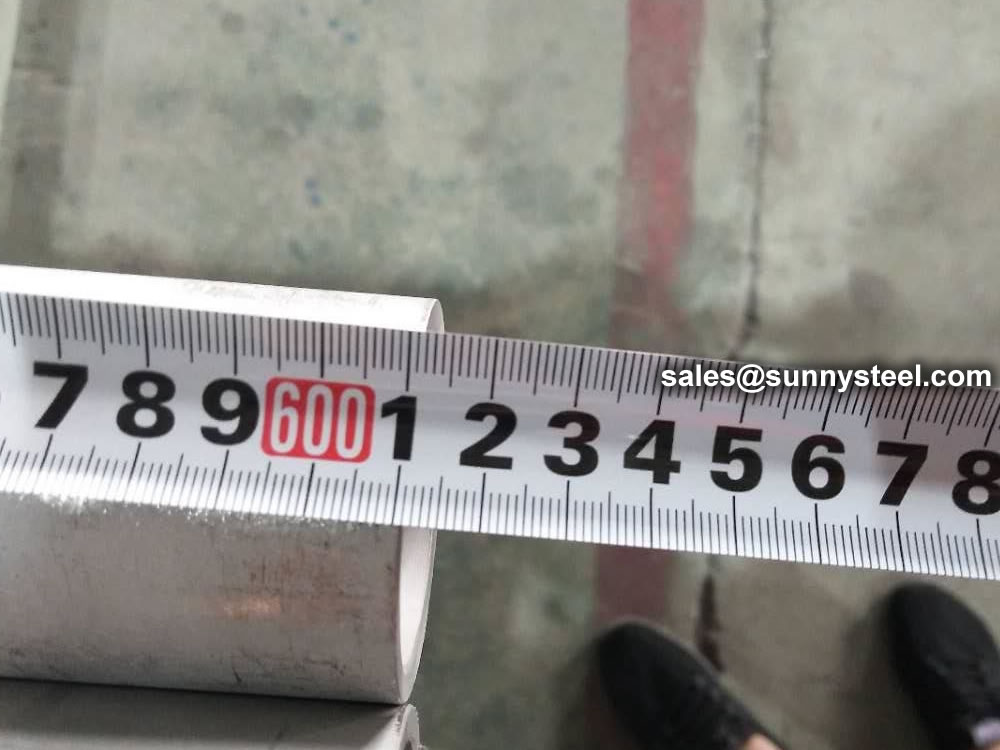
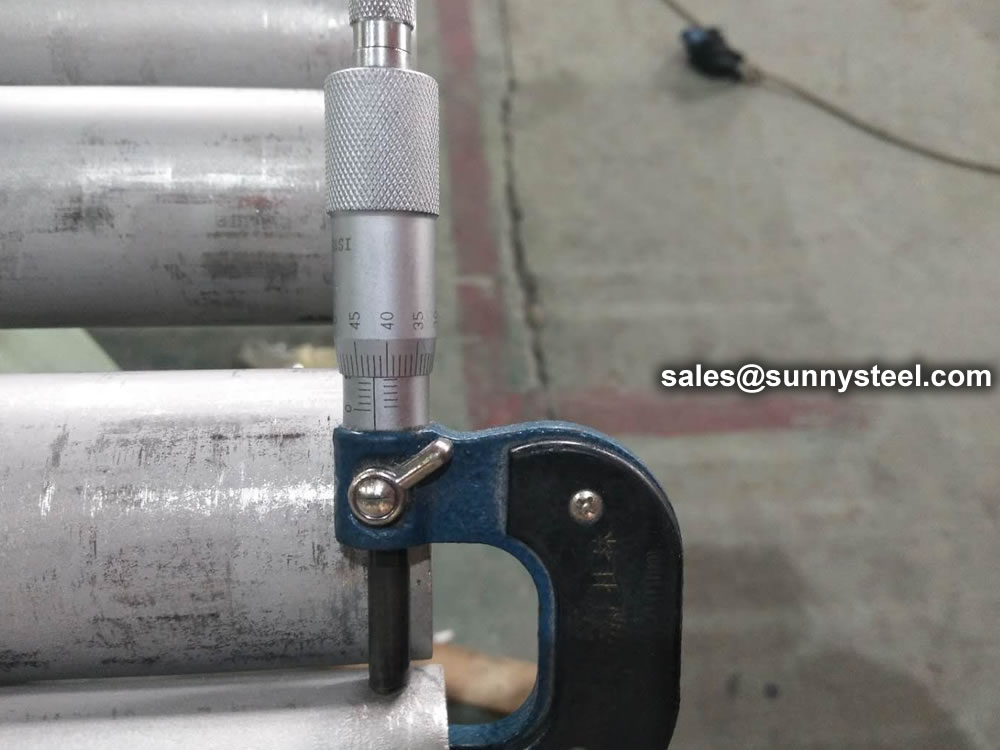
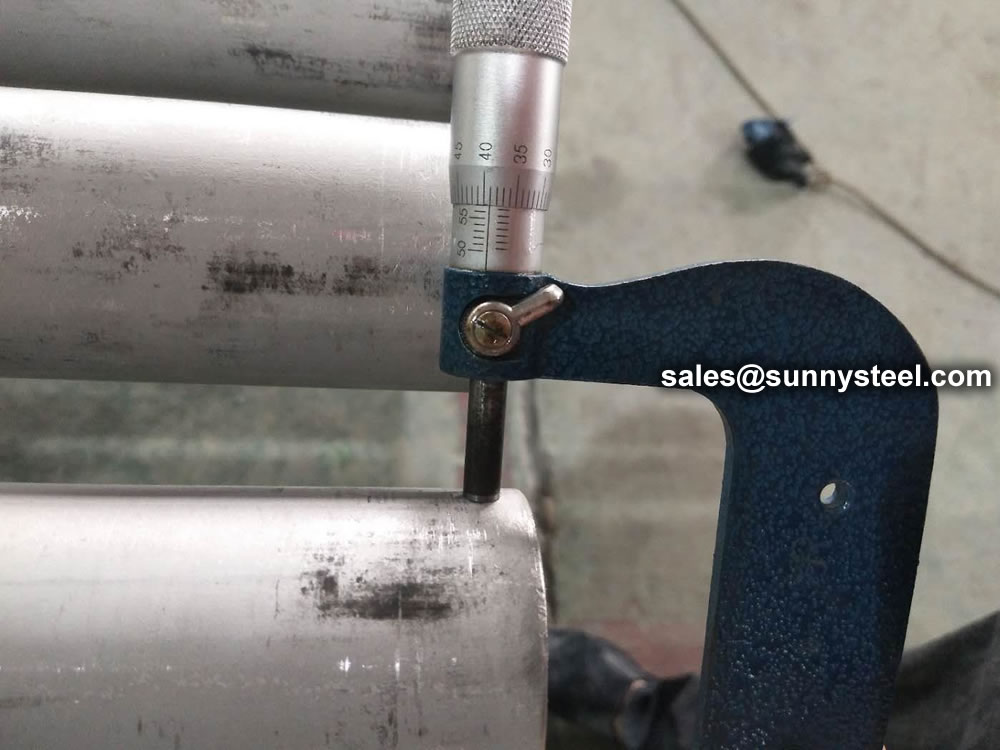
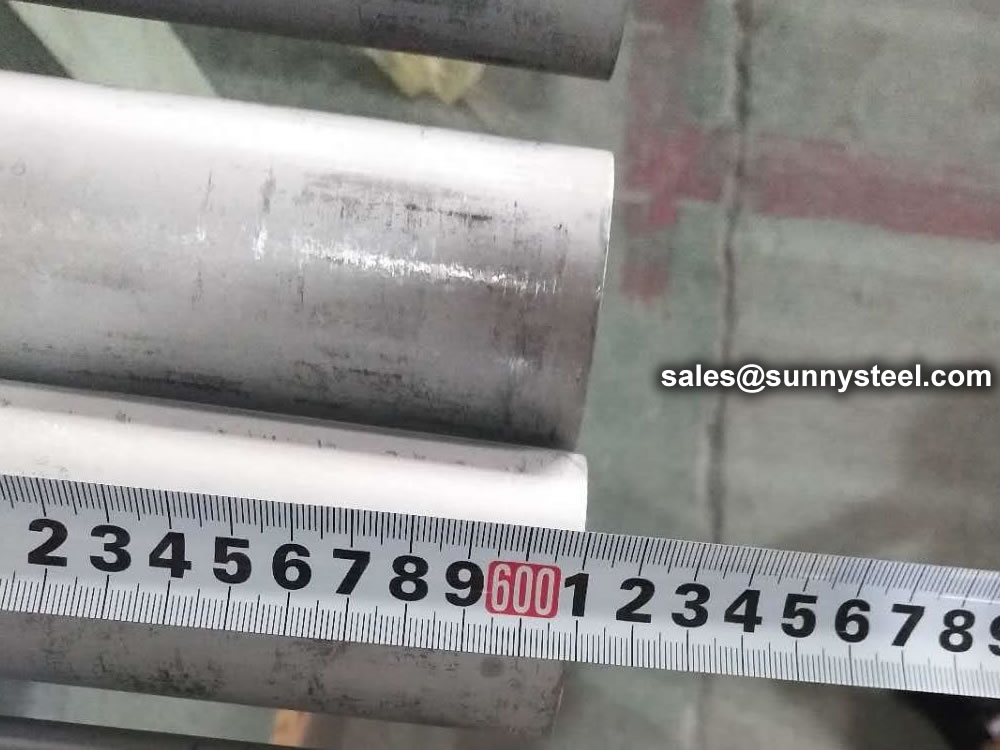
Common delivery conditions for stainless steel tubes and pipes: cold-hard (BK), cold-soft (BKW), stress-relieved (BKS), annealed (GBK), and normalized (NBK).
| Term | Symbol | Explanation |
|---|---|---|
| Cold-finished / Hard | BK | No heat treatment after final cold-forming. Low deformability. |
| Cold-finished / Soft | BKW | Light finishing pass after heat treatment. Limited cold-formability (bending, expanding). |
| Annealed | GBK | Annealed after final cold-forming in controlled atmosphere or vacuum. |
| Normalized | NBK | Annealed above upper transformation point in controlled atmosphere or vacuum. |
Bare packing / bundle packing / crate packing with wooden protection at both ends, suitable for seaworthy delivery or as requested.
While hundreds of packing methods exist, two principles are mandatory: corrosion prevention and secure sea transport.

Sunny Steel packing can be fully customized to meet customer requirements.
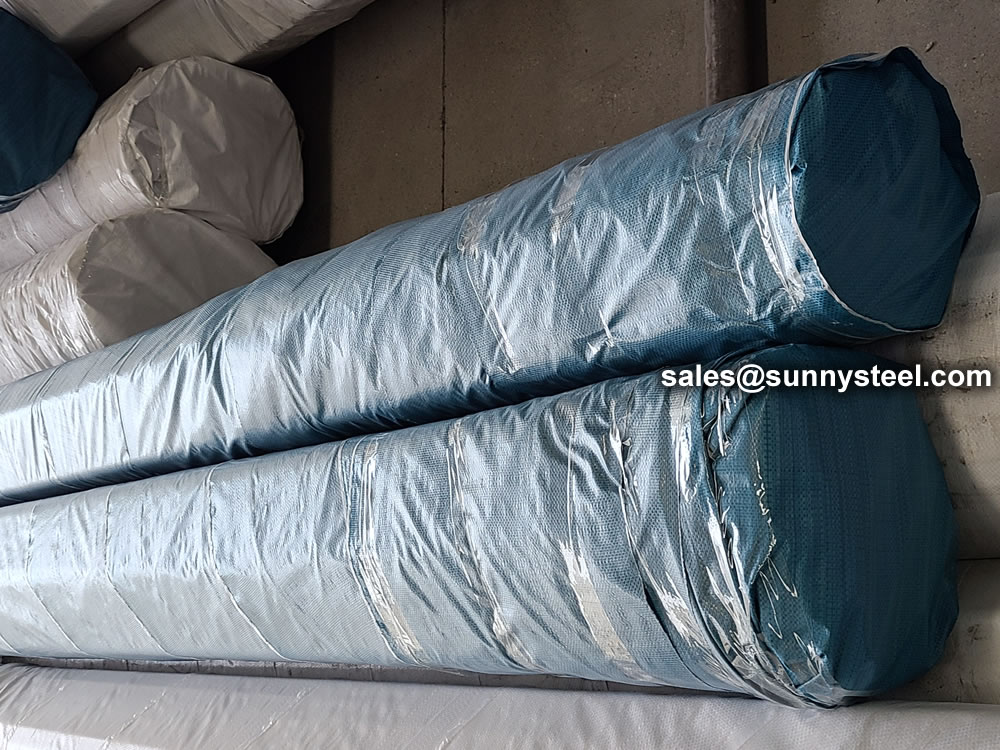
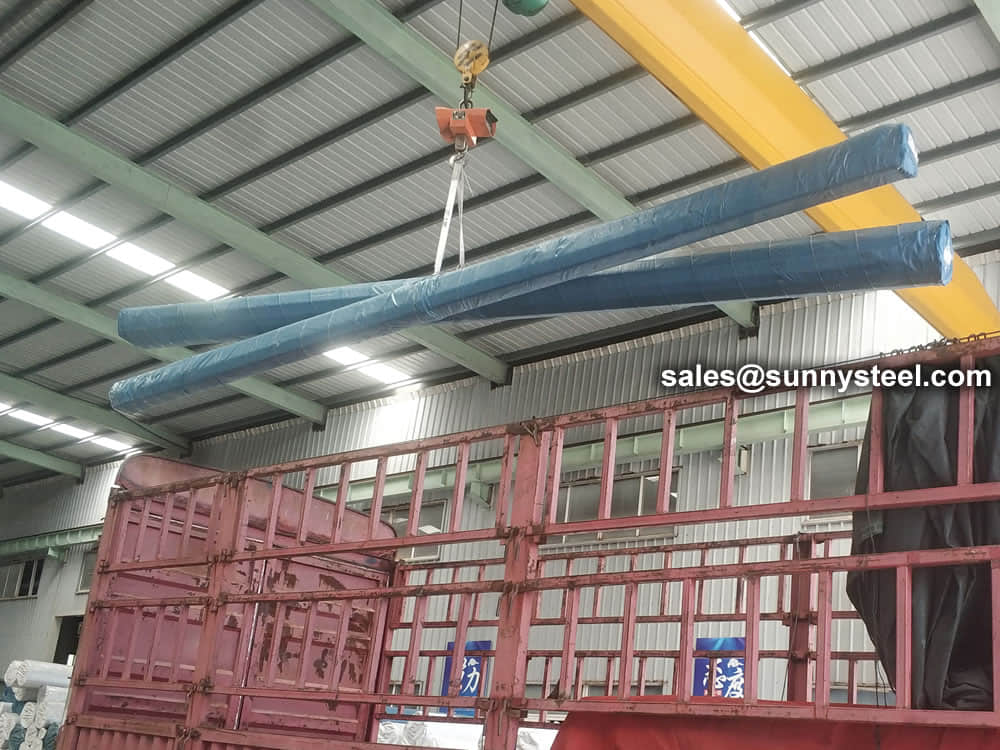
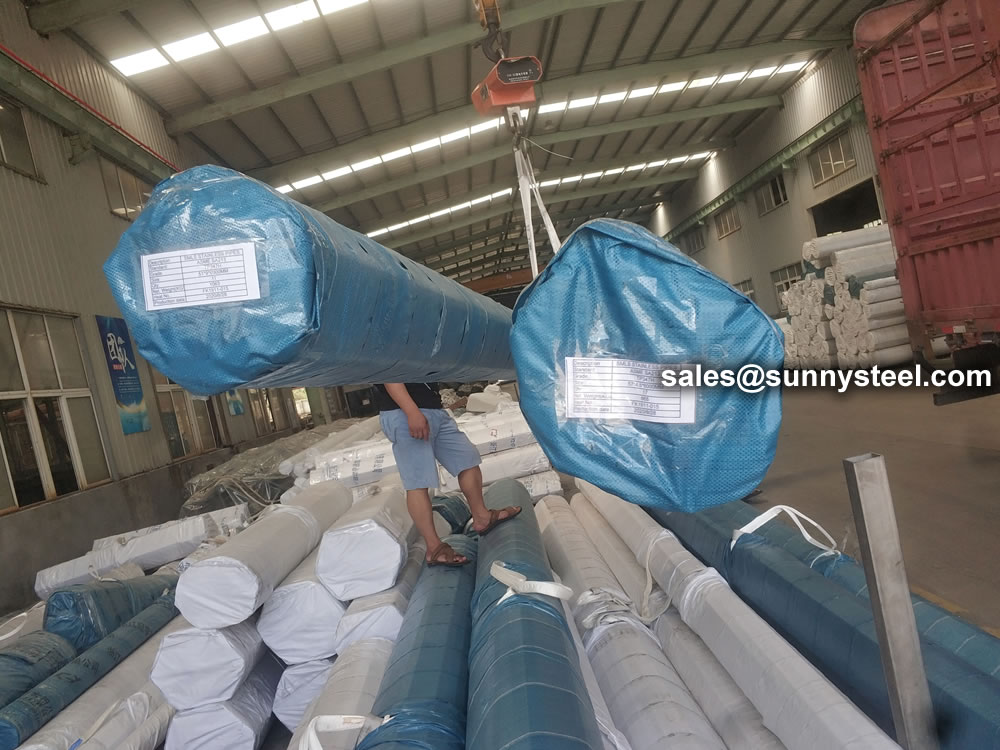
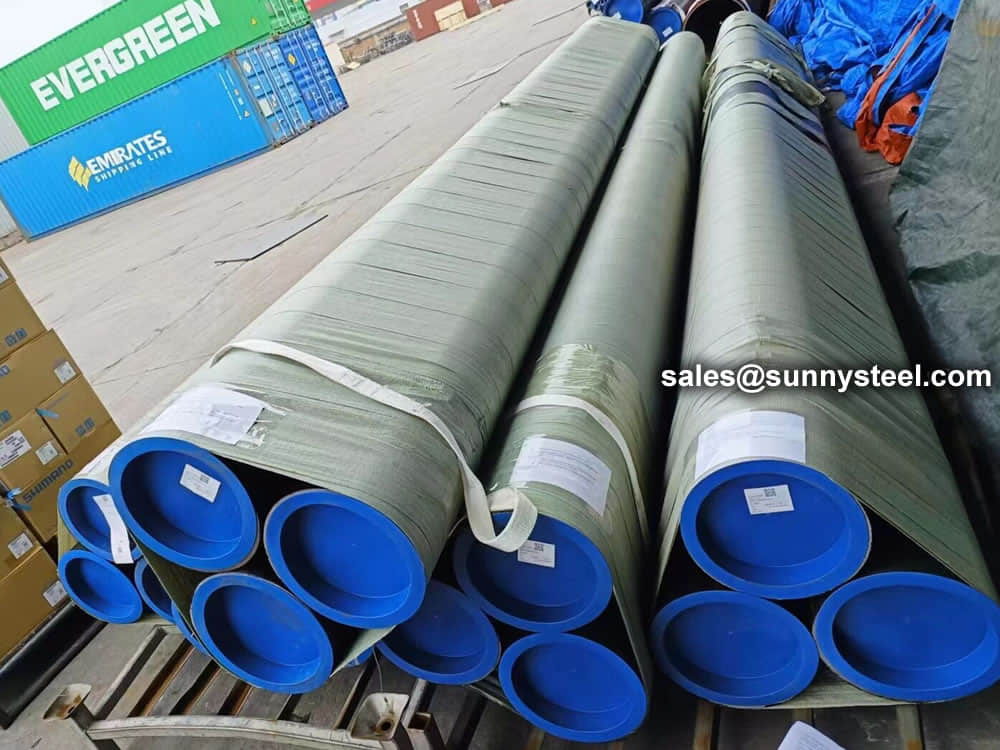
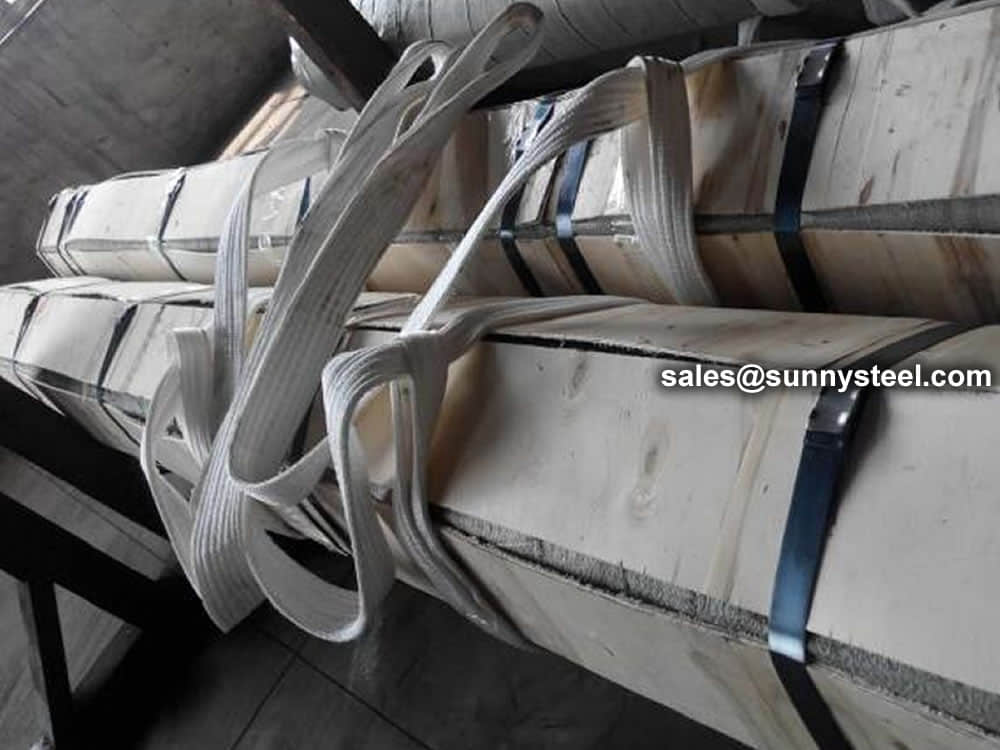
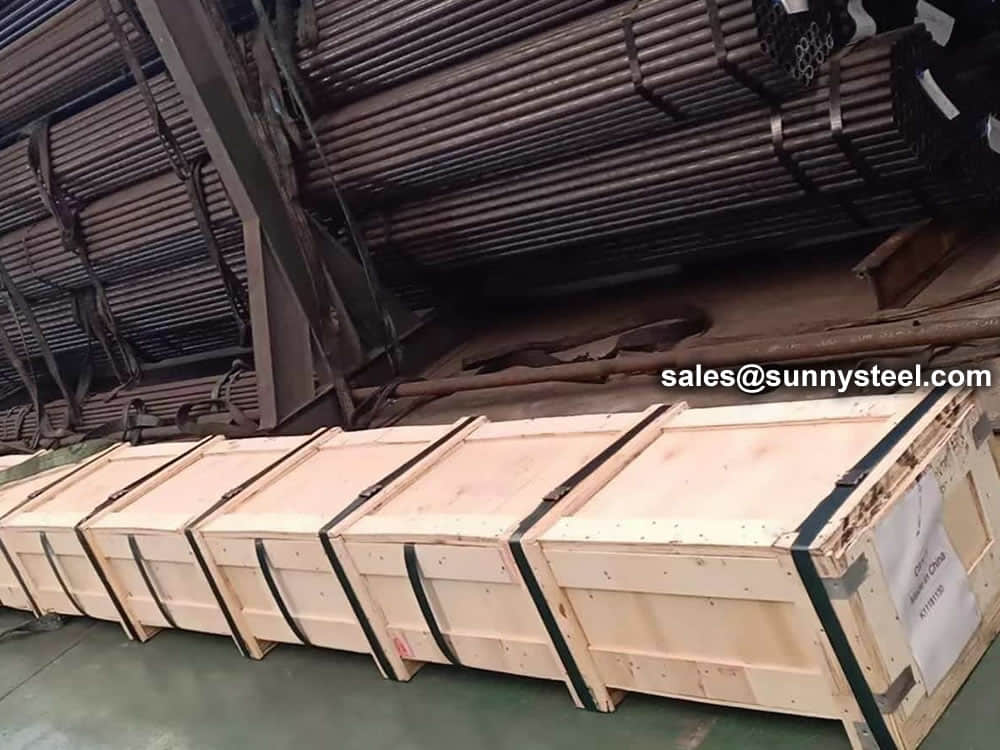
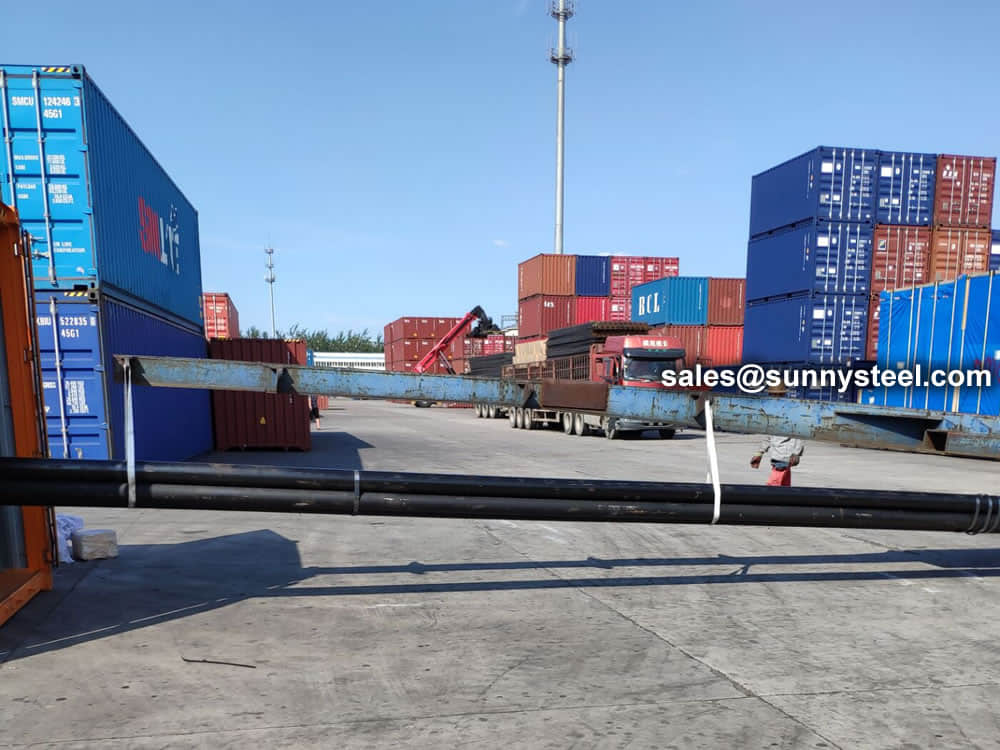
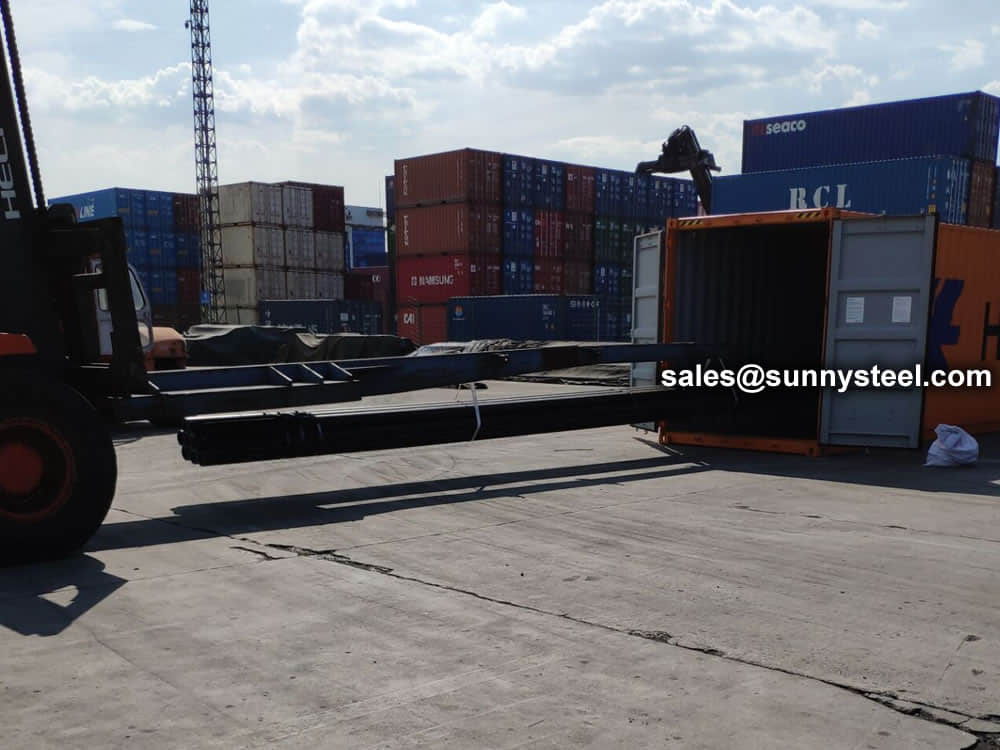
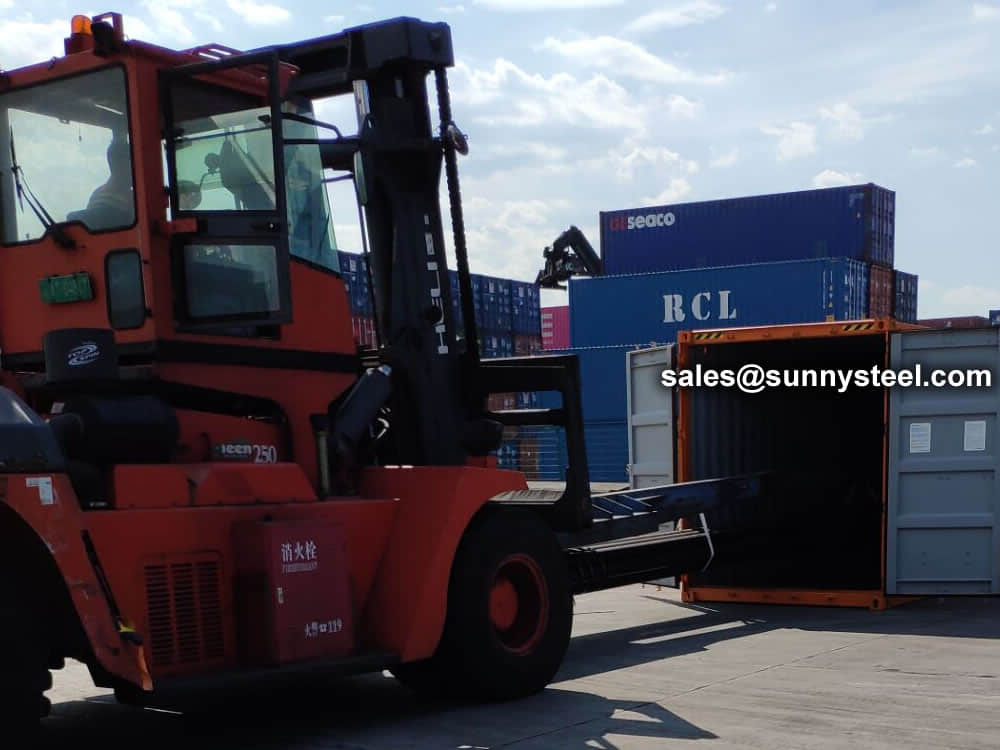
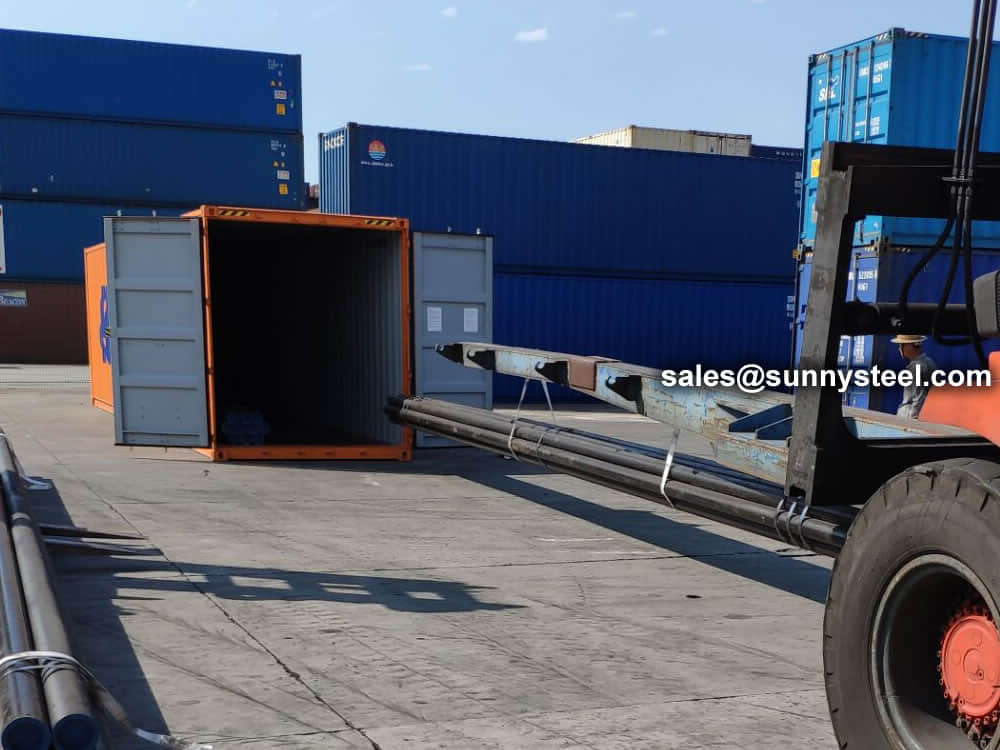
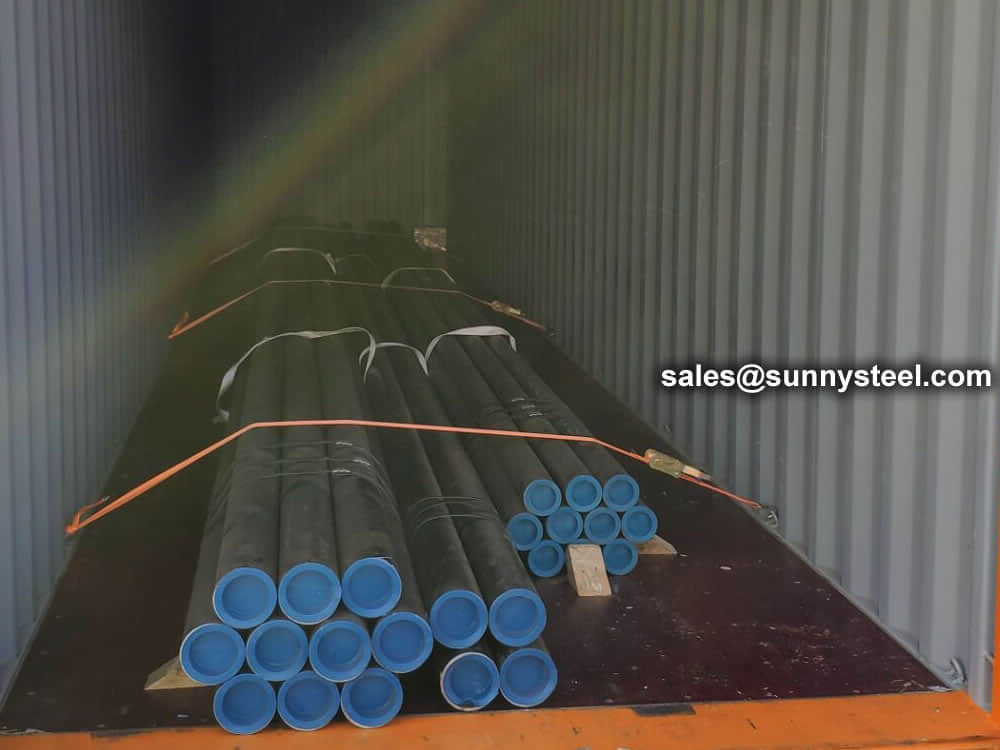
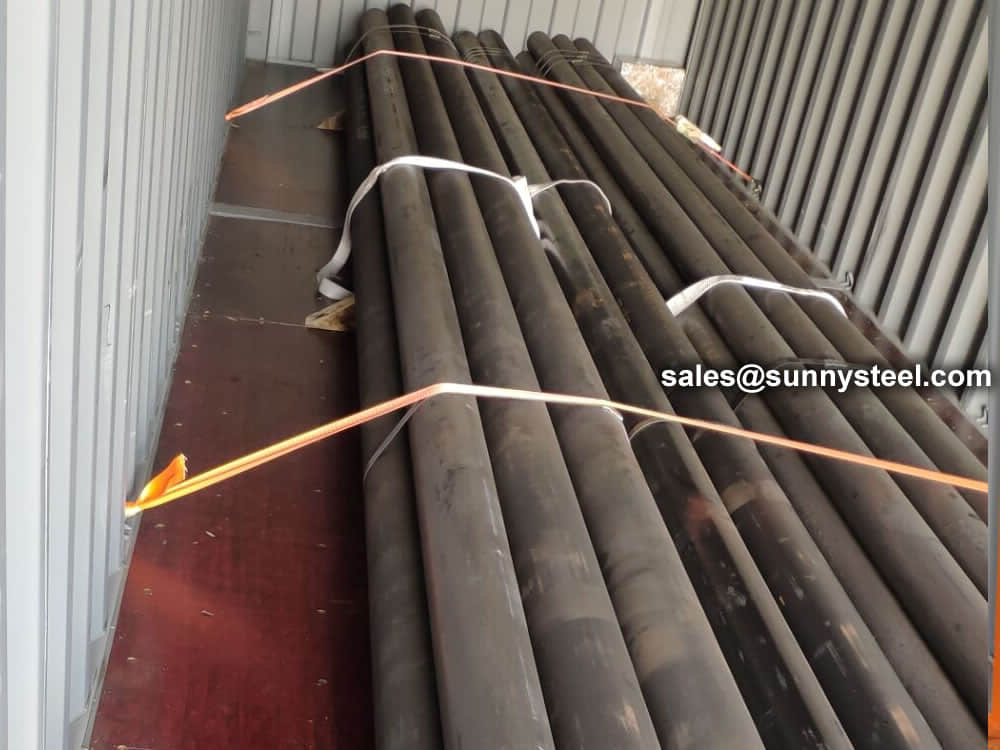
Stainless steel tubes can be beveled at one or both ends to match complementary joints. Beveling simplifies welding preparation, reduces on-site cutting time and lowers installation costs.
Sunny Steel provides heat treatment for selected 400-series stainless steels. Processes include stress relieving, tempering, quenching, normalizing and solution annealing to achieve required mechanical properties and microstructure.
Honing and turning refine the internal surface of tubes and pipes to precise diameters and geometric tolerances. This secondary operation relieves residual stress and improves surface finish after drilling, reaming and heat treatment.
Internal and external polishing is available to meet sanitary, pharmaceutical and high-purity process requirements.
PMI testing verifies alloy composition to ensure compliance with specifications. Sunny Steel performs in-house PMI or coordinates with independent laboratories for critical applications.
UT uses high-frequency sound waves to detect internal flaws, measure wall thickness and verify material integrity. This non-destructive test is routinely applied to seamless and welded stainless steel tubes.
All products are supplied with EN 10204 3.1 Mill Test Certificates. Third-party inspection (SGS, BV, TÜV) is available upon request.
Commonly used alloying elements and their effects are listed in the table given below.
| Alloying Elements | Effect on the Properties |
|---|---|
| Chromium | Increases Resistance to corrosion and oxidation. Increases hardenability and wear resistance. Increases high temperature strength. |
| Nickel | Increases hardenability. Improves toughness. Increases impact strength at low temperatures. |
| Molybdenum | Increases hardenability, high temperature hardness, and wear resistance. Enhances the effects of other alloying elements. Eliminate temper brittleness in steels. Increases high temperature strength. |
| Manganese | Increases hardenability. Combines with sulfur to reduce its adverse effects. |
| Vanadium | Increases hardenability, high temperature hardness, and wear resistance. Improves fatigue resistance. |
| Titanium | Strongest carbide former. Added to stainless steel to prevent precipitation of chromium carbide. |
| Silicon | Removes oxygen in steel making. Improves toughness. Increases hardness ability |
| Boron | Increases hardenability. Produces fine grain size. |
| Aluminum | Forms nitride in nitriding steels. Produces fine grain size in casting. Removes oxygen in steel melting. |
| Cobalt | Increases heat and wear resistance. |
| Tungsten | Increases hardness at elevated temperatures. Refines grain size. |

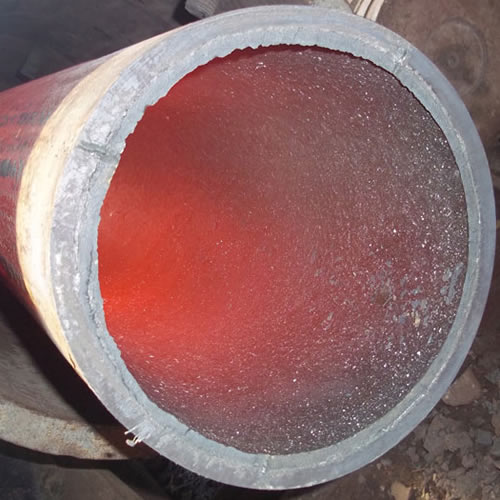
Ceramic lined pipe is made through self-propagating high-temperature synthesis (SHS) technique.
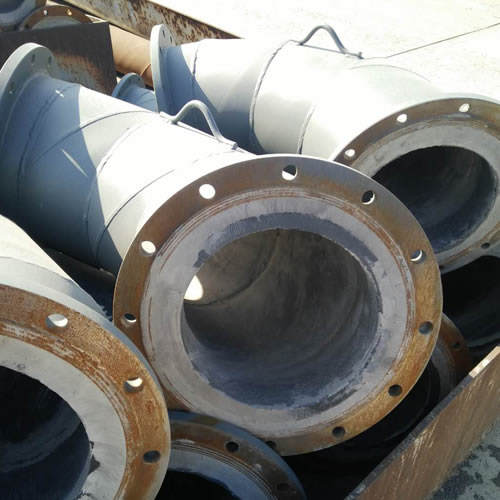
Cast basalt lined steel pipe is composed by lined with cast basalt pipe, outside steel pipe and cement mortar filling between the two layers.
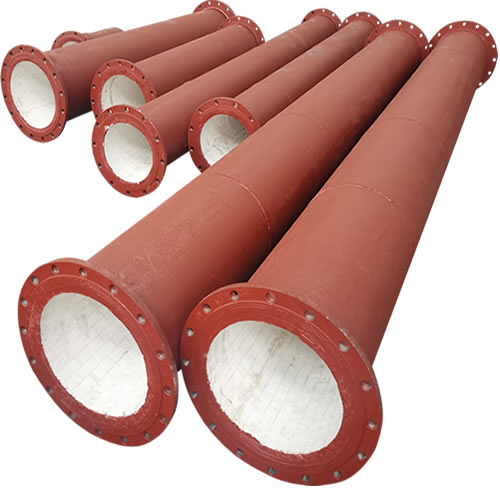
Ceramic tile lined pipes have very uniform coating of specially formulated ceramic material that is affixed to the inner of the pipe.
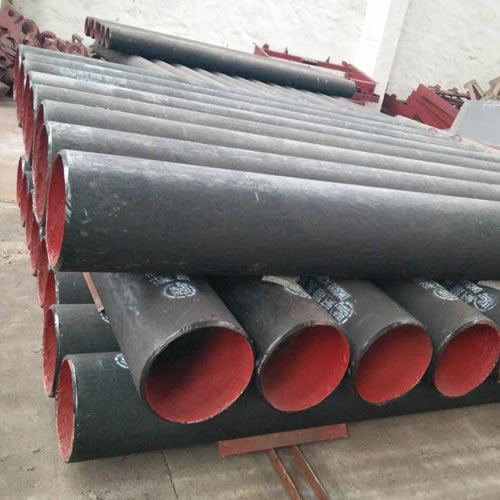
The material of the rare earth alloy wear-resistant pipe is ZG40CrMnMoNiSiRe, which is also the grade of rare earth alloy steel.
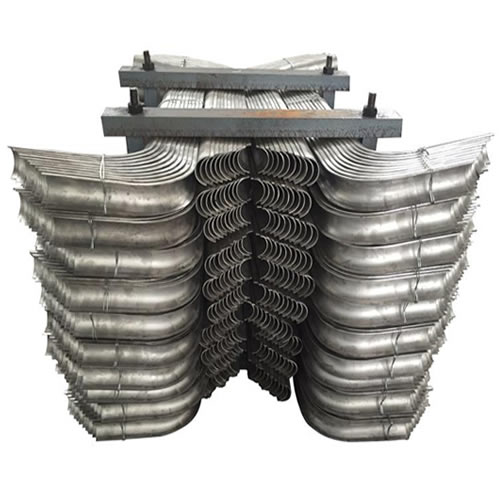
Tubes Erosion Shields are used to protect boiler tubing from the highly erosive effects of high temperatures and pressures thereby greatly extending tube life.
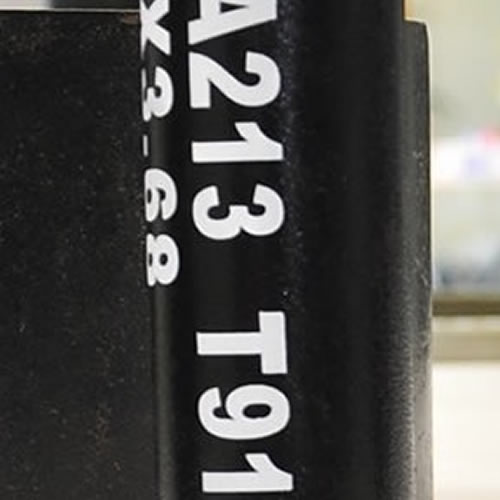
The ASTM A213 T91 seamless tubes are primarily used for boiler, superheater, and heat-exchanger.

When you partner with Sunny Steel, you can stop worrying about meeting deadlines thanks to our responsive and timely service. You'll also say goodbye to unnecessary shopping around. Instead, you'll get white glove service from an expert who understands your needs and can get you the materials you need quickly.