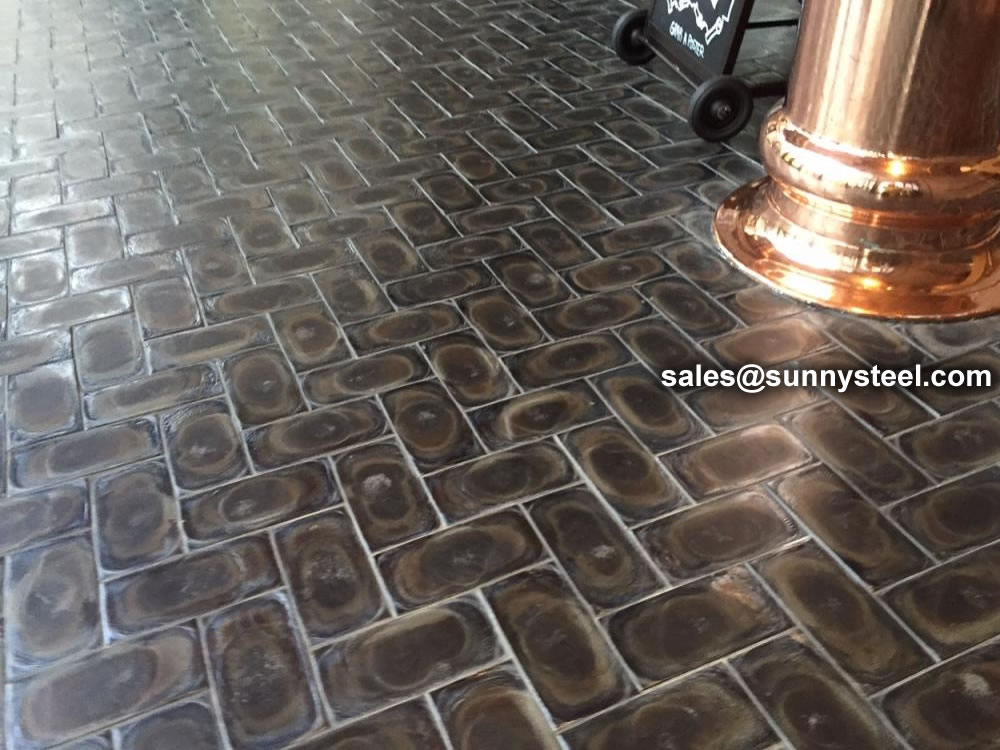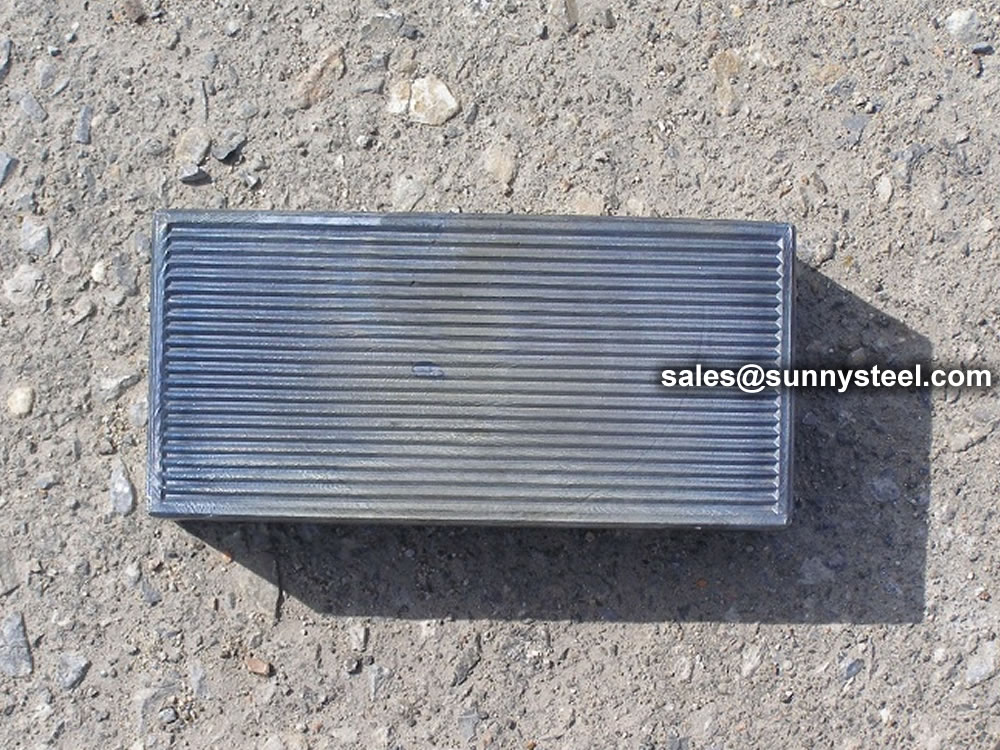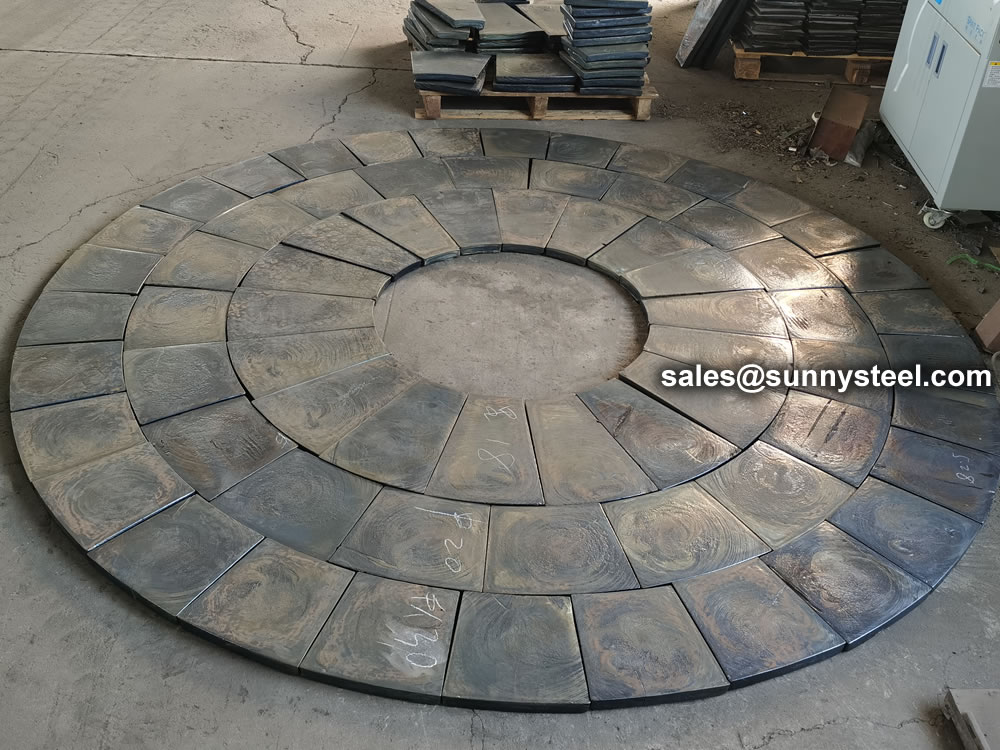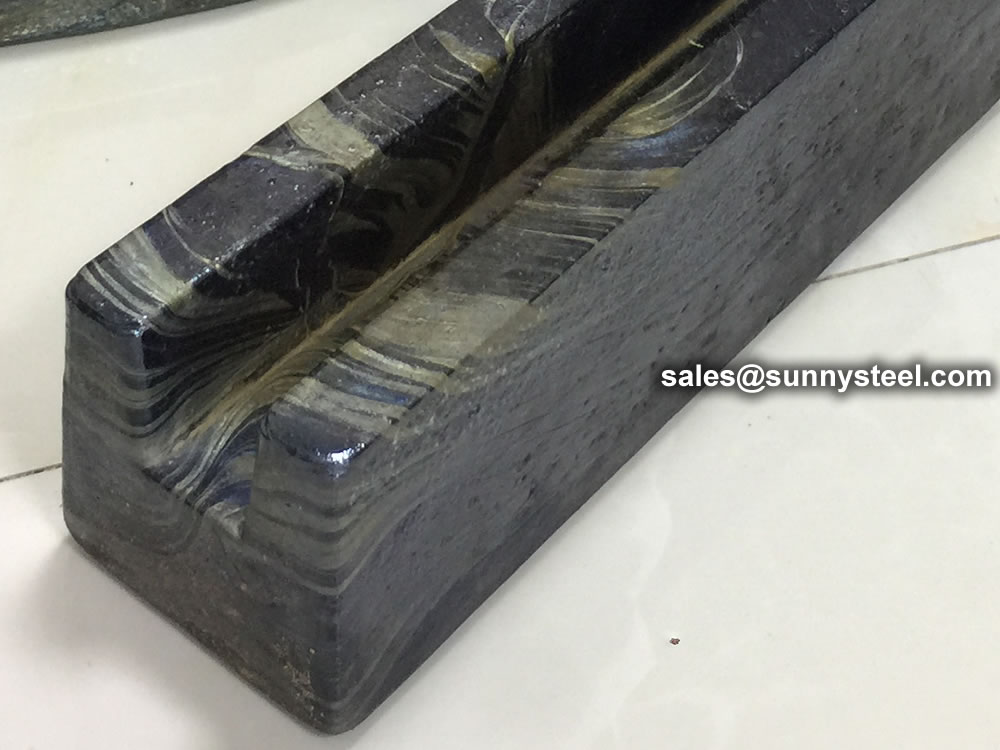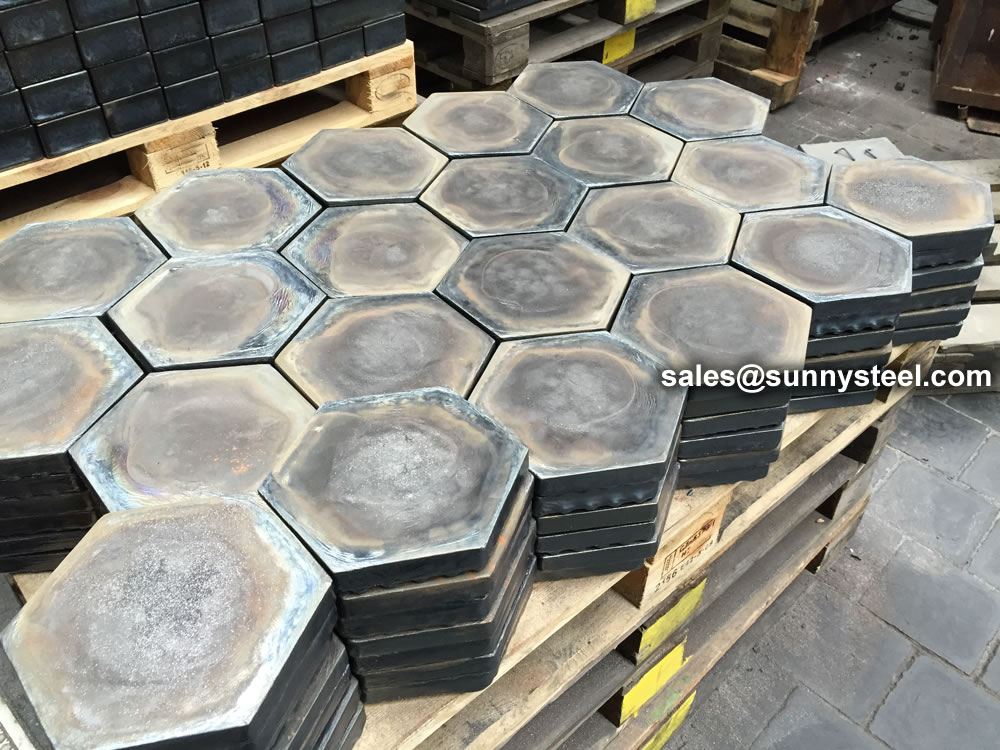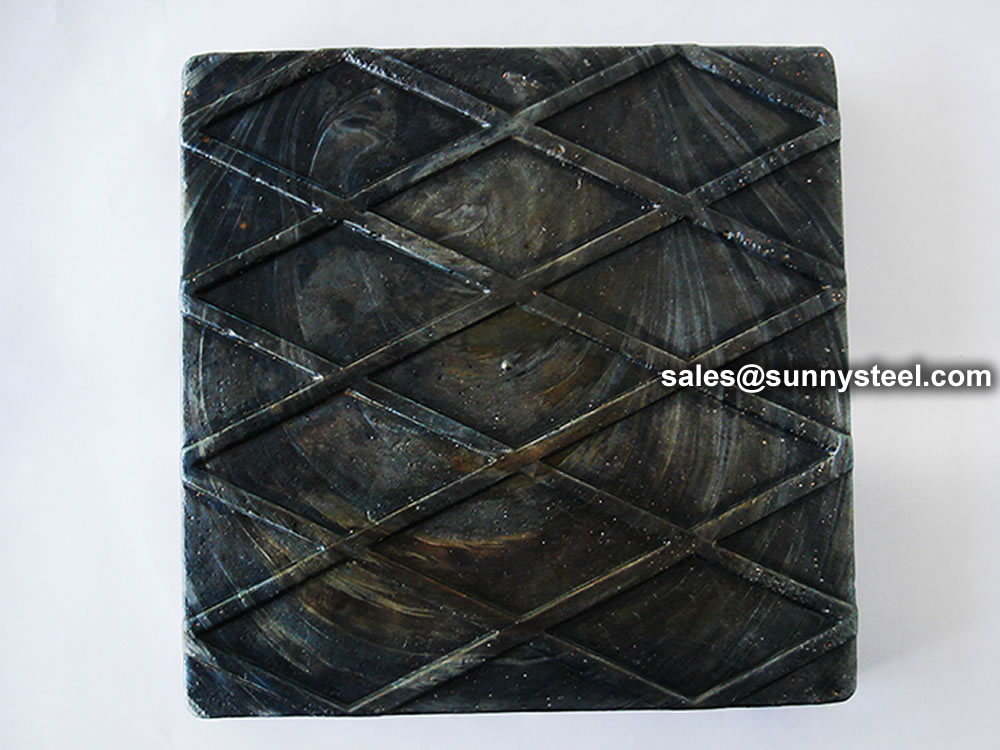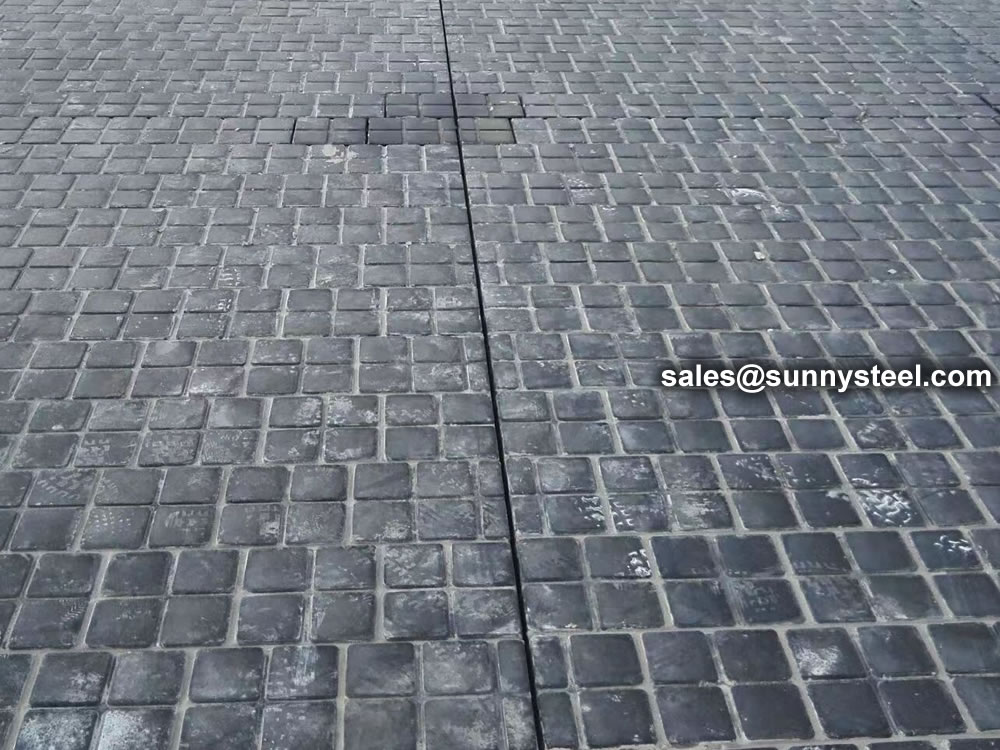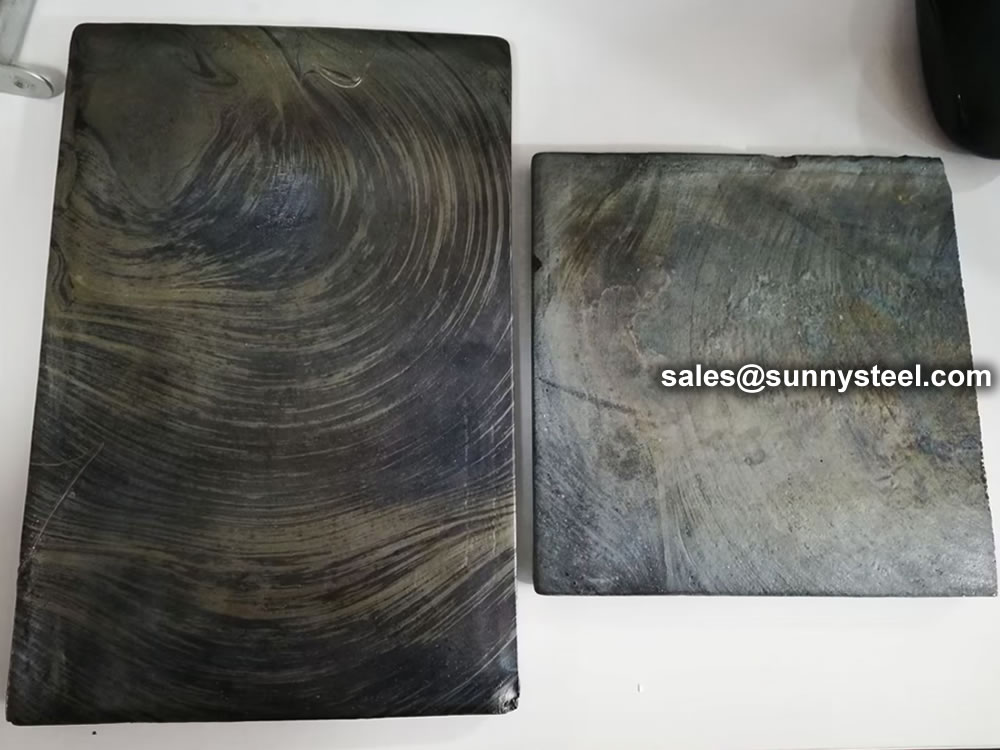
Ultra-thin cast stone slab
Sleek, ultra-thin cast stone slabs for a modern and space-saving design.
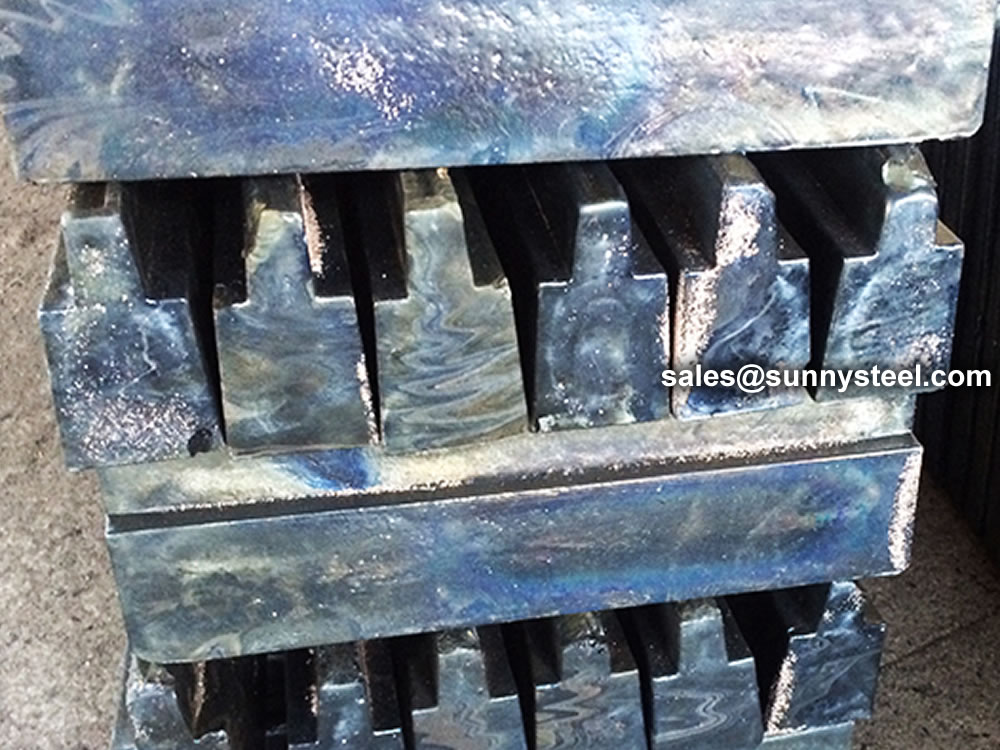
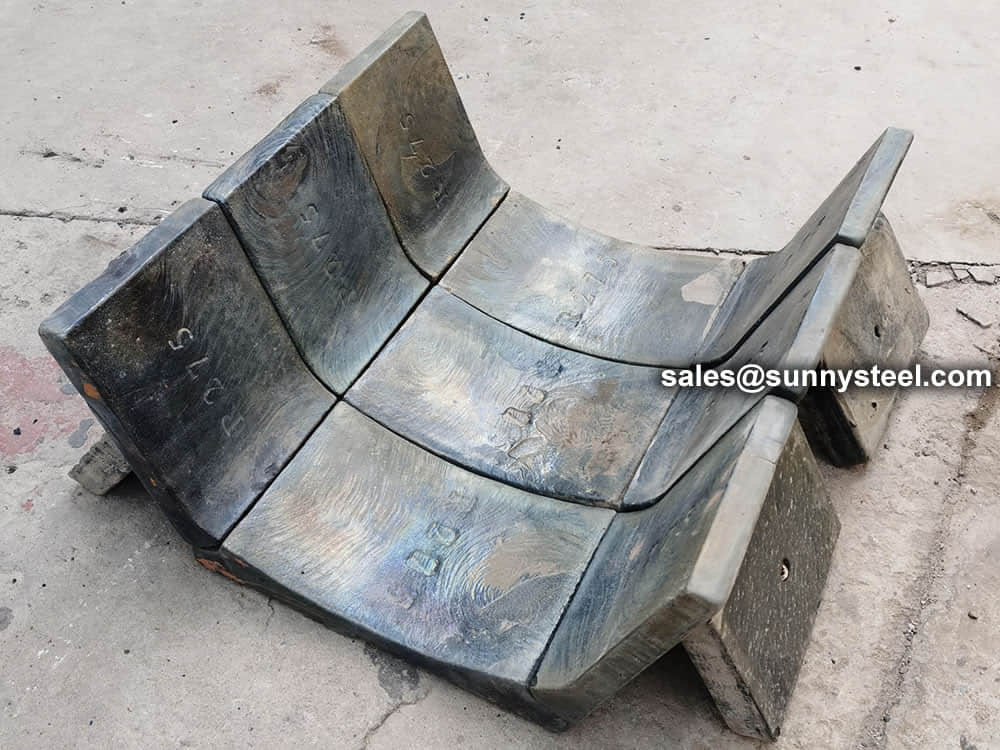
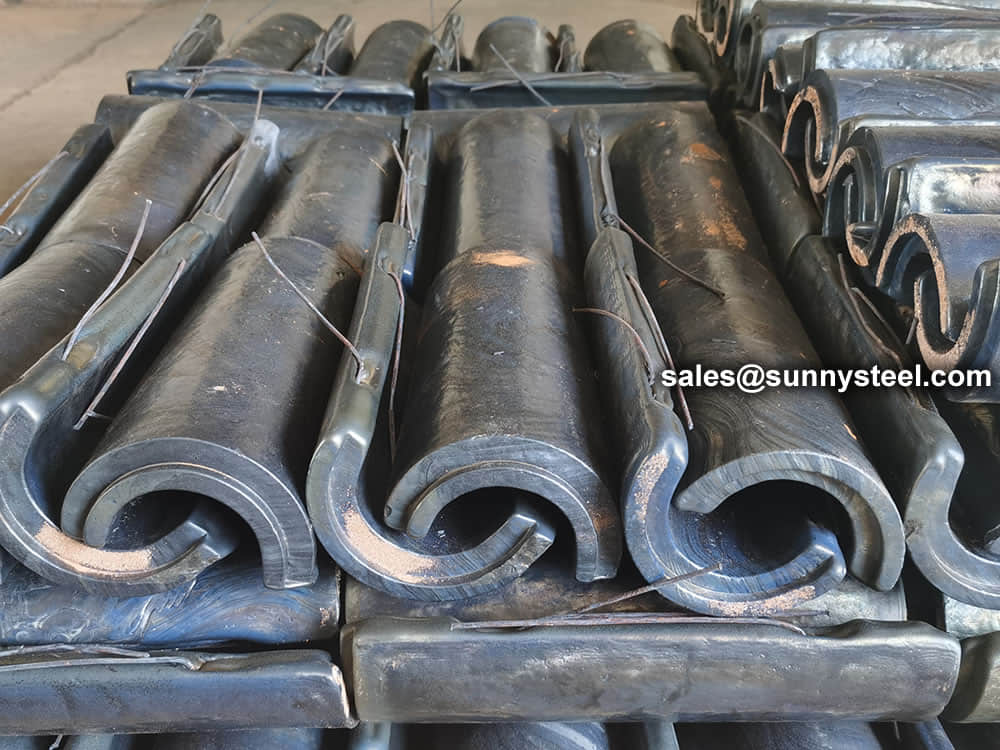
Cast stone guide rails provide reliable wear protection and material guidance for conveyors, transfer systems and industrial handling equipment operating under severe abrasion conditions.
A cast stone guide rail is a specially designed wear-resistant liner installed along conveyors, transfer chutes, feeders, hoppers, and material handling systems. Its primary function is to guide the movement of bulk materials while protecting steel structures from excessive wear.
Compared with conventional steel guide rails, cast stone guide rails provide substantially higher abrasion resistance, making them ideal for handling coal, clinker, iron ore, limestone, slag, sand, fly ash, aggregates, and other abrasive materials.
The low surface friction coefficient of cast stone also promotes smoother material flow and helps prevent material buildup inside conveying systems.
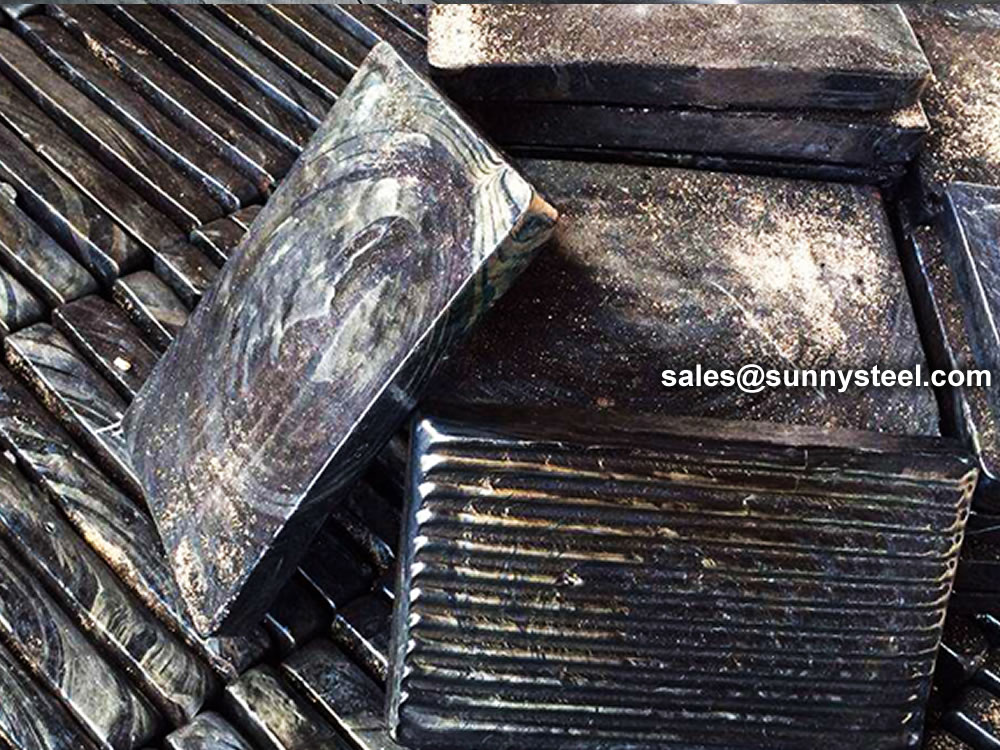
Cast stone guide rails are high-performance wear-resistant components designed to guide, protect, and control the flow of bulk materials in industrial conveying systems. Manufactured from premium cast basalt through controlled melting, casting, crystallization, and annealing processes, these guide rails offer exceptional resistance to abrasion, impact, and corrosion.
In industries such as mining, power generation, cement production, steel manufacturing, ports, and bulk material handling, guide rails are continuously exposed to sliding friction and abrasive particles. Cast stone guide rails significantly extend service life while reducing maintenance costs and operational downtime.
Crafted for durability and timeless elegance, these guide rails provide robust support for various projects. Elevate your infrastructure with customizable designs, blending seamlessly into any architectural vision. Explore the perfect synergy of strength and style for long-lasting, visually stunning constructions. Trust in the reliability of Cast Stone Guide Rails where safety meets sophistication.
Cast stone guide rails are commonly used in construction projects as a durable and attractive option for guiding pedestrian traffic, especially in outdoor or high-traffic areas. They are often designed to resemble natural stone materials such as limestone, sandstone, or granite.
Basalt, on the other hand, is a naturally occurring volcanic rock that is not commonly used as a primary material for guide rails. However, it is sometimes used as an aggregate in the mixtures used to make cast stone, which can give the final product a unique texture and appearance.
In summary, cast stone guide rail is not made from cast basalt, but basalt may be used as an aggregate in the mixture used to make the cast stone product. Cast stone is a man-made material that is designed to resemble natural stone and is often used for architectural and decorative purposes.
Cast stone guide rails, often an overlooked component, play a pivotal role in enhancing both safety and visual appeal. Let's delve into the world of cast stone guide rails, exploring their benefits, installation process, maintenance tips, applications, cost considerations, and more.
Provides superior protection against sliding and abrasive wear.
Improves material flow and minimizes product accumulation.
Suitable for humid, acidic and alkaline industrial environments.
Reduces maintenance frequency and lowers operating costs.
| Property | Typical Value |
|---|---|
| Material | Cast Basalt / Cast Stone |
| Hardness | Mohs 8 - 9 |
| Density | 2.9 - 3.1 g/cm³ |
| Compressive Strength | ≥ 450 MPa |
| Bending Strength | ≥ 65 MPa |
| Water Absorption | < 0.2% |
| Working Temperature | -40°C to 350°C |
| Surface Friction Coefficient | Low |
| Abrasion Resistance | Excellent |
| Type | Description | Application |
|---|---|---|
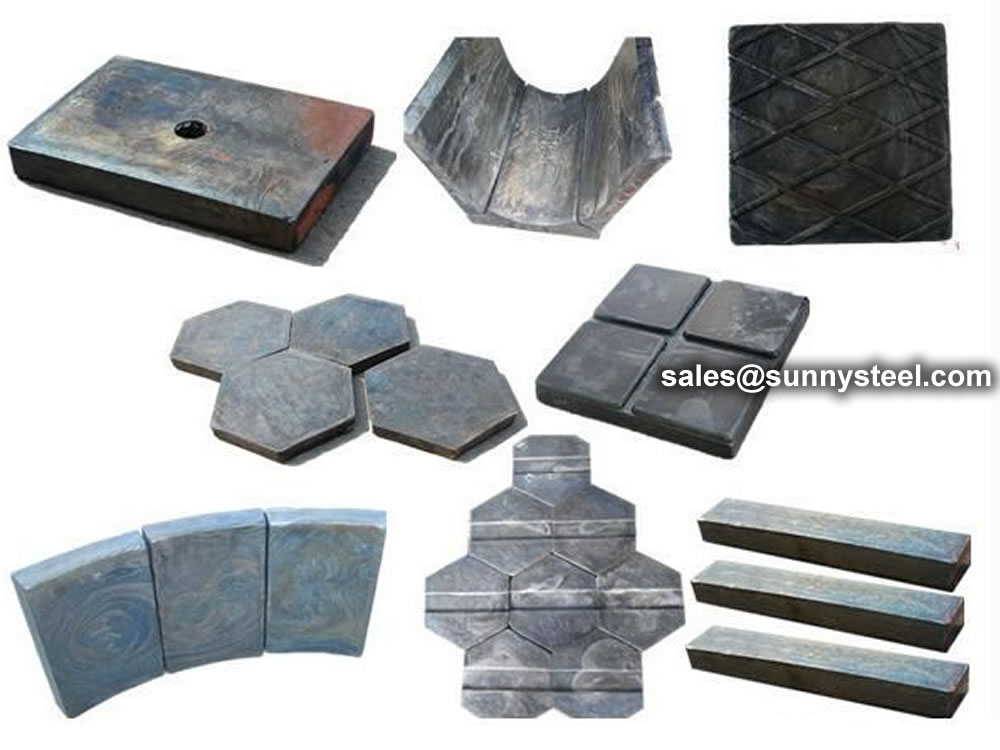
| Straight Guide Rail | Standard wear-resistant rail sections | Belt conveyors |
| Curved Guide Rail | Designed for directional transitions | Transfer systems |
| Grooved Guide Rail | Enhanced material guidance | Bulk handling systems |
| Custom Profile Rail | Produced according to drawings | Special applications |
Custom dimensions, mounting holes, grooves, chamfers, and profiles can be manufactured according to customer specifications.
Installation methods can be customized based on operating conditions, vibration levels, and maintenance requirements.
| Property | Cast Stone Guide Rail | Steel Guide Rail |
|---|---|---|
| Wear Resistance | Excellent | Moderate |
| Corrosion Resistance | Excellent | Poor |
| Surface Friction | Low | Higher |
| Maintenance Frequency | Low | High |
| Service Life | Very Long | Short |
| Life-Cycle Cost | Low | High |
Comparison of Ceramic lines with few other materials under standard conditions :
| Material | Thickness(mm) | Approx life ( Months ) |
|---|---|---|
| Mild Steel | 10 | 3-5 |
| Cast Iron | 20 | 6-8 |
| Ni-Hard | 20 | 12-14 |
| Cast Basalt | 30 | 20-25 |
| Ceramic | 10 | 35-40 |
Hard & Compact Smooth & Inner Withstands High-Abrasion & Corrosion In any of the process industries especially Sled and Cement corrosion and abrasion lead to significant downtime of the plant. Further, the useful life or the equipment itself may get impaired because of the high abrasive nature of the materials being used. Thus, ‘wear mechanism’ results in hut down, replacement, etc., which is costly, resulting in loss to tilt: tunic of millions of dollars.
The bend radius should be minimum 3 times of the nominal bore. At discharge end of each bend, cast basalt lined straight pipe of length 5 to 12 times the nominal bore must be used.
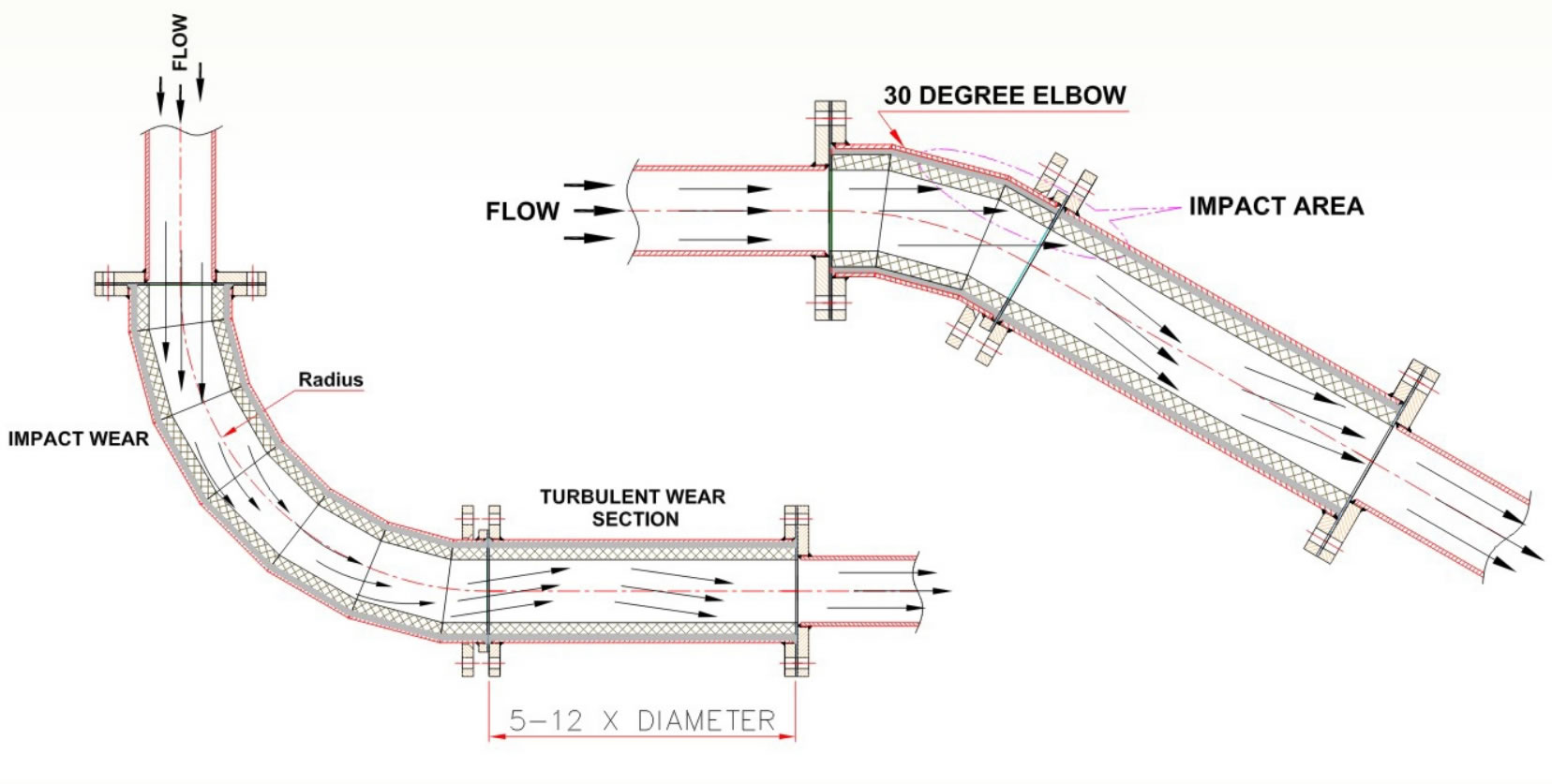

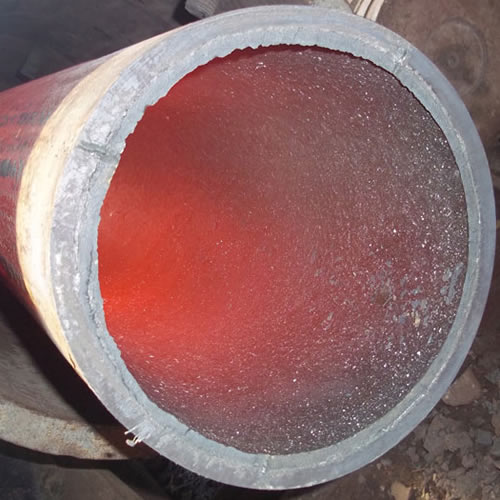
Ceramic lined pipe is made through self-propagating high-temperature synthesis (SHS) technique.
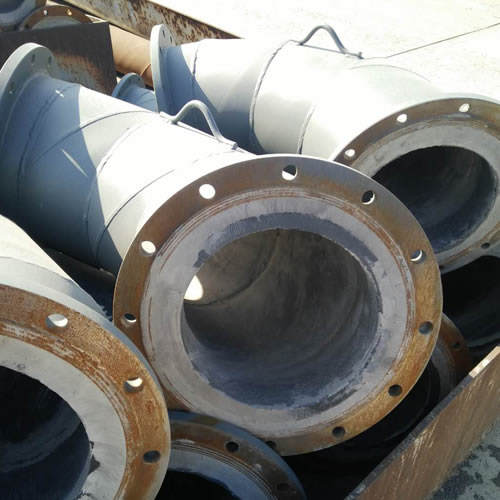
Cast basalt lined steel pipe is composed by lined with cast basalt pipe, outside steel pipe and cement mortar filling between the two layers.
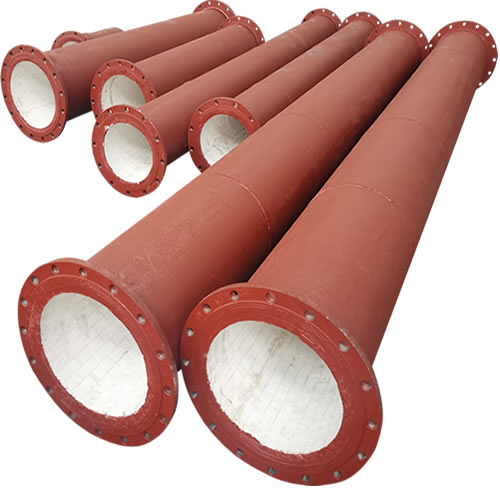
Ceramic tile lined pipes have very uniform coating of specially formulated ceramic material that is affixed to the inner of the pipe.
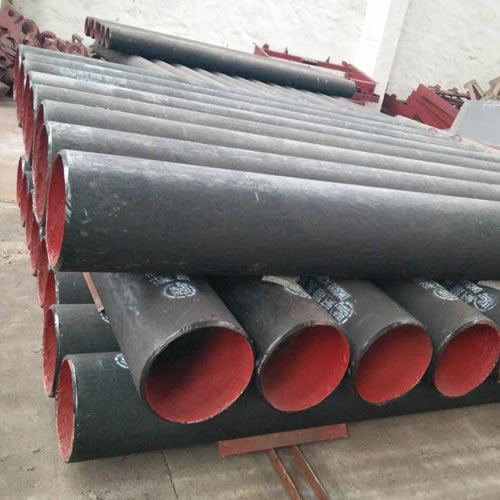
The material of the rare earth alloy wear-resistant pipe is ZG40CrMnMoNiSiRe, which is also the grade of rare earth alloy steel.
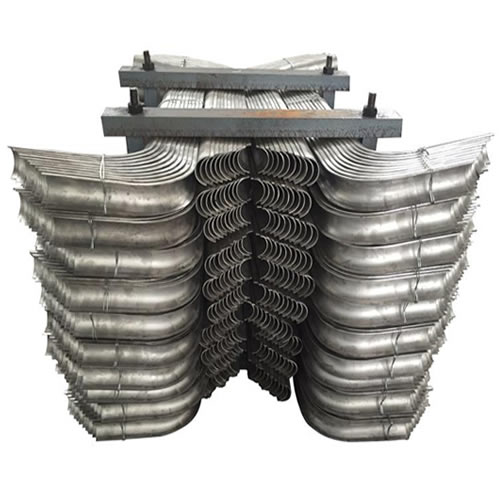
Tubes Erosion Shields are used to protect boiler tubing from the highly erosive effects of high temperatures and pressures thereby greatly extending tube life.
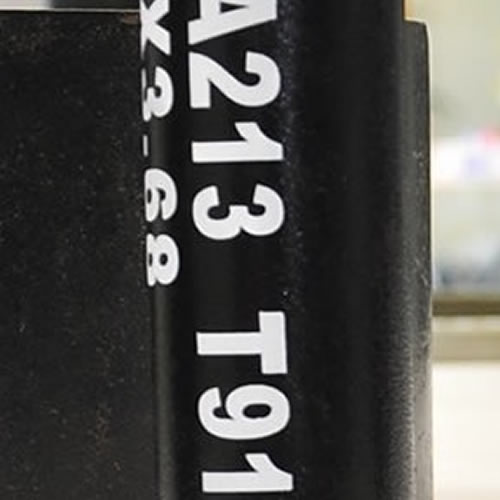
The ASTM A213 T91 seamless tubes are primarily used for boiler, superheater, and heat-exchanger.

When you partner with Sunny Steel, you can stop worrying about meeting deadlines thanks to our responsive and timely service. You'll also say goodbye to unnecessary shopping around. Instead, you'll get white glove service from an expert who understands your needs and can get you the materials you need quickly.