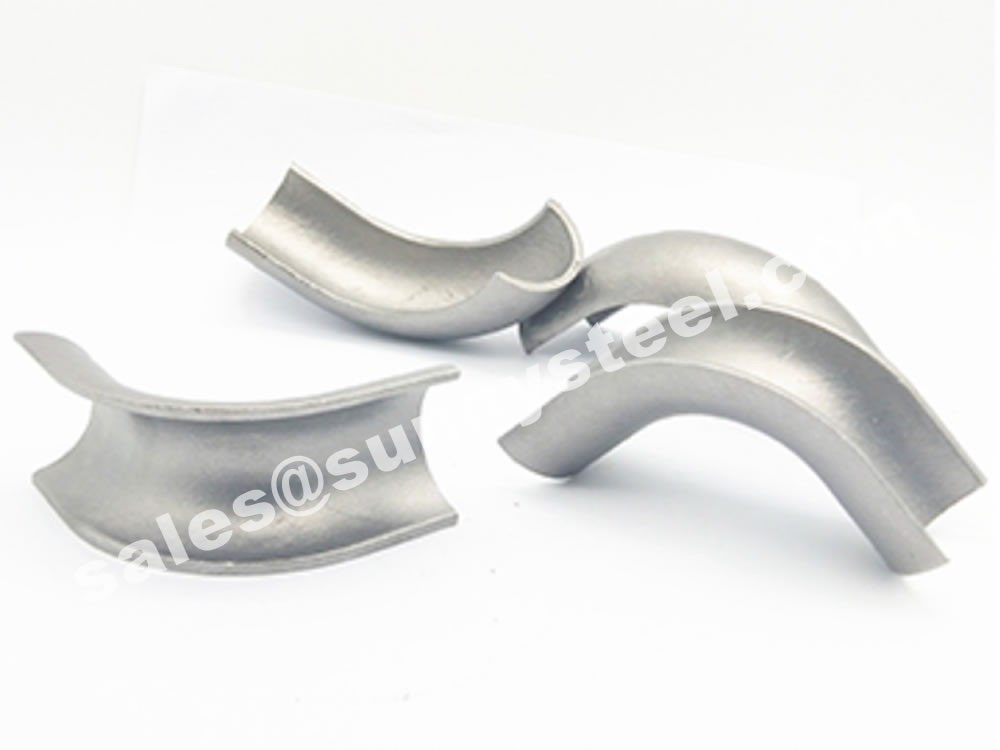
Tube Shield ET Wear Shield 316L
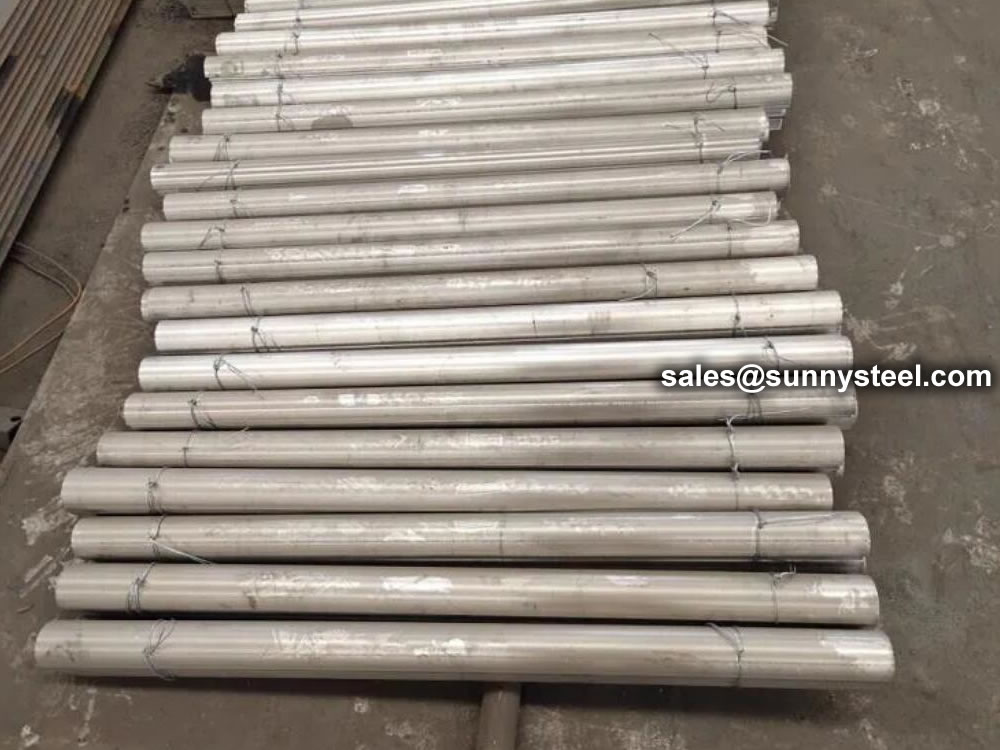
Tube Shield ET Wear Shield 316L - seamless steel tube
Type 316 stainless steel is a molybdenum-bearing alloy that offers enhanced resistance to pitting and corrosion, particularly in environments containing chlorides and other halides.
Type 316 stainless steel is a molybdenum-bearing alloy that offers enhanced resistance to pitting and corrosion, particularly in environments containing chlorides and other halides. This property makes 316 an excellent choice for applications where exposure to aggressive chemicals is a concern. In addition to its corrosion resistance, 316 stainless steel provides outstanding tensile strength, creep resistance, and stress-rupture strength, especially at elevated temperatures. This versatile alloy is available in both low carbon (316L) and high carbon (316H) versions, catering to different application needs.
The inclusion of molybdenum in 316 stainless steel significantly improves its resistance to corrosion, particularly in chloride-rich environments, which makes it more robust than its 304 counterpart. The low carbon variant, 316L, is often used where welding is involved to prevent carbide precipitation, while the high carbon variant, 316H, is designed to offer superior strength at higher temperatures. This combination of properties ensures that 316/316H stainless steel can perform effectively under both mechanical stress and corrosive conditions.
316/316H stainless steel is a versatile and high-performance alloy that excels in challenging environments. Its combination of corrosion resistance, high-temperature strength, and durability makes it suitable for a wide range of applications across industries such as nuclear, chemical processing, pharmaceuticals, and textiles. Whether used in heat exchangers, reactors, or industrial machinery, 316/316H stainless steel offers reliability and longevity in demanding conditions. For applications that require both resistance to harsh chemicals and the ability to perform under high stress, 316/316H stainless steel remains a top choice.
Type 316 is a molybdenum-bearing austenitic stainless steel, offering improved corrosion resistance, particularly in chloride environments. 316L is the low-carbon variant, ideal for welding, while 316H has a higher carbon content, providing greater strength at high temperatures. These steels are widely used in various industries, including chemical processing, marine, and medical equipment due to their durability and resistance to corrosion.
Alloy 316H can be easily welded and processed by standard shop fabrication practices.
Working temperatures of 1700 ~2200°F (927 ~1204°C) are recommended for most hot working processes. For maximum corrosion resistance, the alloy should be annealed at 1900°F (1038°C) minimum and water quenched or rapidly cooled by other means.
The alloy is quite ductile and forms easily. Cold working operations will increase the strength and hardness of the alloy and might leave it slightly magnetic.
Alloy 316H can be readily welded by most standard processes. A post weld heat treatment is not necessary.
Alloy 316H is subject to work hardening during deformation and is subject to chip breaking. The best machining results are achieved with slower speeds, heavier feeds, excellent lubrication, sharp tooling and powerful rigid equipment.
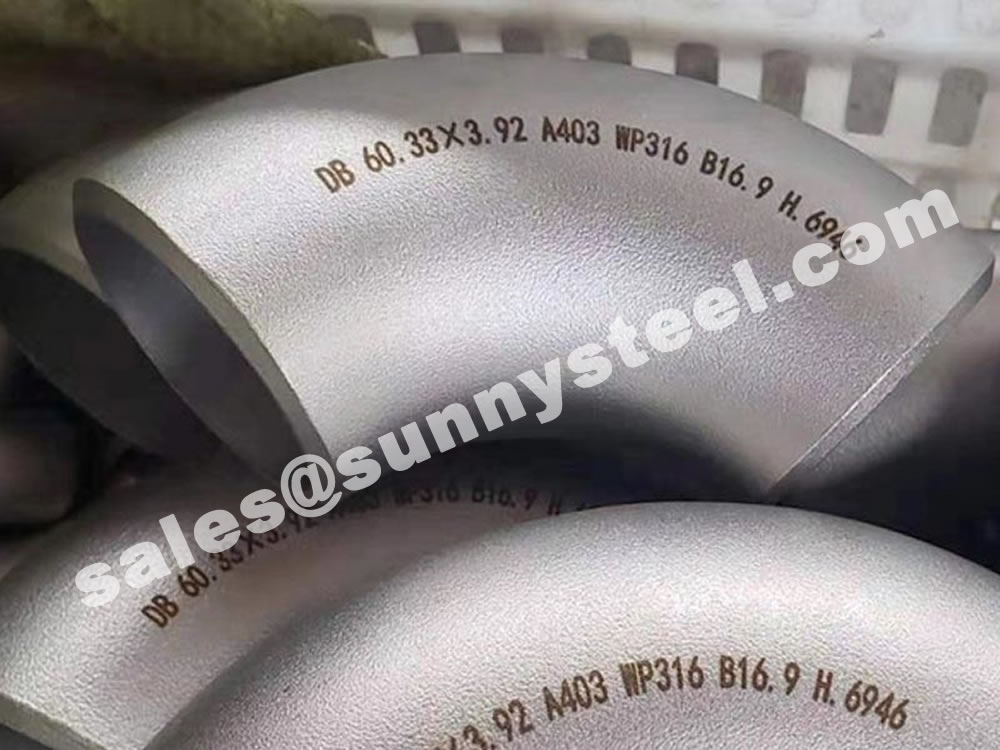
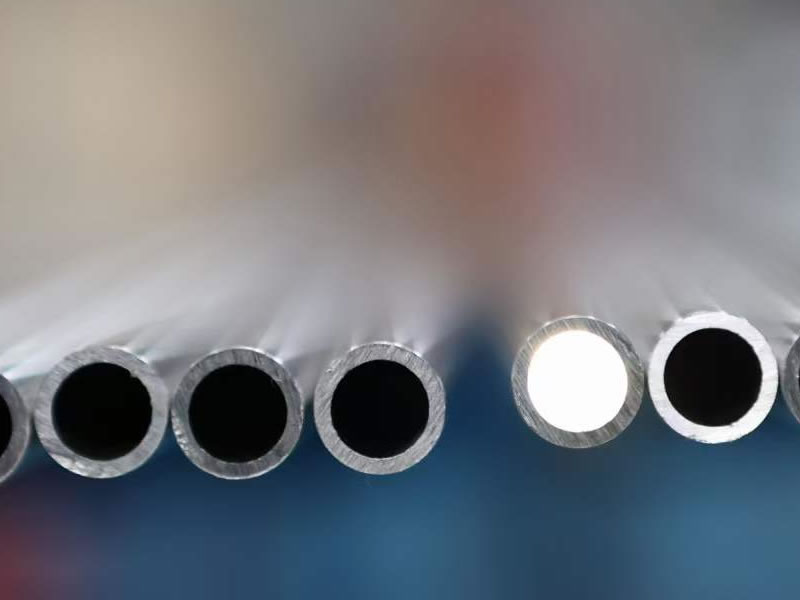
ASTM A269 TP316L stainless tube refers to a specific type of stainless steel tubing that conforms to the ASTM A269 standard and is made from grade TP316L stainless steel.
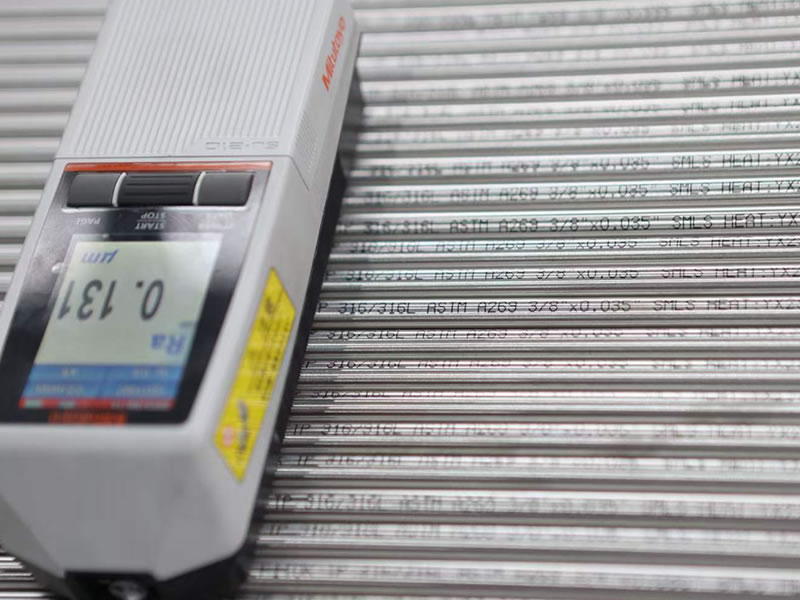
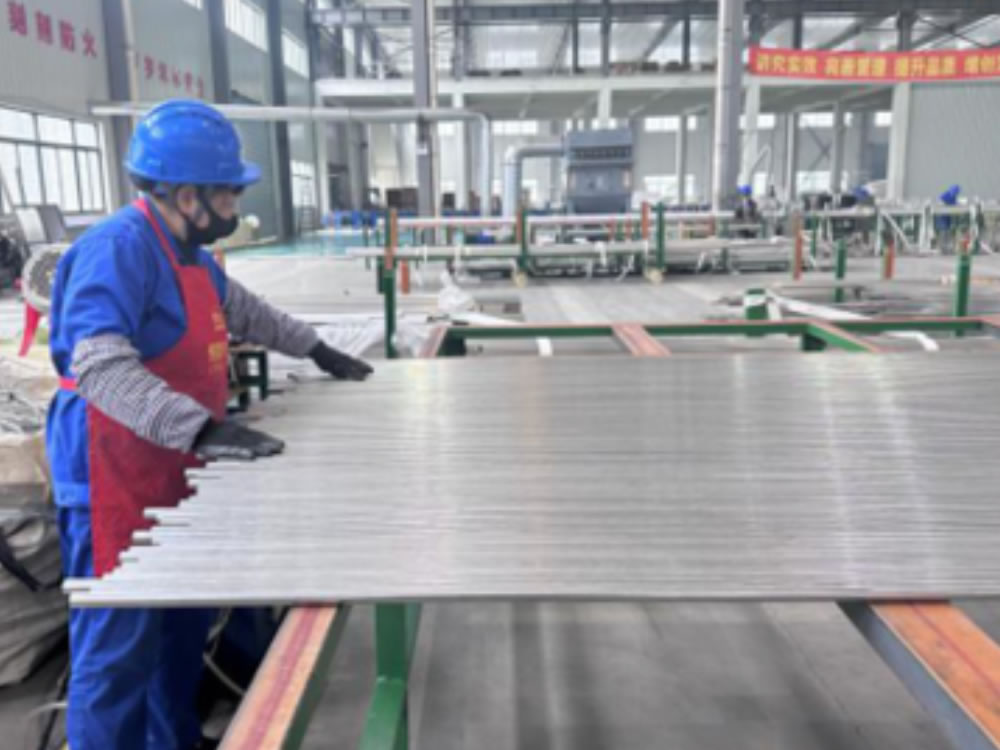
The ASTM A269 TP316 stainless tubes undergo a comprehensive quality assurance process, including underwater ultrasonic testing, eddy current testing, borescope inspection, spectroscopy, and roughness testing.
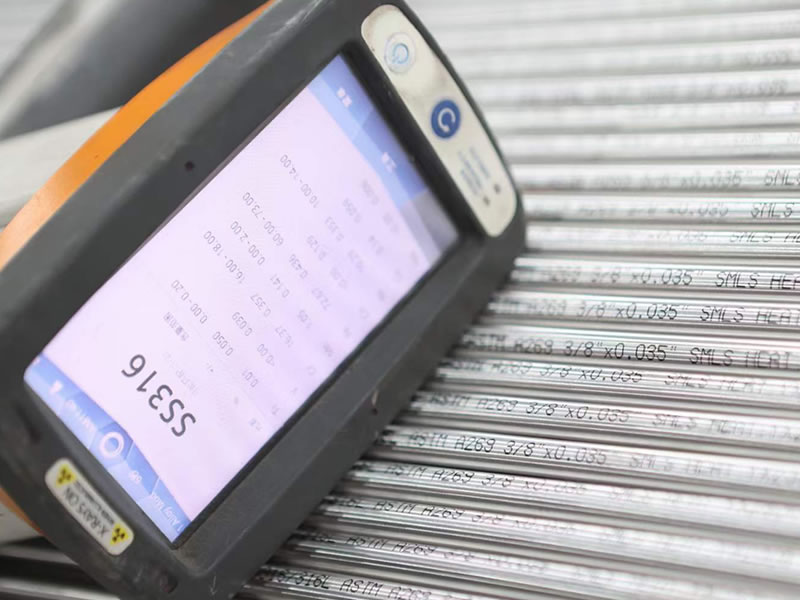
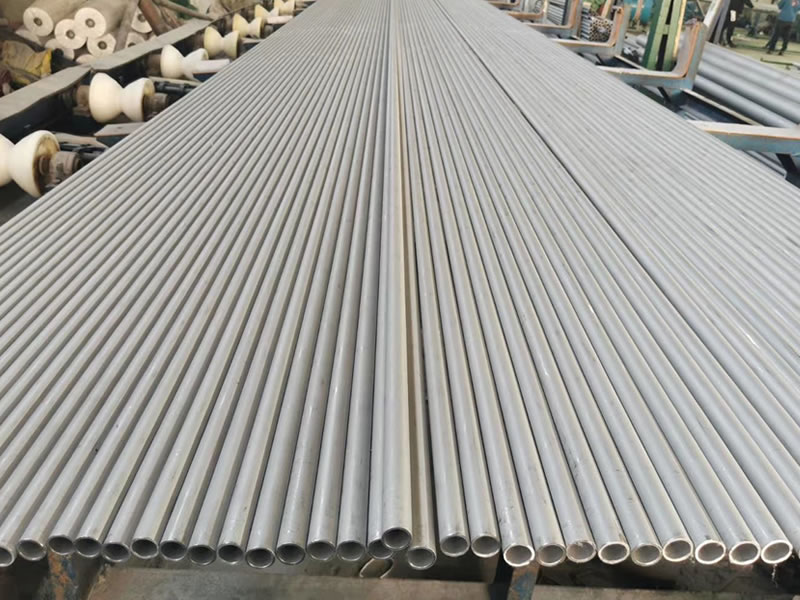
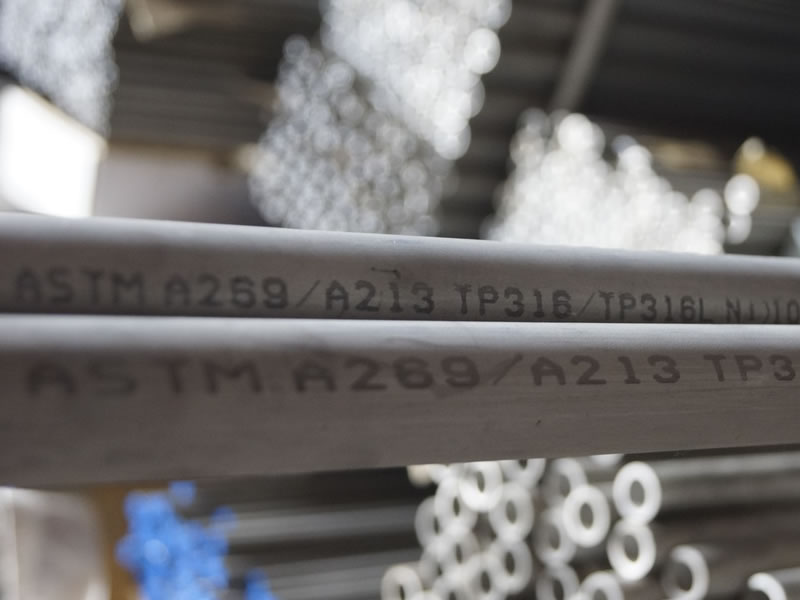
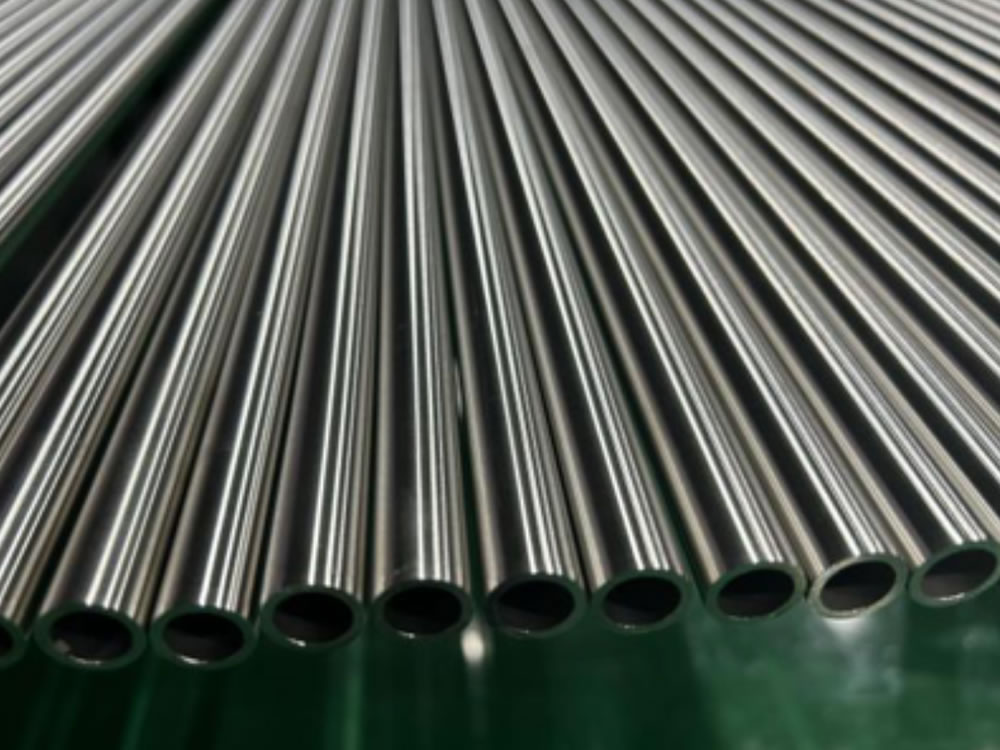
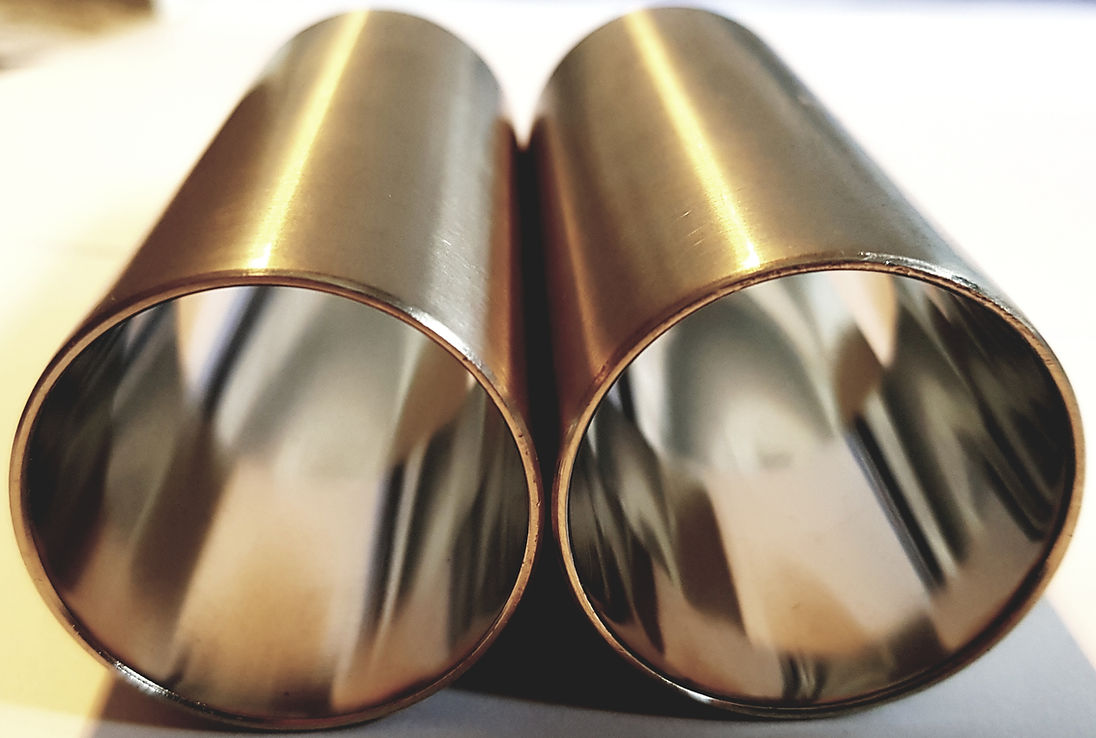
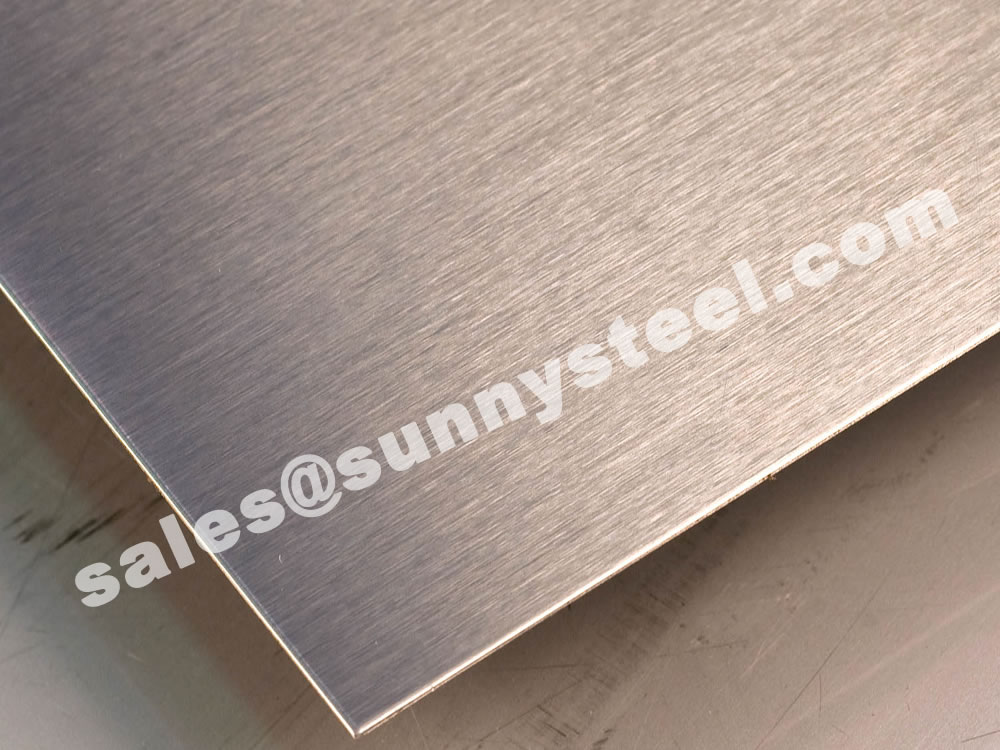
The terms AP, MP, BA, and EP refer to different surface finishes or treatments applied to the stainless steel.
These finishes are essential in various industries where the appearance, corrosion resistance, and cleanliness of the stainless steel are critical. Here's an explanation of each term:
EP stands for electropolished, a process where the stainless steel tube, after annealing and acid pickling, undergoes electropolishing using electrodes and acid in a tank, creating a chemical reaction to achieve a clean surface through electrochemical polishing. EP tubes are used in pipeline projects with high cleanliness requirements for the stainless steel tube surface.
AP refers to the condition where the surface of the stainless steel tube is treated after annealing through acid pickling to remove the oxide layer. Stainless steel industrial pipes sold in the market, known for their wide applications, are extensively used in the chemical industry for pipeline needs.
MP denotes a stainless steel seamless tube that undergoes mechanical polishing after annealing and acid pickling to achieve a bright and clean surface. This finish is primarily utilized in the pharmaceutical and food industries.
BA is specific to precision-rolled stainless steel tubes. Also known as precision tubes, BA tubes skip the regular annealing and acid pickling process after semi-finished rolling. Instead, they use argon gas in a vacuum annealing furnace to remove surface oil stains generated during the rolling process, preserving the brightness of the surface without leaving an oxide layer.
These surface finishes cater to various industry requirements, offering different levels of brightness, cleanliness, and corrosion resistance based on specific applications.
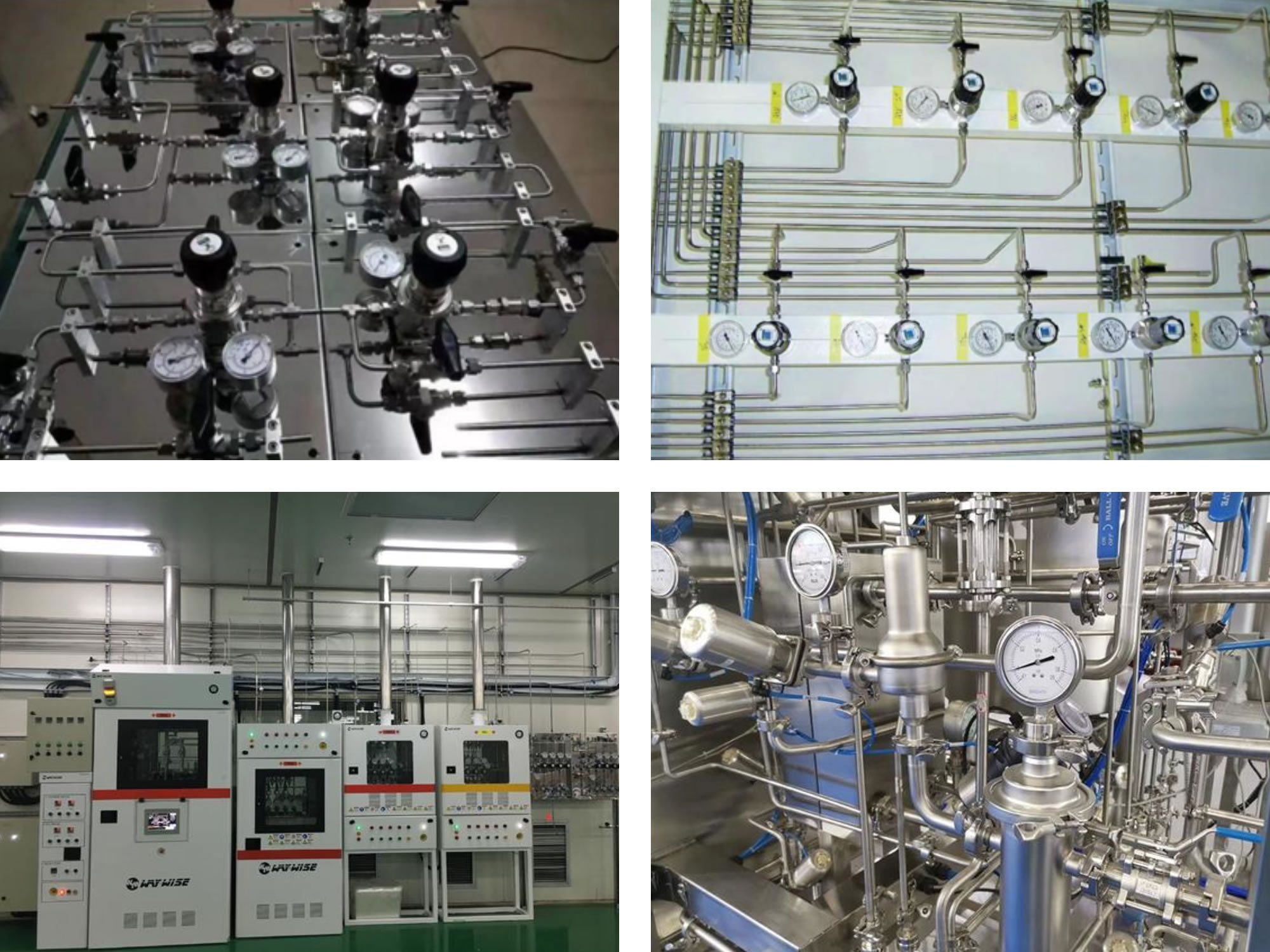
The versatility of ASTM A269 lends itself to a wide array of applications across various industries:
In aggressive chemical environments, where corrosion resistance is paramount, ASTM A269 stainless steel tubes find applications in transporting and containing corrosive fluids and gases.
Pharmaceutical industries demand hygienic and sterile environments. Stainless steel tubes complying with ASTM A269 are utilized in processes involving high-purity fluids and gases.
For the safe transport of food and beverages, ASTM A269 tubing ensures that no contaminants leach into consumable products.
Alloy 316/316L is an austenitic alloy and similar to 304/304L is used in a wide range of applications. It is an important alloy when it comes to chloride environments and many other chemical process industries. The addition of Molybdenum significantly increases general corrosion resistance as compared to 304/304L and more importantly, increases the chloride pitting resistance.
316/316L has excellent forming and welding characteristics. Due to its superior chloride pitting resistance, it is commonly used in applications involving chlorides or halides. That property is also useful in marine environments.
It also has an excellent resistance to intergranular corrosion in as-welded condition. Dual grade becomes important if heavy gauge welding is performed. This is where intergranular corrosion comes into picture and having a lower carbon version makes it difficult for Chromium Carbide to precipitate in the 797 to 1580 degF (425 to 860 degC) range when the welding is going on for a long time due to the heavy gauge.
It has excellent creep and rupture strength at higher temperatures compared to 304/304L. Finally, it has excellent strength and toughness at cryogenic temperatures.
In addition, it provides excellent elevated temperature tensile, creep and stress-rupture strengths.
| Grade | 316 | 316L |
|---|---|---|
| UNS Designation | S31600 | S31603 |
| Carbon (C) Max. | 0.08 | 0.030* |
| Manganese (Mn) Max. | 2.00 | 2.00 |
| Phosphorous (P) Max. | 0.045 | 0.045 |
| Sulphur (S) Max. | 0.030 | 0.030 |
| Silicon (Si) Max. | 1.00 | 1.00 |
| Chromium (Cr) | 16.0 ~18.0 | 16.0 ~18.0 |
| Nickel (Ni) | 10.0 ~14.0 | 10.0 ~14.0 |
| Molybdenum (Mo) | 2.0 ~3.0 | 2.0 ~3.0 |
| Nitrogen (N) | †| †|
| Iron (Fe) | Bal. | Bal. |
| Other Elements | †| †|
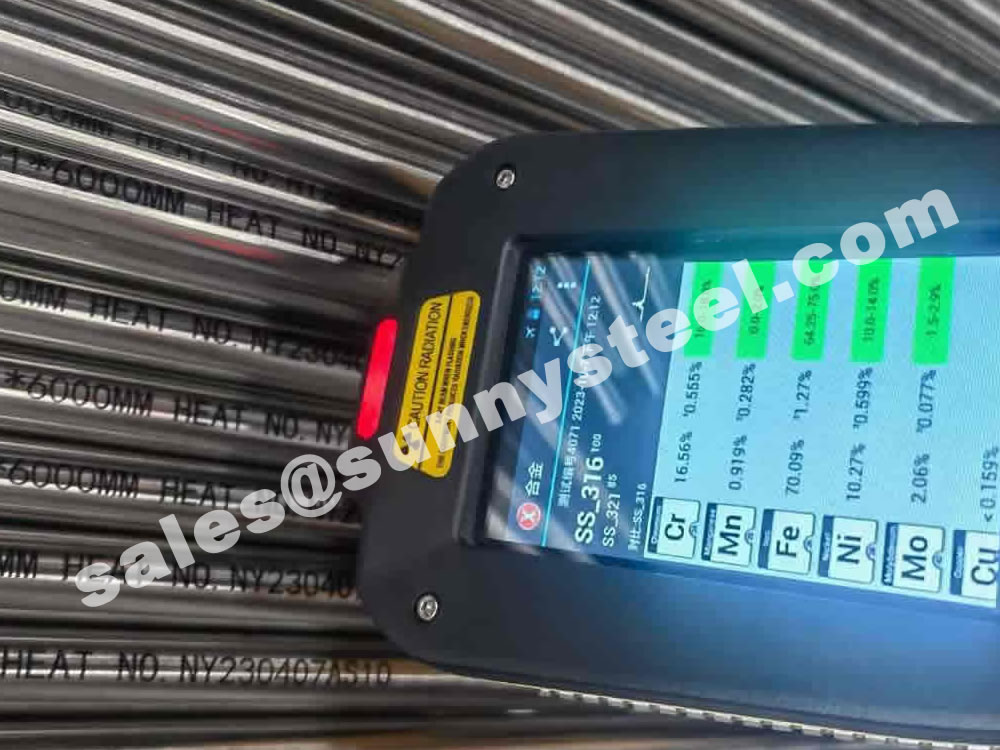
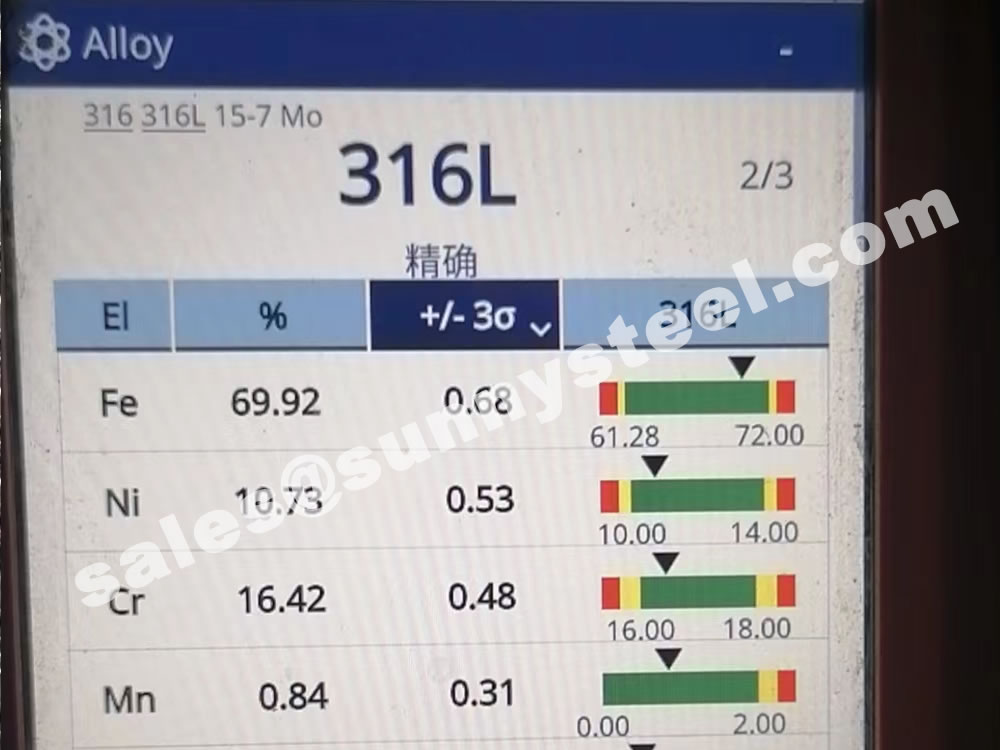
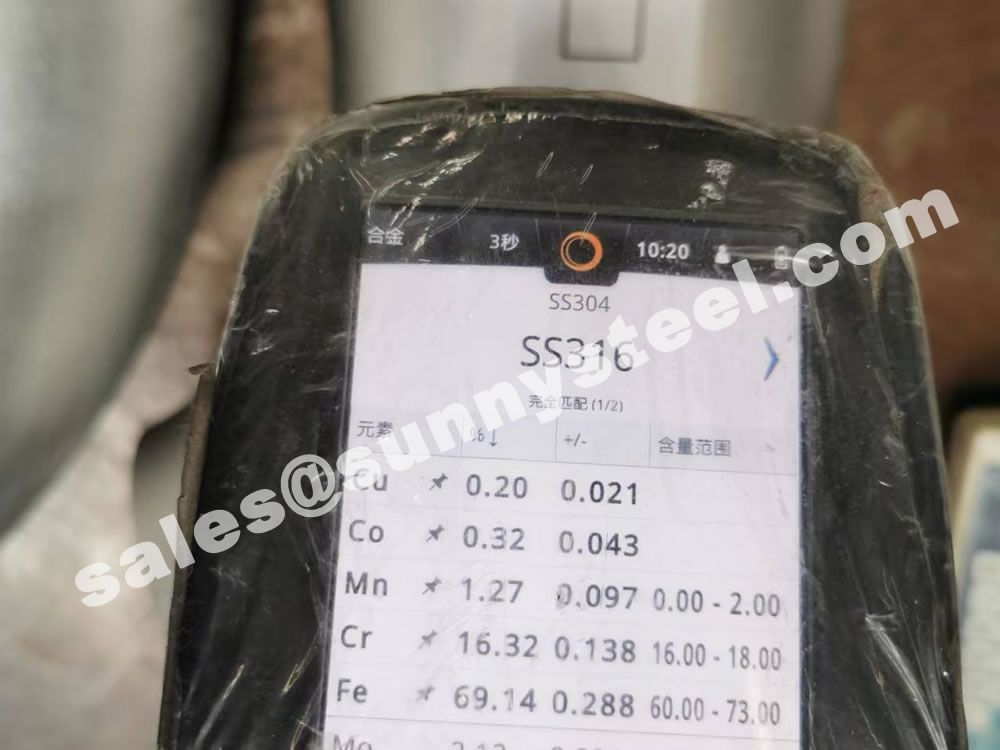
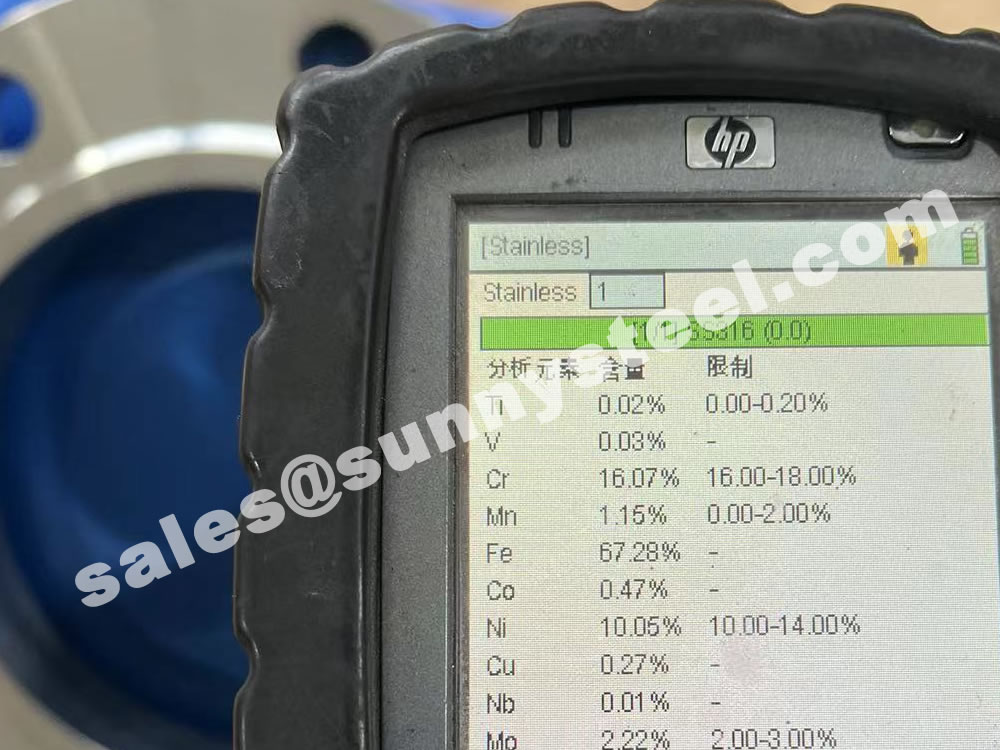
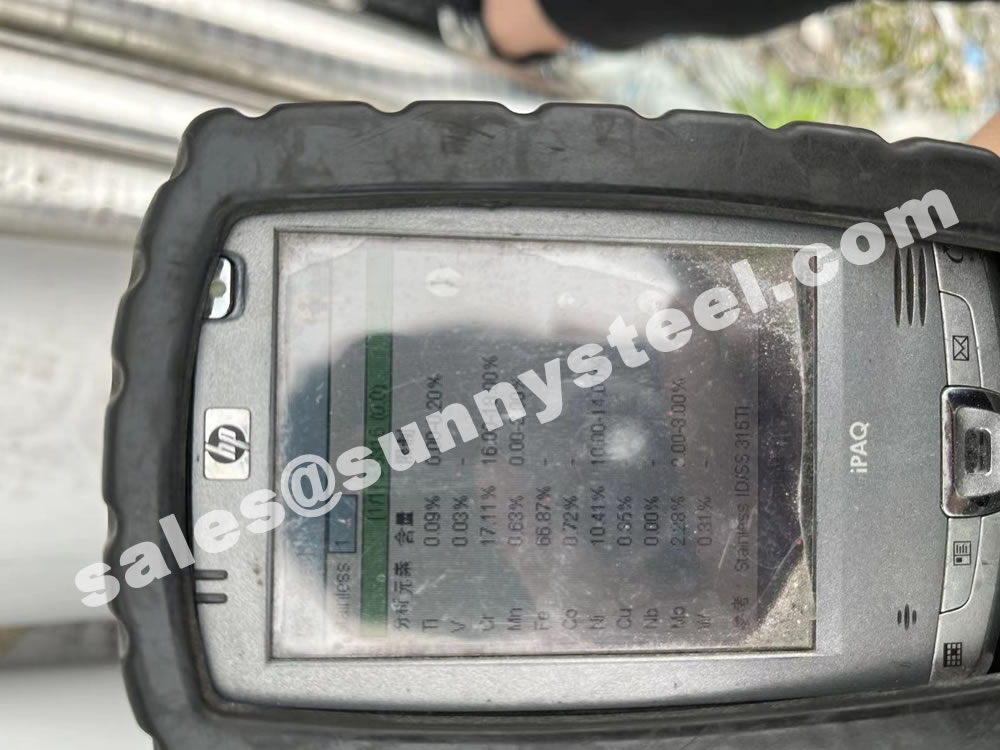
The main constituents of 316 stainless steel - other than iron - are Chromium and Nickel. However, it is the addition of 2% Molybdenum that provides the increased corrosion resistance.
316 contains 16 - 18% Chromium (Cr). Chromium is the essential chemical in all stainless steel and it is that which forms the thin passive layer that makes the metal "stainless"
316 also contains 10-14% Nickel (Ni). This is added to make the Austenitic structure more stable at normal temperatures.
The nickel also improves high-temperature oxidation resistance makes the steel resistant to stress corrosion cracking.
Where the steel is to be stretched formed a lower percentage (8%) of nickel should be selected. If the steel is to be deep drawn a higher percentage is better (9% or more).
In addition a number of other chemicals may be present but these are expressed as maximum permited levels with the exception of the increased quantity of carbon required in 316H - i.e. a minimum of .04% and a maximum of 0.10%
| Electrical Resistivity | Magnetic Permeability |
|---|---|
| 7.2e-005 ohm-cm | 1.008 |
| 7.2e-005 ohm-cm | 1.008 |
| at 20°C (68°F); 1.16E-04 at 650°C (1200°F) | at RT |
| Material | Form | Tensile Strength (ksi) |
Yield Strength (ksi) |
Elongation % |
Hardness HB |
|---|---|---|---|---|---|
| Alloy 316L | 316L Sheet AMS 5507 | 100 max | - | 45 | - |
| Alloy 316 | 316 Sheet AMS 5524 | 75 min | 30 | 45 | 207 max |
316/316L/316H stainless steel in the Annealed Condition at -20°F to +100°F
| Alloy | UNS Designation | Spec. | Tensile Strength (psi) | Tensile Strength (MPa) | Tensile Strength (ksi) | Yield Strength (psi) | Yield Strength (MPa) | Yield Strength (ksi) | Elongation in 2 inches (min.) % | Grain Size Req. | Max. Hardness | Modulus of Elasticity (x106 psi) | Mean Coefficient of Thermal Expansion (IN./IN./°F x 10-6) | Thermal Conductivity (BTU-in/ft2-h-°F) |
|---|---|---|---|---|---|---|---|---|---|---|---|---|---|---|
| 316 | S31600 | A249, A312 | 75,000 | 515 | 75 | 30,000 | 205 | 30 | 35 | †| 90 Rb | 28.0 | 9.2 | 116 |
| 316L | S31603 | A270, A312 | 70,000 | 485 | 70 | 25,000 | 170 | 25 | †| †| 90 Rb | 28.0 | 9.2 | 116 |
| 316H | S31609 | †| †| †| †| †| †| †| †| 7 or coarser | †| †| †| †|
| Alloy | UNS Designation | Werkstoff NR. | Specifications* |
|---|---|---|---|
| 316 | S31600 | 1.4401 | A269, A/SA249, A/SA312, A1016, A632, A/SA688 |
| 316L** | S31603 | 1.4404 | A269, A/SA249, A/SA312, A1016, A632, A/SA688 |
*Note: The specifications noted including ASTM, ASME, or other applicable authorities are correct at the time of publication. Other specifications may apply for use of these materials in different applications.
Type 316L is the low carbon version of 316 stainless. With the addition of molybdenum, the steel is popular for use in severe corrosion environments due to the materials immunity from boundary carbide precipitation (sensitisation).
The material is widely used in heavy gauge welded components and weld annealing is only required where the material is for use in high stress environments. 316L has an extensive variety of uses especially in marine applications due to the materials high corrosion resistance.
Type 316H is a higher carbon variant of 316 making the steel more suitable for use in applications where elevated temperatures are present.
Stabilised Grade 316Ti offers similar qualities.
The increased carbon content delivers a greater tensile and yield strength. The austenitic structure of the material also gives this grade excellent toughness, even down to cryogenic temperatures.

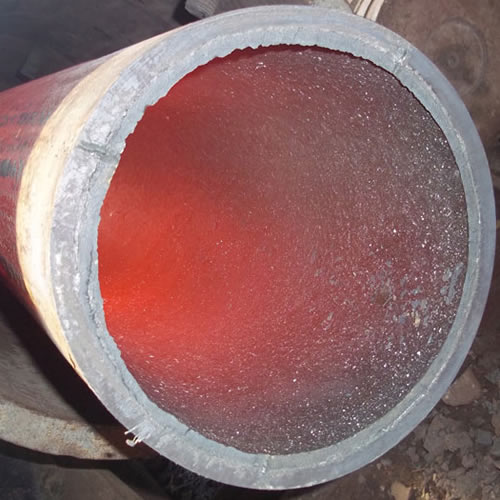
Ceramic lined pipe is made through self-propagating high-temperature synthesis (SHS) technique.
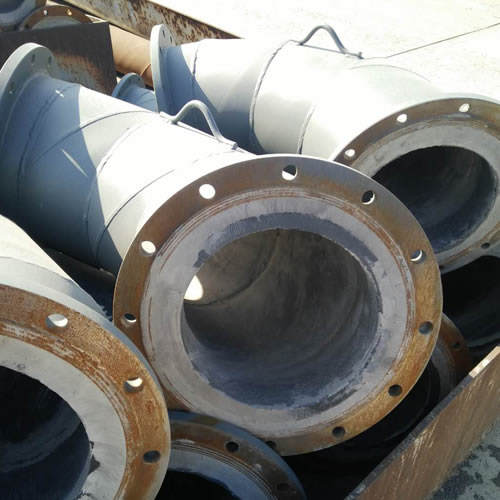
Cast basalt lined steel pipe is composed by lined with cast basalt pipe, outside steel pipe and cement mortar filling between the two layers.
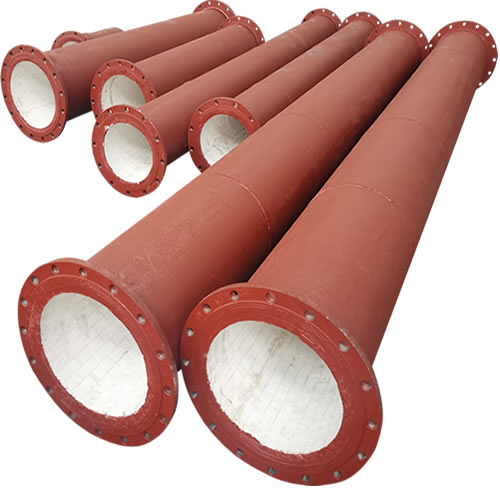
Ceramic tile lined pipes have very uniform coating of specially formulated ceramic material that is affixed to the inner of the pipe.
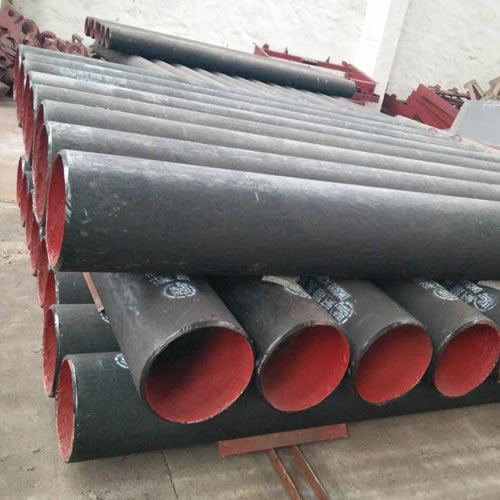
The material of the rare earth alloy wear-resistant pipe is ZG40CrMnMoNiSiRe, which is also the grade of rare earth alloy steel.
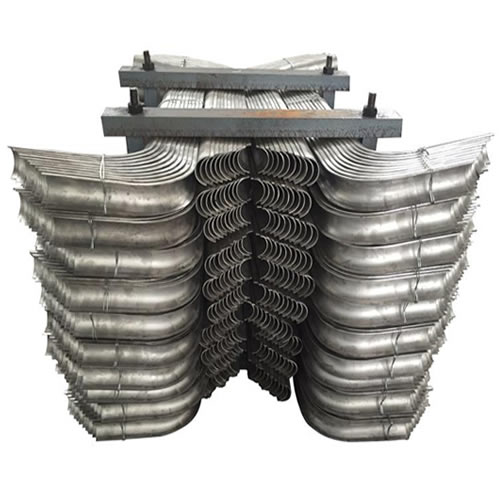
Tubes Erosion Shields are used to protect boiler tubing from the highly erosive effects of high temperatures and pressures thereby greatly extending tube life.
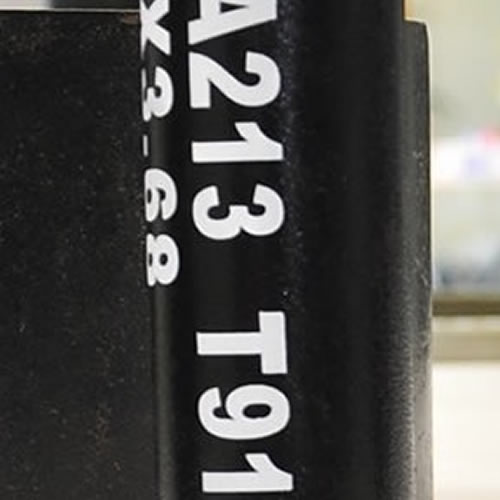
The ASTM A213 T91 seamless tubes are primarily used for boiler, superheater, and heat-exchanger.

When you partner with Sunny Steel, you can stop worrying about meeting deadlines thanks to our responsive and timely service. You'll also say goodbye to unnecessary shopping around. Instead, you'll get white glove service from an expert who understands your needs and can get you the materials you need quickly.