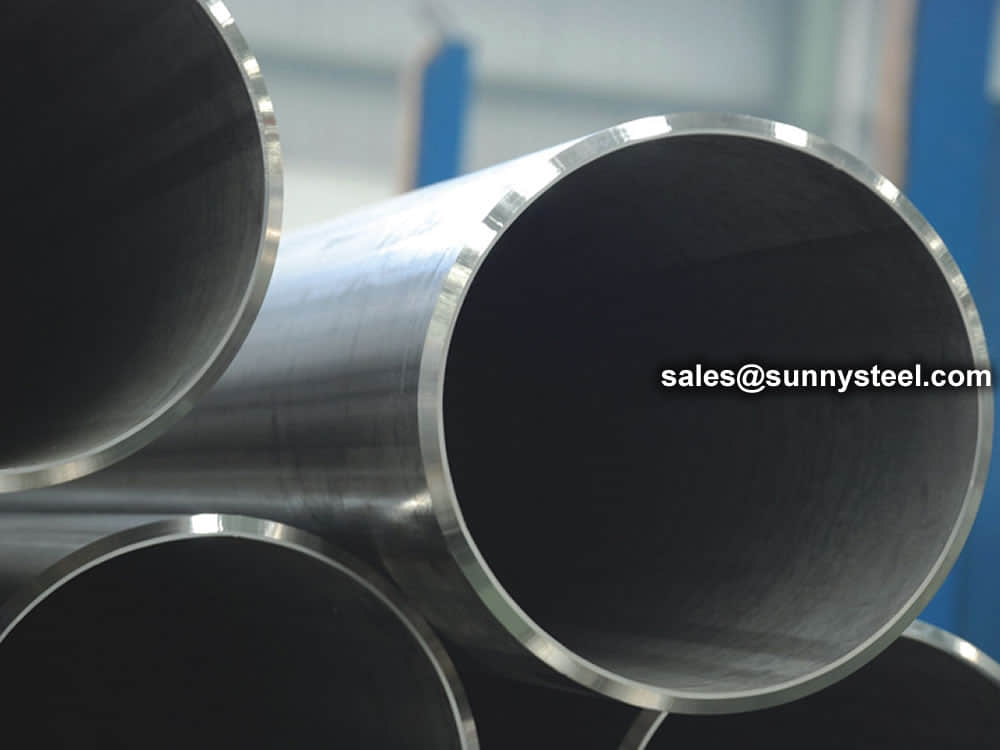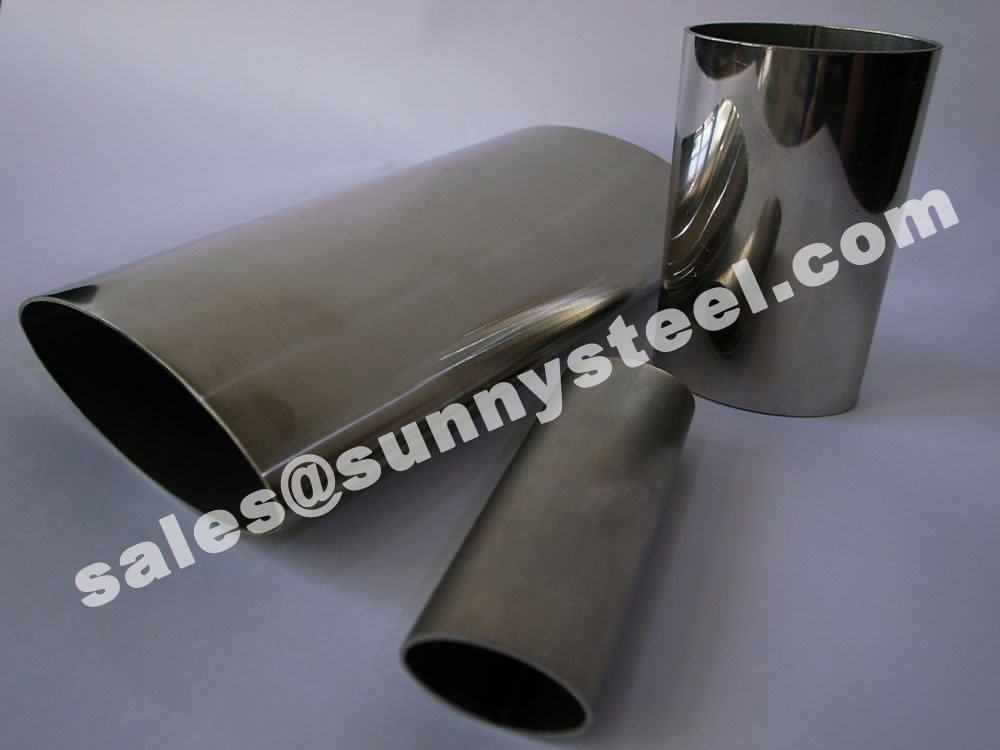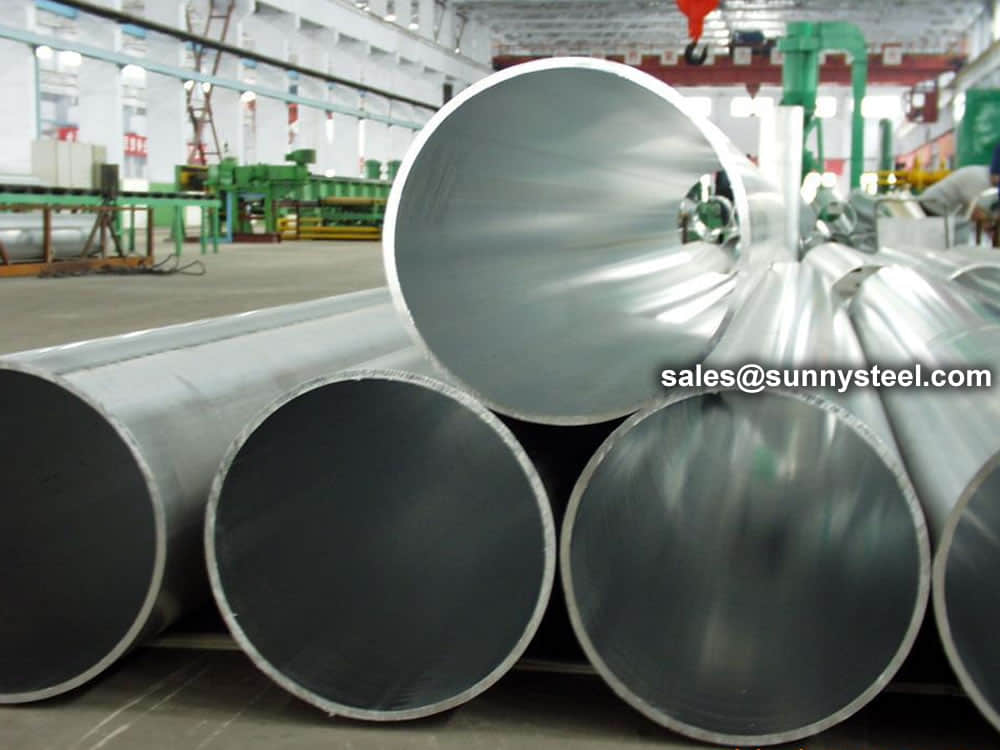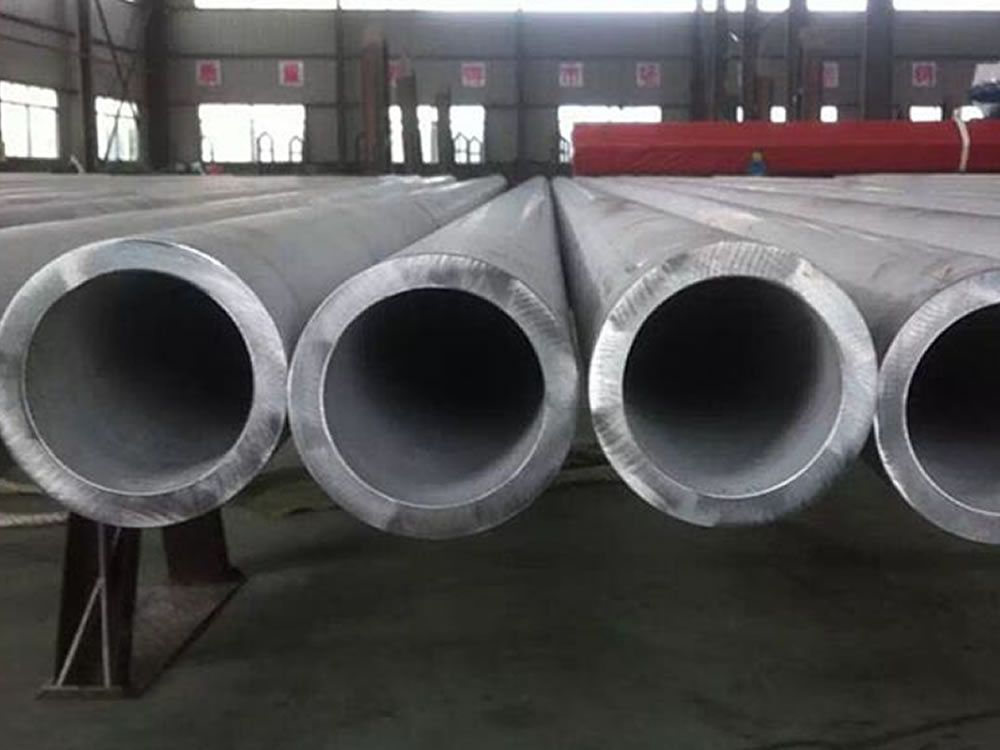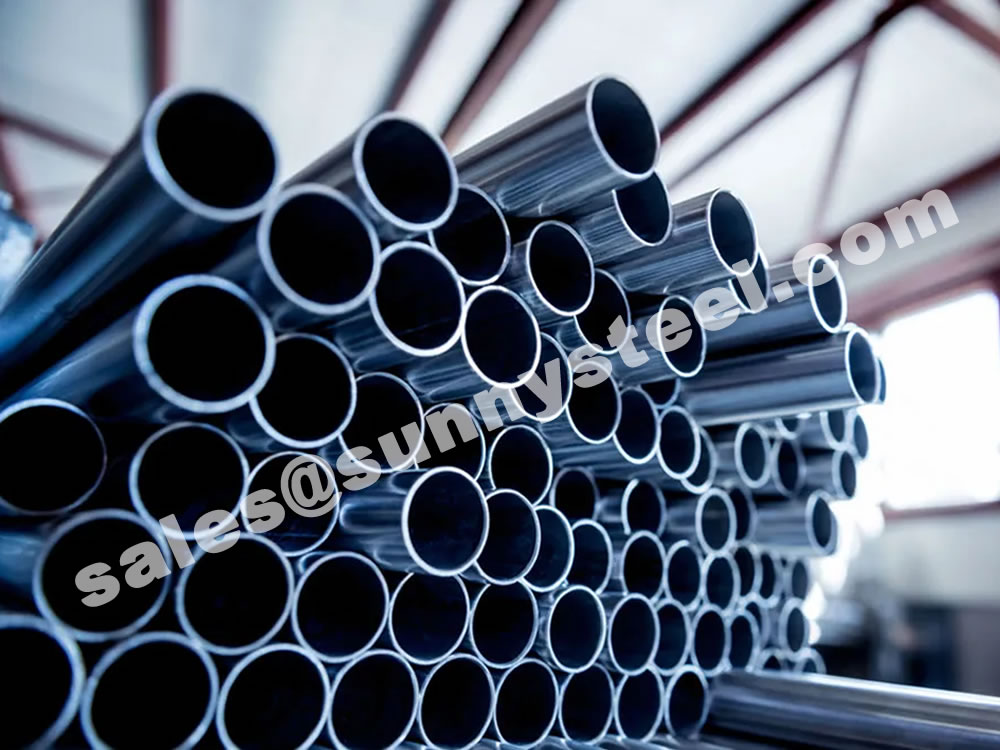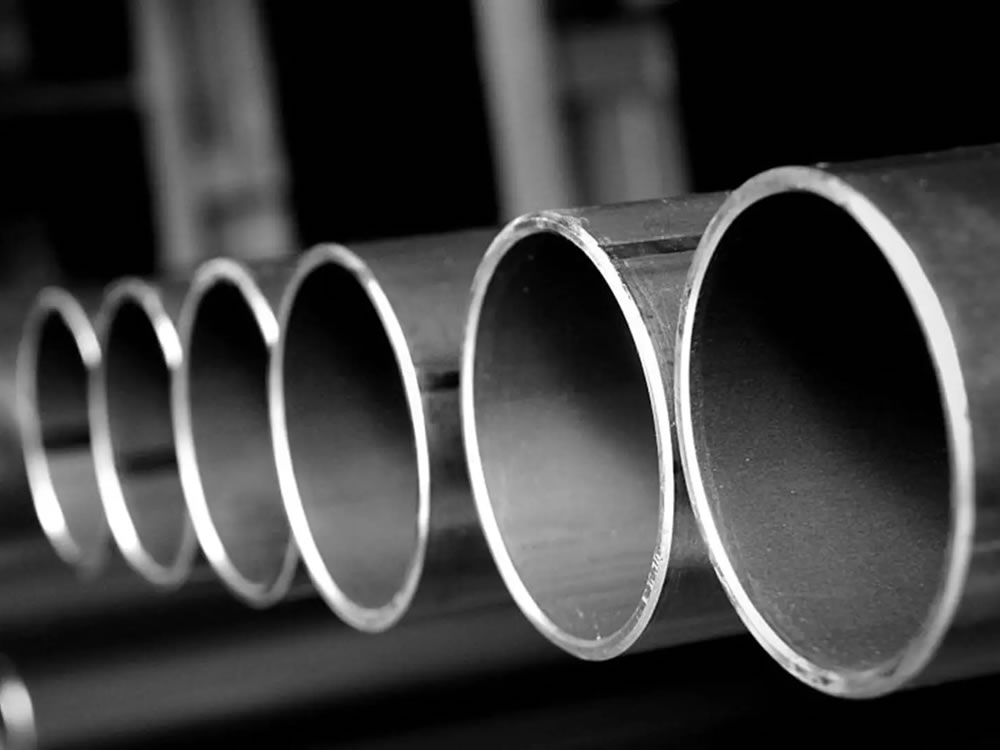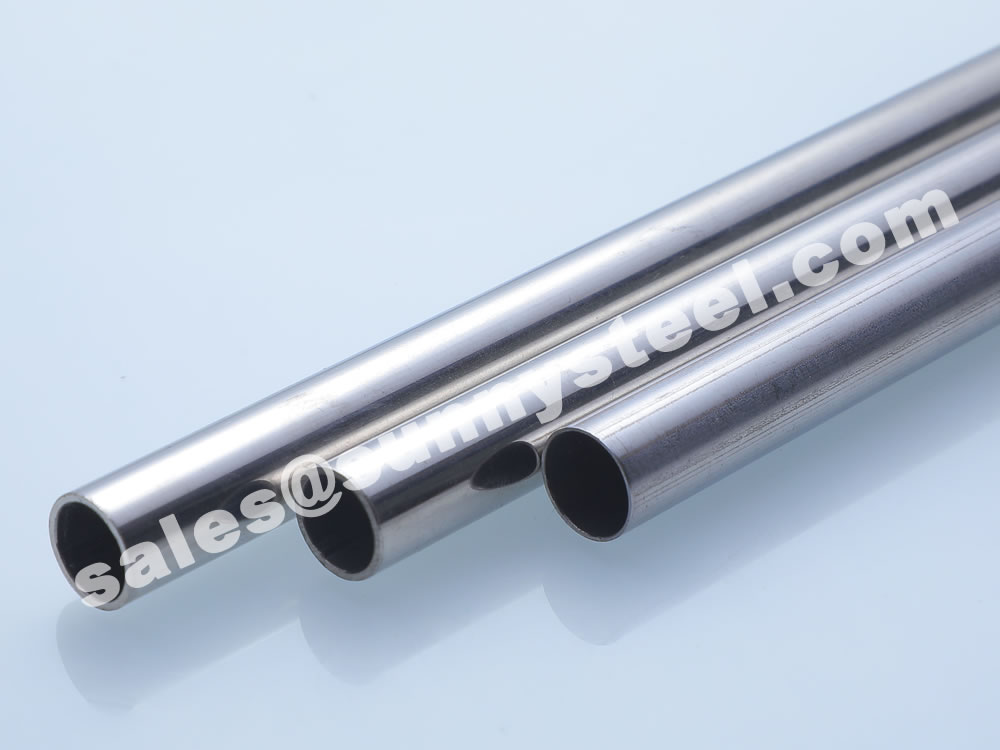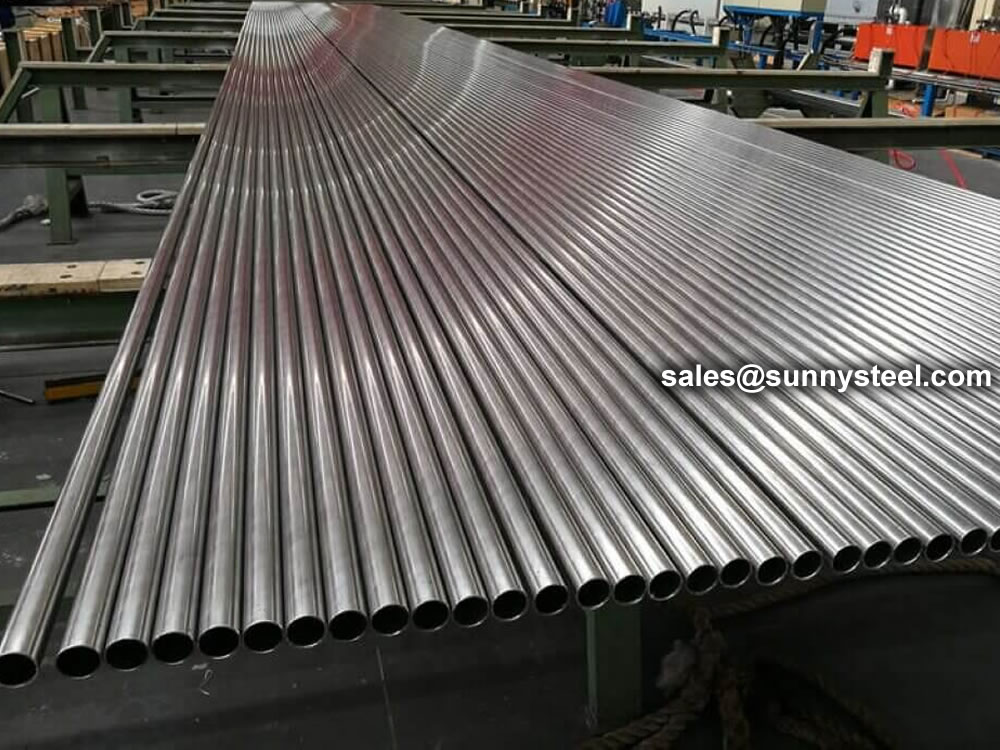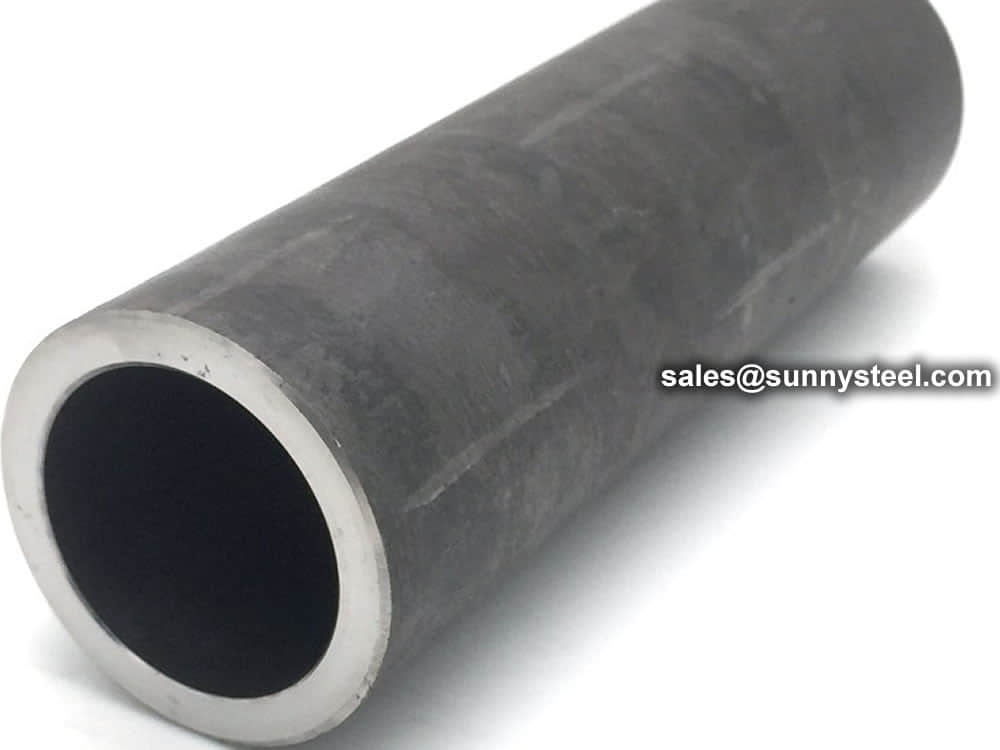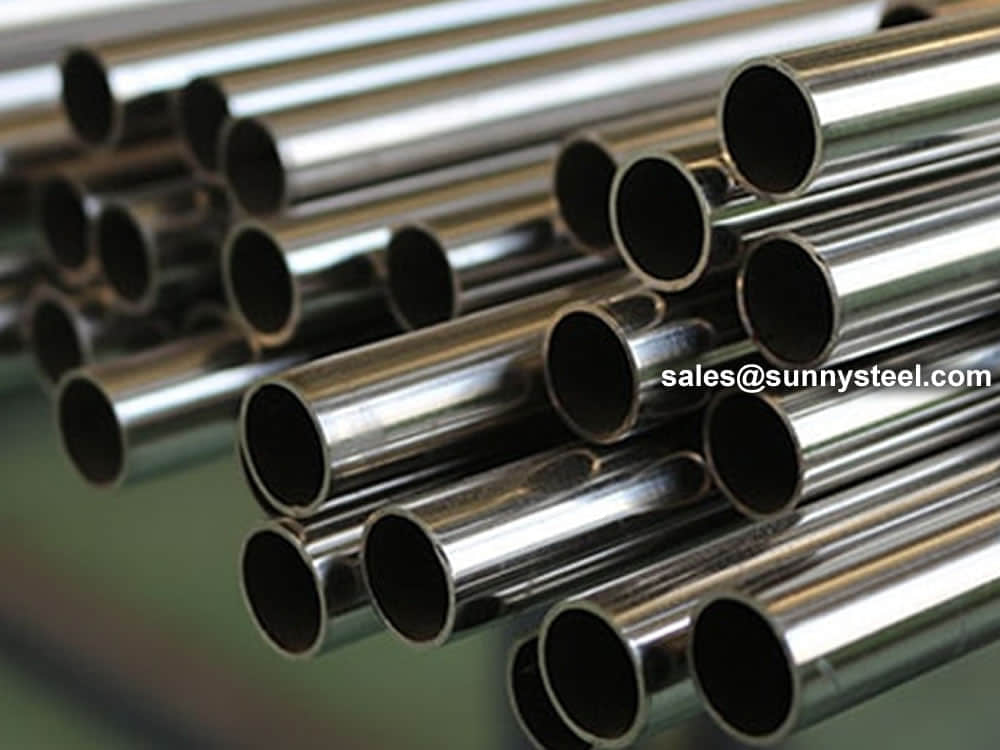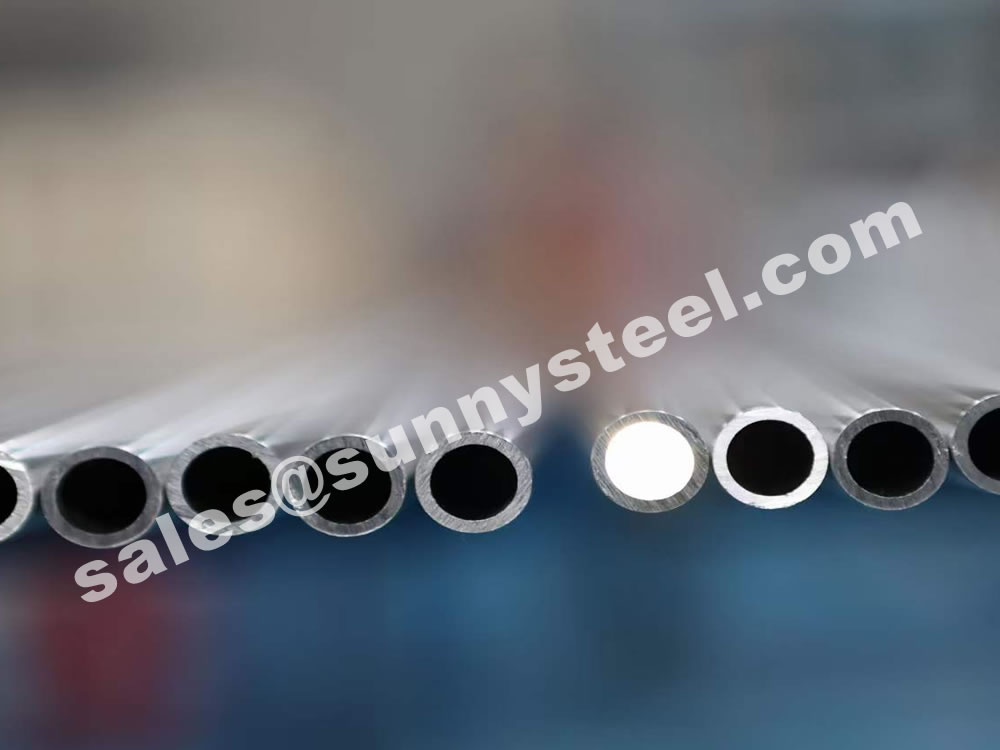
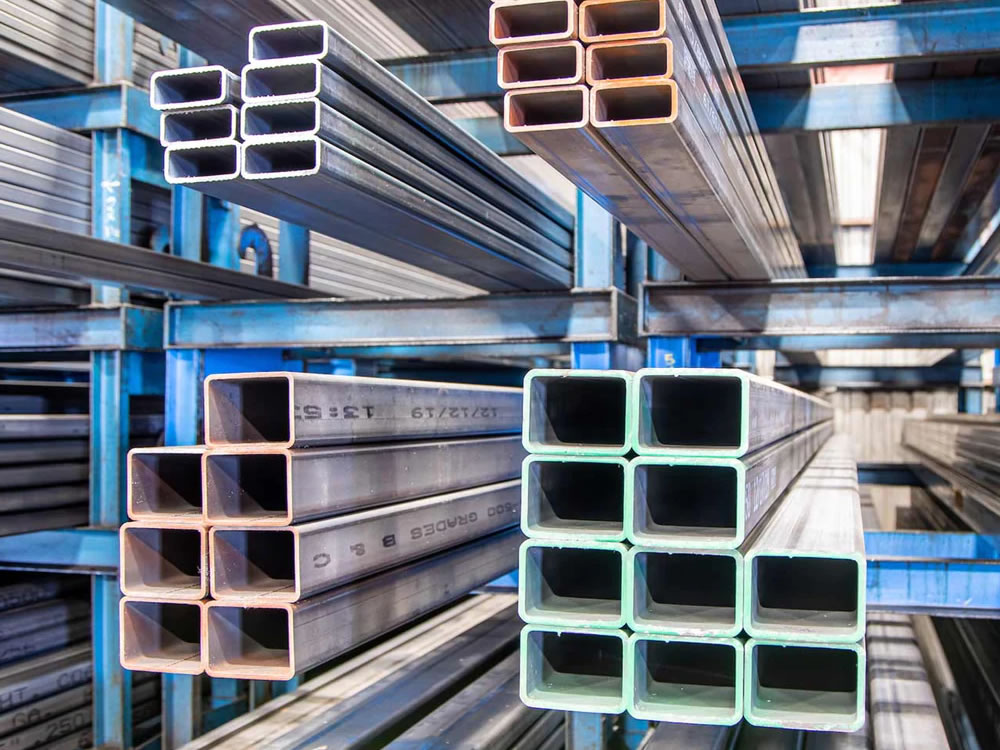
STAINLESS SQUARE RECTANGULAR TUBE
STAINLESS SQUARE RECTANGULAR TUBE - seamless steel tube
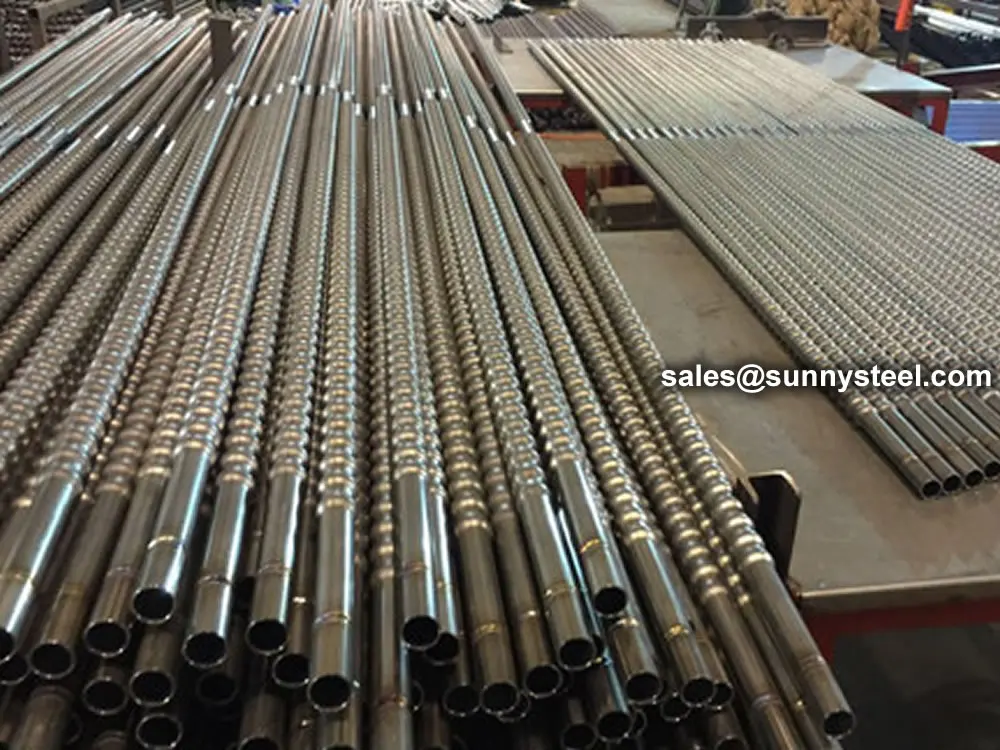
Stainless steel corrugated tubes (also known as flexible corrugated hoses) are annular or helical corrugated pipes that provide excellent flexibility while maintaining high strength and pressure resistance.
It is commonly used in various applications such as heat exchangers, solar systems, water transportation, and as protective or heat exchanger pipes.
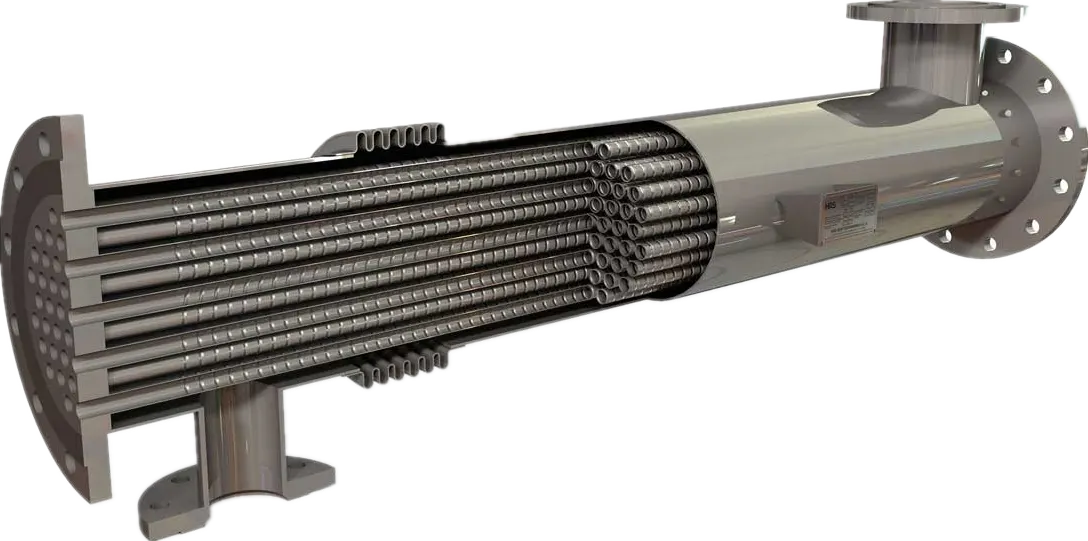
Compared with ordinary seamless steel pipes, stainless steel corrugated tube has a larger heat exchange area, smaller tube wall thermal resistance, and excellent heat transfer coefficient, so it is not stainless steel corrugated tube for heat exchanger is a new type of high-efficiency heat exchange tube that replaces the tube and has been widely used in heat exchange equipment.


Stainless steel corrugated tube for heat exchanger is a thin-walled tube with large and small arcs continuously tangent and corrugated inside and outside. The three-dimensional movement outside the tube, so the degree of disturbance is more intense, even if the fluid flow rate is very low, it can make it into a turbulent state, and at the same time, the thin tube wall has a small temperature gradient, which greatly reduces the thermal resistance of the tube wall and improves the heat transfer inside and outside the tube. Coefficient, so that the overall heat transfer coefficient is improved.
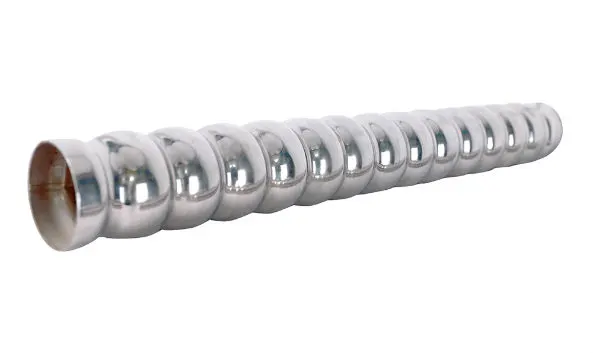
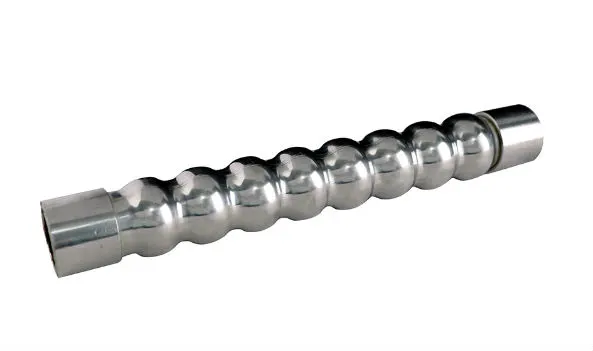
Stainless steel corrugated tubes are known for their flexibility, durability, and resistance to high temperatures They are often used in industries such as heating, air conditioning, solar technology, and other applications that require a reliable and versatile pipe.
The material used for stainless steel corrugated tubes is typically 1.4301, 1.4404, or 1.4571, depending on the project These materials offer excellent corrosion resistance and mechanical properties, making them suitable for a wide range of environments and applications.
The dimensions of stainless steel corrugated tubes can vary, with nominal diameters ranging from DN12 to DN50 The length of the tubes can be customized according to specific requirements.
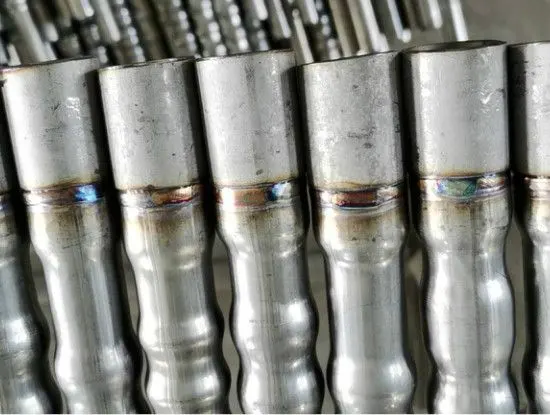
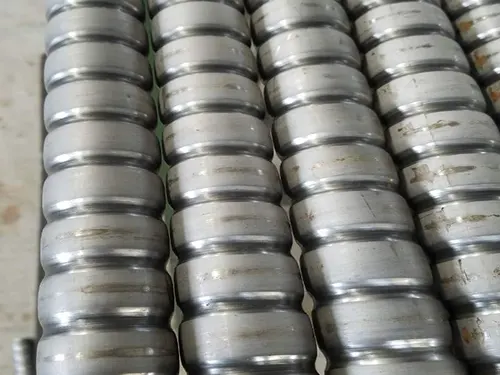
(1)The uneven surface of Stainless Steel Corrugated Tube makes the fluid form strong turbulence in the tube, thereby greatly improving the heat transfer coefficient of the inner and outer surfaces of the tube, and the overall heat transfer efficiency of the heat exchanger is increased by 2-3 times than that of the tube type;
(2)Stainless Steel Corrugated Tube is resistant to high temperature and can withstand large temperature and pressure differences
Although the wall of the Stainless Steel Corrugated Tube is very thin (0.6-1.2mm), the special free forming process and unique arc shape greatly improve its pressure-bearing capacity. At the same time, the corrugated tube heat exchanger can adapt to a higher working temperature, up to 350°C. Corrugated pipe is a kind of flexible element with certain thermal compensation ability, good adaptability to large working temperature difference, small thermal stress of equipment, and obvious superiority over ordinary seamless steel pipe.
(3)The corrugated tube has a self-cleaning effect through thermal expansion and contraction, has the performance of not easy to scale, and compensates for the thermal stress caused by the temperature difference;
Heat exchanger fouling, corrosion and blockage have always been a difficult problem to solve, especially when the water quality is poor, the water treatment effect is not good, the gas medium contains impurities or chemical reactions are prone to form fouling substances. The problem is particularly prominent. In the lighter case, the function of the heat exchanger decreases, the working condition deteriorates, the resistance becomes larger, and the energy consumption increases, while the worst case is that the heat exchanger is blocked and cannot operate, so the workload of maintenance, cleaning or renewal of the heat exchanger will also increase. Therefore, the use of Stainless Steel Corrugated Tubes for the tube bundle in the heat exchanger will completely solve this problem.
(4)Due to the compensation function of the Stainless Steel Corrugated Tube, the thermal stress of the tube sheet can be reduced, the tube opening will not be broken and the leakage problem will be caused, and the heat exchanger is safe and durable;
In addition to the above advantages, the corrugated tube produced by Dongyan Energy Conservation has the advantages of strong corrosion resistance, longer life, no pitting, and low price.
(5)Stainless steel corrugated pipe has uniform stress distribution and strong corrosion resistance
Because the stainless steel corrugated tube adopts a unique forming process, the feature of this process is that during the forming process, the deformation is not formed by the forced flow of metal in the mold, but a free-flowing "soft forming" process. Because there is no forced deformation, the forming process will not cause stress concentration, small residual stress, uniform stress distribution, no intercrystalline defects, and strong stress corrosion resistance.
(6)The stainless steel corrugated tube has a long service life and high cost performance.
The corrugated pipe adopts ultra-thin stainless steel material, which on the one hand improves the service life of the product, but also greatly reduces the weight of the product, saves materials, reduces the cost of operation and maintenance, reduces the floor space, and greatly improves the cost-effectiveness of the product. The economic benefits are obvious.
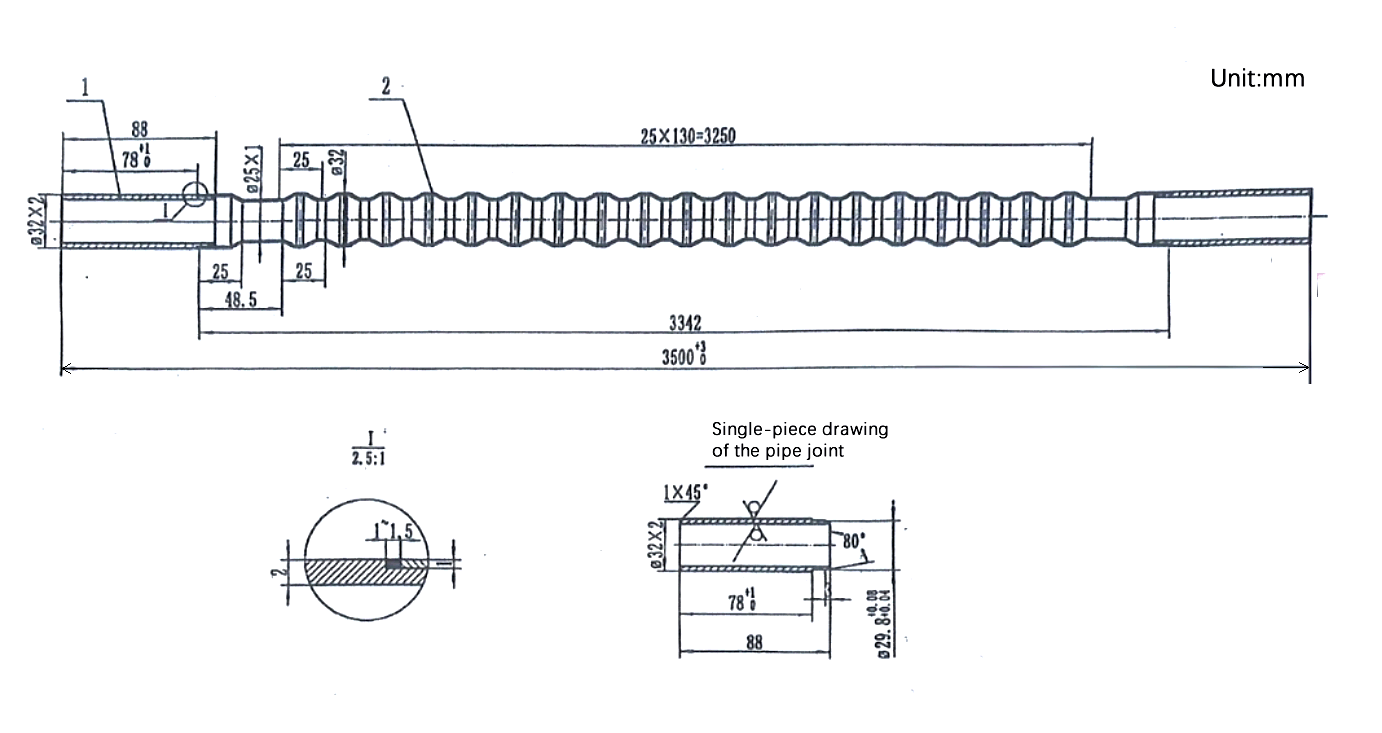
Material: Made from stainless steel (e.g., 304, 316, or 321 grades), offering excellent corrosion resistance, heat resistance, and durability.
Corrugated Design: The tube has a series of ridges and grooves, allowing it to bend and flex without compromising structural integrity.
Flexibility: Ideal for applications requiring movement, vibration absorption, or installation in tight spaces.
Strength: Stainless steel ensures high resistance to pressure, temperature extremes, and mechanical stress.
| Nominal Bore (NB) | Min. Radius Bend | Without Braid | Single Braid | Double Braid | ||||
|---|---|---|---|---|---|---|---|---|
| (mm) | Static (mm) | Flexing (mm) | Maximum Pressure Kg/cm2 | Test Pressure Kg/cm2 | Maximum Pressure Kg/cm2 | Test Pressure Kg/cm2 | Maximum Pressure Kg/cm2 | Test Pressure Kg/cm2 |
| 6 | 25 | 100 | 4 | 6 | 100 | 150 | 160 | 240 |
| 10 | 40 | 150 | 4 | 6 | 90 | 135 | 144 | 216 |
| 12 | 50 | 200 | 3 | 4.5 | 80 | 120 | 128 | 192 |
| 16 | 50 | 200 | 3 | 4.5 | 70 | 105 | 112 | 168 |
| 20 | 70 | 200 | 2 | 3 | 64 | 96 | 102 | 153 |
| 25 | 90 | 200 | 2 | 3 | 50 | 75 | 80 | 120 |
| 32 | 110 | 250 | 1.5 | 2.3 | 40 | 60 | 64 | 96 |
| 40 | 130 | 250 | 1.5 | 2.3 | 30 | 45 | 48 | 92 |
| 50 | 175 | 350 | 1.0 | 1.5 | 28 | 42 | 44 | 66 |
| 65 | 200 | 410 | 1.0 | 1.5 | 24 | 36 | 38 | 57 |
| 80 | 205 | 450 | 1.0 | 1.5 | 18 | 27 | 28 | 42 |
| 100 | 230 | 560 | 0.8 | 1.2 | 16 | 24 | 26 | 39 |
| 125 | 280 | 660 | 0.6 | 0.9 | 12 | 18 | 20 | 30 |
| 150 | 320 | 816 | 0.6 | 0.9 | 10 | 15 | 16 | 24 |
| 200 | 435 | 1015 | 0.5 | 0.75 | 8 | 12 | 12 | 18 |
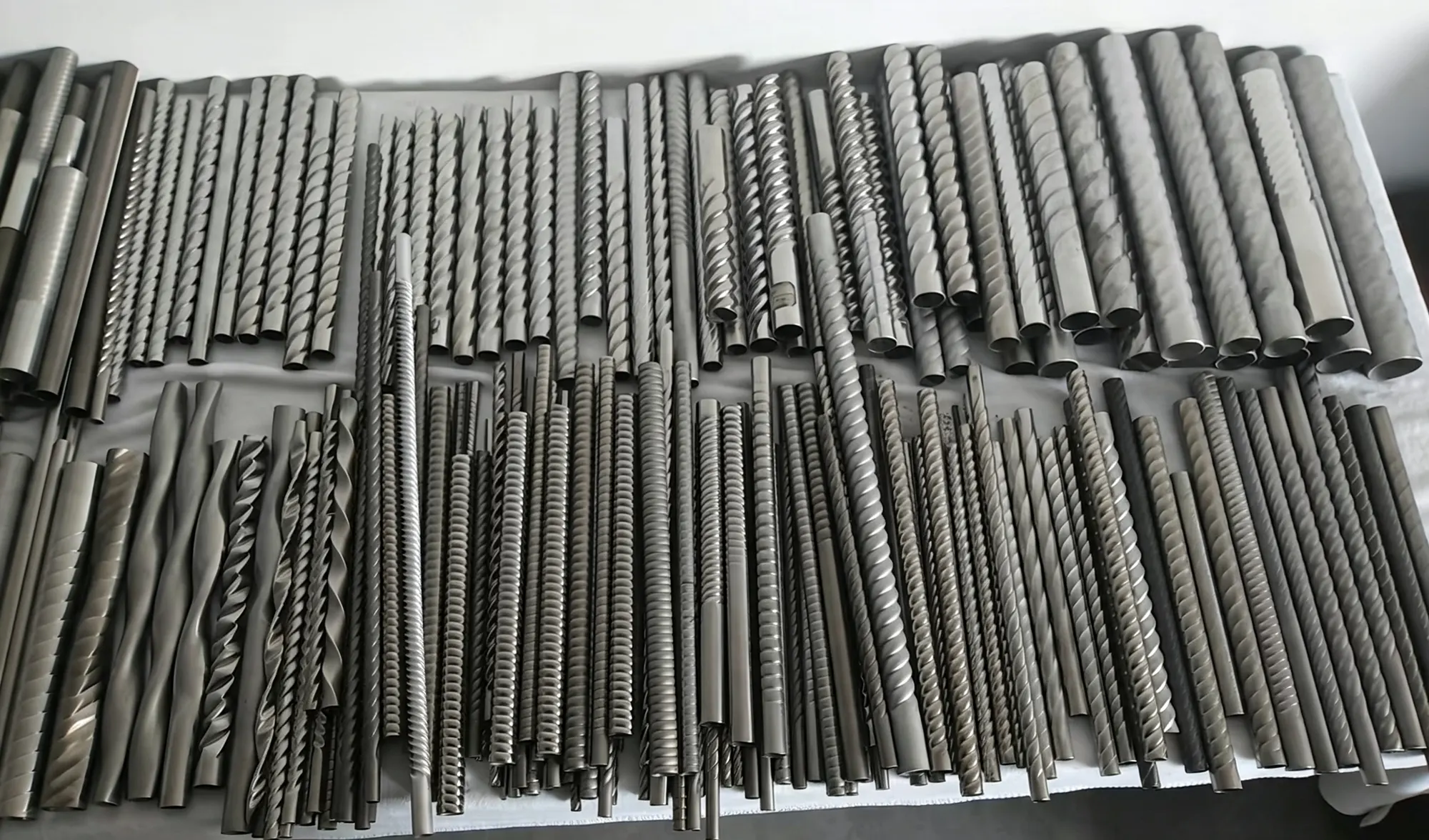
Stainless steel corrugated tube for heat exchanger has now been widely used in petroleum, chemical industry, power system, heating and heating, etc.
Used for water, gas, or fuel transport due to its leak-proof and corrosion-resistant properties.
Employed in heating, ventilation, and air conditioning for flexible connections.
Found in chemical processing, oil and gas, and food processing industries for conveying liquids or gases.
Used for exhaust systems, fuel lines, or hydraulic systems.
Often used in solar water heaters or heat exchangers.
To simplify grade identification and align with international designations, China adopted the “Universal Code System for Steel and Alloy Grades” (e.g. 06Cr19Ni10 corresponds to 304). While chemical compositions vary slightly between standards, each grade is governed by its national standard.
| No | China (GB) | Japan (JIS) |
USA | Korea (KS) |
Europe (EN Werkstoff) |
India (IS) |
Australia | Taiwan (CNS) |
||
|---|---|---|---|---|---|---|---|---|---|---|
| Old | New (2007) | SUS | ASTM | UNS | STS | W.-Nr. | IS | Approx. | CNS | |
| Austenitic stainless steel | ||||||||||
| 1 | 1Cr17Mn6Ni5N | 12Cr17Mn6Ni5N | SUS201 | 201 | S20100 | STS201 | 1.4372 | 10Cr17Mn6Ni4N20 | 201-2 | 201 |
| 2 | 1Cr18Mn8Ni5N | 12Cr18Mn9Ni5N | SUS202 | 202 | S20200 | STS202 | 1.4373 | – | – | 202 |
| 3 | 1Cr17Ni7 | 12Cr17Ni7 | SUS301 | 301 | S30100 | STS301 | 1.4319 | 10Cr17Ni7 | 301 | 301 |
| 4 | 0Cr18Ni9 | 06Cr19Ni10 | SUS304 | 304 | S30400 | STS304 | 1.4301 | 07Cr18Ni9 | 304 | 304 |
| 5 | 00Cr19Ni10 | 022Cr19Ni10 | SUS304L | 304L | S30403 | STS304L | 1.4306 | 02Cr18Ni11 | 304L | 304L |
| 6 | 0Cr19Ni9N | 06Cr19Ni10N | SUS304N1 | 304N | S30451 | STS304N1 | 1.4315 | – | 304N1 | 304N1 |
| 7 | 0Cr19Ni10NbN | 06Cr19Ni9NbN | SUS304N2 | XM21 | S30452 | STS304N2 | – | – | 304N2 | 304N2 |
| 8 | 00Cr18Ni10N | 022Cr19Ni10N | SUS304LN | 304LN | S30453 | STS304LN | – | – | 304LN | 304LN |
| 9 | 1Cr18Ni12 | 10Cr18Ni12 | SUS305 | 305 | S30500 | STS305 | 1.4303 | – | 305 | 305 |
| 10 | 0Cr23Ni13 | 06Cr23Ni13 | SUS309S | 309S | S30908 | STS309S | 1.4833 | – | 309S | 309S |
| 11 | 0Cr25Ni20 | 06Cr25Ni20 | SUS310S | 310S | S31008 | STS310S | 1.4845 | – | 310S | 310S |
| 12 | 0Cr17Ni12Mo2 | 06Cr17Ni12Mo2 | SUS316 | 316 | S31600 | STS316 | 1.4401 | 04Cr17Ni12Mo2 | 316 | 316 |
| 13 | 0Cr18Ni12Mo3Ti | 06Cr17Ni12Mo2Ti | SUS316Ti | 316Ti | S31635 | – | 1.4571 | 04Cr17Ni12MoTi20 | 316Ti | 316Ti |
| 14 | 00Cr17Ni14Mo2 | 022Cr17Ni12Mo2 | SUS316L | 316L | S31603 | STS316L | 1.4404 | 02Cr17Ni12Mo2 | 316L | 316L |
| 15 | 0Cr17Ni12Mo2N | 06Cr17Ni12Mo2N | SUS316N | 316N | S31651 | STS316N | – | – | 316N | 316N |
| 16 | 00Cr17Ni13Mo2N | 022Cr17Ni13Mo2N | SUS316LN | 316LN | S31653 | STS316LN | 1.4429 | – | 316LN | 316LN |
| 17 | 0Cr18Ni12Mo2Cu2 | 06Cr18Ni12Mo2Cu2 | SUS316J1 | – | – | STS316J1 | – | – | 316J1 | 316J1 |
| 18 | 00Cr18Ni14Mo2Cu2 | 022Cr18Ni14Mo2Cu2 | SUS316J1L | – | – | STS316J1L | – | – | – | 316J1L |
| 19 | 0Cr19Ni13Mo3 | 06Cr19Ni13Mo3 | SUS317 | 317 | S31700 | STS317 | – | – | 317 | 317 |
| 20 | 00Cr19Ni13Mo3 | 022Cr19Ni13Mo3 | SUS317L | 317L | S31703 | STS317L | 1.4438 | – | 317L | 317L |
| 21 | 0Cr18Ni10Ti | 06Cr18Ni11Ti | SUS321 | 321 | S32100 | STS321 | 1.4541 | 04Cr18Ni10Ti20 | 321 | 321 |
| 22 | 0Cr18Ni11Nb | 06Cr18Ni11Nb | SUS347 | 347 | S34700 | STS347 | 1.4550 | 04Cr18Ni10Nb40 | 347 | 347 |
| Austenitic-ferritic (Duplex) stainless steel | ||||||||||
| 23 | 0Cr26Ni5Mo2 | – | SUS329J1 | 329 | S32900 | STS329J1 | 1.4477 | – | 329J1 | 329J1 |
| 24 | 00Cr18Ni5Mo3Si2 | 022Cr19Ni5Mo3Si2N | SUS329J3L | – | S31803 | STS329J3L | 1.4462 | – | 329J3L | 329J3L |
| Ferritic stainless steel | ||||||||||
| 25 | 0Cr13Al | 06Cr13Al | SUS405 | 405 | S40500 | STS405 | 1.4002 | 04Cr13 | 405 | 405 |
| 26 | – | 022Cr11Ti | SUH409 | 409 | S40900 | STS409 | 1.4512 | – | 409L | 409L |
| 27 | 00Cr12 | 022Cr12 | SUS410L | – | – | STS410L | – | – | 410L | 410L |
| 28 | 1Cr17 | 10Cr17 | SUS430 | 430 | S43000 | STS430 | 1.4016 | 05Cr17 | 430 | 430 |
| 29 | 1Cr17Mo | 10Cr17Mo | SUS434 | 434 | S43400 | STS434 | 1.4113 | – | 434 | 434 |
| 30 | – | 022Cr18NbTi | – | – | S43940 | – | 1.4509 | – | 439 | 439 |
| 31 | 00Cr18Mo2 | 019Cr19Mo2NbTi | SUS444 | 444 | S44400 | STS444 | 1.4521 | – | 444 | 444 |
| Martensitic stainless steel | ||||||||||
| 32 | 1Cr12 | 12Cr12 | SUS403 | 403 | S40300 | STS403 | – | – | 403 | 403 |
| 33 | 1Cr13 | 12Cr13 | SUS410 | 410 | S41000 | STS410 | 1.4006 | 12Cr13 | 410 | 410 |
| 34 | 2Cr13 | 20Cr13 | SUS420J1 | 420 | S42000 | STS420J1 | 1.4021 | 20Cr13 | 420 | 420J1 |
| 35 | 3Cr13 | 30Cr13 | SUS420J2 | – | – | STS420J2 | 1.4028 | 30Cr13 | 420J2 | 420J2 |
| 36 | 7Cr17 | 68Cr17 | SUS440A | 440A | S44002 | STS440A | – | – | 440A | 440A |
During manufacturing, the actual dimensions of stainless steel tubes and pipes often deviate from the nominal sizes. Such deviations are defined as tolerances and have been strictly standardized.
A positive deviation is called positive tolerance, and a negative deviation is called negative tolerance.
Outside diameter (OD), wall thickness and length are the three fundamental parameters in stainless steel tube & pipe manufacturing and distribution. Among them, OD and wall thickness are critical to structural design, fluid conveyance and downstream processing.
A. Nominal Pipe Size: The idealized dimension specified in standards such as ASME B36.10M and ASME B36.19M. It is the ordered size stated in contracts.
B. Actual Pipe Size: The real dimension obtained after production. Deviation occurs when the actual size is larger or smaller than the nominal size.
European standards define four tolerance classes for OD and wall thickness based on the nominal dimension, expressed either as percentages or absolute values. Larger diameters or heavier walls typically use percentage tolerances, while small-diameter or thin-wall tubes use absolute values.
| Standard | Process & Type | OD Tolerance | Wall Thickness Tolerance | Remarks | |
|---|---|---|---|---|---|
| OD (mm) | Class | ||||
| EN 10216-5 | Hot Finished Seamless | 219.1–610 | D1 | +22.5%T, –15%T | T/D ≤ 0.05 |
| T1 | T/D ≤ 0.09 | ||||
| T2 | T/D > 0.09 | ||||
| 30–219.1 | D2 | T1 | |||
| T2 | |||||
| Cold Finished Seamless | ≤219.1 | D3 | T3 | ||
| D4 | T4 | By agreement | |||
| EN 10297-2 | Hot Finished Seamless | – | D1 | T1 | |
| D2 | T2 | By agreement | |||
| Cold Finished Seamless | – | D3 | T3 | ||
| D4 | T4 | By agreement | |||
| EN 10217-7 | Welded | >168.3 | D2 | T3 | |
| ≤168.3 | D3 | T3 | |||
| D4 | T3 | By agreement | |||
| EN 10296-2 | Welded | >168.3 | D2 | T3 | |
| ≤168.3 | D3 | T3 | |||
| ≤114.3 | D4 | T3 | By agreement | ||
| EN 10312 | Welded | Series 1 | D4 | T3 | T = 0.6–2 mm |
| Series 2 | D3–D4 | T3–T4 | T = 1–3 mm | ||
OD classes D1–D4 and wall thickness classes T1–T4 follow DIN EN ISO 1127: Dimensions, tolerances and conventional masses per unit length.
| Outside Diameter | Wall Thickness | ||
|---|---|---|---|
| Class | Tolerance | Class | Tolerance |
| D1 | ±1.5% or ±0.75 mm min. | T1 | ±15% or ±0.6 mm min. |
| D2 | ±1.0% or ±0.5 mm min. | T2 | ±12.5% or ±0.4 mm min. |
| D3 | ±0.75% or ±0.3 mm min. | T3 | ±10% or ±0.2 mm min. |
| D4 | ±0.50% or ±0.1 mm min. | T4 | ±7.5% or ±0.15 mm min. |
| T5 | ±5.0% or ±0.10 mm min. | ||
Where both percentage and absolute values apply, the greater value shall be used.
ASTM specifications are primarily governed by ASTM A999/A999M and A1016/A1016M.
| ASTM A999 | ASTM A1016 |
|
|
A511 (seamless mechanical tubing) and A554 (welded mechanical tubing) are exceptions and have independent tolerance tables.
| Standard | Process / Condition | OD (mm) | OD Tolerance (mm) | Wall Thickness T (mm) | Wall Thickness Tolerance | |
|---|---|---|---|---|---|---|
| Minimum | Average | |||||
| ASTM A1016/A1016M | Hot Drawn Seamless | ≤100 | +0.4 / –0.8 | ≤2.4 | +0.4t / 0 | |
| 100–200 | +0.4 / –1.2 | 2.4–3.8 | +0.35t / 0 | |||
| 200–225 | +0.4 / –1.6 | 3.8–4.6 | +0.33t / 0 | |||
| ≥4.6 | +0.28t / 0 | |||||
| Cold Drawn Seamless | <25 | ±0.1 | +0.20t / 0 | ±0.10t | ||
| 25–40 | ±0.1 | +0.20t / 0 | ±0.10t | |||
| 40–50 | ±0.2 | +0.22t / 0 | ±0.10t | |||
| 50–65 | ±0.25 | +0.22t / 0 | ±0.10t | |||
| 65–75 | ±0.3 | +0.22t / 0 | ±0.10t | |||
| 75–100 | ±0.38 | +0.22t / 0 | ±0.10t | |||
| 100–200 | +0.38 / –0.04 | +0.22t / 0 | ±0.10t | |||
| 200–250 | +0.38 / –1.14 | +0.22t / 0 | ±0.10t | |||
| Welded | 40–50 | ±0.2 | +0.18t / 0 | ±0.10t | ||
| 50–65 | ±0.25 | +0.18t / 0 | ±0.10t | |||
| 65–75 | ±0.3 | +0.18t / 0 | ±0.10t | |||
| 75–100 | ±0.38 | +0.18t / 0 | ±0.10t | |||
| 100–200 | +0.38 / –0.04 | +0.18t / 0 | ±0.10t | |||
| 200–250 | +0.38 / –1.14 | +0.18t / 0 | ±0.10t | |||
| ASTM A999 | Seamless & Welded | <48.3 | +0.4 / –0.8 | –0.125t | ||
| ASTM A312 | Seamless & Welded | 48.3–114.3 | ±0.8 | OD=10.3–73 | +0.20t / –0.125t | |
| 168.3–219.1 | +1.6 / –0.8 | t/OD≤5%, OD=88.9–457.2 | +0.225t / –0.125t | |||
| 219.1–457.2 | +2.4 / –0.8 | t/OD>5%, OD=88.9–457.2 | +0.15t / –0.125t | |||
| Welded | 508–660 | +3.2 / –0.8 | OD≥508 | +0.175t / –0.125t | ||
| 711–864 | +4.0 / –0.8 | t/OD≤5%, OD≥508 | +0.225t / –0.125t | |||
| Seamless | 914–1209 | +4.8 / –0.8 | t/OD>5%, OD≥508 | +0.15t / –0.125t | ||
| ASTM A409 | Welded | ±0.2% (t<4.8) ±0.4% (t≥4.8) |
||||
| ASTM A358 | Welded | ±0.50% | ||||
| ASTM A511 | Seamless Mechanical | ≤12.7 | ±0.1 | ±0.15t | ||
| 12.7–38.1 | ±0.2 | ±0.10t | ||||
| 38.1–88.9 | ±0.3 | ±0.10t | ||||
| 88.9–139.7 | ±0.4 | ±0.10t | ||||
| 139.7–203.1 | ±0.8 | ±0.10t | ||||
| 203.1–220 | ±1.1 | ±0.10t | ||||
| 220–325 | ±1.6 | ±0.10t | ||||
U.S. standards predominantly use absolute OD tolerances, often asymmetrical. In many cases, average OD accuracy exceeds D4 class per EN ISO 1127.
Typical wall thickness tolerance: ±10%t or tighter. Pipeline products allow larger tolerances, with hot-finished seamless pipe being the most permissive.
China’s stainless steel tube & pipe standards are broadly aligned with European practice, while incorporating select provisions from U.S. specifications.
| Specification | Process | OD (mm) | OD Tolerance | Wall (mm) | Wall Tolerance | |
|---|---|---|---|---|---|---|
| GB 13296 | Cold Rolled Seamless | 6–30 | ±0.15 / –0.2 | 1–3 | +20% | 0% |
| >30–50 | ±0.3 | >3 | +22% | 0% | ||
| >50 | ±0.75% | Average wall thickness applies | ||||
| GB/T 14976 | Cold Rolled Seamless | 6–10 | ±0.15 | 1–3 | +12.5% | –12.5% |
| 10–30 | ±0.2 | >3 | +12.5% | –10% | ||
| 30–50 | ±0.3 | Average wall: +22% | ||||
| >50 | ±0.8% | |||||
Wall thickness tolerances in Chinese standards are generally comparable to mainstream U.S. and European specifications, though slightly less stringent than the highest EU accuracy classes.
OD tolerances in Chinese standards are typically tighter than U.S. requirements and approach EU levels. U.S. standards place stronger emphasis on tight OD control relative to wall thickness.
Neither Chinese nor European standards prescribe weight tolerances. Seamless tubes may be delivered by actual or theoretical weight; welded tubes are typically delivered by theoretical weight, optionally by actual weight.
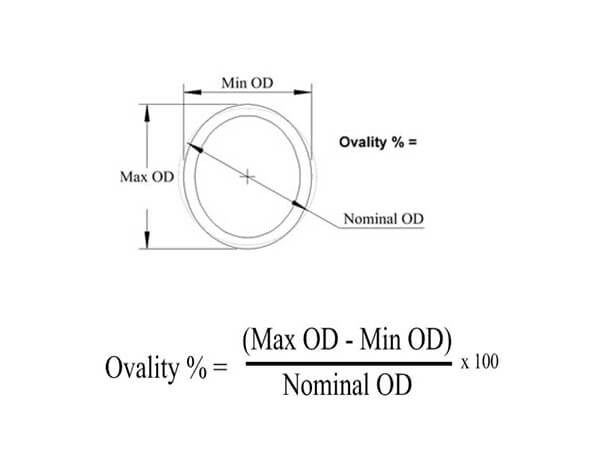
Ovality is the difference between the maximum and minimum OD measured on the same cross-section. It is determined by measuring the high and low points of the tube or pipe.
Eccentricity describes variation in wall thickness around the circumference. High-precision applications require tight concentricity.
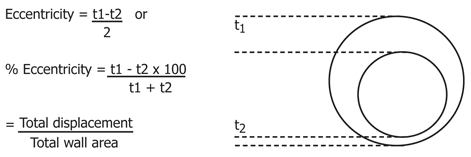
EN standards incorporate concentricity within wall thickness tolerances. ASTM A1016/A1016M specifies concentricity for OD ≥ 50 mm and t ≥ 5.6 mm.
Seamless tubes:
WTmax – WTmin ≤ ±10% × (WTmax + WTmin) / 2Welded tubes:
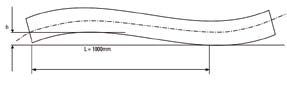
WTmax – WTmin ≤ 5% × (WTmax + WTmin) / 2Standard tubes are supplied straightened to the eye. For special applications, permissible deviation from straightness may be agreed upon. It is expressed per unit length, e.g. 1 mm per 1000 mm.
| OD (mm) ≤ | OD (inches) ≤ | Wall | Commercial Straightness | Achievable (mm/m) |
|---|---|---|---|---|
| 15.9 | 0.625 | All sizes | 1 in 600 | 1 in 2000 |
| 25.4 | 1.00 | ≥2% of OD | 1 in 600 | 1 in 1500 |
| 25.4 | 1.00 | <2% of OD | 1 in 400 | 1 in 1000 |
Delivery length is the length requested by the purchaser and specified in the contract. Standards define several types:
A. Normal / Random Length: Within the standard range, without fixed length requirement. Example: hot-finished pipe 3000–12000 mm; cold-drawn pipe 2000–10500 mm.
B. Fixed Length: A specific length within the normal range. An allowable positive deviation applies.
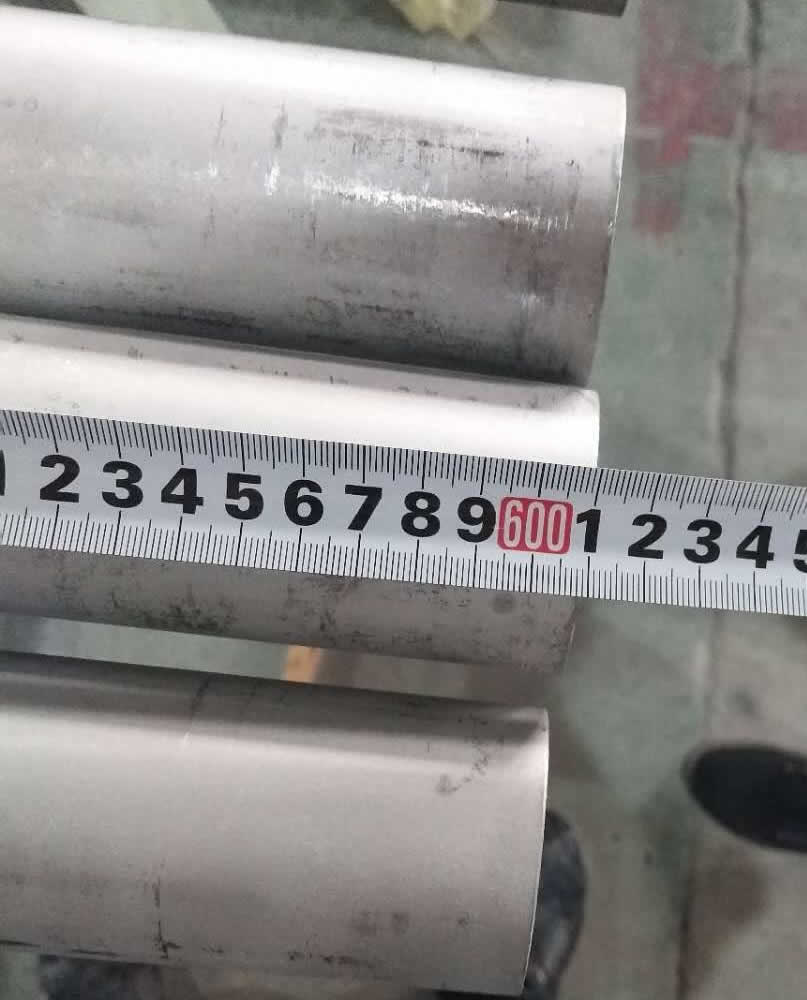
Fixed-length production yields significantly lower than random length. Price premiums of approximately 10% are common.
C. Multiple Length: Total length is a multiple of a single length, with an additional cutting allowance. Example: 3000 mm × 3 = 9000 mm total.
Cutting allowances: 5–10 mm for OD ≤ 159 mm; 10–15 mm for OD > 159 mm.
D. Range Length: A defined length interval within the normal range. Example: 6000–8000 mm or 8000–10000 mm. Premiums of ~4% are typical.
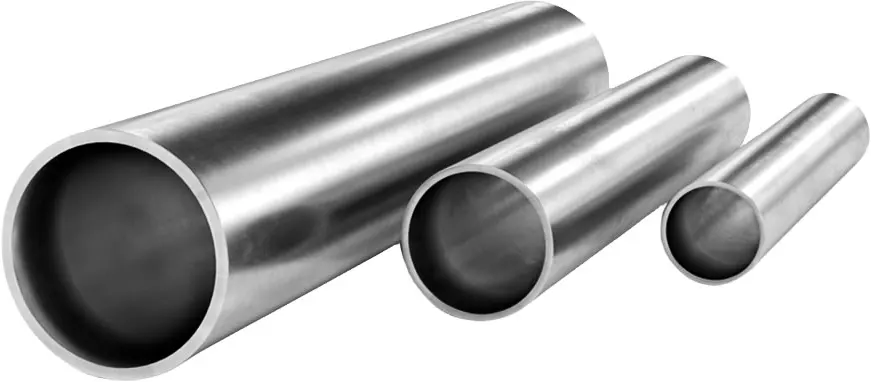
Density is defined as mass per unit volume. For stainless steels, typical densities range from 7600 kg/m³ to 8000 kg/m³, depending on alloy composition.
Stainless steels contain a minimum of 10.5% chromium, along with alloying elements such as nickel, molybdenum, titanium and copper. These elements enhance strength and corrosion resistance but also influence density.
Even within the same grade, exact density may vary slightly due to compositional tolerances. The values below are theoretical references for engineering calculations.
| Grade Family | Typical Grades | Density (g/cm³) | Density (kg/m³) |
|---|---|---|---|
| Austenitic (Cr-Ni) |
201, 202, 301, 302, 303, 304, 304L, 304LN, 305, 321 |
7.93 | 7930 |
| Austenitic (Mo-bearing) |
309S, 310S, 316, 316L, 316Ti, 316LN, 317, 317L, 347 |
7.98 | 7980 |
| Super Austenitic | 904L | 7.98 | 7980 |
| Duplex | 2205 / S31803 | 7.80 | 7800 |
| Super Duplex | S32750 | 7.85 | 7850 |
| Martensitic | 403, 410, 410S, 416, 431 | 7.75 | 7750 |
| Martensitic (High C) | 440A / 440C | 7.74 / 7.62 | 7740 / 7620 |
| Martensitic | 420 | 7.73 | 7730 |
| Ferritic | 439, 430, 430F | 7.70 | 7700 |
| Ferritic (Mo-bearing) | 434 / 444 | 7.74 / 7.75 | 7740 / 7750 |
| Ferritic | 405 | 7.72 | 7720 |
* Values are given at standard temperature and pressure (STP).
304 and 316 are the most widely used austenitic grades. 304 has a density of 7930 kg/m³, while 316 measures 7980 kg/m³. This difference must be accounted for when calculating theoretical weights for procurement or design.
Density is commonly expressed in g/cm³, kg/m³ or lb/in³. The following conversion applies:
1 kg/m³ = 0.001 g/cm³ = 0.000036127 lb/in³
Stainless steel density varies with environmental conditions. Increasing temperature generally reduces density, while increasing pressure raises density. For precision engineering, these effects should be considered in high-temperature or high-pressure service.
Seamless and welded tubes and pipes are the two primary product forms for stainless steel. For decades, there has been ongoing discussion regarding which type offers superior performance.
With advances in metallurgy and welding technology, the debate now centers on structural integrity and corrosion resistance—particularly within the weld zone of welded products. Fundamentally, the key distinction lies in the manufacturing process.
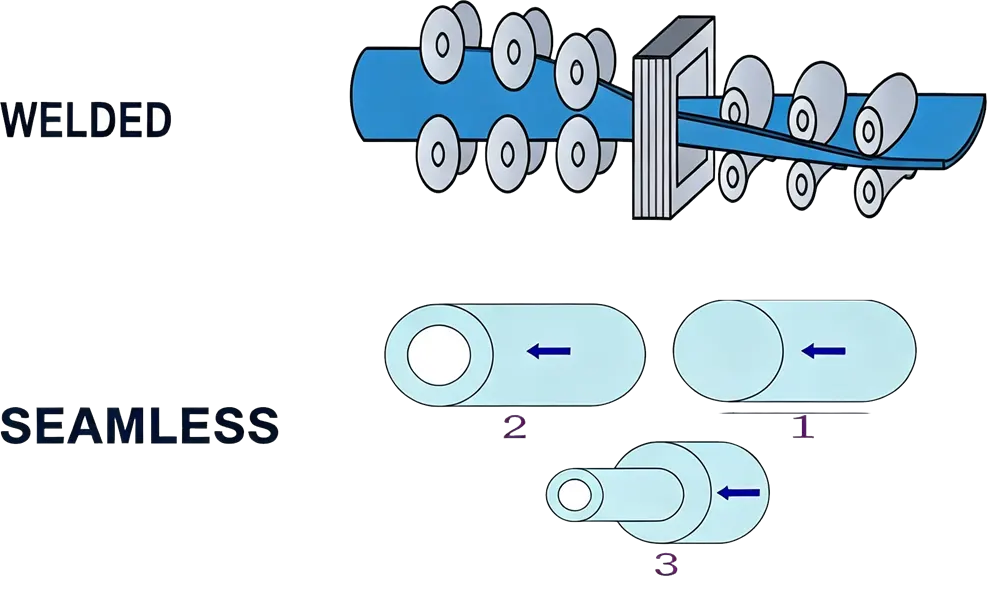
In certain highly corrosive or high-pressure applications, selecting a higher-performance alloy—rather than simply choosing seamless over welded—may be the most effective solution.
Strip-welded tubes are produced from stainless steel coils or strips. The strip passes through grooved rollers, gradually forming a circular profile. As the edges converge, they are joined by automatic welding.
The most common welding process is TIG (GTAW), which provides excellent protection of the weld seam and consistent metallurgical quality.
After welding, the seam is typically ground flush, followed by solution annealing or stress-relief heat treatment, depending on application requirements. Modern production lines often integrate inline induction annealing, straightening, dimensional calibration, cutting to length, deburring and non-destructive testing.
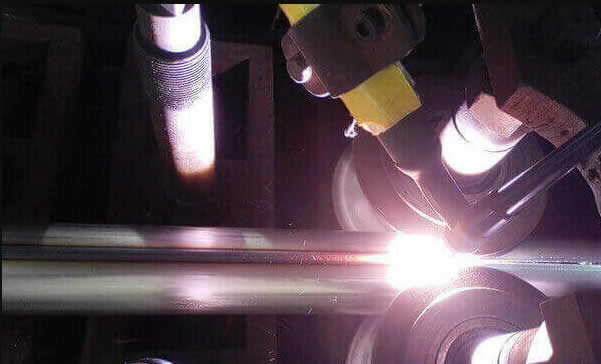 TIG welding of stainless steel tubing
For large-diameter or heavy-wall pipes, the manufacturing route differs. Production begins with stainless steel plates rather than strips. Plates are plasma-cut to size, edge-prepared, and formed using roller bending machines or hydraulic presses.
Welding methods such as EFW (Electric Fusion Welding) or ERW (Electric Resistance Welding) are commonly applied. For critical services, double-sided welding may be employed to ensure full penetration and structural integrity.
For large-diameter welded pipes, radiographic examination (RT) and hydrostatic testing (HT) are typically mandatory. Double-sided welding is commonly accepted and specified for high-integrity applications.
Chemical composition inspection, mechanical properties test(tensile strength,yield strength, elongation, flaring, flattening, bending, hardness, impact test), surface and dimension test,no-destructive test, hydrostatic test.
identification of the chemical composition of the metal used to manufacture the fitting. Uses PMI sensors, including X-ray fluorescence or optical emission spectrometry.
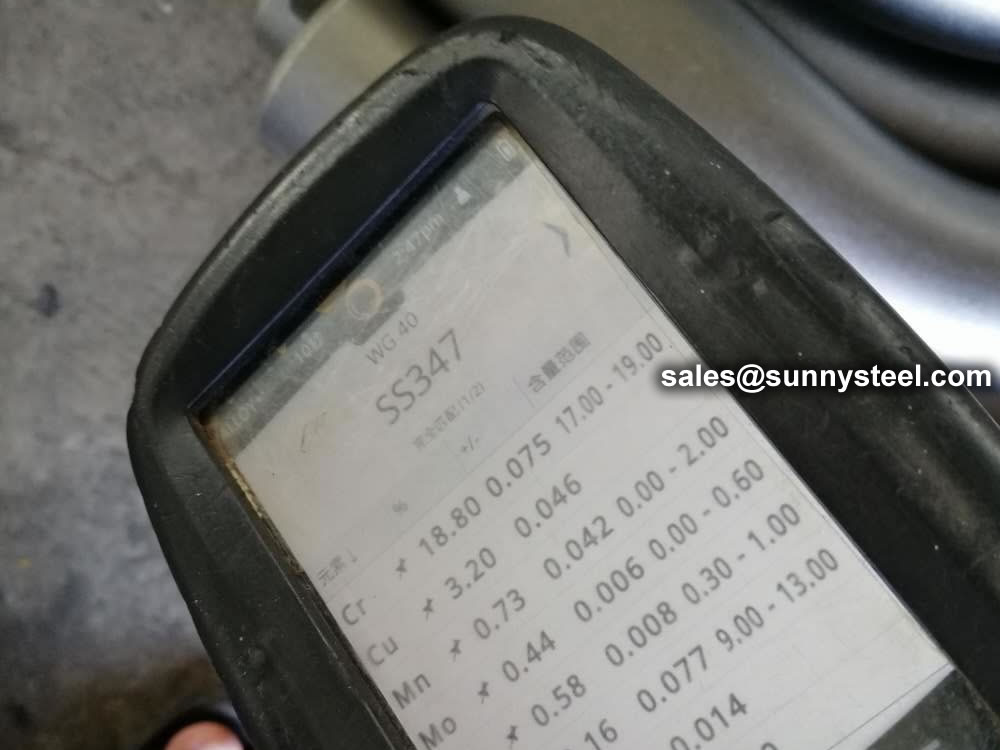
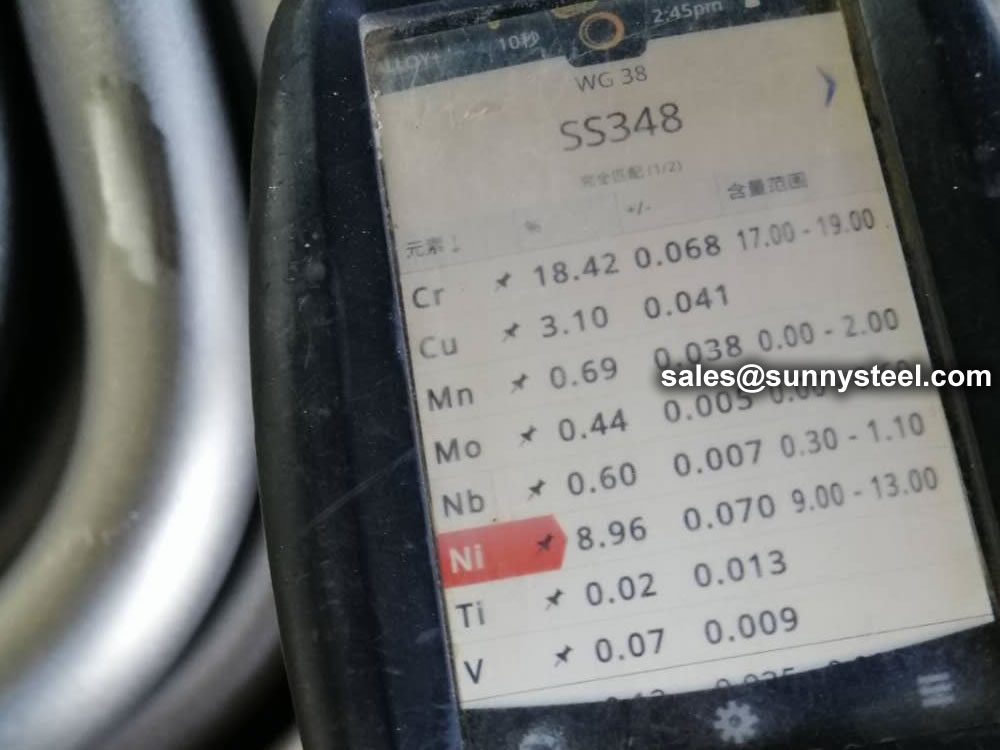
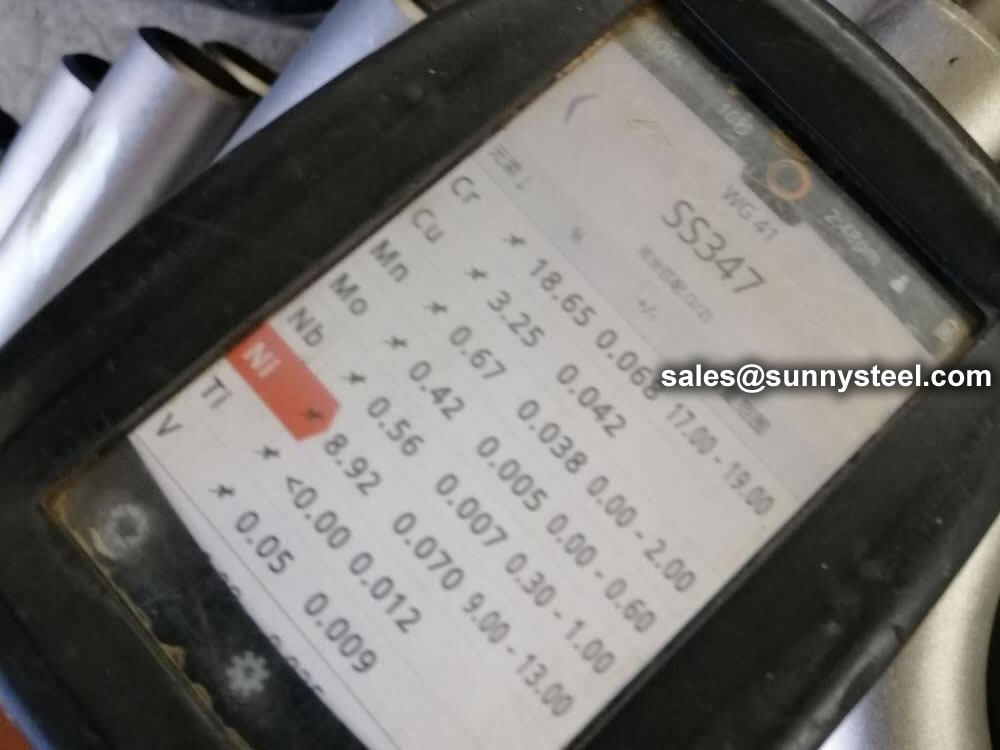
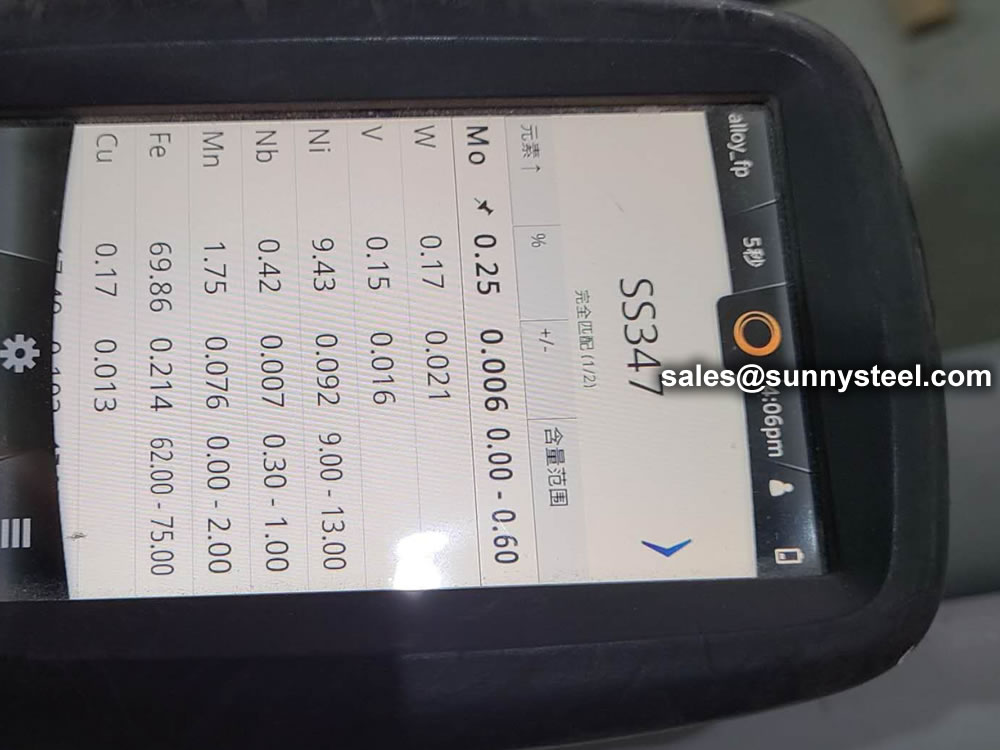
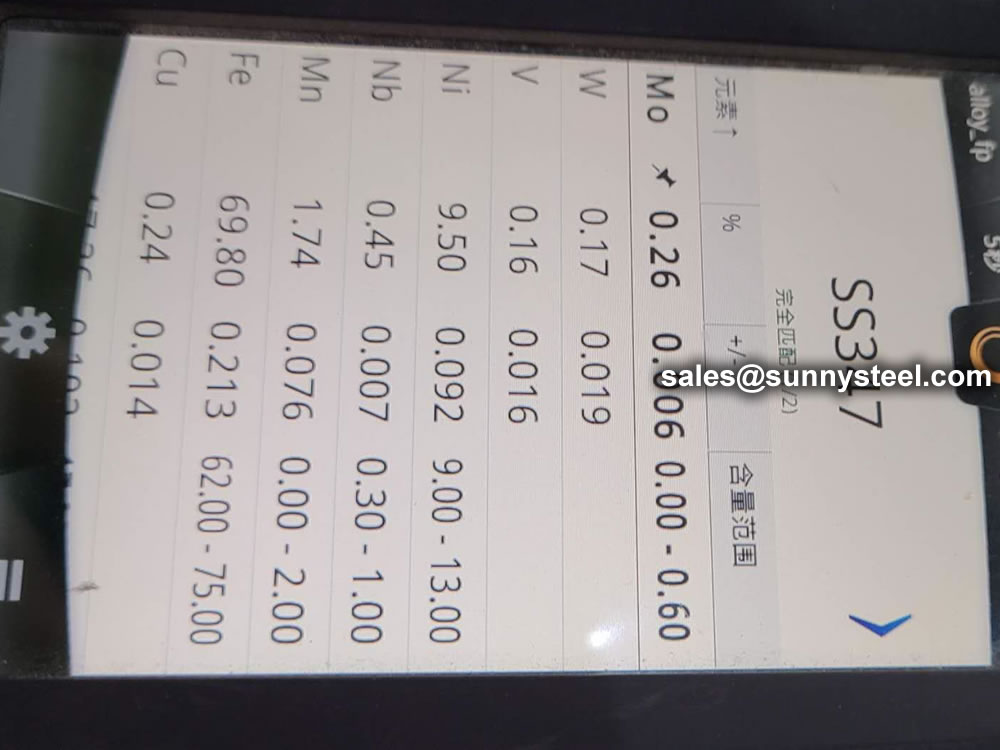
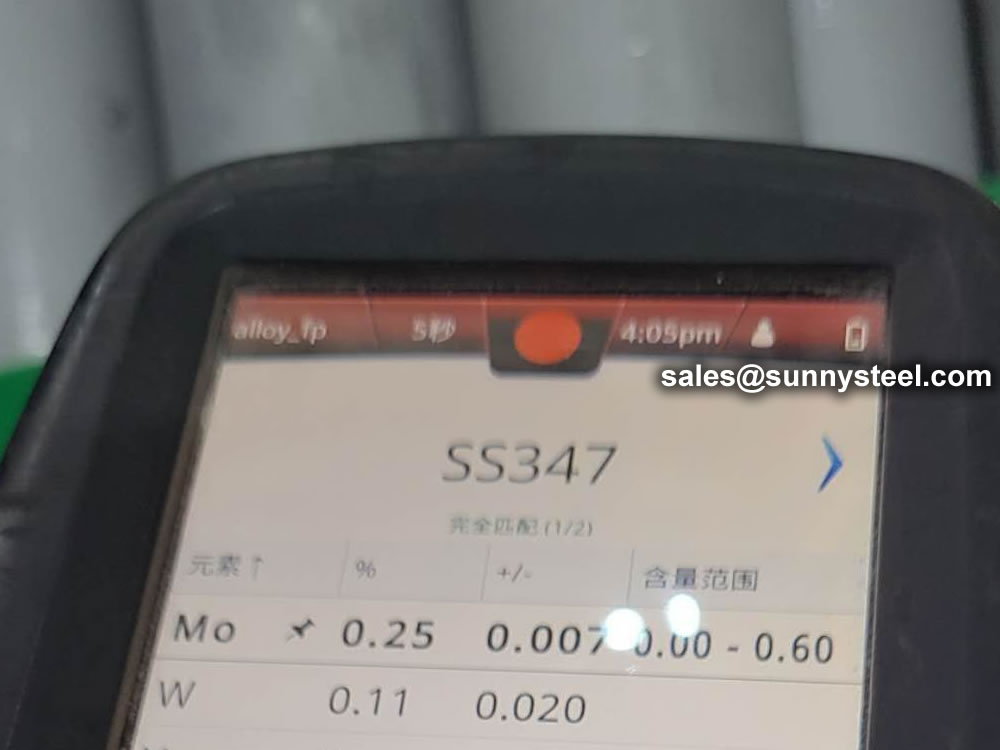
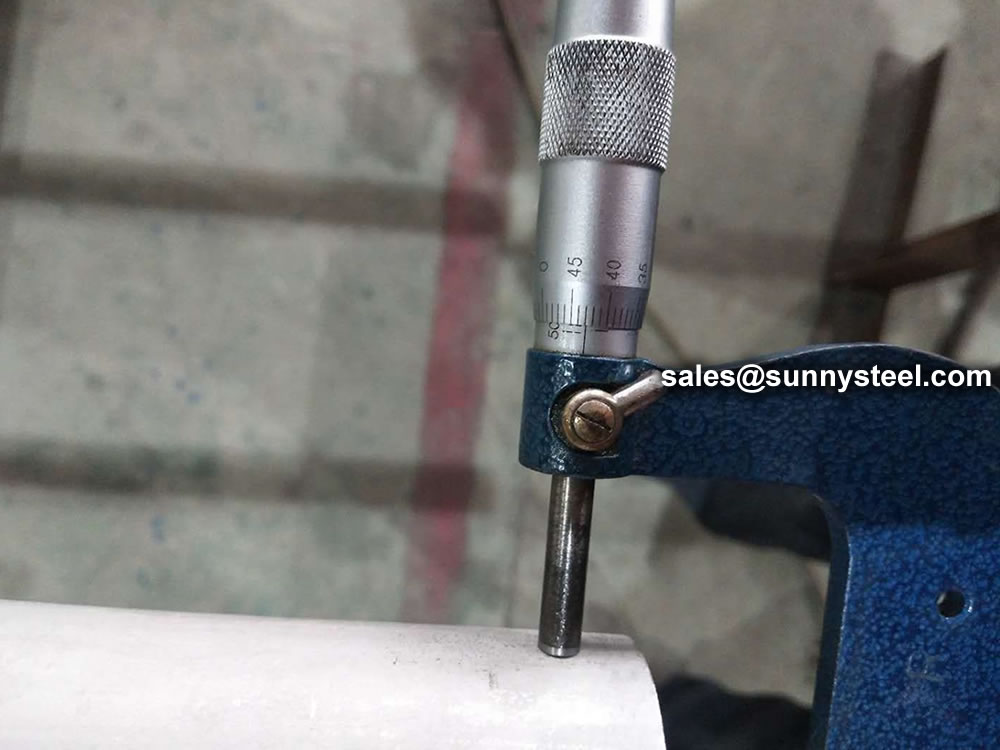
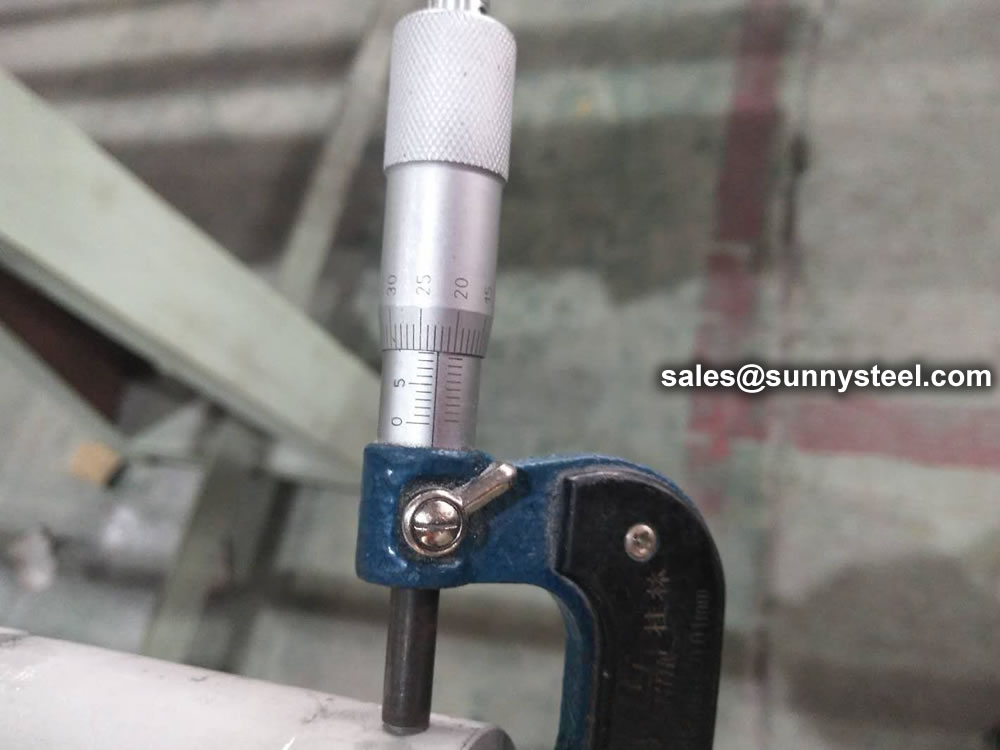
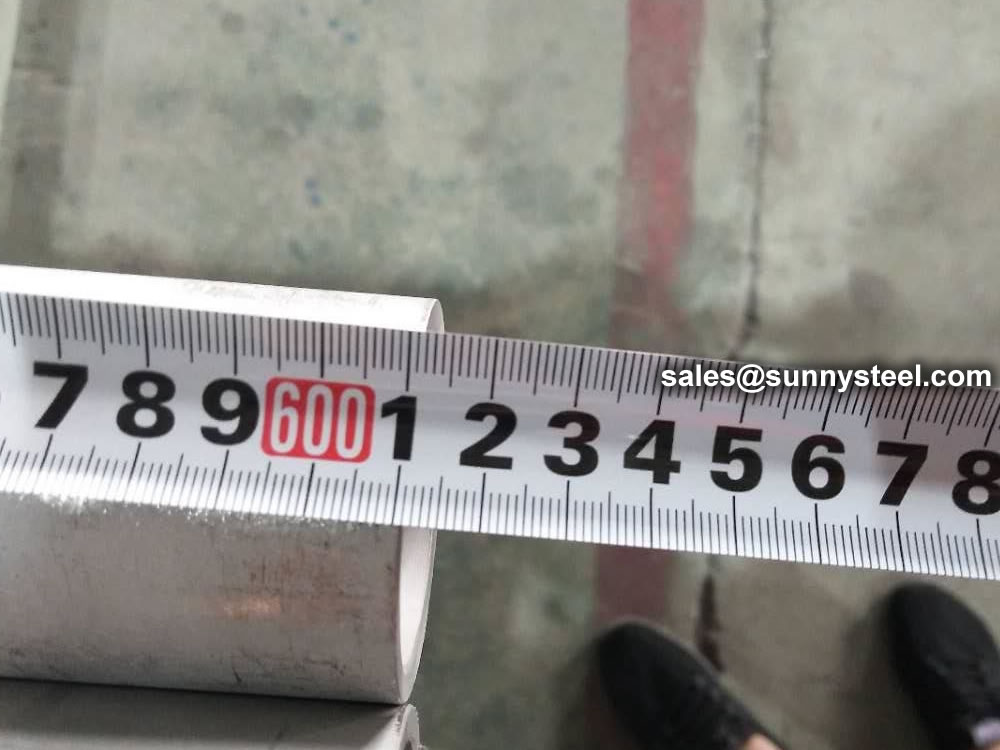
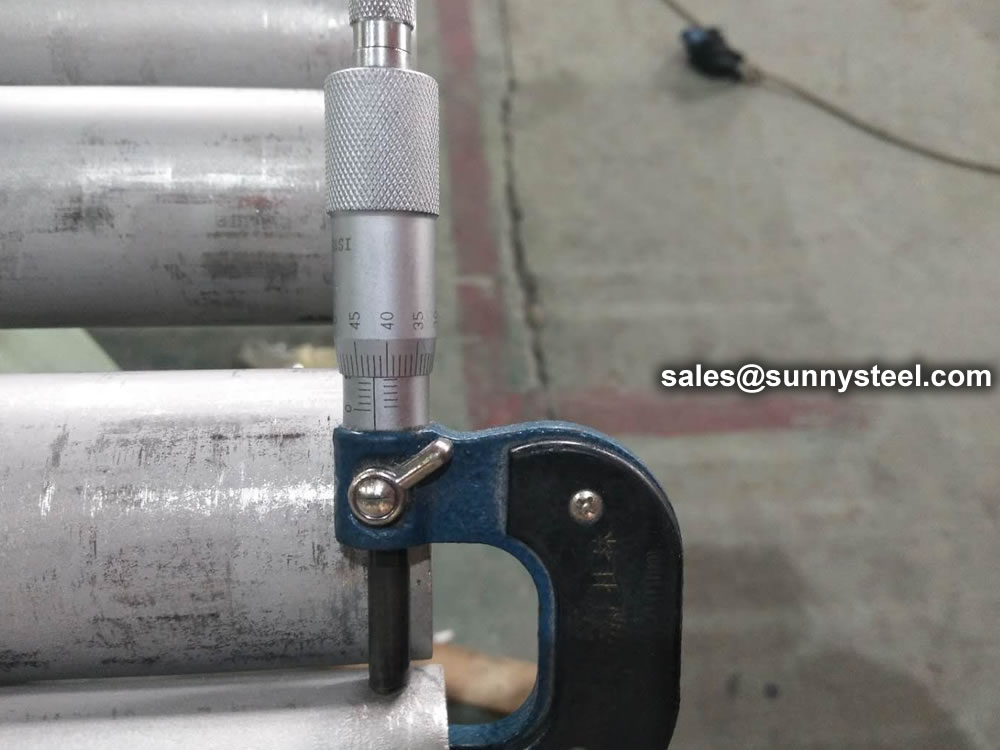
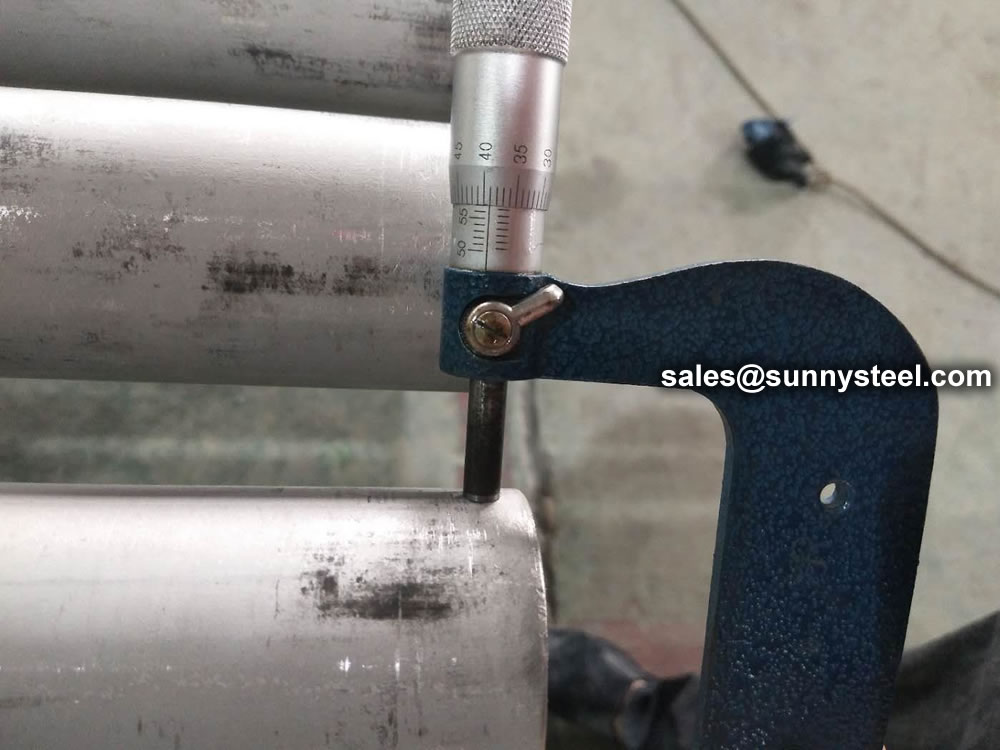
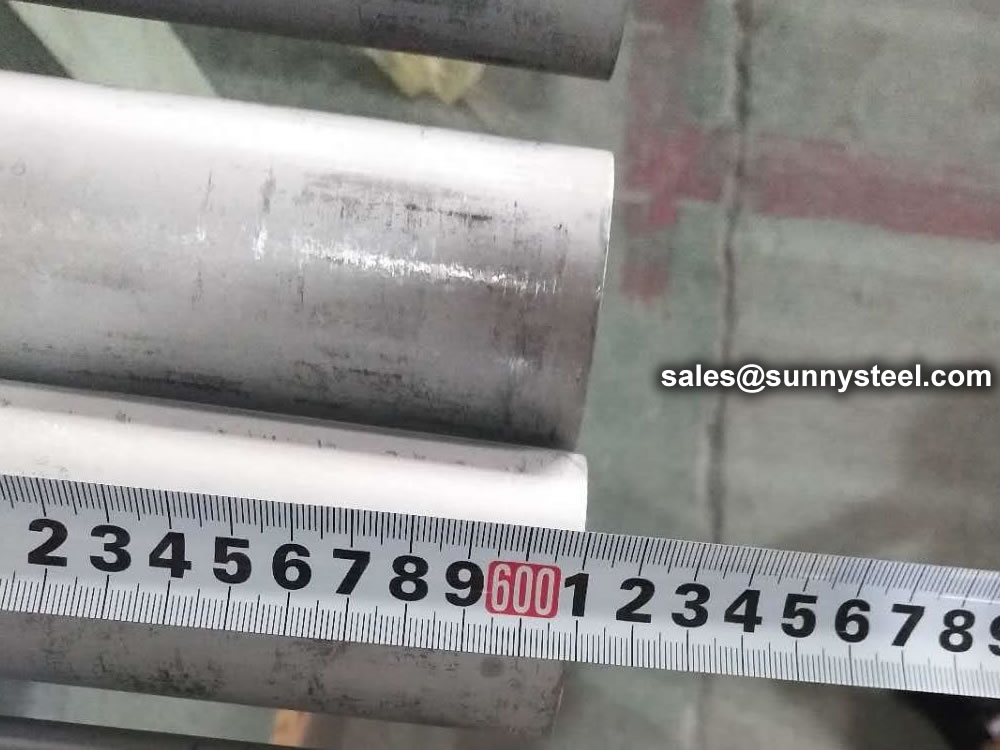
Common delivery conditions for stainless steel tubes and pipes: cold-hard (BK), cold-soft (BKW), stress-relieved (BKS), annealed (GBK), and normalized (NBK).
| Term | Symbol | Explanation |
|---|---|---|
| Cold-finished / Hard | BK | No heat treatment after final cold-forming. Low deformability. |
| Cold-finished / Soft | BKW | Light finishing pass after heat treatment. Limited cold-formability (bending, expanding). |
| Annealed | GBK | Annealed after final cold-forming in controlled atmosphere or vacuum. |
| Normalized | NBK | Annealed above upper transformation point in controlled atmosphere or vacuum. |
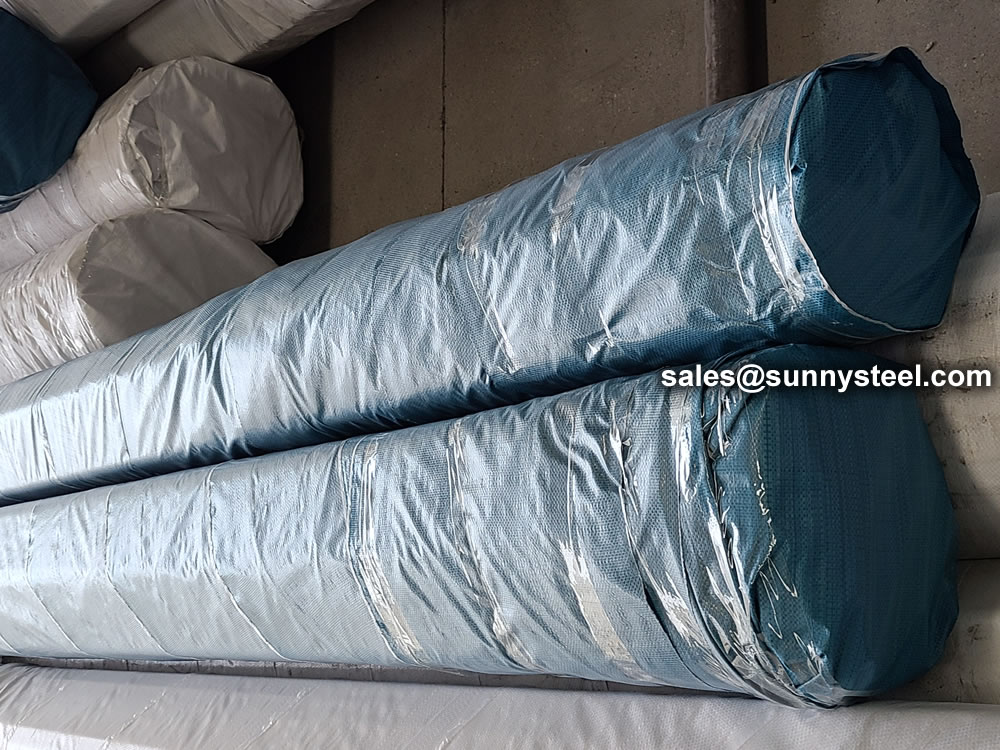
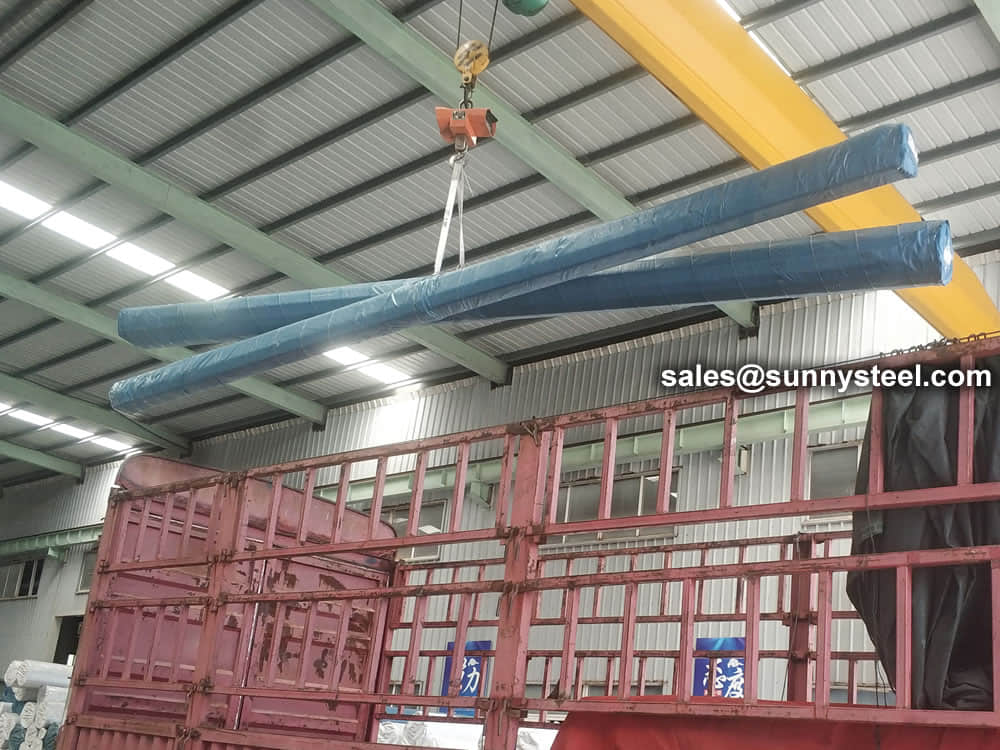
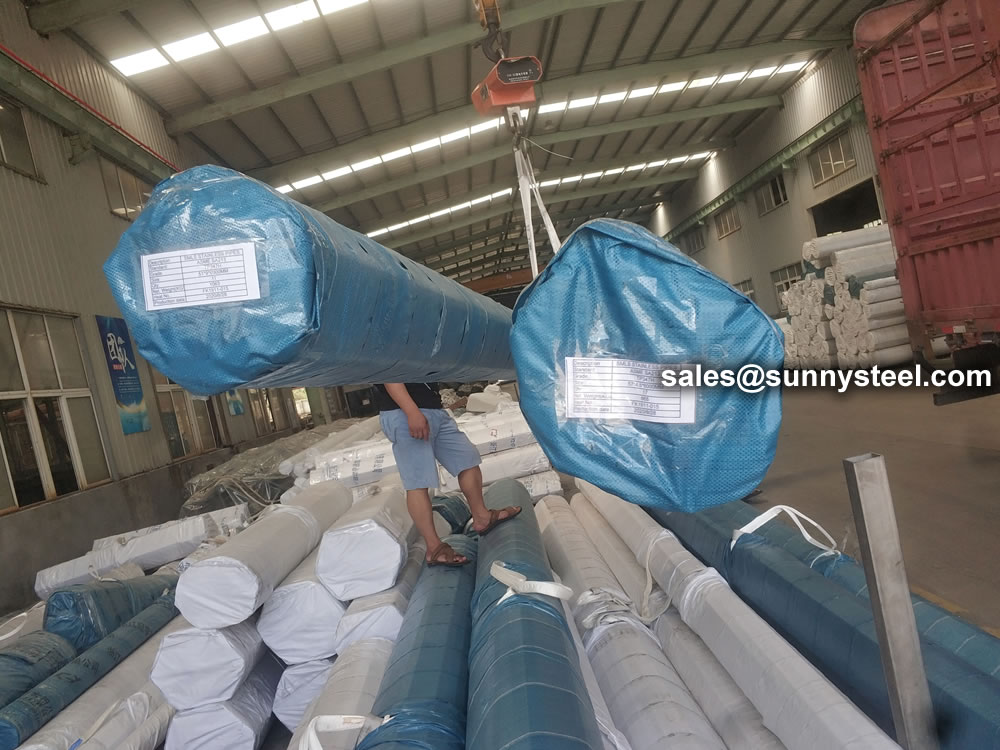
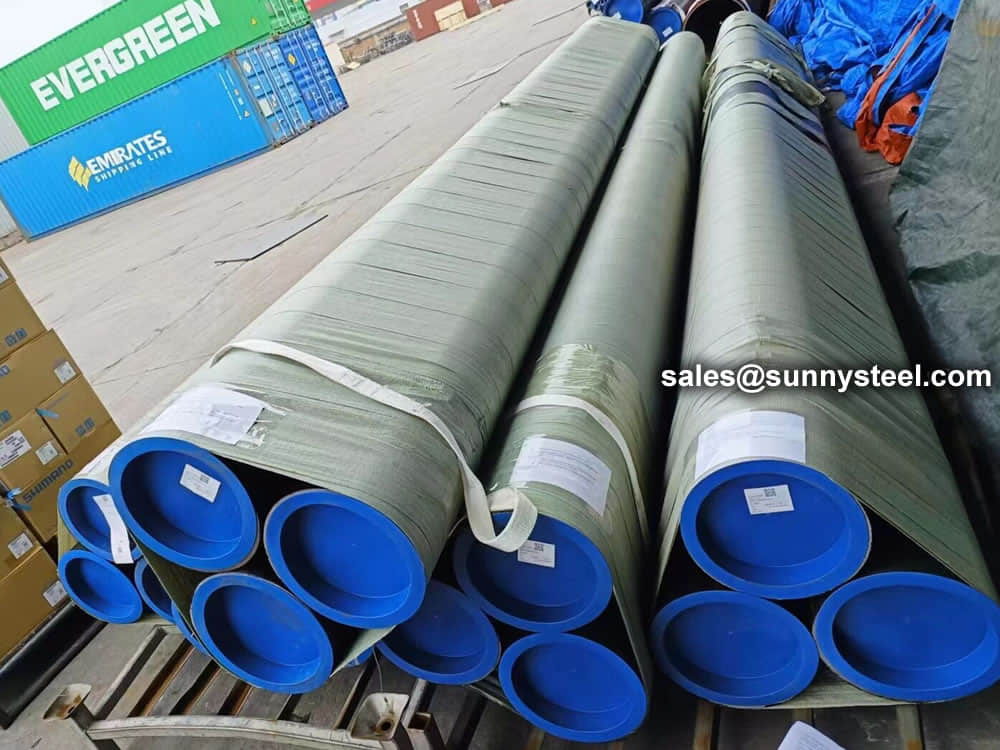
Bare packing / bundle packing / crate packing with wooden protection at both ends, suitable for seaworthy delivery or as requested.
While hundreds of packing methods exist, two principles are mandatory: corrosion prevention and secure sea transport.

Sunny Steel packing can be fully customized to meet customer requirements.
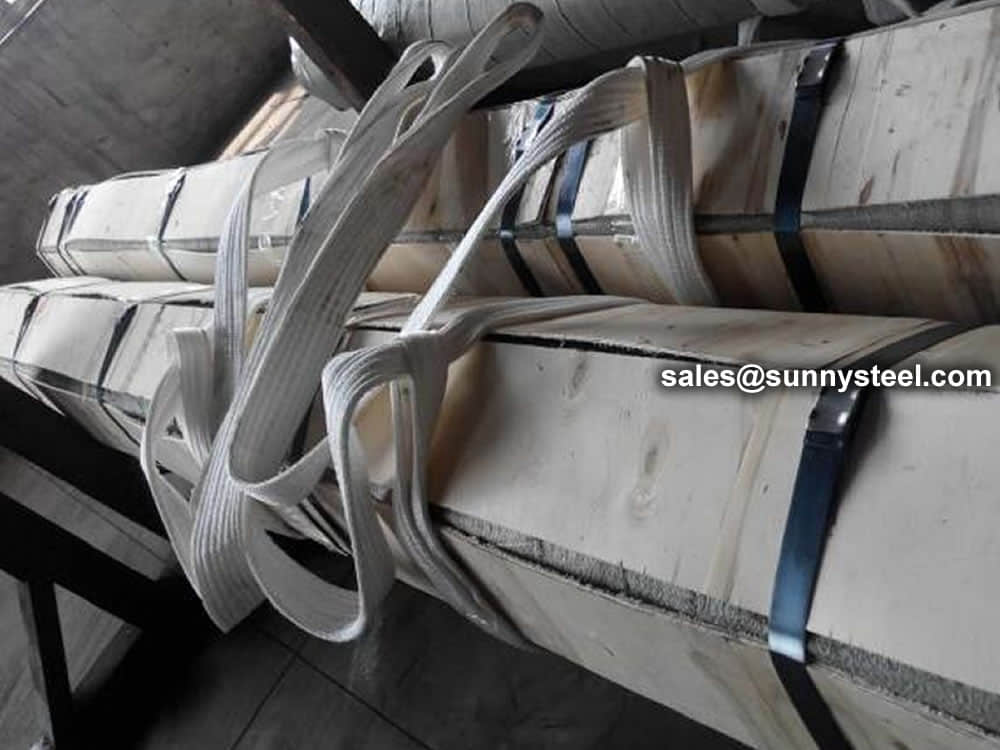
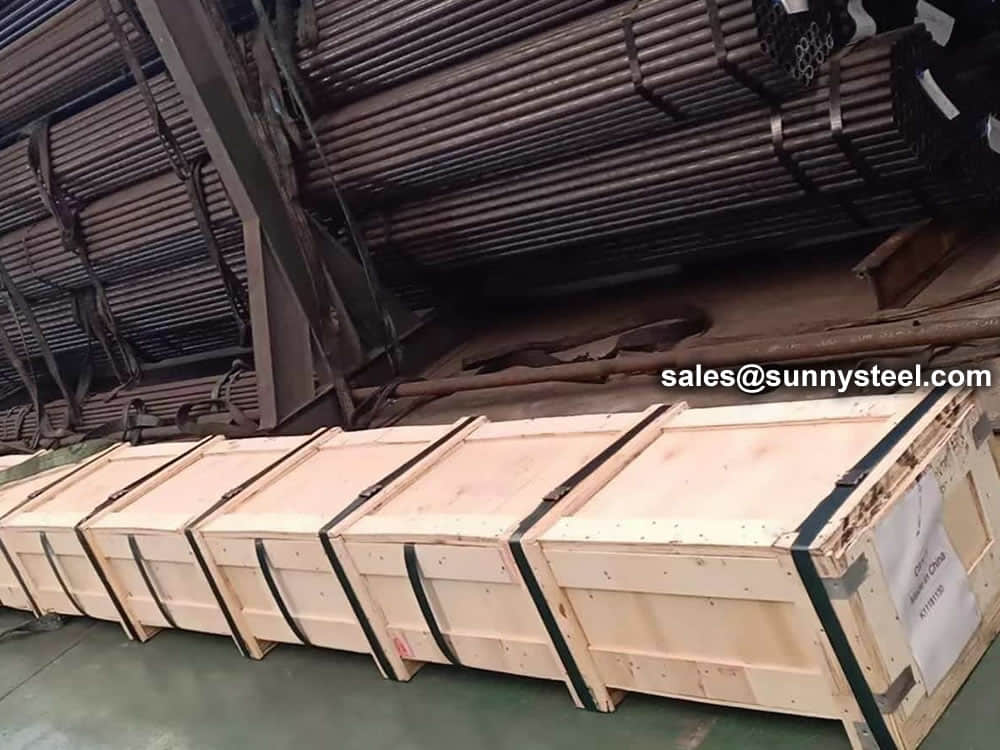
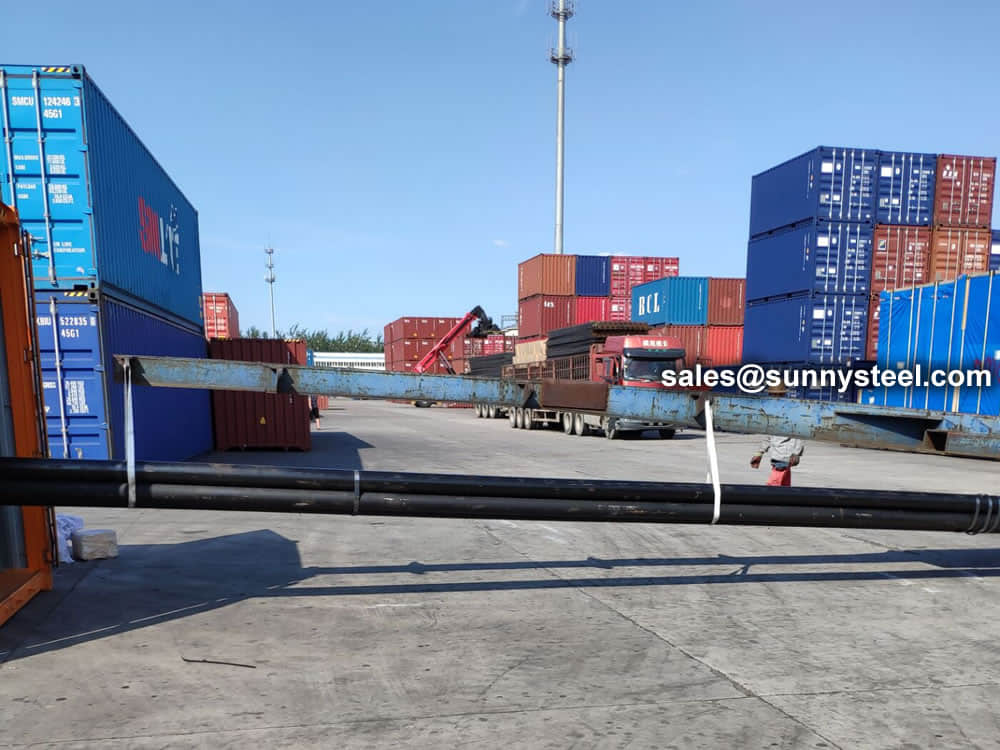
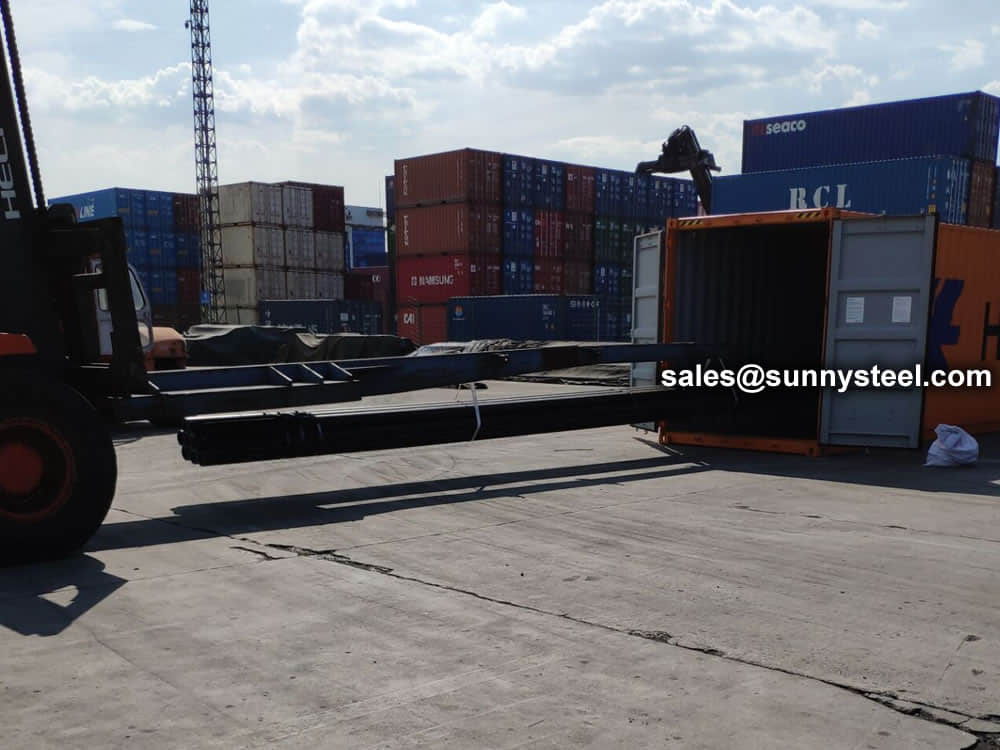
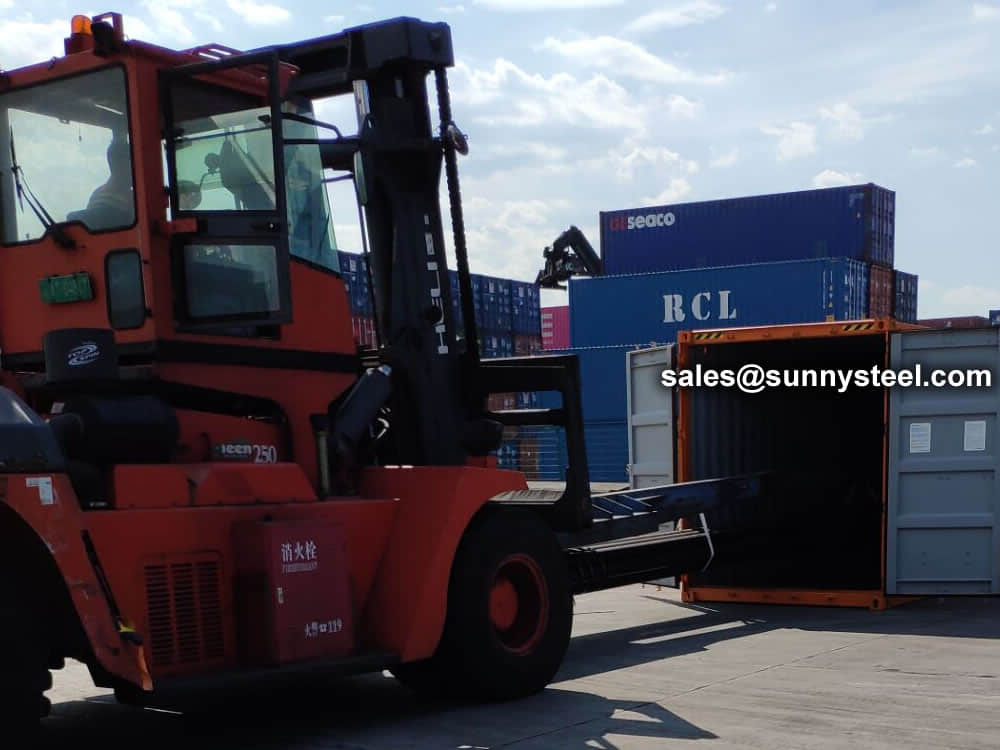
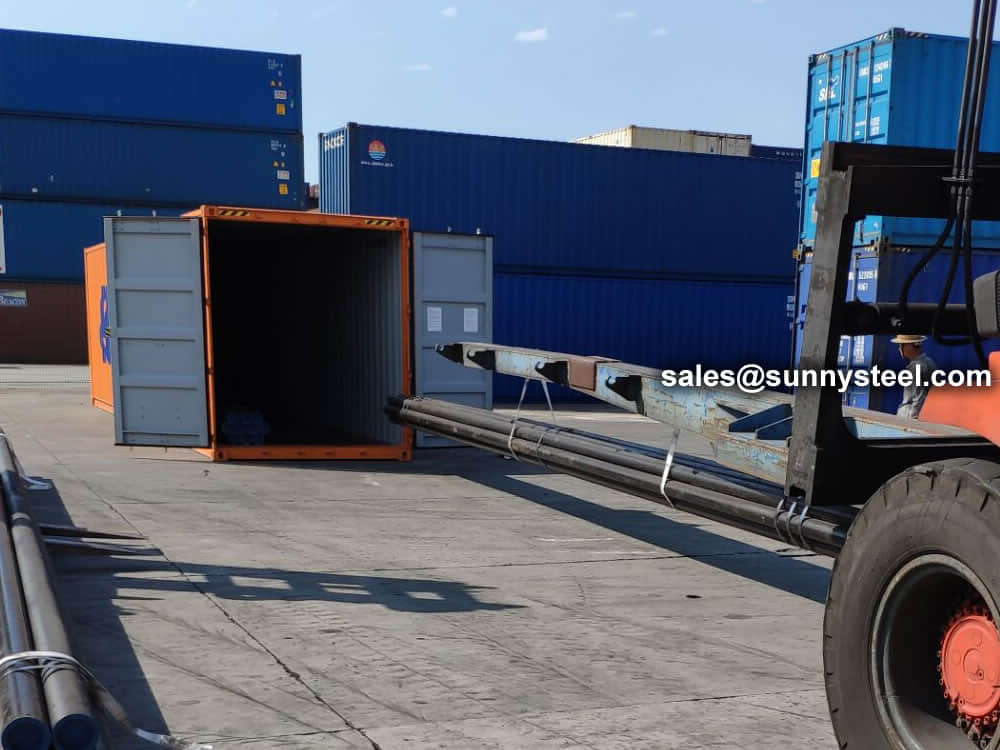
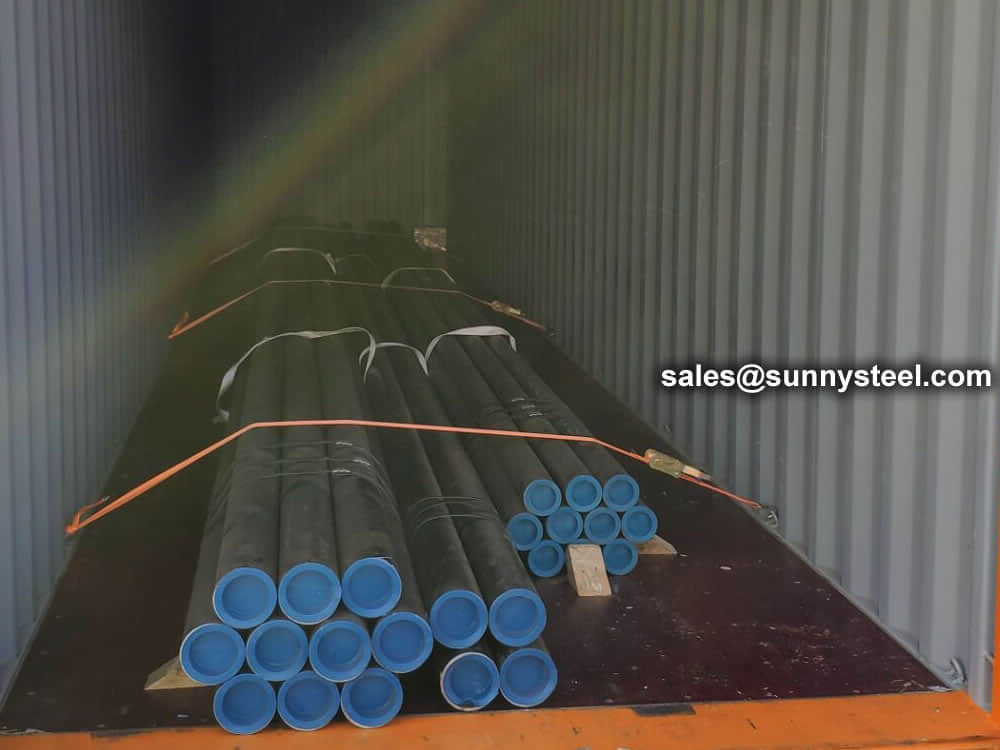
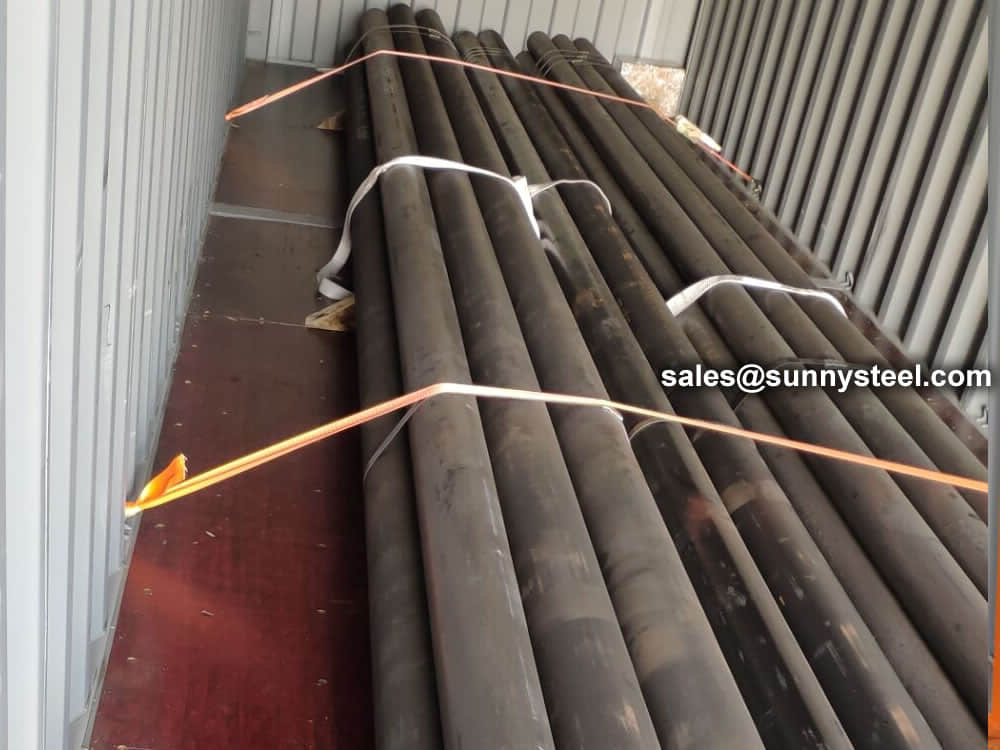
Stainless steel tubes can be beveled at one or both ends to match complementary joints. Beveling simplifies welding preparation, reduces on-site cutting time and lowers installation costs.
Sunny Steel provides heat treatment for selected 400-series stainless steels. Processes include stress relieving, tempering, quenching, normalizing and solution annealing to achieve required mechanical properties and microstructure.
Honing and turning refine the internal surface of tubes and pipes to precise diameters and geometric tolerances. This secondary operation relieves residual stress and improves surface finish after drilling, reaming and heat treatment.
Internal and external polishing is available to meet sanitary, pharmaceutical and high-purity process requirements.
PMI testing verifies alloy composition to ensure compliance with specifications. Sunny Steel performs in-house PMI or coordinates with independent laboratories for critical applications.
UT uses high-frequency sound waves to detect internal flaws, measure wall thickness and verify material integrity. This non-destructive test is routinely applied to seamless and welded stainless steel tubes.
All products are supplied with EN 10204 3.1 Mill Test Certificates. Third-party inspection (SGS, BV, TÜV) is available upon request.
Commonly used alloying elements and their effects are listed in the table given below.
| Alloying Elements | Effect on the Properties |
|---|---|
| Chromium | Increases Resistance to corrosion and oxidation. Increases hardenability and wear resistance. Increases high temperature strength. |
| Nickel | Increases hardenability. Improves toughness. Increases impact strength at low temperatures. |
| Molybdenum | Increases hardenability, high temperature hardness, and wear resistance. Enhances the effects of other alloying elements. Eliminate temper brittleness in steels. Increases high temperature strength. |
| Manganese | Increases hardenability. Combines with sulfur to reduce its adverse effects. |
| Vanadium | Increases hardenability, high temperature hardness, and wear resistance. Improves fatigue resistance. |
| Titanium | Strongest carbide former. Added to stainless steel to prevent precipitation of chromium carbide. |
| Silicon | Removes oxygen in steel making. Improves toughness. Increases hardness ability |
| Boron | Increases hardenability. Produces fine grain size. |
| Aluminum | Forms nitride in nitriding steels. Produces fine grain size in casting. Removes oxygen in steel melting. |
| Cobalt | Increases heat and wear resistance. |
| Tungsten | Increases hardness at elevated temperatures. Refines grain size. |

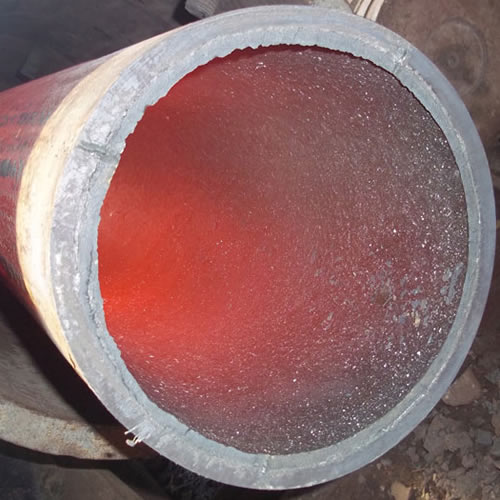
Ceramic lined pipe is made through self-propagating high-temperature synthesis (SHS) technique.
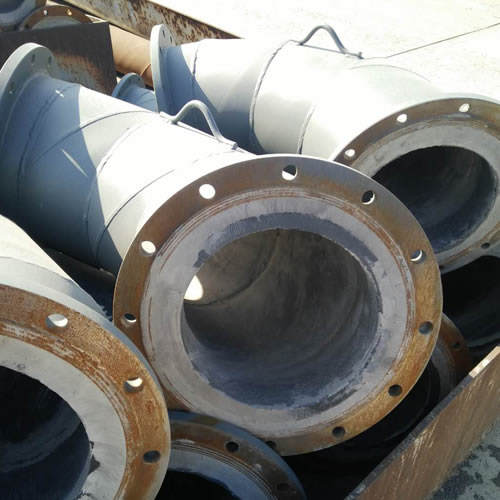
Cast basalt lined steel pipe is composed by lined with cast basalt pipe, outside steel pipe and cement mortar filling between the two layers.
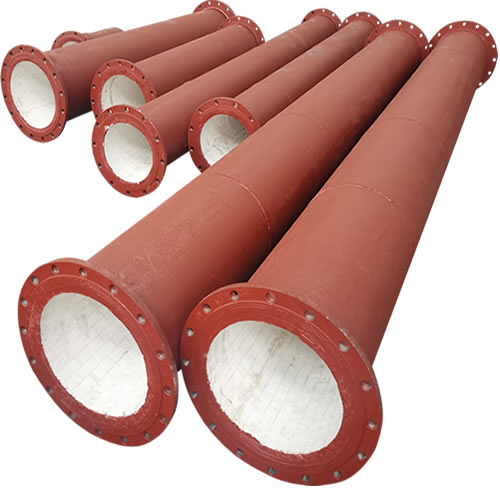
Ceramic tile lined pipes have very uniform coating of specially formulated ceramic material that is affixed to the inner of the pipe.
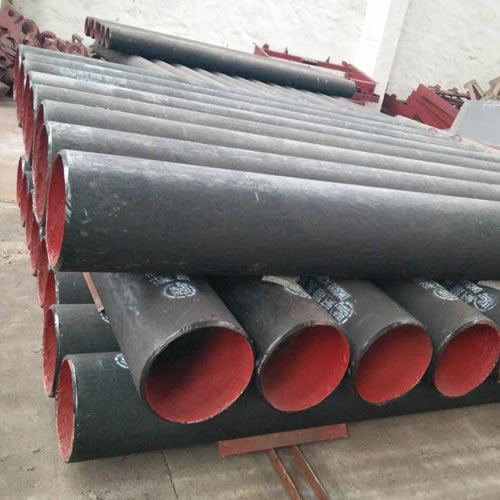
The material of the rare earth alloy wear-resistant pipe is ZG40CrMnMoNiSiRe, which is also the grade of rare earth alloy steel.
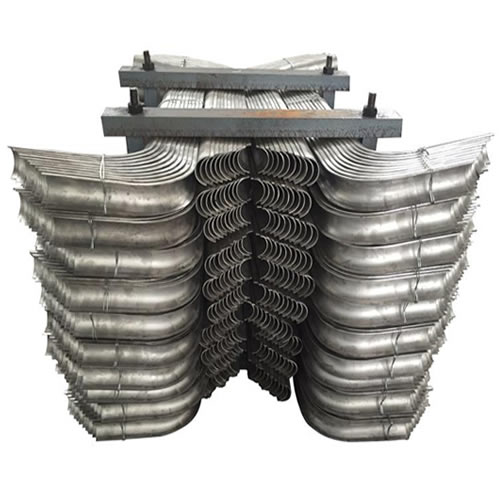
Tubes Erosion Shields are used to protect boiler tubing from the highly erosive effects of high temperatures and pressures thereby greatly extending tube life.
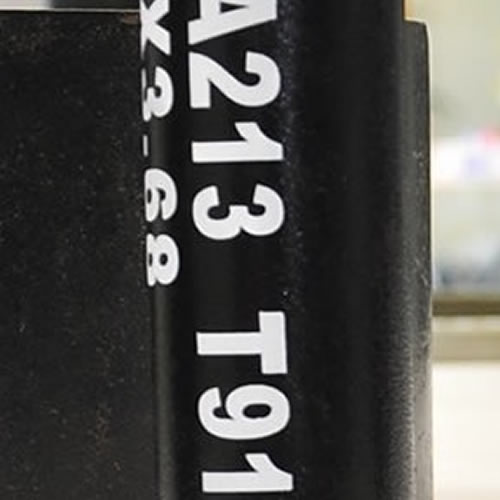
The ASTM A213 T91 seamless tubes are primarily used for boiler, superheater, and heat-exchanger.

When you partner with Sunny Steel, you can stop worrying about meeting deadlines thanks to our responsive and timely service. You'll also say goodbye to unnecessary shopping around. Instead, you'll get white glove service from an expert who understands your needs and can get you the materials you need quickly.